


A note on the words: unagi is freshwater eel; kabayaki is eel split, steamed and grilled with a soy tare, and unaju the same laid over rice in a lacquered box; shirayaki is grilled plain, without tare, and eaten with salt and wasabi; unamaki is eel rolled into a thick omelette; kimoyaki is the grilled liver and kimosui a clear soup made with it. Otoshi is the small dish brought unbidden and charged as a seat fee, and nikogori a savoury jelly set from simmering stock. The three unaju grades, i, ro and ha, are the first three letters of the old Japanese alphabet, used here as small, middle and large. Prices are as of this writing (August 2026).
Table of Contents hide
Yaesu Unagi Hashimoto on Tabelog (English) — opening hours, payment details and the Japanese address are kept up to date there, not here.
I want to eat something good today as well. This is Hangover Meshi. This time, eel. Yaesu Unagi Hashimoto is another place I have long wanted to visit. A few minutes on foot from the Yaesu exit of Tokyo station. At a glance on the map it looks to be on the main road, but look closely and it is down a narrow lane. There is also an eel-skewer shop nearby, so you cannot even navigate by the smell of grilling eel, and I got mildly lost.
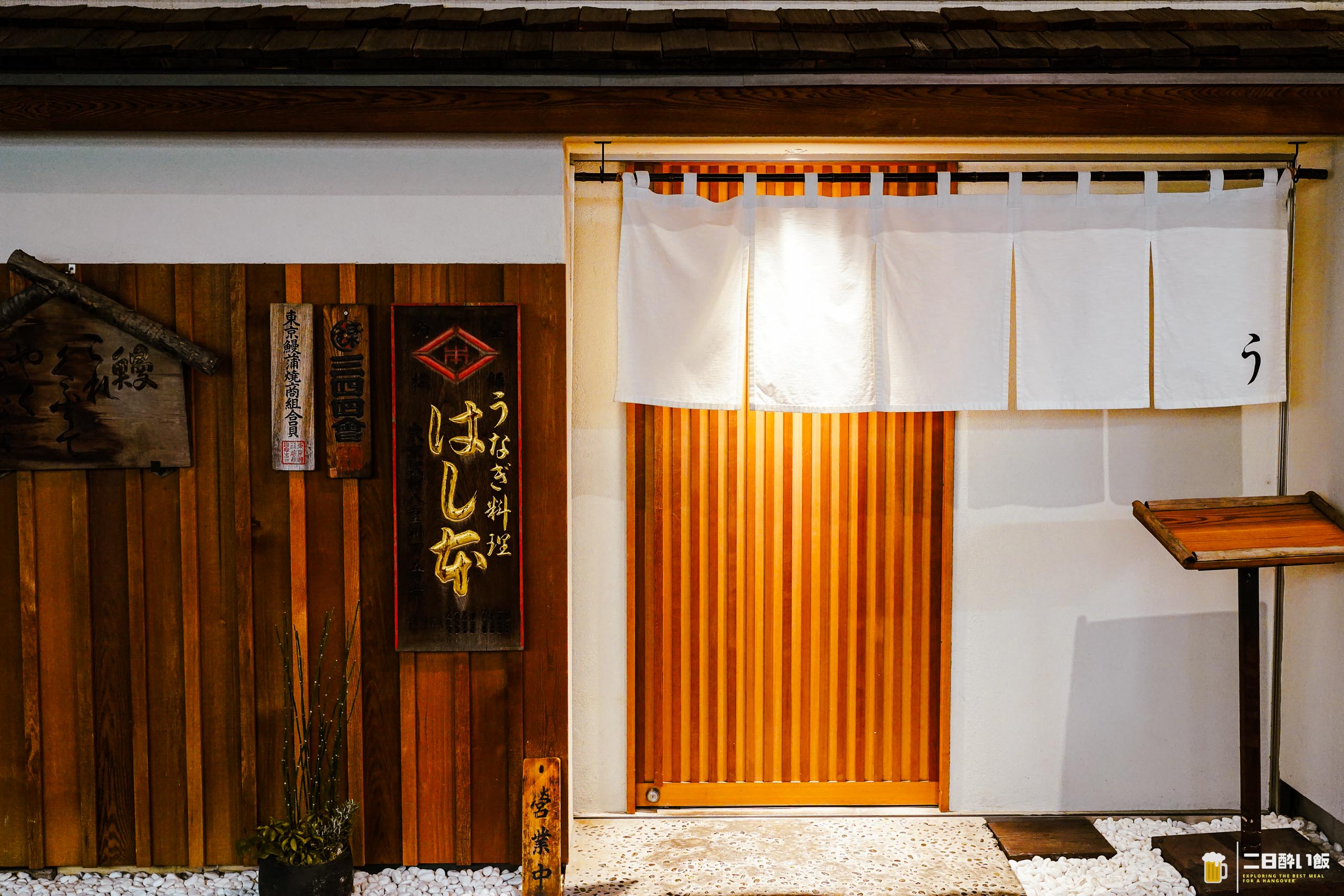
Inside there is a raised tatami area and counter seats. Is there an upstairs? I could not quite tell.
Unaju “i”, 4,500 yen
Unaju “ro”, 6,000 yen
Unaju “ha”, 8,000 yen
The unaju comes in three grades: i, ro, ha.
If you have decided on other dishes as well, they ask you to write them in when you book.
I had written a good deal in advance. On the day there were a few things they could not prepare, but in the main all I had to do was sit and wait for it to come out at the right pace. An easy system, this.
Right. Order a beer and we begin.
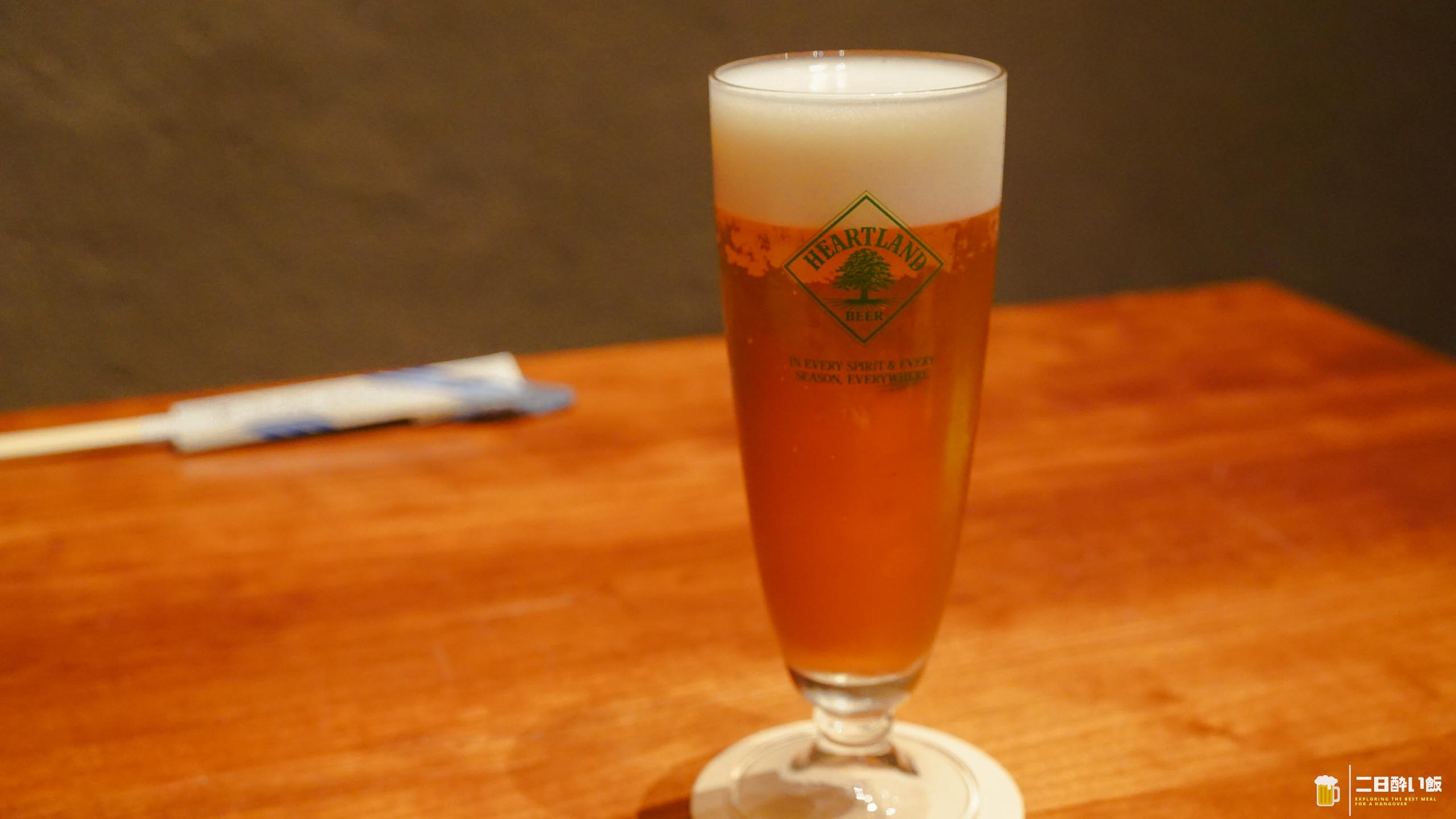
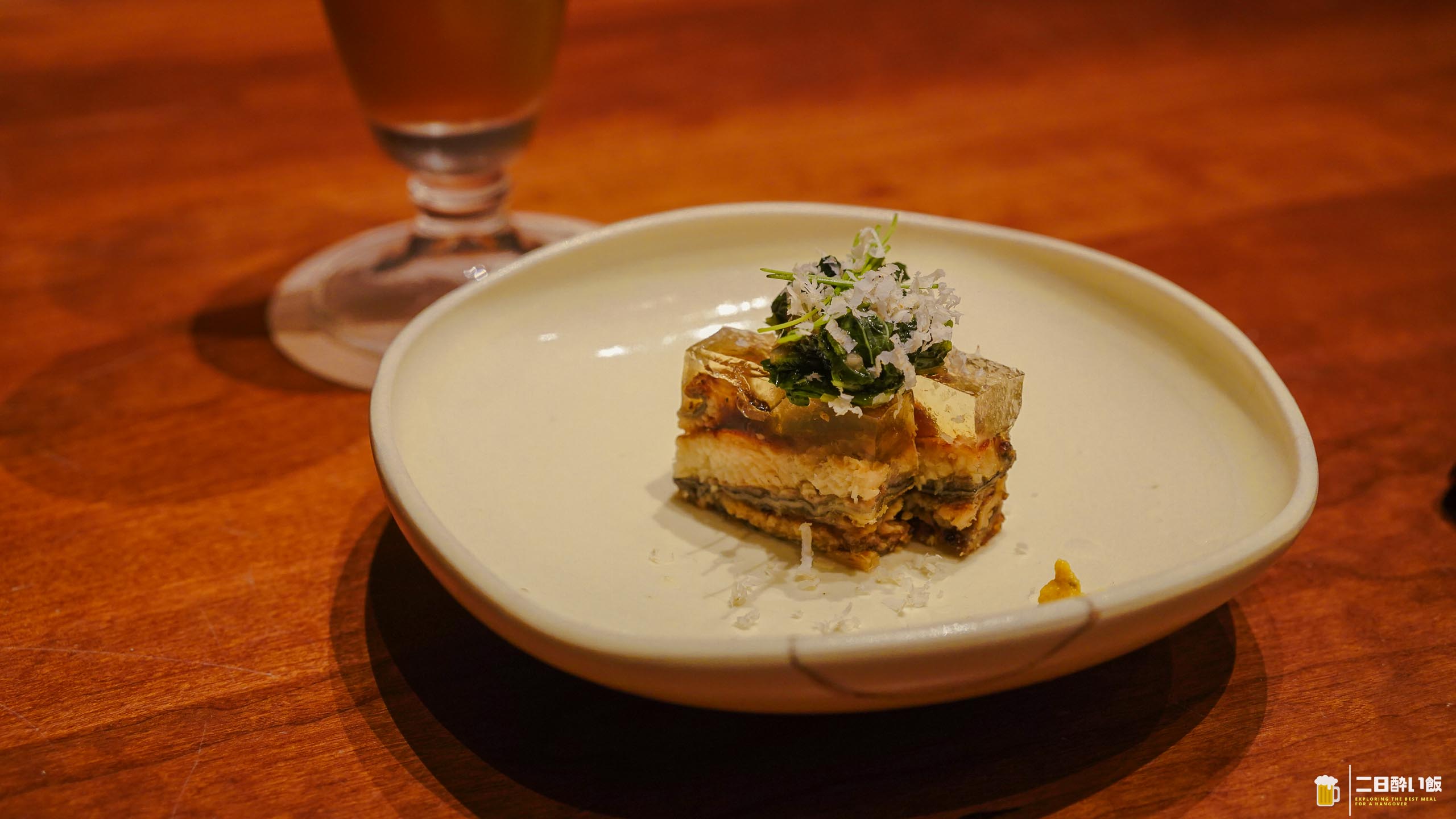
The otoshi is nikogori.
On top was a slippery green leaf, something like moroheiya, though I do not know what it was.
Malabar spinach, perhaps. Either way, the nikogori, with the flavour of eel and a firm savour, is good.
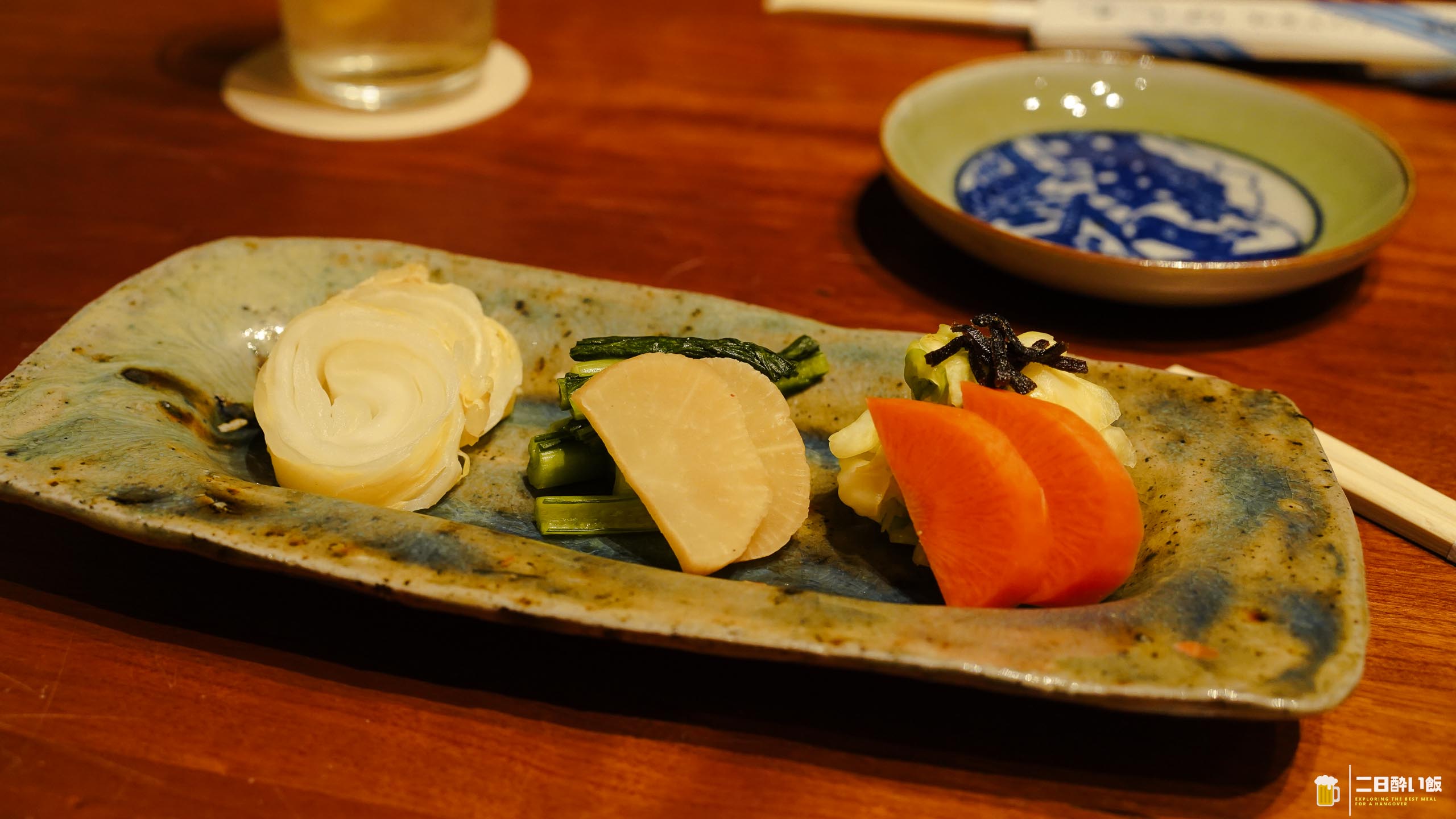
The pickles, ordered from the start.
I am not the sort who adores sake, but sake drunk with pickles I like very much.
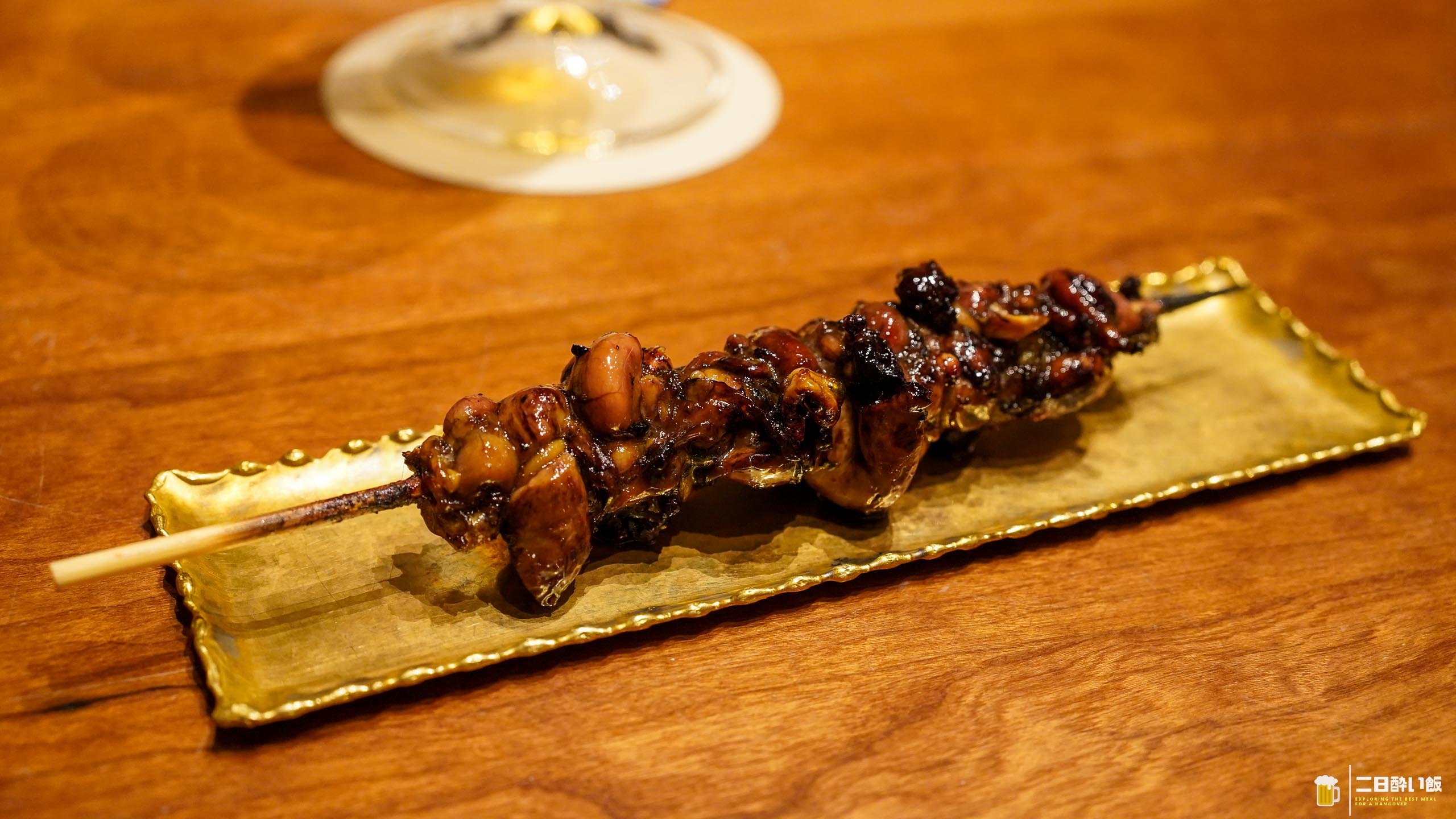
Grilled liver. The liver skewers had sold out that day, they said, but there is liver in the kimoyaki anyway, so no matter.
A measured bitterness, the flavour of the eel, and a sharp tare. Good. Grown-up food, this.
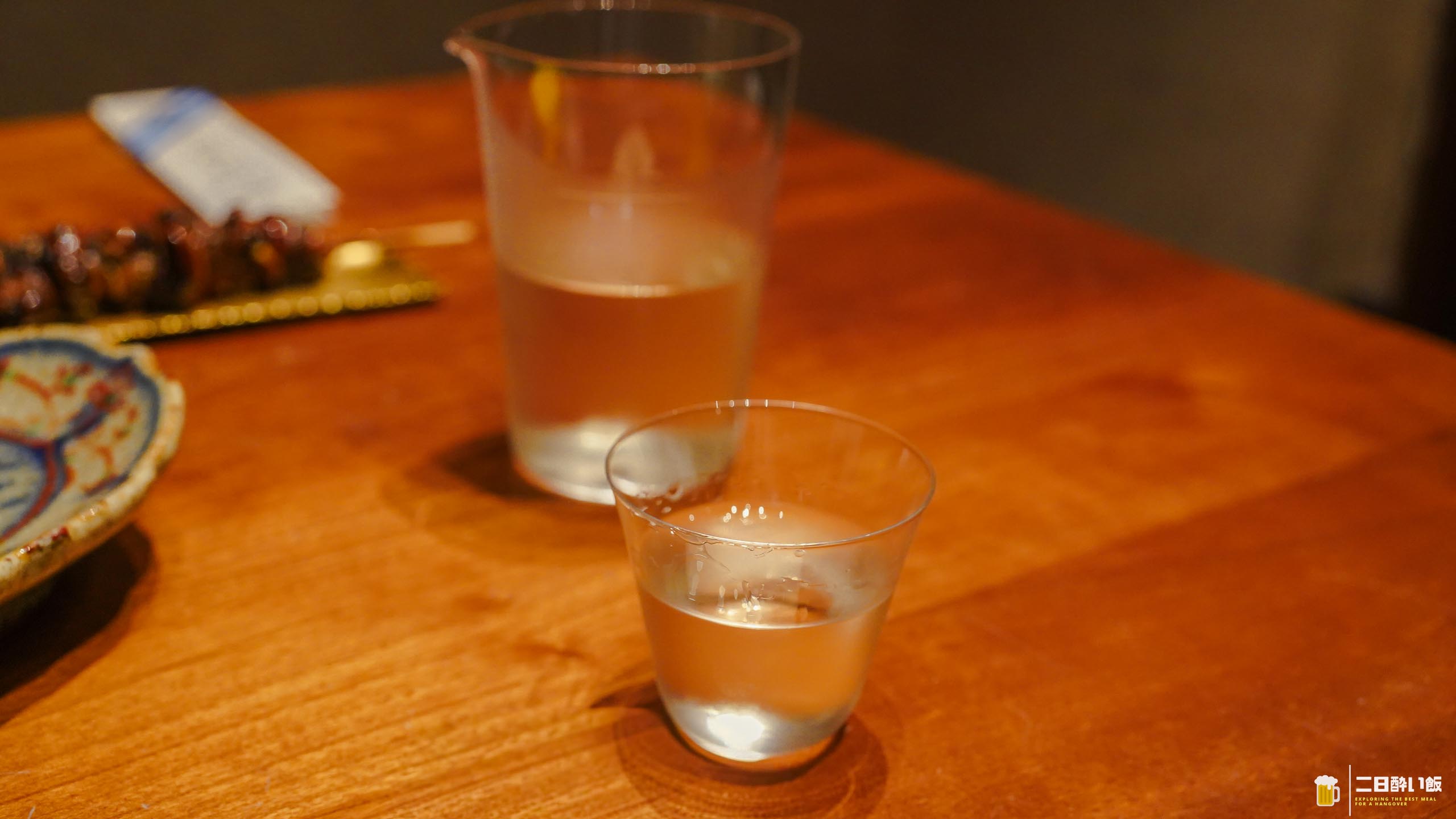
I could not hold out; sake.
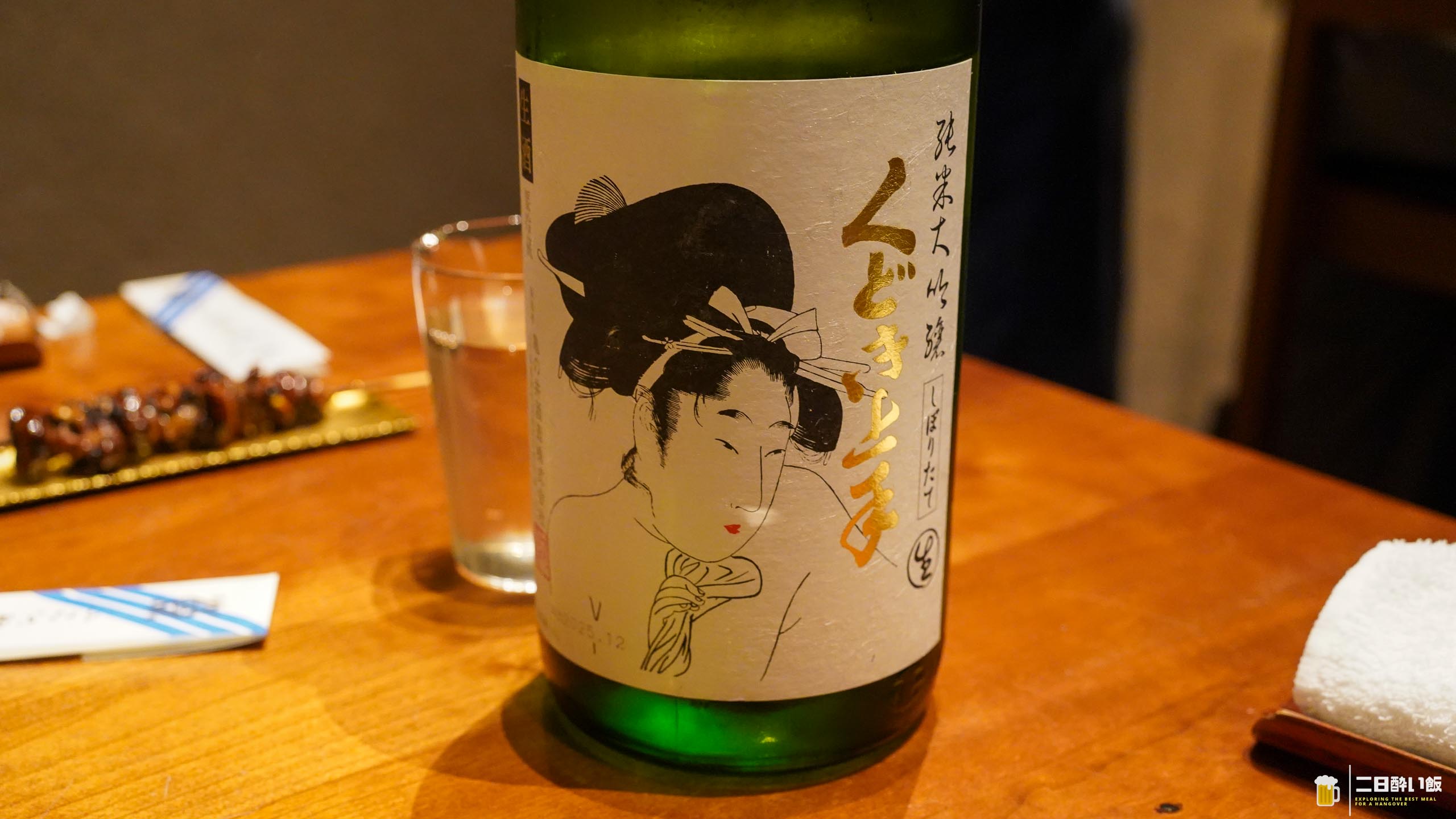
It goes with sake superbly. The grilled liver is very good indeed.
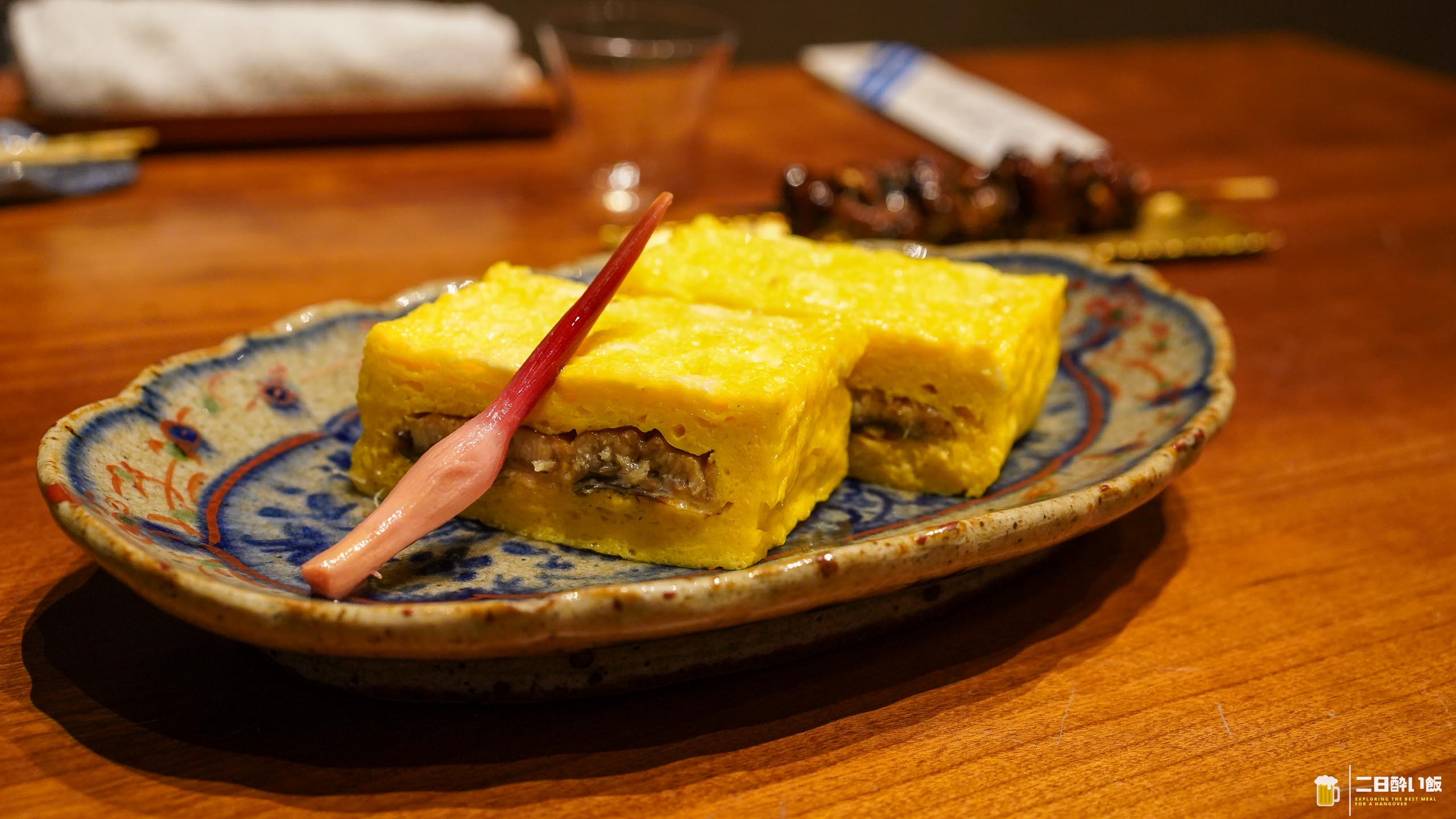
That clean yellow and the thick layer of egg — a beautiful-looking unamaki.
Eating it, the egg is fluffy. A very gentle flavour.
The savour of the kabayaki eel is dissolved thoroughly into the sweetness of the egg.
A light, soft feel in the mouth, and the fragrance of the eel. Excellent on its own.
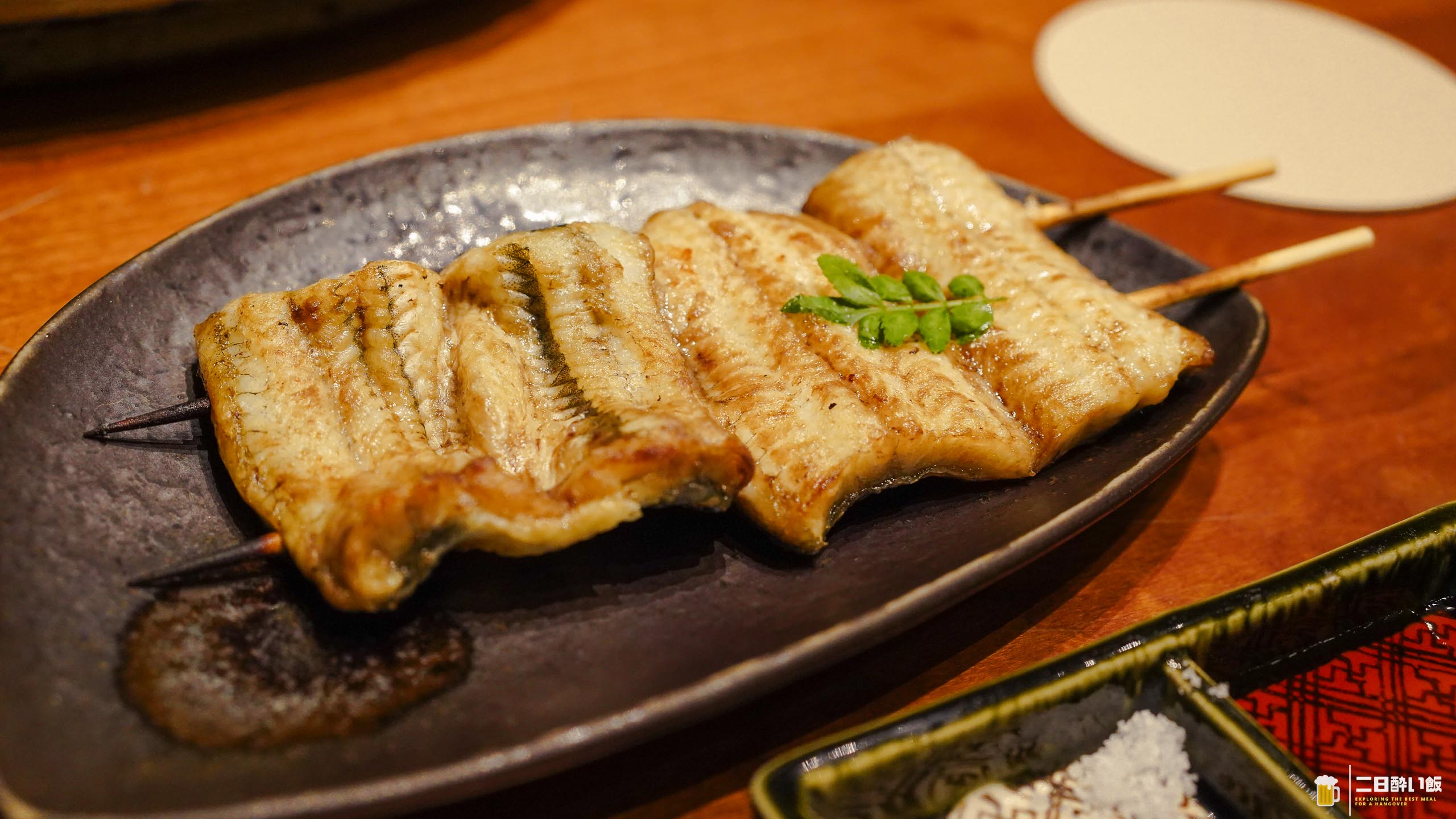
Bite-sized shirayaki. A whole shirayaki is a bit much, is it not? — this bite-sized skewer is for exactly that person.
Being on a skewer it is easy to eat one-handed, which makes the sake-and-skewer loop easy to keep going.
Precisely because no tare is used, the sweetness of the eel fat and the softness of the flesh come through directly; the surface is fragrant, the inside plump, and it is very good. Eating it with salt and wasabi tightens the flavour and makes the fine fat of the eel stand out.
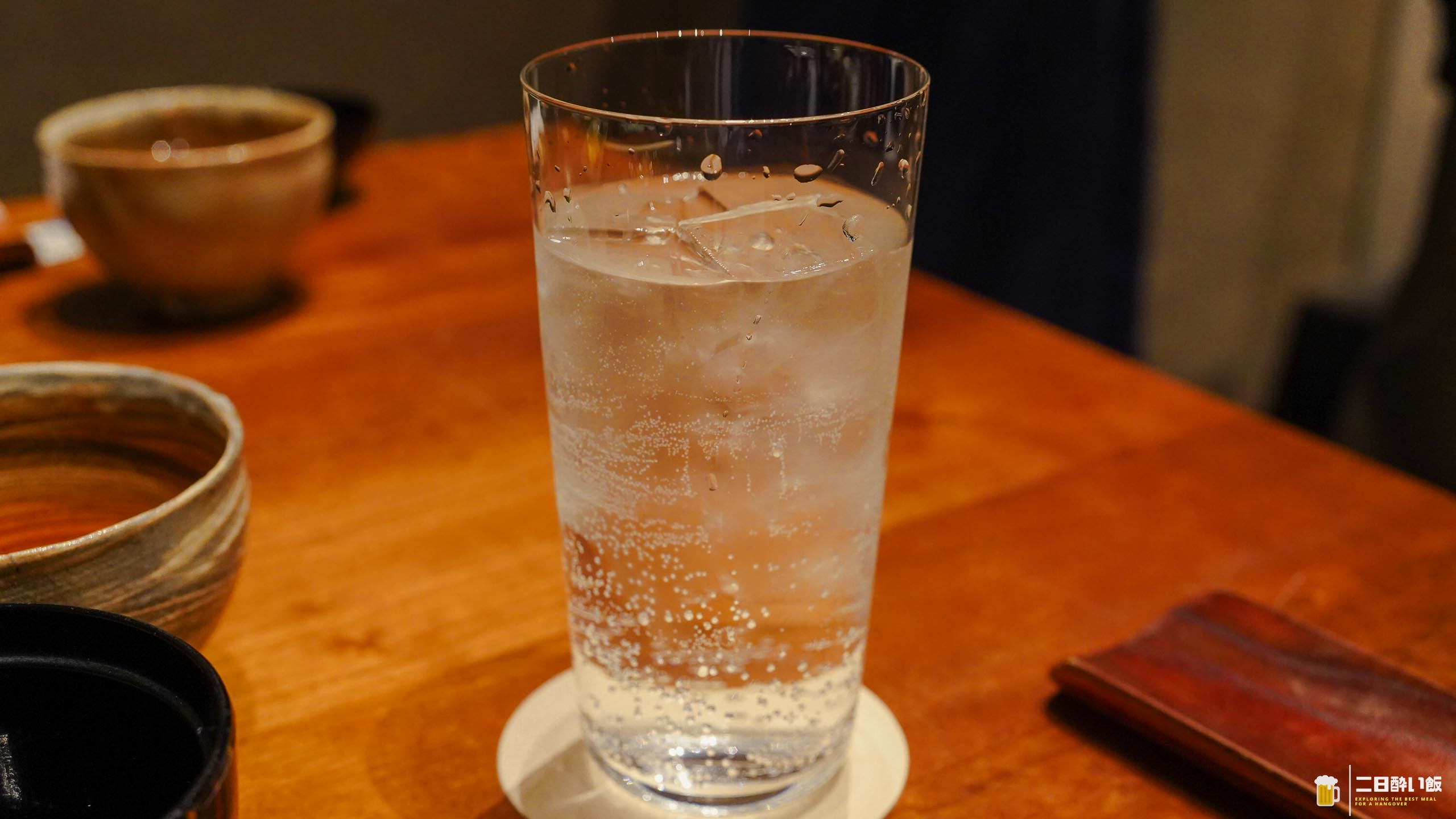
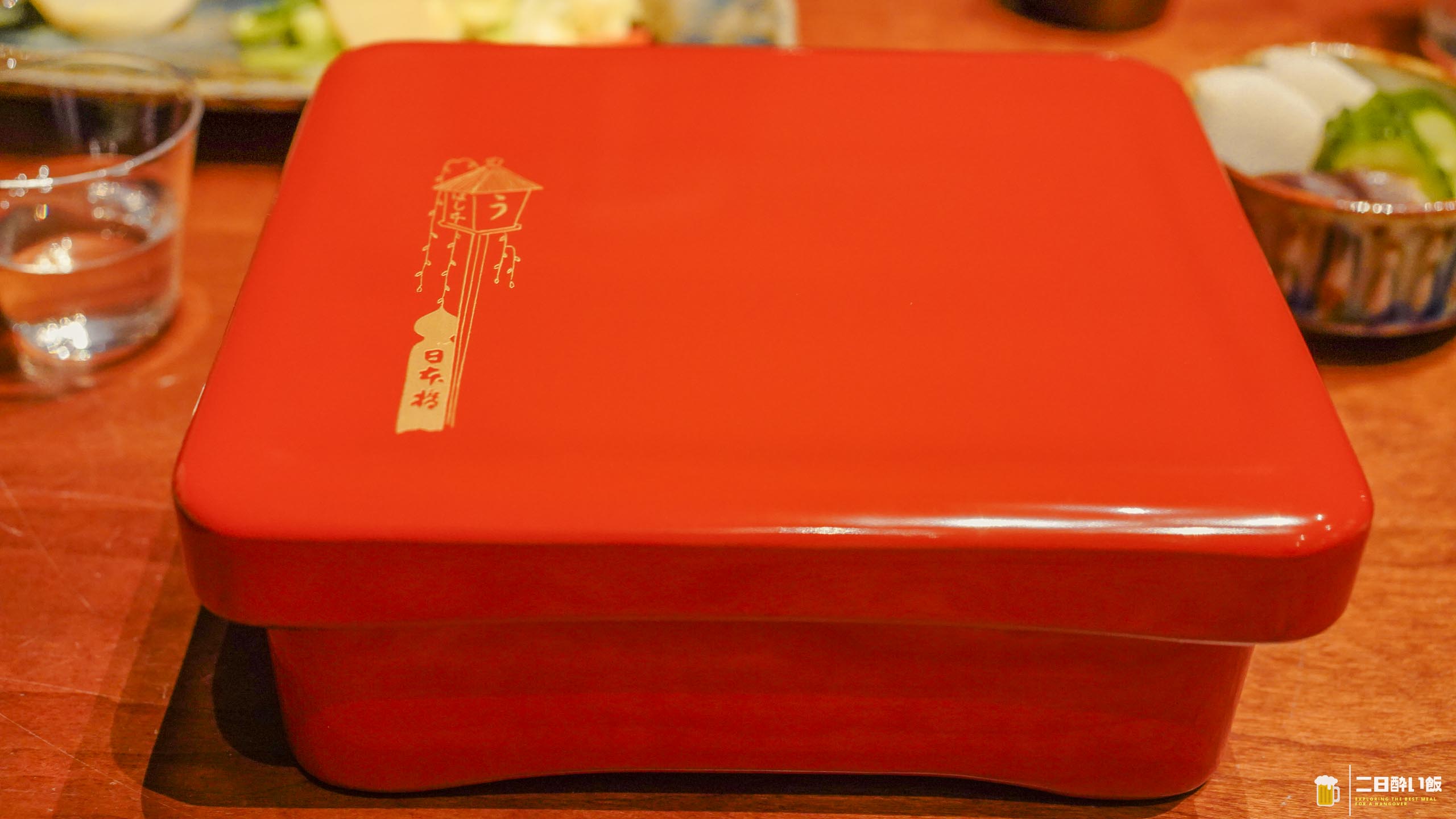
And now, at last, the unaju. A beautiful vermilion box.
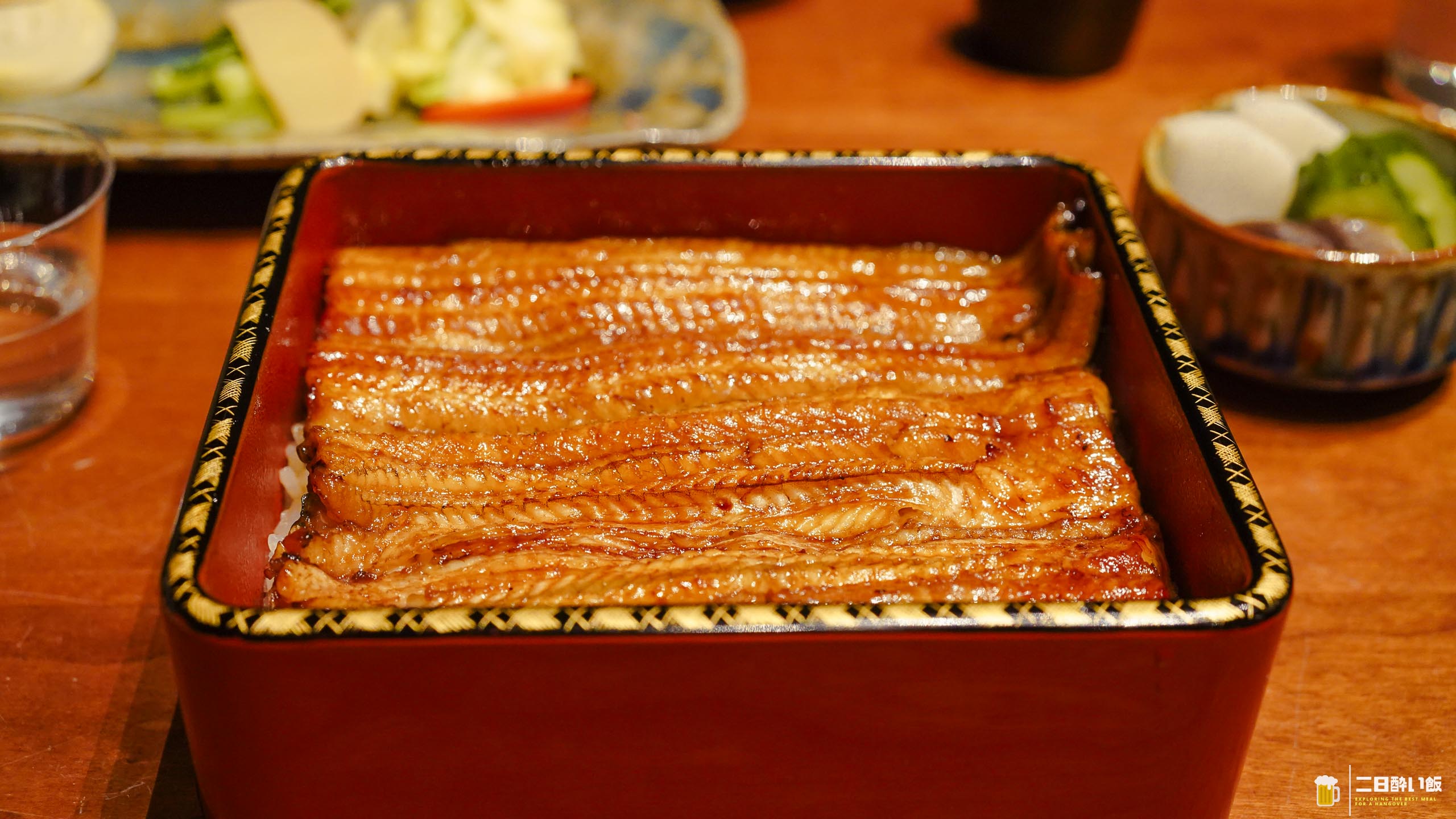
There! It looks marvellous.
One mouthful and I was moved. The shirayaki was good, but this tare is irresistible. It suits drink beautifully, and the glossy amber tare with the plump flesh of the eel is a fine thing. Here they split a live eel for each order, steam it carefully, and finish it over charcoal, so the outside is fragrant and the inside soft and floury. Superb.
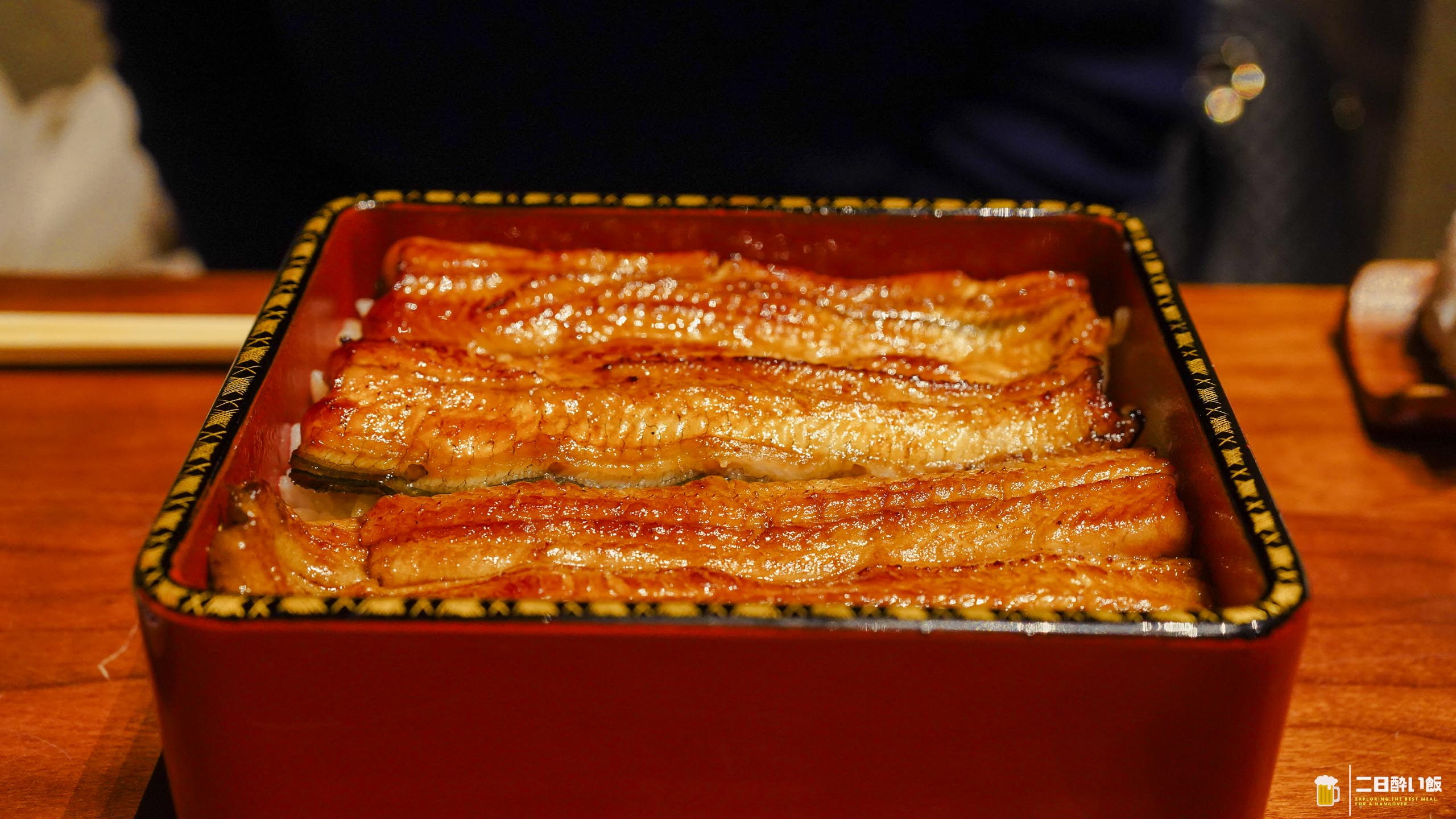
The rice carries a firm flavour, and the tare, sharp rather than sweet, lifts the savour of the eel.
Mm. This kabayaki is good.
Fine as something to drink with, superb with rice — no weak side at all.
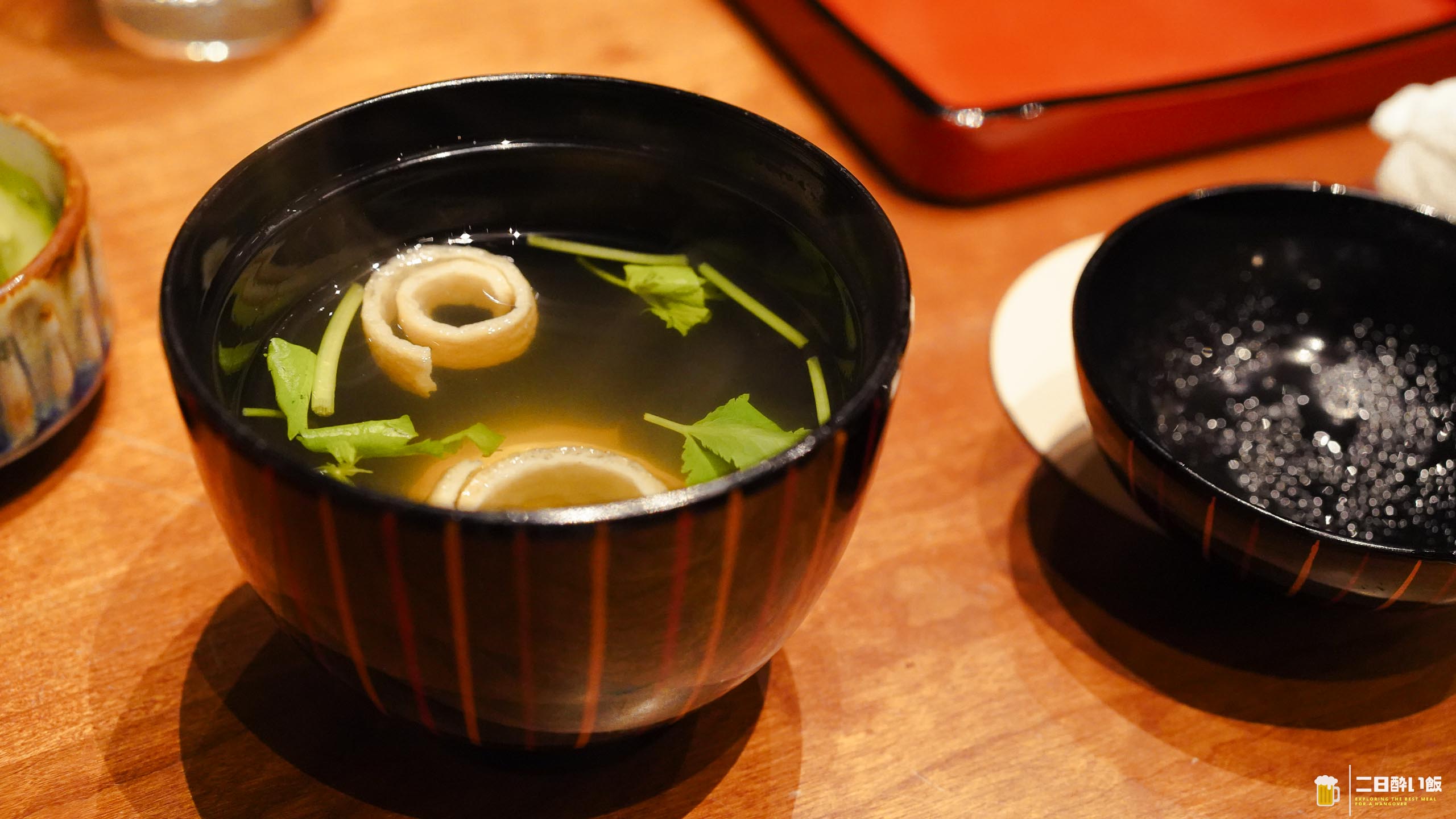
Do add the kimosui. It cleans up the fat of the eel so that the next mouthful lands clearly again.
Thoroughly satisfying. Extremely good.
I went to a long-established eel house a step from Tokyo station and spent a marvellous stretch of time in a relaxed room. Drinking, picking at small dishes, waiting for the eel to finish grilling — that experience is itself very good, and the eel that arrives is of the highest order. The eel matters, of course, but so does everything leading up to it: the atmosphere, the room, all of it together makes the experience. Recommended.
Yaesu Unagi Hashimoto (Unagi / Nihombashi Station, Tokyo Station, Mitsukoshimae Station)
Tabelog dinner rating ★★★★☆ 4.5
I ate here and paid for it myself. Nothing on this site is a comped meal.
One more for the road?


