


A note on the words: unagi is freshwater eel, and unaju is grilled eel glazed with a sweet-savory soy sauce (tare) and laid over rice in a lacquered box; tokujo means the top grade, and unadon is the same idea served in a bowl. The tokujo set apparently comes with Moriguchi-zuke (a long radish pickled in sake lees) and a clear soup rather than kimosui (eel-liver soup). Uzaku is grilled eel and cucumber dressed in vinegar, kimoyaki is grilled eel liver on a skewer, and Kicchomu is a barley shochu (a distilled spirit), here mixed with soda. The author calls drinking before the eel arrives unagi-mae, literally “before the eel.”
Unagi Kubota on Tabelog (English) — opening hours, payment details and the Japanese address are kept up to date there, not here.
Fellow members of the Church of Unagi, thank you for waiting! It is time for Hangover Meshi!
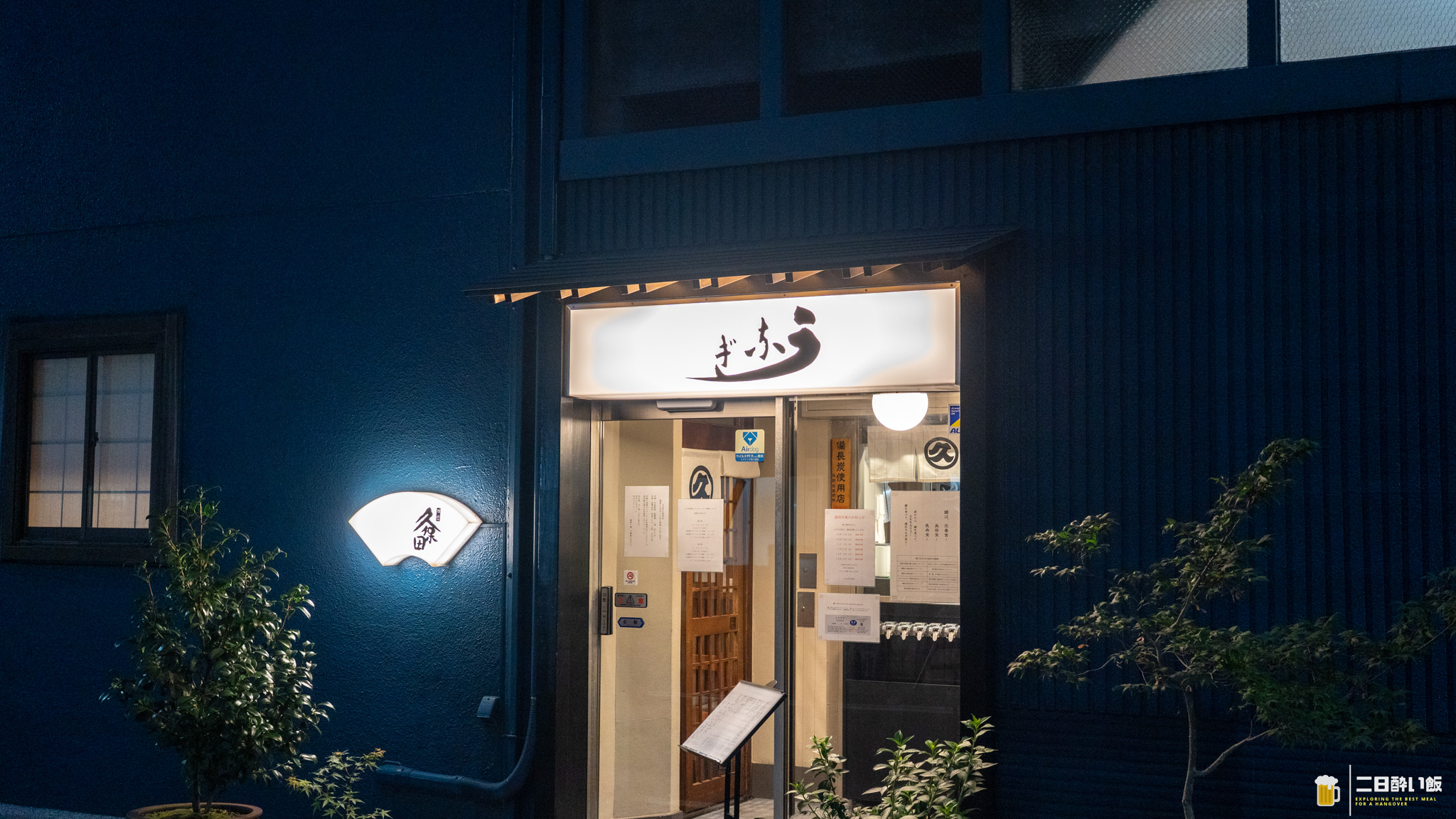
Two minutes from Suehirocho Station, this is an unagi (freshwater eel) restaurant that has been going since Meiji 30 (1897). The river-fish wholesaler right across the street is apparently the head family, and they apparently select their eels from there. The building is new, though it has a nice feel to it, ha.
I actually showed up once before without a reservation and found it full, so I could not get in.
This time I made sure to book ahead before coming!
I was shown to the tatami room upstairs, where a few groups were already seated.
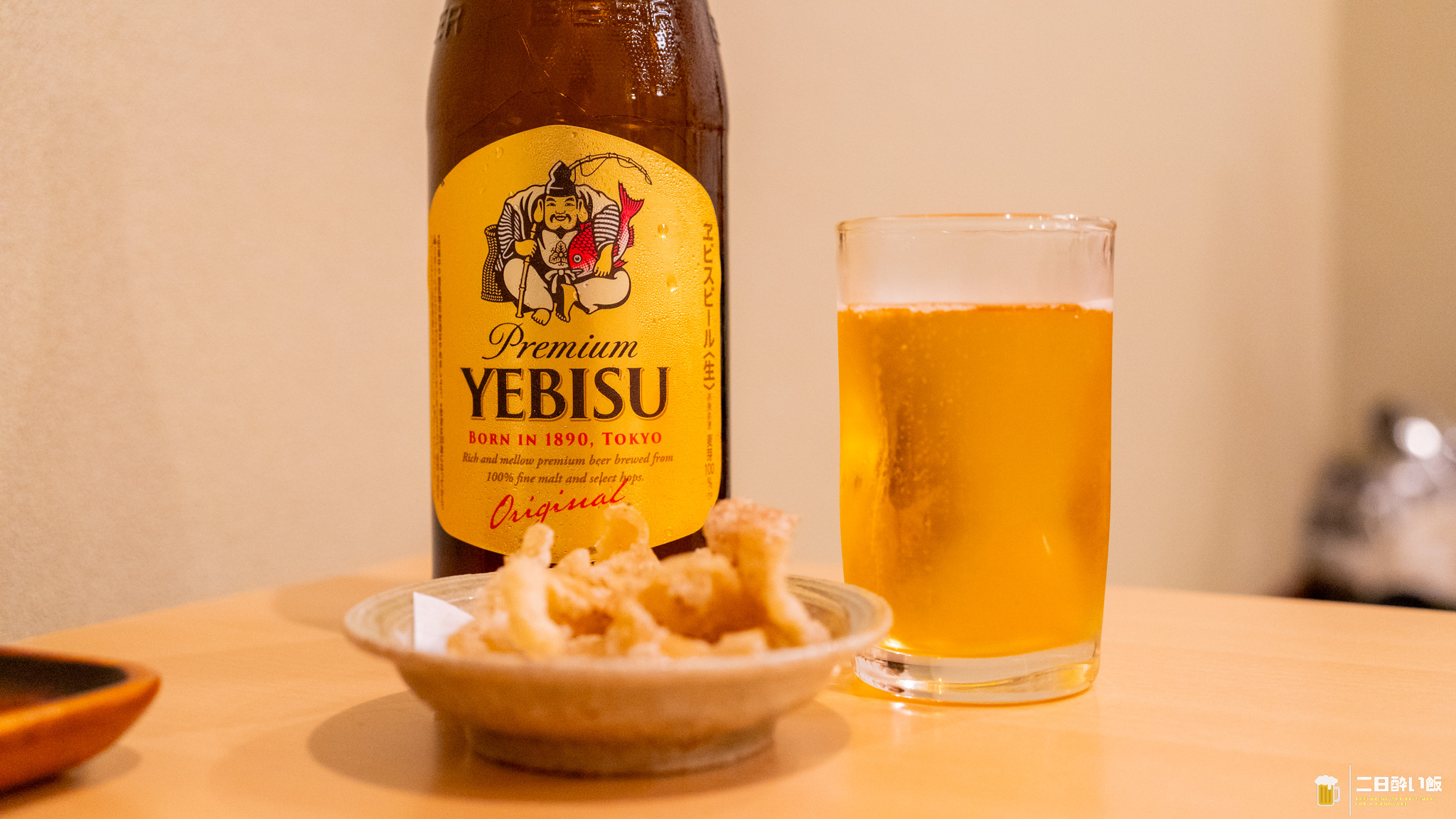
I live for this beer! lol
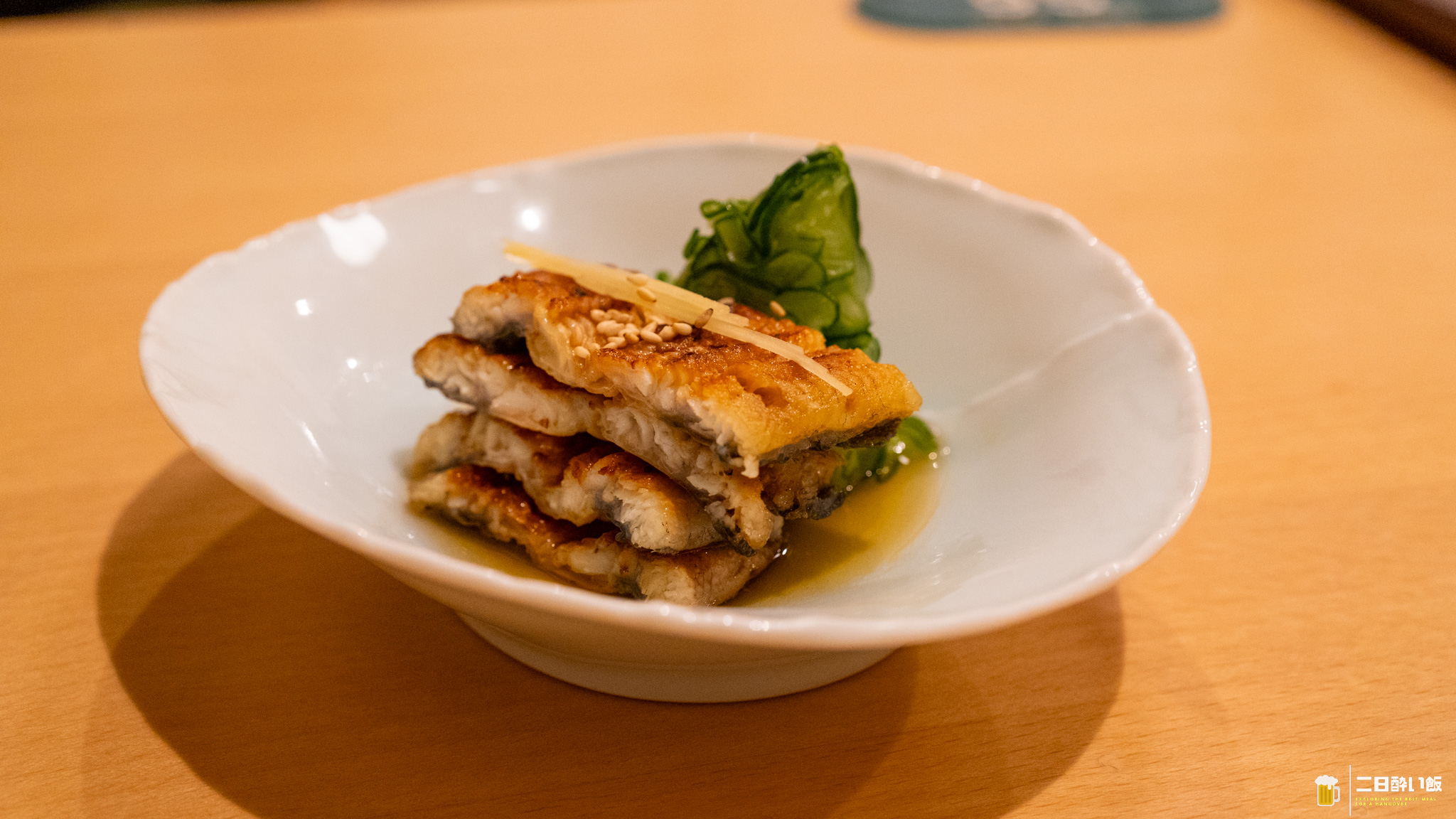
It is not cheap, though. Lately I keep finding myself ordering uzaku (grilled eel and cucumber dressed in vinegar) before the eel.
The vinegar hits gently; just as the fat of the eel melts softly, the acidity arrives half a step behind, giving it a refreshing feel that suits the hot season. Crisp, crunchy cucumber comes in between so your palate never tires, while the bite of needle-shredded ginger and the aroma of sesame tighten up the finish. It keeps the savory char of the grill while feeling as if only the heavy fat has been taken out — I could not ask for a better snack while waiting for the eel!
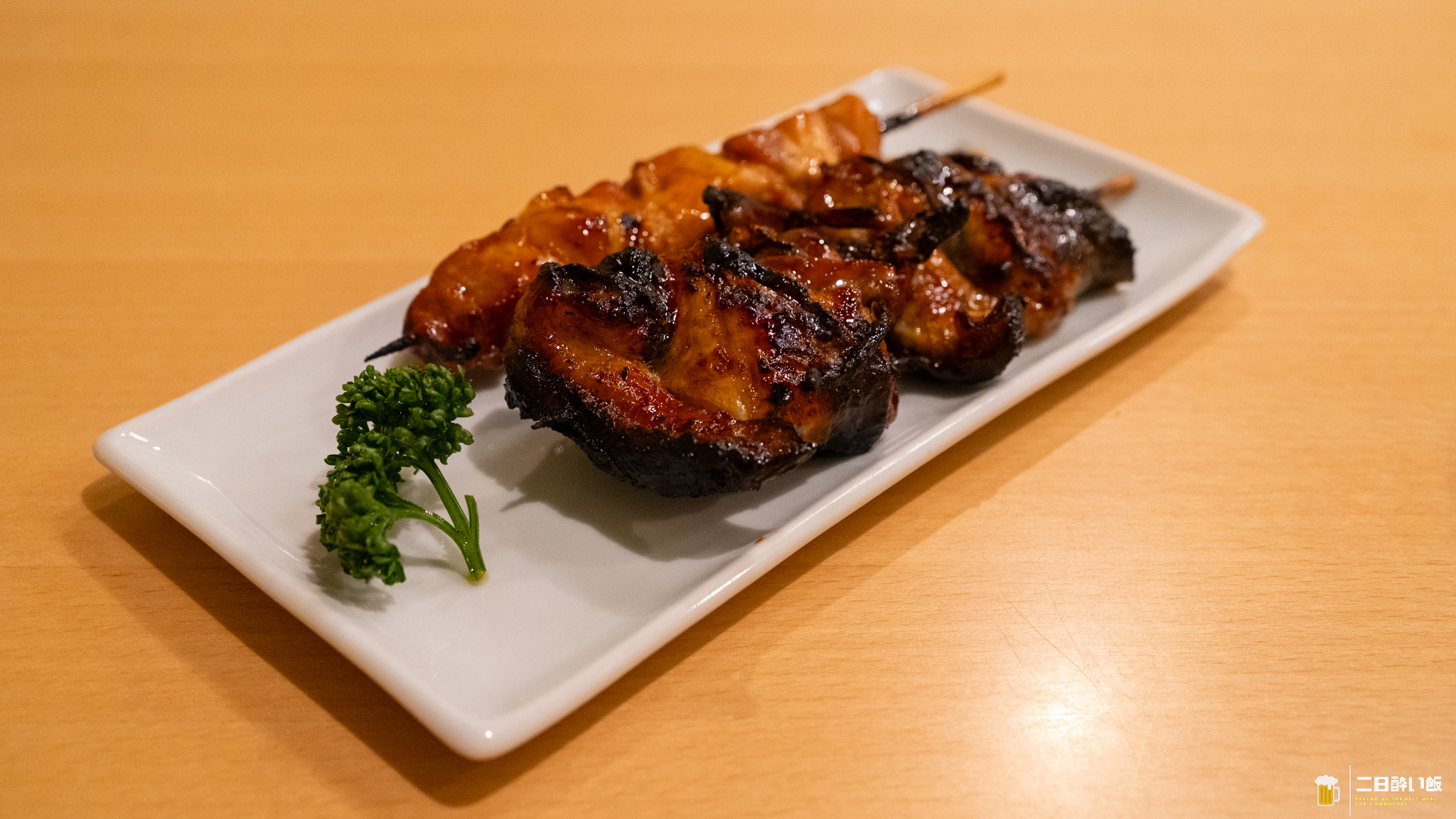
I have been quite curious about the yakitori (grilled chicken skewers) at eel restaurants lately, ha, so I gave it an order.
Ordered on its own, the eel liver (kimoyaki) is 1,200 yen a skewer and numbers are limited, so if you want one it is safer to ask for it right at the start. Bite into it and a pleasant bitterness oozes out, with the sweet-salty tare (glaze) chasing right behind to round it together. It is sticky and rich yet does not linger. What is more, their grilled liver skewer actually comes with quite a lot of eel meat on it! Being able to savor the fluffy eel flesh and the liver together is wonderful (I had thought 1,200 yen was steep, but the eel meat on it turned out to be the trick behind the price).
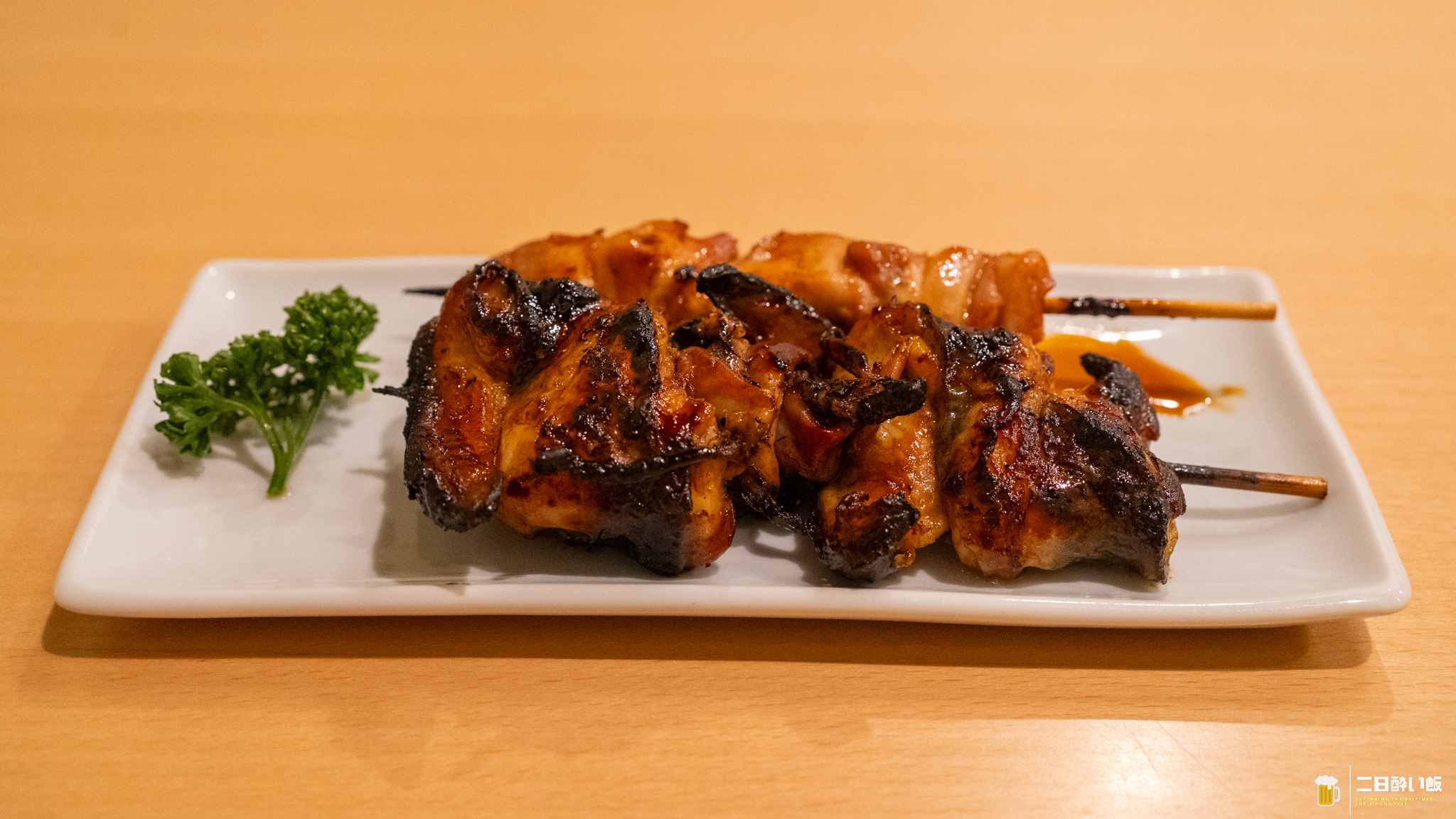
And the yakitori is apparently made with Daisen chicken from Tottori; the crisp snap of the skin and the aroma of the charcoal come through first. Yakitori at an eel restaurant really is delicious.
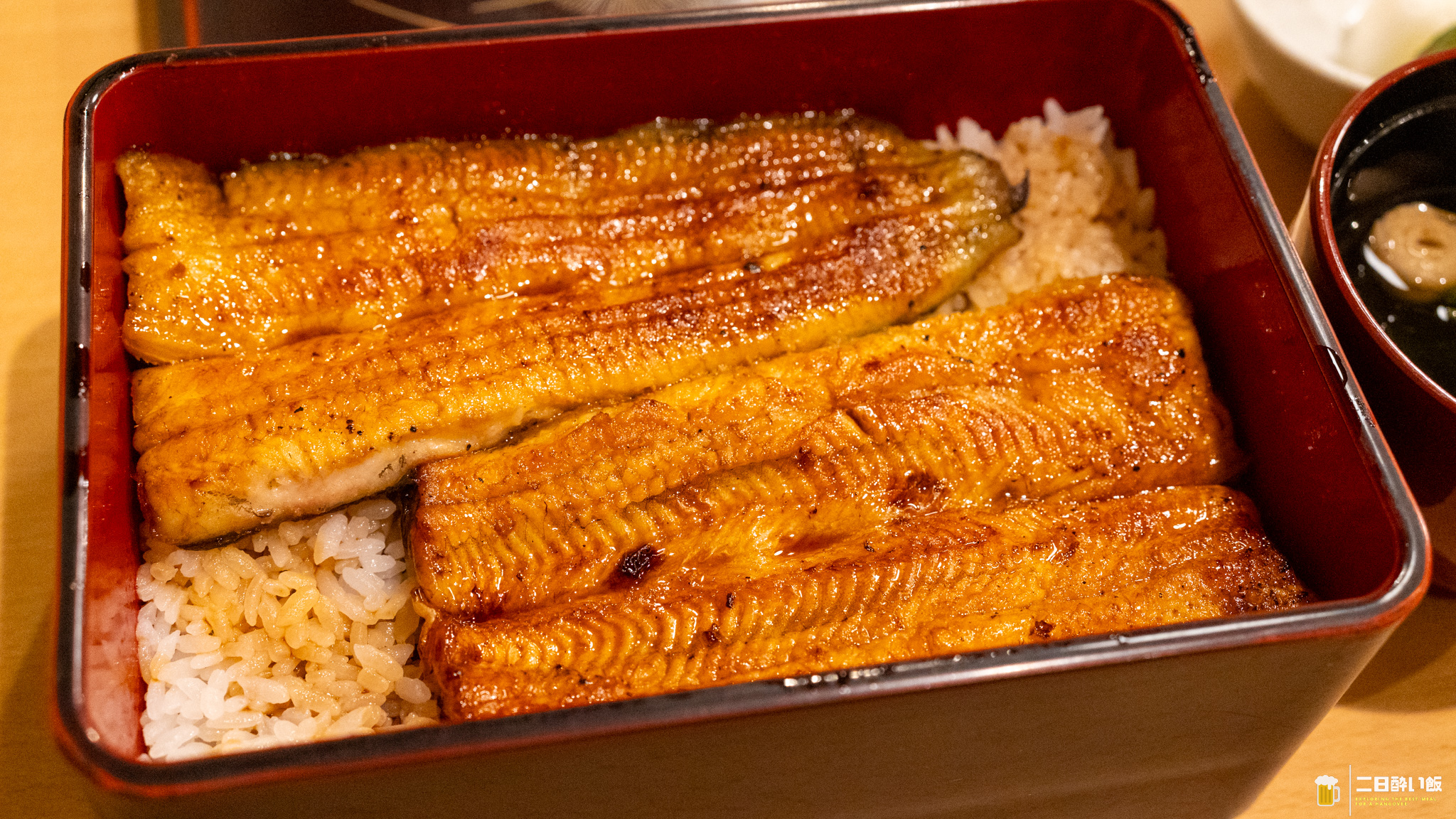
Here is the unaju (grilled eel over rice in a lacquered box)!!!
It looks delicious! It looks delicious, but since this is the tokujo (top grade), I really wish the eel hid all the rice. When you can see the rice in an unaju, it makes you feel a little sad.
Making it a set seems to add pickles (Moriguchi-zuke, long radish pickled in sake lees) and a clear soup (not kimosui — not eel-liver soup!). I asked for the rice on the small side.
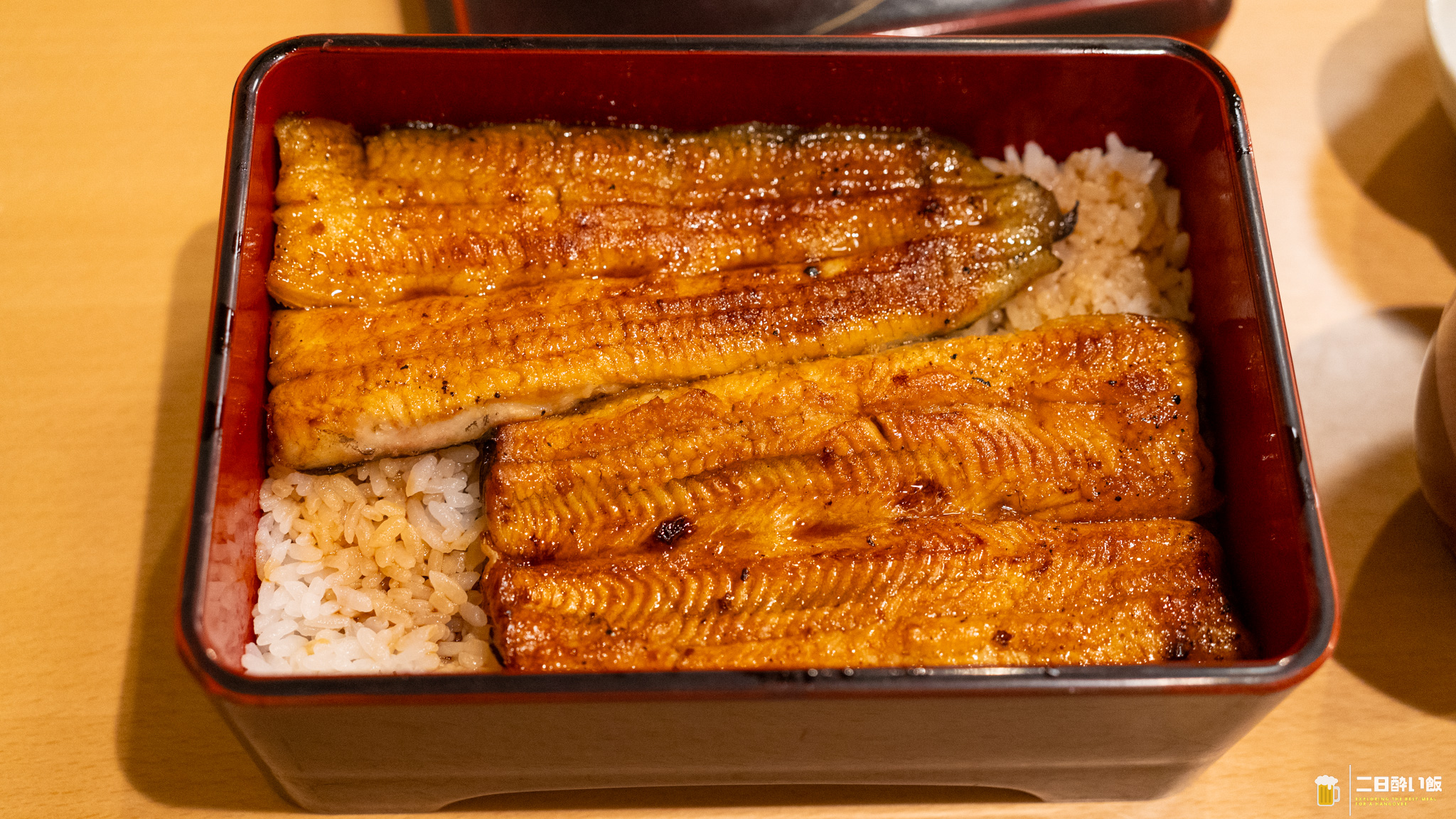
Lift the lid and a waft of charcoal rises up. They apparently split the eel along the back, steam it, and then grill it over binchotan (white charcoal); when you put your chopsticks in, there is almost no resistance at all before it crumbles softly.
The tare sauce is restrained. Both the sweetness and the seasoning are set on the light side: what comes first is the toasty char, then the sweetness of the fat slowly spreads, and finally a faint soy-sauce edge carries off the finish. Because it does not push through with sweet-salty flavor, you can taste the eel itself clearly.
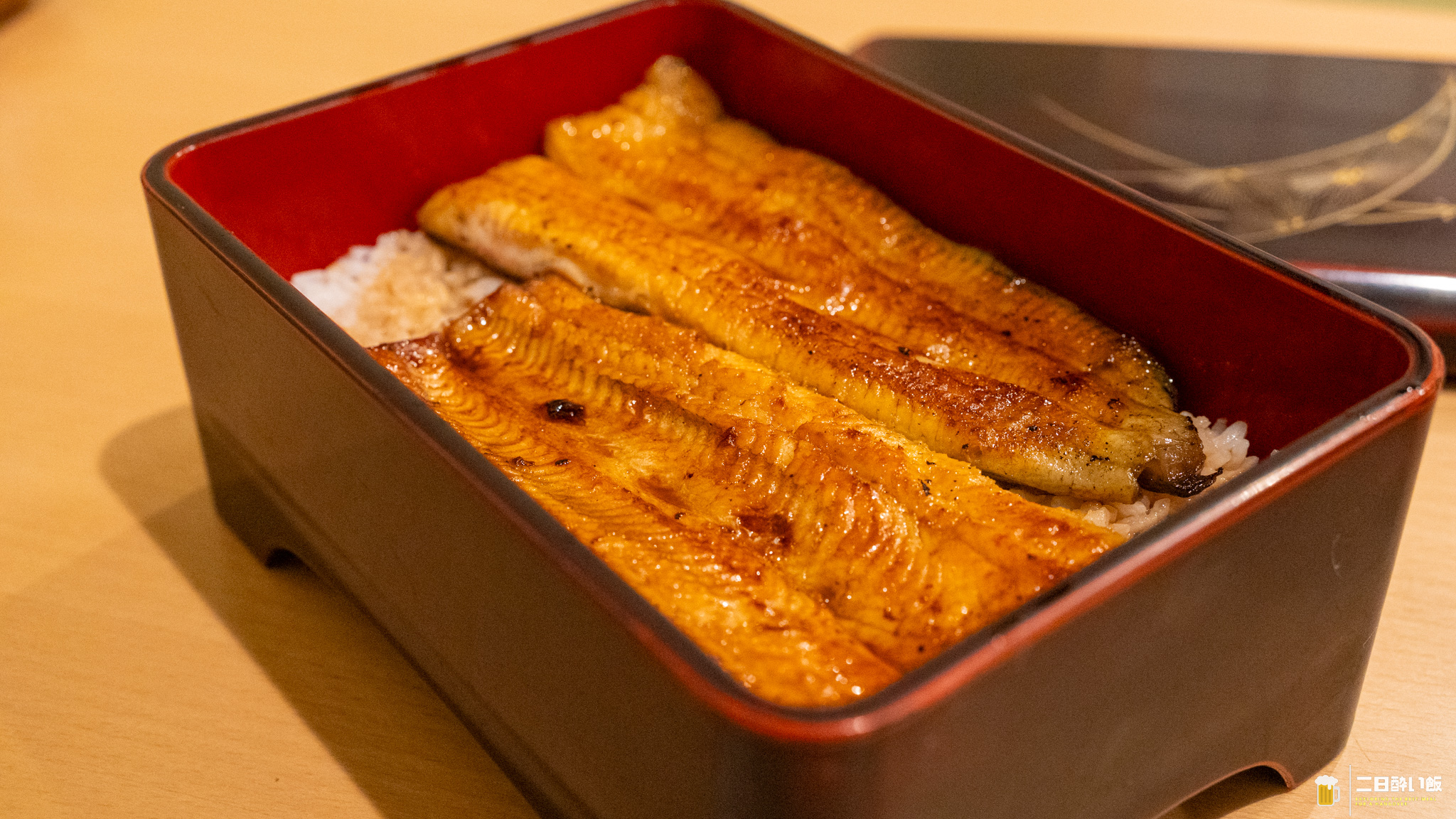
Since I asked for less rice, it was spread in a thin, neat layer. The rice seemed a bit firm, maybe? And because it felt as though it had been pressed down from above to make it look neat, that part was a shame.
Even with a few quibbles, having drinks and starters before the eel (unagi-mae) and then moving on to unaju really does make you feel happy! A drink over grilled liver and uzaku, and then a top-grade unaju for shime (the closing dish). Dinner is fairly pricey, but apparently the very same top-grade eel is served as an unadon (eel rice bowl) for 1,800 yen at lunch. At that price it is cheap, and I can see why people want to go! Lunch might be the move.
May you meet something delicious today too!
Unagi Kubota (Unagi (Eel) / Suehirocho Station, Okachimachi Station, Ueno-hirokoji Station)
Tabelog dinner rating ★★★☆☆ 3.6
I ate here and paid for it myself. Nothing on this site is a comped meal.
One more for the road?


