


A note on the words: unagi is freshwater eel and unaju the lacquered box of eel over rice; kabayaki is eel grilled with a sweet soy tare, shirayaki the plain grilled version eaten with salt; jiyaki is the Kansai method of grilling without steaming first; sakizuke is the opening course; nukazuke are vegetables pickled in a living bed of fermented rice bran; omakase means the chef decides the menu; sansho is Japanese pepper; karasumi is cured mullet roe; Akaboshi, the “red star”, is the old-style Sapporo lager; shochu is the Japanese distilled spirit; daikon is the long white radish. Prices are as of this writing (August 2026).
Katsuman no Mise Tsugumian on Tabelog (English) — opening hours, payment details and the Japanese address are kept up to date there, not here.
Drinkers, thank you for waiting. It is Hangover Meshi time.
Well — this time is a very special one indeed!!! Because this is “Tsugumian”, the celebrated eel restaurant in Komagome, famous for being all but impossible to book.
You book by telephone from 9:30 on the first day of the month, I was told. I rang, and the call went through quite normally.
And — we had a table!! What luck!
The web said something about one party at lunch and one at dinner on weekdays, so I had assumed that two parties across thirty days meant about sixty a month, and that if you were flexible about dates you could get in. But once at the shop, talking to the master and his wife, it turned out that this was entirely wrong.
In fact they open only three weeks a month, and only on Fridays and Saturdays.
And since regulars have their own allocation, only about four or five new parties get in each month.
That is an extremely narrow gate…
“Actually, I got through on the first attempt…”
— and when I said so, the master told me I was “the second person in ten years”!
So, with gratitude for such a miraculous piece of luck, here is a report on the finest of eel experiences.
It stands a short way from Komagome station.
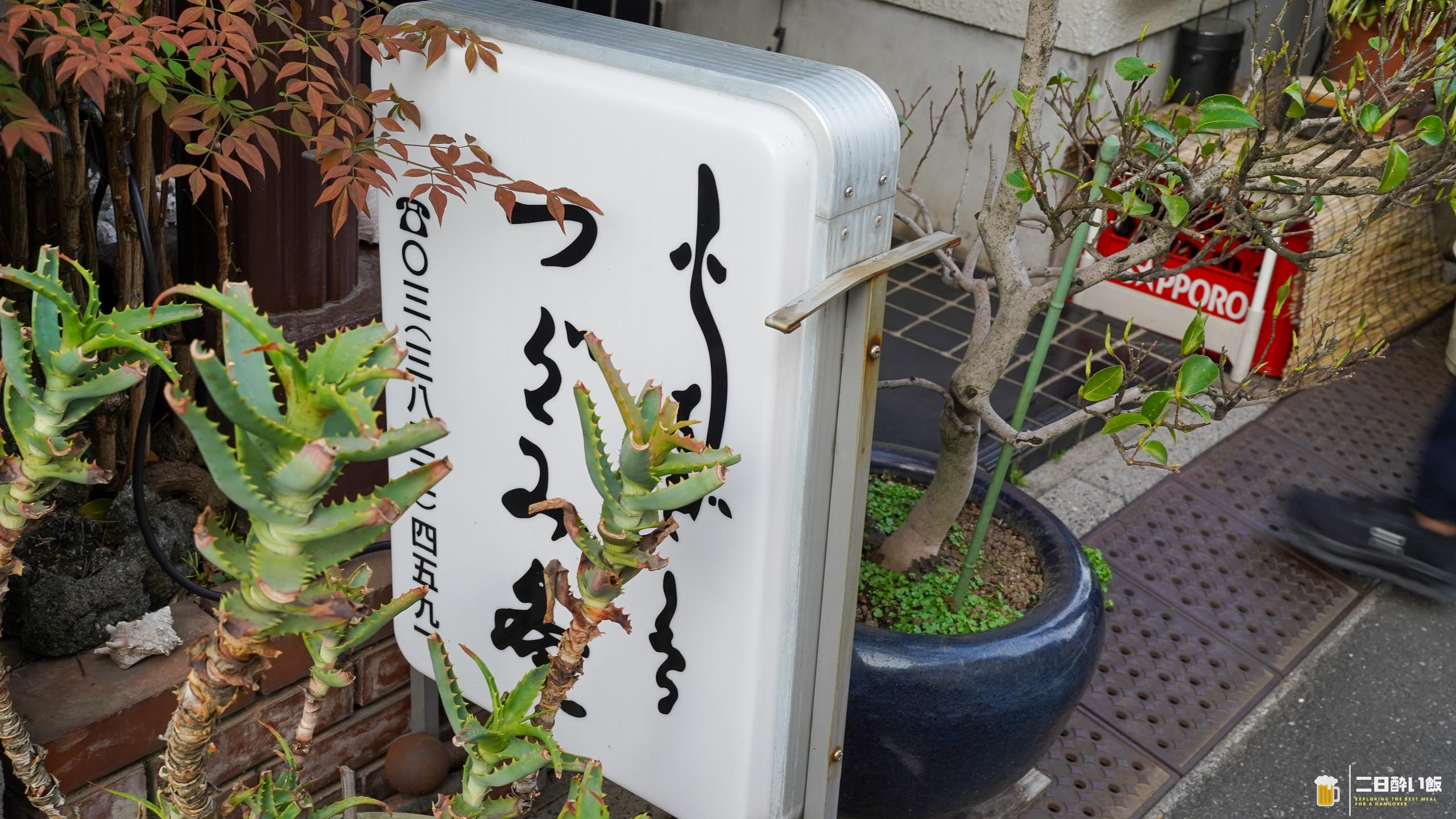
And it feels less like visiting a restaurant than being invited into someone’s home — the house was converted into the shop. They told us a great deal about it and the conversation ran on happily, but that is for another time.
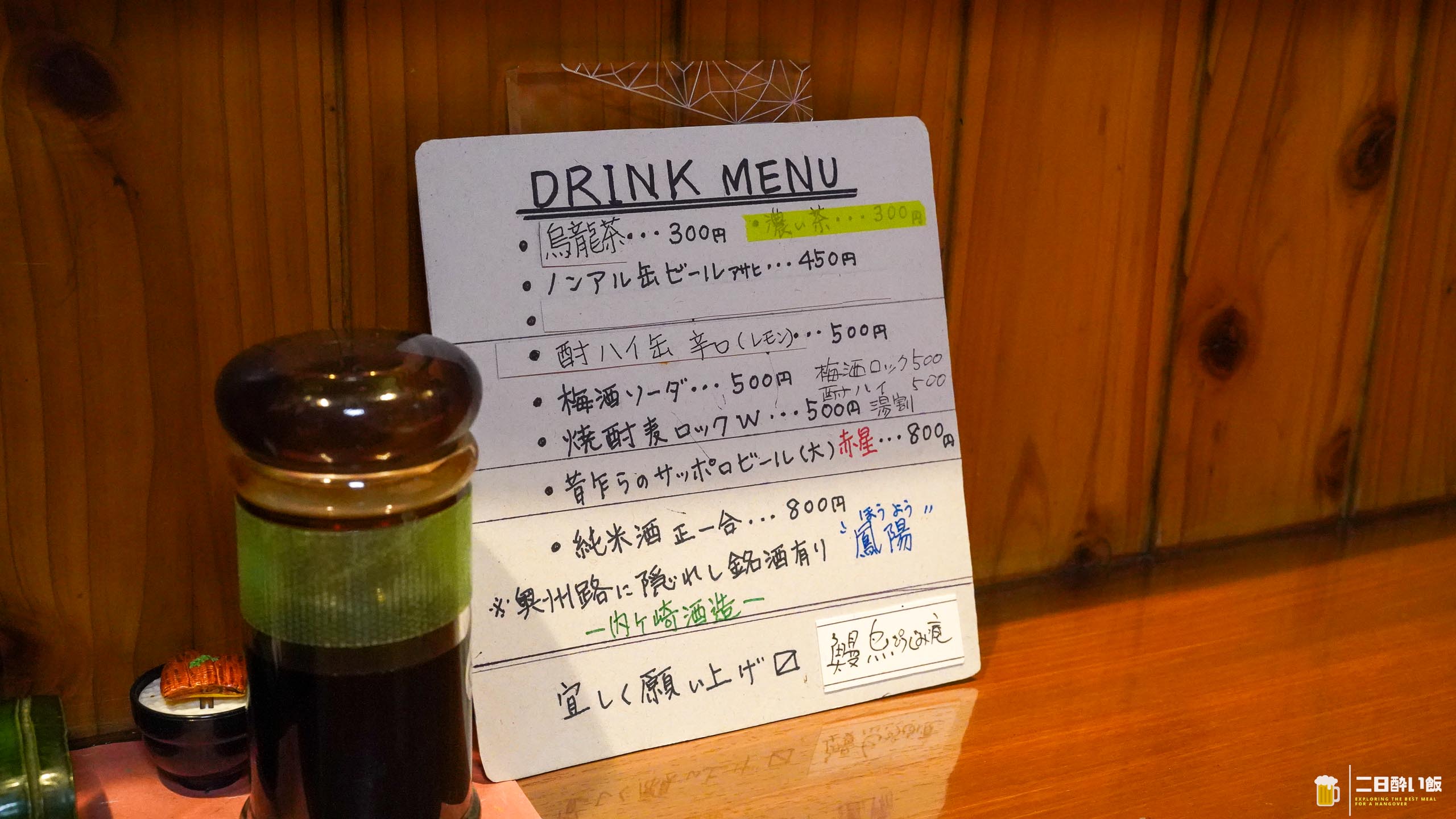
The only menu is the omakase, at 16,000 yen.
I could hardly wait.
We began with an Akaboshi to wet the throat.
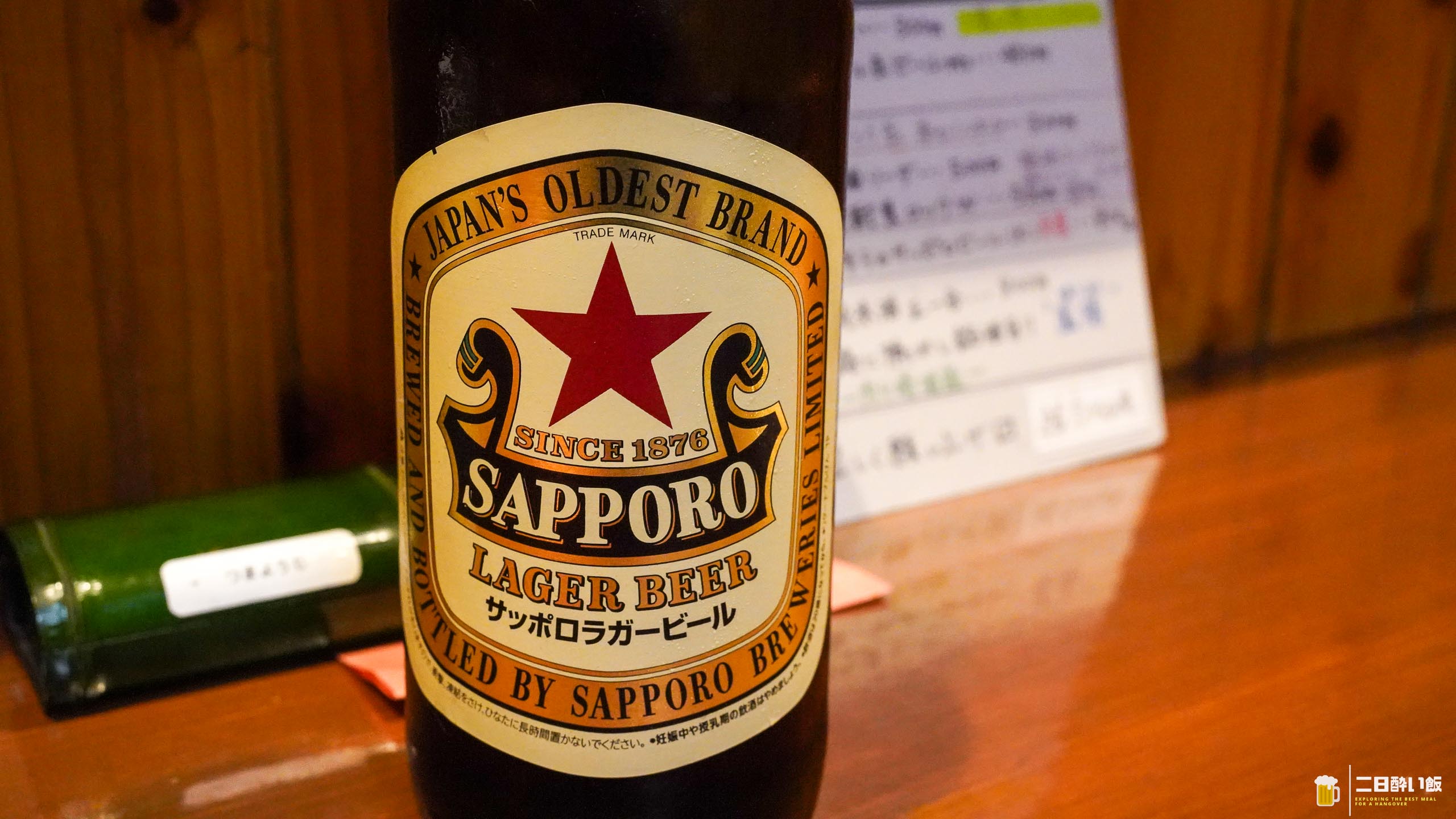
Beer tastes good while the master and his wife tell you stories!
This part of the evening is a pleasure in itself.
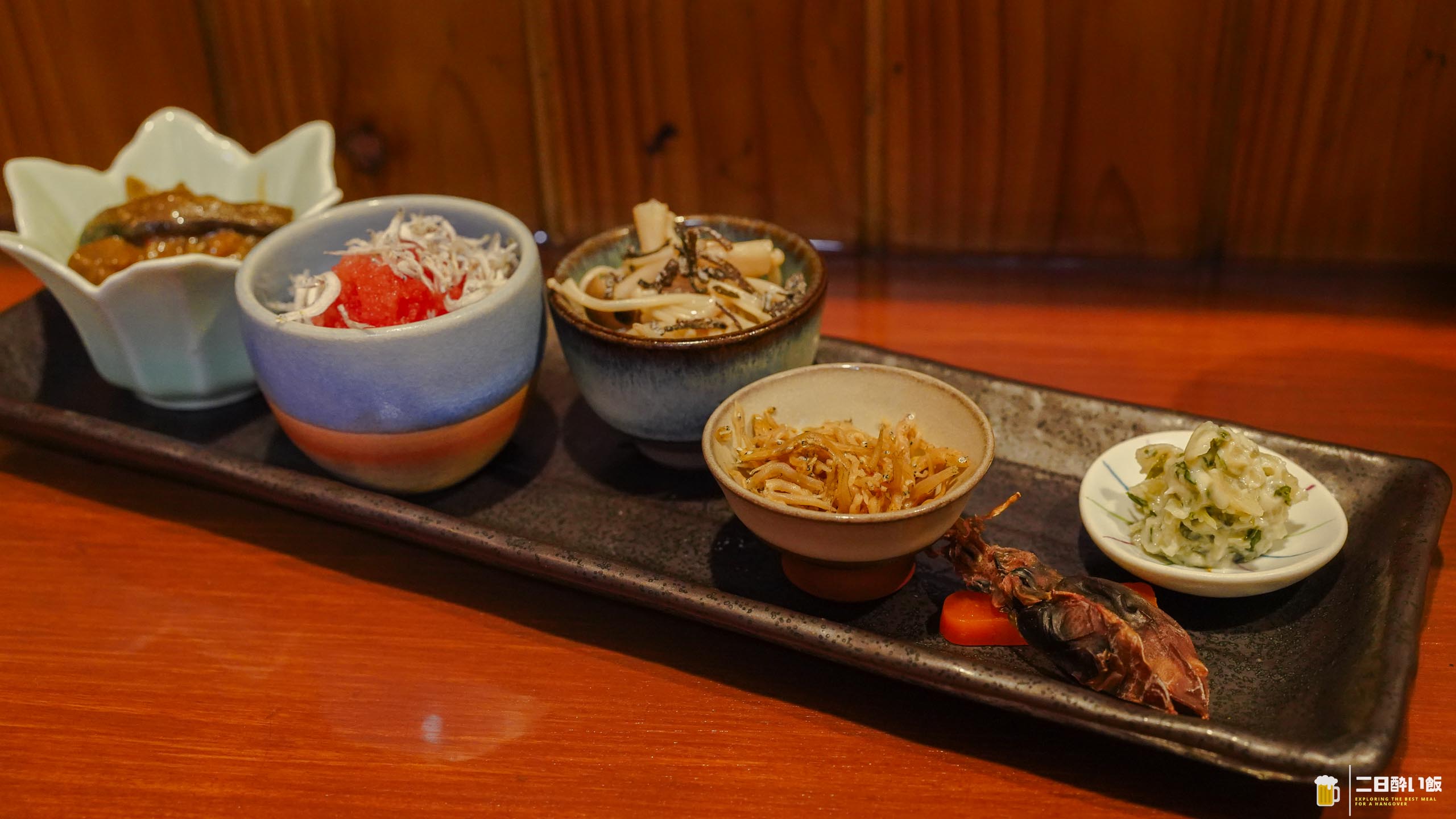
Simmered aubergine; grated daikon with whitebait and mentaiko; whitebait; mushrooms; a platter of karasumi and firefly squid; and pickled wasabi. All of them snacks that suit a drink. The karasumi and the firefly squid want shochu with them! We picked at them slowly and enjoyed our drinks.

Grilled fin, grilled liver, and the rib section grilled.
This is superb. Each of them yields only a little from one eel — the reward cuts, gathered onto one plate. The liver spreads a faintly bitter richness through the mouth and goes wonderfully with shochu. The fin is the springy flesh around the thick bone. The rib is the fatty part, and the fat comes bursting out the moment you bite. Delicious.
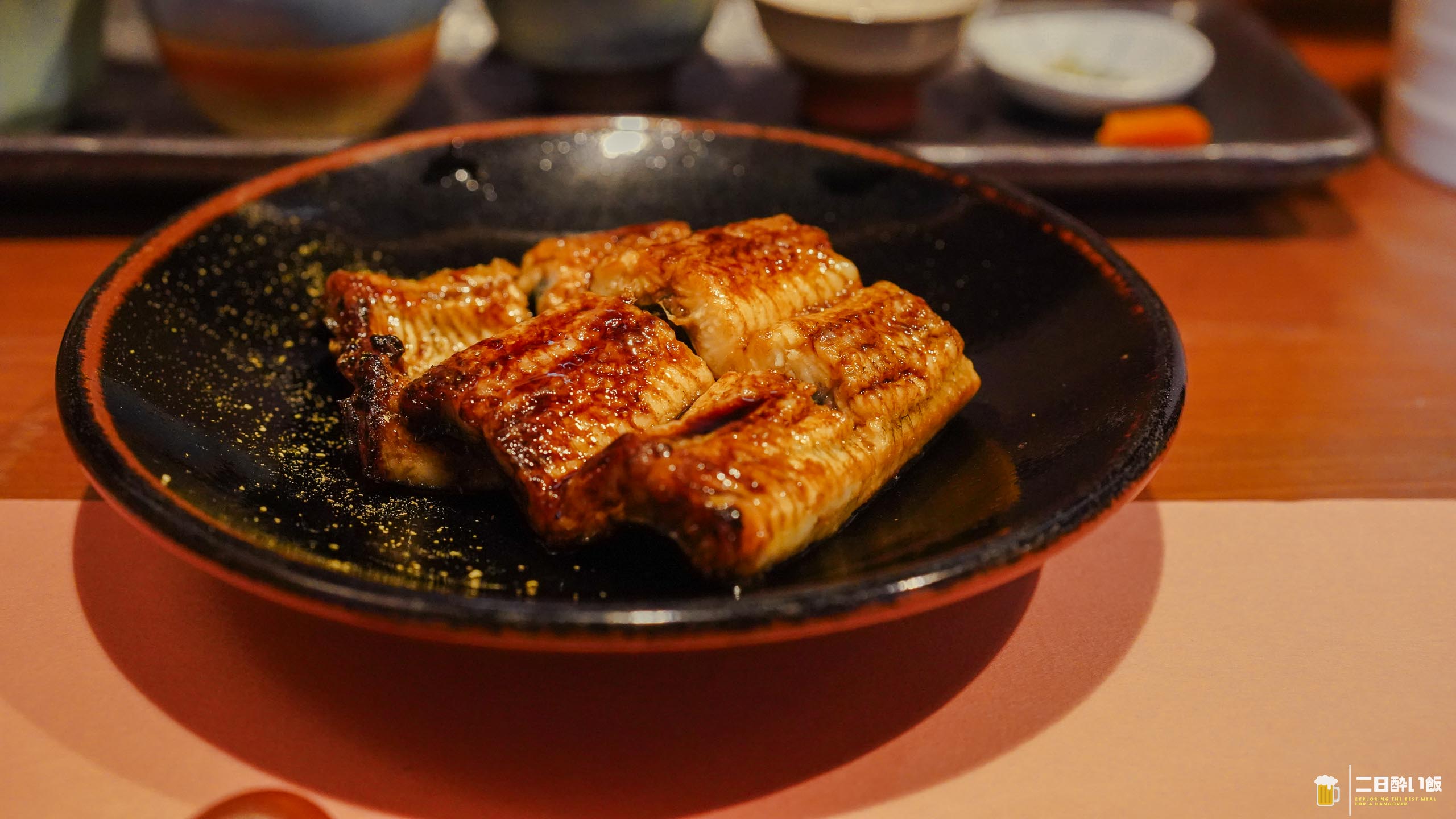
The skin is crisp and fragrant, and yet the flesh is astonishingly springy. Was eel always this springy?
This is the Kansai method: eel from Oku-Mikawa grilled directly, with no steaming. In the master’s words,
“if you do not grill it, the skin is no good”.
The method exists to draw everything possible out of the skin. And the eel is not killed to order but properly aged, so that it is “soft, then firm, then soft again” — a texture in which melting softness and crispness live side by side.
The crowning thing is how skin, flesh and fat come together in the mouth on the second and third chew. The master’s phrase — that the change is where the deliciousness lies — plays back exactly on the tongue, and the sheer happiness of an eel that cannot be finished in a single mouthful comes flooding out.
It is remarkably different, by one measure or two, from soft steamed eel and from any jiyaki I have eaten before!
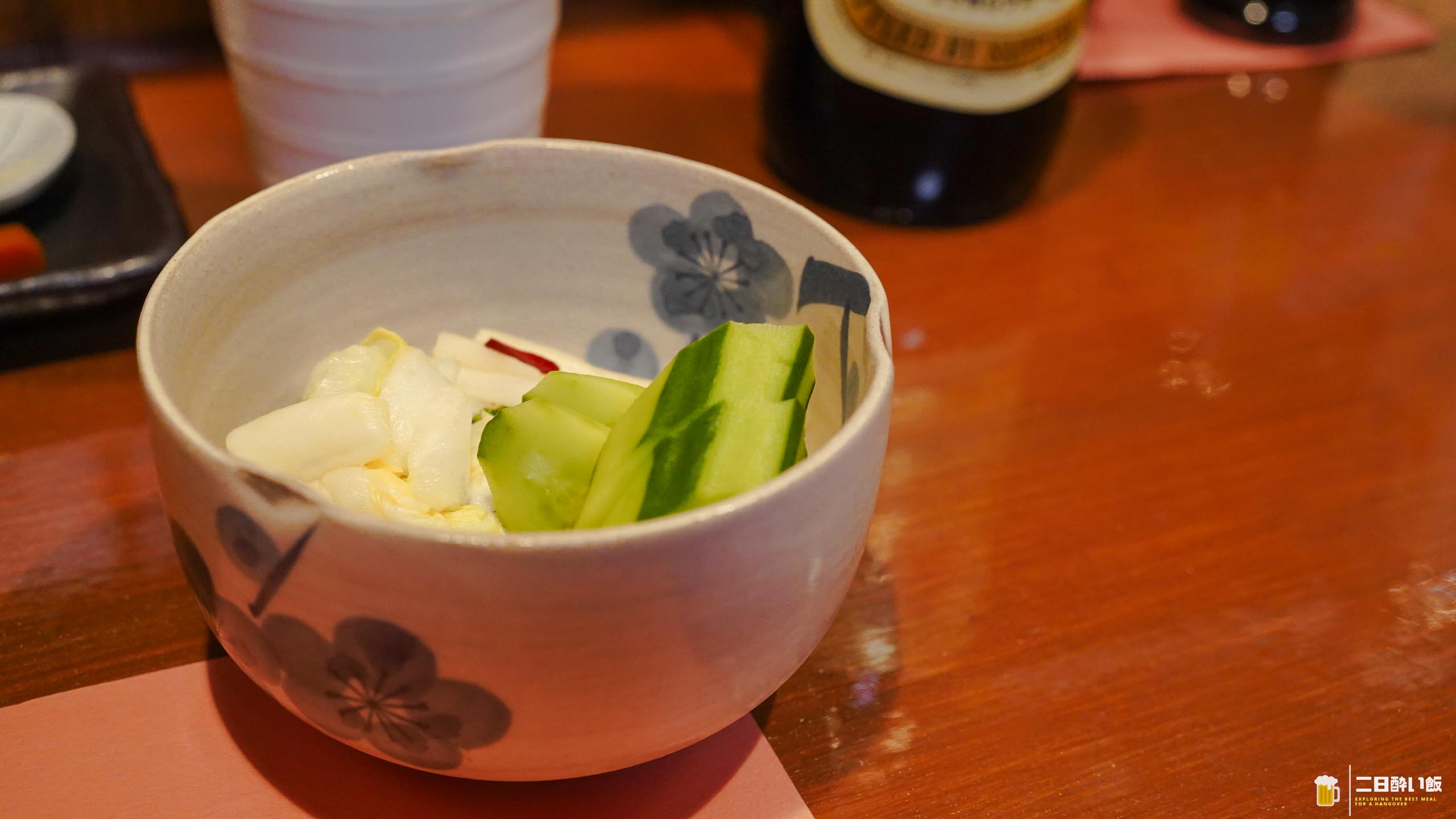
The master calls it “the oldest thing in the house”. This nuka bed is apparently a hundred and fifty years old!
In the mouth, acidity, salt and savour arrive in layers. The taste of the vegetables themselves stands up sharply, and yet the finish is mellow, with a soft lactic depth spreading at the back of the tongue. Delicious!
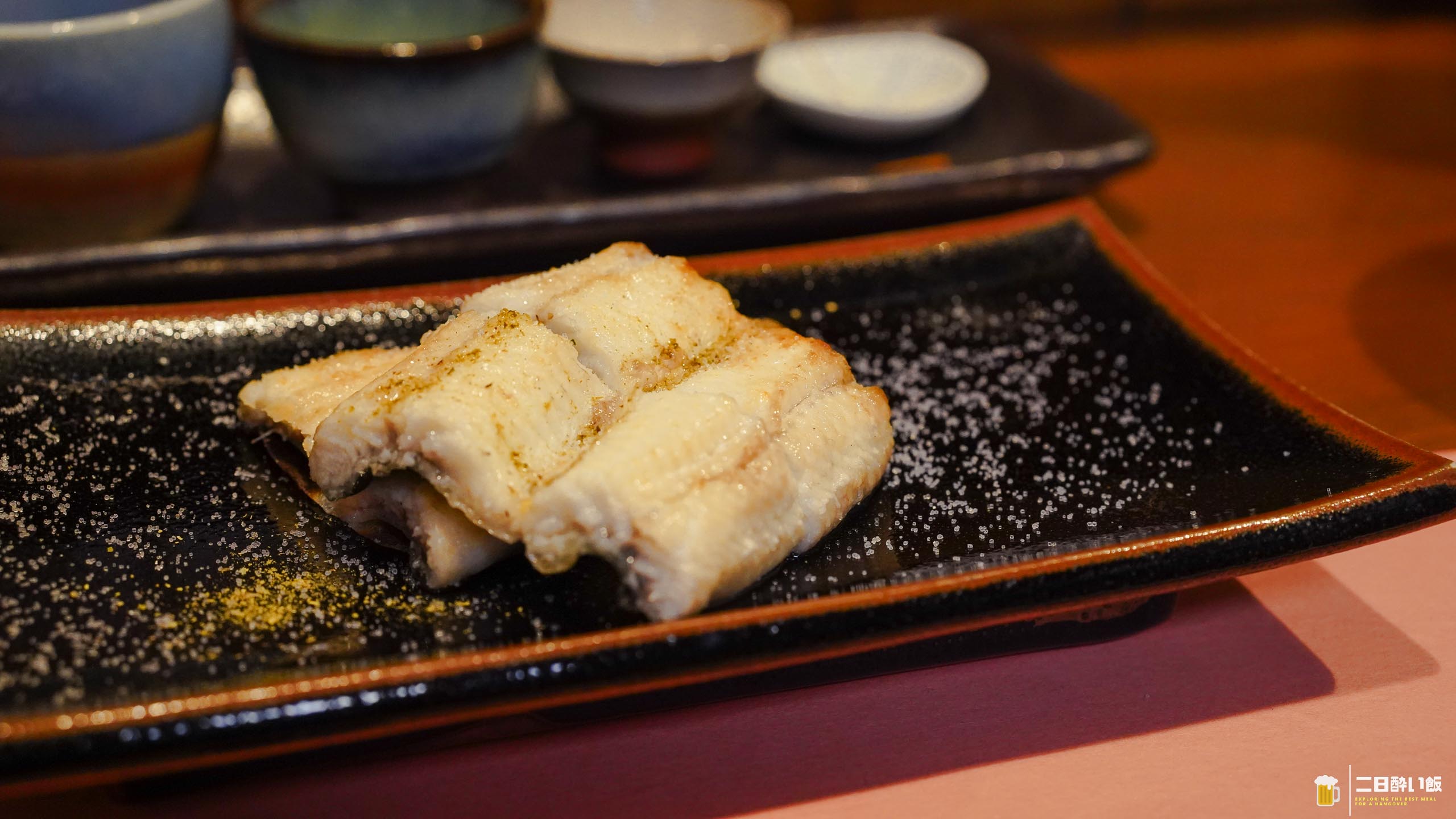
We had been saying earlier — was that the head end or the tail? — and they prepared a different section from the kabayaki for us!
The measure of salt and sansho on this is perfect!
Lift it with the chopsticks and a faint fragrant smoke rises. First mouthful, and the savour of the eel comes at you directly. I was lost for words: can it really be this good with no sauce at all?
The salt served with it is a blend of several different salts. They shake it on fairly generously, which is right. It is not simply salty; several salts work in layers, and they lift the sweetness of the eel fat enormously. The master’s confidence — “there is nowhere to hide with this, but it is good” — seems to live in every grain of it.
This is eel made for drinking with. Shochu alongside this — what could be better!
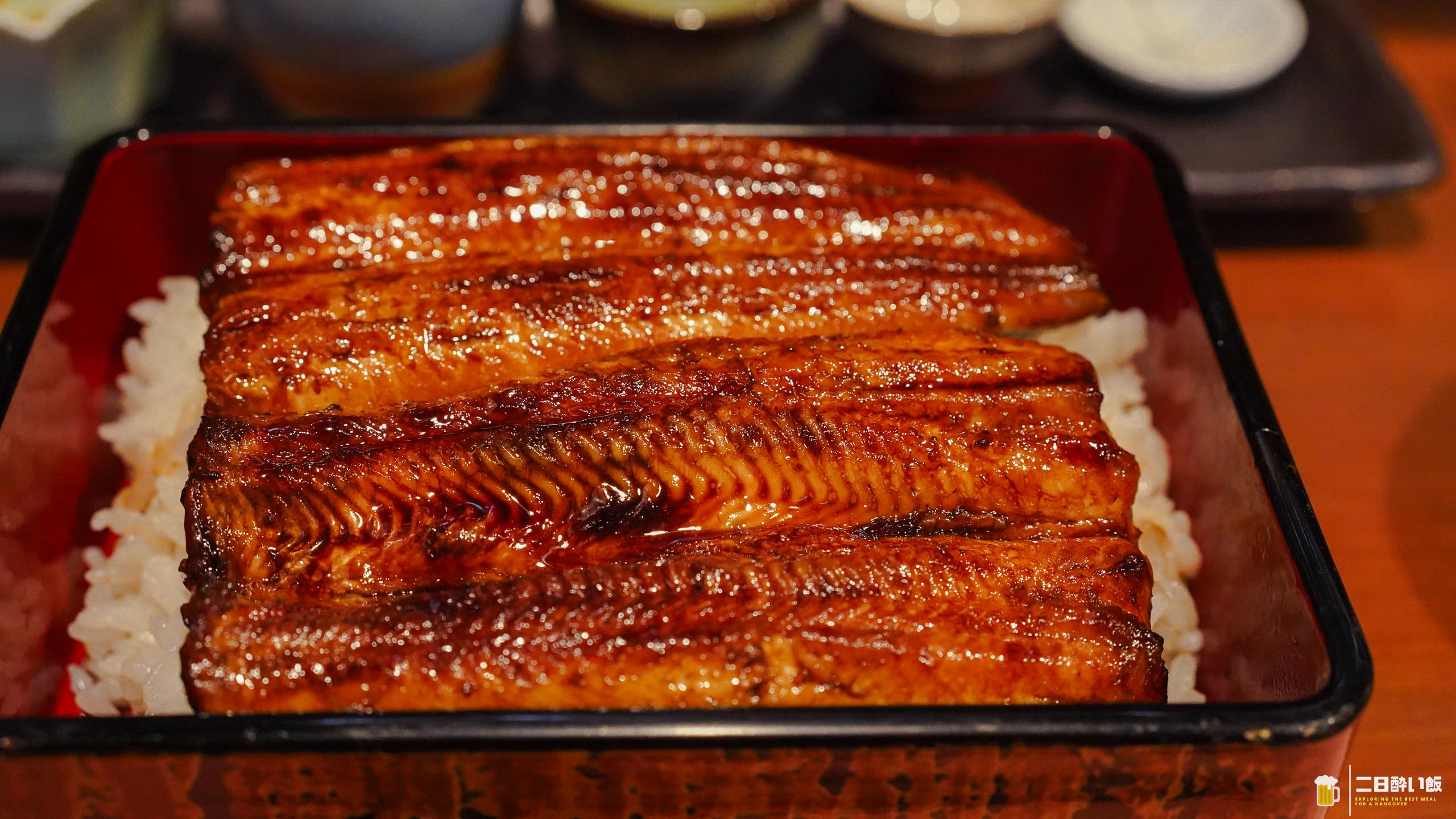
The moment the lid comes off, the scent of the sweet-salt tare rises,
and the row of glossy fillets stops your breath.
It looks magnificent!!!
A mouthful, with trembling hands.
The skin meets the teeth with a crackle, and in the next instant the flesh gives way and the richness of the fat spreads over the tongue.
“Soft, then firm, then soft again.”
That texture. The aged eel is grilled while the bones are drawn out carefully by hand, so the flesh finishes refined while the skin stays properly good, and it shows you a different face with every chew.
And the rice. It is grown with the famous water of Hakushu in Yamanashi, by a farmer originally from Miyagi — a hard-working man who moved to Yamanashi after the earthquake and carried on growing rice, they told us. It is prepared over three or four days: working back from the customers’ arrival time, the chlorine is driven out of the water, which is then chilled before the rice is cooked. Is there another eel restaurant anywhere that faces its rice like this?
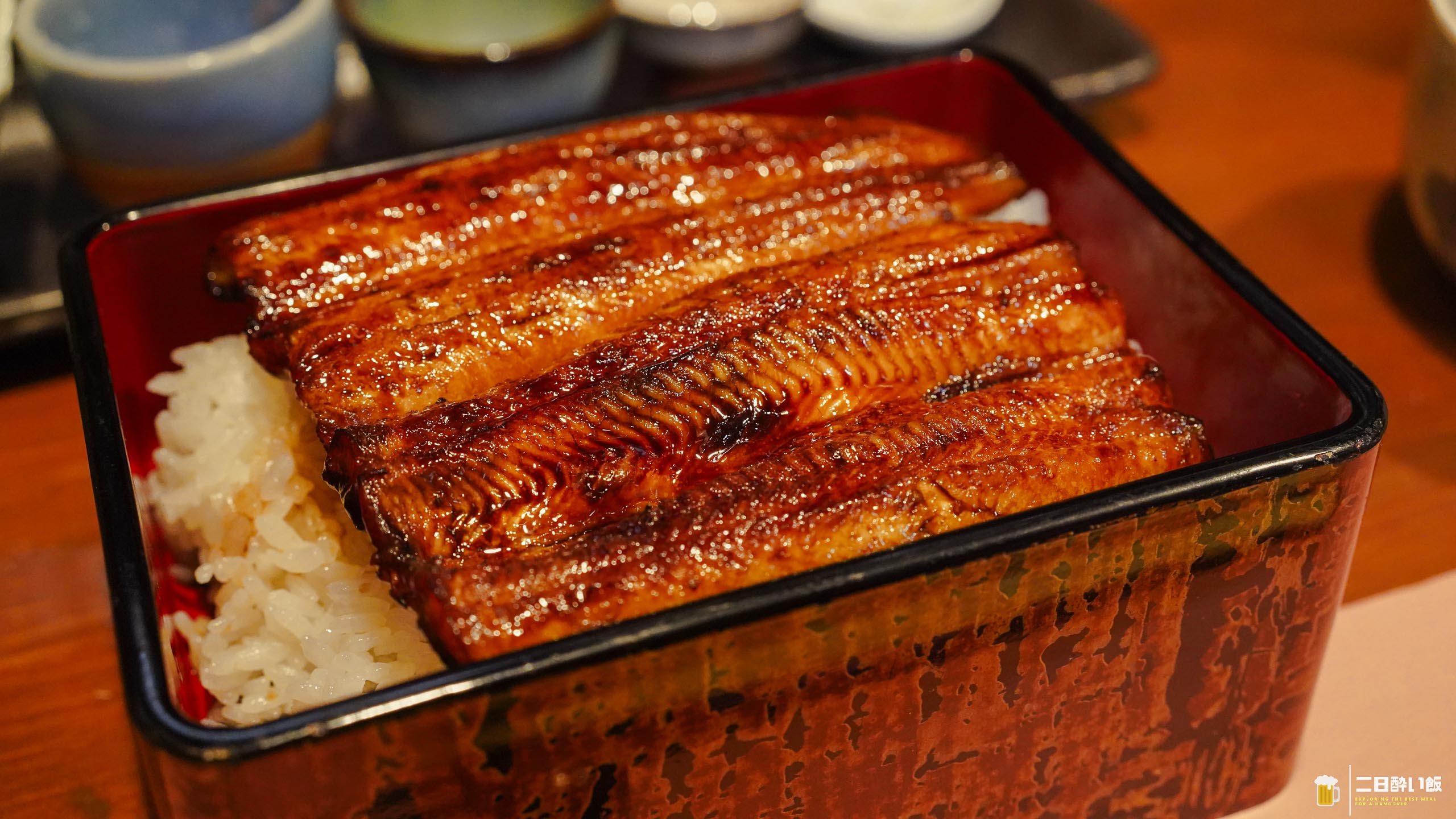
And the care goes further still. The tare is placed only on the middle of the rice. Eel, rice and tare are kept independent of one another, so that the dish is only completed at the instant the three meet in your mouth. The rice is superb in itself, and everything is arranged so that eel, rice and tare come together at their best. The completeness of it as an unaju is quite something.
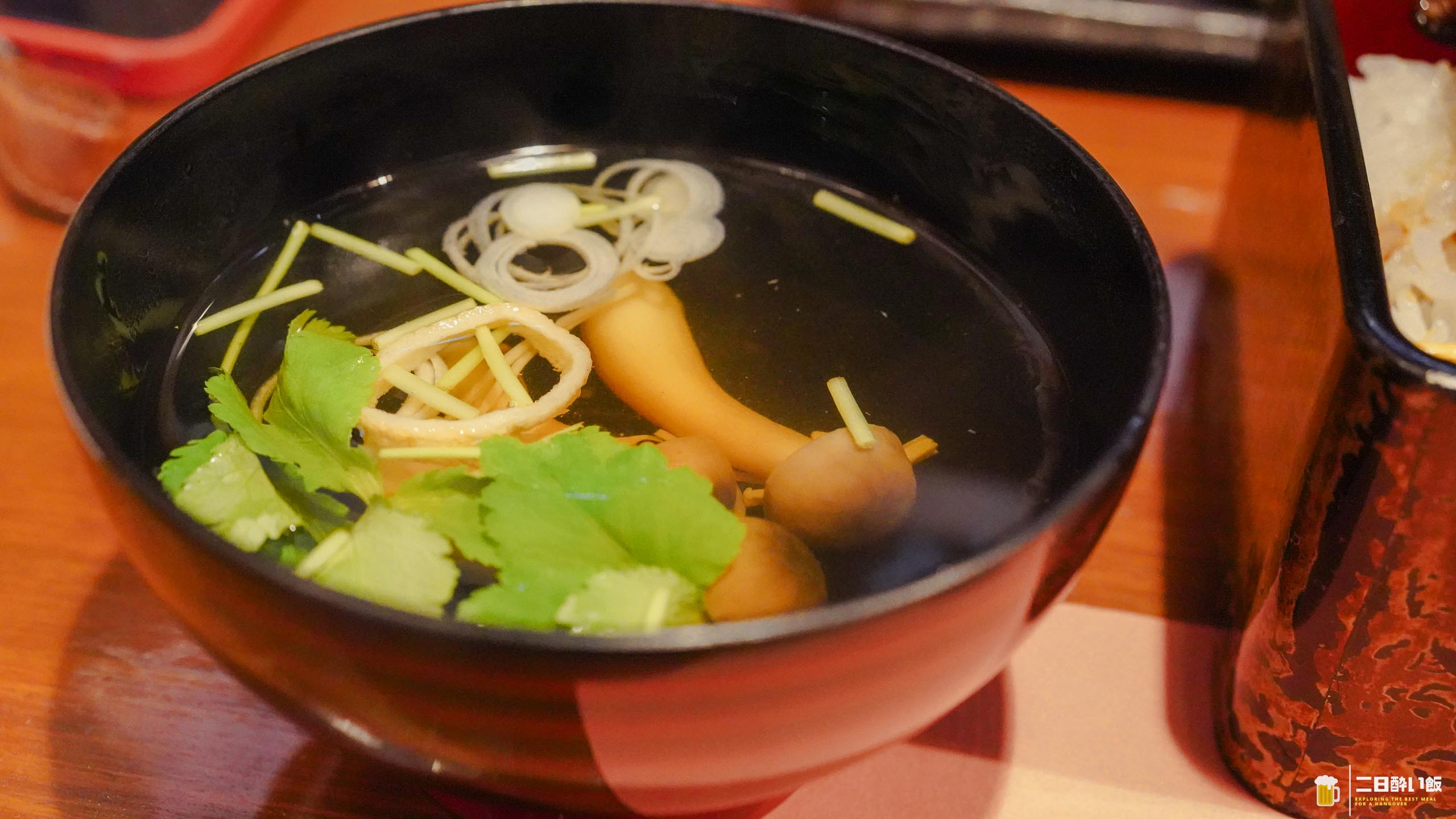
Eating it warms you right through. Eel experiences this happy do not come along often!
I want this whatever happens. But it does rather ruin one for other eel.
I am so glad to have come!
Tsugumian takes telephone bookings only. The line opens at 9:30 in the morning on the first day of the month, and if you miss it you will not get in that month. There is no online booking and the shop is not covered by any reservation agency.
| Item | How it actually works |
|---|---|
| How to book | Telephone only (no online booking, no reservation agency) |
| When the line opens | 9:30 in the morning on the first day of the month |
| Opening days | Three weeks a month, Fridays and Saturdays only |
| Places open to new customers | About four or five parties a month, since regulars have their own allocation |
| Menu | Omakase only, 16,000 yen |
I had reckoned on “one party at lunch and one at dinner on weekdays, so about sixty a month”, but the real figure is four or five a month. When I said I had got through first time, the master told me I was “the second person in ten years”. Whether the call connects at all is partly luck, and the only method is to ring at exactly 9:30 on the first of the month.
If you simply cannot get a booking, try our round-up of sixteen celebrated eel restaurants in Tokyo (in Japanese). It runs from places you can walk into on the day to famous houses where booking is essential.
Even after a meal as good as this, the master and his wife went on talking to us across the counter. We fell into conversation and, before I knew it, more than an hour had passed. All sorts of stories about the shop and about the two of them — every one of them became a treasured memory!
Since bookings are so nearly impossible, I have no idea when I shall be able to come again, but I have become a complete convert to “Tsugumian”! I came to eat unaju and went home carrying the feeling that I simply liked the place — a very fine experience.
May you meet something good to eat today too.
Tsugumian is so hard to book that, for anyone who cannot get in before the midsummer eel day, we have gathered sixteen celebrated eel restaurants in Tokyo — from places you can walk into on the day to famous houses where booking is essential.
Katsuman no Mise Tsugumian (unagi / Komagome Station, Tabata Station, Ogu Station)
Tabelog dinner rating ★★★★★ 5.0
I ate here and paid for it myself. Nothing on this site is a comped meal.
One more for the road?


