


A note on the words: unagi is freshwater eel. Unaju is grilled eel glazed with tare, the sweet soy sauce, laid over rice in a lacquered box; shirayaki is the same eel grilled plain, with no tare, so you taste the fish. Nikogori is a savory jelly set from the stock of skin and bone, and uzaku is grilled eel dressed with vinegar and cucumber. Kimosui is a clear soup with the eel’s liver in it. Gozen means a set meal, and kaiseki is a course of small seasonal dishes. Mozuku is a fine seaweed, served here in vinegar, and wakame is another seaweed. Sudachi is a small green citrus, sansho is Japanese pepper, and wasabi is grated fresh here rather than made from powder. Shochu is a distilled spirit, here made from barley. Prices are as of this writing (August 2026).
Ginza Yondaime Takahashiya, Ginza branch, on AutoReserve (English) — opening hours, payment details and the Japanese address are kept up to date there, not here.
I want to eat something good today too. This is Hangover Meshi. Today, one of the eel houses I have wanted to visit for the longest time: Ginza Yondaime Takahashiya, Ginza branch. It is close by and easy enough to get to, but the chance never quite came, and now at last. Takahashiya uses large wild eel, and if it is wild then winter is the season, so the timing is right. The place is right by Higashi-Ginza station. You take the lift up to the fourth floor of a building. Inside, I would not say it does not look like an eel house, but the windows are large and it feels very stylish.
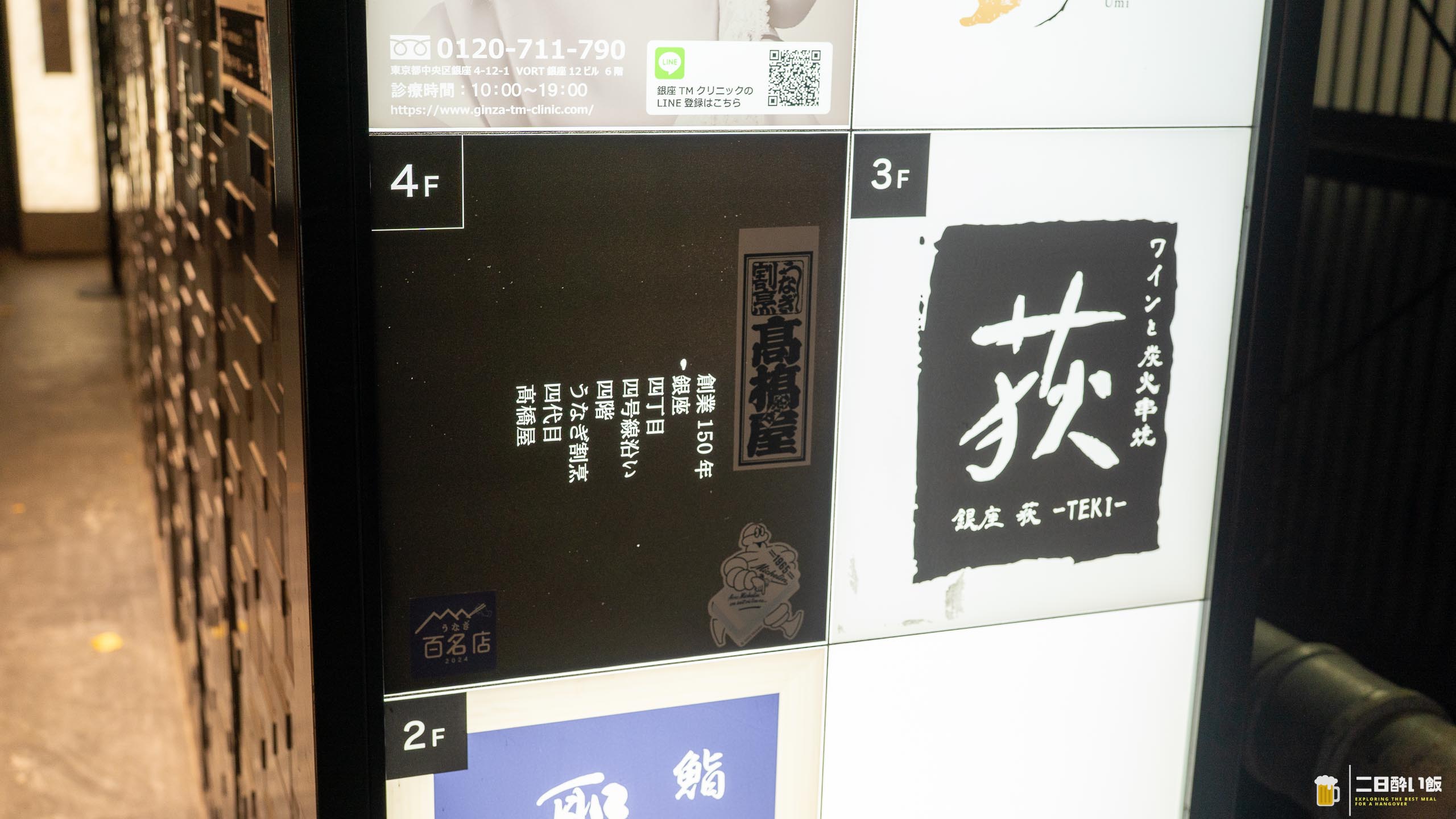
Freshly butchered unagi gozen (with shirayaki), from the live eel barrel, mini kaiseki course of six dishes, 8,000 yen
This is the course I asked for. I thought I might not be able to eat all that much, so I took the mini kaiseki course and then ordered anything else that took my fancy as we went.
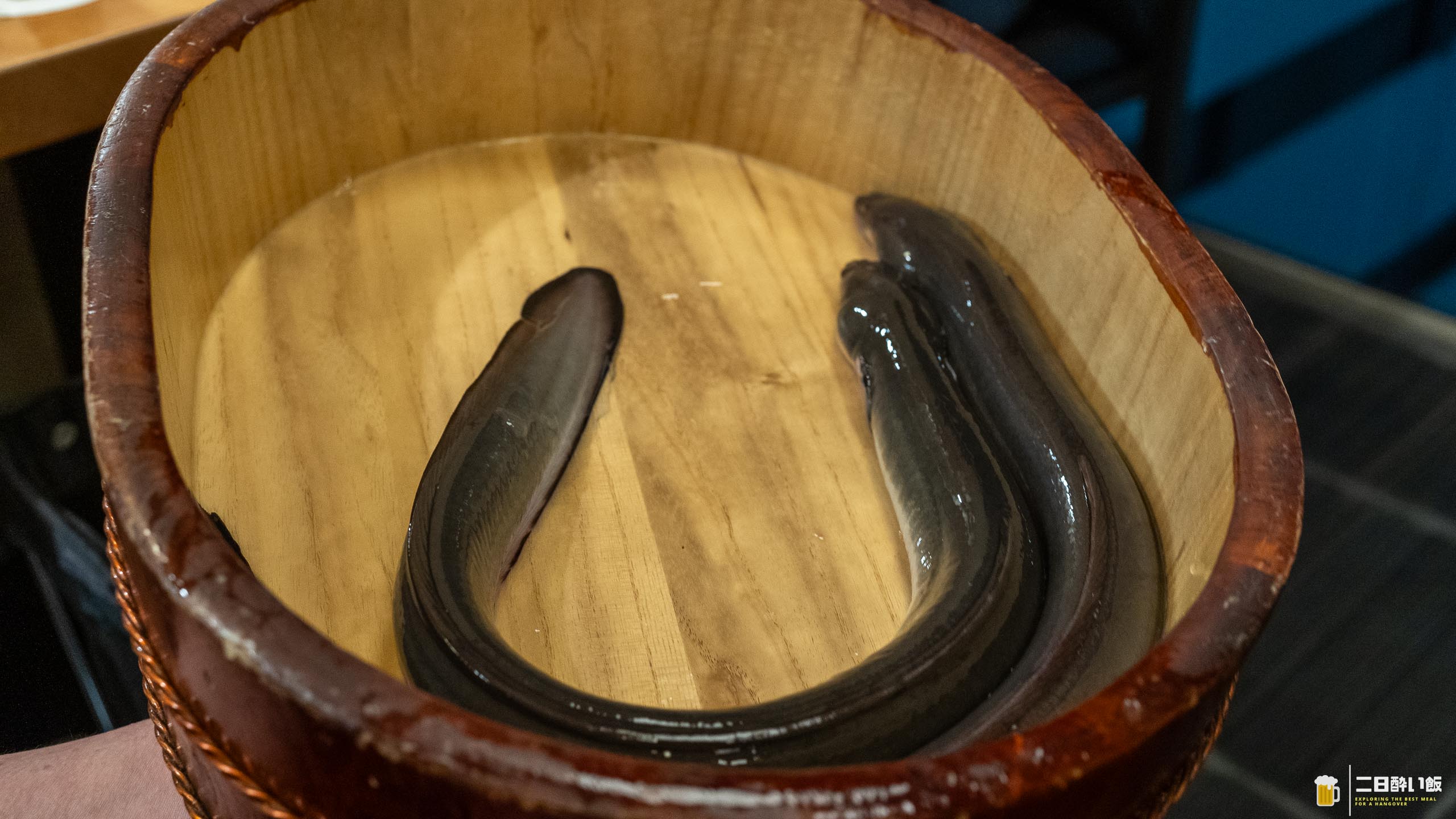
The eel. They show it to you. This is what they are about to cook, so there is something to look forward to.
To start, a small bottle of Yebisu beer.
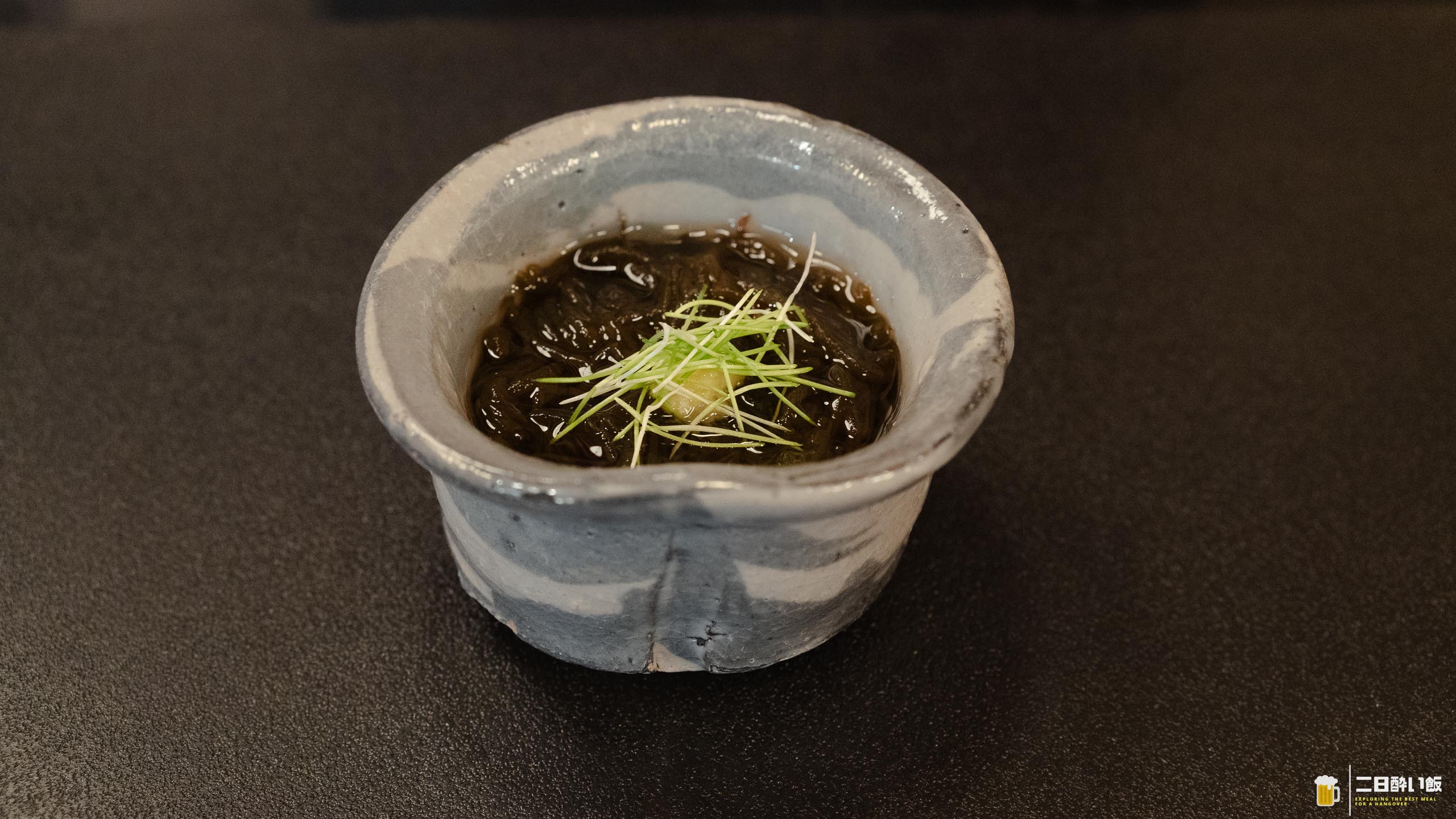
Beginning with mozuku-su. Mellow, with an elegant sourness. Very fine indeed.
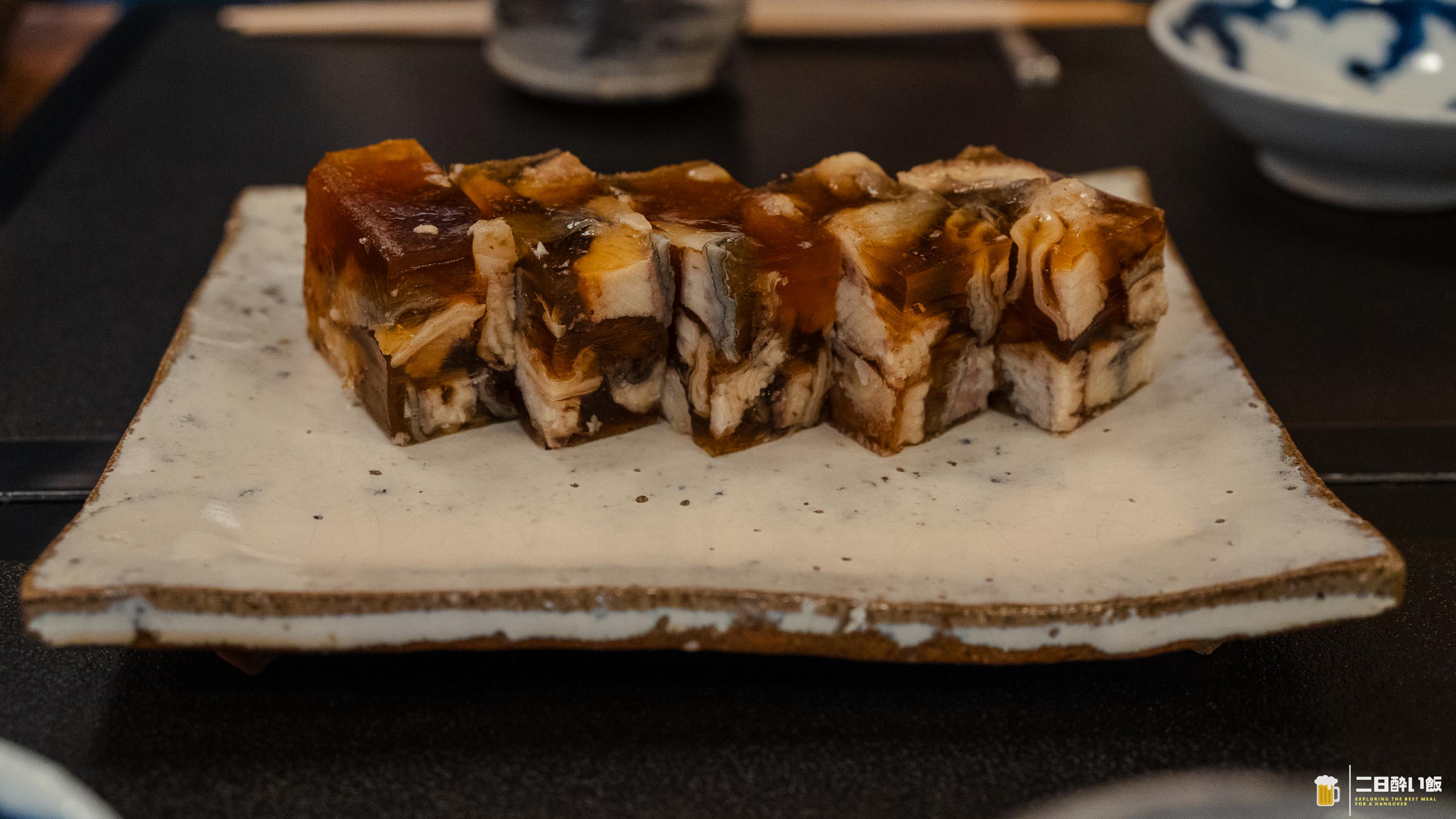
Unagi nikogori. I ordered this separately. The eel still has to be butchered and grilled, after all. Just sitting and waiting would be dull, so you drink while eating a few small things. That waiting time is the best part of eel.
As for the nikogori itself: very good. Put a chopstick in and it gives way with a wobble, and in your mouth it melts quietly at body heat. The gelatinous savor drawn out of eel skin and bone is concentrated in it, so there is depth without any heaviness left behind. The balance of the simmering liquid is exquisite, neither too sweet nor too salty, and it lifts the sweetness and fragrance of the eel fat properly. It is a cold dish and yet the finish is oddly warm, and it settles comfortably in the stomach. How well it goes with a drink. I could not help switching to a barley shochu with soda.
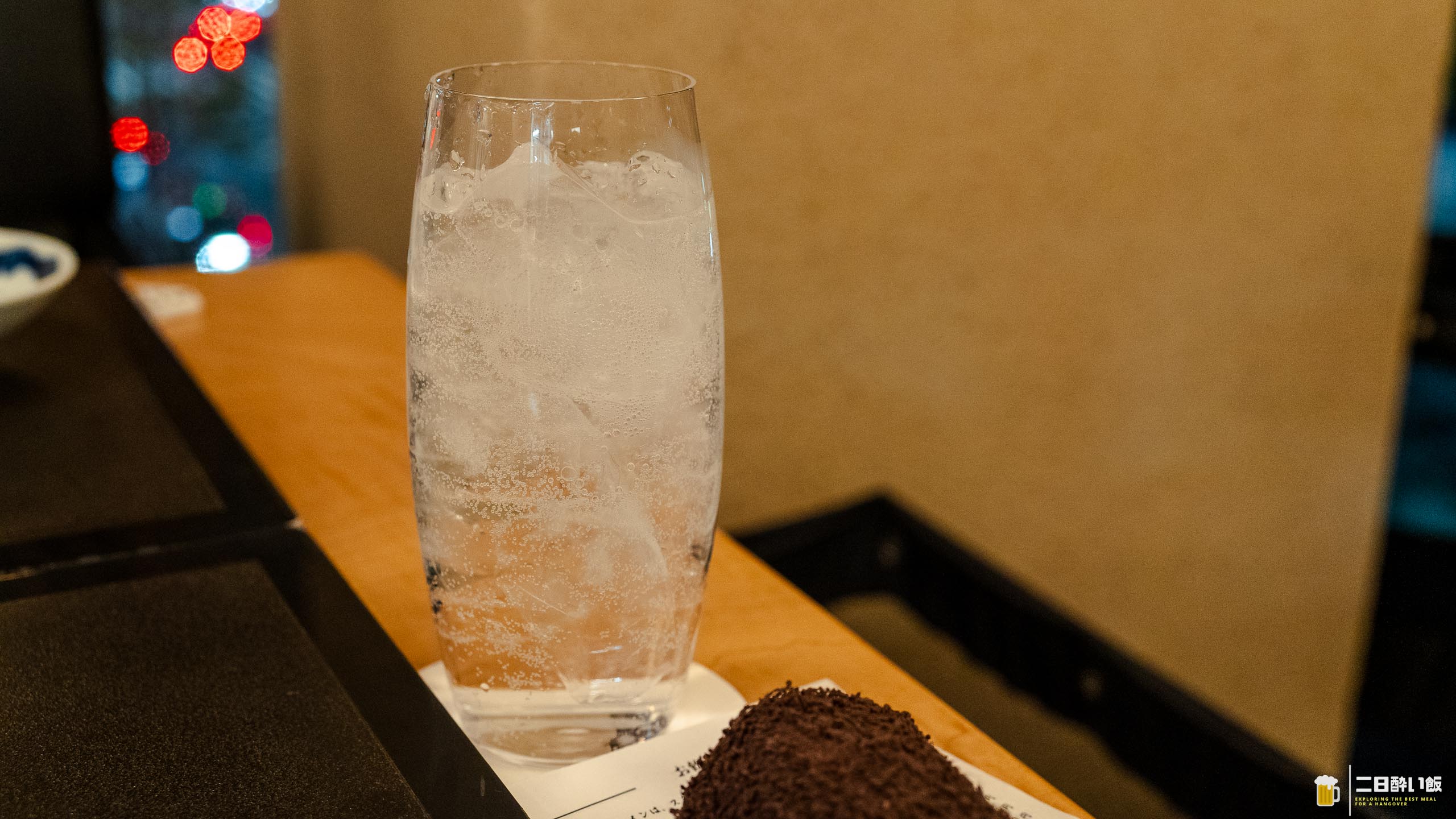
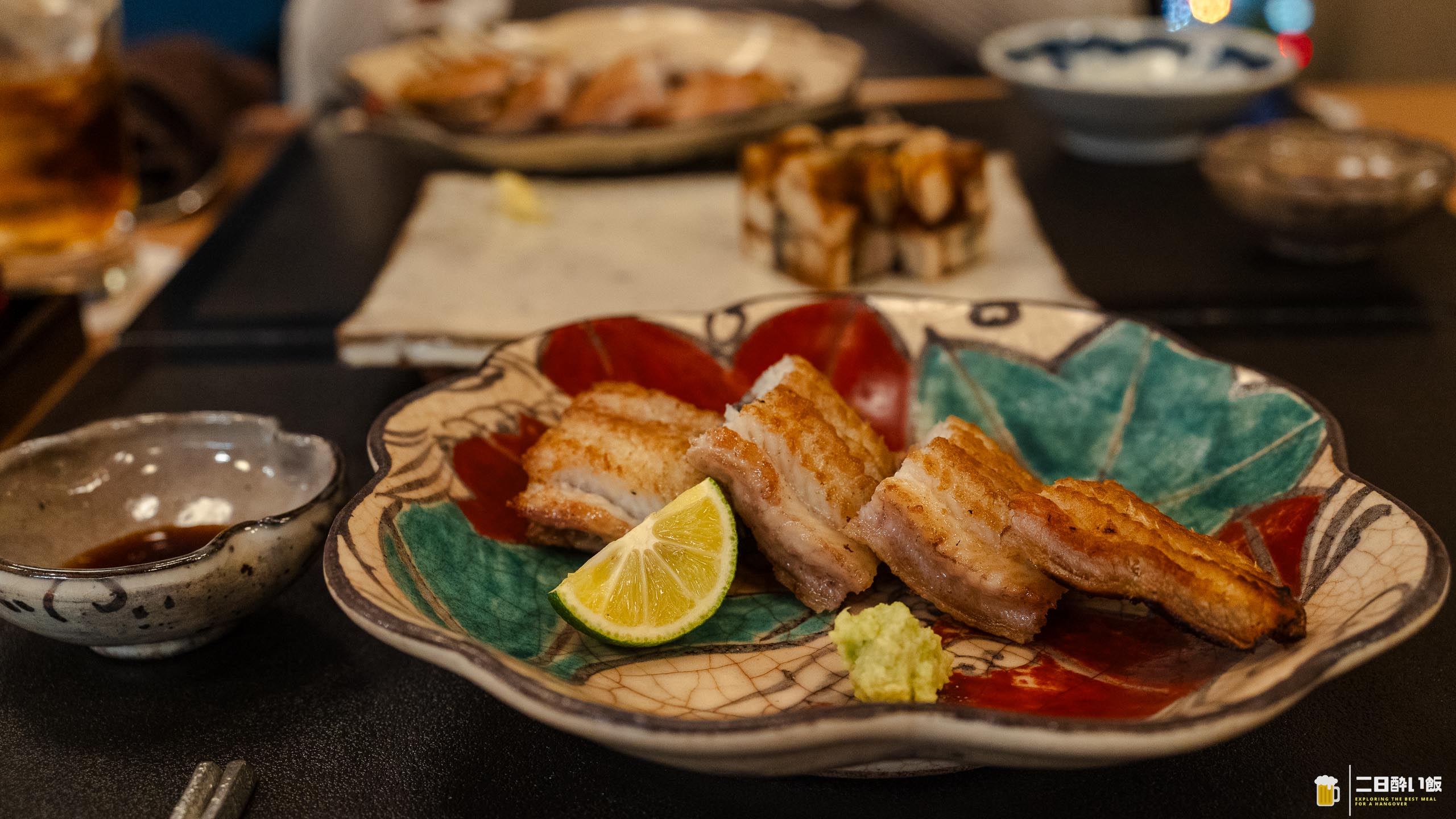
The shirayaki that comes with the course. Beside it, salt, wasabi, sudachi and soy sauce. They told me to try the piece nearest the tail with salt first, so salt it was. The skin is fragrant off the grill and the flesh is plump and soft. With no tare, the sweetness and savor of the eel’s own fat reach you directly. In the mouth there is of course no off-smell at all, the fine fat melts away and the finish is astonishingly light. Very good. I had the remaining three pieces with wasabi salt, with sudachi salt, and with wasabi and soy sauce. The wasabi is good too — it sharpens the outline of the fat, you might say. Anyone who likes sake would surely reach for sake here. I stayed on barley.
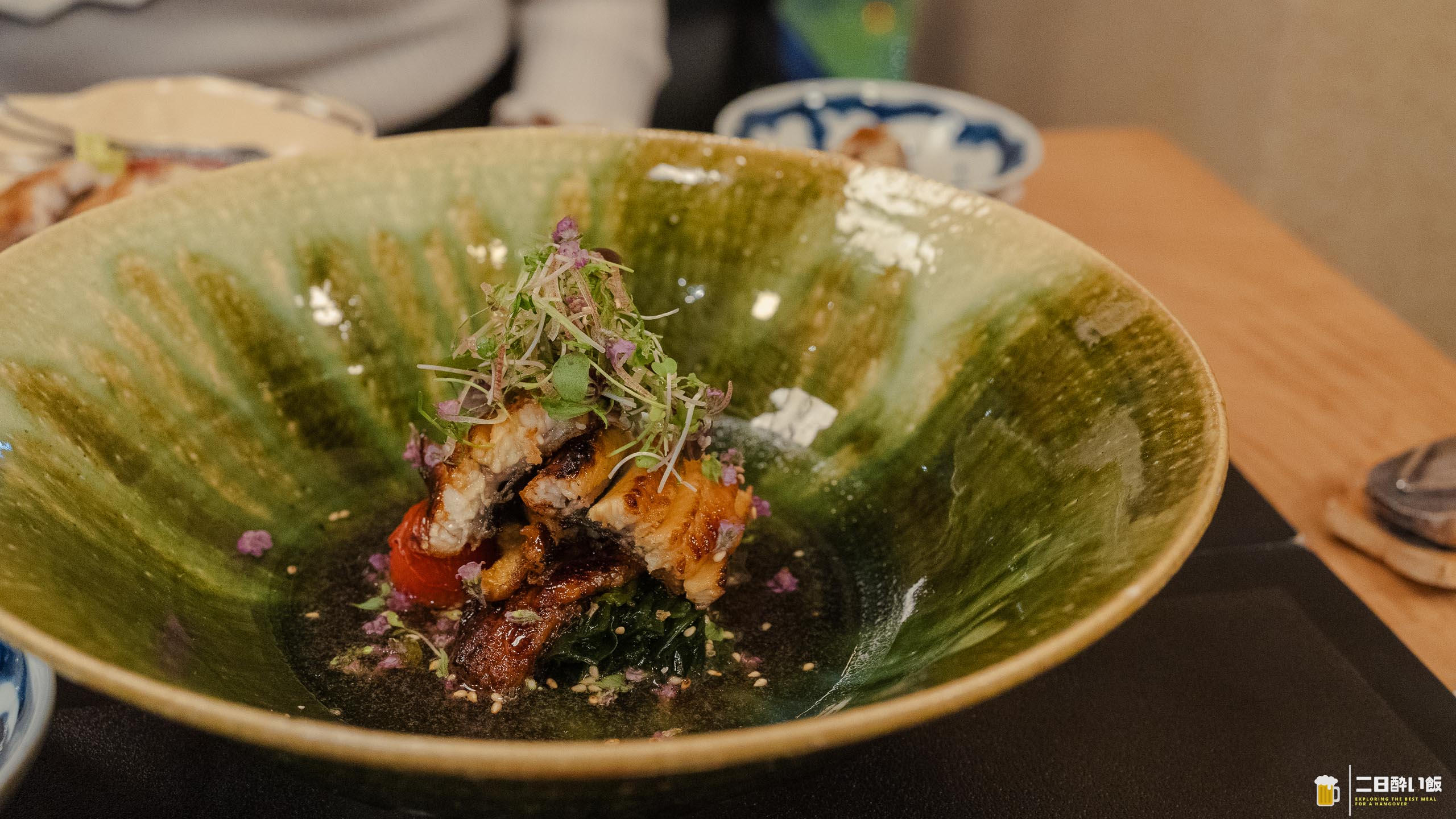
The uzaku, which I also ordered separately. Beautifully arranged, with tomato, wakame, cucumber and a little perilla flower and other garnishes perched on top. It is a dish in which the fat of the eel and the sharpness of vinegar meet head on, and Takahashiya’s sense of balance here is superb. The eel is grilled fragrant, keeping just enough fat on the surface while staying plump inside. To that are added crisp cucumber and a mellow vinegar with the corners taken off. The moment it goes in, the freshness of the vinegar spreads first, and the depth and savor of the eel follow a beat later. There is plenty of fat and yet no heaviness — a small dish in which you taste both the fragrance of the eel and the cool of the vinegar. This may be the first properly made uzaku I have had.
Right — while I was drinking and eating the uzaku, preparation of the unaju began.
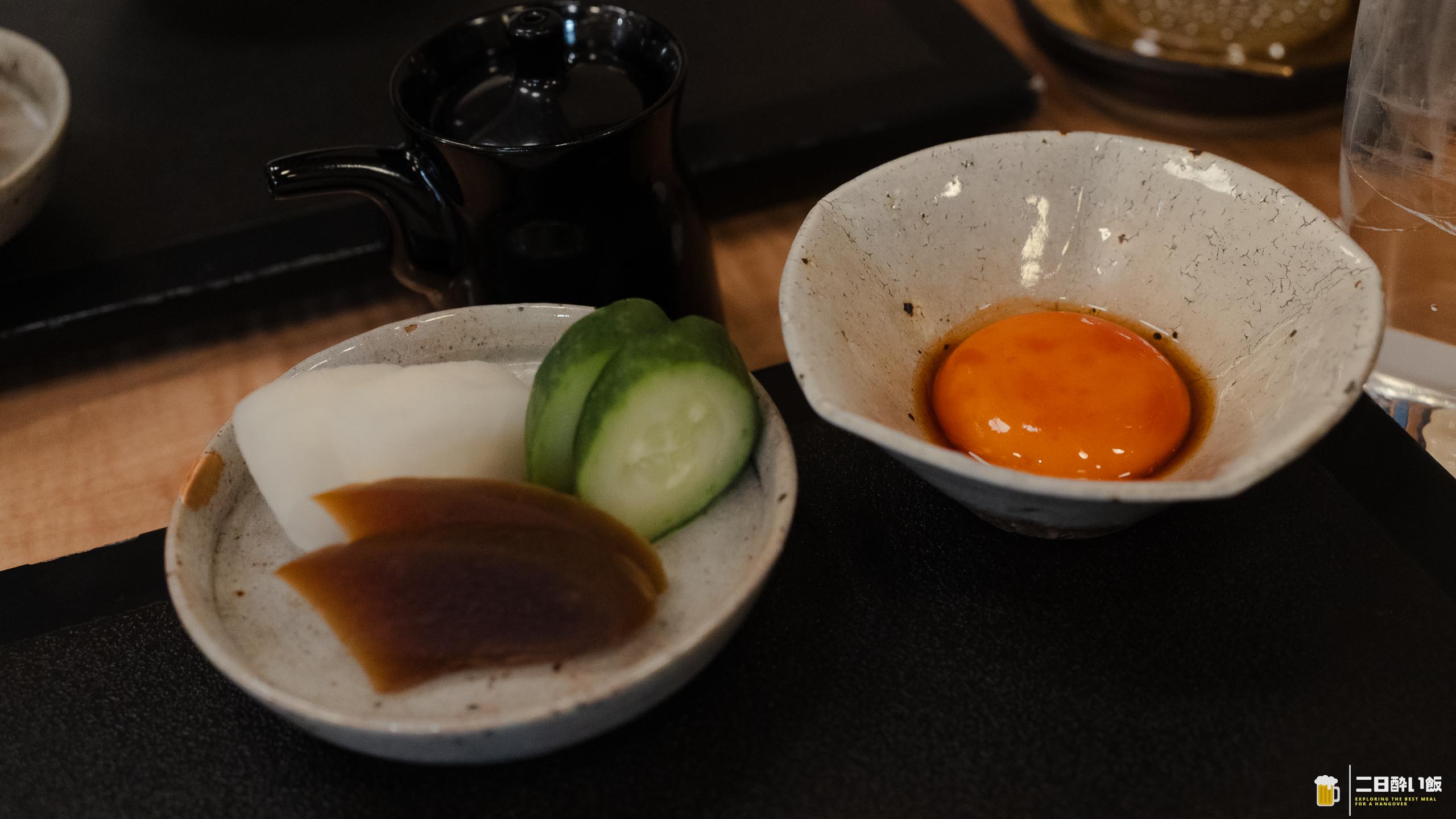
First the pickles and an egg yolk. The yolk has been steeped in eel tare, and they said it is good to dip a piece of eel through it partway through the meal. Really? I am not sure I have ever eaten it that way. Unusual. But it is bound to be good.

So, with all this arriving and the mood building, the lacquered box appears and the mood peaks.
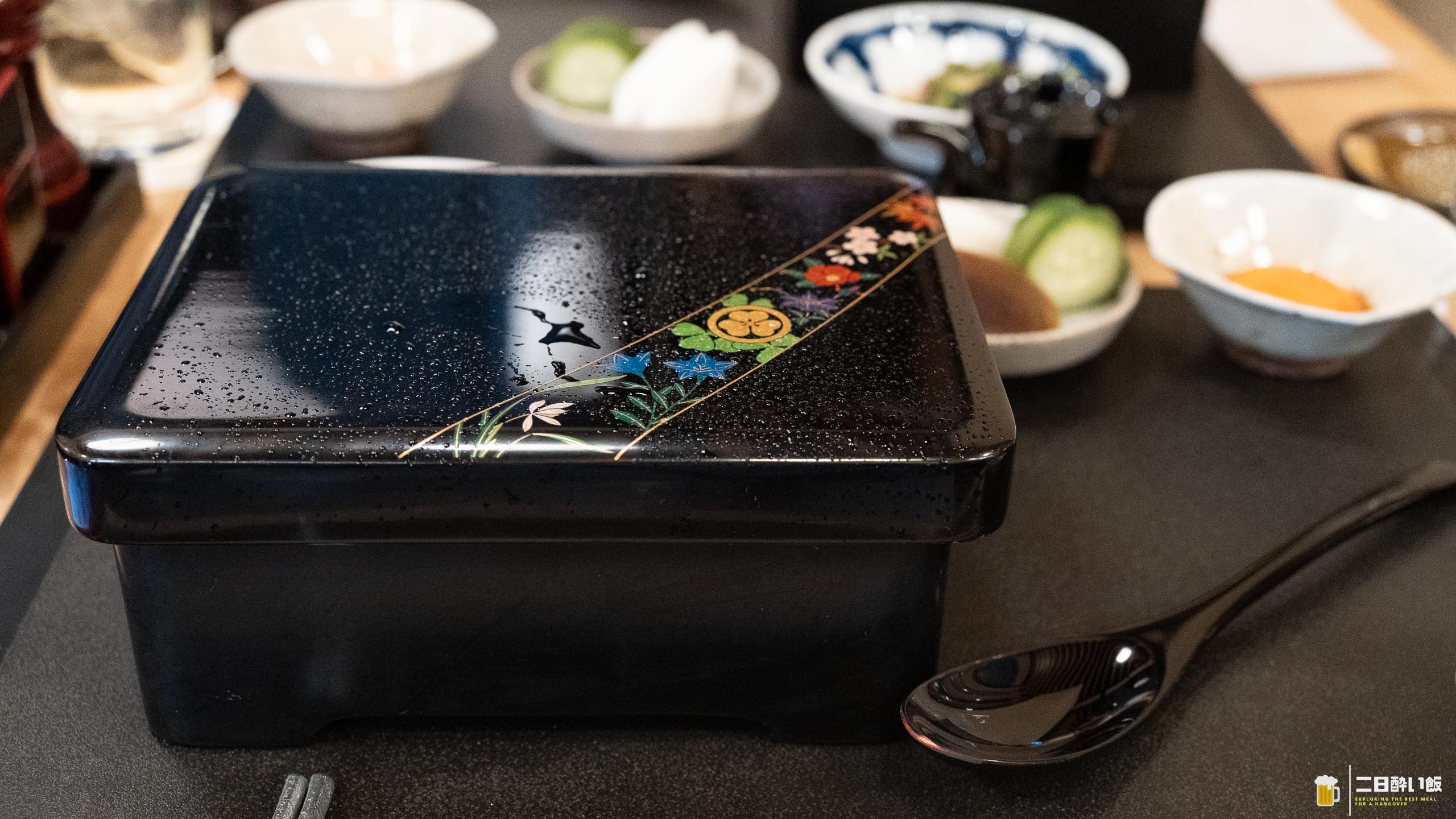
There it is.
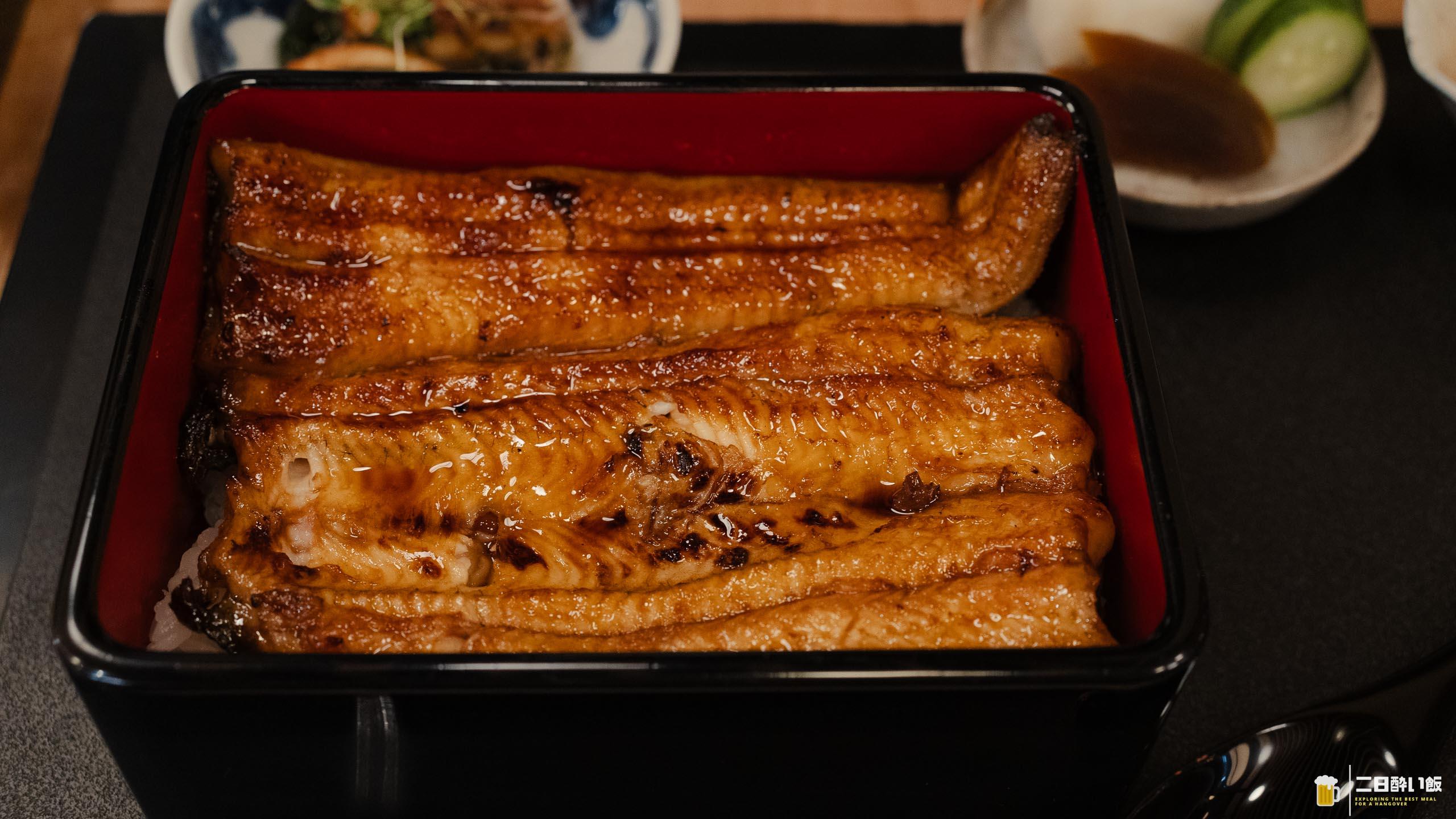
Far too good-looking.
The smell the instant you lift the lid is already wonderful. The sweet fat of steamed eel and the restrained, elegant fragrance of the tare rise together all at once. Put a chopstick in and the flesh parts at once, and in the mouth it falls softly apart. There is plenty of fat and yet no weight to it, and the finish is astonishingly light. The tare has real savor and depth but does not assert itself; it lifts the flavor of the eel instead, so it holds together with the rice perfectly.
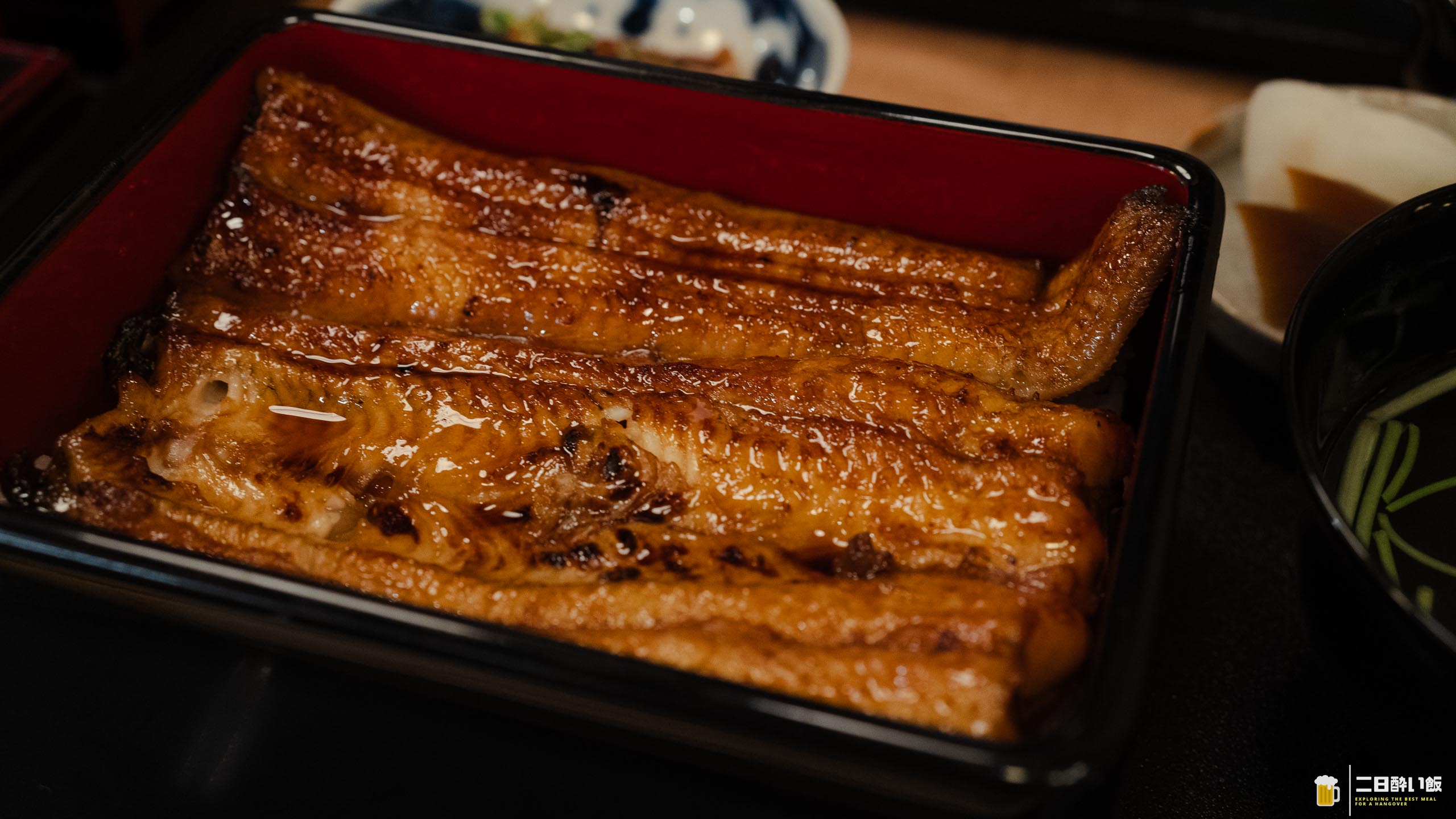
The tare and the savor of the eel have soaked into every grain of rice, and it is simply good. Add the freshness that only comes from butchering to order, and it is the best.
I tried putting a piece of the eel into the tare-steeped egg yolk, and as expected it is good. The yolk clings thickly to the eel and it is delicious. The tare-steeped yolk is so good on its own that the result has real punch. I would not want to do the whole thing that way, but dipping a little is a nice change of flavor. Incidentally that yolk makes anything good — later on I tried dipping the pickles in it, and that was excellent.
Later in the meal there is sansho you grind yourself, and also a pot of ground sansho already prepared. The kind you grind yourself is very fragrant and gives the eel fat a fresh lift. Yes, good.
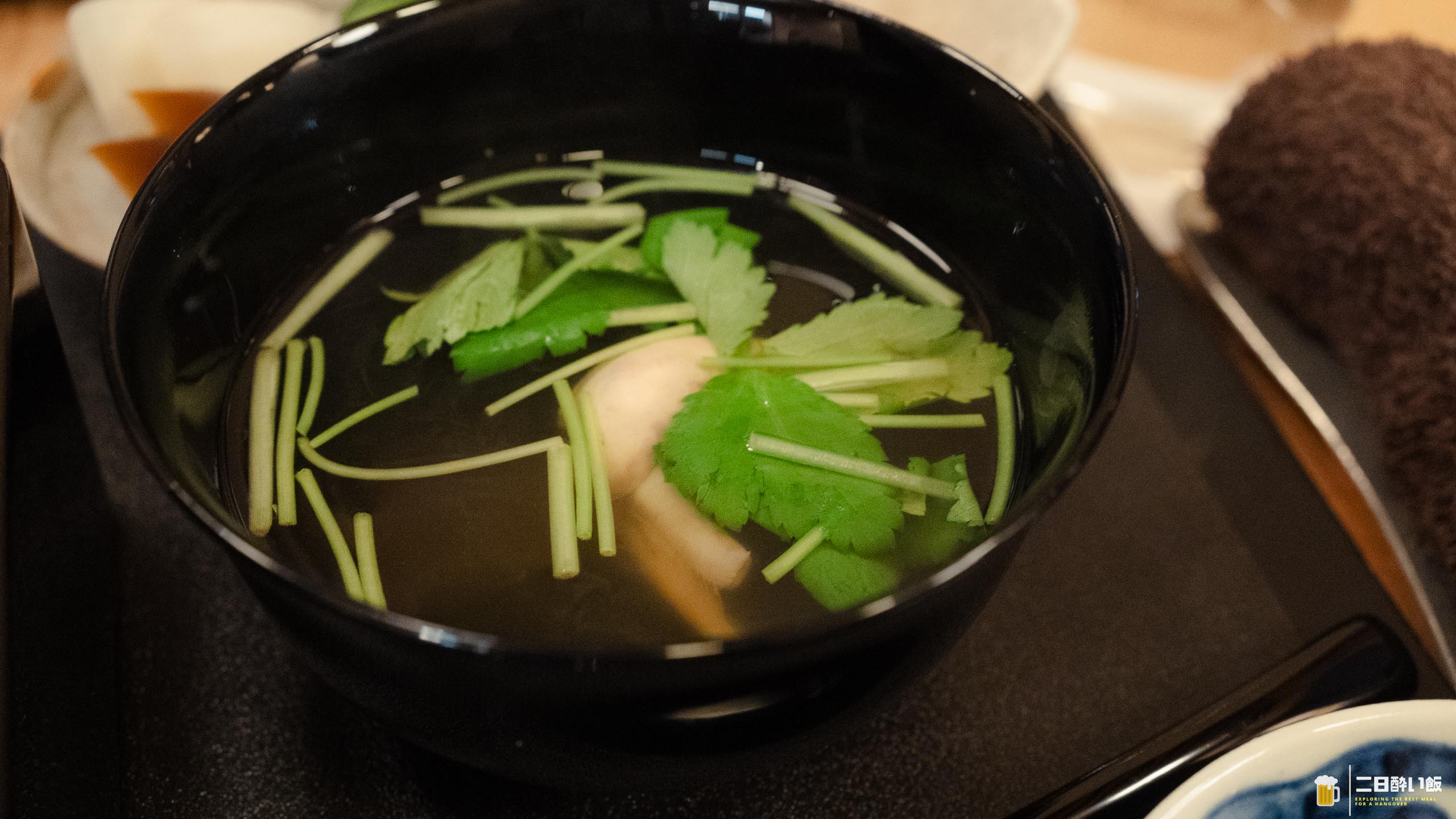
Well, from beginning to end it was quite an experience. Is 8,000 yen a head, without the uzaku and the nikogori, not rather cheap? A careful eel course in Ginza, with a good atmosphere as well. It felt as though the whole thing had begun from the very start. Careful, beautiful to look at, and delicious: nikogori, shirayaki, uzaku, each raising the mood a step, all leading properly into the unaju as the main event. Long-established eel houses are of course very good too. But as an experience, I thought, so this is another way to eat eel. Really excellent. A bowl I shall not forget.
Ginza Yondaime Takahashiya, Ginza branch (Unagi / Higashi Ginza Station, Ginza Station, Ginza-itchome Station)
Tabelog dinner rating ★★★★☆ 4.8
I ate here and paid for it myself. Nothing on this site is a comped meal.
One more for the road?


