


A note on the words: unagi is freshwater eel, and kabayaki is eel split, skewered and grilled with a sweet soy glaze called tare; unaju is that eel laid over rice in a lacquered box, its grades running regular, jo and tokujo, meaning standard, upper and special. Kimo means the eel’s liver and innards, so kimoyaki is those grilled on a skewer and kimosui is the clear soup made with them. Uzaku is grilled eel dressed with cucumber and vinegar. The skewer names on this menu are all different cuts of the same fish, and each is described where it appears below: kabuto, shirobara, kushimaki, kurikara, tanjaku and hire. Otoshi is the small appetizer an izakaya brings unbidden and charges you for, effectively a cover charge, and shochu is Japanese distilled spirit. Kabukicho is Tokyo’s largest nightlife district. Prices are as of this writing (August 2026).
Table of Contents hide
Book a table at Shinjuku Unatetsu Hanare on AutoReserve (English)
This is Hangover Meshi! This time I decided to try an eel restaurant in Kabukicho: Shinjuku Unatetsu Hanare. An eel place in the dead center of Kabukicho, I thought — really? But it turns out to be a shop with a whole rack of eel skewers, so the idea may be less eel as a meal and more drinking your way through an eel. Put like that, the dead center of Kabukicho makes perfect sense.
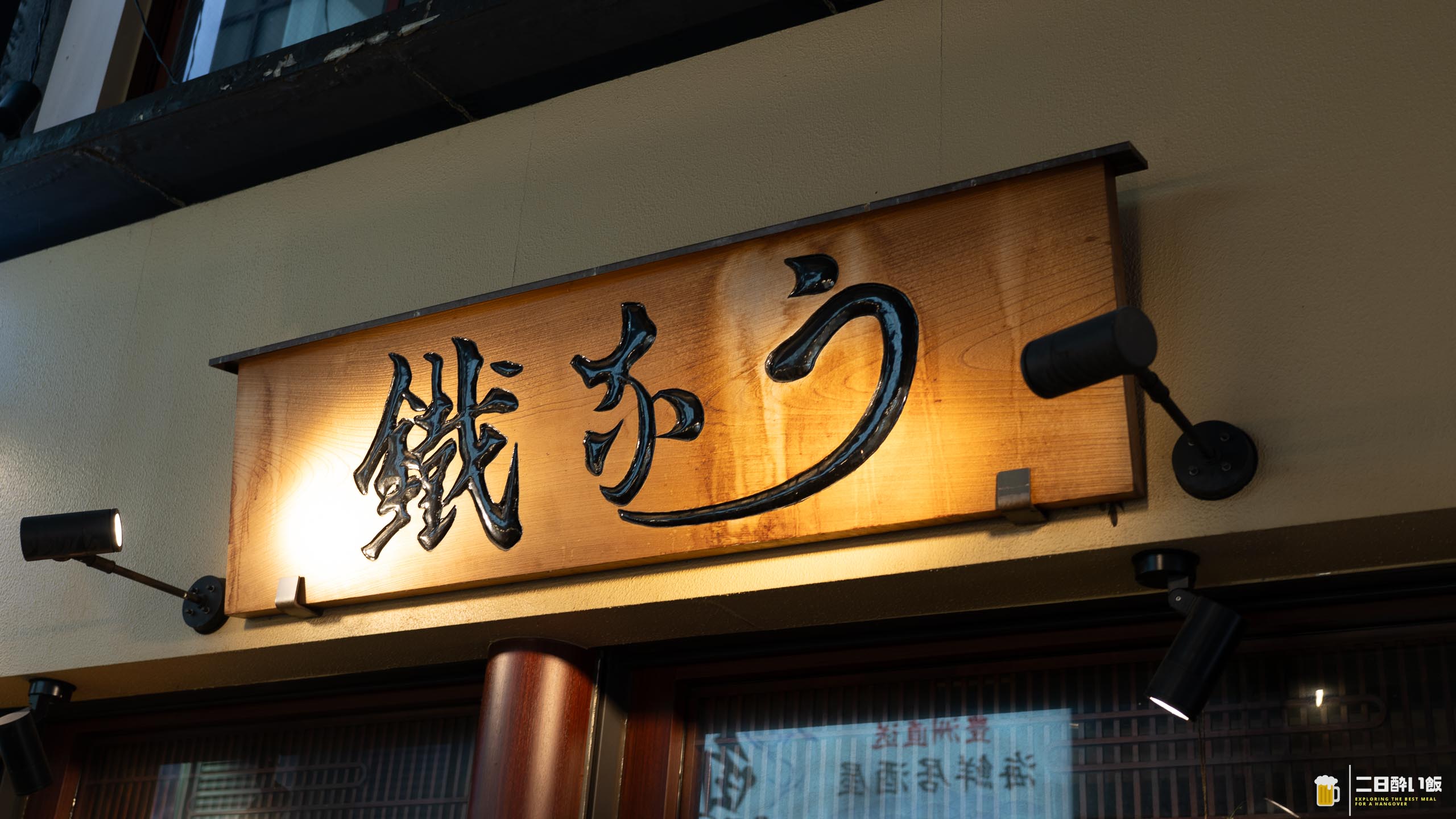
Since the name carries “hanare,” the annex, there must be a main shop somewhere. I would like to go there next time.
Unaju, top grade, 4,920 yen
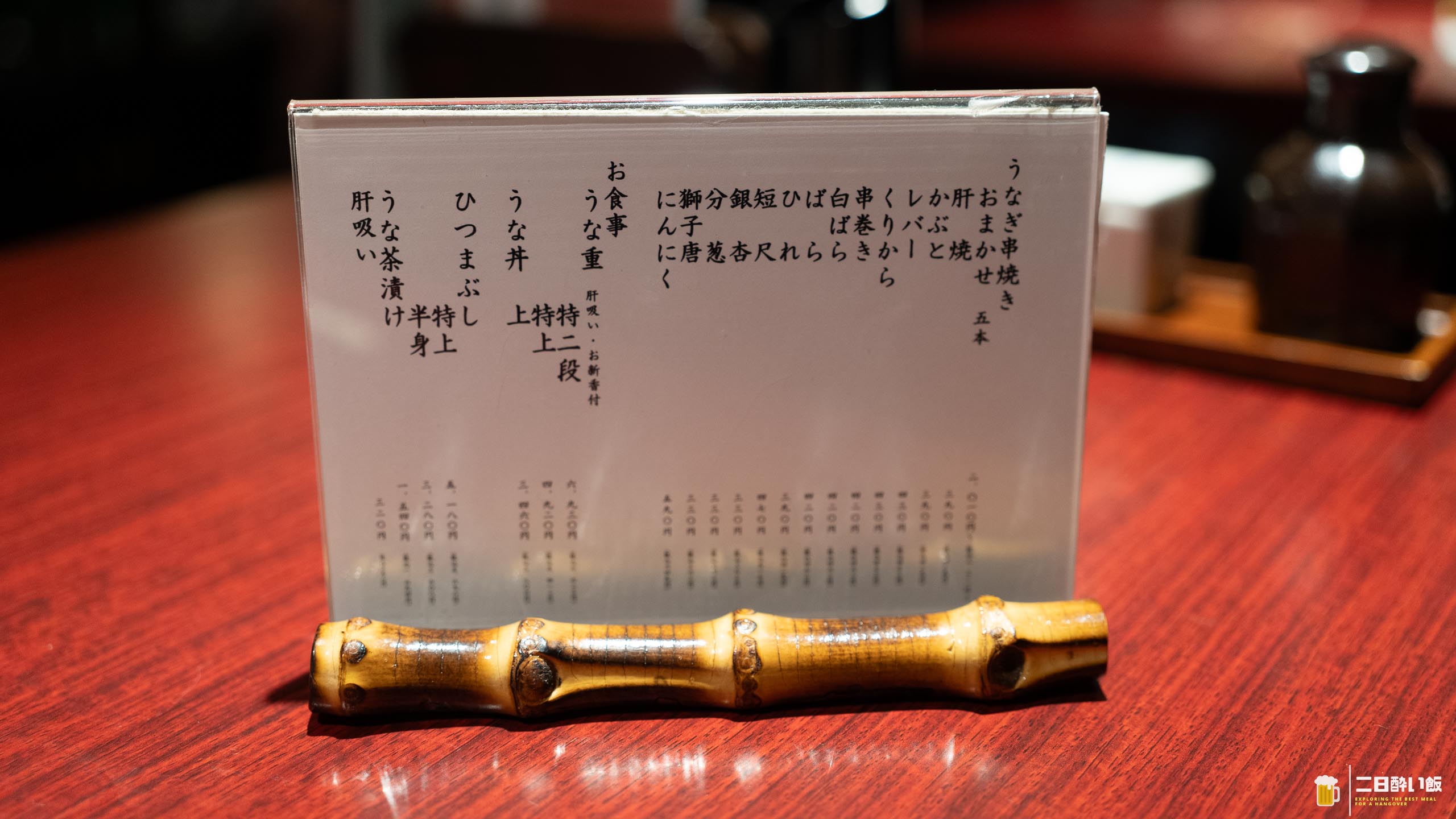
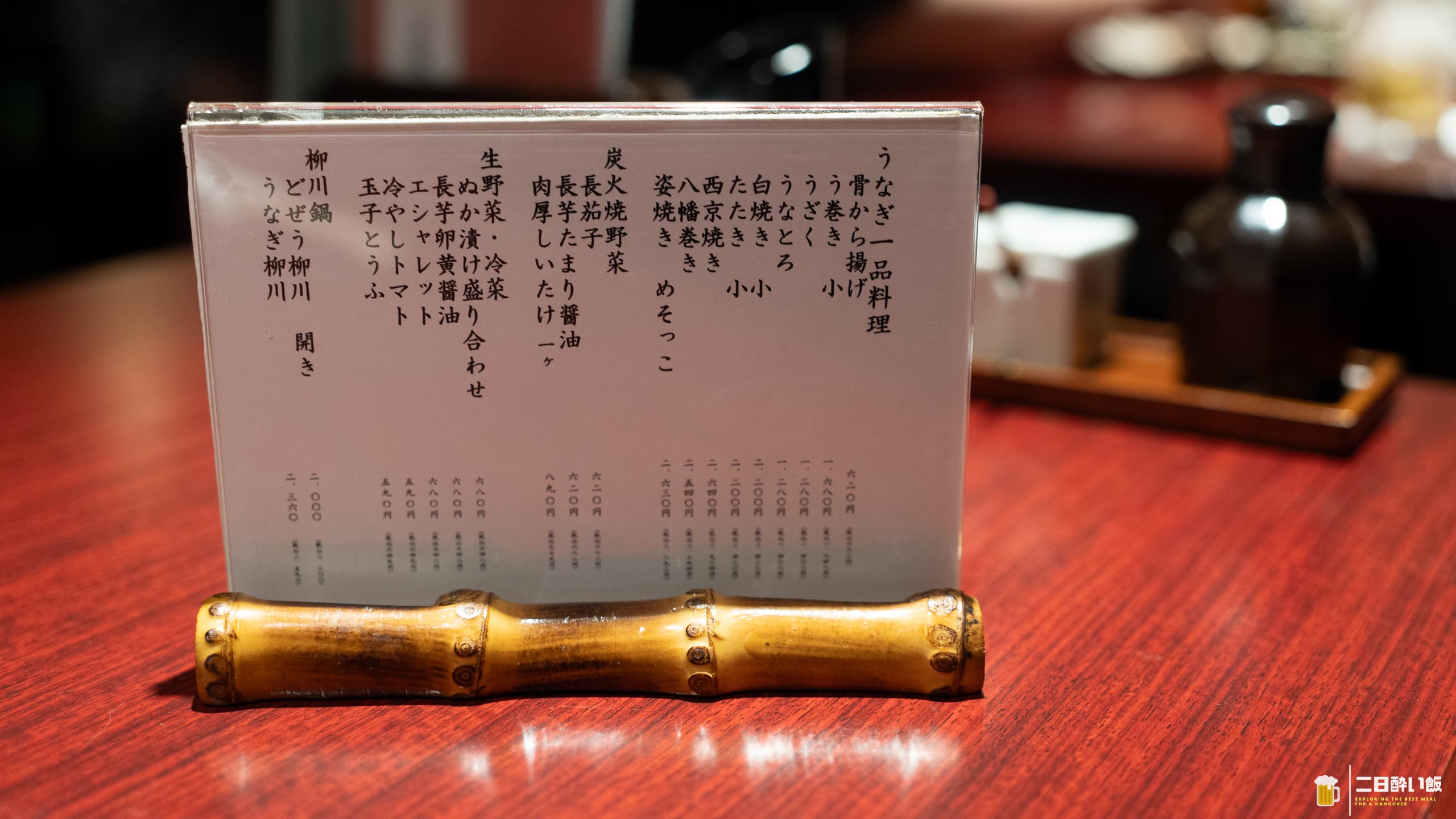
Right — the unaju comes at the end, but first, skewers, as many as I can eat!
So I started by ordering the five-skewer set, chef’s choice.
Then I spotted a nine-skewer set with everything on it on the main menu. Everything sounded better, so I had the staff switch my order ^^
But the liver and the fins were out, so they asked whether seven would do. Of course! I cannot wait for these skewers.
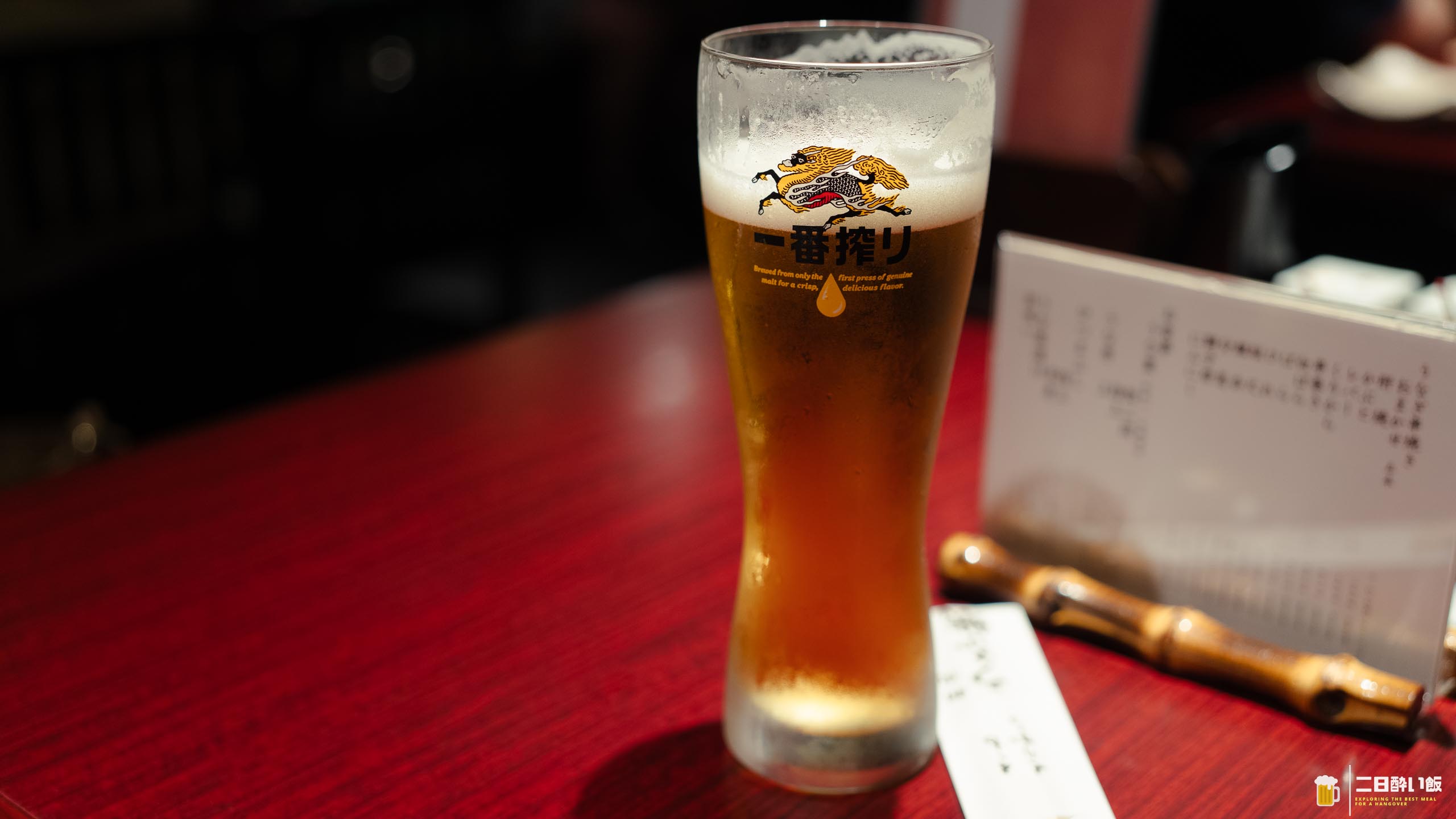
The beer is good!
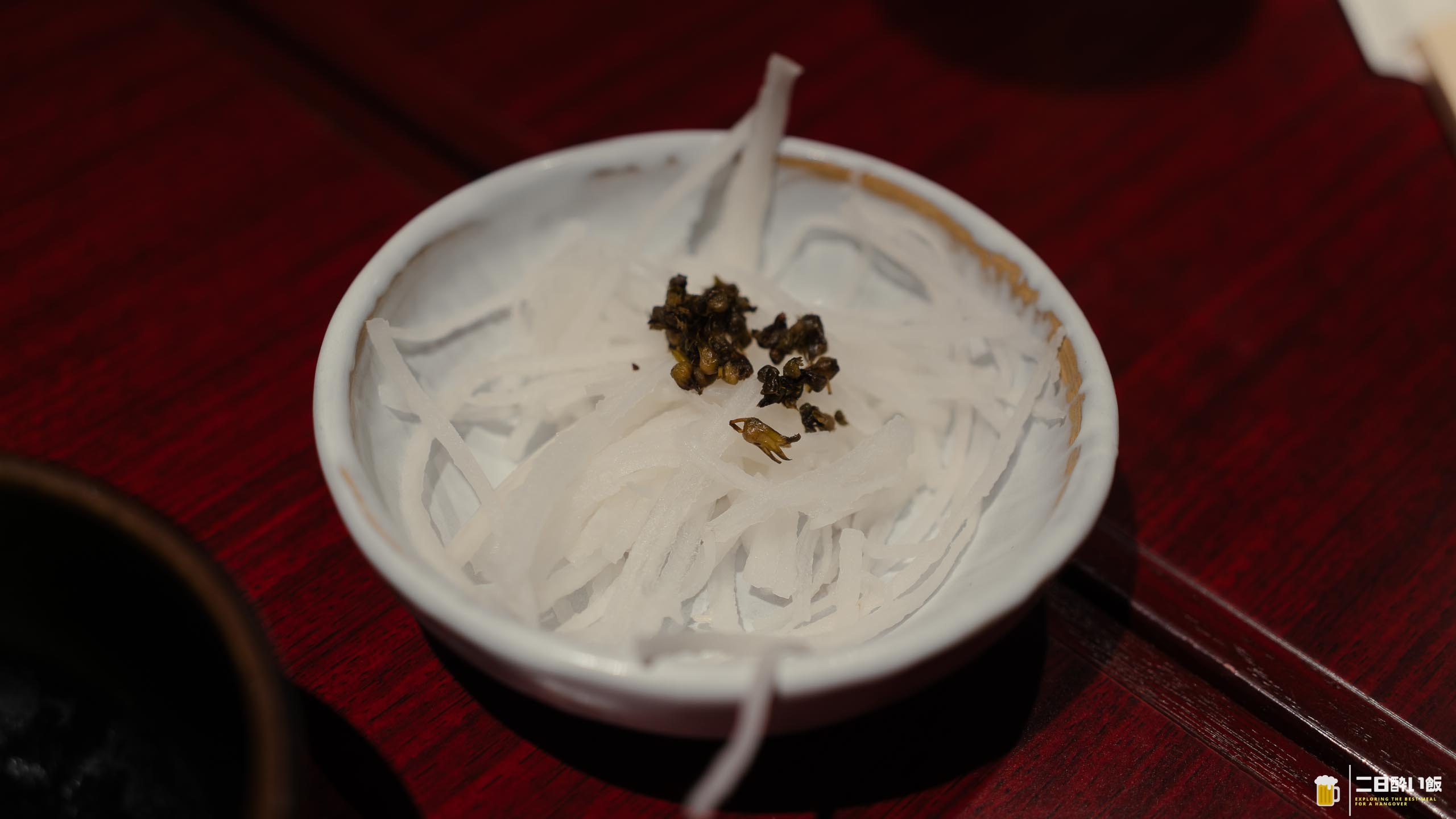
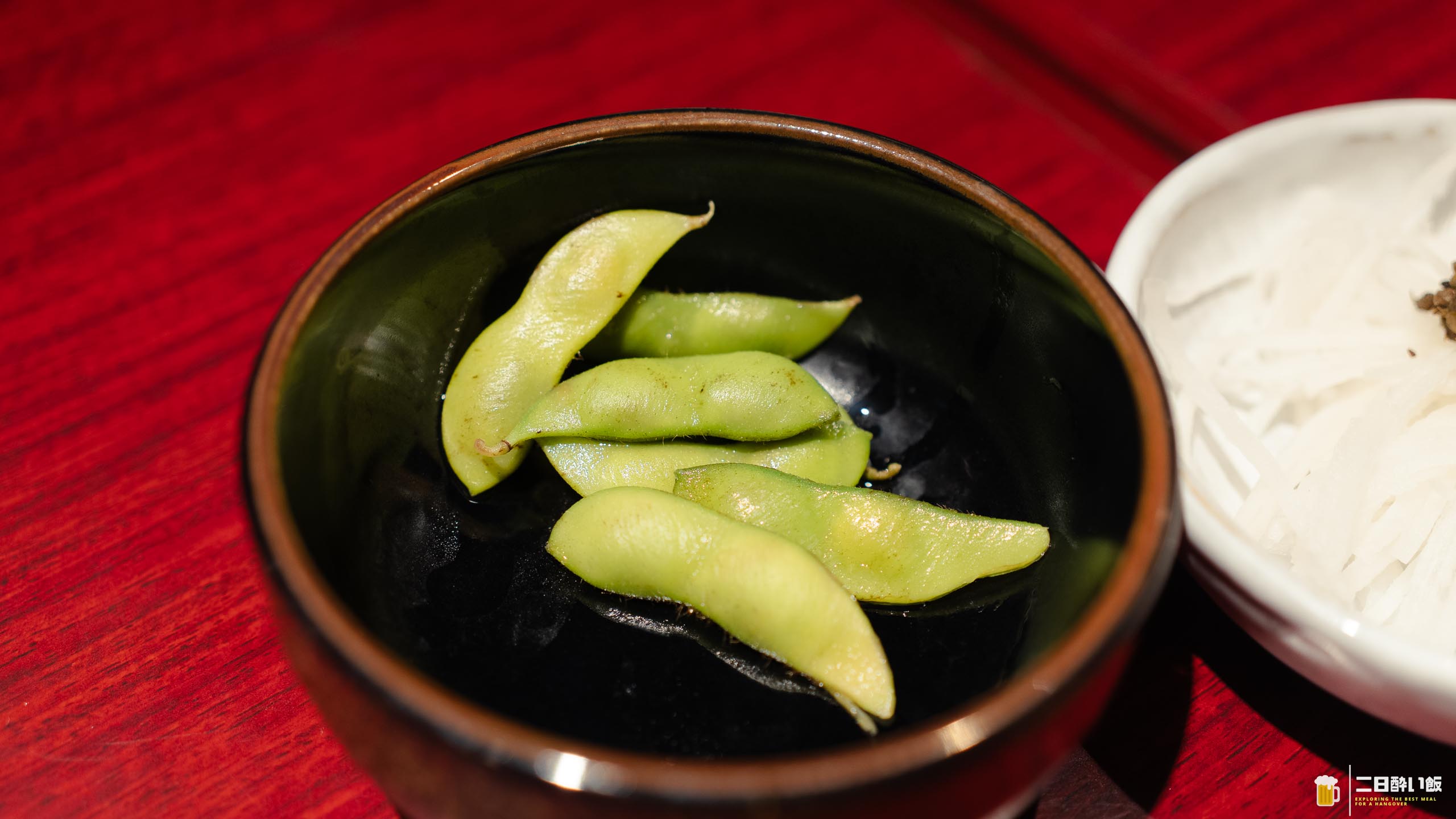
What looks like the otoshi — the small appetizer an izakaya brings unbidden and charges you for — is shredded daikon and edamame. Edamame really is good in summer.
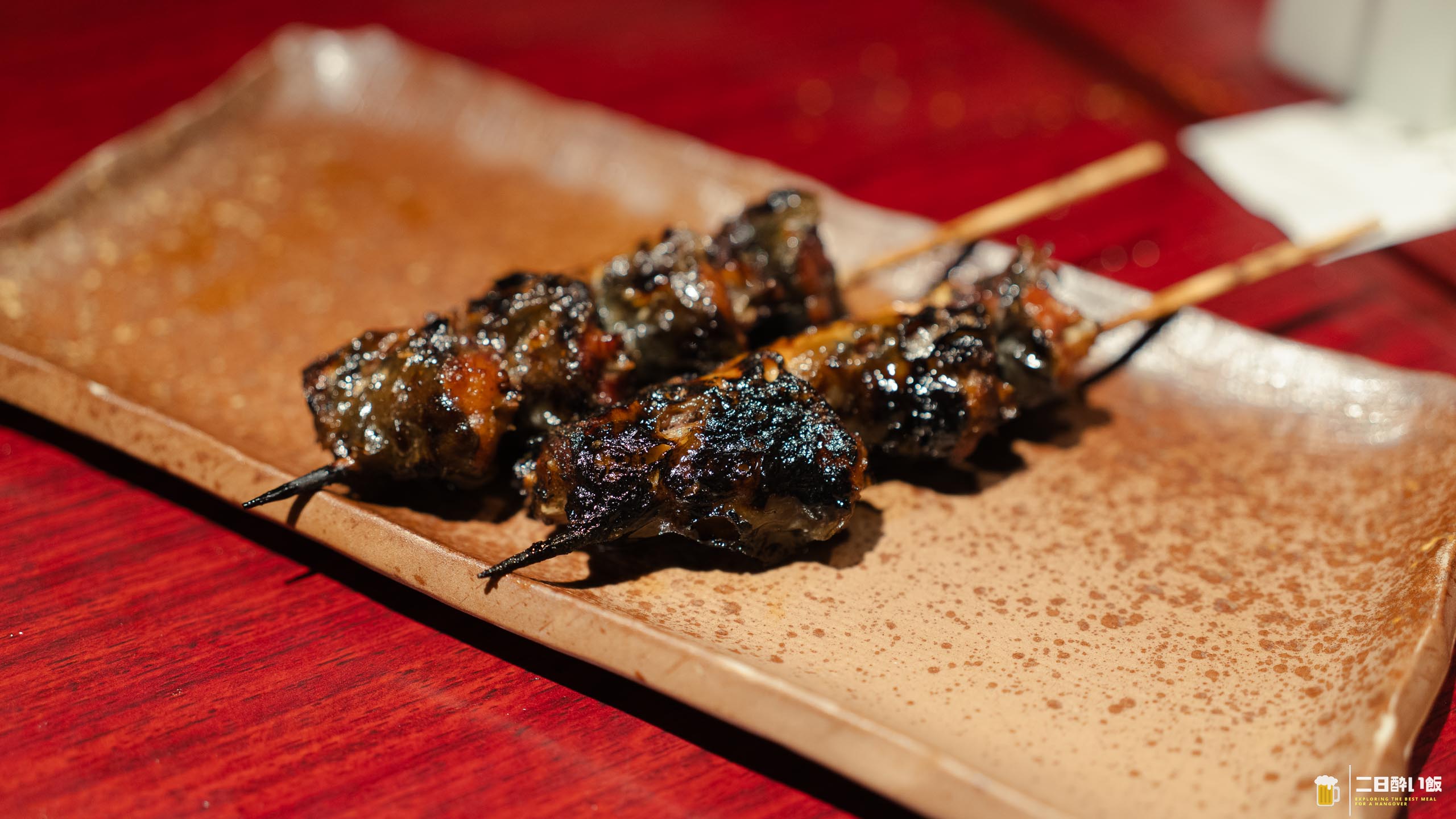
The texture is all bone, and crunchy with it. I believe it is the neck section, but am I supposed to crunch straight through bones like these?
There is a decent amount of meat on it and it tastes good, though the spine stays behind in your mouth, so as an experience it is worth having, but it may not be for me.
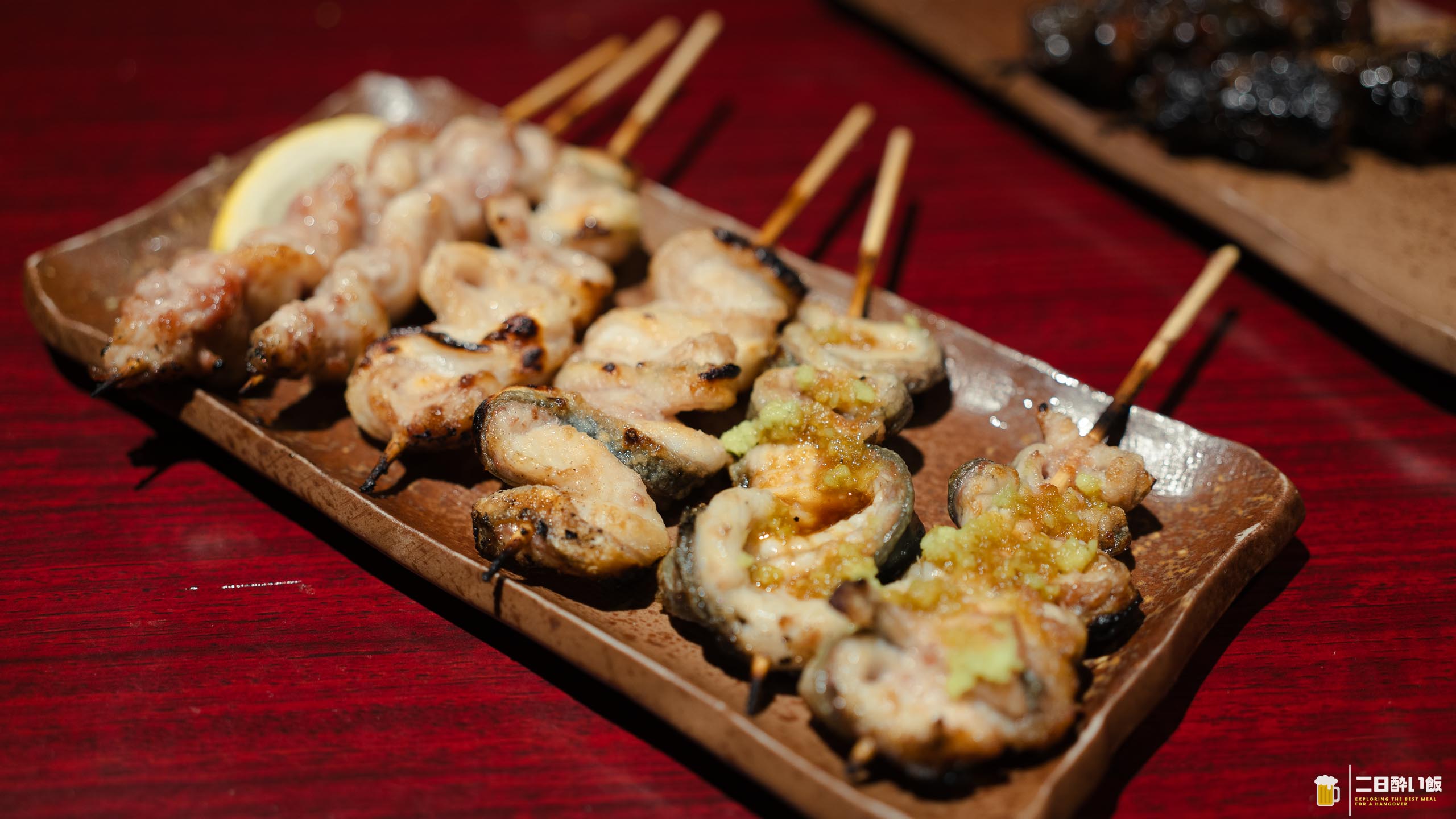
On the left is shirobara. It uses the pale meat around the bones and, quite unlike the kabuto, carries little skin or bone and a clean, light flavor. The texture is supple and good. In the middle is kushimaki. That is the belly, apparently, skin left on, rolled onto the skewer and grilled. It is rich with fat, melting on the tongue, with a fine toasty edge. Salt lifts the savor of that fat. And last, kurikara. Offcuts and long thin strips of eel are wound around the skewer in a spiral and grilled, and the name likens the shape to Kurikara Ryuo, the dragon king who is an incarnation of Fudo Myoo, coiled around his sword. What a grand name for a skewer! Though once you hear it, it does start to look like a sword. Toasty, plump and tender. It goes beautifully with soy sauce and wasabi.

This is the whole run of innards threaded onto a skewer and grilled. That bitterness is just the thing. The bitterness and the savor tangle together in a complicated way, and it goes superbly with a drink. At this point I switched to Kanehachi shochu with soda. Bitterness calls for shochu.
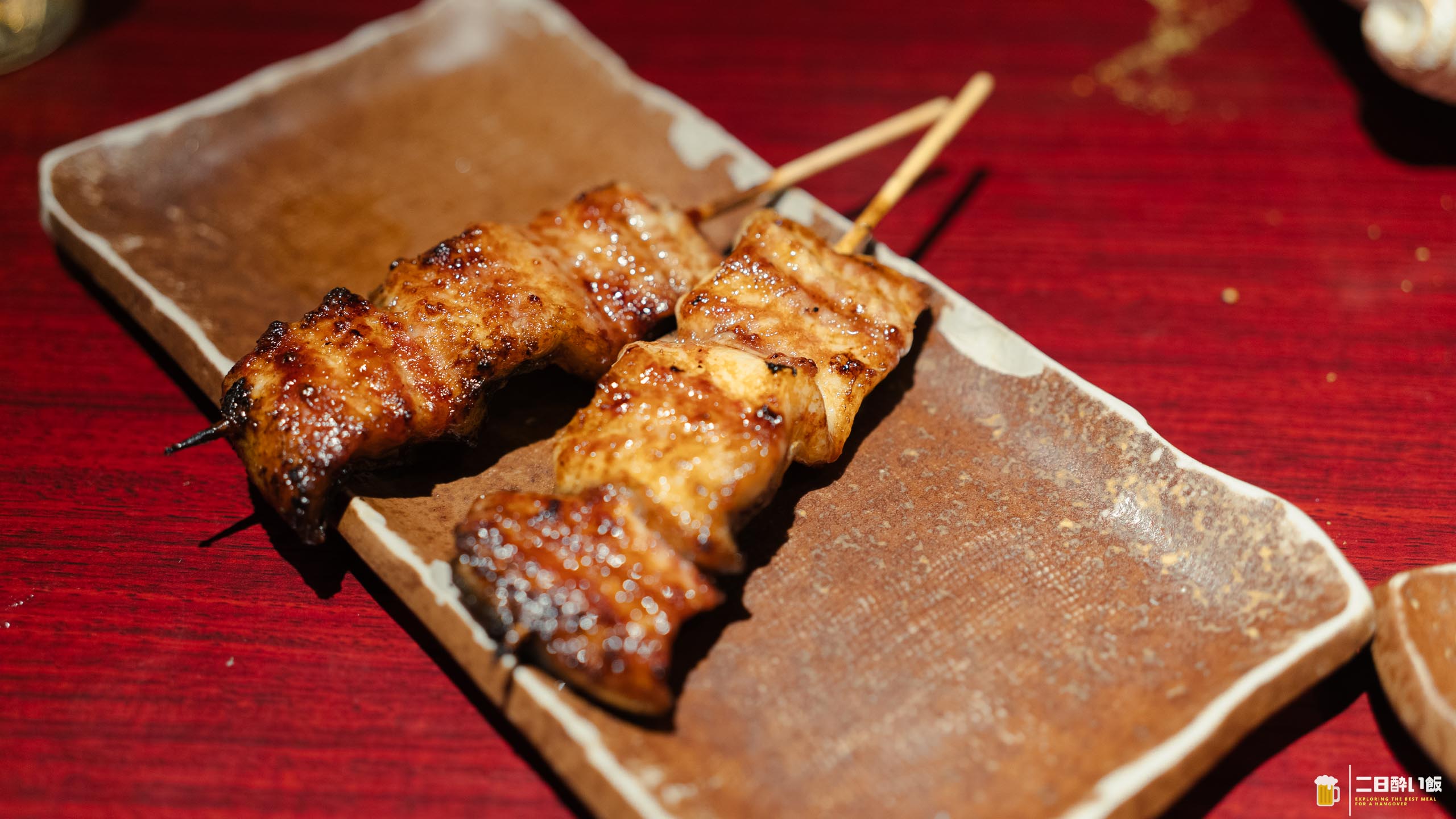
I did think, given that I was going to have the unaju later anyway, that I did not really need this ^^
It is apparently the same eel they use for kabayaki, cut small and grilled as it is. Crisp skin, plump inside.
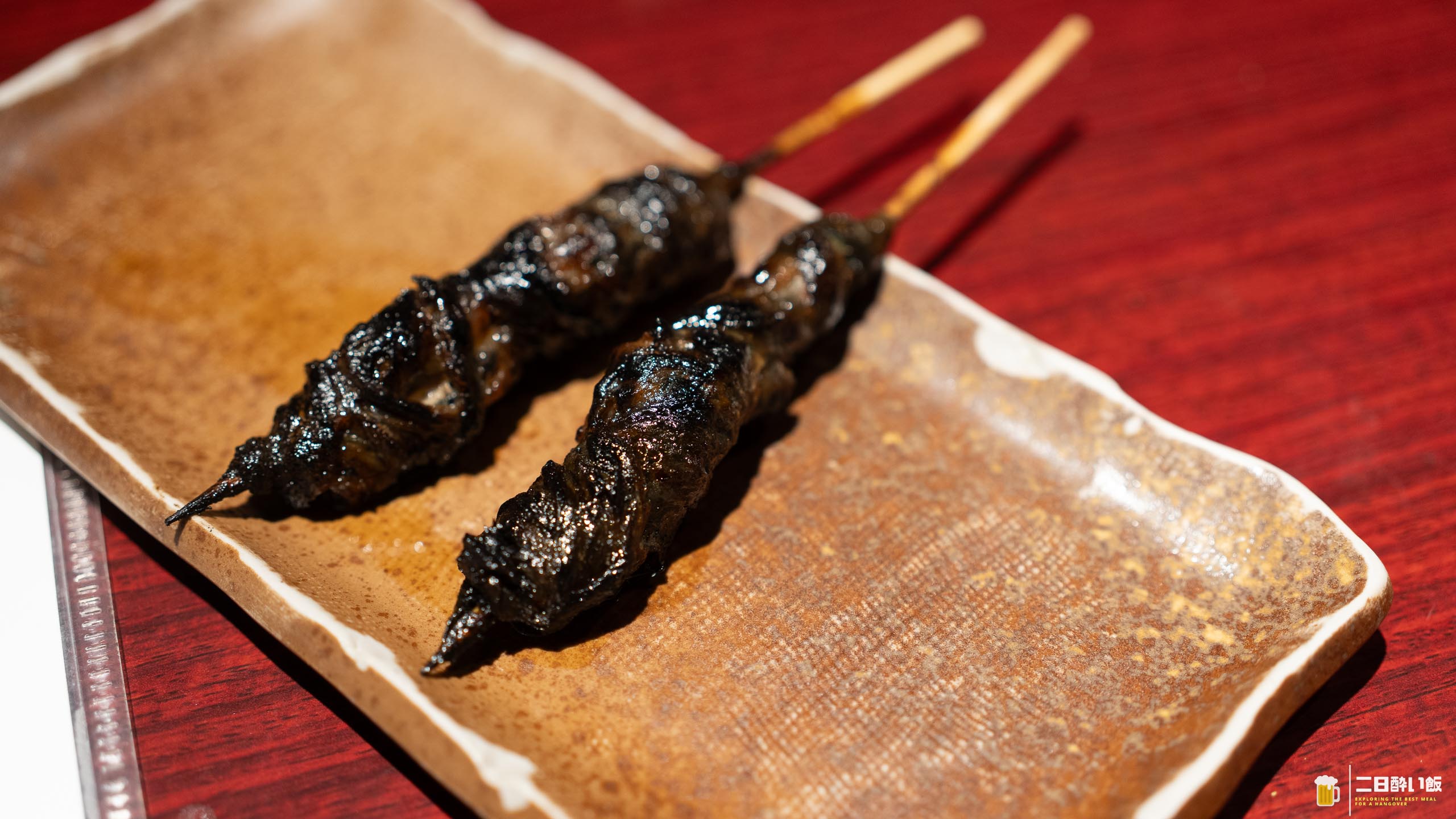
A skewer of the dorsal and belly fins rolled up. They are grilled quite hard, so you get the scorched bitterness of the tare glaze along with the flavor of the eel. Good.
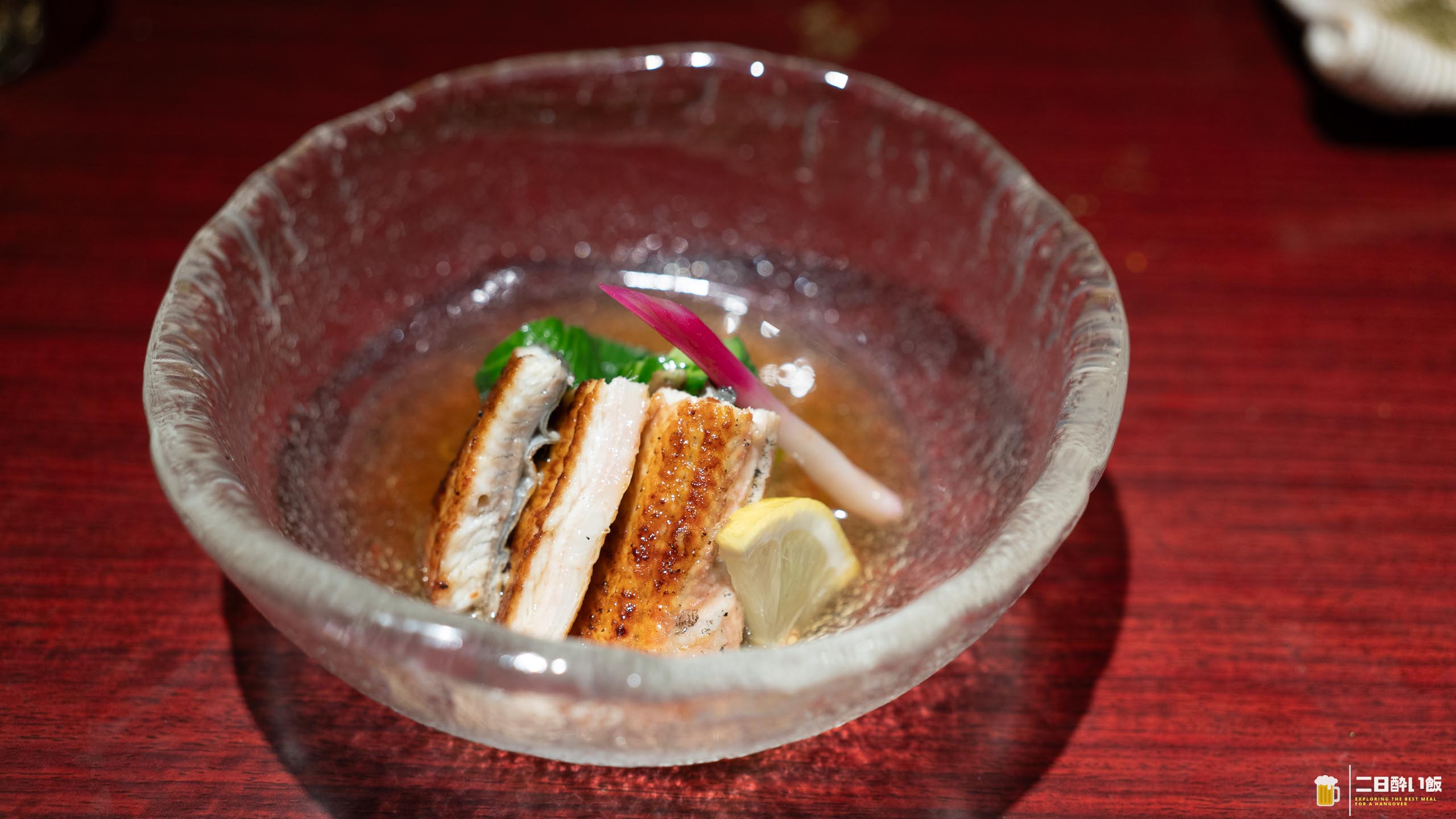
Next, uzaku. Crisp, toasty grilled eel with cool, crunchy cucumber. The depth of the sweet-savory tare meets the sharp acidity of the vinegar, and it resets the richness of the fat, which makes it delicious. A snack you can enjoy lightly even on a hot day.
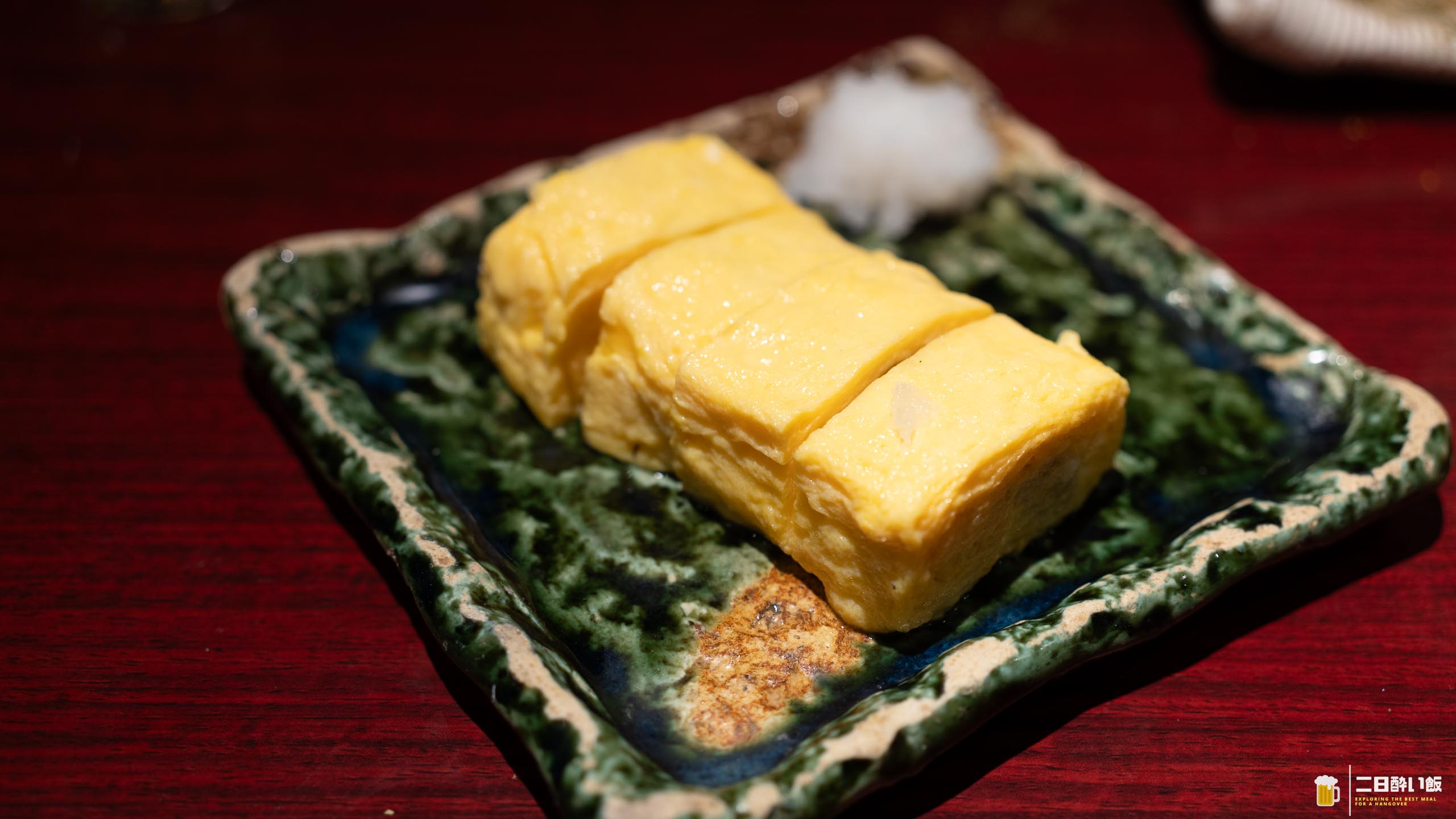
A dish of toasty eel rolled up inside a softly grilled omelet. The gentle sweetness of the egg and the savor of the eel lie over each other — refined, yet easy to like. That sweetness goes rather well with a drink.
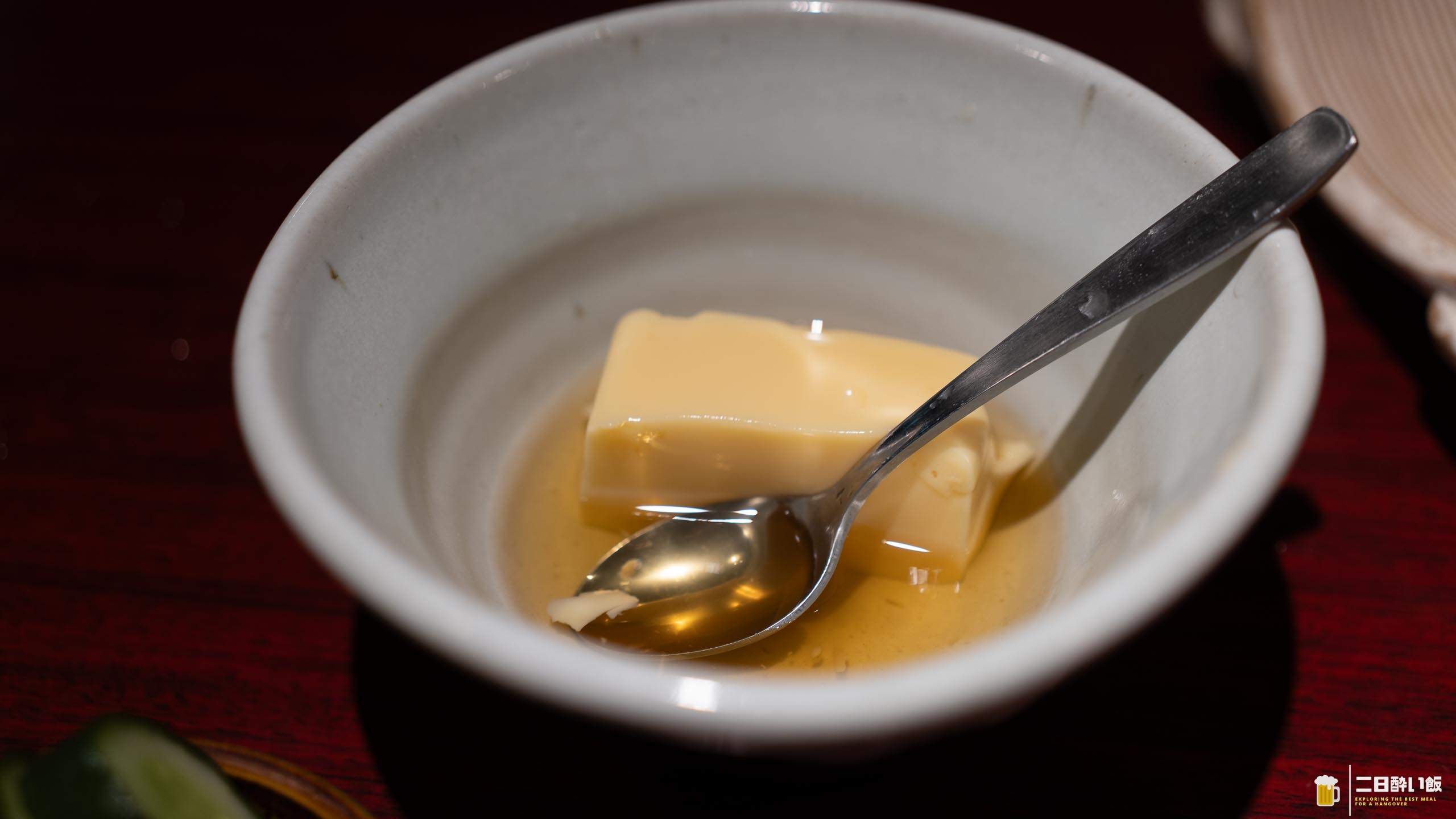
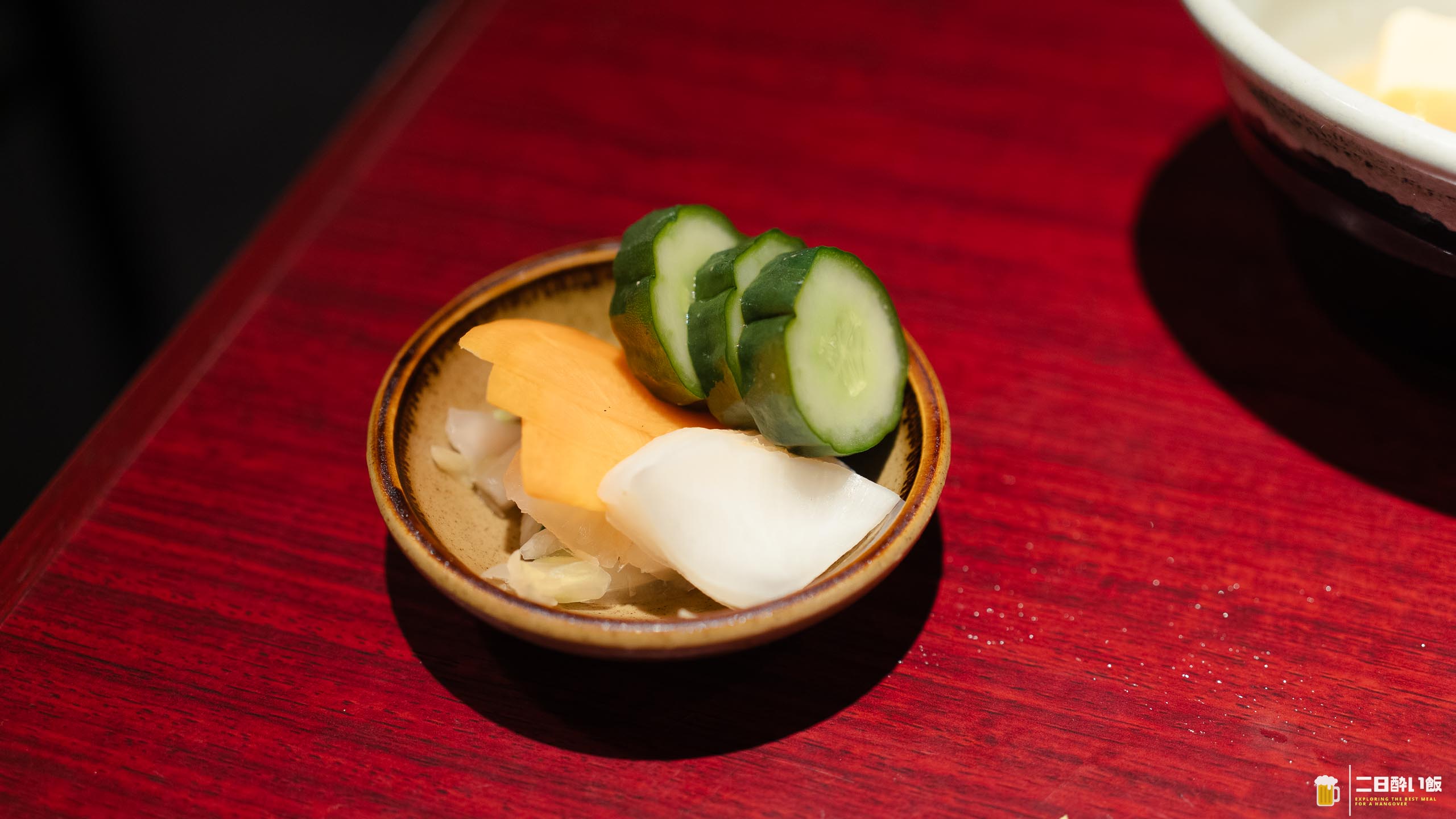
First to arrive: tamago-dofu, a chilled savory egg custard, and pickles.
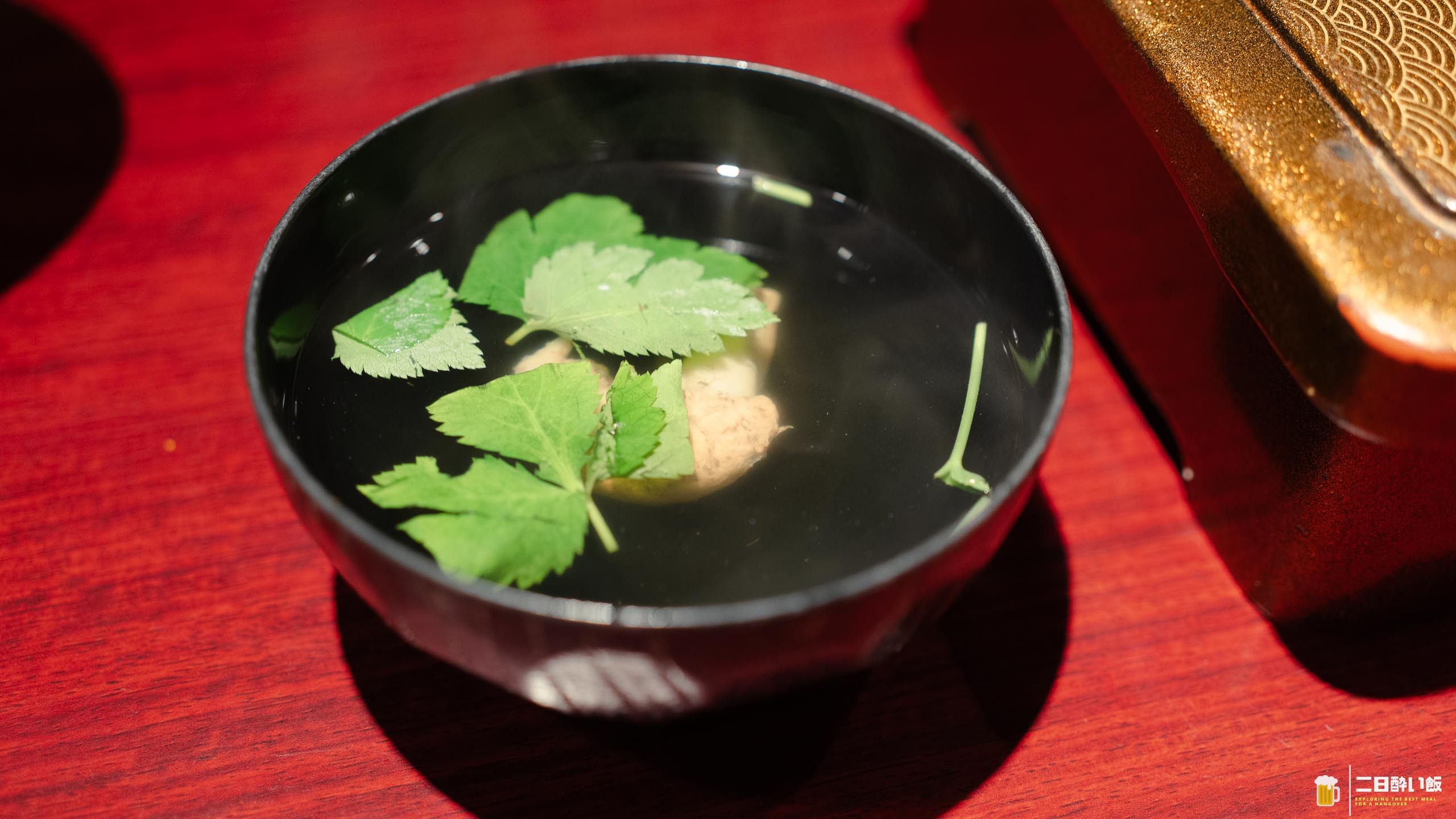
Kimosui! It smells wonderful.
Ta-daa!
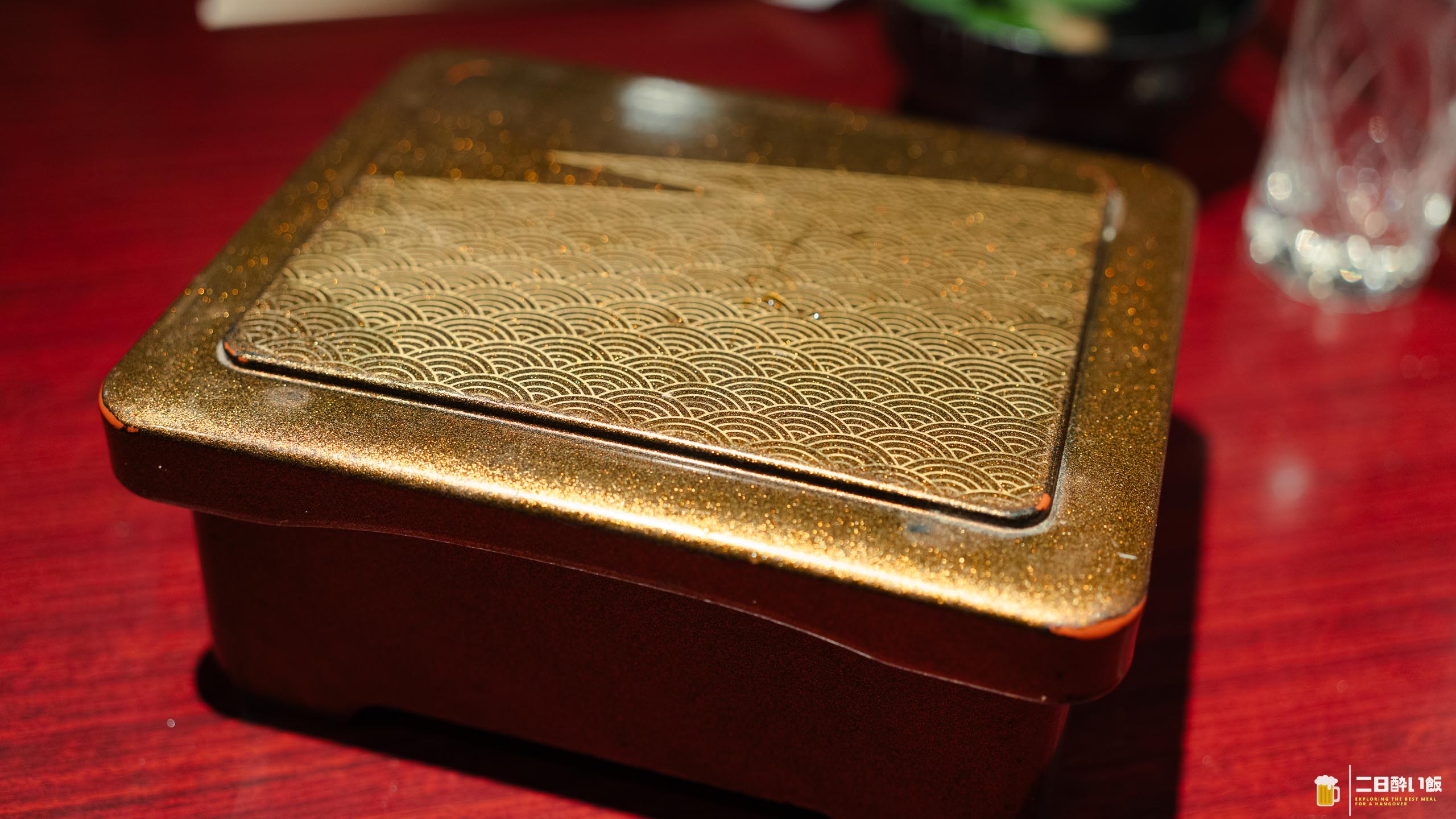
And the lid comes off!
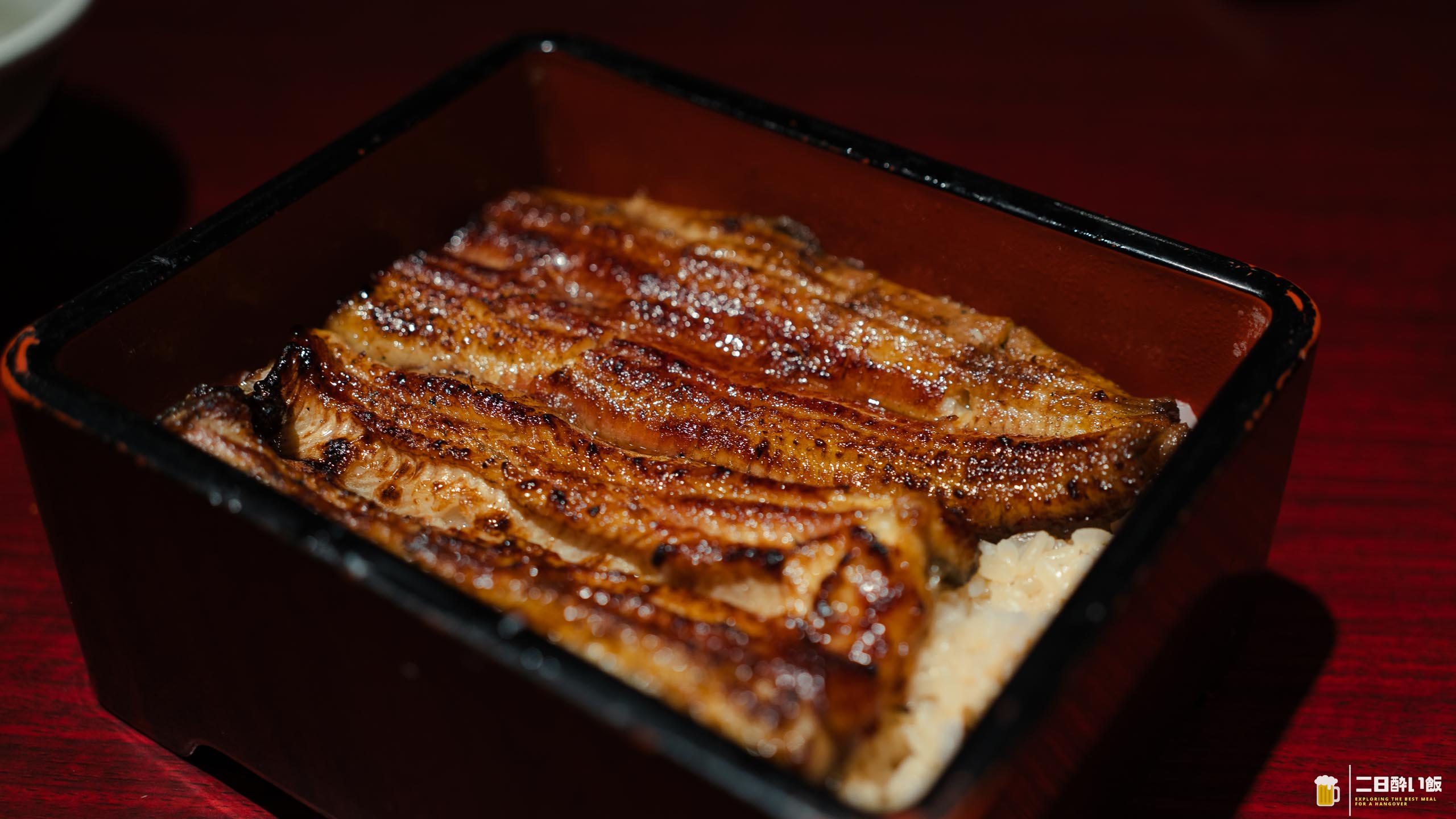
Whoa. That looks good…
From the moment the lid lifts, a sense of luxury rises with the steam.
Thick, plump grilled eel sits enthroned on the rice. I am glad I went for the top grade ^^
The depth woven from charcoal smoke and a light, restrained tare is a reward of the highest order. Every bite is toasty outside and meltingly tender within. So good. Drinking over eel skewers was fine, but when you come to an eel restaurant, it has to be unaju.
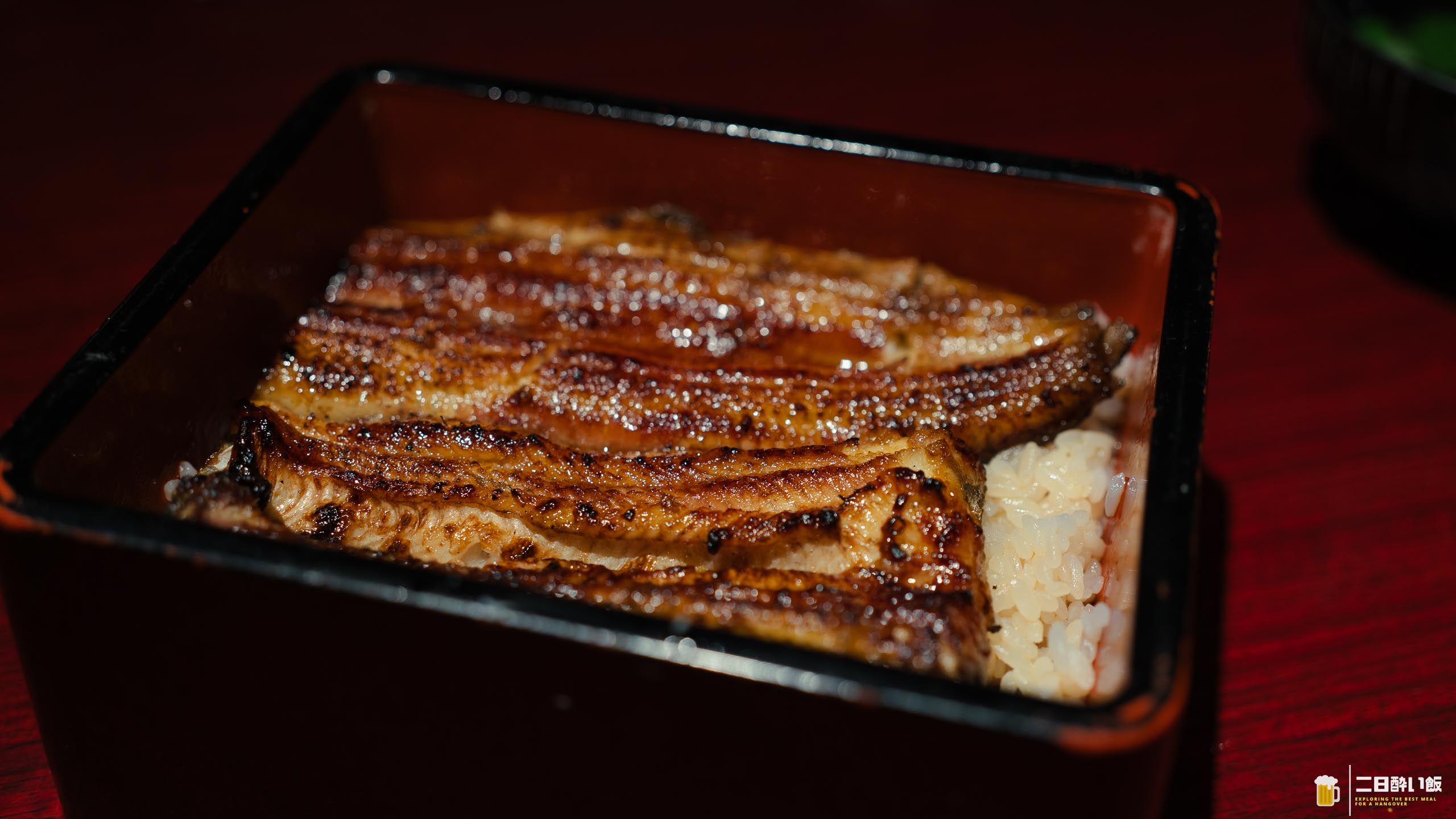
The rice is a slightly modest portion too — perhaps on the assumption that you have been drinking over eel skewers? It was exactly the right amount.
So there it was, eel skewers and drinks in the dead center of Kabukicho. Inside, the room is calm enough that you would never guess where you are, and we could talk without hurrying, which was rather good. Step outside and everything glares at you, so a room where you can eat eel at your own pace in the middle of all that is worth having. I will come back if only for the skewers that were sold out this time. Next time, perhaps the main shop rather than the annex.
Shinjuku Unatetsu Hanare (Unagi (Eel) / Seibu-Shinjuku Station, Shinjuku-nishiguchi Station, Shinjuku Station)
Tabelog dinner rating ★★★☆☆ 3.6
I ate here and paid for it myself. Nothing on this site is a comped meal.
One more for the road?


