


A note on the words: Sushi Choshimaru is a conveyor-belt sushi chain where chefs fillet the fish in the shop. Gunkan is sushi rice wrapped in nori seaweed to hold toppings such as tobikko (flying-fish roe) and ikura (salmon roe). Hon-maguro means bluefin tuna; akami is lean meat, chutoro a moderately fatty cut and otoro a very fatty cut. Hikarimono are silver-skinned fish such as mackerel, horse mackerel and sardine. The shiro-ebi (white shrimp) served here are from Toyama.
Sushi Choshi Maru Itabashi higashishinmachi ten on Tabelog (English) — opening hours, payment details and the Japanese address are kept up to date there, not here.
I want sushi! Thank you for waiting, it’s Hangover Meal time!
I usually end up going to the Kappa Sushi (a casual conveyor-belt sushi chain) right next door, so I figured I should try Choshimaru at least once — making this my first visit! This place is quite systemized too, and it seems you can even reserve ahead! I got there around 2:00 pm on a holiday and it was packed (lol). Super popular!!
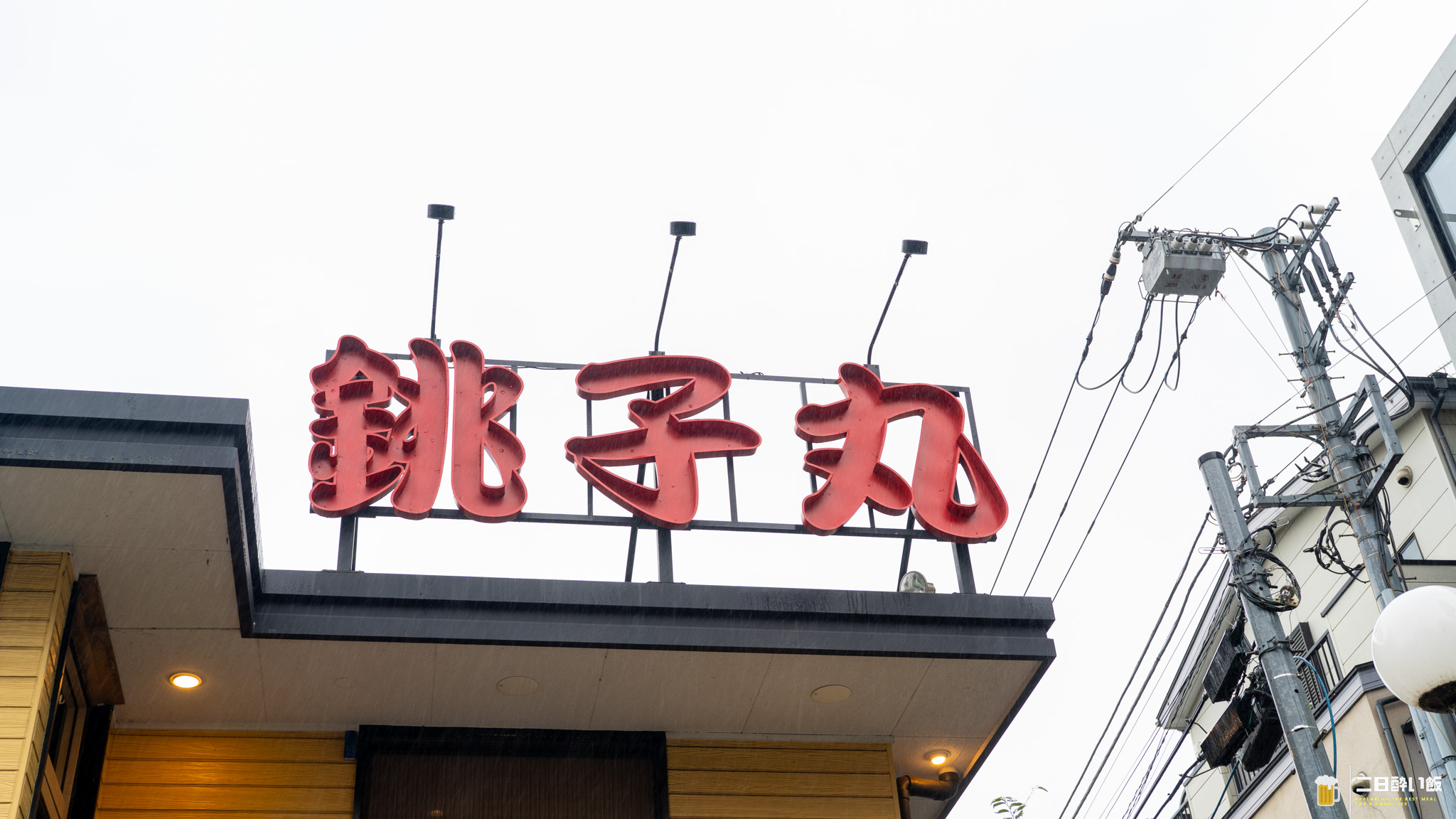
Sushi Choshimaru is a gourmet kaiten (conveyor-belt) sushi chain with about 90 shops across Chiba, Tokyo, Saitama, and Kanagawa. Apparently their signature theater-style concept calls each shop a “theater” and the staff “troupe members” (lol) (really? I had no idea), and their big draw is that sushi chefs fillet the fish and press the sushi right in the shop every day. The appeal is getting to enjoy generously sized toppings sourced from Choshi Port, all over Japan, and seas around the world. The Itabashi Higashi-Shincho branch is about an 8-minute walk from Tokiwadai Station. Another nice perk is that arajiru (fish-bone miso soup) is free at weekday lunch. This autumn they were running a “Tour the World’s Seas” fair, lining up toppings from places like Australia, Canada, and Toyama.
Now then, once seated, I started tapping in orders for whatever caught my eye.
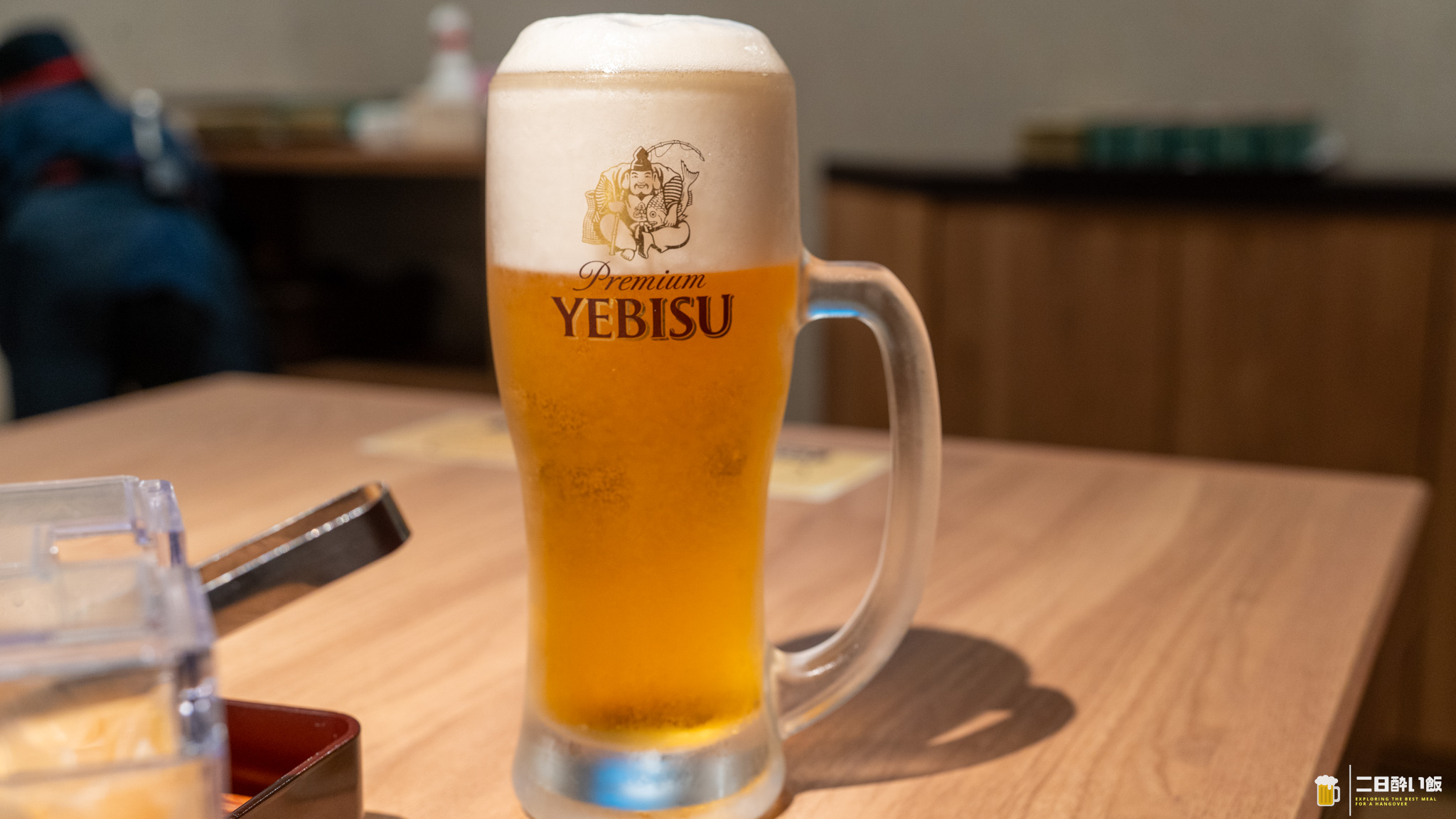
The beer is delicious!!!
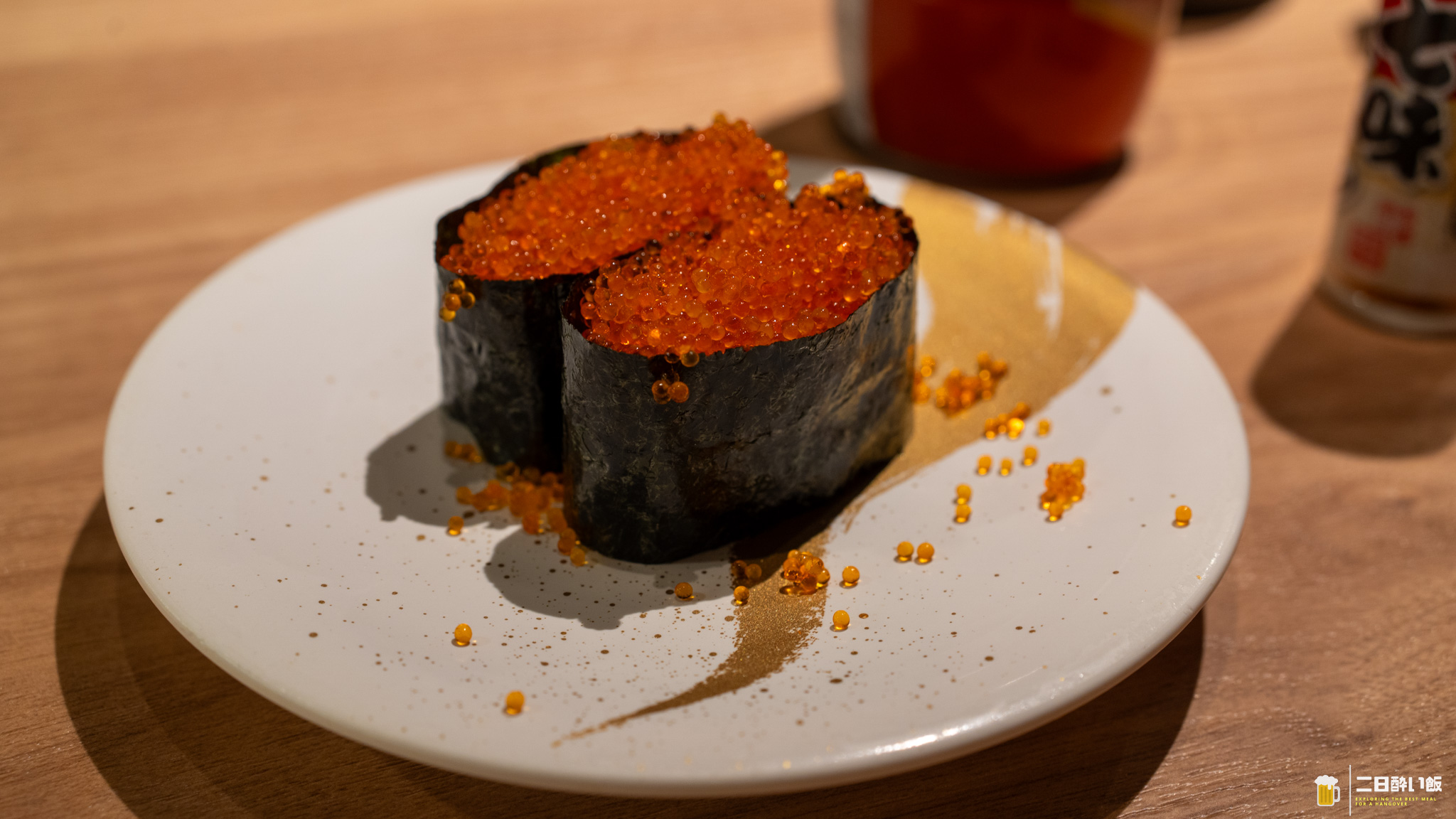
The flavor has a light saltiness and a faint sweetness, with almost none of the funk fish roe can have. Layered with the ocean aroma of the nori seaweed and the tang of the vinegared rice, it all comes together cleanly. I like how the tobikko (flying-fish roe) is spilling over the top a little too — so good!
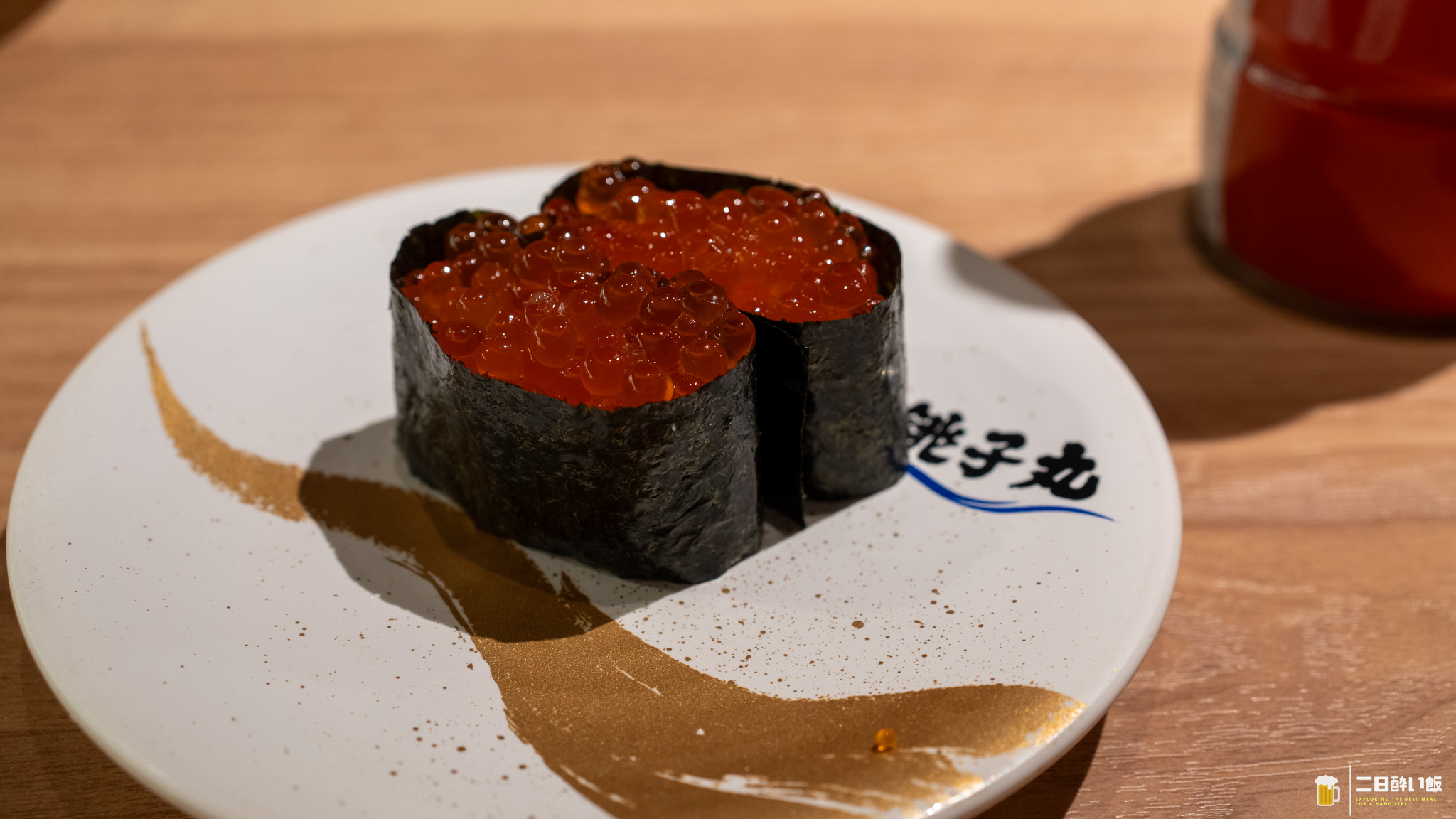
Keeping the fish-roe theme going with ikura (salmon roe). The savory-sweet soy marinade hits first, and then that rich depth unique to roe spreads across the tongue. So good. That little pop as each one bursts is irresistible.
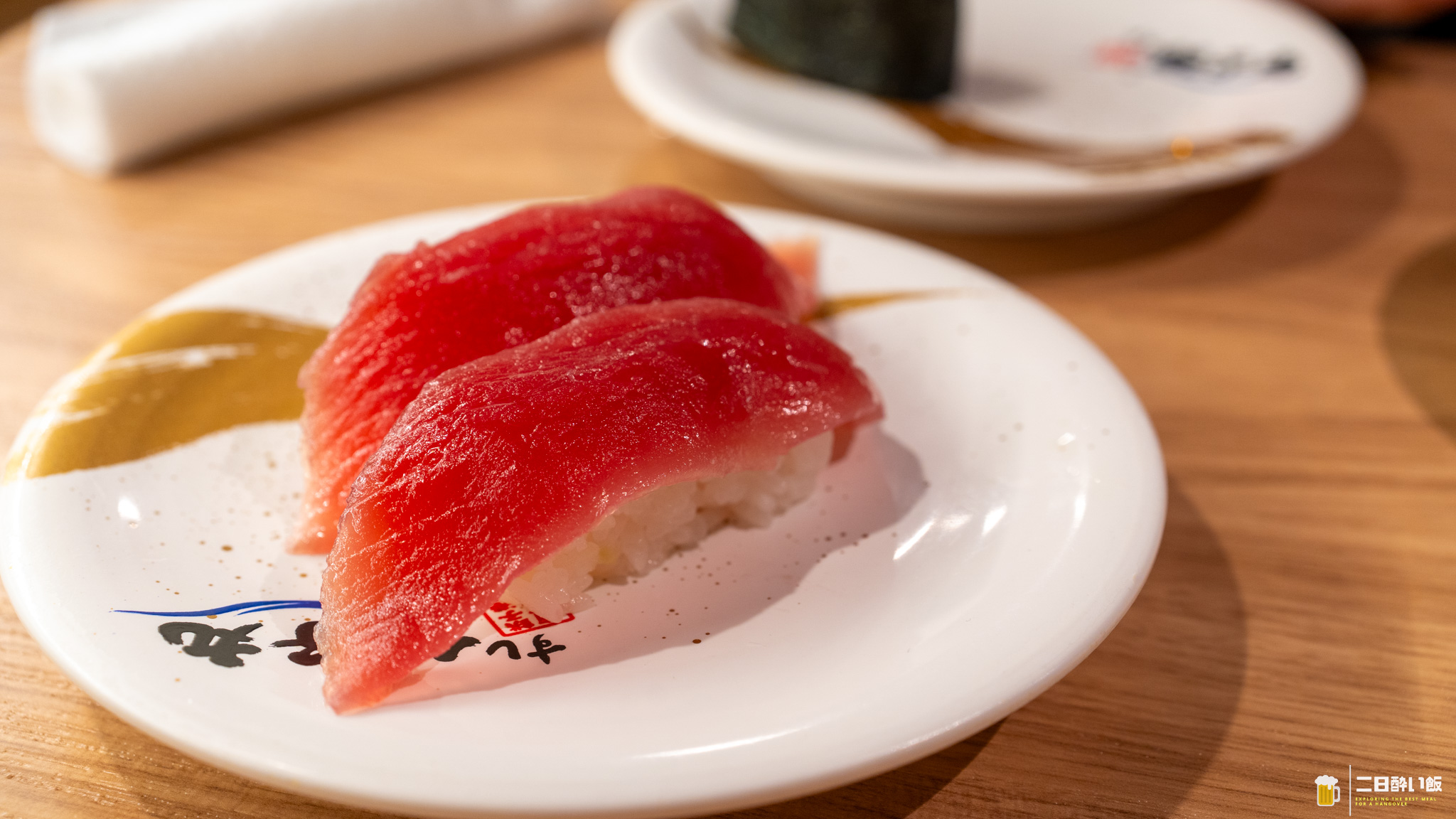
Beautiful lean red meat (akami). Southern bluefin (minami-maguro, also called indo-maguro in Japanese; a kind of tuna) is said to have a fine balance of tang and sweetness. The lean cut is moist and tender, and the more you chew, the more its savory umami slowly seeps out. Even though it is low in fat, a faint sweetness lingers in the aftertaste — very characteristic of southern bluefin tuna. Put a dab of wasabi on top and touch it to a bit of soy sauce, and if you love lean tuna, you cannot ask for more! Apparently it is from Australia!

“Oh, they have bisque!” I thought, and ended up ordering it on impulse — it looks delicious. The flavor layers the sweetness of shrimp with a tomato-like tang, a classic lobster-scented bisque style. The texture on the palate is mellow, and a deep, rich shrimp umami lingers firmly in the aftertaste. It feels a little like being at a yoshoku (Japanese-style Western food) spot.
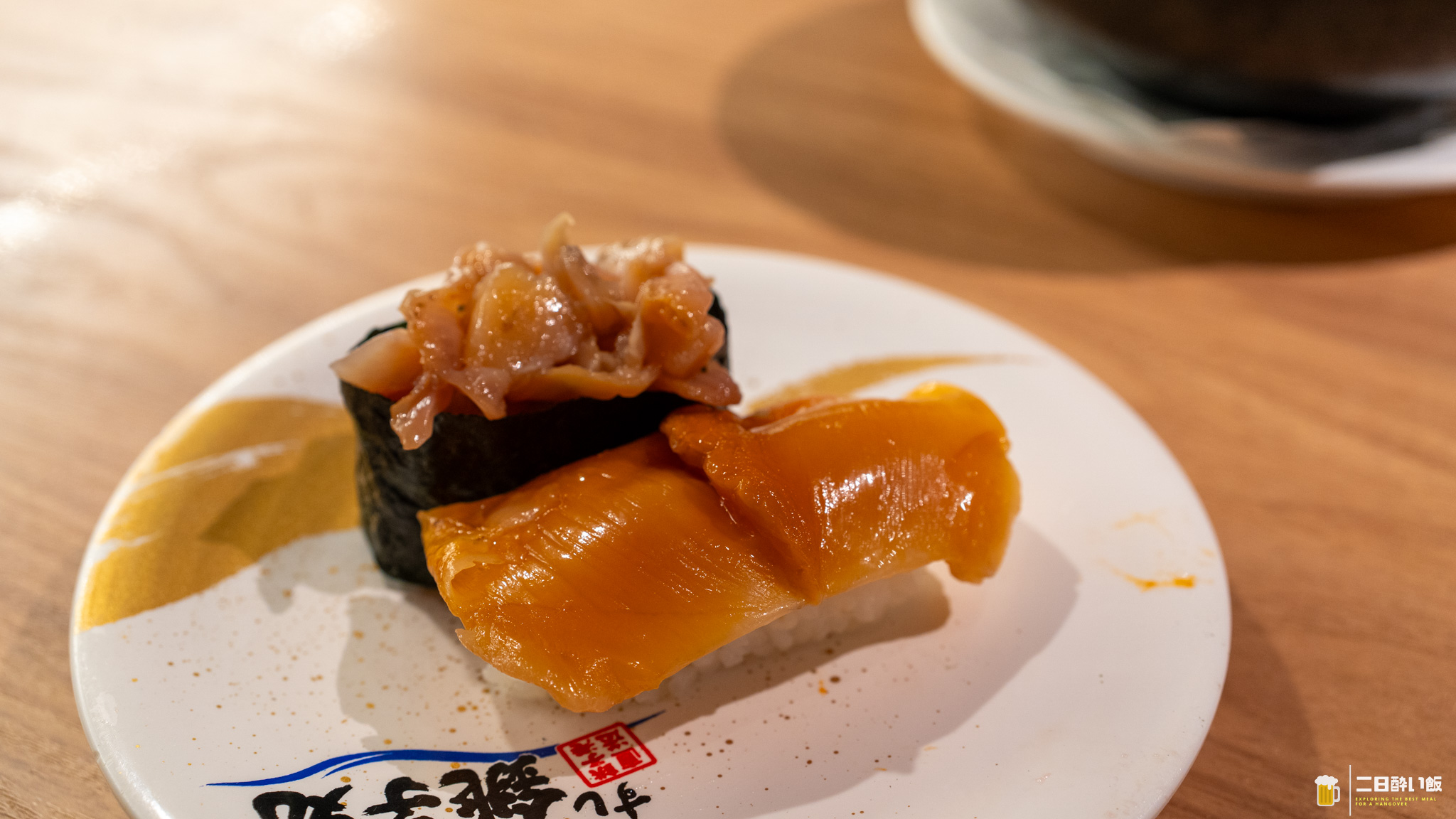
A combo plate of akagai (ark shell) nigiri and a gunkan roll of its himo (mantle)! Irresistible if you love shellfish. The nigiri gives a crisp crunch the moment you bite in, and from there the scent of the sea and the faint sweetness of the clam spread out. The himo has an even firmer chew, and its aroma seems to deepen with every bite. Delicious! I think this one said it was from China.
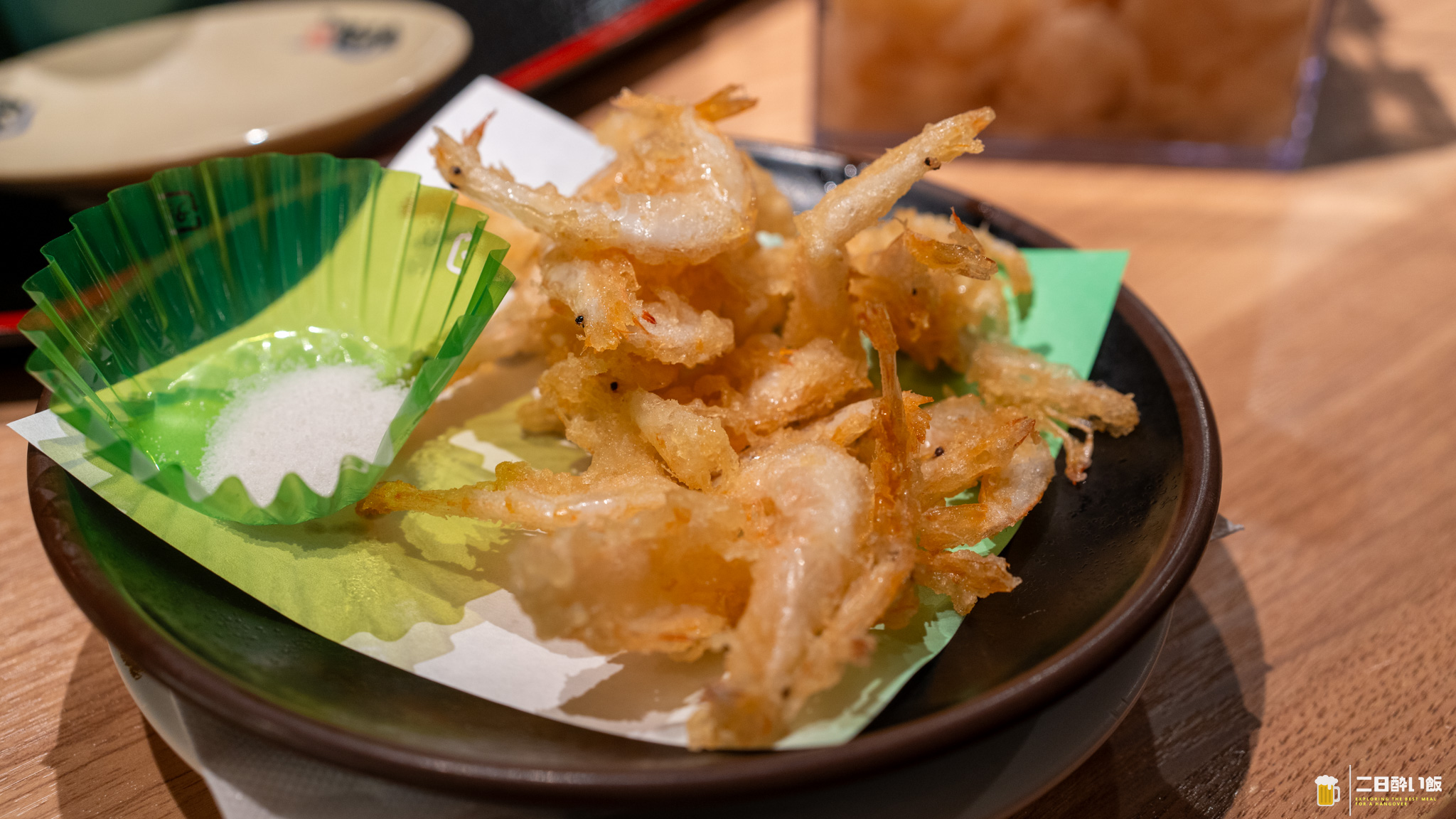
White shrimp (shiro-ebi) from Toyama, fried as tempura. The batter is crisp and light, followed right away by the toasted aroma of the shells. Though the shrimp are small, their sweetness is concentrated, and the more you chew, the more their fragrance fills your mouth. A touch of the salt on the side sharpens that sweetness, making it a great match for drinks! A plate you just want to keep on the table.
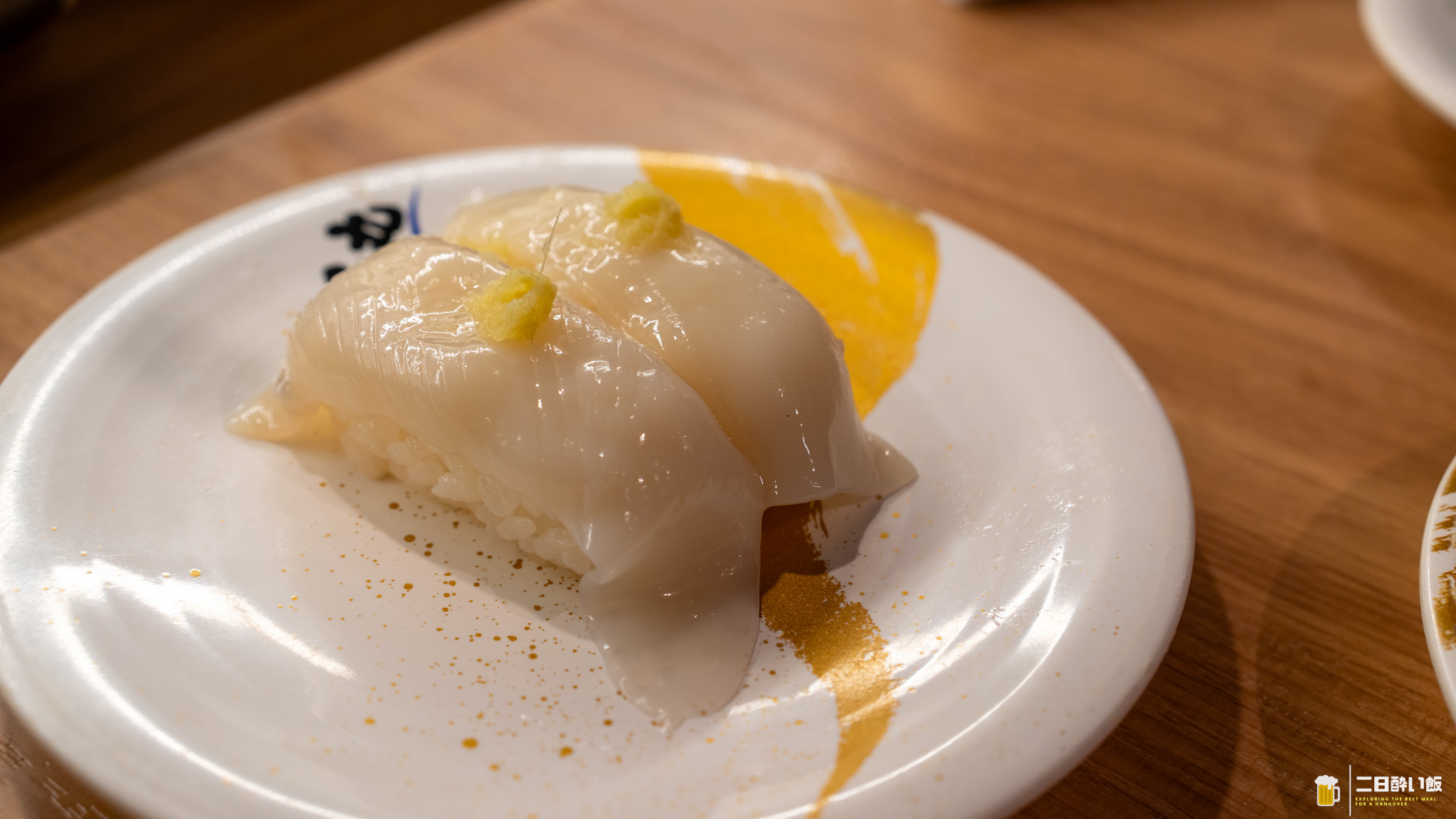
The creamy, lingering texture of this yari-ika (spear squid) on the tongue is delicious. At first bite it has a plump bounce, and from there the gentle sweetness particular to squid wells up. The sharp kick of wasabi tightens up that sweetness, keeping it clean and refreshing to the last bite!
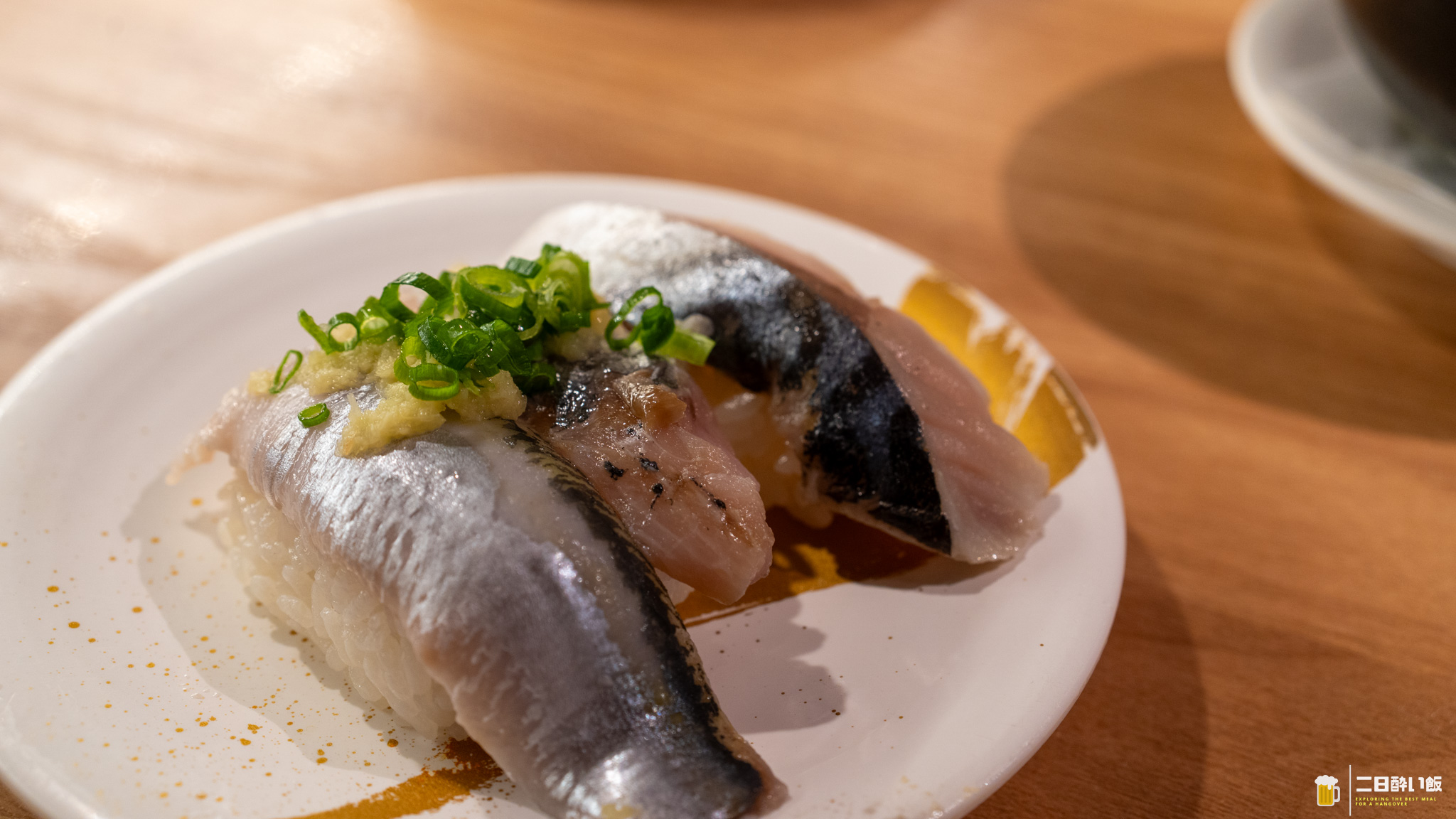
A three-piece set of hikarimono (silver-skinned fish): fatty vinegar-cured mackerel (toro shime-saba), horse mackerel (aji), and sardine (iwashi). The sardine is rich with fat, and the green onion and ginger garnish brings it all together cleanly. The horse mackerel has firm flesh, the kind where the aroma and sweetness of blue-backed fish stand out clearly. The fatty cured mackerel is briskly tightened with vinegar while still holding onto the savory richness of its fat. For a shop that carries the name of Choshi Port, a hikarimono tasting set is definitely one to order.
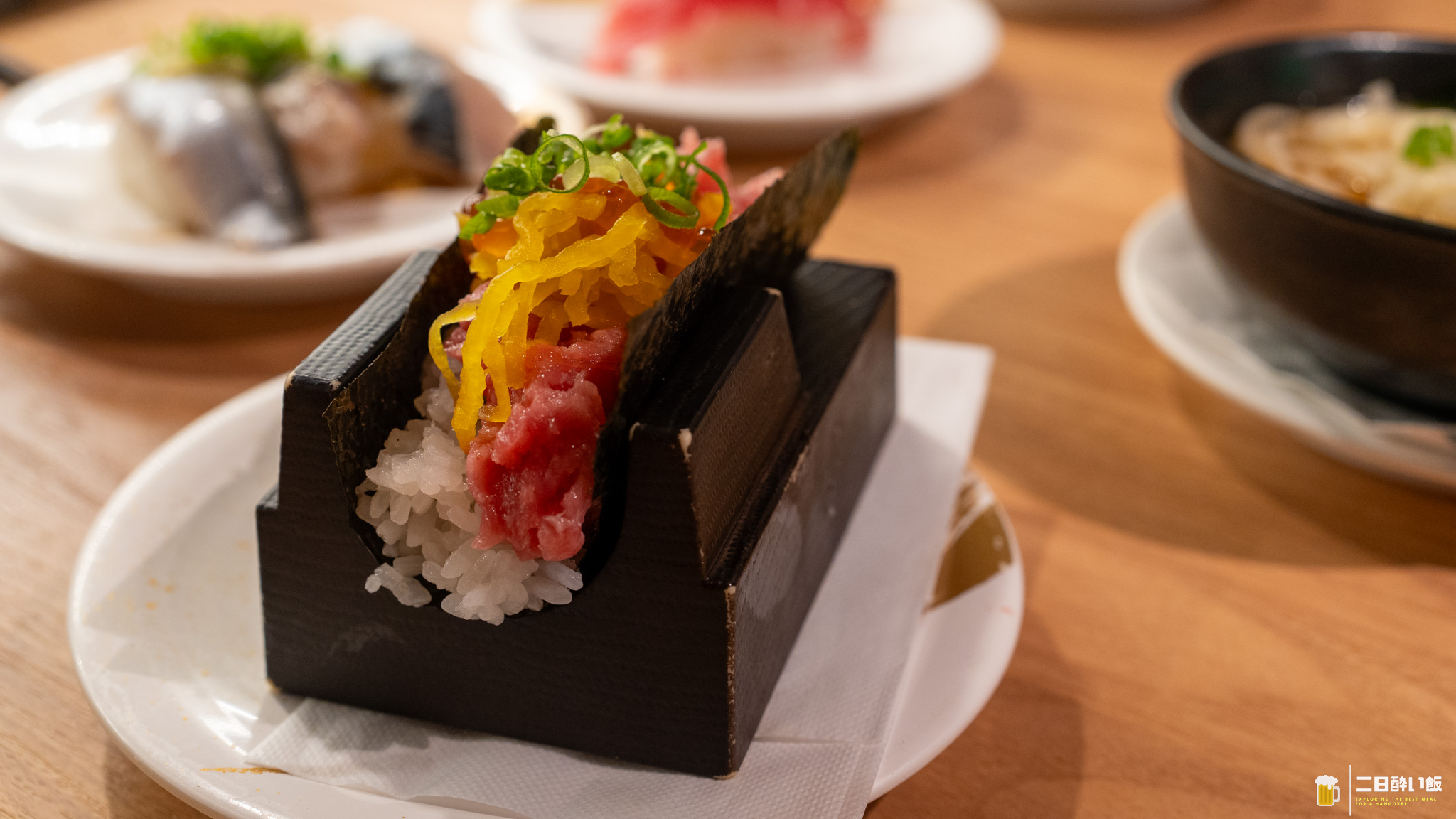
An emaki (a loosely folded nori roll) pairing tuna nakaochi (meat scraped from along the bone) with takuan (pickled daikon radish). Because it is not rolled all the way shut, it is packed with filling! After the crisp, toasted aroma of the nori, the luscious fat of the nakaochi spreads across your mouth!
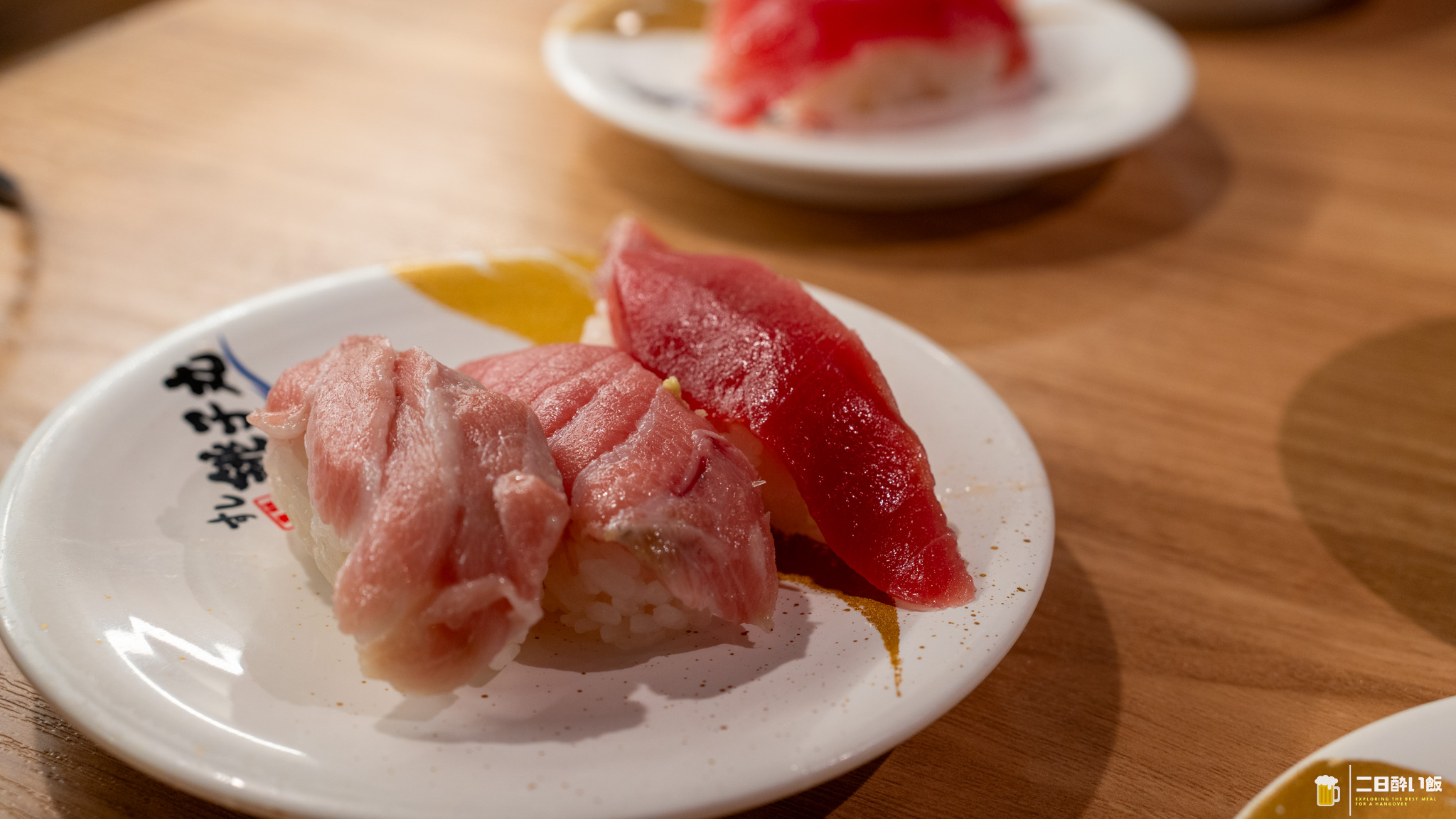
Another one I ordered the second I saw it: a tasting trio of hon-maguro (bluefin tuna) — otoro (fatty belly), chutoro (medium-fatty), and premium akami (lean). The premium lean has a clean acidity and a solid, unmistakable tuna aroma. With the chutoro, the sweetness of the fat joins in, hitting just the right balance with the savory lean meat. The moment the otoro touches your mouth, the fat melts away juicily, leaving a long, sweet afterglow. Delicious!
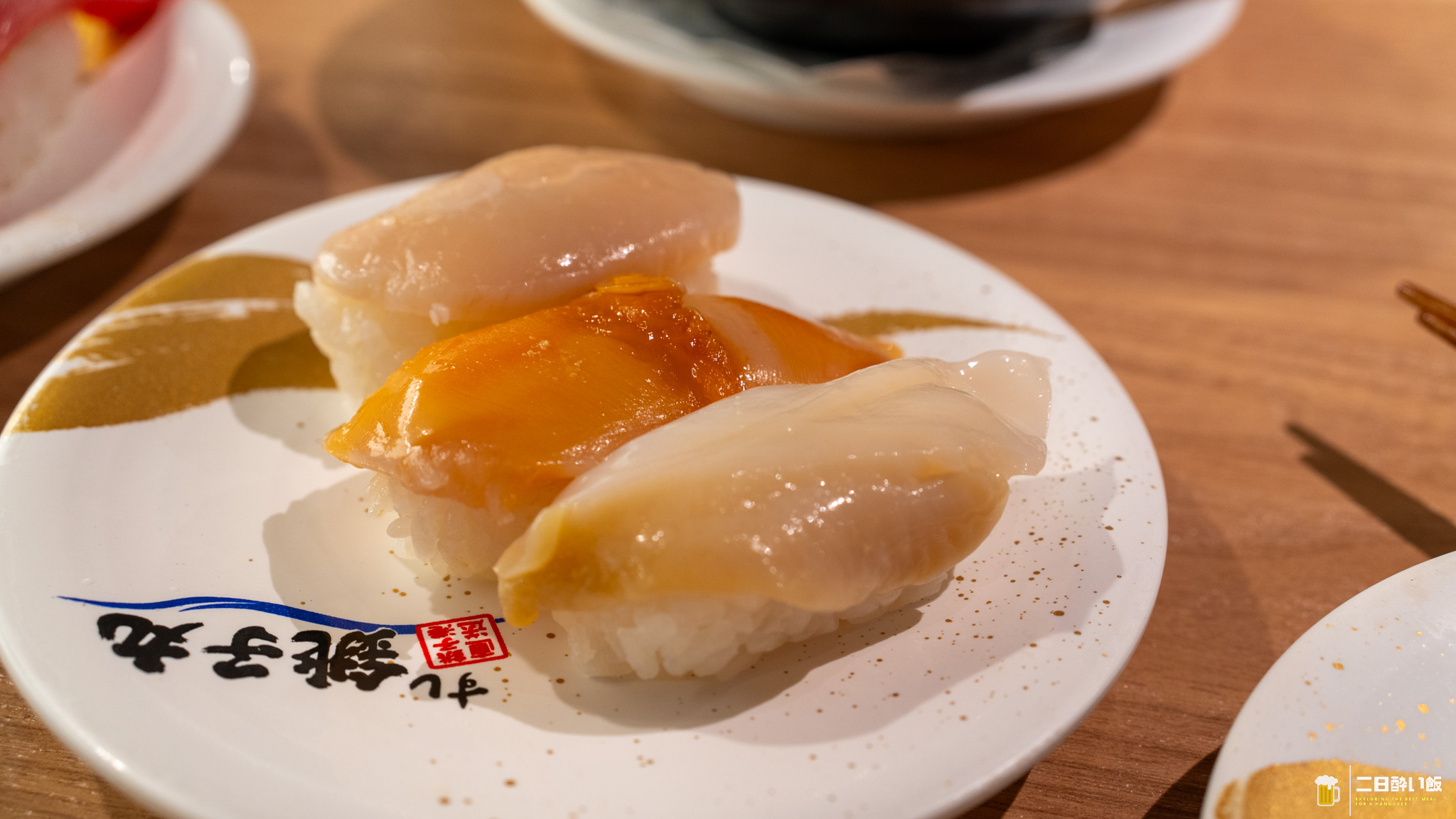
To finish, it had to be shellfish! Three kinds: tairagai (pen shell), akagai (ark shell), and tsubugai (whelk). The tairagai is tender, with a gentle sweetness close to scallop. The akagai feels a little different from the Chinese one earlier — a stronger ocean aroma and a nice, moderate bite. The tsubugai has a crisp crunch, releasing a clean umami the more you chew! Ah, thoroughly satisfied.
I see — it does cost a little more, but having chefs press the sushi by hand is what makes Choshimaru great! With the bluefin tasting trio and the three-piece shellfish and hikarimono sets, there are plenty of ways to nibble a little of everything, giving you lots of flexibility whether you are solo or with a big group. Honestly, I think I am a little envious of the people who live around here and can freely pick between Kappa Sushi and Choshimaru depending on their mood (lol).
Here’s hoping I run into more delicious food today too!
Sushi Choshi Maru Itabashi higashishinmachi ten (Sushi / Tokiwadai Station, Kami-Itabashi Station)
Tabelog lunch rating ★★★☆☆ 3.2
I ate here and paid for it myself. Nothing on this site is a comped meal.
One more for the road?


