


A note on the words: karasumi is dried salted mullet roe and gyuhi a soft, sweet rice-flour confection; shira-ae dresses vegetables in mashed tofu, ohitashi steeps them in dashi, and hitashi-mame does the same for beans; shungiku is chrysanthemum greens and dadacha-mame the prized edamame of Yamagata; katsudon is a pork cutlet and egg over rice; futomaki is the thick rolled sushi; kohada is gizzard shad; fugu is pufferfish; shabu-shabu means swishing thin slices through hot broth; and Mishima beef is a native Japanese breed from an island off Yamaguchi, protected as a natural monument, of which only a handful go to market each year. Prices are as of this writing (August 2026).
Yamanekoken on Tabelog (English) — opening hours, payment details and the Japanese address are kept up to date there, not here.
I want to eat something good today as well. This is Hangover Meshi. There is a place in Nagoya called “Yamanekoken” that serious eaters go to. It is, apparently, a rare house where you can eat “Mishima beef” — the native Japanese cattle raised on Mishima in Hagi, Yamaguchi Prefecture, designated a natural monument. I was intrigued. If I was going to be in Nagoya anyway, I wanted to go, so I booked. First-time guests gather at 18:15, everyone else at 18:45.
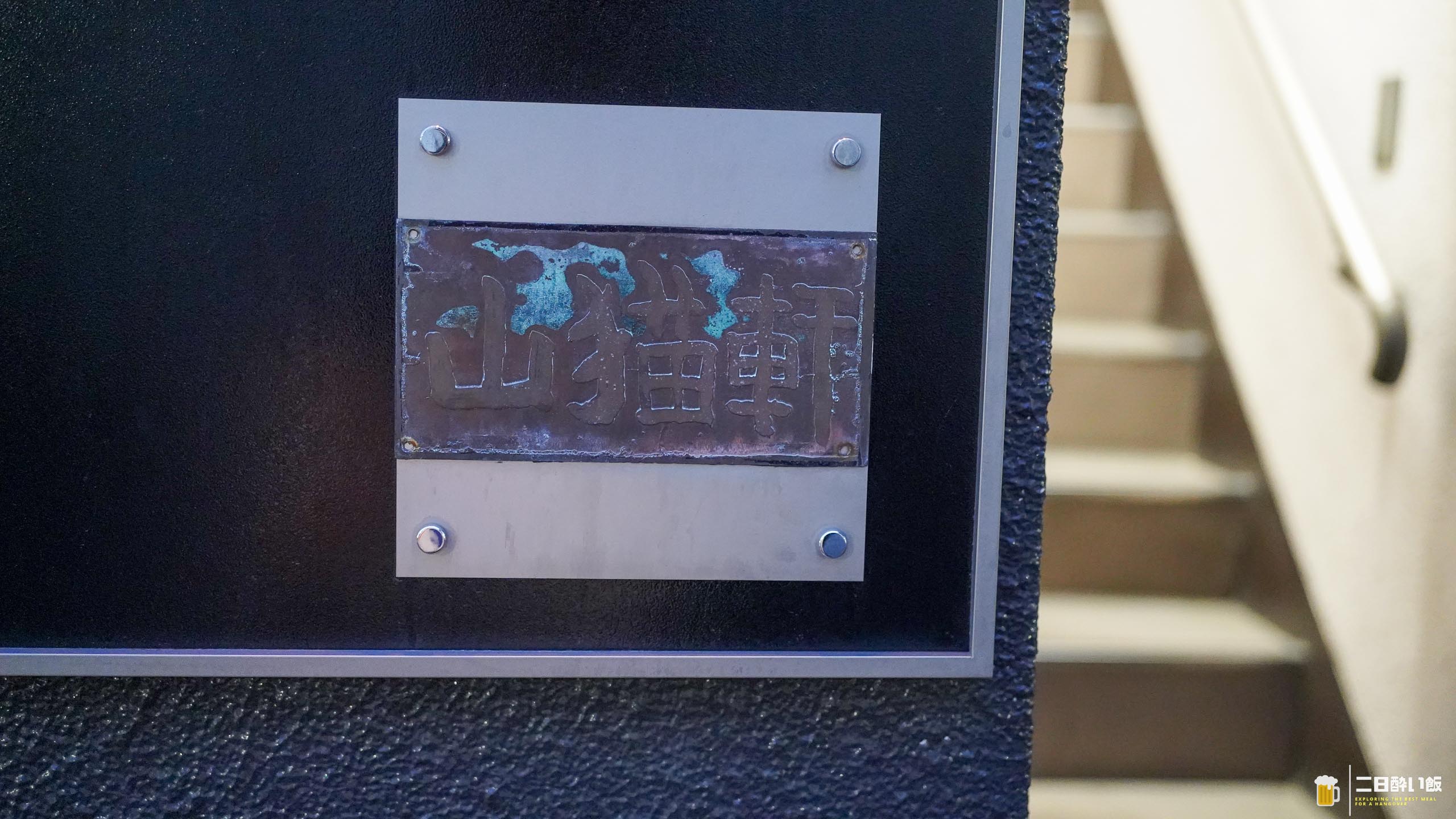
Wondering why the times differed, I arrived, sat down, and the owner began a lecture on house rules and on his thinking about food. So that is what the half hour is for. He talked from a good many angles, and it was genuinely interesting and instructive. In the end it got going rather well and he spoke for about an hour.
Eating without having heard that talk, and eating after it, are worlds apart.
The experience itself is precious. Apologies to the other guests for the delay.
Standard course, 16,500 yen
For drinks there is an omakase option.
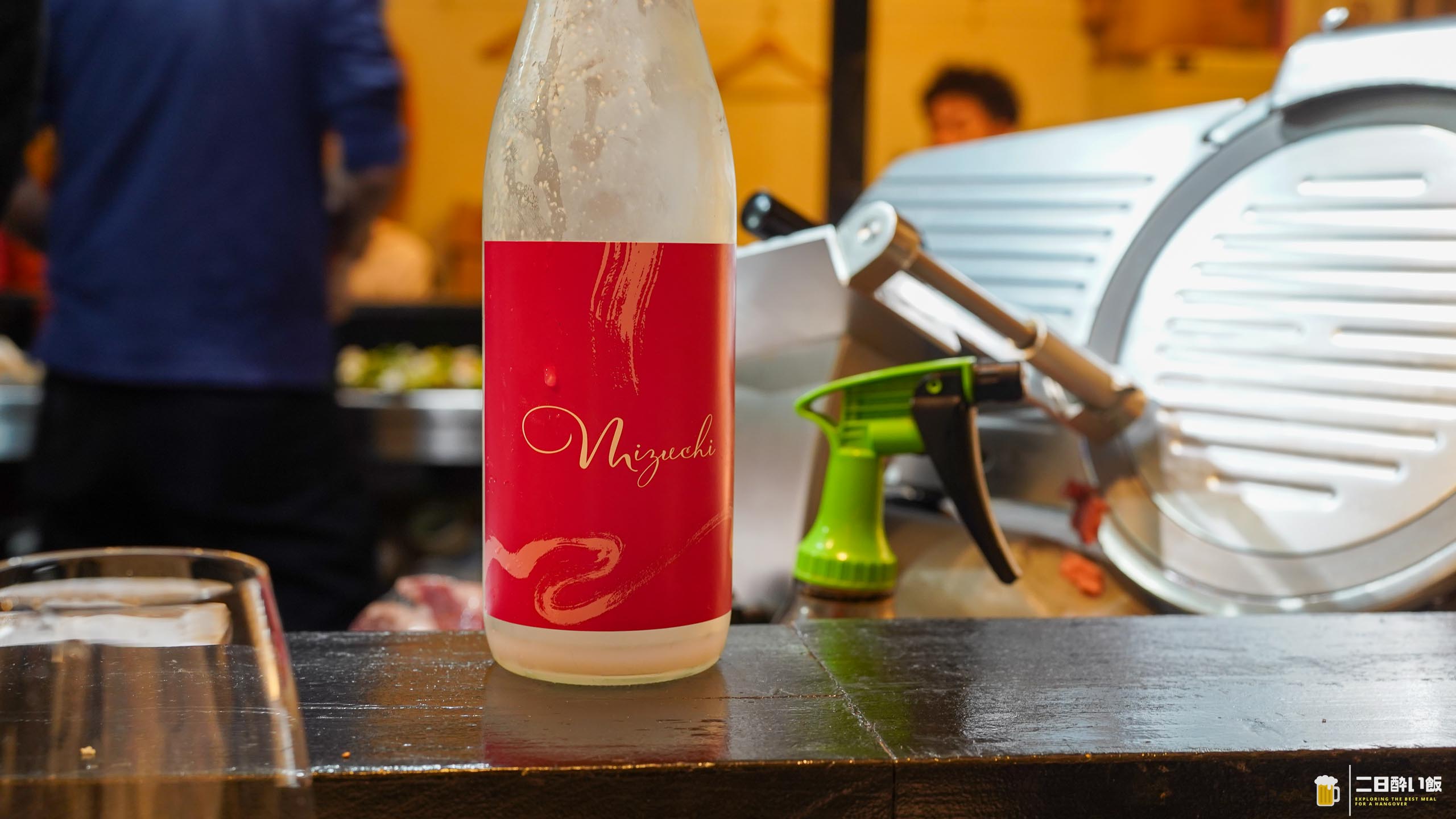
Red and white wine and sake, chosen for you, at 3,000, 5,500 or 12,000 yen.
Each is served to match the food, and you can have refills (though it is not all-you-can-drink).
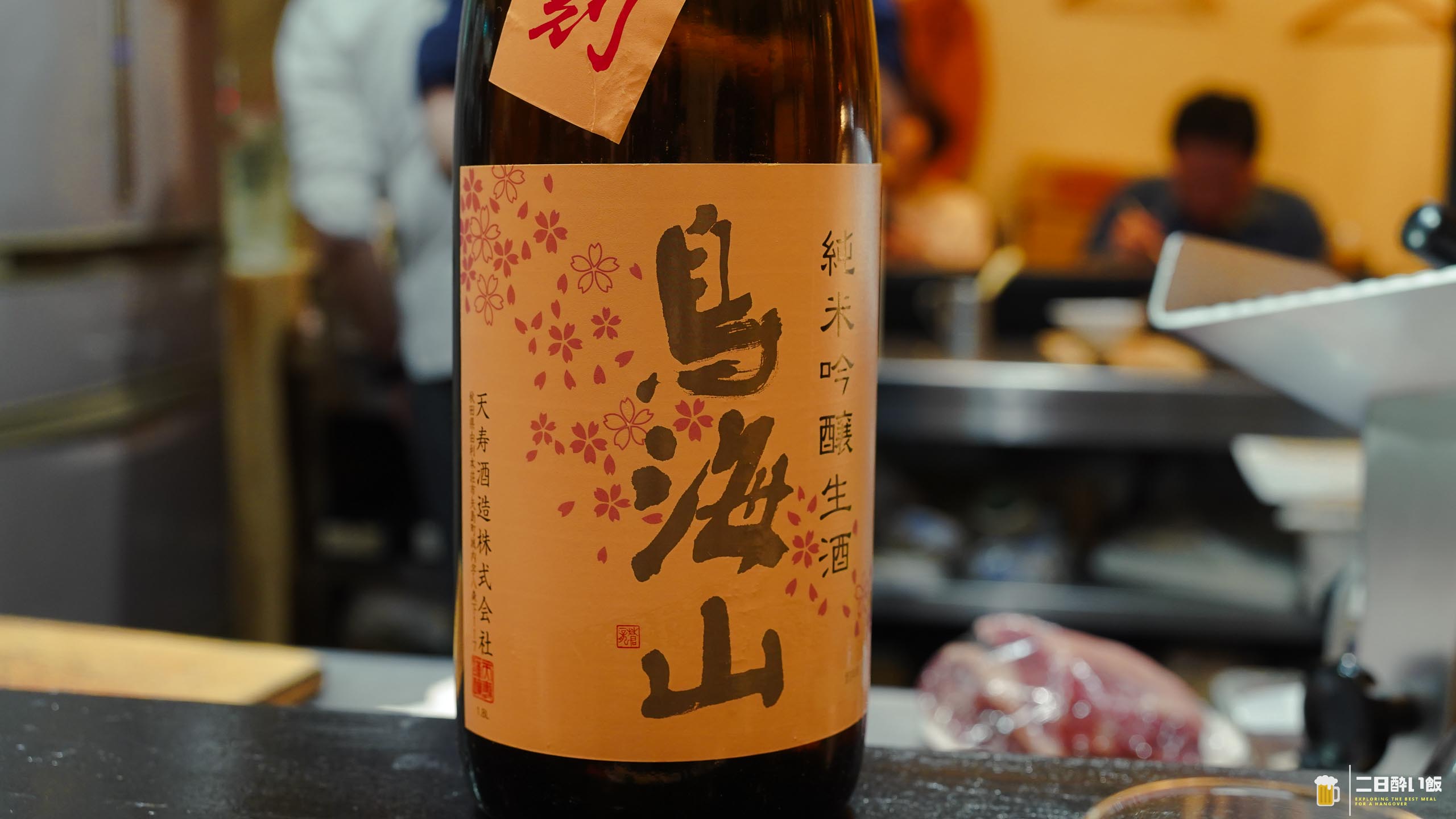
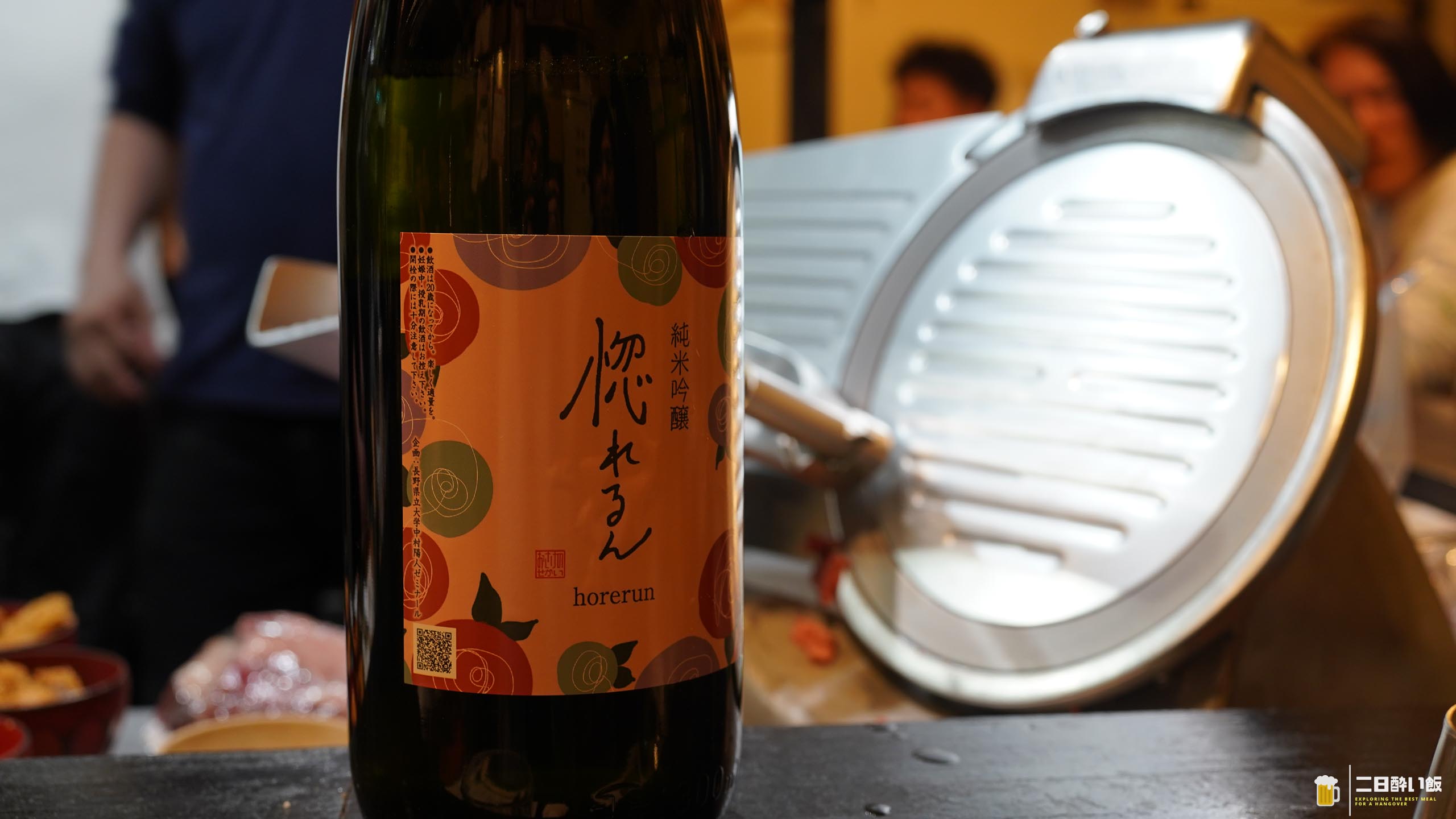
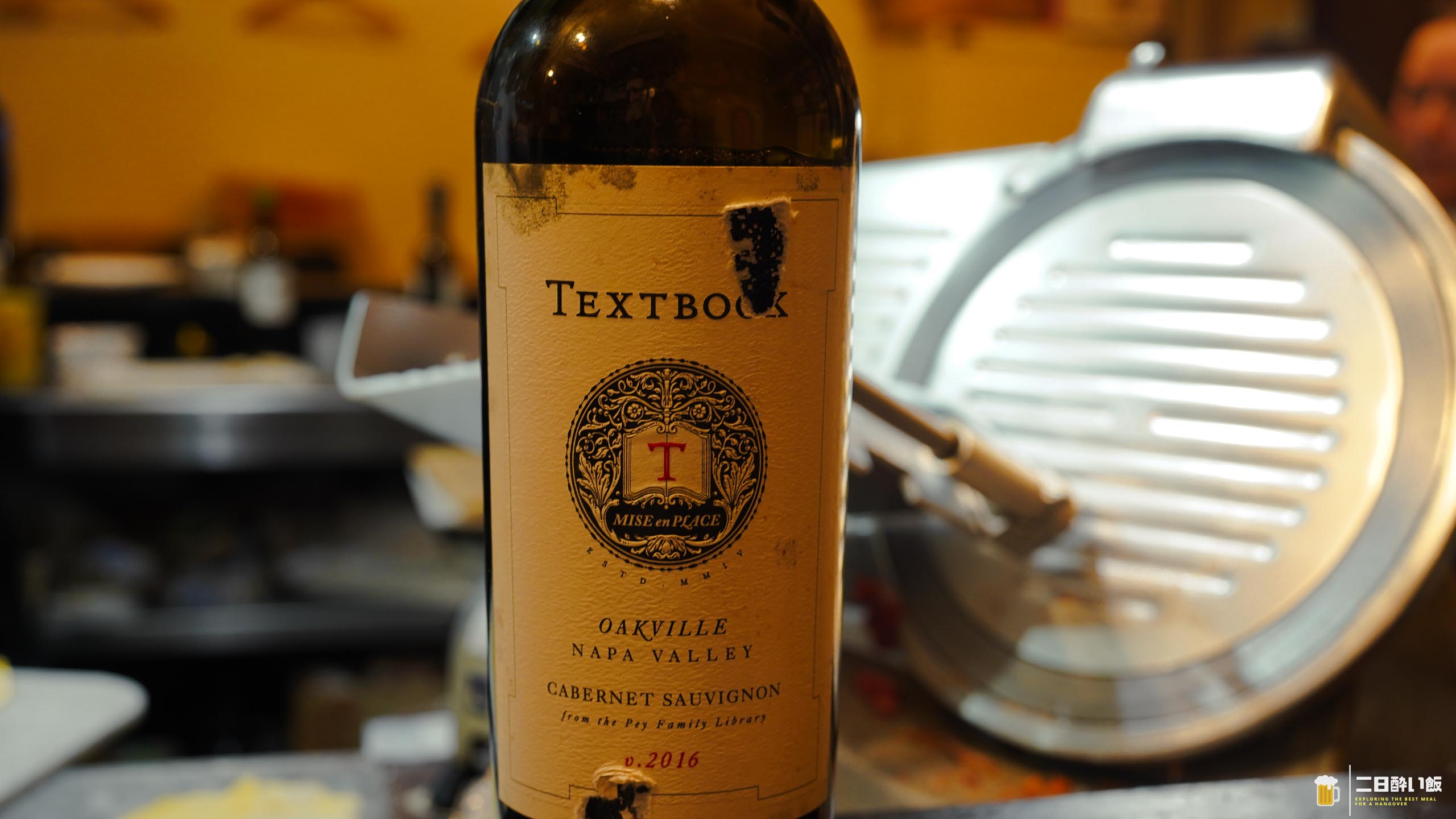
This time I asked for the 5,500-yen omakase.
The first thing to come out was karasumi wrapped in gyuhi.
House-made karasumi, restrained in salt, with the flavour tightly concentrated. Delicious.
The soft, faintly sweet gyuhi and the karasumi go superbly together.
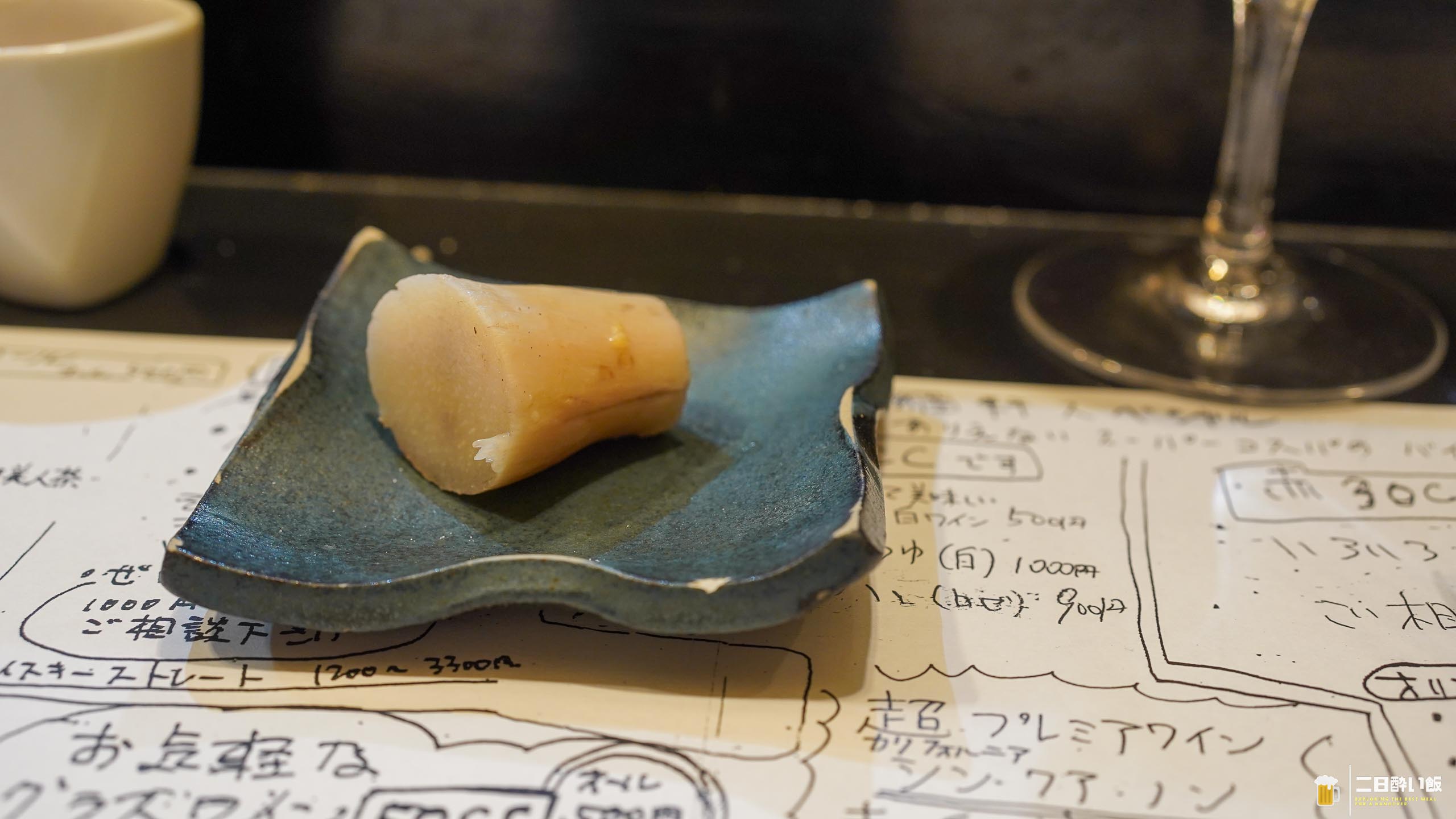
A phantom taro said to grow only in one part of Yamagata. It is simply steamed, and eating it was a surprise: an extremely deep flavour, with a soft, dense flesh and the texture of freshly pounded mochi. Well, well. I had no idea such a taro existed. A first for me.
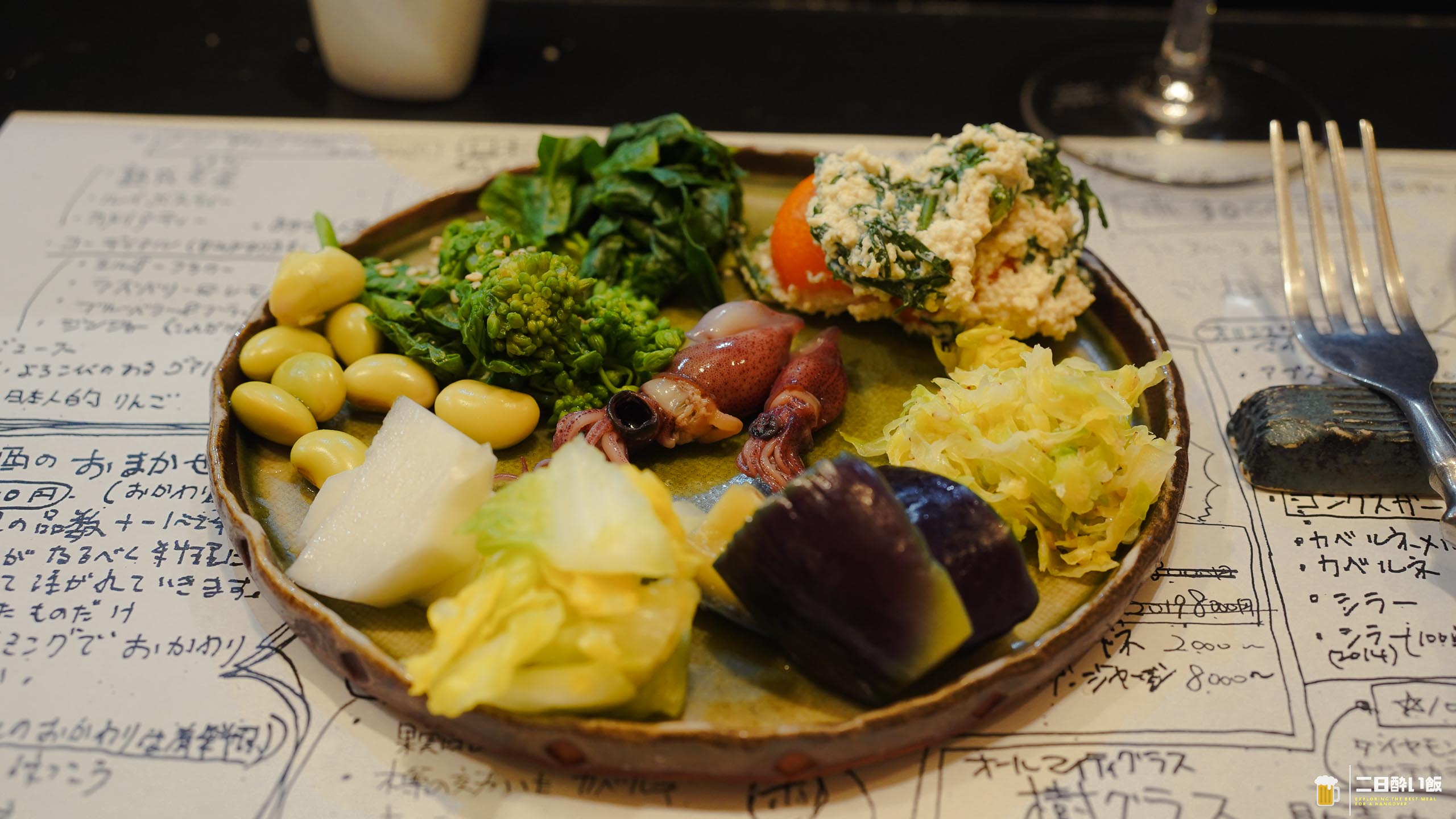
The firefly squid in the middle, the slightly smaller ones near the aubergine, are from Hyogo, steeped in soy. The slightly larger ones next to them are from Toyama Bay, prepared not by the usual boiling but by the higher-grade steaming method, and these were from the very first shipment of the day. Very deep in flavour, with no off-notes at all. Delicious.
From the top: the shira-ae uses kumquat from Miyazaki and shungiku from Aichi. Below it, cabbage coleslaw. The aubergine underneath is done “Dutch style” — deep-fried plain, then cooked through in boiling water and steeped in dashi, which leaves less of an oily feel than agedashi and makes it very easy to eat. The pickled Chinese cabbage is a simple one, salted only. The turnip is extremely sweet, peeled and merely salted; chew it well and the flavour lifts. Hitashi-mame made with Yamagata dadacha beans, again finished simply with salt alone, draws out the quality of the ingredient itself. The rape blossoms are dressed with mustard and dusted with sesame. The spinach was so good, he said, that he simply made it into ohitashi. Very deep in flavour, and delicious.
With every one of these dishes, the flavour spreads as you chew slowly and thoroughly.
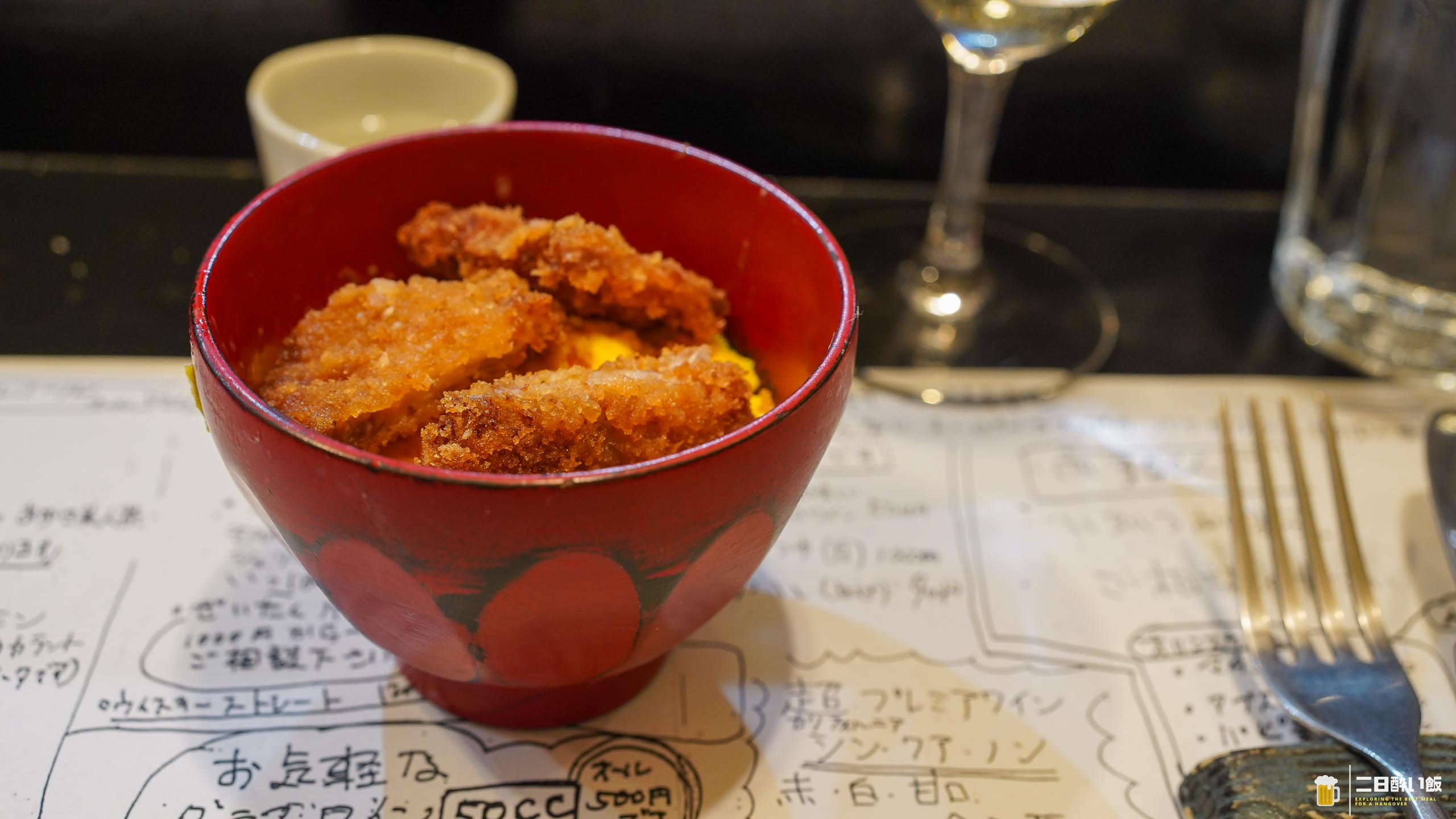
A miniature katsudon, early in the meal. It looks very good.
Over the crisply fried cutlet, an egg said to be the finest quality in Japan. A beautiful deep yellow, and the flavour is as deep as the colour. The sauce over the tonkatsu is thin and clean. The rice is chosen with equal care: a spontaneous mutation born in Toyohashi called “Megami no Hohoemi”, a variety noted for its sweetness and its chew. Delicious!

Kohada would have been the ideal, but none had come in that day. So this time, salmon sushi.
It is sushi meant to be eaten without wasabi or ginger or any other condiment, and one mouthful shows why. It is superb. Chew well and slowly so that the vinegared rice and the salmon mix in the mouth, and the finest flavour emerges. I have never had sushi like it. To be moved this much by salmon sushi. A new sensation.

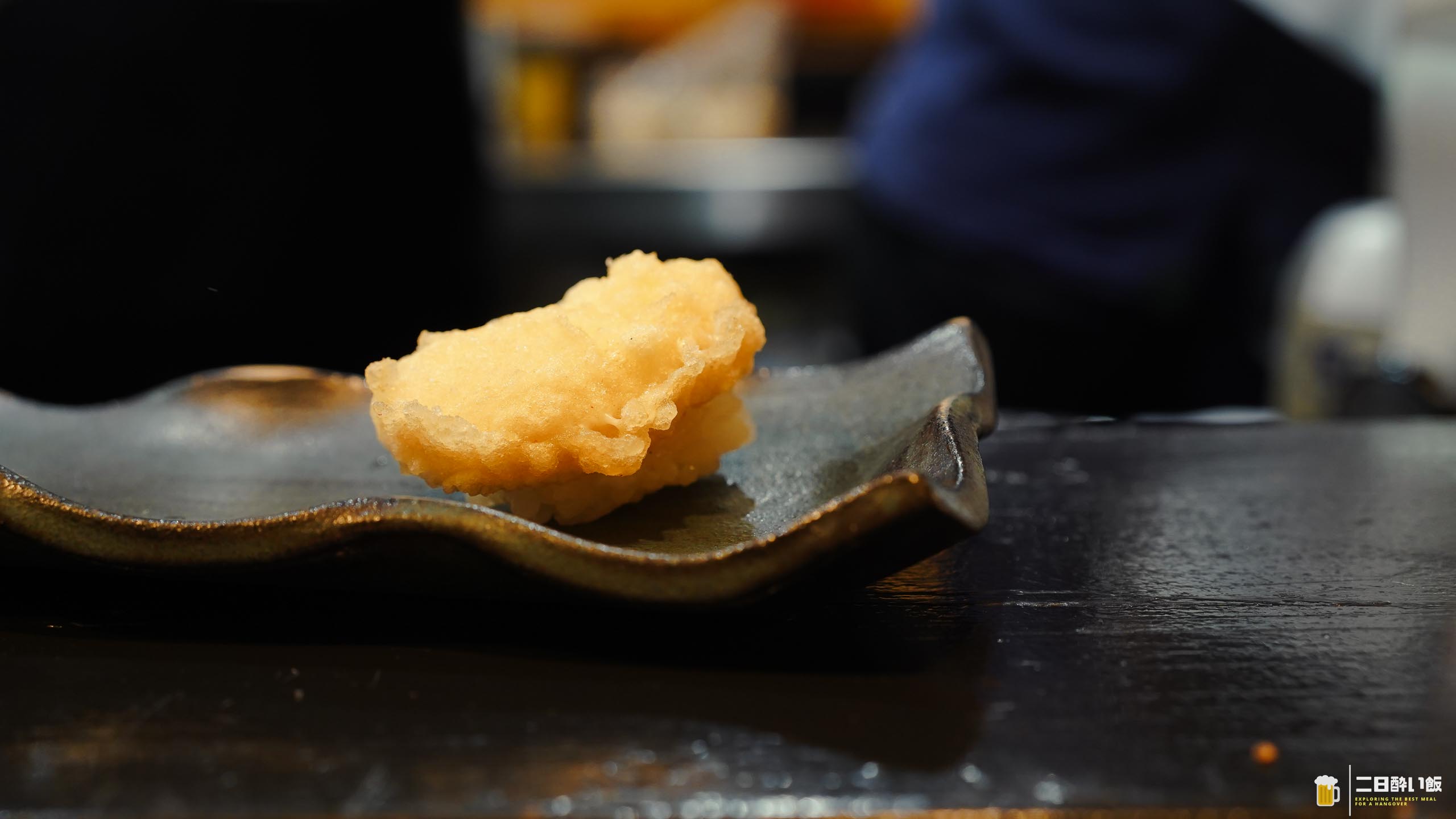
Creamy and melting, sweet and delicious.
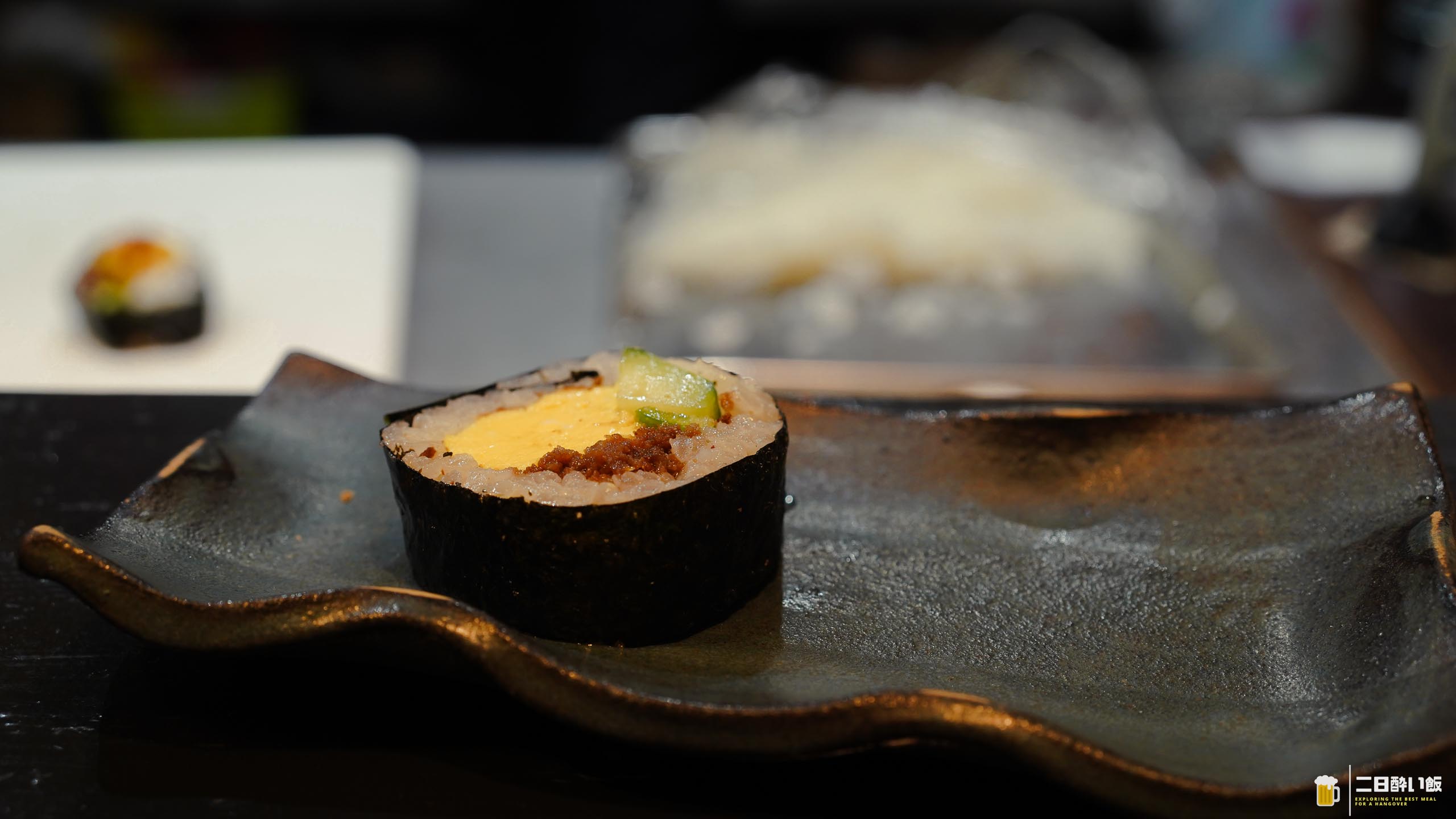
Rolled together with tamagoyaki made from that finest egg, cucumber and green pepper, is minced “Mishima beef”, the natural monument in question.
Only three to eight head a year are sent to market, apparently. Truly a rare animal.
The marbled meat is minced and rolled up in that “Megami no Hohoemi” rice.
Seasoned with nothing but soy and sugar.
You put the whole thing in your mouth at once and chew slowly.
Simply seasoned and yet delicious. The fat is remarkably light and clean, and easy to eat.
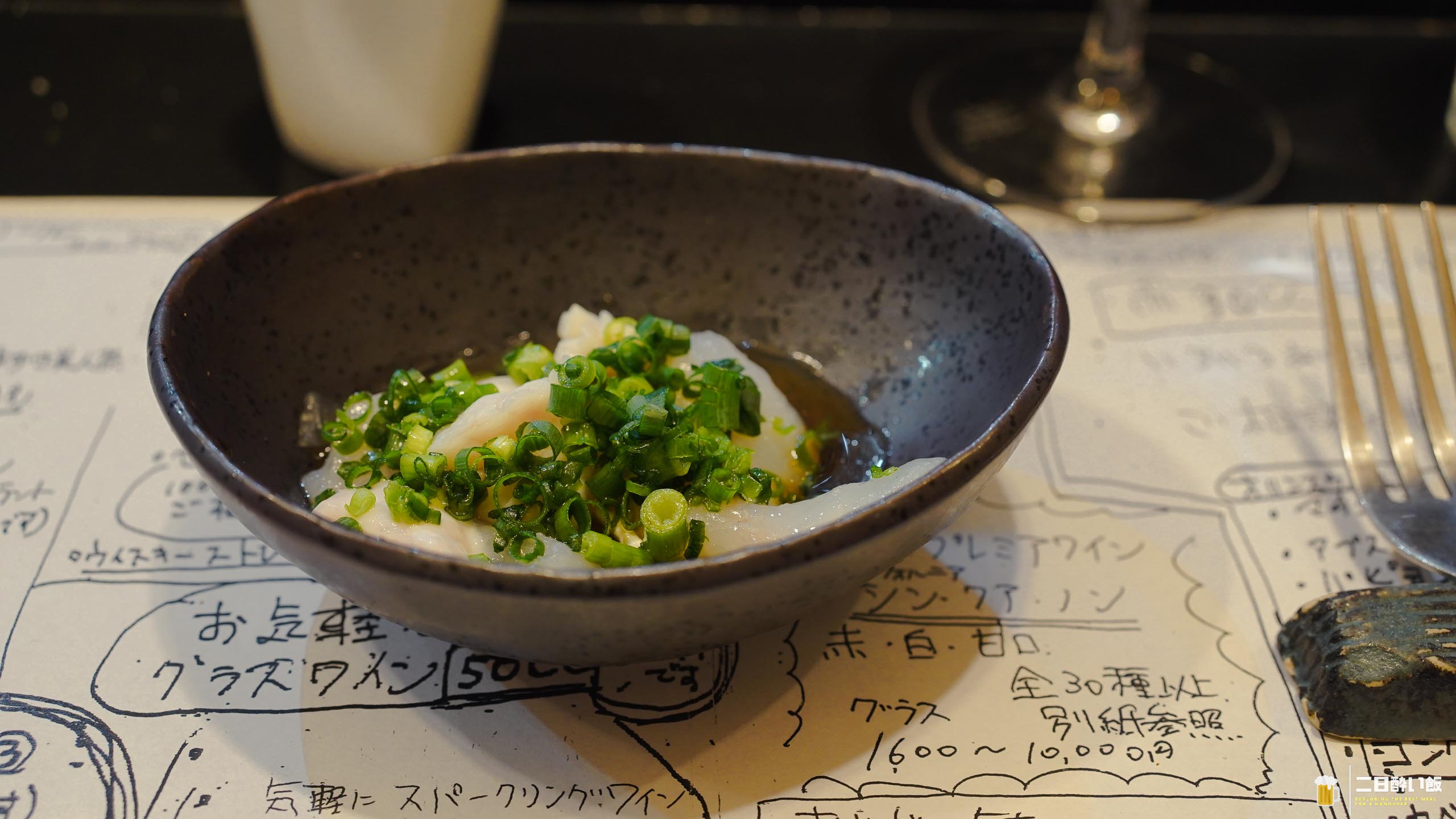
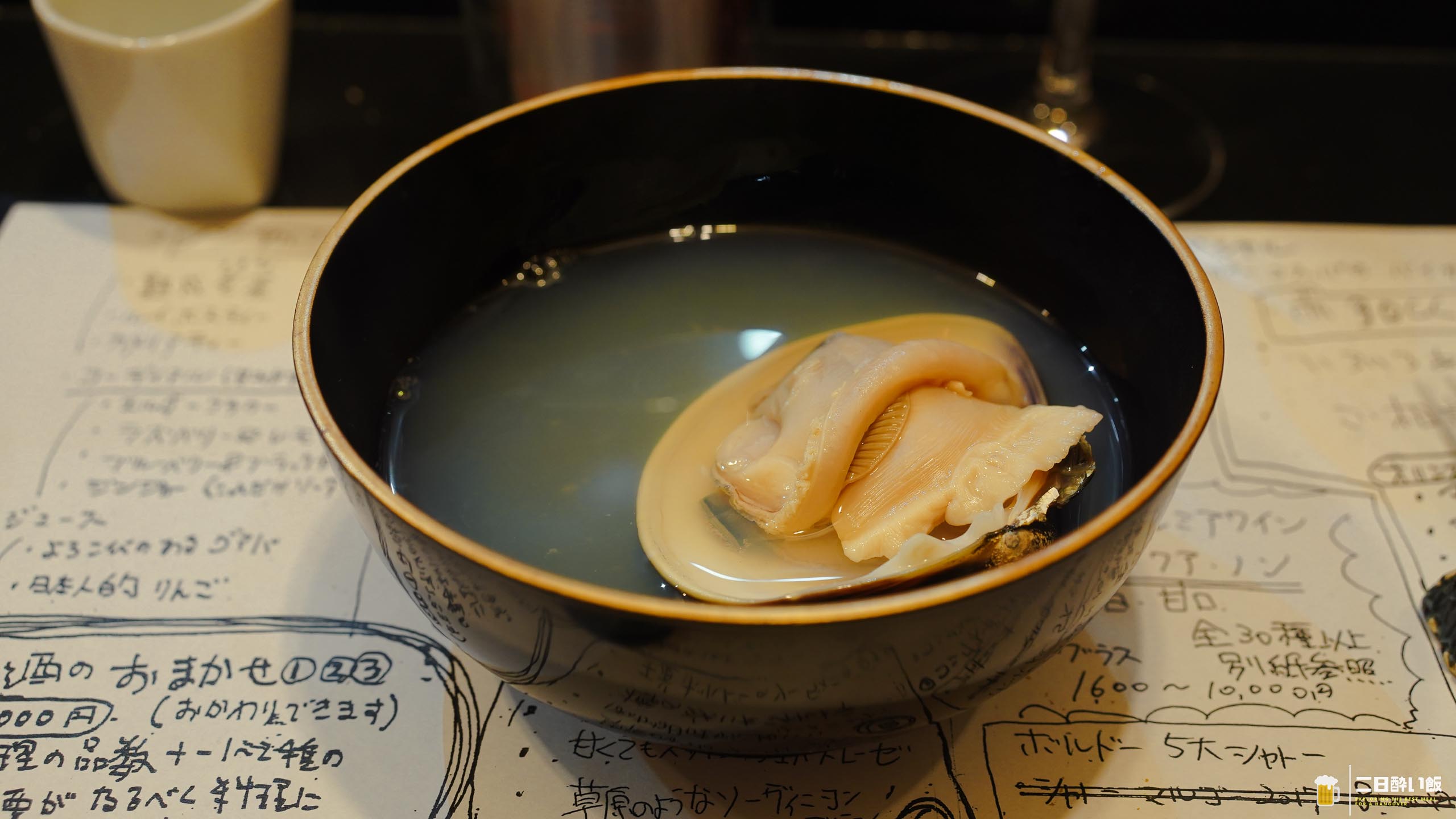
What distinguishes Kuwana hamaguri is that even the innards are good. First chew and enjoy the flavour of the innards, then draw in a mouthful of the liquor to wash it through. Chew again and the flavour of the whole body comes out; draw in more liquor; and at the end, work slowly at the deep flavour of the muscle while sipping the liquor. That is the way to eat them. Done as instructed, the firm flesh and the flavour are superb. It is astonishing that something merely simmered and dressed with soy should turn into a broth this refined.
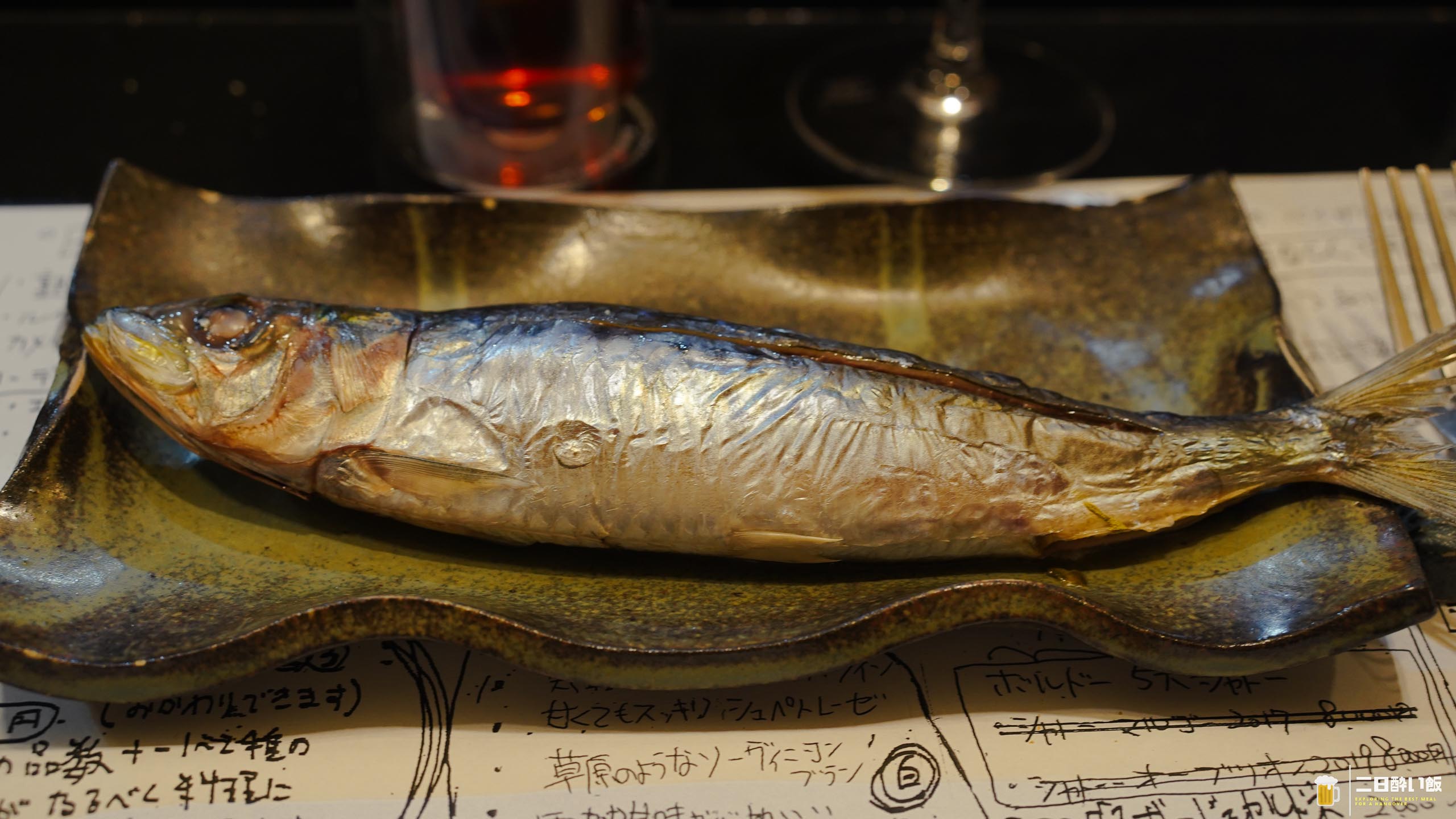
A plump, round, very fine sardine. Simply grilled, and extremely good.
I had eaten a fair amount by this point, but the whole fish went down in one go. The innards, I was told, are surprisingly sweet and good to eat — and indeed they were sweet and easy to eat. It goes beautifully with sake.
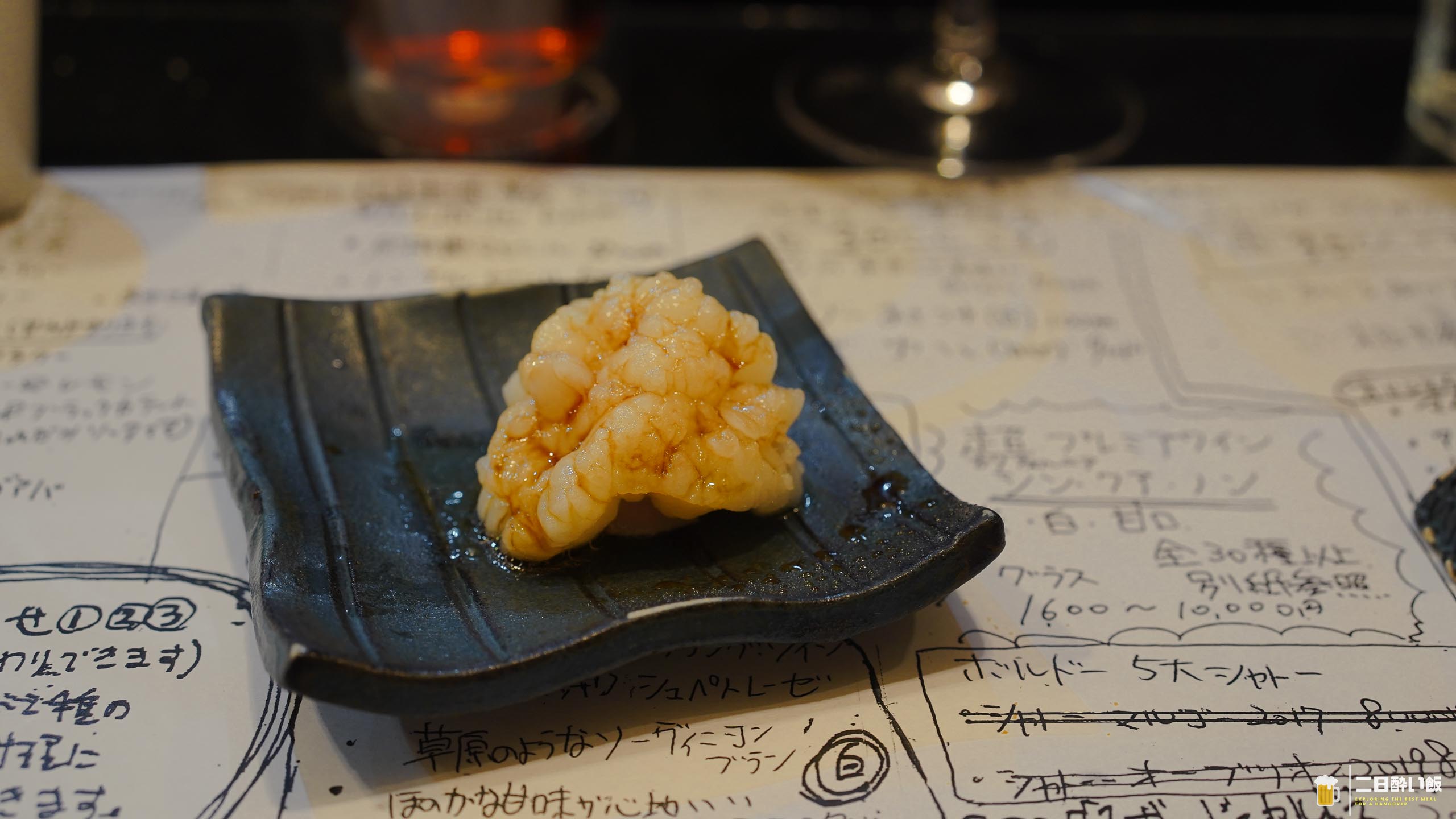
Mishima beef offal, shabu-shabu’d and cooked right through. There is a great deal of fat on it, and yet eating it is astonishingly clean. Where did the fat go? Being able to eat something this rich this cleanly is peculiar to Mishima beef. Any other beef would have been heavy going. Mishima beef keeps producing new experiences.
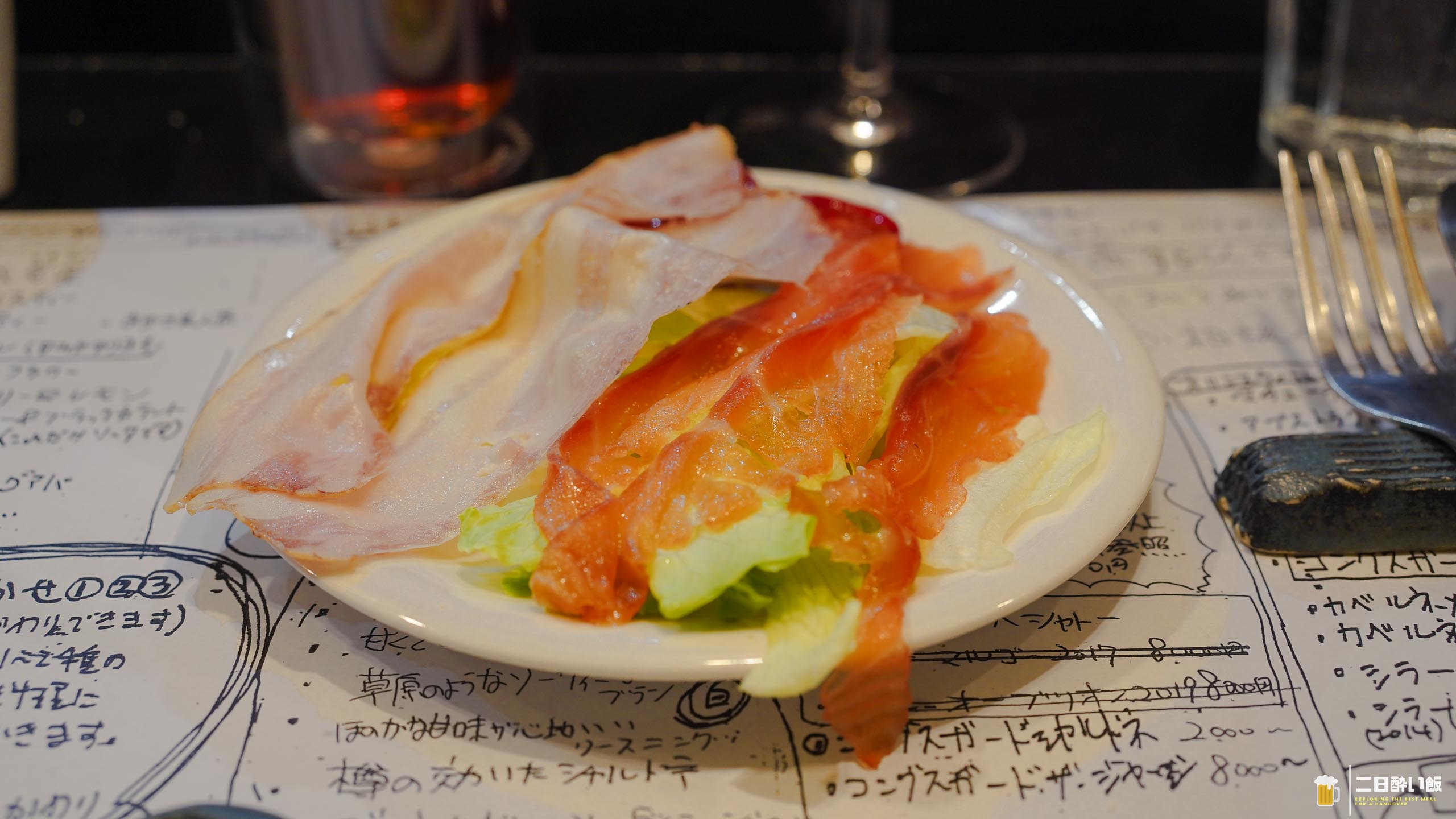
This smoked salmon has a tightly concentrated flavour as well. Delicious.
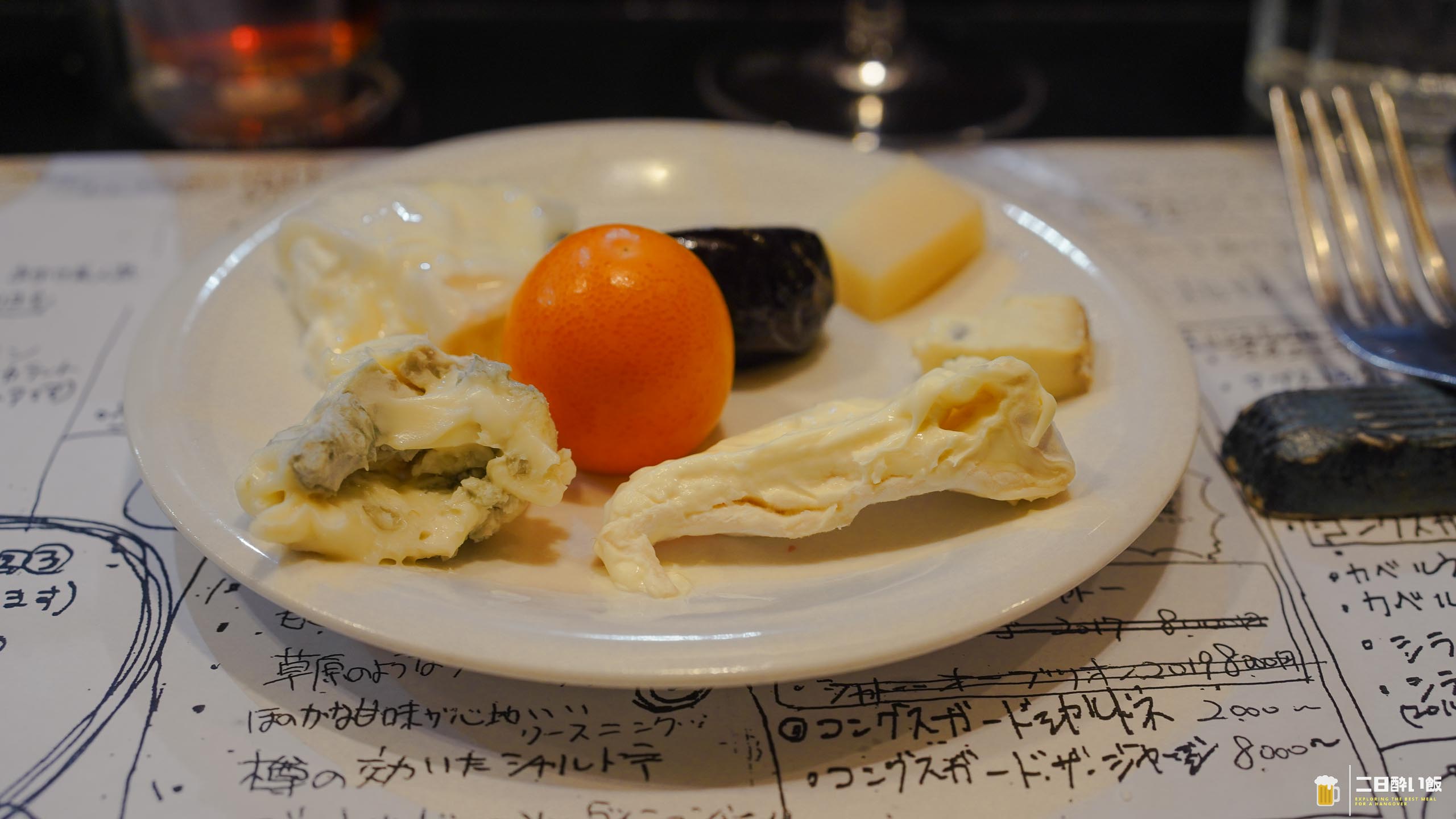
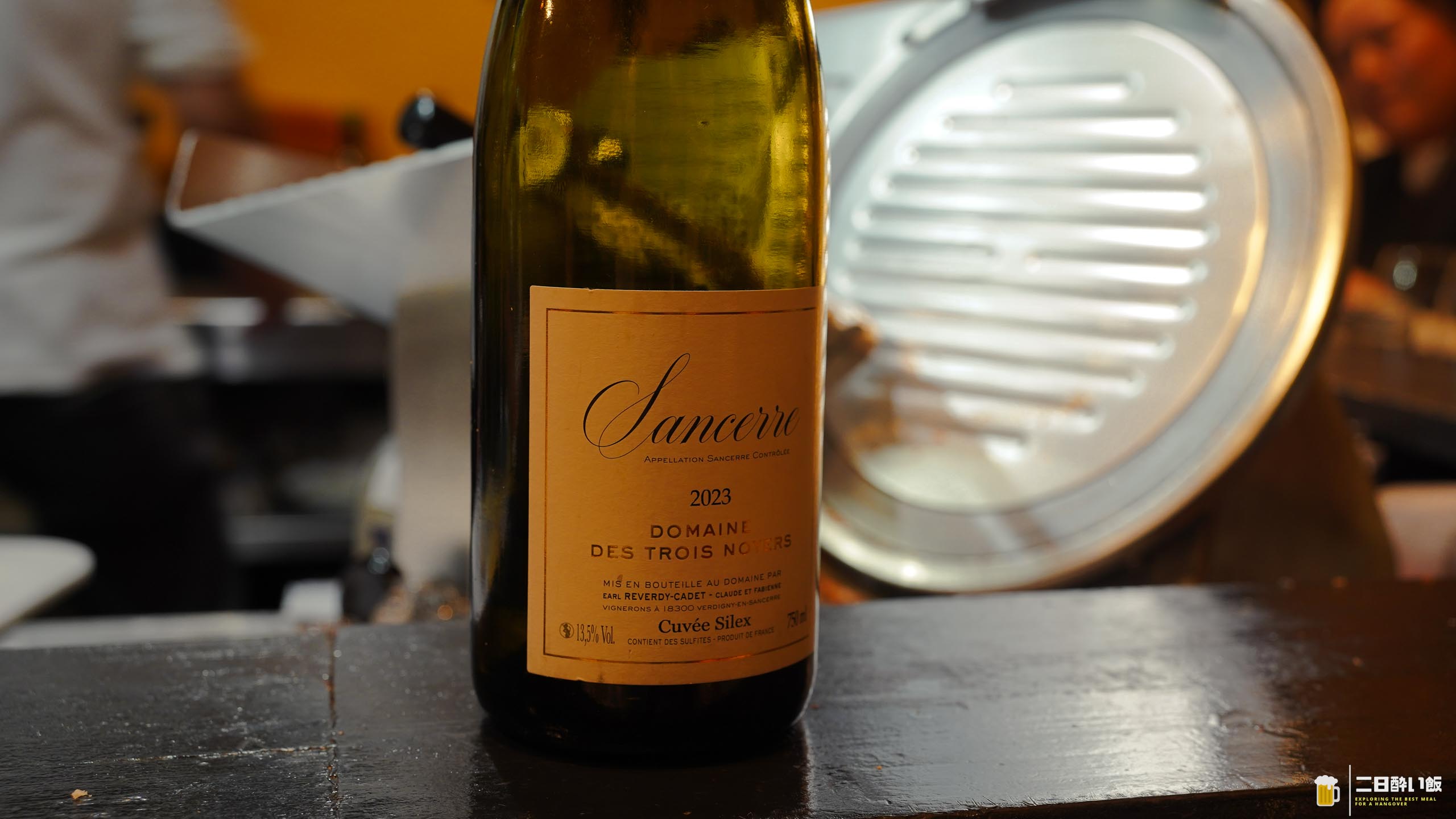
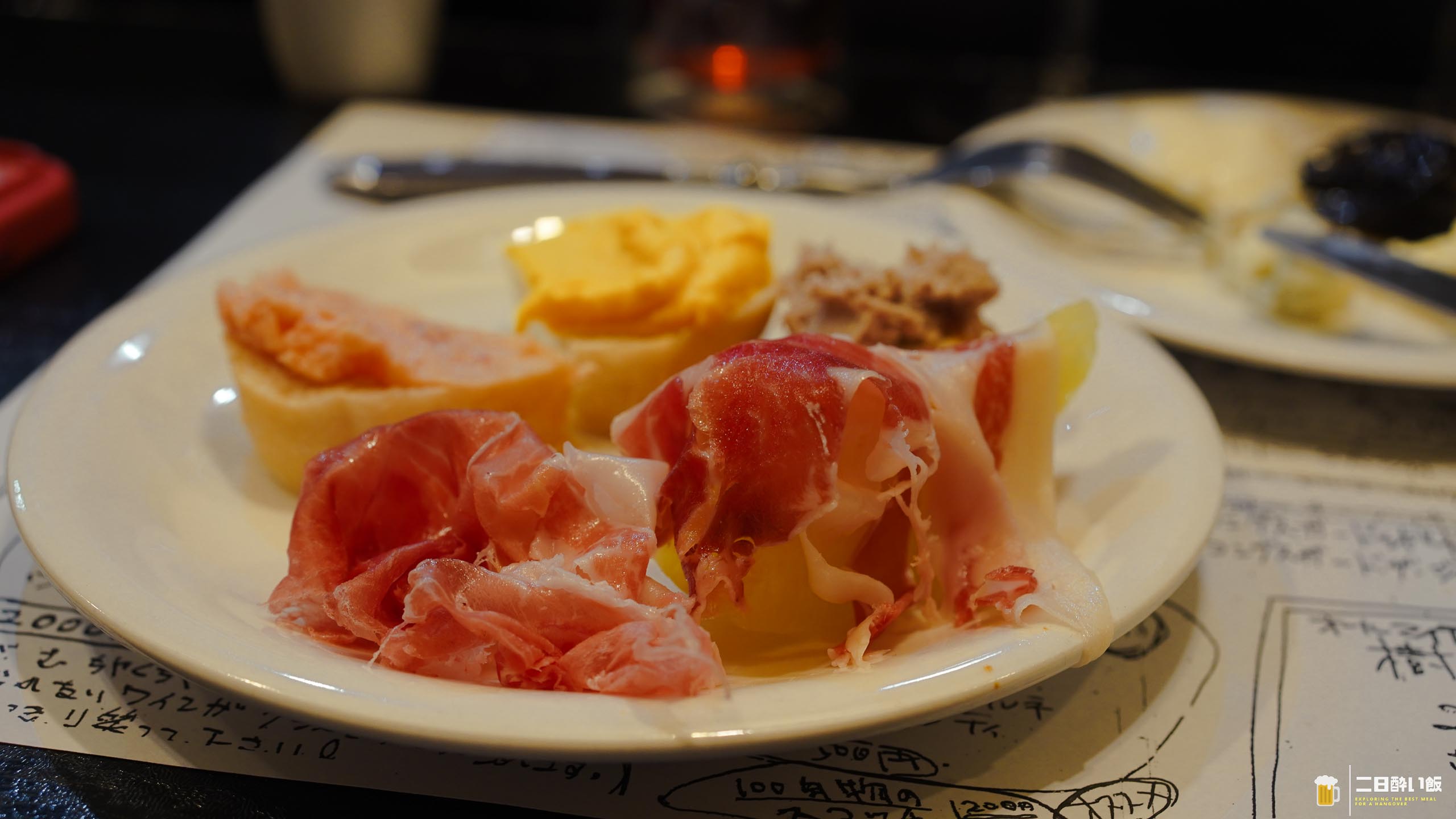
Spanish cured ham. Iberico bellota.
Apparently, from around late November 2025, African swine fever was confirmed in wild boar in Catalonia, Spain, for the first time in some thirty years, and the Ministry of Agriculture, Forestry and Fisheries suspended imports of Spanish pork and related products from 28 November. So the stock on hand is being served while it lasts. Gratefully received.
With cured ham and melon, the proper way is to put both in the mouth together and chew well, so that the melon dissolves and disappears first; then you eat the ham that remains, slowly. Eaten as instructed, it is certainly very good.
On the plate, from the left: Tasmanian salmon paste, carrot paste, and Iberico pork paste.
Three pastes — vegetable, fish and meat — and the bread is a house-made coca-style bread with almost no salt in it.
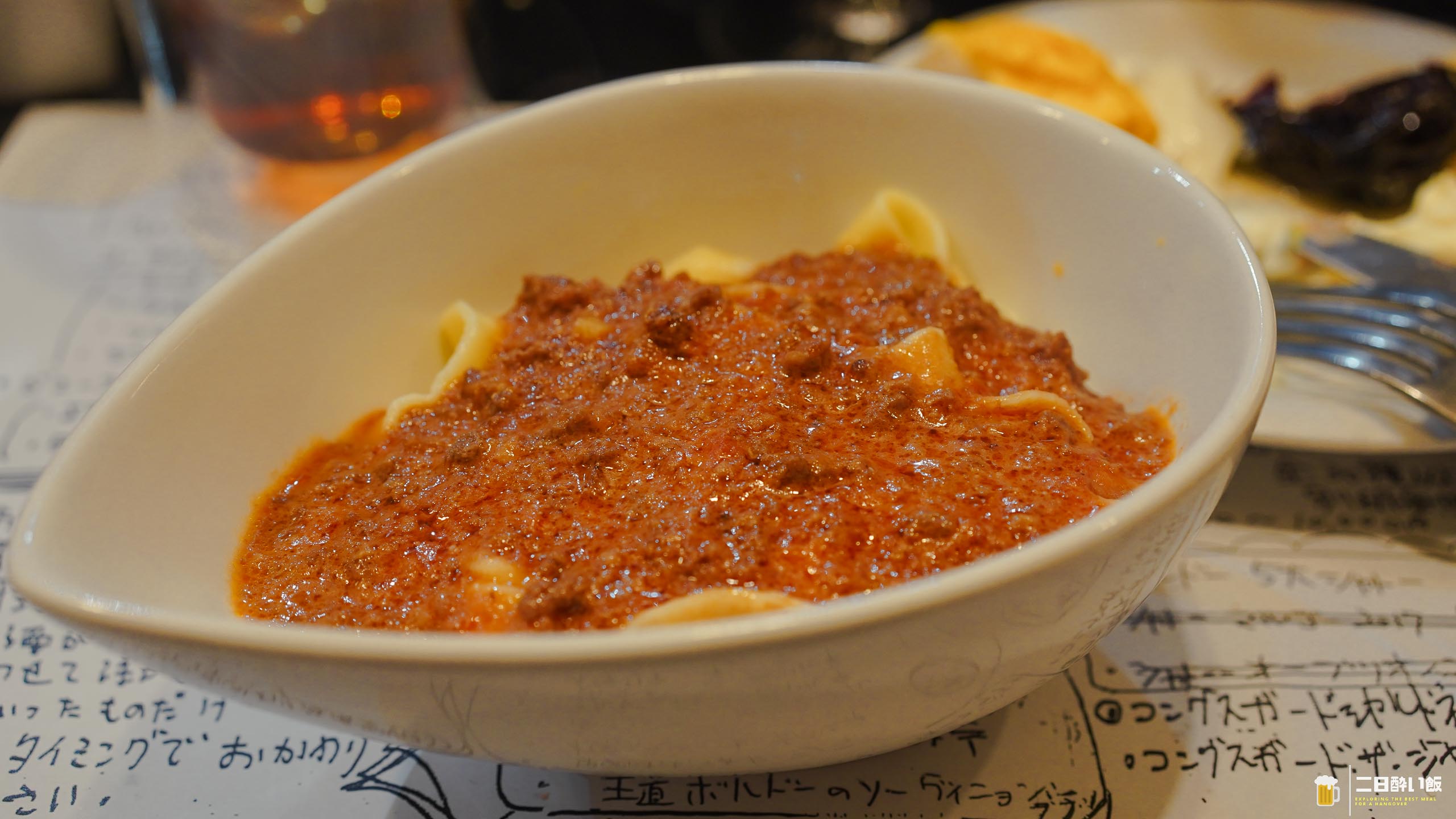
This is hand-cut pasta with a Mishima beef meat sauce. Not a single unnecessary seasoning is used, and yet it is deep in savour and delicious. I may well never have eaten pasta like it. The pasta itself tastes very good too, and grows deeper the more you chew. The lightness of the Mishima beef fat makes it very easy to eat.
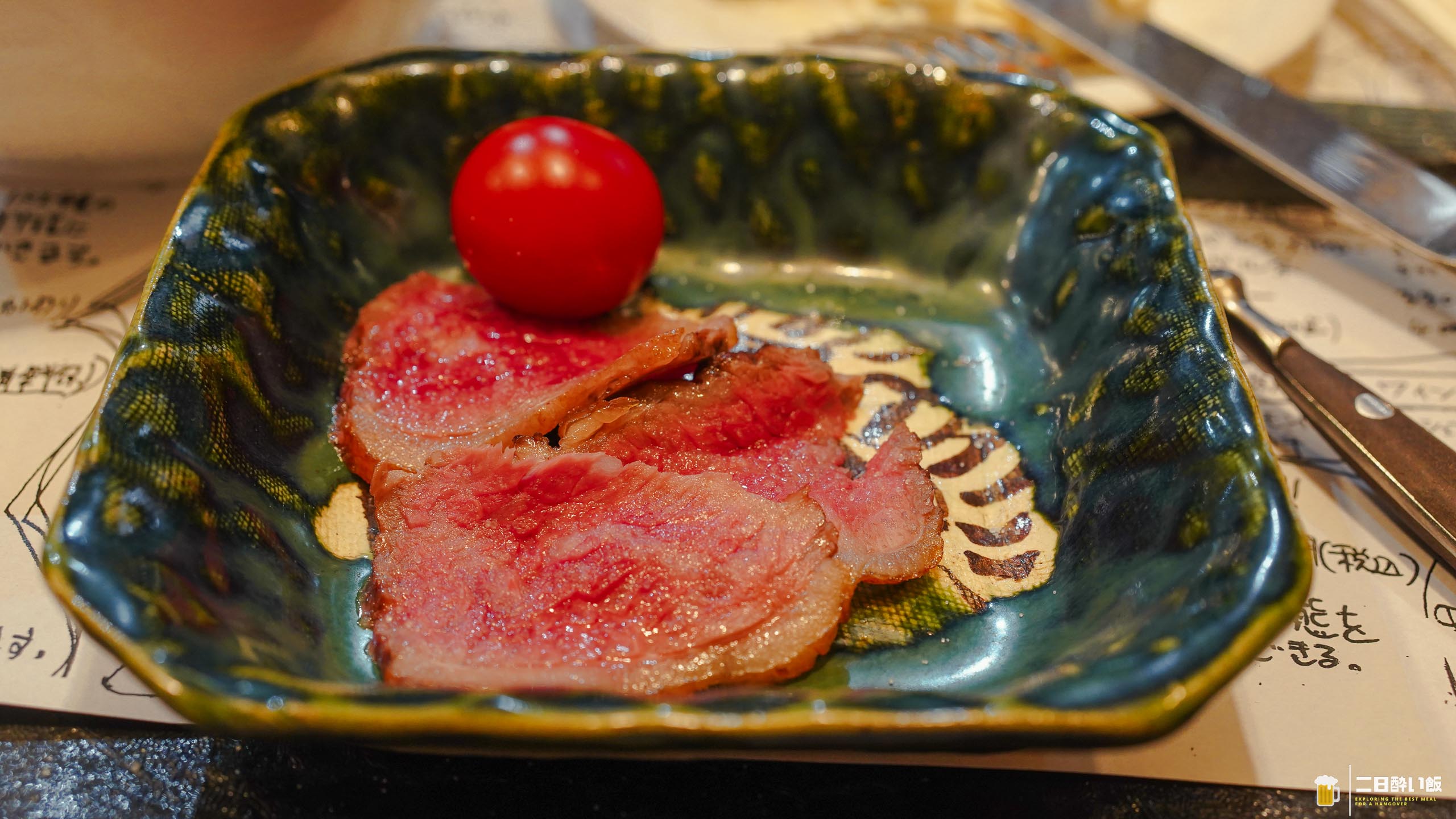
Unlike ordinary wagyu, which pushes the richness of its fat to the front, the appeal of Mishima beef is the powerful savour of the lean and a scent with something wild in it. Carefully roasted, the surface is fragrant and the inside moist and tender. The savour spreads quietly as you chew, with the deep, layered richness that only lean meat has. Precisely because the cooking is simple, with no unnecessary decoration, the character of this rare beef comes straight through. It lets you enjoy the presence of an extraordinary ingredient, quietly.
In other words: delicious.
Well — that is a great many dishes. Full, and having drunk plenty, I left thoroughly satisfied. At 16,500 yen plus 5,500 yen, I would call that cheap. At the very end I was up against the last Shinkansen and had to hurry the staff, who dealt with it graciously and even called me a taxi. I am most grateful. The style here is to eat slowly while listening to a great deal of talk, so anybody with a Shinkansen deadline should go early in the evening. (A lesson learned.) It is a house where you can eat that rare Mishima beef, and one that serves the best of whatever the season holds. If you come to Nagoya, surely you must go? It was a fine experience. I want to go again. (Incidentally, on a second visit you can skip the opening lecture.)
Yamanekoken (creative cuisine / Marunouchi Station, Kokusai Center Station, Fushimi Station)
Tabelog dinner rating ★★★★☆ 4.0
I ate here and paid for it myself. Nothing on this site is a comped meal.
One more for the road?


