


A note on the words: unaju is grilled eel laid over rice in a lacquered box; hitsumabushi is the Nagoya way of serving the same eel chopped in a tub, eaten in three stages, the last with tea poured over; jo means the upper grade; the Kansai style grills the eel straight over charcoal without the steaming step used in Tokyo; tare is the sweet-salty basting sauce; Nagoya Cochin is the local heritage chicken; and otoshi is the small dish brought unbidden and charged as a seat fee. Prices are as of this writing (August 2026).
Sumiyaki Unafuji Shirakabe Bettei on Tabelog (English) — opening hours, payment details and the Japanese address are kept up to date there, not here.
I want to eat something good today as well. This is Hangover Meshi. I had business in Nagoya this time and took the Shinkansen down. Since I was going, I wanted to eat Nagoya food. Yamamotoya and its miso-nikomi udon, which has left Tokyo, was one thought among several, but in the end I settled on eel (I am fond of eel). There are a good many eel houses and I dithered, but they were all full, or did not take bookings, or would not take bookings at weekends. I had something immovable in the afternoon, so queueing on the day felt like a risk.
In the end I went to “Sumiyaki Unafuji Shirakabe Bettei”, a little way out, where I could get a table.
Walking from the station, the cherry blossom was out along the way, and spring felt close.
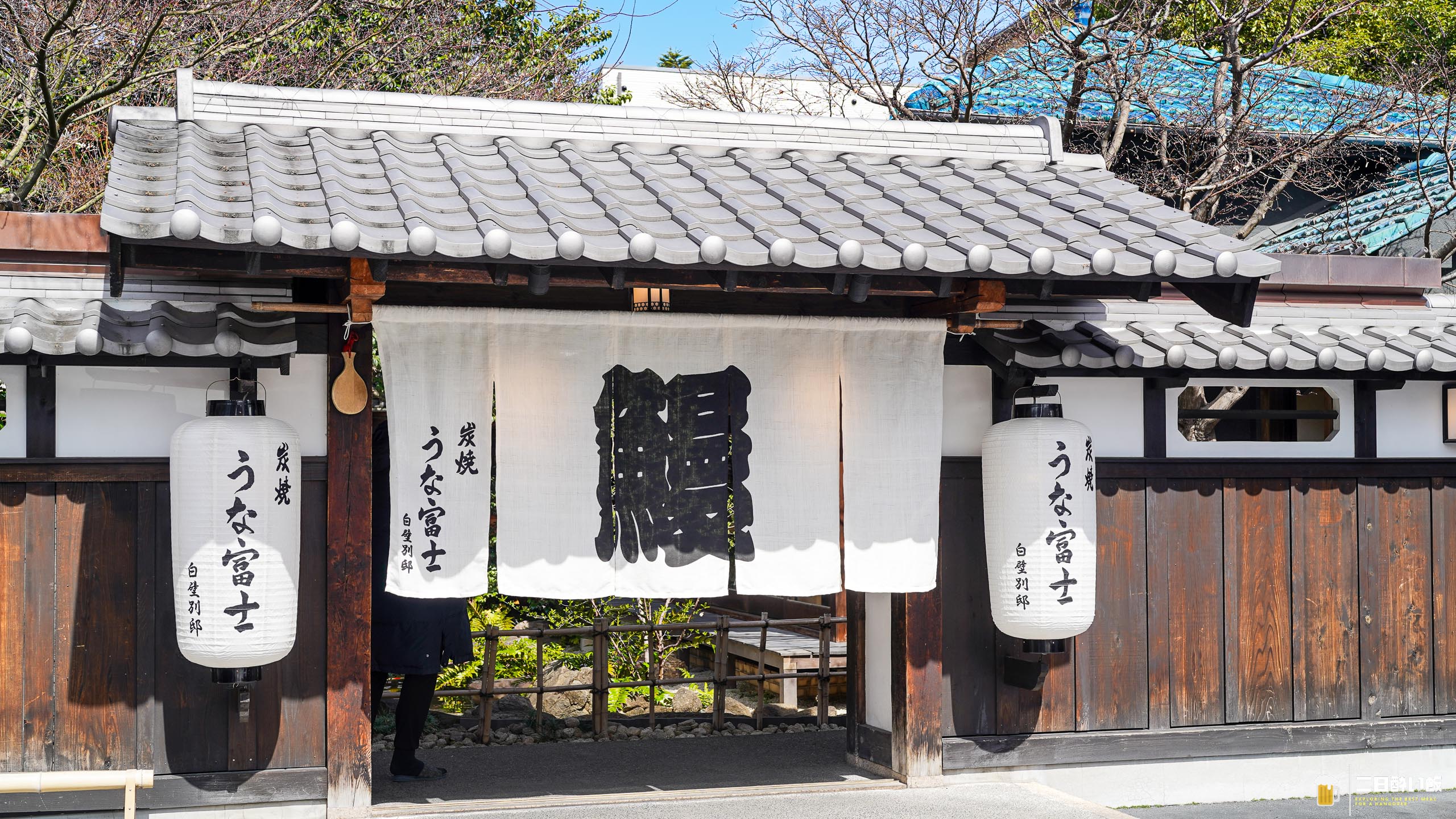


There is a Sumiyaki Unafuji in Hibiya as well, as it happens, but I had never been.
It is a well-known house (and, it turns out, Nagoya is where it began), so I was looking forward to it.
Unaju, hitsumabushi, and a scattering of things to drink with.
Would the eel here come out quickly at lunch, or would it take a good while?
Being a first visit I had no idea, so I ordered a few snacks to put myself in a position to wait.
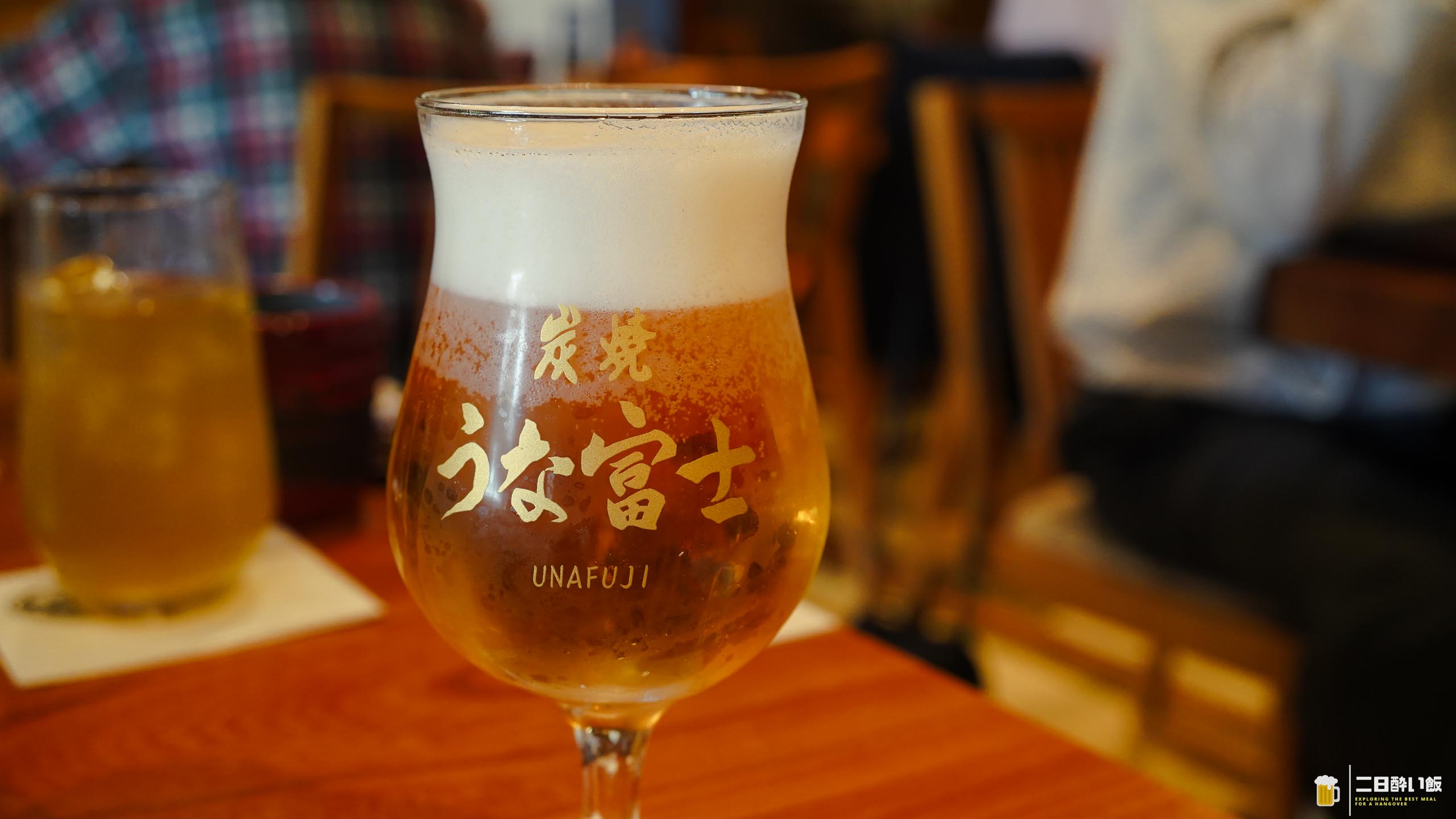
Beer first!
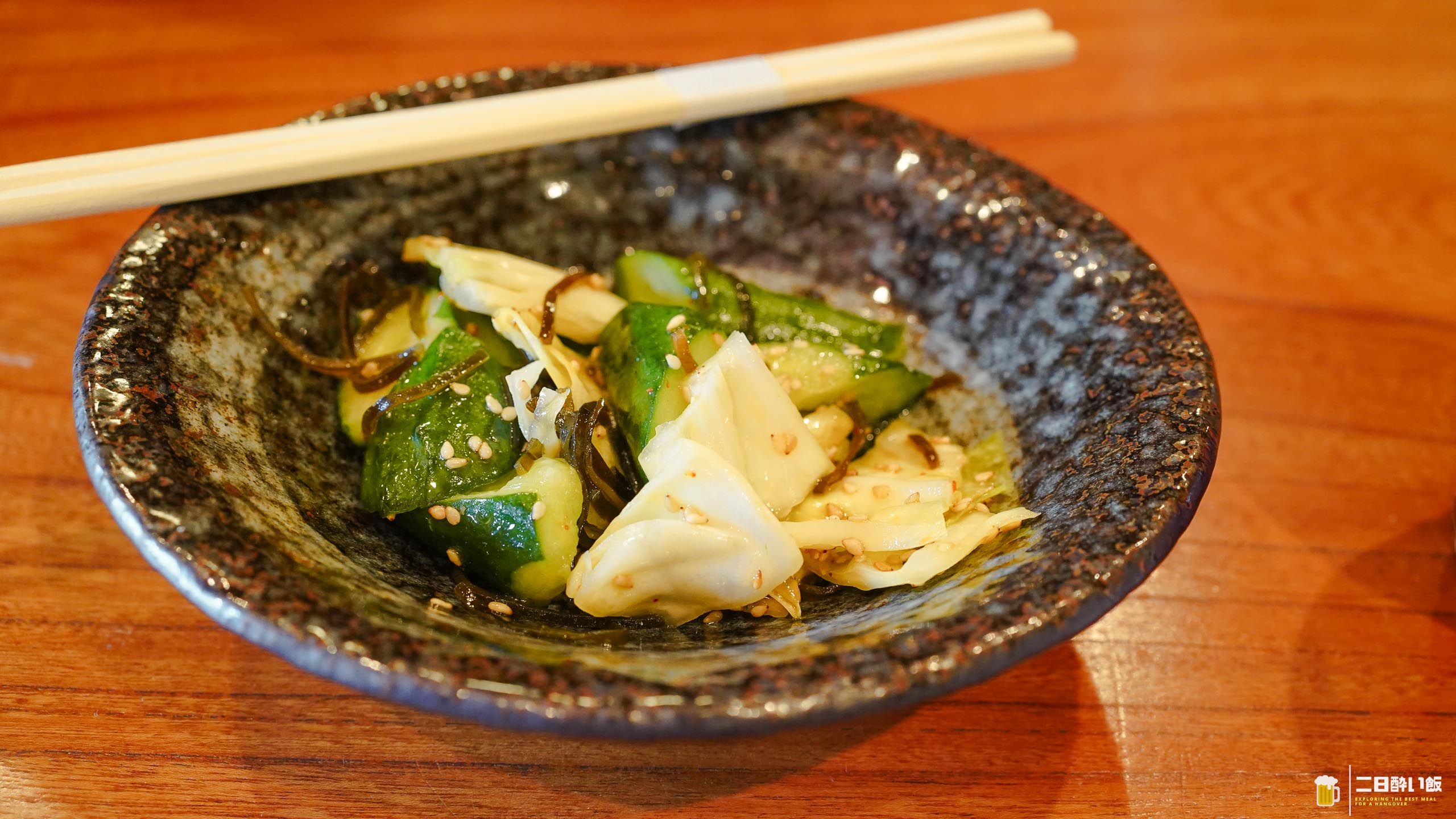
And an assortment of pickles — the otoshi, presumably.
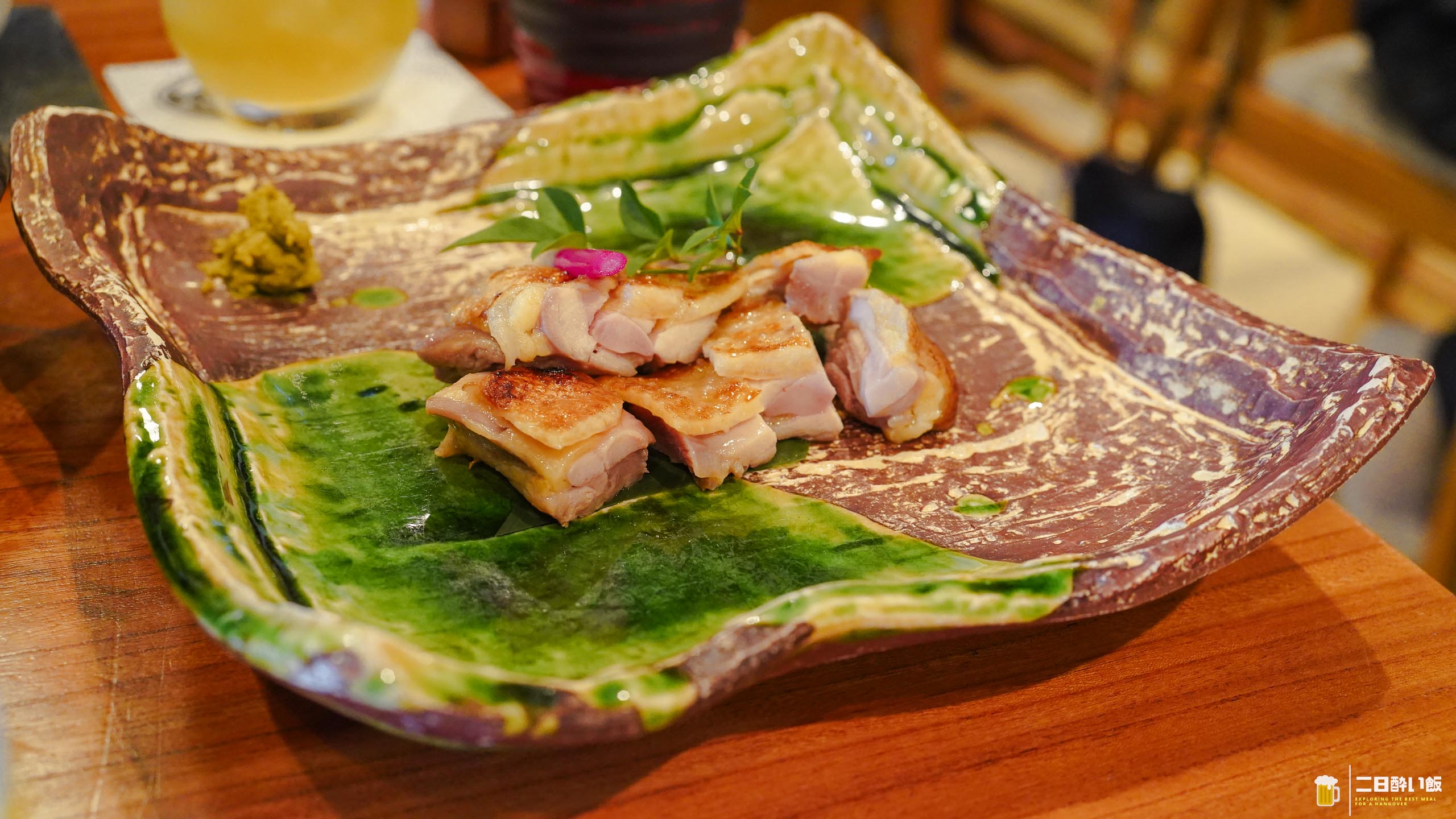
As you would expect at an eel house, the charcoal work is put straight to use. Having come to Nagoya, I wanted Cochin too.
Grilled fragrant over a fierce charcoal fire, the chicken has crisp, aromatic skin and flesh that is astonishingly juicy and springy. The firm savour and depth particular to Nagoya Cochin spread as you chew, and even with simple seasoning the strength of the ingredient comes through. The scent of charcoal rising off it lifts the sweetness of the fat and the savour of the bird further. Perfect to drink with.
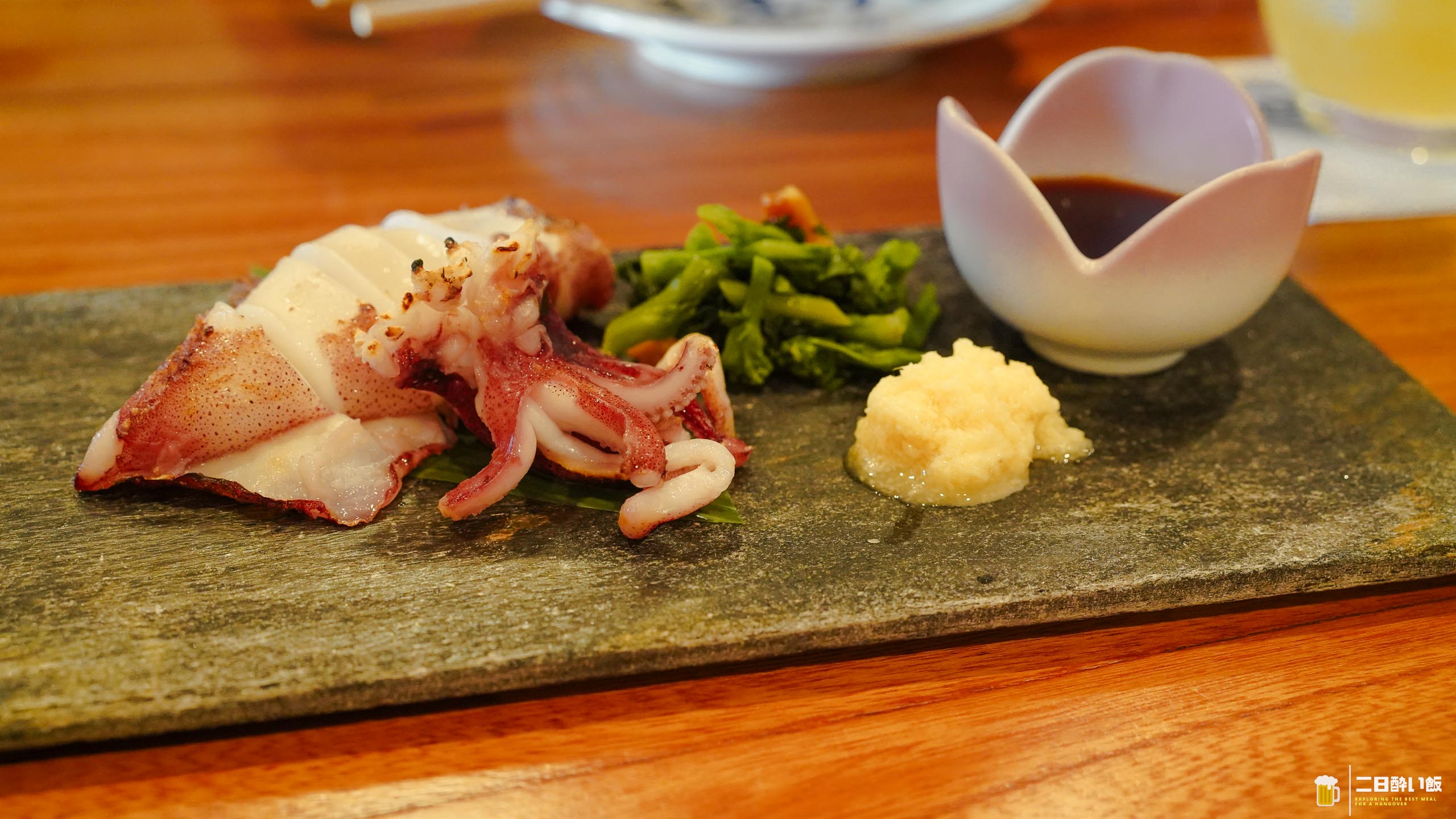
Spear squid grilled quickly over the fierce charcoal. It looks good!
Faintly coloured on the surface, with a springy bite. Cooked to the exact point short of overdone, so the natural sweetness and savour of the squid come through clearly. The fragrance of charcoal gives simple seasoning real depth, and a little ginger to freshen it is good too.
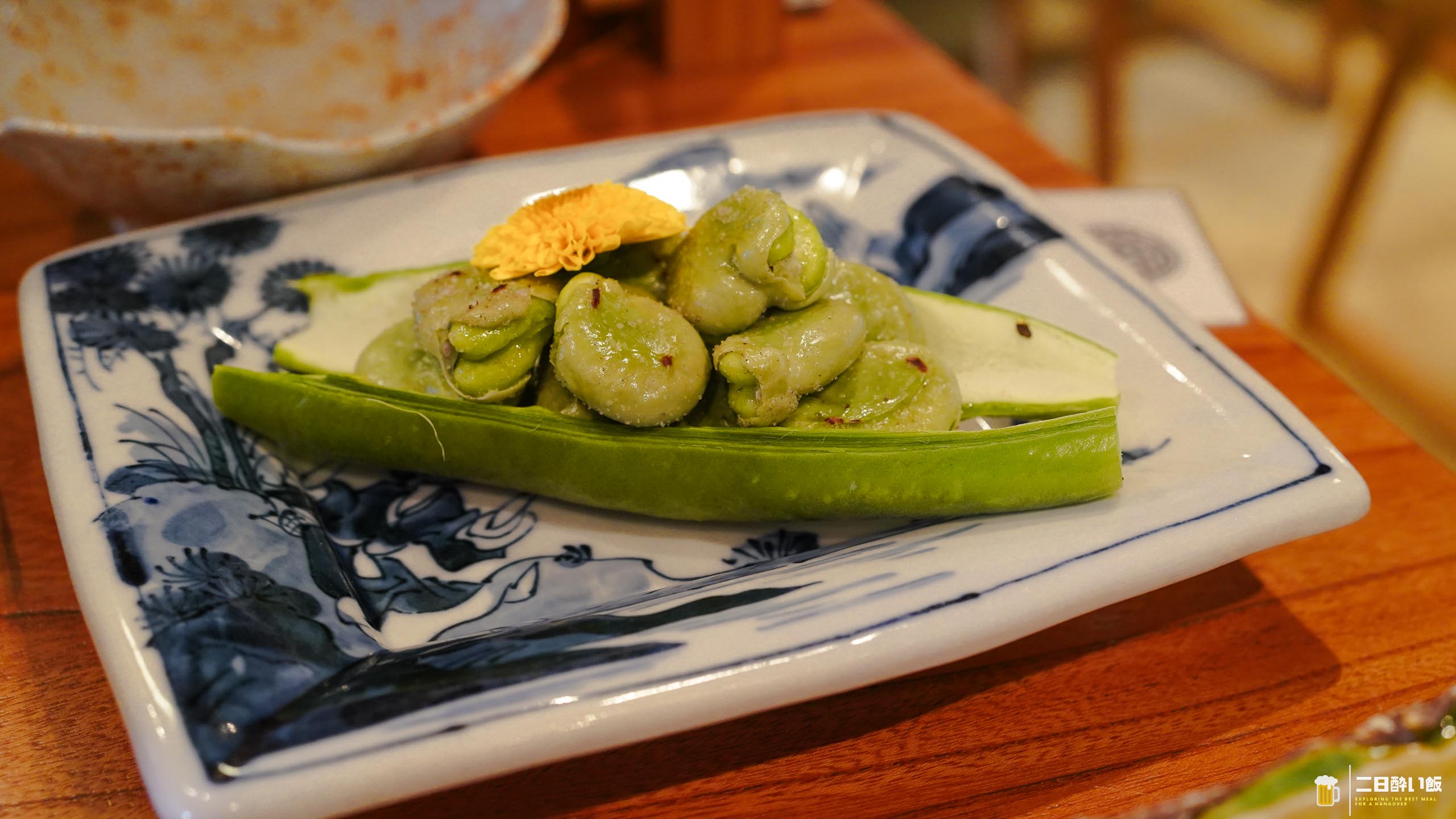
I am fond of broad beans, as it happens. They are good, are they not?
Simply roasted with salt, the beans are faintly fragrant on the surface and floury-soft within. Bite in and the gentle sweetness and green scent particular to broad beans spread, with the salt lifting them. Delicious. People divide into those who peel the skin and those who eat it as it is. I peel.
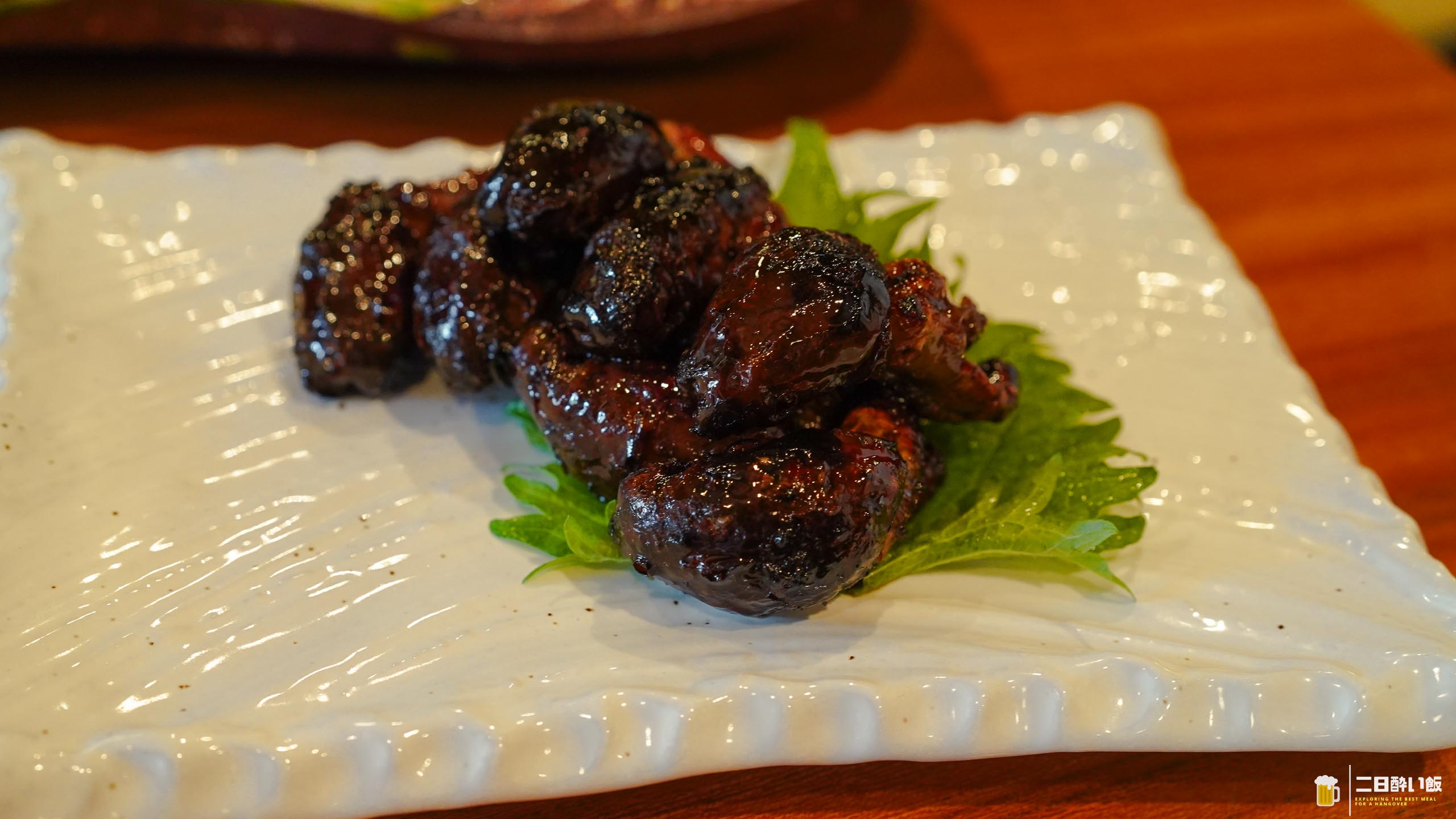
Grilled liver, and not on a skewer. Unusual — but easy to pick at.
Fragrant on the surface and moist within. Chew and the characteristic faint bitterness and rich savour spread, with the depth of the sweet-salty tare layered over it: the deep flavour that only liver has. The scent of charcoal rising off it lifts the savour of the fat and the nuance of the bitterness. It goes wonderfully with a drink.


And here is the hitsumabushi!
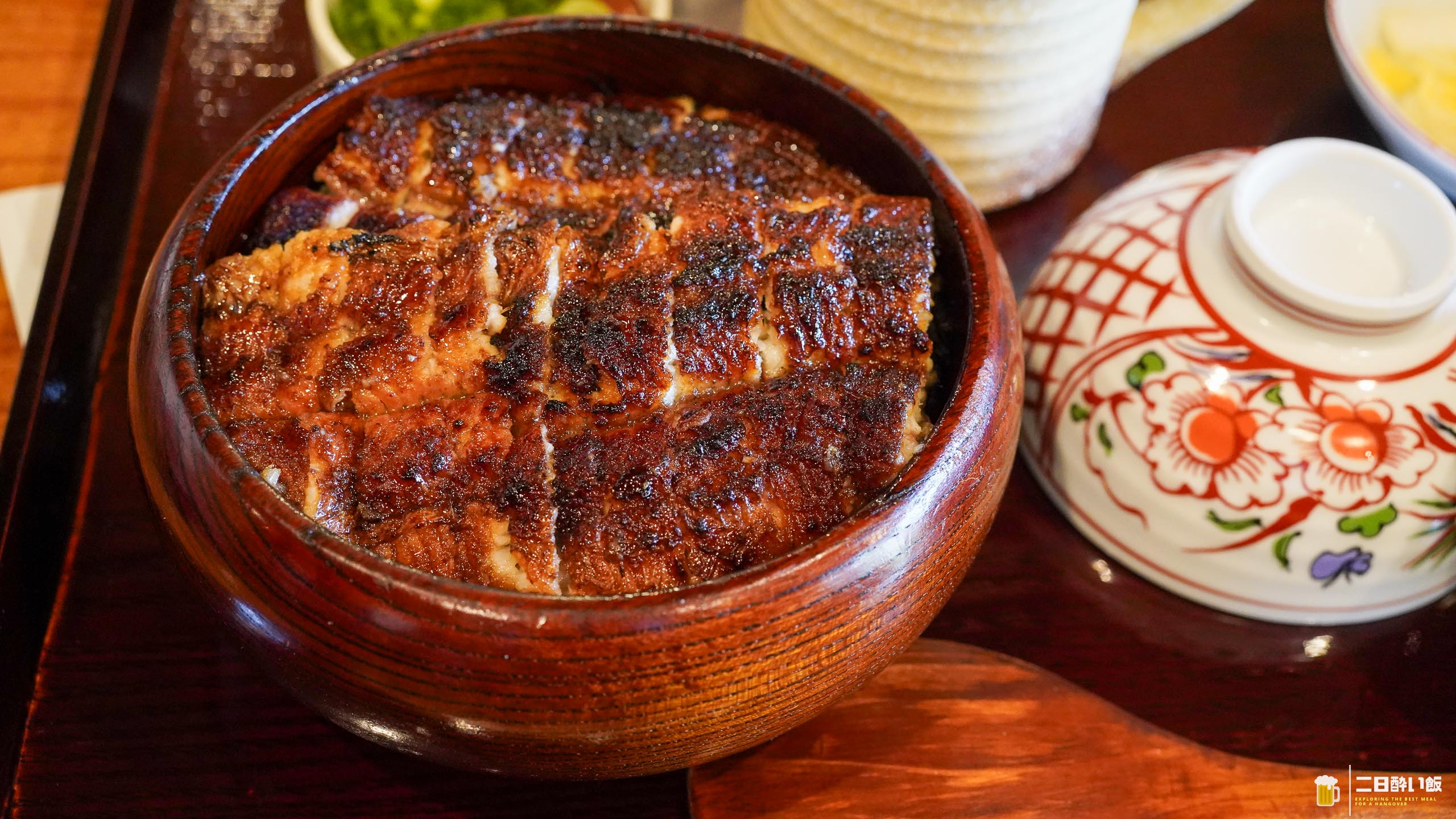
It looks superb!
— except that I did not eat it.
This is mine.
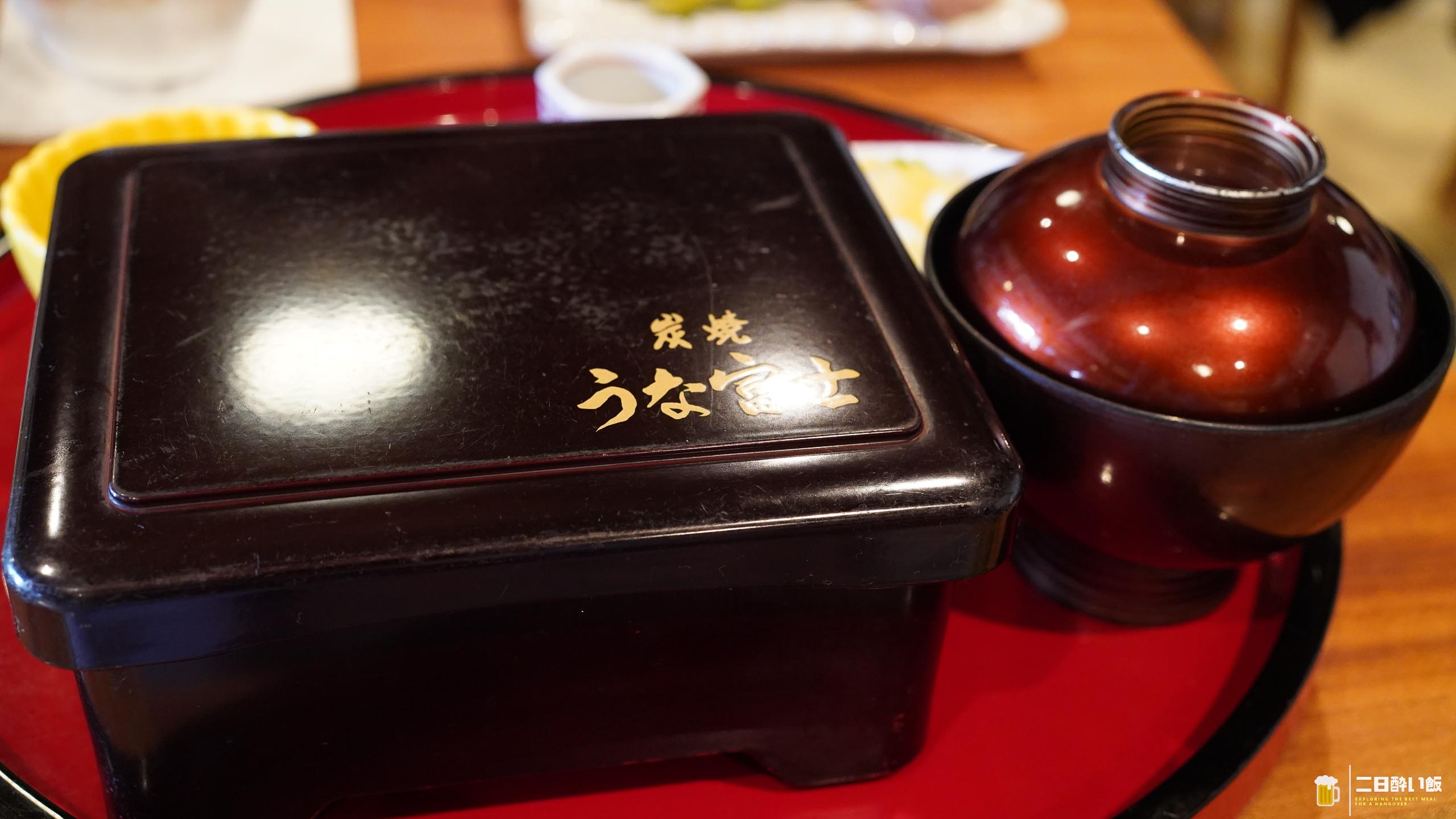
Ta-daa!
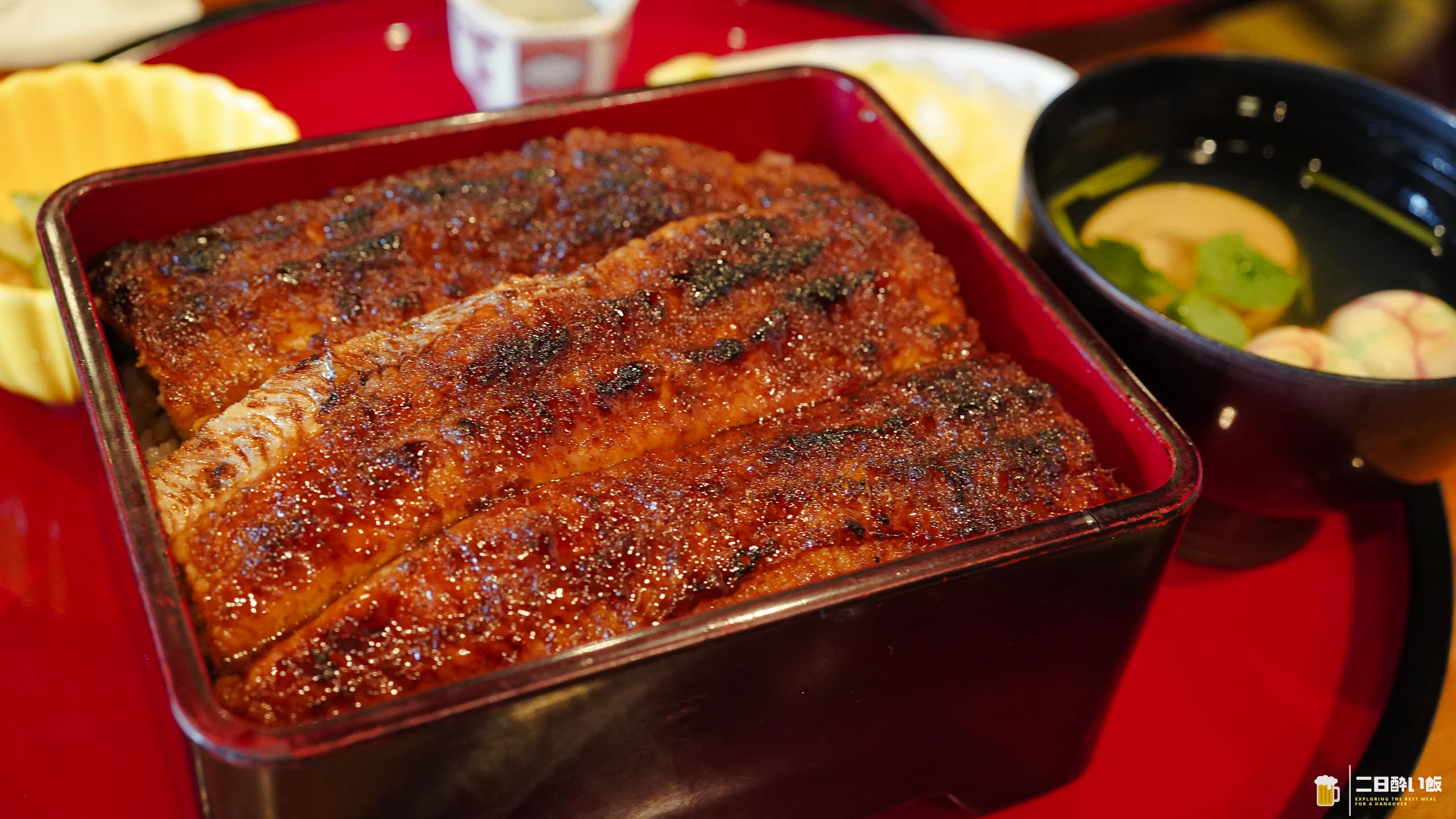
Nagoya means hitsumabushi, I know, I know.
But the sign that shows what Unafuji does most directly is surely the unaju.
Grilled over a fierce charcoal fire, the eel has crisp, fragrant skin and thick, fluffy flesh, and the sweetness and savour of the fat flood out as it goes into the mouth. Very Kansai. It cannot have been steamed, and yet the flesh is properly light and soft, which is remarkable. The “ao-unagi” used here is known for its size and the quality of its fat, and it eats substantially without ever feeling heavy. The tare is not too sweet and has a clean edge, balanced exactly to lift the fragrance of the eel. It soaks into the rice to just the right degree, so you never tire of it before the end. Charcoal scent, the savour of the eel, and the unity of tare and rice come together beautifully: a deeply satisfying unaju that shows what Nagoya eel can do. This would be popular in Tokyo too. Or is the Tokyo Unafuji Kansai-style as well? Now I am curious.
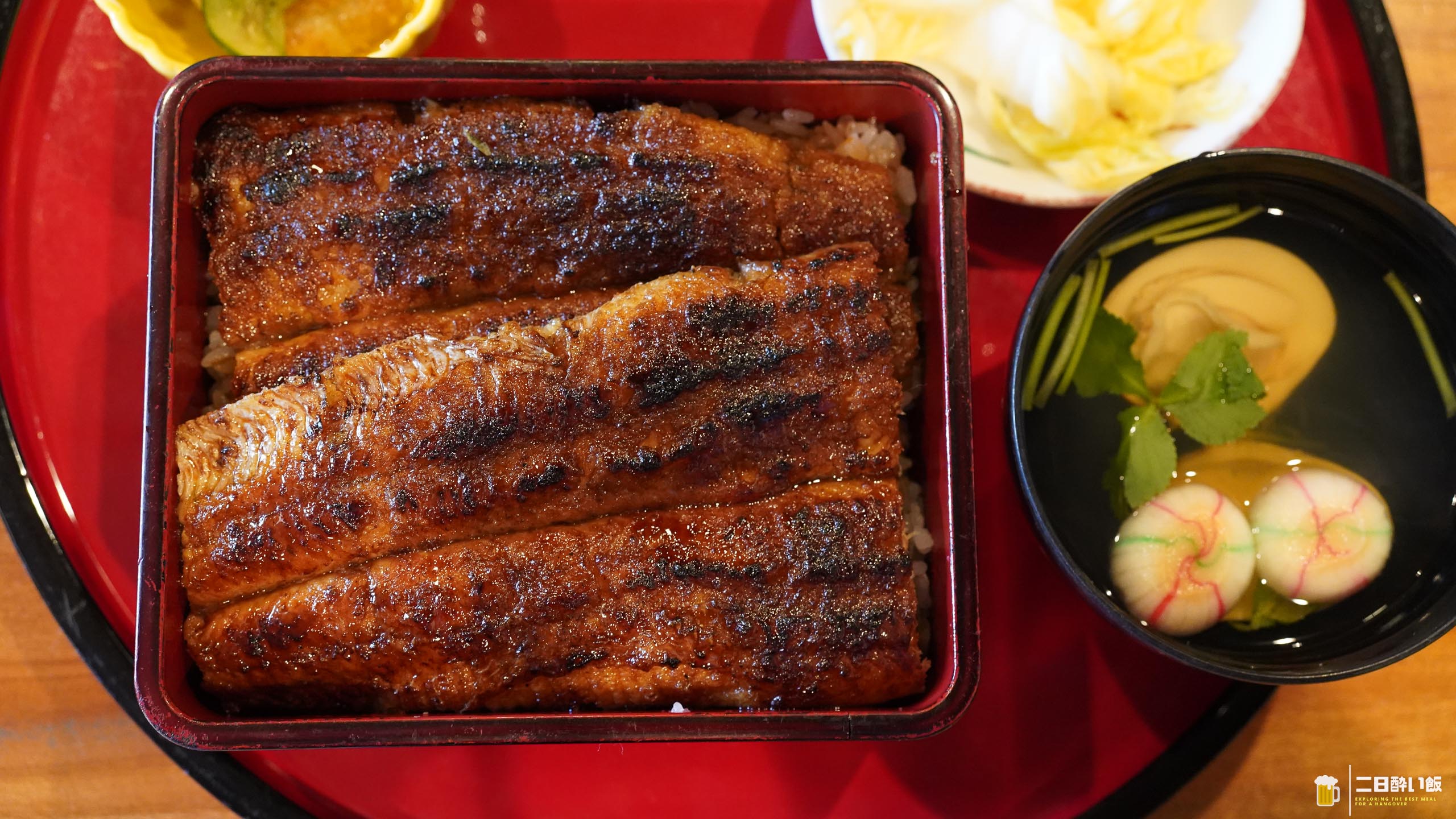
Full, and thoroughly satisfied!
So, Unafuji. Far as it was, I am glad I went. An old-house-style building with a garden, eating Nagoya eel unhurriedly in warm sunlight — a very happy lunch. I want more Nagoya eel. I seriously considered staying in Nagoya for a week. Send more Nagoya food to Tokyo, please. It was delicious. Recommended!
Sumiyaki Unafuji Shirakabe Bettei (unagi / Amagasaka Station, Shimizu Station, Morishita Station)
Tabelog lunch rating ★★★☆☆ 3.7
I ate here and paid for it myself. Nothing on this site is a comped meal.
One more for the road?


