


A note on the words: unaju is grilled eel laid over rice in a lacquered box, and kabayaki is the split-and-grilled eel itself, brushed with a sweet soy tare. Kanto style means the eel is steamed before grilling, which is why it comes out soft. Tare is the sweet soy basting sauce itself, kept going and topped up over years. Otoshi is the small appetizer you are served and charged for as you sit down, effectively a cover charge, and nikogori is that appetizer here — a savory jelly set from the cooking liquid. Yakitori are grilled chicken skewers; negima is chicken alternated with leek. Mugi-shochu is a barley spirit, usually drunk long with soda. Kimosui, translated here as liver soup, is the clear broth with an eel liver in it that comes alongside the box. Kyosui is a brand of farmed eel raised in near-wild conditions in Shizuoka. Prices are as of this writing (August 2026).
Takashimaya on Tabelog (English) — opening hours, payment details and the Japanese address are kept up to date there, not here.
Eel people, thank you for waiting. It is time for Hangover Meshi.
It had been a while since I last wanted eel. Once the weather turns warm — muggy, really — you want something that puts energy back into you. So I went searching for an eel place I had never been to, somewhere I could just walk into, and what I found was Takashimaya, near Kodemmacho. Apparently it has been going for 150 years.
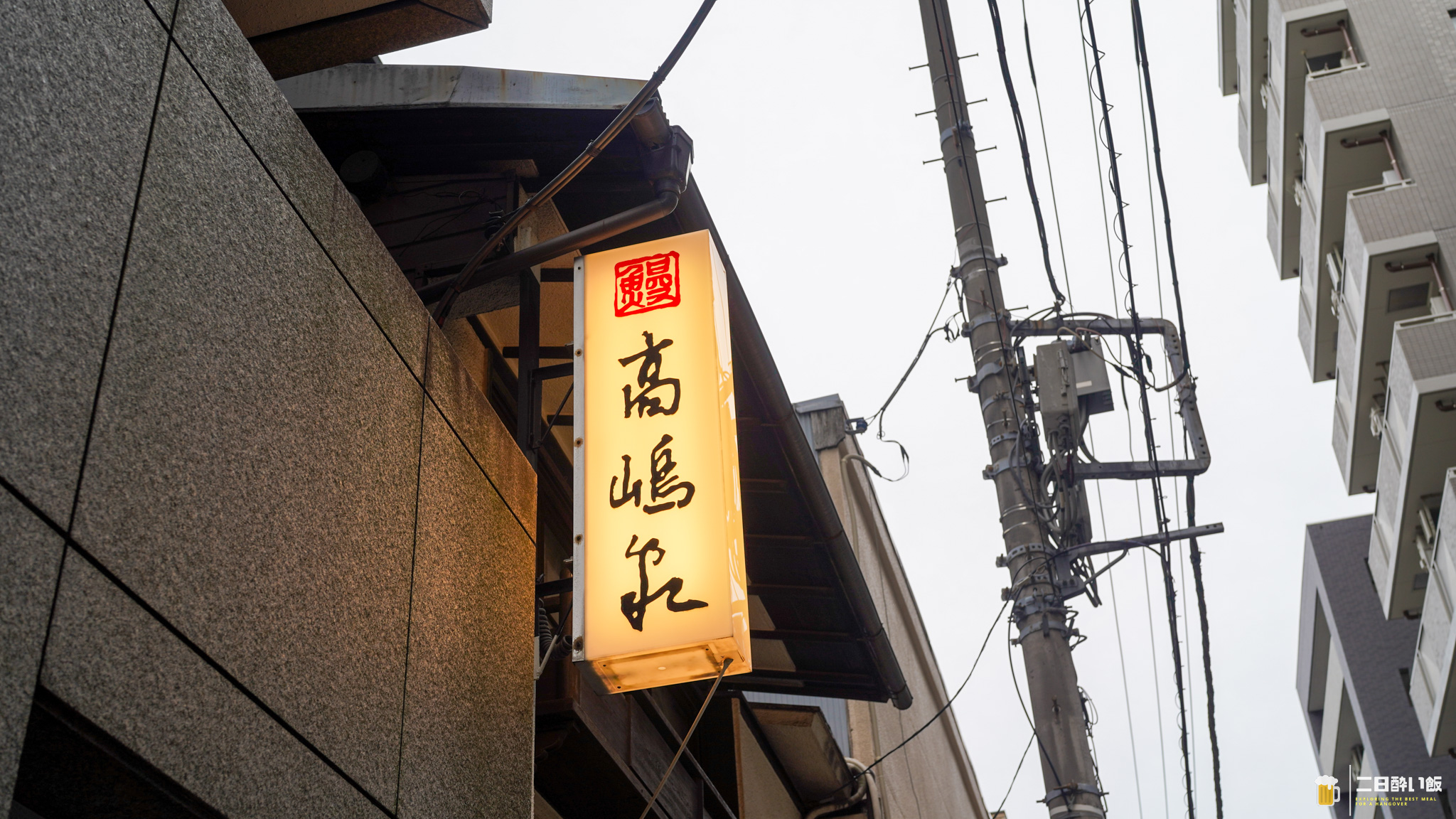
The sign and the frontage carry a fair amount of history.
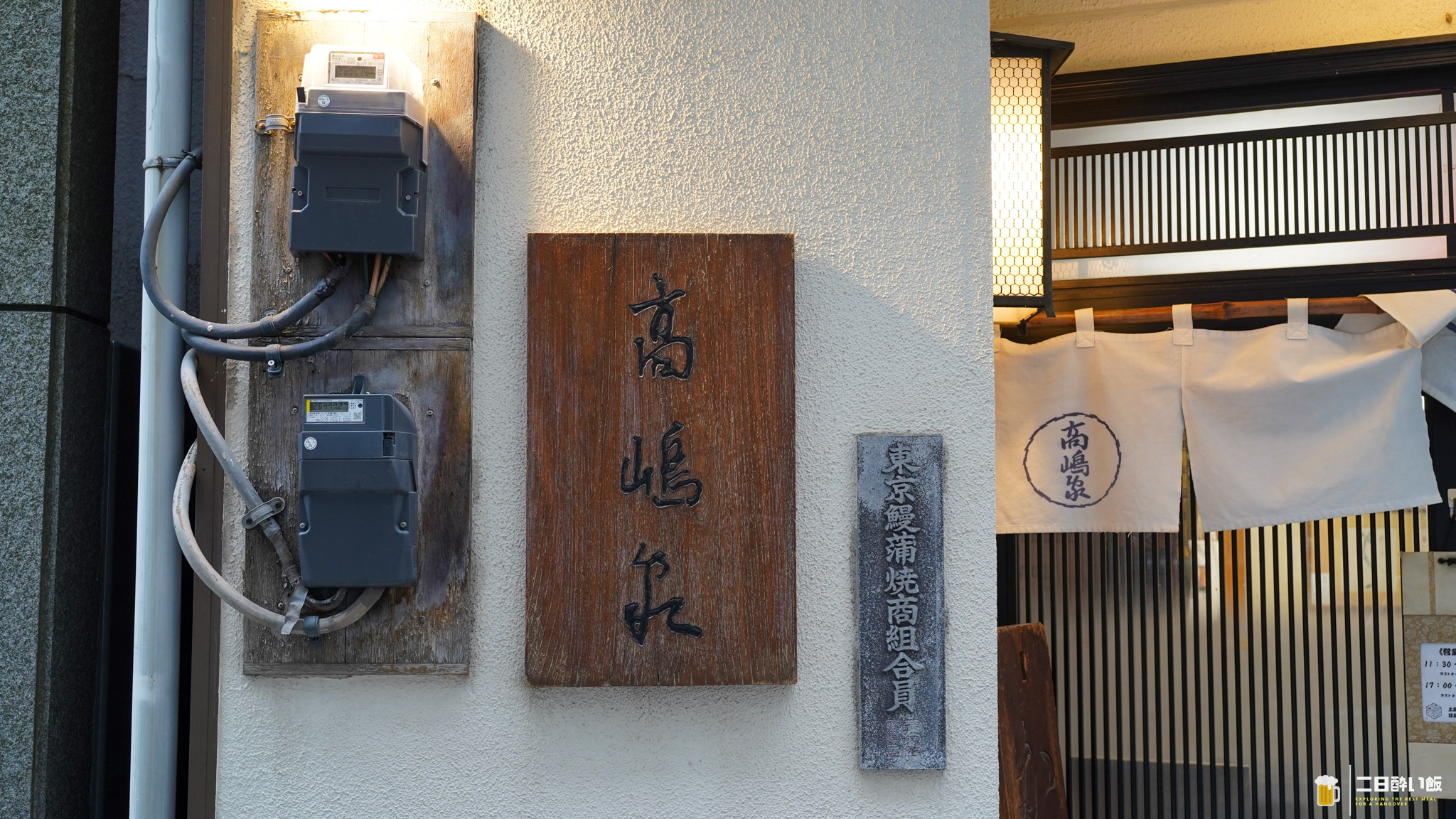
I turned up with no reservation at all, but showing my face right after opening was enough to get a seat.
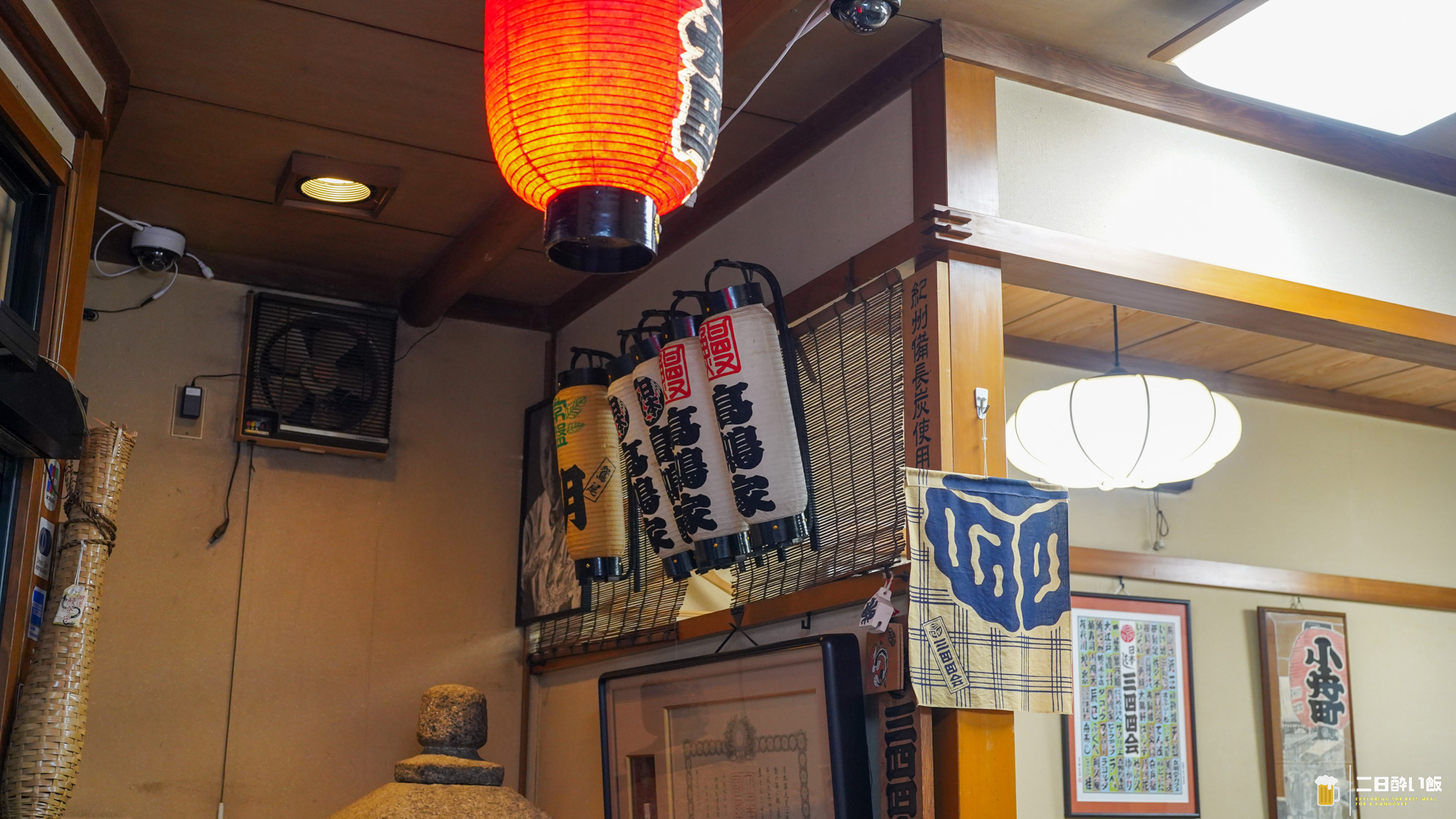
Now, to the menu. Since I had come early on purpose, I figured I would take my time over a drink or two. And look — they have Kyosui eel. So I ordered a few things to pick at, and for the eel itself, Kyosui, naturally.
First glass has to be beer.

At this time of year, when it starts to get humid, beer is the answer.
Right?
While I was working on the beer, something good to nibble on arrived.
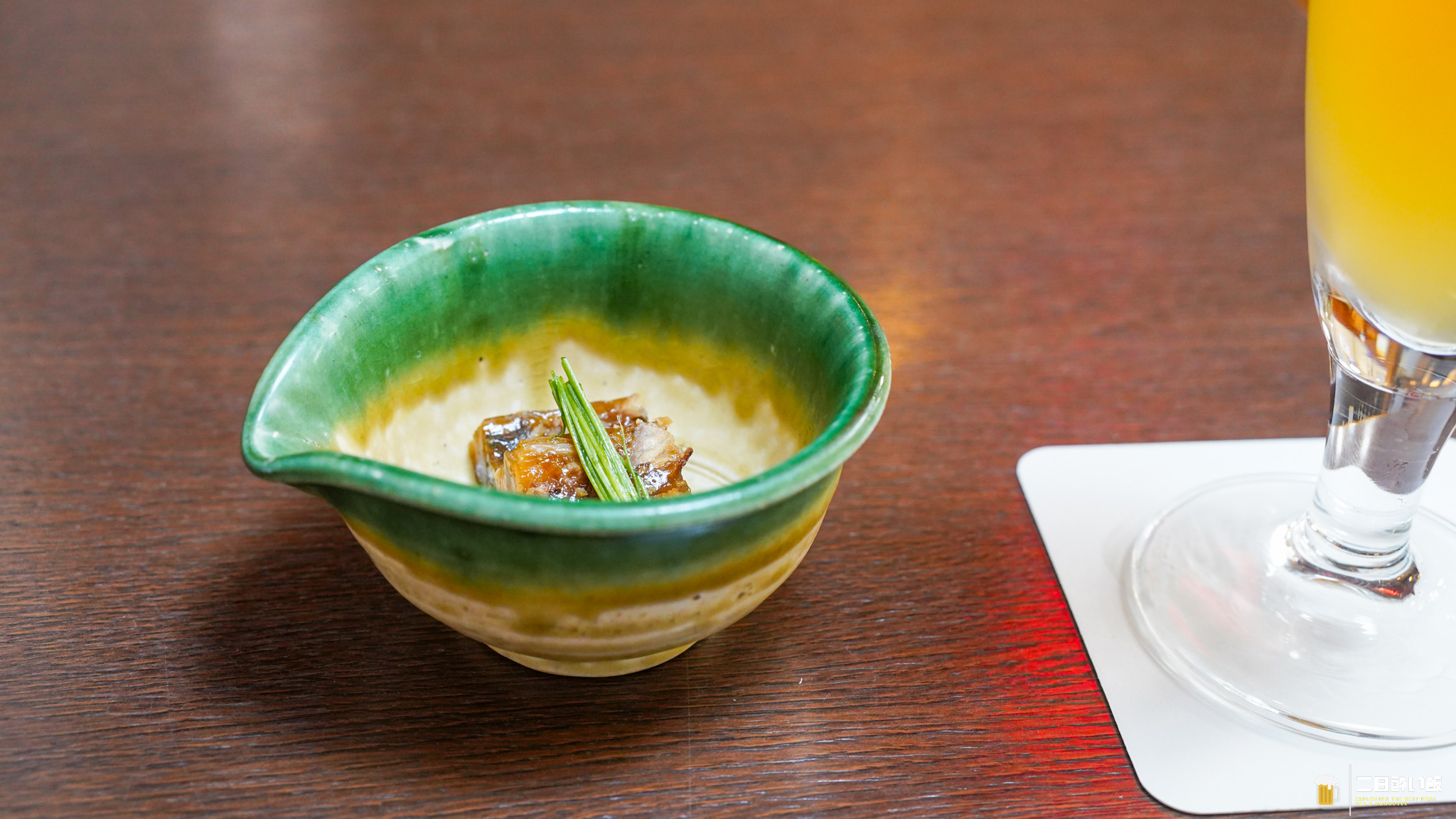
The otoshi: eel nikogori. Put your chopsticks in and it comes apart, and the cold jelly melts slowly in your mouth. The sweetness of the kabayaki sauce is sealed inside it, and the richness of the eel fat seeps out with it.
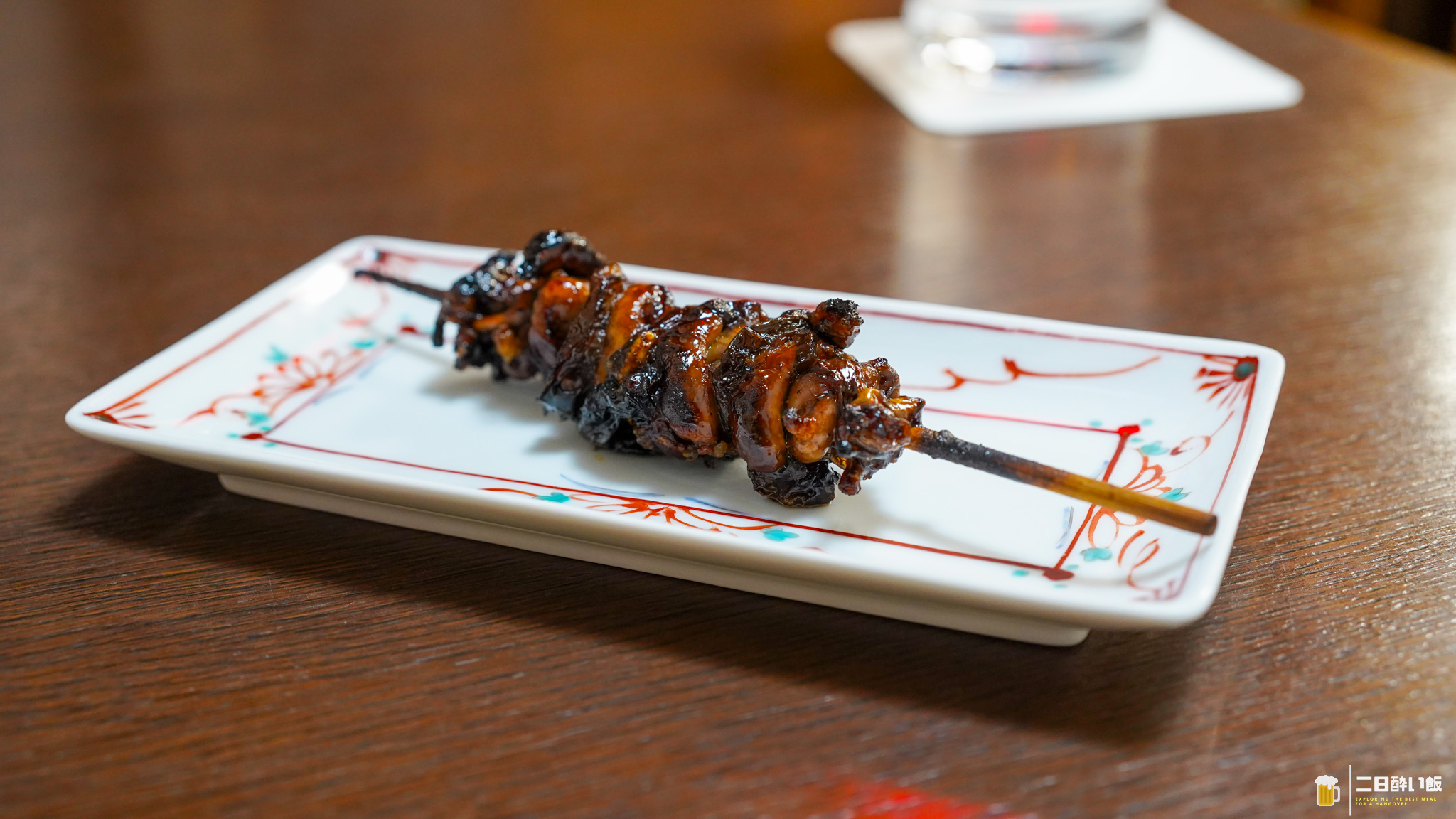
Grilled eel liver with a note reading “while supplies last, one skewer per customer” is not something you skip. Glad I was the first one in. And seeing it in front of me confirmed it:
this was always going to make me want a mugi-shochu highball.
I had a feeling, which is why I ordered one in advance.

The liver looks good before you even taste it. Bite once and it springs back, then the fat wells up. Behind it comes the faint bitterness that only eel liver has. The slightly sweet sauce wraps that bitterness up softly, and it goes with mugi-shochu — far too good. One skewer per person, and once the day’s supply is gone that is that, so getting to eat it at all is fairly rare.
And then a little more to nibble on.
Yakitori. I once heard at Tsugumi-an that they had originally been a yakitori place, which reminded me that eel and yakitori actually have a lot in common.

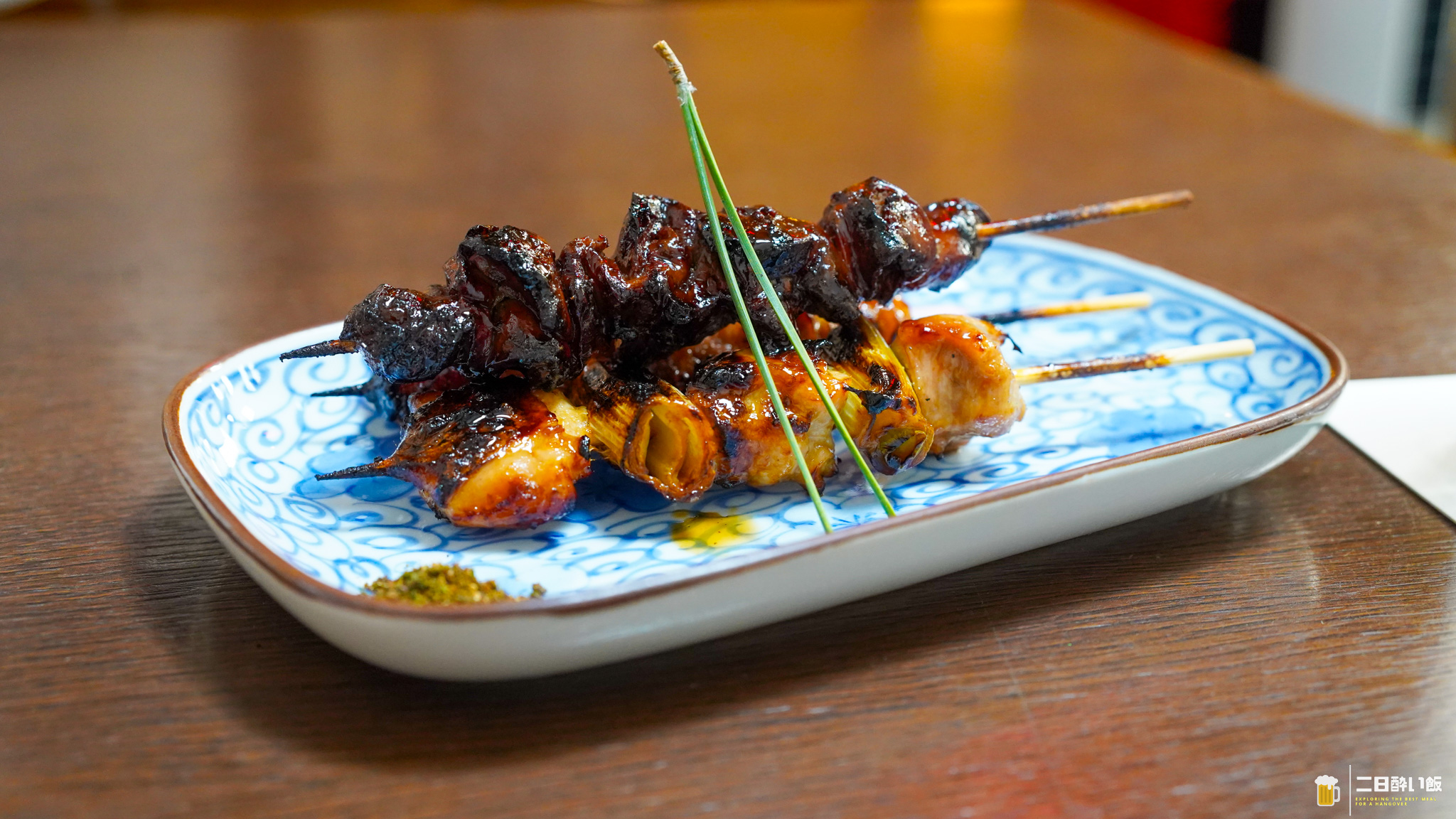
And this is what came out. Beautiful yakitori. Genuinely impressive.
Yakitori grilled over the same coals as the eel: a set of three, thigh, negima and liver. The thigh has a toasted skin side, and the juices spill out as you bite. The leek between the chicken on the negima has been cooked through until it is sweet and almost melting. The liver is smooth on the tongue, and after the deep savory hit a faint bitterness lingers. With the sweet-salty sauce pulling it all together, the match with mugi-shochu is 1000%.
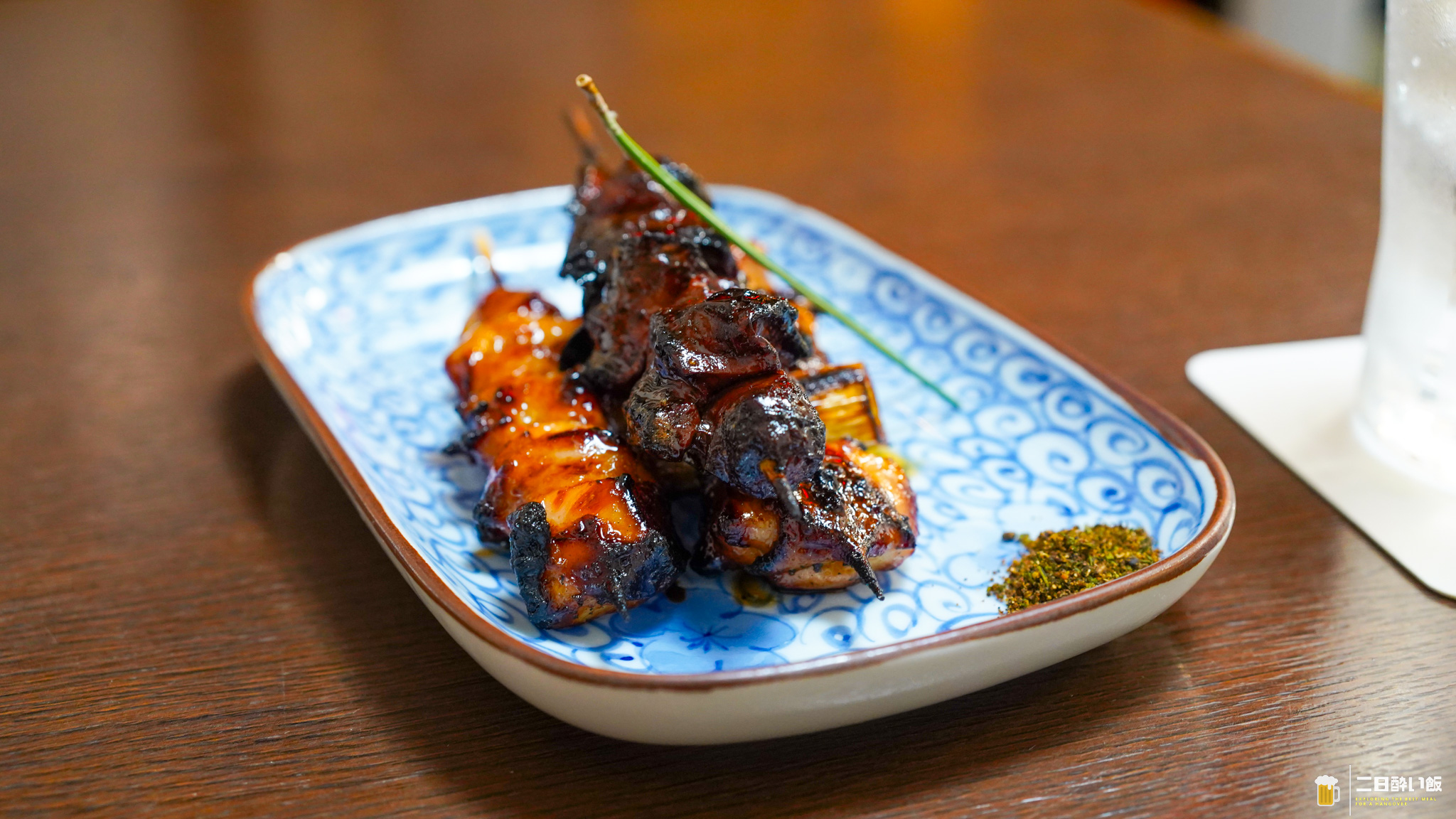
Trouble is, I was already on my third shochu by this point.
So: plenty of snacks, plenty of mugi-shochu highball, and a very good mood.
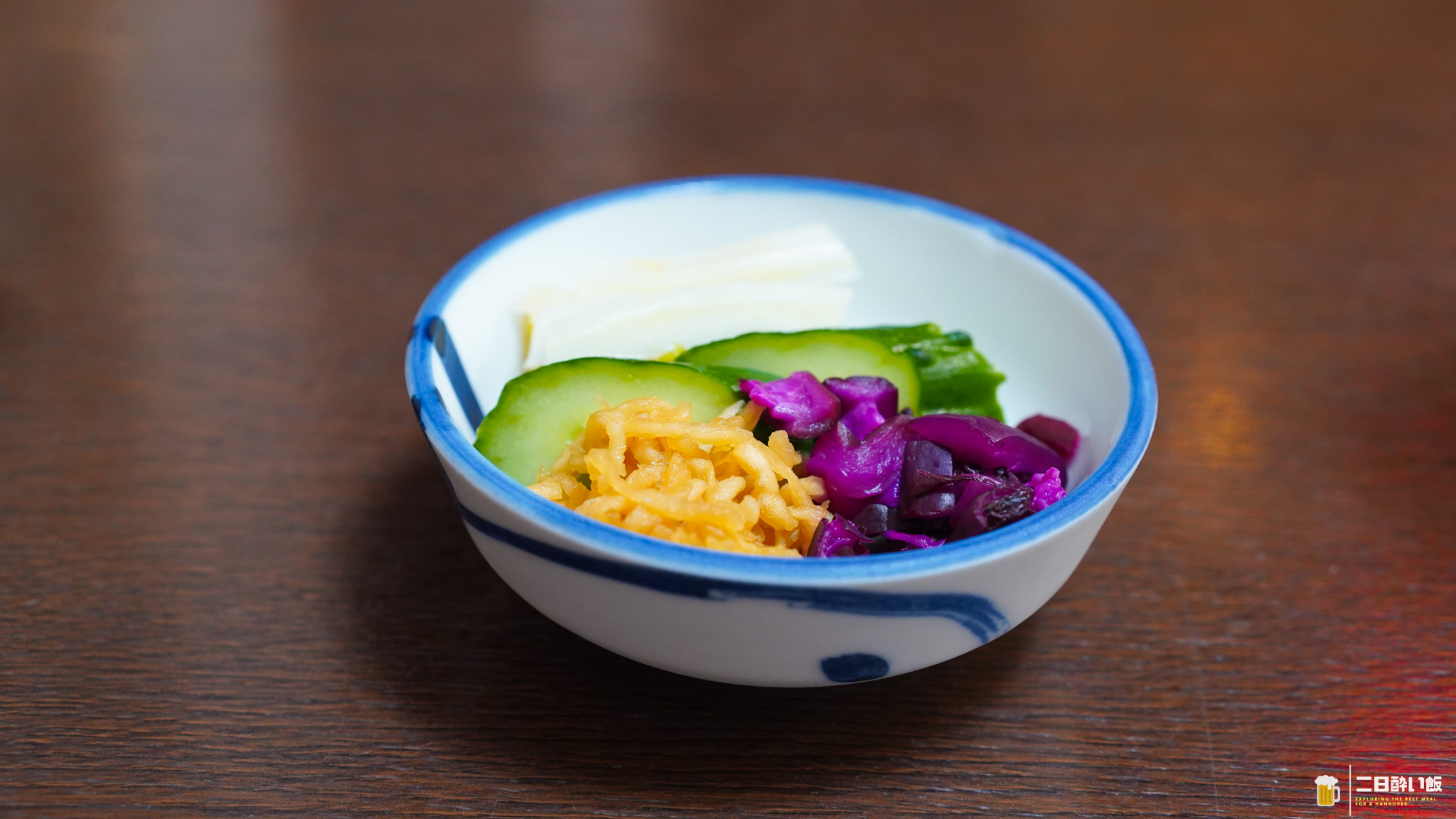
That is when the pickles arrived, which means it is nearly time for the unaju.
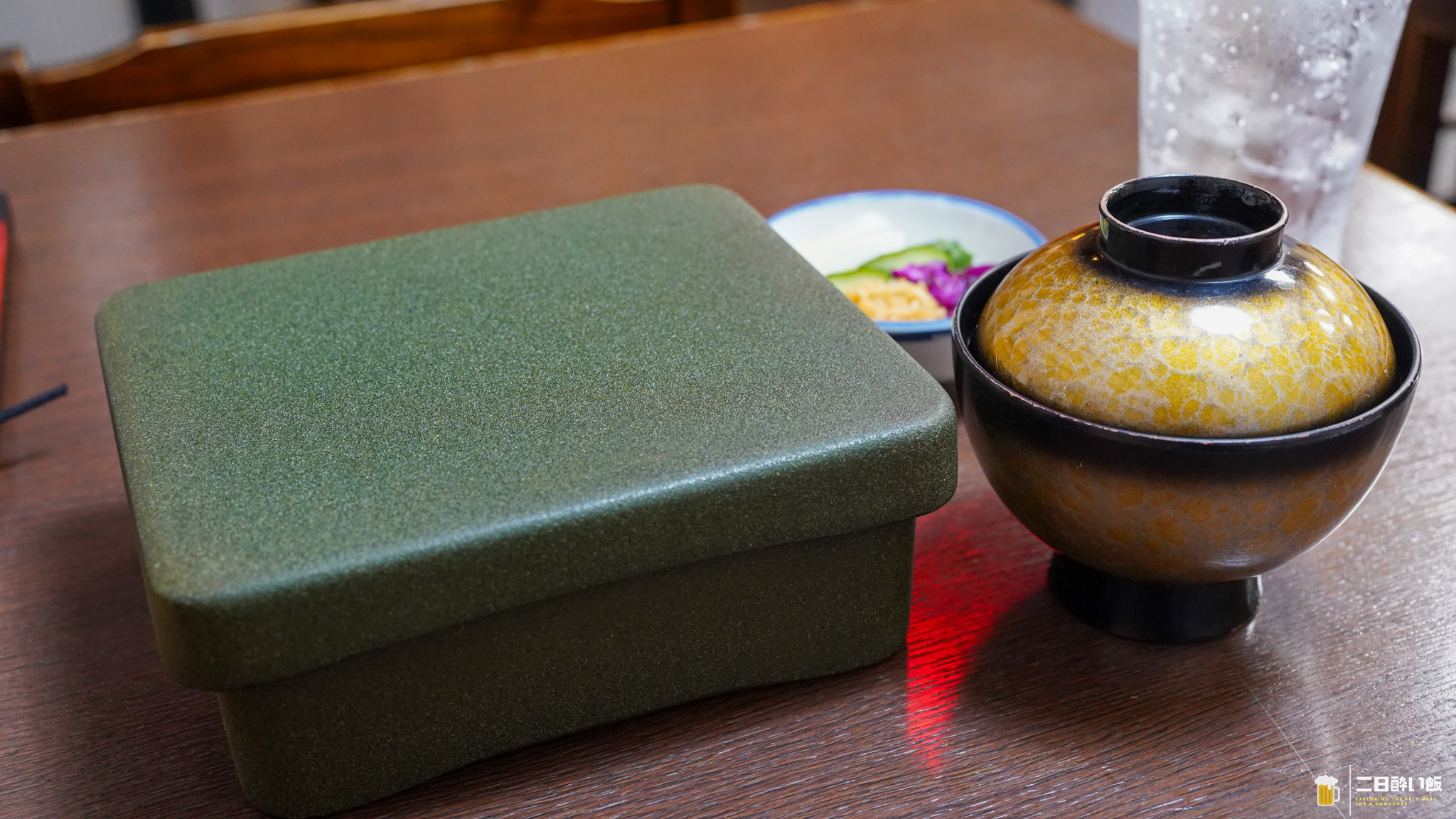
Here it comes. Unaju. The liver soup, by the way, is charged separately at 450 yen.
Right then, open it up.
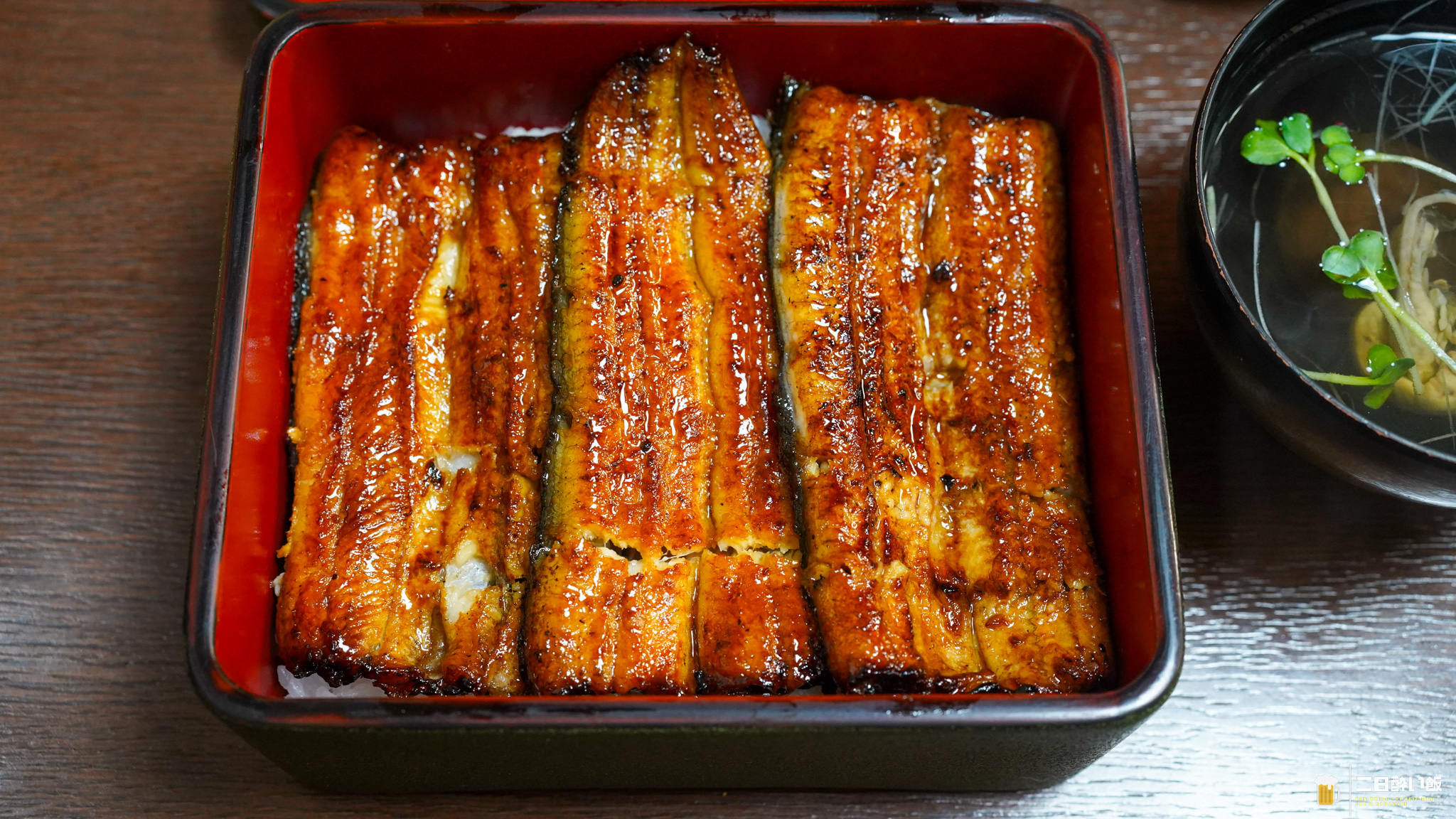
Oh wow. That looks good.
Lift the lid off the box and the toasted smell of the sauce rises up at you. I went for the “Kiku” grade this time, because Kiku was the only one that came with Kyosui eel, raised on groundwater from the Oi River in Shizuoka. It is an eel and a half, which is certainly impressive to look at, though one eel would have been about right for me.
Kyosui eel is raised in conditions close to the wild, using snowmelt that fell on the Southern Alps and takes many years to work its way back up as spring water. Not many places in the country handle it, and sure enough, going around eel restaurants, you only run into it now and then.
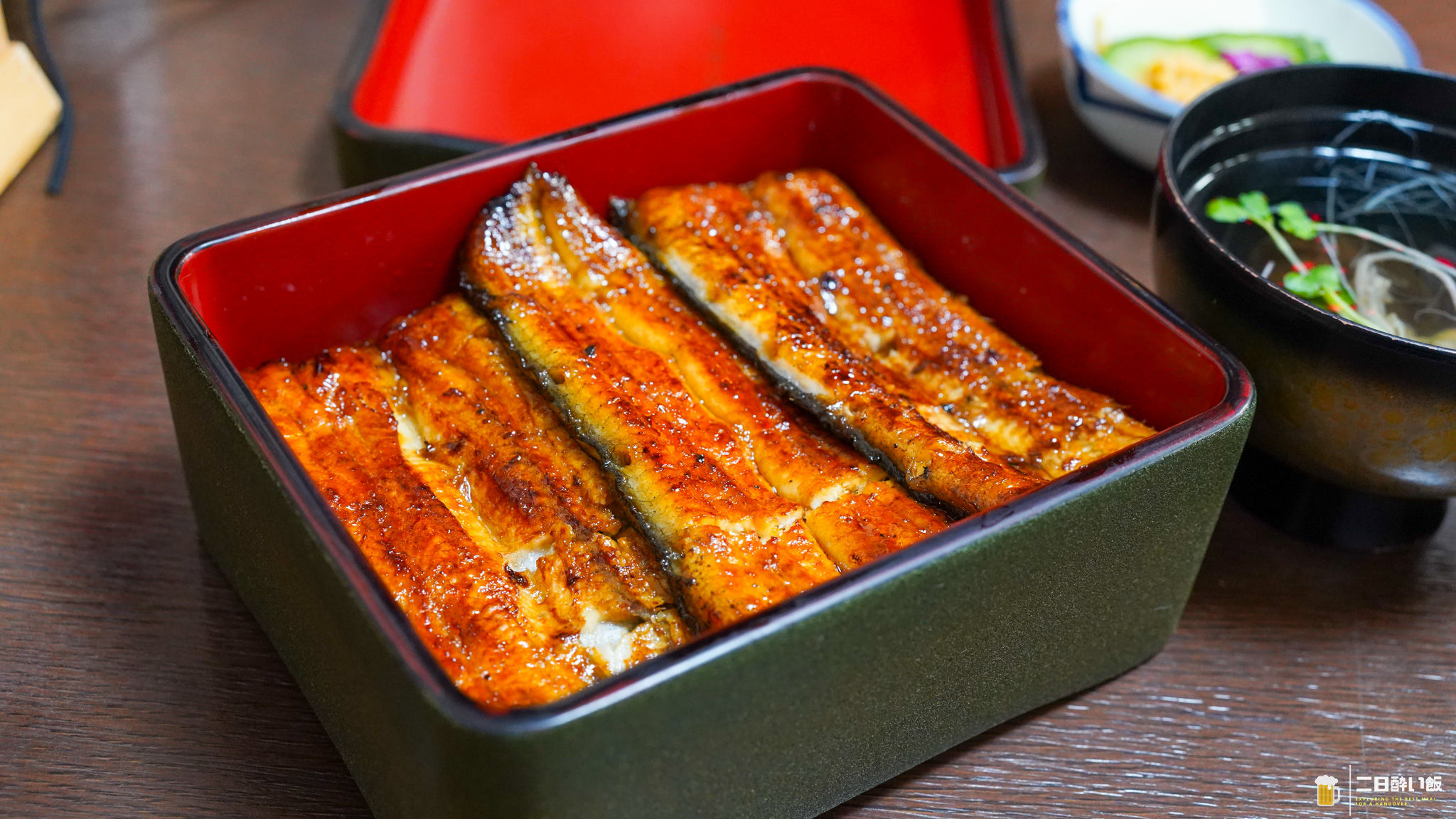
All right, let us have a bite.
Wonderfully fluffy. Delicious.
Because it is Kanto style — steamed first, then grilled — the skin is soft, and lowering your chopsticks into it makes it fall apart. The flesh practically melts. The surface is glazed and toasted, the inside is plump. The soy sauce tare is on the light side, and they have apparently been topping up the same batch for 150 years. What is interesting is how nimble it still tastes for something with that much history behind it. The fat is not the least bit heavy, and the light sauce lets the eel’s own sweetness come through.
Kabayaki and shochu are a perfect match, too.

The rice is Yumegokochi from Tochigi. The grains hold their shape, and even after soaking up eel fat and sauce they never turn heavy, so it carries all the way to the last mouthful. Good rice.

Then the liver soup. In a clear broth, a single eel liver floats with slivered leek and daikon sprouts. Take a mouthful and the gentle scent of dashi comes first, then the bitterness that only liver has surfaces. Slip that bitterness in between mouthfuls of the sweet-salty box and the fat is cut clean from your palate.
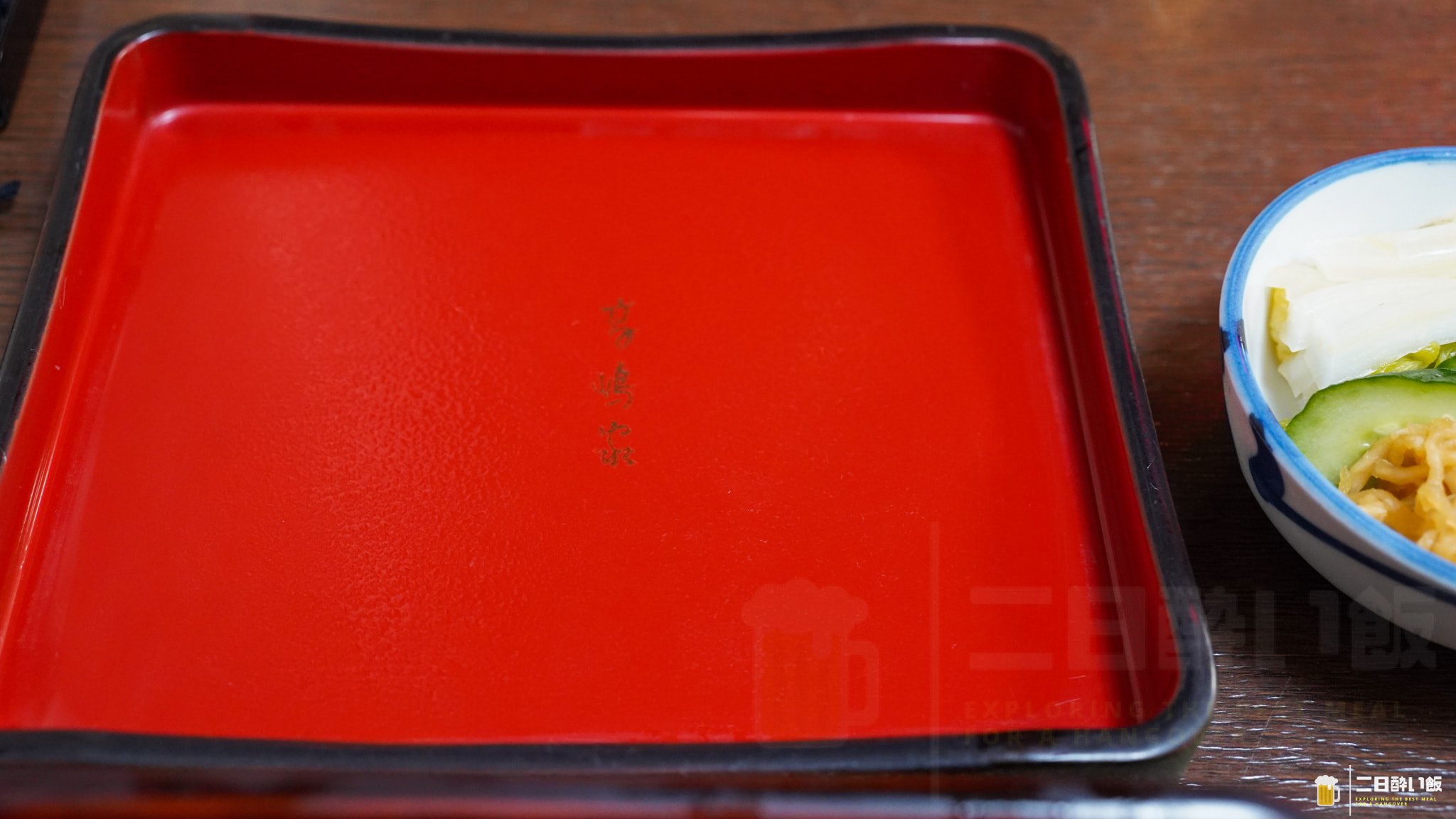
Really, that was good.
Thoroughly satisfied
So for somewhere I turned up at without booking, I had a remarkably good time. Drinks alongside the grilled liver and the yakitori at the start, and Kyosui eel unaju at the end. The sweet-salty box, the faint bitterness and clean finish of the liver soup — every part of it was a good experience. An unaju that only a long-established place makes. Every so often, this kind of indulgence is exactly what blows the accumulated tiredness away.
Here is hoping today brings another good thing to eat.
Takashimaya (Unagi / Kodemmacho Station, Ningyocho Station, Mitsukoshimae Station)
Tabelog dinner rating ★★★☆☆ 3.7
I ate here and paid for it myself. Nothing on this site is a comped meal.
One more for the road?


