


A note on the words: unaju is grilled freshwater eel (unagi) served over steamed rice in a lacquered box. Kabayaki refers to eel basted and broiled with a sweet-savory tare sauce, while shirayaki is eel grilled plain without sauce, typically dipped in salt and wasabi. At Izuei, the traditional ranking of matsu (pine), take (bamboo), and ume (plum) is inverted, with ume the dearest and matsu the cheapest.
Table of Contents hide
Unagi Kappo Izuei Honten on Tabelog (English) — opening hours, payment details and the Japanese address are kept up to date there, not here.
Hello, this is Hangover Meshi. Deciding to grab a bite to eat before heading out drinking around Ueno, I chose “Unagi Kappo Izuei Honten”. I was just somehow in the mood for unagi. Izuei dates all the way back to the mid-Edo period, they say, ha! It is written that it began modestly during the time of Tokugawa Yoshimune, the eighth shogun, which is quite amazing, ha. Around 1700, was it? Something like 300 years ago, ha.
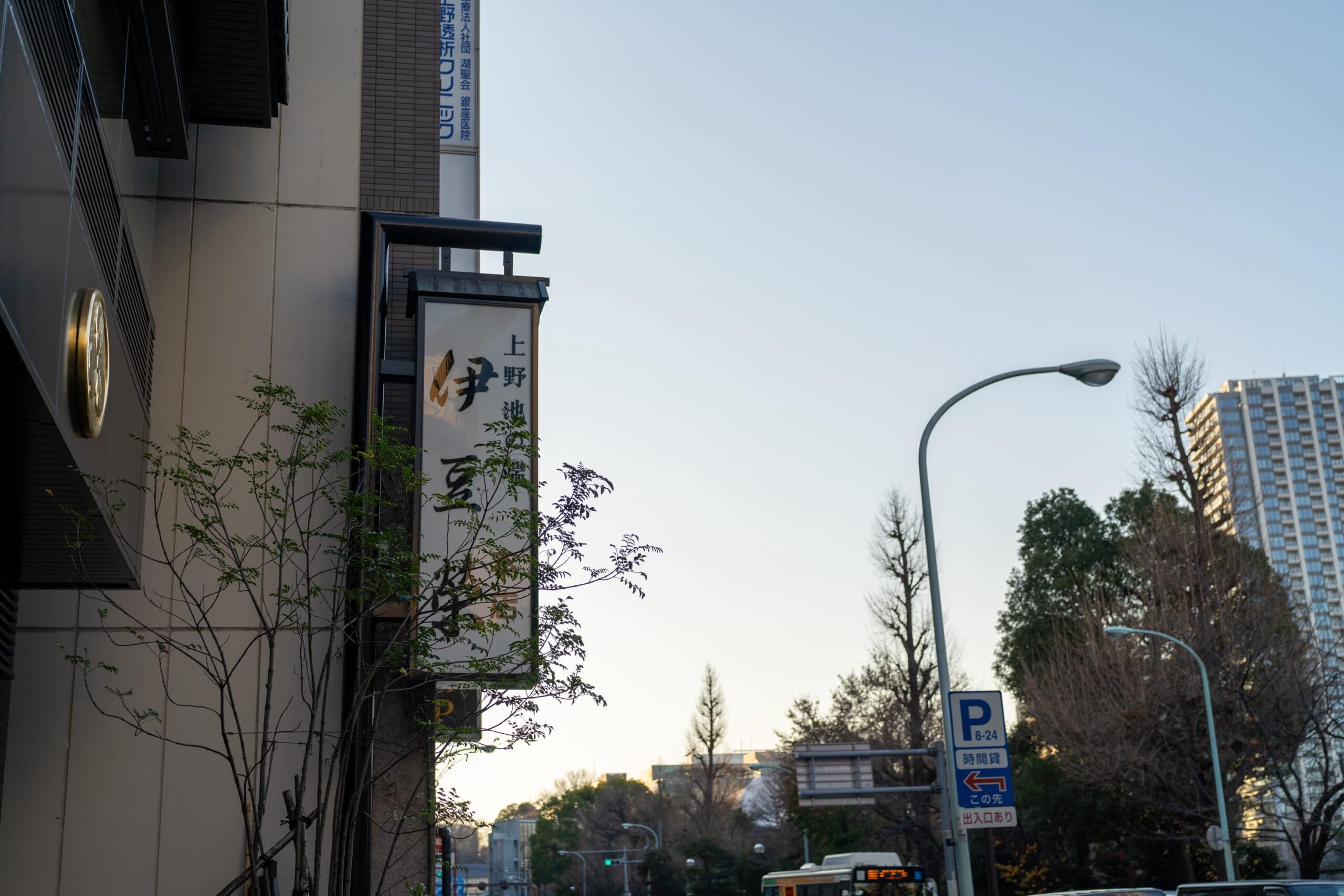
I went around early evening, and got right in without trouble. Apparently only the main branch stays open straight through without an afternoon break. And because they have no afternoon break, they told me that all non-eel Japanese dishes are suspended during these hours. Well, I was here for eel anyway, so that was no problem at all, but never getting a break must be hard work.
Unaju matsu — 3,630 yen
Unaju take — 4,730 yen
Unaju ume — 5,830 yen
Kabayaki matsu — 3,520 yen
Kabayaki take — 4,620 yen
Kabayaki ume — 5,720 yen
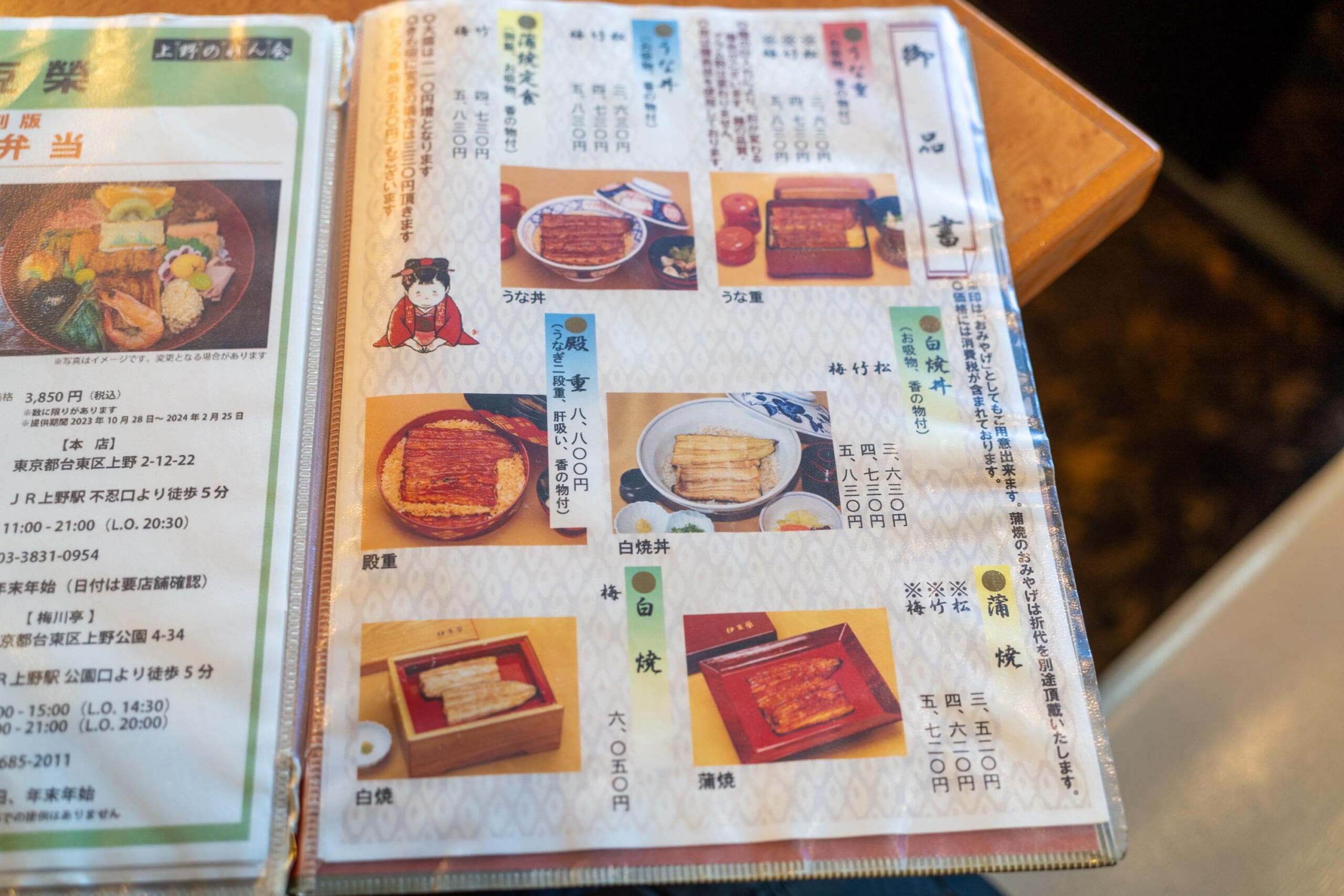
Huh, usually with matsu, take, and ume, matsu seems like it would be the best grade, but here it is the reverse. Still, this is a historic shop that has carried on for 300 years, so I imagine there must be a reason, or perhaps this was how it originally was, ha. Normally I would have had a proper unaju! But since I had to go drinking after this, I decided to order some drinks and have kabayaki and shirayaki alongside.
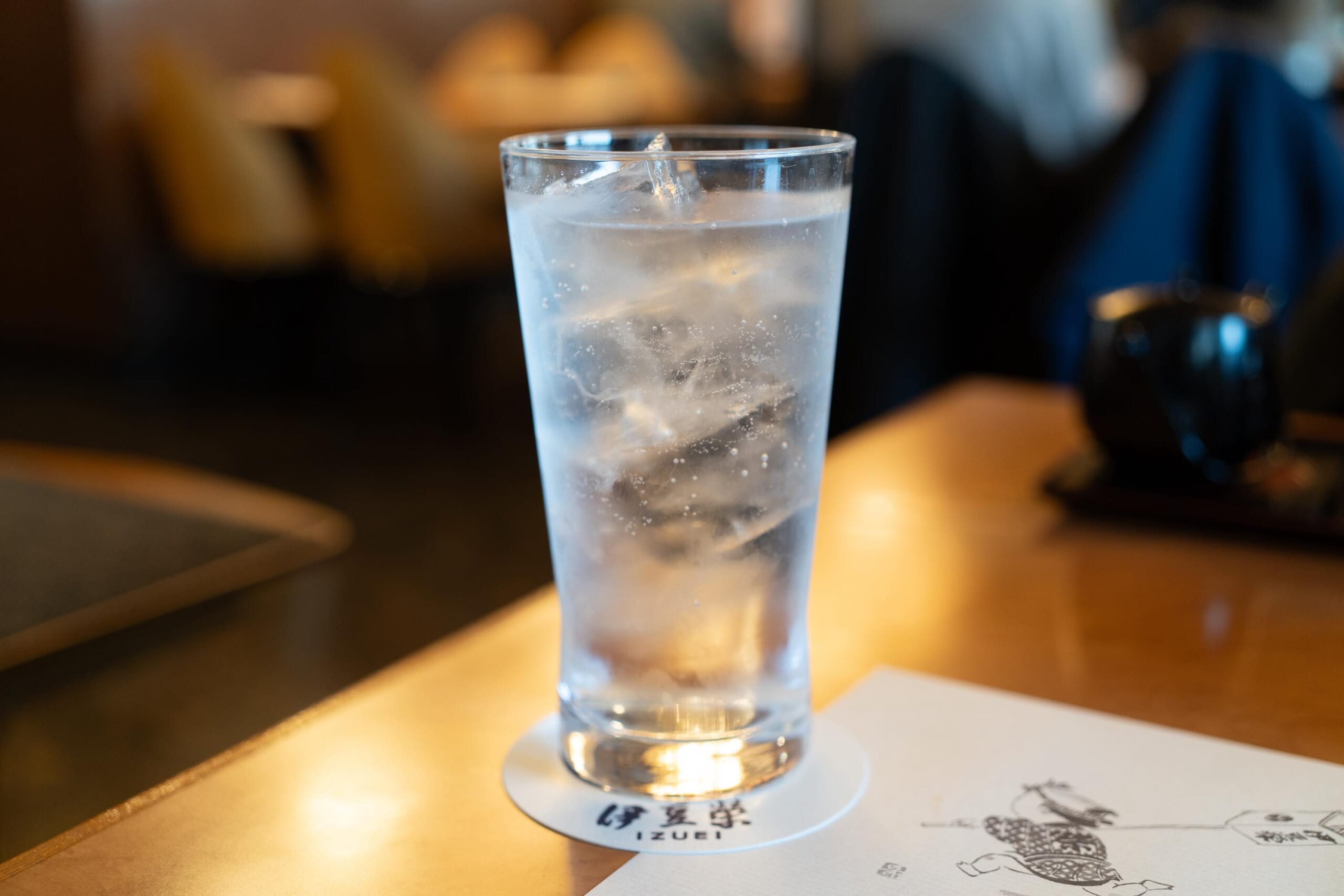
Now, the drink to go with it: Kicchomu! A mugi-jochu (barley shochu) cut with soda.
The shirayaki runs higher in price. You would think kabayaki would cost more with the tare sauce, but maybe having to prepare it separately makes it more troublesome.
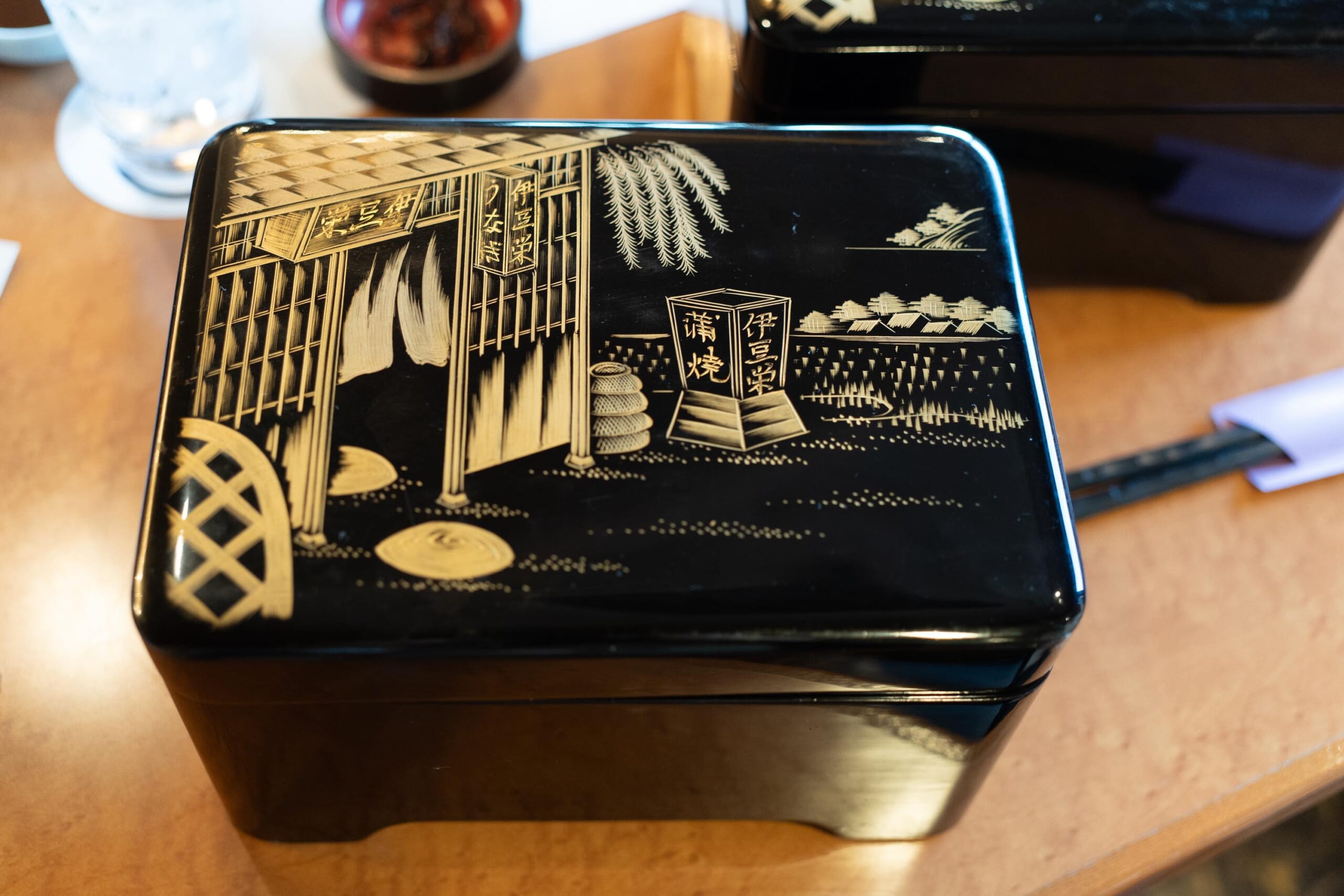
A very handsome jubako box. Is that an old illustration of Izuei’s shop on it? Stylish!
Now, let’s open it!
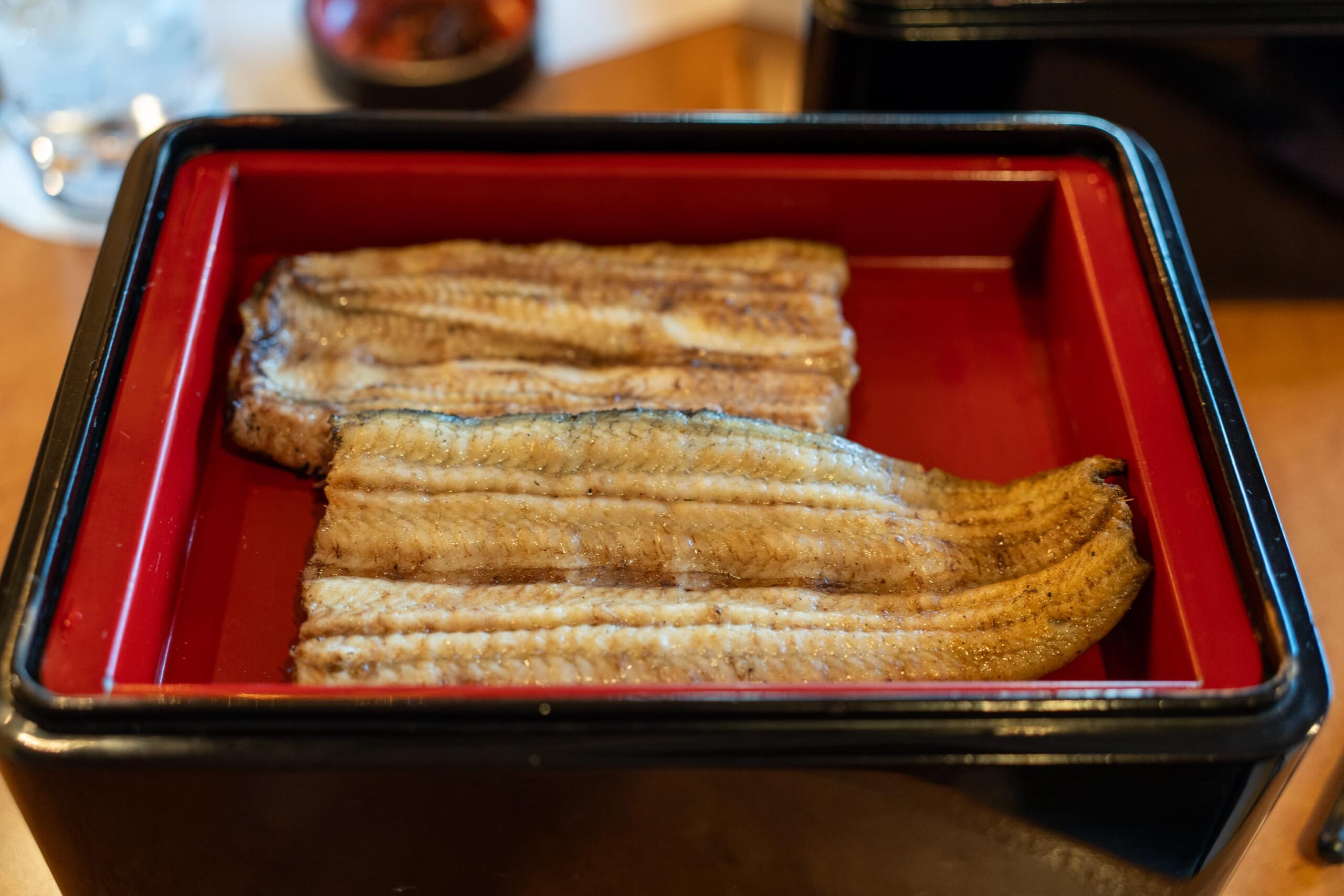
Ooh, that looks delicious!
Shirayaki is eaten with salt and wasabi.
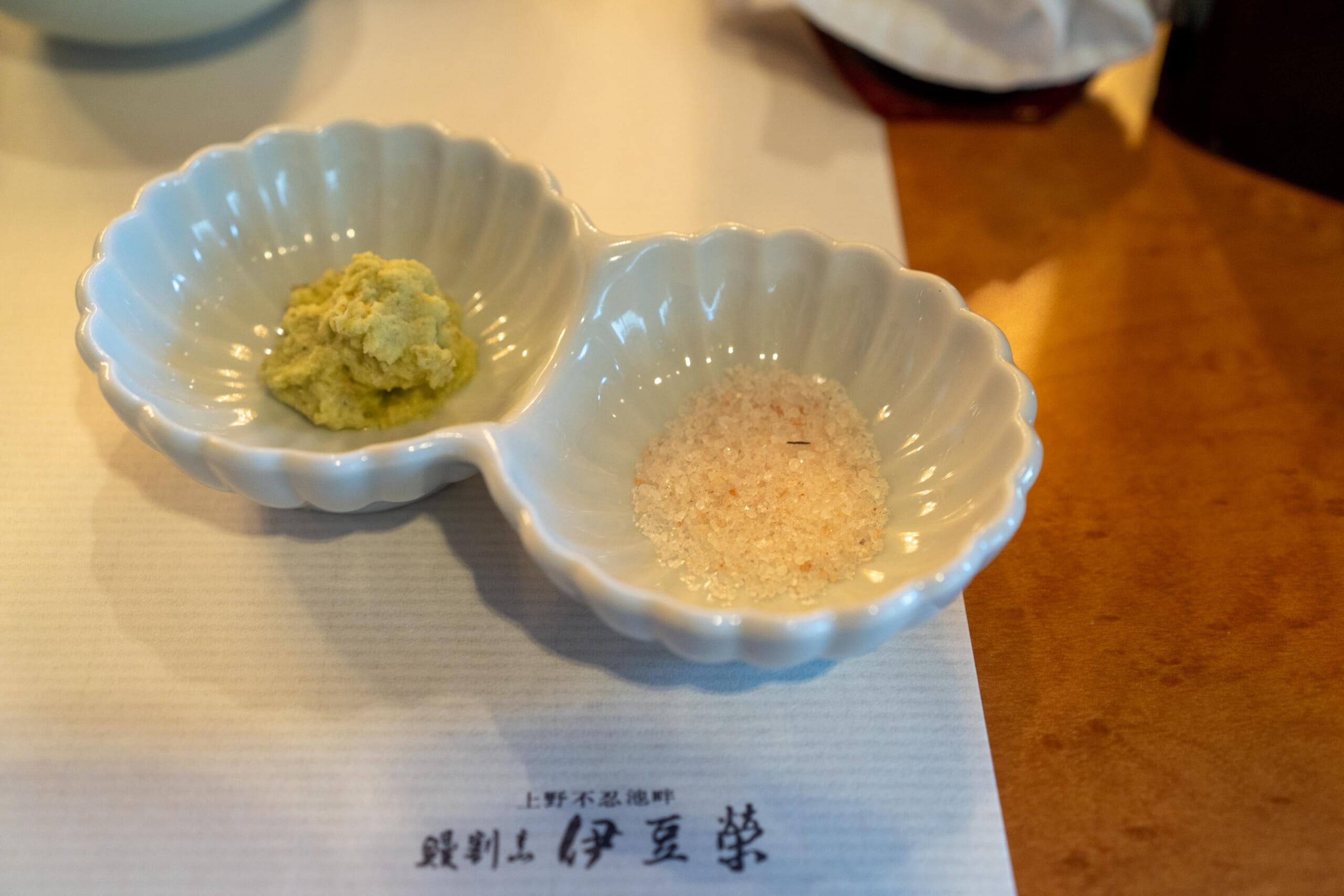
Wasabi works well, but the salt is especially nice. It is great being able to enjoy the direct flavor of the unagi!
And it pairs so well with drinks. Man, this is good.
And here is the kabayaki.
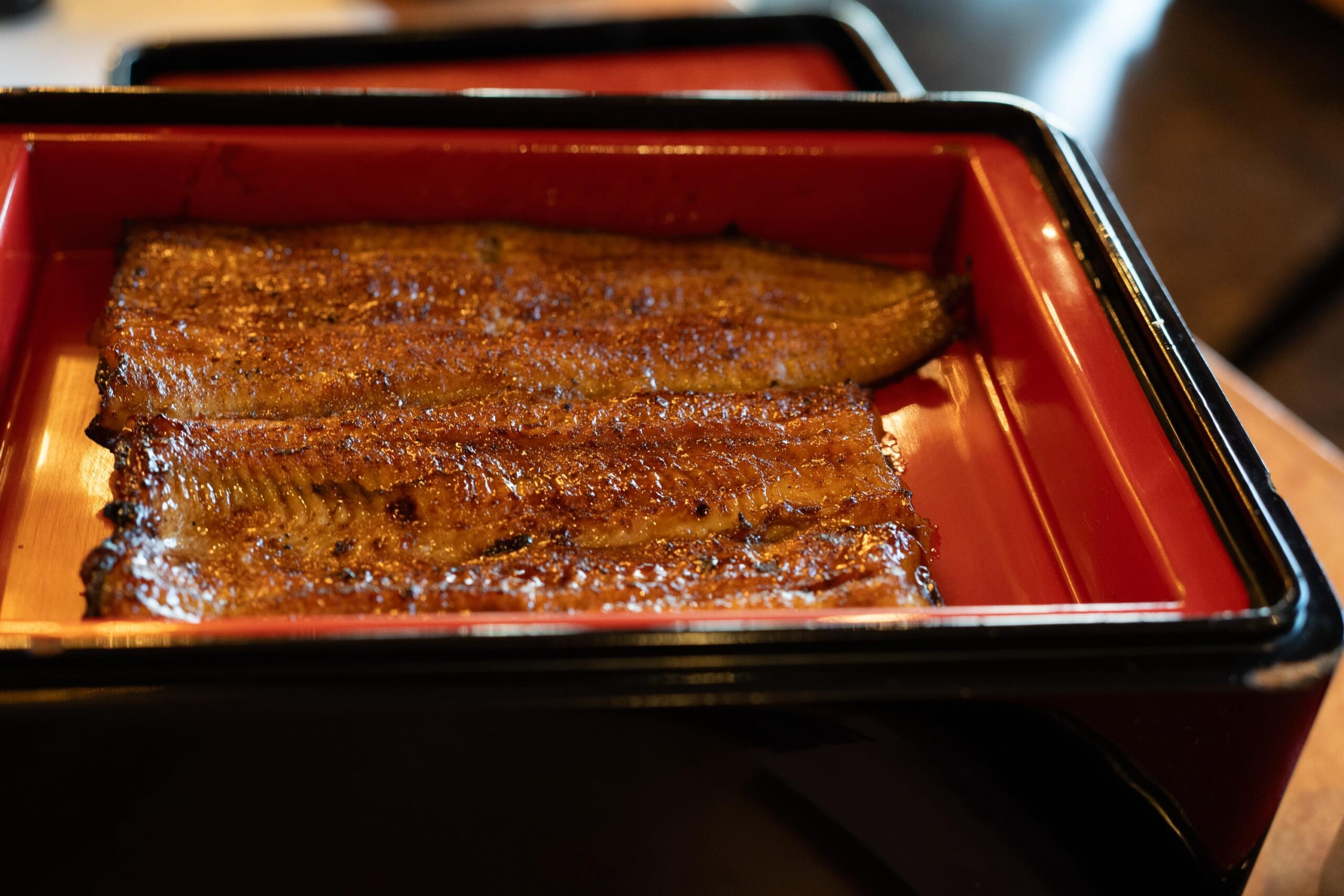
A great sheen!
Here the aroma of the tare is wonderful! I usually only eat it over rice, but on its own unagi makes a fantastic drinking snack.
The tare feels restrained in sweetness, with a crisp, clean profile. The fluffy, tender meat is lovely too.
It is an elegant kabayaki and thoroughly delicious. To think this is the unagi of a historic shop that has carried on for so long, and even if the flavor has shifted somewhat, imagining that people have been enjoying this since the mid-Edo period gives you quite a curious feeling!
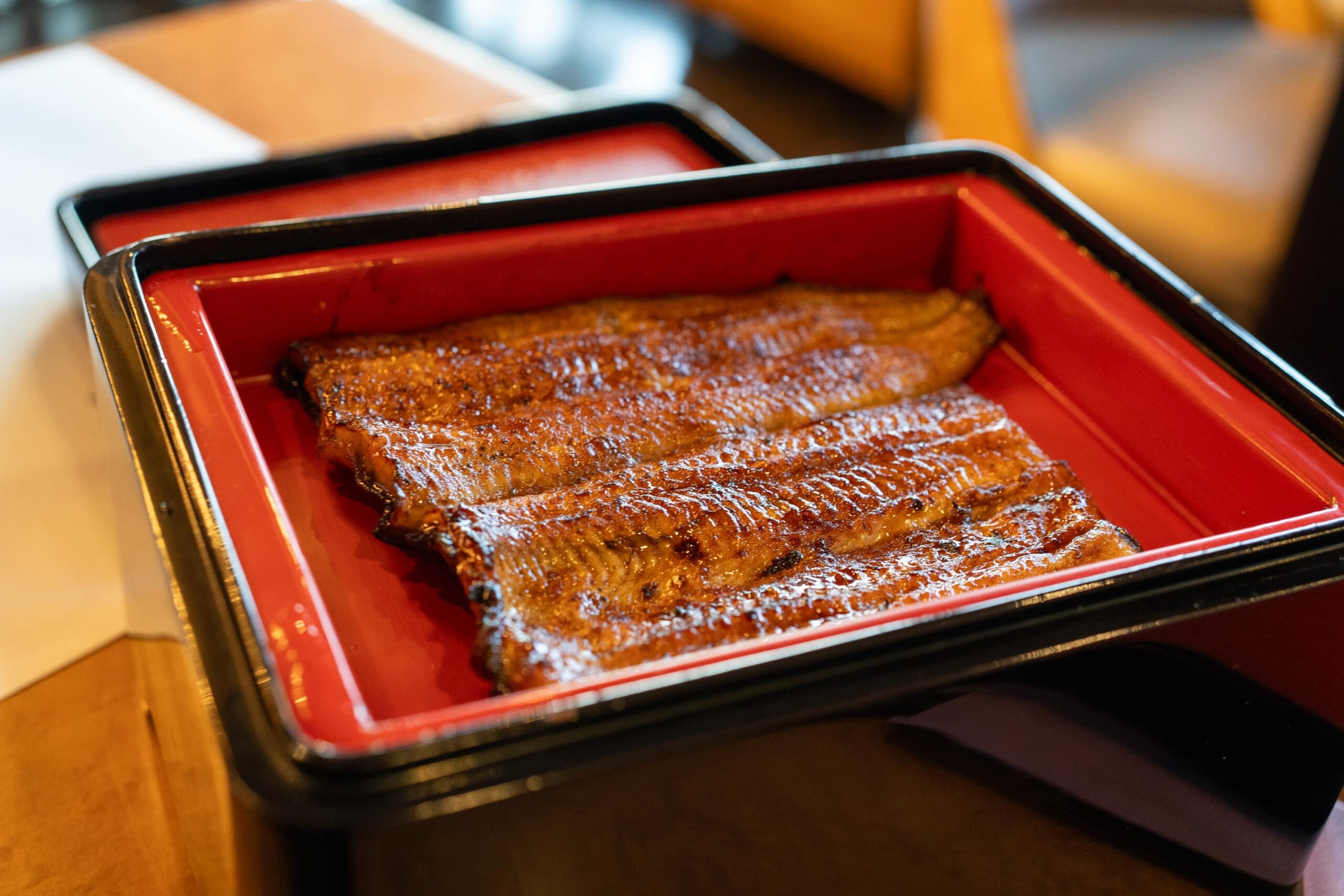
So, with shirayaki and kabayaki as snacks, I had a few glasses of shochu cut with soda before heading out. My love for unaju has not changed one bit, but once in a while having kabayaki or shirayaki as a snack while drinking is great too! Maybe I will check out an unagi-themed izakaya next time. It was delicious!
Unagi Kappo Izuei Honten (Unagi (Eel) / Ueno-okachimachi Station, Ueno-hirokoji Station, Keisei Ueno Station)
Tabelog lunch rating ★★★☆☆ 3.5
I ate here and paid for it myself. Nothing on this site is a comped meal.
One more for the road?


