


A note on the words: unagi is freshwater eel; kabayaki is the way it is split, skewered, grilled, steamed and grilled again in a sweet soy glaze, and unaju is that eel laid over rice in a lacquered box. Umaki is kabayaki rolled inside a dashi omelette. A kappo is a Japanese restaurant where you eat a run of small cooked dishes, often at a counter. Rakkyo are pickled Chinese shallots, jako are tiny dried fish, gatsu is pig stomach, and umeboshi is a salted, pickled plum.
Table of Contents hide
Azabu Shiki, main shop on Tabelog (English) — opening hours, payment details and the Japanese address are kept up to date there, not here.
Drinkers, thank you for waiting. It is Hangover Meshi time.
This time, back to Shiki in Azabu-Juban after a while. Every so often, when I want to drink with eel, my feet carry me to this place: near at hand, and easy to walk into.
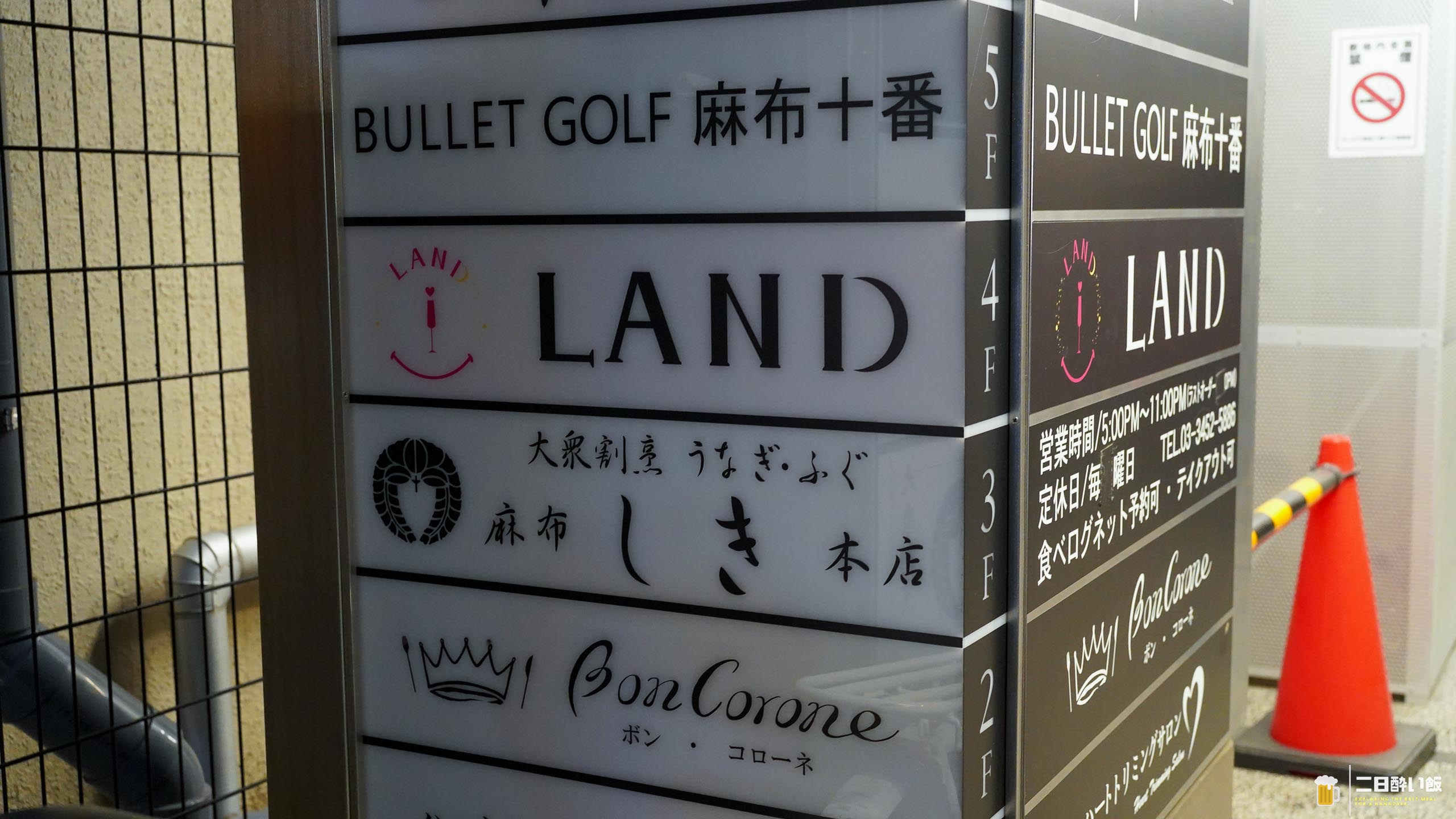
There is a good deal on the menu besides eel, which makes it perfect for the style of drinking first and finishing with eel.
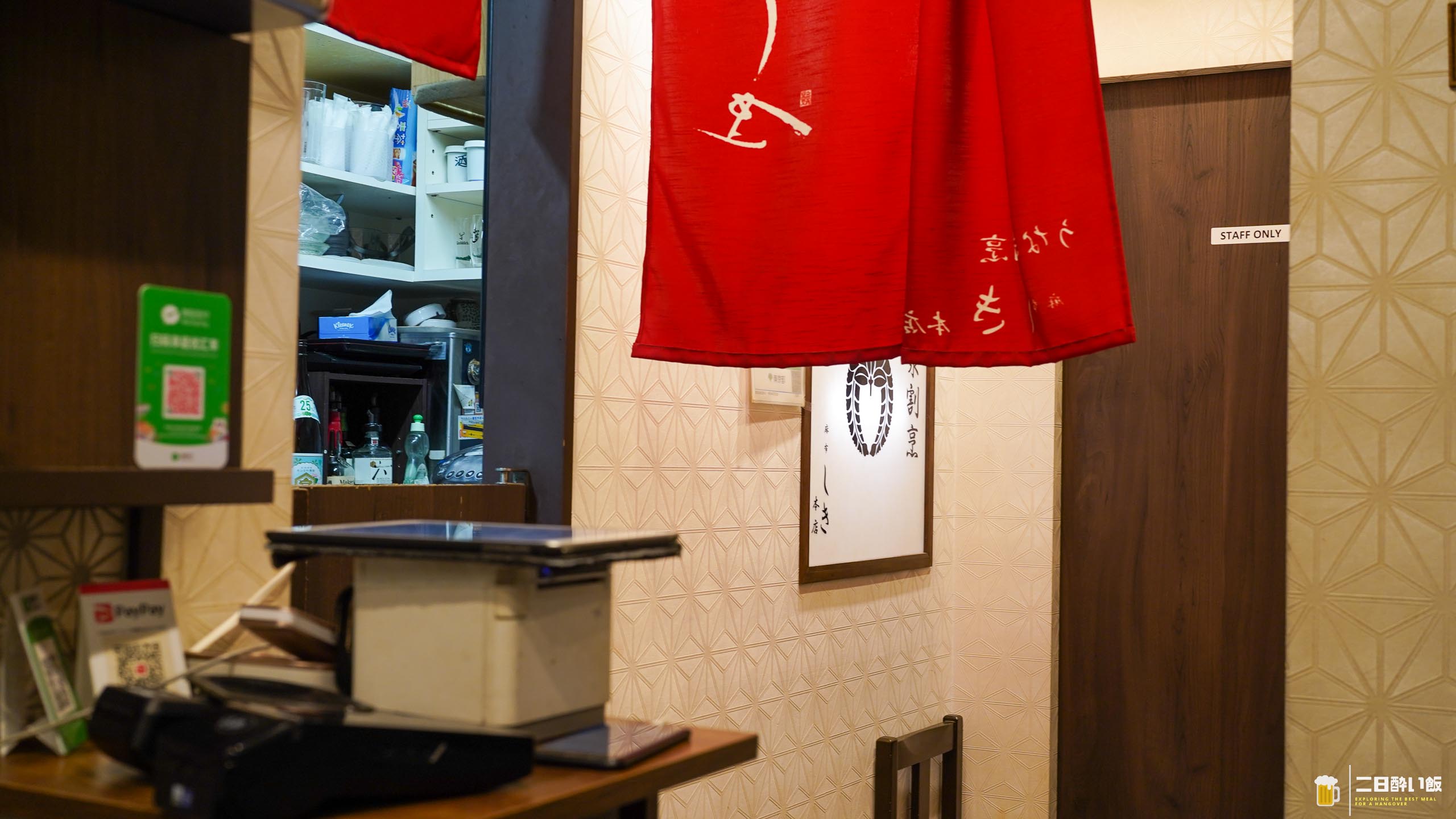
Let us look at the menu and order whatever catches the eye.
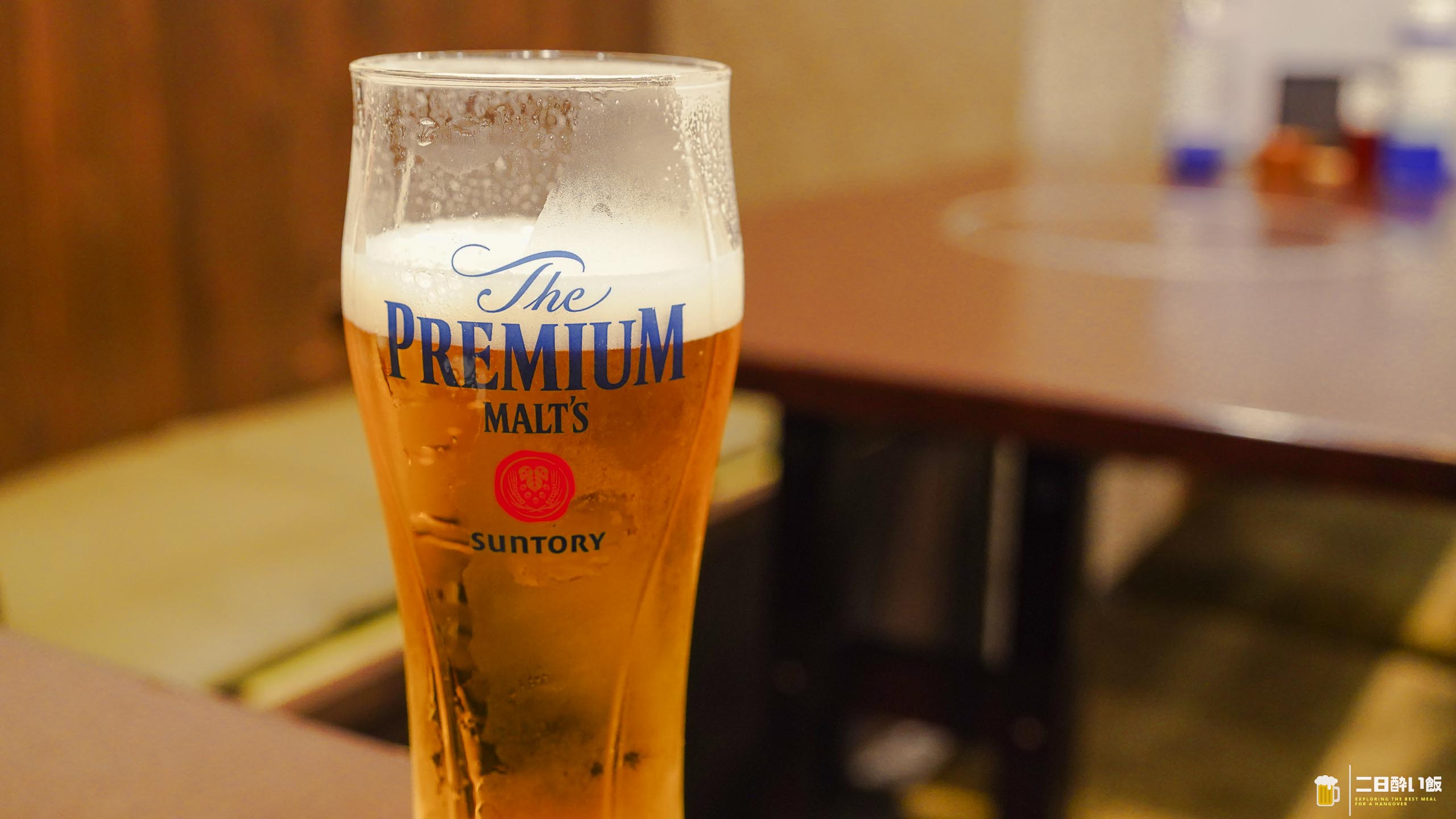
Once I am in my seat I think I order this without even noticing. By the time I realise, I am drinking it.
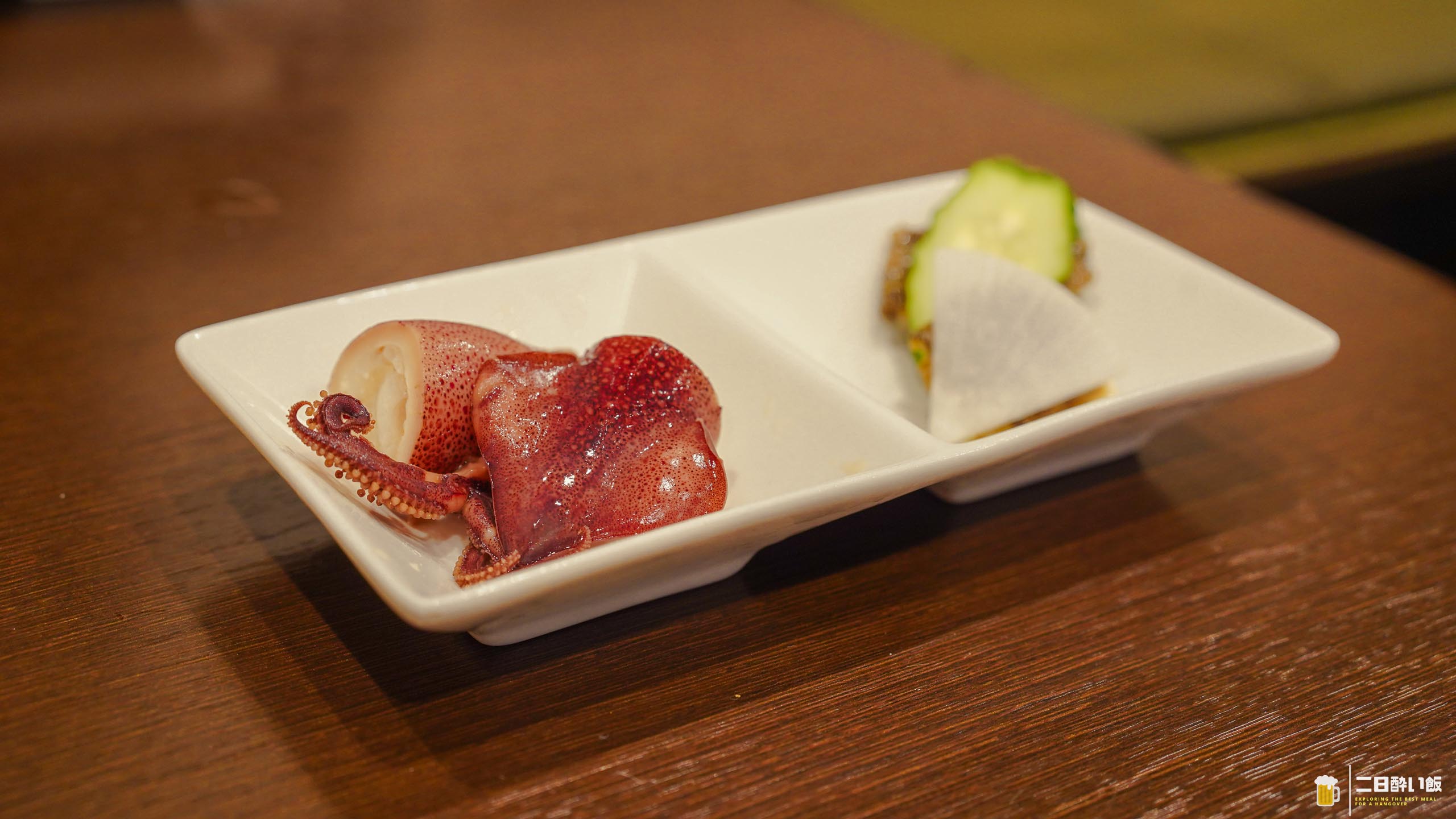
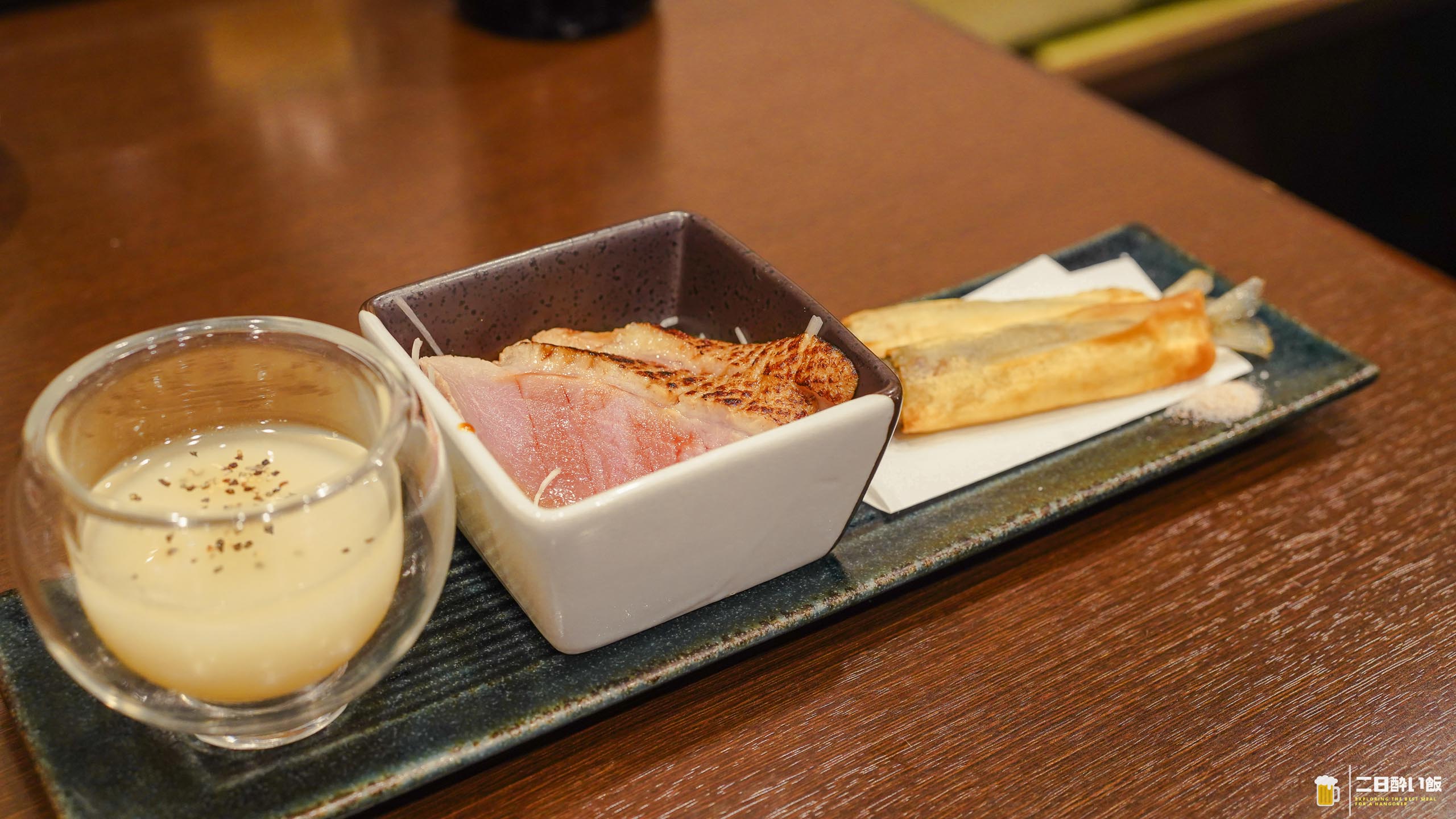
Three seasonal small plates, titled “Azabu Shiki, the tastes of early summer”. I think this is the first time I have seen it.
From the left: young ayu in a spring roll.
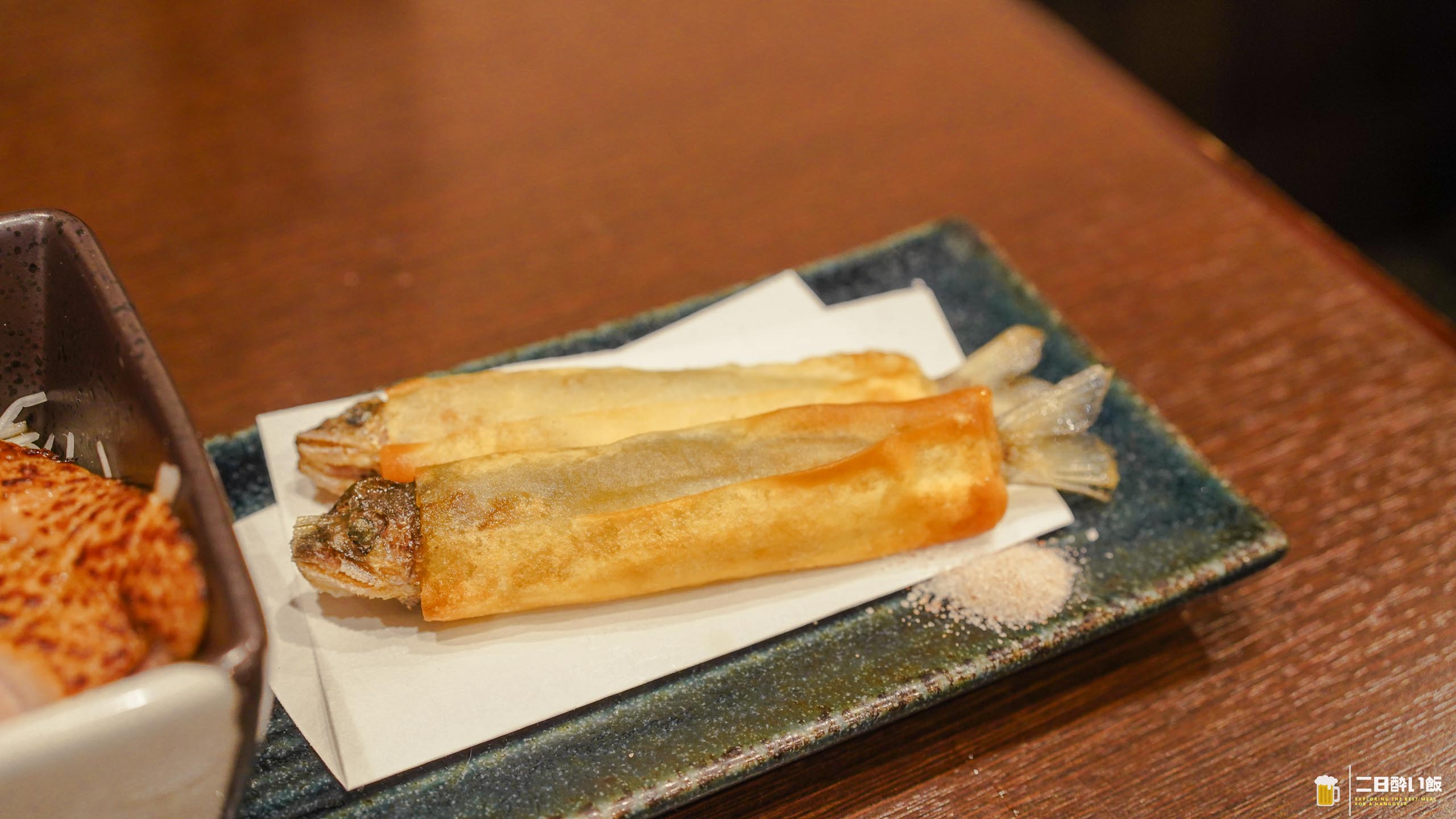
Inside crisply fried spring-roll pastry, young sweetfish, bitter and fragrant, falling apart softly.
That bitterness is what suits a drink.
In the middle, roast duck with aromatic vegetables. And a surinagashi of new potato.
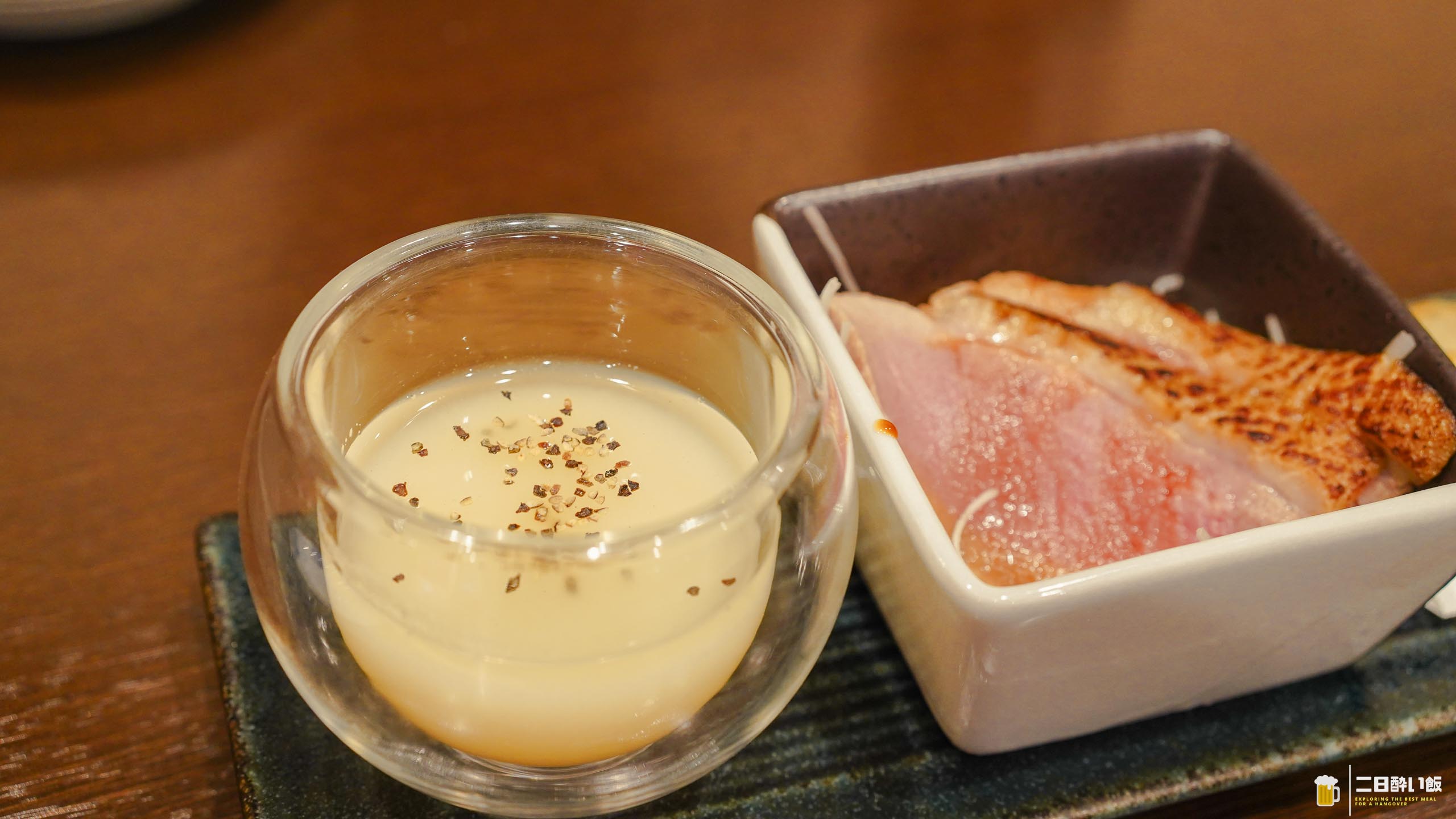
A cold soup, good for the refined salt of the dashi and the gentle sweetness of the new potato.

They had no eshallot, so house-pickled rakkyo instead. Which may be the rarer thing.
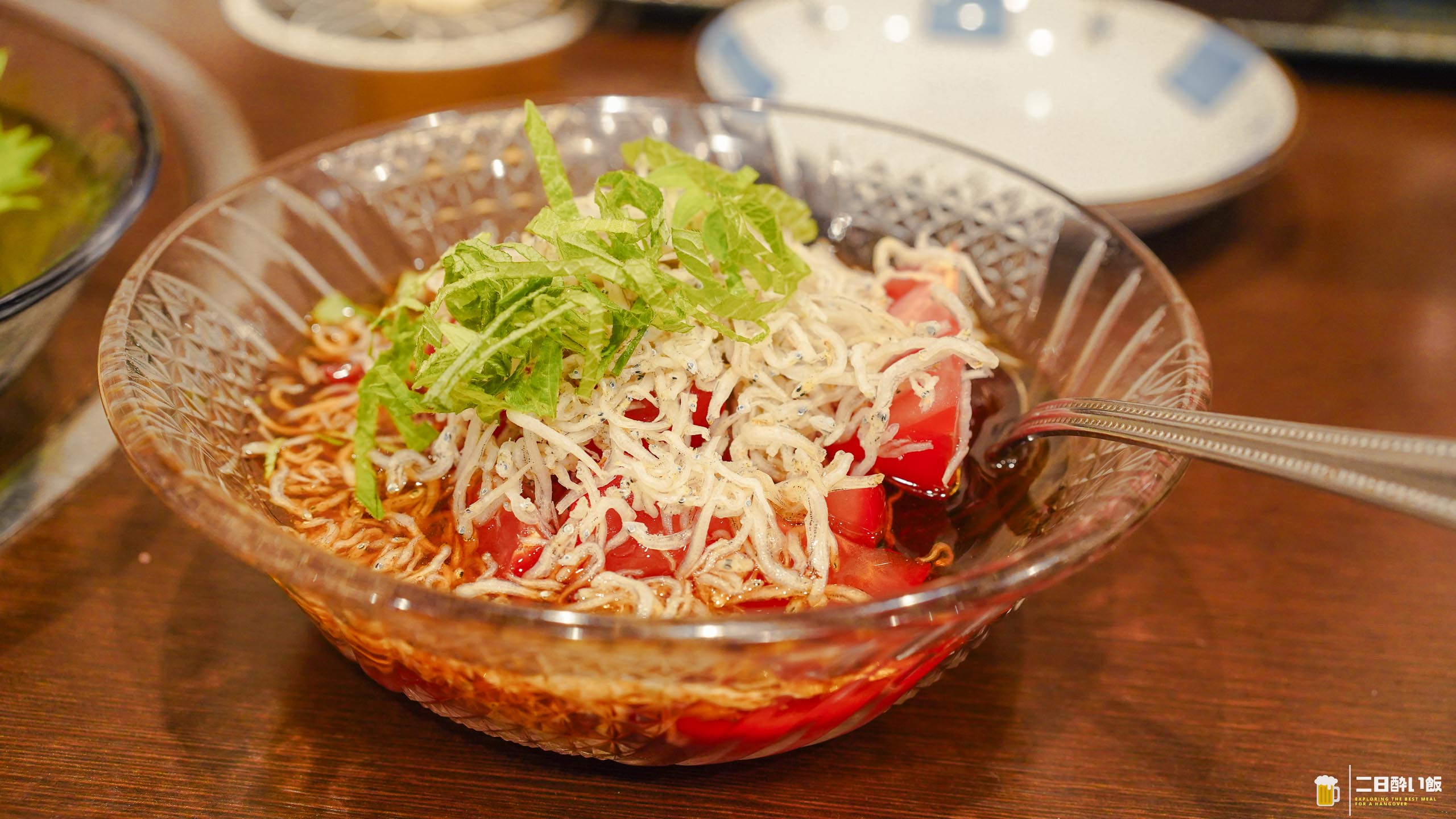
Ordered as a salad: tomato with jako. Tomato, a house ponzu with a gentle acidity, and plenty of small dried fish bringing salt and savour — a fresh plate you can eat even in the heat.

By now a regular of regulars at my drinking evenings: fried octopus. If it is on, I order it.
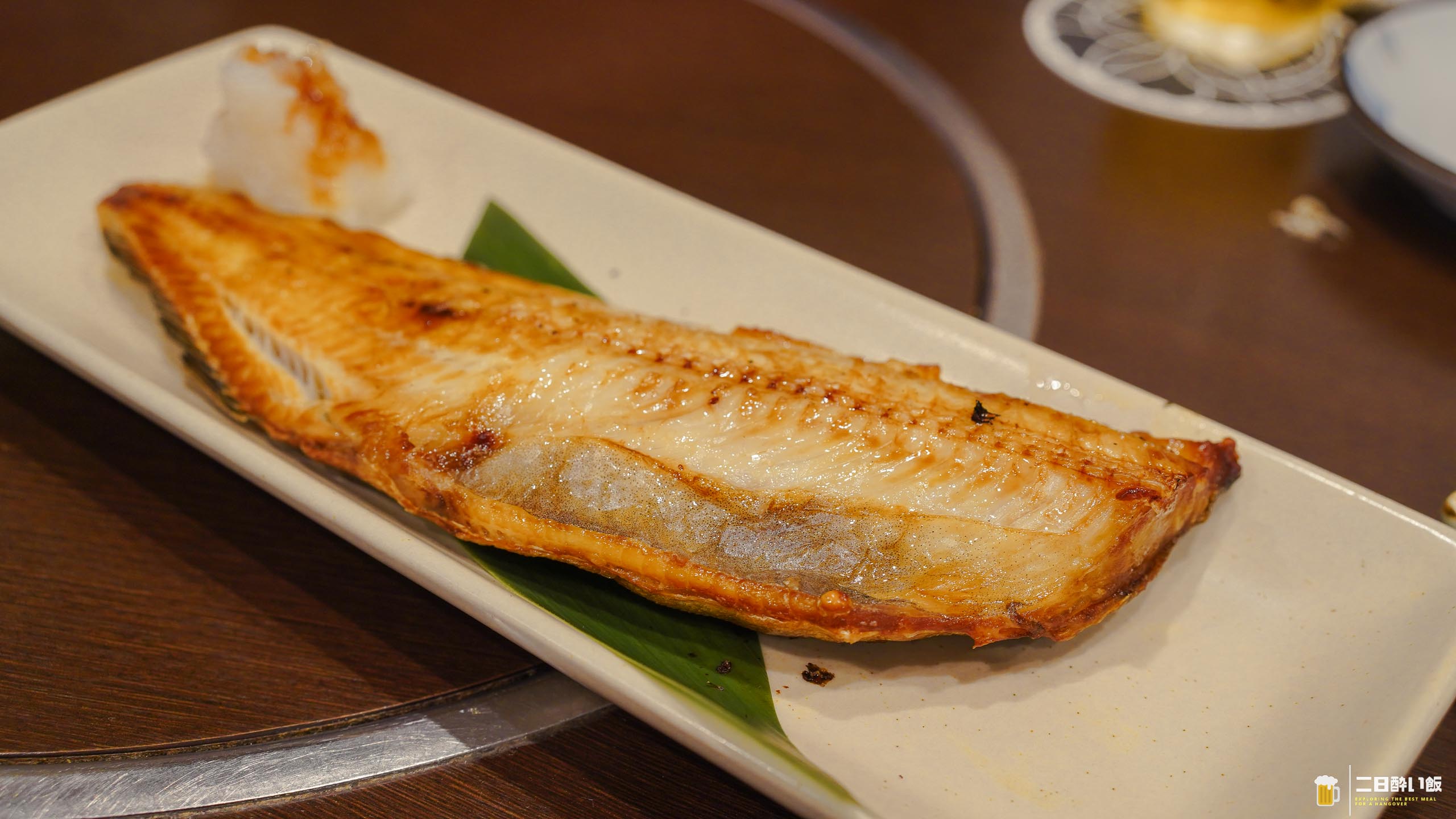
This being an eel restaurant, the grilling is perfect. The flesh inside is plump and juicy. Very good.

This is apparently one of the shop’s popular dishes.
Pig stomach, boiled and cut into fine strips, dressed with spring onion shredded fine. It has that particular crisp, springy texture, and black pepper is used firmly, so the prickle of it lifts the lean savour of the gatsu. The oniony fragrance of the spring onion suits it too.
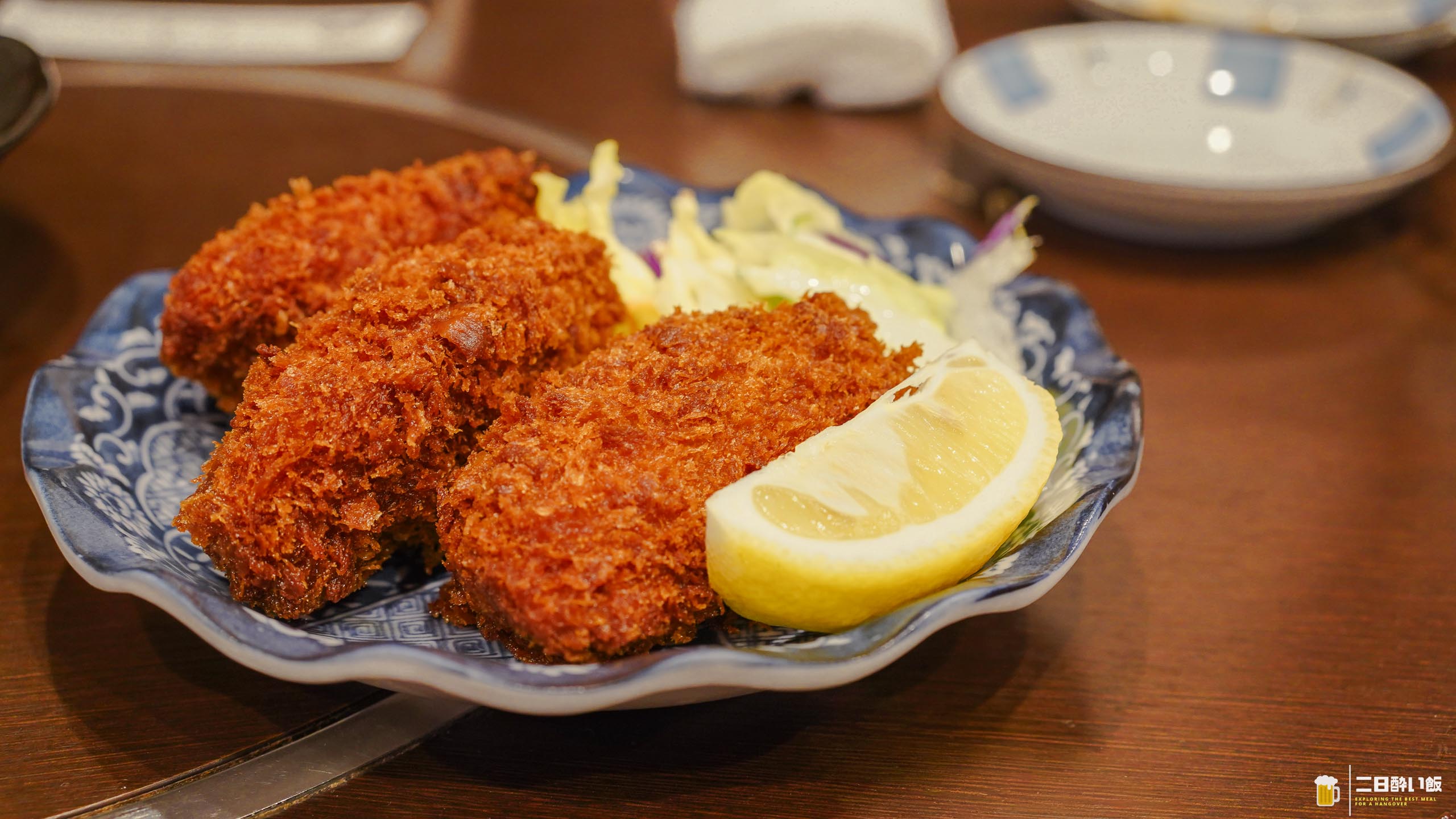
The fried oysters come two to a plate; I asked for three. Large Hiroshima oysters in a crisply fried crust. Break one open and inside the crust the oyster is thick and creamy, and with the house tartare sauce it is very good indeed. You do not need any other sauce; the tartare alone is enough.

Umaki. It costs 4,500 yen. Well, there is kabayaki inside it, so of course it does.

A luxurious thing: half an eel, grilled kabayaki style, rolled inside a dashi omelette. In the cut face, at the centre of the soft yellow of the egg, the glossy amber of the grilled eel. The gentle sweetness of the egg and the savour of the dashi, and then the eel inside, with the rich sweet-and-salty of the house sauce. Good.

The idea that eel and umeboshi should not be eaten together is a superstition. They say it is in fact a very good pairing.

Another dish whose bitterness goes extremely well with a drink. Only a small amount comes from each fish, so it is a scarce cut, and at many places you cannot eat it without ordering ahead — here you can simply ask for it. The sweetness of the glaze outside, the dense savour particular to liver, and a faint, refined bitterness mixed through it: a complex flavour. This is the thing — an irresistible dish for a drinker.
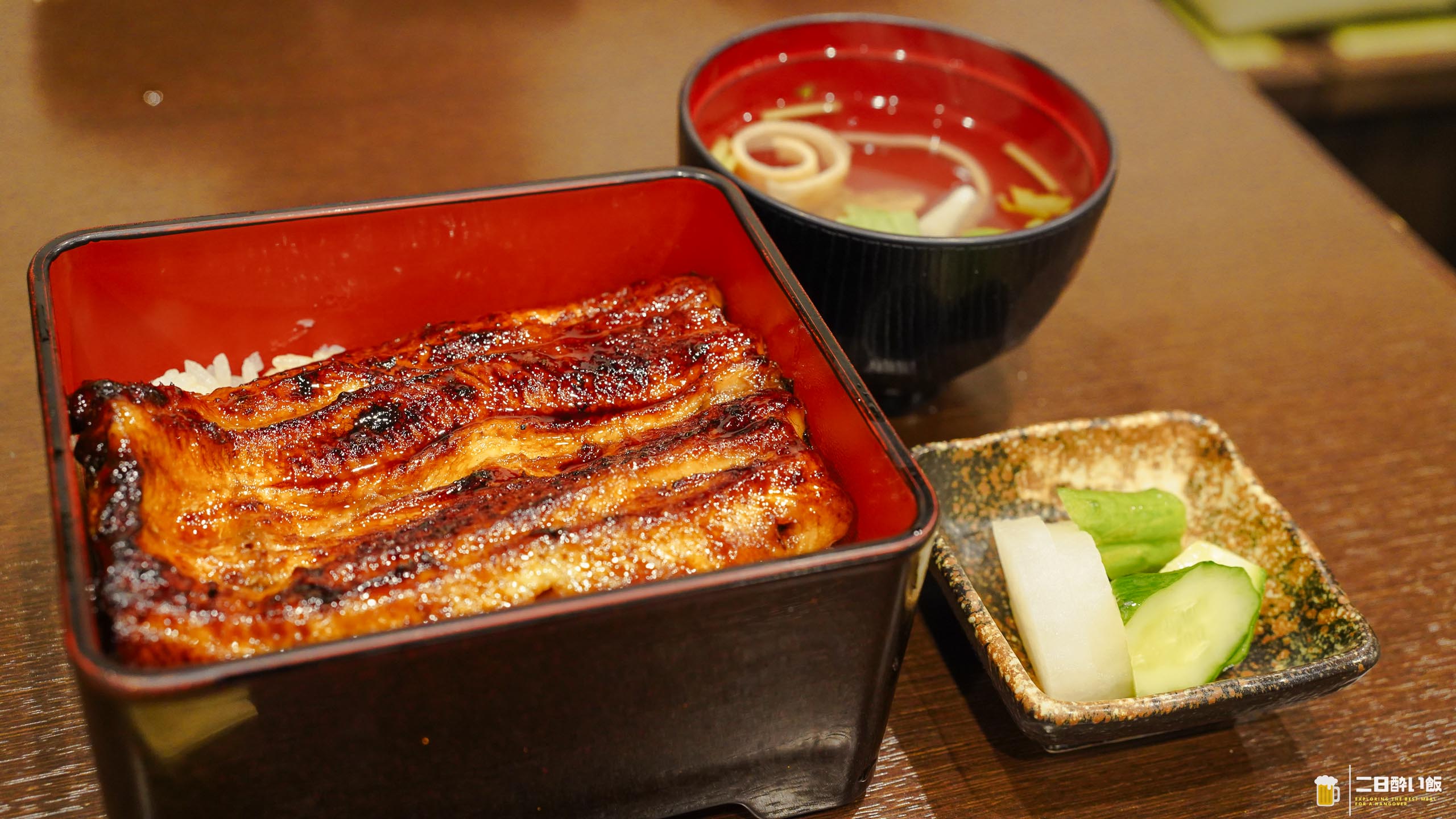
Having eaten all that, the “ume” grade is quite enough.
The moment the lid comes off, the house sauce — topped up for forty-three years — and the scent of charcoal rise together, and through the steam, the sheen of the eel. Glossy amber kabayaki laid handsomely in the lacquered box: unaju. It looks very good. First the crisp fragrance of the skin side, then the melting softness of the flesh. The method of white-grilling, steaming, then grilling again must be what produces both extremes: the toastiness outside and the plump softness within. The more you chew, the more the sweetness of the fat floods out.
And the house sauce has been topped up for forty-three years. It has depth but is restrained in sweetness, and it tangles with the richness of the eel fat. The sauce soaking into the white rice is good in its own right.

This is it. Nothing matches the happiness of an evening of drinking finished with eel.
So — Azabu Shiki, after some time away. An ordinary eel restaurant will of course let you drink and then finish with eel, but what I like here is being able to eat this after drinking properly, with a good range of things to eat alongside. I imagine that in a while I shall want to go again.
A long-established eel restaurant in Azabu-Juban. Recommended.
May you meet something good to eat today too.
Azabu Shiki, main shop (unagi / Azabu-Juban Station, Akabanebashi Station)
Tabelog evening rating ★★★☆☆ 3.5
I ate here and paid for it myself. Nothing on this site is a comped meal.
One more for the road?


