


A note on the words: kamado-daki gohan is rice cooked over a traditional hearth (kamado) in a heavy iron pot (hagama) with a flared brim, prized for making fluffy grains that stand distinct. Oboro tofu is soft, loosely curdled tofu that hasn’t been pressed into a block, served chilled here with dashi and green onion to highlight its gentle sweetness and melting texture. Kyo-ganmo is a Kyoto-style ganmodoki (a deep-fried tofu-and-vegetable fritter), here simmered in broth, soboro is seasoned minced meat, and tenbara refers to rice mixed with crumbled bits of tempura. Suttate udon is a local specialty of Kawajima Town in Saitama.
Kamado Takigohan Waraku on Tabelog (English) — opening hours, payment details and the Japanese address are kept up to date there, not here.
To everyone who says rice comes first, sorry to keep you waiting! It’s time for Hangover Meshi!
This time, I headed to Kawaguchi Highway Oasis! My stop was Kamado Takigohan Waraku, a cafeteria-style diner in a park-like space attached to Kawaguchi Parking Area on the Shuto Expressway Kawaguchi Line! It was my first visit, and the layout is pretty interesting — you can enter from the expressway, but you can also walk in normally from local surface roads.

The main draw here is kamado-cooked rice made in cast-iron hagama pots produced in Kawaguchi, and apparently Kawaguchi has been a casting town since the Edo period. I had no idea whatsoever, ha.
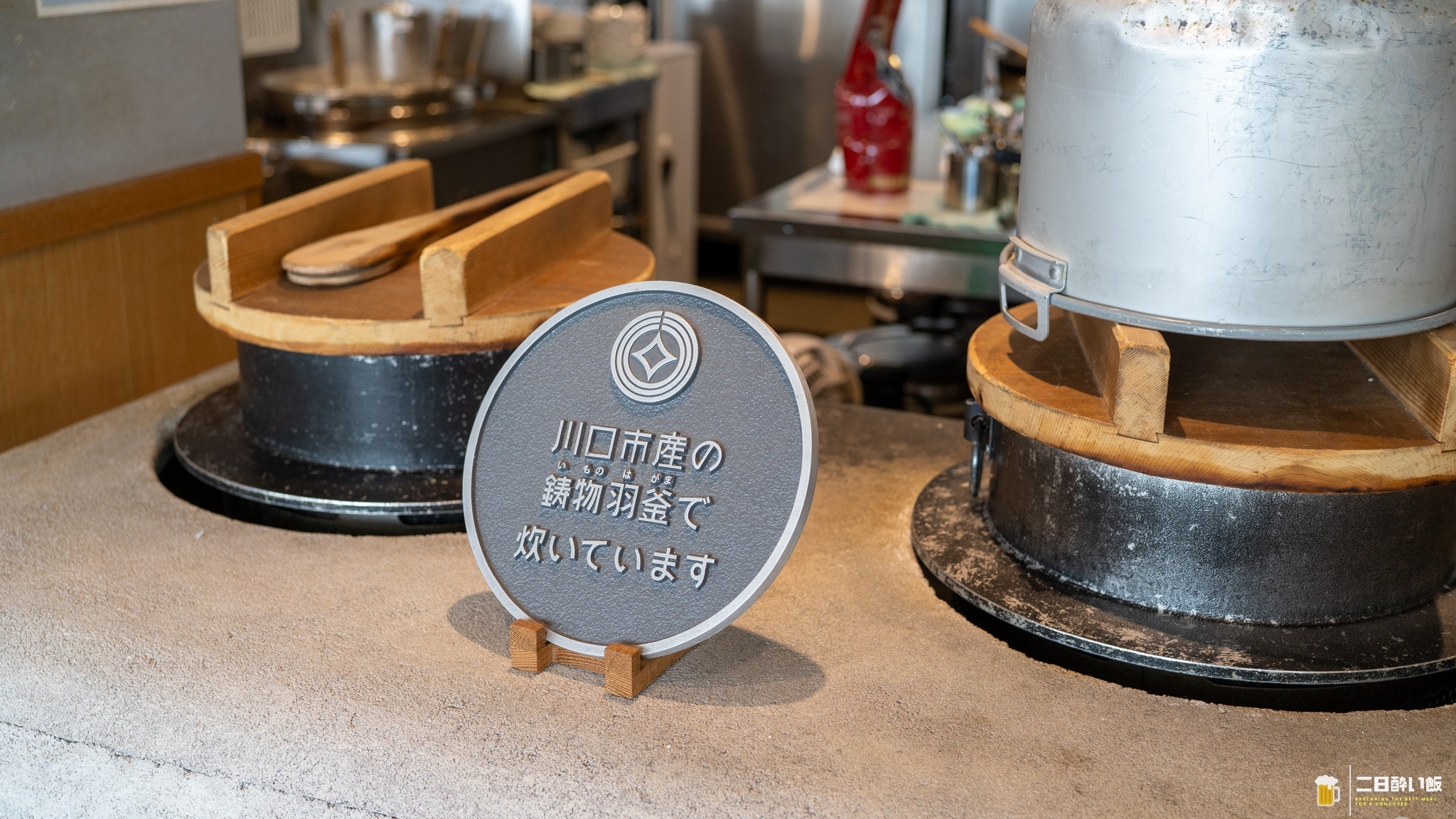
They make sure to highlight it. And it really does look delicious!
Looking over the various options on the menu, the tofu set meal looked delicious, so I went with that!
Naturally, I could hardly drink at a highway parking area, so water it is.
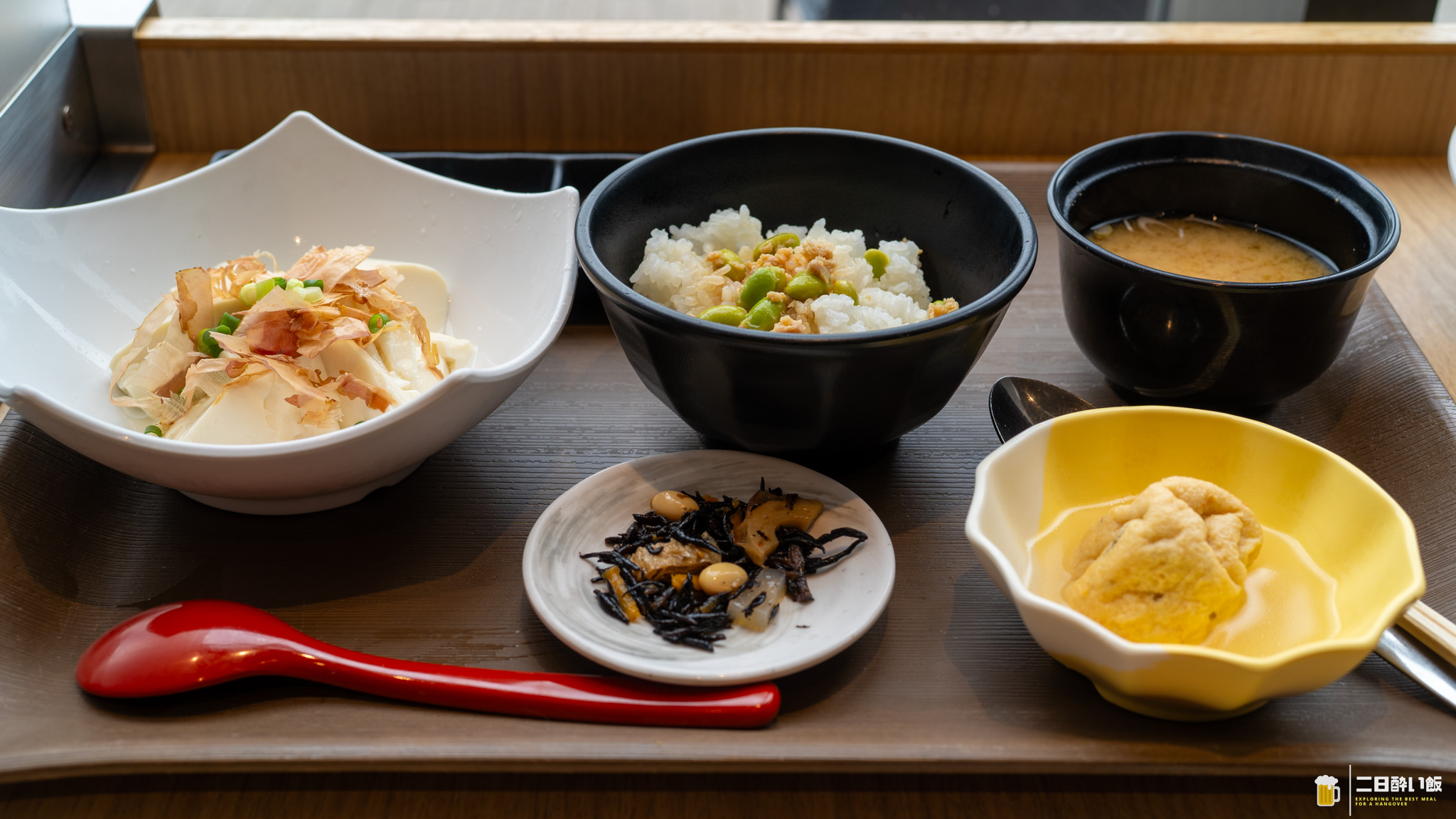
A tofu set meal centered around crumbled oboro tofu!
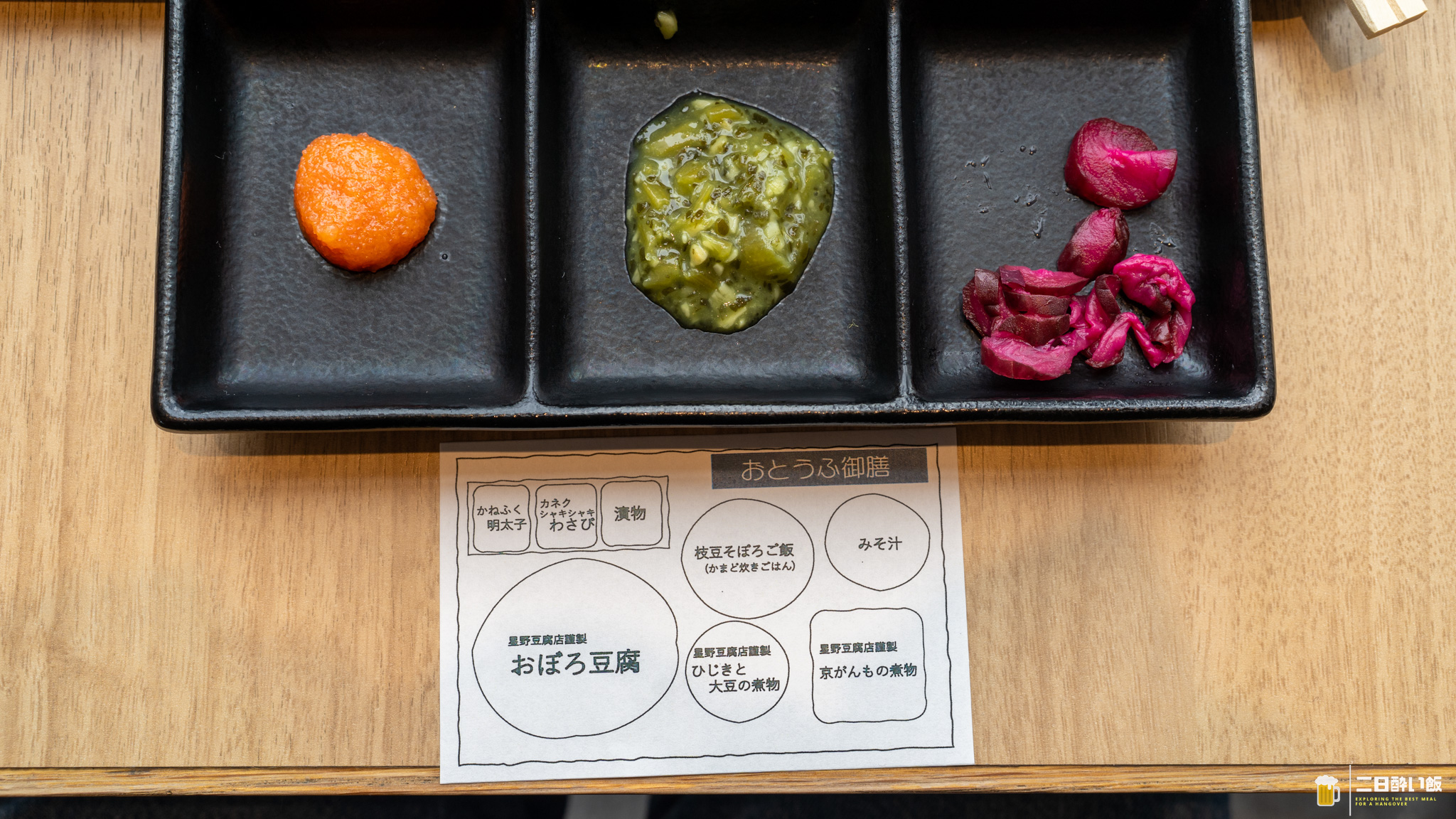
This tofu comes from Hoshino Tofu Shop in Hatogaya. Apparently it’s a neighborhood tofu shop with over fifty years of history, handcrafting each block using domestic soybeans and nigari. What’s more, the tofu isn’t the only item labeled ‘made by Hoshino Tofu Shop’ in this set meal — together with the simmered hijiki seaweed and soybeans and the simmered kyo-ganmo (fried tofu fritters), there are three items in all. They are clearly using quality ingredients not just for the main tofu, but for the side dishes too!
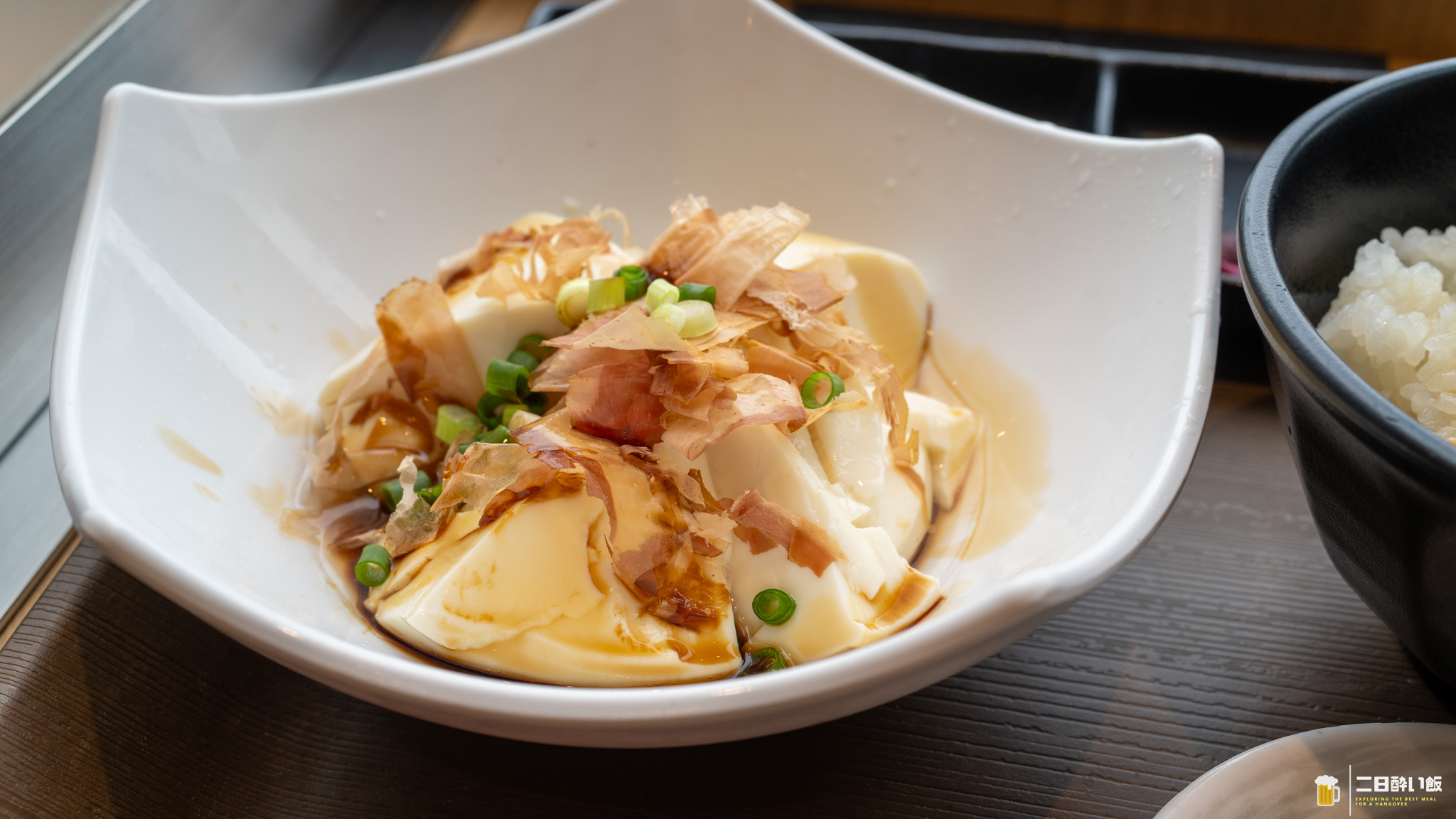
The oboro tofu is served chilled. Scoop a spoonful and it crumbles gently, leaving behind the natural sweetness of the tofu and a tender, wobbly texture. This is delicious! The aroma of the shaved bonito-flake dashi and finely sliced green onion is wonderful, of course, but the texture of the tofu itself is so smooth it practically melts.
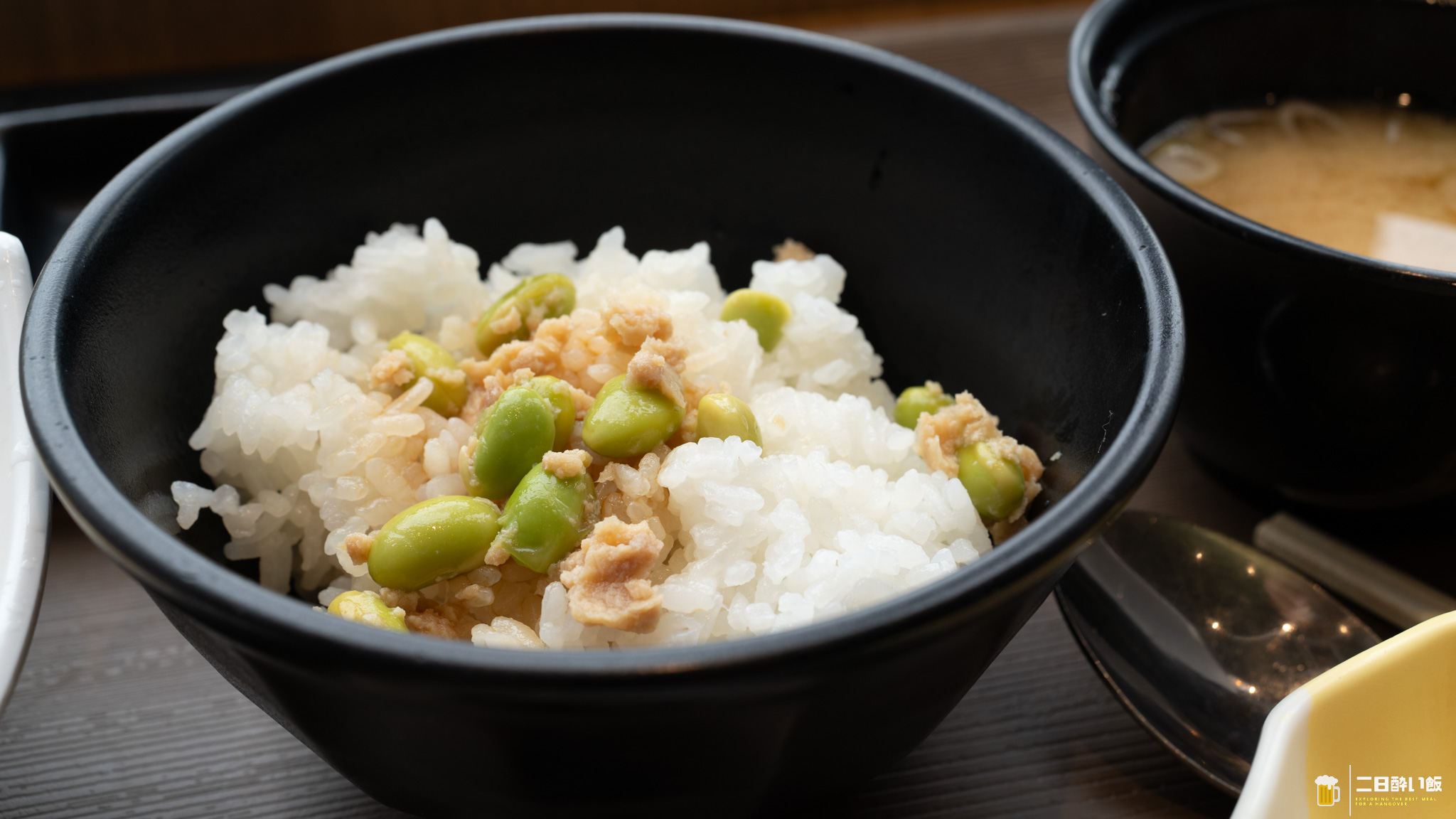
The rice is edamame and minced meat (soboro) rice. It’s ‘kamado-cooked rice’ prepared in a cast-iron hagama pot made in Kawaguchi, and the grains stand distinct and fluffy! Chilled tofu paired with freshly cooked hot rice — this temperature contrast might actually be pretty great!
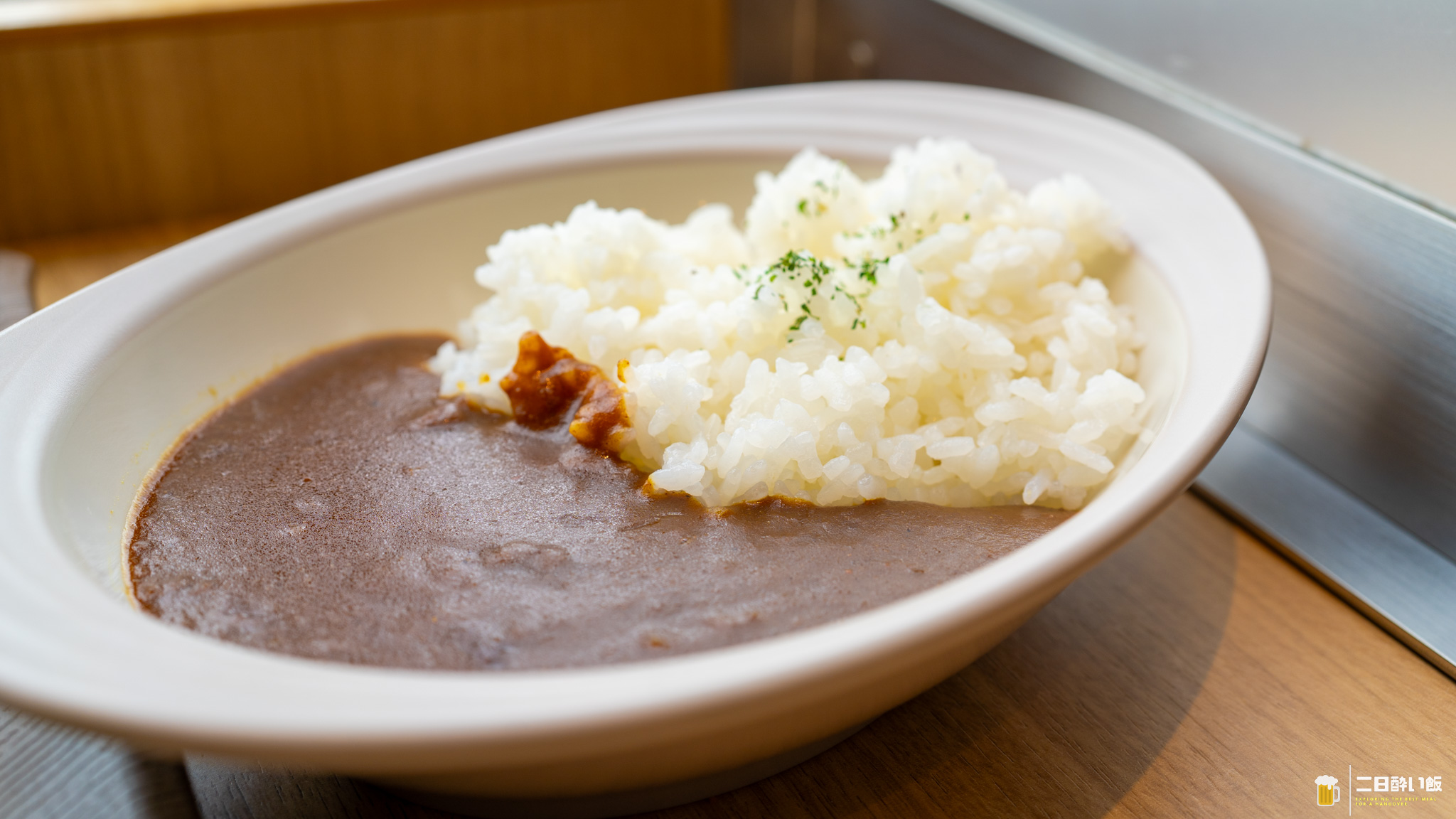
Even with the thought, ‘Just how much are you going to eat?!’, I had heard that the curry here was properly made and delicious, so I wanted a taste and ordered the mini curry. Taking a bite, the spice profile was right in line with the talk, and definitely different from what you usually find at a standard food court!
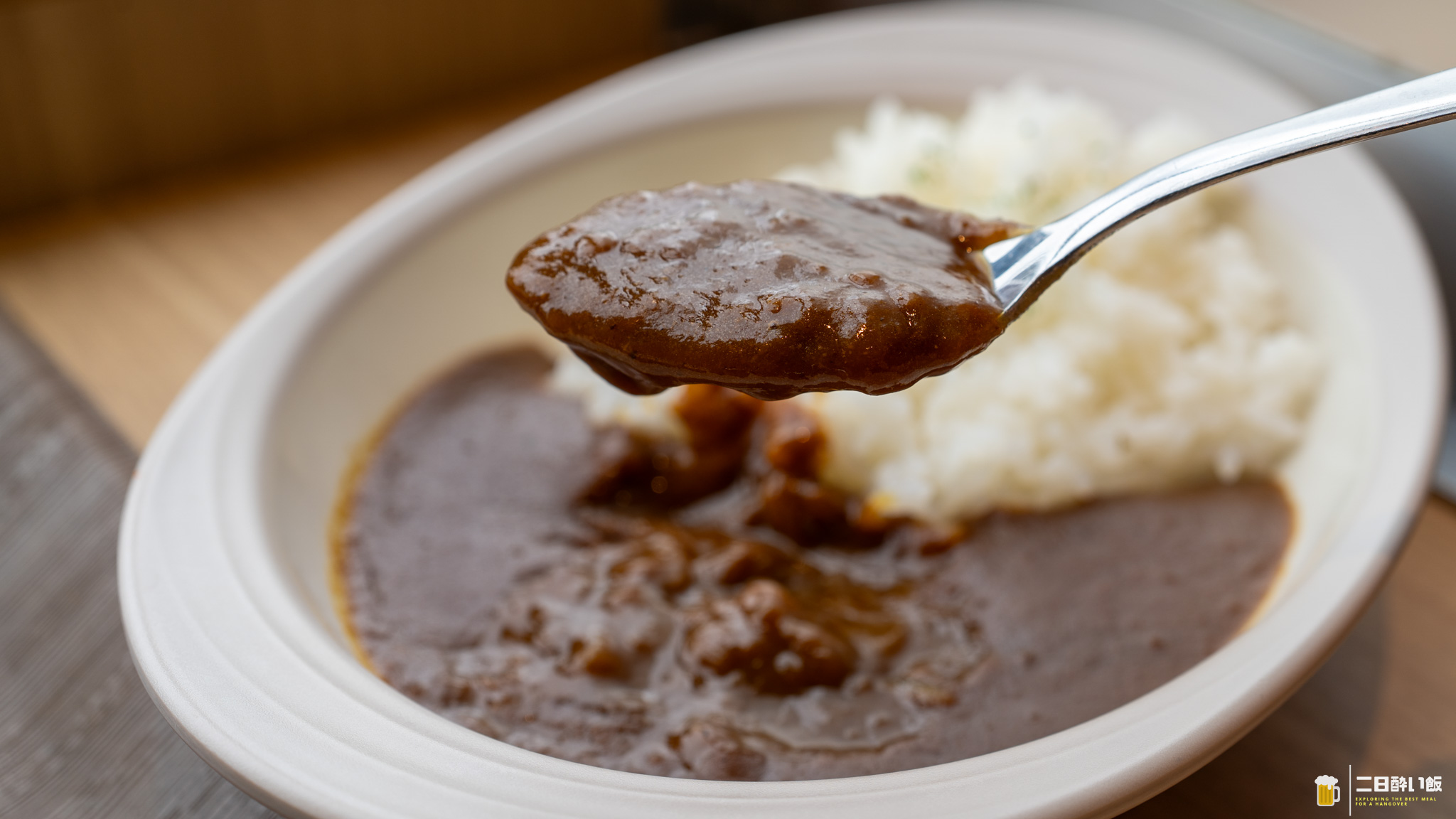
And pairing that nicely spiced curry with ‘kamado-cooked rice’ from a cast-iron hagama pot made in Kawaguchi is quite a combination. For highway parking-area food, isn’t this pretty high-level! If you have room to spare in your stomach, you should definitely give the mini curry a try!
So that was an unusual parking-area meal — but finding a set-meal diner that isn’t just an outlet of a big chain and actually makes great use of local products is genuinely rare! Kawaguchi hagama rice you can only eat here, tofu from a neighborhood tofu shop in business for fifty years, and a spicy curry made with obvious care. It might just make you think, ‘Maybe I’ll take a drive out to Kawaguchi just for this?!’
Here’s hoping you encounter something delicious today too!
Kamado Takigohan Waraku Menu
Rice bowls, set meals & gozen sets
All rice is kamado-cooked rice prepared in cast-iron hagama pots manufactured in Kawaguchi.
Oboro tofu (Hoshino Tofu Shop), edamame and minced meat rice, Kanefuku spicy cod roe (mentaiko), egg rice ball, simmered kyo-ganmo (fried tofu fritter), simmered hijiki seaweed and soybeans, miso soup, pickles. Oboro tofu is served chilled; ask staff if you prefer it warm.
An item from the directly operated store menu fair.
Double the rice, double the toppings.
House-made kakiage (mixed tempura fritter).
Fried chicken (karaage) from Bungoya Honten in Nakatsu, Oita.
Truffle sauce.
Udon, soba & regional specialties
A corner of the ticket machine where Saitama regional specialties gather together.
200g noodles. Large portion (400g noodles) is 1,150 yen.
200g noodles. Suttate is a regional dish of Kawajima Town. ‘Suttate udon’ with kakiage fritter is also 900 yen.
200g noodles. Large portion (400g noodles) is 1,050 yen.
Made with ganmodoki (fried tofu fritters) from Hoshino Tofu Shop.
Made with aburaage (fried tofu pouches) from Hoshino Tofu Shop.
Made with buckwheat flour from Hokkaido. Zaru udon is 650 yen.
Tenbara = tempura crumbled into small pieces and mixed into rice. Reportedly served as a finishing dish (shime) at traditional sit-down tempura restaurants in Tsukiji (according to in-store signage).
Ramen
Supervised by ramen shop ‘Shichifuku’ in Soka, Saitama.
Half fried rice sets: niboshi (dried sardine) and miso are 1,200 yen each, shoyu is 1,100 yen, and light tonkotsu shoyu is 1,180 yen.
Side dishes
The shop’s namesake signature, available to order on its own.
The ticket vending machine supports four languages: Japanese, English, Simplified Chinese, and Korean. Business hours are 7:00 to 21:00.
* Based on ticket vending machine displays during a visit in August 2026. Items and prices are subject to change. Please confirm the latest details in the shop.
Kamado Takigohan Waraku (Cafeteria / Araijuku Station)
Tabelog lunch rating ★★★☆☆ 3.5
I ate here and paid for it myself. Nothing on this site is a comped meal.
One more for the road?


