


A note on the words: shaoxing is the amber rice wine of eastern China, drunk here as a tasting flight. Yodare-dori is poached chicken under a chili and sesame sauce, the Sichuan dish whose name means, roughly, that it makes you drool; lu rou fan is the Taiwanese bowl of braised pork over rice. Mapo tofu is the Sichuan dish of tofu in a hot bean sauce, and sansho the pepper that gives it its tingling numbness. Annin tofu is the almond milk jelly served as dessert, shiraae a dressing of mashed tofu, daikon the long white radish, and tsukune a minced-meat ball; hamburg steak, which the author reaches for as a comparison, is the Japanese seasoned patty of minced meat served without a bun. Yakuzen, rendered here as medicinal, is cooking built on the herbal tradition, and Oyama chicken is a Japanese branded bird. Toyosu is Tokyo’s central fish market. Prices are as of this writing (August 2026).
Table of Contents hide
Kuroneko Yoru, Roppongi, on AutoReserve (English) — opening hours, payment details and the Japanese address are kept up to date there, not here.
I want something good to eat today too. This is Hangover Meshi. This time, Kuroneko Yoru after a long gap — the Roppongi branch. There is one in Akasaka as well. If you want deep Chinese food this is unquestionably on the list. I wonder whether they still do the clay-pot lunch. At lunch there was only a set menu, changing weekly or something, and the style was that it arrived without your saying anything.
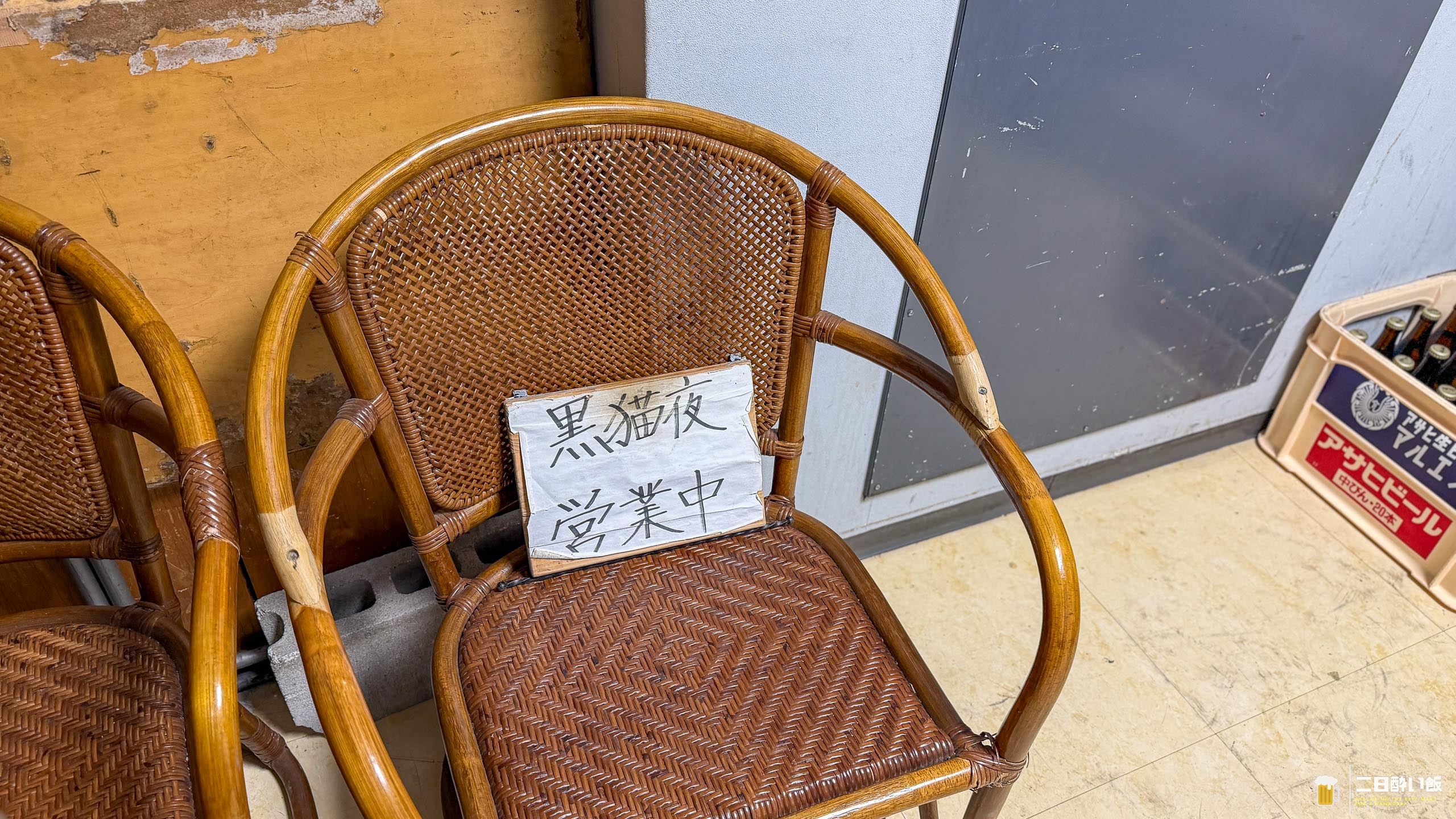
This time it is not lunch but the evening, so we should be able to eat a range of things. Looking forward to it.
[Light and easy] A taste of the signature dishes! Eight courses! 5,000 yen course
[Kuroneko Yoru’s recommendation] Chinese regional cooking in full! Nine courses! 7,000 yen course
Nobody in the party was a big eater this time, so we went with the eight-course 5,000 yen option.
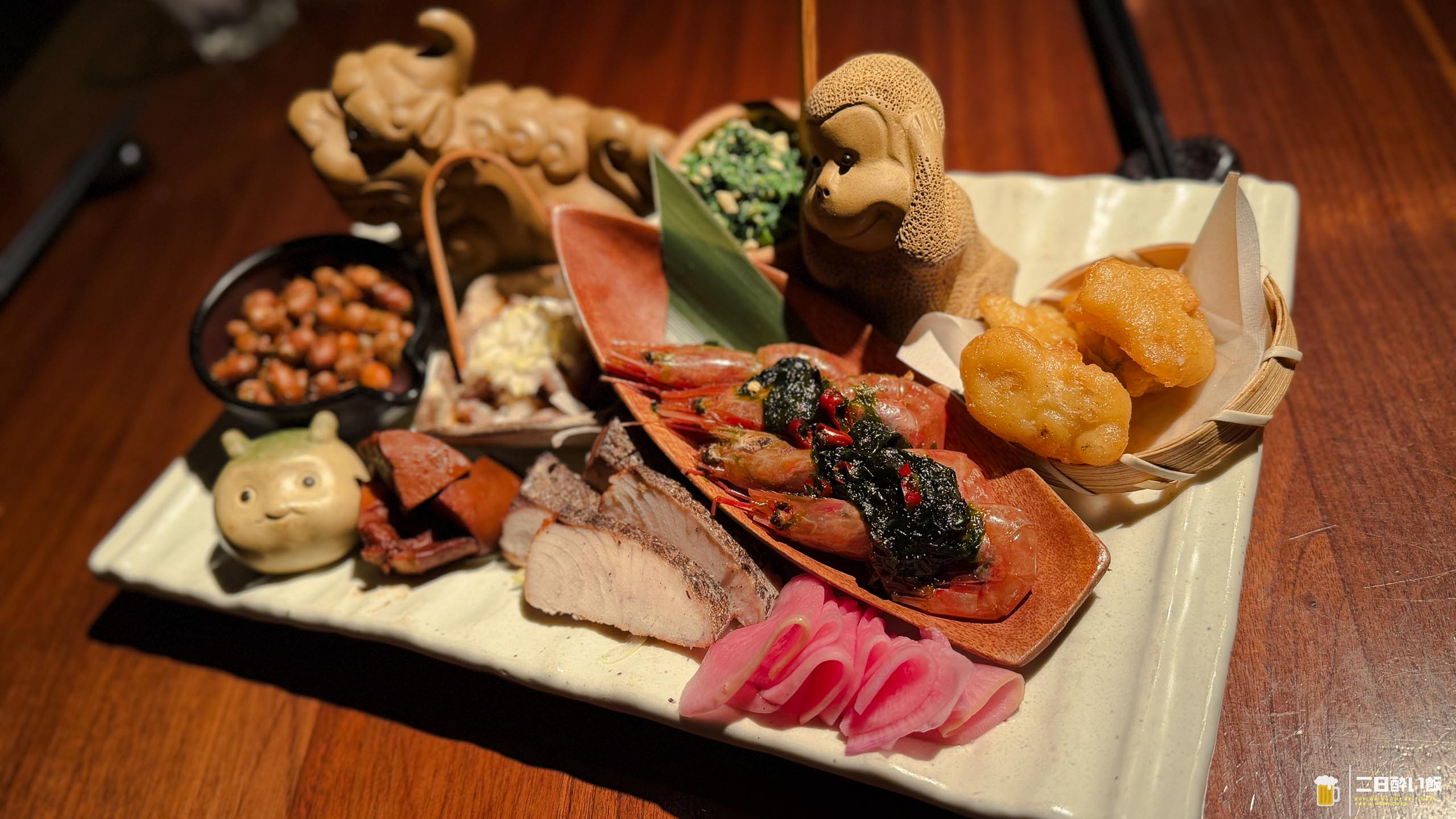
Shrimp steeped in shaoxing wine, fritters, peanuts, yodare-dori, fish, daikon, a shiraae and so on. This large plate is four portions. The sweet shrimp steeped in shaoxing is delicious.
And the first drink is, of course, the recommended shaoxing tasting flight.

They differ completely in mellowness, aroma and taste. They grow deeper from left to right, so we were told to drink them in that order. Personally I liked the red one made with black rice.
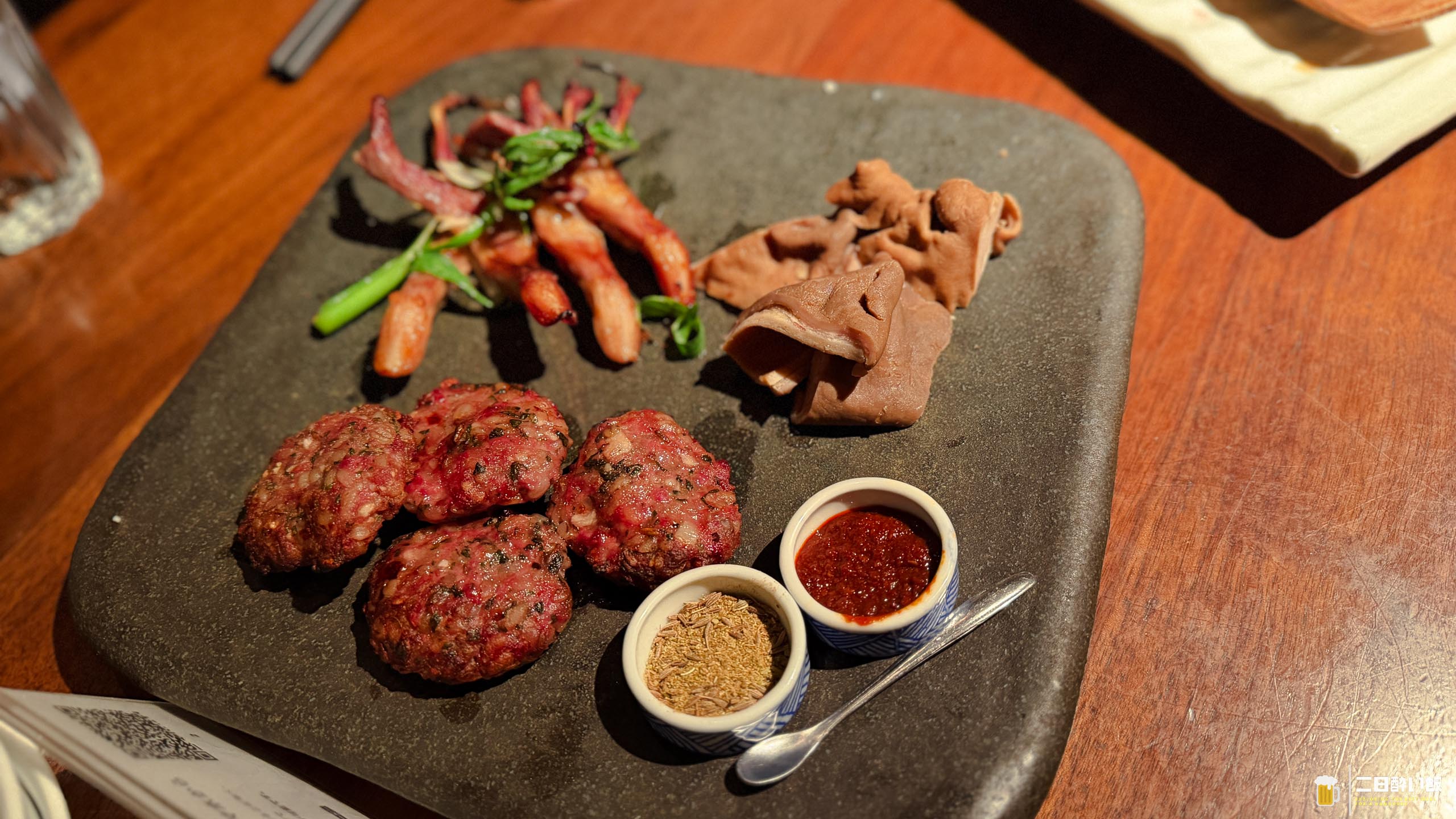
Top left is the famous duck tongue. Not something you eat often. Beside it, offal lu-rou — offal seasoned in the manner of lu rou fan, I suppose. And the hamburg-looking thing below is a lamb tsukune. They are eaten with a cumin-based spice mix and a hot sauce. The duck tongue — how to put it — is perfectly delicious, but a strange sensation. The lamb tsukune with the spice on it may have been the best of them.

Characterized by the great chunks of vegetable in it. Substantial.
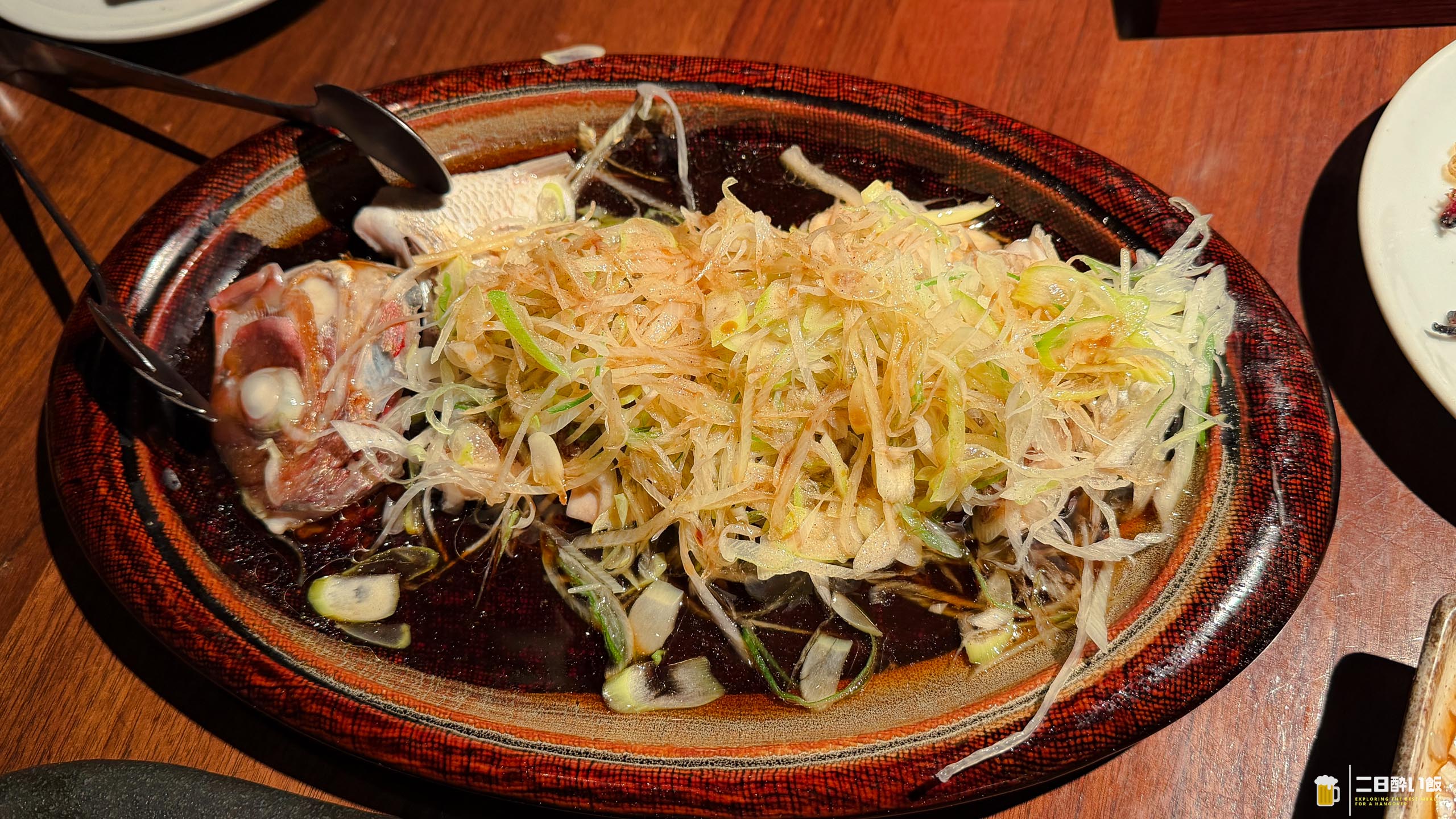
Steamed sea bream. They must have poured scalding oil over the heap of spring onion on top. The Chinese-style sauce is good, and it suits the plump white flesh of the bream. And then the crunchy spring onion made fragrant by the oil. Wonderful.
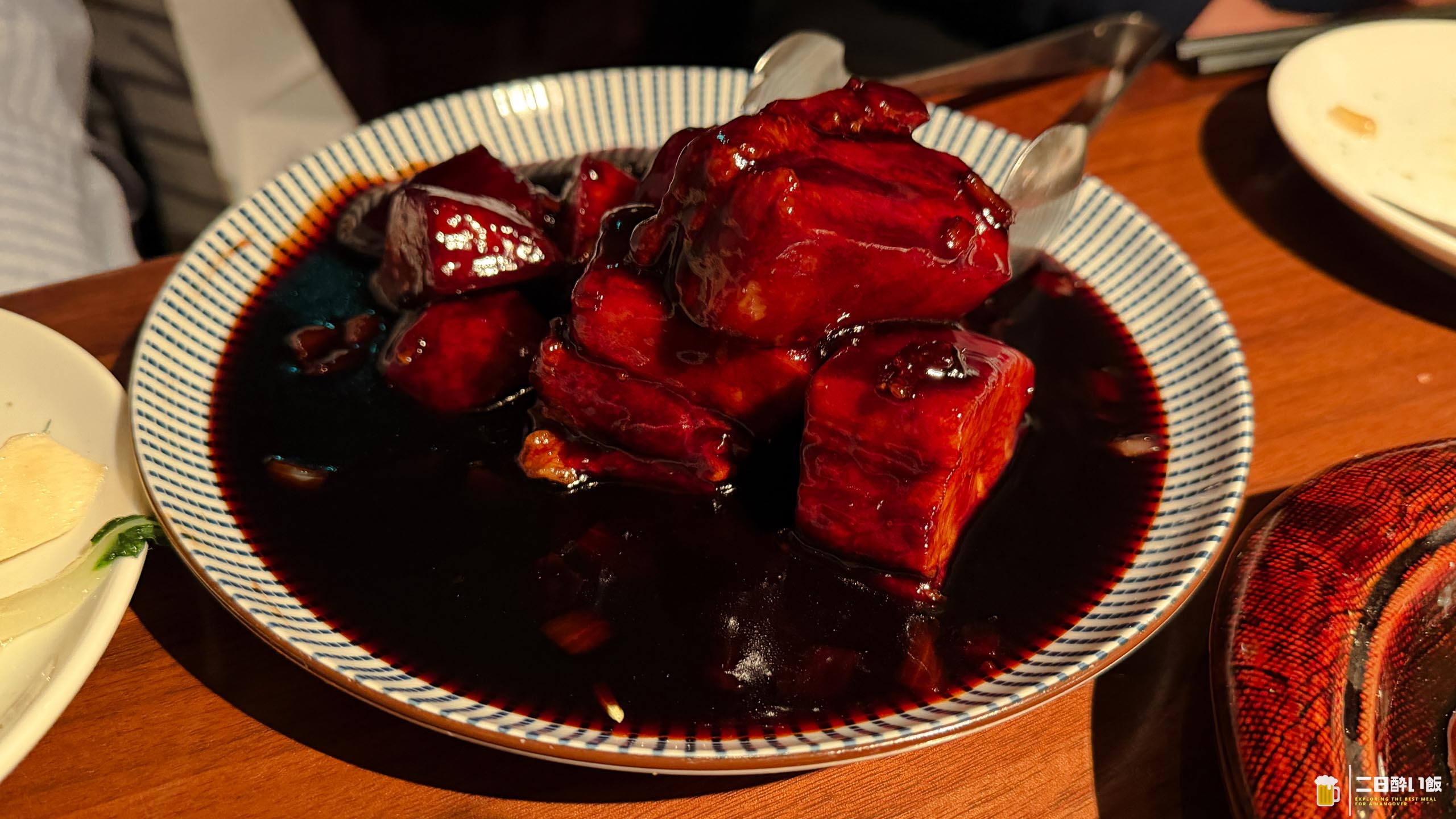
Falling-apart tender and very good. The pork in the sweet and sour has been fried once first, I think. So there is a slight wall on the outside, and past it the meat is tender and the fat spreads through. Pork belly turns out best in any dish, I find, and this confirms it.
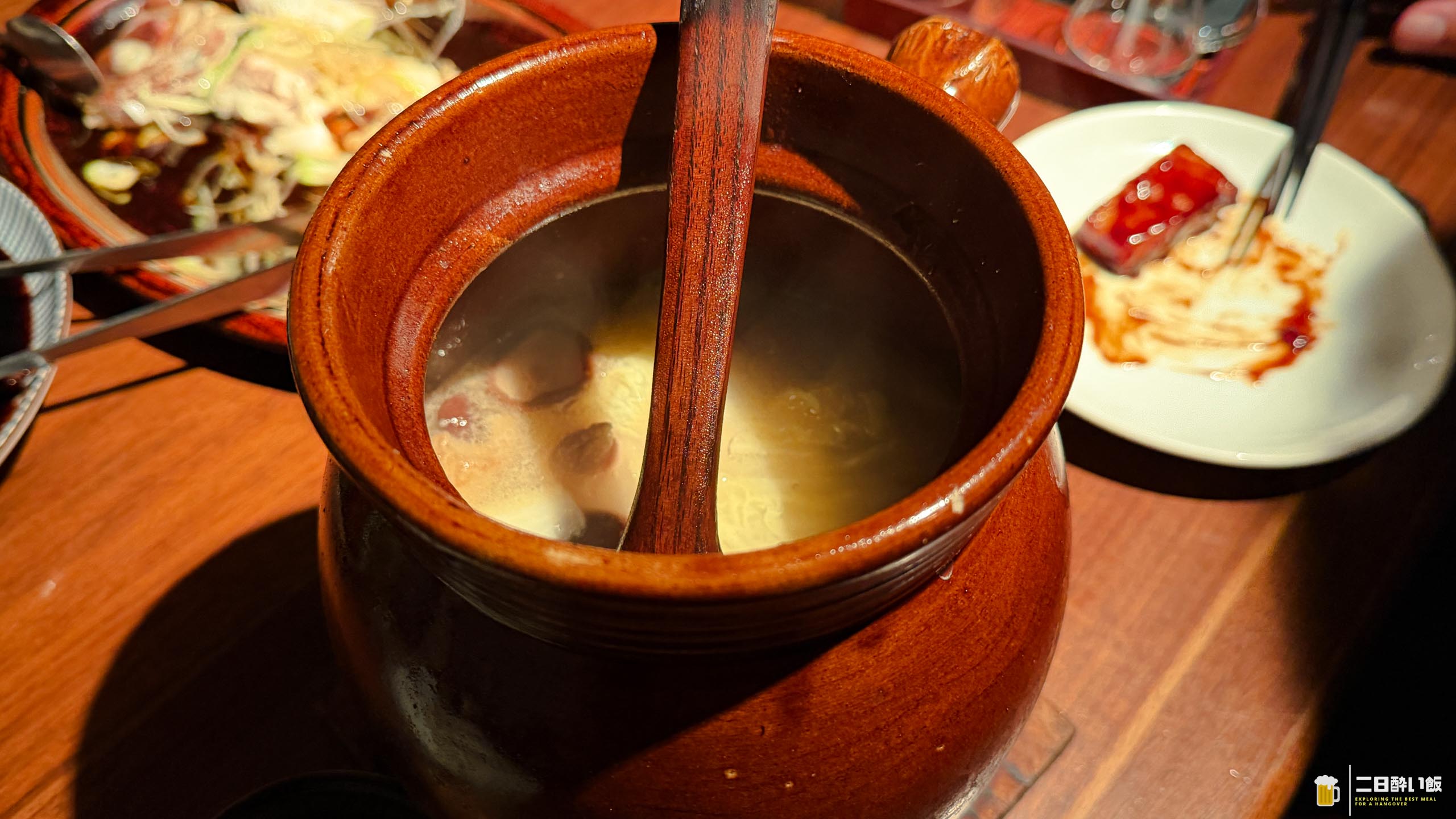
A warming medicinal broth. The gentle stock of Oyama chicken comes through clearly and it drinks easily.
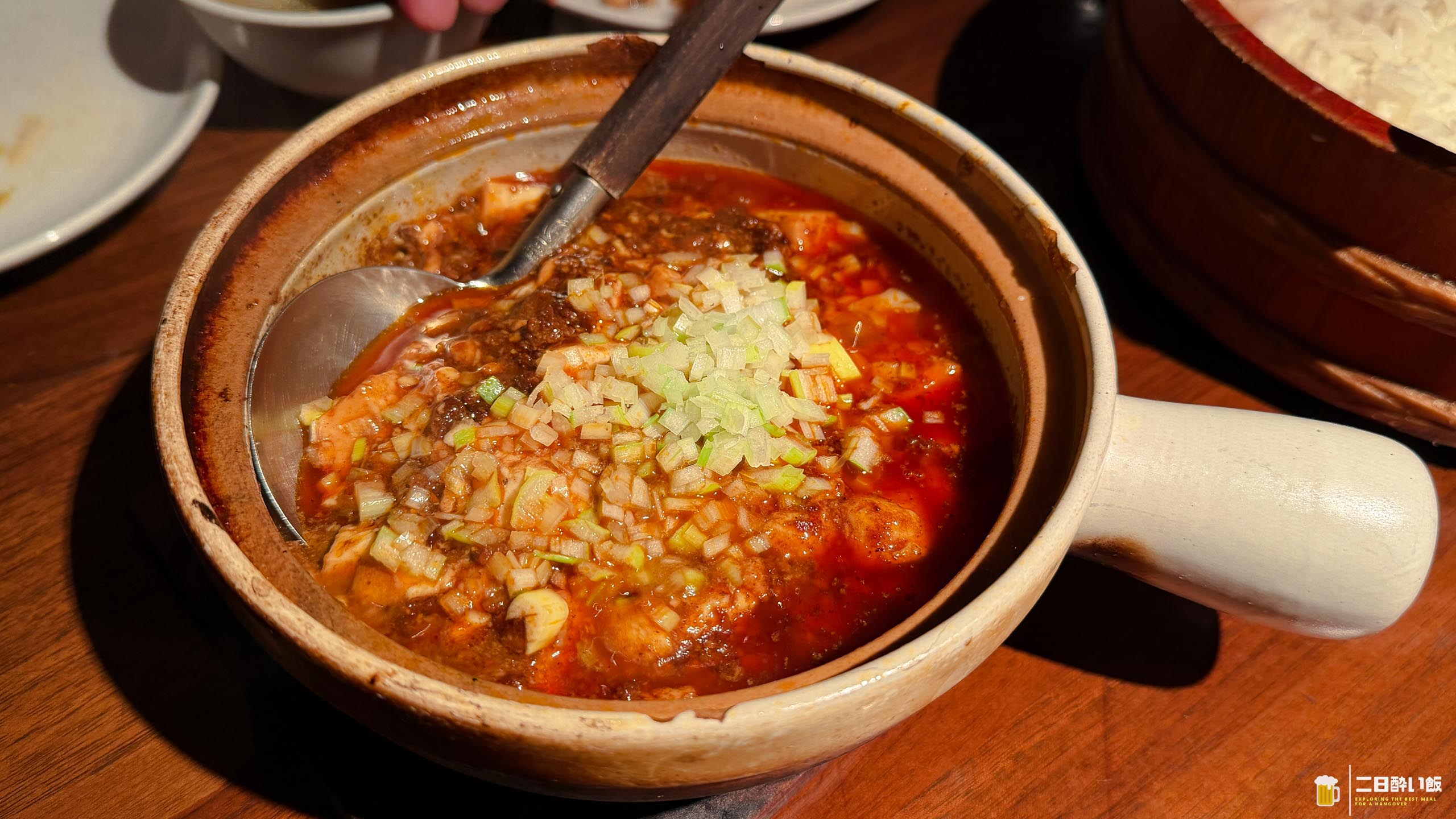
It is red, but not very hot; a mapo tofu with sweetness to it as well. A very good clay-pot mapo tofu, though the impression is of a standard one. A little more sansho would please me. The seasoning is firm, and it suits the rice — fragrant jasmine rice, in fact. And there is a great deal of that rice.
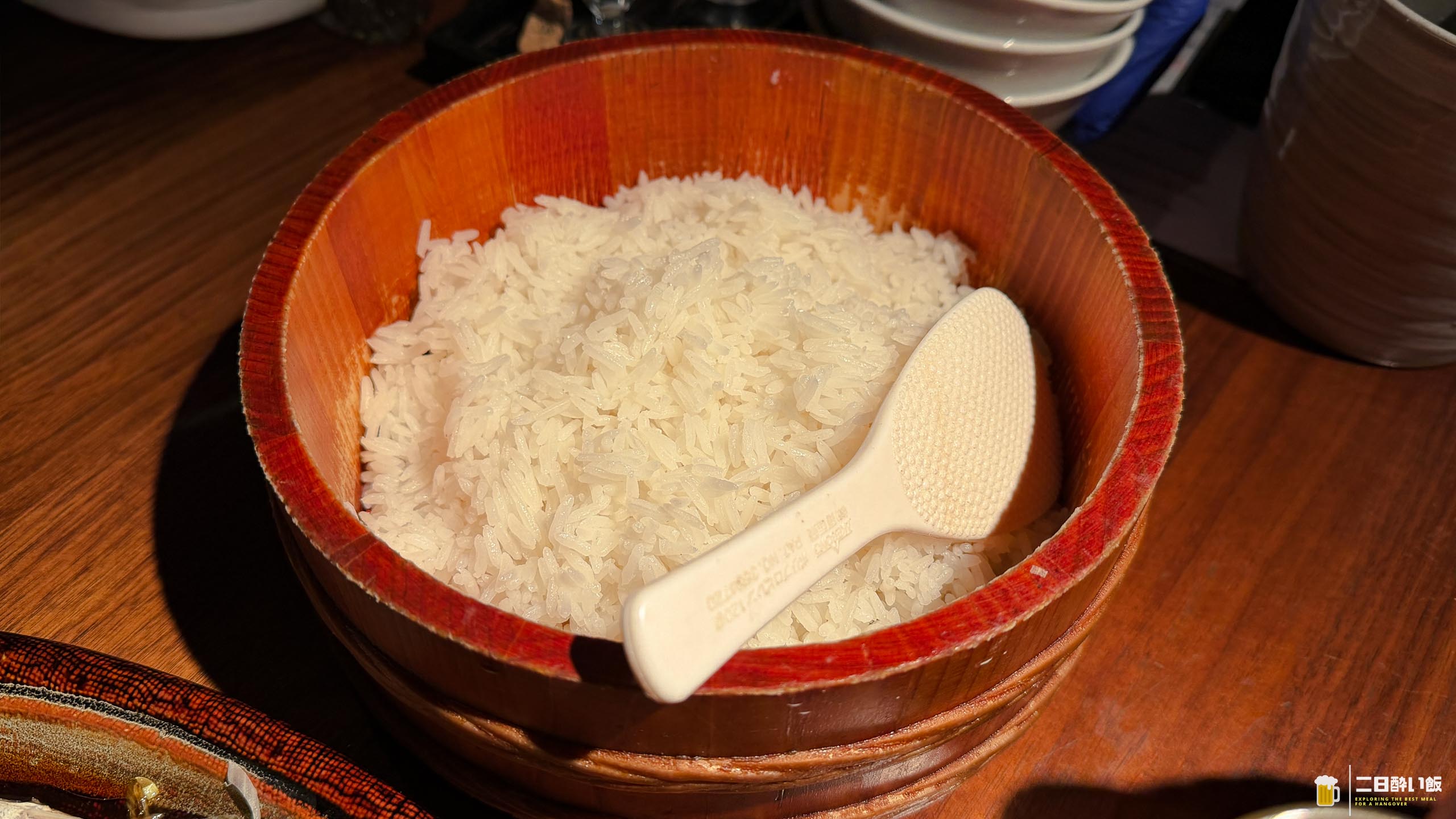
The amount of rice relative to the mapo tofu is remarkable. This will certainly fill you up, which is welcome.
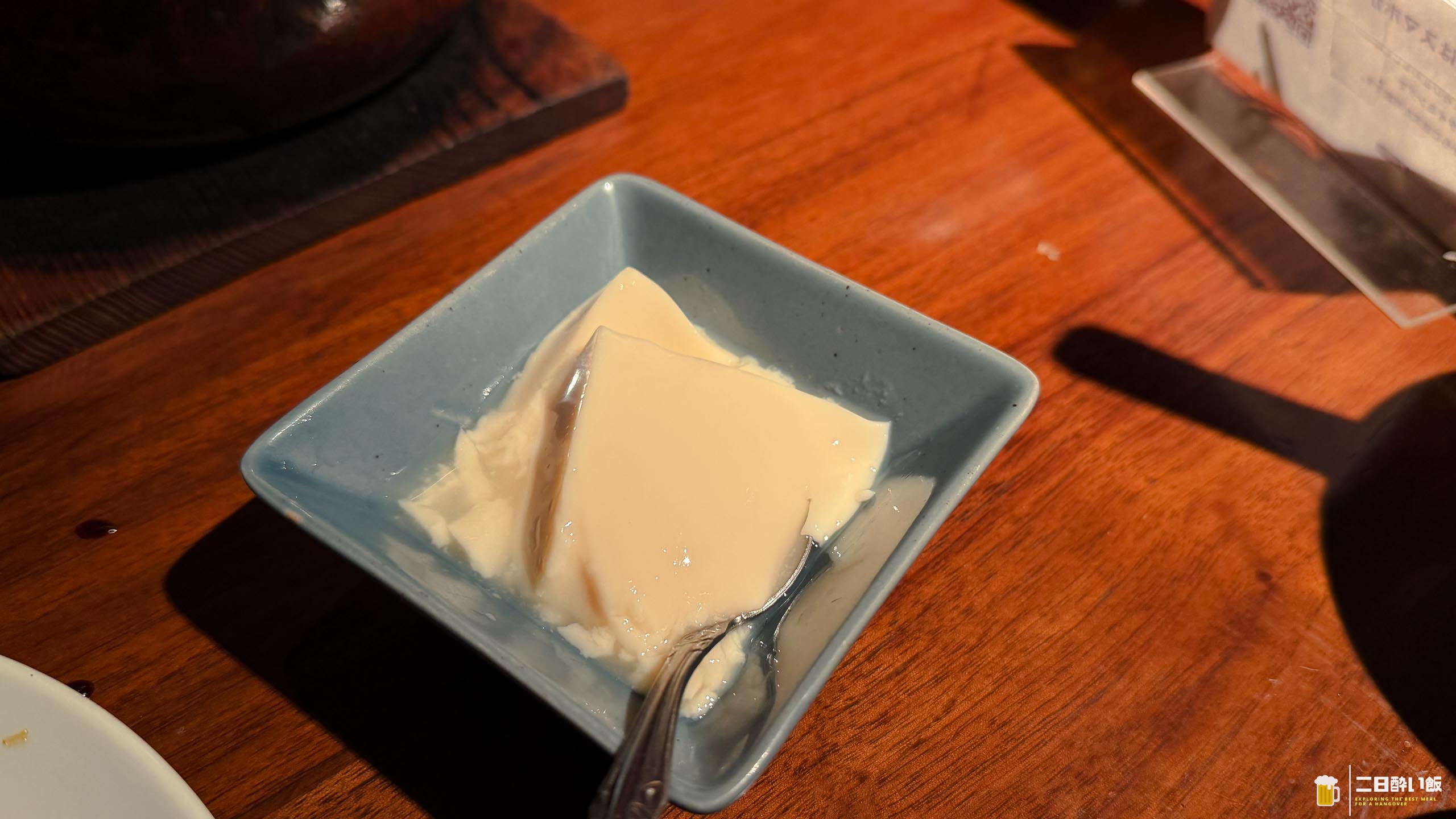
Dessert to finish!
It is a 5,000 yen course, so I was eating with half a mind to order more if it fell short — but with eight courses you end up full. (The rice with the mapo tofu at the end is an enormous amount.) There must be plenty of other mysterious dishes as well, so ordering a la carte could be interesting. The portions are generous, so I would like to come once with a large group and eat a great deal.
Kuroneko Yoru, Roppongi (Chinese / Roppongi Station, Roppongi-itchome Station, Nogizaka Station)
Tabelog dinner rating ★★★☆☆ 3.5
I ate here and paid for it myself. Nothing on this site is a comped meal.
One more for the road?


