


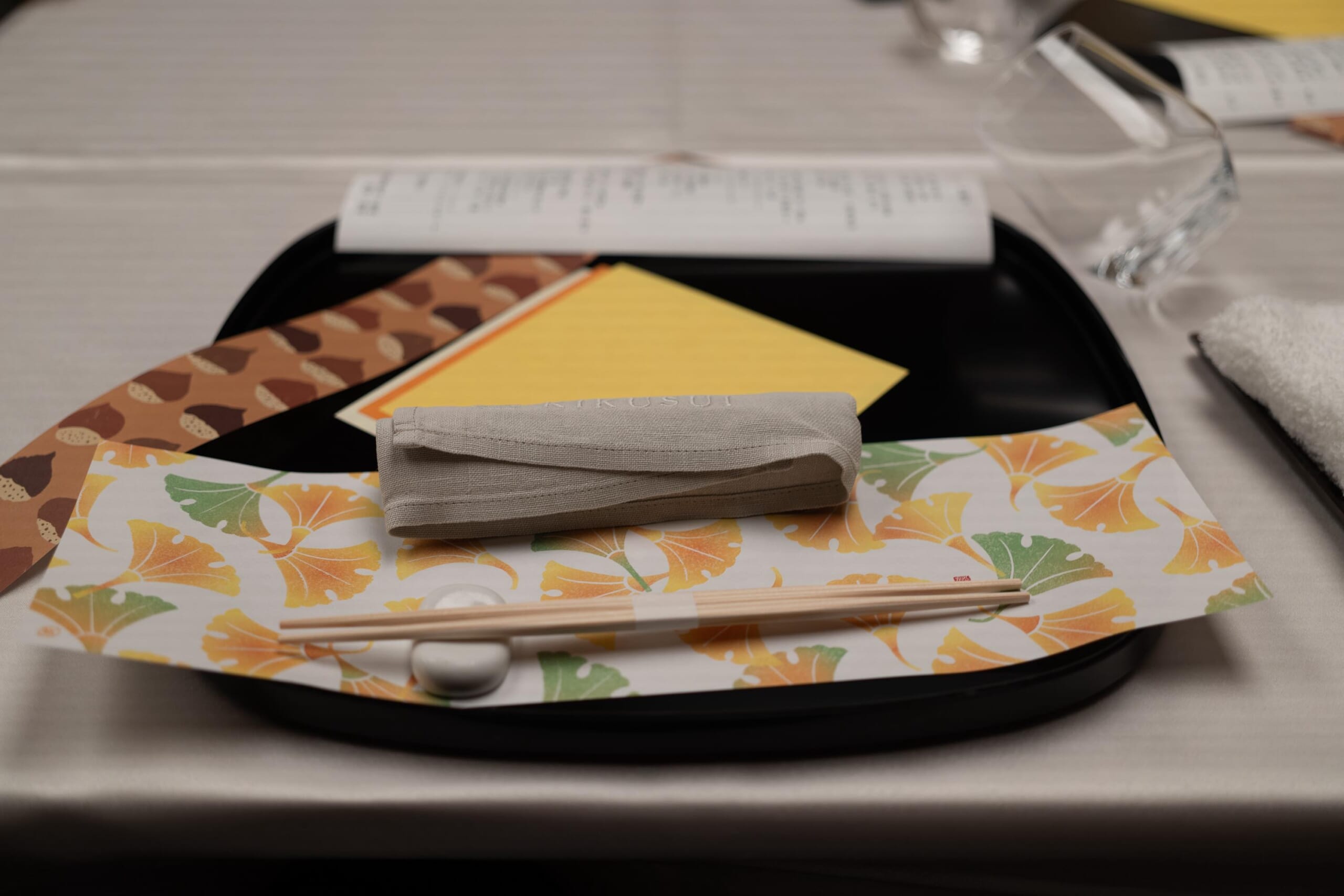
A note on the words: this is a kaiseki meal, the traditional multi-course tasting menu of Japanese haute cuisine, where each course has its own name. Sakizuke is the opening amuse-bouche; hassun is a small assorted platter, traditionally marking the seasonal turn of the meal; nimono-wan is a clear-broth simmered course served in a lidded bowl; otsukuri is sashimi; yakimono is the grilled course; hachimono is a simmered dish served in a bowl; mizumono is fresh seasonal fruit; and kashi is the final sweet. Yuba is the delicate skin that forms on simmering soy milk, prized as a delicacy in Kyoto. Nishijin-ori is the traditional brocade weaving from Kyoto’s Nishijin district, historically used for kimono obi sashes.
Table of Contents hide
Nanzenji Sando Kikusui on Tabelog (English) — opening hours, payment details and the Japanese address are kept up to date there, not here.
Hi, this is Hangover Meshi. This time we’re in Kyoto! There’s a ryokan on the approach to Nanzenji Temple that’s really built around its cuisine — food first, rooms second — and this time we came just for the meal. It’s up in the northeast part of Kyoto. I hadn’t really registered it before, but Nanzenji turns out to be a pretty famous temple! The water around here must be good, because yudofu (simmered tofu) restaurants line the street.
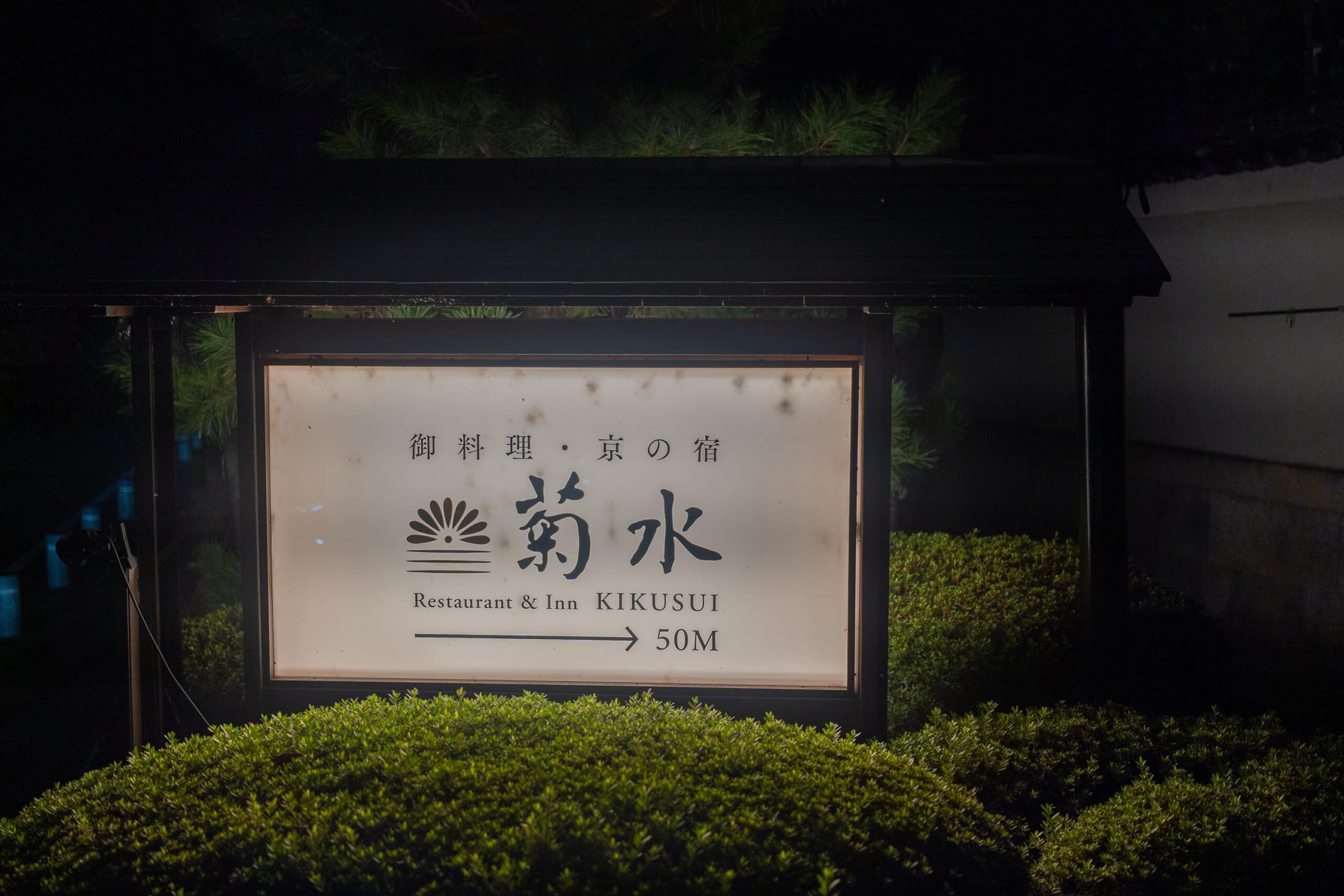
There aren’t many streetlights around here, so at night it gets pretty dark. ^^
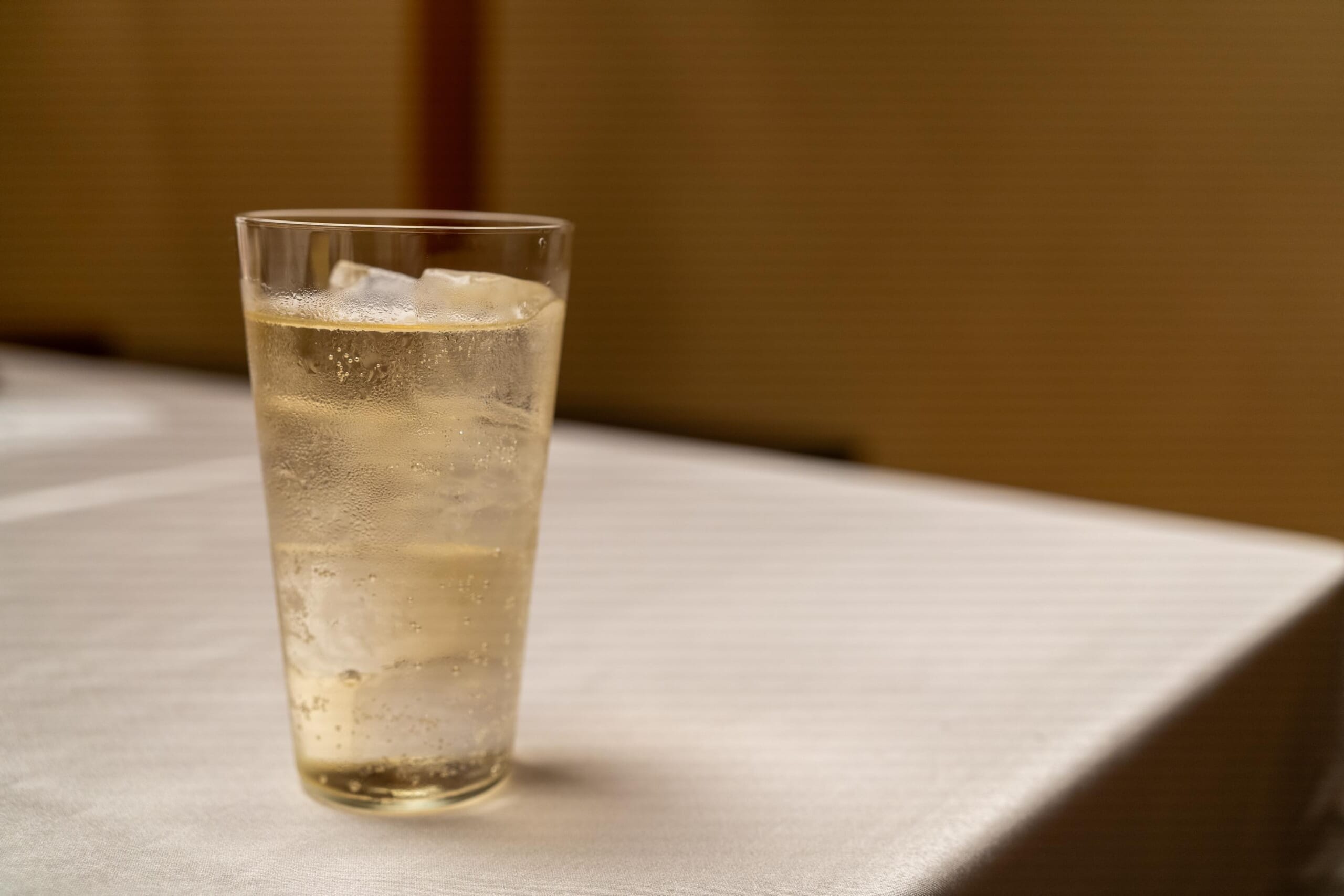
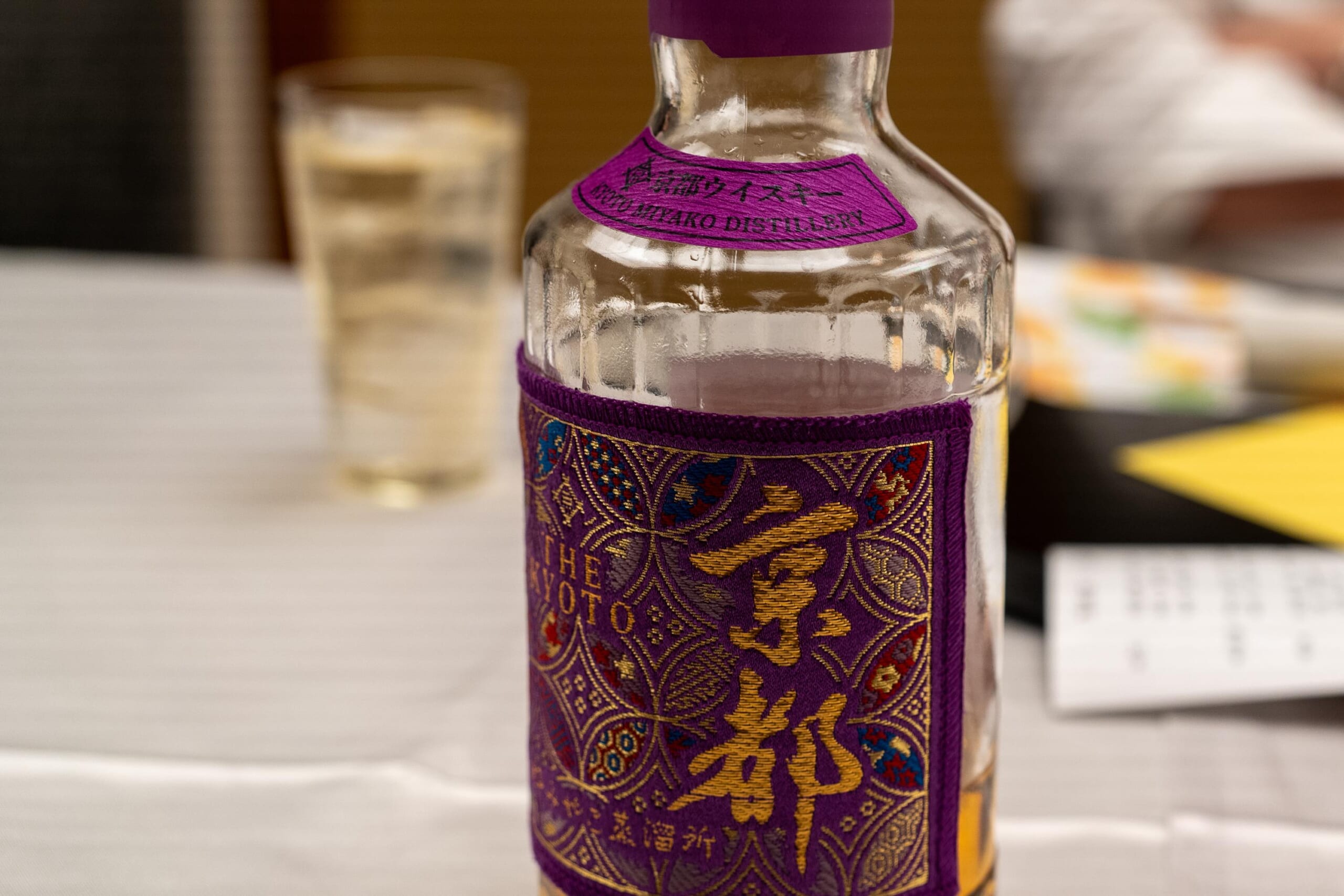
A Kyoto whisky wrapped in what they call Nishijin-ori — a traditional woven textile from Kyoto’s Nishijin district — with a purple obi band! So that’s what Nishijin-ori looks like.

A lavish sakizuke: walnut tofu topped with sea urchin, with grilled eggplant, kuruma shrimp, and even matsutake mushroom tucked in.
There are baby scallions and shiso flower spikes on top, with a marinated egg yolk underneath — it looks like the way to eat it is to break the yolk and mix it through. Delicious!
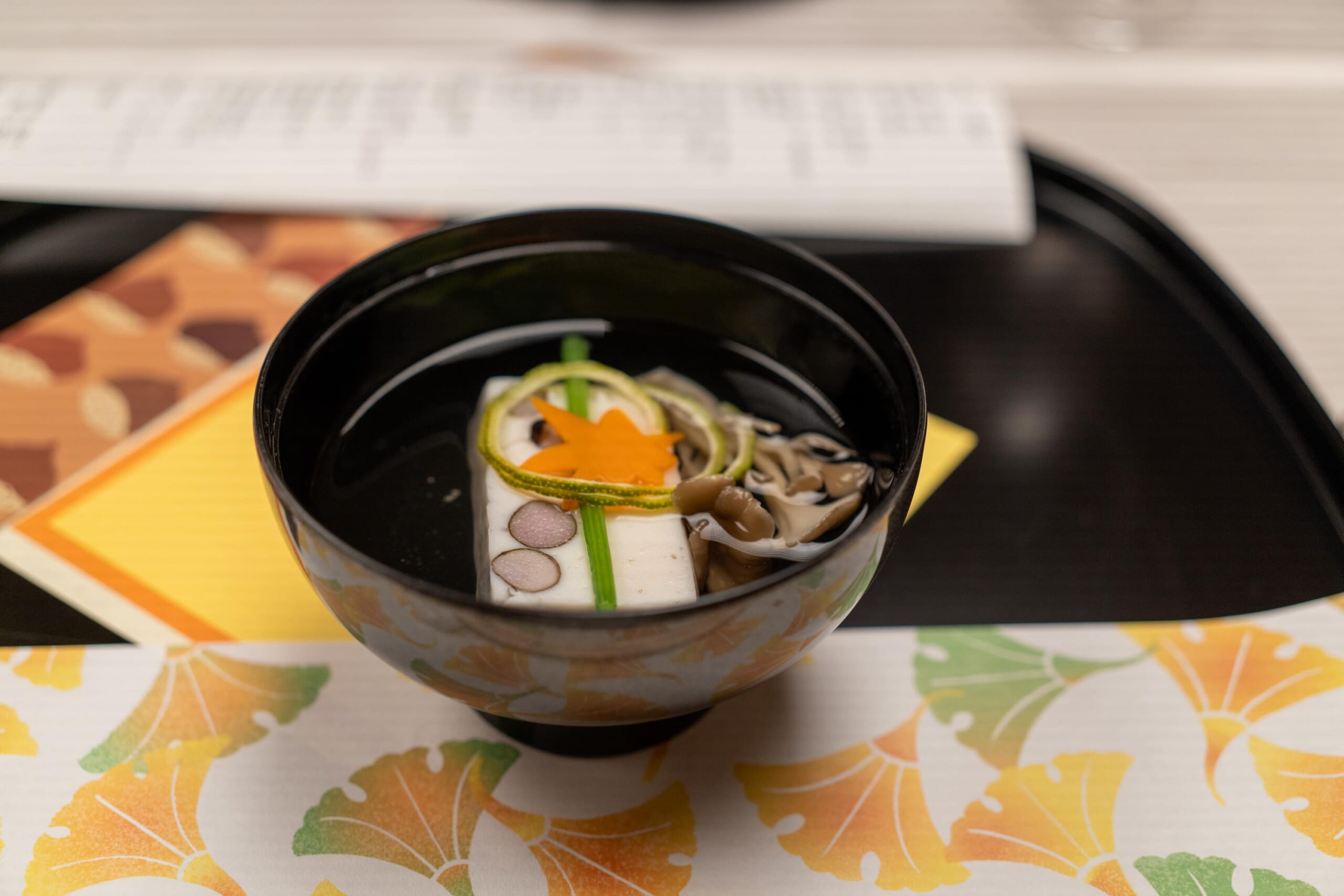
Mukago shinjo.
It comes with carrot, maitake mushroom, and yuzu peel, and the bright aroma and seasoning give it a little bit of a zoni (New Year’s mochi soup) feel. ^^
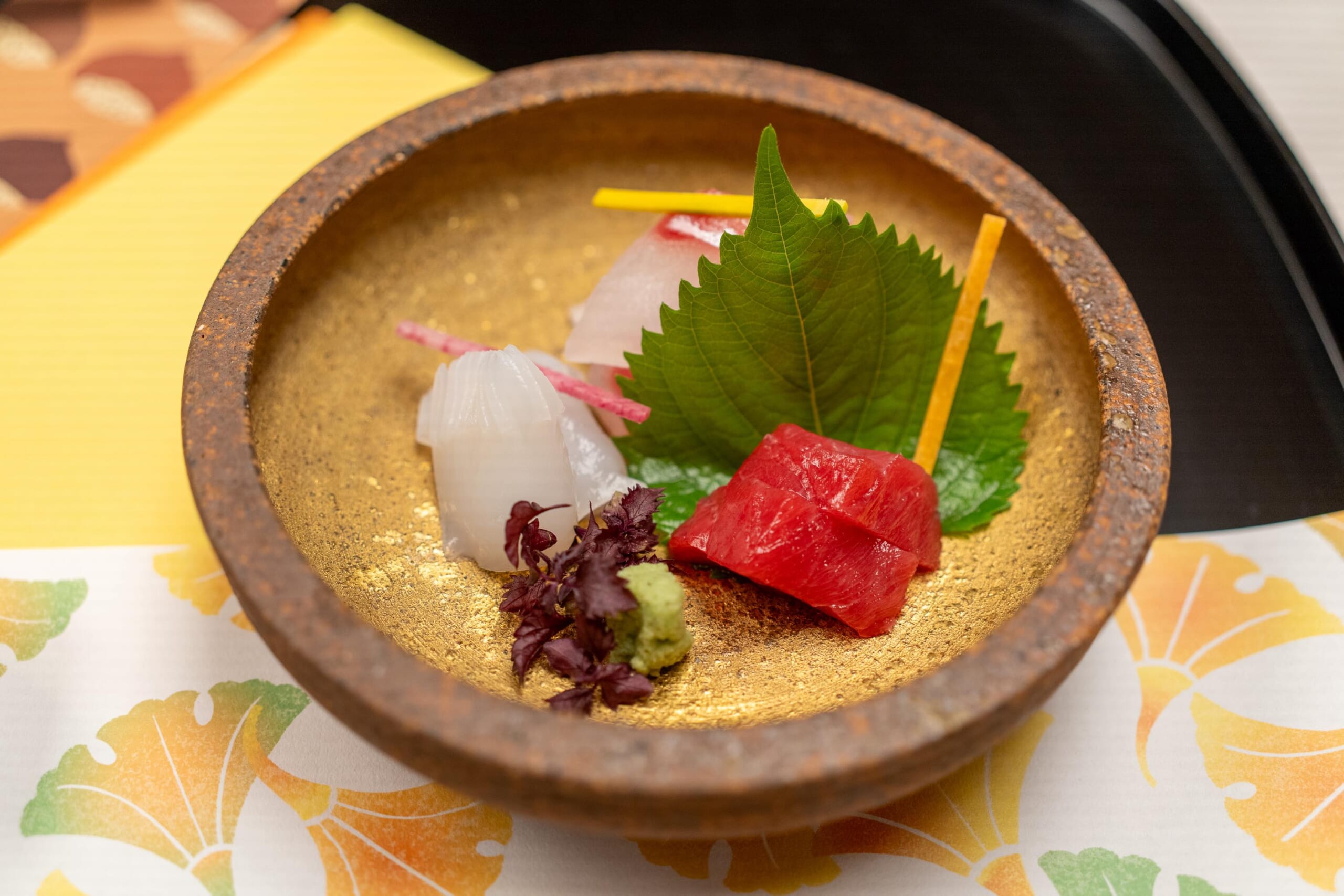
Otsukuri!! This tuna was delicious. Tuna, madai (red sea bream), and squid — the holy trinity of sashimi plates, lol.
Whenever otsukuri comes as three kinds, it feels like it’s almost always this combination. The madai was apparently from Akashi.
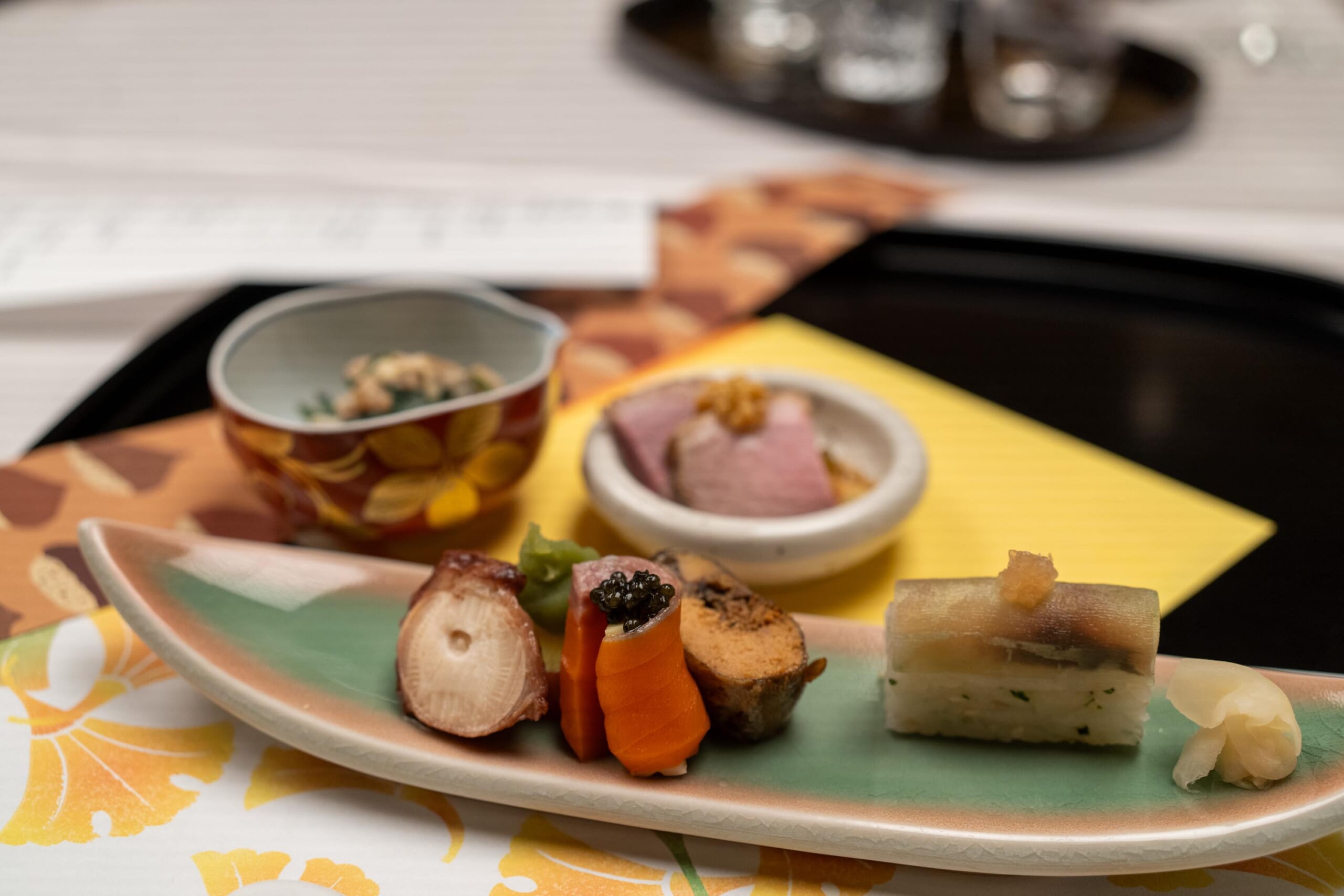
Starting top left: spinach and fu (wheat gluten) with yuba (tofu skin) and steamed scallop, dressed in sesame. Top right is roast duck breast.
In front: tender-simmered octopus, and smoked salmon topped with caviar. Then ayu (sweetfish) with roe simmered in a sweet glaze, small aji (horse mackerel) sushi, and sweet potato simmered with lemon. The tender-simmered octopus was especially good — I wish I could get it that nicely done at home too…!
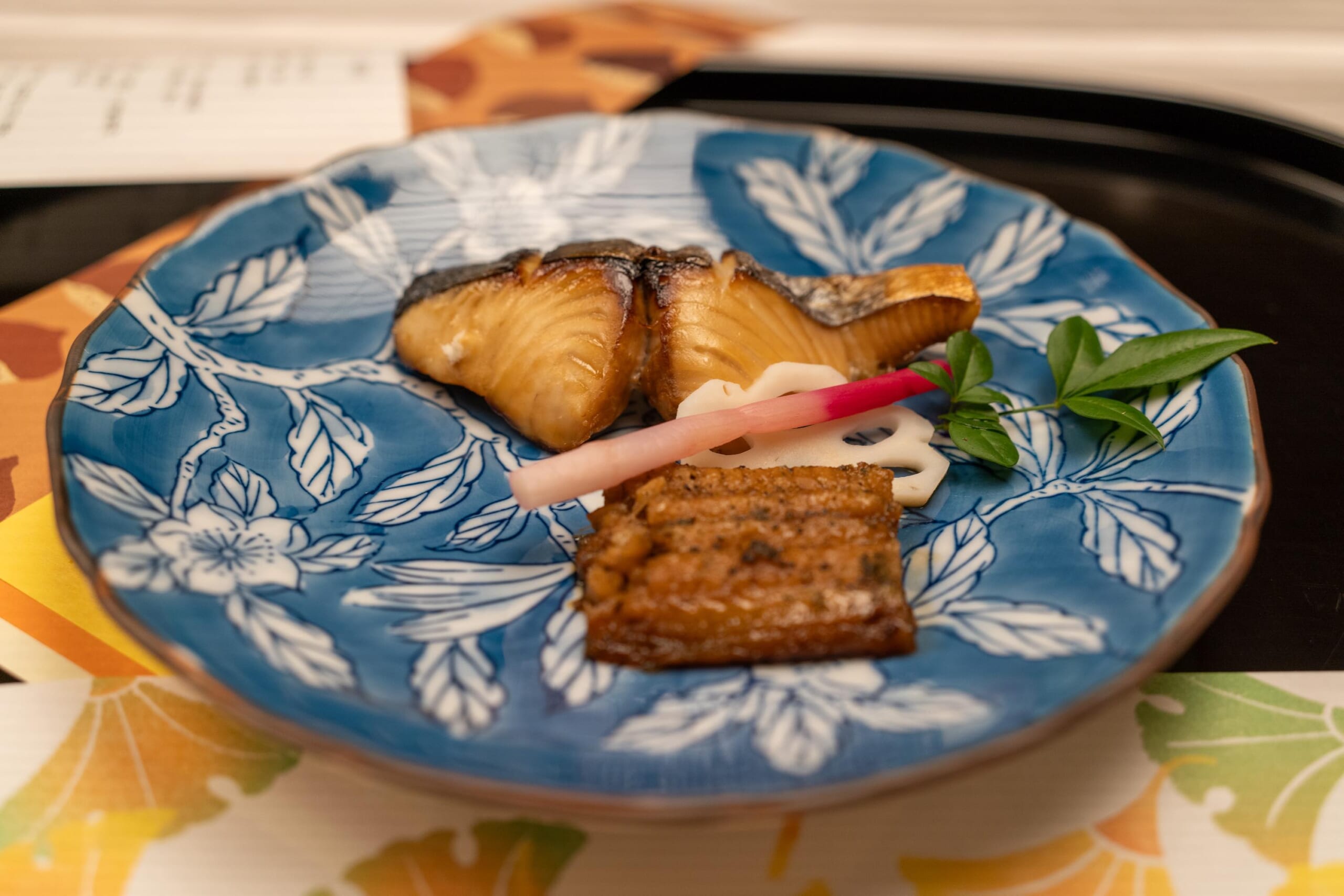
Sawara (Spanish mackerel) grilled with yuko, a citrus — I didn’t even know yuko was a citrus fruit!
There’s also unagi (eel) grilled with sansho pepper. I love eel, so I’ll admit I’d have been happier with a whole fillet’s worth, but since it’s billed as sansho-yaki, the eel comes wrapped in that sansho aroma from the very first bite, and it was delicious!
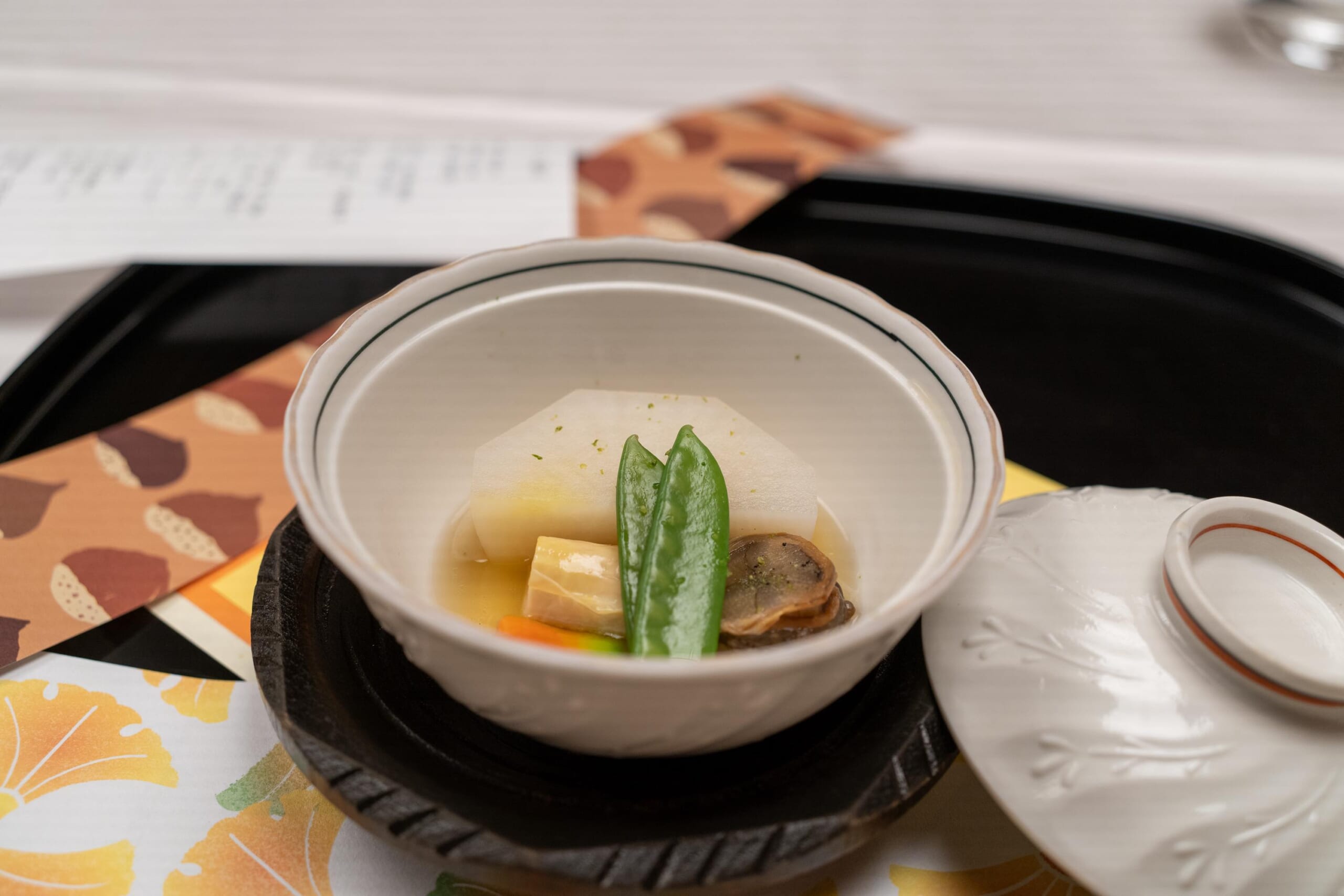
Kabu (turnip) simmered in a light broth, anago (conger eel) narutomaki, yuba, and fu.
The turnip has no bitterness at all and works beautifully — a comforting bowl!
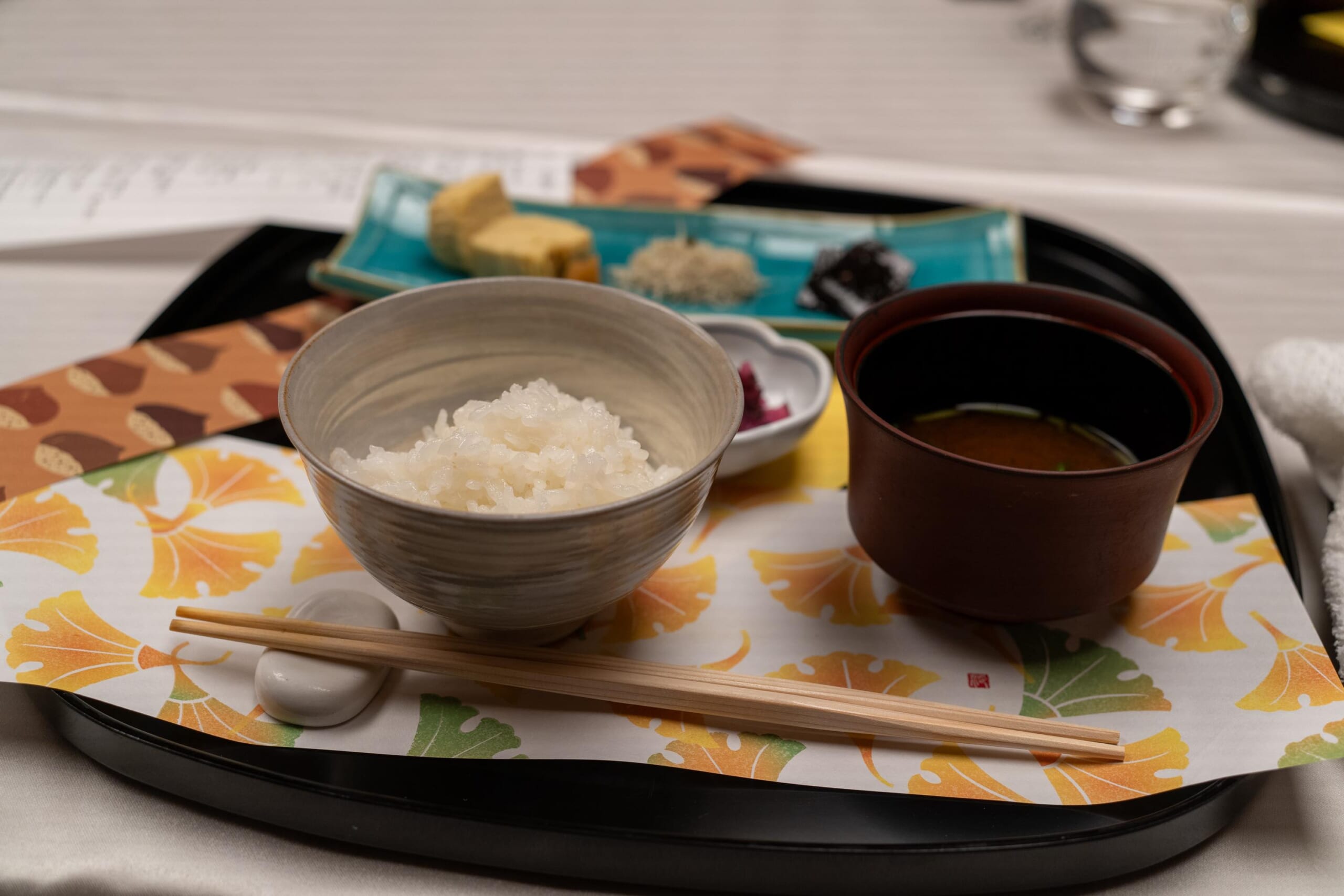
Here’s the thing I never expected: this rice is the main event.
It comes from Hachidaime Gihei, a rice shop famous enough that people line up for it, and this particular rice is apparently called Okina-gasumi. It’s genuinely delicious. Alongside it: an assortment of pickles, dashimaki tamago (rolled omelet), chirimenjako (dried baby sardines), and kombu tsukudani (soy-simmered kelp). Seriously, this rice is so good!
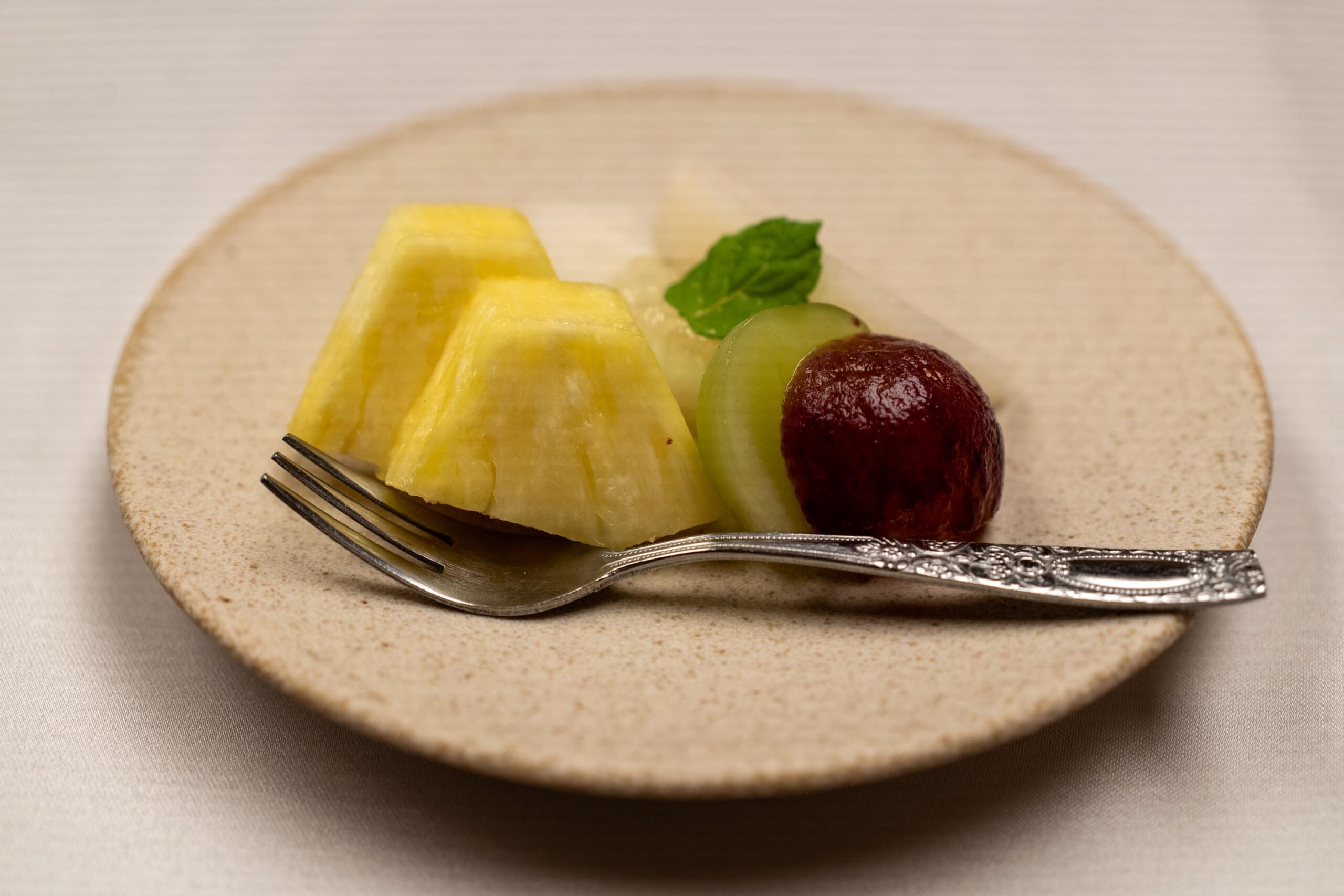


A generous, thoroughly delicious Kyoto kaiseki meal. Every course was good, of course, but that rice really stood out. I love it when a restaurant serves rice that good — it left a real impression on me. It was a wonderful space to have a relaxed, luxurious meal while looking out at a proper garden! I’d love to come back if I get the chance.
Nanzenji Sando Kikusui (Ryokan (Traditional Japanese inn) / Keage Station, Higashiyama Station)
Tabelog dinner rating ★★★☆☆ 3.8
I ate here and paid for it myself. Nothing on this site is a comped meal.
One more for the road?


