


A note on the words: sukiyaki is thin-sliced beef cooked at the table in a sweet soy sauce and dipped in raw beaten egg. The Kansai yaki-suki style grills the meat first and only then tosses it through the sauce, rather than simmering it. Obanzai is Kyoto-style home cooking served as small plates.
Table of Contents hide
Tanba Kakuryu Roppongi on Tabelog (English) — opening hours, payment details and the Japanese address are kept up to date there, not here.
Drinkers, thank you for waiting. It is Hangover Meshi time.
This time I was told “let us eat sukiyaki in Roppongi” and tagged along — and where we ended up was a rather stylish, tucked-away Japanese restaurant I had never been to. Roughly halfway between Roppongi and Roppongi-itchome, perhaps? It sits partway up a fairly hidden slope and gives off an atmosphere hard to put a name to. I had no idea this place existed.

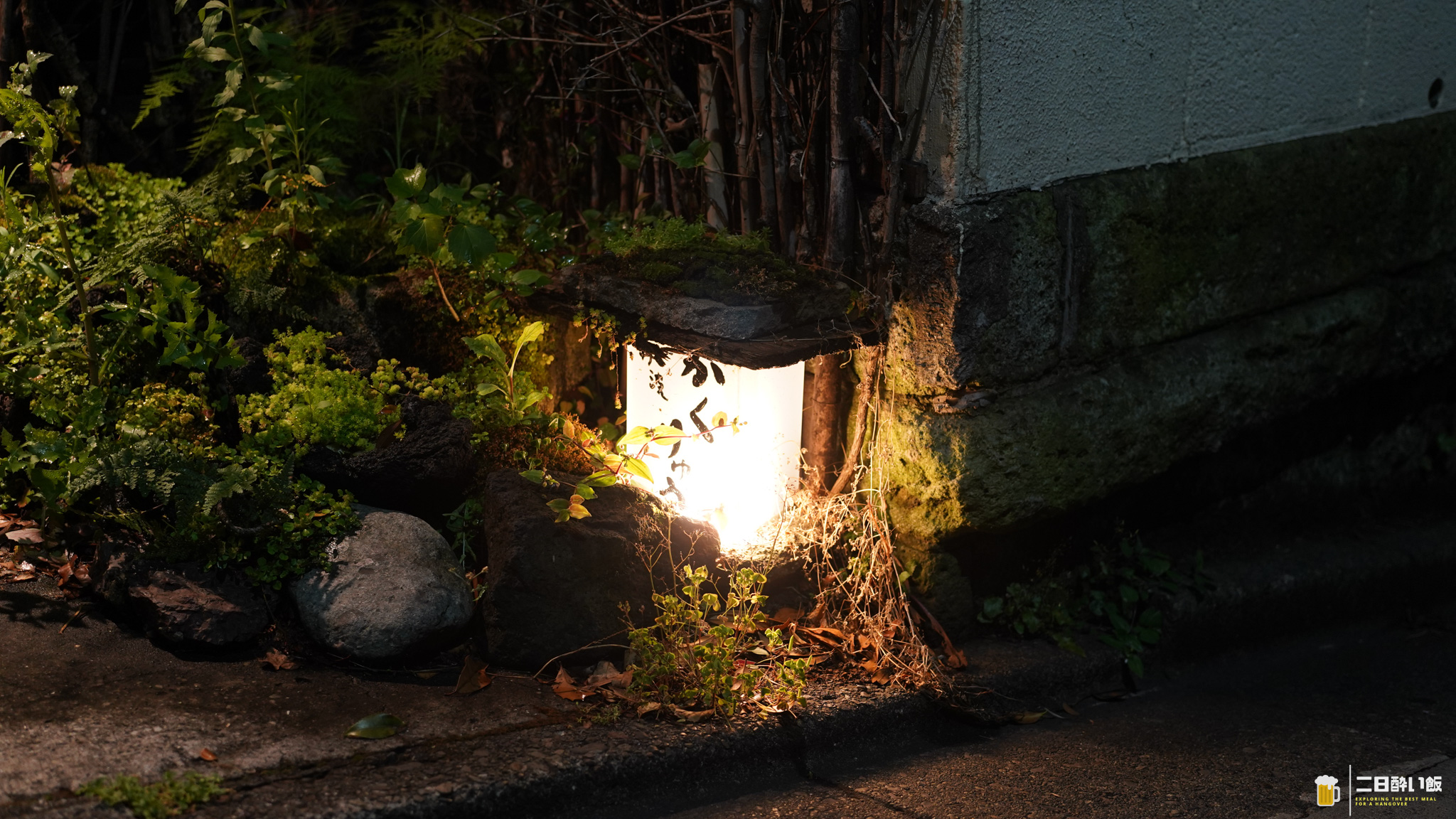
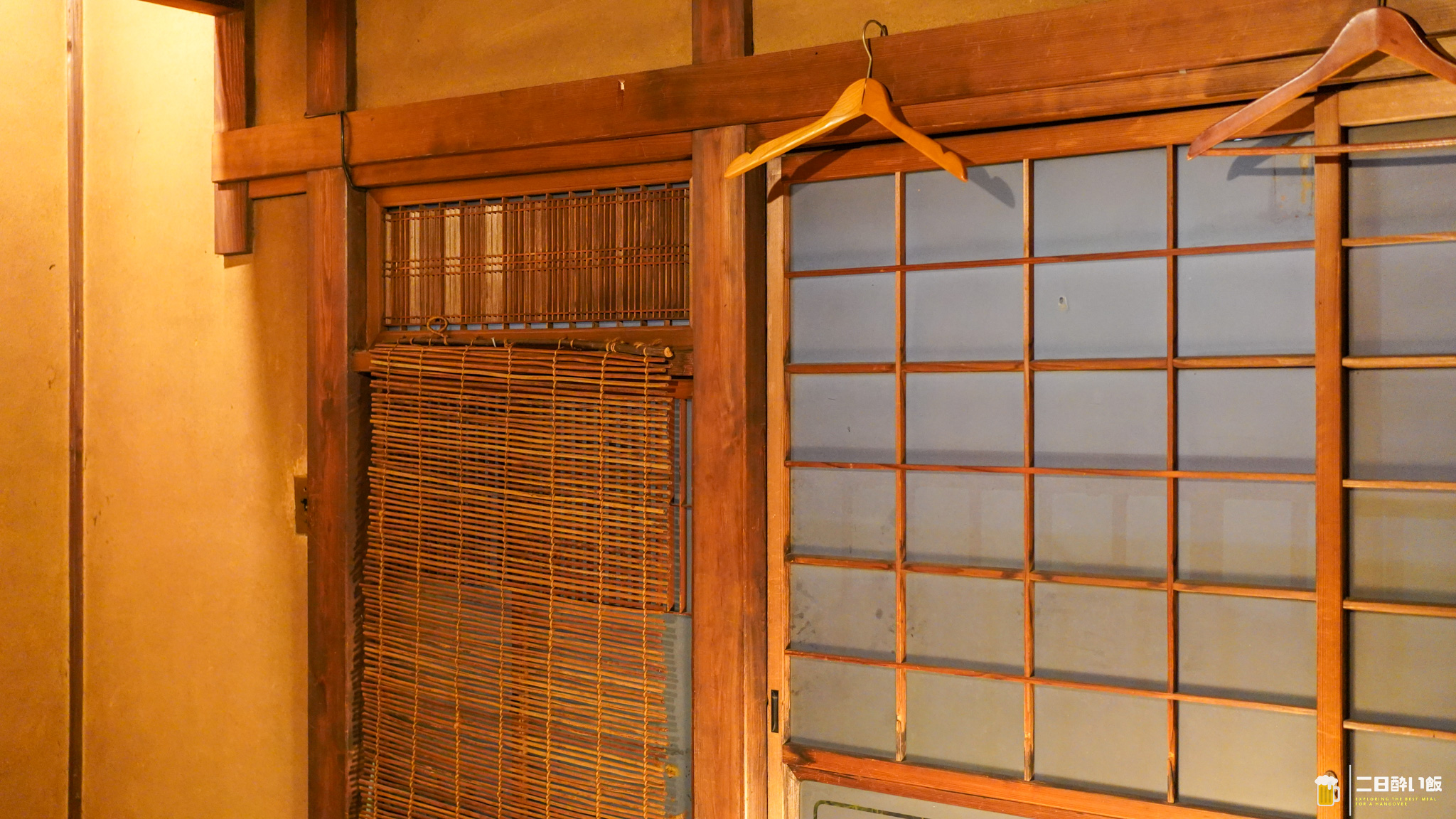
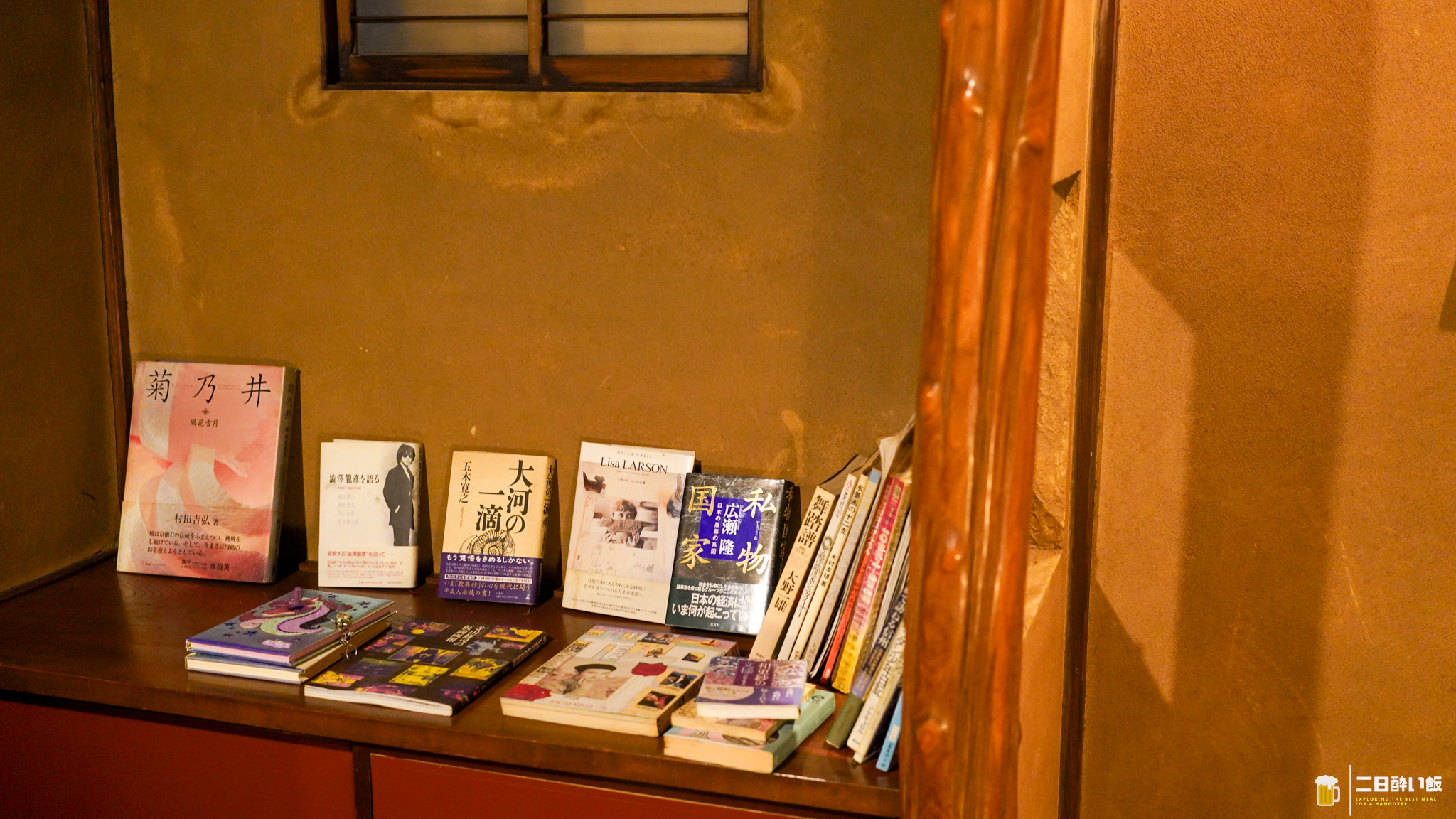
Up the steep staircase you get in old houses, and I was shown to a room on the first floor. The interior feels thoroughly like an old house, too. A stylish, calm sort of room.
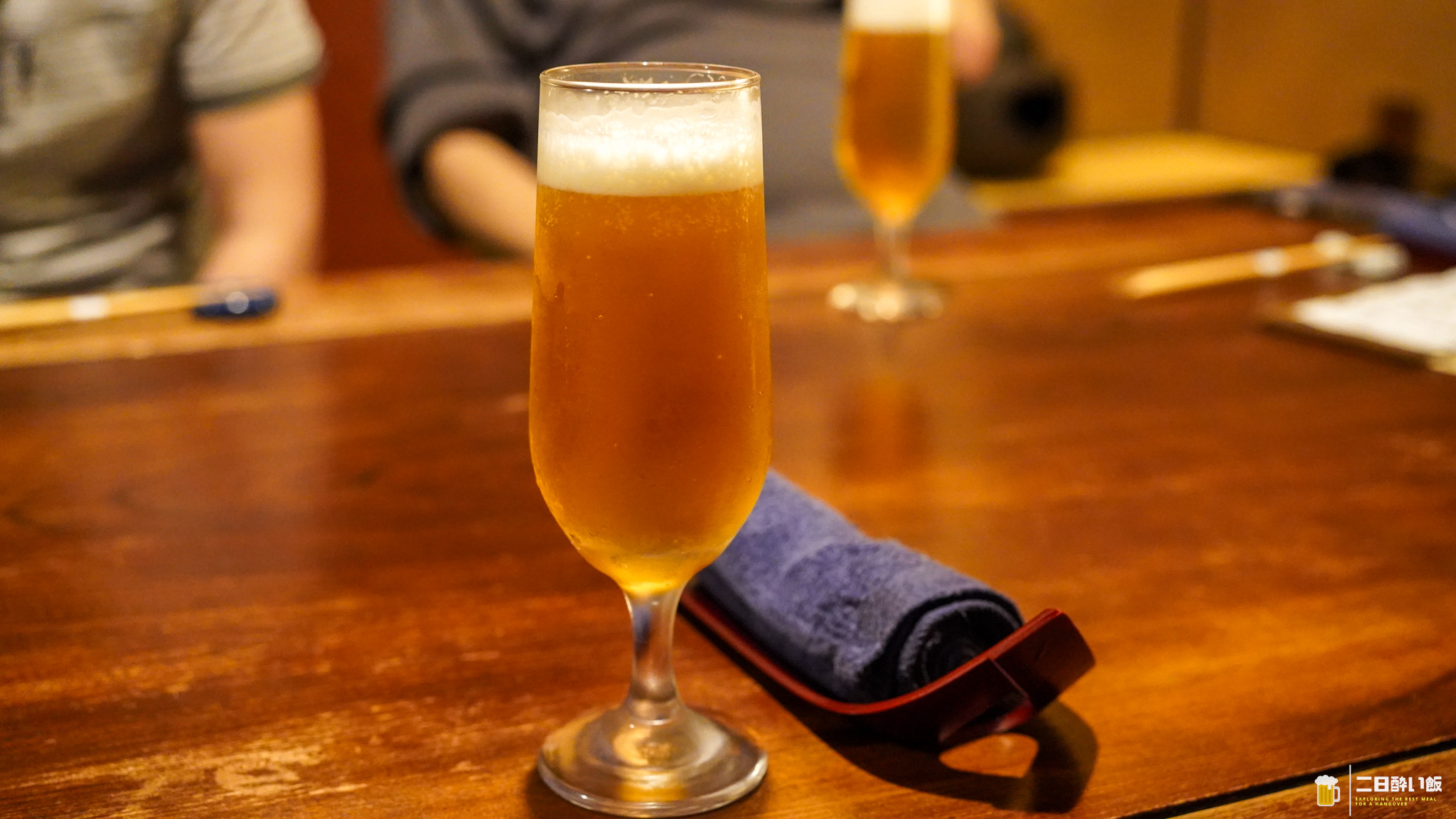
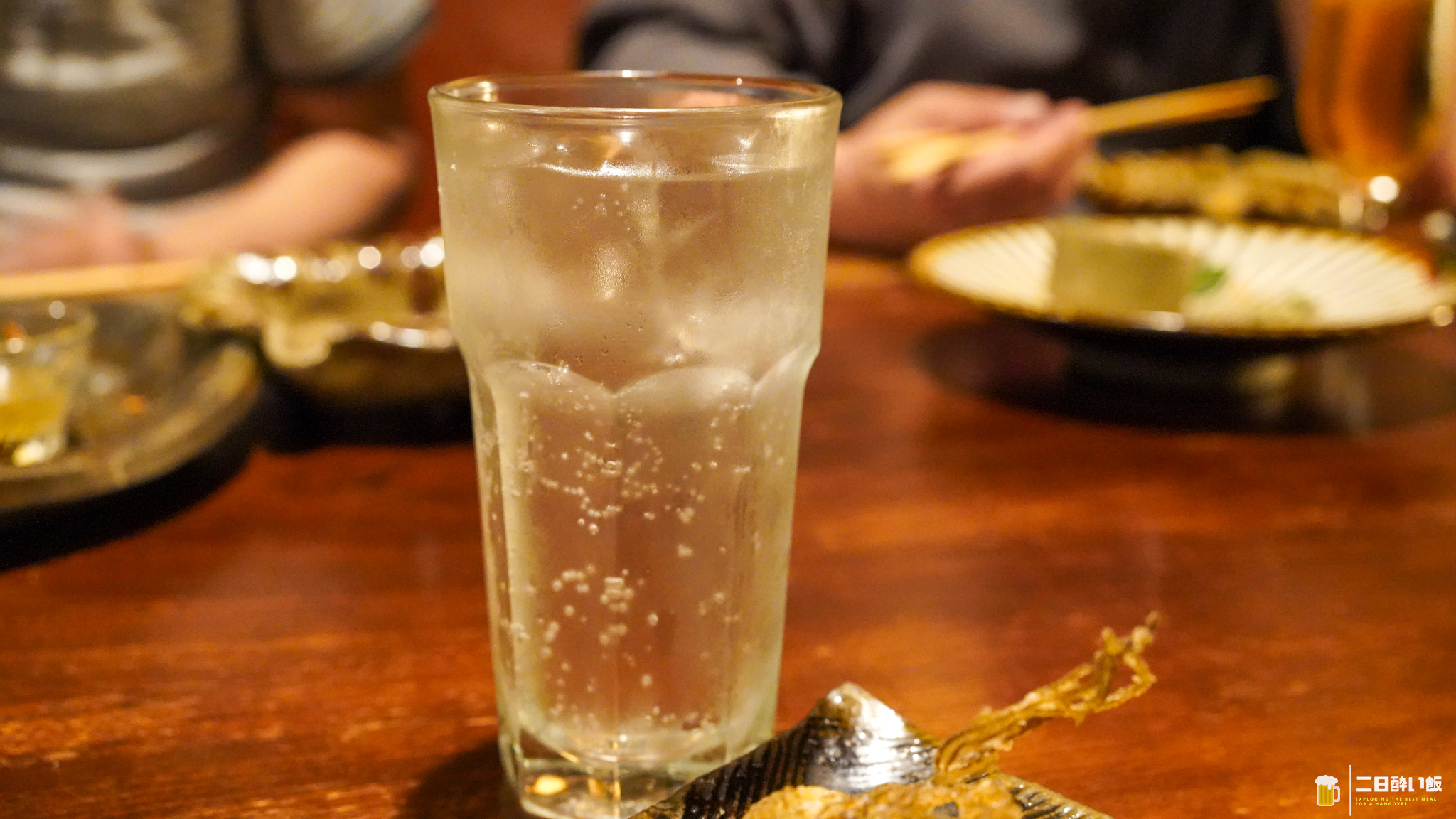
Beer first, obviously.
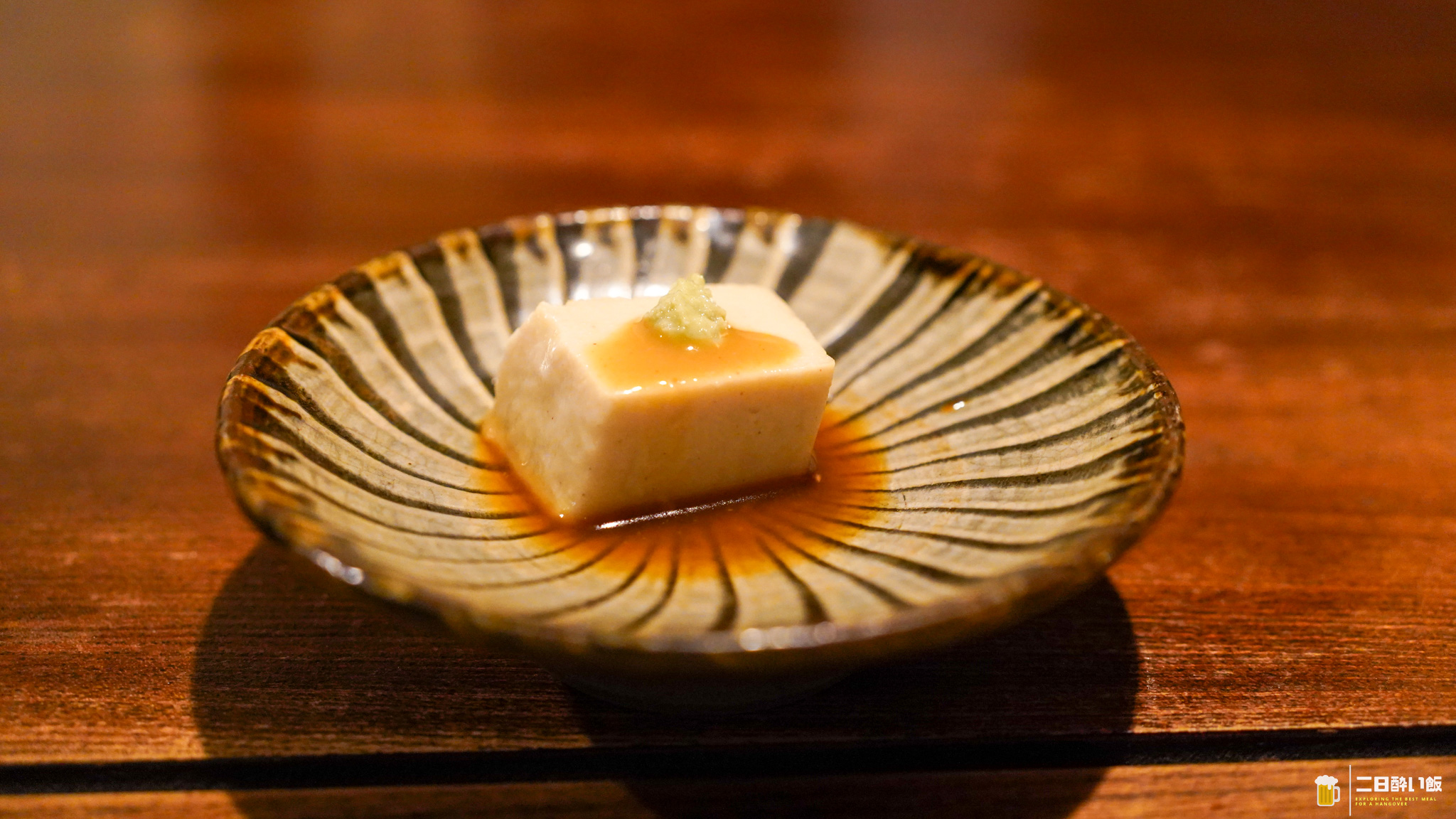
The otoshi was sesame tofu.
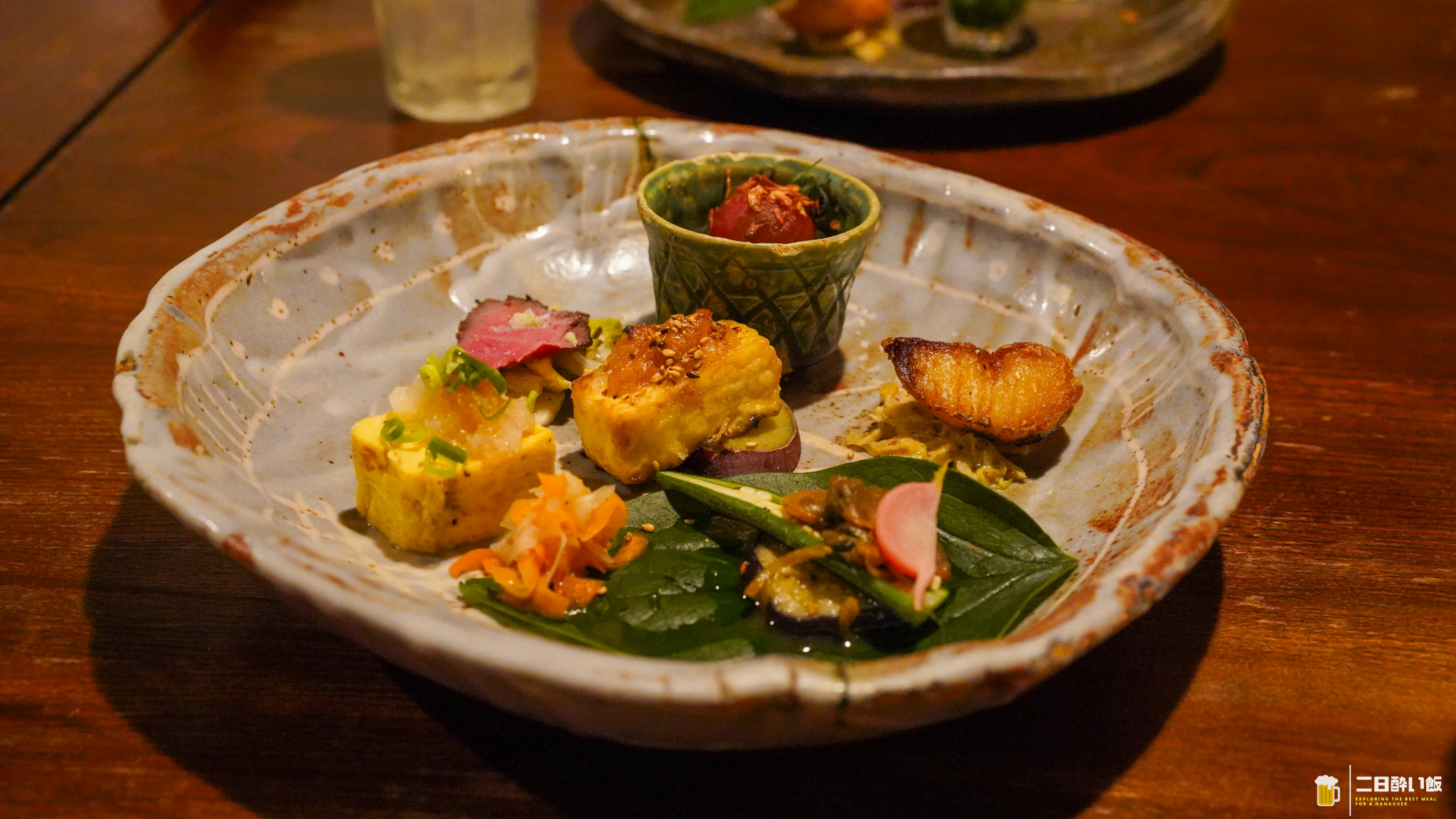
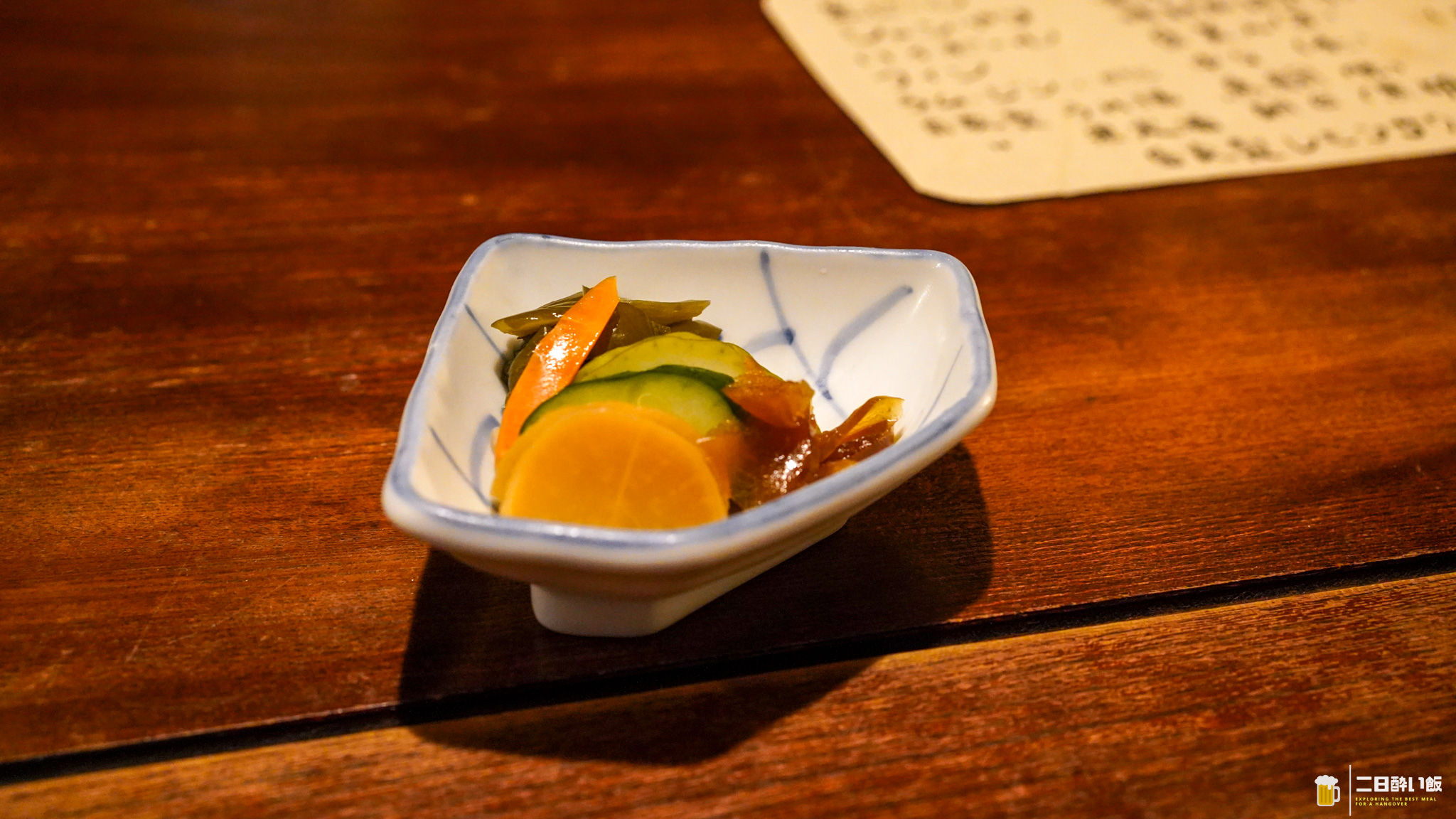
A seasonal obanzai platter — Kyoto-style home cooking — served to each of us in a different vessel.
On the day: rolled omelette, chips, clams simmered in soy, wagyu with tomato, fish and more. Beautiful to look at and all of it good, and perfect with a drink. I could have gone on drinking with just this plate in front of me.
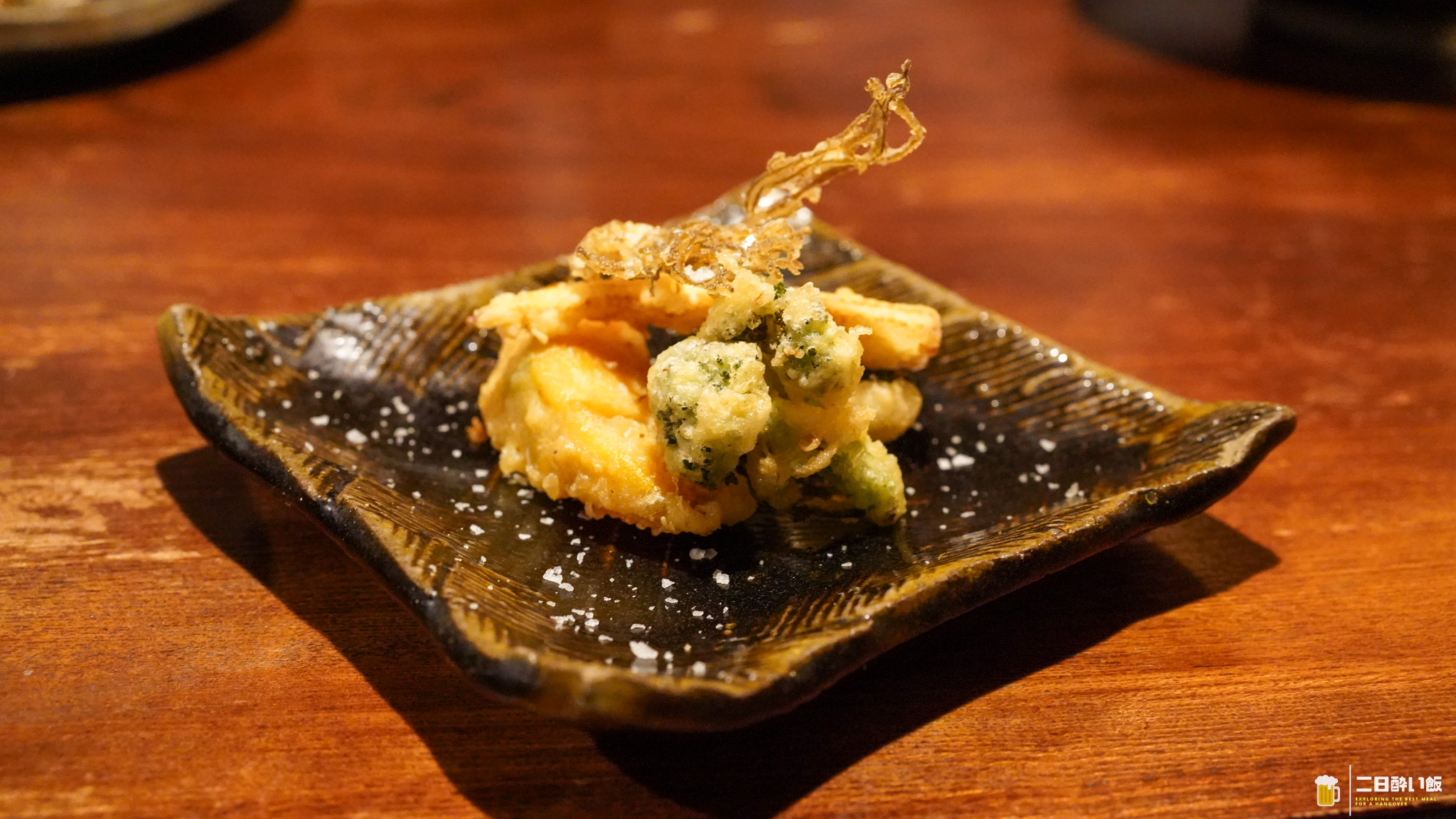
What I thought unusual was broccoli tempura. A discovery: it is perfectly good as tempura. I might try it at home. The salt dusted over it suits it exactly.
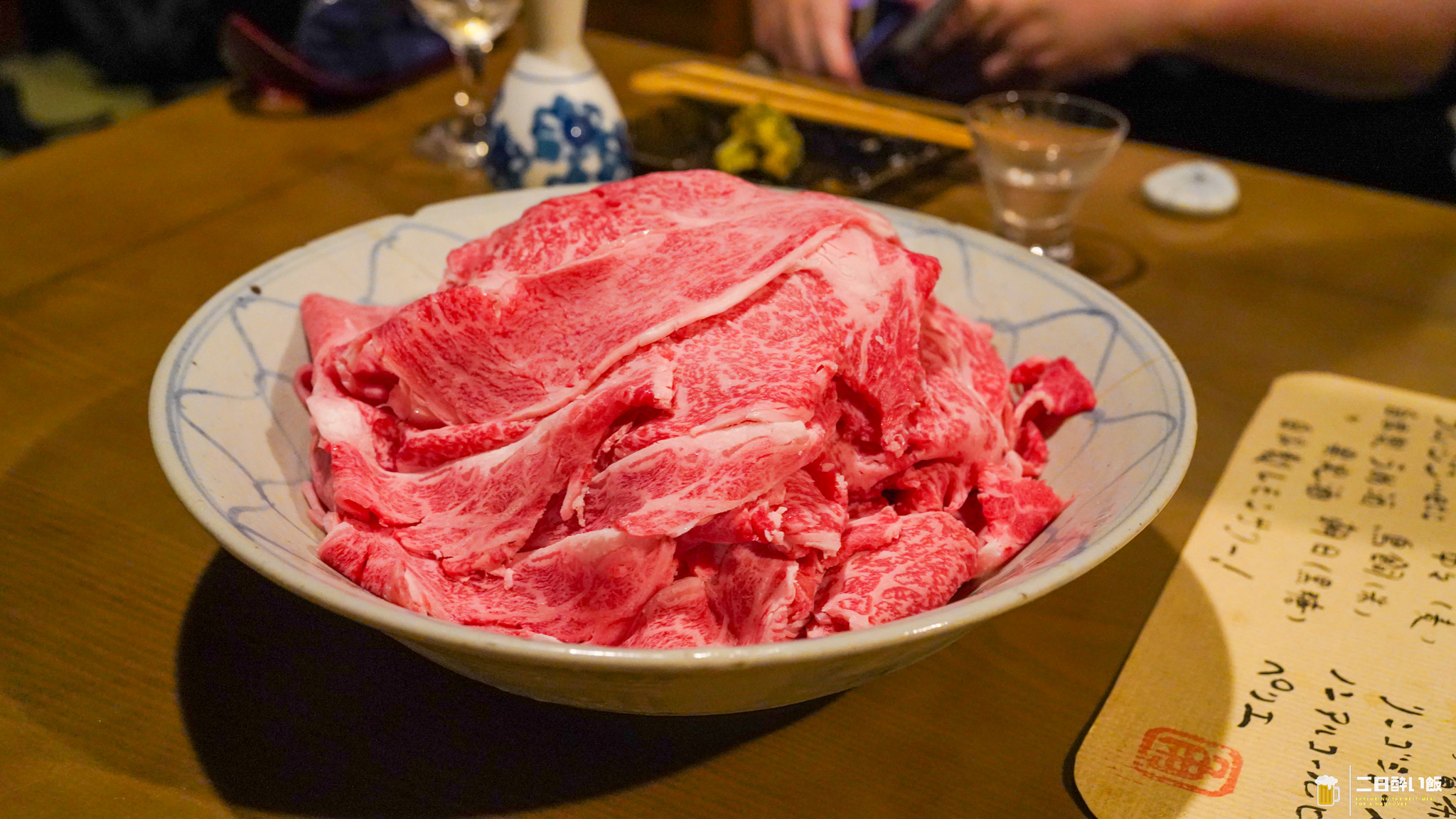
Yaki-sukiyaki — what is that?
Apparently there is a Kansai yaki-suki style: meat grilled until fragrant, then finished by tossing it briefly through a house-made warishita sauce. Ordinary sukiyaki simmers in the warishita, so this is a slightly different thing.
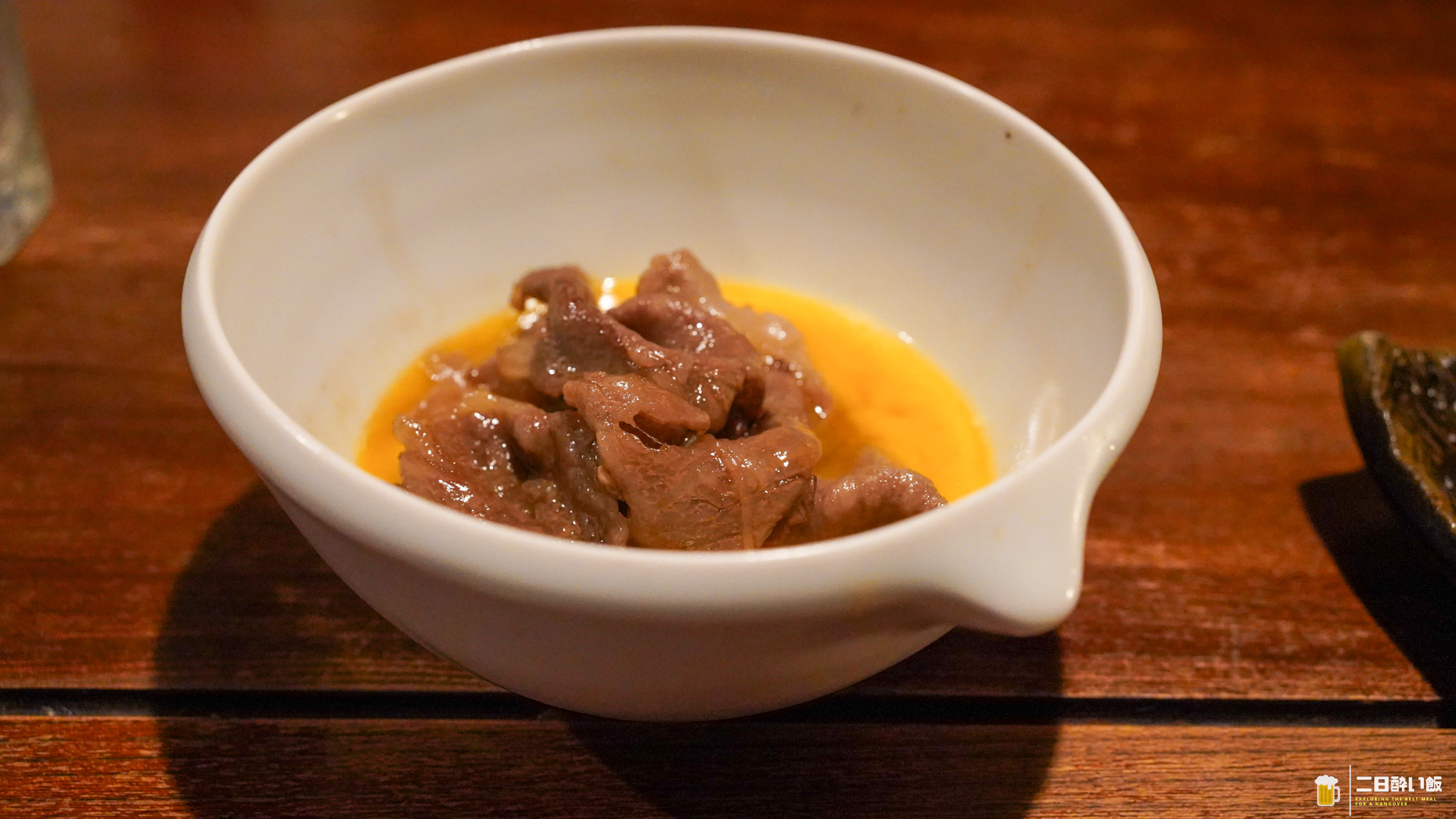
The first plate you eat as meat alone.
Piping-hot meat, coated in silky raw egg, into the mouth. The sweetness of the fat, the deep flavour of sugar and soy, and the roundness of the egg all become one thing, and it is so good you laugh. The meat is thinly sliced and yet packed with savour, which floods out the more you chew. Passing it through the egg takes the edge off the sweet-salty note and lets it slip straight down.
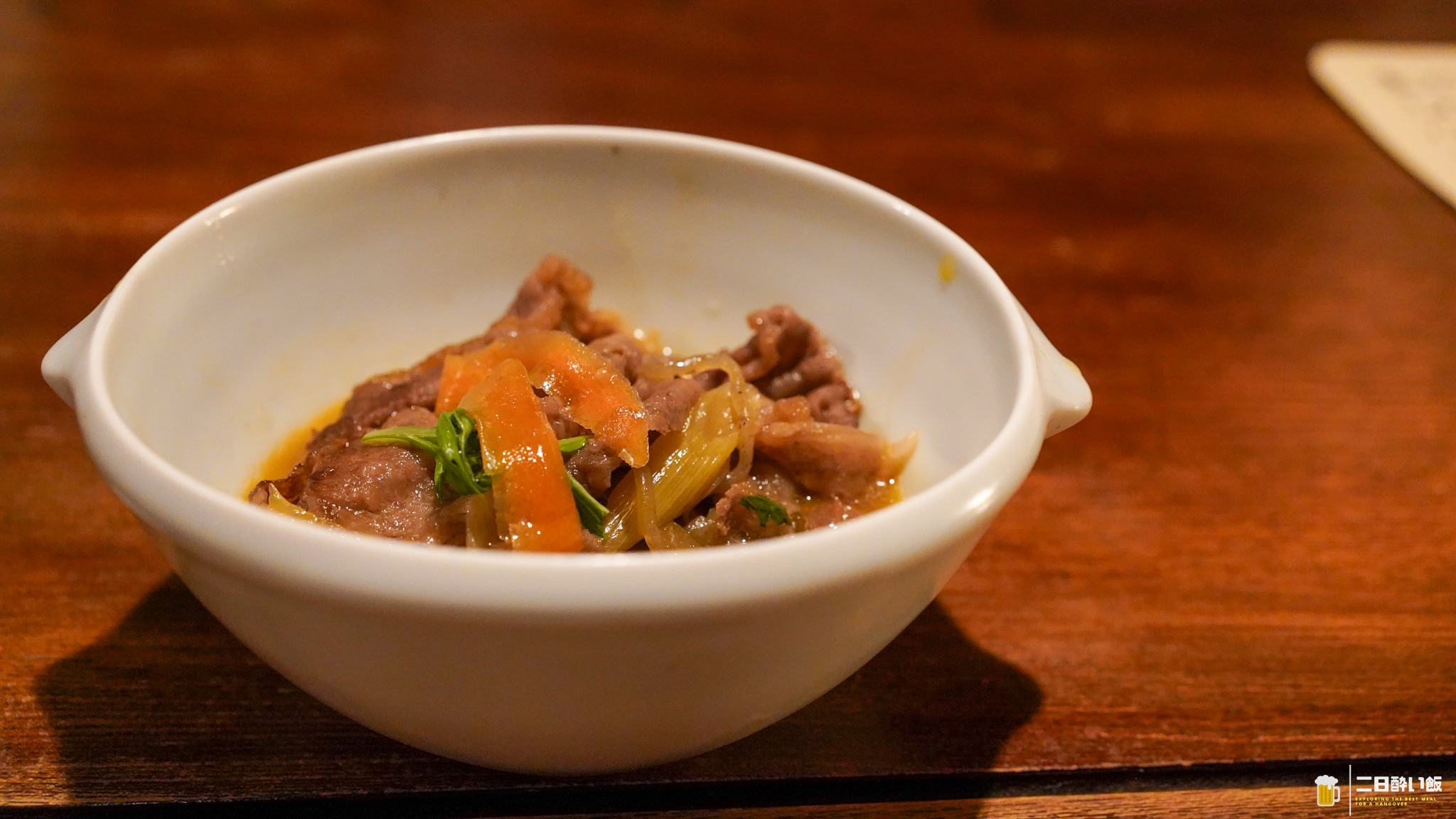
Having enjoyed the first slice, the second round adds spring onion, carrot, shirataki, mushrooms and mizuna. The vegetables give up water and sweetness and the flavour gains depth as you go, which is a pleasure. The shirataki drinks up the sweet-salty liquid and goes soft, and that is hard to stop eating. Scooping meat and vegetables together and turning them through the egg gives you yet another face of the dish.
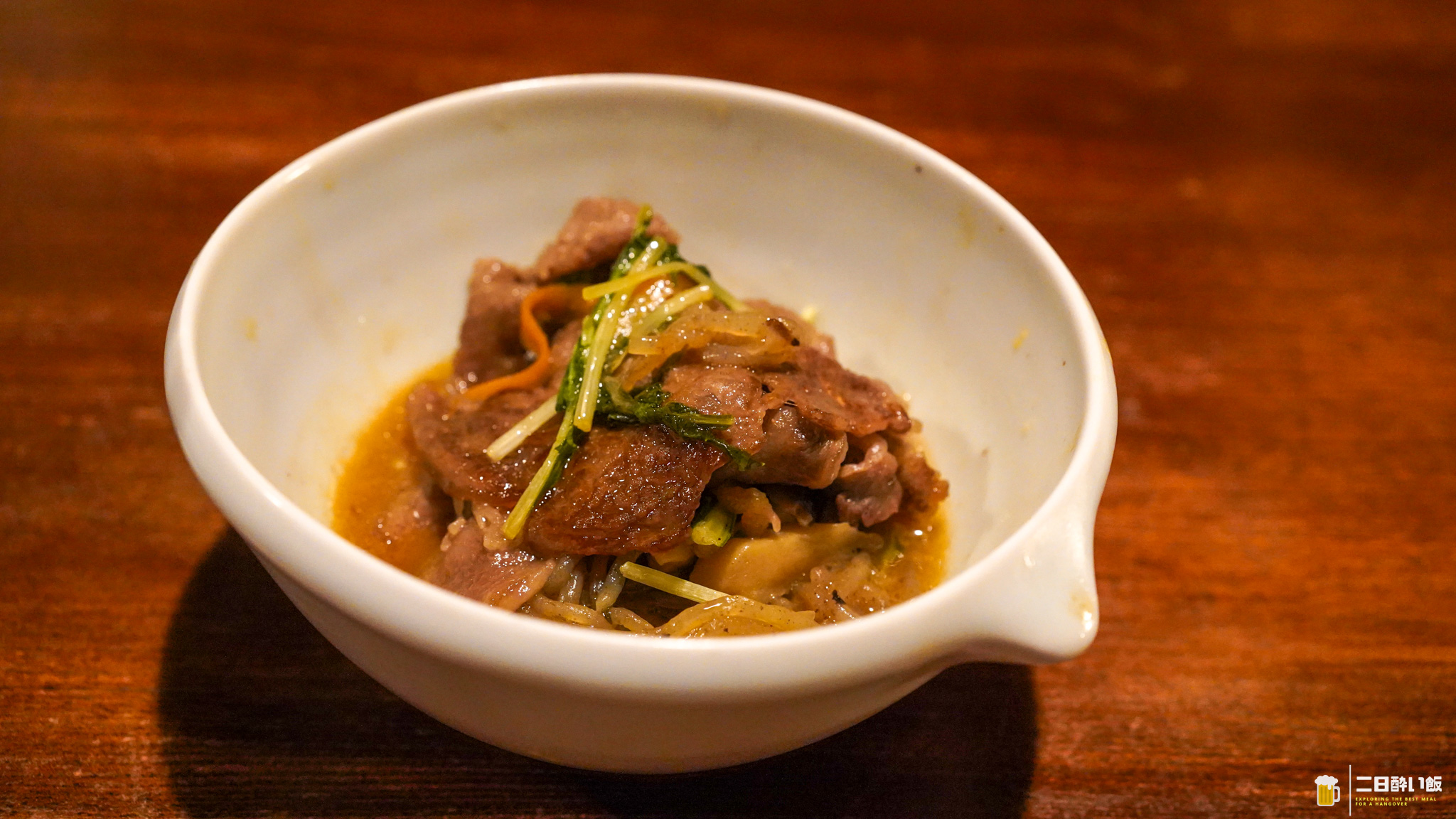
There are three rounds, and the egg bowl is reused — when it runs out they refill the same one. Which means the bowls get mixed up constantly, so do be careful. I only noticed because I had been taking photographs. Remember which bowl is yours.
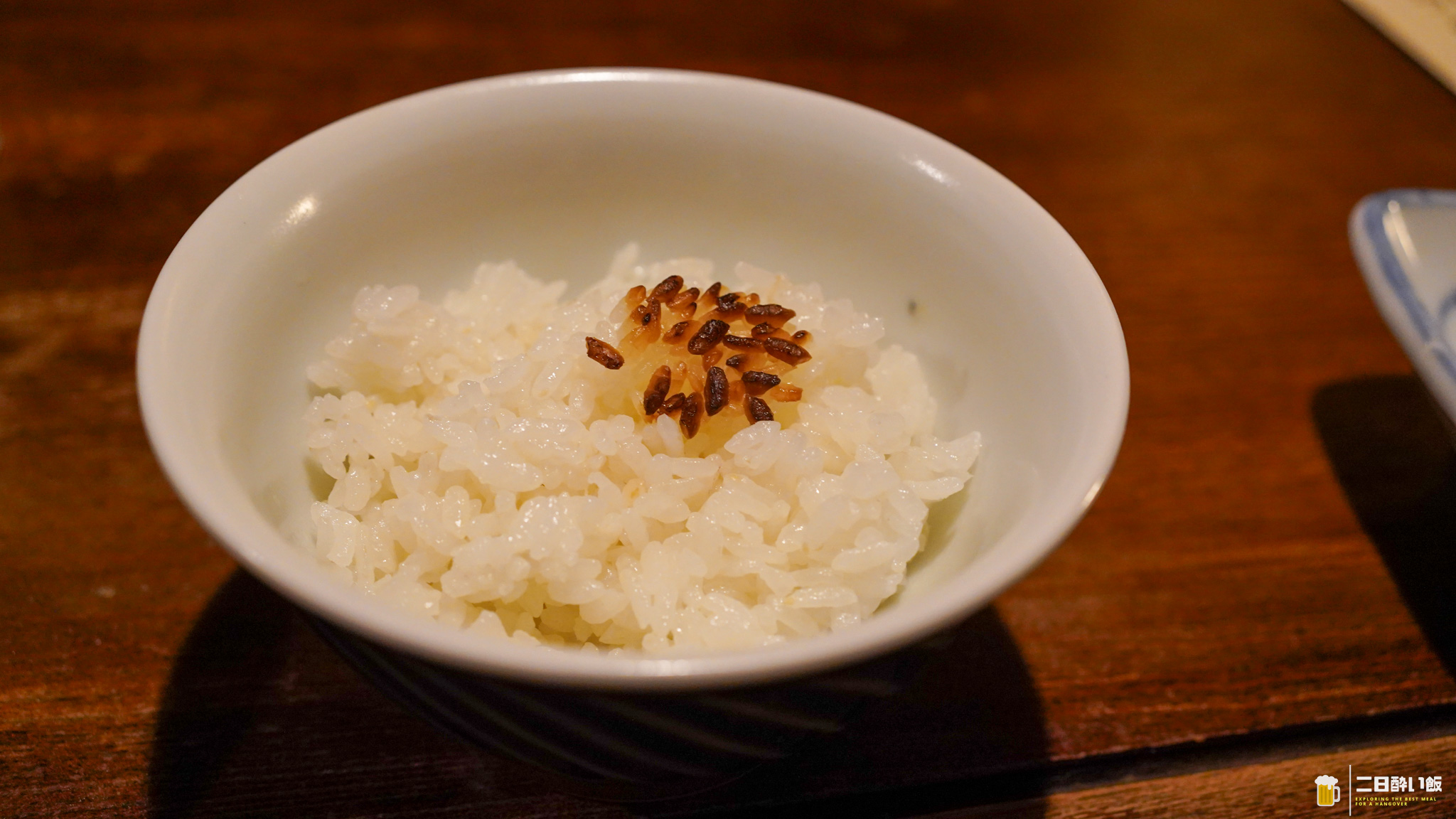
To finish, white rice, of course. Pile on meat that has soaked up the sweet-salty liquid and shovel it in, and there is nothing more to say.
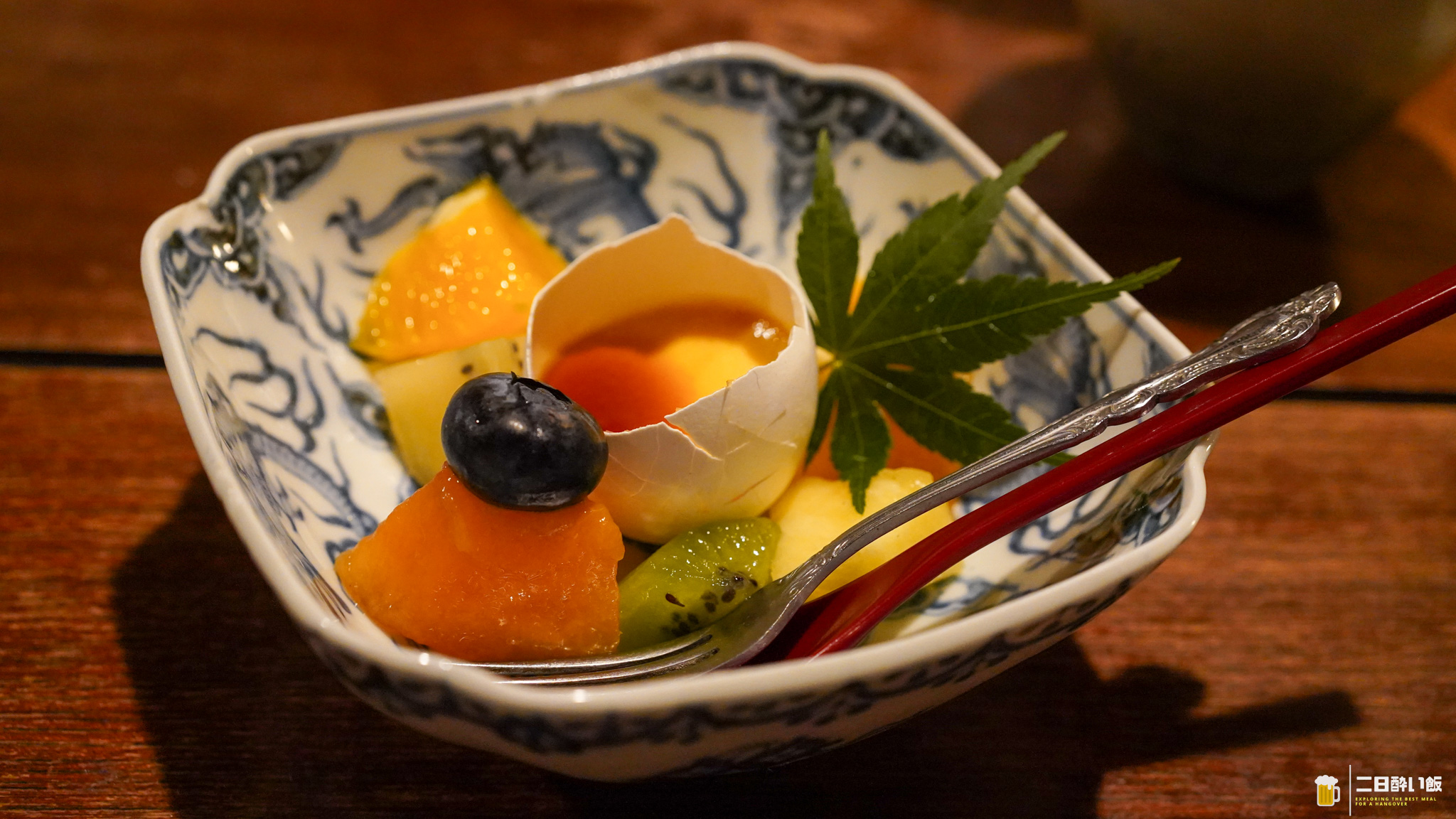
At the end a dessert arrives — a pudding served in an eggshell, among other stylish things.
Delicious. Thoroughly satisfied.
I thought I had been to most places around Roppongi, but there are still plenty I do not know. Sukiyaki and obanzai, quietly, in an old house. Eating in this sort of Japanese setting once in a while really is very good. It would be useful for entertaining, too. Delicious. Thoroughly satisfied.
May you meet something good to eat today too.
Tanba Kakuryu (sukiyaki / Roppongi-itchome Station, Roppongi Station, Azabu-juban Station)
Tabelog dinner rating ★★★☆☆ 3.4
I ate here and paid for it myself. Nothing on this site is a comped meal.
One more for the road?


