


A note on the words: tonkotsu is a rich ramen broth simmered from pork bones, and “Tokyo tonkotsu” is Tonchin’s lighter, soy-seasoned Tokyo-born style of pork-bone ramen, while the miso ramen here blends that pork-bone broth with house-made miso paste for a mellow, gently sweet bowl. Tokuiri is the shop’s value topping combo that adds two kinds of chashu (braised pork), sesame-oil-seasoned green onions, and a soft-boiled seasoned egg, karashi takana is spicy pickled mustard greens kept on the table as a condiment, and karaage is Japanese fried chicken, ordered plain here and reportedly made with chicken thigh.
Tonchin Ikebukuro nishiguchi ten on Tabelog (English) — opening hours, payment details and the Japanese address are kept up to date there, not here.
Ramen lovers, thank you for waiting! It is time for Hangover Meshi!
This time we are in Ikebukuro, at Tonchin!
What a throwback!
I used to go there all the time. Back in the day there was a branch in Kabukicho and other spots too. Now, in Tokyo, I think there is only the main shop by the East Exit of Ikebukuro Station and this one by the West Exit. Passing by, the urge to eat it for the first time in ages suddenly bubbled up, so I decided to drop in.
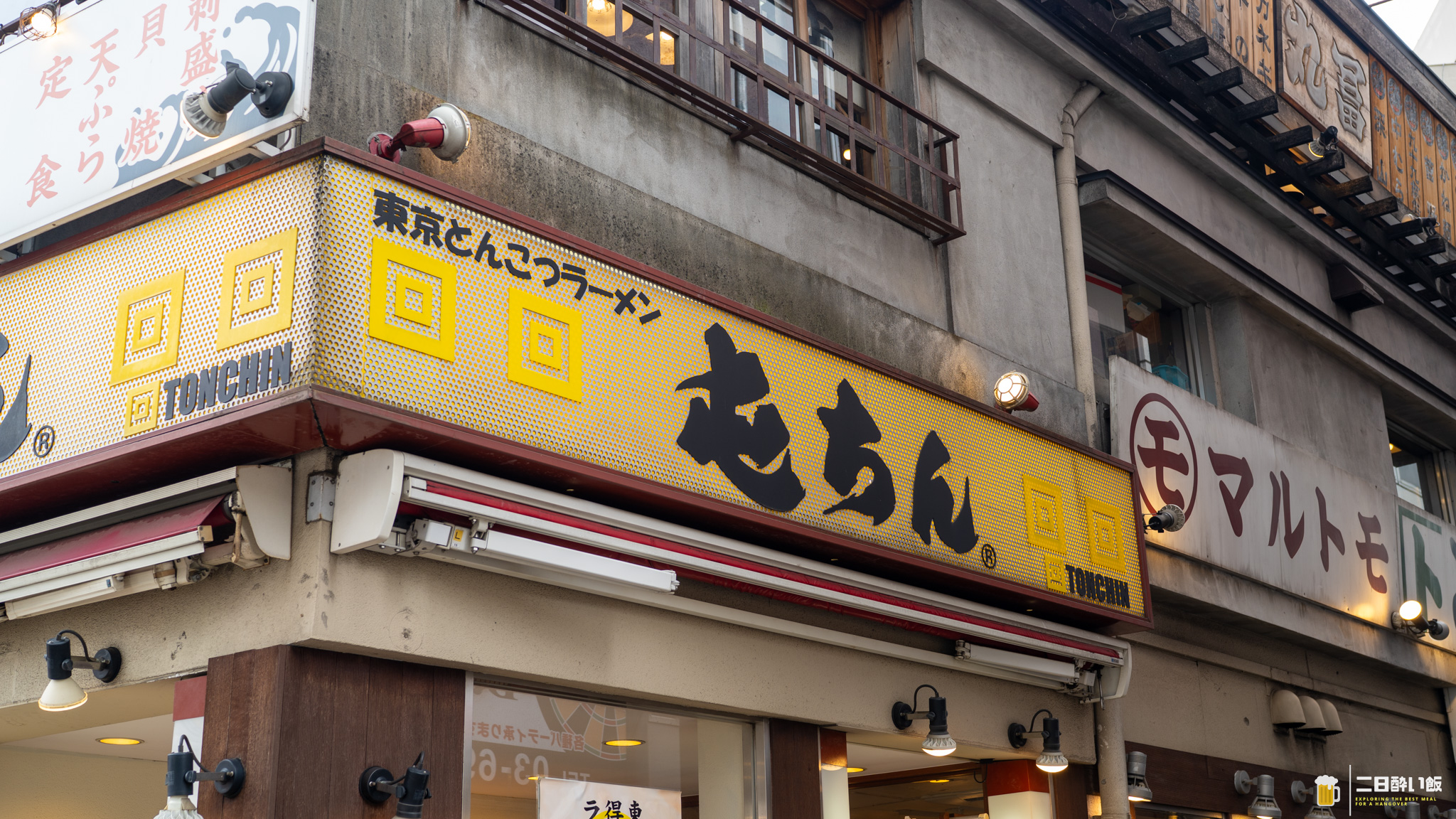
“Tonchin” is a “Tokyo tonkotsu” shop born in Ikebukuro in 1992 — pork-bone ramen born in Tokyo, hence Tokyo tonkotsu. Being open 24 hours is impressive! You can eat here on a night when you have missed the last train or in the morning after drinking through the night, though this time I just came in normally at lunchtime.
The ticket machine has a touch panel and supports multiple languages and cashless payment. You can choose between straight and curly noodles, and it is nice that the regular and large portions cost the same.
When people think of “Tonchin,” they think of Tokyo tonkotsu, but I tried the miso once and got completely hooked! I have been eating nothing but the miso ever since, so of course I went with the miso this time too, and added the Tokuiri topping.
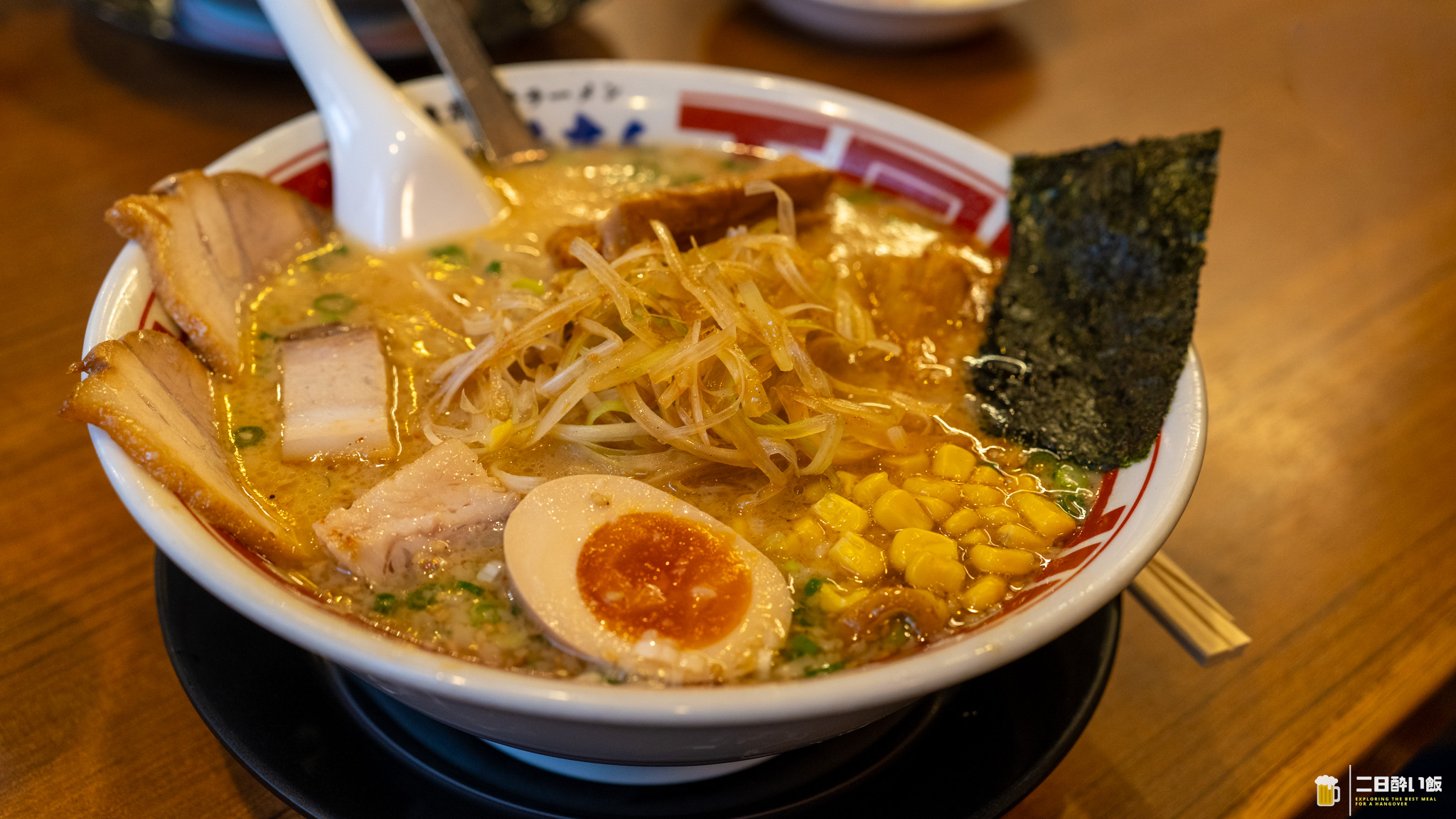
Now that is Tokuiri! Looks delicious!!!
Tonchin’s miso is a bowl that brings together pork-bone broth and house-made miso. The aroma of the miso rises gently first, and then the richness of the pork bone spreads softly after it. Rather than a strong, punchy, heavy-hitting miso, it is mellow with no sharp edges, and the beauty of it is how easily it goes down. It is a gentle miso with a faint sweetness.
On top of that goes “Tokuiri” — the value topping set that puts two kinds of chashu (braised pork), seasoned green onions, and a seasoned soft-boiled egg on the bowl all at once. It is such a popular topping that if you are ordering normally, Tokuiri is the one you pick. The chashu is tender enough to fall apart, and it is nice being able to compare the two kinds. The seasoned green onions carry the aroma of sesame oil, and their crisp bite gives the mild broth a good accent. The seasoned egg has a runny yolk, and when you mingle it with the broth it takes the mellowness up another notch.
The corn tends to sink to the bottom, but if you scoop it up with the slotted spoon that comes with the bowl, you will not miss a single kernel.
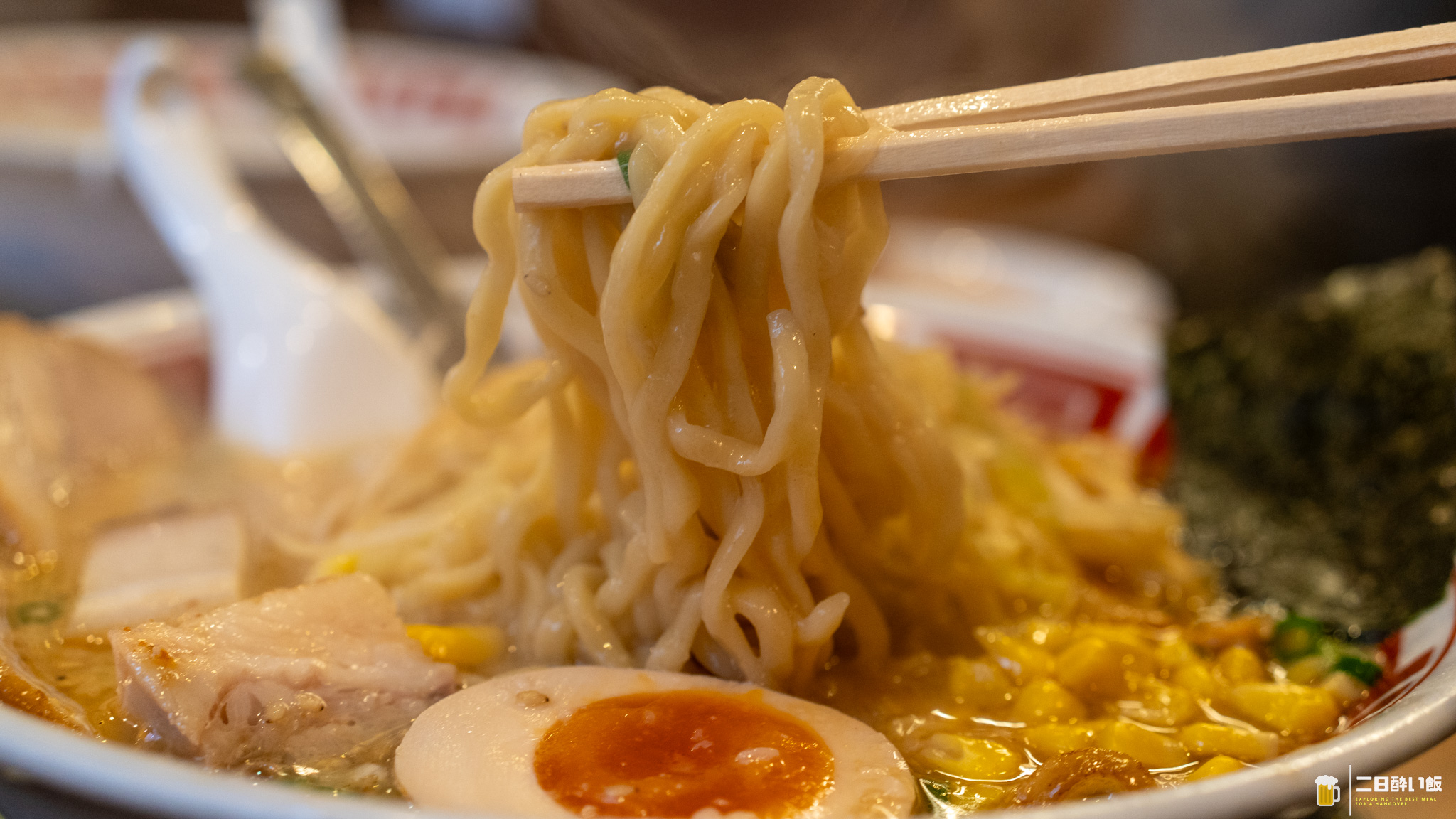
The noodles are house-made, medium-thick and curly. The mellow miso broth clings well to the curls worked in by hand-rubbing, carrying the aroma of the miso right into your mouth with every slurp. Bite into them and there is a chewy bounce, followed by a faint flavor of wheat. They have a dependable heft that holds its own against the gentleness of the miso.
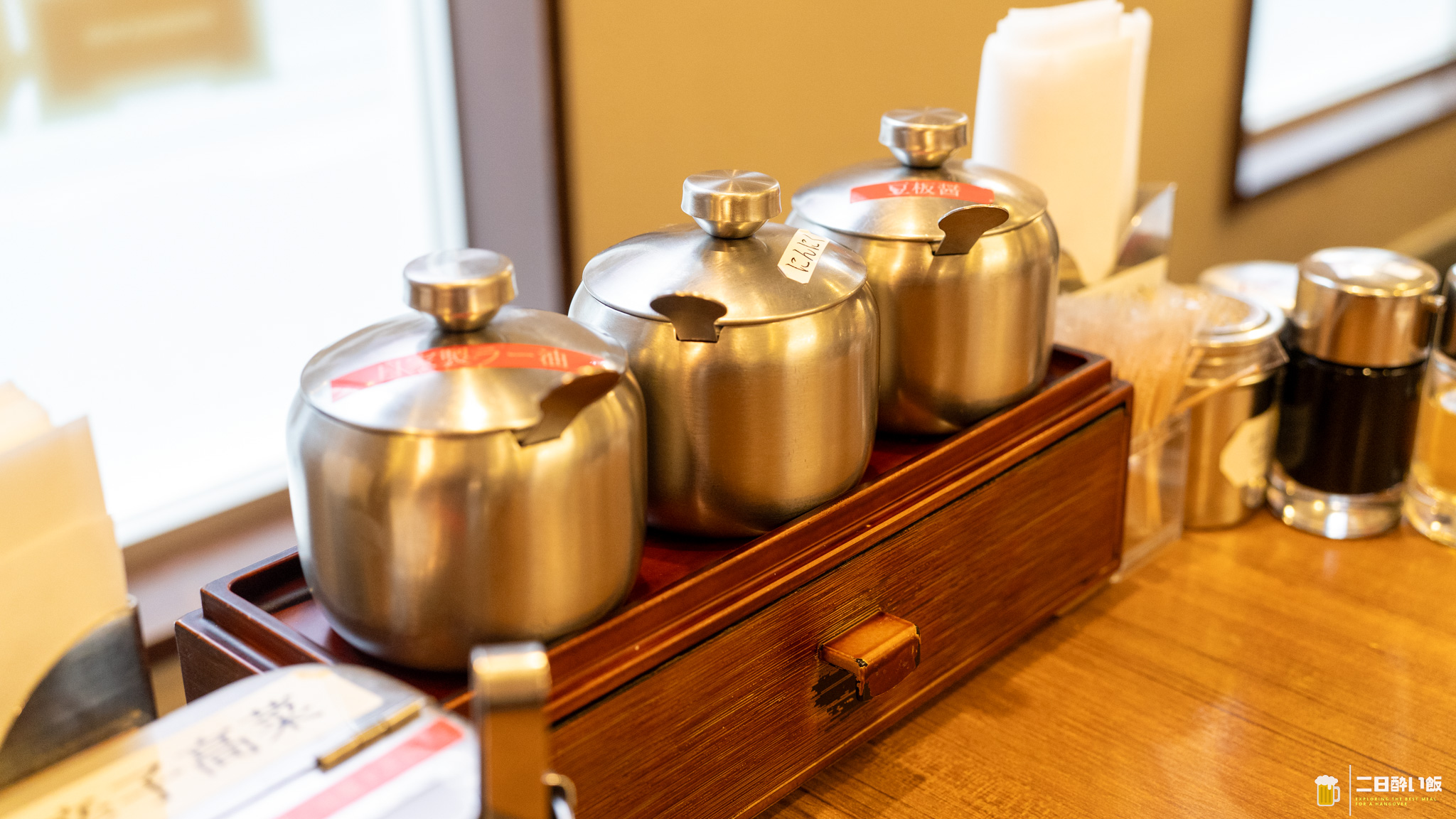
And at the end comes the fun part: changing up the flavor. Put in a pinch of the karashi takana (spicy pickled mustard greens) from the table, and the gentle miso tightens up all at once with a sharp kick, turning hot enough to bring a bead of sweat to your forehead. This stuff is seriously hot, so be careful not to put in too much! My recommendation is takana plus grated garlic.
That makes it the ultimate! Really!
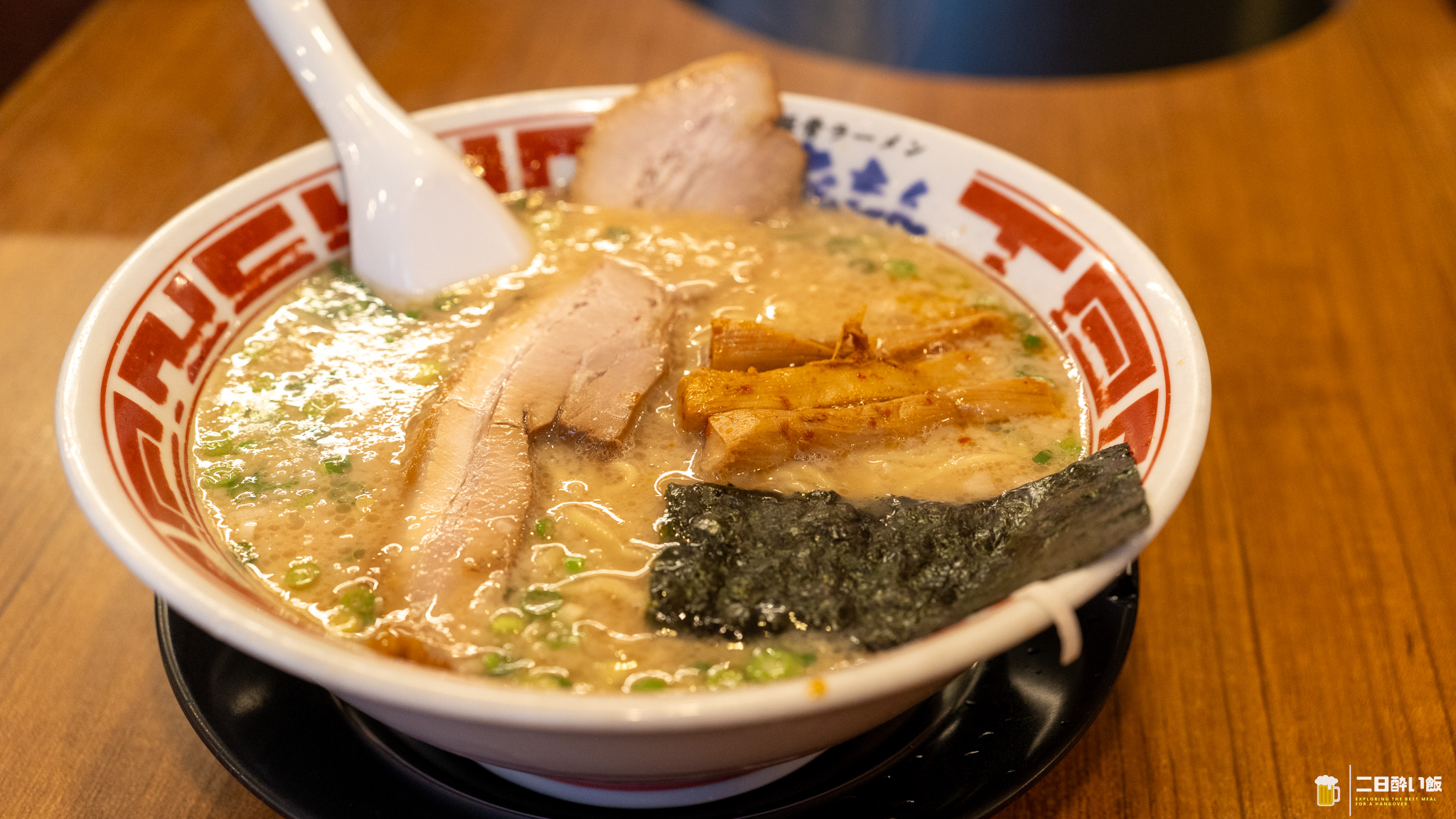
This one is the Tokyo Tonkotsu Ramen. I got just a sip of the broth — yes, that is the taste! It is a bowl where the clean snap of the soy sauce tare (seasoning base) comes first, and then the richness of the pork bone spreads out after it. Since I had been eating nothing but the miso for a while, I had forgotten this taste. Here the outline of the soy sauce is clear-cut, so it is not too heavy and drinks down cleanly. The sweetness of the pork backfat really stands out!
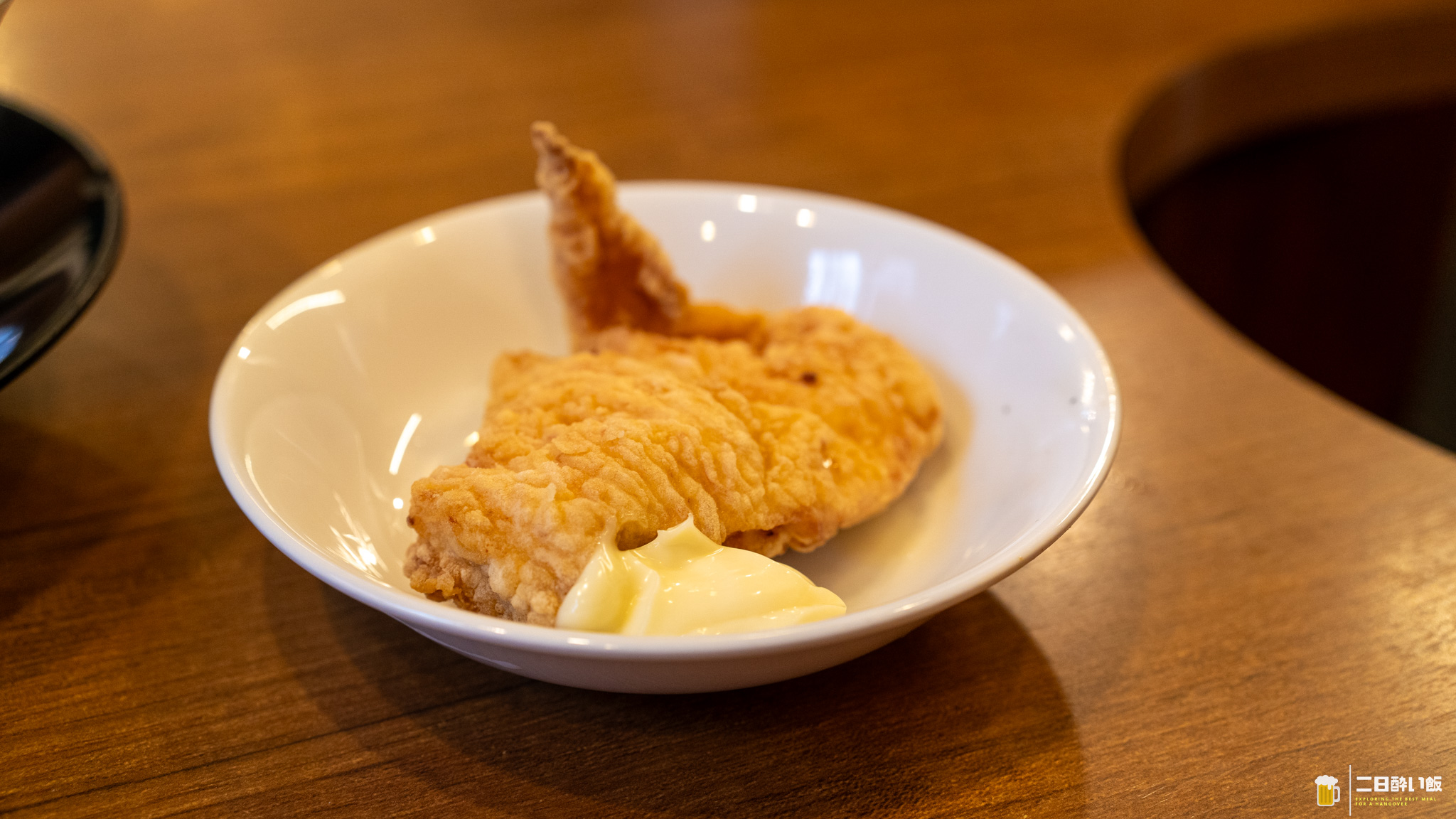
The karaage (Japanese fried chicken) is plain. They apparently use chicken thigh, and meat juices burst out from inside the crunchy coating. I found myself thinking, did they always have this on the menu? and ordered it on impulse, and it comes out piping hot, ha. If you dunk it into the broth before eating, the heat eases off and you can eat it right away, ha.
Tonchin for the first time in a while — that mellow miso ramen with no sharp edges was delicious. The Tokyo tonkotsu balances a clean snap with richness, and it is fun how completely different the two taste even with the same pork-bone broth base. And when it comes to Tonchin, it has to be Tokuiri. With two kinds of chashu, a seasoned egg, and seasoned green onions all together, it is thoroughly satisfying. If you are good with spicy food, try adding the karashi takana and garlic at the end!
It’ll blow your mind!
Here’s hoping we run into something delicious again today!
Tonchin Ikebukuro nishiguchi ten (Ramen / Ikebukuro Station, Higashi-Ikebukuro Station, Toden-Zoshigaya Station)
Tabelog lunch rating ★★★☆☆ 3.6
I ate here and paid for it myself. Nothing on this site is a comped meal.
One more for the road?


