


A note on the words: Tosa is the old name for Kochi, on Shikoku, and the region is known above all for bonito. Tataki here means the fish is seared hard over burning straw and left raw inside. An otoshi is the small dish that arrives unordered and appears on the bill as a cover charge — though not, as it turns out, at this shop.
Table of Contents hide
Tosa Myojin on Tabelog (English) — opening hours, payment details and the Japanese address are kept up to date there, not here.
Drinkers, thank you for waiting. It is Hangover Meshi time.
This time, Tosa Myojin in Kanda. It appears to be a Kochi operation — a Tosa cuisine specialist run by the group behind Myojin Suisan, the long-established pole-and-line bonito fishery. Tosa food run by a pole-and-line bonito company is obviously going to be good.

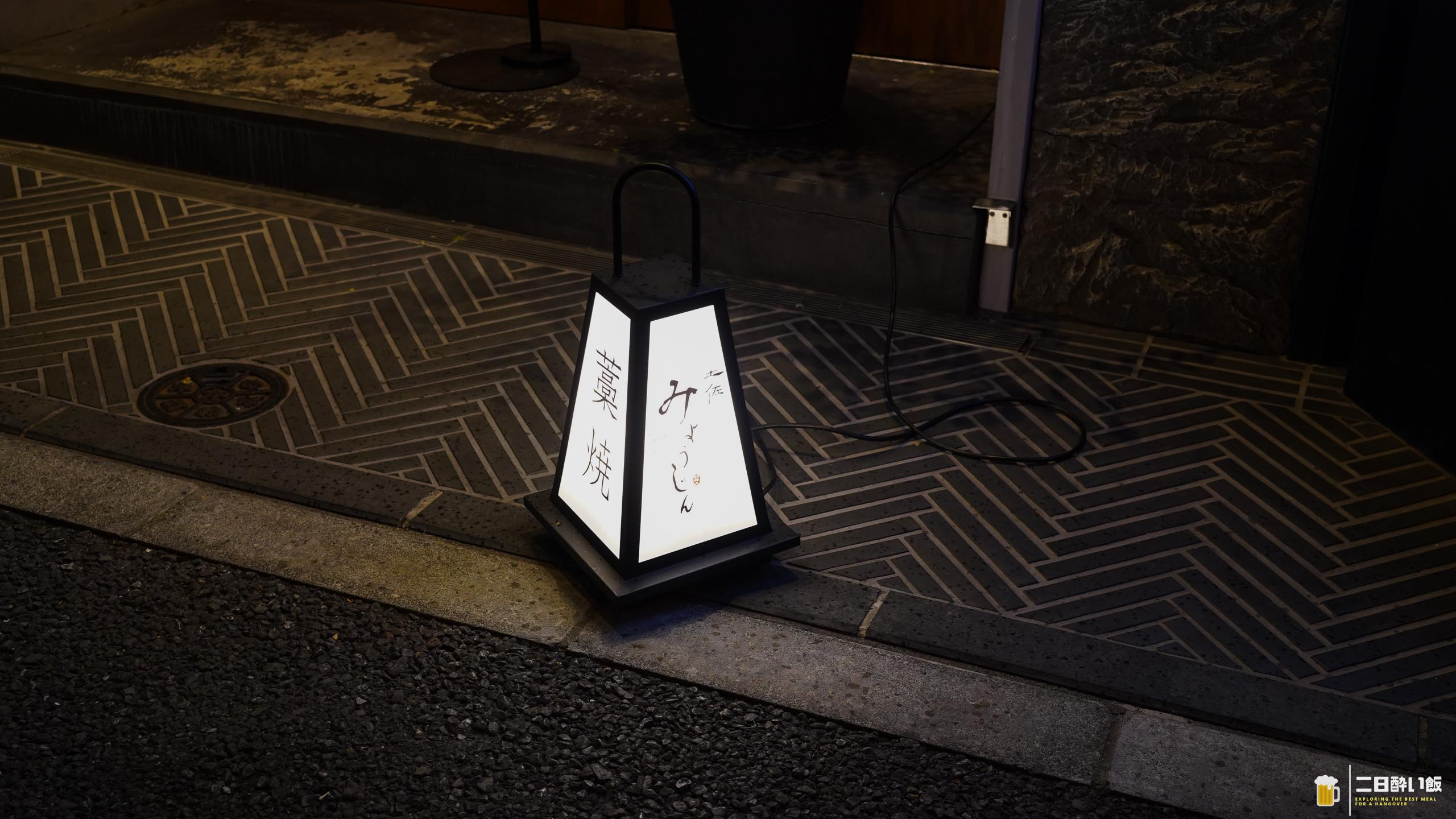
Walk in and something is already set up at the table.
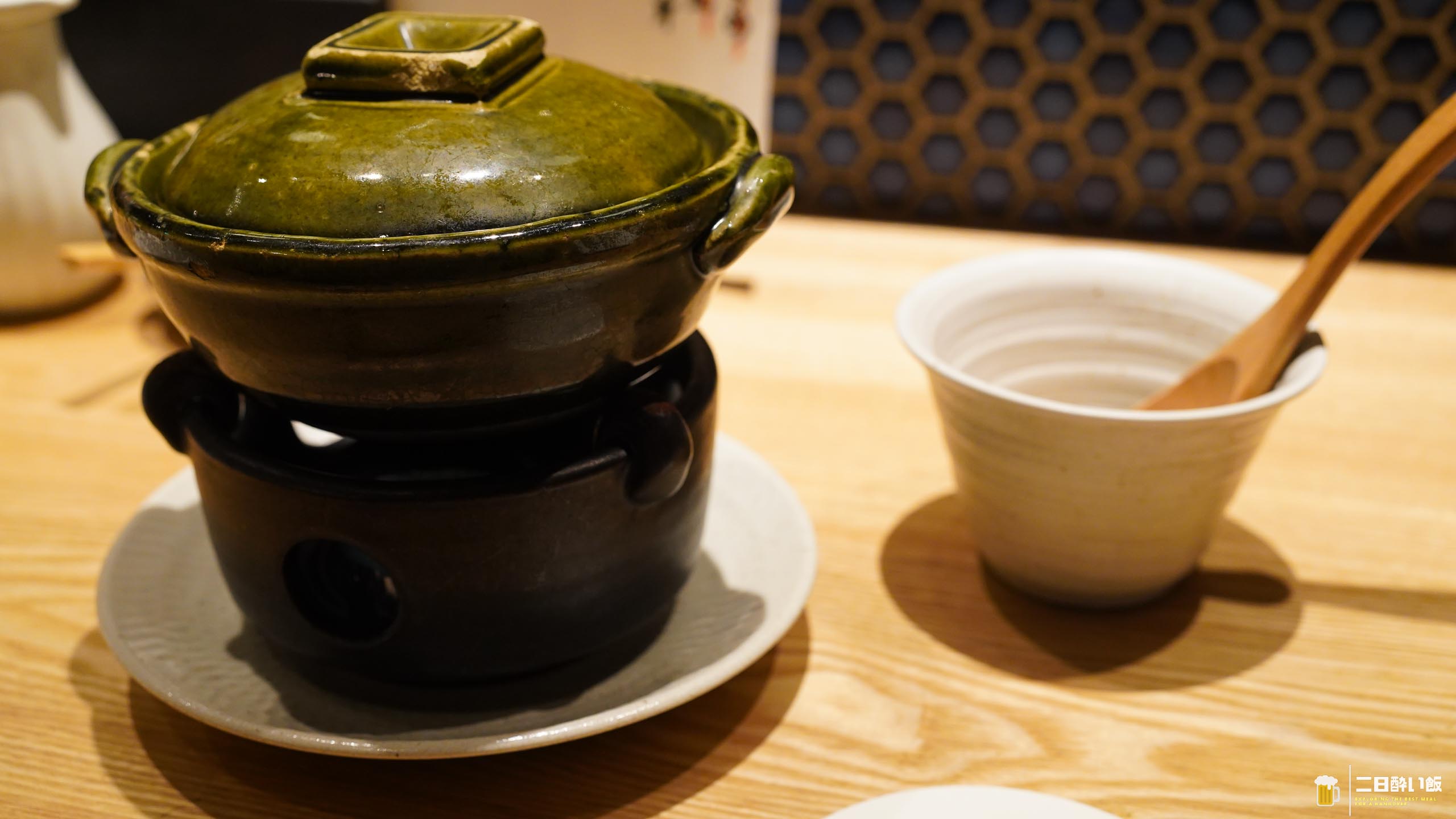
And this is the otoshi.
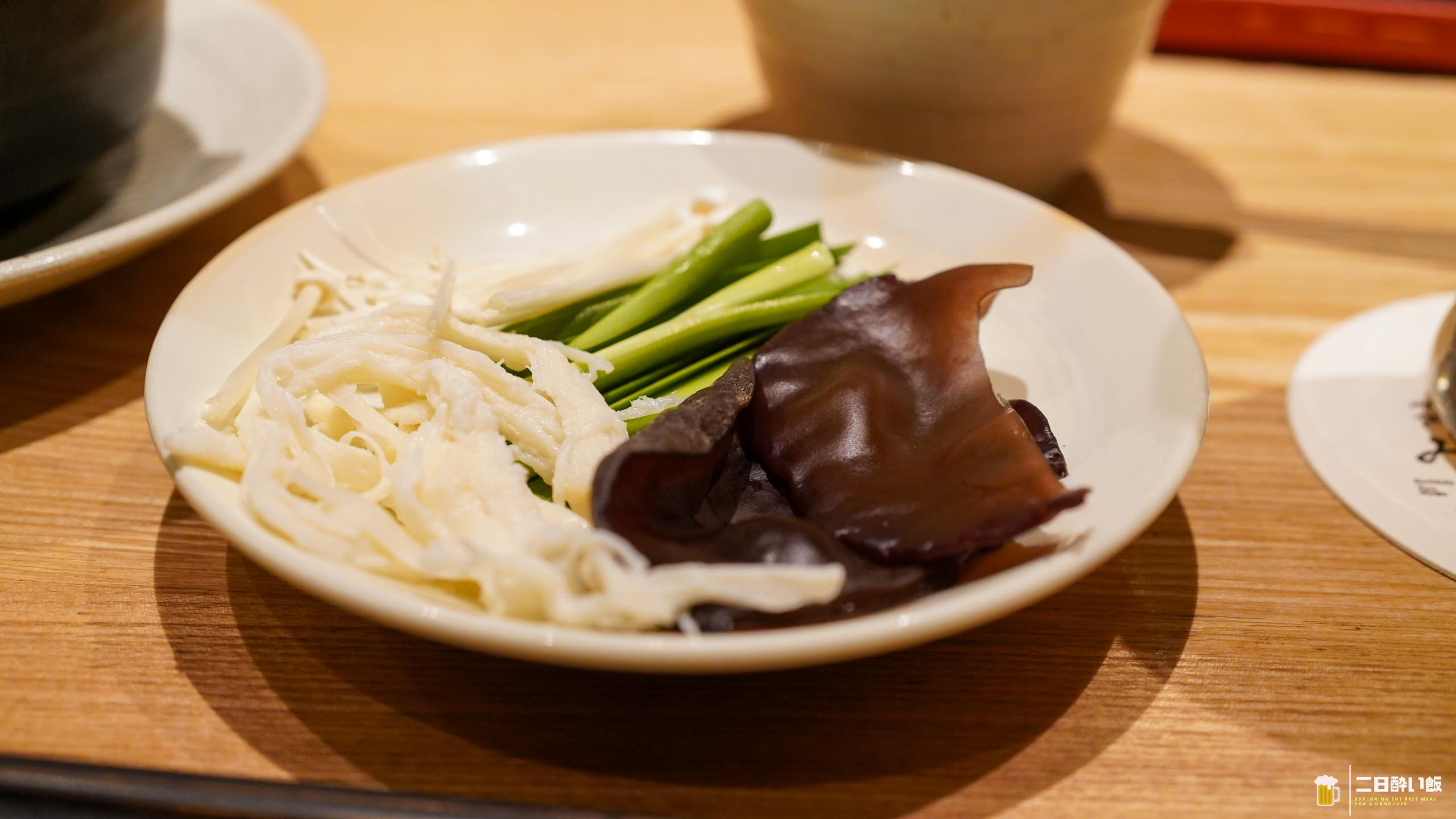
These are hotpot ingredients, surely. What a lavish otoshi. Into the pot broth they then pour a great heap of katsuobushi to draw out a bonito dashi, and you shabu-shabu in that.
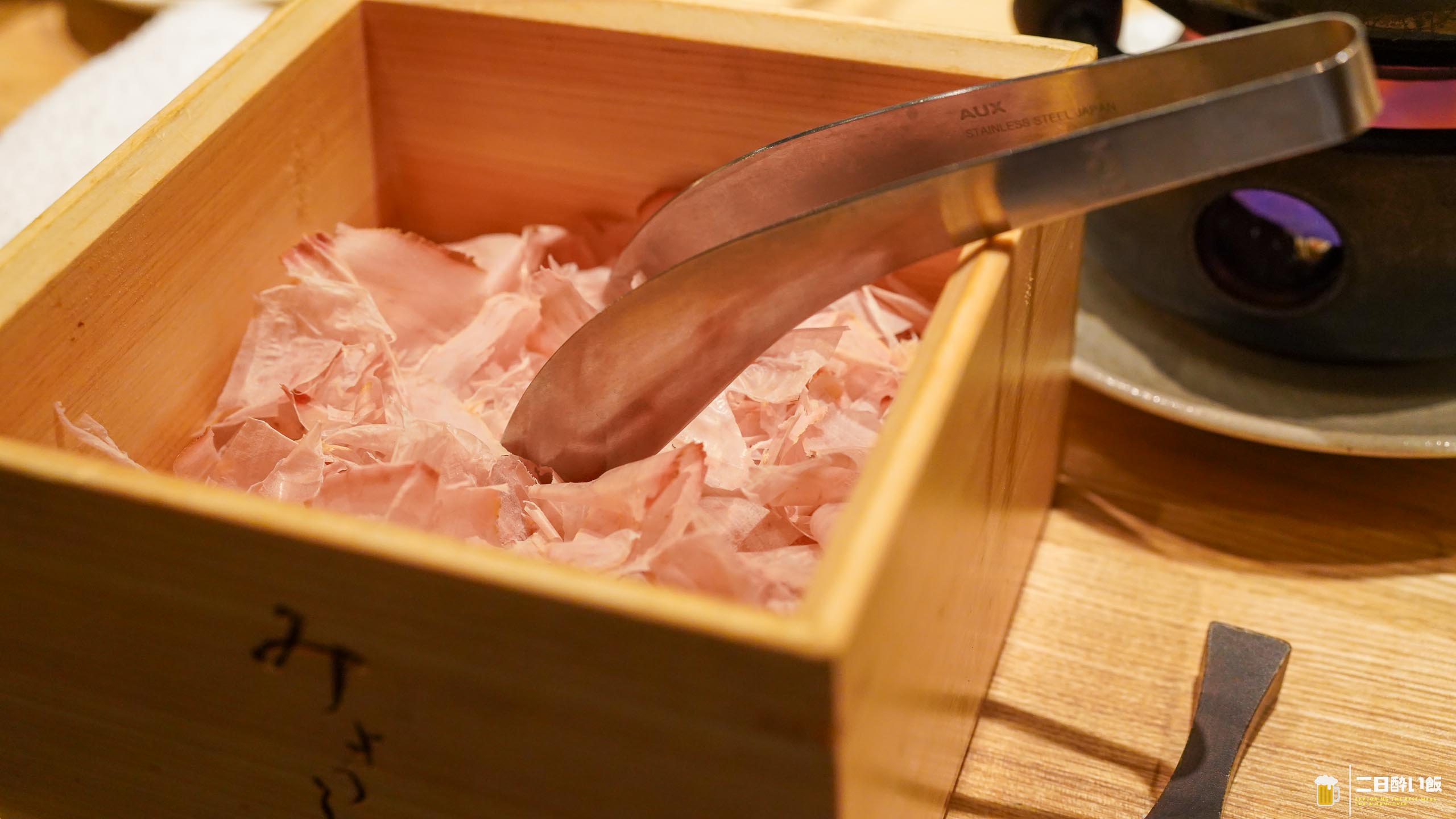
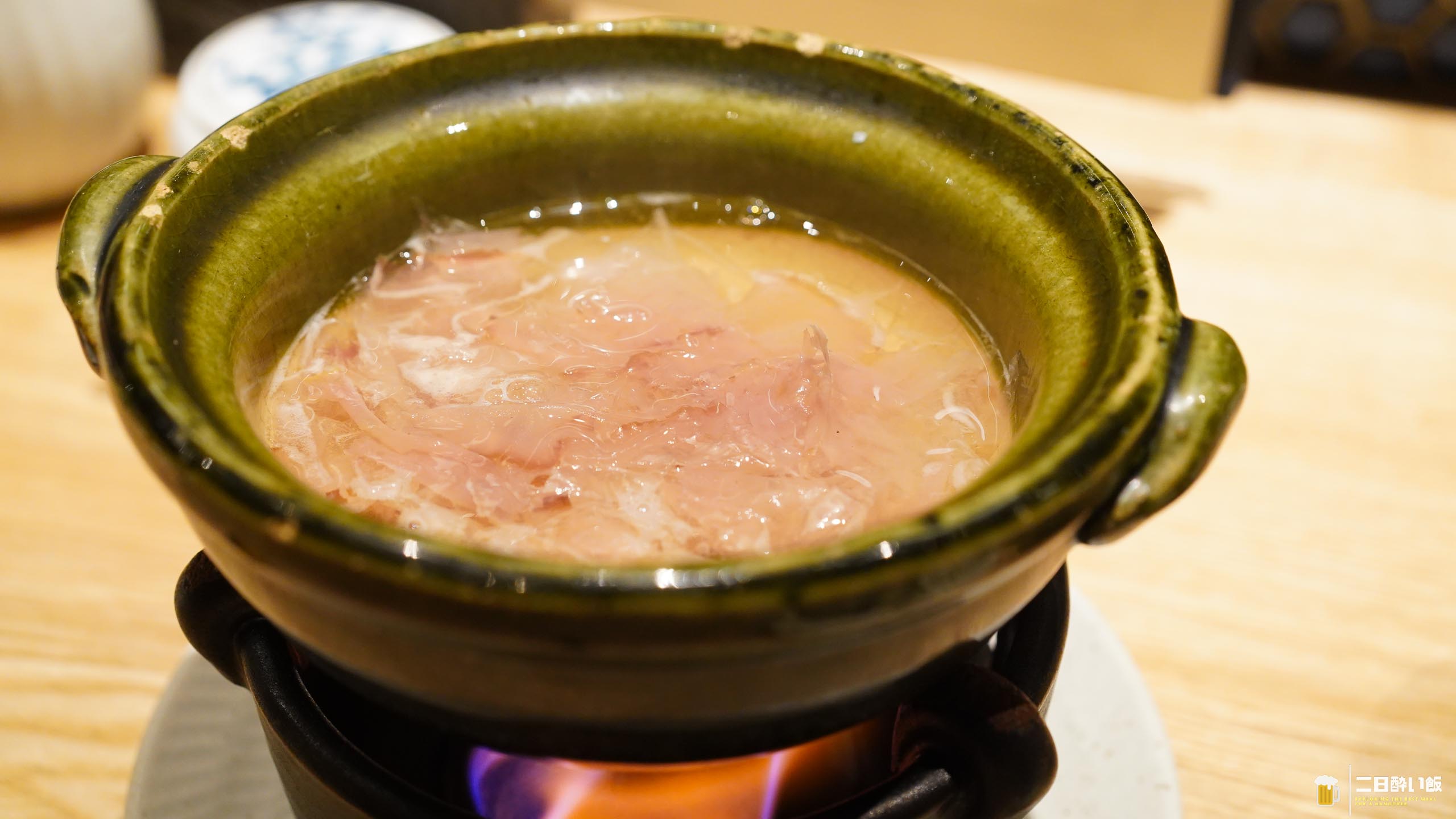
And it is extraordinarily gentle and very good indeed. This is not a course. It is the otoshi. Astonishing — a surprise and a delight from the moment you sit down.
Have you ever seen an otoshi like this?
Of course I was going to order the bonito tataki. It comes seasoned with sauce or with salt. The menu says something like “we recommend ordering one per person” — take that too literally and you will find yourself in trouble.
It is enormous. Honestly, one is enough.
I did not know that at the time, but two salt portions would clearly have been pointless, so we had one of each: salt and sauce.
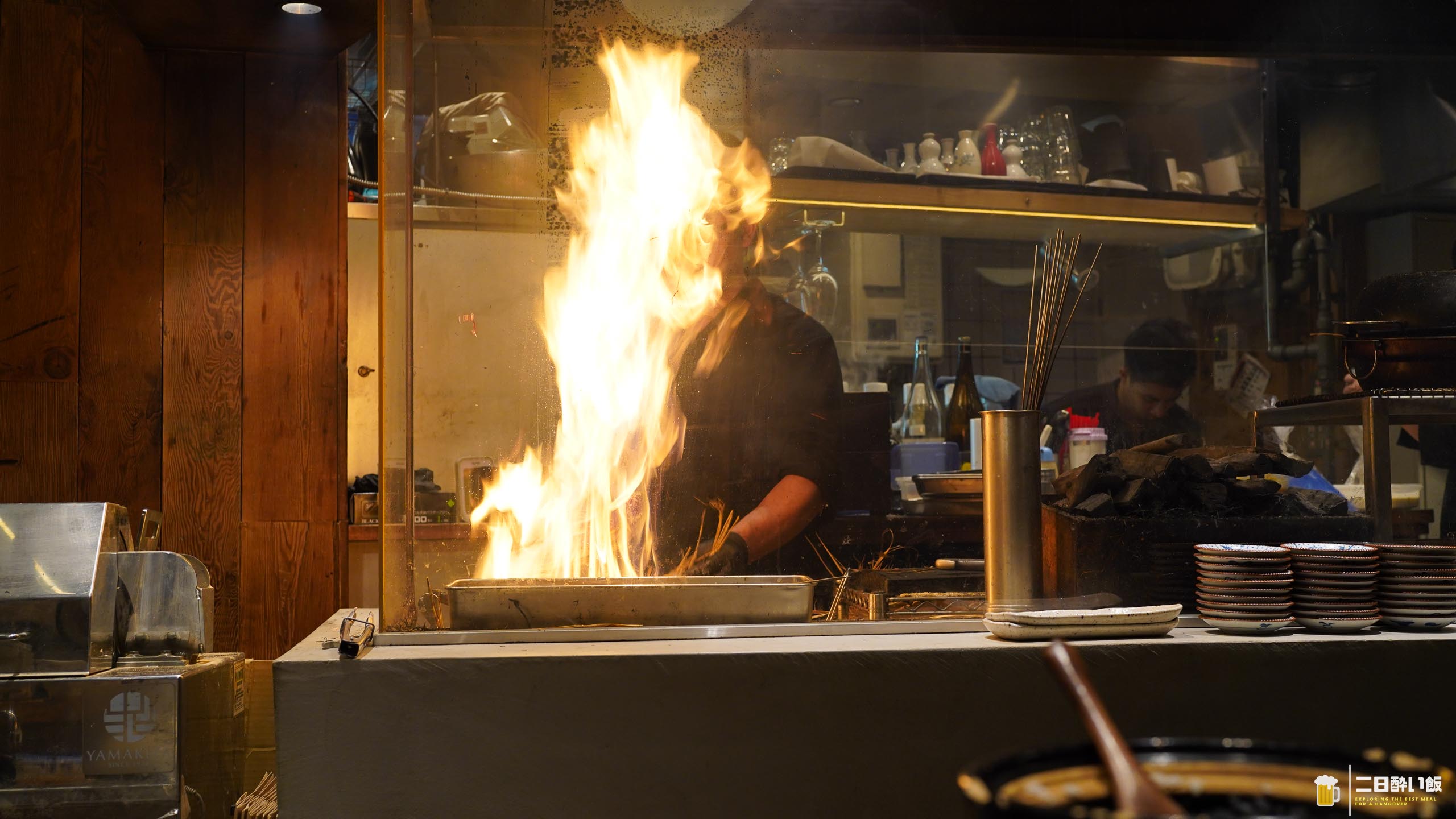
Behind the counter the straw flares up, and the fragrant smoke reaches you before the food does.
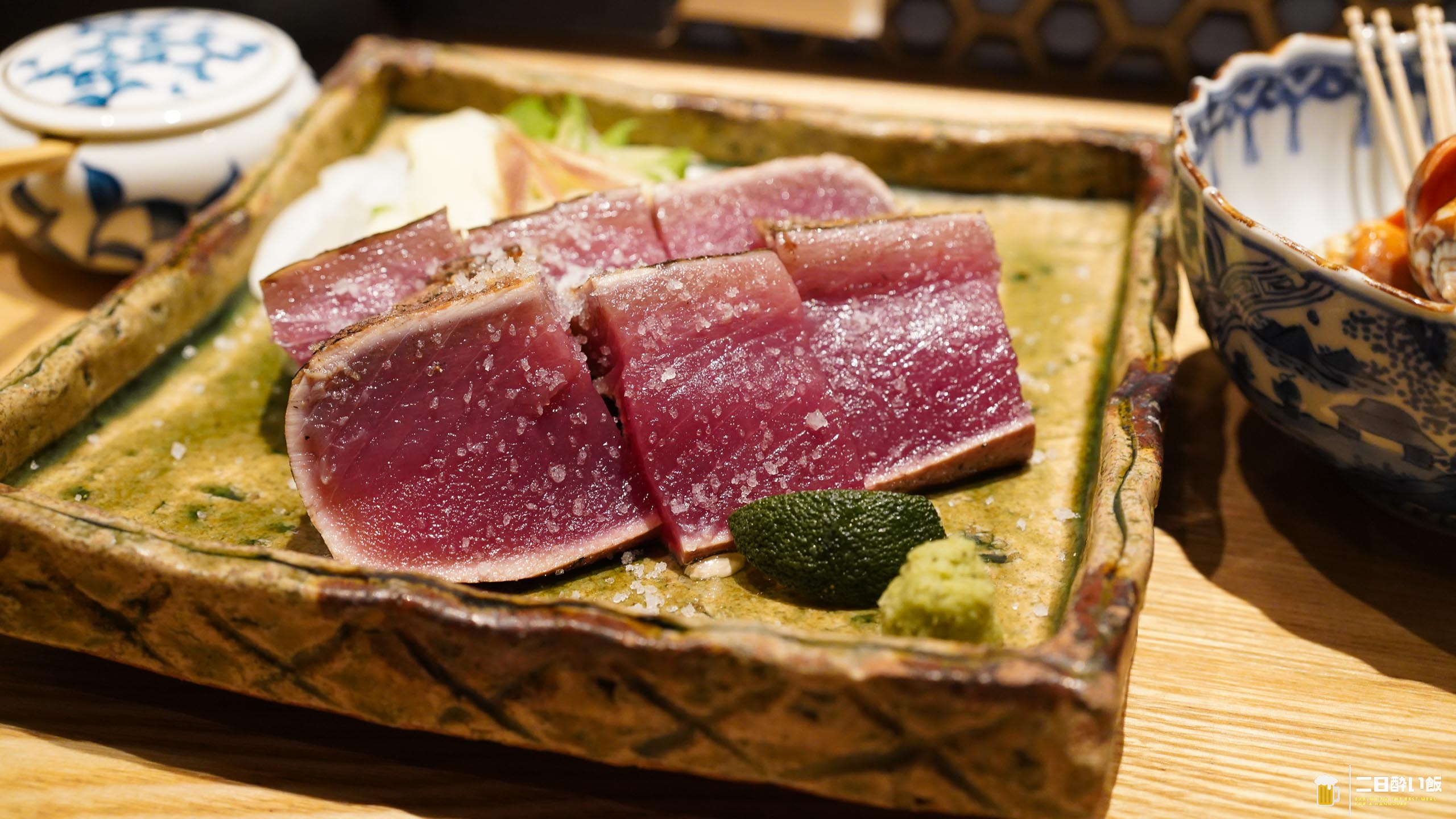
A little later, on a green square plate, comes a thick slice — not cut from a block but a whole half fish cut straight across. The skin side has a good char, the cut face a vivid ruby rare, and it is a feast to look at before anything else. Half a fish, though. One person cannot finish this.
The shop’s recommendation is salt. Take a slice glinting with coarse salt crystals and the smoke of the straw lifts through your nose, with the savour of the bonito following slowly behind. The springy density that only a thick cut gives, sweetness swelling as you chew, and yet a finish that is surprisingly clear. Curious, that.
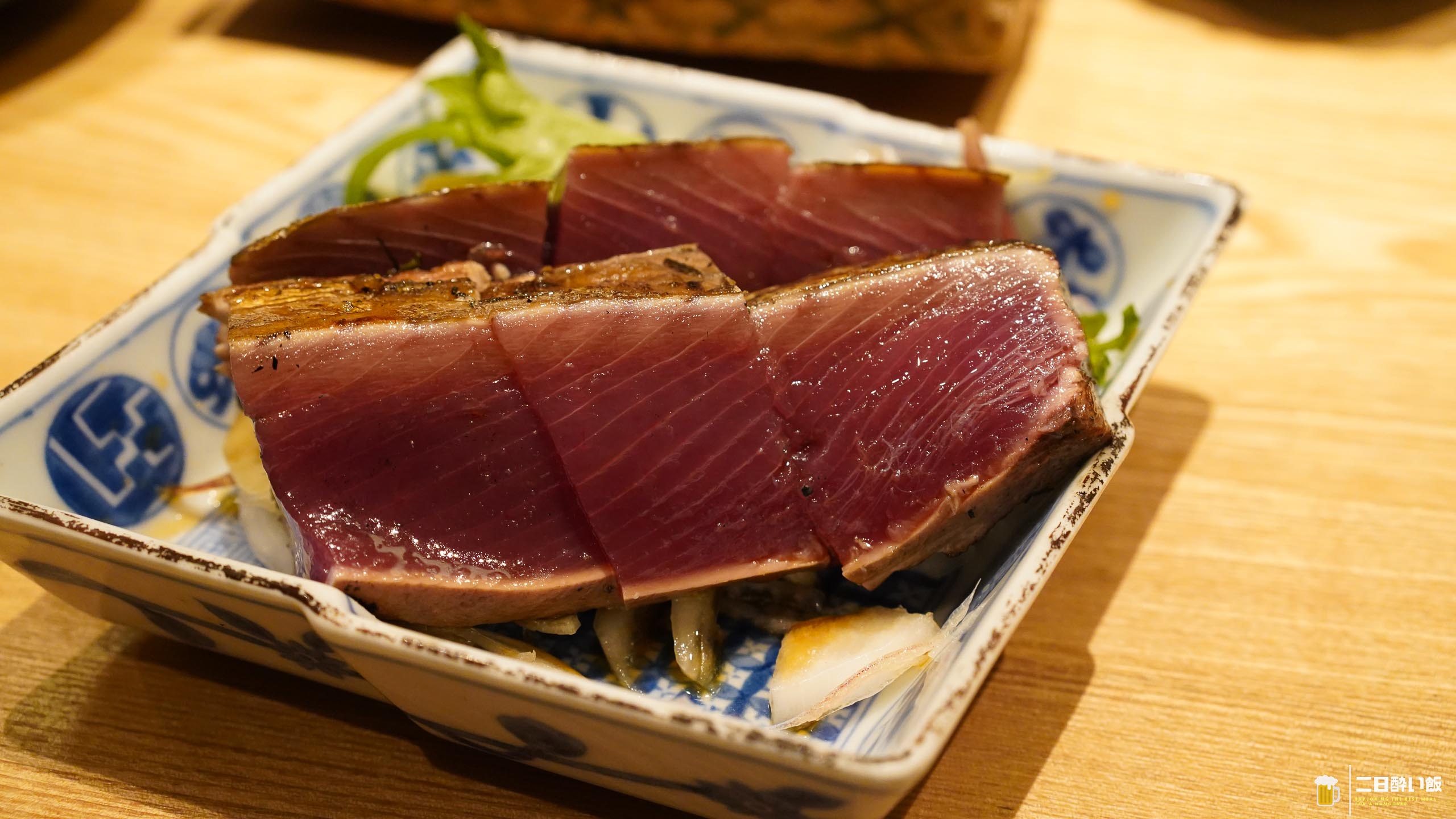
Then the sauce version. Loaded with garlic and aromatics, the same bonito changes face entirely and becomes the darker, drink-summoning version. Also very good.
With two people it seems best to order the two different seasonings. Half of a half fish is probably about right per person.

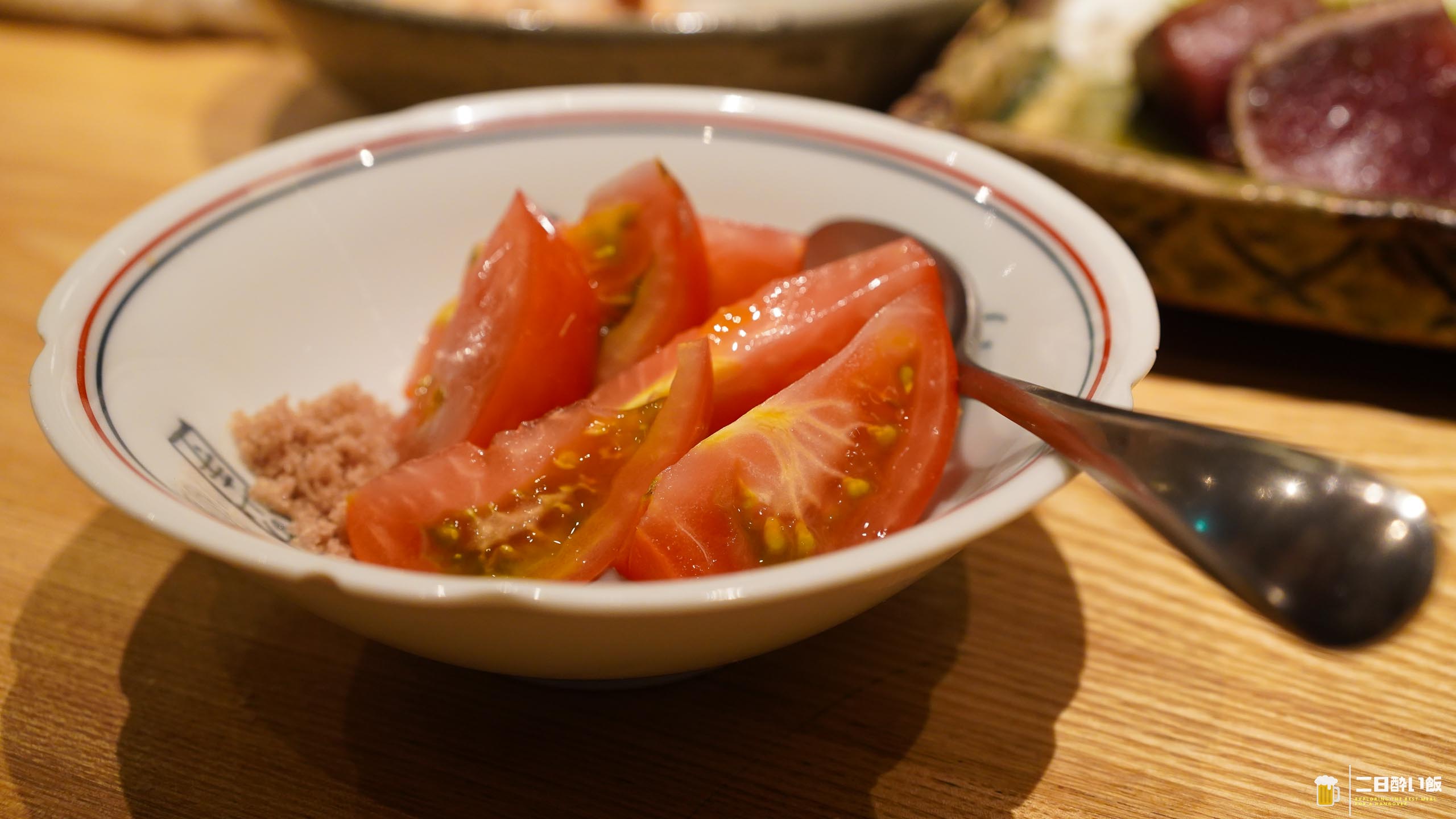
Bright red wedges, as if to say eat them while they are cold. Kochi fruit tomatoes are grown with the water restricted and their virtue is concentration; at the cut face the jelly around the seeds glistens.
Bite in and the skin has a taut snap, with a deep sweetness and acidity. Very good.
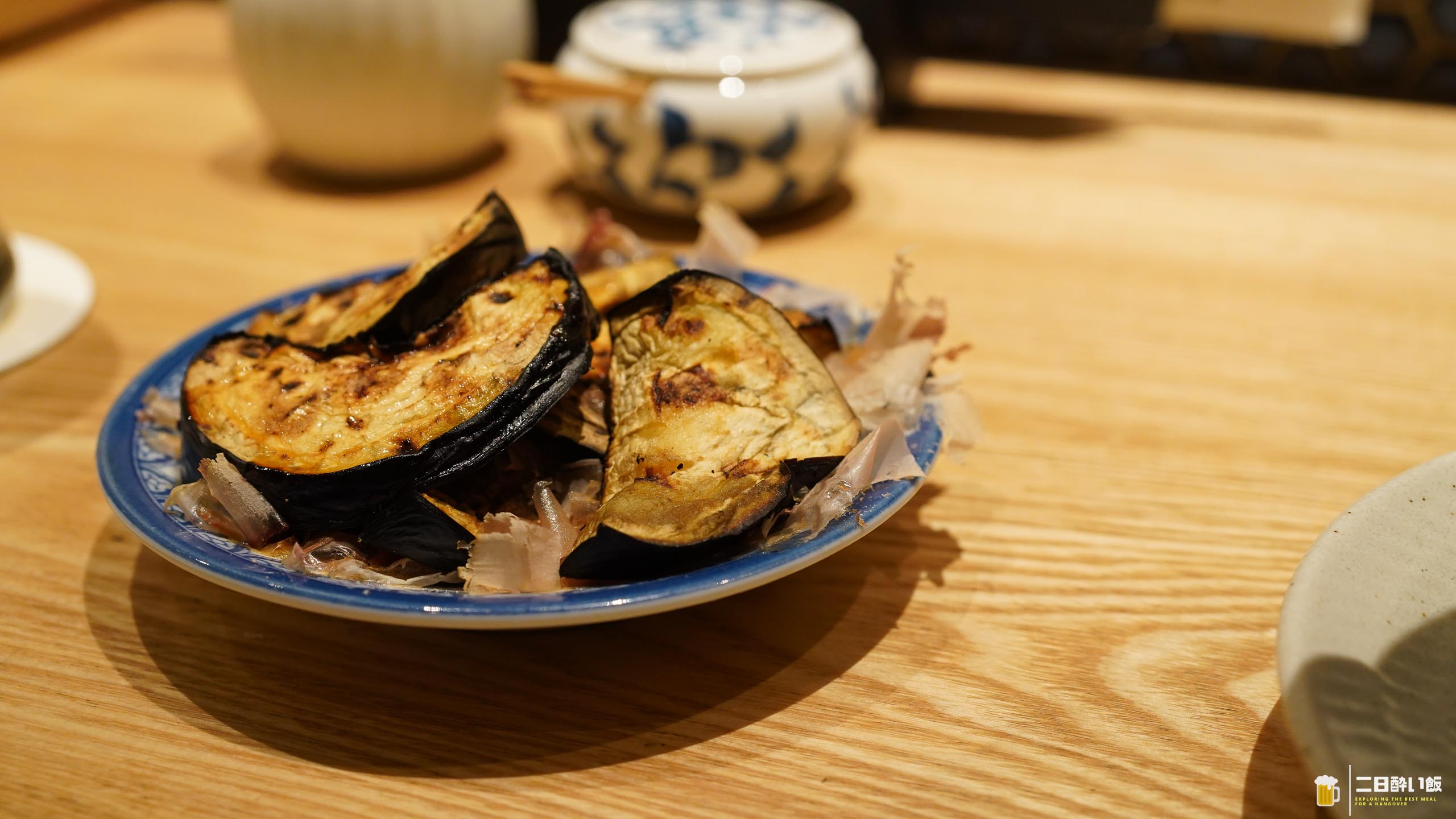
Kochi is apparently Japan’s largest producer of aubergine. I had no idea. So: Kochi beinasu over charcoal. Thick half-moons with a good char, generously accompanied by a drift of katsuobushi shavings. A refined sweetness along with the fragrance of the bonito. Very good.
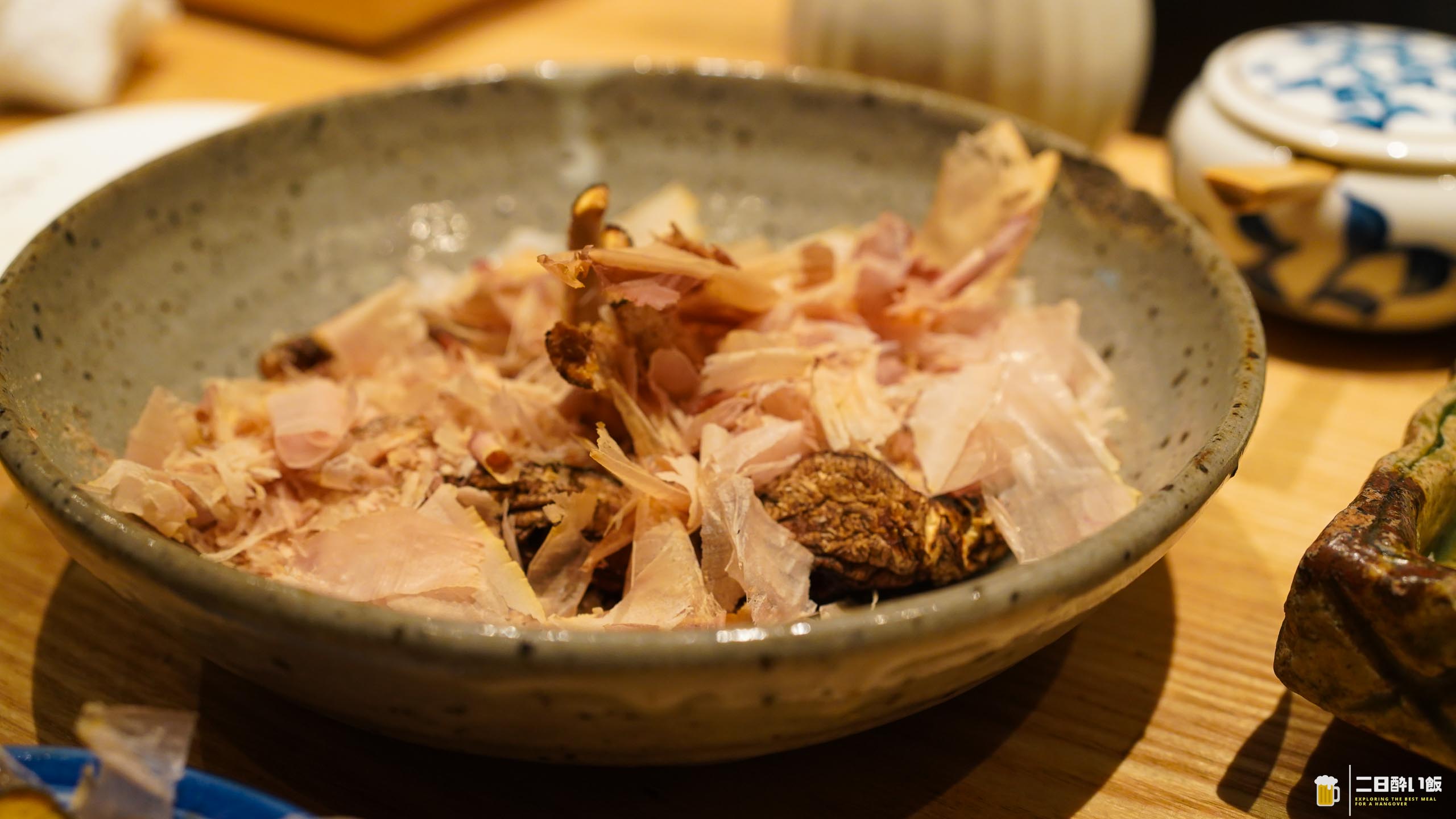
The moment it arrives, the main ingredient is nowhere to be seen. A mountain of feathery katsuobushi, with a thick cap just visible underneath. A generous scattering, as befits a bonito shop.
Dig it out and bite in and hot juices flood out, with the smell of the forest lifting through your nose. That dense, springy texture only log-grown mushrooms have is superb.

Chanbara-gai are so called because they wave a foot around like a sword, apparently — a standard Kochi drinking snack. Twist one out with a cocktail stick and there is crisp meat coated in sweet-salty cooking liquid, with the faint bitterness of the innards. Complete in a single mouthful. A safe bet.
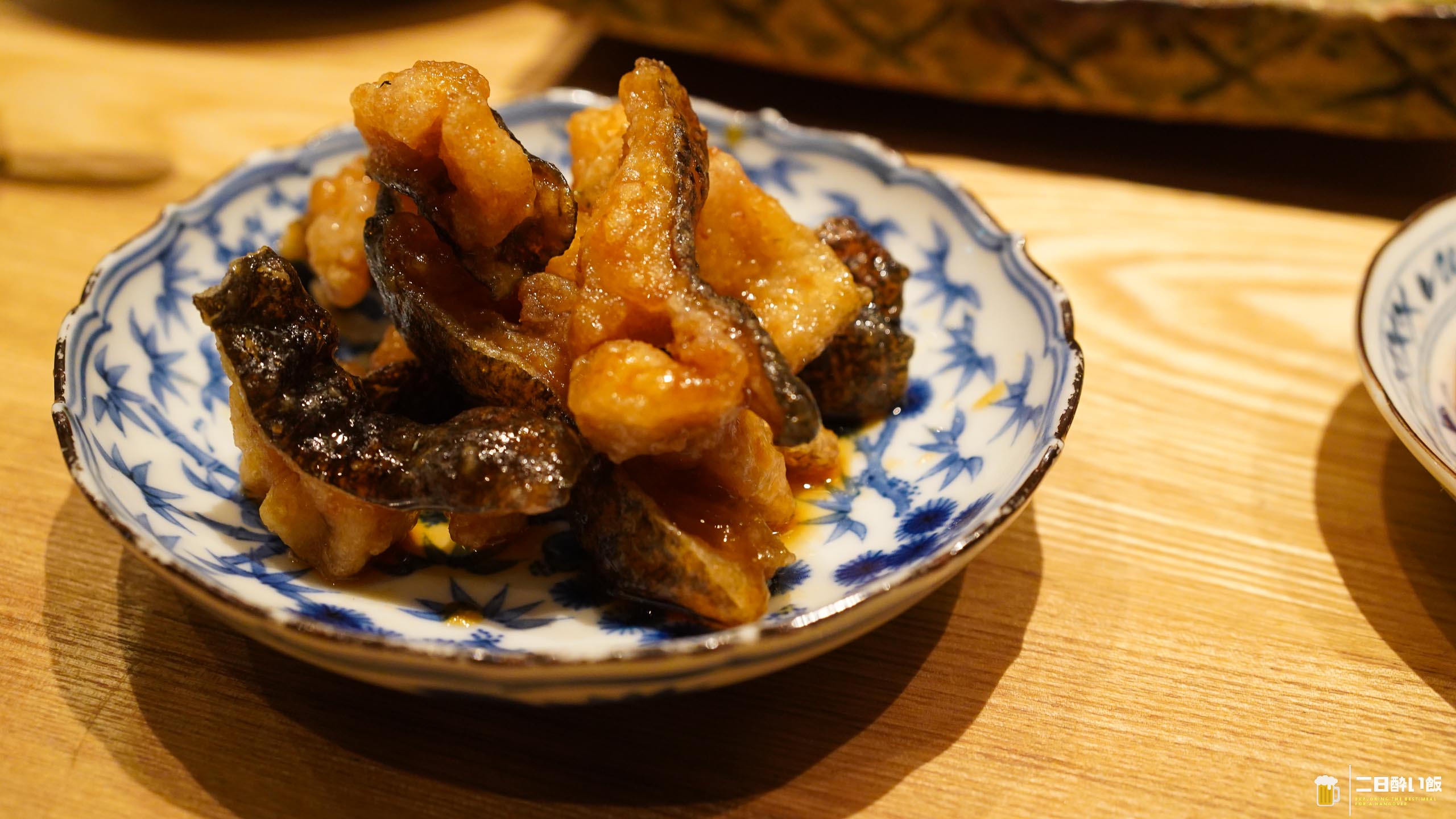
They eat moray eel in Kochi. The black mottled skin gives away what it is. It comes fried in a writhing shape, with a hail-like batter glossed with amber sauce.
Bite in and the batter is light and crisp, then a chewy gelatinous layer under the skin, and behind that the faint sweetness of white flesh. Less strong-tasting than expected and plainer than it looks, and yet substantial enough thanks to all that collagen. The sweet-salty sauce keeps calling for another drink. This is good.
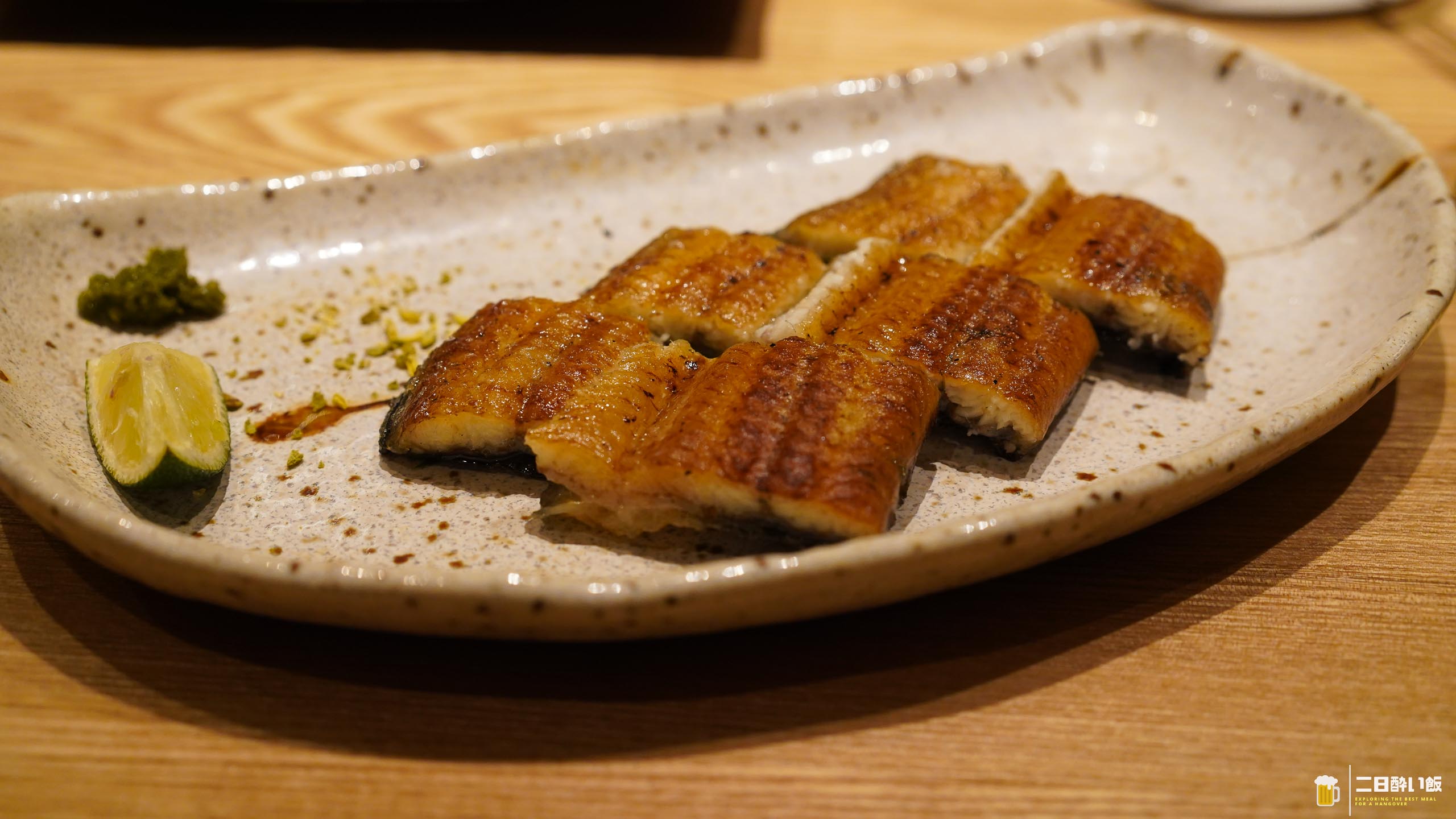
Eel is a favourite, so of course I was having it — though eel from the Shimanto River is new to me. Chunks grilled over charcoal, laid out in a row. Striped grill marks and a restrained gloss are the sign of grilling that does not lean on the sauce. The cut flesh is white, plump and thick.
One piece in and the fragrance of the charcoal comes first. The skin is lightly crisp and the flesh underneath pushes back with real springiness. The fat is fairly light. Not buried under sweet sauce, it is closer to shirayaki in its plainness. Yes, eel like this is good too. This is not an eel restaurant, after all — and serving it at about this size is a kindness.
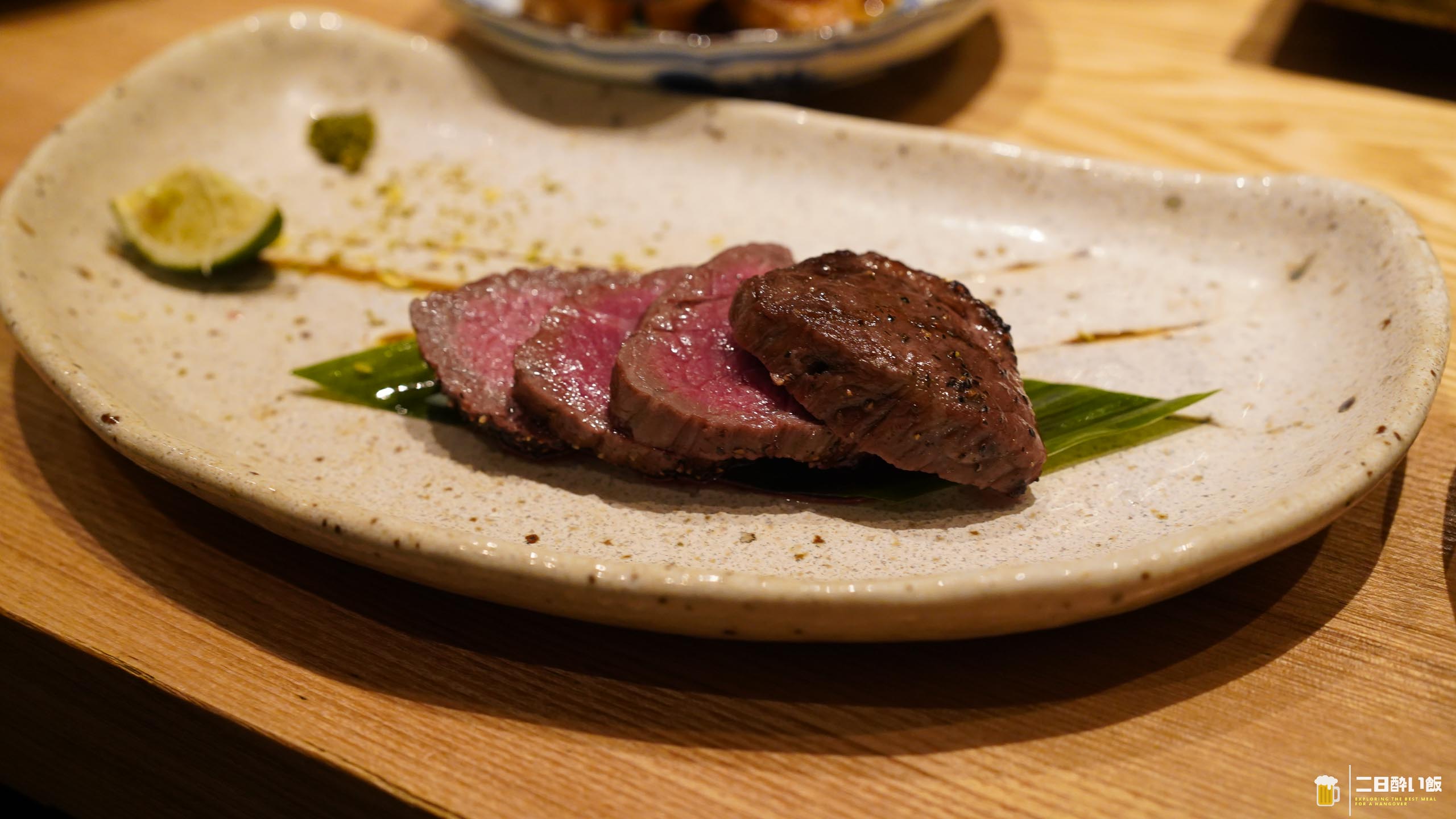
Four thick slices, rose-coloured. The outside carries a deep sear and black pepper, the cut face a moist, glossy degree of cooking. In the mouth, behind the charcoal fragrance, the deep savour of lean meat floods out. Less “tender” than simply “meat”. The fat is light. Is Tosa beef well known, I wonder?
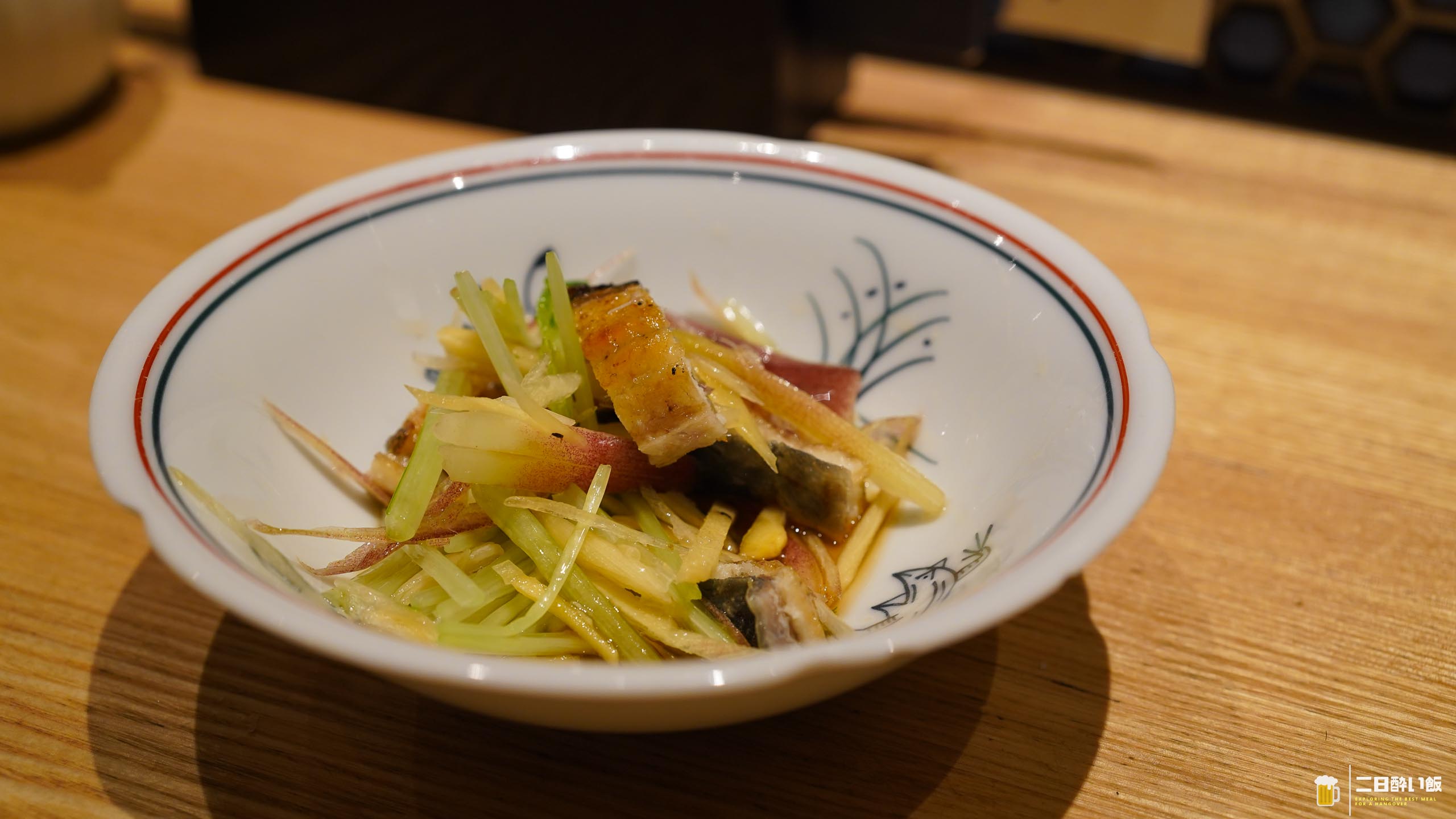
A vinegared eel dish that makes the fragrance of the kabayaki grilling easy to eat. Plenty of shredded aromatics, myoga among them, cling to it, and every mouthful bursts with sweet-vinegar acidity and the scent of the herbs. A well-judged small plate for people who want to drink with eel.
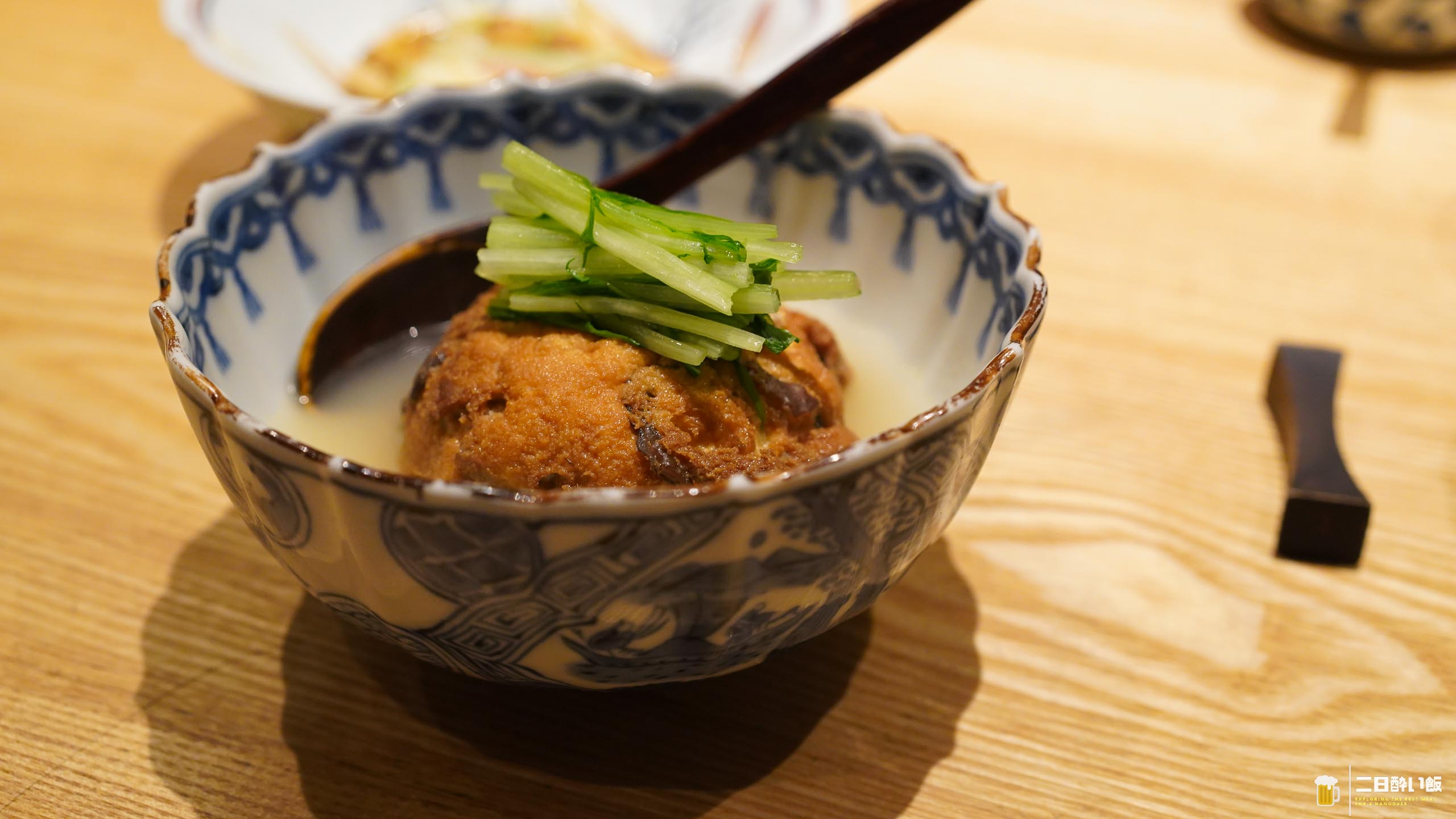
Hirousu is apparently the Kansai word for ganmodoki, deep-fried tofu fritter. Hidden in the golden-brown mixture are bonito and wood ear grown on spring water from the Niyodo River. Soft, dashi-soaked flesh, with an occasional crunch. A very good ganmodoki.
I ate a great deal. Thoroughly satisfied.
So — I experienced Kochi with my whole body, in Kanda. There may not be much Tosa cooking done this stylishly and this carefully. The impact of that opening otoshi is formidable, but so is the size and the quality of the bonito tataki. Taking the fire performance into account as well, this seems a good place for a quiet, unhurried drink. I liked it a great deal, so I will remember it.
May you meet something good to eat today too.
Tosa Myojin (izakaya / Shin-Nihombashi Station, Kanda Station, Kodemmacho Station)
Tabelog dinner rating ★★★☆☆ 3.7
I ate here and paid for it myself. Nothing on this site is a comped meal.
One more for the road?


