


A note on the words: gyunabe is a beef hot pot from the beef-eating culture born in Yokohama, cooked here in miso rather than warishita (the sweet soy-and-mirin sukiyaki sauce) and eaten dipped in freshly grated tororo (yam) mixed with egg yolk. Hassun refers to an assortment of small drinking snacks served together on one platter, while donabe rice is glossy rice cooked in a traditional clay pot. Dashi daikon is thick daikon radish simmered tender in dashi broth and served topped with shaved bonito flakes, and shuto is a salty fermented relish made from bonito innards, tossed here over crisp french fries.
Table of Contents hide
Beni Fuji Roppongi on Tabelog (English) — opening hours, payment details and the Japanese address are kept up to date there, not here.
Thank you for waiting, drinkers — it is Hangover Meshi time!
I was walking through Roppongi when I heard someone calling out: “Newly opened! Food is 50% off!” Huh, that sounds fun (and cheap, ha) — let’s go! So, an unplanned visit to a brand-new shop! Through the end of October it is apparently a pre-opening period, so food is 50% off, they say!
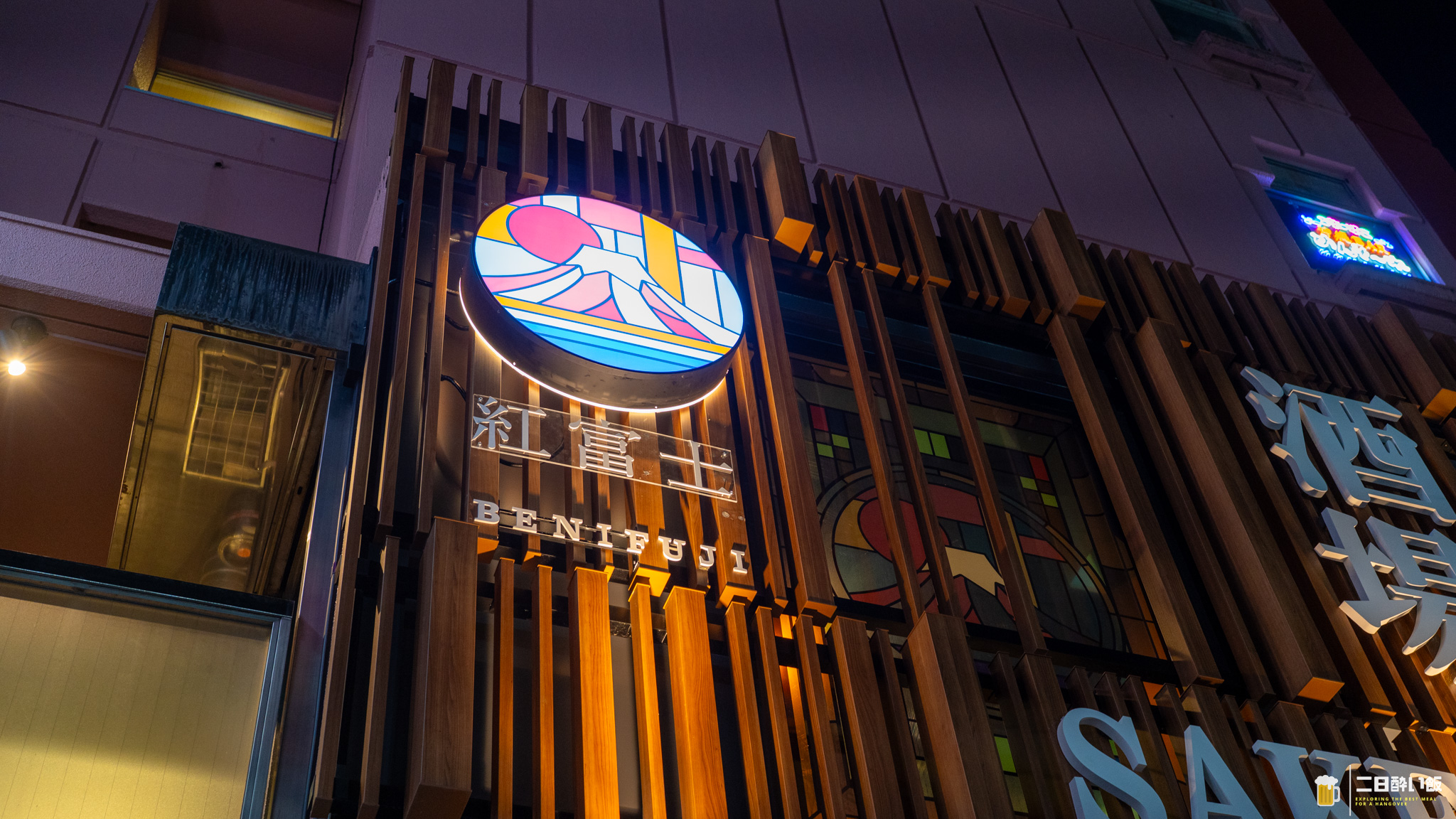
“Beni Fuji” has pre-opened in Roppongi. Its signatures are apparently built on three pillars: “Yokohama Miso Gyunabe,” tracing the beef-eating culture born in Yokohama; “Beni Fuji Hassun,” letting you pick at small snacks a little at a time; and freshly cooked “glossy donabe (clay-pot) rice.” Judging by the notice about late-night surcharges, it seems you can drink until 5 a.m.!?
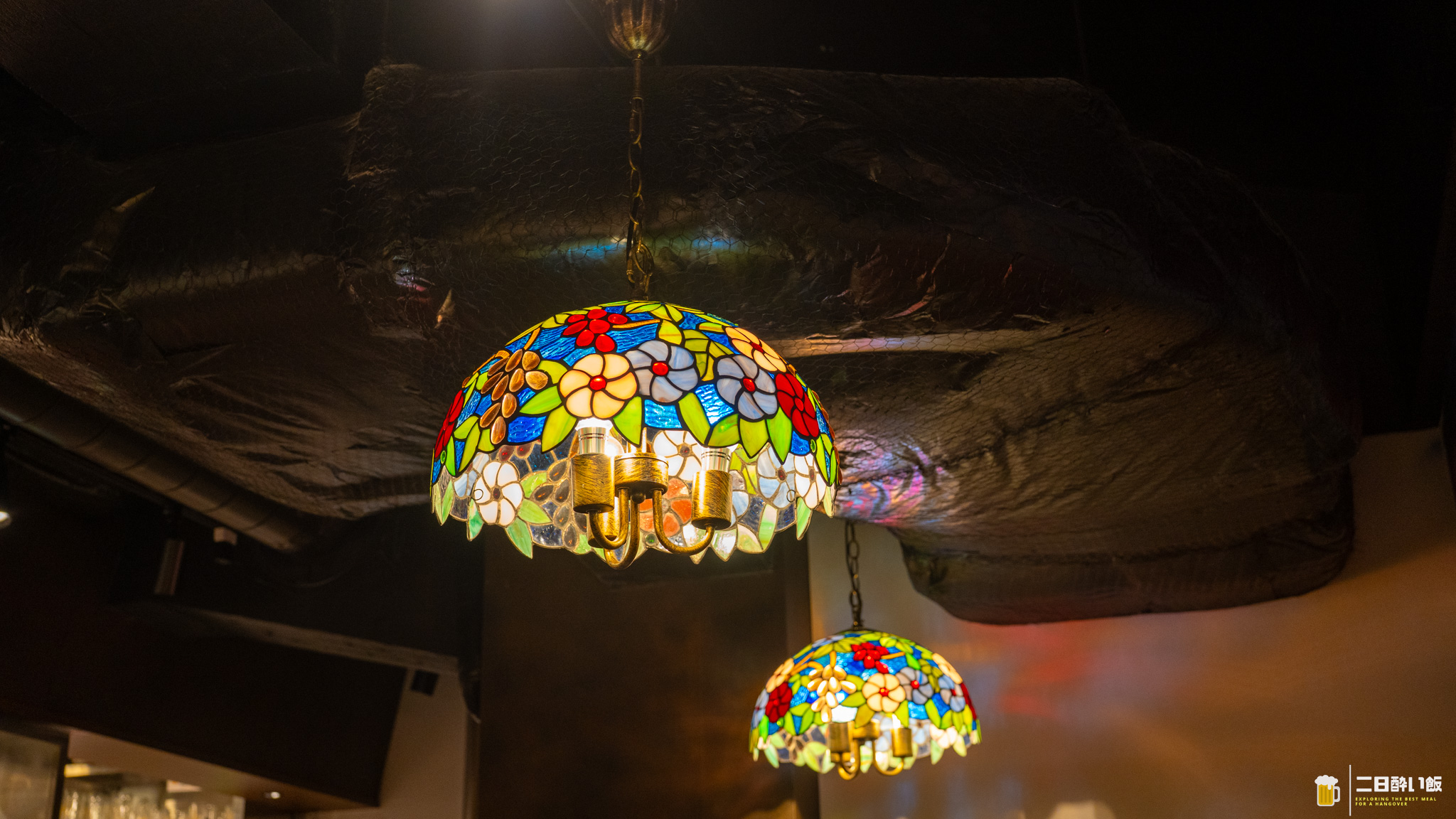
Well, 50% off food is very welcome, so let’s order plenty!
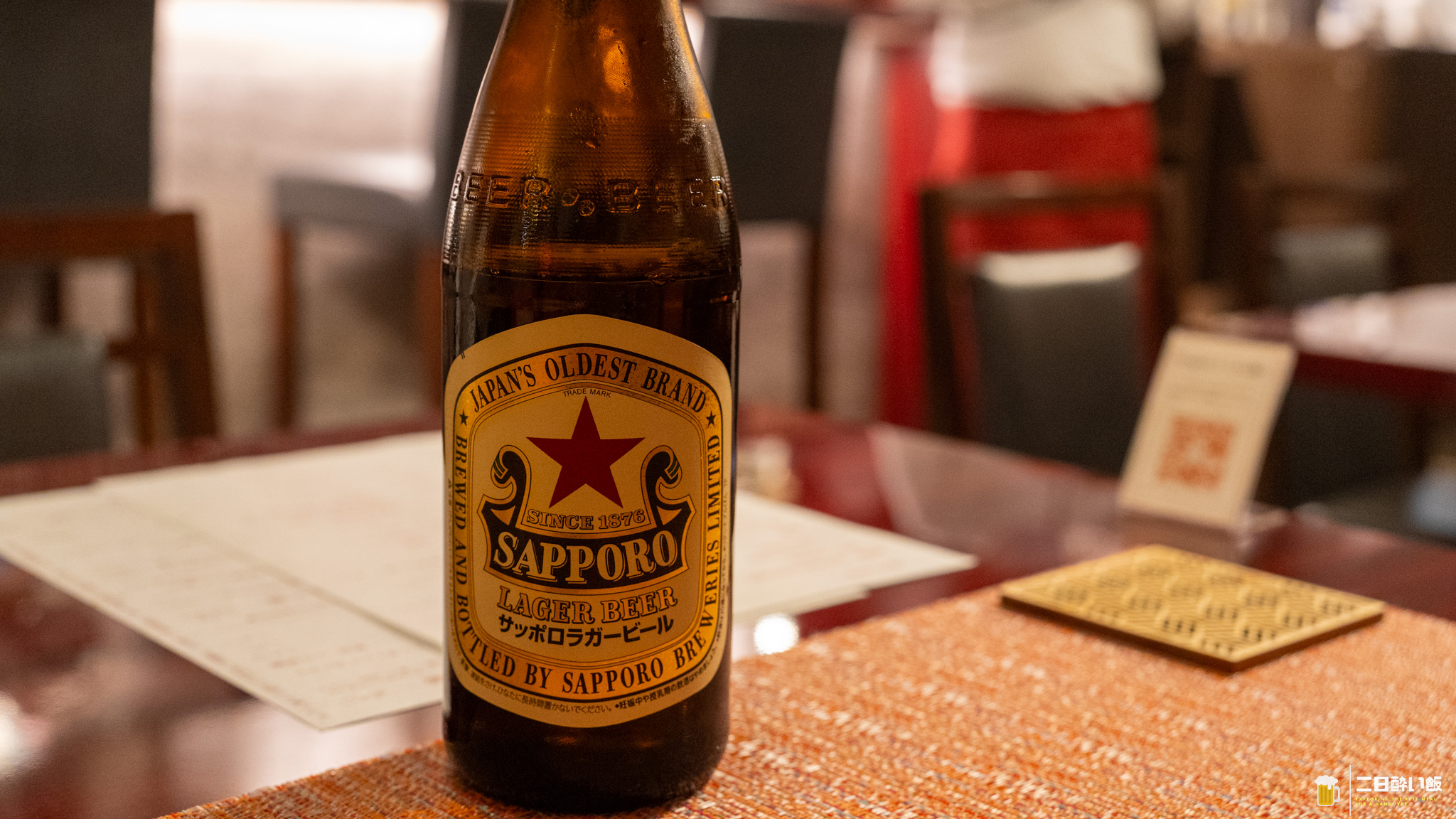
First, let’s have a beer! For the toast, it just has to be draft beer!
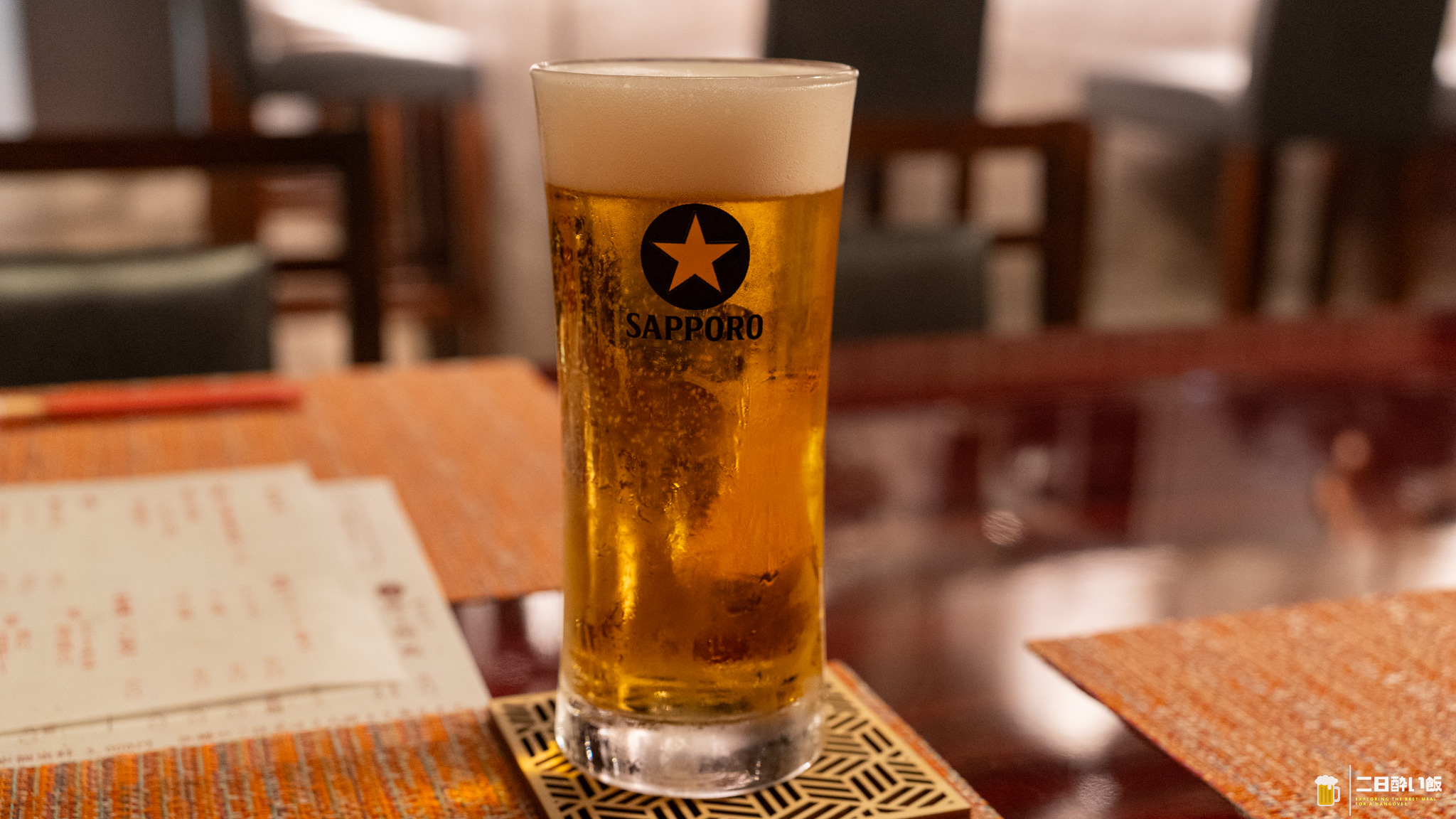
Draft beer is so good!!!
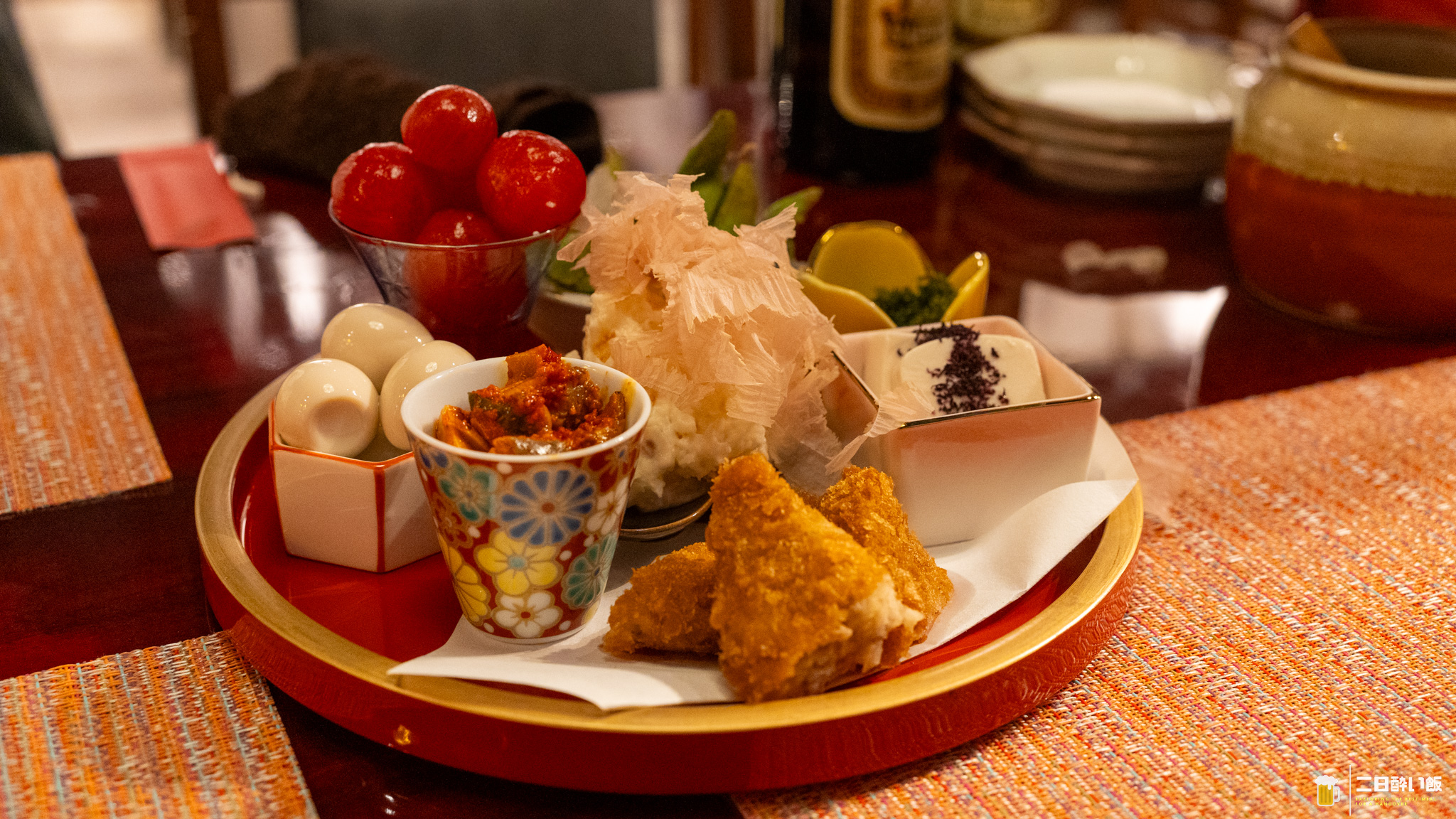
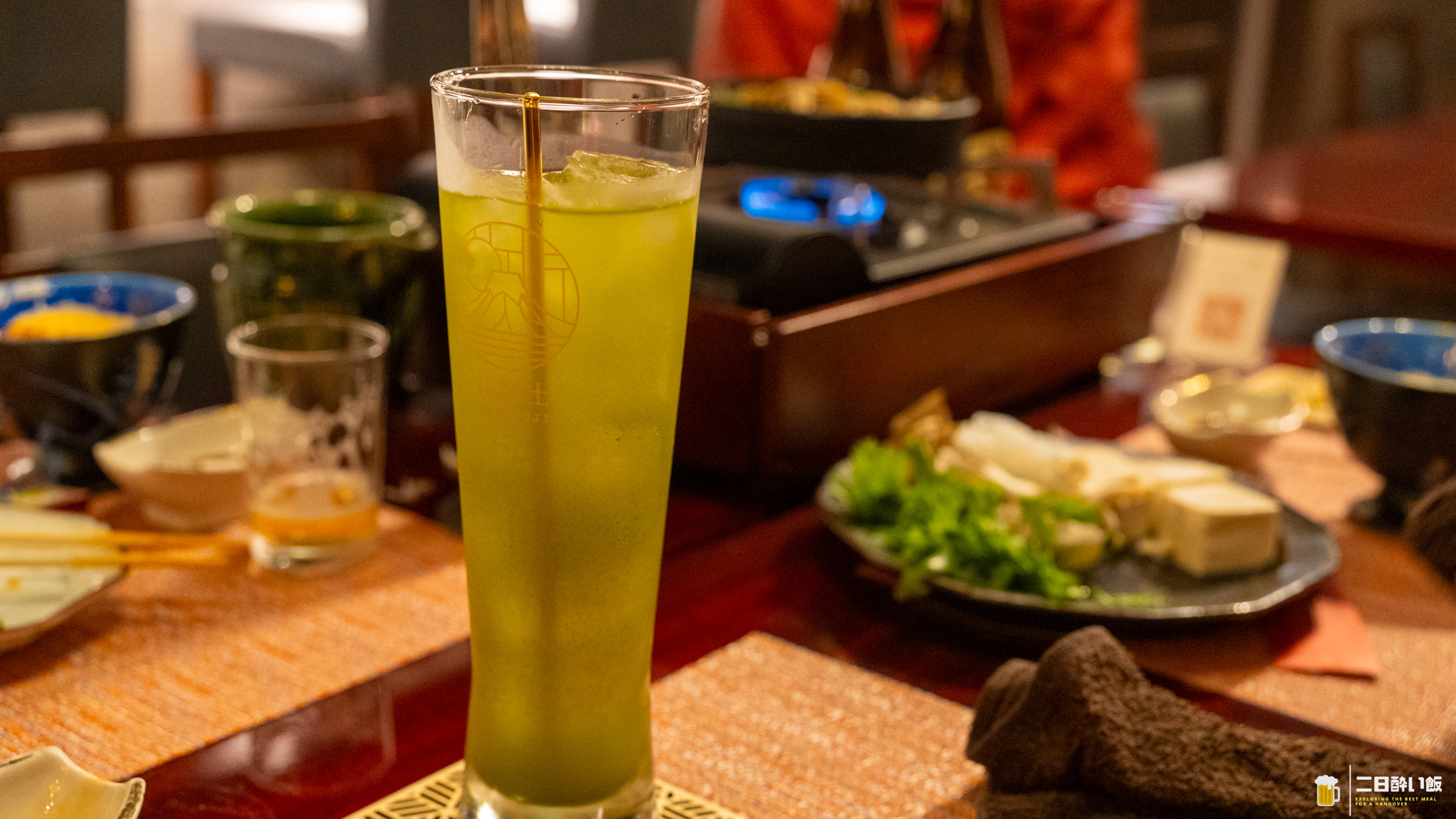
A platter that practically says: “If you want to pick at small drinking snacks, order this first when you come here!” The pop of sea grapes, well-marinated quail eggs, the crisp bite of Korean-style pickled eringi mushrooms, old-school potato salad, a steaming hot nikujaga (meat and potato stew) croquette, chilled tofu fragrant with yukari (red shiso), tomato namul, and edamame with a punch of sansho pepper. The direction of flavor changes with every single bite, so whether with beer or a tea-based shochu highball, you can keep picking at it endlessly without ever getting tired of it.
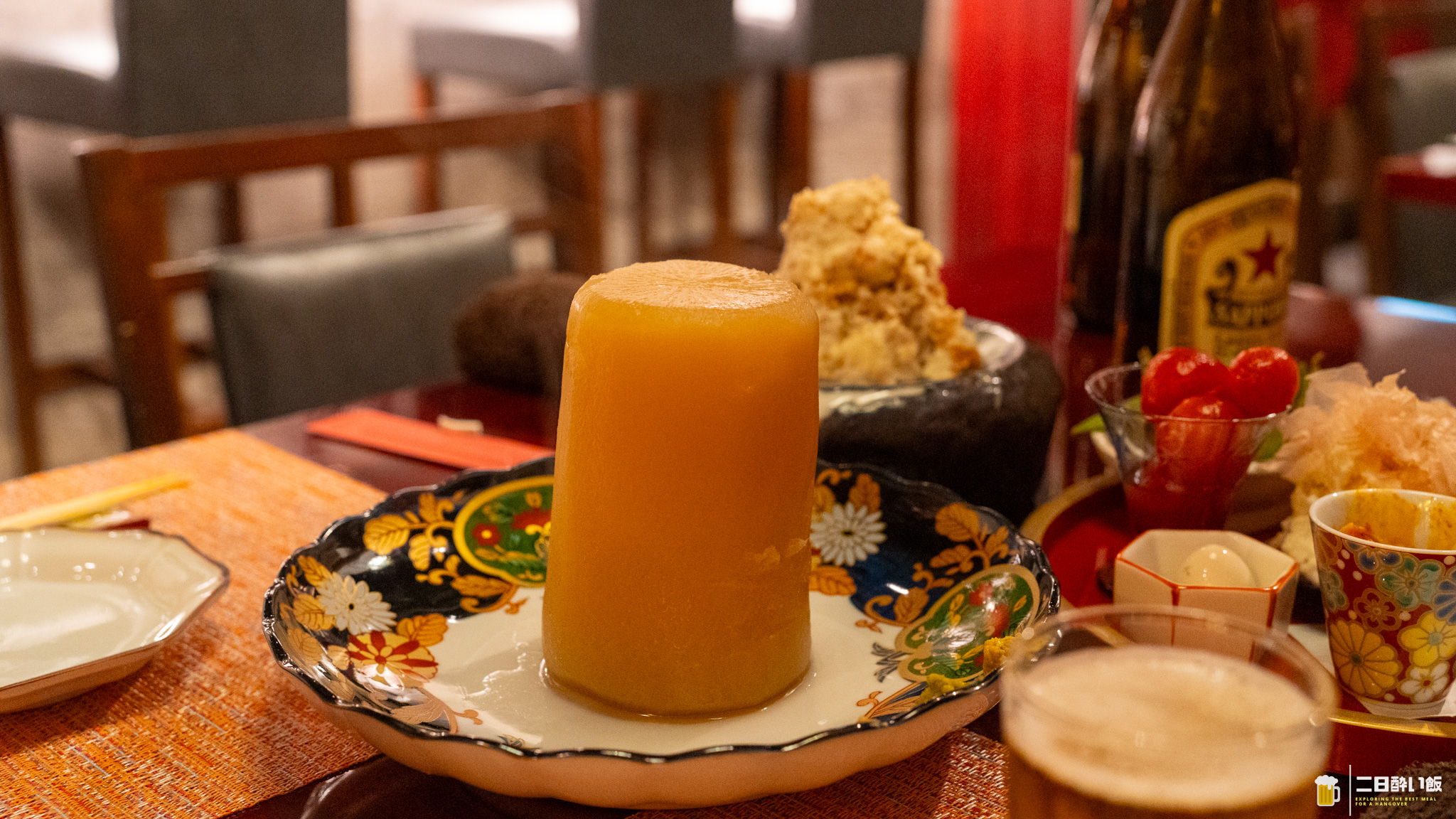
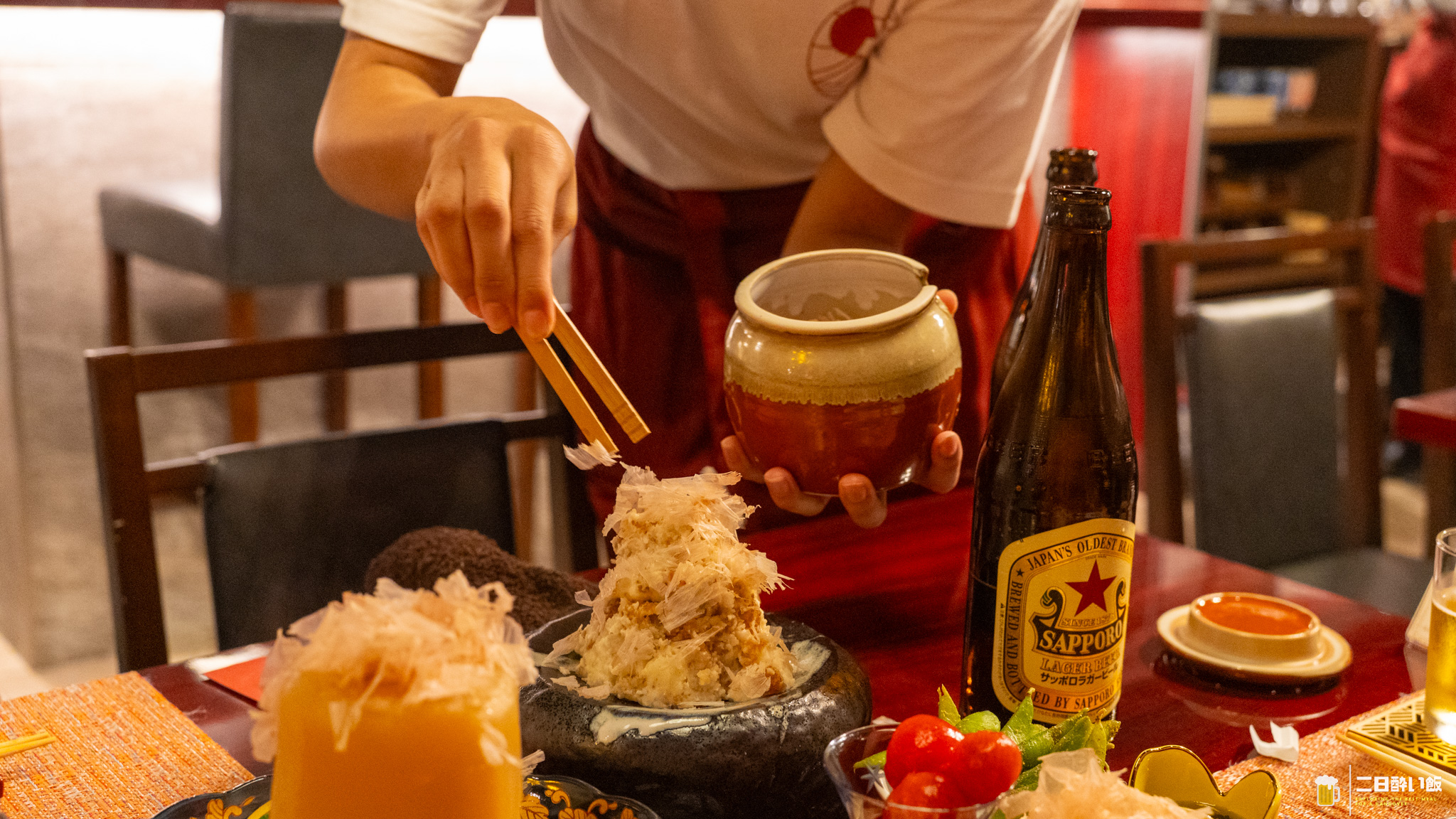
Daikon radish simmered so soft to the core that you can cut right through it with just a gentle press of your chopsticks. When you bite into it, dashi broth wells out in a juicy rush, and a gentle umami fills your whole mouth. The seasoning is not too heavy, and the natural sweetness of the daikon itself is properly preserved. On top of this, they put shaved bonito flakes for you, and apparently the bonito flakes are all-you-can-add. What an interesting shop!
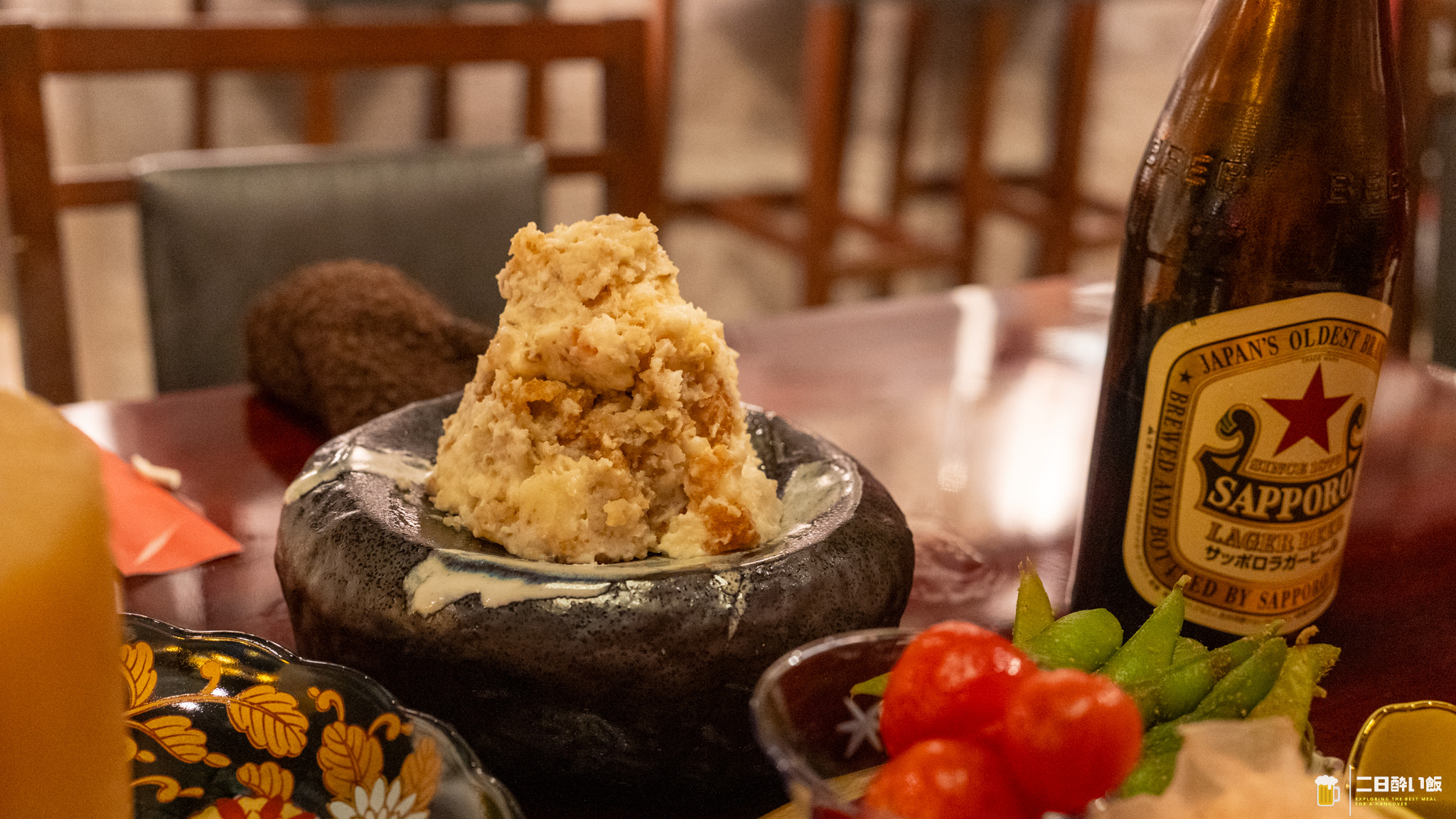
This shop’s potato salad, crowned with the name “Chojo” (summit). The potatoes are roughly mashed, bringing together the comforting sweetness of the potato and the mellow smoothness of the mayonnaise in a moist, unified texture. The savory bits tucked in here and there serve as textural accents. It feels different again from the potato salad in the hassun, so comparing the two might be fun.
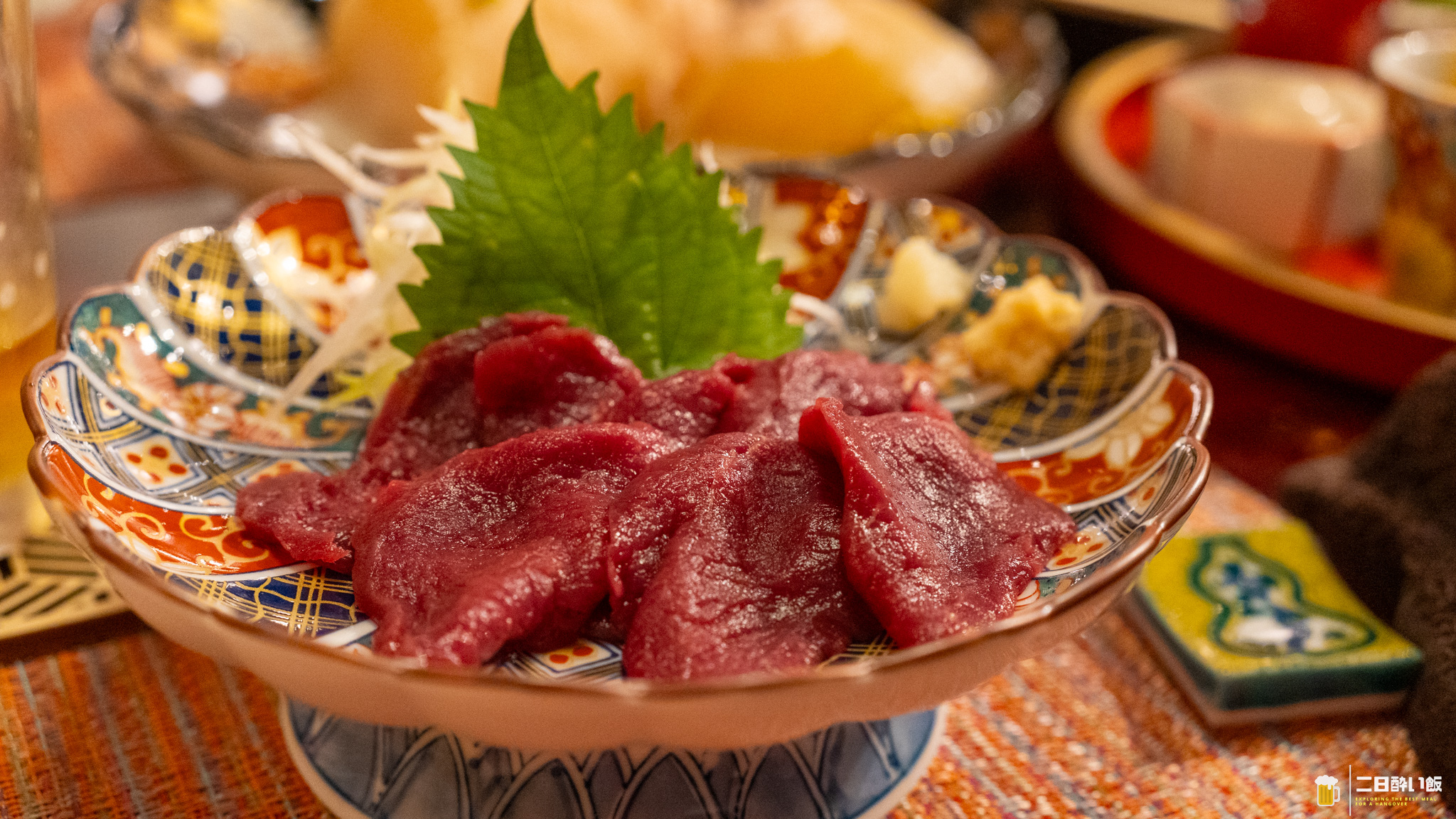
True to its name, horse sashimi that melts softly on the tongue despite being lean meat. After the cool initial bite, the clean, game-free sweetness of the meat quietly spreads out. Placing a little ginger and garlic condiment on top and passing it through soy sauce brings out the sweetness even more. Since it has little fat, the aftertaste is light!
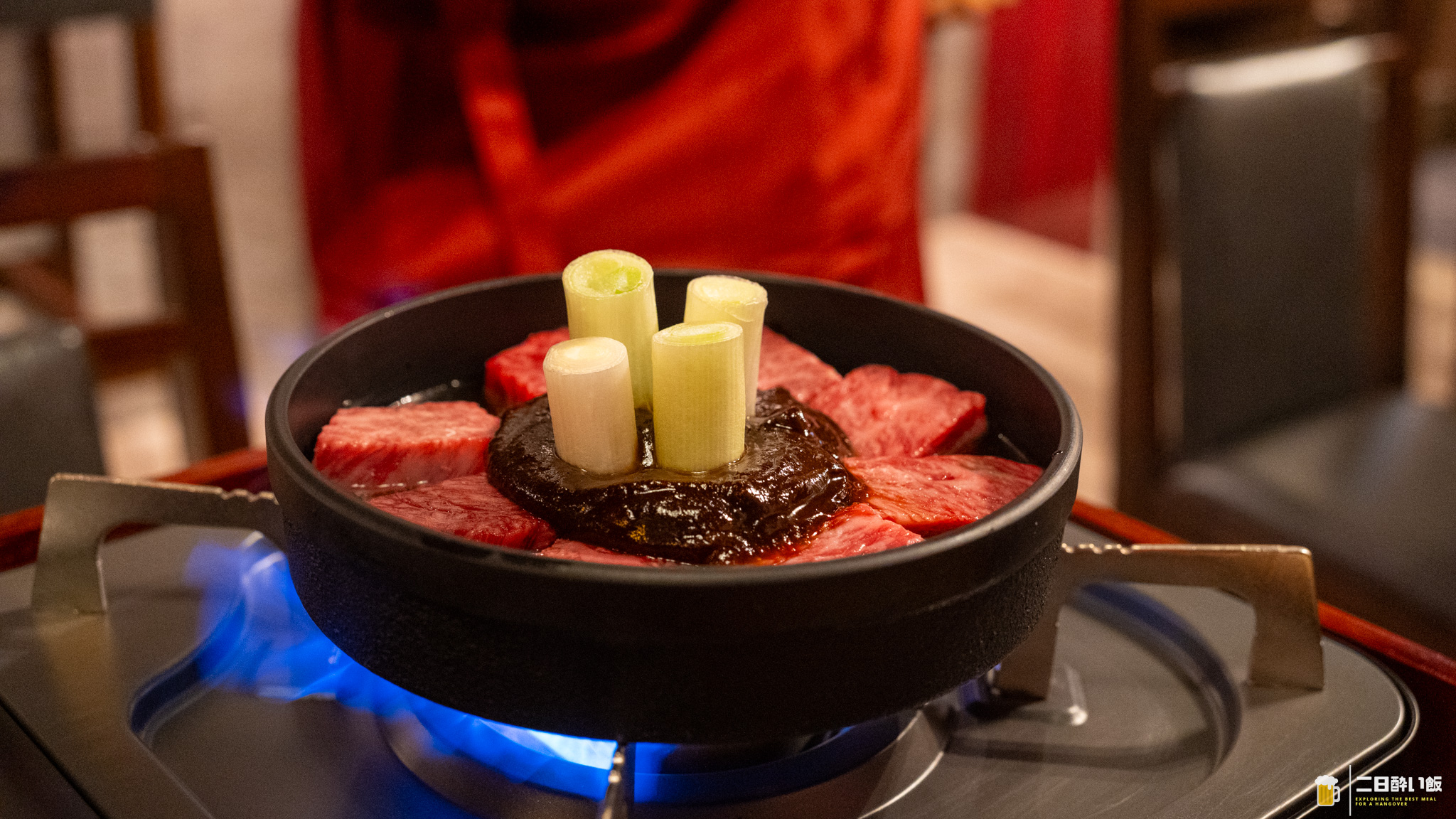
Ta-da! Now this is gyunabe!
Oho, yes indeed, Yokohama gyunabe really is like this. This is the shop’s top signature dish, tracing the beef hot-pot culture born in Yokohama. Its distinguishing feature is simmering in miso rather than warishita broth, and apparently it pairs amazingly well with donabe clay-pot rice, but since we don’t eat much rice while drinking, we will save that pleasure for next time.
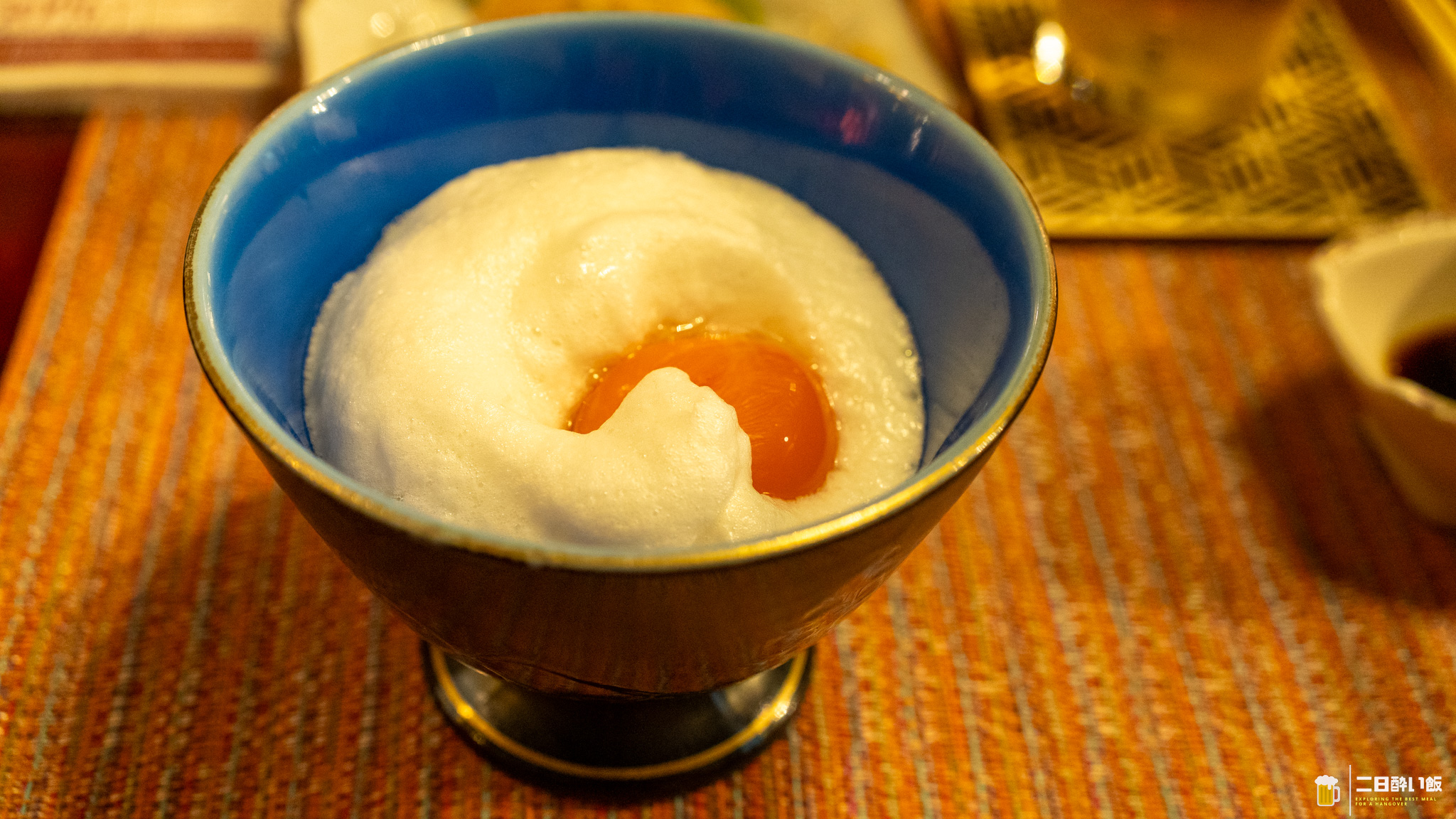
The server cooks it for you, so we waited on standby while mixing the egg yolk into the grated yam (tororo)!
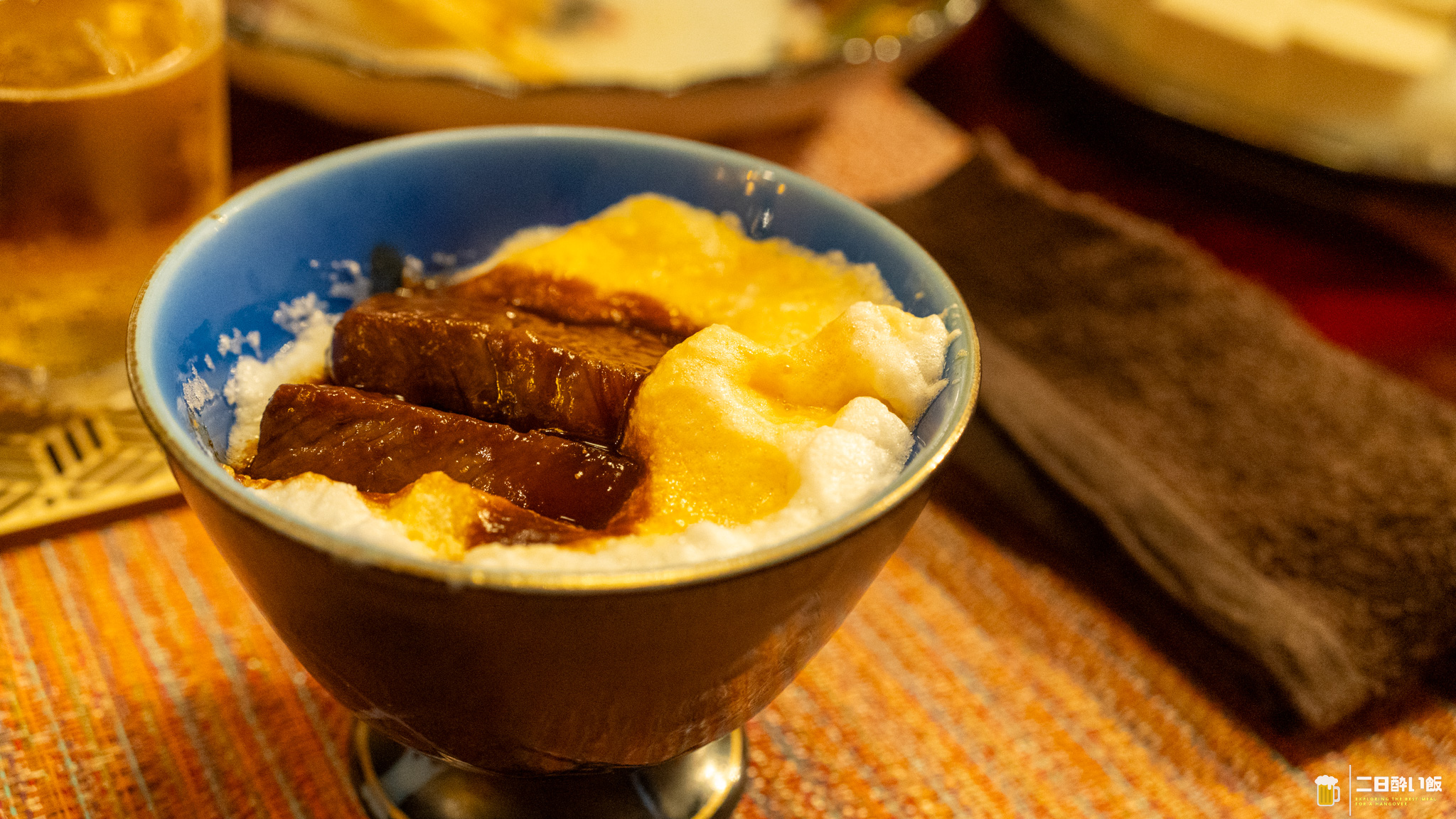
First, the meat is ready!
The fat and meat juices of the Kuroge Wagyu melt into the miso, deepening its rich body! The beef is cooked quickly so it stays tender, with the sweet-savory miso and the sweetness of the rendered fat gently layering together. Delicious~!
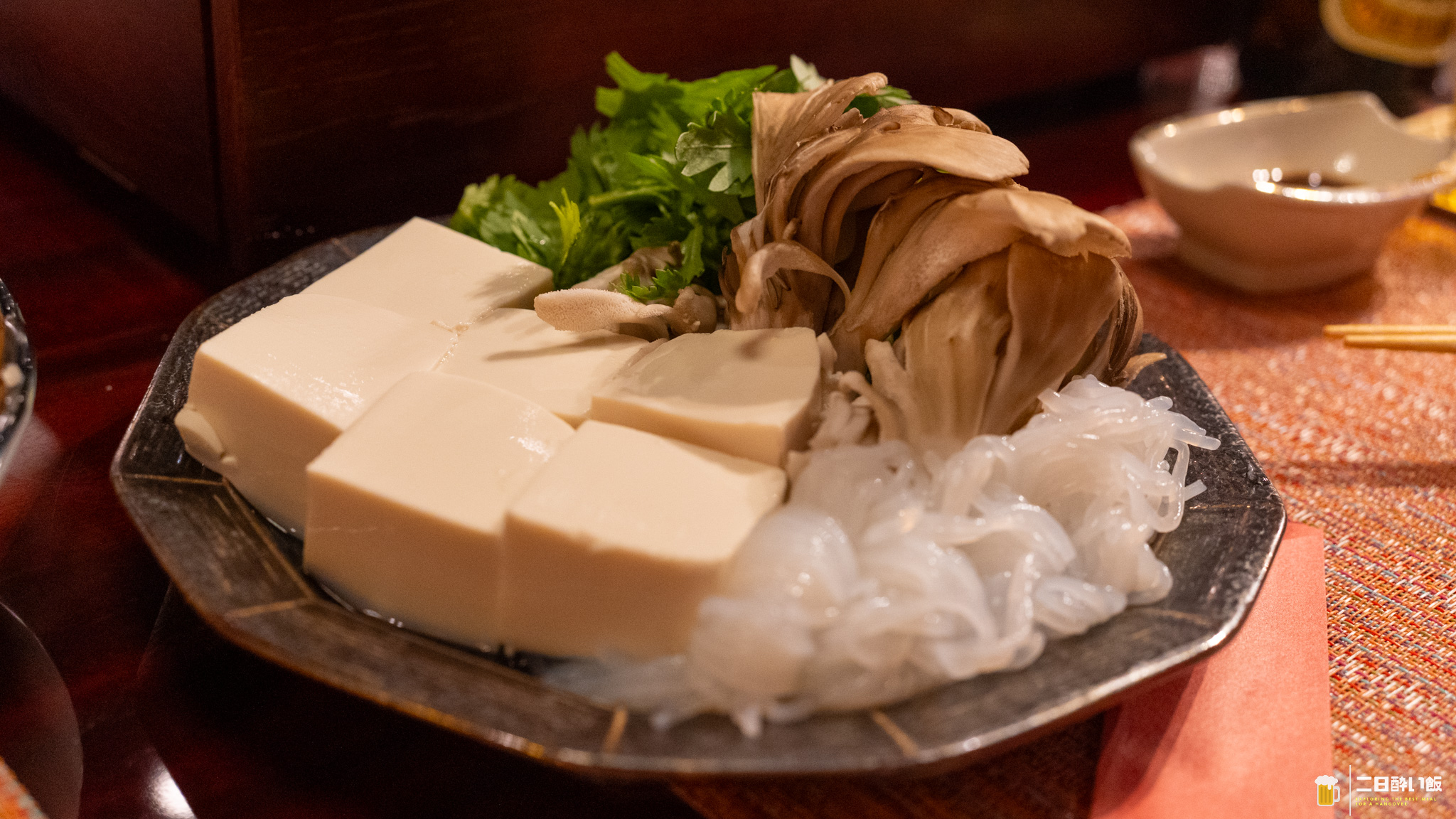
Of course, vegetables come with it too!
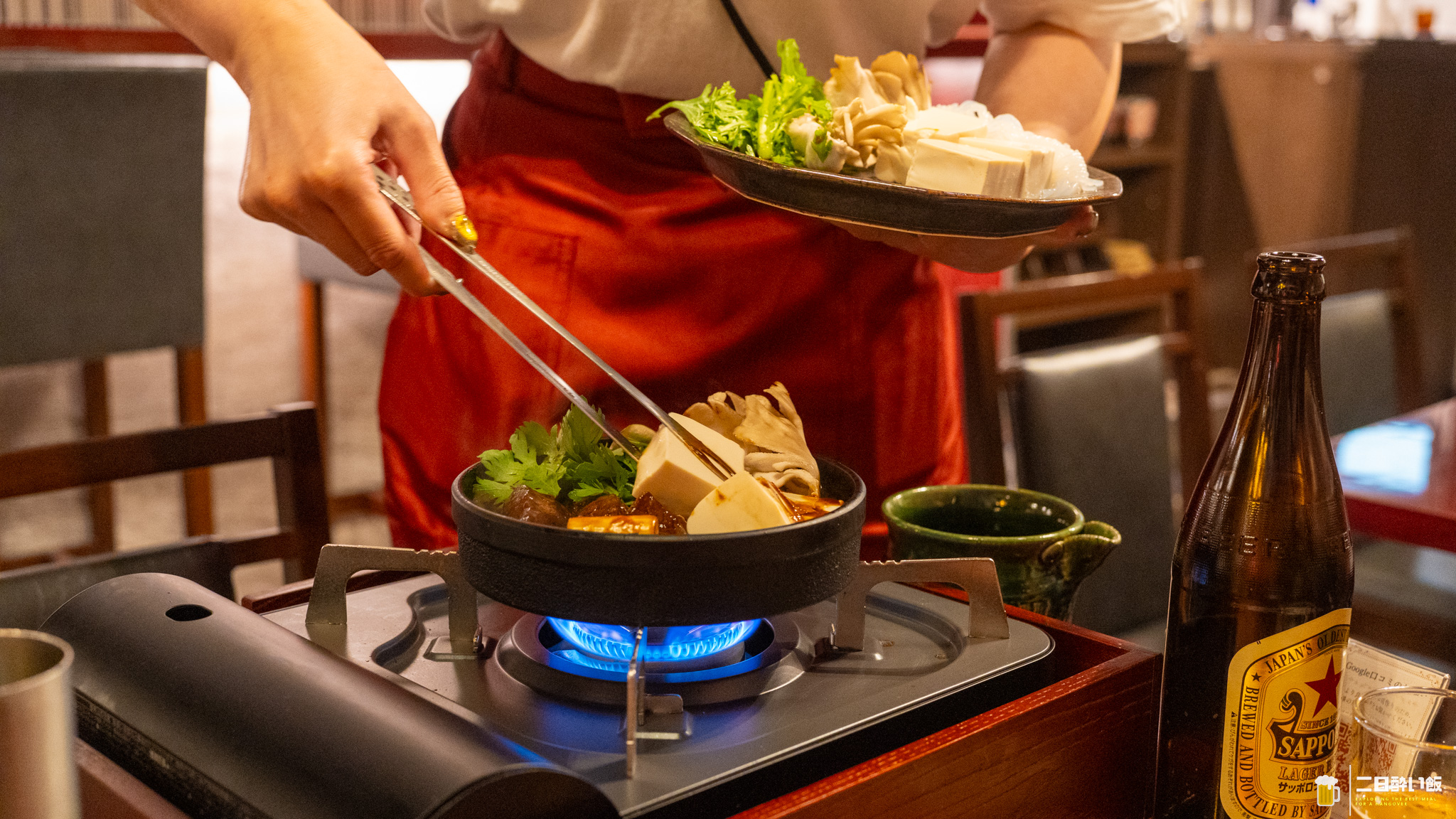
And now, it’s done!
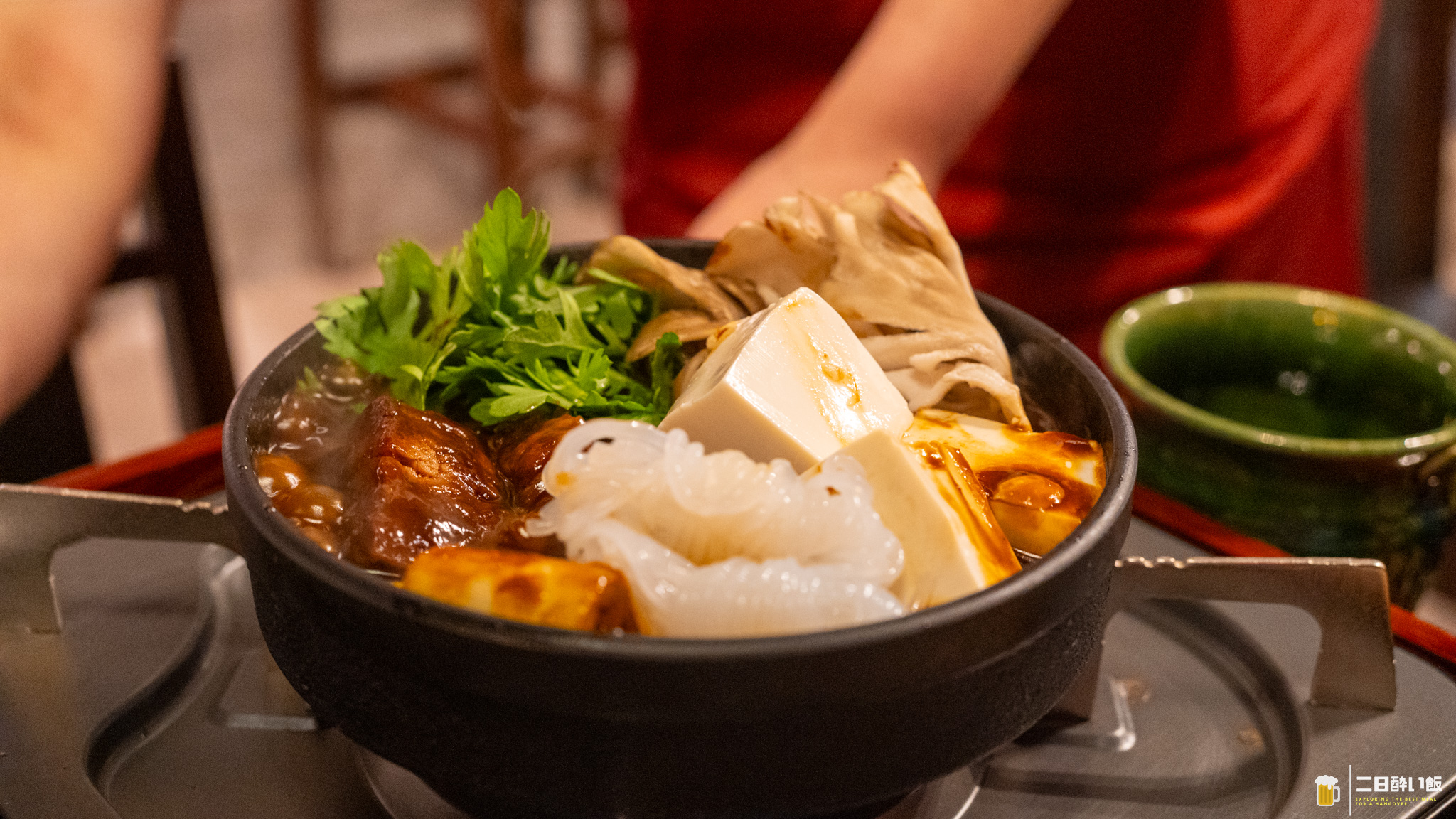
The tofu absorbs the umami of the miso and meat, letting the flavor soak deeply right into its center. The maitake mushrooms have a wonderful aroma and a firm bite. As for the shungiku (chrysanthemum greens), cooked just until soft and wilted seems to be the best time to eat them, leaving just the right balance of gentle bitterness and aroma. The shirataki noodles cling to the miso, making them delicious!
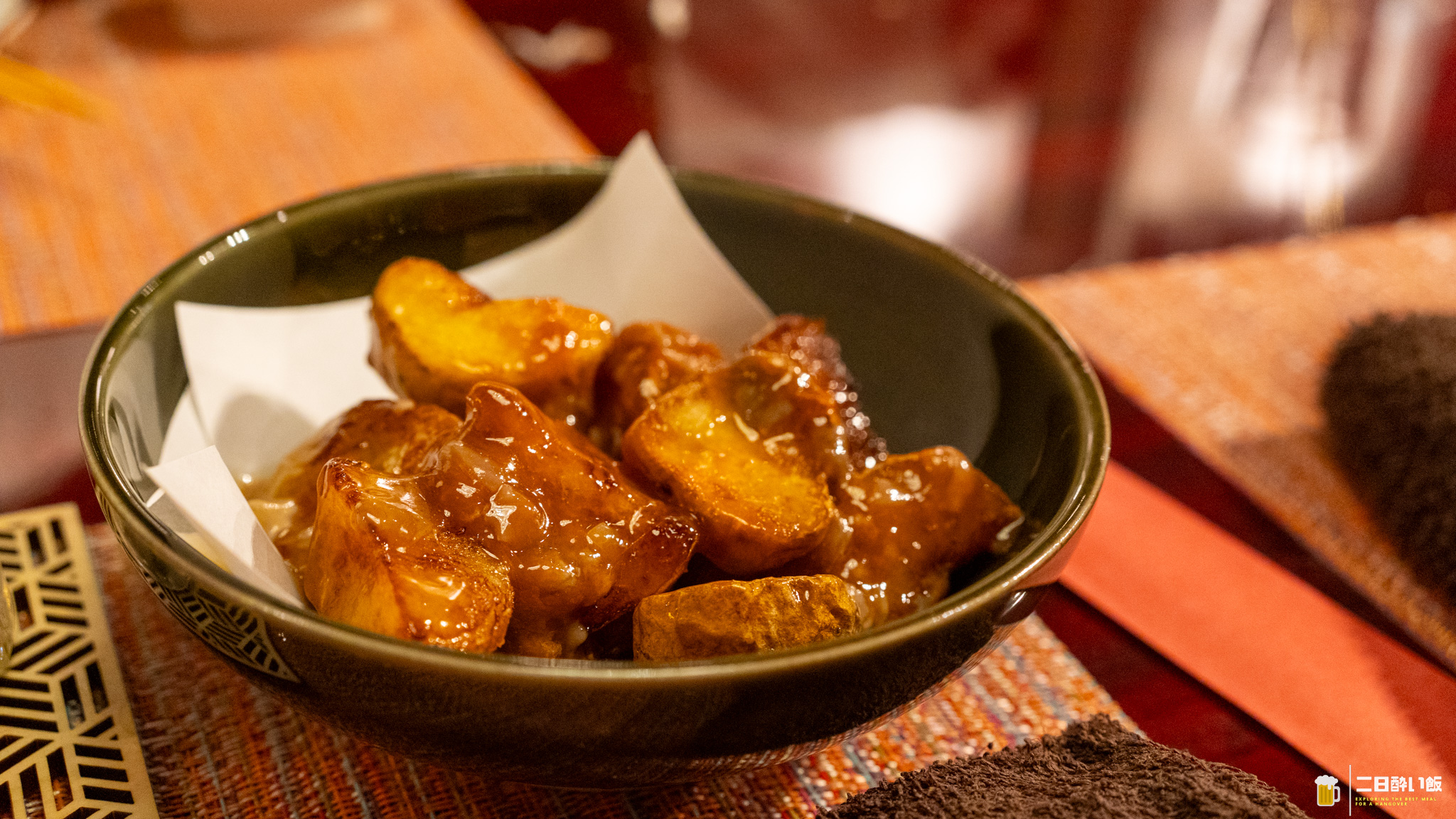
French fries tossed with “shuto,” salted and fermented bonito innards. Crisp on the outside, with the hearty sweetness of potato inside. Wrapped in the rich, sticky saltiness and fermented umami of the shuto, it has an addictive sweet-and-salty taste. Honestly, this is seriously delicious. I knew it would be, though.
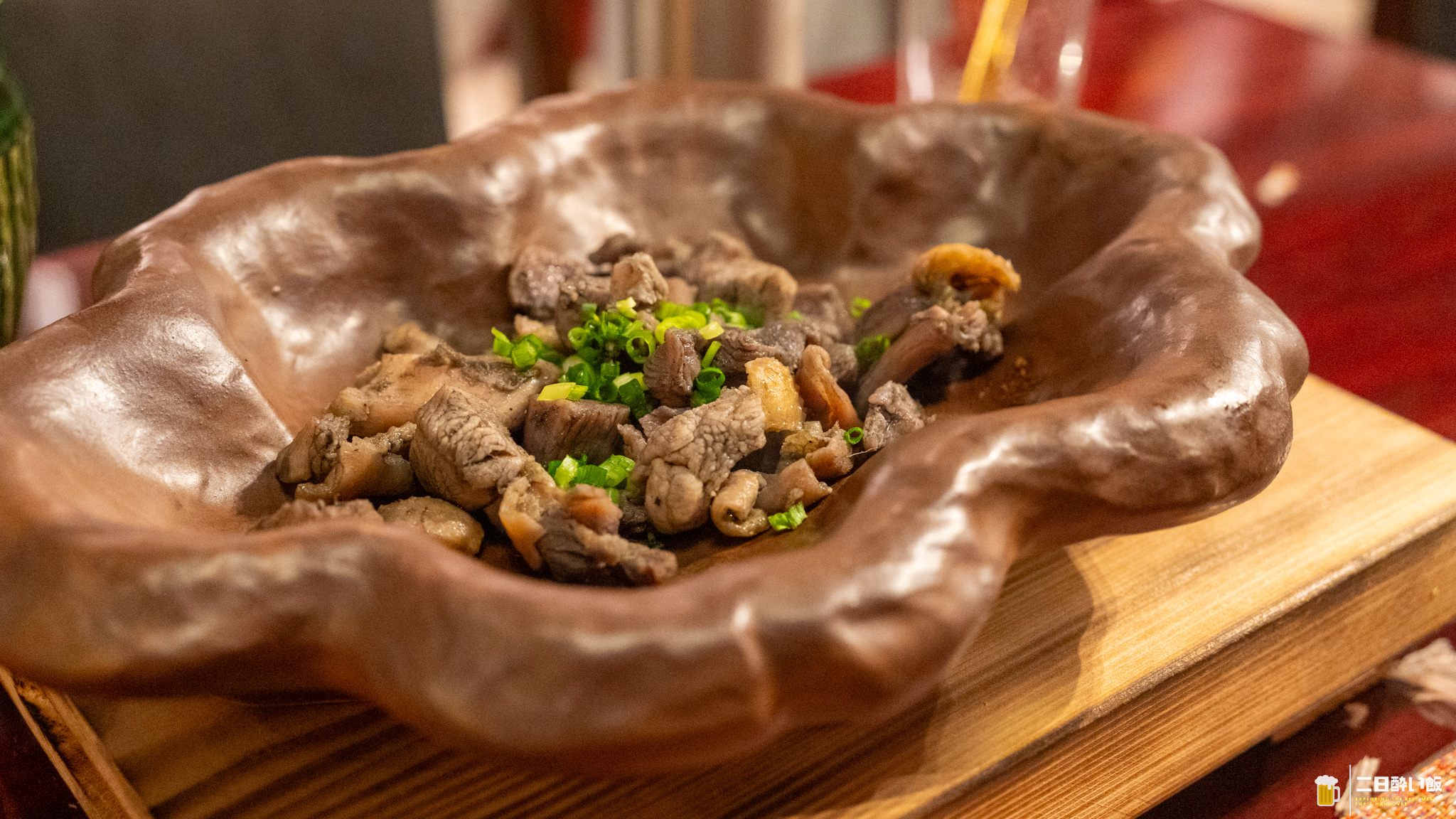
Jidori chicken grilled over charcoal is the kind where concentrated umami seeps out the more you chew. The texture has a firm, springy chew, and the smoky aroma of charcoal drifts up through your nose. With simple seasoning, you can clearly taste the flavor of the chicken itself.
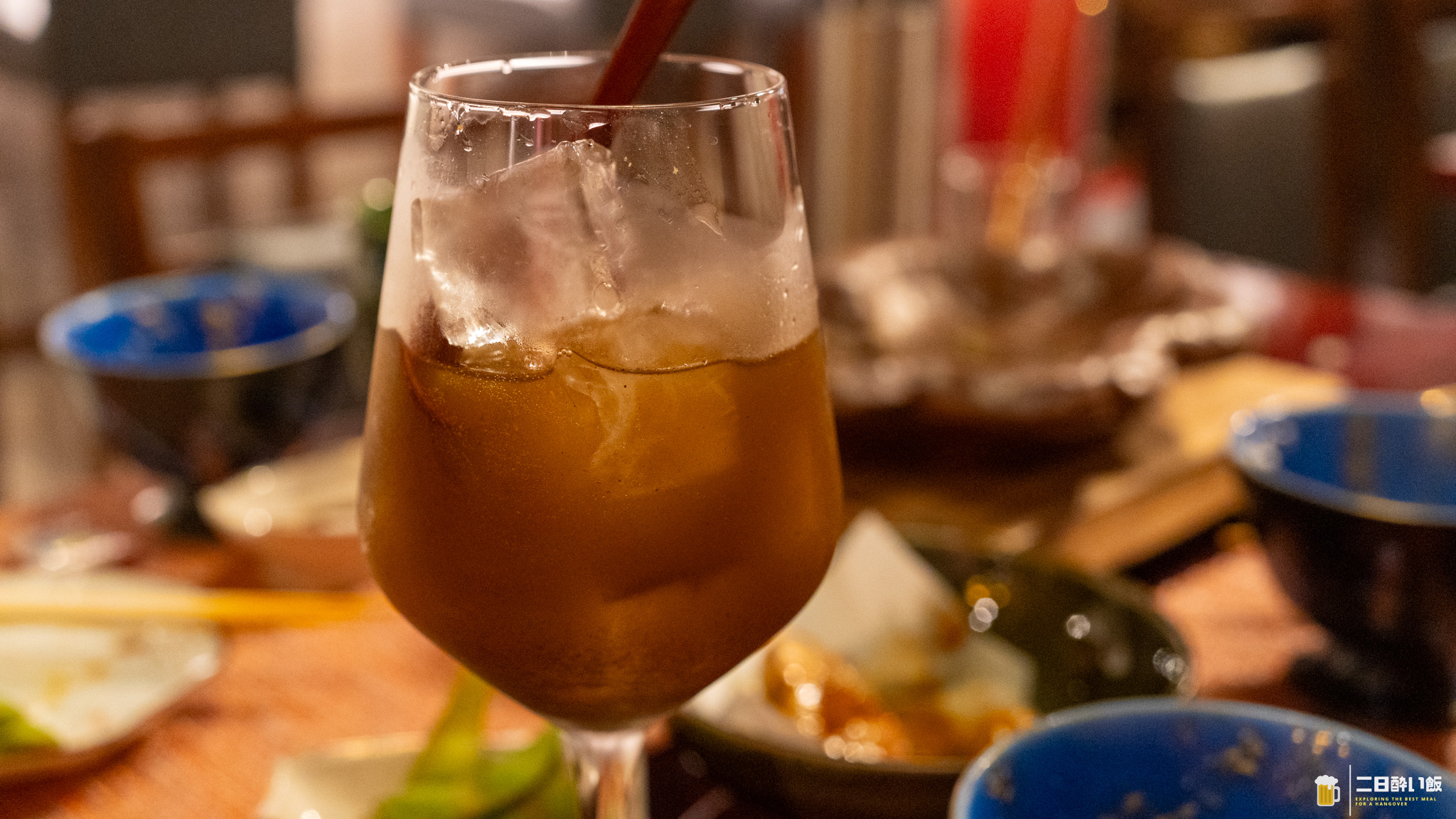
Ahh, so full! If we had eaten the donabe clay-pot rice, we probably couldn’t have eaten this much.
Well, that was a wonderful stroke of luck! I was lured in by the 50% off food without giving a thought to the restaurant’s concept, but inside it turned out to be a place where you can enjoy the Yokohama-born gyunabe culture as a miso hot pot. The signature miso gyunabe, paired with freshly grated tororo yam and egg yolk, offers a fresh discovery quite different from your everyday sukiyaki. With a rich lineup of drinking snacks like the hassun platter, dashi daikon, and shuto fries, I felt this is a shop where you can drink slowly and lingeringly over an Akaboshi (Sapporo Lager) or a tea highball made with Shizuoka tea leaves. It seems to be open late into the night, so it is definitely worth keeping in mind as an option for a second or third stop when drinking in Roppongi!
May you meet something delicious today too!
Beni Fuji Roppongi Menu
Signatures
Sea grapes, flavorful marinated quail eggs, Korean-style lightly pickled eringi mushrooms, old-school potato salad, Japanese-style nikujaga croquette, chilled yukari tofu, tomato namul, edamame fragrant with sansho pepper
Taisho Roman — hot pot born of beef culture
Freshly cooked. Takes 25 minutes to cook
Hassun and hot pots must be ordered for at least 2 people. Clay-pot rice is recommended to be ordered together with hot pot, they say
Hot pots
Fragrant with warishita broth
Fragrant with freshly sliced scallions
Three freshly prepared specialties
Freshly grated, freshly kneaded, freshly shaved
Quick bites
Warm, grilled & fried
Sashimi
Desserts
Tea shochu highballs
Cha-Honpo, tea leaves from Shizuoka Prefecture
Beer
Thick coarsely pureed fruit sour
Highballs
Shochu
On the rocks, with soda, with water
Sake, by the cup (guinomi)
Wine
Adult non-alcoholic drinks
Soft drinks
* From the shopfront menu during the pre-opening period in October 2026. Operating with a reduced menu during pre-opening. Prices exclude tax; 10% late-night surcharge applies from 22:00 to 5:00 a.m.; private room fee 5,000 yen. A 2-hour seating limit applies when crowded. Please check in person for the latest information.
Beni Fuji Roppongi (Izakaya / Roppongi Station, Azabu-juban Station, Roppongi Itchome Station)
Tabelog dinner rating ★★★☆☆ 3.4
I ate here and paid for it myself. Nothing on this site is a comped meal.
One more for the road?


