


A note on the words: shio shoga ramen is salt-based ramen built around ginger; here the ginger settles at the bottom of the bowl, so the aroma and warmth build as you stir. Kotteri means a richer, heavier soup, made here by adding sweet pork back fat (seabura) to the clear broth, in contrast to the light, clean tanrei style the shop is known for. Chashu are sliced meat toppings, here low-temperature-cooked pork plus chicken. Chicken soboro is seasoned minced chicken, and kaiware are radish sprouts. Shoga-su is the tableside ginger vinegar, added partway through for a bright acidity that brings the ginger aroma back.
Shio Shoga Ramen Senmon Ten MANNISH Awajichou honten on Tabelog (English) — opening hours, payment details and the Japanese address are kept up to date there, not here.
To all you ramen lovers out there, thank you for waiting! It’s time for Hangover Meshi!
Today I came to visit “MANNISH“, the famous ginger ramen shop in Awajicho.
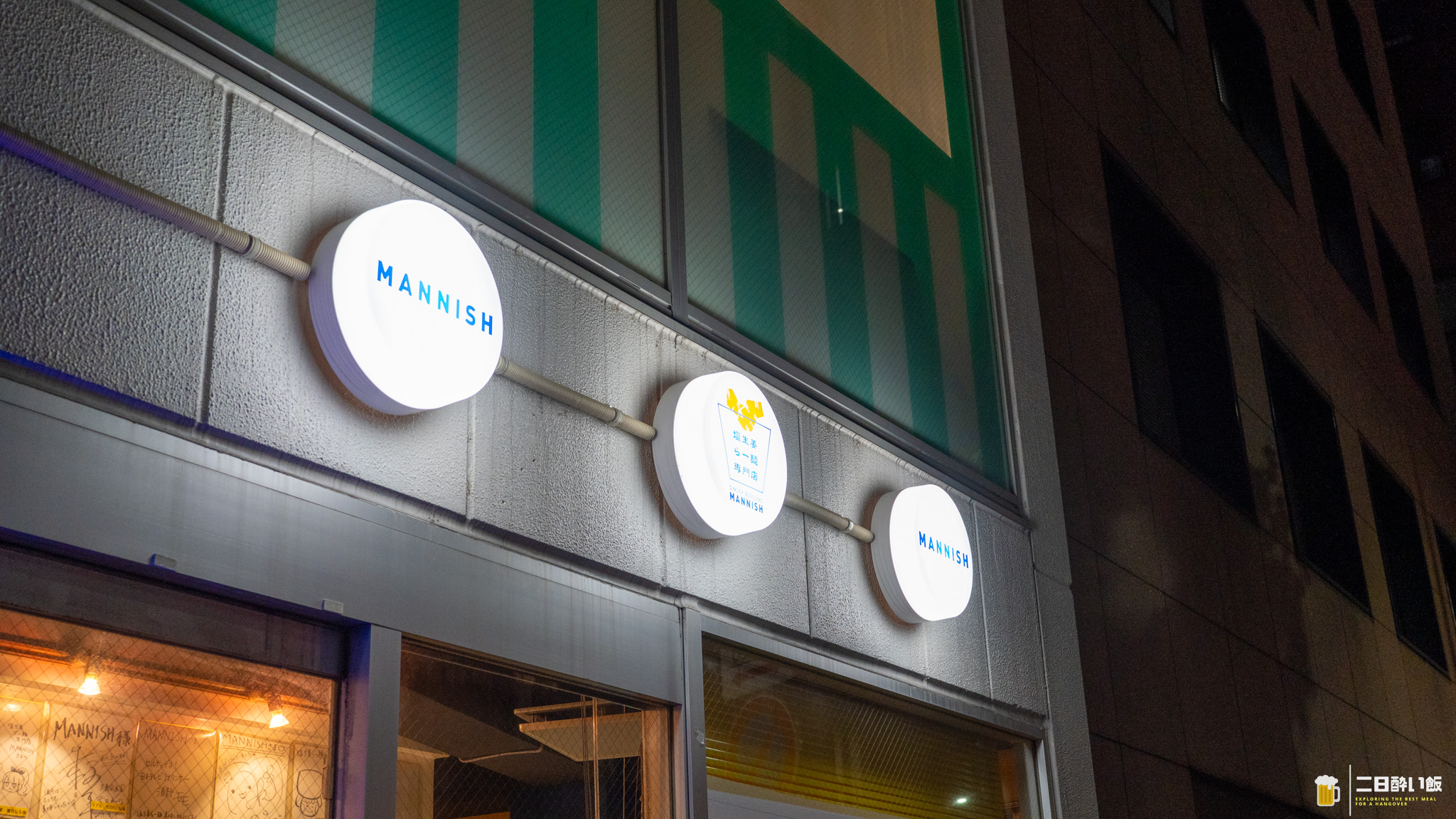
Located along Sotobori-dori, just a short walk from Ogawamachi and Awajicho stations. It is a specialty shop said to have created the very category of “shio shoga ramen” (salt ginger ramen) in this world, with a unique slogan asking, “Getting enough ginger?” ha
There are only 11 counter seats, and the ticket machine is packed with quite a lot of information, which is a bit intimidating at first. On rainy days you can apparently switch to shoyu ginger ramen. I am a little curious about that.
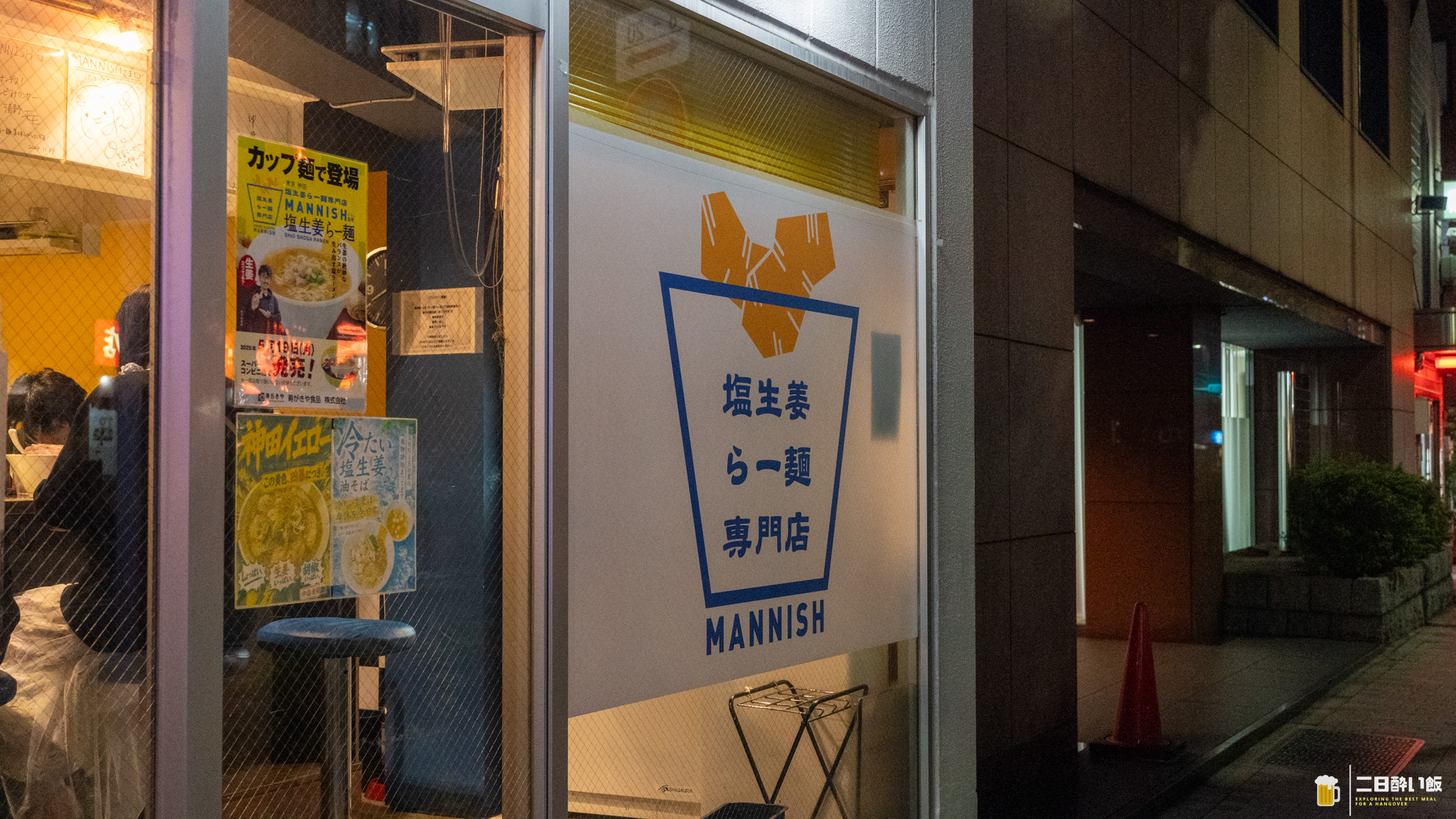
So, at the ticket machine, just as I was thinking I would go with the shio shoga ramen…
“Special Kotteri Shio Shoga Ramen”
I spotted something called that. R… rich? Kotteri sounds delicious, doesn’t it?!
And so, at a shop famous for its tanrei (light, clean) ramen, I ended up ordering the rich kotteri, ha.
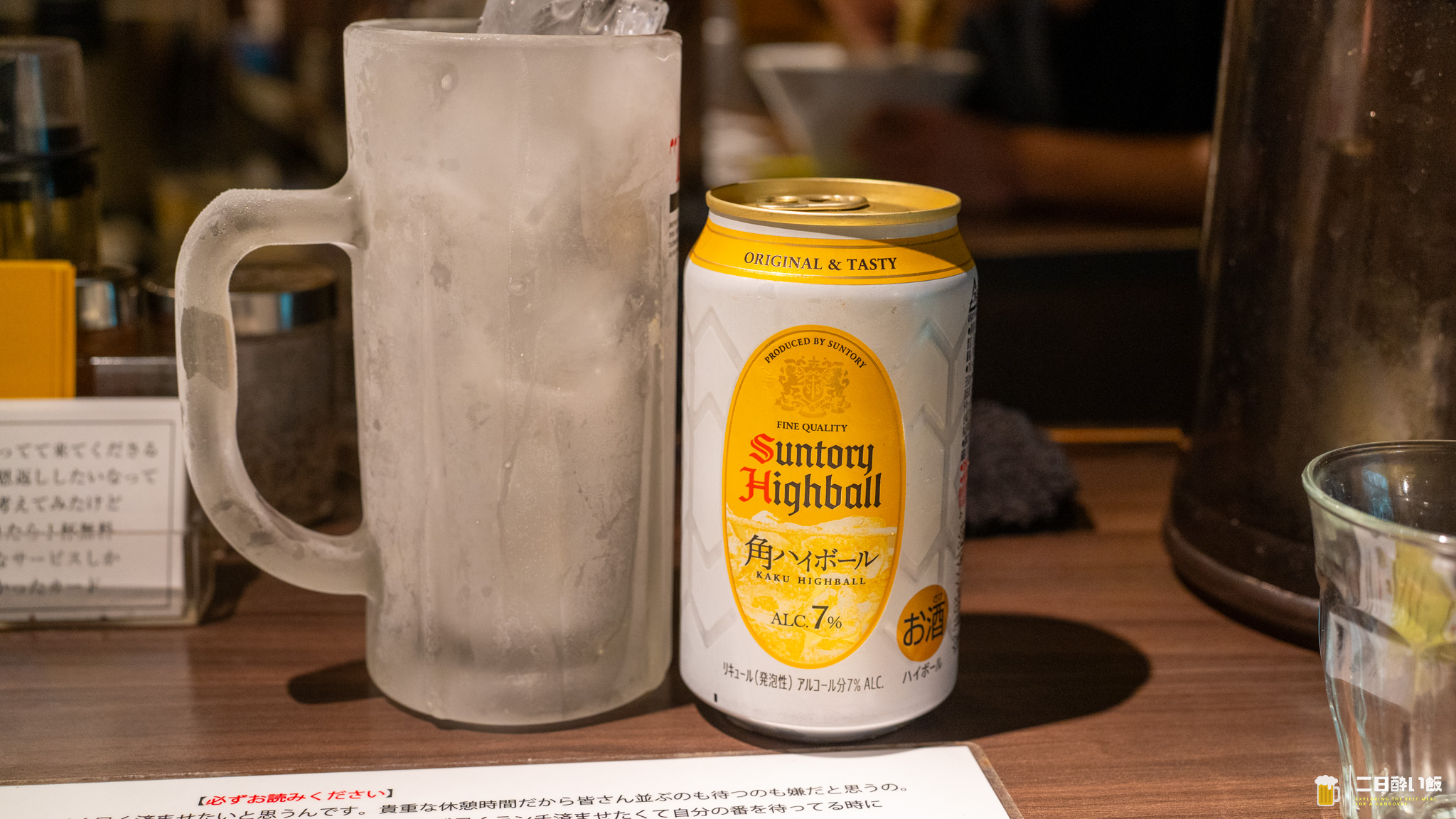
The highball is so good!!!!
And then, the ramen arrived!!
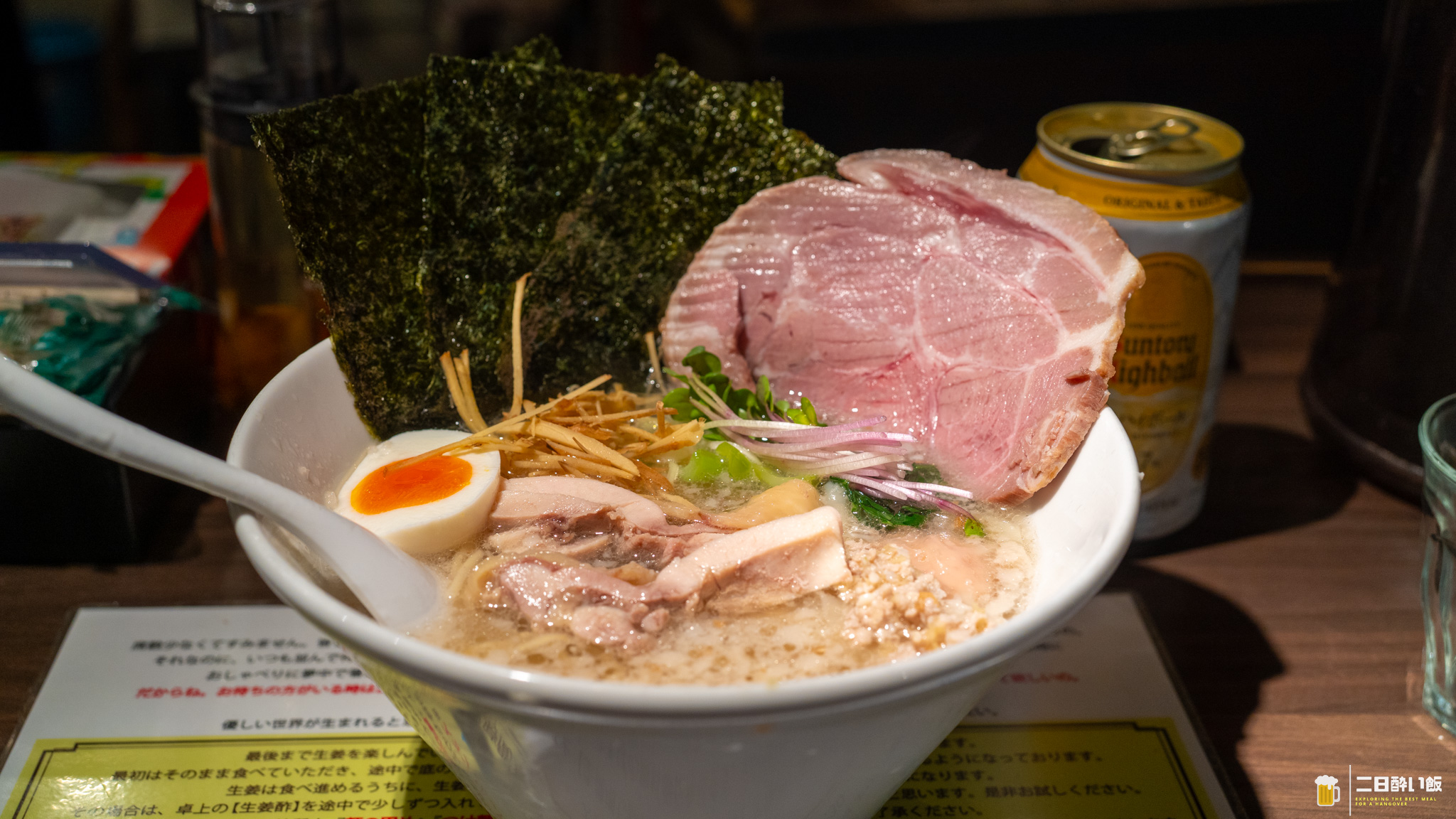
Ooh… it looks so delicious!!
With three sheets of nori at the back, low-temperature-cooked pork chashu lies boldly across the top of this full-topping bowl. Rising from the bowl, the aroma of chicken broth and ginger drifts gently past your nose. Incredibly refreshing. Being the “Special,” the toppings are lavish: pork chashu, chicken chashu, and a seasoned egg with a delightfully runny yolk. Chicken soboro (seasoned minced chicken), chopped ginger, and kaiware radish sprouts make for wonderful balance!
Taking a bite, the soup is a chicken-based salt broth. What arrives first is a smooth mellowness with no sharp edges. The ginger aroma spreads slowly and gently. The back fat that makes it kotteri adds sweetness and is super delicious! Even with plenty of back fat in the bowl, the clean, salty character of the broth stays clear right until the end. Rich yet the aftertaste pulls away cleanly—is this the power of ginger, I wonder?!
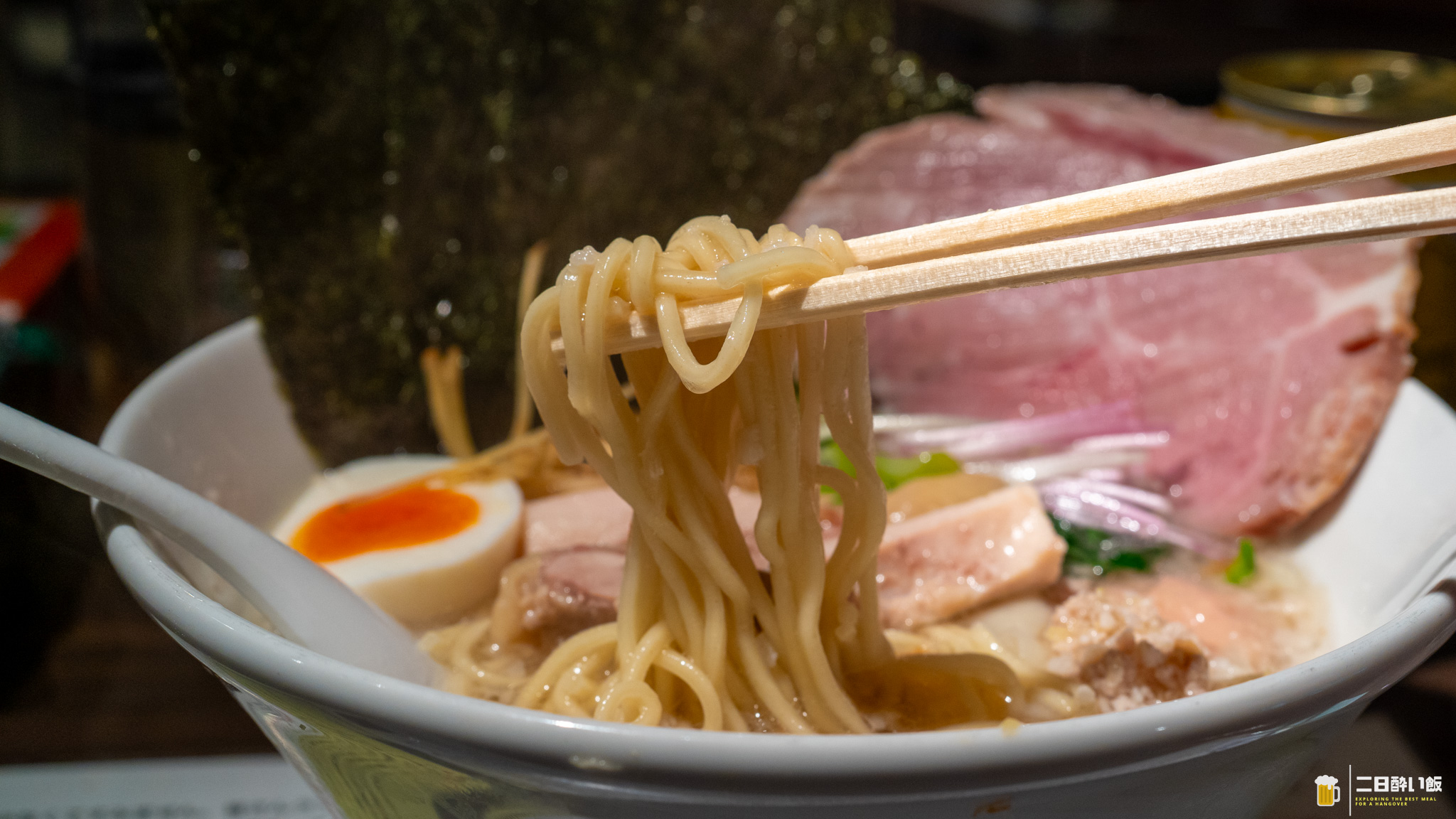
The noodles are pale, medium-thin, and straight. Supple, they pick up the soup well. The noodles are cooked rather soft, and they are delicious! A notice posted around the ticket machine clearly stated that requests for firm noodles are declined, so I think this softness is the house style!
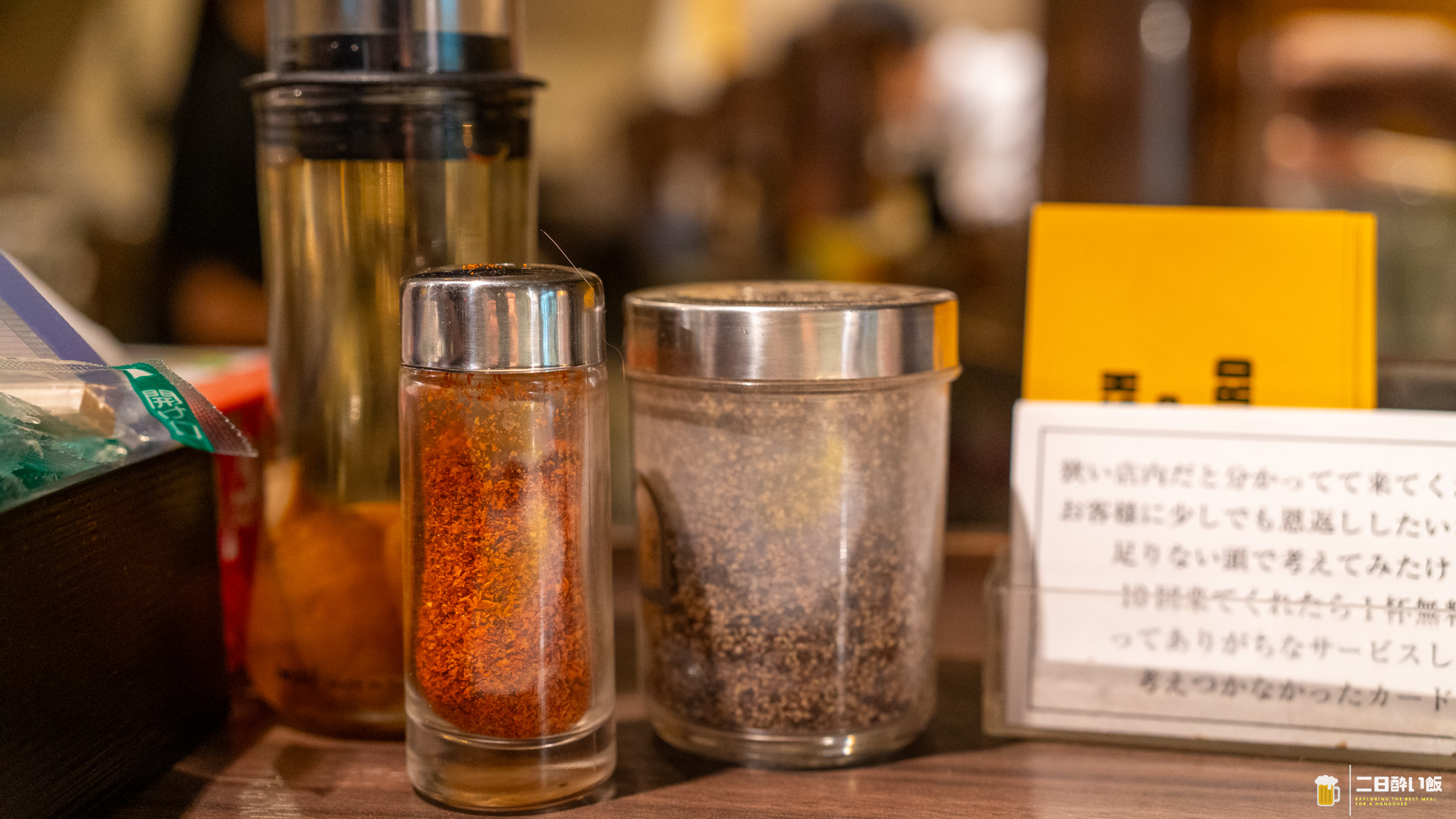
The real show is actually in the second half. It is crafted so that ginger settles at the bottom of the bowl; stirring releases the aroma from that moment on, warming your body until you work up a sweat. I also tried adding a little of the tableside ginger vinegar (shoga-su), and the acidity brings extra freshness, making the ginger aroma rise up all over again!
Now this is really delicious!
Visiting “MANNISH“, the famous salt ginger ramen shop in Awajicho, ramen with ginger pushed this far forward felt very fresh. I ended up going with “kotteri,” but even with the richness it felt entirely refreshing, and unless you are specifically looking for tanrei, I felt the sweetness of the fat added even more depth to the flavor, so I highly recommend it!
I think this is definitely the right ramen for a hangover, so depending on the severity of your hangover, switching between kotteri for a moderate one and the regular, lighter bowl for a severe one might be an interesting idea!
Here’s hoping you encounter something delicious today too!
Shio Shoga Ramen Senmon Ten MANNISH Awajichou honten Menu
Special (All toppings)
The [Special] adds 1 slice of pork chashu, 1 wonton, half a seasoned egg, and 3 sheets of nori.
Kotteri includes pork back fat. This is the one I had this time.
Ramen & Tsukemen
Toppings
Limited Specials & Set Meals
The limited-edition slots change daily. On this day, tags for “Kanda Yellow” and corn were displayed.
Rice Dishes & Alcohol
Notices on Ordering
On rainy days, you can change to shoyu ginger (purchase a ticket for ramen or tsukemen and ask for “shoyu”). Due to the nature of the noodles, requests for “firm noodles” and “warm noodles for tsukemen (atsumori)” are declined. Present your stamp card together with your meal ticket. Payment is cash only.
* From the ticket machine display during a visit in August 2026. Prices and limited menu items are subject to change. Please check in front of the shop or on their official X account (@MANNISH0307) for the latest updates.
Shio Shoga Ramen Senmon Ten MANNISH Awajichou honten (Ramen / Awajicho Station, Ogawamachi Station, Kanda Station)
Tabelog dinner rating ★★★☆☆ 3.6
I ate here and paid for it myself. Nothing on this site is a comped meal.
One more for the road?


