


A note on the words: tori-dashi is a clear soup stock drawn from chicken — here made from jidori, Japanese heritage-breed chicken, and seasoned with either shoyu (soy sauce) or shio (salt) tare, the concentrated flavoring base in the bowl. Tokusei (“special”) is the shop’s fully loaded bowl, topped here with three cuts of chashu (braised or slow-cooked sliced meat, both pork and chicken in this bowl), a duck wonton, and an ajitama, a soft-boiled egg marinated in seasoned soy sauce. COEDO Ruri is a crisp pilsner from the Japanese beer brand COEDO.
Table of Contents hide
Kissui Hana no Ren on Tabelog (English) — opening hours, payment details and the Japanese address are kept up to date there, not here.
To everyone who’d rather have noodles than bread, thank you for waiting! It’s time for Hangover Meshi!
This time I headed to “Kissui Hana no Ren,” a well-known ramen shop in Myogadani!
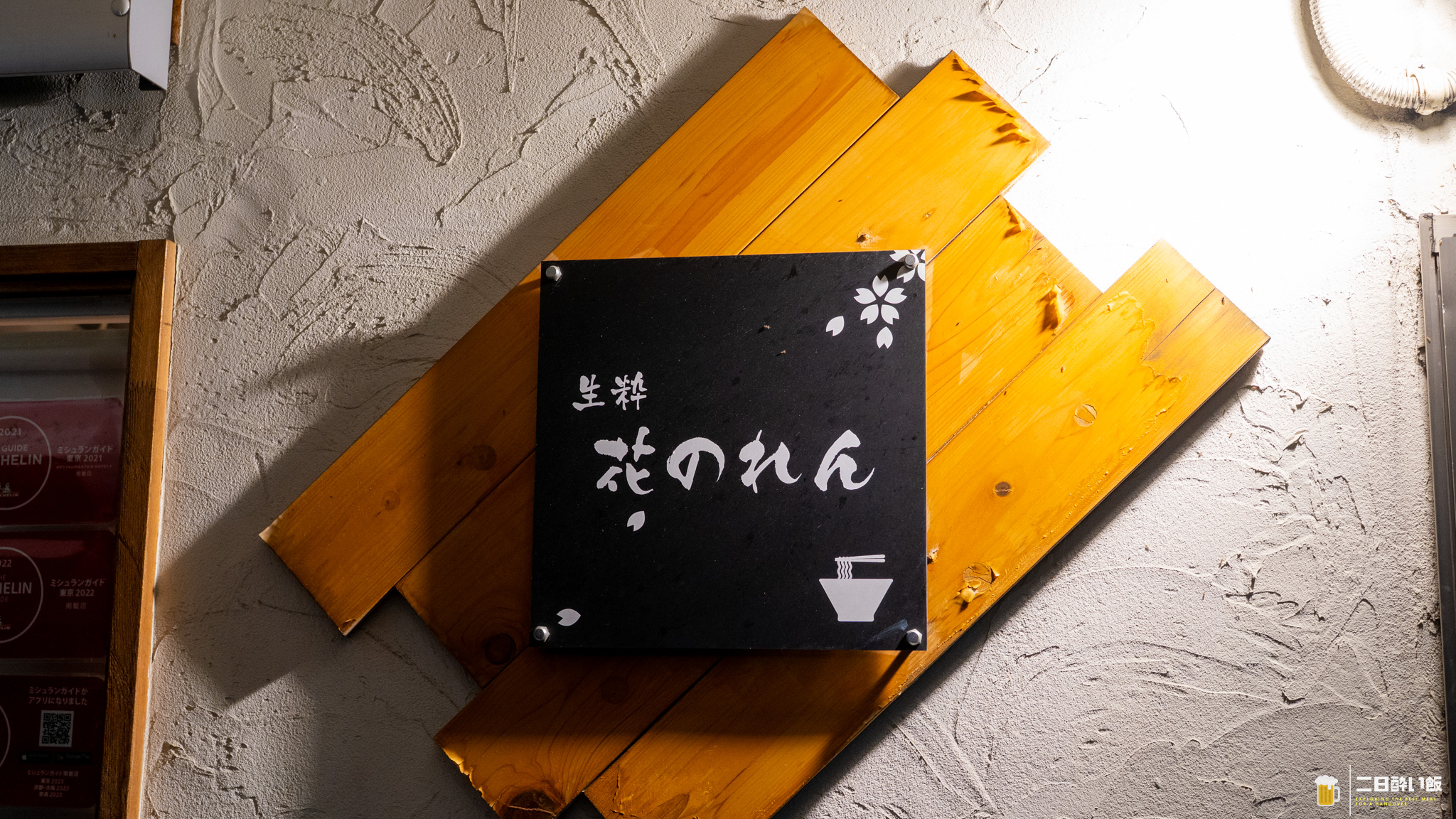
It is a bit of a walk from Myogadani Station — about five minutes on foot along Kasuga-dori toward Otsuka.
Right in front of Ochanomizu University sits “Kissui Hana no Ren”! It reportedly opened in 2015 and is run by a married couple; I hear it has been selected for the Michelin Guide Bib Gourmand several times, and that lines form at lunchtime on holidays.
It is known for its “umami tori-dashi” (savory chicken-stock) ramen made with jidori (Japanese heritage-breed chicken), with a choice of shoyu (soy sauce) or shio (salt). Inside, the shop is tidy like a cafe, with an easygoing atmosphere where you can drop in alone.
With a little excitement, I stepped inside and stood before the ticket machine. The machine was high-tech, so it might be a good idea to have cashless payment ready before you go. I placed my order and took a seat at the counter.
First up, this!
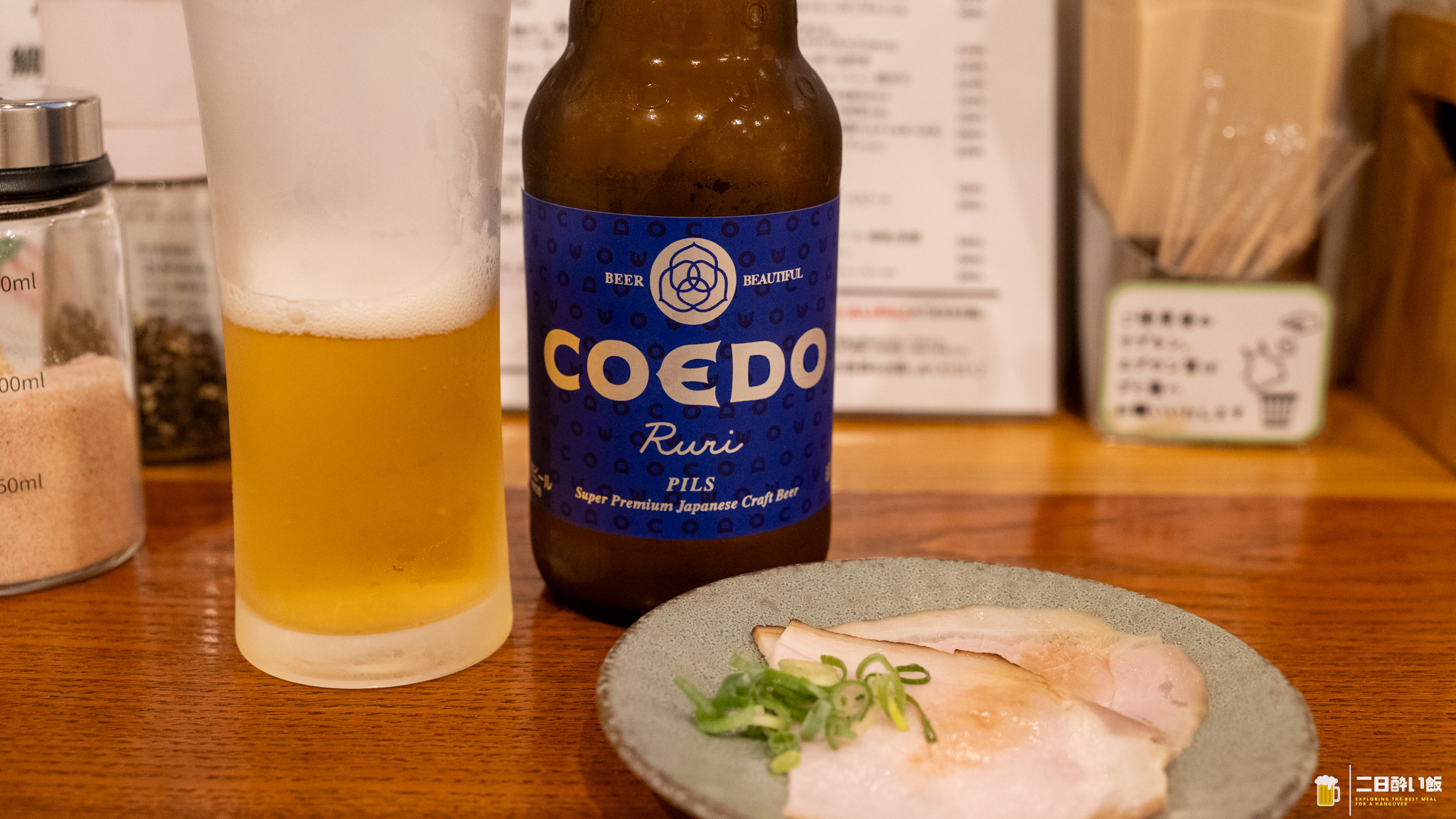
To my surprise, the beer is COEDO!!
That is so good. And they even gave me a small snack to go with it!
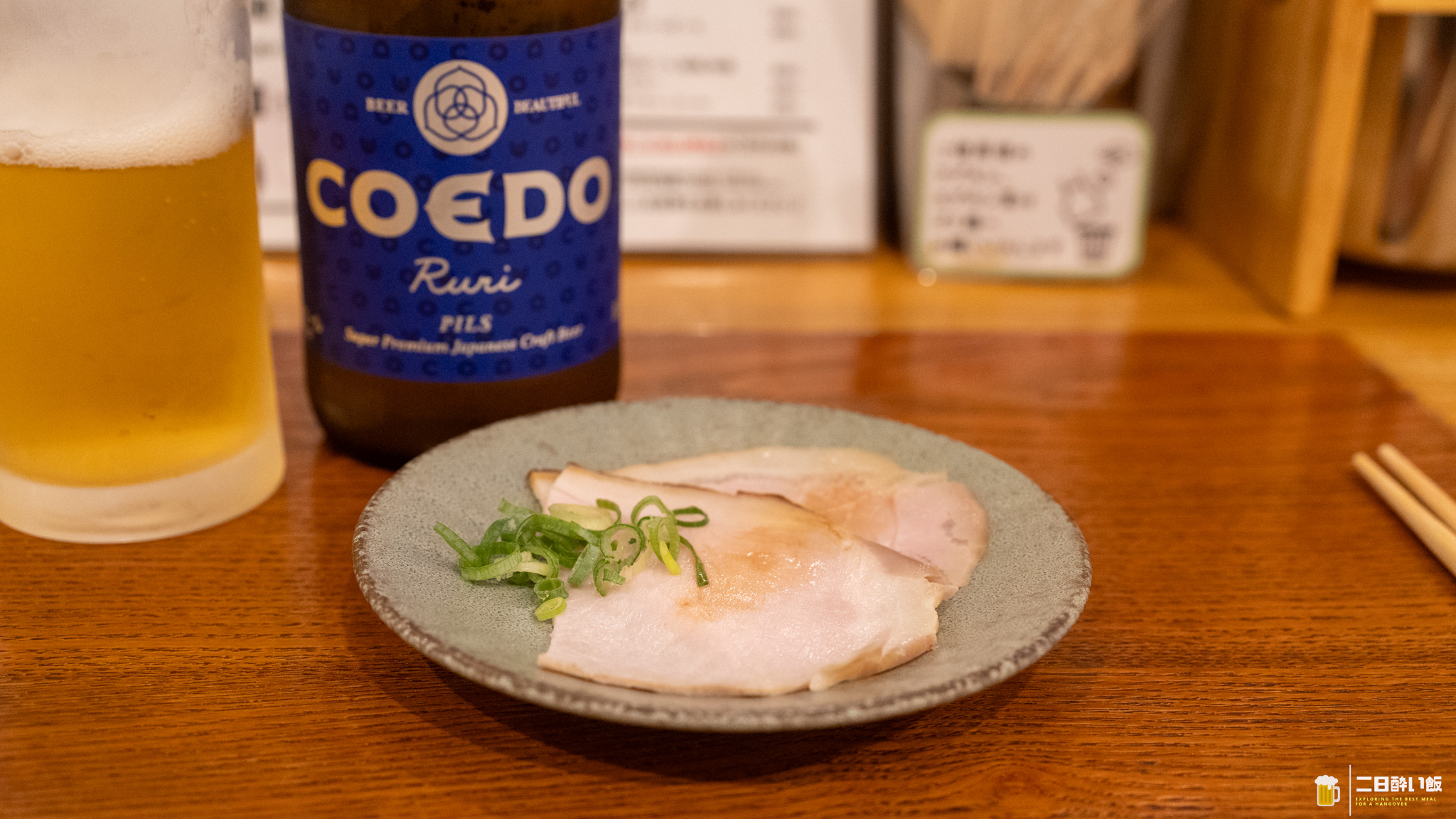
How wonderful that they give you something to nibble on while waiting for your ramen! The moist, tender pork chashu spreads the sweetness of the meat the more you chew, with a gentle aroma wafting up. It is a spot-on match for the crisp COEDO Ruri.
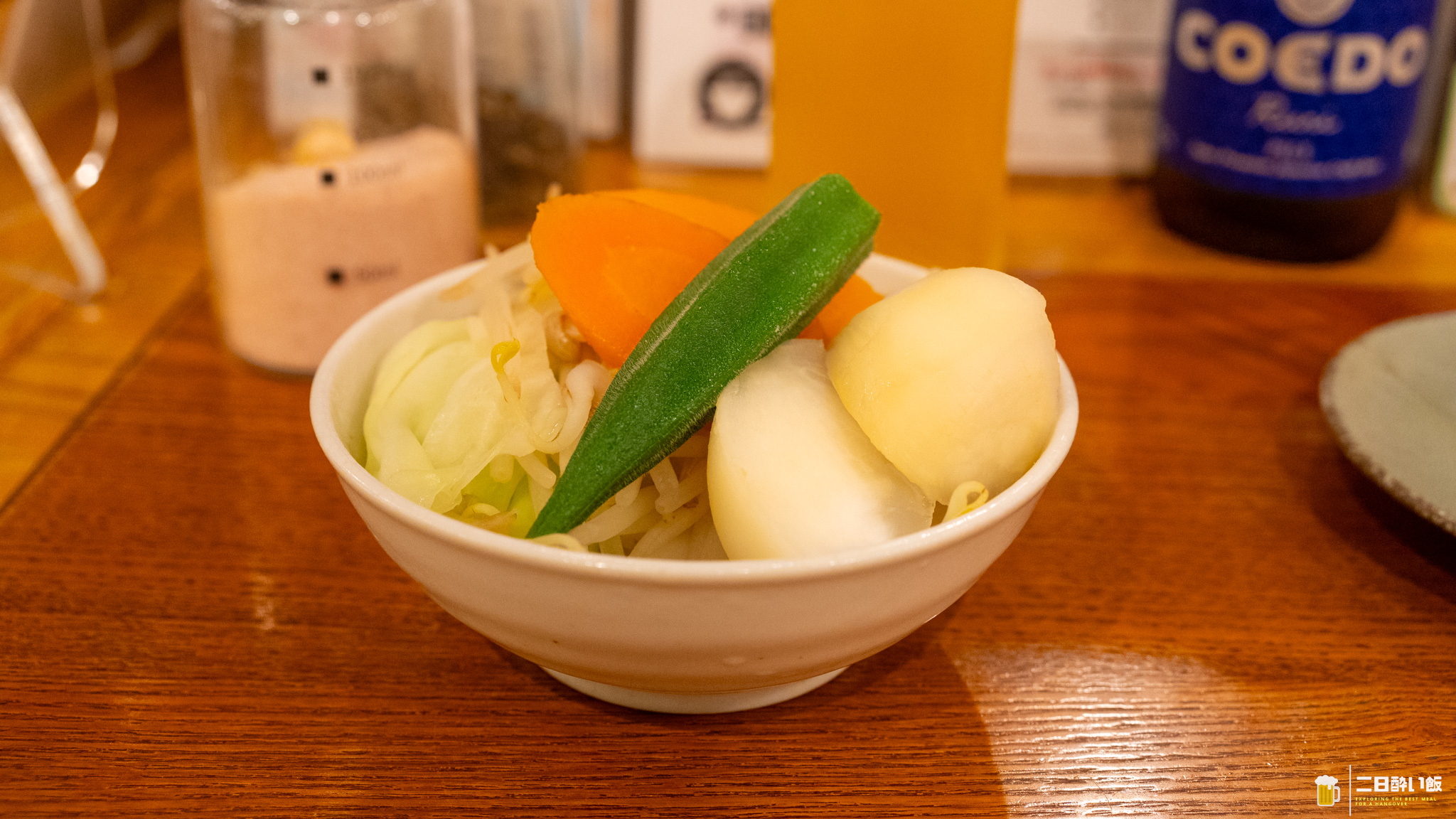
Warm vegetables as a side dish at a ramen shop is pretty unusual, isn’t it? The contents seem to change by the season or month, and on this day it was asparagus, kabu (Japanese turnip), carrot, okra, bean sprouts, and cabbage.
There is almost no seasoning — you eat them with just a light sprinkle of salt. Because of that, the flavor of the vegetables comes through clearly. The carrot is fluffy and sweet as you bite into it, while the cabbage and bean sprouts have a crisp crunch. The slippery texture of the okra makes a nice accent, too. Since you can taste the natural sweetness of the vegetables themselves, they are plenty delicious with salt alone. Still, I wanted to try pairing them with the ramen soup a bit, so I just had a taste for now.
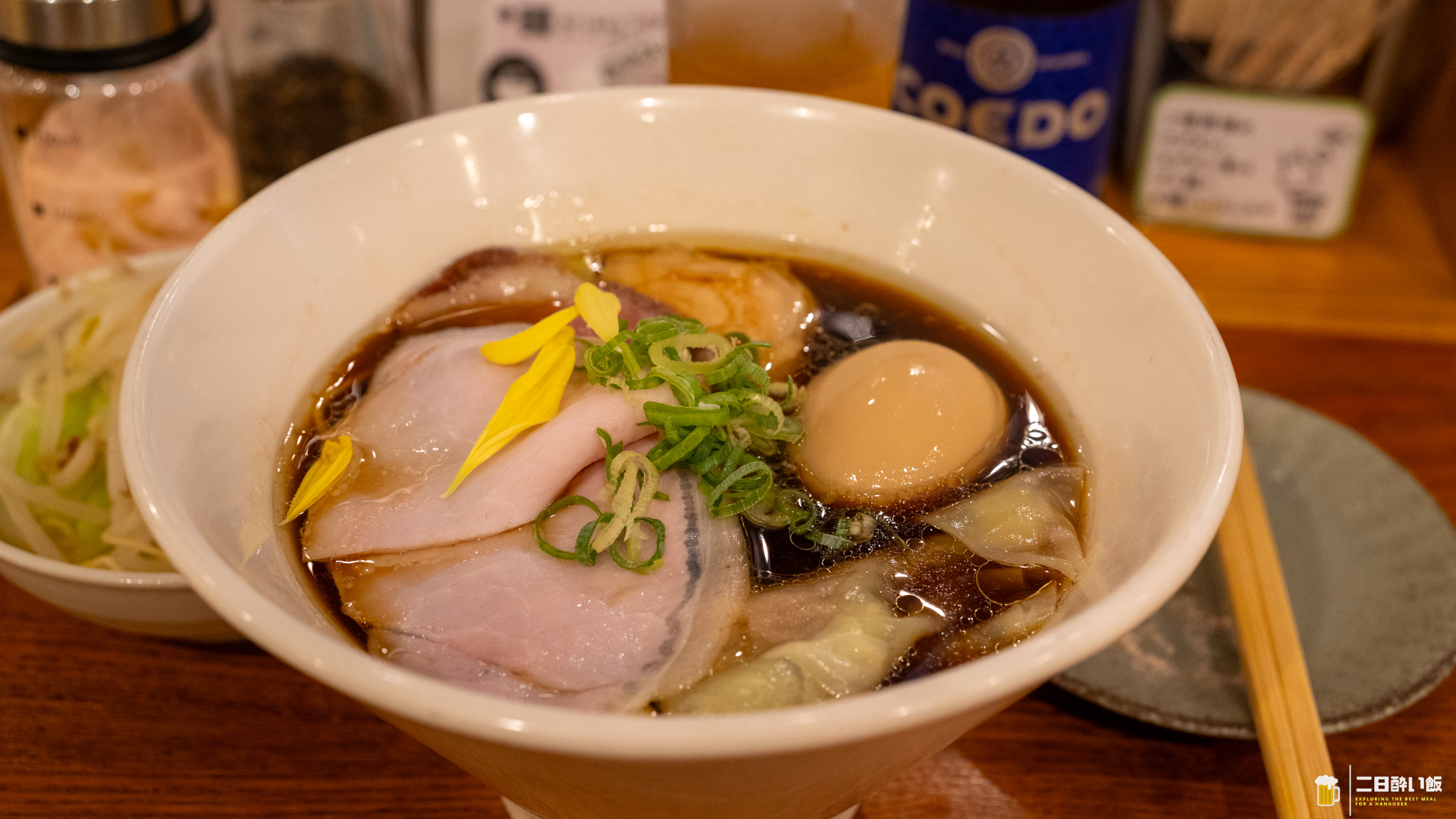
What a beautiful bowl of ramen! The chrysanthemum petals on top are lovely.
When I took a sip of the soup, the toasty aroma of the soy sauce rose gently — no sharp edges at all, just mellow. The umami of the jidori chicken spreads slowly and then recedes cleanly after you swallow. The shoyu tare leaves behind both sweetness and toastiness. This gentleness is definitely right on the mark for a hangover.
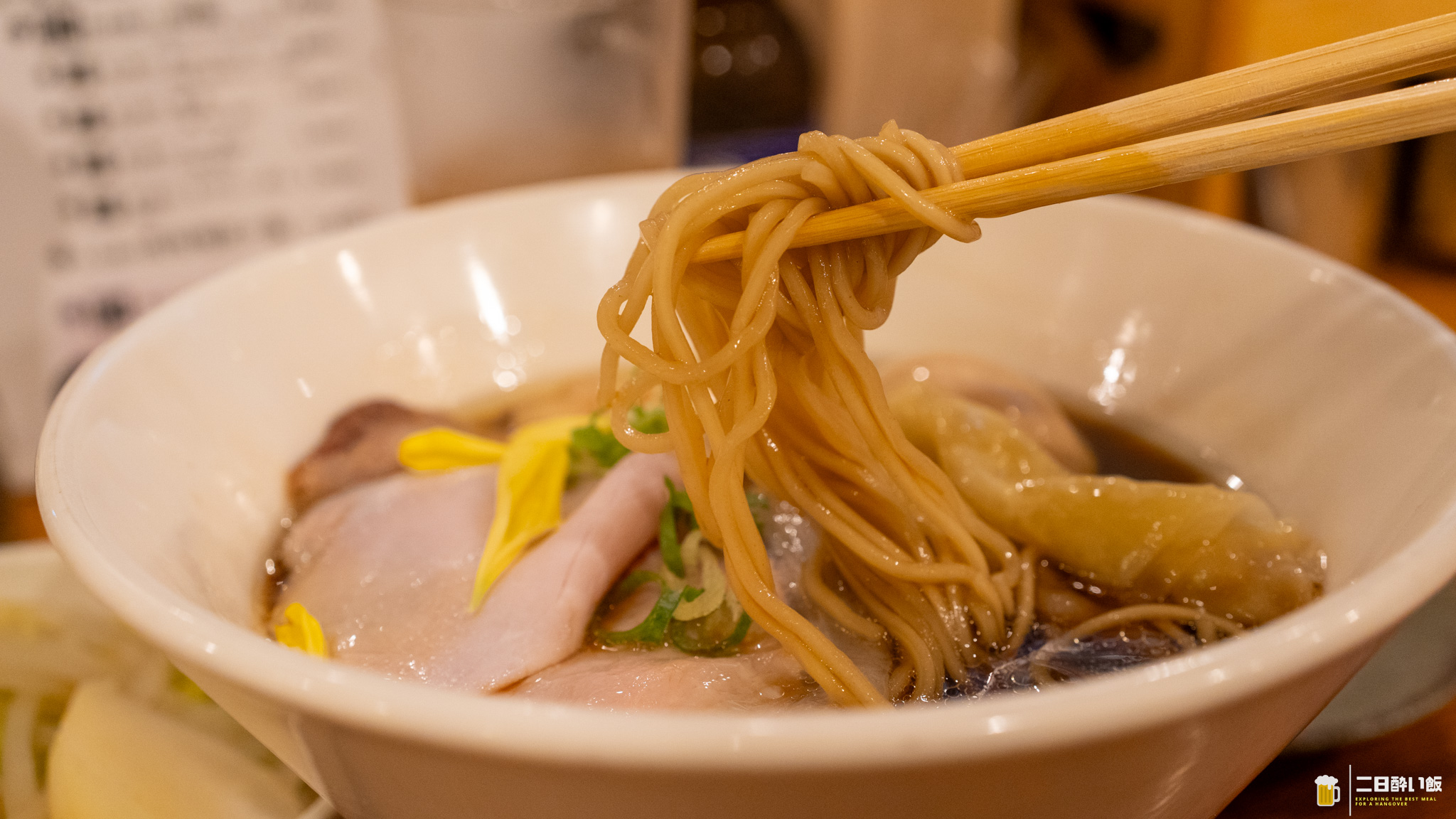
The noodles are thin and supple, with a firm bite and a smooth slurp — delicious!
For toppings, it is the works: three kinds of chashu, a wonton, and an ajitama (soft-boiled marinated egg). Each of the three chashu cuts has a completely different texture! The pork is soft, with a gentle meaty aroma that drifts through the nose, while the chicken is chewy and springy. The wonton is made with duck, and the rich flavor of the duck comes bursting out from inside its slippery skin — delicious as well! The ajitama with its runny yolk is wonderful too!
And this is where the warm vegetables come in. After savoring the soup on its own for the first half, I dipped the warm vegetables into the soup for the second half. The umami of the chicken stock rides on the sweetness of the vegetables, and that is great too! Putting them in at the start would thin out the soup, so I recommend pairing them at the end!
The gentleness of the chicken broth and the toastiness of the soy sauce — it is the kind of ramen that seeps right into your body, so it works fine even when you are hungover! I also like that a regular portion of noodles is 150 g. Because the noodle portion is on the smaller side, it is easy to add side dishes. The warm vegetables were quite delicious, so if you are health-minded and want to top up on vegetables while eating a smaller bowl of ramen, why not give it a try?
Here’s hoping you run into something delicious today too!
Kissui Hana no Ren Menu
Ramen (150 g noodles)
Umami tori-dashi (savory chicken broth) comes in a choice of shoyu (soy sauce) or shio (salt)
3 kinds of chashu, wonton, ajitama (marinated egg), condiments
4 kinds of chashu (extra portion), condiments
2 kinds of chashu, ajitama (marinated egg), condiments
2 kinds of chashu, condiments
Condiments
Shoyu (soy sauce) or shio (salt) / 4 kinds of chashu, condiments
Limited time
Broth of wild sea bream and Rausu kombu kelp. Choice of shoyu (soy sauce) or shio (salt) dipping sauce, 200 g noodles. Kombu-cured wild sea bream with seared skin, shiso leaf, myoga ginger, toasted nori seaweed
Diced rare chashu, mochibuta pork soboro (seasoned minced pork), cucumber, cherry tomatoes, nibitashi (okra and eggplant simmered in dashi), ajitama (marinated egg). Drizzled with house-made chili oil
Rice dishes
Side dishes
Alcohol
Soft drinks
*From the shop’s menu and notices at the time of visit in September 2026. Limited-time items change with the seasons. They reportedly ask that each guest (per seat) order at least one bowl of ramen. Please check at the shop for the latest details.
Kissui Hana no Ren (Ramen / Myogadani Station, Gokokuji Station, Shin-Otsuka Station)
Tabelog dinner rating ★★★☆☆ 3.6
I ate here and paid for it myself. Nothing on this site is a comped meal.
One more for the road?


