


A note on the words: kabayaki is eel split, skewered, grilled and glazed with a sweet soy sauce called tare; shirayaki is the same eel grilled plain, with no glaze at all. A seiro is a stacking bamboo-and-wood steamer, and Yanagawa’s seiro-mushi steams the glazed eel on top of sauced rice inside it, which is what makes this town’s version different from the unaju served in Tokyo. Sanbaizu is the standard dressing of vinegar, soy and mirin. Kinshi tamago is thin omelet shredded into fine threads. Kimosui is a clear soup made with the eel’s liver. Unaju is the Tokyo way of serving eel: kabayaki laid over rice in a lacquered box. Prices are as of this writing (August 2026).
Ganso Motoyoshiya, main branch on Tabelog (English) — opening hours, payment details and the Japanese address are kept up to date there, not here.
I want something good to eat today too. This is Hangover Meshi. So, the last day in Fukuoka. In fact I am in a place called Yanagawa, more than an hour by train from the city. It is a lovely town laced with canals, and this sort of view is everywhere.
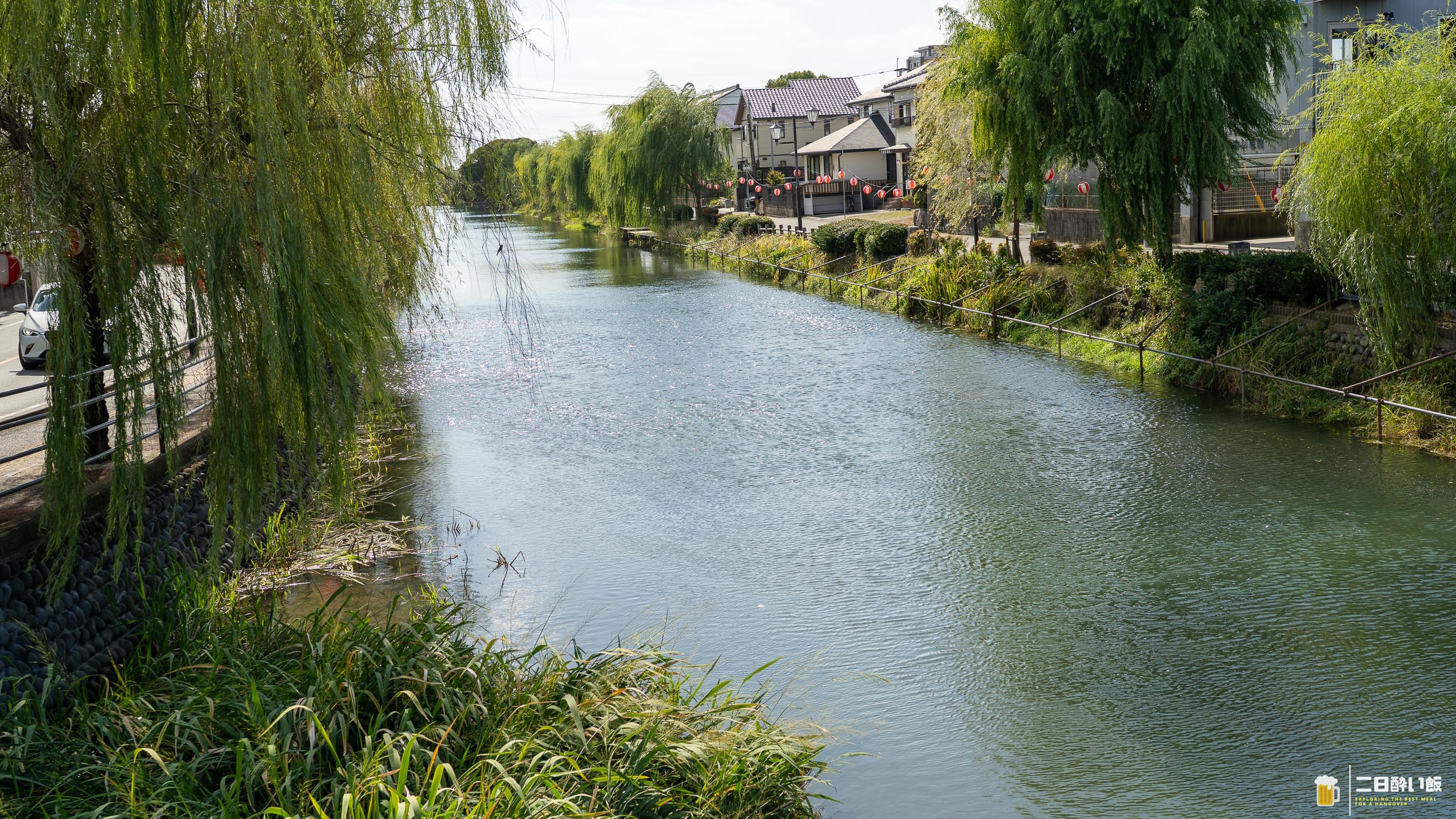
And what am I here for? This!
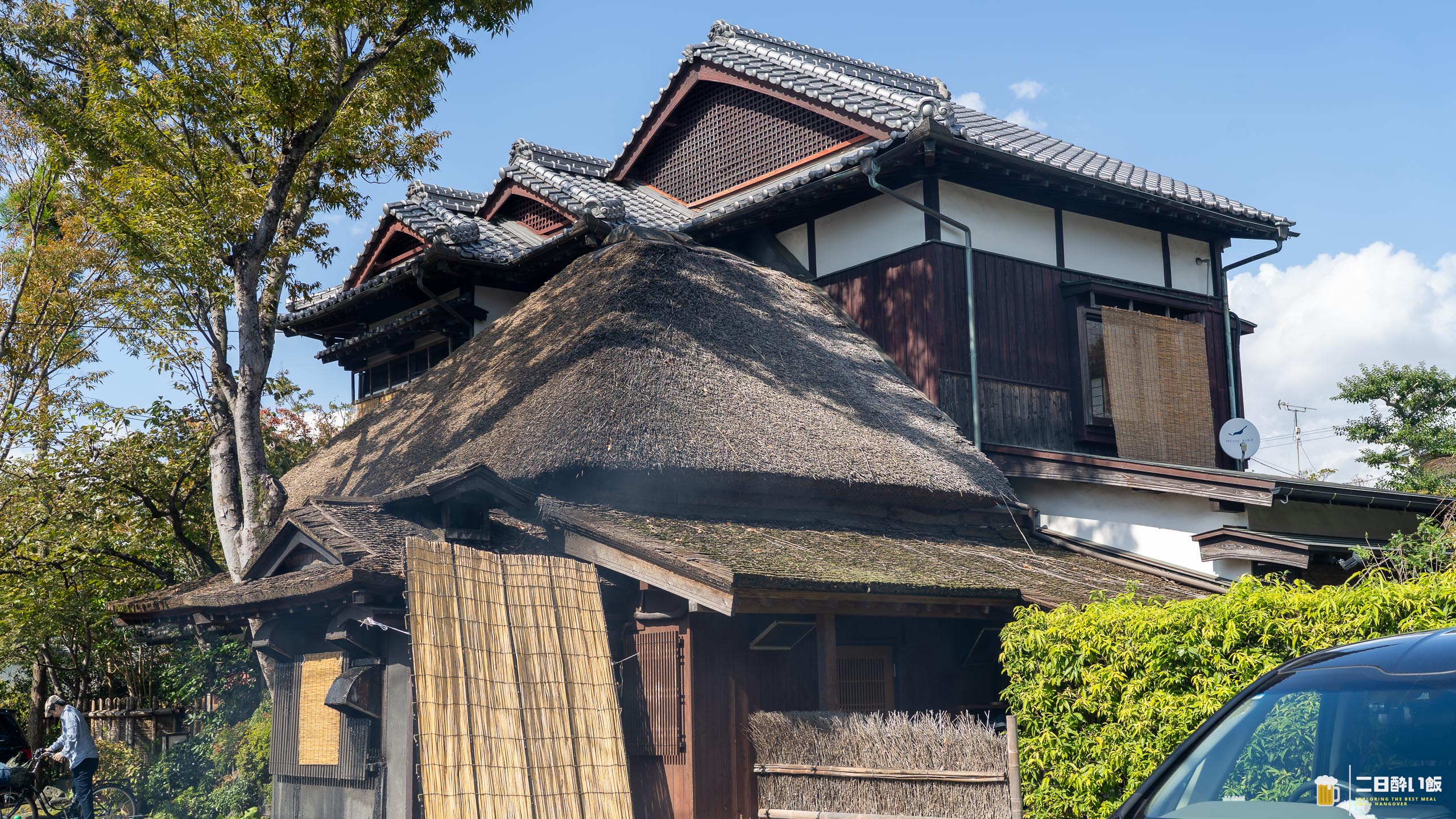
Is that a thatched roof! And from in front of it, fragrant smoke billowing up.
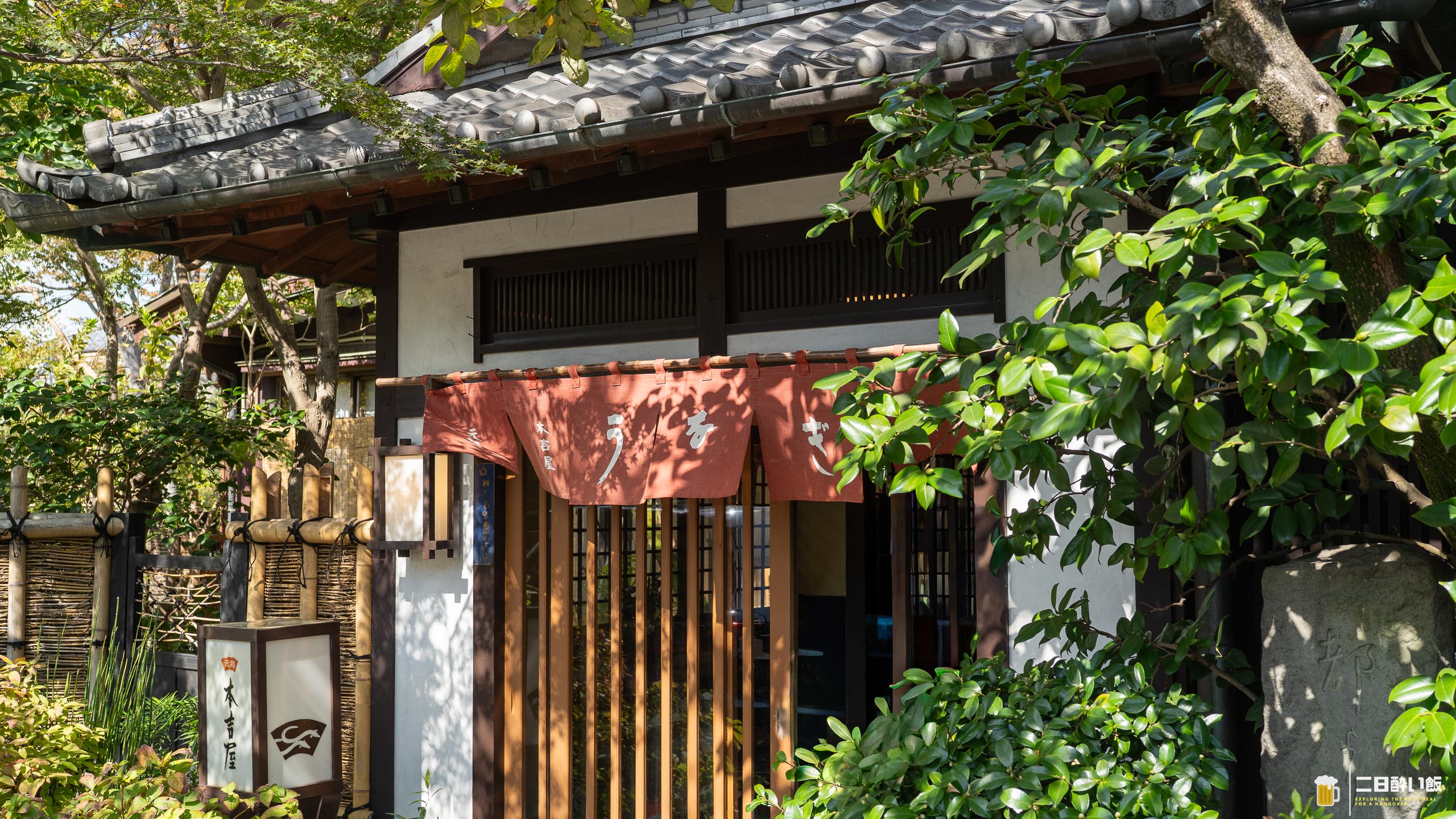
Yes: eel! I heard there was a famous eel restaurant here called Ganso Motoyoshiya, so I came straight over.
The eel here is done a little differently from the usual. The kabayaki is steamed in a seiro together with rice already dressed in the sauce, so the sauce soaks into every grain and the eel comes out plump and soft, apparently. Say that to someone who loves eel and there is no question of not eating it!
Nampu set, 8,600 yen
Special seiro-mushi set, 6,400 yen
Seiro-mushi set, 5,900 yen
Kabayaki set, 5,900 yen
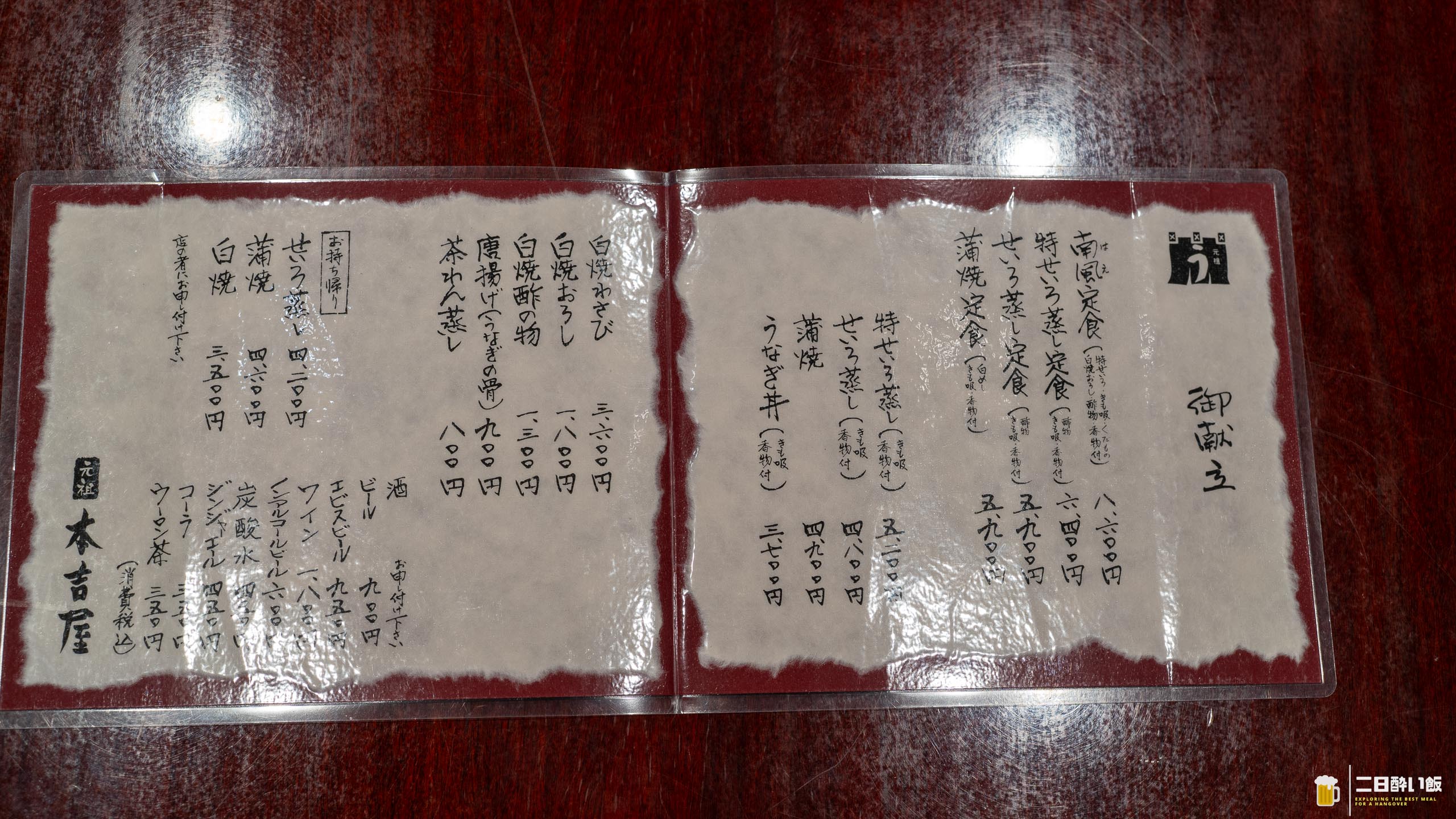
The Nampu set is the one that lets you enjoy the whole of Motoyoshiya!
So the staff told me, and naturally I went for the Nampu set. It appears to be the set that comes with shirayaki with grated daikon, shirayaki in vinegar and liver soup. Since I had come all this way I wanted to try a bit of everything, so it was exactly the right set.
Now, waiting with a beer tilted in hand.
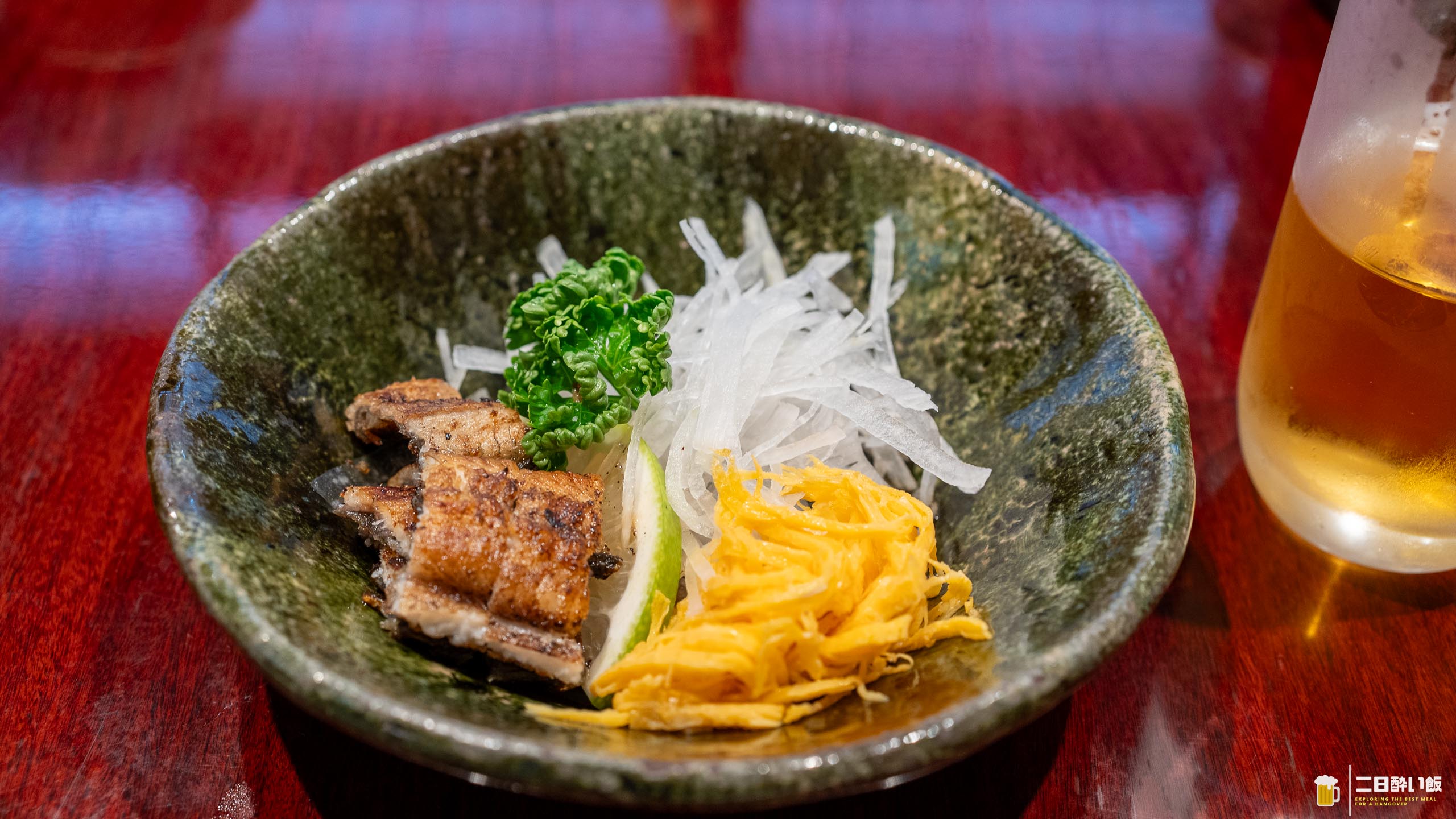
Oh, that looks good!
Shredded omelet and onion. What is the green citrus? Surely not lime.
One bite and, well, that is good! The very peak of refreshment. The shirayaki is grilled to a good color, toasted on the surface and plump inside. The savor of the fat is rich, yet finishing it as a vinegared dish makes the aftertaste astonishingly light. The sourness of the sanbaizu and the sweetness of the eel are beautifully in tune, and the chopsticks keep moving. Perfect with beer too.
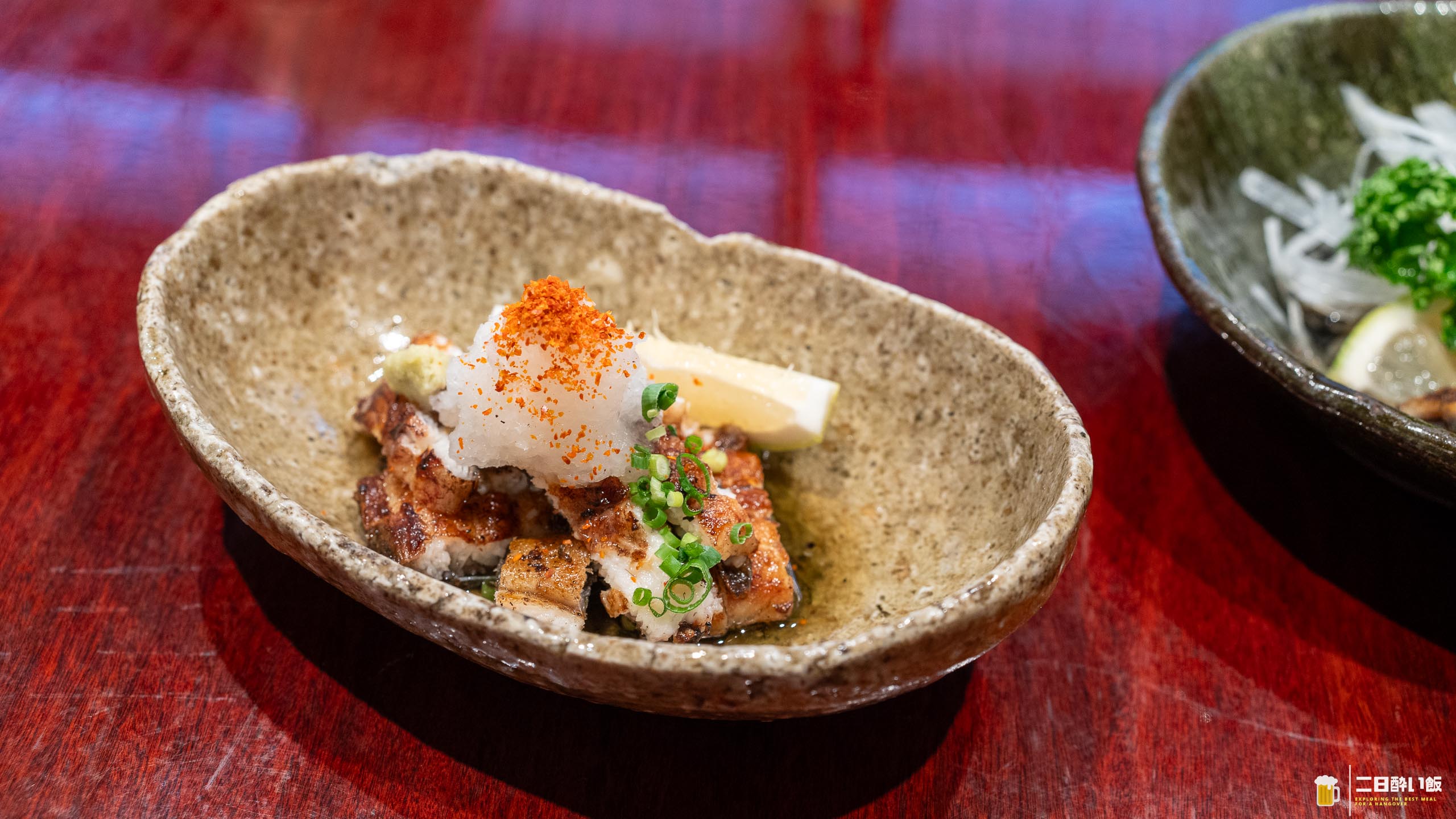
And this is the one with grated daikon.
This is even lighter than the vinegared dish. The toasted note of the eel and the freshness of the grated daikon collide and then dissolve into one another. Eating it with wasabi makes the fat of the eel vanish and leaves only the savor on the tongue, which is lovely. The little scattering of chili they add is good too. The scent of the shirayaki, the coolness of the grated daikon and the sweetness of the fat, all in balance! This one is good as well.
And then a member of staff appears carrying a great stack of seiro.
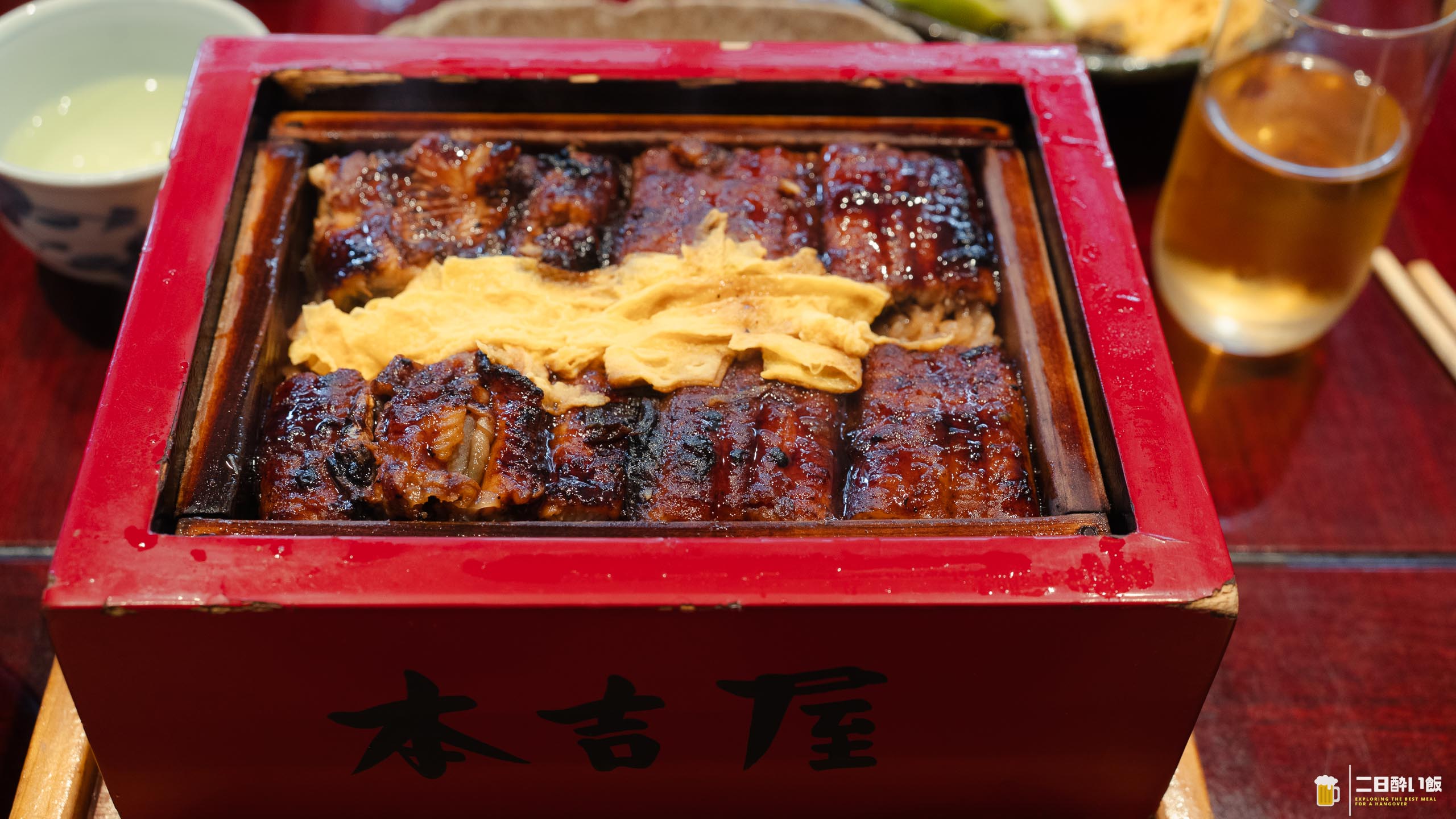
And there it is!
Oh! That looks good.
The moment it is set down, the scent of the sauce rises with the steam and tickles the nose.
Inside the seiro, glossy kabayaki and egg. Underneath, rice laid out and thoroughly soaked in the sauce. First a mouthful of the eel alone. Toasted on the surface, plump within. The scent of the charcoal and the depth of the sauce are perfectly judged, and it falls apart the moment it enters your mouth. The sauce is restrained in sweetness, refined rather than cloying. Unlike the grilling of the usual unaju, steaming seems to render the fat down into the rice below, and the softness and lightness stand out.
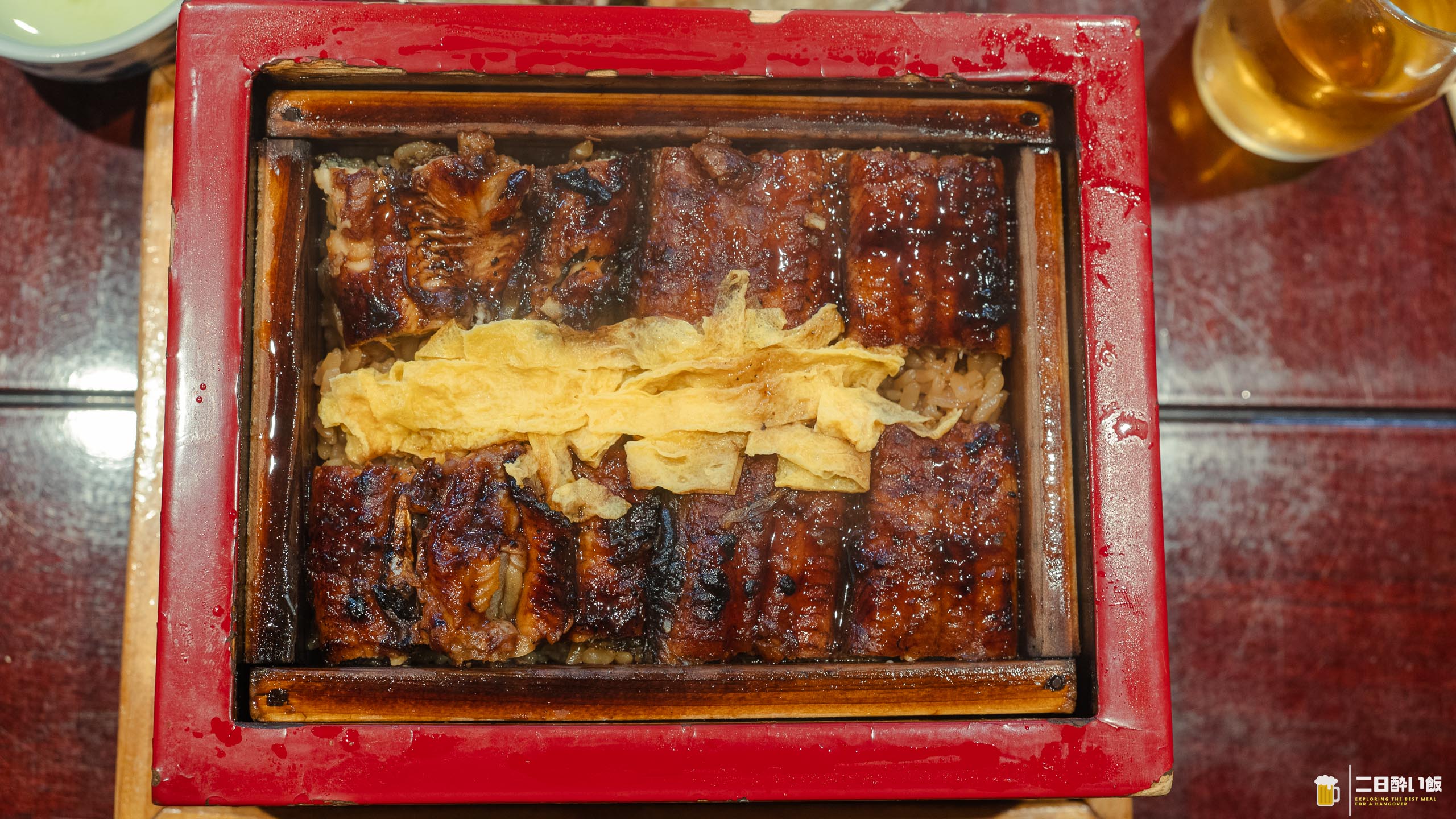
The sauce-soaked rice is steamed further inside the hot seiro, so that every grain is a little parcel of savor.
The softened rice is delicious too. All told, an eel that is not heavy. The fat has a clean finish and the chopsticks do not stop until the end. It looks lavish and yet leaves you with a clean sort of satisfaction. I am glad I came to Yanagawa!
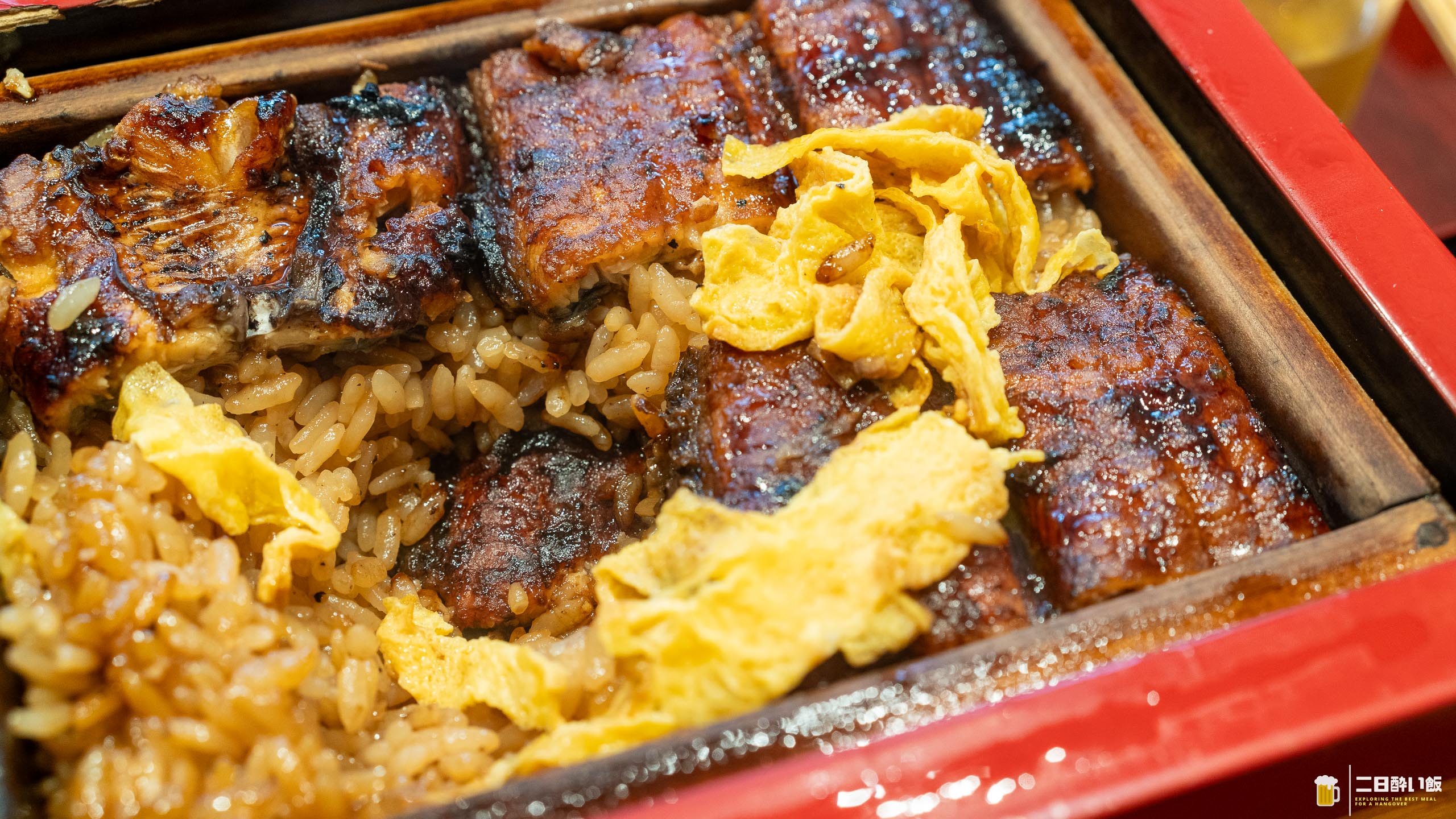
And since there was a note saying there is eel inside the rice too, I dug down and found one more fillet at the very bottom.
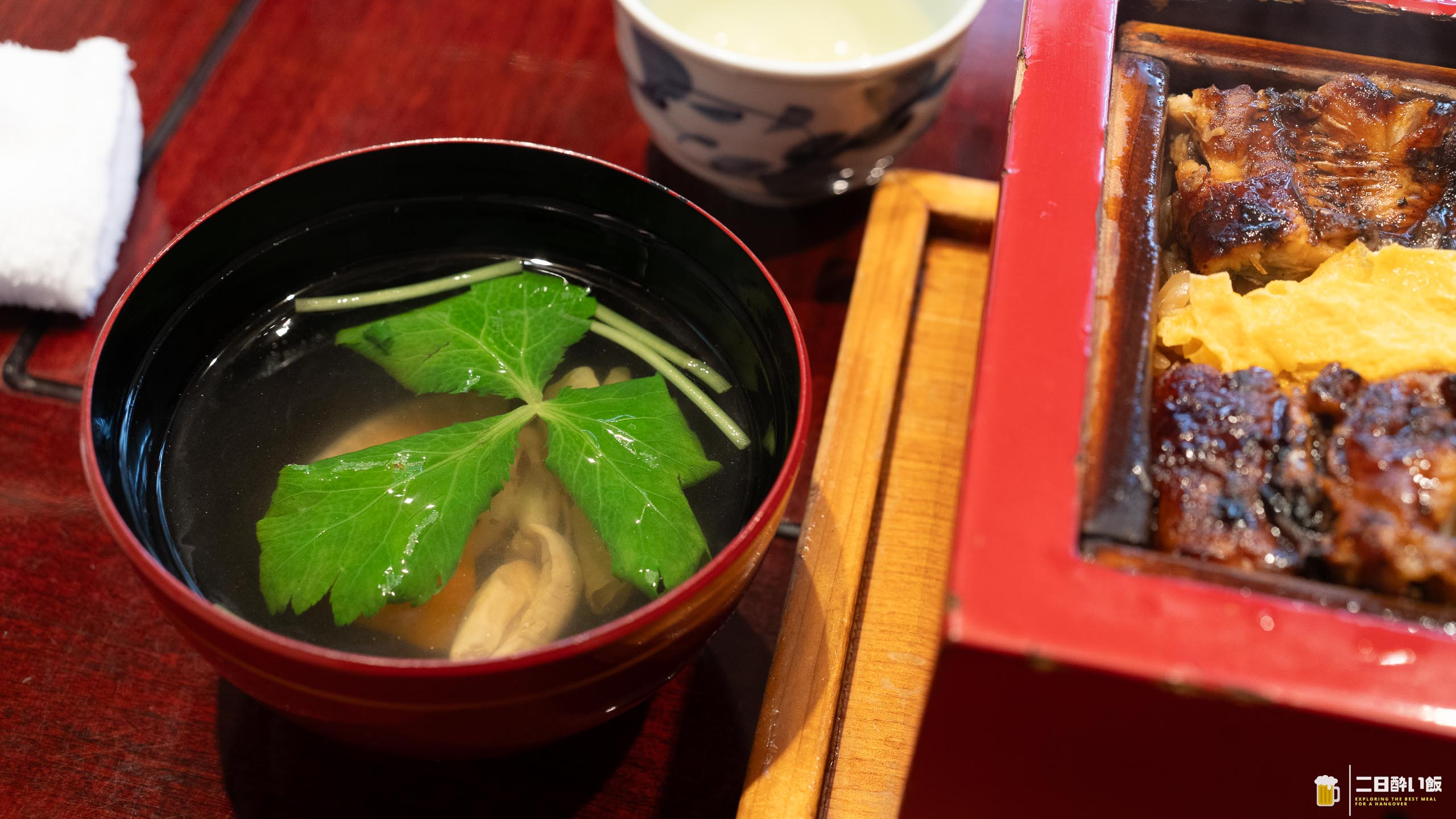

So: seiro-mushi eel, something you cannot eat unless you come to Yanagawa, and a genuinely rare experience. It taught me that there is this way of eating eel too. In Tokyo there are plenty of places where you can specify the grilling, Kansai style or Kanto style, but steaming it together with the rice is something I have hardly ever seen. Yanagawa is a little far, but the local specialty is not only eel — there is also the activity of cruising the canals by boat, which I did and thoroughly enjoyed, so it comes recommended!
Ganso Motoyoshiya, main branch (Unagi / Yakabe Station, Nishitetsu-Yanagawa Station)
Tabelog lunch rating ★★★☆☆ 3.7
I ate here and paid for it myself. Nothing on this site is a comped meal.
One more for the road?


