


A note on the words: laksa is the coconut-and-prawn noodle soup of the Malay peninsula; Hainanese chicken rice poaches the bird and cooks the rice in its stock; bak kut teh is the peppery pork rib soup; Hokkien mee the stir-fried prawn noodle; chee cheong fun a steamed rice-flour sheet; achar a spiced pickle, and Nyonya the Peranakan cooking it belongs to; sambal the chilli paste; mantou a plain steamed bun; papad the crisp lentil wafer; and “carrot cake” in Singapore means fried radish cake, with no carrot in it at all. Otoshi is the small dish brought unbidden and charged as a seat fee. Prices are as of this writing (August 2026).
Song Kee Jee Fan on Tabelog (English) — opening hours, payment details and the Japanese address are kept up to date there, not here.
I want to eat something good today as well. This is Hangover Meshi. Dinner this time in Awajicho, at the Singaporean bistro “Song Kee Jee Fan”. Looking at the menu, there is a great deal that sounds good — a very promising place. The entrance has a lovely feel to it, and the plants give it a properly foreign air. The menu in Chinese characters looks marvellous too. Inside is not especially large, but the decoration feels genuinely of the place and is charming. The lighting is on the dim side, and the atmosphere is very good.
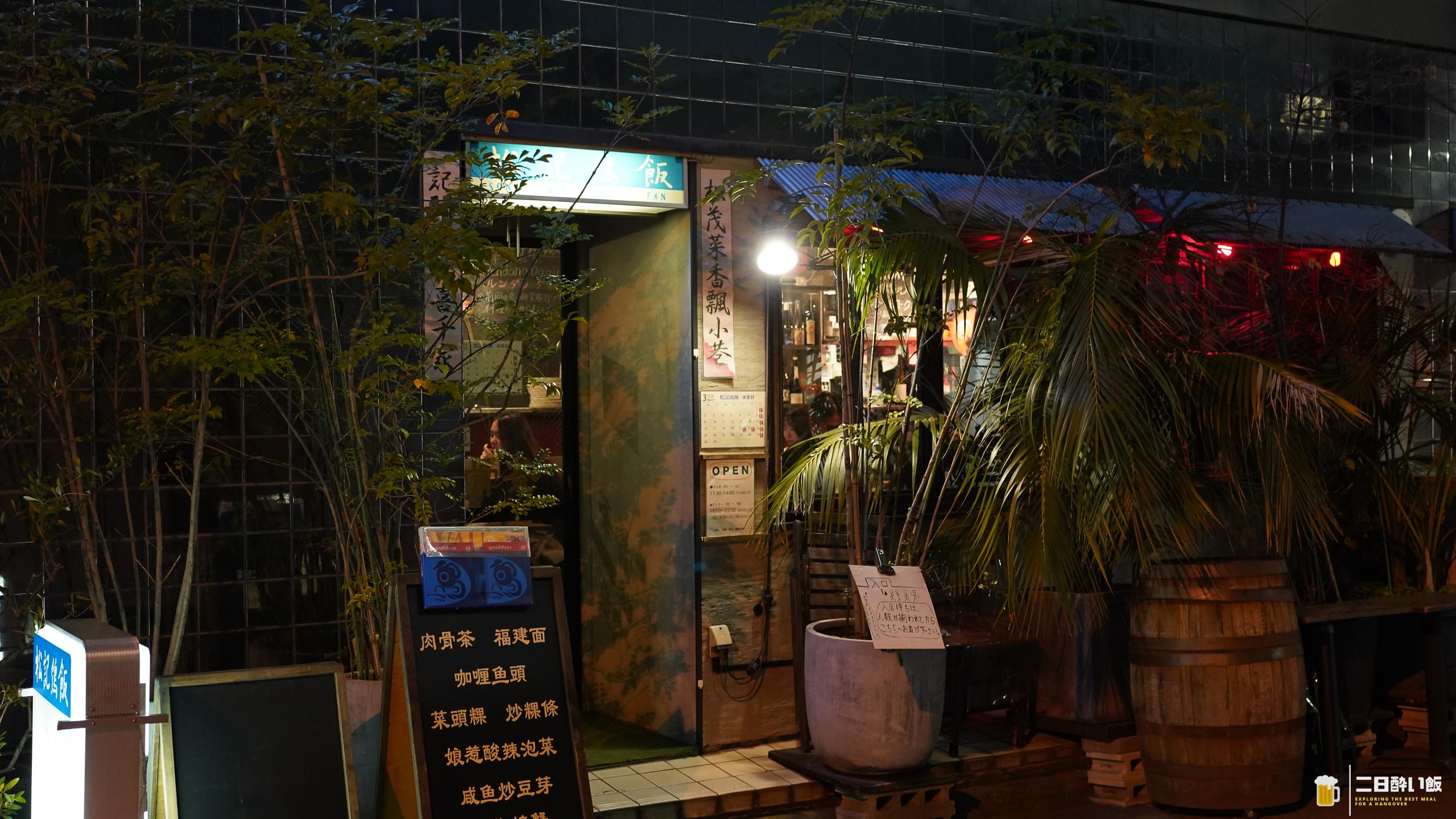
Course A (mains: laksa and Hainanese chicken rice), 4,200 yen
Course B (mains: Hokkien mee and Hainanese chicken rice), 4,200 yen
Course C (mains: bak kut teh, and jasmine rice cooked in chicken stock), 4,800 yen
Course D (main: fish head curry), 5,600 yen
Courses must in principle be booked five days ahead, so do note that.
Ingredients have to be sourced, presumably. And the fish head curry in particular cannot be prepared without five days’ notice. The fish head curry belongs to Course D, I think, but one wants the laksa and the chicken rice as well. So this time we took Course A and added the fish head curry separately.
(In fact the fish head curry is quite substantial, but more of that later.)
Drinks ordered, and the course begins.
On the day we were told that a dish the owner had enjoyed on a trip to Indonesia was available, in limited numbers.
Having added the fish head curry, I was worried about quantity, so I said we would see how we went.

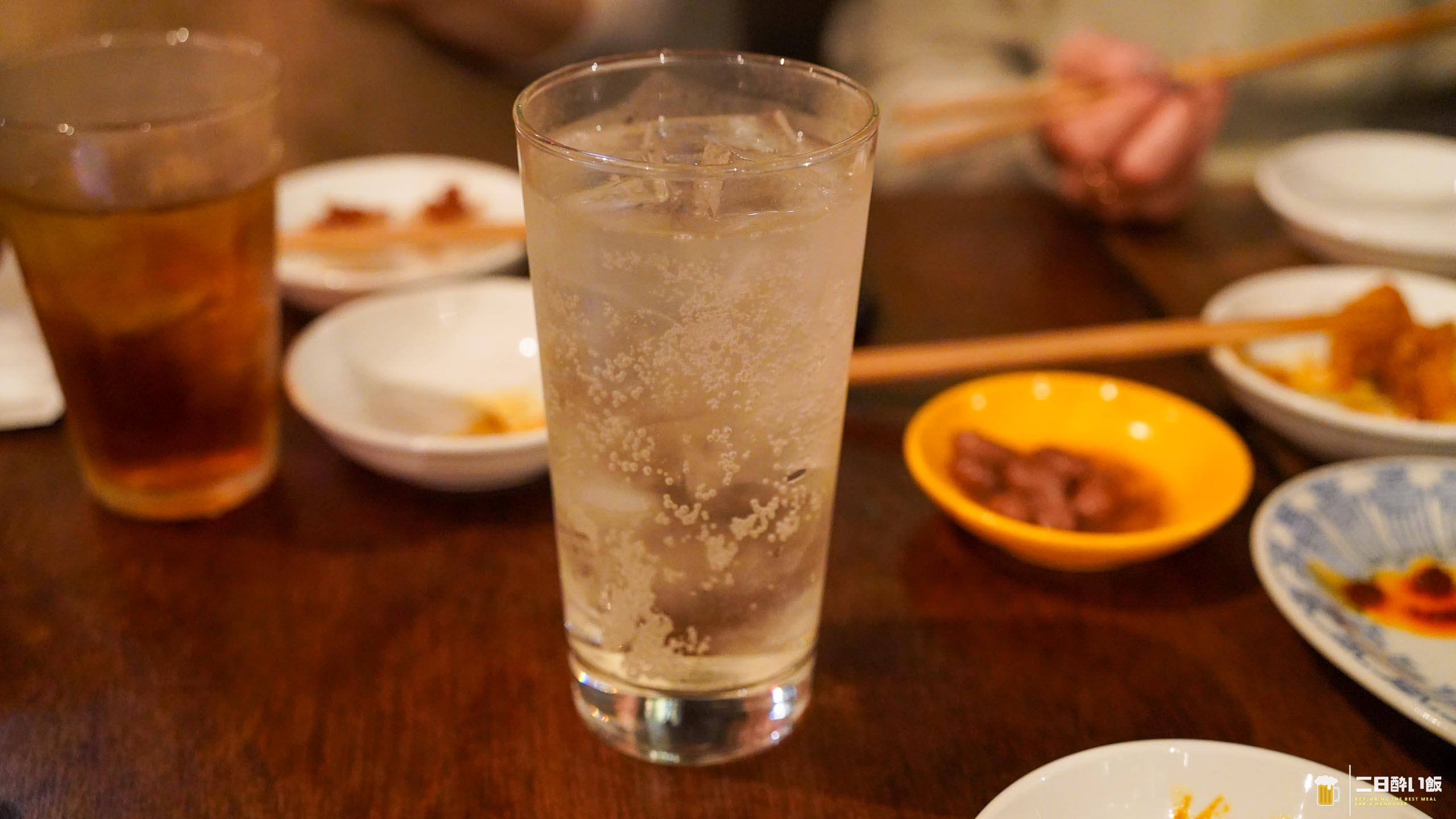
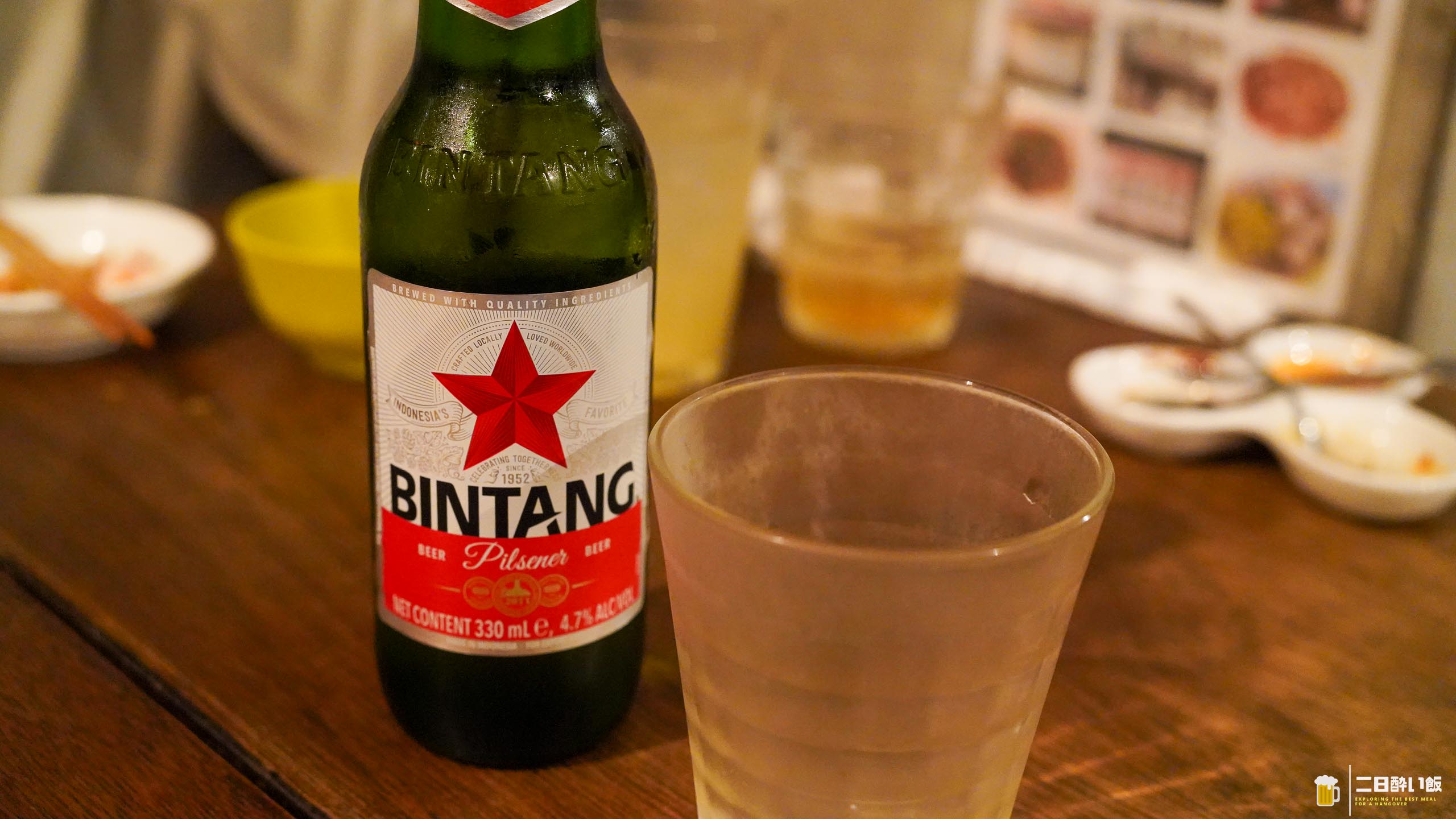
First, Tiger beer. A Singaporean beer, clean and easy to drink.
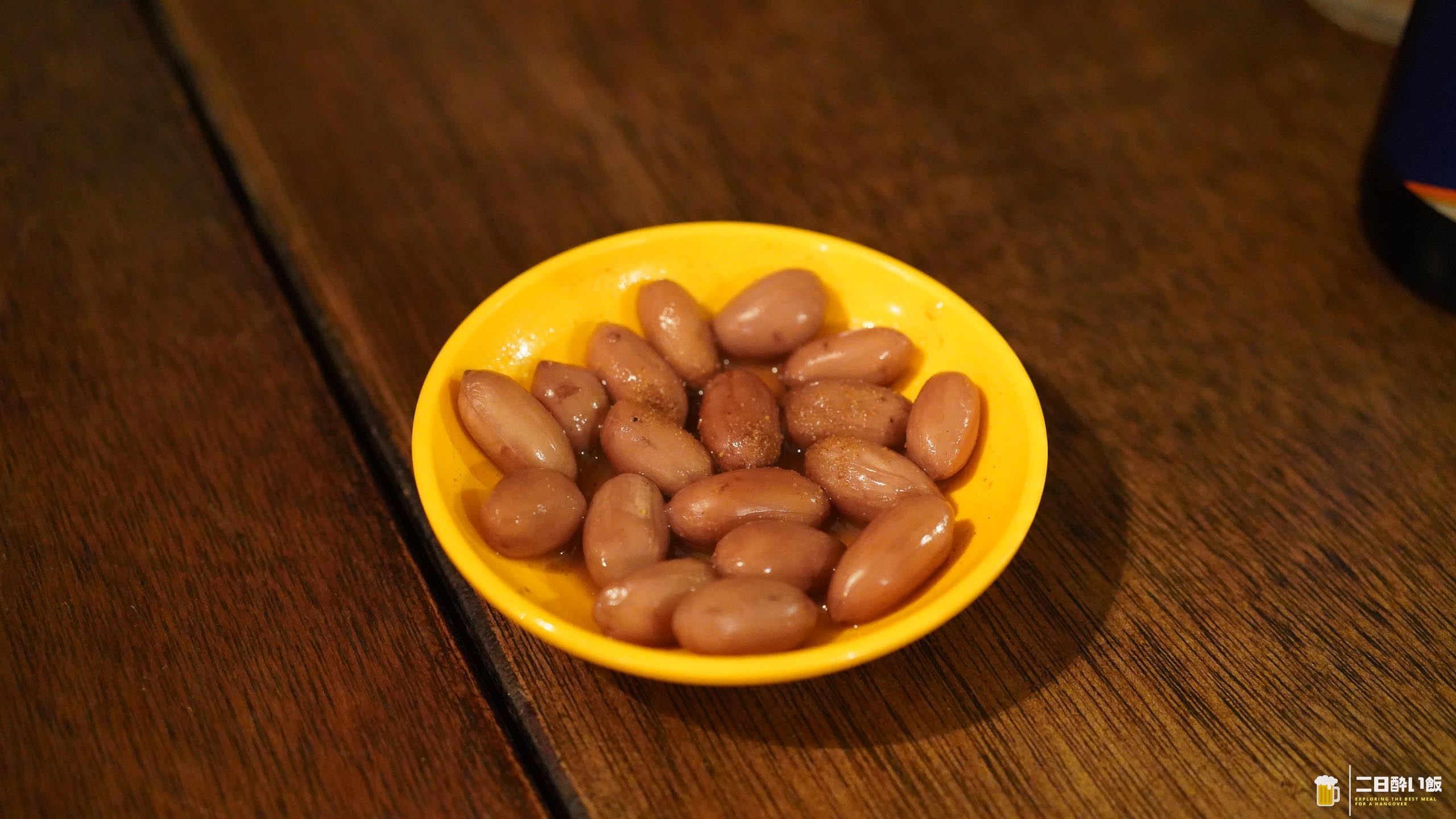
The otoshi is boiled peanuts. Floury and good. They have boiled peanuts in Chiba too.
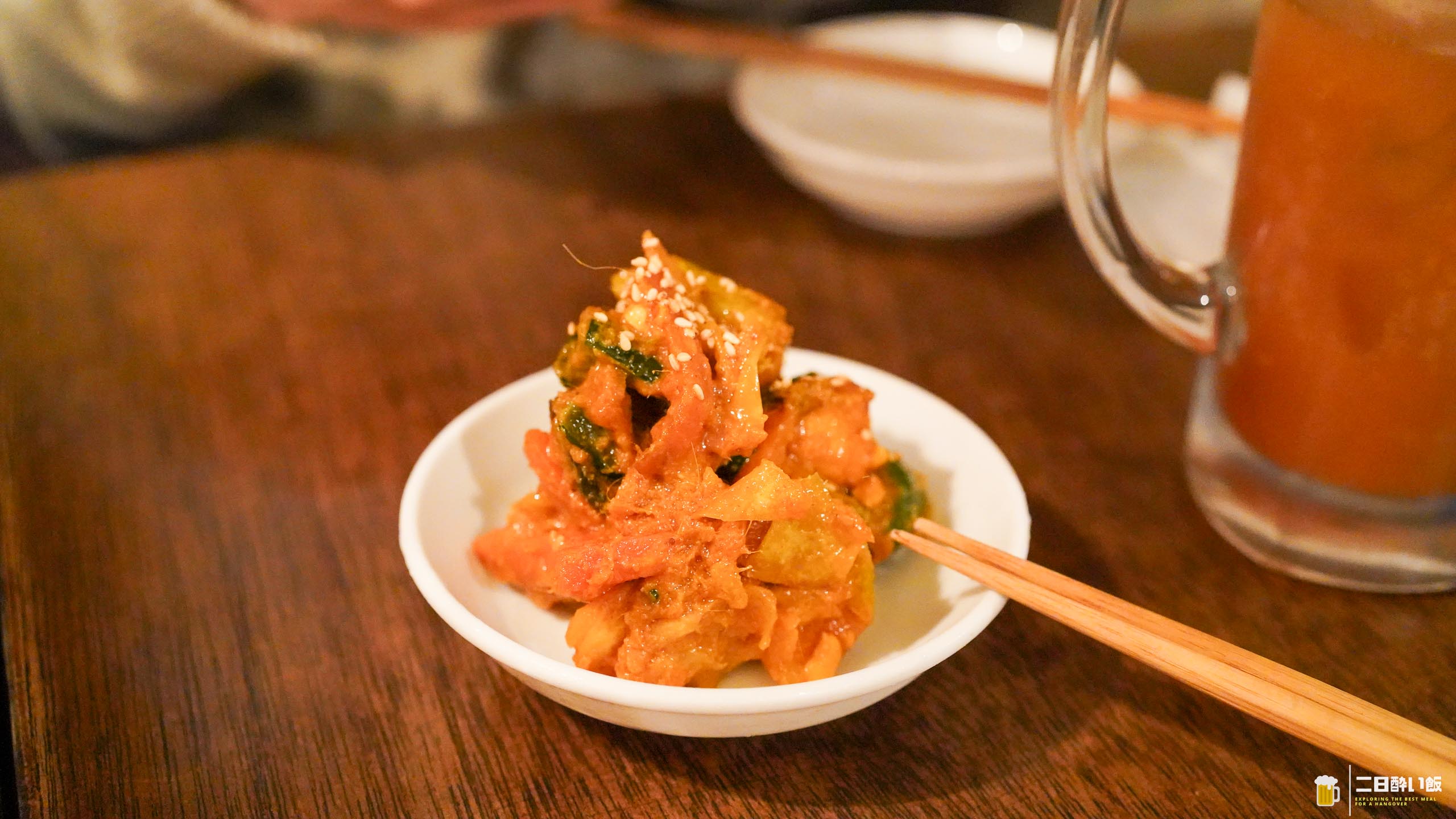
Something between a pickle and a kimchi. Close to achar, perhaps.
Properly spiced, with the vegetables still crisp. Ideal to pick at while drinking.
Lemongrass, is that? Delicious from the very start!
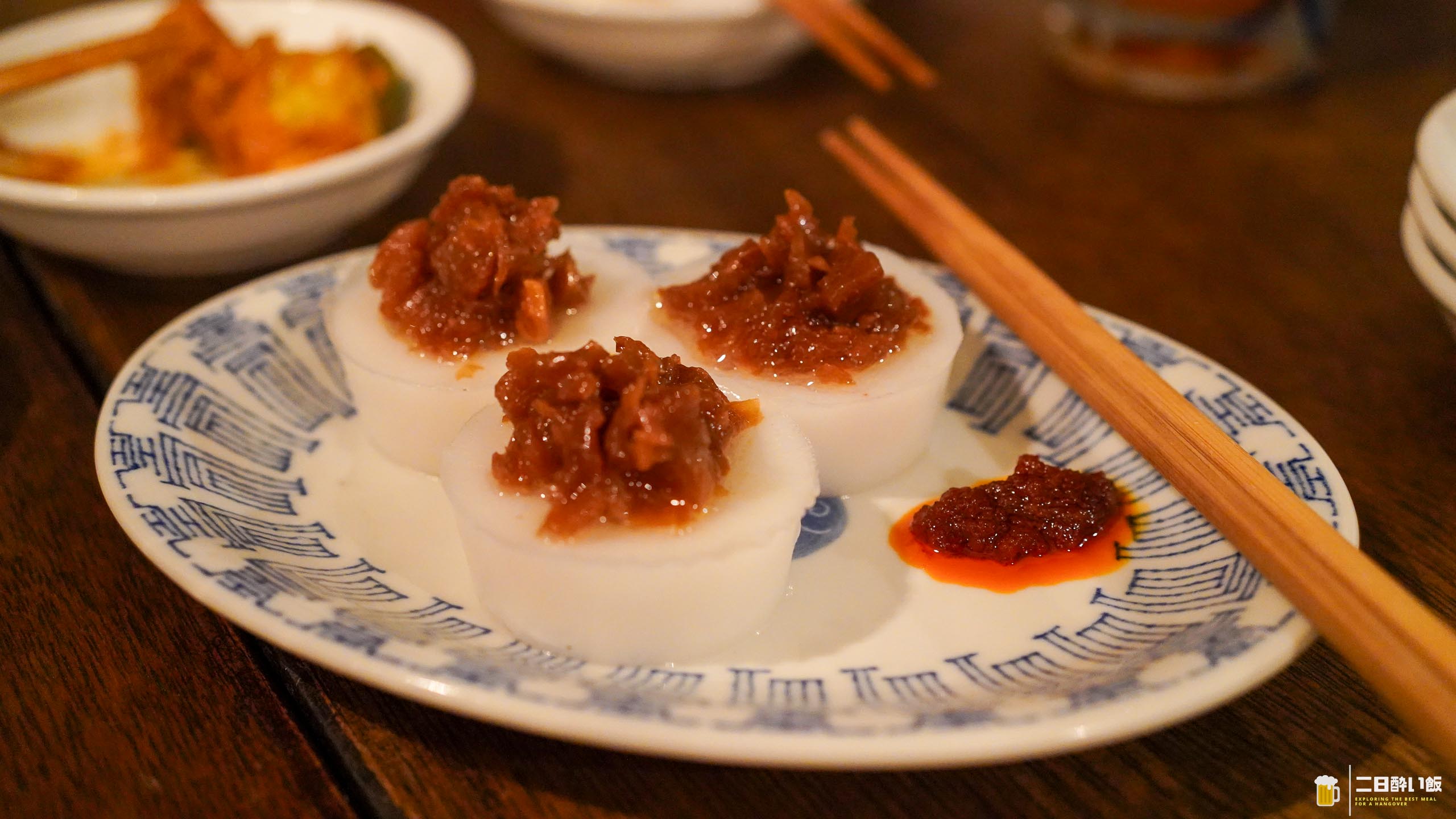
It is called chee cheong fun, apparently. The first time I have set eyes on it.
The chilli-oil-looking sauce beside it is sambal, a hot sauce. Add it to taste, we were told.
It looks charming and it tastes good. The white, soft sheet steamed from rice flour has a springy bounce with a smooth feel in the mouth, and the salty stir-fried topping piled on it tightens the whole. The contrast between the faintly sweet sheet and the fragrant, well-fried topping is beautifully judged, with the savour layering the longer you chew. Add a little of the sambal and a sharp sting comes in. A genuinely foreign thing to eat. Delicious. Meeting a new food is a pleasure.
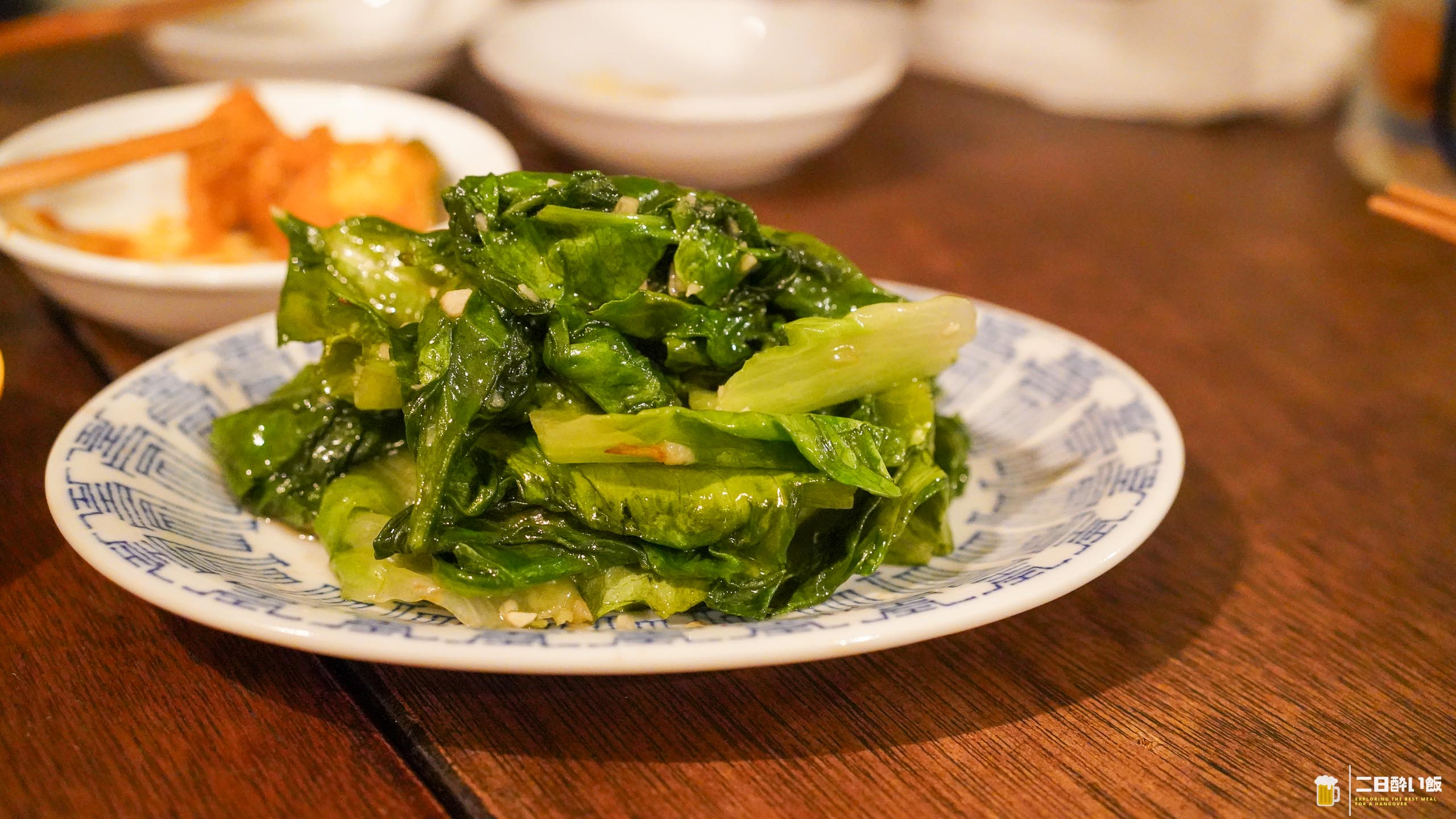
A-choy! I remember this appearing when I went for Taiwanese food once. A kind of lettuce that does not form a head, apparently, and much used in China and Taiwan. The stems have a crisp, light bite and the leaves are soft and yielding: a pleasant contrast of textures. The seasoning is built around the scent of garlic and it is firm enough to go with a drink.
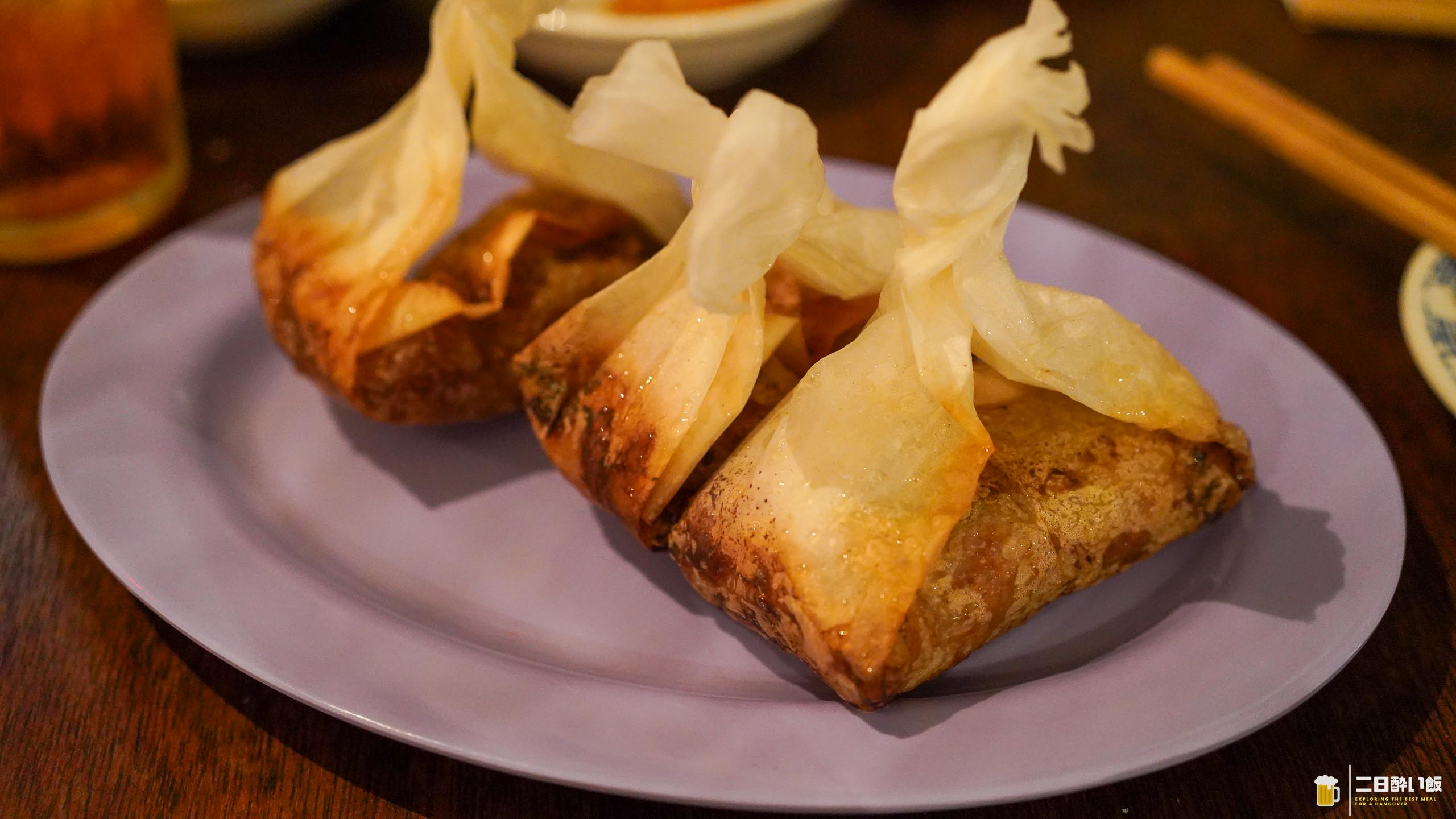
I thought it might be a chimaki, and the moment I opened the paper parcel the fragrance came up. And inside was chicken.
Chicken well seasoned in advance, wrapped in paper and deep-fried (really? — certainly the paper is greasy, and they bring you a wipe), so the savour and scent of the meat are sealed inside and the texture stays moist. It is sweet-salty and rich without being heavy. The contrast of a lightly fragrant outside with a juicy inside is very pleasant, and there is spice in it too. Delicious.

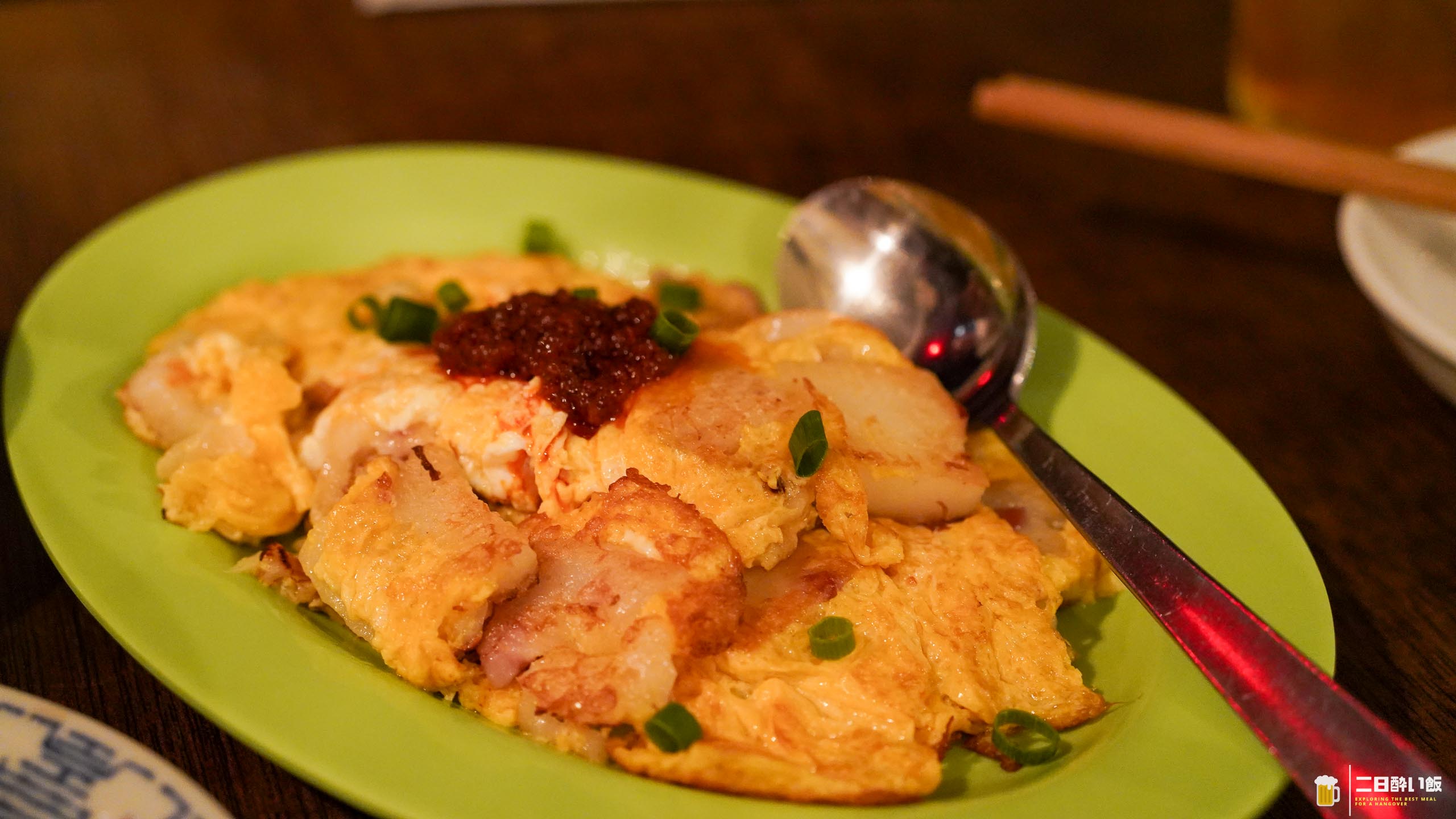
Despite the name, no carrot is used.
Radish cake made from rice flour and daikon, cut into cubes and stir-fried hard with egg, presumably. A sort of radish-cake omelette. Crisp and fragrant on the outside, chewy and soft within. Delicious. A sweet-salty soy-based sauce clings to it, and the fragrance and richness fill the mouth.
The clean-tasting radish cake, the sambal and the egg go beautifully together. I want to make this at home.
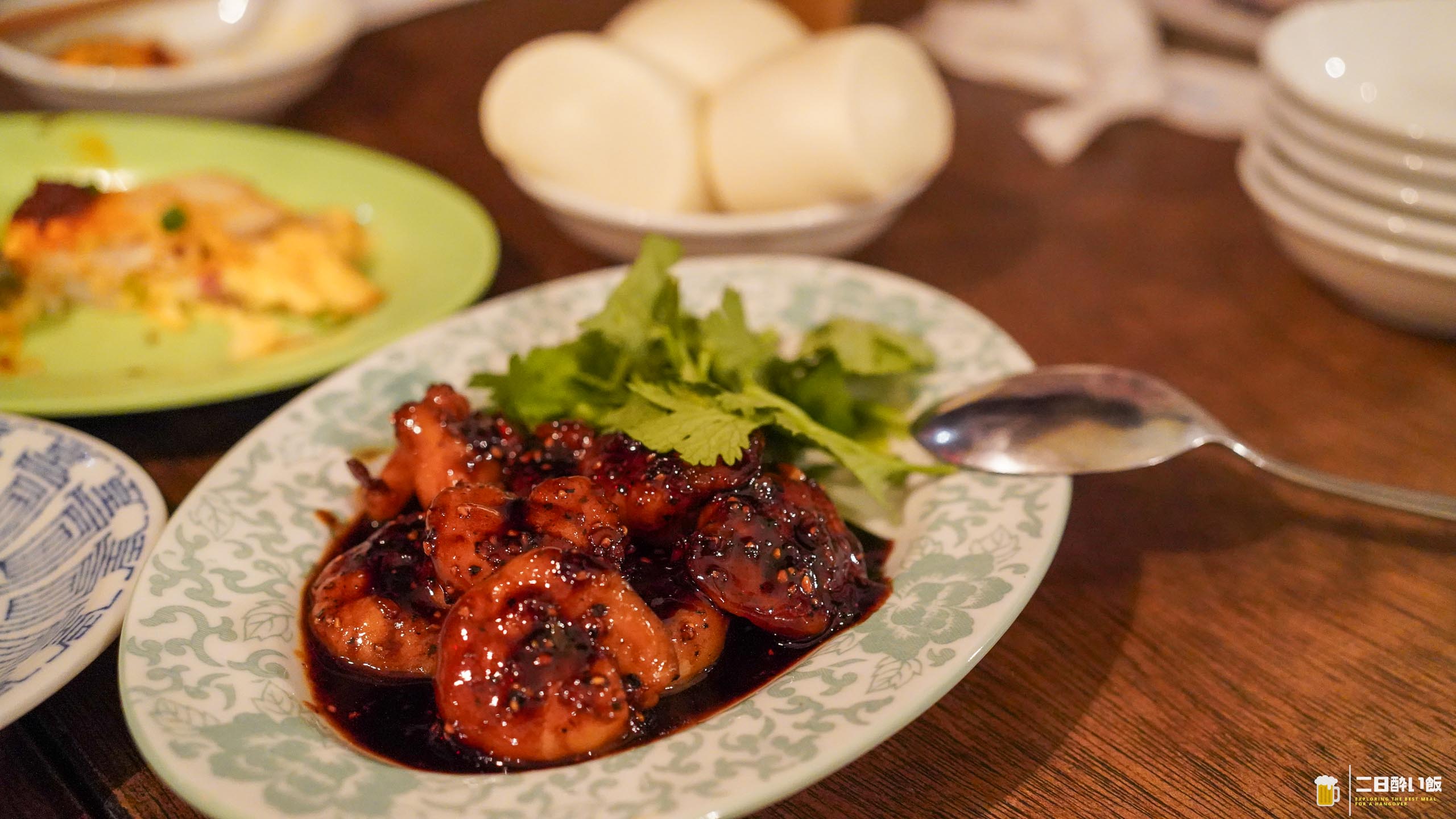
You eat it with these mantou!
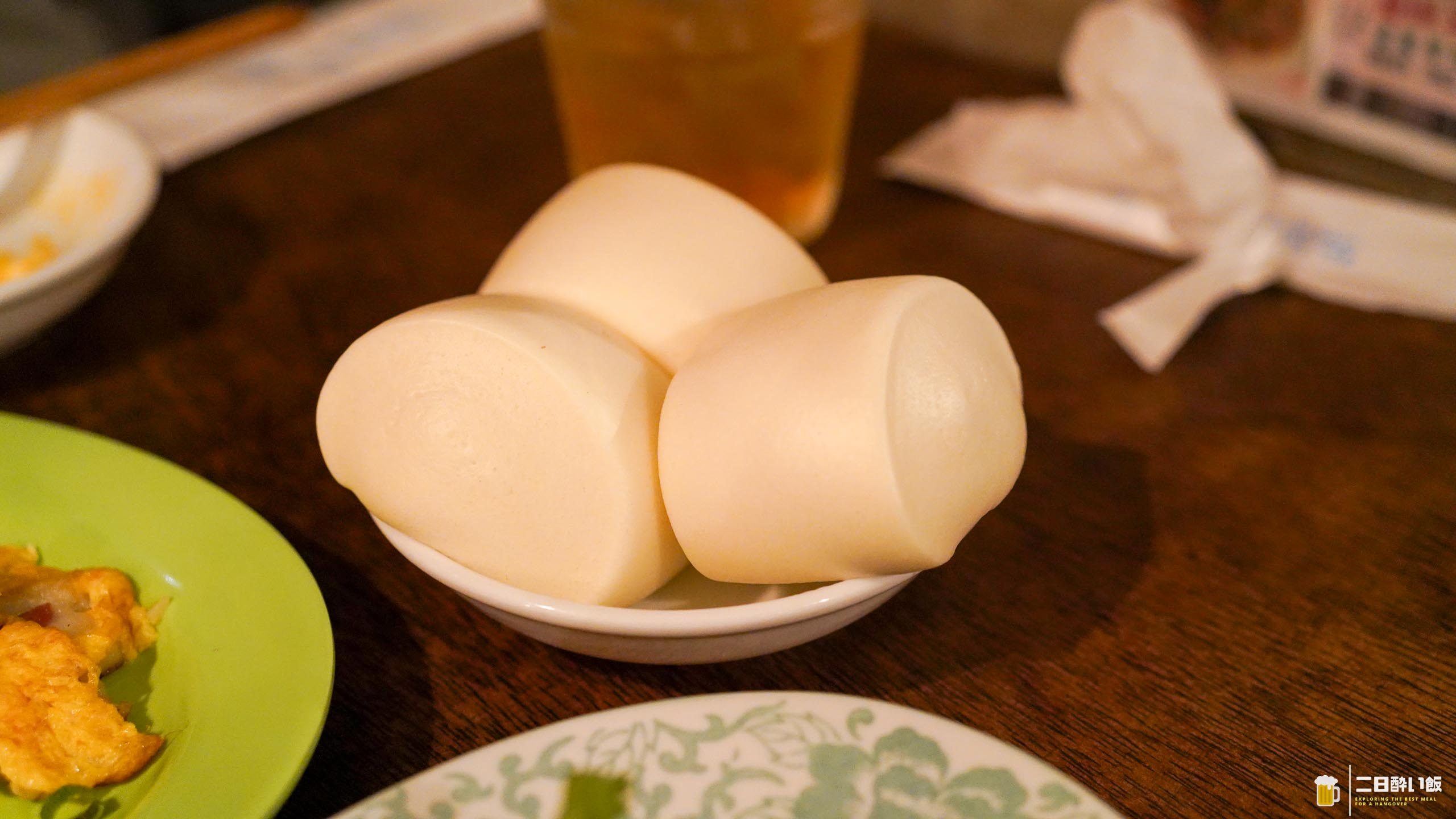
A dish whose stars are a deep pepper fragrance and a rich sauce.
The sting of coarsely ground black pepper, layered with garlic and the savour of soy: spicy and yet deep. The sauce clings to the springy prawns, and the fragrance spreads with every bite.
The seasoning is on the strong side — and this is where the mantou come in. Dip the soft, chewy, featherlight mantou into the sauce and the pepper and the richness soak in, giving you the satisfaction of eating a rich spiced butter. Enjoy the prawns, then scoop up the last of the sauce with mantou. Superb.
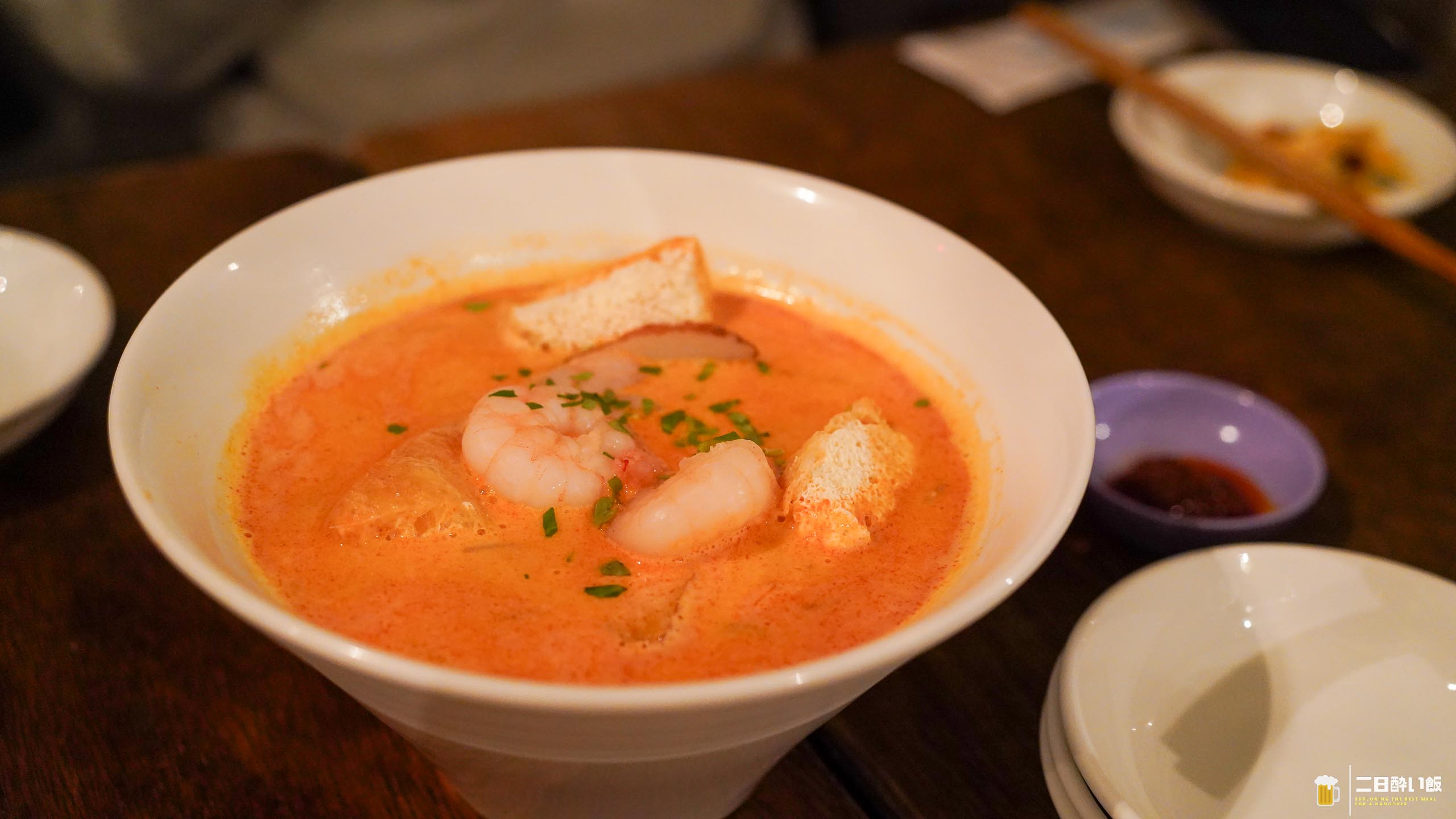
And at last the first main, the laksa. Everything up to here has been remarkable, but this laksa is very good indeed. About one lunch-sized portion, divided among three of us.
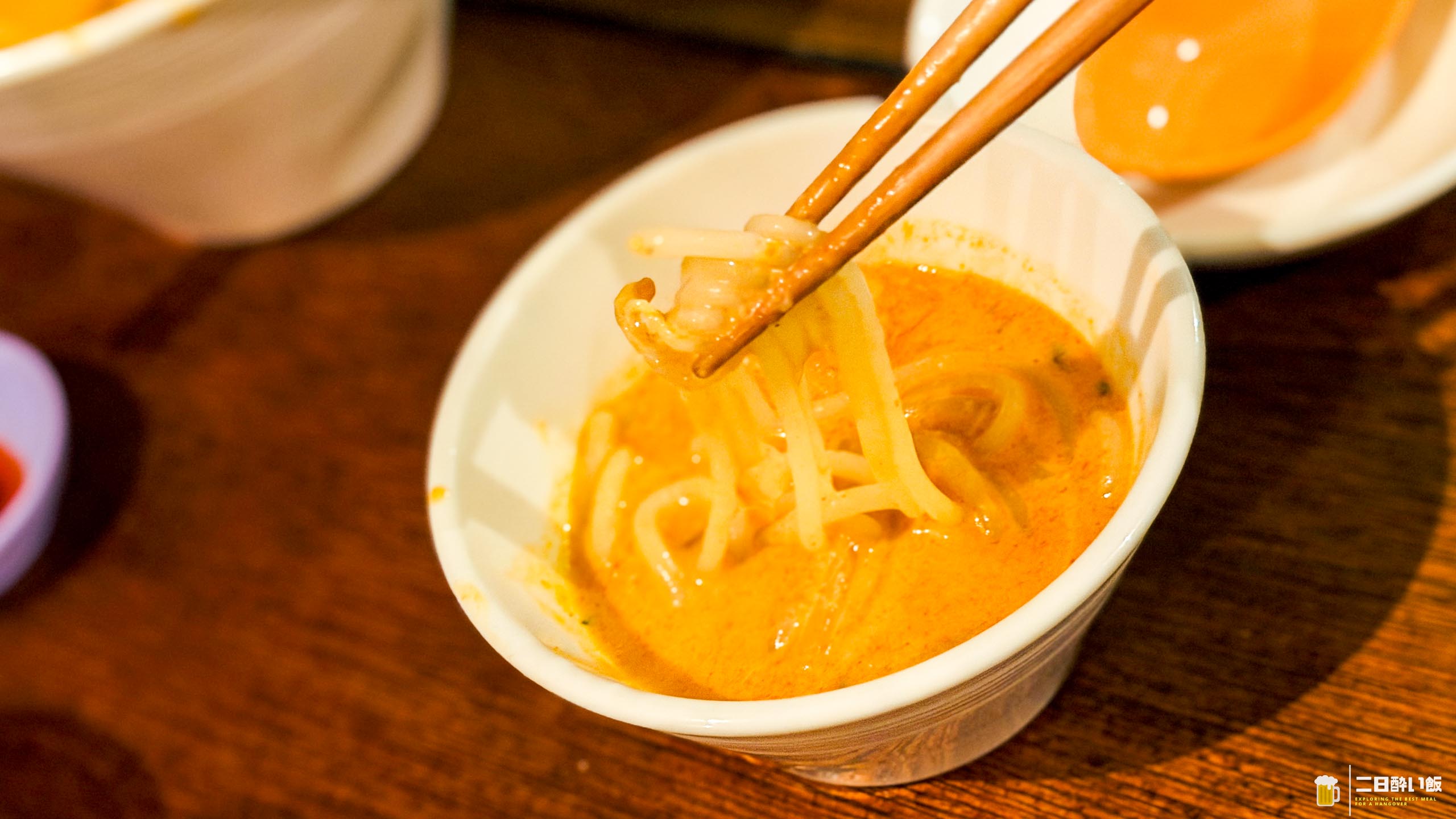
Tasting the broth: delicious! A rich broth layering the depth of coconut milk with the savour of prawns. Spice rises through a creamy feel in the mouth, and the ethnic fragrance particular to laksa opens out. The heat is not strong — a warming sort of sting — and I think anybody who dislikes heat could eat it without concern. With prawn stock dissolved into it, the broth is deep and clings well to the noodles, and it satisfies. Add a little sambal and a sharp heat comes in to tighten the flavour, which is another pleasure. Rich and yet not heavy, and you want to drink the broth to the end.
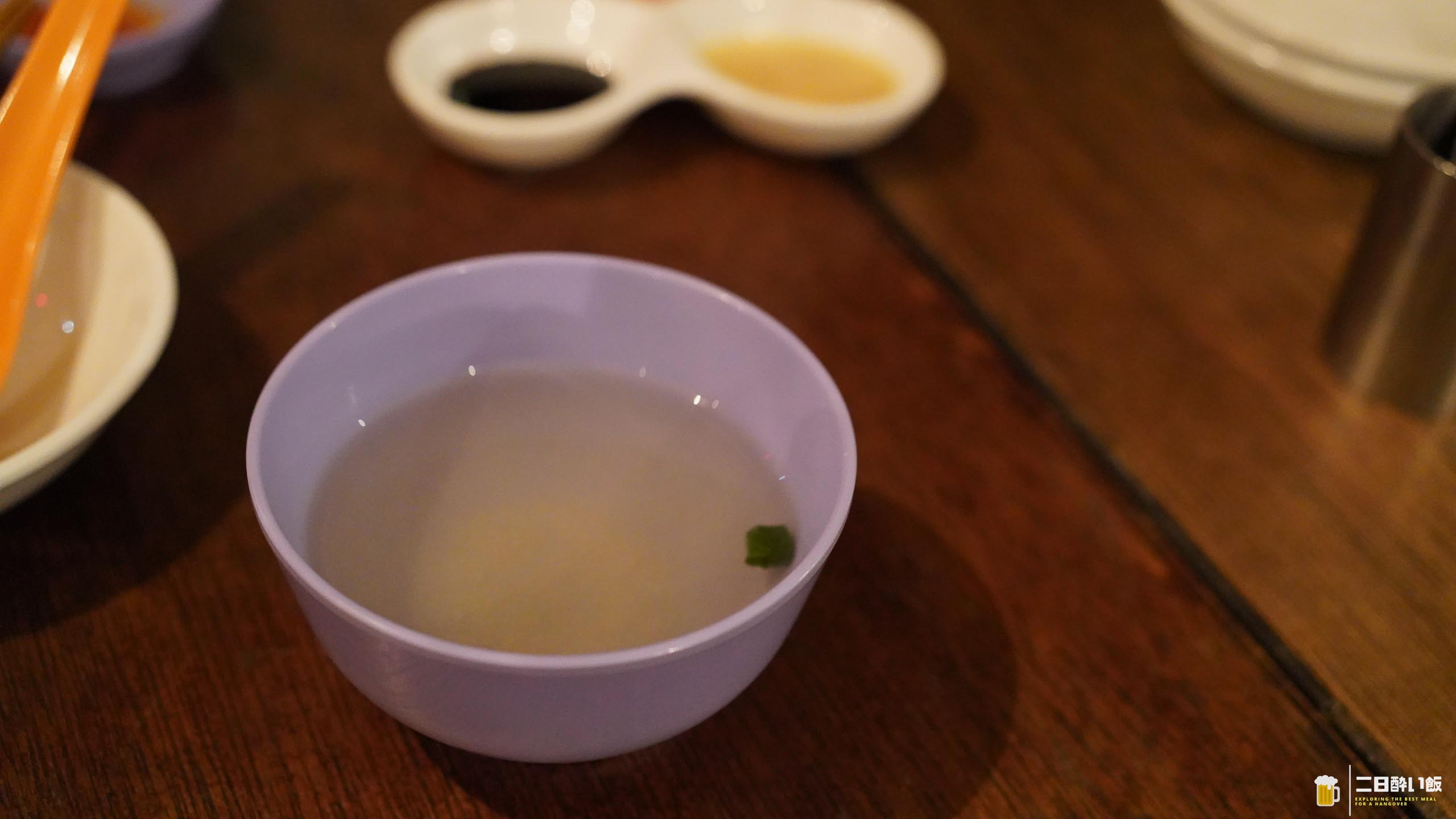
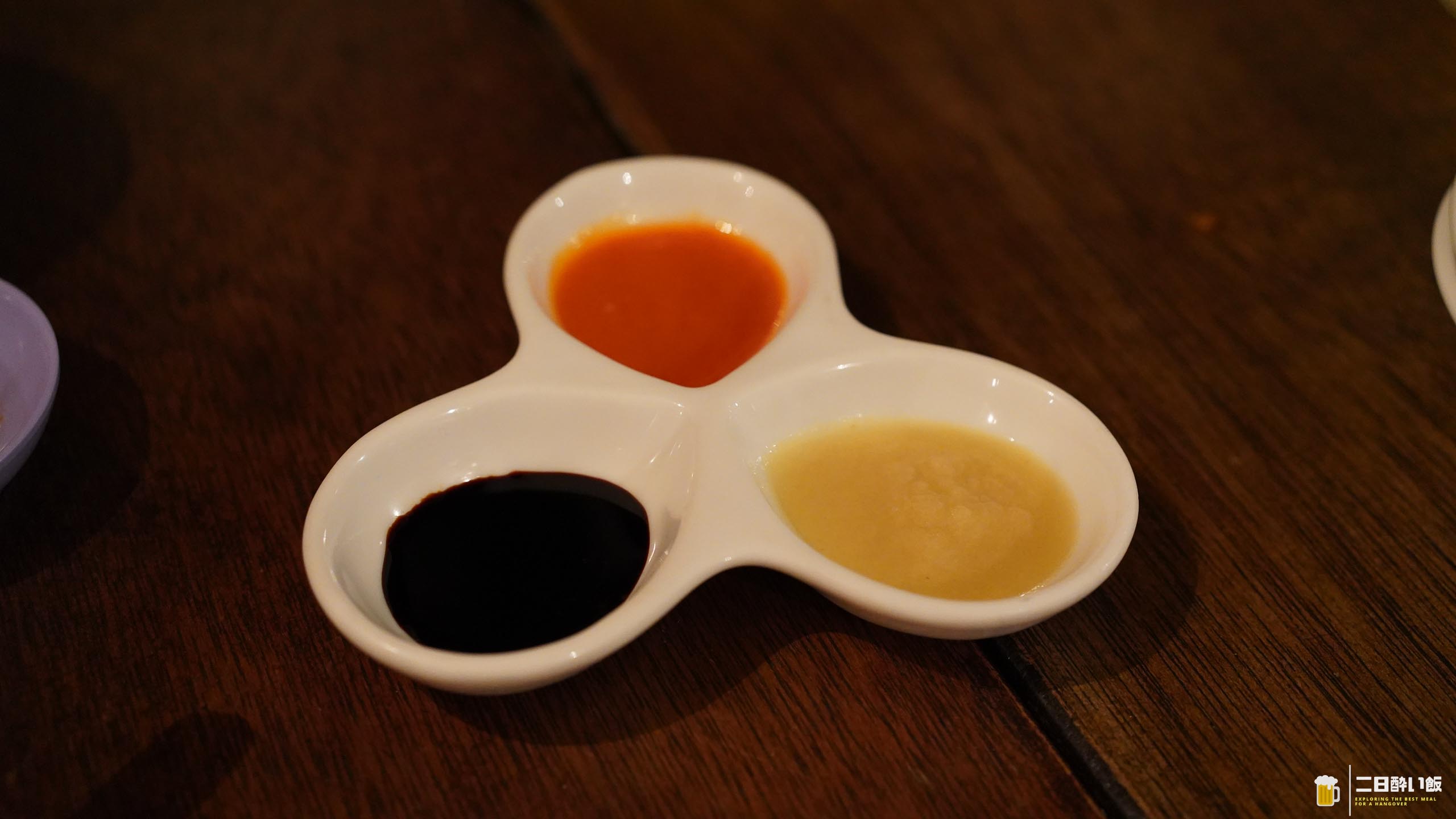
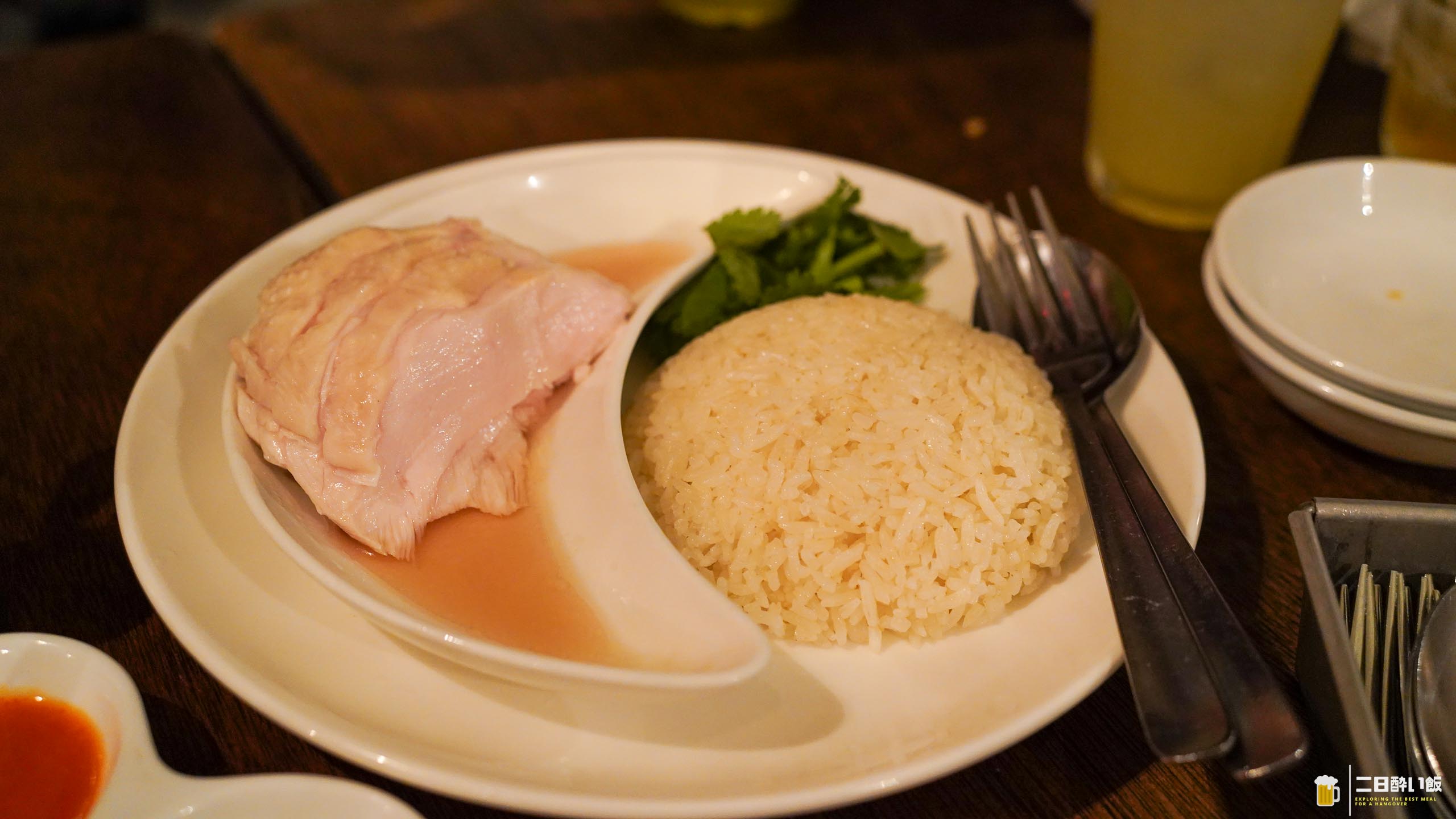
This one portion is divided among three of us as well. This is about the right amount, I thought — while getting rather full.
The balance of moist, tender chicken with jasmine rice steeped in chicken stock is well judged. The chicken is astonishingly juicy, and a gentle savour spreads as you chew. The rice is cooked in chicken broth, so richness has soaked thoroughly into the fragrant jasmine grains, and it is more than good enough on its own. And combining the three sauces — ginger, chilli and dark soy — lets you take the flavour anywhere from clean to gently hot. It gives you the feel of Singapore while remaining very easy to eat. Delicious!
That would normally be the end of the course — but there is the extra fish head curry.
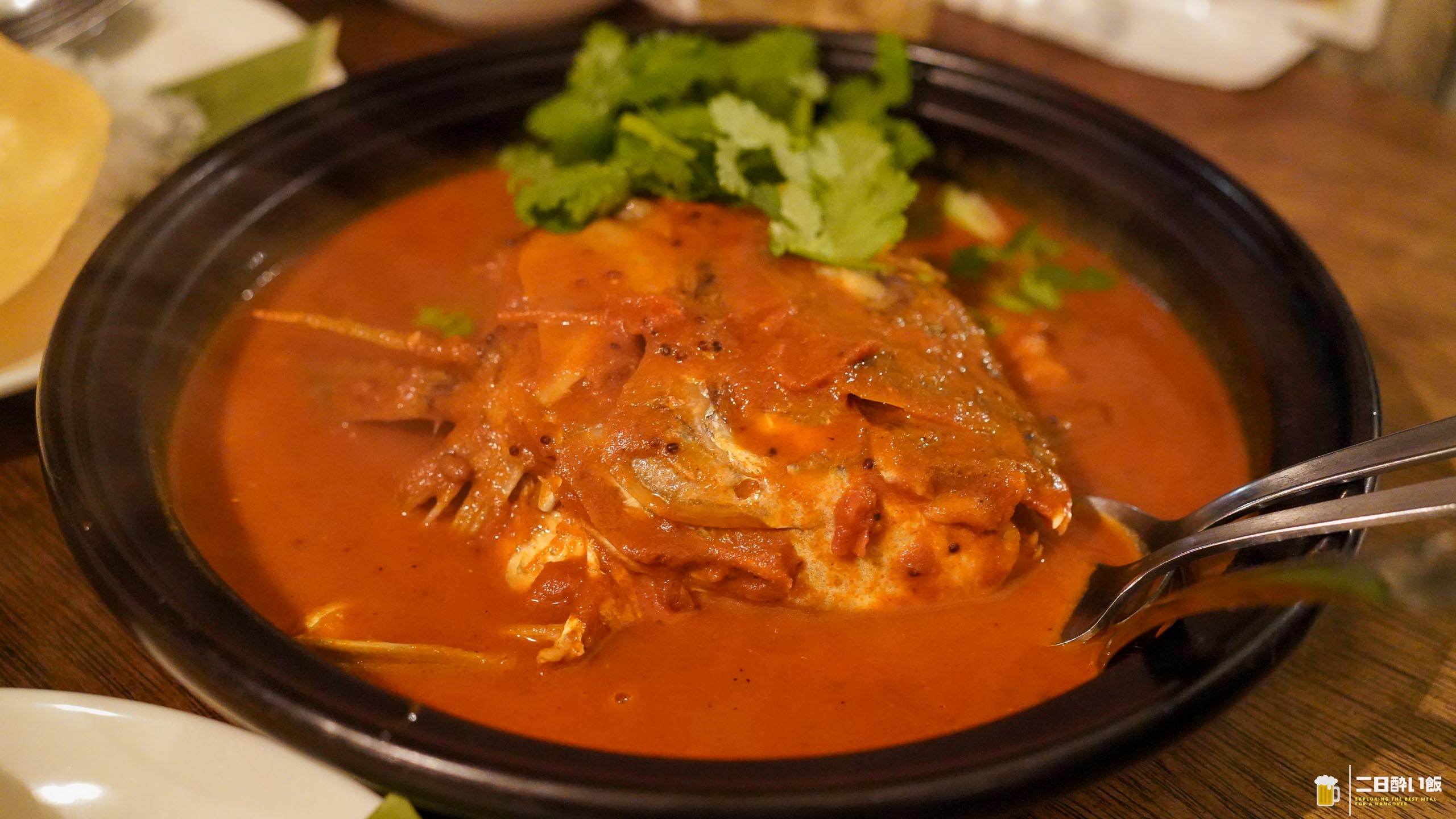
By its shape, half the head of a sea bream, or a black sea bream, or something of the sort, sitting whole in the pot.
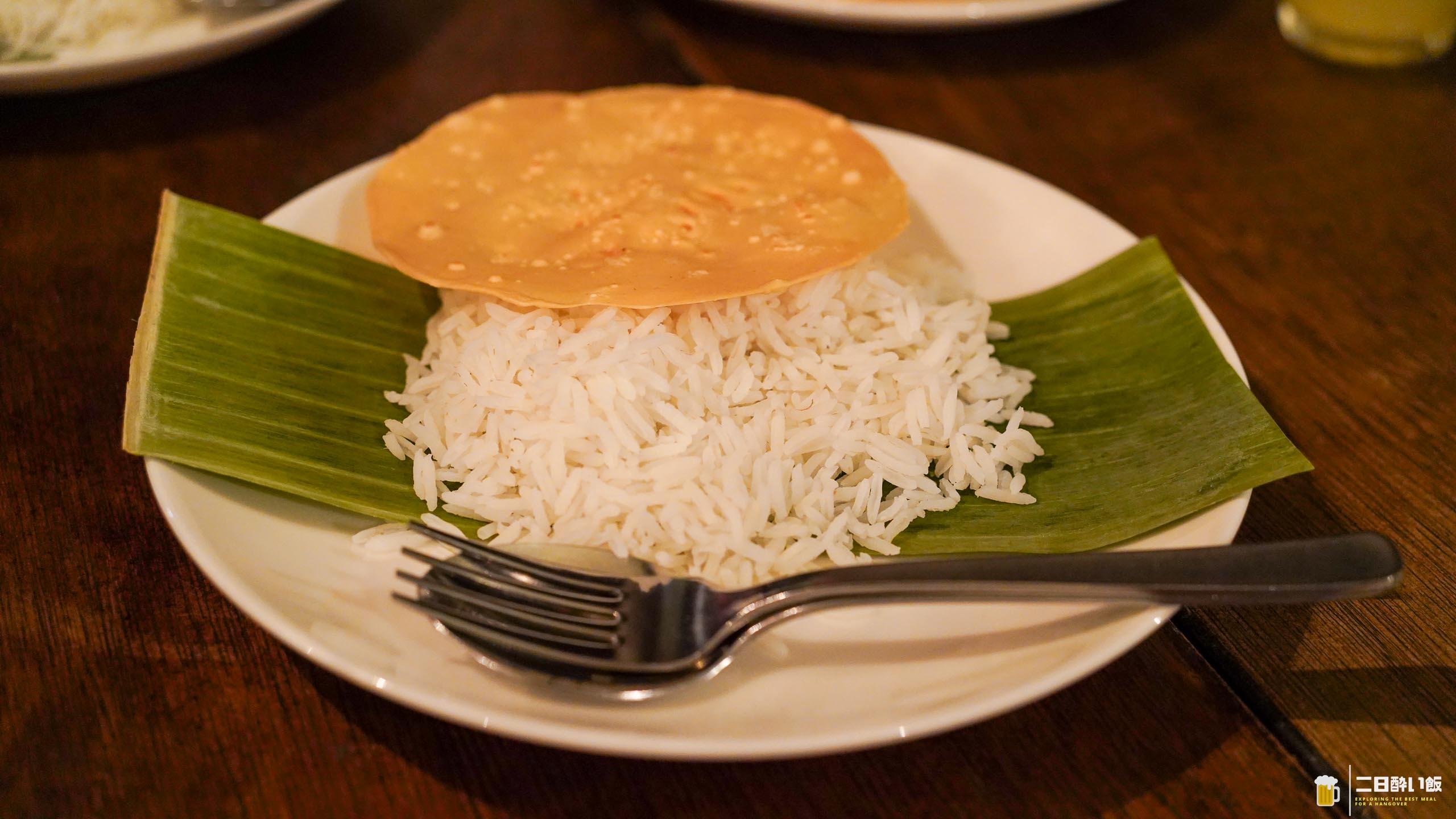
At this point the papad and the rice come one plate each. But pouring the curry over this banana leaf and eating it that way is the whole point.
One mouthful and this too is extremely good.
A powerful flavour layering the savour of the fish with spice. Because the head is simmered whole, the stock of the fish dissolves into the curry, giving a rich, deep broth. The spices are firm and there is heat, but tomato and the acidity of the seasonings make the finish surprisingly light. For a fish dish there is almost no fishiness, only the savour left behind. There is still a good deal of meat around the head and cheek, so we picked it apart and shared it out.
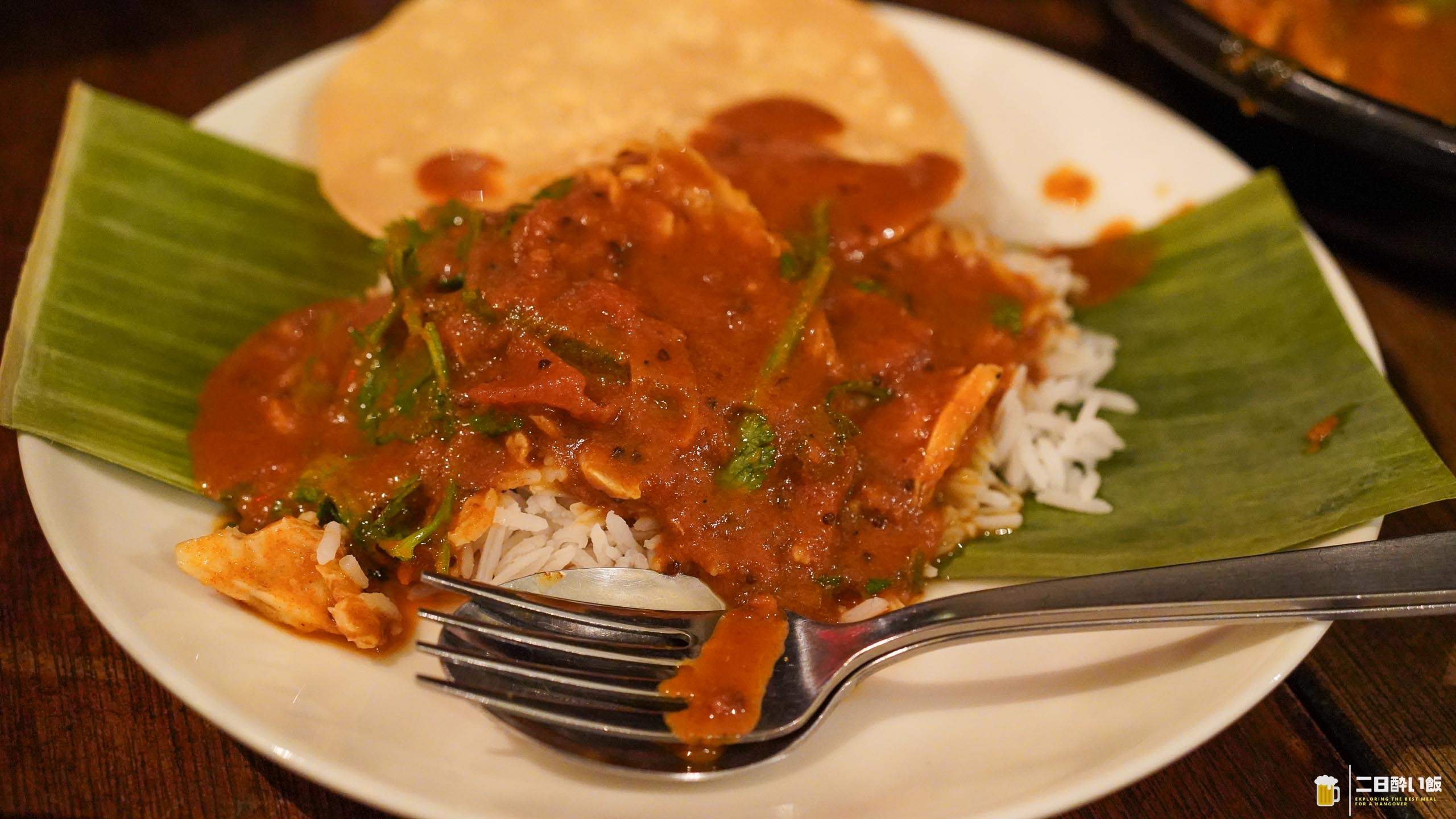
Pour the curry over basmati rice, crumble the papad in and mix as you eat, and the fragrance and the sting of the spices layer into bliss.
Phew! Full! Thoroughly satisfied!
Adding the fish head curry to the standard course left me completely full. Honestly, I overate. Without the fish head curry, this course is 4,200 yen? Is that not extraordinary? This much food at this quality for 4,200 yen is far too cheap. The atmosphere is excellent, it feels genuinely of the place, and you can eat Asian food properly while sitting in Tokyo. Highly recommended. There were three of us this time; with four you might manage one more dish. I wish I had eaten that Indonesian dish the owner had enjoyed on his travels.
Song Kee Jee Fan (Singaporean / Ogawamachi Station, Awajicho Station, Shin-ochanomizu Station)
Tabelog dinner rating ★★★★☆ 4.0
I ate here and paid for it myself. Nothing on this site is a comped meal.
One more for the road?


