


A note on the words: jiang are the savory Chinese pastes made from fermented beans, chilies or aromatics, here made in-house; tianmianjiang is the sweet wheat-flour paste and doubanjiang the fermented broad bean and chili one. Yodare-dori is poached chicken under a chili-and-sesame sauce, the Sichuan dish whose name means, roughly, that it makes you drool. Yakuzen is cooking built on the medicinal-herb tradition. Char siu is Chinese roast pork, gyoza the pan-fried dumpling, annin tofu the almond milk jelly served as dessert. Fugu is pufferfish, mapo tofu the Sichuan dish of tofu in a hot bean sauce, and aemen a bowl of noodles tossed in sauce rather than served in broth. Machi-chuka is the everyday neighborhood Chinese restaurant found all over Japan. Prices are as of this writing (August 2026).
Table of Contents hide
Hoei on Tabelog (English) — opening hours, payment details and the Japanese address are kept up to date there, not here.
I want to eat something good today as well. This is Hangover Meshi. This time, Hoei, which I have had my eye on for a long while.
The place is in Hon-Komagome, which is a slightly out-of-the-way spot.
In fact… on the day I managed to mistake it splendidly for Komagome on the JR line. Not JR Komagome, but Hon-Komagome on the Namboku line, right by the station. Komagome station has a Namboku line platform too, so I changed there and arrived without trouble in the end. Careless of me.
One must check where one is going! Lesson learned.

Inside, a handsome room: a counter with a view of the kitchen, and table seats further back.
A large party who looked like office workers were drinking away, and being able to drop into a place this good on the way home from work is marvelous. I am envious! This time I was at the counter, which lets you watch the cooking — a lively seat, and an enjoyable one.
If you come to Hoei, I recommend the counter.
Hoei course: 6,800 yen
Yui course: 8,800 yen
Ko course: 16,000 yen
Three courses.
This time I took the most straightforward one, the Hoei course, and decided to add dishes if it looked as though I could manage more. Lately I have been taken with the method of ordering the course with the fewest dishes and adding a la carte on top. I think it is the best both for value and for satisfaction — though who knows.
Before the course began, the staff explained that there was a winter-only crisp-skinned chicken, and that for 1,600 yen more it could replace the sweet and sour pork in the course. But I am rather fond of sweet and sour pork, so for the moment I thought I would leave it.
And then I saw the actual crisp-skinned chicken, and it looked so very good.
“On reflection, not instead of the sweet and sour pork — as an addition!” is what I ended up asking for.
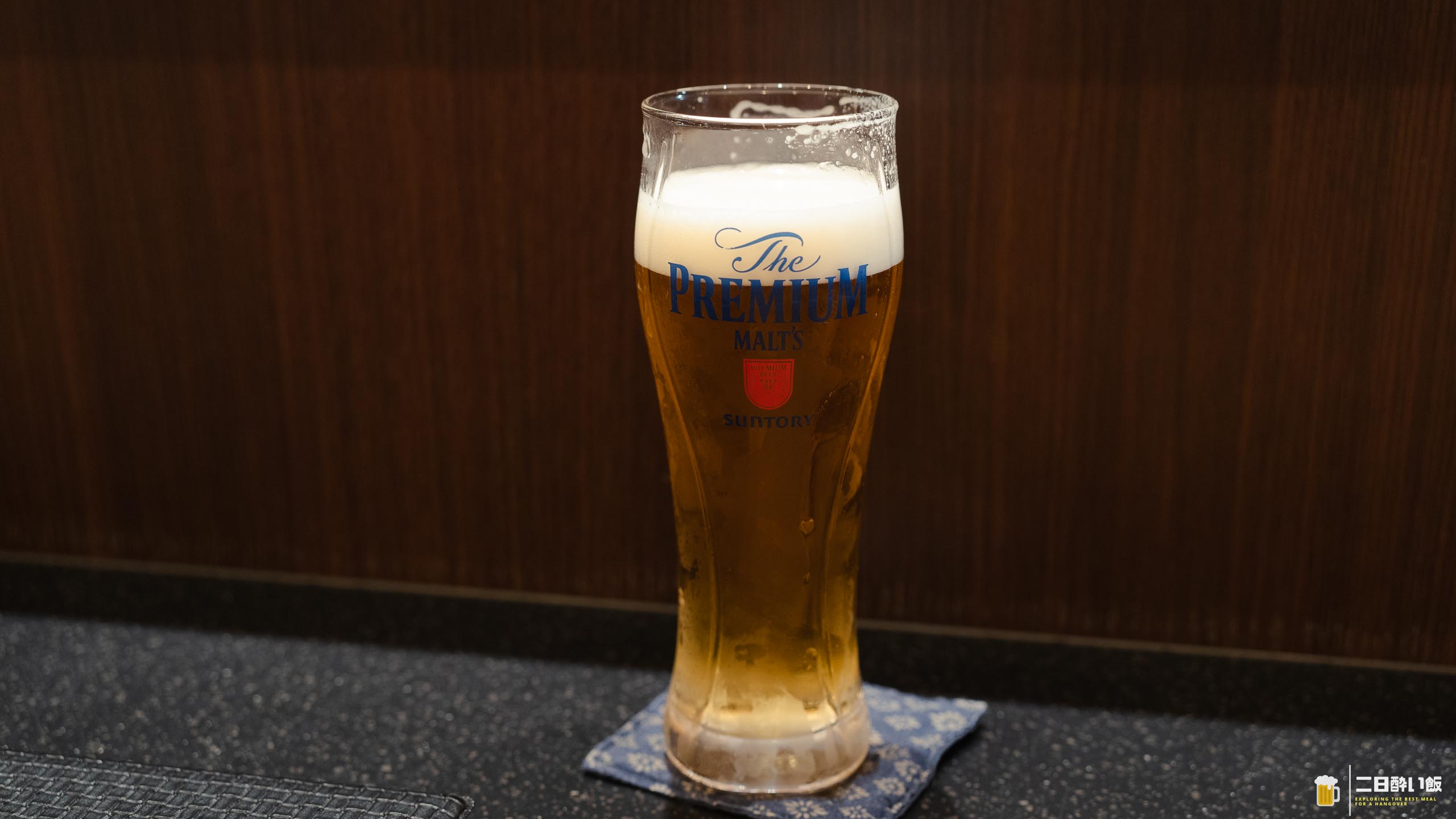
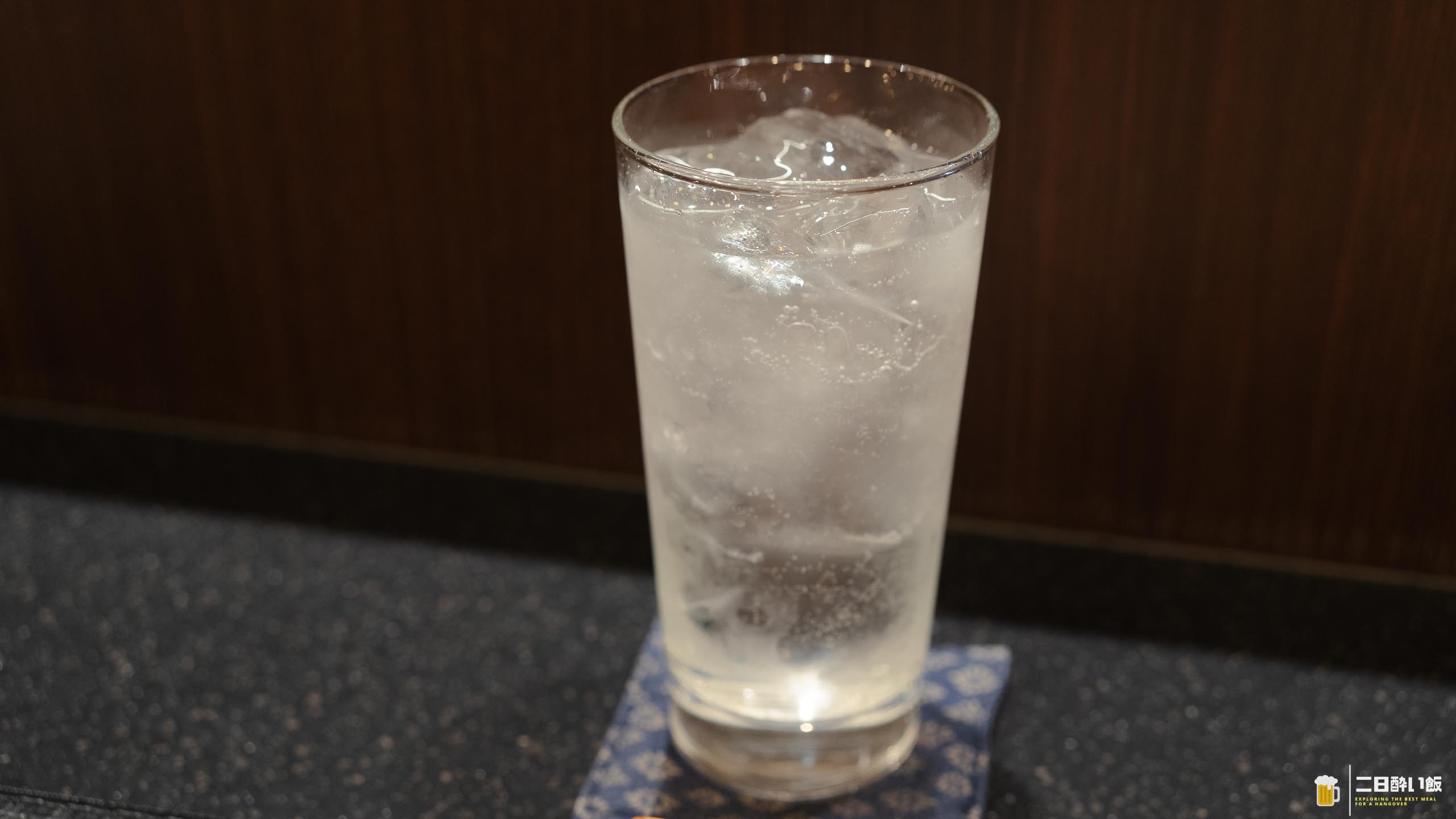
Right, to begin: beeeeeer!! It is bitterly cold outside, but beer drunk somewhere warm is something else entirely.
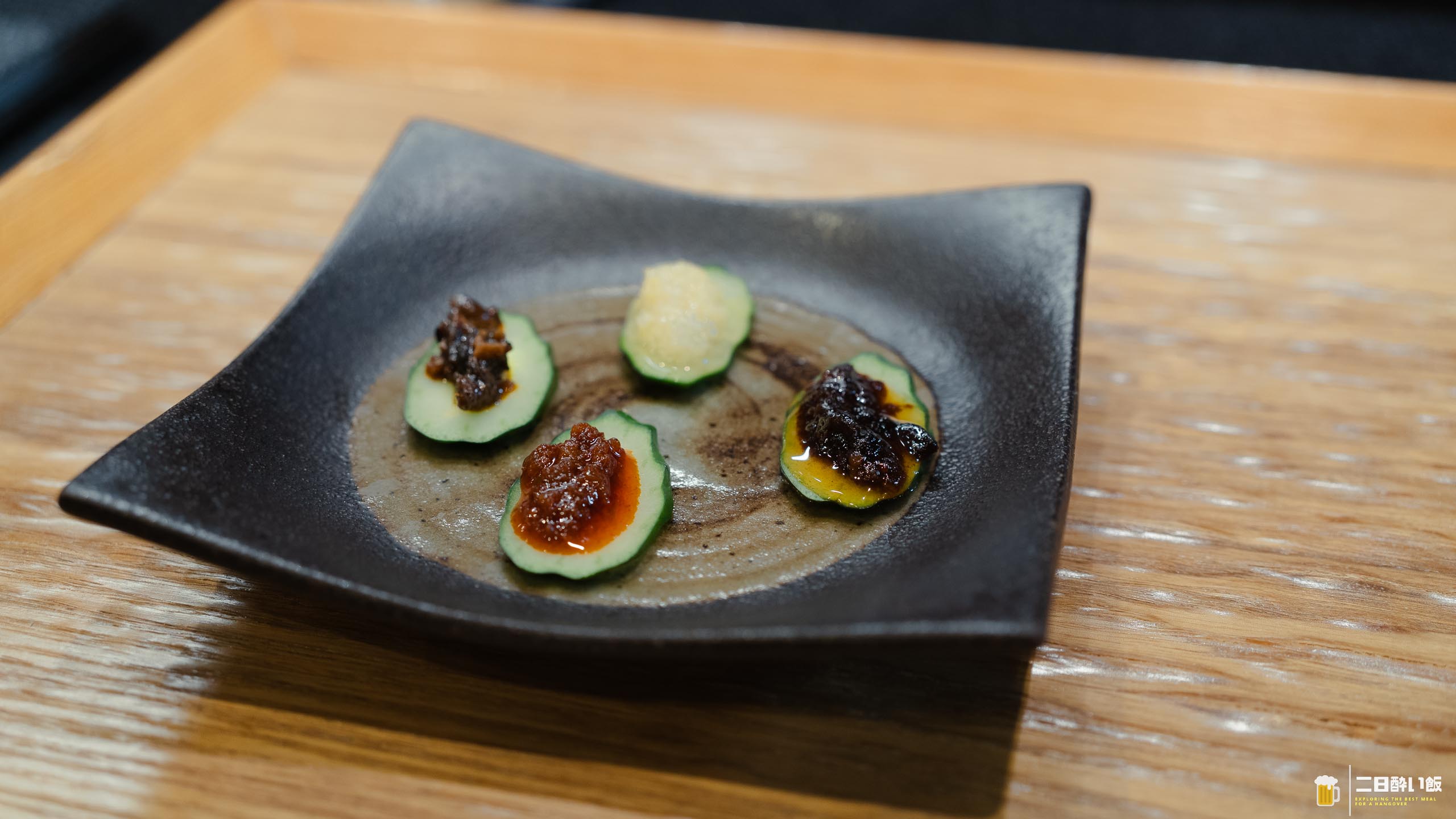
An assortment of house-made jiang — savory pastes — laid on cucumber. A ginger jiang, a mildly hot one. All of them soft and mellow in flavor. The bite of the spices is moderate, the aroma is drawn out fully, and the salt is restrained, so they are very easy to eat. Thinking that these same pastes will be in the dishes still to come, expectations rise whether you like it or not!!!
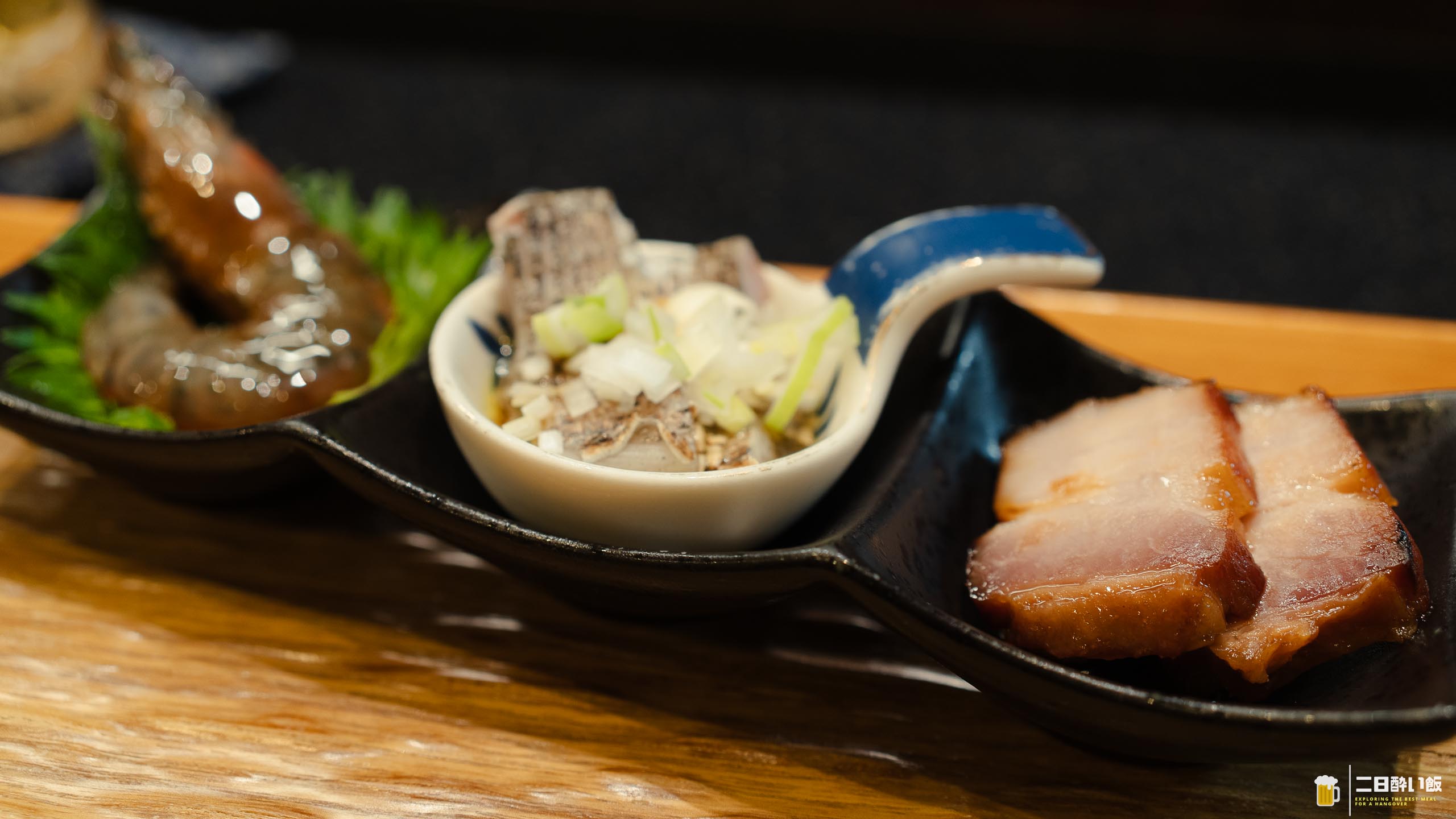
Next, the three cold starters.
Far left, prawns steeped in Shaoxing wine. Meltingly soft and good! “The head paste is good too, so do suck the head if you like,” they said. Delicious! It goes with a drink!!!
On the right, house-made char siu. The tooth goes straight through it, and yet it has real meatiness. Very good char siu. The fragrance of the tare and the fat spreading out are the good parts. Not remotely heavy, and it goes down easily.
In the middle, beltfish. They make the middle item different on each plate, so you can share if you like, they said.
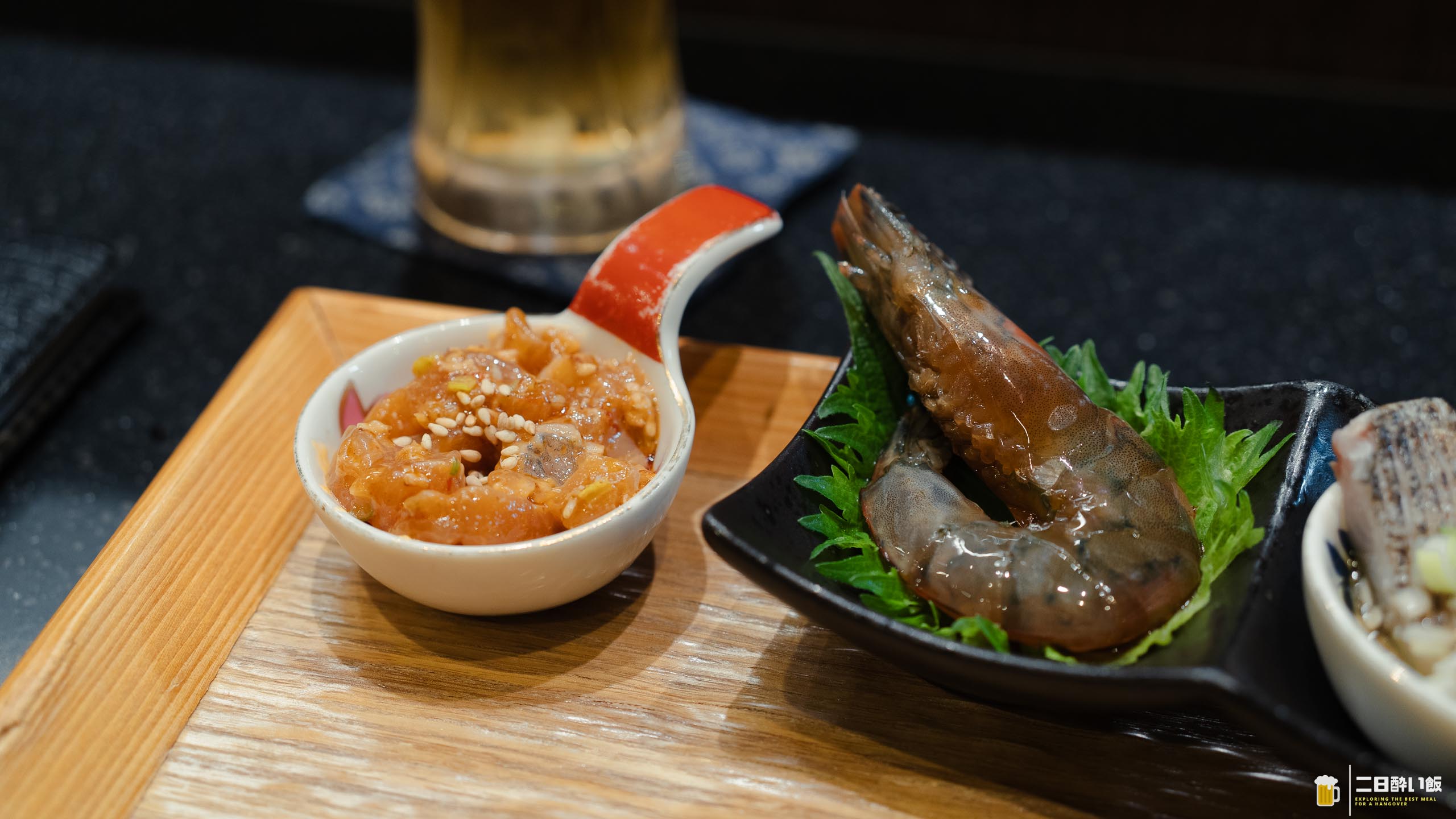
The other one was salmon. We halved each of them. Yes — both good!
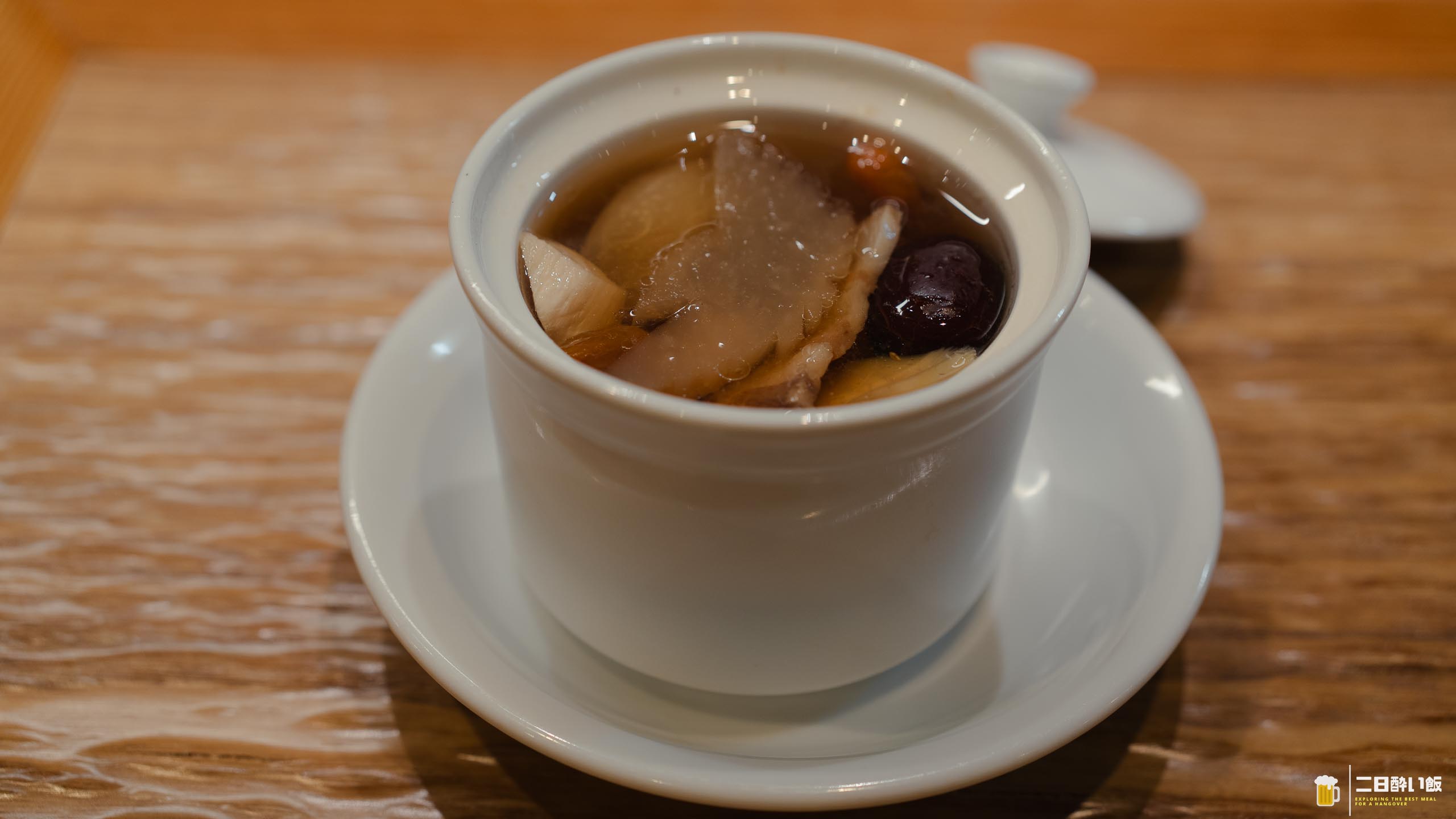
Next the yakuzen soup. Ham for the stock, perhaps. A soft soup, with a gentle flavor that wraps around you.
The scent of the spices sits firmly on top of it too — exactly the good-for-you flavor that the word yakuzen suggests.
This perfectly clear soup is a splendid thing. The solid ingredients are cooked soft as well, packed with savor and with goodness.
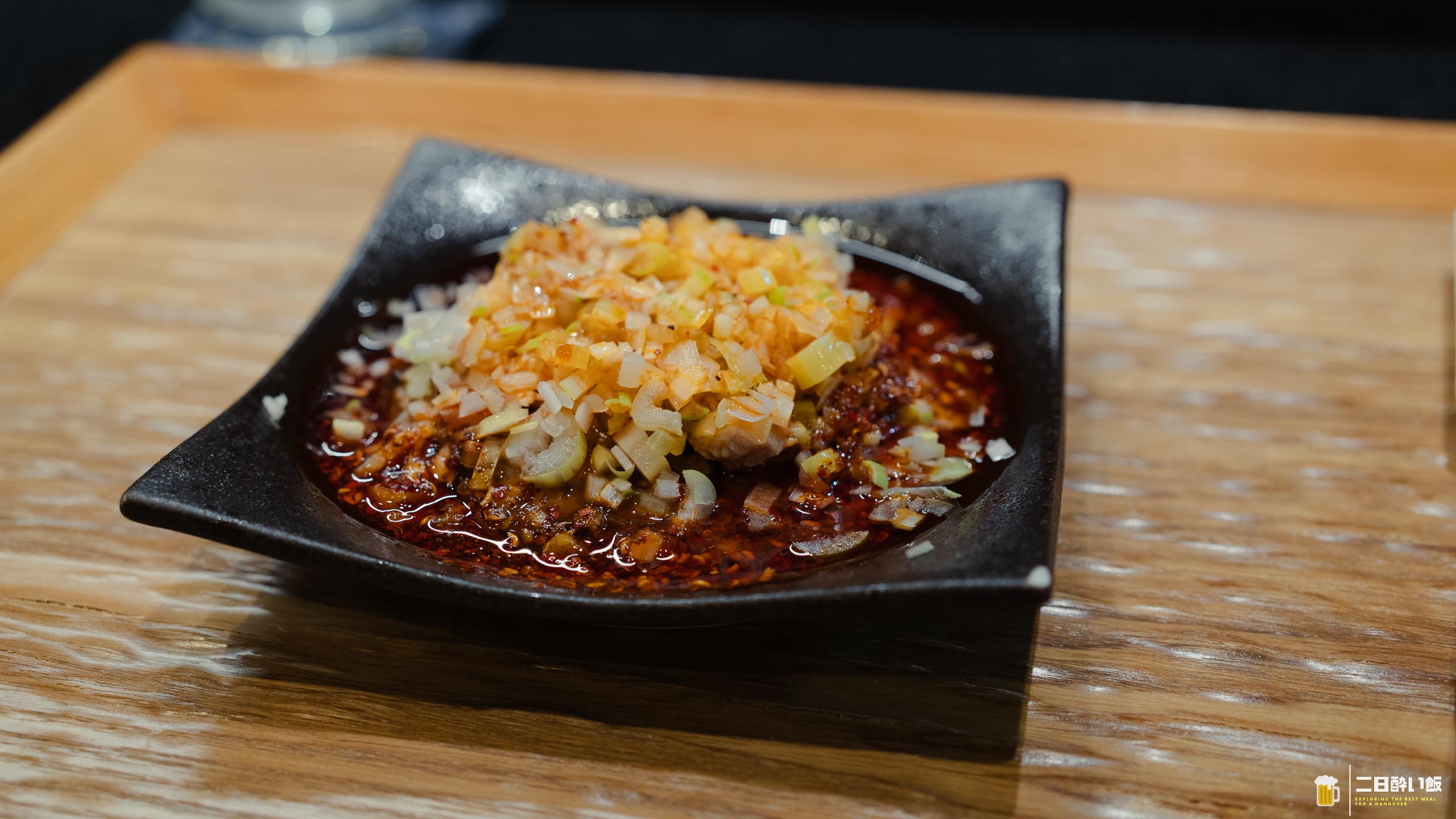
And this one is tremendously good!!!!
The heat can be dialed down, apparently, but: “We are rather good with heat, so the normal version is entirely fine!”
— which is what I said, and had it made as standard. It is sharp and hot, certainly, but the heat was not all that strong. A sauce packed with savor, in which the deliciousness and character of the chili come through clearly. The chicken is moist and tender, and works perfectly with the spring onion!
This gentle yodare-dori is tremendously good and you should absolutely eat it!
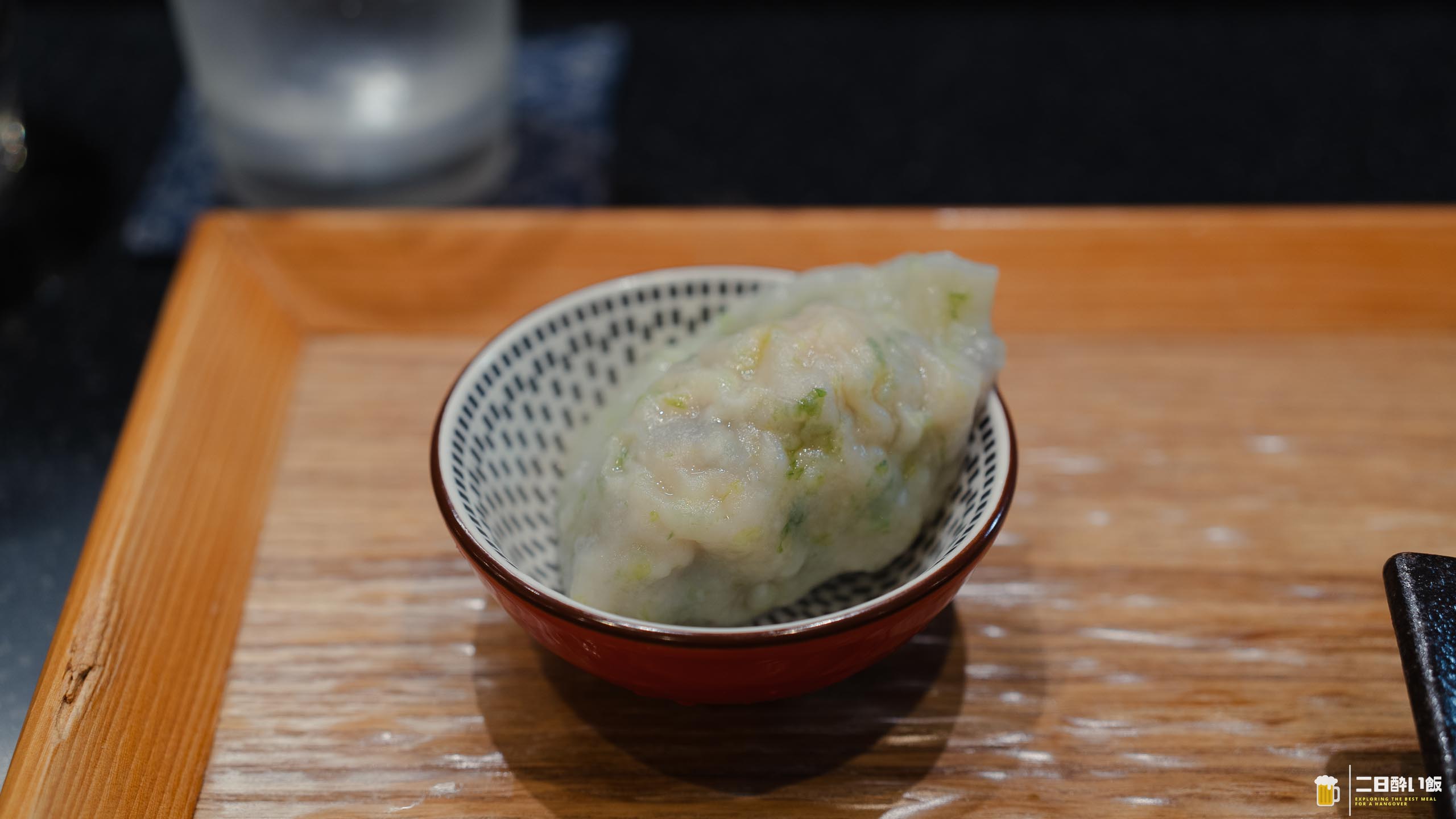
A little of the sauce was left over, which seemed a waste — and just as I was wondering what to do about it, they brought gyoza!
Dip them in the yodare-dori sauce, they said. And this goes with it beautifully…! Delicious!!!
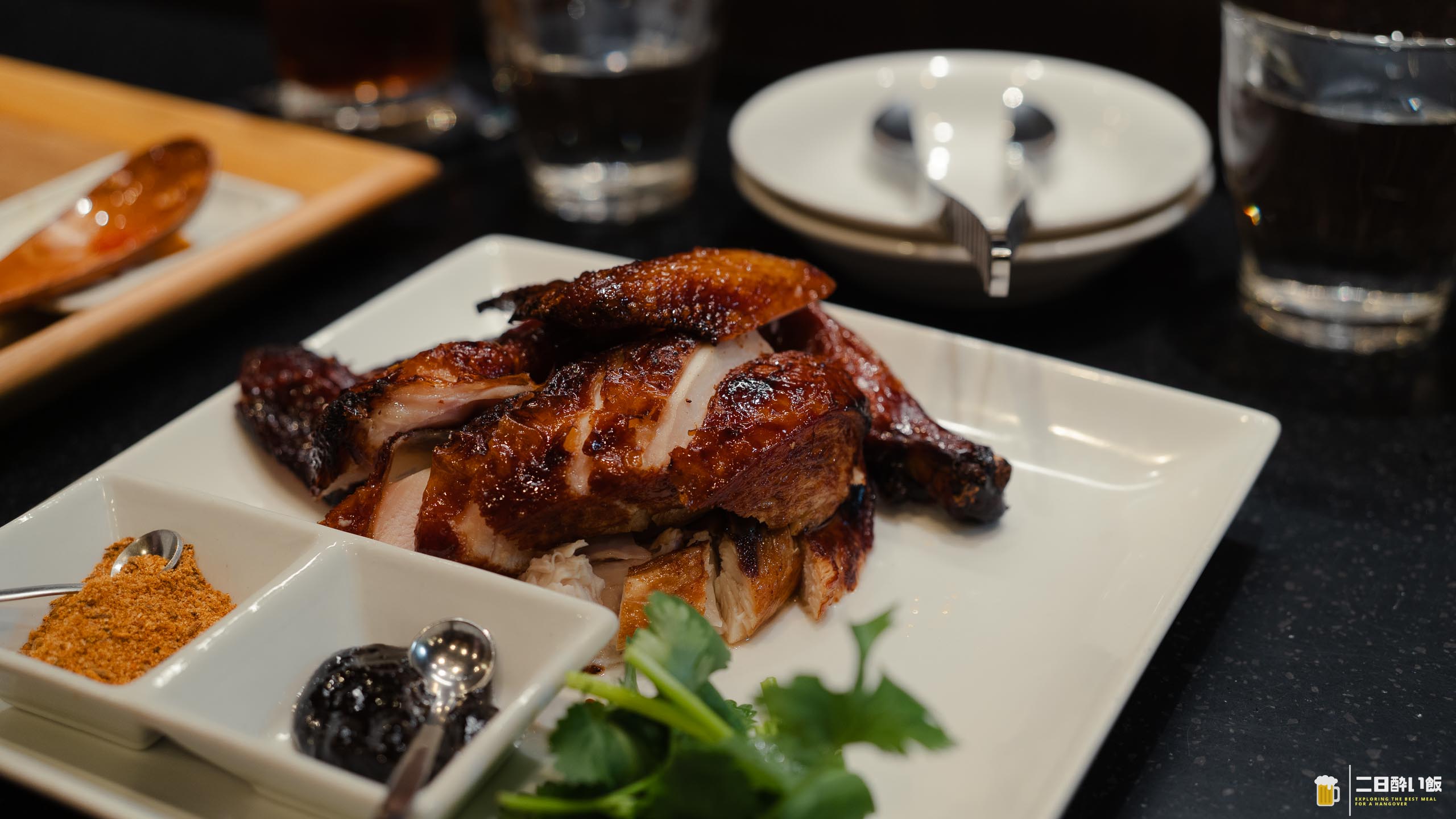
And now the chicken added partway through, eaten with tianmianjiang and with spice.
Moist chicken, with the skin finished crisp! The scorched fragrance of the tare is irresistible.
With the spice powder its expression changes again — it may be close to the spice that comes with lamb skewers. No heat at all, and the scent of cumin sharpens the appetite. With tianmianjiang, sweetness and depth are added, and it is good.
Above all the balance of moisture in it is excellent. Succulent!
I am glad I ordered it! Well — once you have seen it looking that good you are always going to order it, are you not.
The owner suggested that I could take about half of it home (having heard what was still to come, there were a great many dishes left!), so home half of it went.
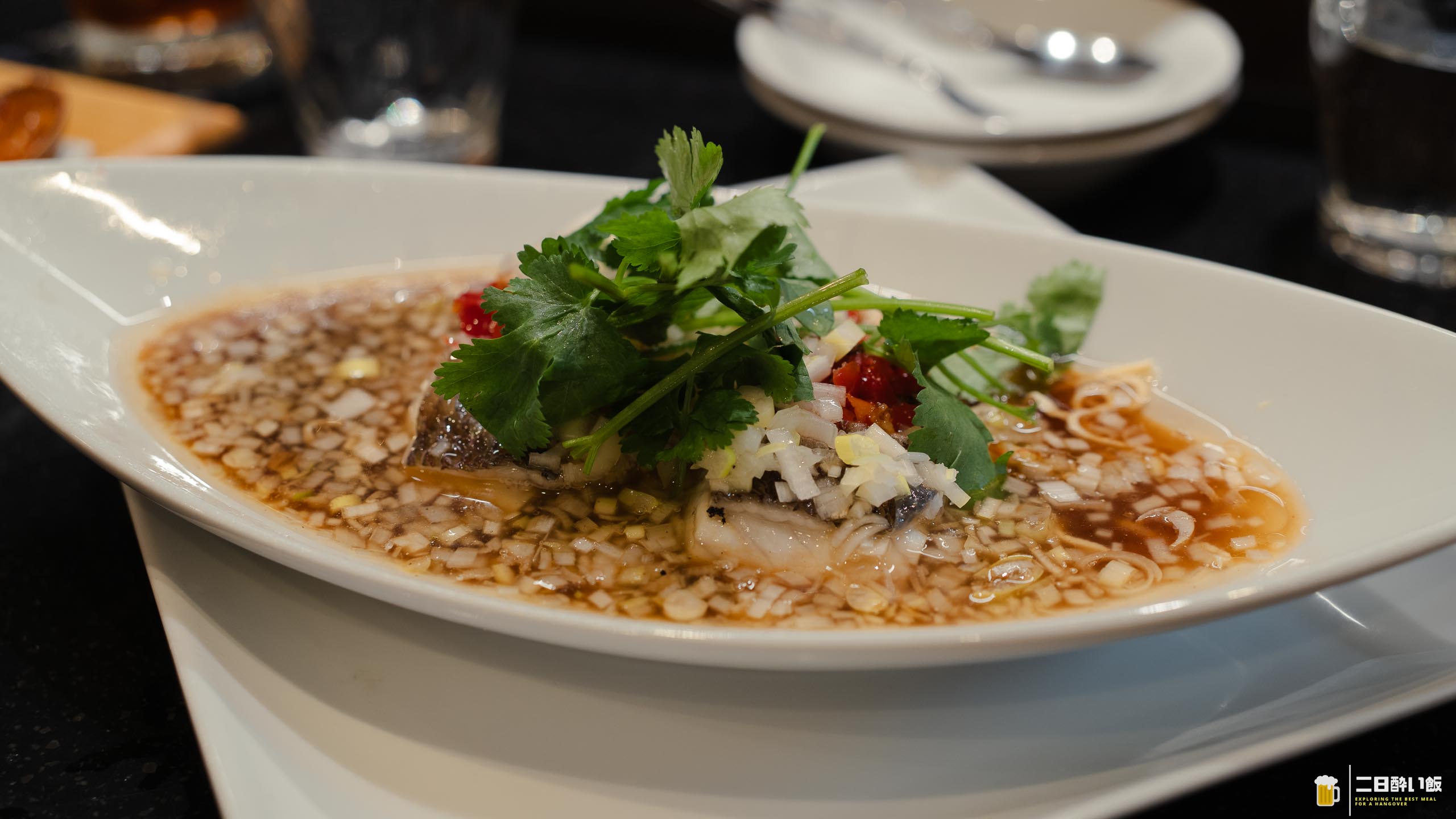
White fish steamed Chinese-style. The aroma is very fine. It looks so good…!
By all accounts it is the sort of dish the boat-dwelling people of Hong Kong used to eat, and the fish, plumply steamed, is springy and firm.
One bite and the savor floods out. This is tremendously good. The balance with the aromatics is fine as well, and the way the sourness, sweetness and savor of the sauce meet the freshness of the coriander is really something.
“If you leave the soup, we will put noodles in at the end to finish!” they said.
Noodles in this soup are bound to be good.
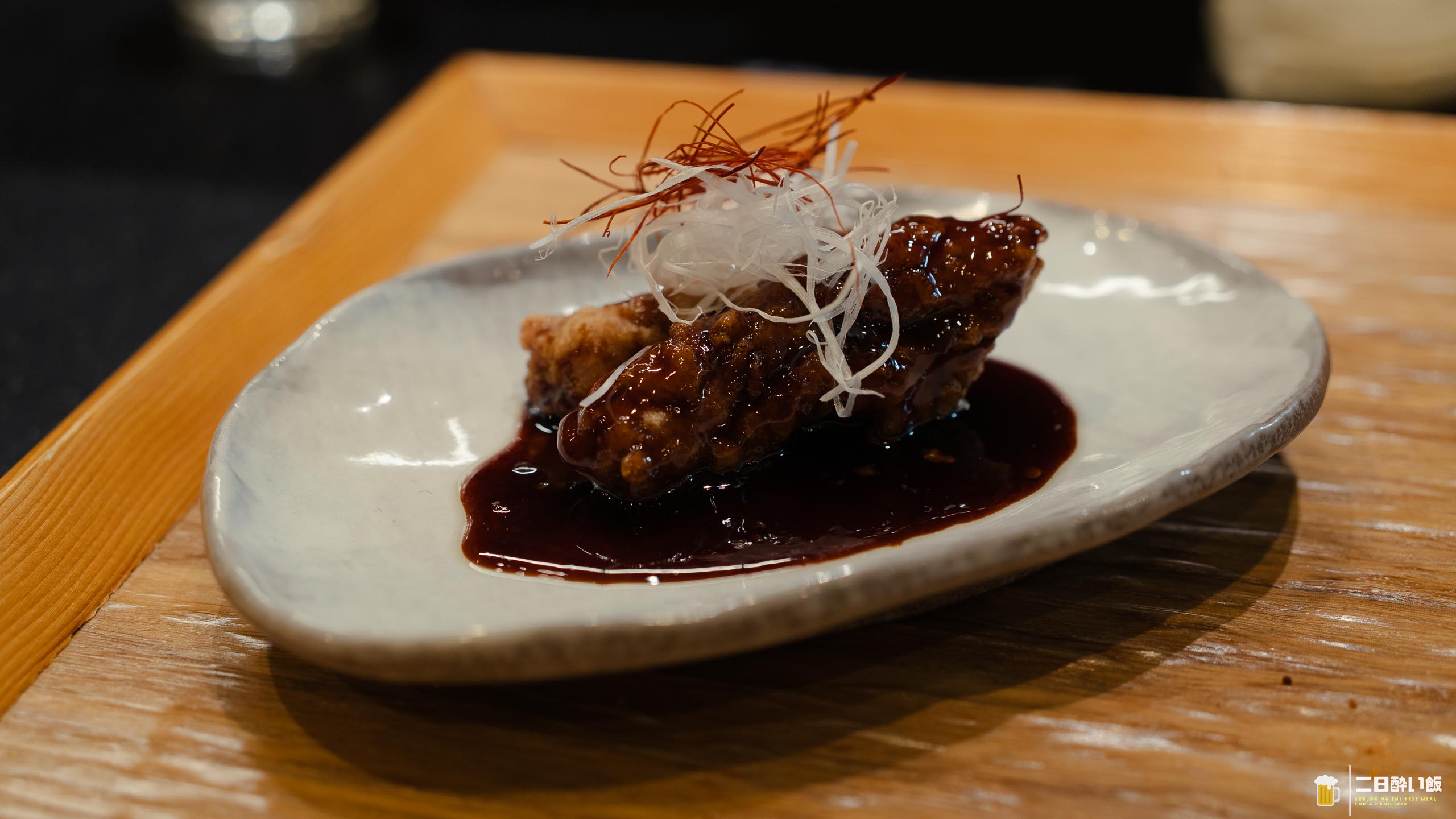
Black vinegar sweet and sour pork, in the meat-only style.
I could not bring myself to give this up, which is why the crisp chicken became an addition rather than a substitution.
Yes — good!
The sourness has a clear outline but is not too sharp; it is the type where the rounded depth of the black vinegar comes forward.
Not a sweetness driven by sugar, but a grown-up flavor pulled together by the vinegar and the savor of the jiang.
The pork is cut in large pieces, the coating thin and lightly crisp, the inside moist and tender. With every bite the savor of the meat tangles with the black vinegar sauce, and the fact that it never feels heavy is remarkable! The oiliness is restrained throughout, the finish is light, and the balance lets you eat straight through it.
Black vinegar sweet and sour pork — glad I did not give it up!
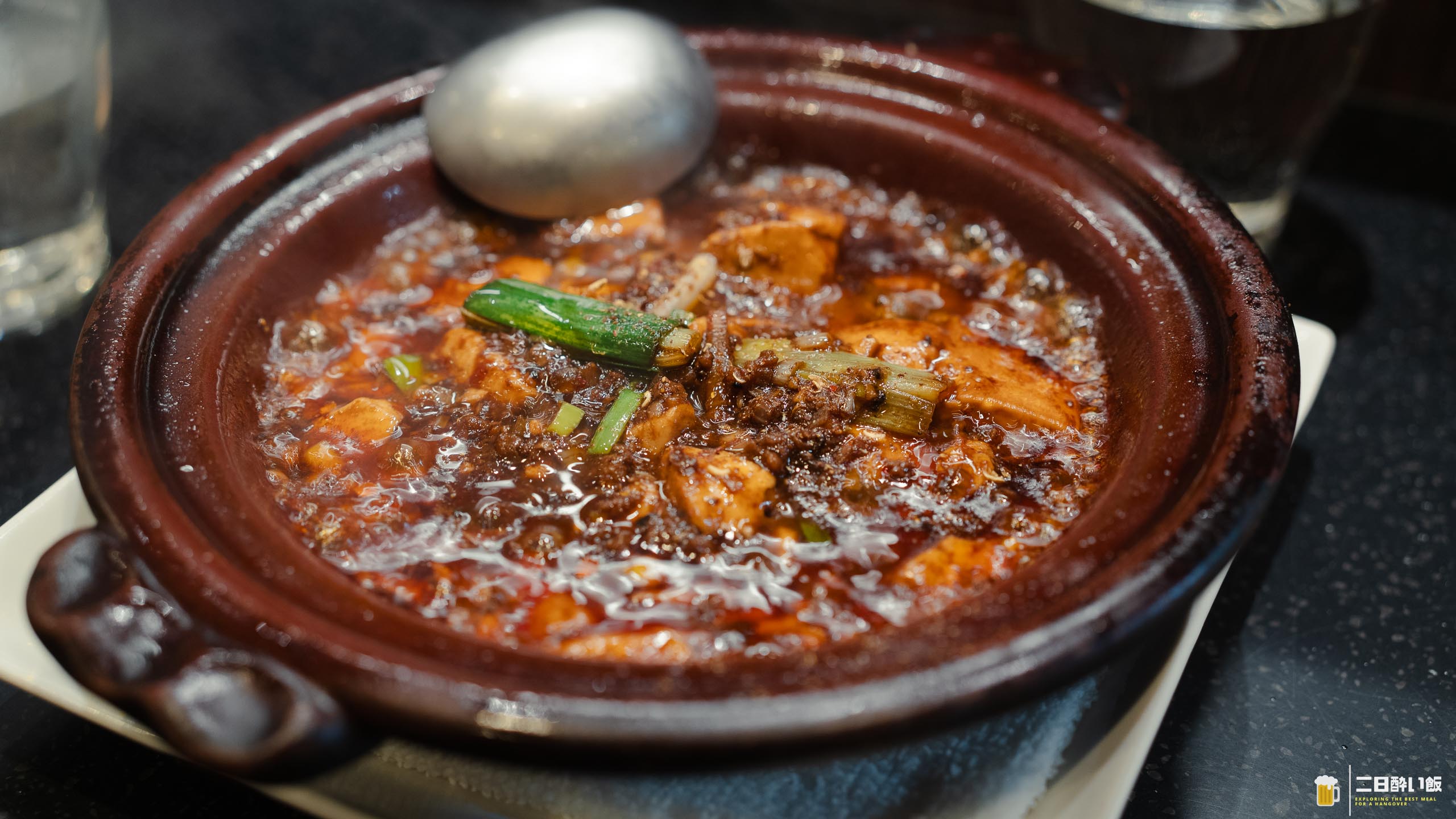
Next, mapo tofu!
It looks tremendous! Bubbling away.
I was gradually filling up, but they said it goes with rice, so I had them give me a very small serving.
One bite and the tingle of Sichuan pepper and the heat of doubanjiang rise up, with exactly the aroma of the real thing. The heat is definitely there, but it is not merely stimulating; depth and savor layer in behind it, making it the mellow sort. And underneath there is a sweetness, and a character — what is it? Something faintly mushroom-like, savory, mixed in. Not a flavor I come across often.
The tofu keeps its moisture and has a smooth texture, receiving the heat and the tingle gently. The finish is surprisingly clean, and the whole thing is built so that rice follows naturally — so however full you are, you should definitely get some rice, even a single mouthful!

Deep-fried fugu, heavy with spice. The fluffy white flesh is good.
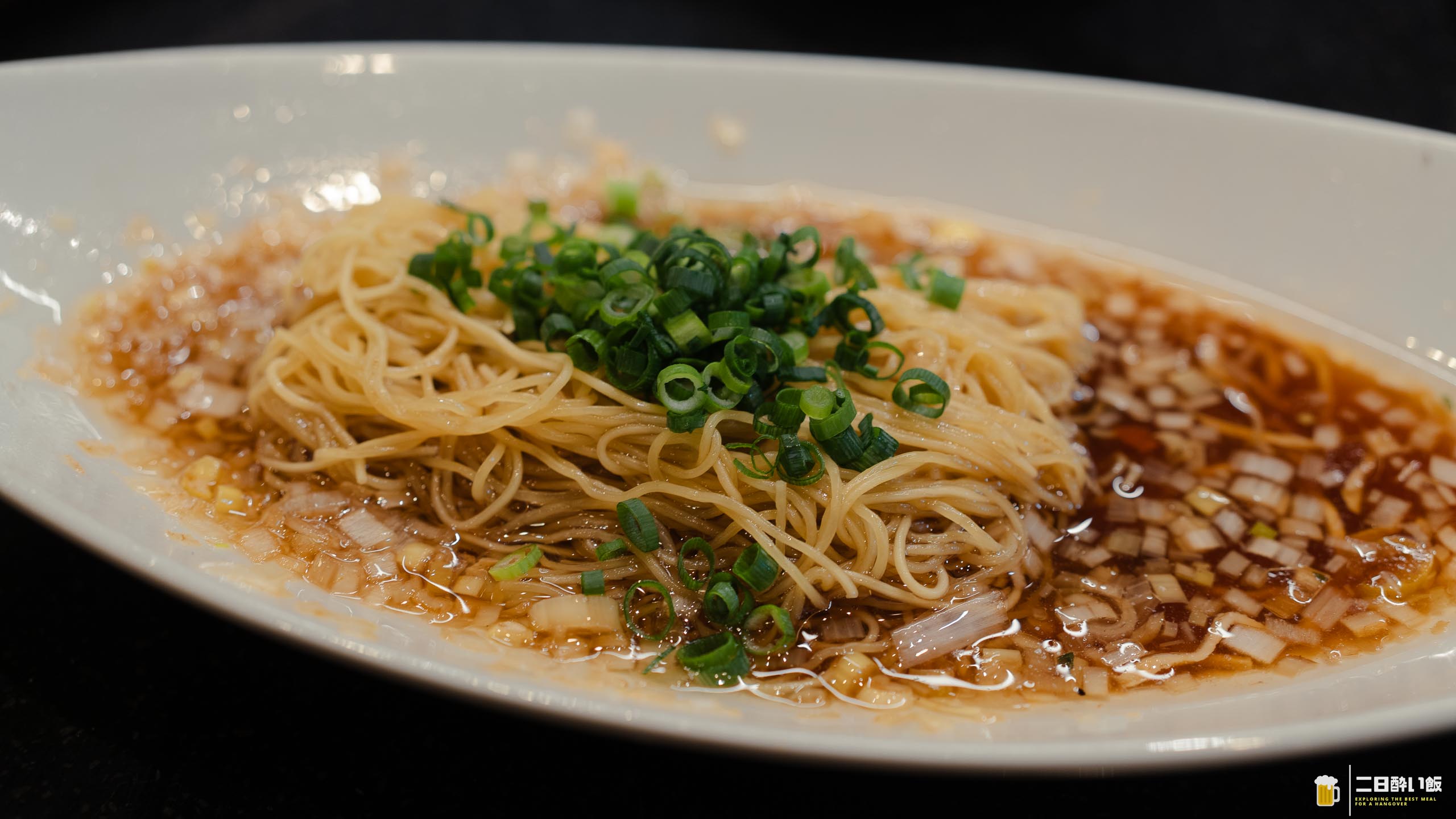
These thin Hong Kong noodles are apparently unusual — hardly anywhere in Japan seems to use them!
They are thin, but they have a certain plumpness to them and each strand stays distinct. They go outstandingly with the sour, sweet, savory soup, and the spring onion pulls the whole thing tight. Excellent! Yes, this too is something you should absolutely eat. Thank you, owner, for suggesting I take half the crisp chicken home! Had I eaten that, I might well have been too full.
This closing bowl of noodles and the rice with the mapo tofu should be eaten however full you are.
Come to think of it… these may be the same as the noodles at the end at Shanguu. Those were eaten with the soup, like ramen; these are tossed rather than in broth, so that plump quality is emphasized and the character of the noodle is much clearer!
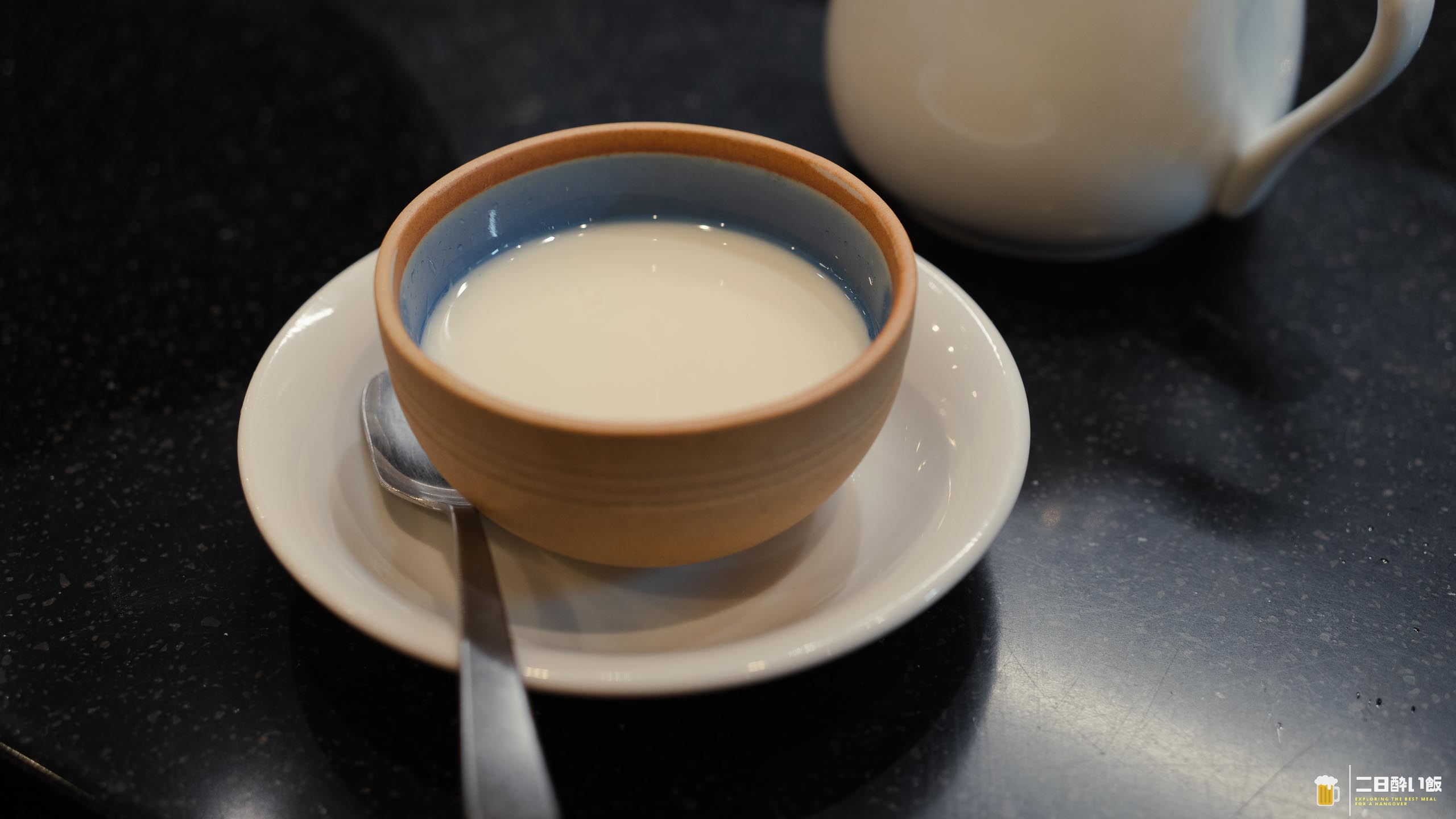

Last of all, dessert, chosen from four options! Both were good!
Drinking right through to the very end, I had a thoroughly good time of it.
Deeply authentic Chinese cooking, and tremendously good with it. The atmosphere is very fine too and conversation flows. Add the open kitchen and all the owner’s stories, and it was a good place in which to spend a thoroughly enjoyable evening!
The location, Hon-Komagome, is a slightly out-of-the-way spot with almost nothing else around, so if the mood turns to “one more bar!” there is nowhere to go. But it is a good place, and when the season turns I would like to bring other people to it.
Hoei (Chinese / Hon-Komagome Station, Hakusan Station, Sengoku Station)
Tabelog dinner rating ★★★☆☆ 3.9
I ate here and paid for it myself. Nothing on this site is a comped meal.
One more for the road?


