A note on the words: zasai is the pickled mustard-plant stem sold elsewhere as zha cai; shoronpo is the soup dumpling, xiaolongbao; jidori is free-range native-breed chicken; sansho is Japanese pepper, whose Sichuan cousin does the numbing in mapo tofu; and Akaboshi, the Red Star, is Sapporo Lager. Prices are as of this writing (August 2026).
Table of Contents hide
Hibi no Chuka Shokudo on Tabelog (English) — opening hours, payment details and the Japanese address are kept up to date there, not here.
I want to eat something good today as well. This is Hangover Meshi. This time, Yoyogi-Uehara Station.
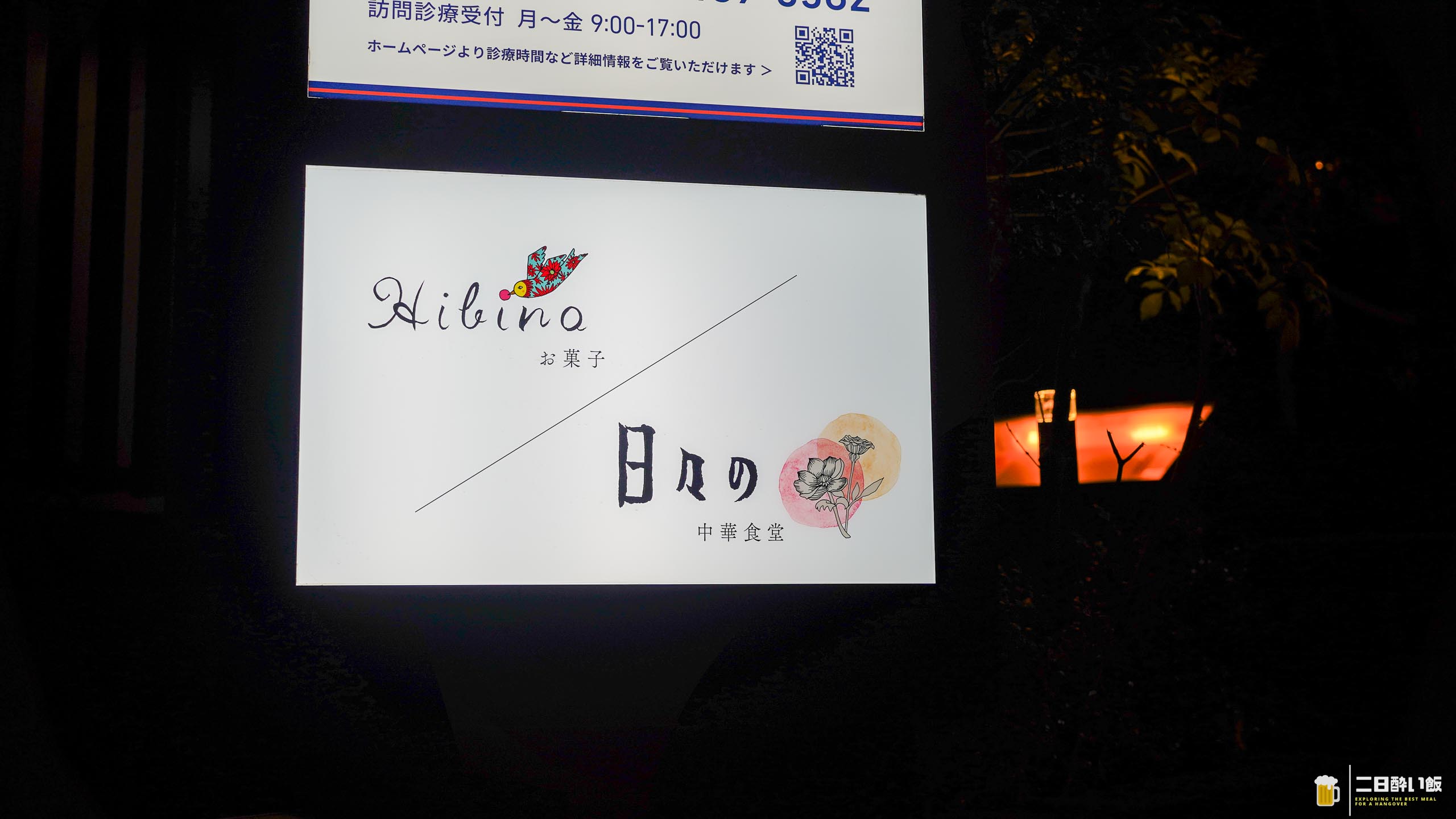
To a stylish Chinese restaurant right by the station: “Hibi no Chuka Shokudo”, the everyday Chinese canteen.
I had been curious about it for some time and meant to go one day. Glad to have finally made it.
Inside, a warm room built around wood and warm-toned lamps. Stylish!
We had a table this time, but the counter looked like a very good place to sit as well.
There is a good deal on the menu, so we decided to order a la carte whatever caught our eye.
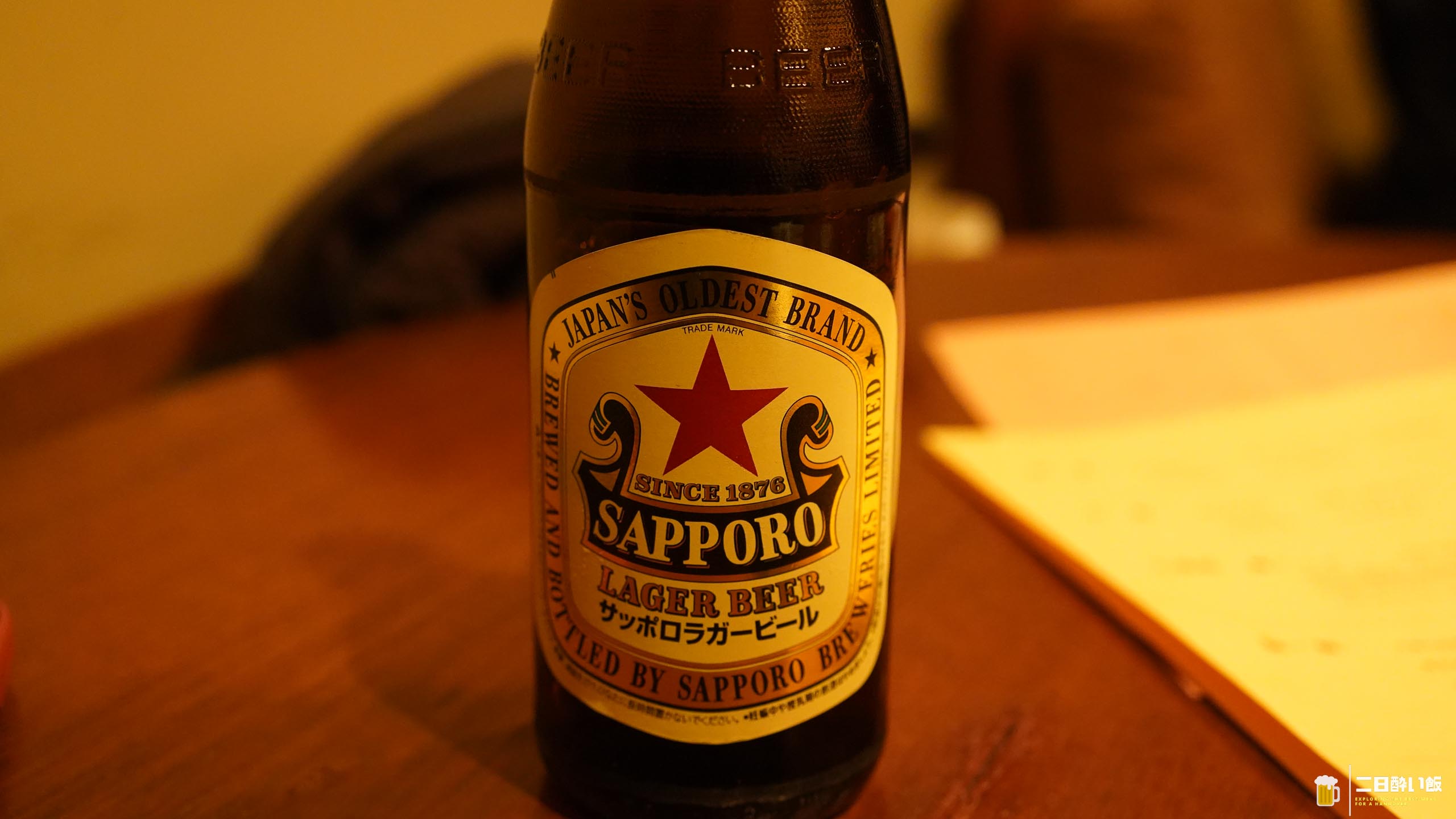
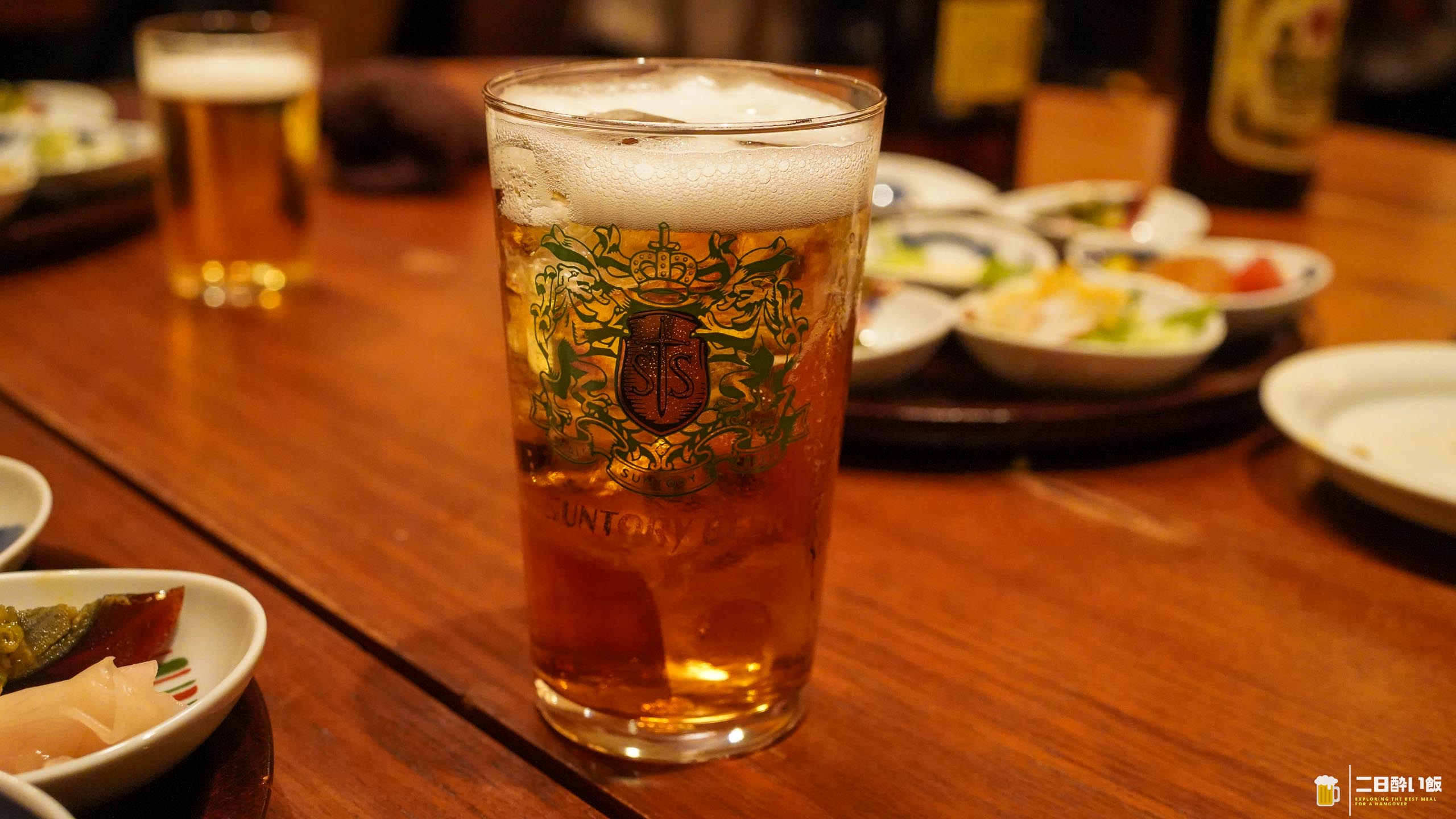
Beer first — Akaboshi!
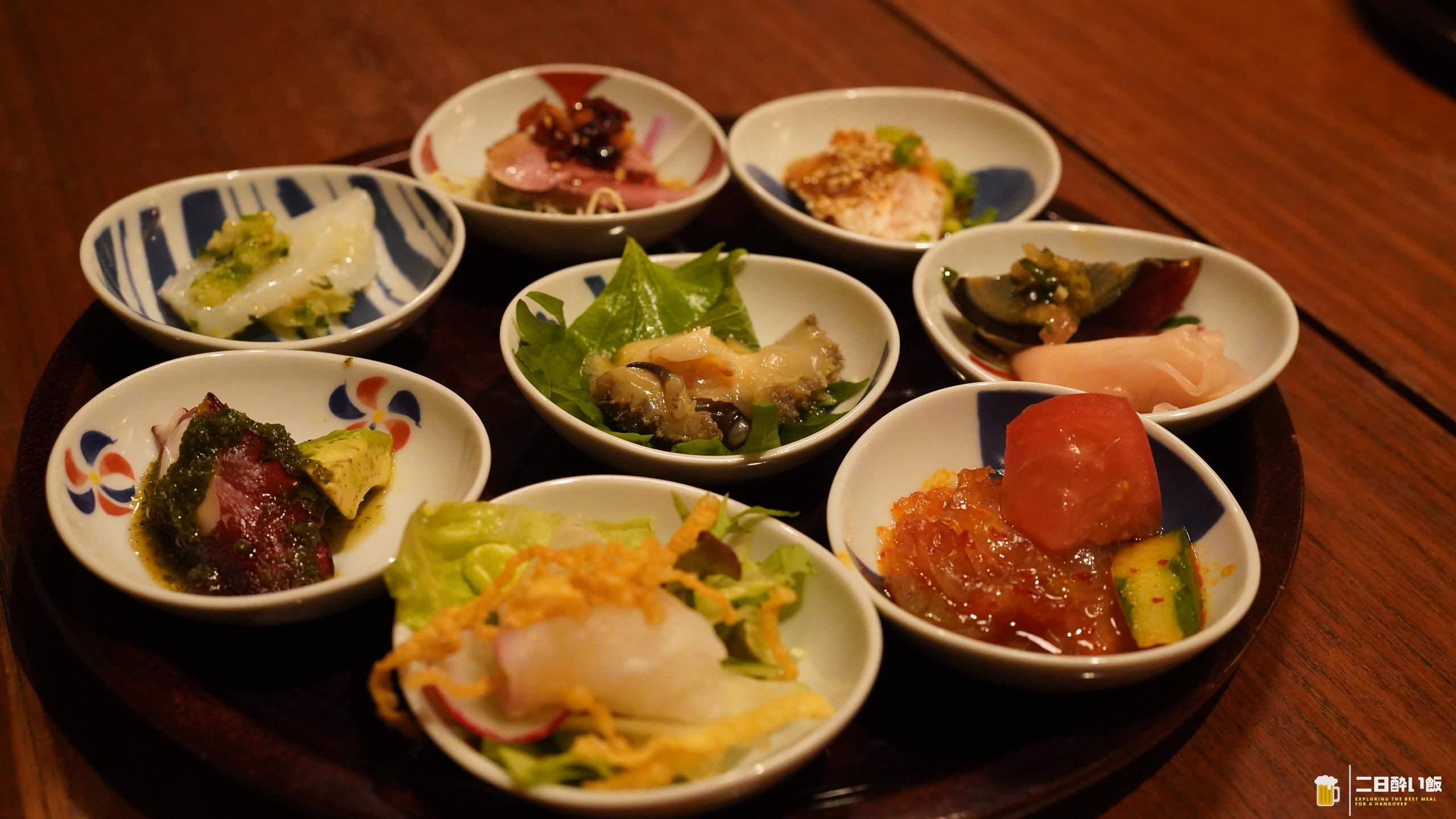
When it comes to Hibi no Chuka Shokudo, this is the thing to start with: the assorted starters.
Century egg; tomato and cucumber dressed with a little heat; sea bream sashimi salad; avocado and octopus with sansho; squid and celery dressed with spring onion and soy. And in the centre, abalone, of all things. Every one of them looks superb.
Starters that let you eat a little of many things like this are always a pleasure.
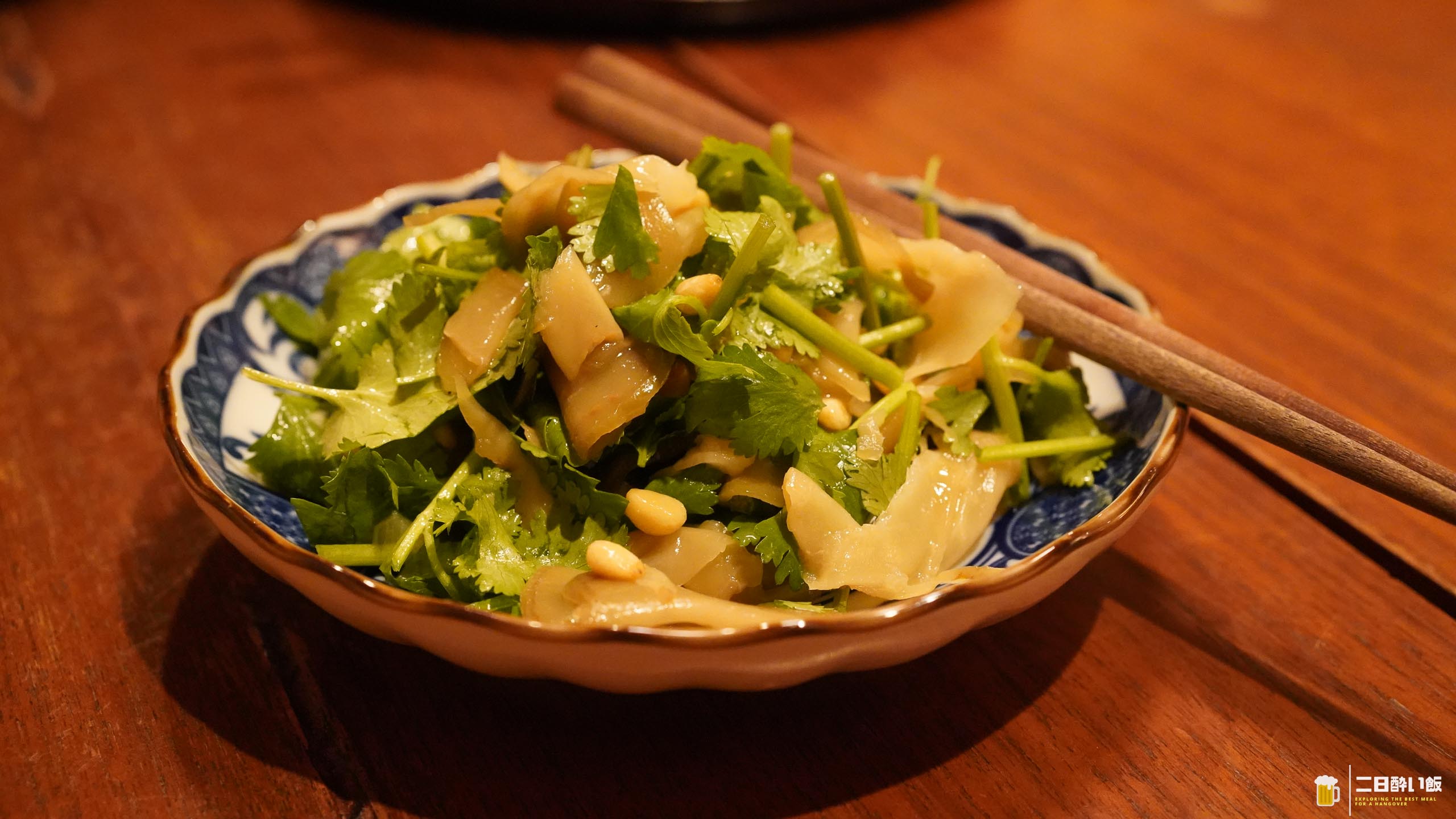
Simple, and thoroughly good.
The crunch of the zasai, and over it the scent of fresh coriander.
The balance of salt and savour is well judged: the measured saltiness of the zasai tightens the green freshness of the coriander, and the finish is light.
Sesame oil and aromatics register faintly in the background, so that something simple never grows dull.
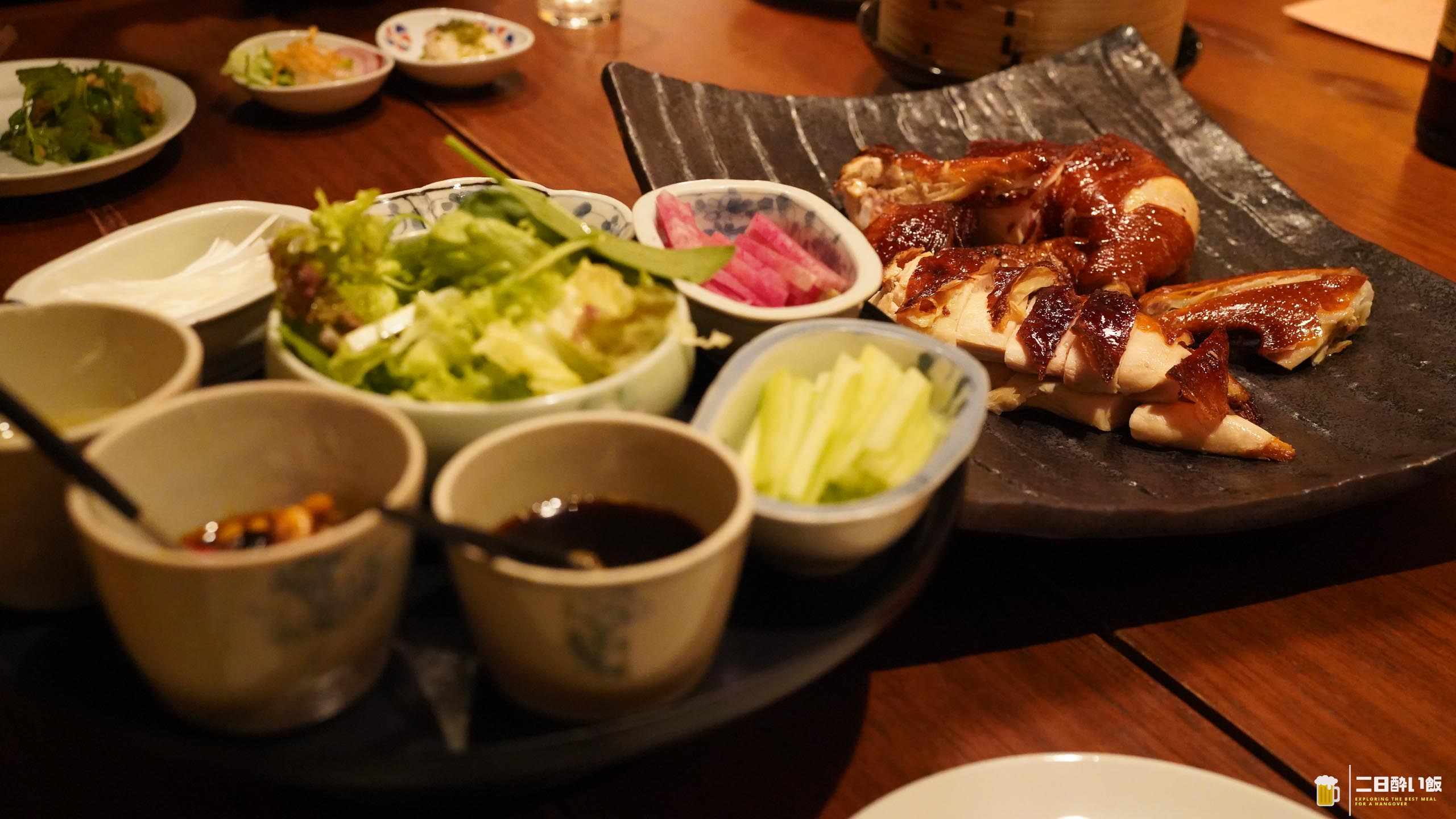
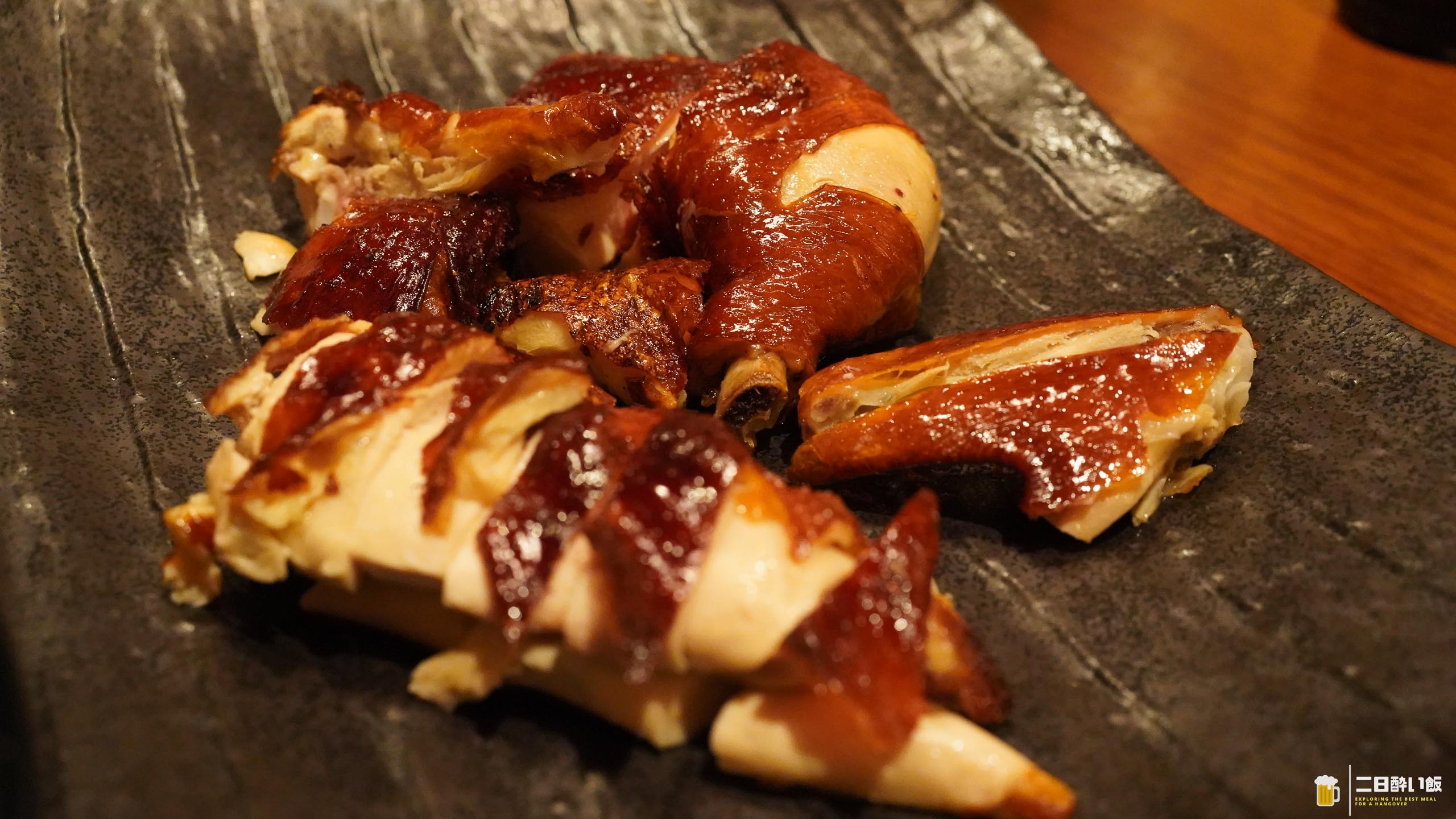
Texture, savour and the sheer fun of how you eat it, all in one: this is the signature dish of Hibi no Chuka Shokudo.
What strikes you first is the astonishingly light, crackling skin.
The fragrance spreads the instant you bite, and immediately behind it comes the juicy savour of the jidori chicken.
The bird is a native breed from Tokushima, moist in the flesh and deep in flavour.
And the dish is eaten wrapped in thin pancakes with vegetables and sauce, which gives it something of the pleasure of Peking duck.
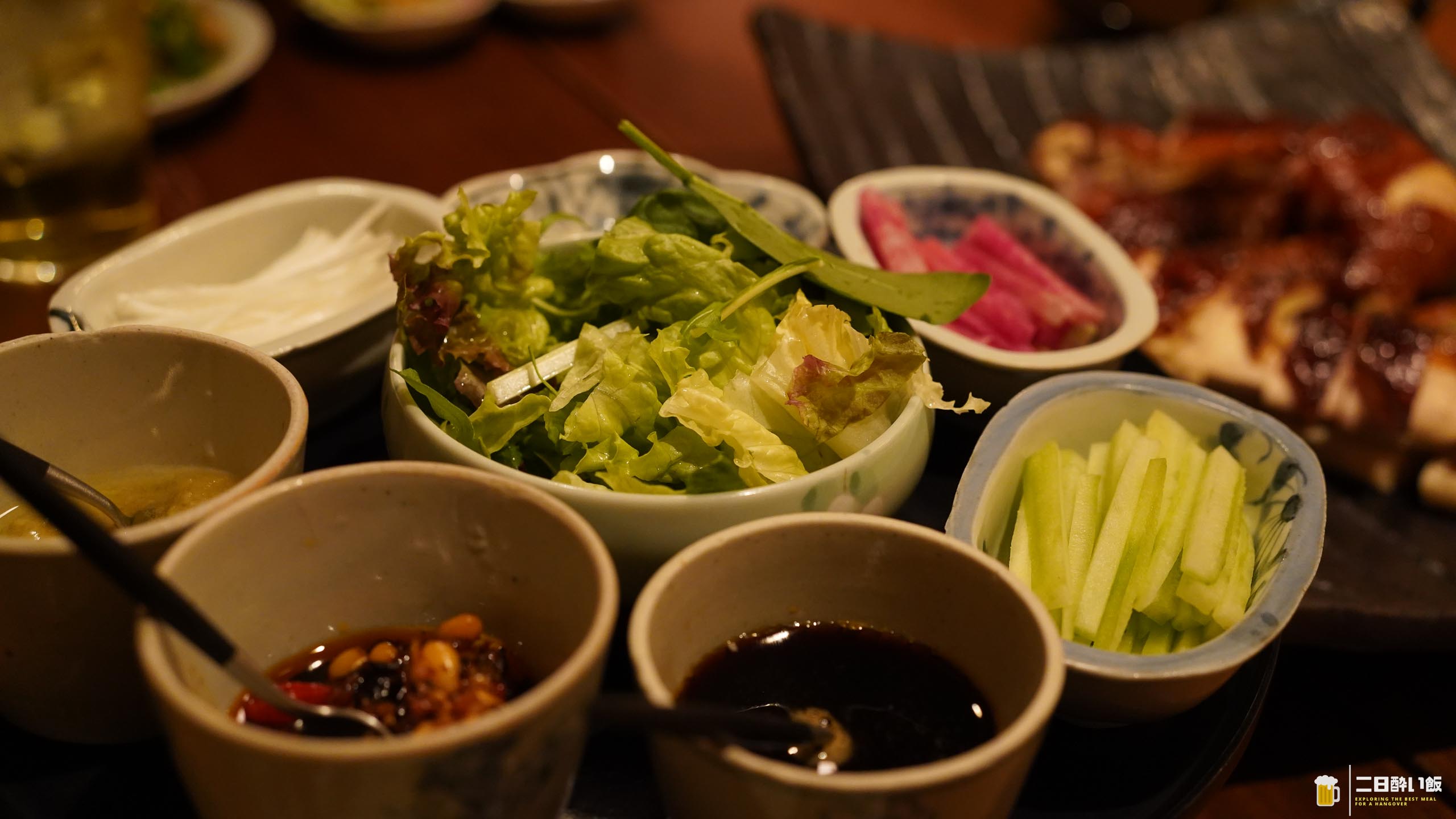
Crisp, then a rush of juice, and then the wrapping: taken together it is simple and yet it stays with you.
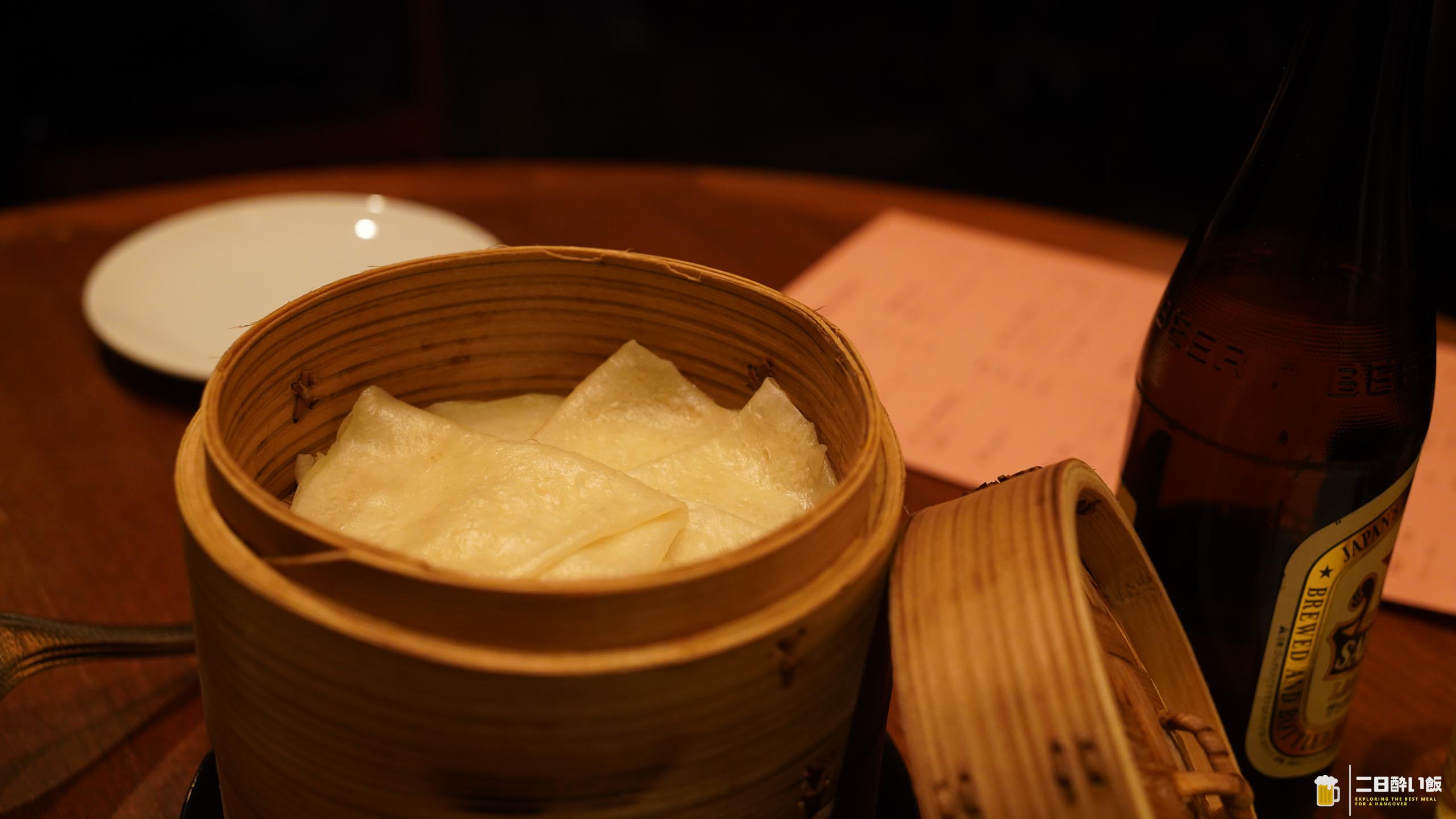
Very much a neo-Chinese dish, if you like. A delicious new experience.
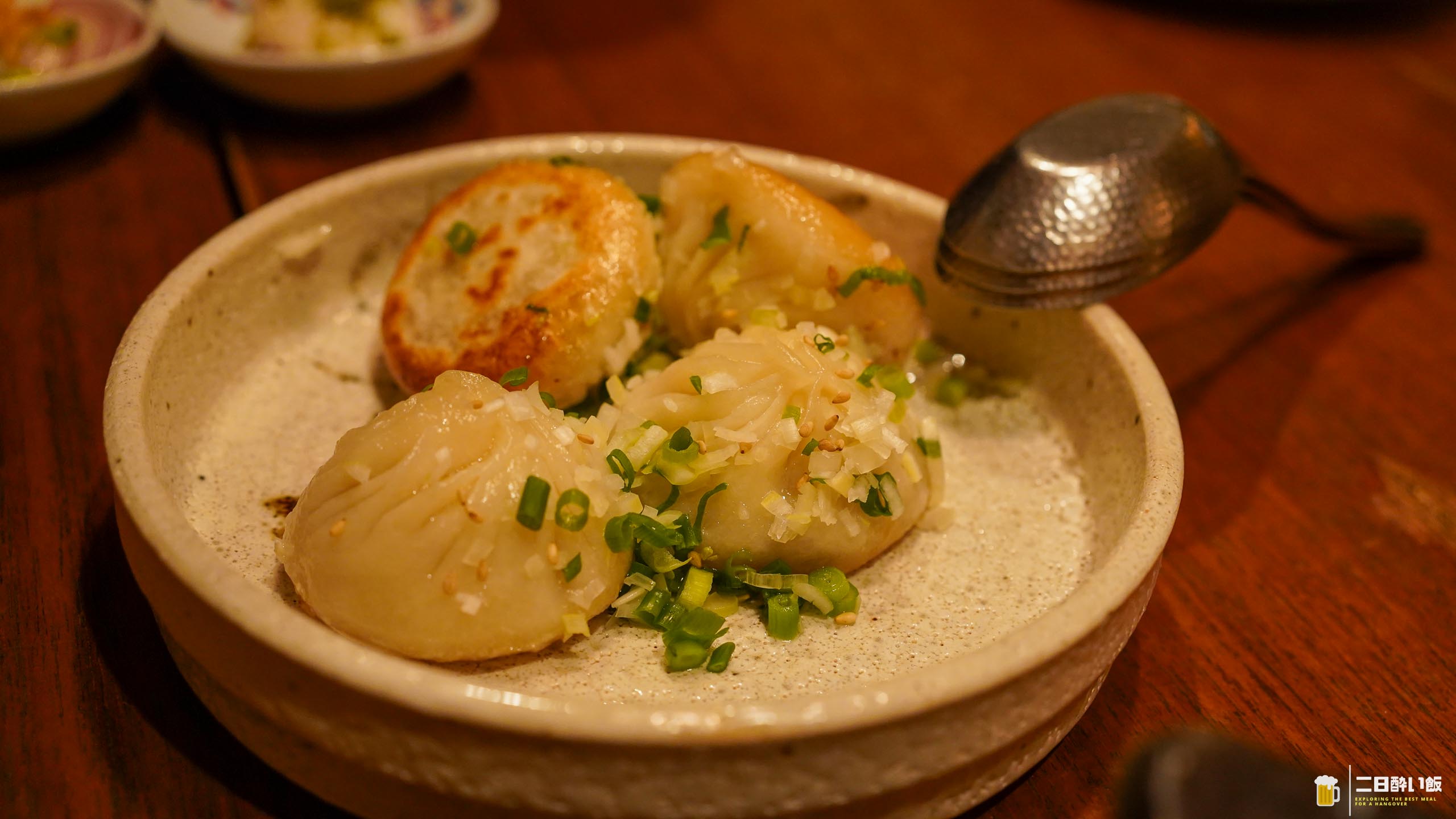
Pan-fried shoronpo! Piping hot, and another one you cannot leave out.
The base is browned to a crisp.
Bite in and the fragrance spreads, and straight afterwards the scalding soup floods out of it. Wonderfully juicy.
The wrapper has a chewy thickness to it, so you get the lightness of frying and the softness of steaming at the same time.
And the filling carries the savour of the meat clearly.
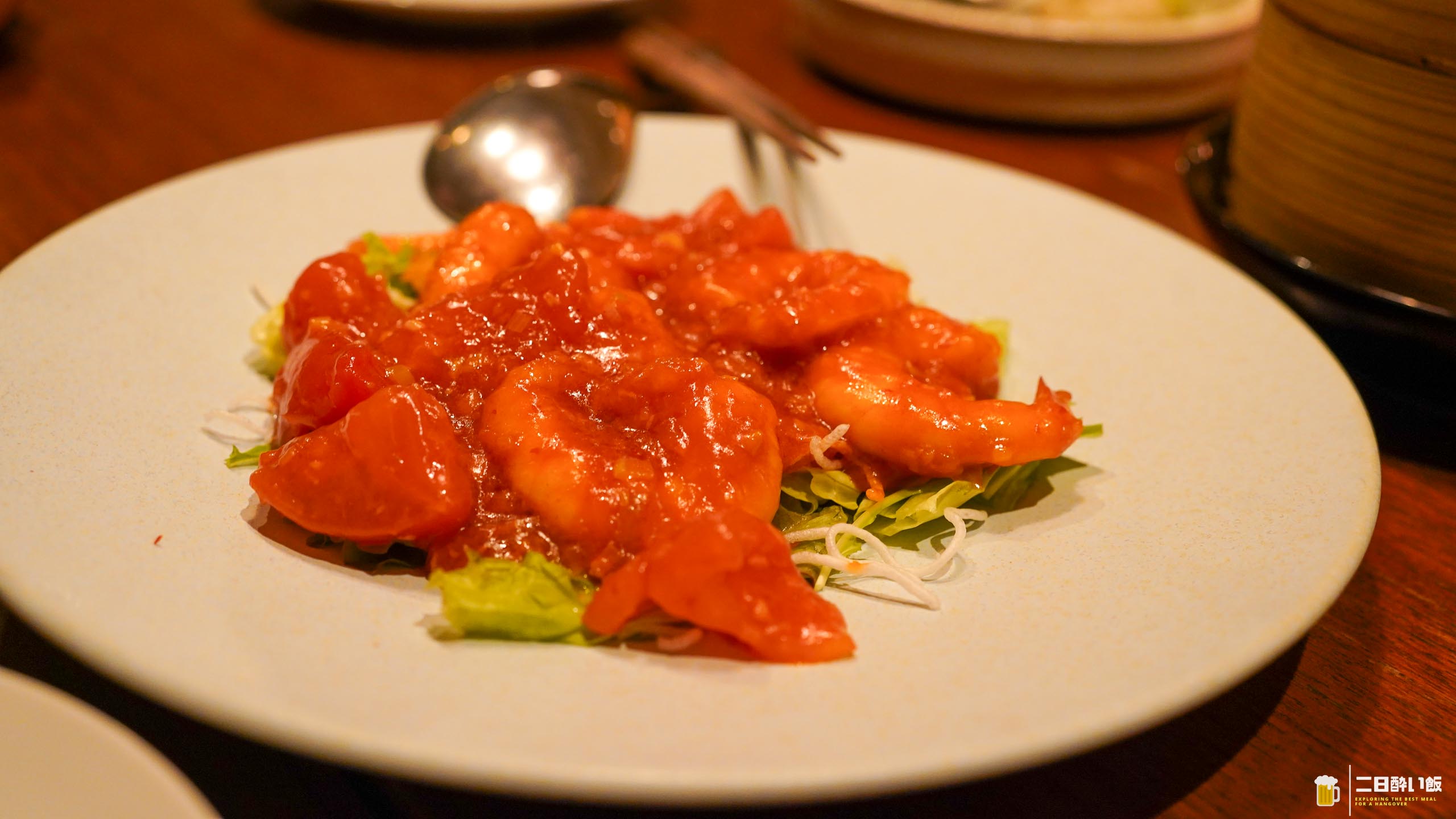
The prawns are cooked to a firm spring, sweet and with a fine texture that stands out.
The sauce that clings to them is an original one built on the fresh acidity of tomato, so it reads as fresher than the usual rich sweet-and-hot Chinese version.
A measured heat tightens the whole without weighing it down, and the finish slips away lightly.
The balance of acidity and heat is good, and it is easy to keep eating.
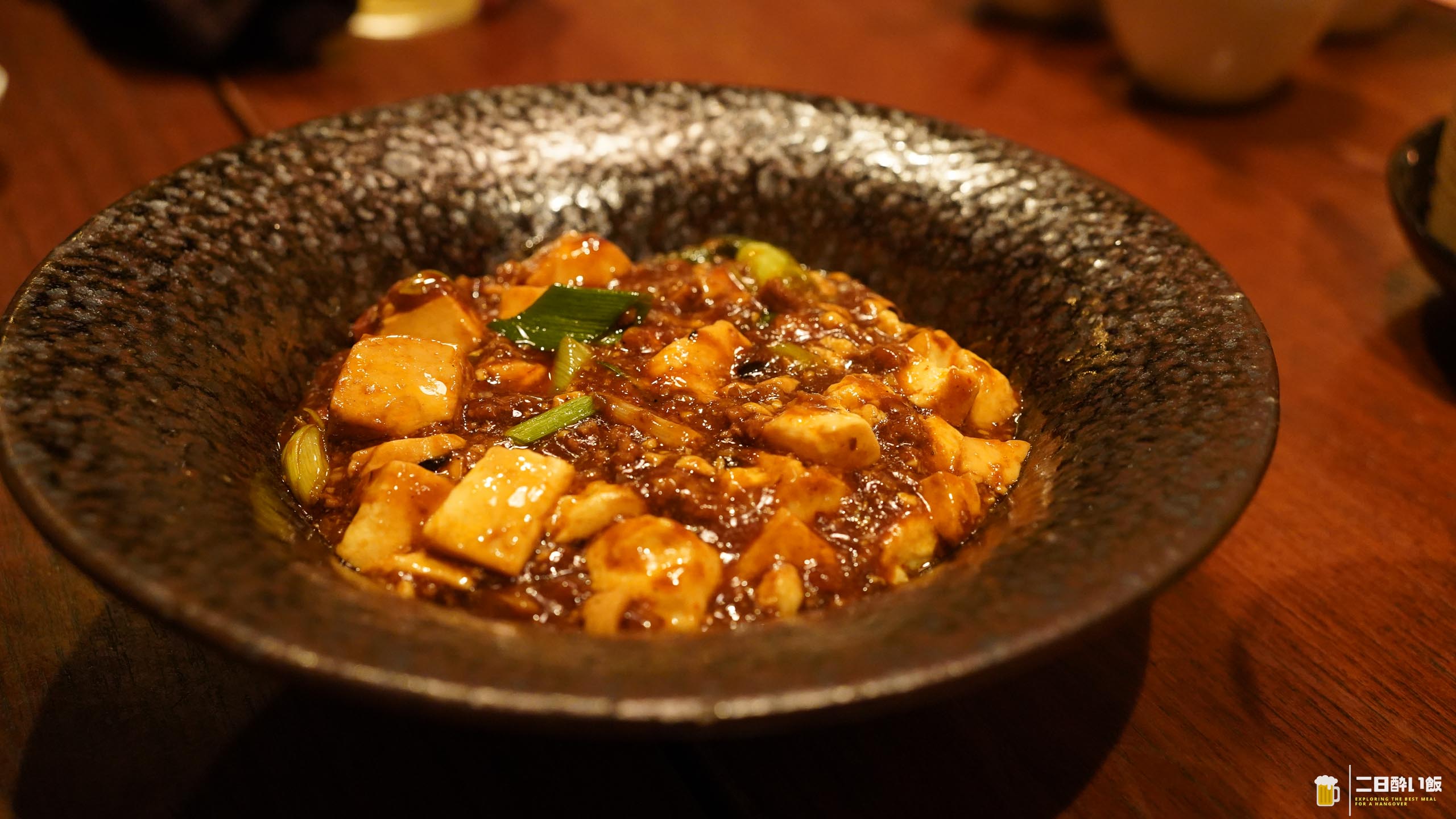
Once you are in a Chinese restaurant, there is no question of not ordering mapo tofu.
One mouthful and — for a Sichuan version, it is not very hot at all!
Rather than pushing the sting to the front, this is a mapo tofu that draws you in slowly through layers of savour.
The first mouthful spreads softly with the depth of the fermented black beans and the savour of the minced meat, and only afterwards do the numbing sansho and the heat of the chilli come quietly after you.
Precisely because the heat does not assert itself, you can keep eating it mouthful after mouthful.
The tofu is smooth and easy in the mouth, carrying the flavour as though wrapping the whole thing up. The scent of spring onion gives it a light way out, and it never turns heavy right to the end. Delicious!
So, Hibi no Chuka Shokudo. That was good!
True to its name, this is neo-Chinese that competes not on flash but on the sort of deliciousness that sits close to everyday life.
Everything was gentle in flavour, with no greasiness at all, and Chinese food you can eat this cleanly feels rather rare.
The room is extremely stylish too, and it is a place I would want to bring somebody to. Recommended!
Hibi no Chuka Shokudo (Chinese / Yoyogi-Uehara Station, Yoyogi-Hachiman Station, Higashi-Kitazawa Station)
Tabelog dinner rating ★★★☆☆ 3.8
I ate here and paid for it myself. Nothing on this site is a comped meal.
One more for the road?