


A note on the words: a tagine is both the conical earthenware pot and the slow-simmered stew cooked in it; harira is the tomato, chickpea and lentil soup of Morocco; couscous is the steamed semolina grain served under a stew. Le Gris is a very pale rose, the style the French call vin gris. Fes and Marrakech, which name the two set courses, are Moroccan cities, and Casablanca is a Moroccan lager. Showa 5, mentioned in passing, is 1930 in the Japanese era count, and Sukiya is a Japanese beef-bowl chain. Prices are as of this writing (August 2026).
Restaurant Morocco on Tabelog (English) — opening hours, payment details and the Japanese address are kept up to date there, not here.
I want to eat something good today as well. This is Hangover Meshi. This time, out to Otemachi for something a little out of the ordinary.
Although, in terms of location, it might be somewhere between Kanda and Otemachi? Restaurant Morocco, serving Moroccan food. They say it is the oldest Moroccan restaurant in Tokyo, which does rather sound like something.
Tagine is about all I know of Moroccan cooking, so I am looking forward to seeing what comes out!
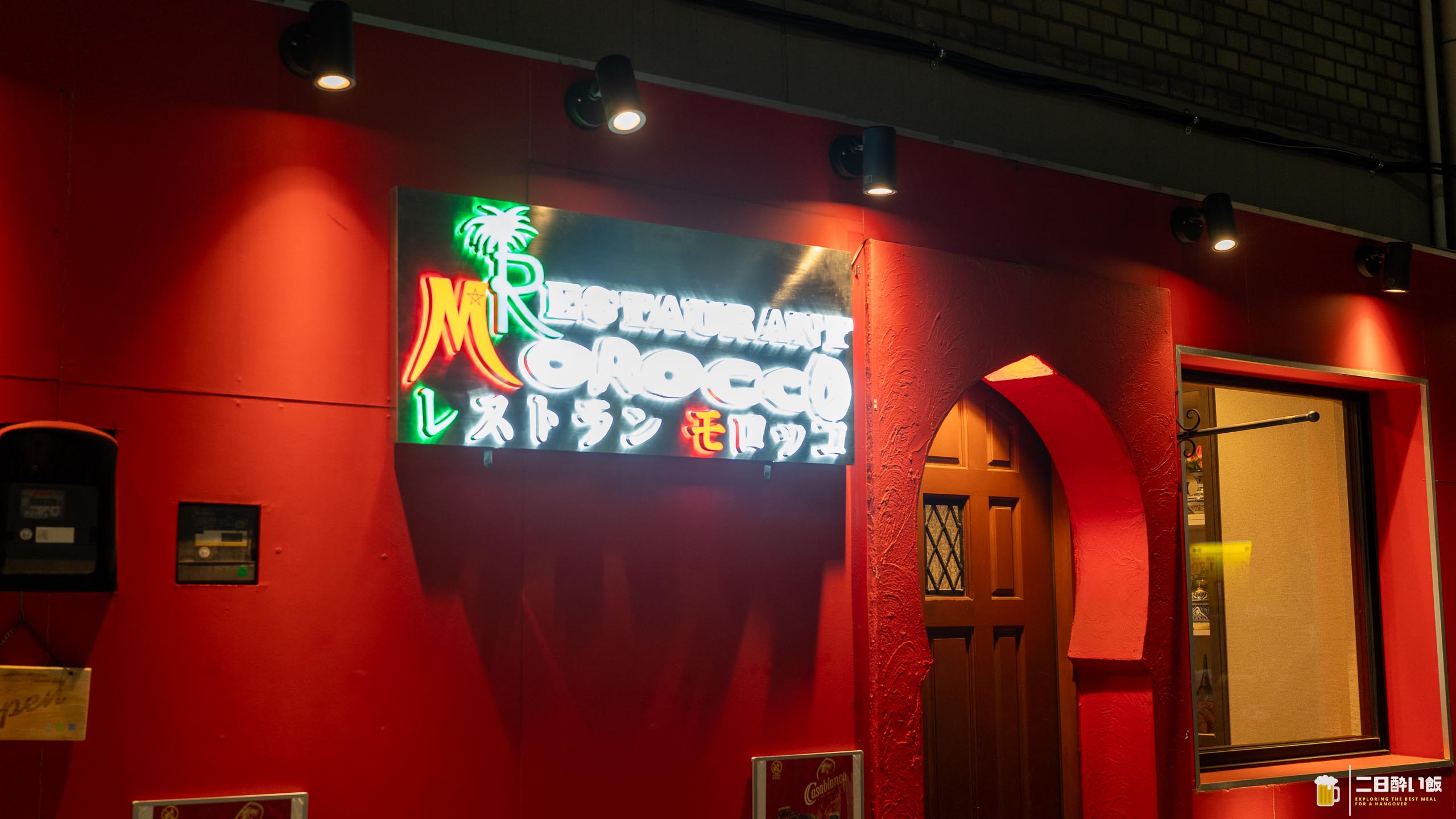
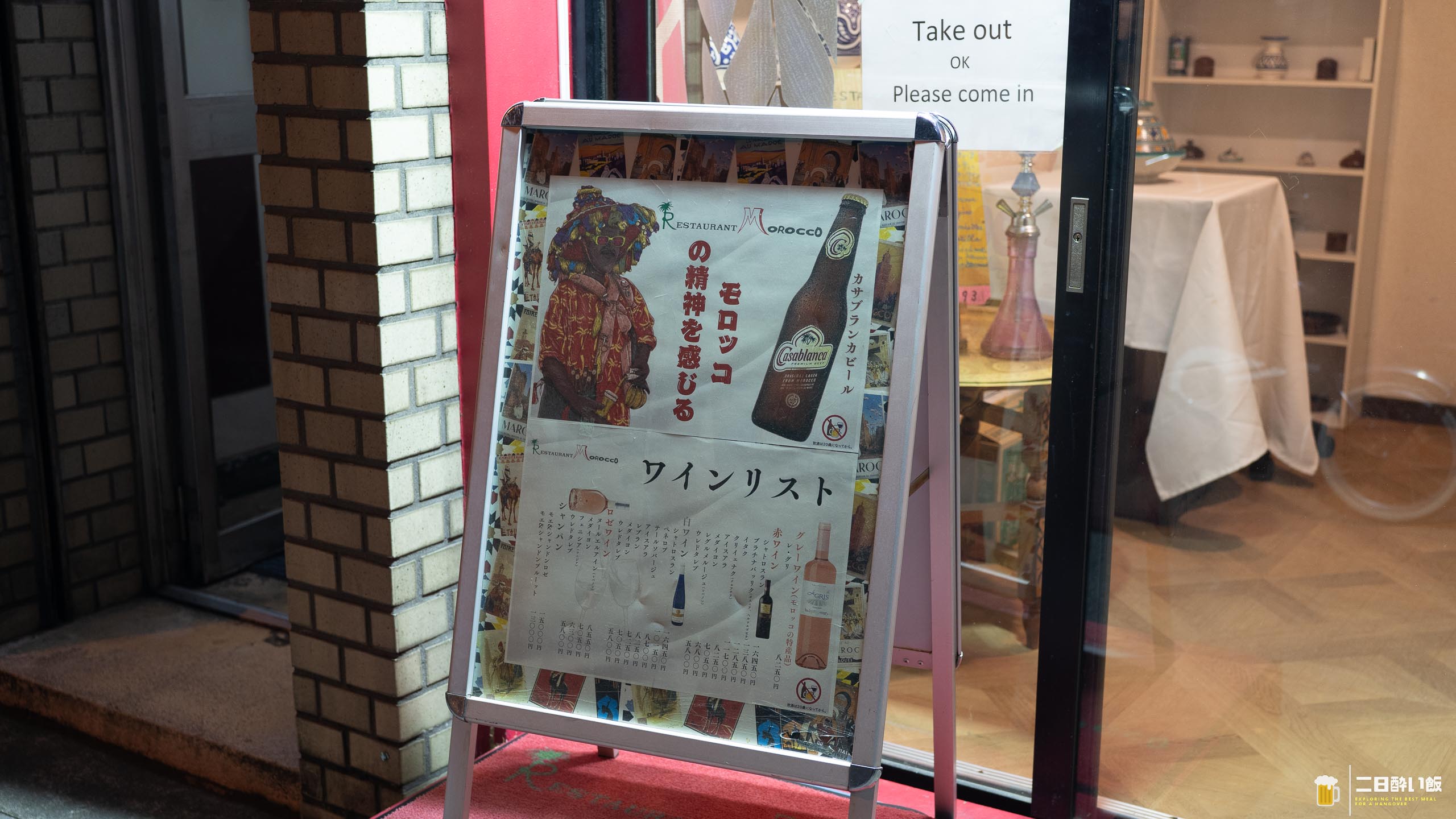
It was cold that day and the wind was strong, which may be why we were the only customers. The place to ourselves!
Fes Course, eight dishes: 6,540 yen
Marrakech Course (for two): 7,700 yen
The most popular one, the Fes Course, is apparently a menu built on the film “Morocco” — but what is the film “Morocco”? Made and released in 1930, which is Showa 5. Er. How long has this place been going? There can hardly be anyone left who saw it on release.
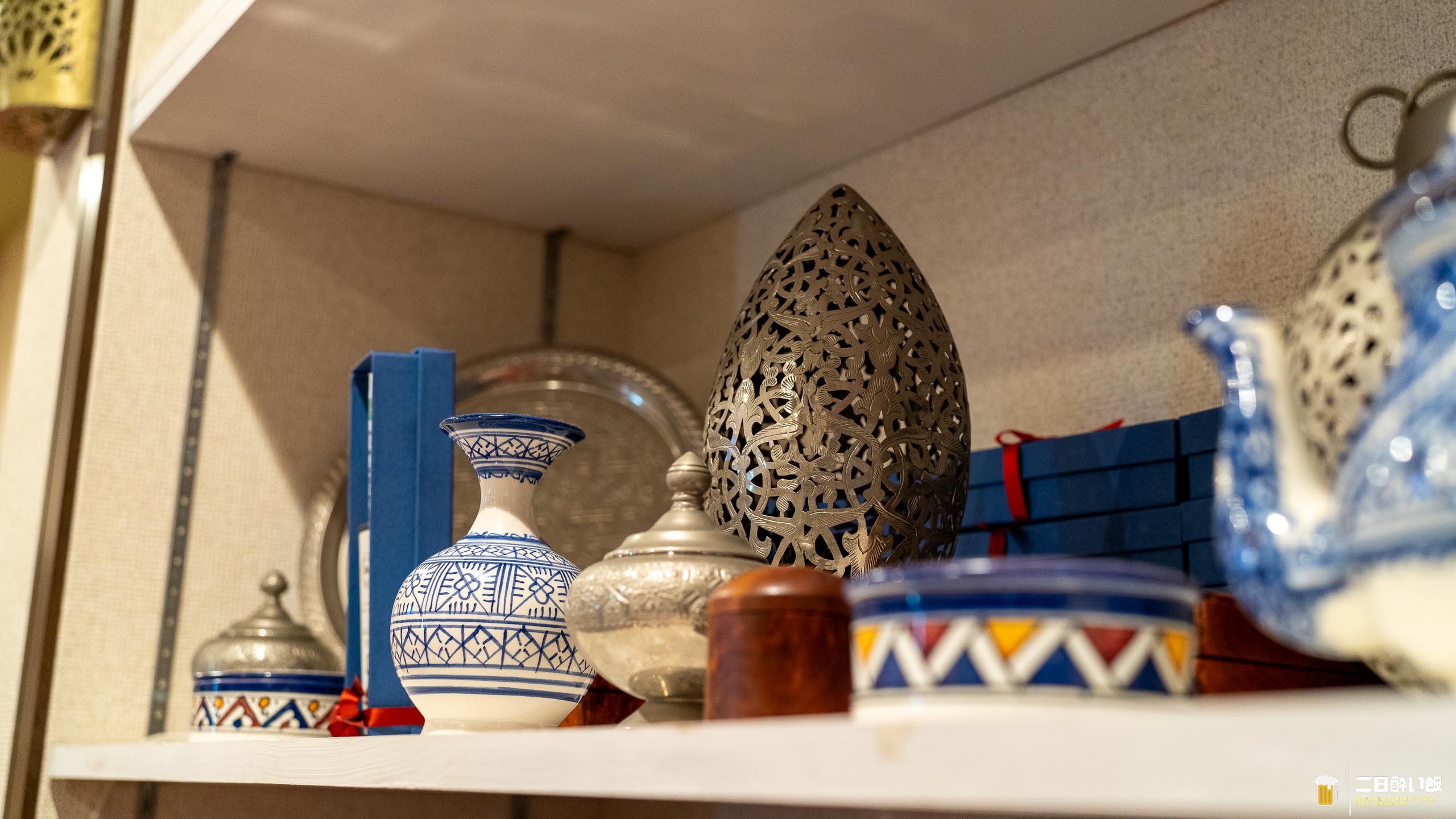
Well, I doubt one feels much of the film “Morocco” about it, but the Fes Course it is.
The first glass: the Moroccan beer written up on the sign outside as letting you feel the spirit of Morocco. Casablanca.
Drinking it: a light, dry lager without much character to it. The bitterness is on the restrained side, and it goes down more softly than Japanese beer. The aroma is gentle too and it slips down easily, which must be why it suits the spices and herbs of Moroccan food!

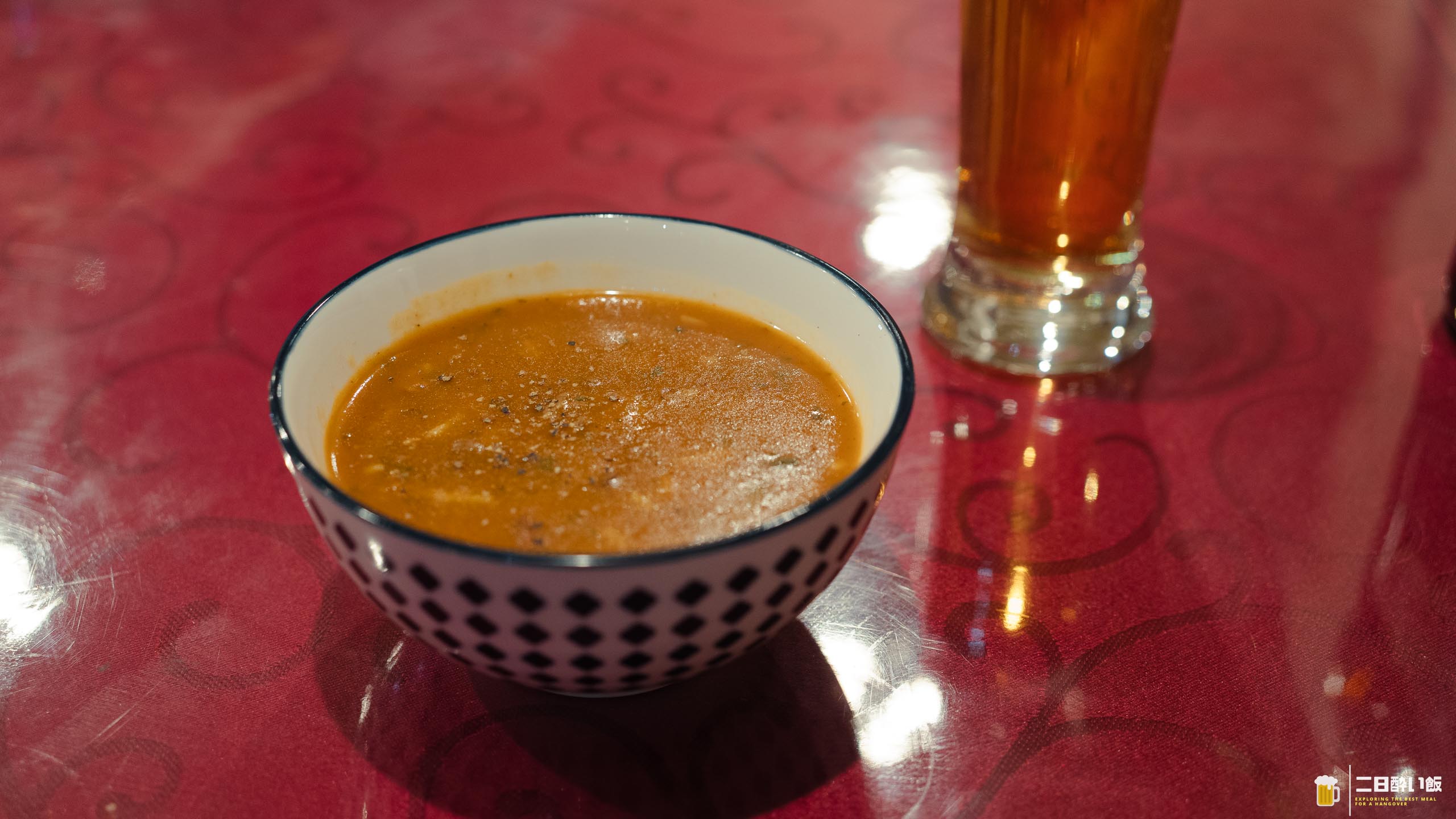
From the first mouthful, “deeply nourishing” is the phrase that fits. Built on tomato, with the depth of chickpeas and lentils dissolved into it; the soup itself is thin and the salt restrained. The aromatic axis is cumin and coriander and the like, but the bite is gentle, and I suspect Japanese palates would find it very easy indeed!
It may be the soup you want when you have caught a cold.

They called it a Moroccan salad, but is this a salad? If anything it is close to the soup just now — more strongly spiced, something like a stew two steps short of a curry. Never mind.
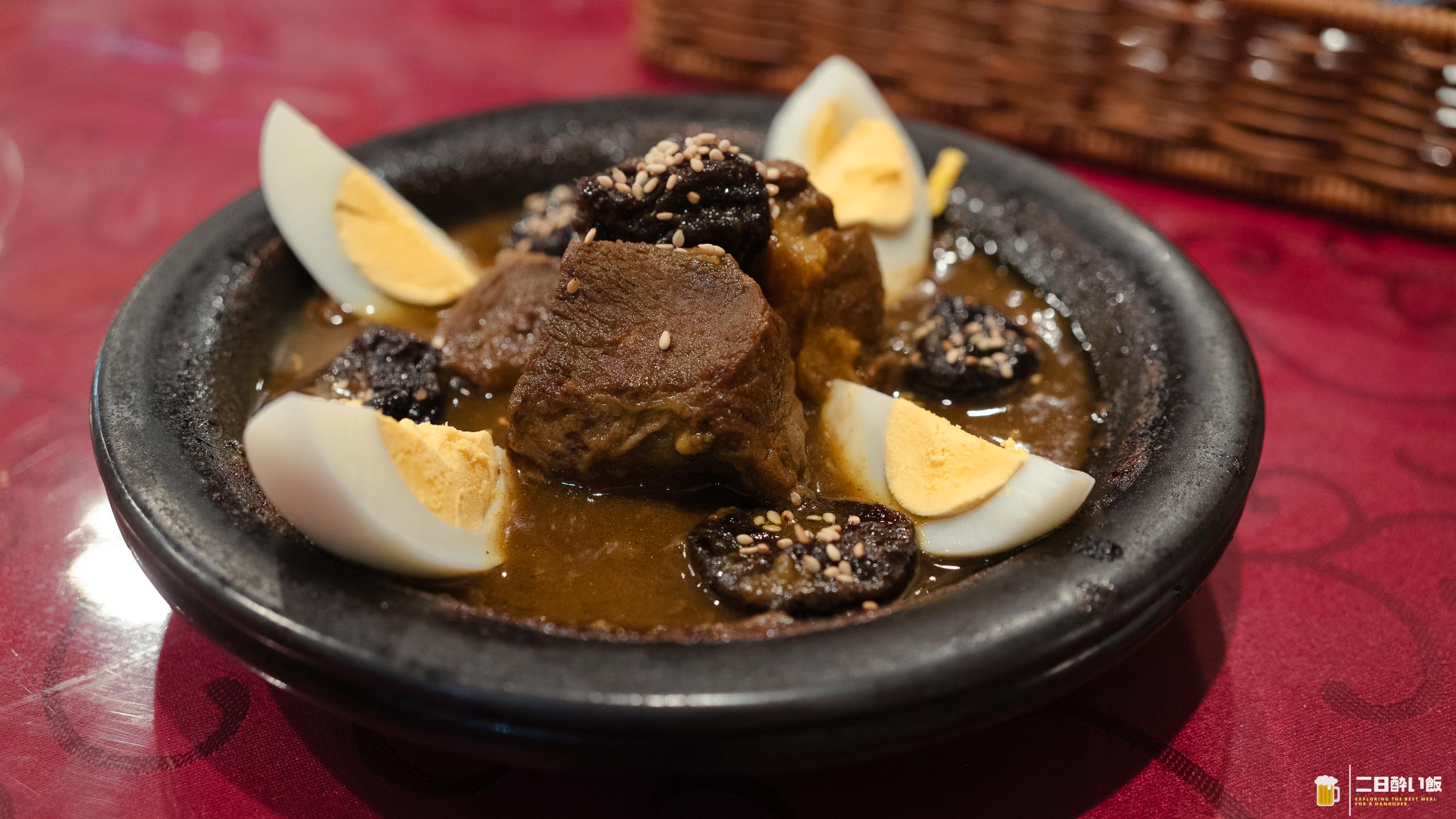
The tagine, garnished with prunes and boiled egg.
Now, it is all very well, but that tall conical lid is the thing that makes a tagine a tagine, is it not.
If you take the lid off before bringing it over, I have no way of knowing whether it was a tagine at all!
There does seem to be a good amount of a cumin-like spice in it, and I think I catch a little cinnamon as well. The meat has been simmered a long time and is tender, with almost no strong character to it. Good. I had expected it to be sweet, what with the prunes, but it is not particularly; eaten together with the meat they add depth, which works well! With the spices it is a meat dish you can eat cleanly.
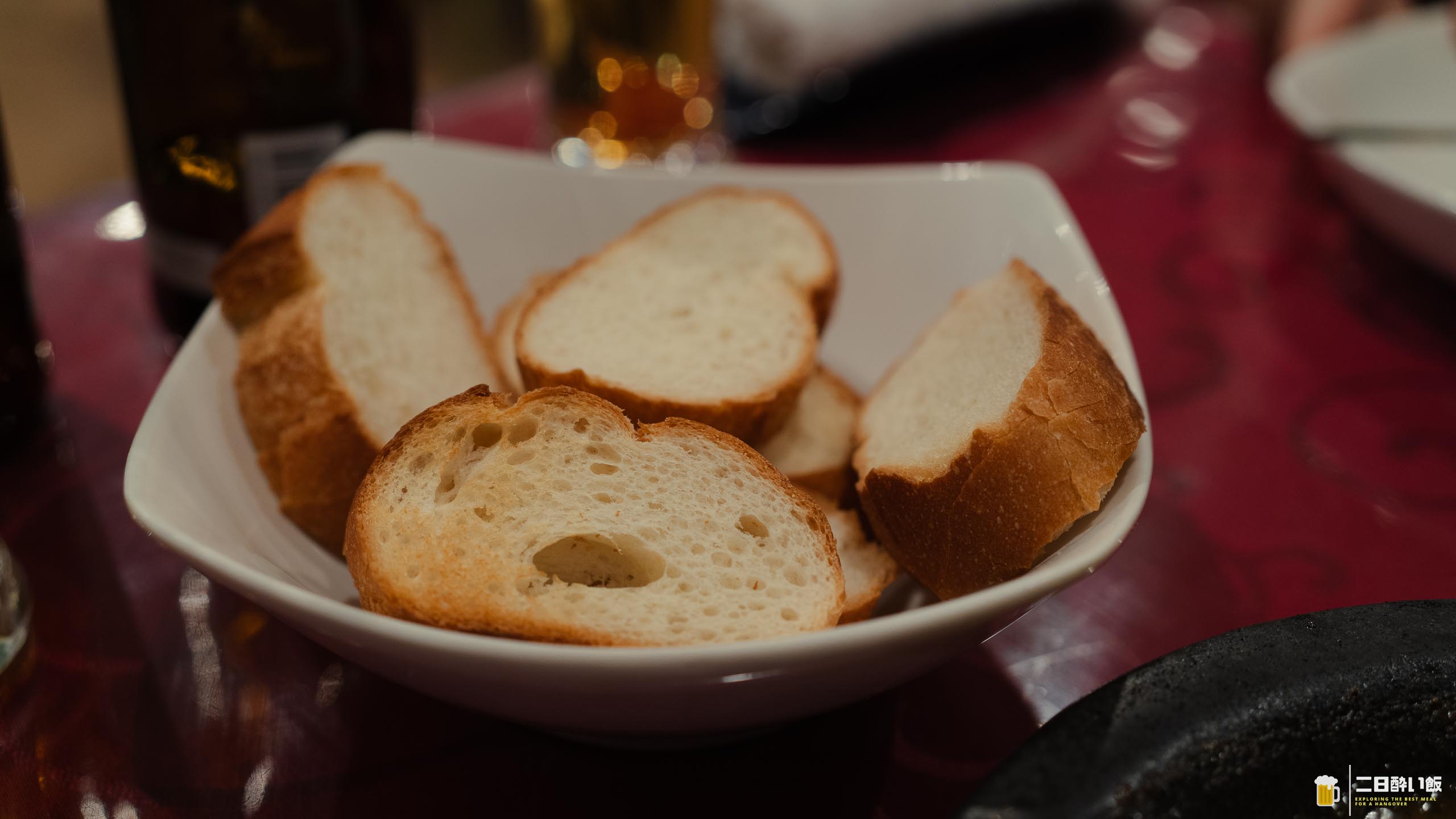
And bread comes with it, so that you can eat this sauce down to the last of it.
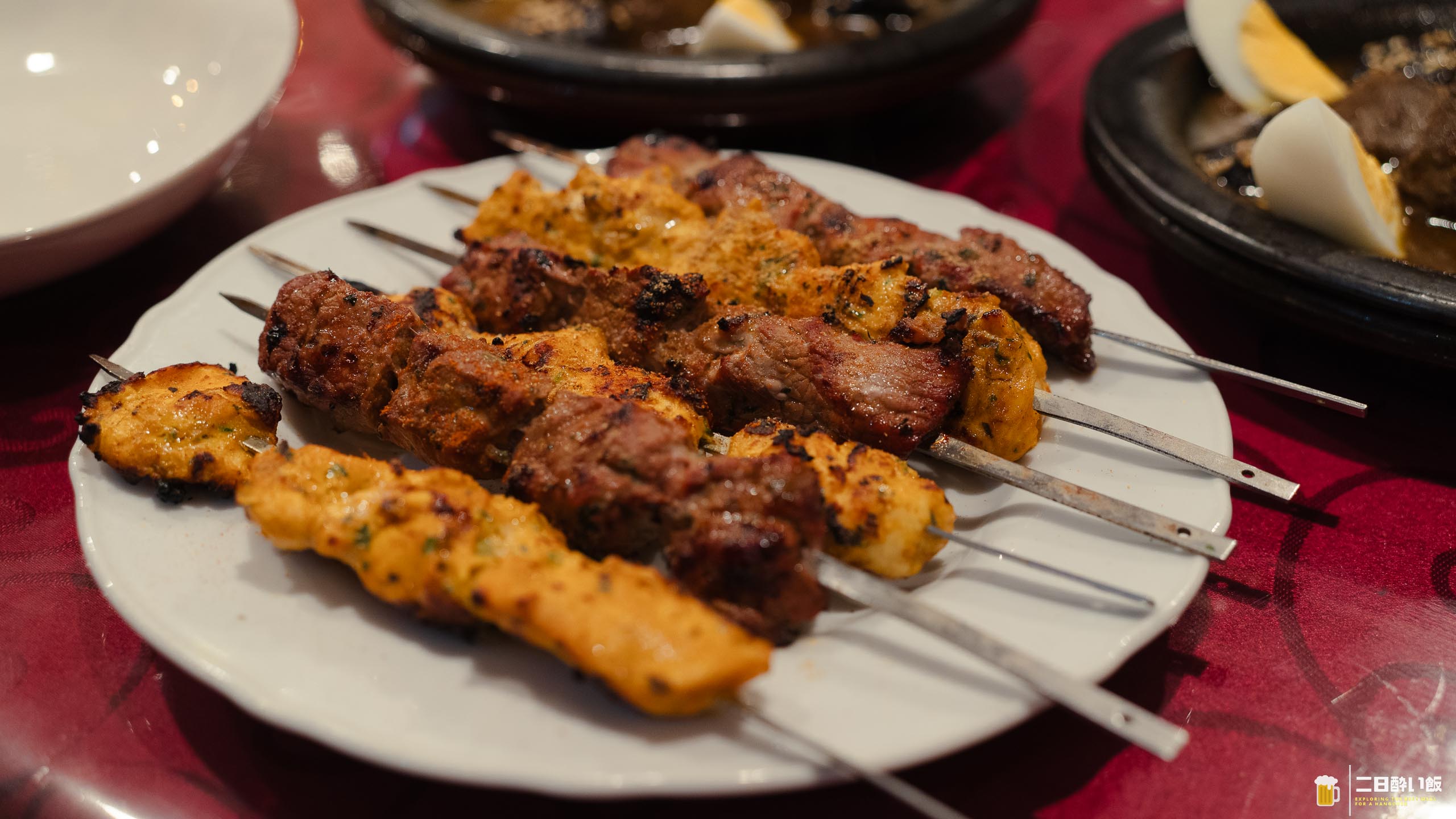
Chicken and beef, one skewer each.
It resembles tandoori chicken! Meat coated in spices and grilled. The thoroughly spicy aroma calls up the appetite. The meat is juicy and easy to eat, and the beef is good too, but the chicken is the better of the two.
At about this point, being in a Moroccan restaurant, I decided to have some Moroccan wine, one of the country’s own products.
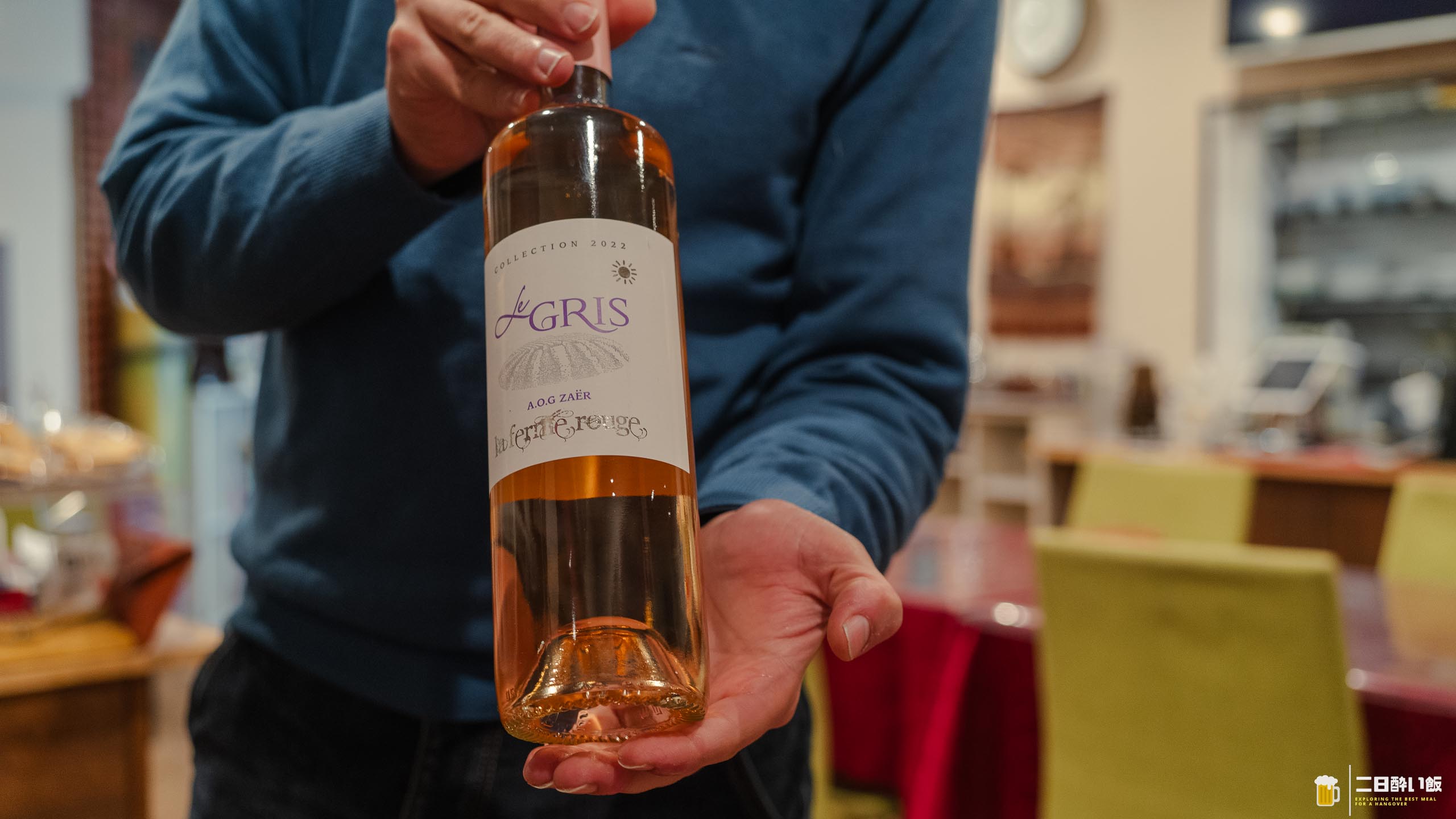
Moroccan wine, Le Gris. It is what they call a gray wine, an extremely pale rose, and apparently a Moroccan specialty.
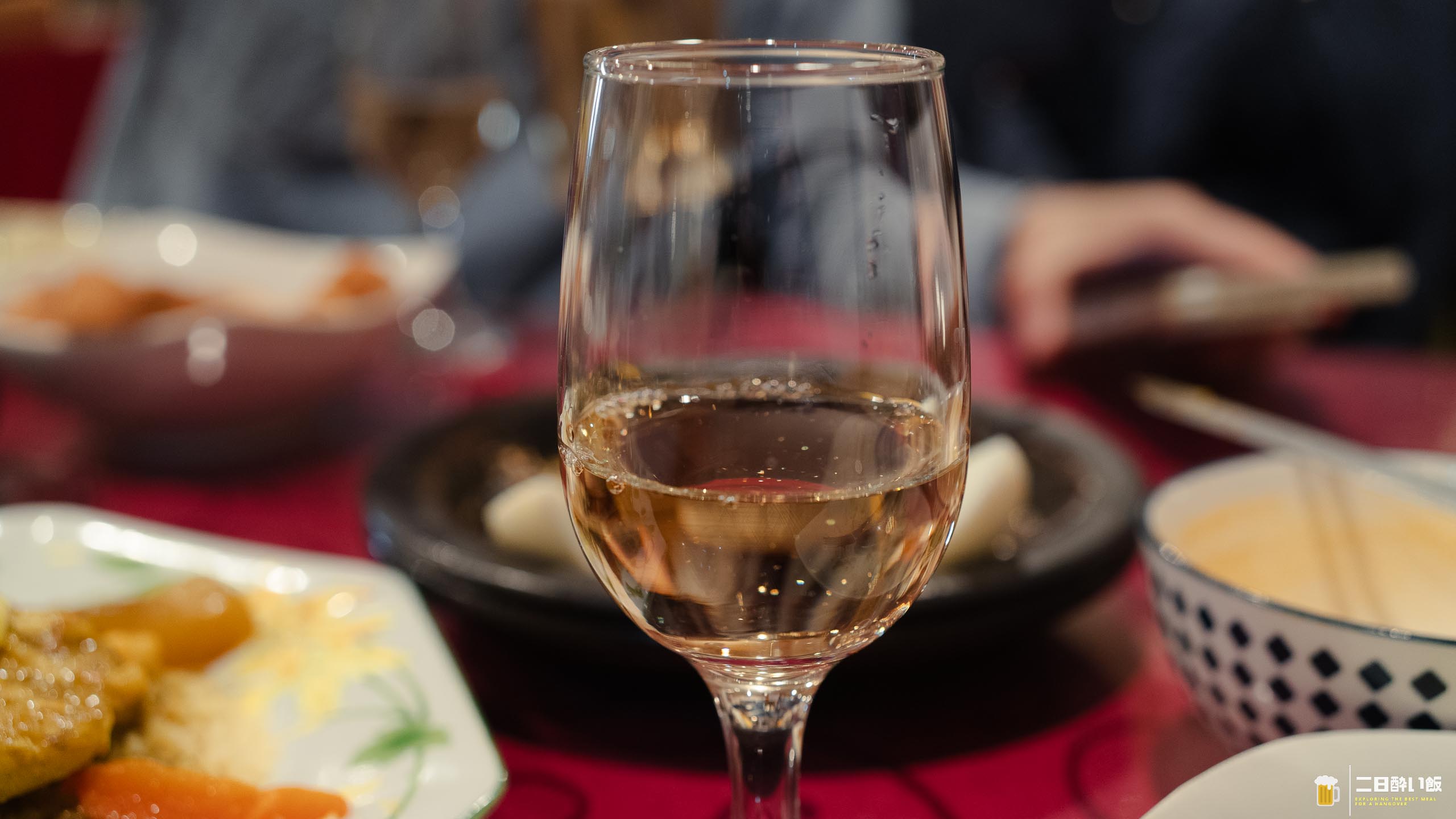
In color a rose leaning towards pale salmon pink; clean to drink, faintly sweet in impression, and low in acidity.
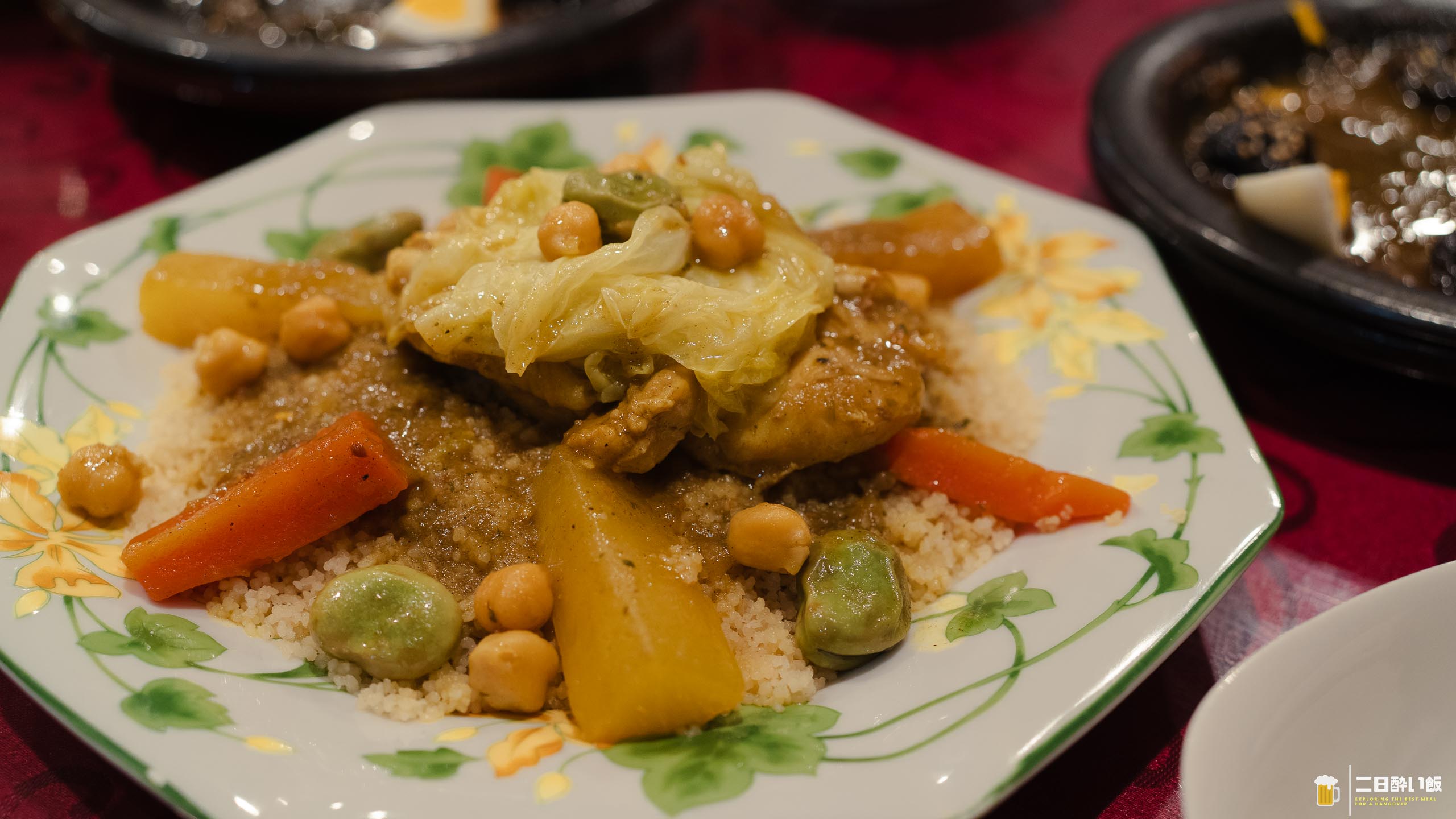
And then the chicken couscous. Beans and root vegetables, cabbage, and chicken thigh simmered until it falls apart, spooned over couscous.
It rather looks like curry! Like curry — but the blend of spices is different after all, so eating it, the flavor turns out to be nothing like it, which is interesting. The simmered chicken falls apart completely, to the point where a spoon cuts it.
What was it — it reminded me of the fall-apart chicken curry at Sukiya, or something like that.

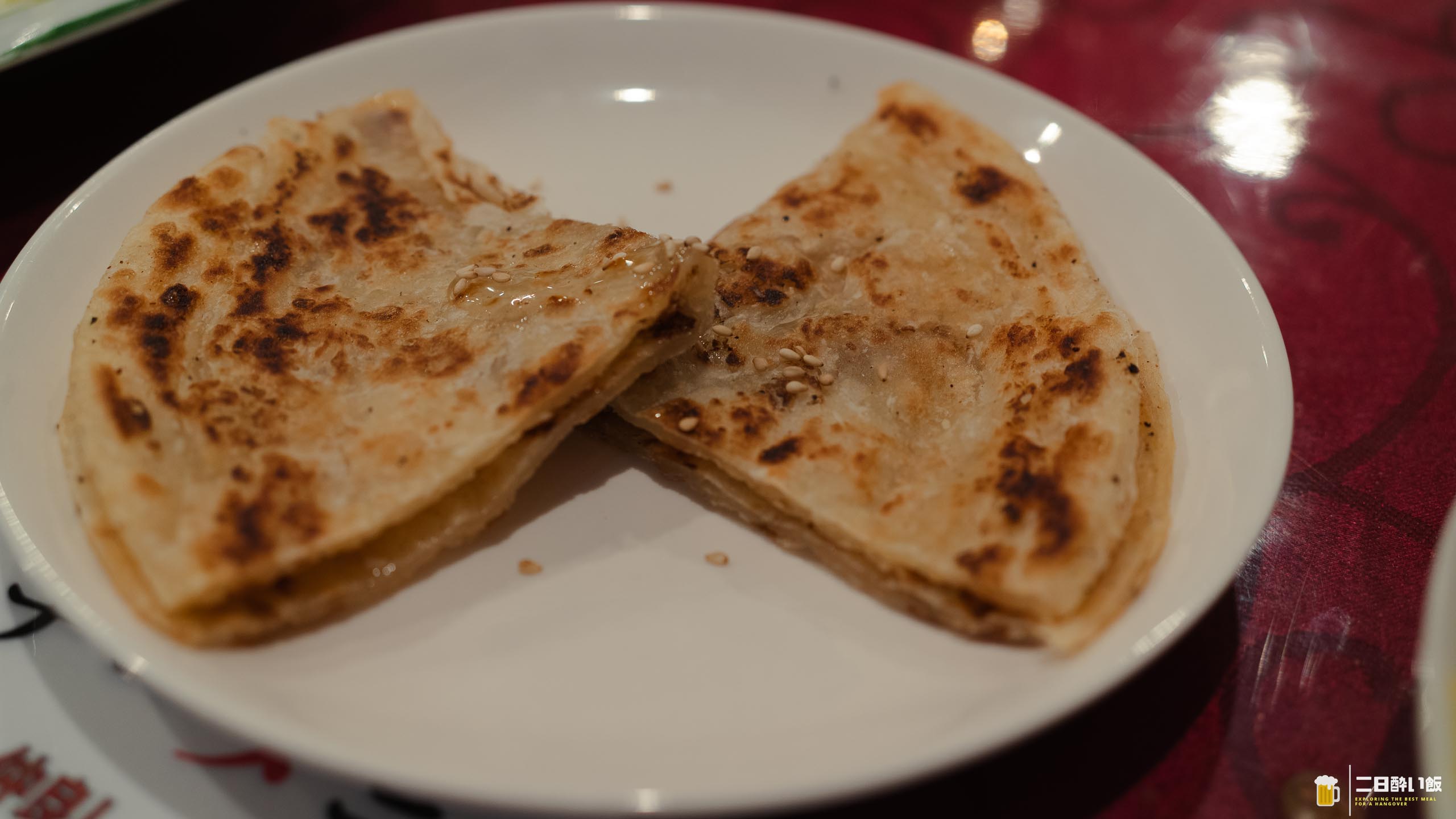
A very sweet dessert, and a substantial one. Looking at the number of dishes in the course I had been studying the menu wondering whether I could manage a little more, but it turned out that the course had covered nearly everything the place has; the only choice left would have been to change the type of meat, so I gave up on ordering extra. With this dessert my stomach came out about right in any case.
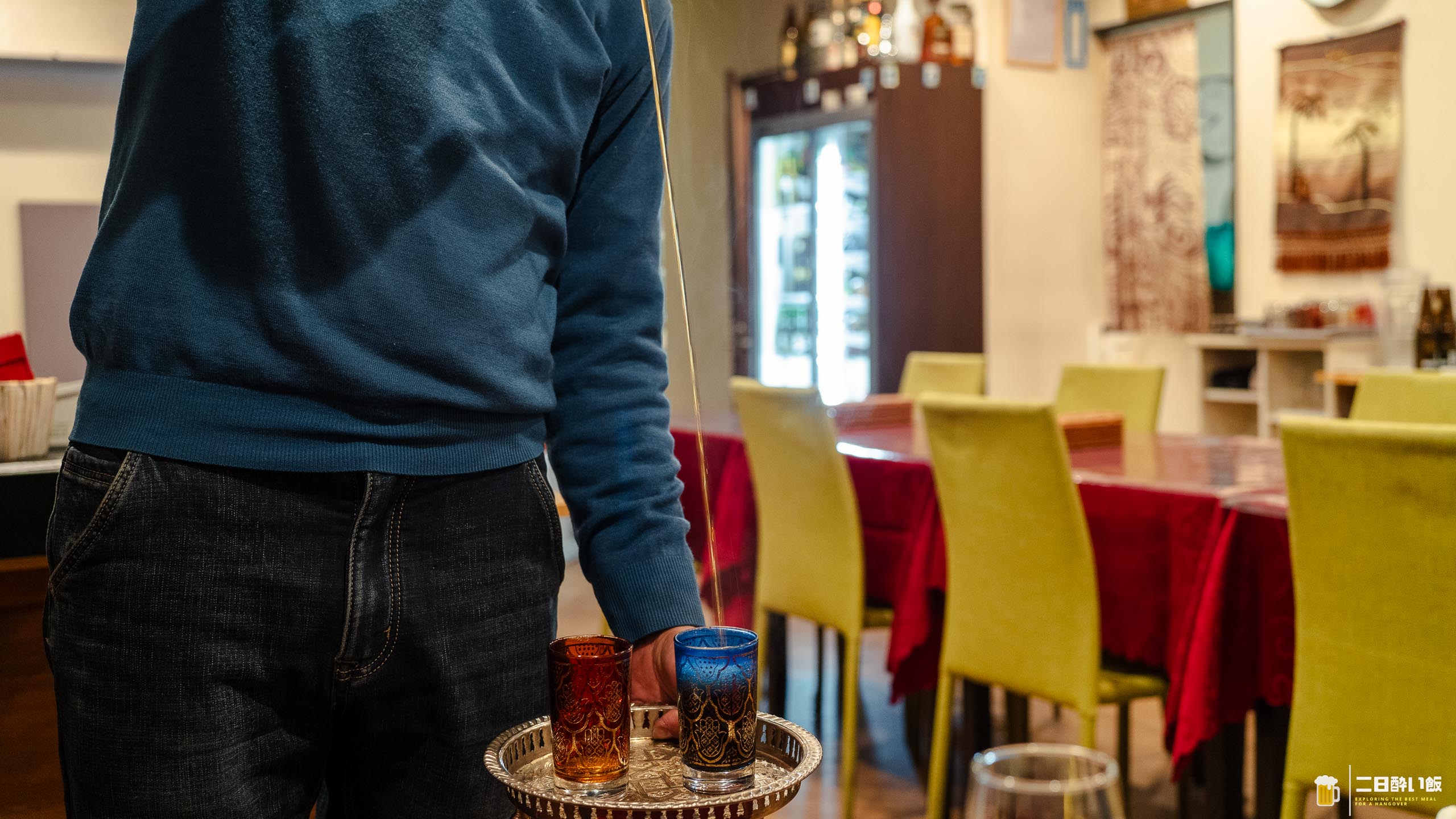
At the end they pour the tea from a great height. I wondered what it was for, and:
- To make the foam
- To take in air and round out the flavor
- To cool the scalding tea down
— apparently. I see.
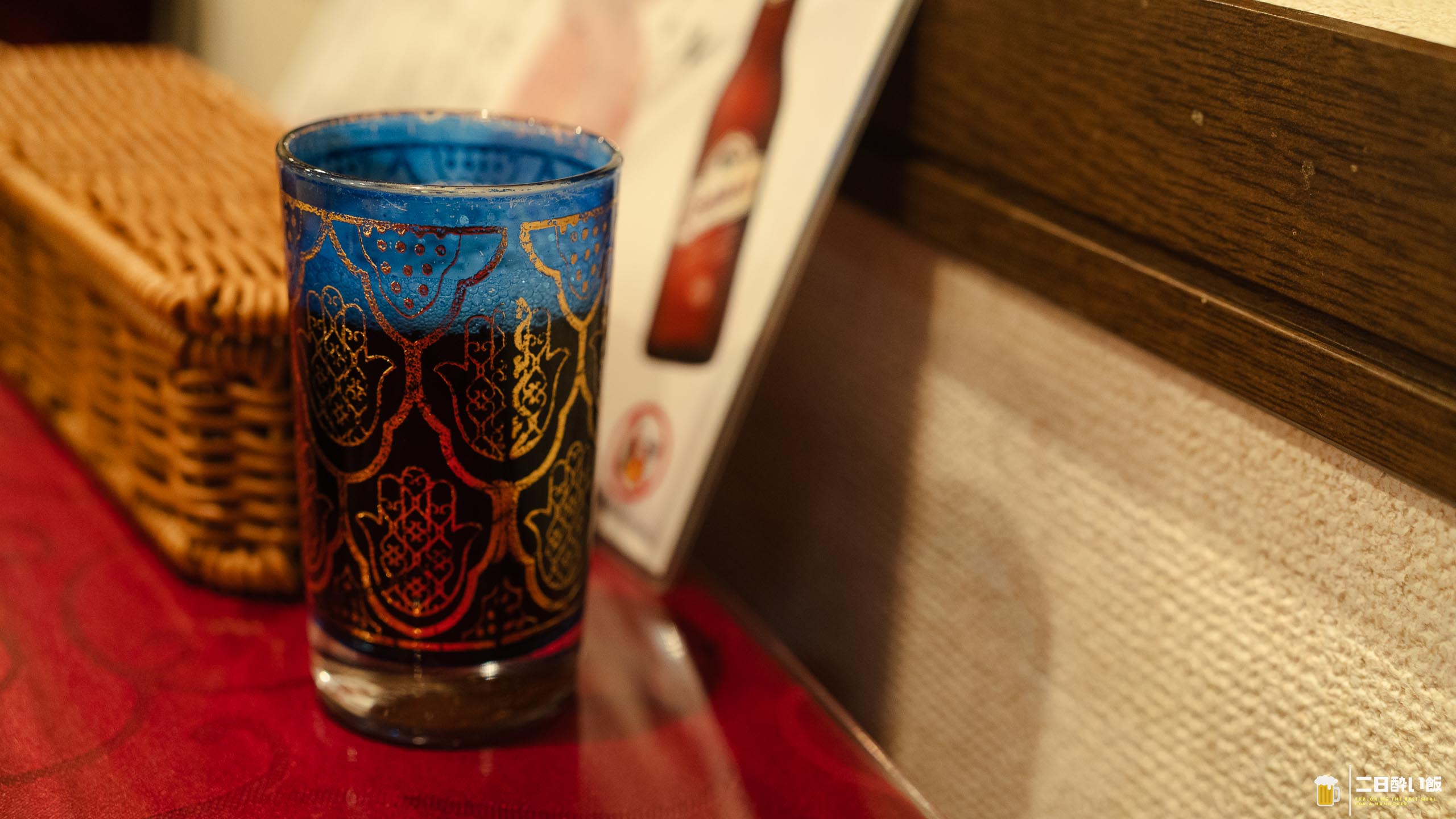
Incidentally, it is extremely sweet.
So: a Moroccan course, and since I do not often eat Moroccan food it was a fresh experience! The prune tagine was good. The pairing of meat with prunes is something I thought I might borrow and try myself some time. The oldest Moroccan restaurant in Tokyo does not have a very large menu, and I have begun to want the more local things rather than the famous ones, so I think I shall try another Moroccan place as well.
Restaurant Morocco (Moroccan / Otemachi Station, Ogawamachi Station, Kanda Station)
Tabelog dinner rating ★★★☆☆ 3.3
I ate here and paid for it myself. Nothing on this site is a comped meal.
One more for the road?


