


A note on the words: yakiniku is Japanese-style grilled meat, cooked by the diners over a grill set into the table. Bulgogi is a Korean dish of thin slices of beef marinated in a soy-and-garlic sauce, and namul are seasoned vegetable side dishes; gejang is raw crab steeped in seasoning, and kimchi is salted, chili-spiced pickled vegetables. Sangchu are the lettuce leaves used for wrapping meat, and nori is dried seaweed sheet. Tare is the general word for a marinade or dipping sauce. Horumon means offal cuts, and among them mino is the first stomach of the cow; kalbi is short rib, nakaochi kalbi the meat shaved from around the bone, and harami the skirt. Udon are thick wheat noodles. Hangover Meshi is the name of this blog, meshi meaning a meal.
Table of Contents hide
Kyogyuso on Tabelog (English) — opening hours, payment details and the Japanese address are kept up to date there, not here.
Meat lovers, thank you for waiting! It is Hangover Meshi time!
This time it is “Kyogyuso,” a long-standing place that surely nobody in Roppongi has failed to hear of! More than anything it is famous for its bulgogi, and for the udon you eat after it. The “ultimate flavor” that draws in industry people who know their yakiniku. The Roppongi shop opened in 1995, it turns out. I had assumed it went back further than that.
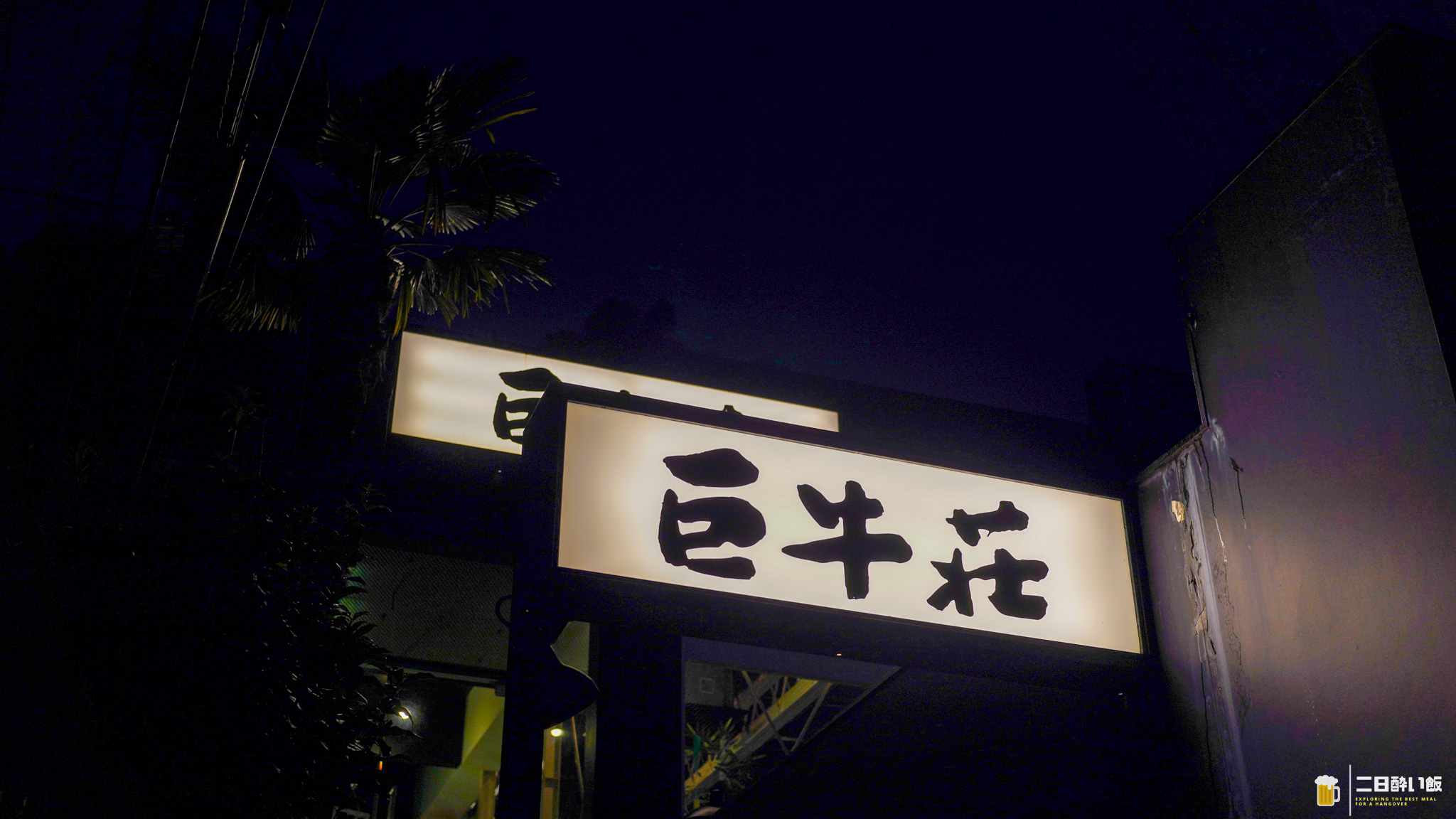
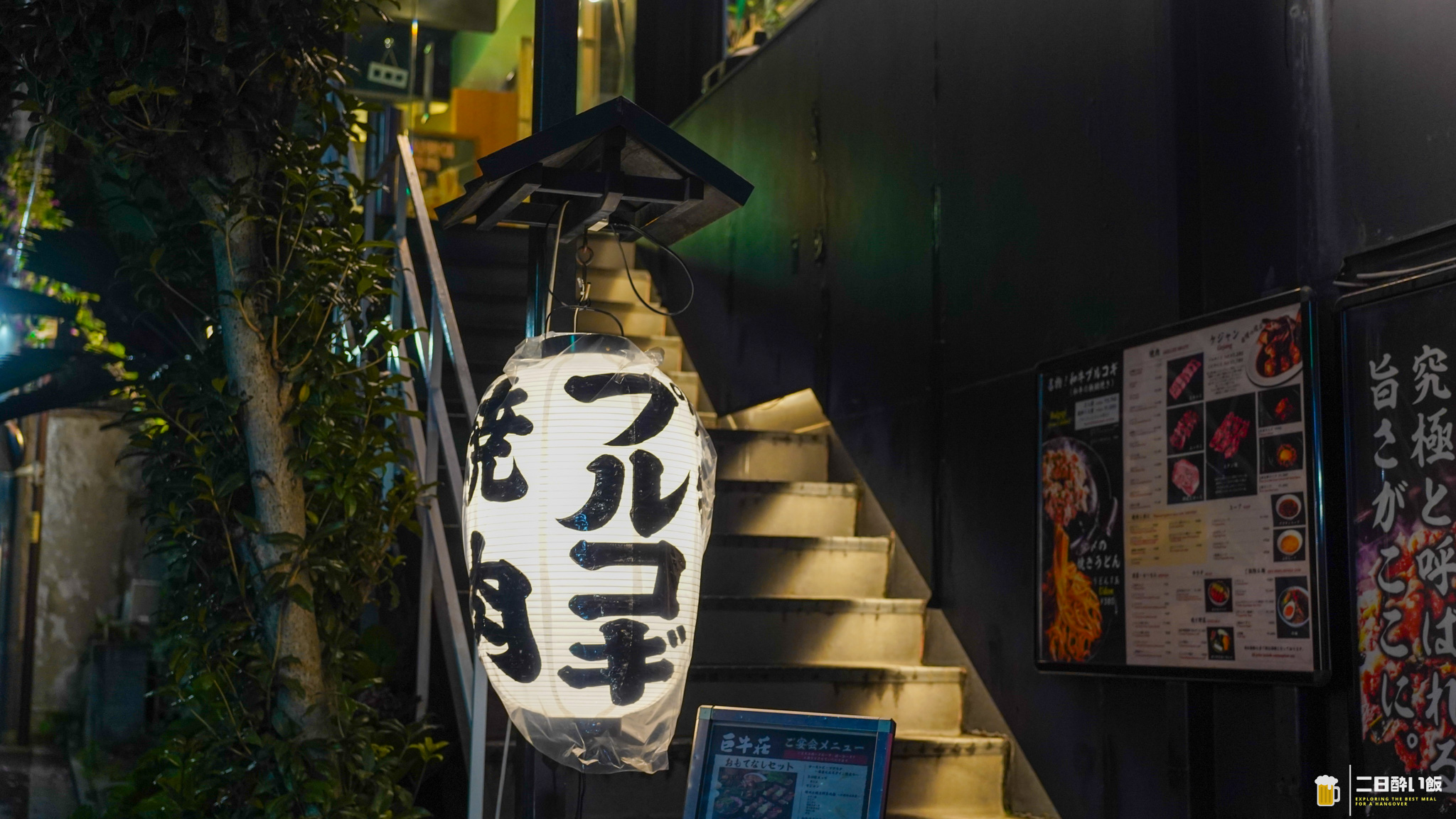
This time it is the Kyogyuso Set with all-you-can-drink, 10,780 yen!
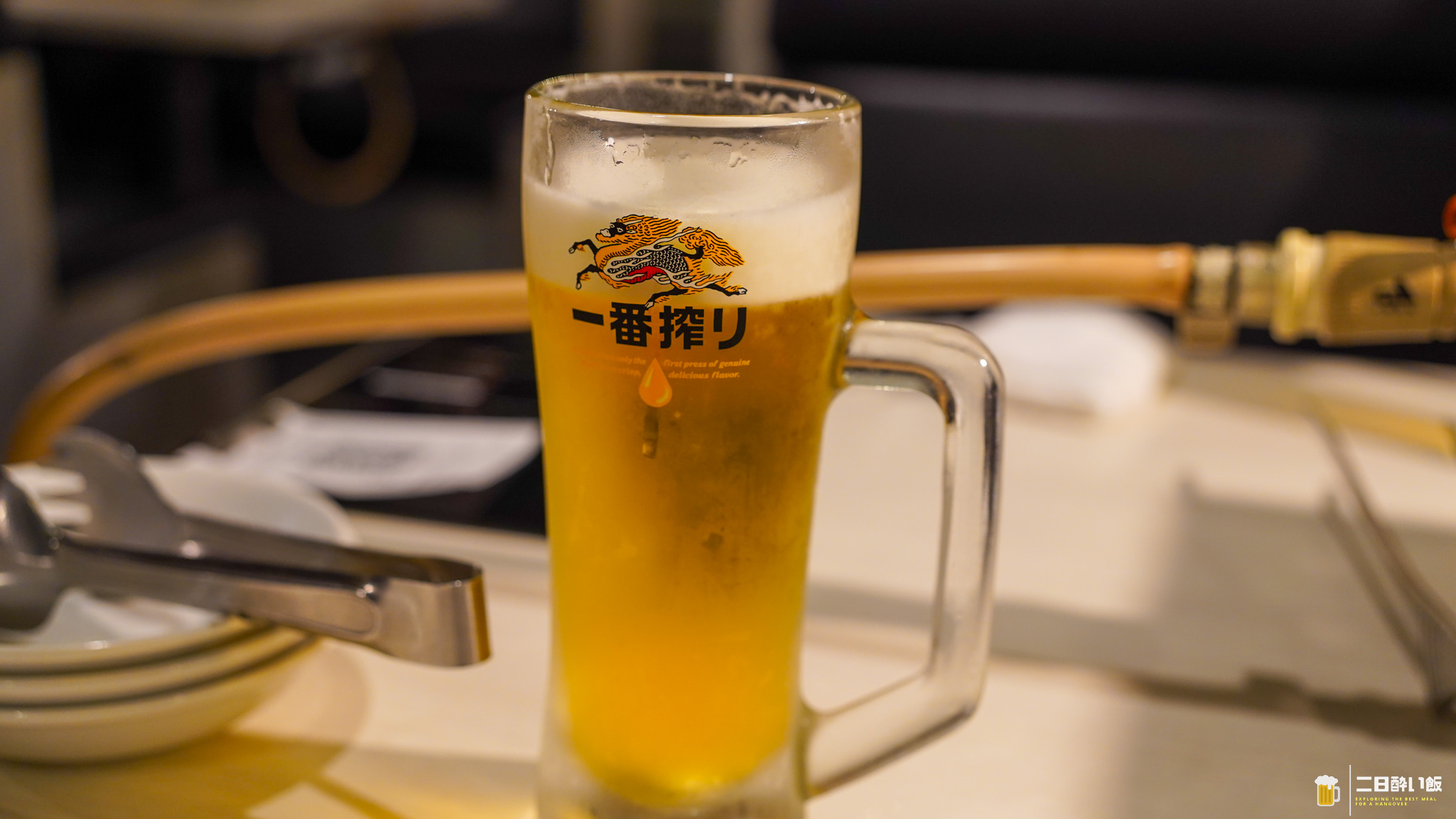
Today, like every day, the beer is good!
So, about this Kyogyuso Set — the way the course is lined up is rather fun.
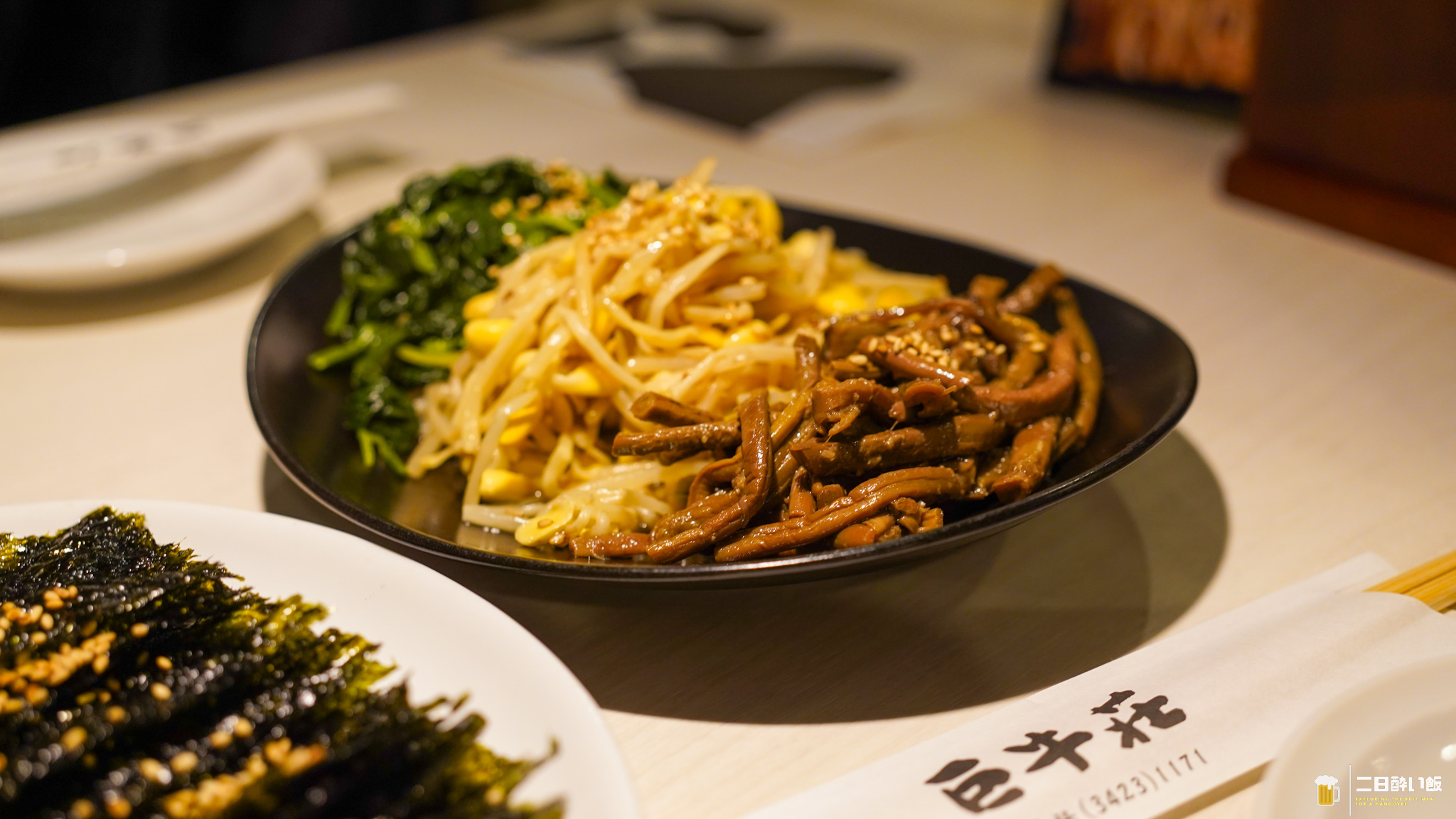
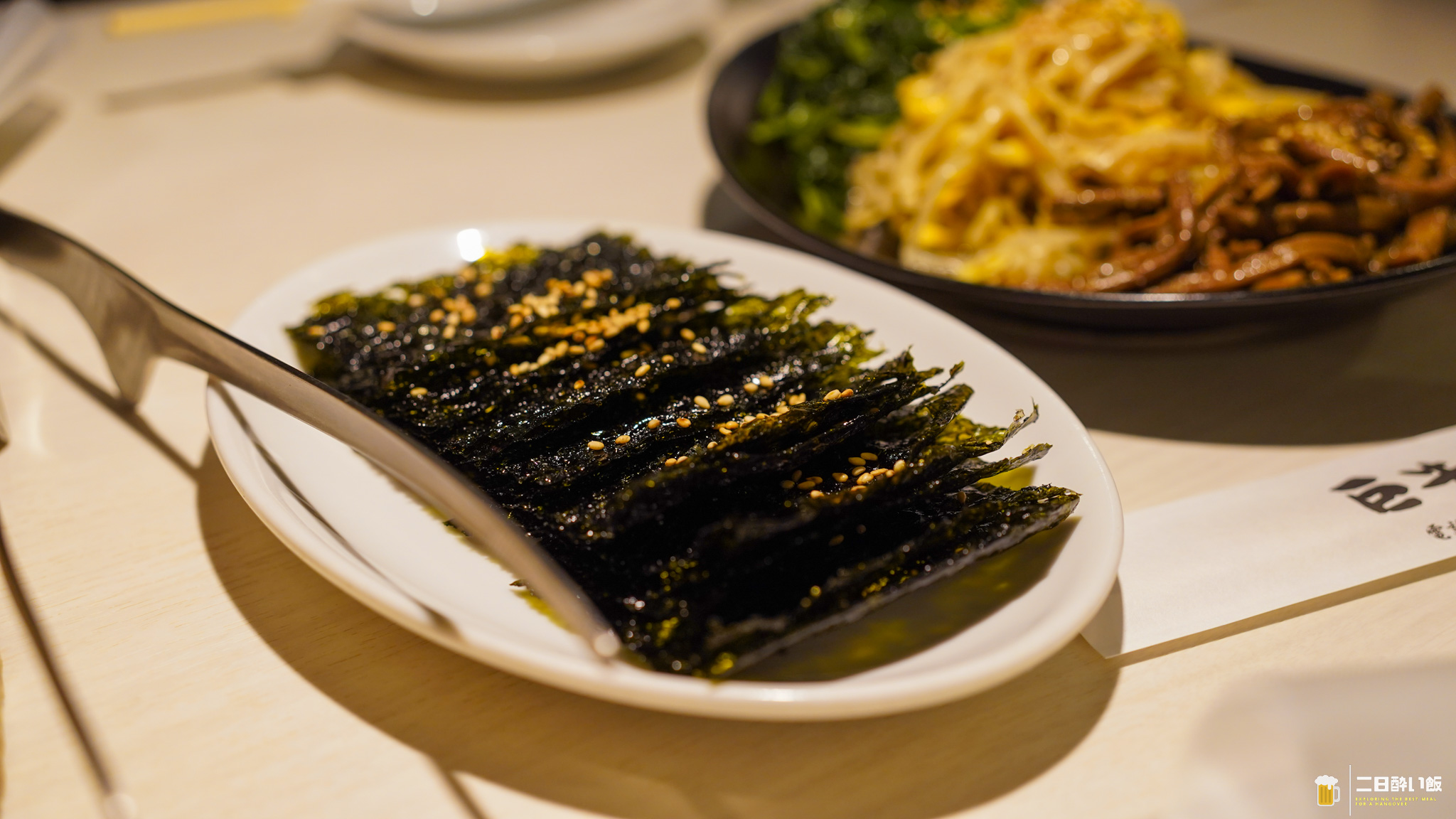
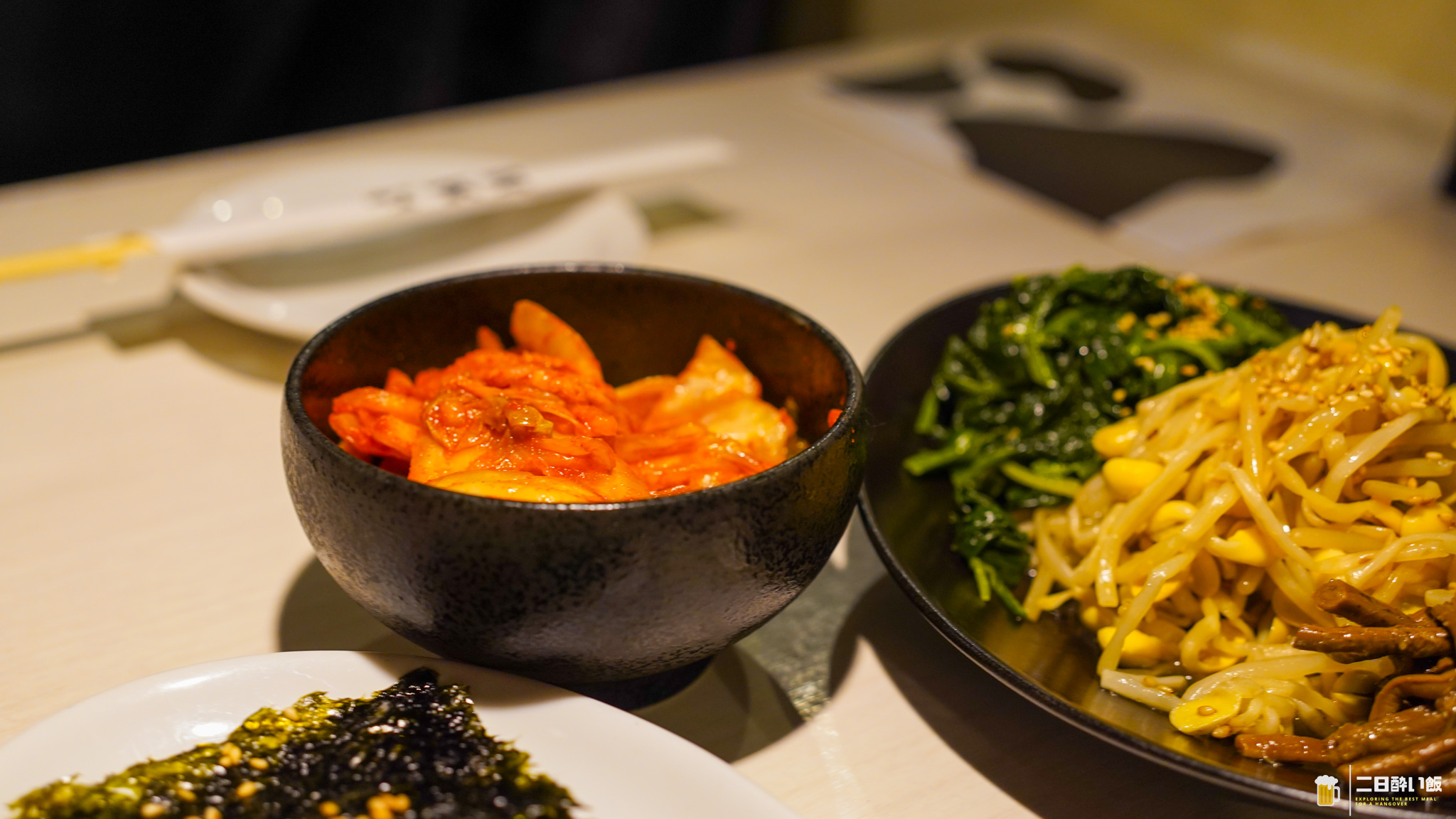
First the salad, the kimchi and the like arrive.

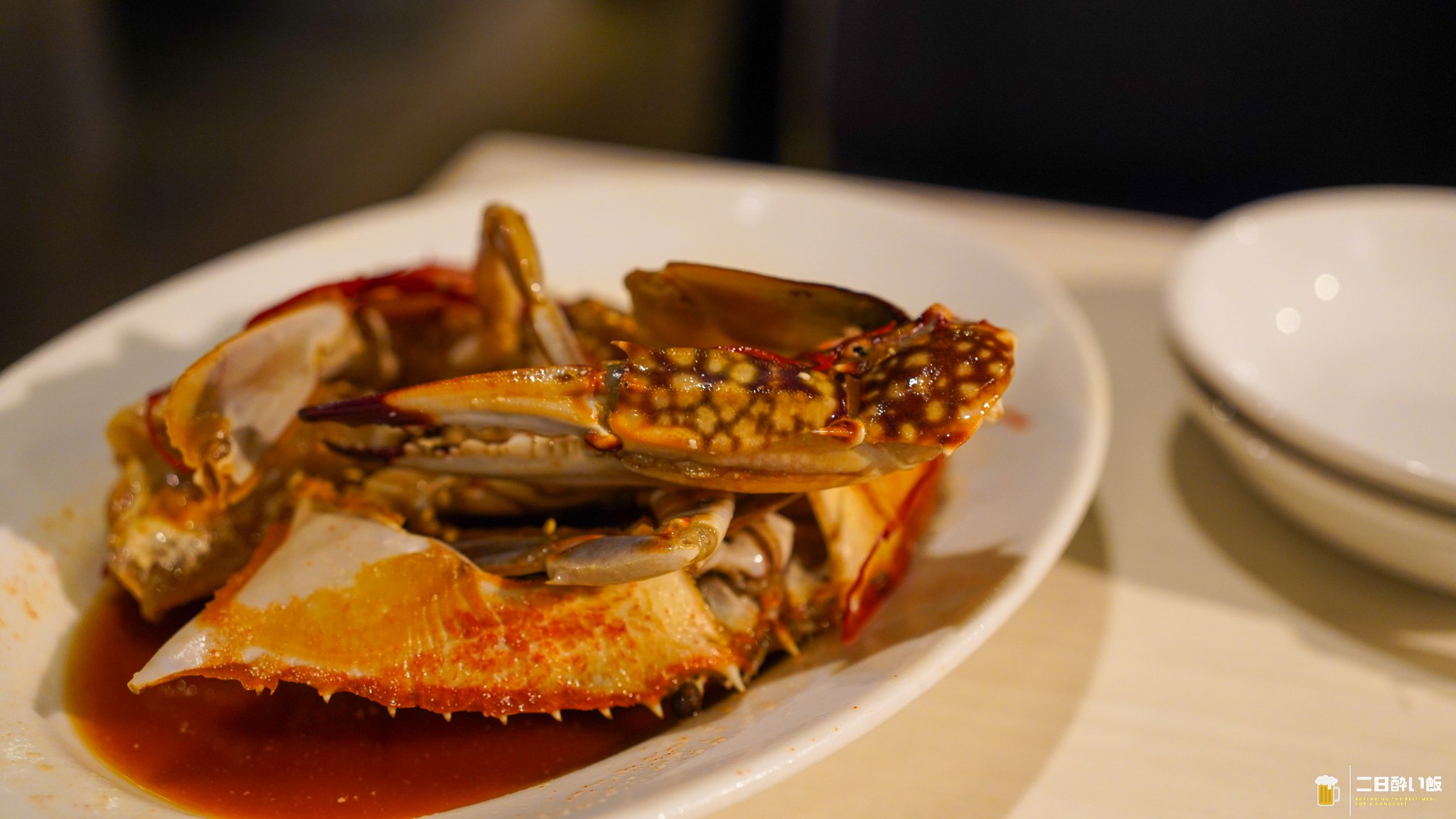
The swimming crab is apparently sunk for about three days in a tare of soy sauce, garlic and chili, and it comes out with no heat put to it at all. The same steeping time as the tare for the bulgogi — that, it seems, is the way of this house.
The meat you suck out of the shell is a different thing altogether from the flaking texture of cooked crab. It clings thickly to the tongue, closer to sipping than to chewing. Then the salt of the soy sauce and the garlic come chasing after it.
It is quite strongly salted, so I thought the way to go is little by little, with beer in between!
And after this comes the yakiniku!
Yakiniku as the opening act for the bulgogi, of all things lol
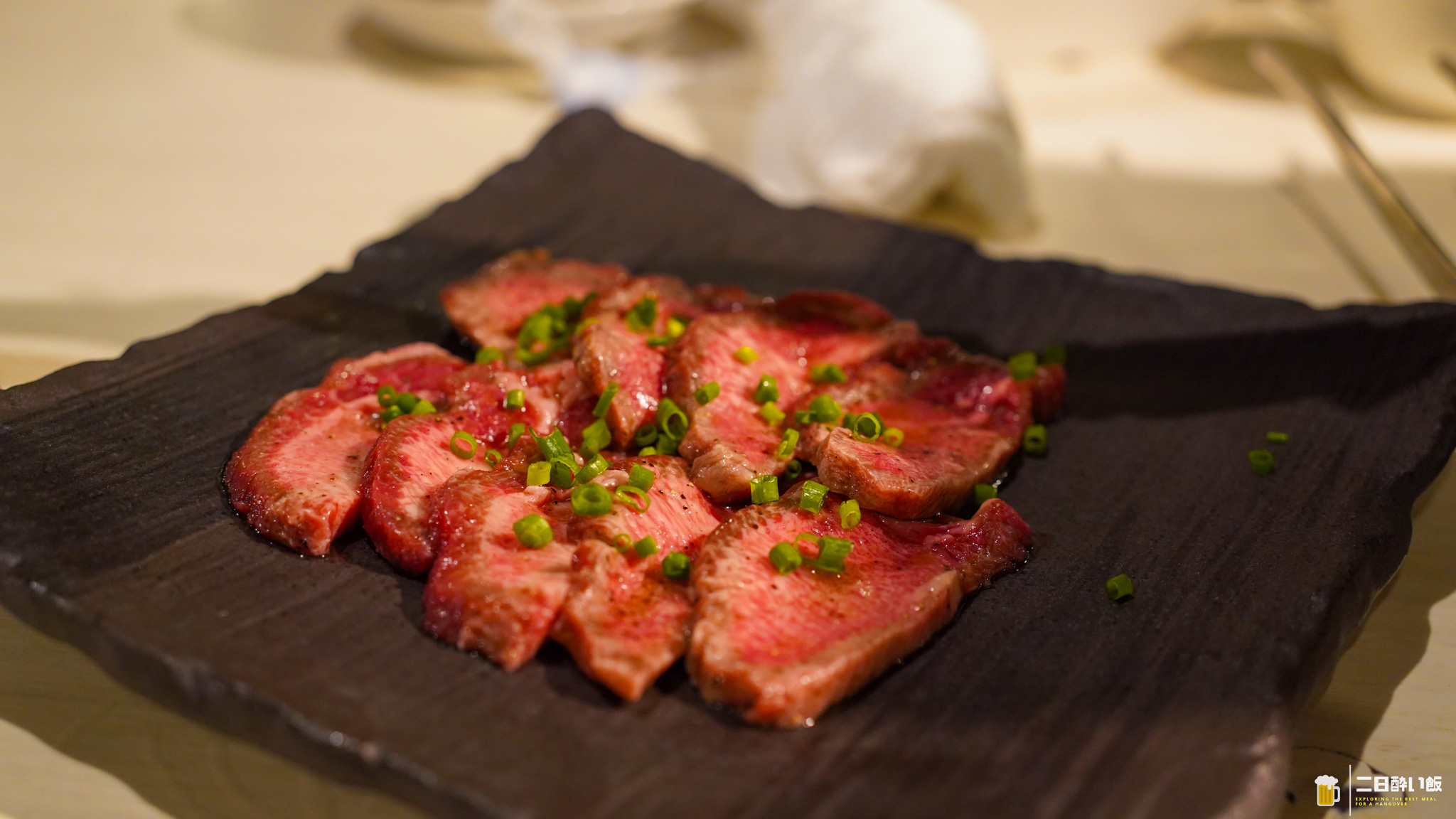
It comes already seasoned with a house-made salt tare, and no lemon is served with it.
Being thick, it does not shrink away entirely on the grill. Once one side has color on it, turn it over, and when the fat starts to look translucent, lift it off — that is the idea! Yes! Delicious!
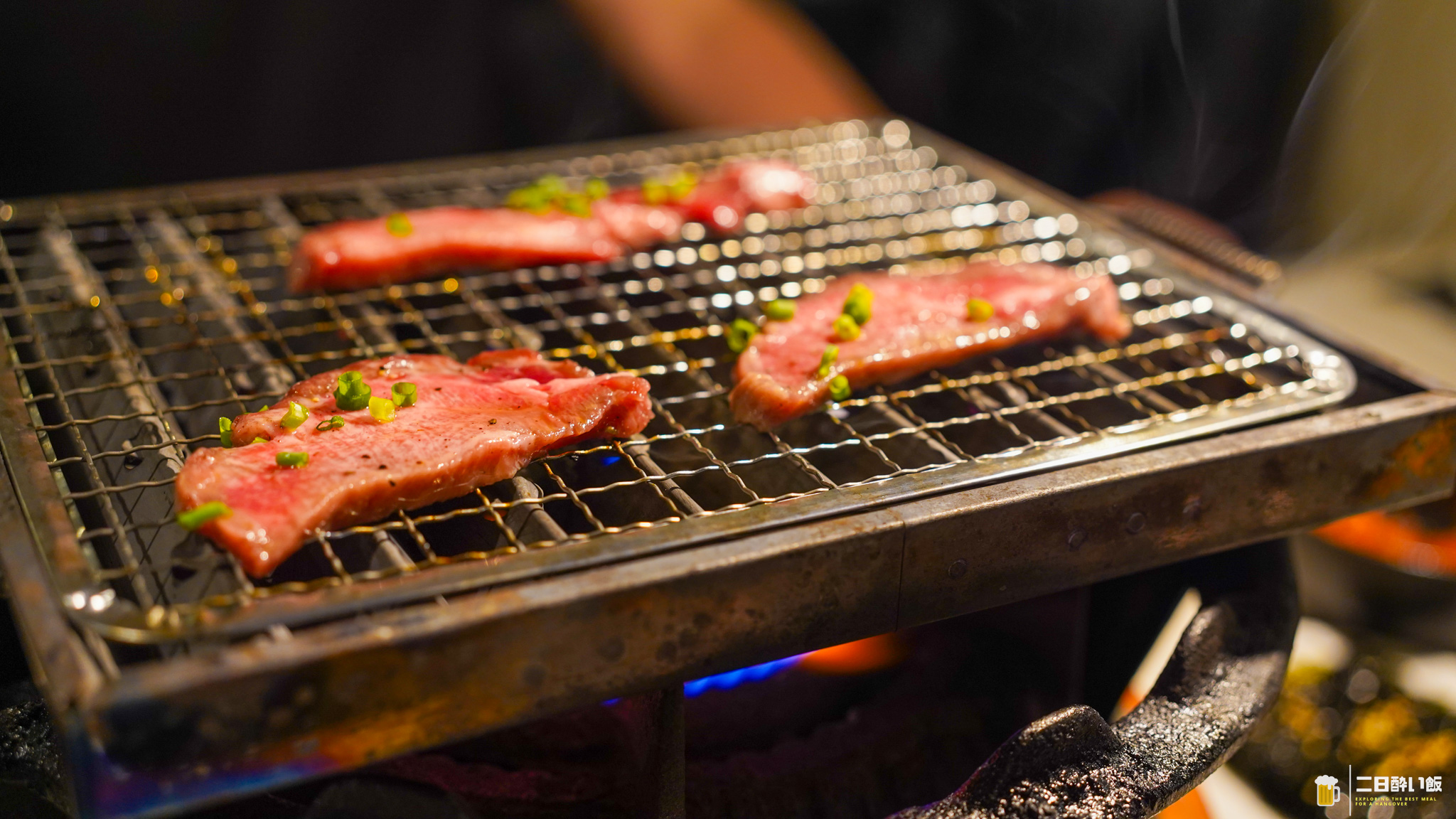
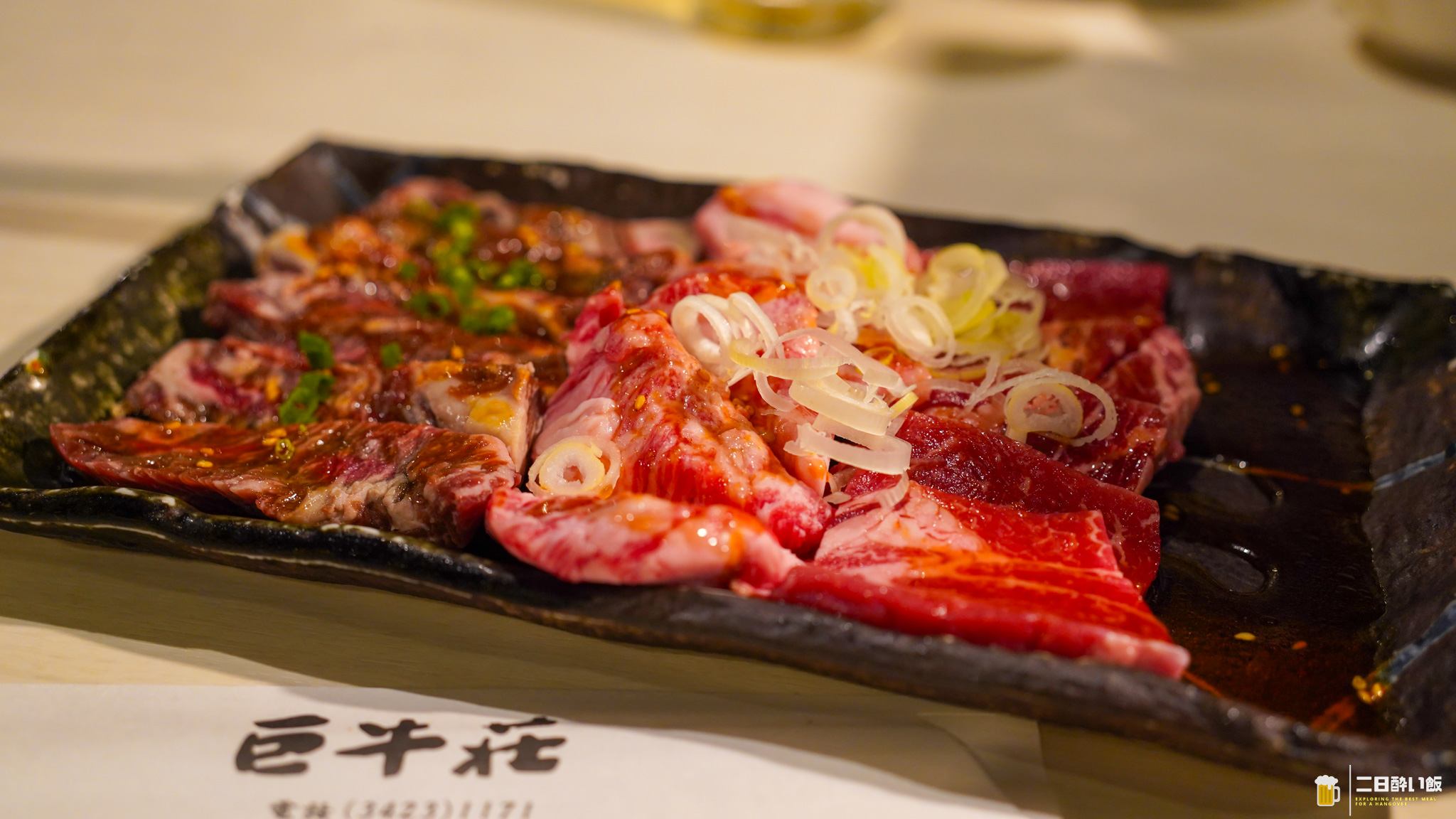
Nakaochi kalbi is the part shaved from around the bone, and it comes seasoned with tare. The sweetness of the fat arrives first. It scorches easily, so short spells on one side at a time is the safe way. The loin has fine marbling, and overcook it and it shrinks all at once. Sear it quickly, and the moment the fat turns sweet is the moment to eat it. Prime harami is where the flavor of the lean meat comes through strongest, is it not! My favorite!

All this yakiniku has come out, and yet the main event, the bulgogi, is still ahead.
Once the bulgogi starts you cannot grill any more, so if you want anything, now is the time — so I was told. Looking at the clock, there was still plenty of the all-you-can-drink time left, so I decided to add some horumon!

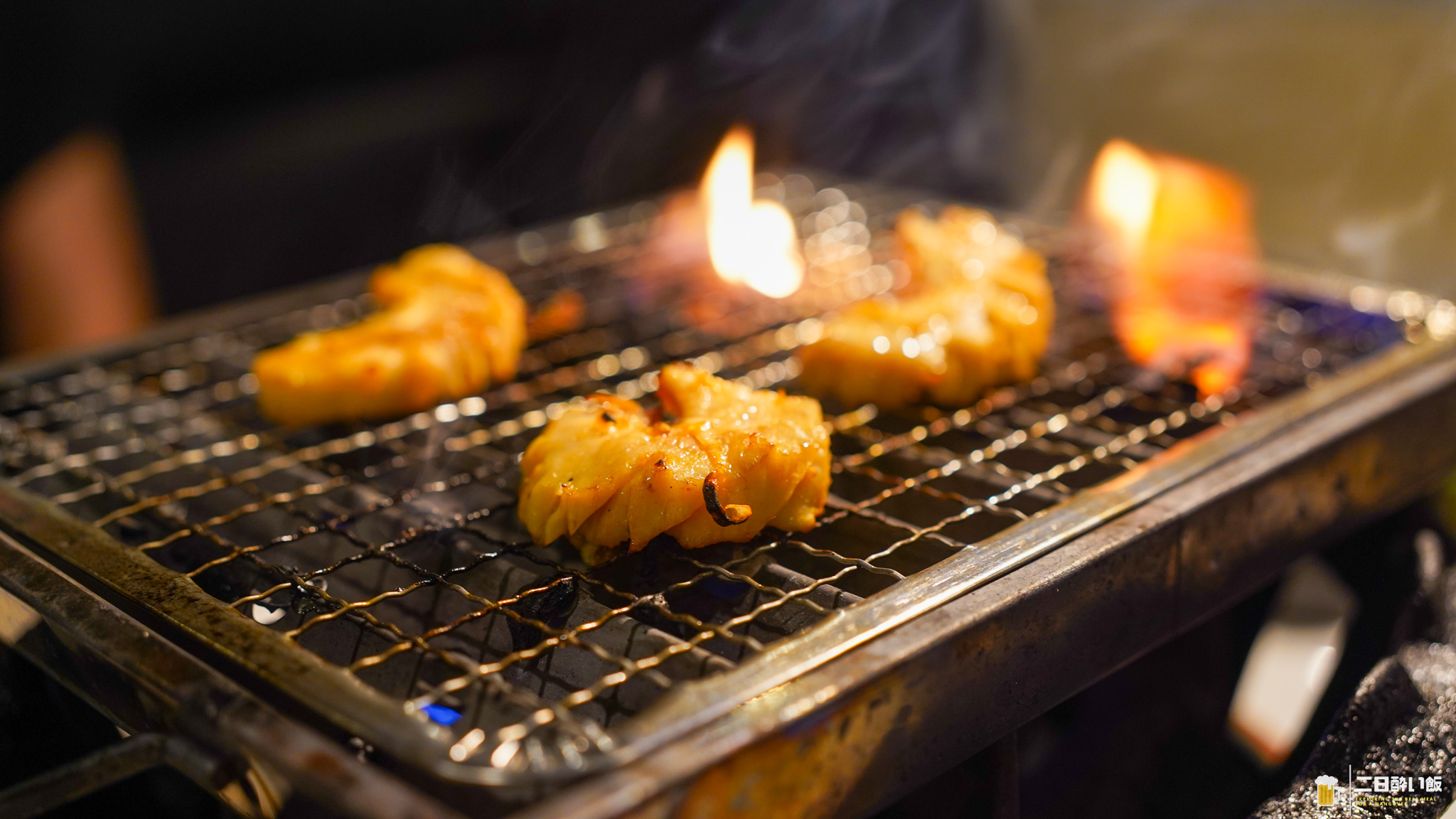
They serve the fatty cuts dressed in tare. Dropped onto the grill the fat spits, so put it at the edge, a little away from the flame. Bite in and the fat melts — exactly the kind of savor that belongs beside a drink!
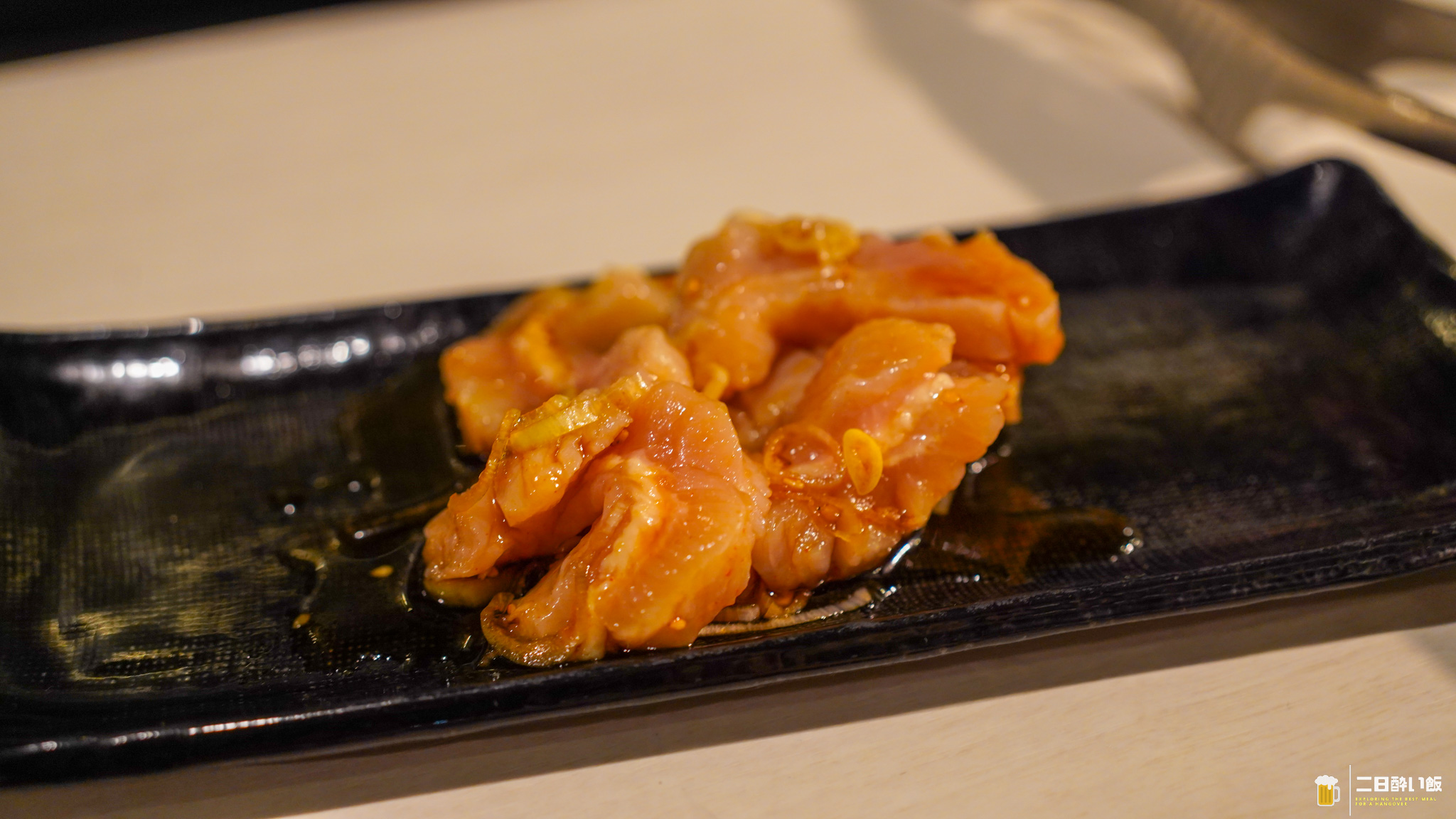
This mino I ordered purely out of selfishness lol Because I love it!! That crunchy bite is far too good! When it comes to horumon to go with beer, this one cannot be skipped.

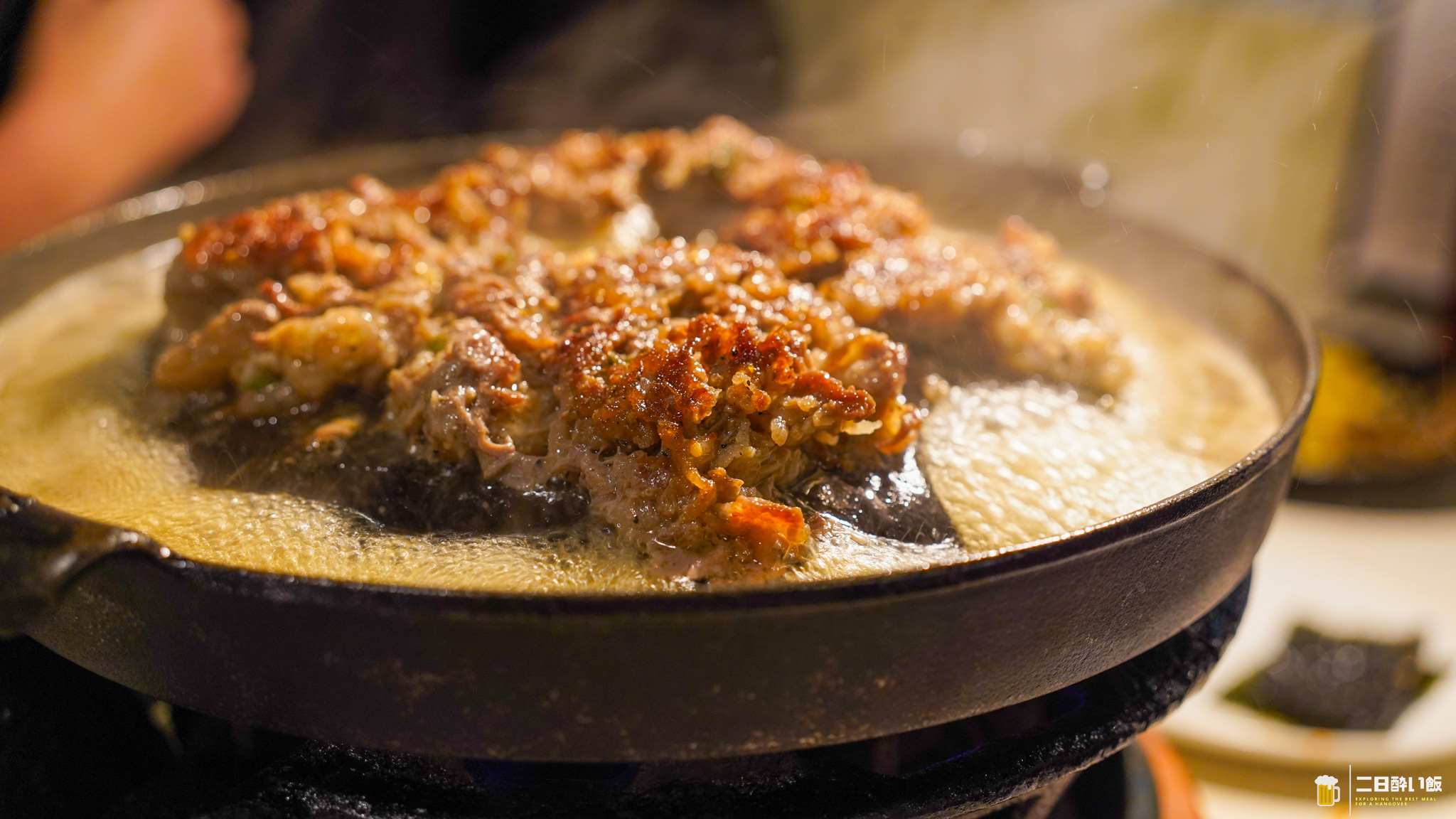
The bulgogi pan arrives, and the cooking begins! They do all of it for you, so you just watch.
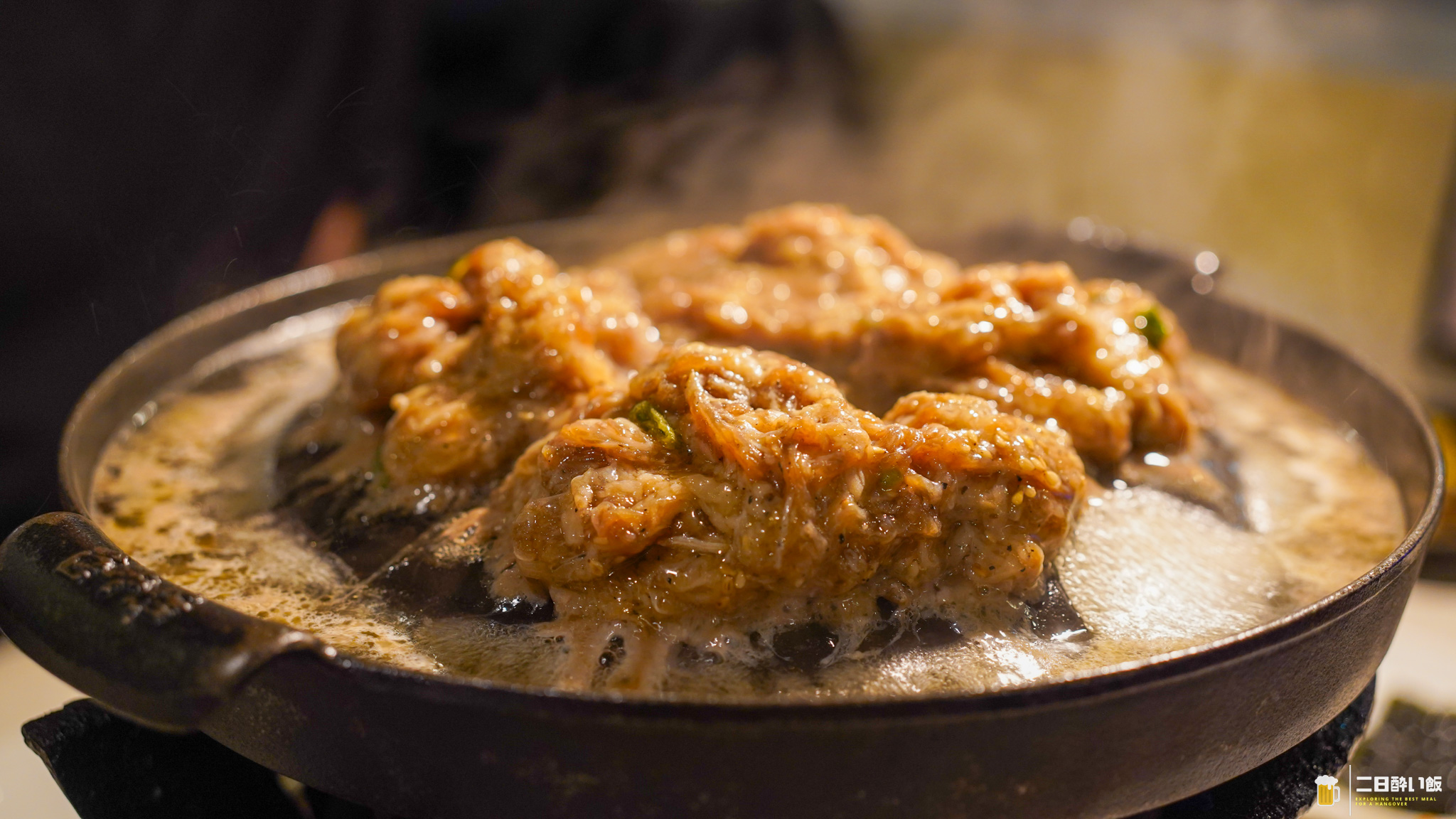
As the iron pan heats up, the smell of soy sauce and garlic rises first. The meat is thin, so it cooks quickly, and the browning starts from the edges.
The meat juices run down into the moat around the edge, where they bubble away — quite a sight.
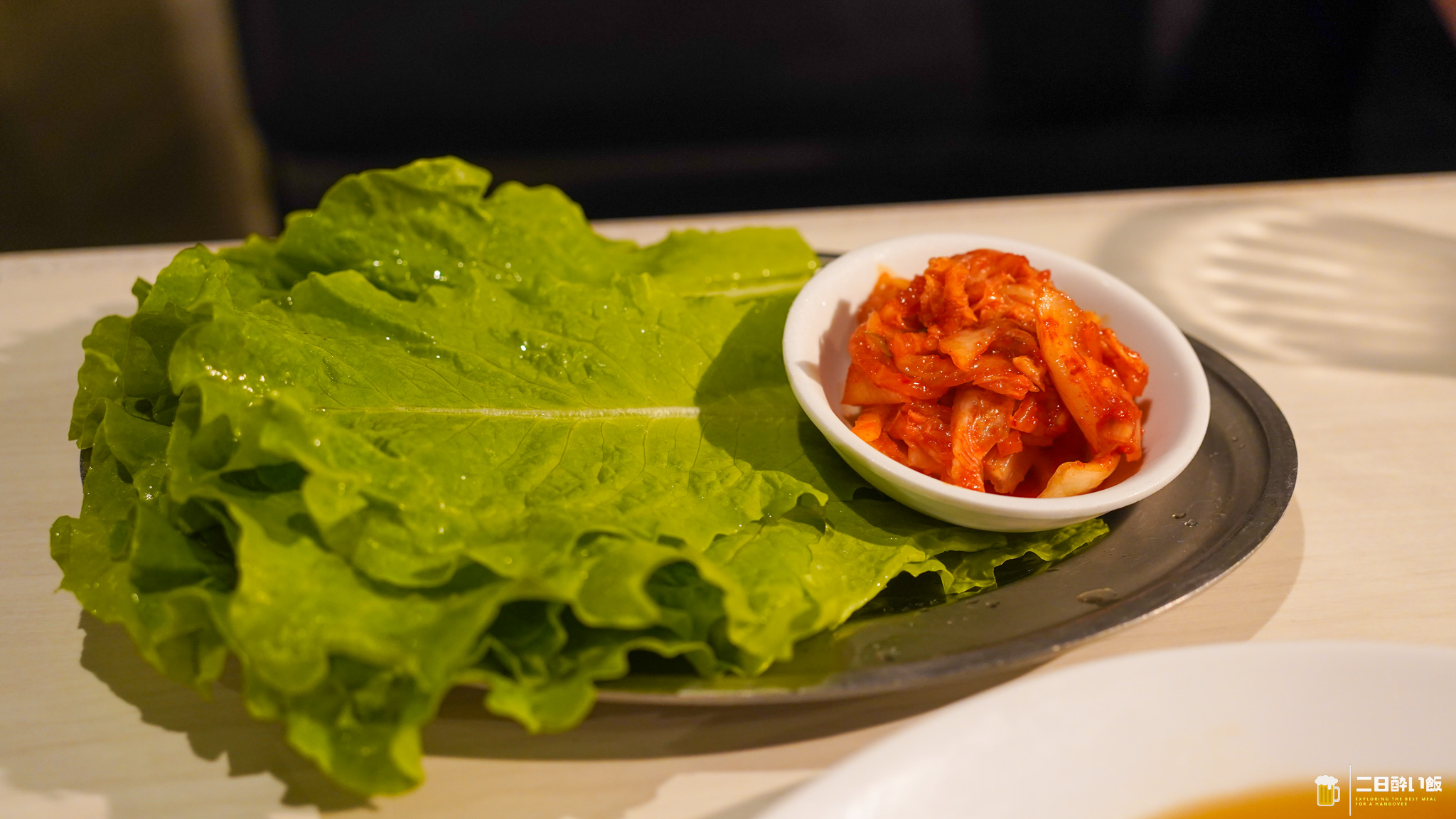
The sangchu turns up too, and everything is ready!
It is served out for you, and straight in for a mouthful!
On eating it, a solid sweetness comes first. The tare, steeped for three days, has soaked all the way through every thin slice, and rather than chewing it you feel it melt. The sweetness of the fat and the salt of the soy sauce rise at the same moment, with the garlic coming along behind them.
The flavor is quite rich, so. Lay it on a sangchu leaf and add kimchi, and the green bitterness and the acidity come in and lighten the whole thing a step. Wrapping it up to eat is not so much the right answer as the premise, I would say!
Yes, that is good.
That said, at Kyogyuso even this is an opening act for the udon that comes after it.
The headliner is the udon that follows!
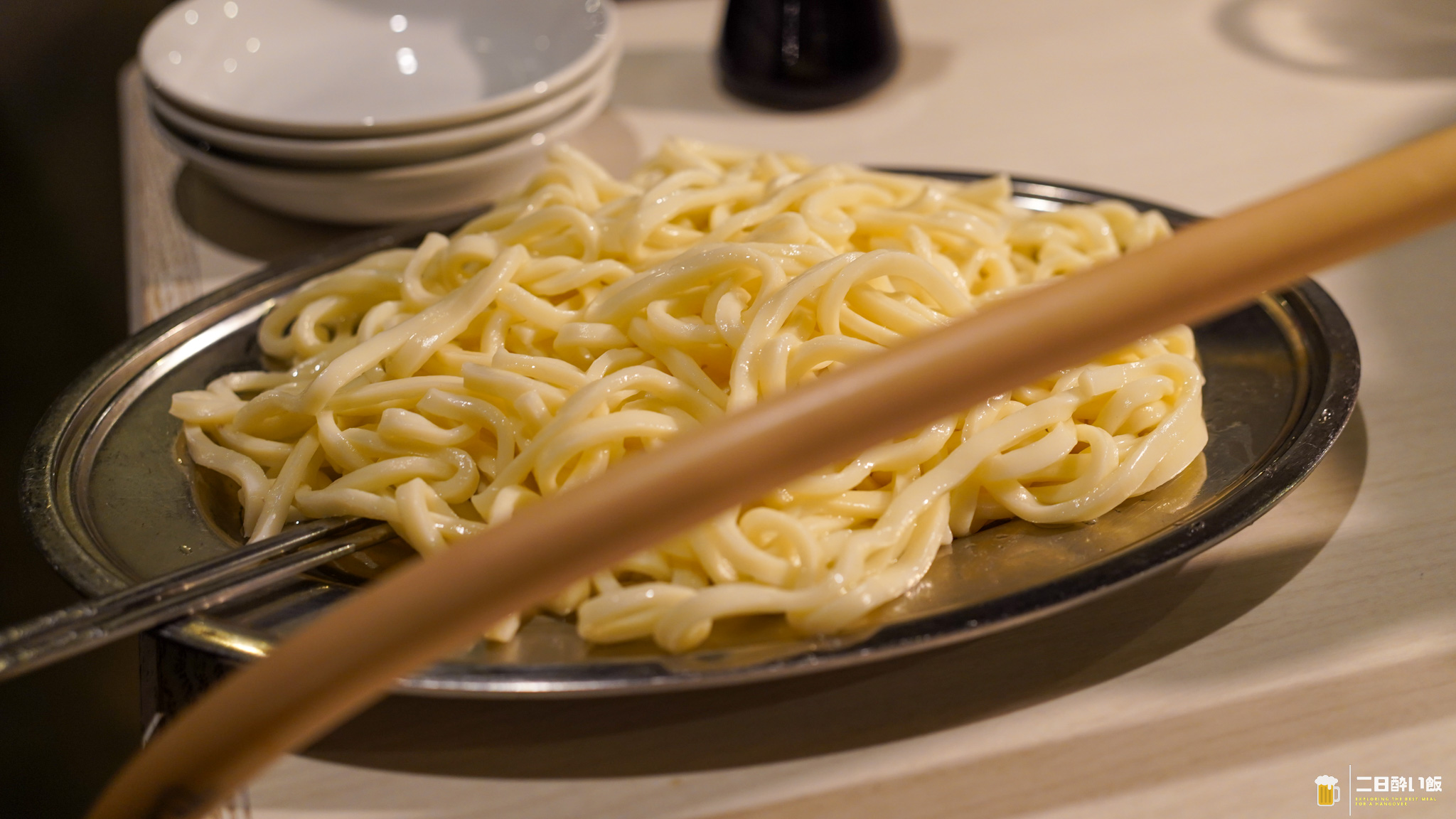
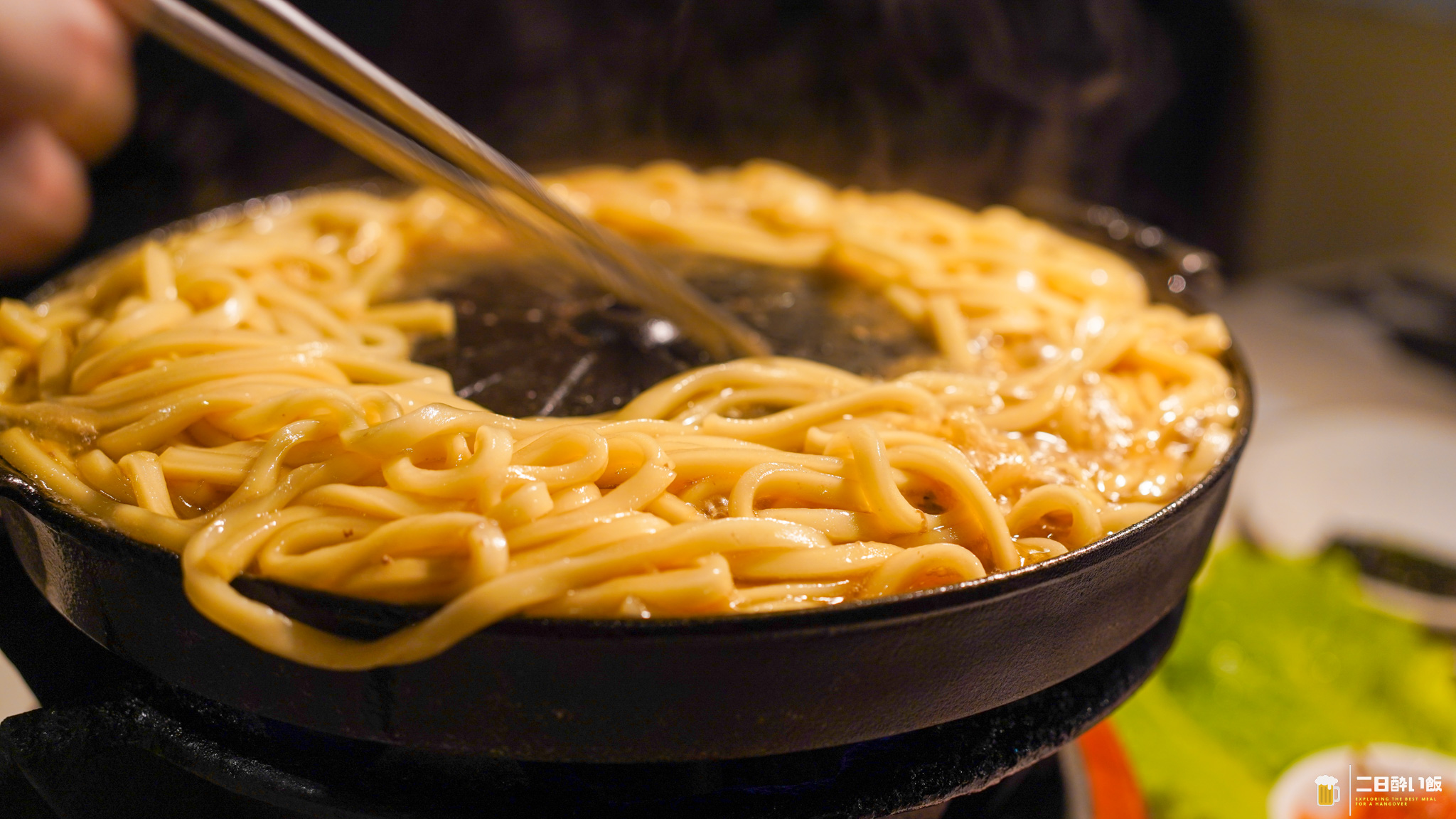
The udon goes into the rim where the fat from the meat has thoroughly melted down, and gets mixed in. Fry it so the moisture cooks away properly, and you end up with this. Well now — glossy all over, and it looks wonderful.
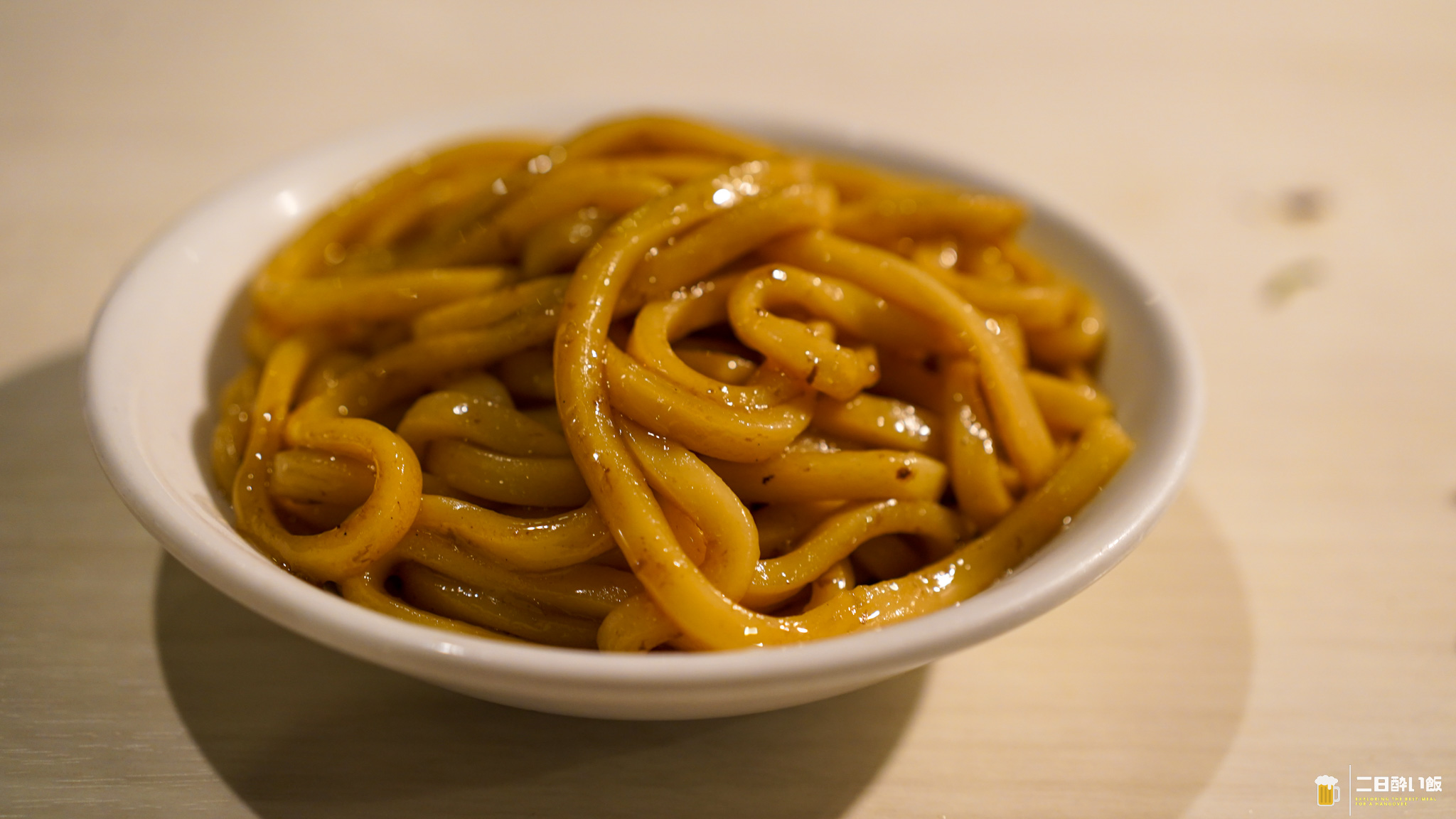
Bulgogi and then udon at Kyogyuso — the best!!
There is a tremendous amount of fat in it, but that guilty flavor is irresistible. Yakiniku and bulgogi as the opening acts, and the udon at the end is the ultimate delight. If you come near Roppongi, this is a place I really want you to try! It has presence, and the entertainment side of it is spot on too!
May you meet something good to eat today too!
Kyogyuso Roppongi (Yakiniku / Roppongi Station, Azabu-juban Station, Roppongi-itchome Station)
Tabelog dinner rating ★★★☆☆ 3.8
I ate here and paid for it myself. Nothing on this site is a comped meal.
One more for the road?


