


A note on the words: yukgaejang is a Korean soup of shredded beef, scallion and vegetables in a chili-red broth. Samgyetang is chicken stewed whole with ginseng and rice, and bangyetang is the half-size version of it. Seolleongtang is a milky ox-bone soup, sundubu is a stew of soft curdled tofu, bulgogi is marinated grilled beef, and dolsot bibimbap is mixed rice served in a hot stone bowl. Namul are seasoned vegetable sides, and the little complimentary dishes that arrive before the meal are called banchan. Naengmyeon is chilled buckwheat noodles. Meshi in this blog’s name simply means “meal.”
Table of Contents hide
Chongiwa, main building, on Tabelog (English) — opening hours, payment details and the Japanese address are kept up to date there, not here.
Hello, this is Hangover Meshi. My urge to eat Korean food suddenly flared right up, ha. Since I am around Akasaka anyway, I thought I would do a round of Korean restaurants, remembered a Korean place I had never been to, and off I went! This time, the main branch of Chongiwa. I had been to the annex a long time ago (in Japanese). 2019, so six years back, ha. I remember the naengmyeon being properly done. The main branch is a little further toward Akasaka-mitsuke than the annex, around in front of the Don Quijote Picasso.
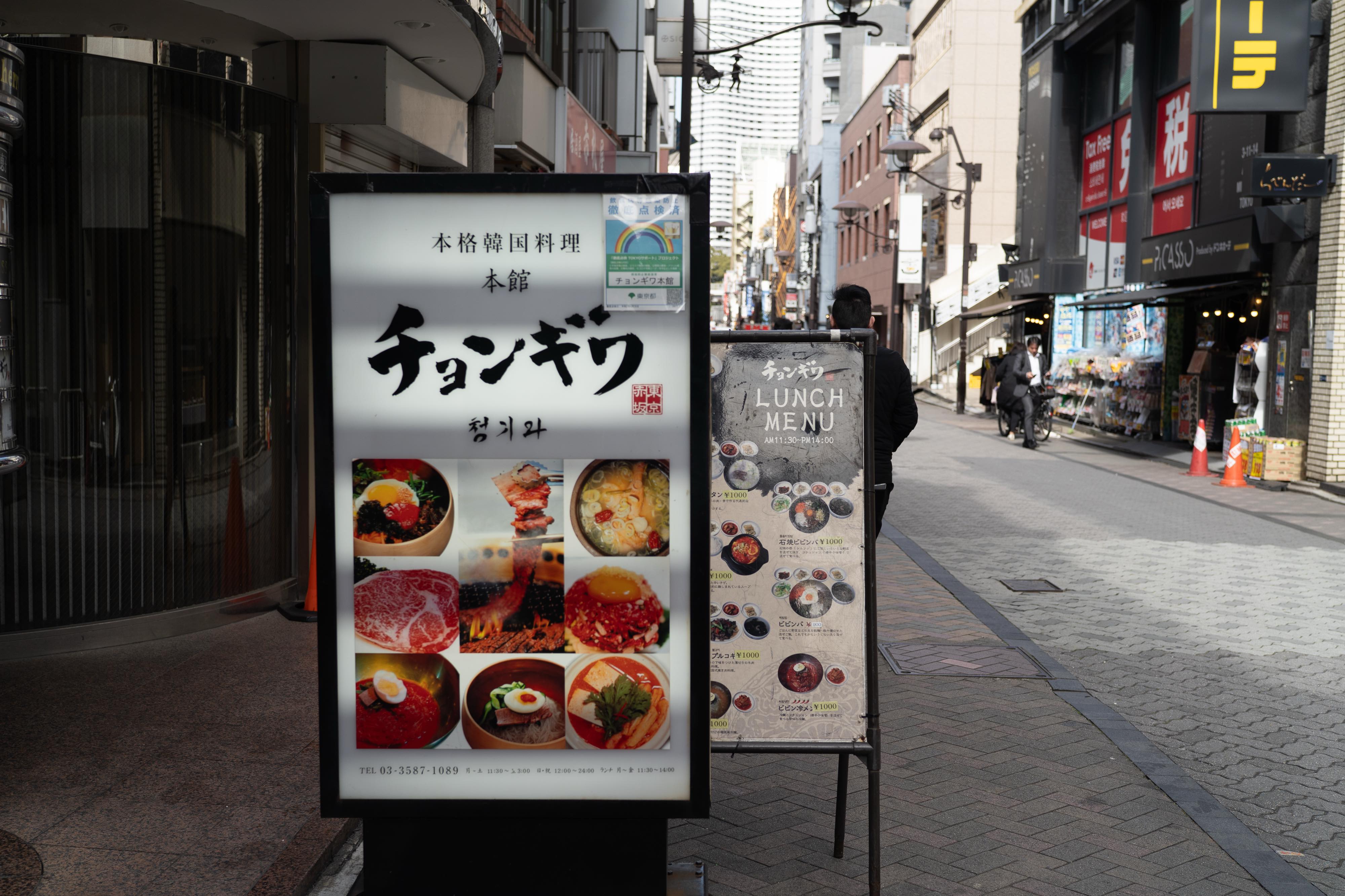

Lunch starts at 11:30. This time the plan was go early, leave early, so I turned up just about right after opening.
And there were already several groups of customers — impressive, ha.
Inside, it is quite a chic space. The sort of tidy, slightly upscale Korean restaurant. Thinking back, I feel like the annex was similar.
Bangyetang — 1,200 yen (about $8 as of this writing, August 2026)
Seolleongtang — 1,000 yen
Sundubu — 1,000 yen
Yukgaejang — 1,000 yen
Bulgogi — 1,000 yen
Dolsot bibimbap — 1,000 yen
Pretty much all the representative Korean dishes are here!
I found myself craving yukgaejang for no particular reason, so: yukgaejang!
The truth is, I have opinions about yukgaejang.
Now, Korean food means the little things that come first — snacks? No, appetizers?
It varies by restaurant, but the image is of lots of small dishes arriving, kimchi first among them, isn’t it!
At this place, it looks like this.

Salad, namul, kimchi and some meat.
I see, they put it out in quite a refined way ^^
Rather than a jumble plonked down, the fact that a salad appears gives off a nice “we are a cut above your average Korean restaurant” feeling ^^ That said, for anyone who tops up the volume of their meal with the little side dishes, it may be a bit light, ha.
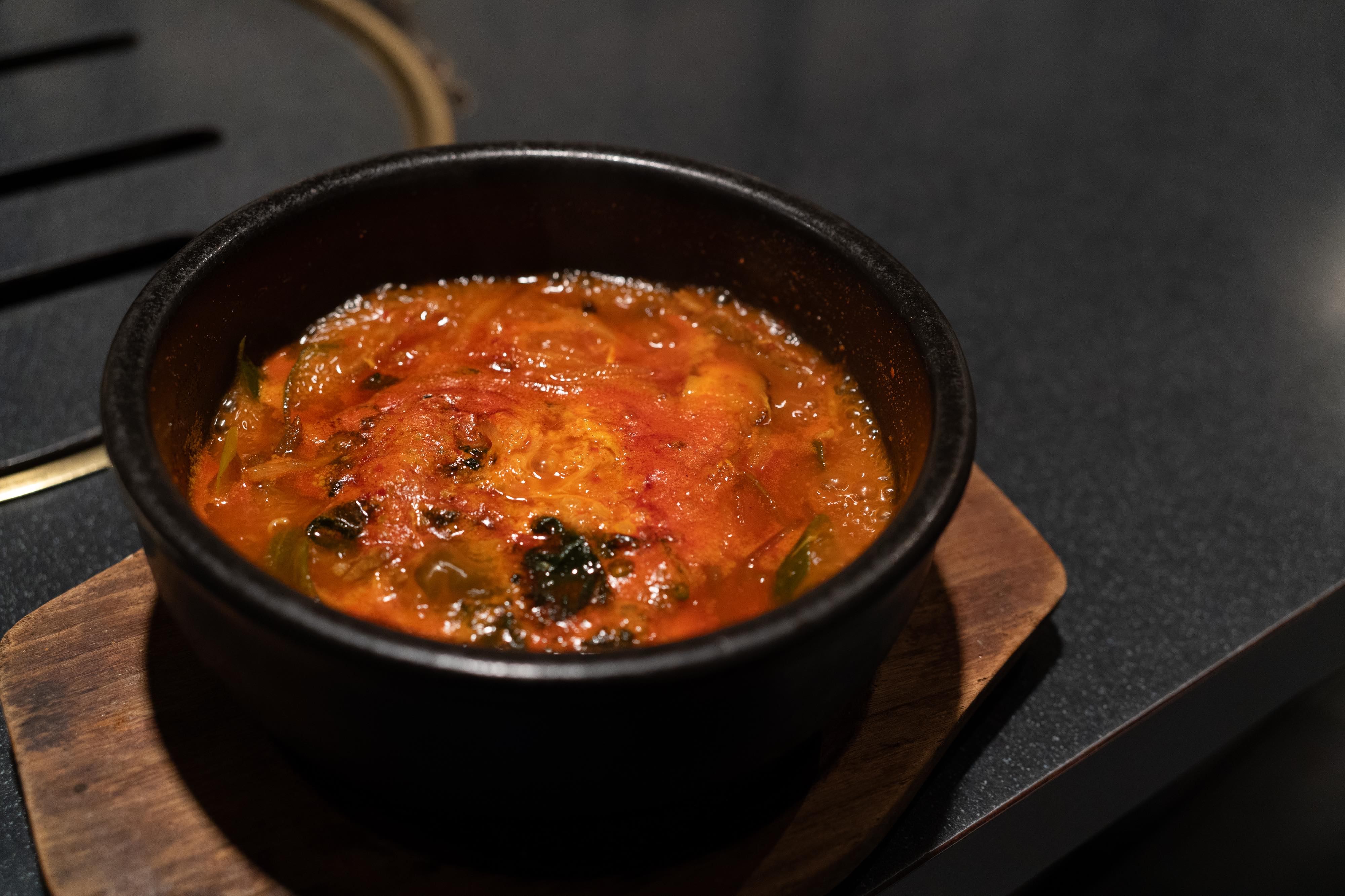
Here it comes! This is the yukgaejang!
The stone pot is scorching hot, so it comes bubbling up ^^
That is part of why Korean food looks so appetizing. The chili and beef stock aroma drifting up smells wonderful.
One mouthful in — delicious.
The heat is around medium, I would say. You feel it, but it is never too hot. The heat is probably amplified somewhat by how hot the pot is, but the underlying spice level is not that high, I think. It is very generously filled, and there are thick glass noodles inside that push the volume up further.
The beef is in there as cut-off chunks.
What I really like is beef torn into fine threads, but you hardly ever find it.
You rarely get it unless the restaurant takes yukgaejang seriously head-on, ha. That part is a bit of a shame.

And this is the bangyetang.
Meaning half a samgyetang, I suppose ^^ But at a glance it looked good.
So — Chongiwa. Solidly good Korean food. The restaurant is quite clean and easy to walk into, and there is an understated refinement to it, so it might be a place to pick depending on who you are eating with and the occasion! Is there truly good yukgaejang in Akasaka? To find out, I will keep making the rounds of Akasaka’s Korean restaurants whenever the mood takes me!

Chongiwa, main building (Korean / Akasaka-mitsuke Station, Akasaka Station, Tameike-sanno Station)
Tabelog lunch rating ★★★☆☆ 3.5
I ate here and paid for it myself. Nothing on this site is a comped meal.
One more for the road?


