


A note on the words: gomasaba is a Fukuoka dish of raw mackerel dressed with ground sesame and sweet soy sauce. Sashimi is raw fish; otoshi is the small dish an izakaya brings with your first drink, whether you ordered it or not. Tamagoyaki is a rolled Japanese omelet, and mentaiko is spicy marinated pollock roe. Karasumi is cured mullet roe, the Japanese equivalent of bottarga. Toriten is chicken in tempura batter, a Kyushu specialty. Shuto is a salty paste of fermented bonito innards, used here to season butter. Tempura is a light batter coating for frying. Shochu is a distilled spirit, and dashi is the stock at the base of Japanese cooking. The Goto Islands lie off Nagasaki. Prices are as of this writing (August 2026).
Table of Contents hide
Kiharu no Gomasaba ya on Tabelog (English) — opening hours, payment details and the Japanese address are kept up to date there, not here.
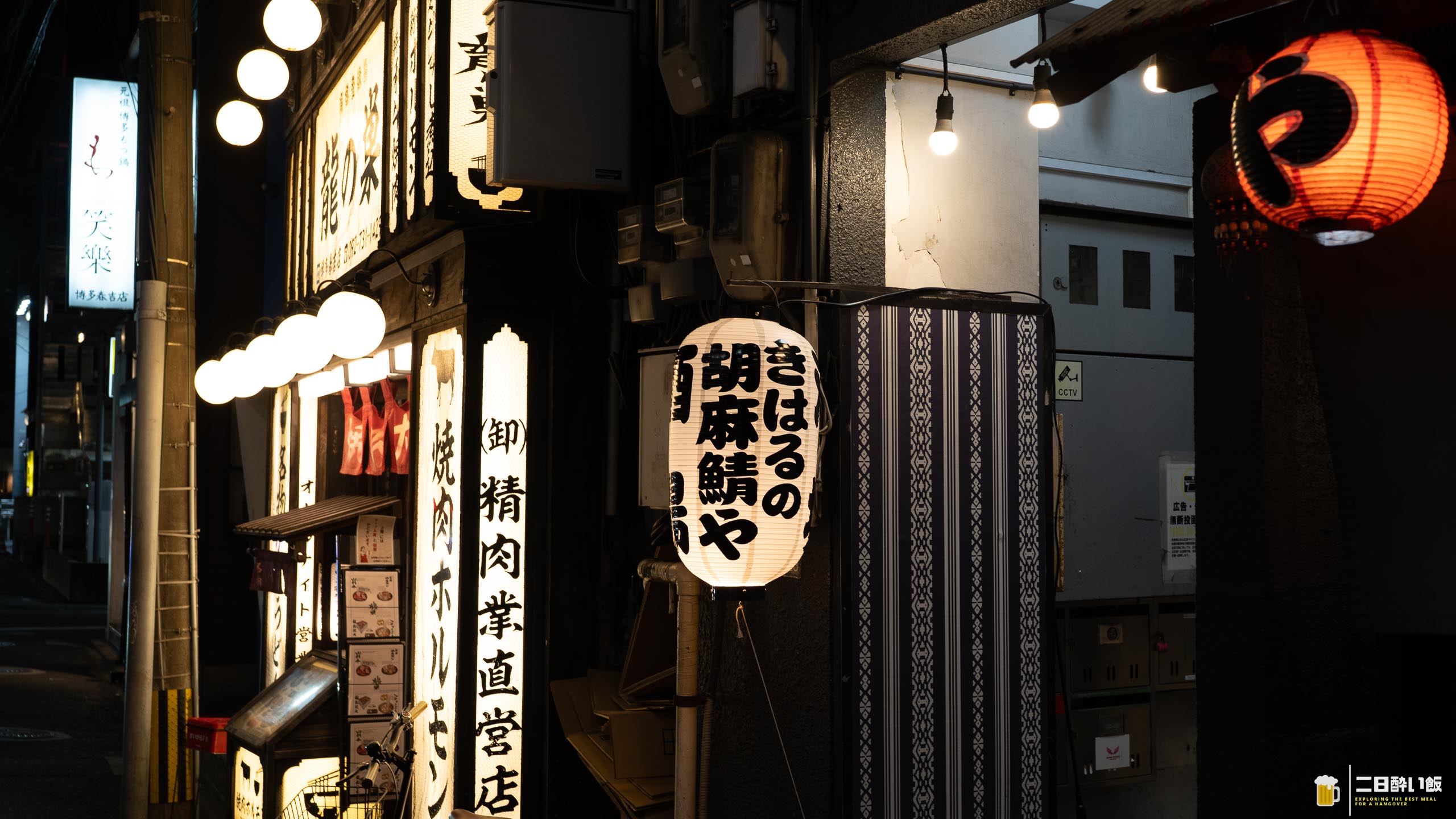
I want to eat something good today too. This is Hangover Meshi. A bit of time has passed, but this continues the Fukuoka trip that took in Ichitaka. The first dinner was Kiharu no Gomasaba ya. Say Fukuoka and you say gomasaba, so I went looking for a shop that does it well, and Kiharu came up. Looking forward to this.
There is quite a long menu.
All of it looks good, so I think I shall work through as much of it as I can manage.
There are several of us this time, which means we can run the strategy of ordering a lot of dishes and eating a little of each. Very welcome.
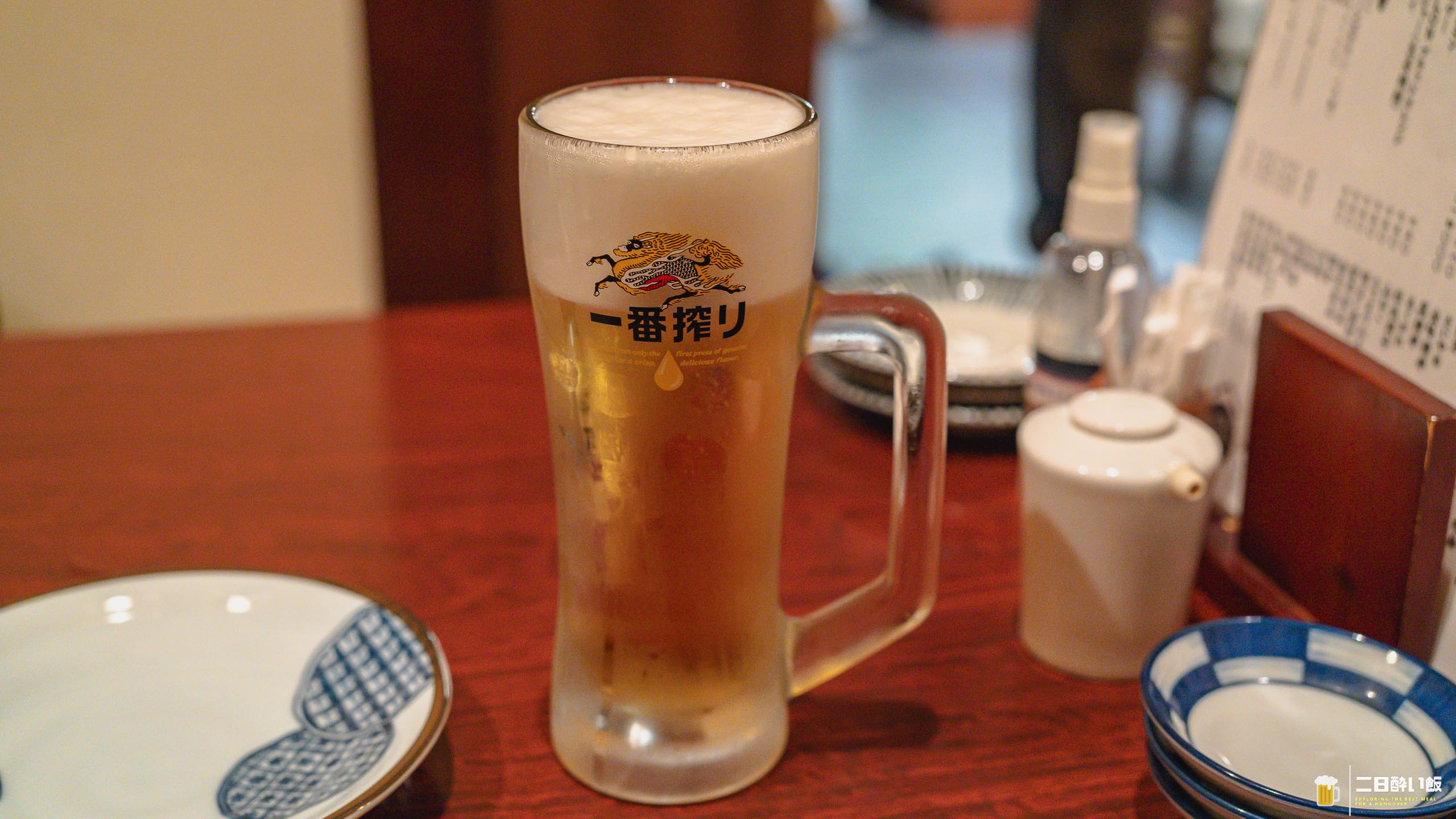
First, a cold beer to wet the throat, and away we go.

Here is the otoshi. Rather a good one, this. It all looks tasty.

Straight in with the house gomasaba. Mackerel from the Goto Islands — eating mackerel raw is not something you see much of in Tokyo.
Getting fresh mackerel sent direct from Goto is another thing that only happens in Fukuoka.
The first thing that strikes you the moment it is put in front of you is how beautiful the mackerel looks, glistening. Fat shines faintly deep inside flesh that is almost translucent, and plenty of fragrant ground sesame clings to the surface. Lift a piece gently with your chopsticks and it is soft enough to come apart.
In the mouth the aroma of sesame spreads first, and the rich savor peculiar to mackerel comes after it. The fresh juiciness of sashimi and the matured quality of something lightly cured live together in one bite, and sweetness seeps out as you chew. The sweet soy sauce of Kyushu and the depth of the sesame become one thing and linger on the tongue almost like a dashi.
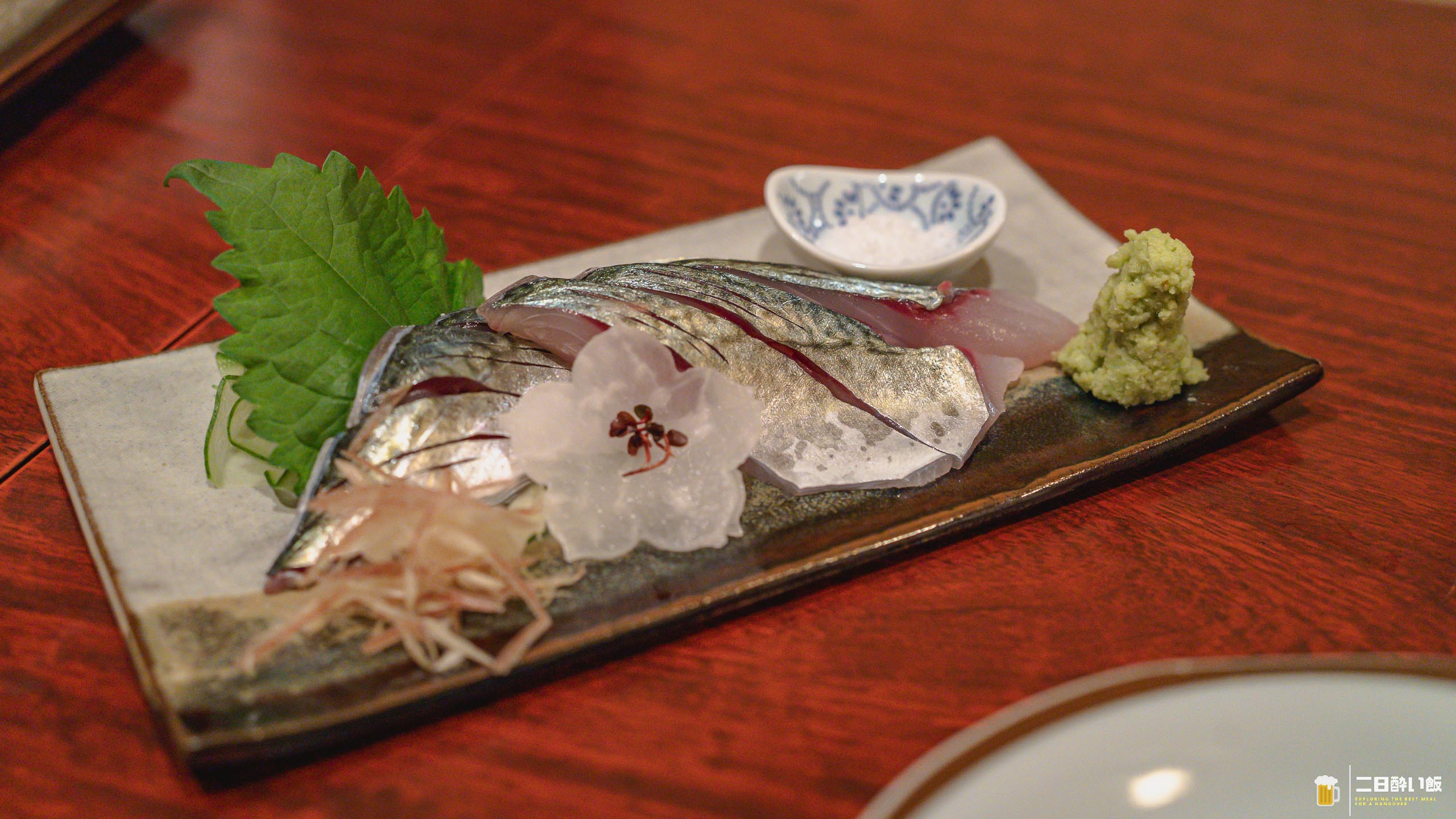
This is mackerel sashimi without the sesame dressing. So you can eat it this way too.
They said salt is the good way with it, so salt it is. Well now, that is delicious. Oily fish often carries a particular smell to it, and the astonishing thing is that there is none at all here. Rich with fat, and yet the finish is remarkably clean.
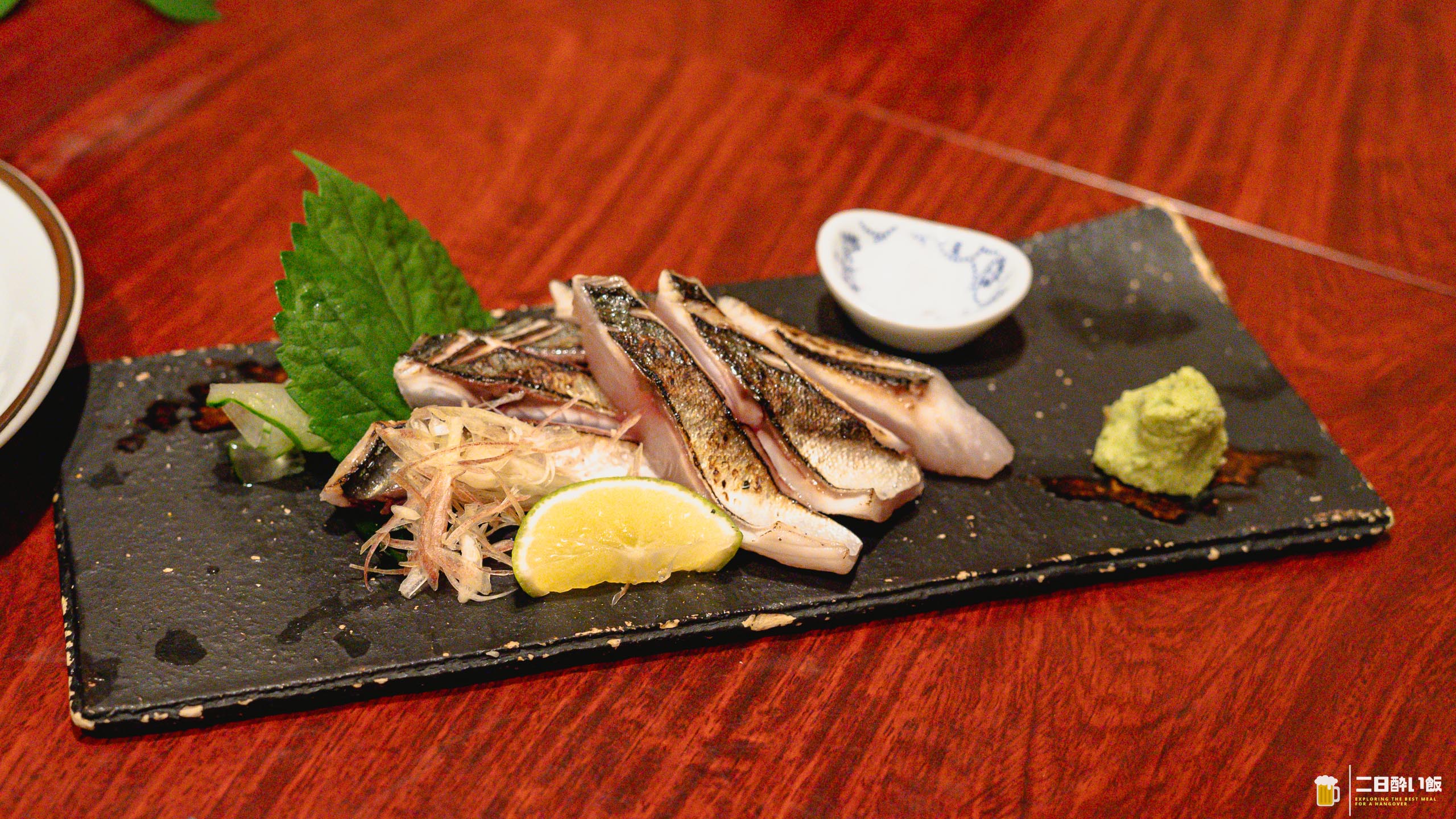
Third of the three Goto Islands mackerel dishes: seared mackerel sashimi.
Different again from the raw version, and the fragrance rising off the lightly seared skin is the good part. Fat seeps out and glints under the lights like a jewel. Pick a piece up and the flesh under the skin is soft enough to crumble.
The first thing that spreads in your mouth is the savor of the aroma. The fragrance of skin seared over a naked flame and the sweetness of that thick mackerel fat arrive together as one. And yet the inside is still moist and raw. Fragrant outside, melting within. That difference in temperature is superb, and the savor rolls out in waves as you chew. I think I may love this seared mackerel sashimi.
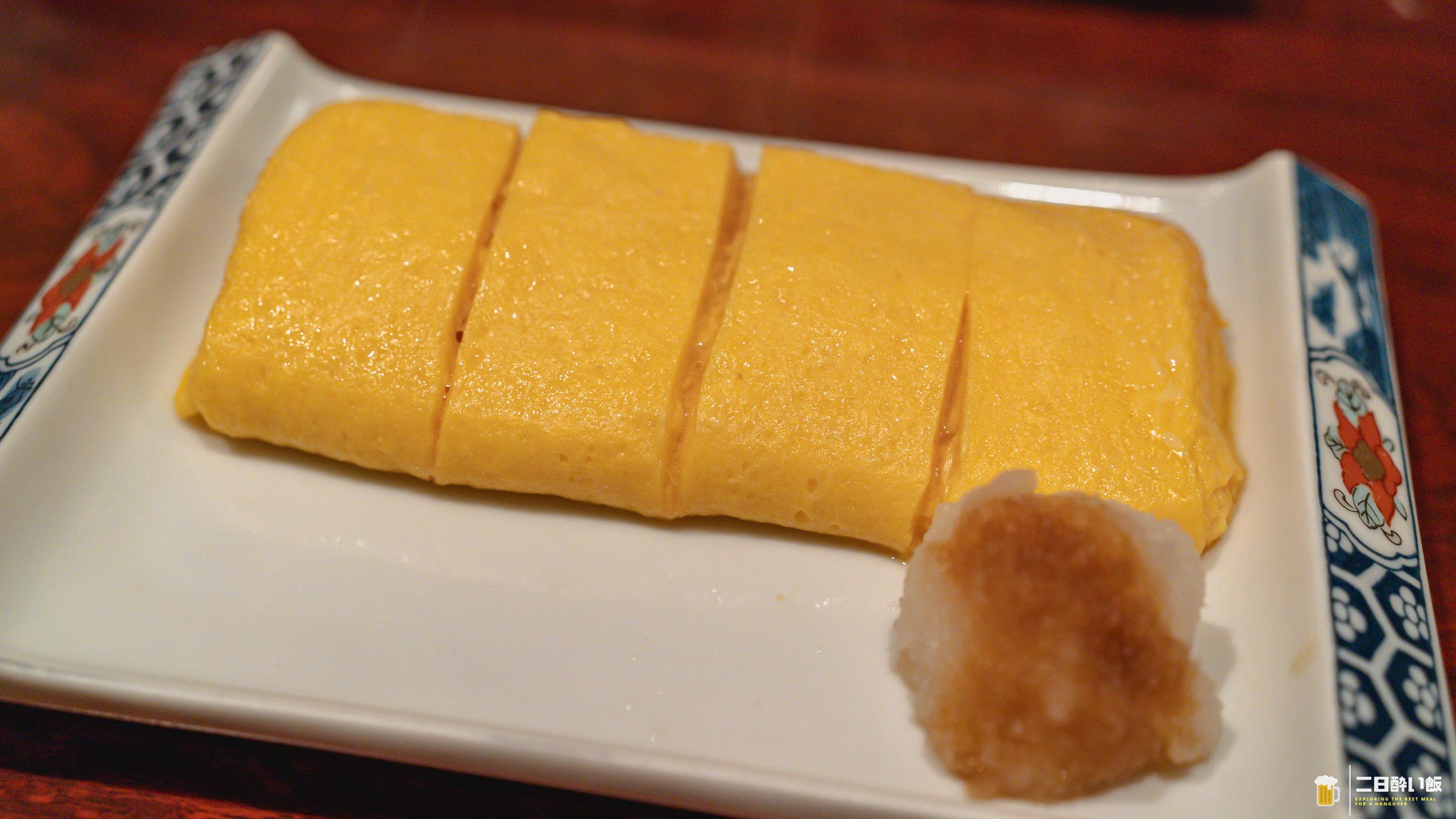
Mentaiko tamagoyaki made with local eggs.
A fine-grained tamagoyaki, and the smooth rich egg goes perfectly with the mentaiko inside. Good.
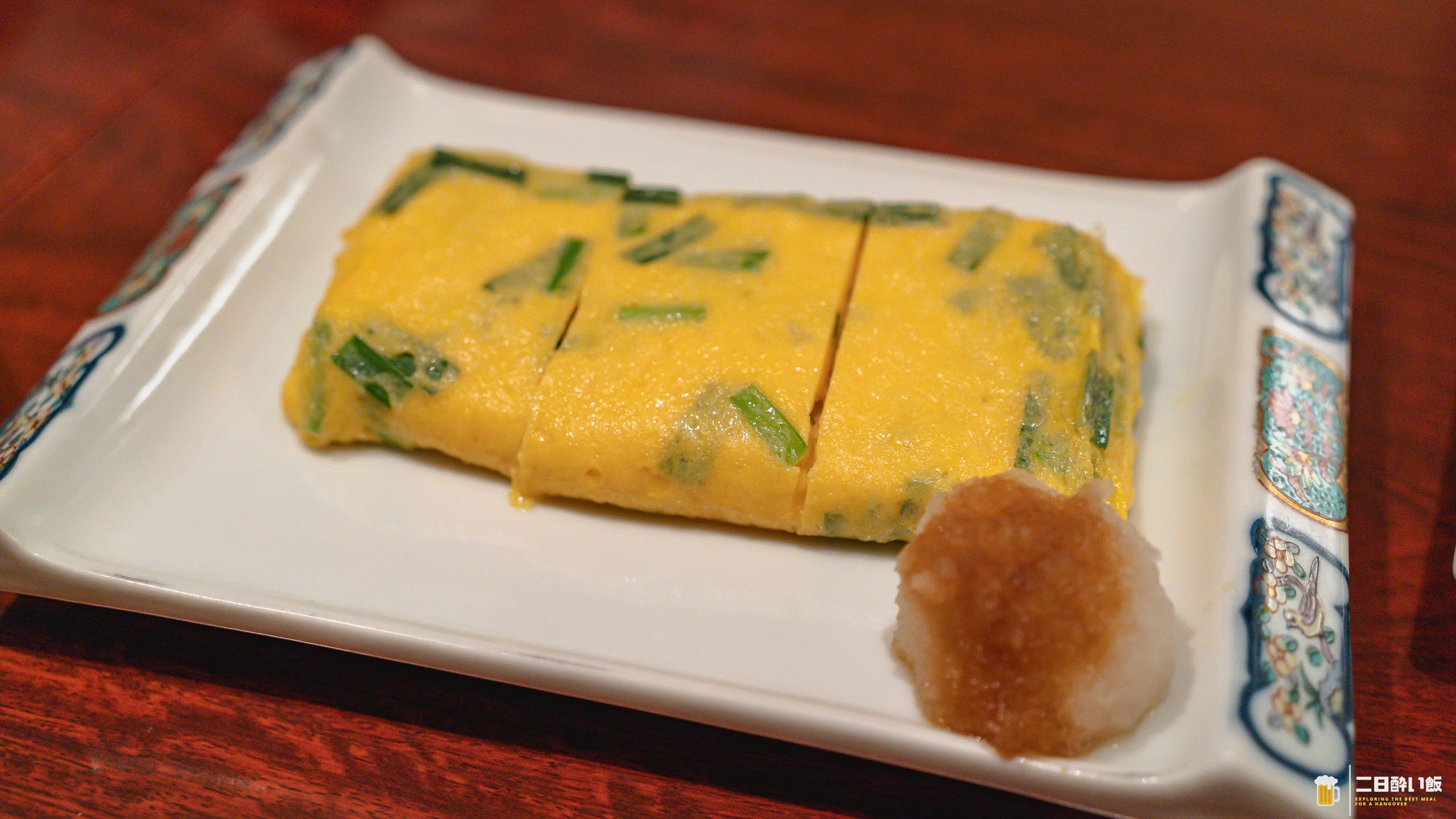
The garlic chive version is good too.

Fresh karasumi. I had only ever eaten the dried sort, so it seems fresh karasumi is a thing.
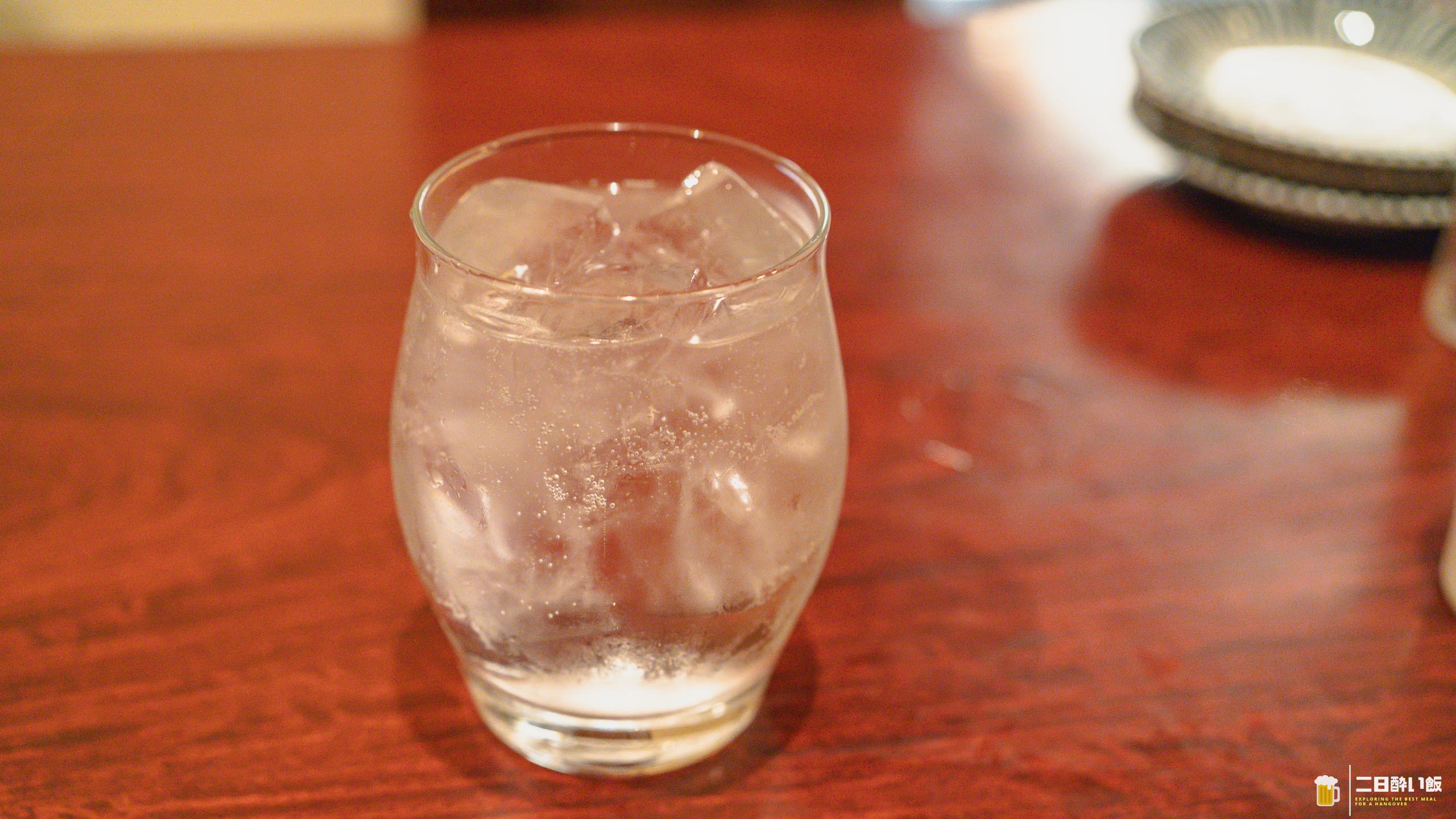
It is moist. The savor has not been concentrated yet, but on its own terms it is good, with the roe still popping slightly. Shochu, I think.
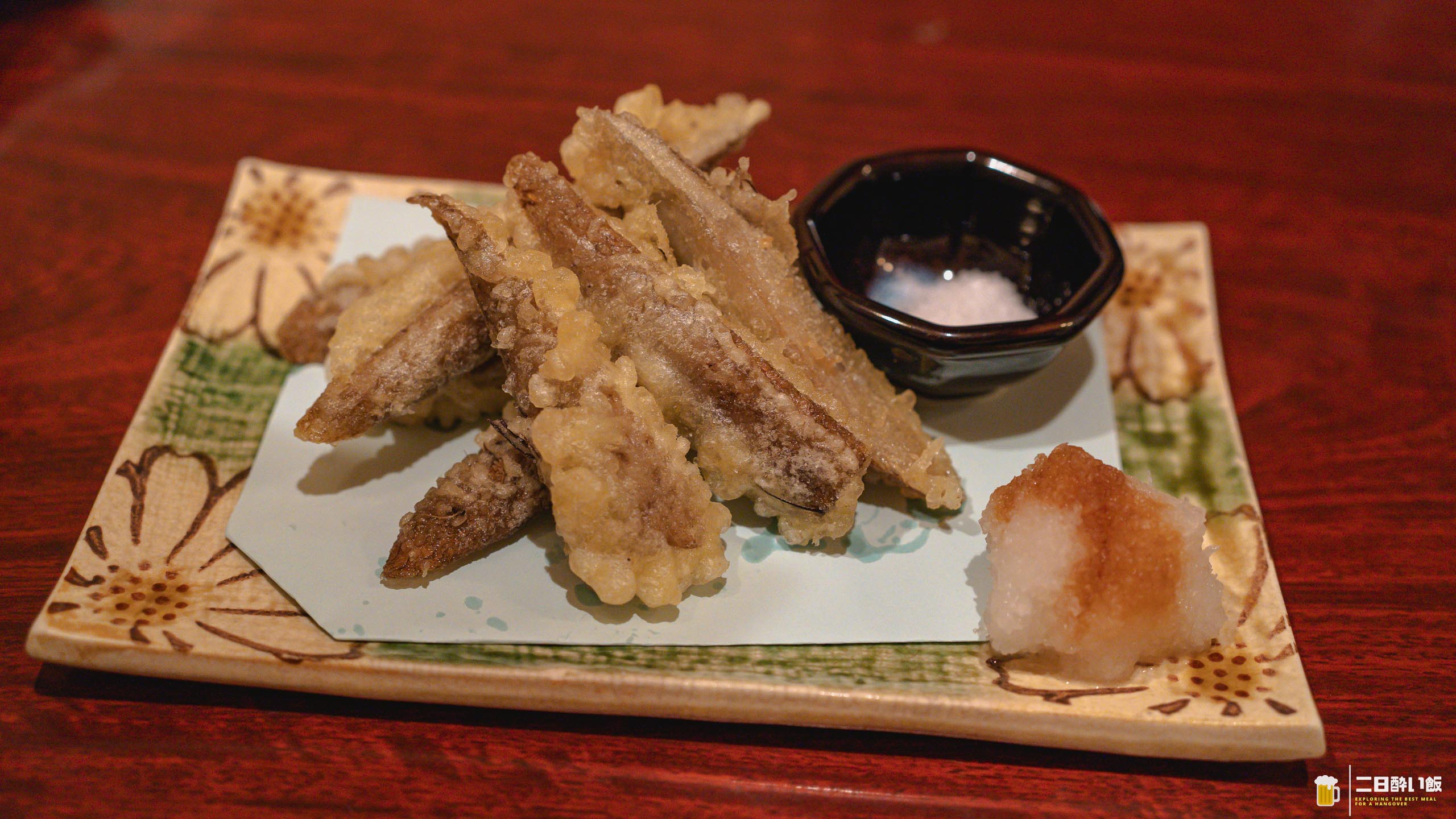
Burdock root tempura. You cannot leave this out. The sweet, floury flesh is irresistible.

There were enough of us that we ordered two.
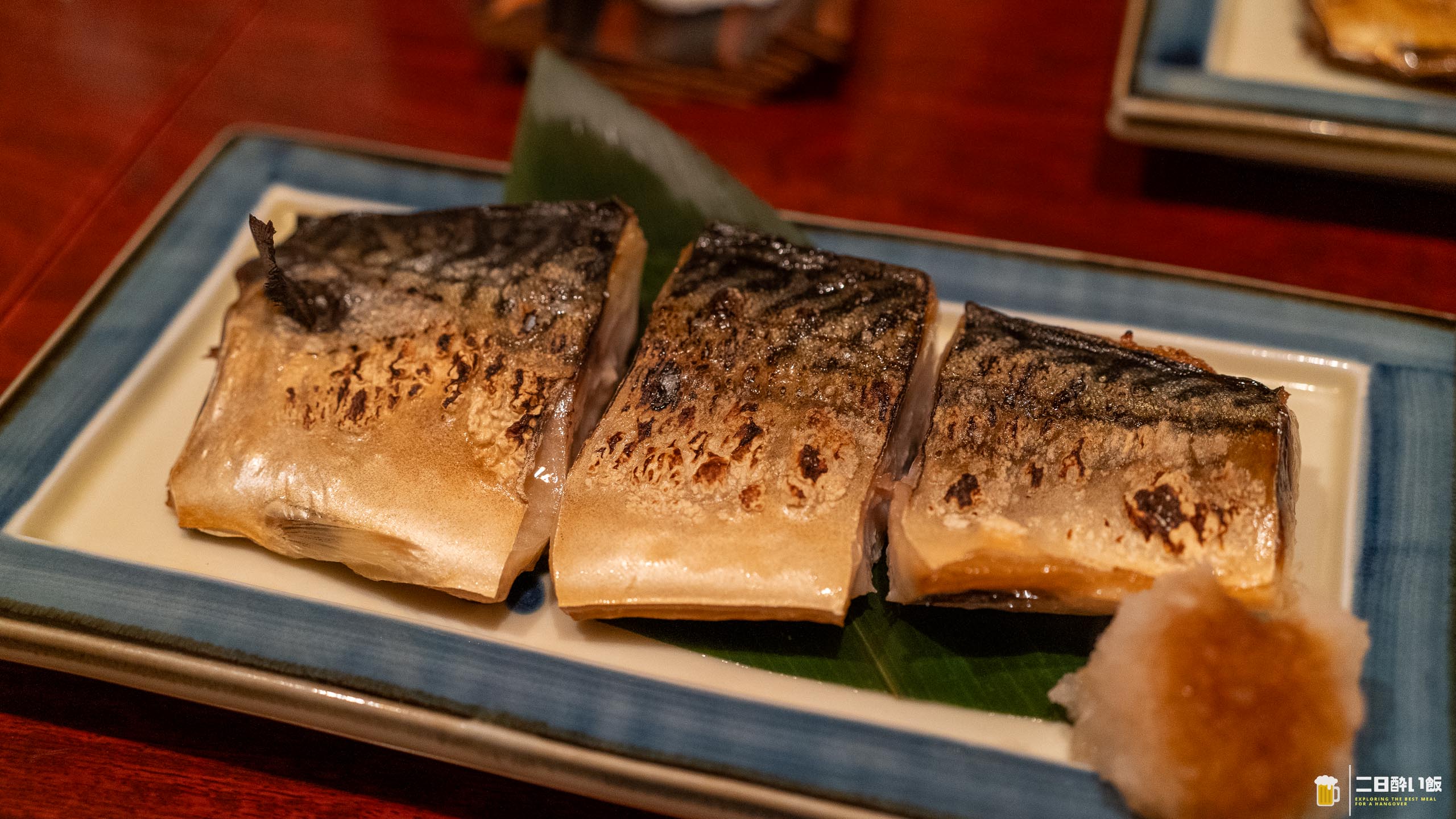
This salt-grilled mackerel is so rich in fat, so juicy, so good, that words fail.
Mackerel fresh enough to eat raw is transformed by grilling. Very good indeed. Salted and grilled, and that is all? The savor is unbelievable. Remarkable. You absolutely have to eat this.
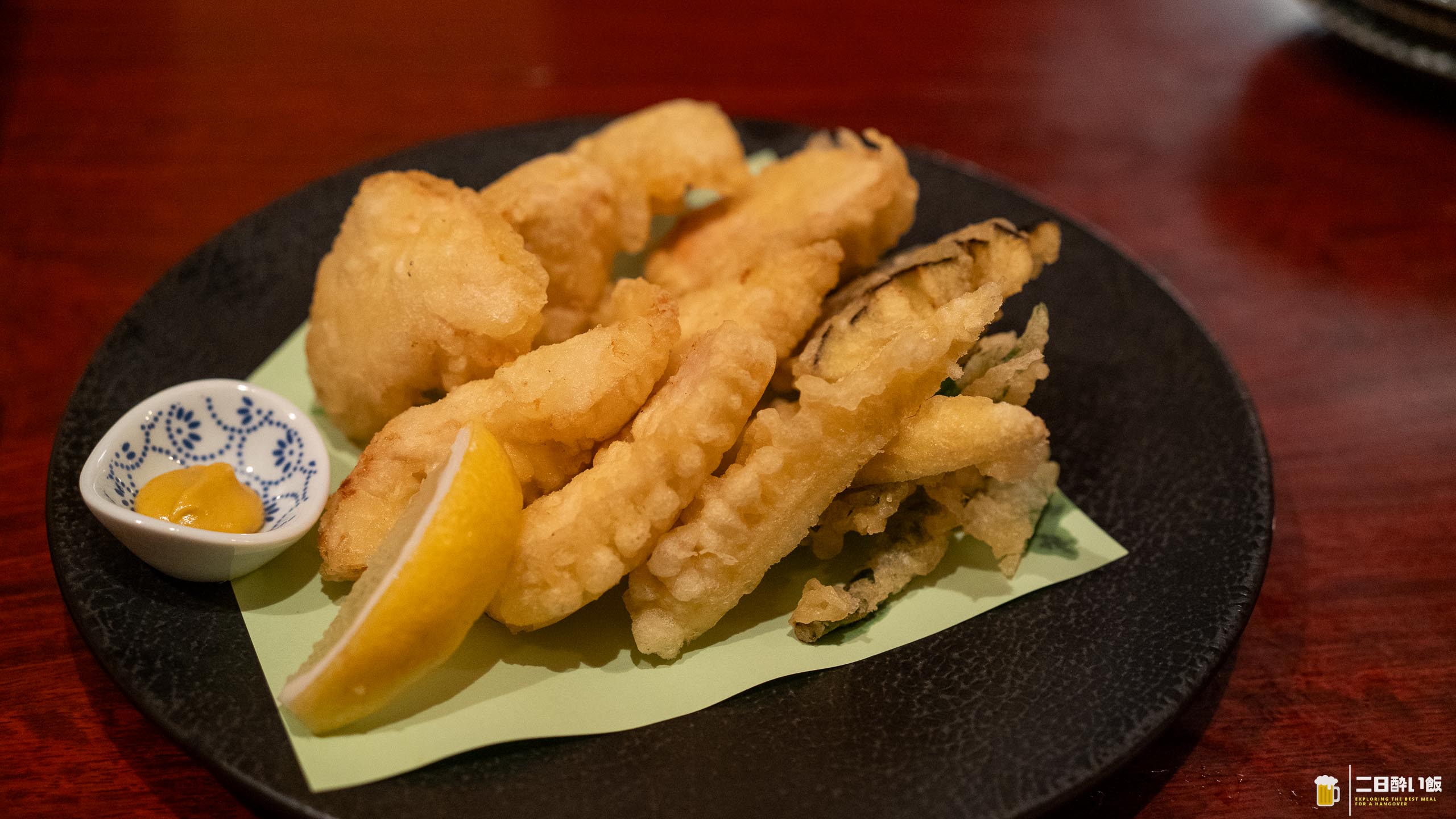
The coating looks thick, but it is clean and light. And above all the breast meat is juicy and very tender. How on earth do they prepare it? You do come across it now and again — breast meat that comes out fluffy.
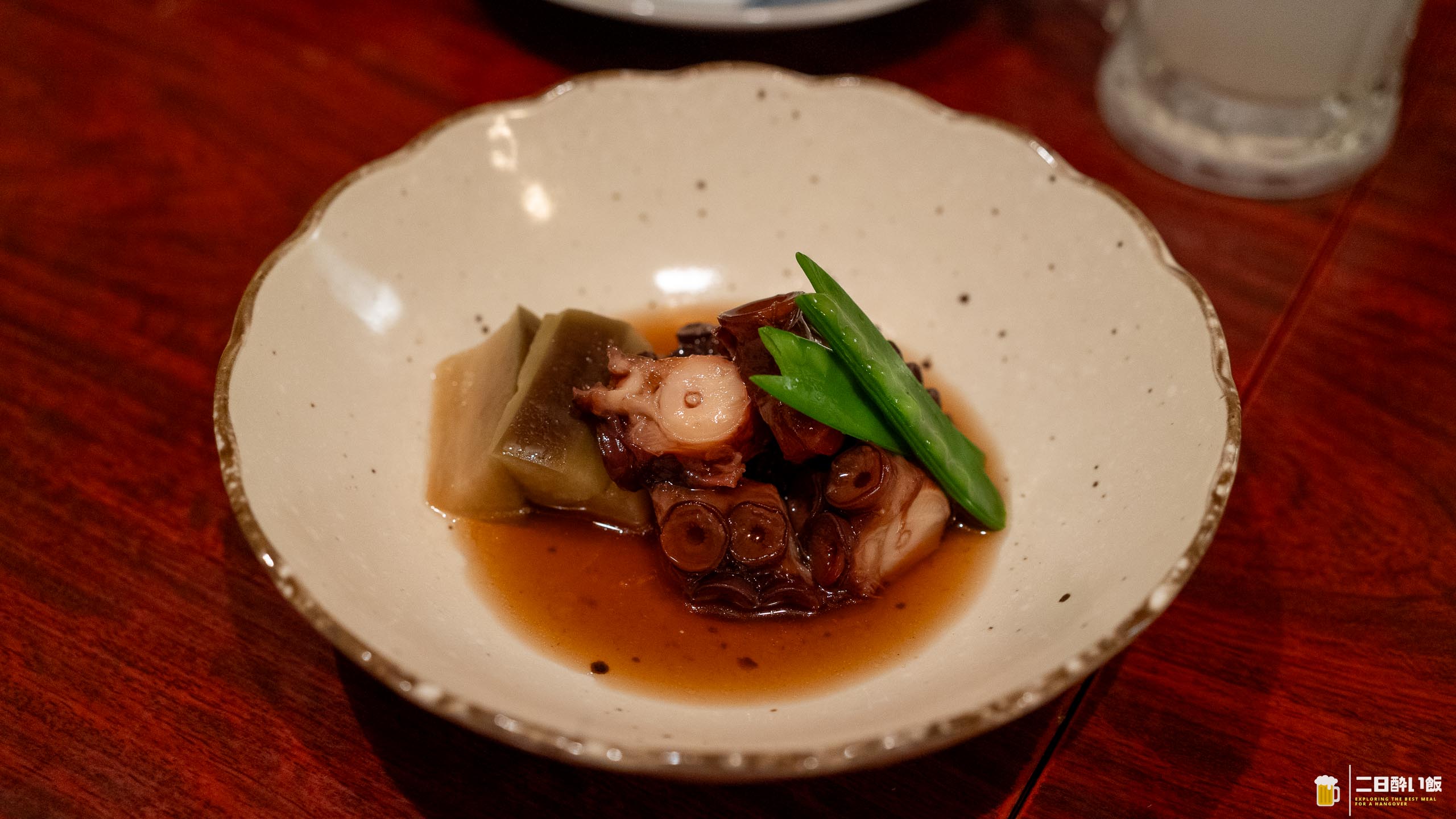
Octopus is expensive these days.
But the savor of octopus eaten near the sea is irresistible. Tender, and yet with a firm spring to it. It is simmered a little salty and sweet, full of flavor, and perfect alongside a drink. Very good.
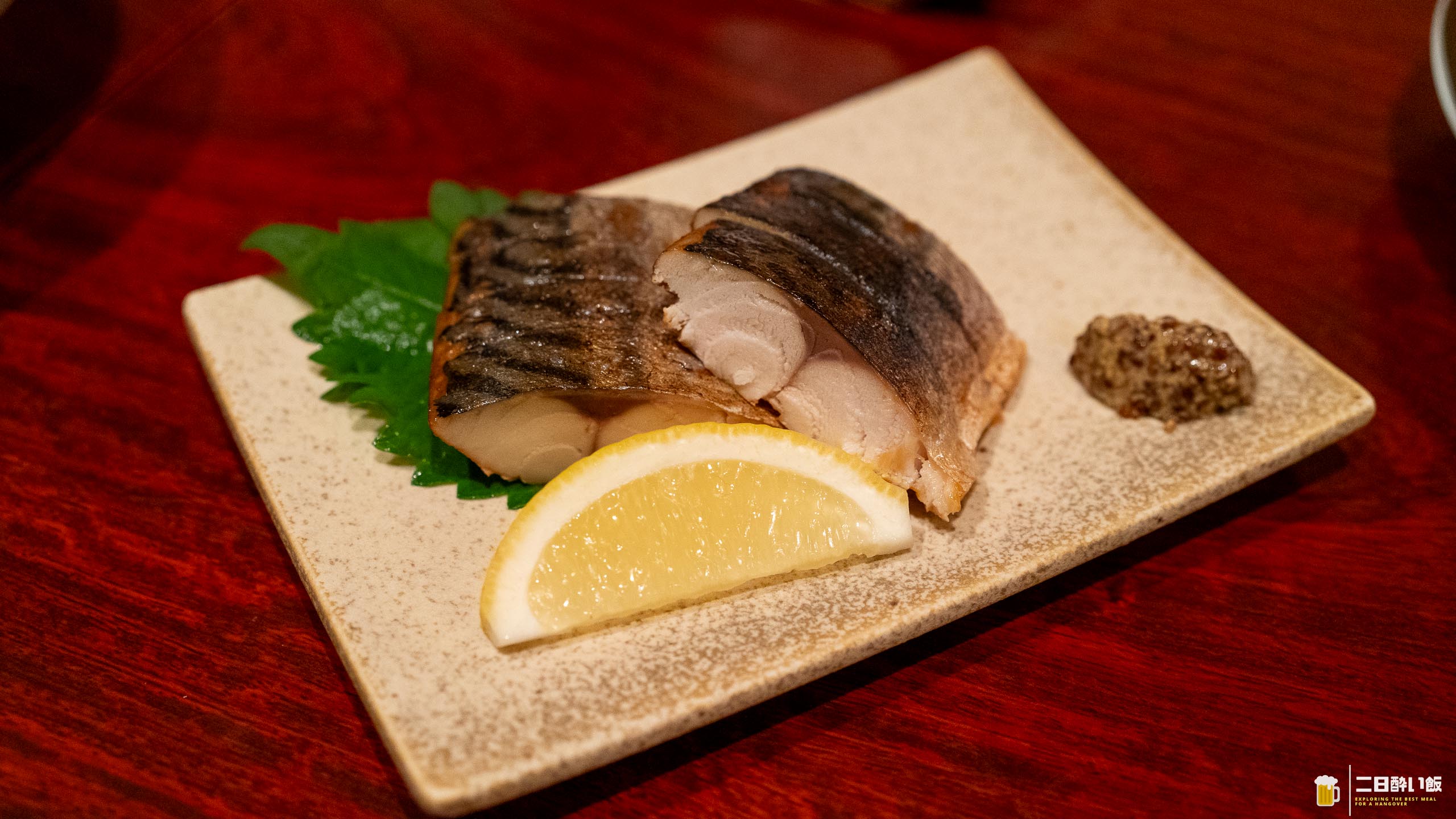
Smoked. Good smoked as well.
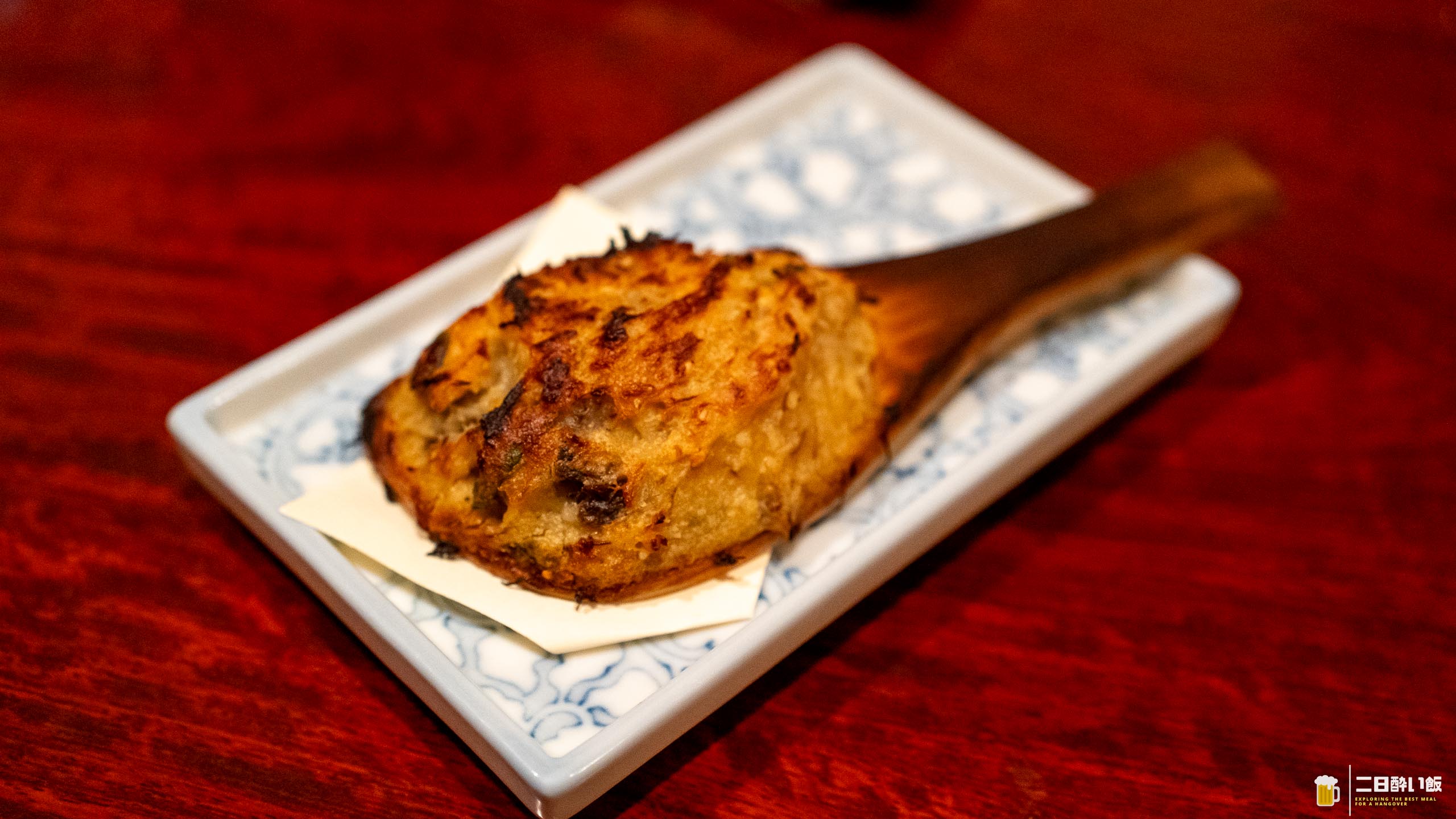
Miso with mackerel worked through it. The same thing as the grilled miso you get at a soba shop.
Purely something to drink with.
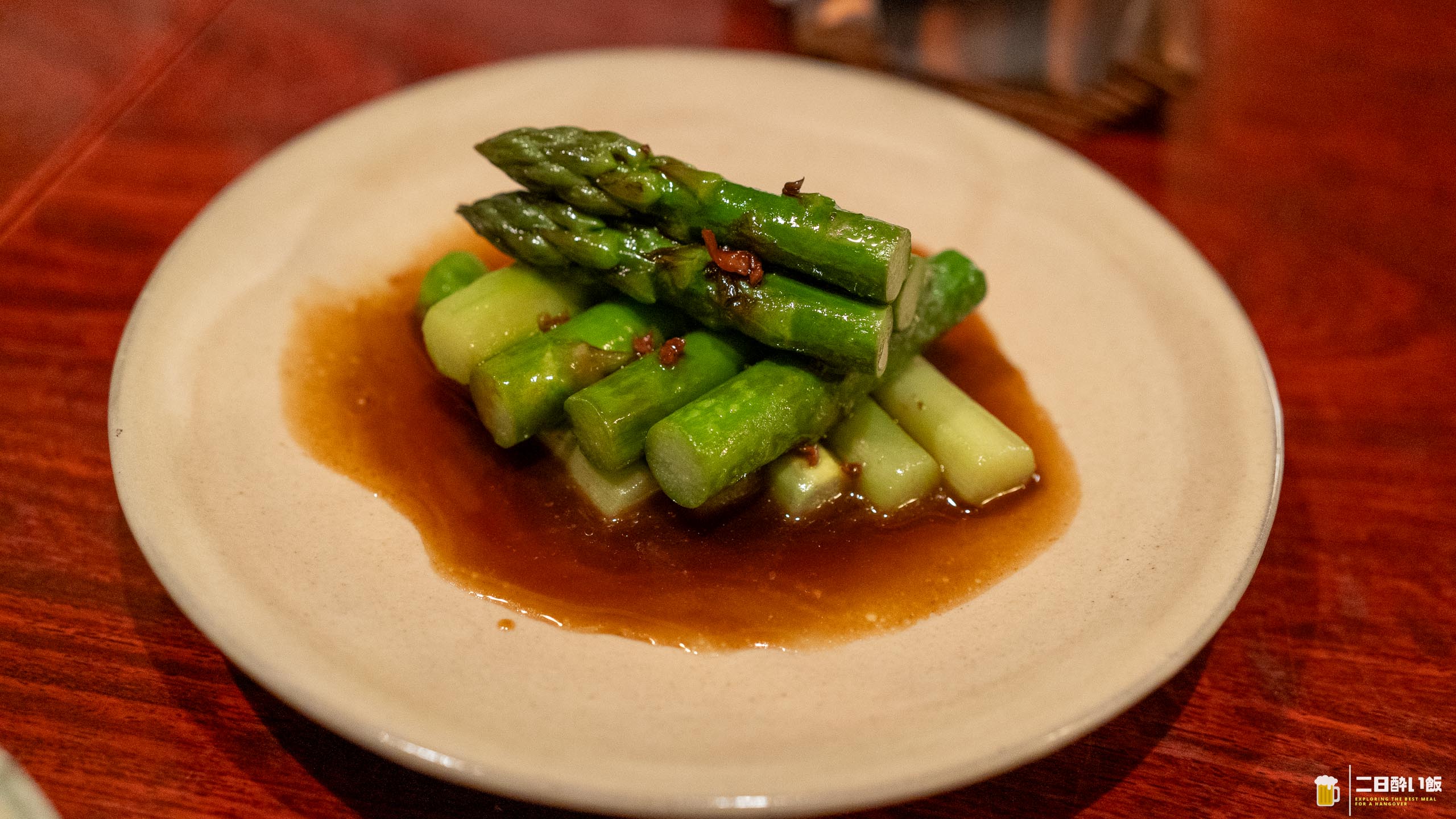
Eaten. Having a few people along really is good, because you get to eat a little of many things. Kiharu no Gomasaba ya gave us more than our fill. I think we ate every mackerel dish on the menu. The gomasaba and the raw sashimi were both good, but what came through clearly is that searing it makes it better again. The gomasaba is of course recommended, but do try the salt-grilled and the seared sashimi. They will surprise you.
Kiharu no Gomasaba ya (Izakaya / Tenjin Minami Station, Nishitetsu Fukuoka (Tenjin) Station, Nakasu Kawabata Station)
Tabelog dinner rating ★★★☆☆ 3.8
I ate here and paid for it myself. Nothing on this site is a comped meal.
One more for the road?


