


A note on the words: machi-chuka is Japan’s neighborhood Chinese diner, the everyday sort rather than the banquet restaurant. Char siu is Cantonese barbecued pork, traditionally dyed red at the edges; century egg is a duck egg cured until the white turns to dark jelly. Mapo tofu is tofu simmered with minced pork in chili-bean sauce, and the Sichuan version adds huajiao, the pepper whose heat is numbing rather than hot. Tsukemen is the ramen style where noodles arrive dry and you dip them into a concentrated sauce. Tokusei means the deluxe version of a dish. Yokohama Chinatown is the largest in Japan, a short walk from Ishikawacho Station. Prices are as of this writing (August 2026).
Table of Contents hide
Book a table at Tokki on AutoReserve (English)
This is Hangover Meshi! Right, dinner this time is in Yokohama Chinatown. I have eaten a good deal here already, so this time the plan was to find a machi-chuka, the sort of neighborhood place where you can eat quickly! And looking into it, what an interesting shop I found! It is called Tokki. It sits down a back lane, and pig trotter noodles are apparently what people come for. Pig trotter noodles… Trotters, then. Could such a thing really become popular? Off to the shop to find out. I rang to book just in case, but around six o’clock it was still perfectly empty and comfortable!
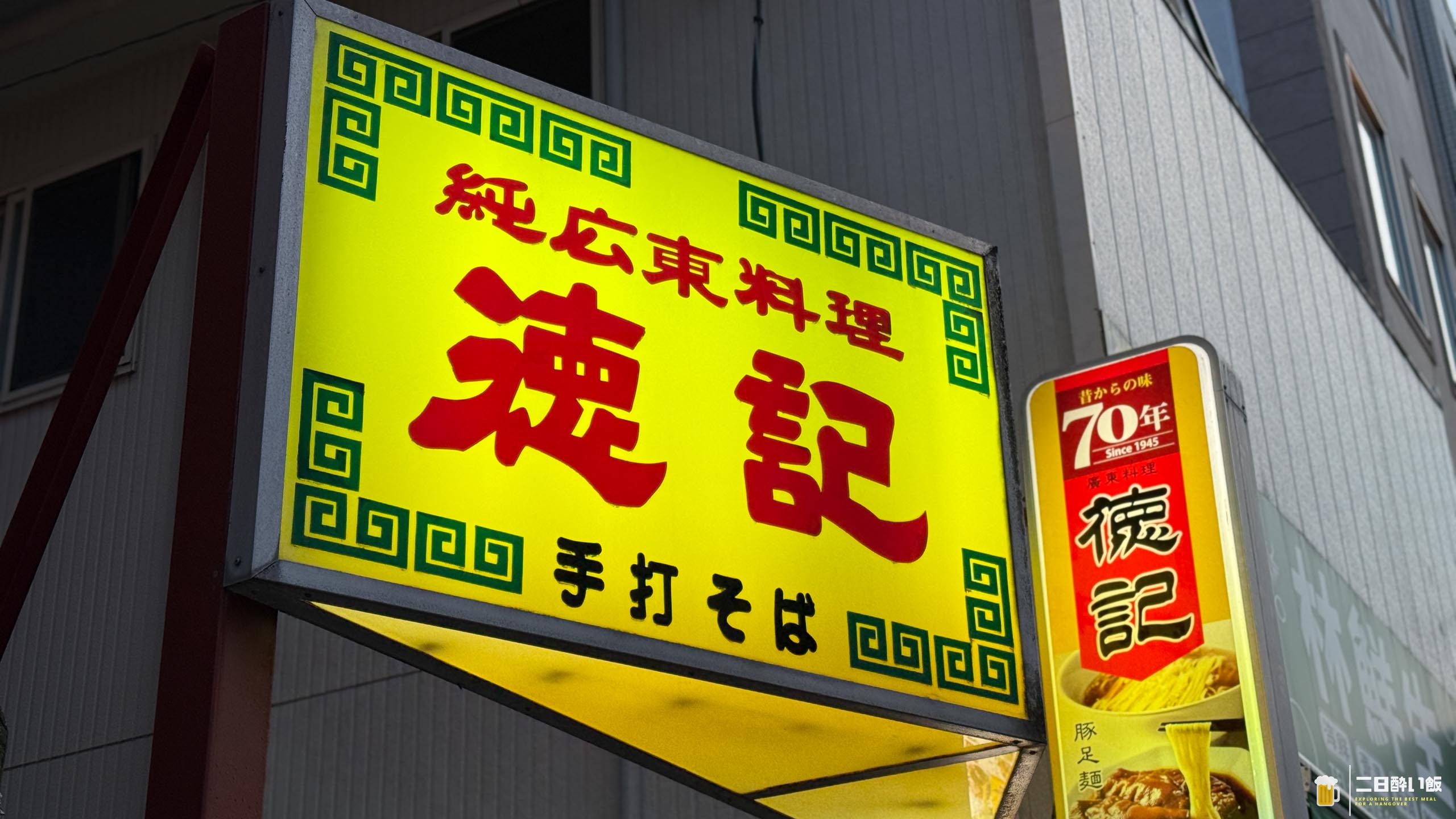
Since 1945 — the end of the war! — so seventy years, apparently. Pig trotter noodles that go back that far are worth a try lol
The menu is enormous, but eating only the pig trotter noodles would be a lonely business, so
the plan was to order a la carte as the fancy took me and finish at the pig trotter noodles. Off we go!
Right then.
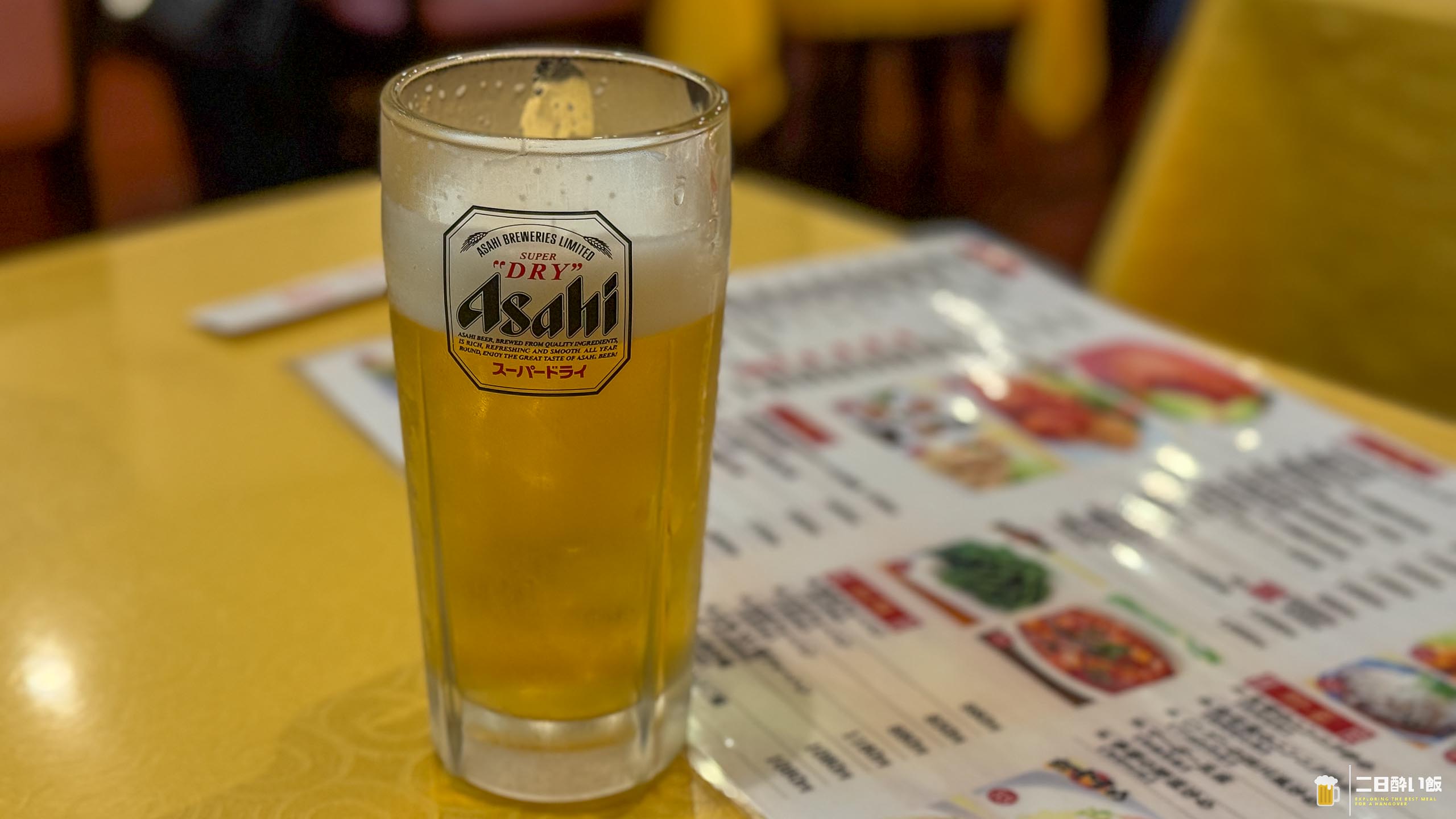
First, a mouthful of cold beer! It is slightly down because I took a sip before photographing it^^
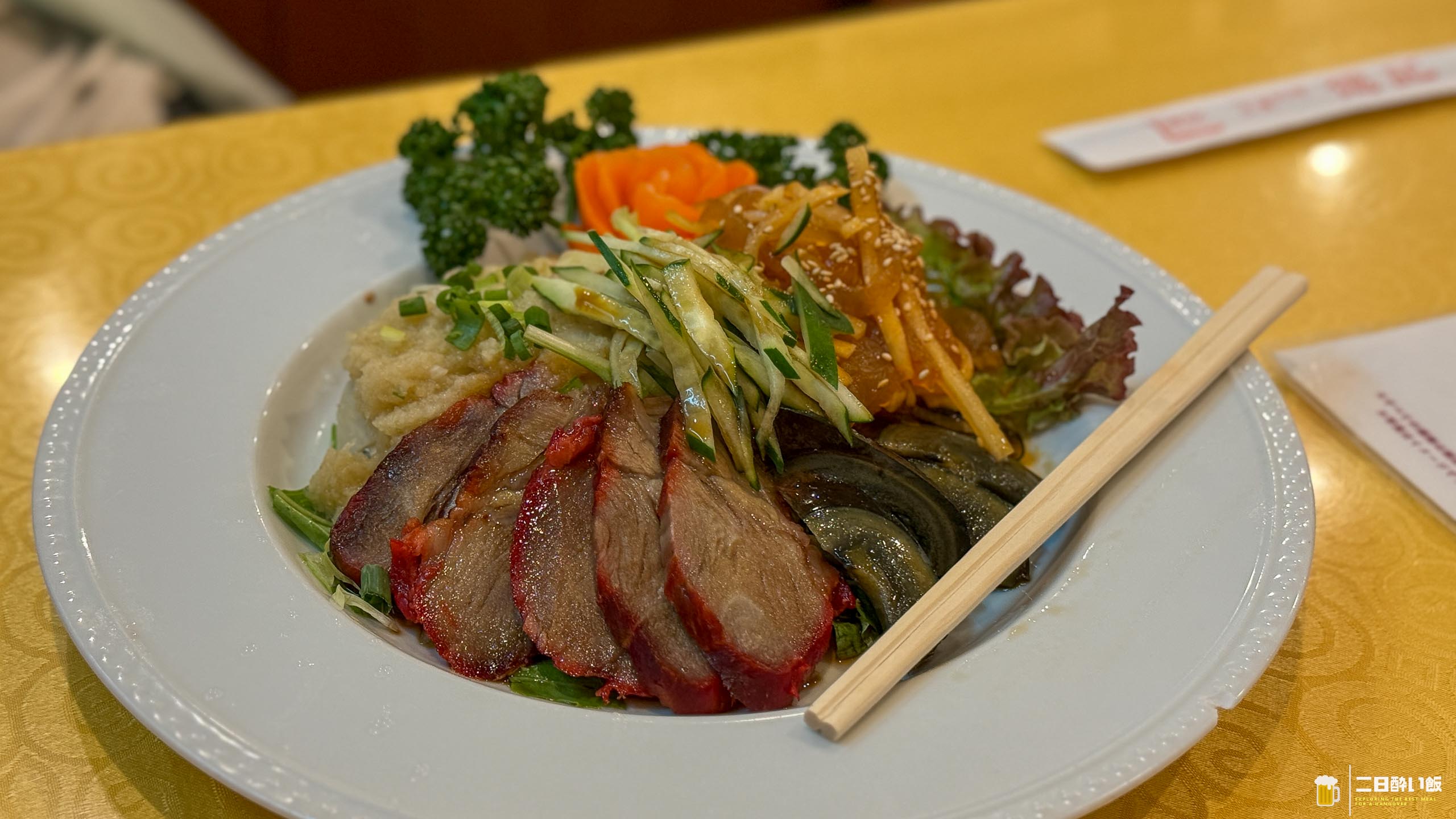
First, the cold appetizer assortment! This is what you put on the table to start with!
Old-fashioned Cantonese char siu dyed the traditional red, century egg, Cantonese steamed chicken and cold jellyfish.
And there is a fair amount of it — there were two of us that day, but this could be three or four portions. At 1,800 yen that is cheap!
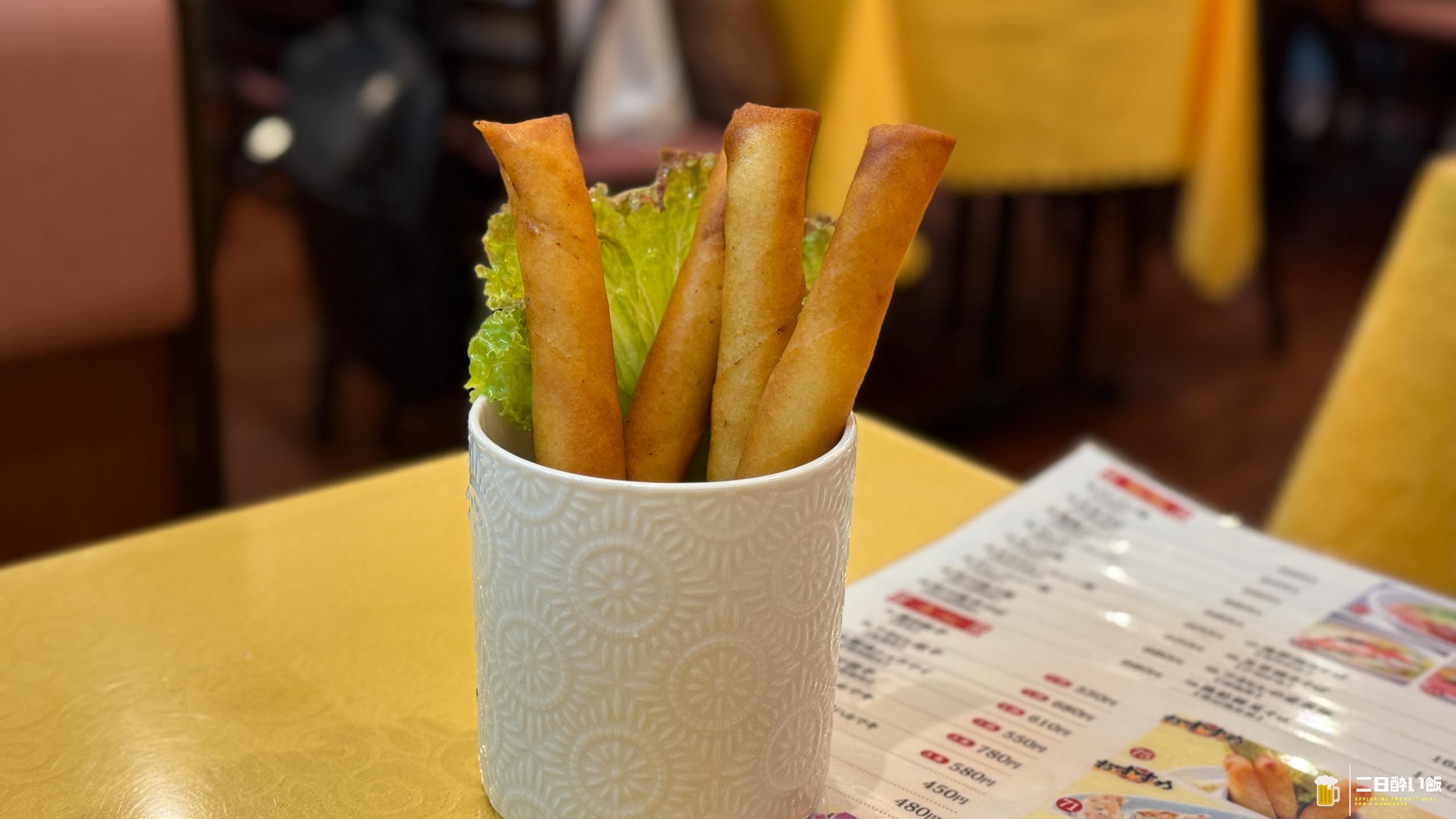
Spring rolls are good but awkward to make at home, so I often eat them out, and these are an interesting shape: thin and long, like sticks^^ Incidentally, the shrimp spring rolls are 780 yen for three, but since there were two of us they asked whether we would like one more, so we made it four. If they were going to be this long I might have halved the last one lol Ordinary spring rolls are hard to halve, which is the problem. And the important part, the taste: piping hot shrimp paste packed inside a crisp wrapper — good! The stick shape is easier to eat!
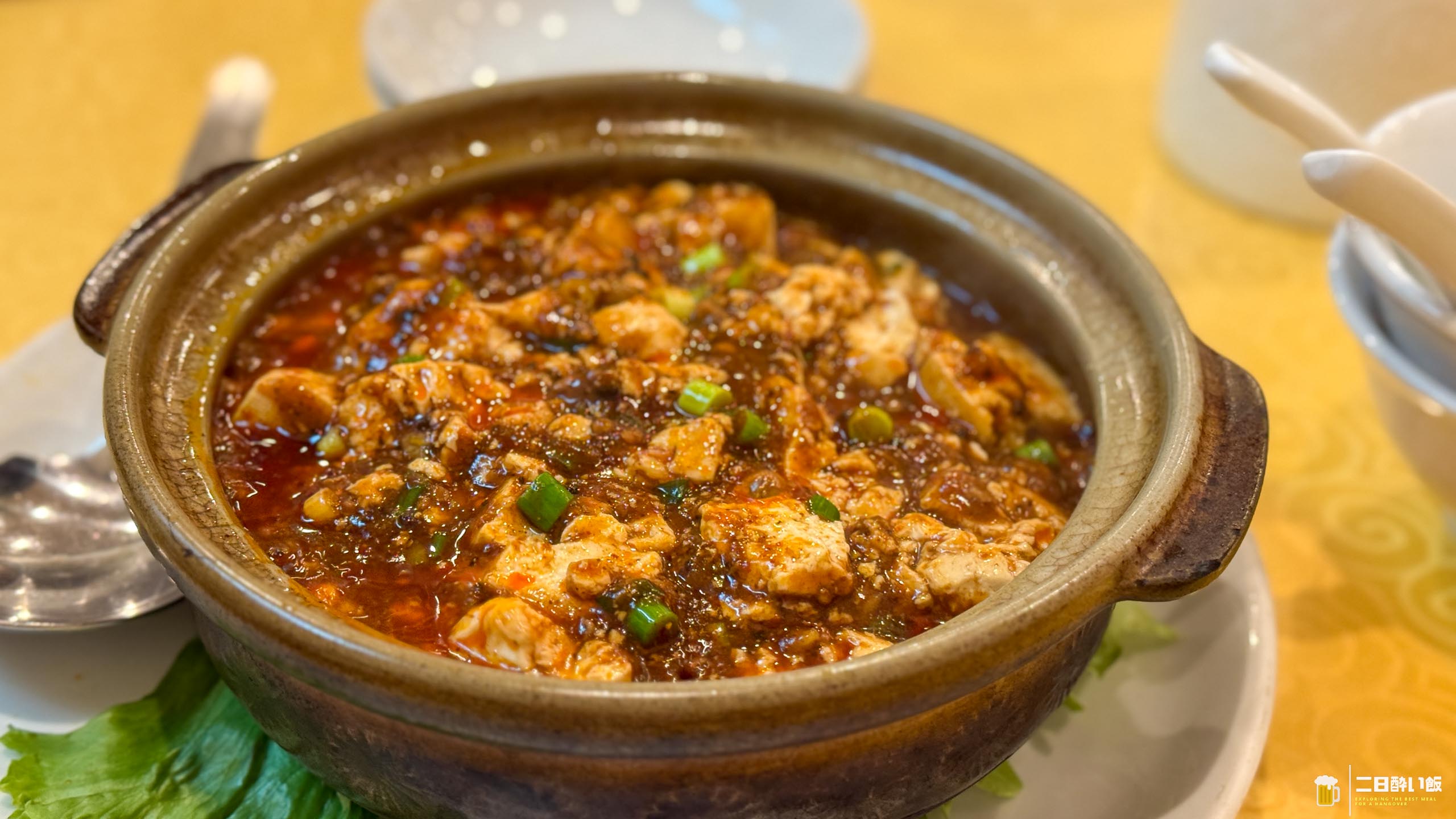
Sichuan-style mapo tofu. It is a Cantonese restaurant, but having a Sichuan-style mapo on the menu is a good thing.
The Sichuan style has that pleasant bite to it^^ One mouthful and the heat and the numbing are kept restrained. The scent of the spices is firmly there, so you can tell it is Sichuan style! Overall the sweetness stands out more, perhaps. A properly drawn Chinese stock, as you would expect. I thought it thoroughly good.
We had drunk a fair amount by the time we got here, so — shall we split the noodles between us? One portion it was.
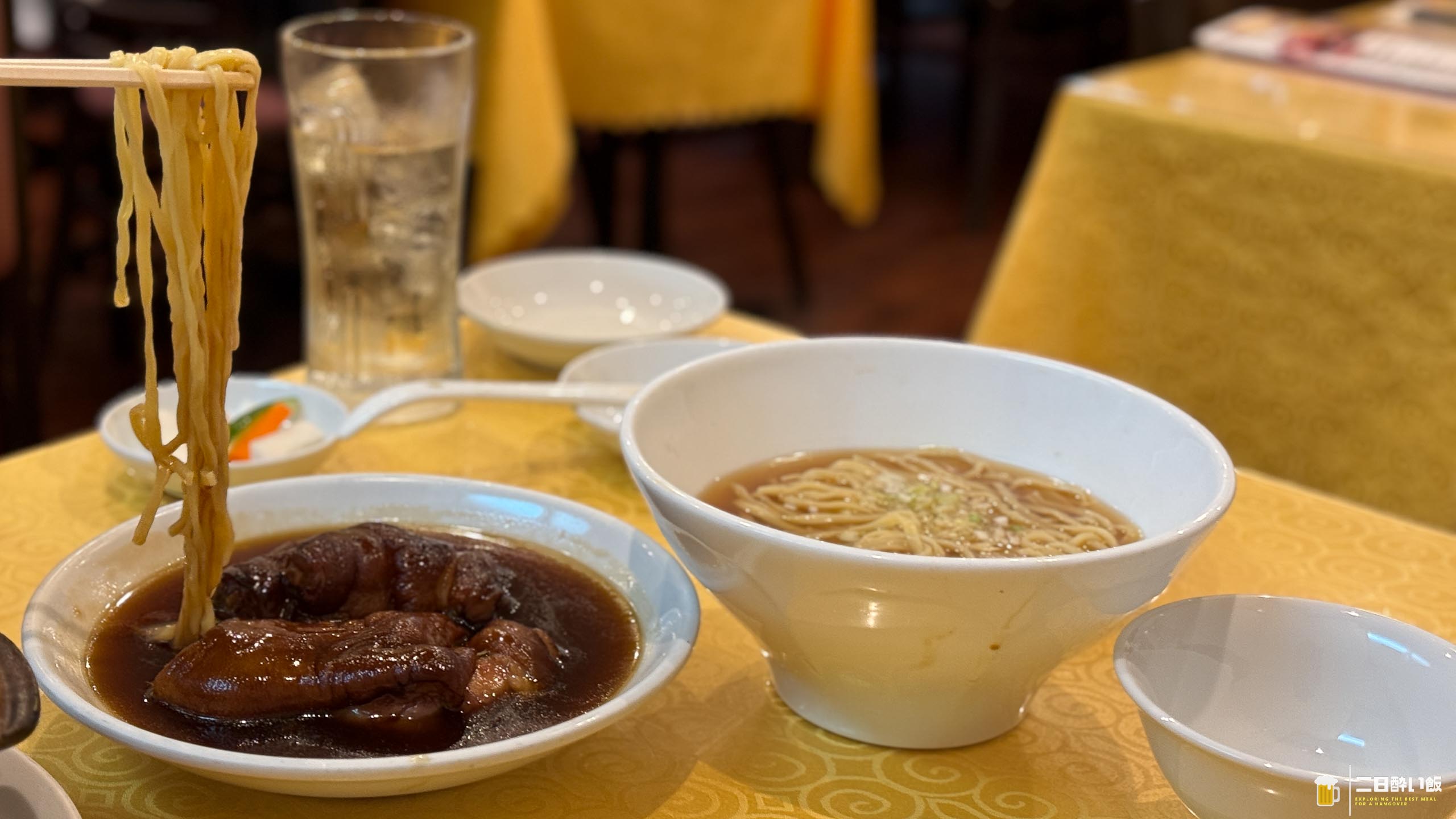
Pig trotter noodles lol
I see, so this is the shape of it. Interesting. Something like tsukemen, and yet not.
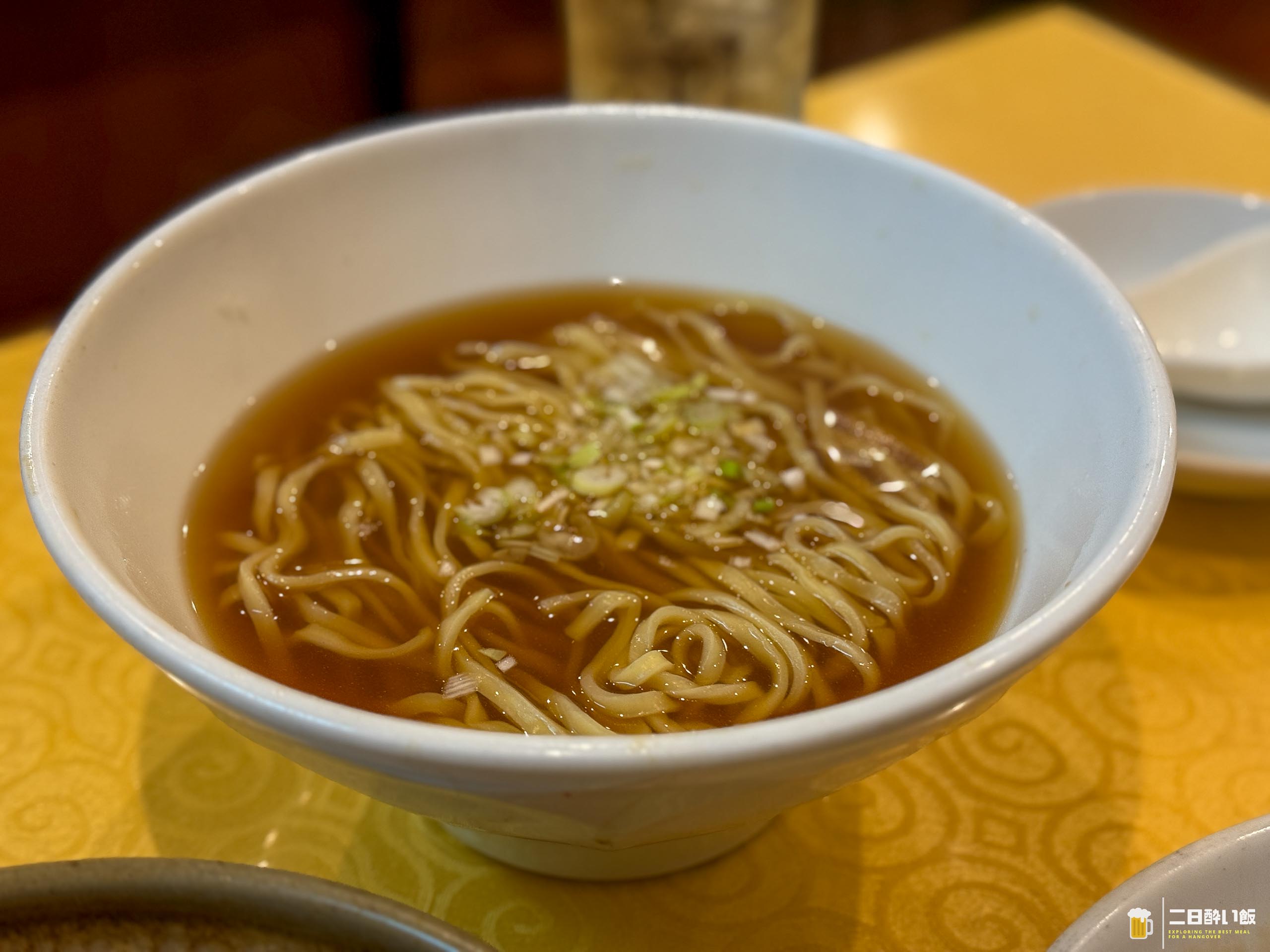
An ordinary ramen broth with thick straight noodles. Quite a hearty bowl.
On top, a small heap of chopped scallion.
And this, presumably, is the main event. The trotter lol
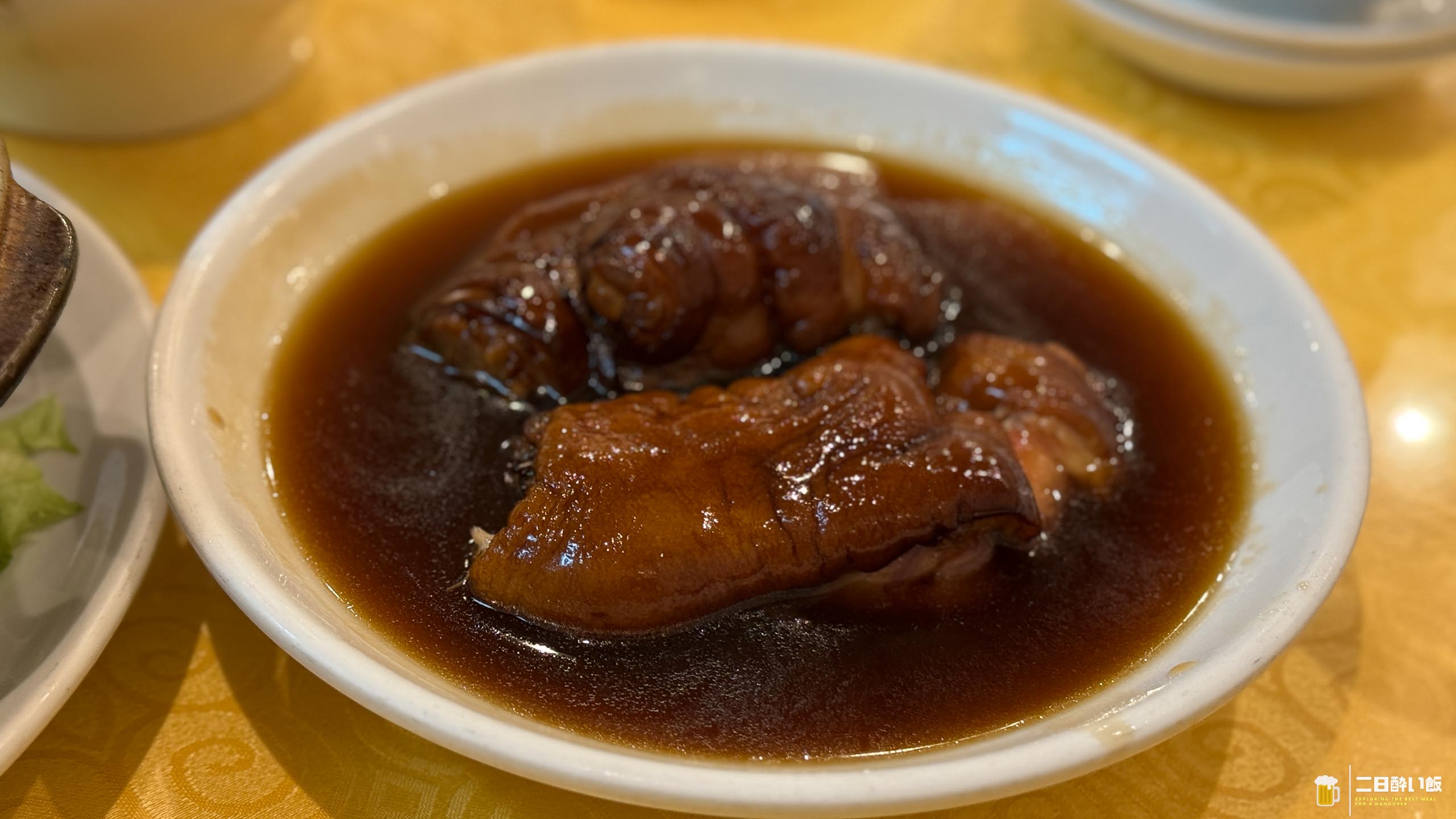
I do not eat trotters normally, so seeing one like this has an impact lol That appearance.
And it sits in a rich, slightly thickened sauce. I did wonder how one is meant to eat it. First I tried a little of the trotter on its own — yes, good. It looks how it looks, but this is a meltingly soft, collagen sort of food. The skin is wobbly and it has soaked up the strong sauce nicely. Delicious.
So, how to eat this, I thought — putting the whole lot straight into the bowl would surely make it too salty.
Which is presumably why it comes separately, so I tried it as you would tsukemen, dipping as I went.
Yes, that is about right. The noodles are properly thick, so dipping them in this slightly strong sauce works well.
I think I can see why it is popular. It is good!
So — this time, a machi-chuka for enjoying Yokohama Chinatown quickly! Say Chinatown and you picture the grand, glittering restaurants, but there must be plenty of neighborhood places like this too. It strikes me as a treasure house of good shops one does not know about, and though I do not often go to Yokohama, when I do I should like to try a range of them!
Tokki (Chinese / Ishikawacho Station, Motomachi-Chukagai Station, Nihon-odori Station)
Tabelog dinner rating ★★★☆☆ 3.6
I ate here and paid for it myself. Nothing on this site is a comped meal.
One more for the road?


