


A note on the words: gomoku means “five ingredients”, Japanese shorthand for a mixed filling or topping; chinjao rosu is the beef-and-pepper stir-fry Japan borrowed from China; jiang is a Chinese savoury paste or sauce; doubanjiang is the fermented broad-bean chilli paste behind Sichuan cooking, the Pixian version being the benchmark; mala is the numbing-spicy flavour that defines the region. Prices are as of this writing (August 2026).
Keirin on Tabelog (English) — opening hours, payment details and the Japanese address are kept up to date there, not here.
Drinkers, thank you for waiting. It is Hangover Meshi time.
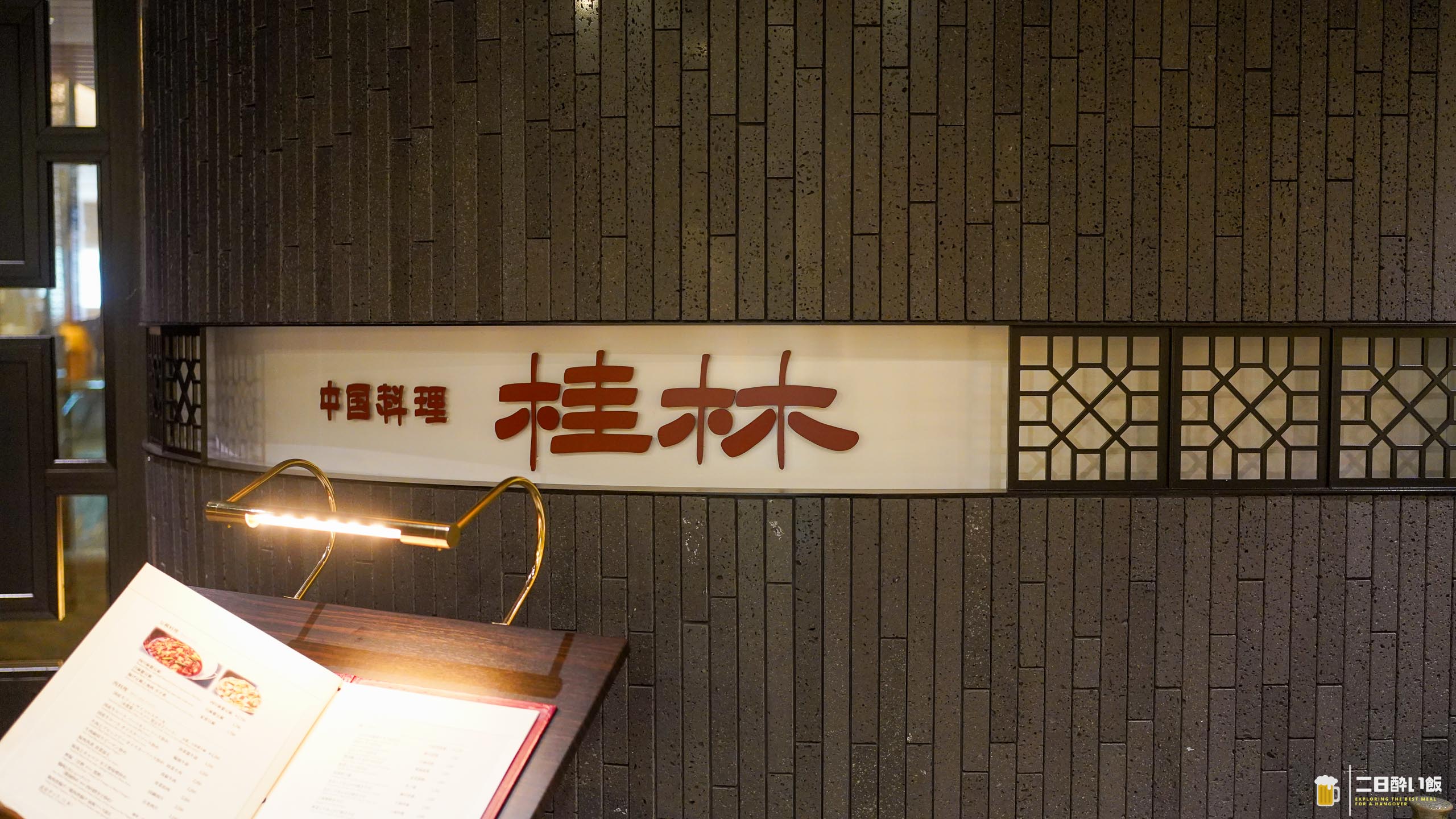
Ikebukuro is one of Tokyo’s great districts for hard-core, real-deal Chinese restaurants — but it also has proper high-end Chinese dining rooms. This time I had lunch at one of them: “Keirin” in the Hotel Metropolitan.
The interior is exactly the calm, upmarket Chinese dining room. The generously spaced seating is a pleasure.
They do lunch courses, but that felt like it might be a bit heavy… so we picked what we wanted a la carte instead! I did want jellyfish, after all.
Keirin at the Metropolitan has been here forever, and I felt sure I had been several times — but it is in fact a Sichuan restaurant. I had never once noticed.
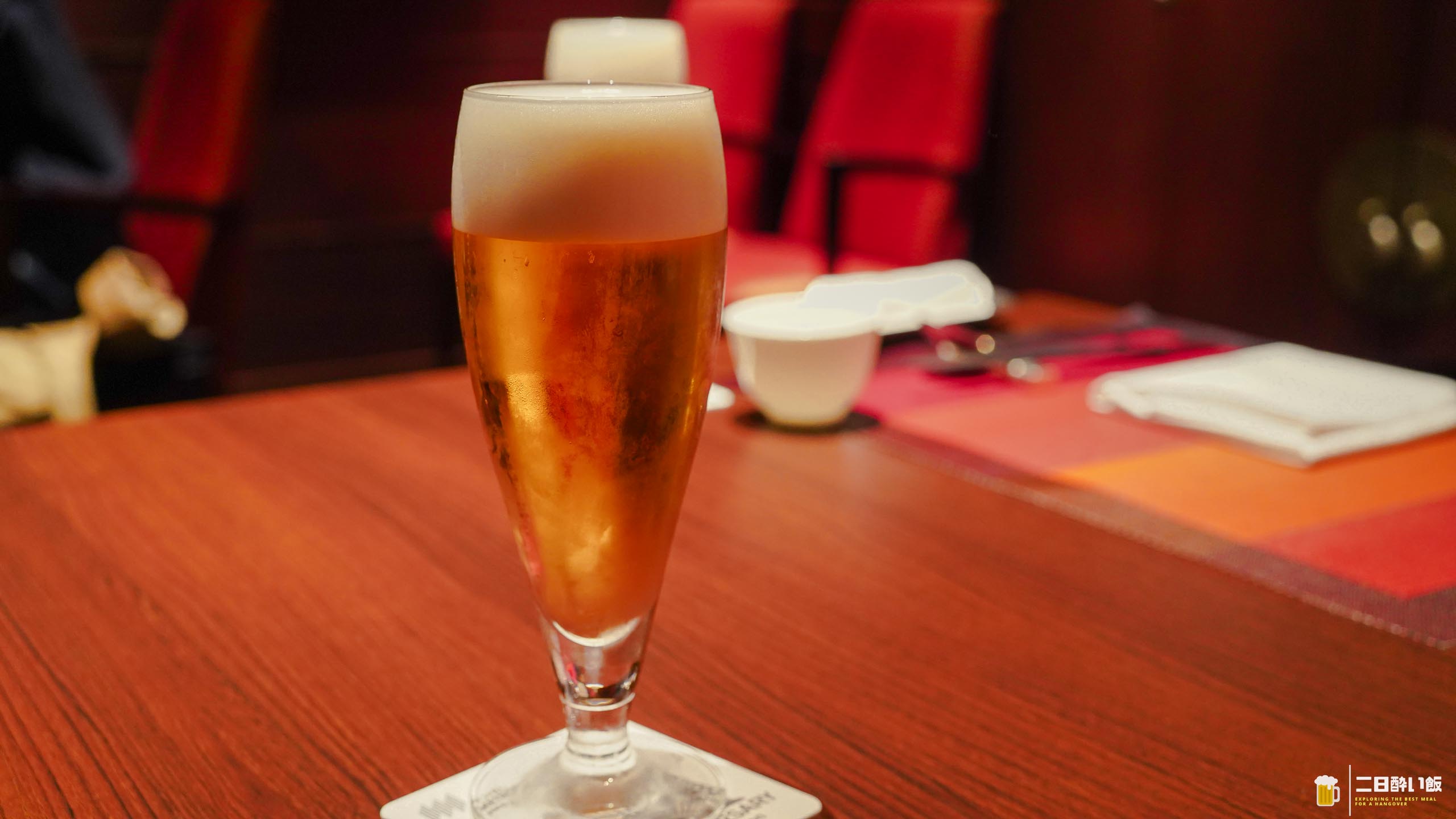
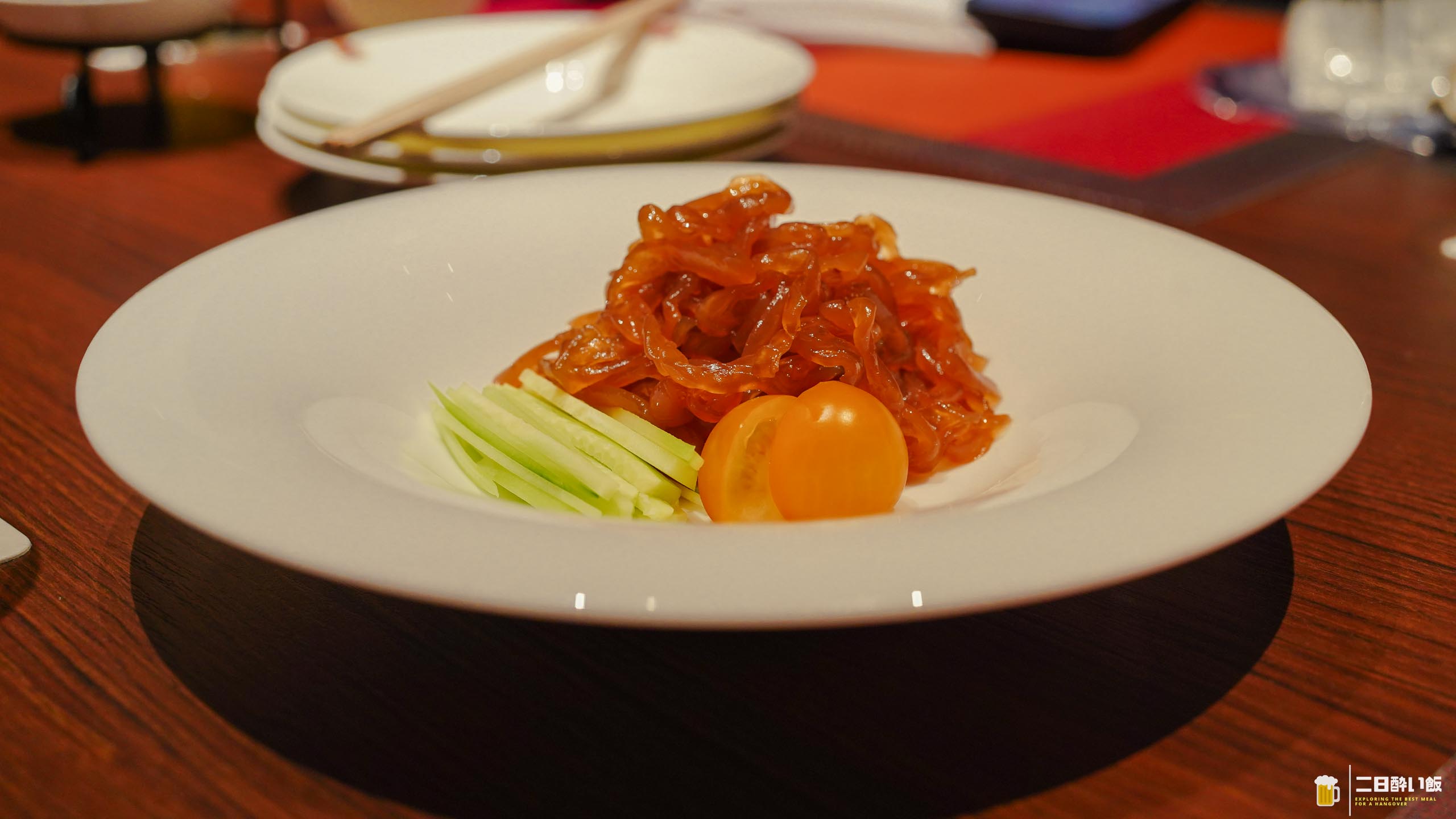
And so: the usual chilled jellyfish!
As you would expect from hotel Chinese, careful work is present even in the starters!
One bite and the difference is obvious. The balance of crispness and spring is exquisite — neither the limp kind nor the relentlessly crunchy kind, but a refined texture that never over-asserts itself from first bite to last.
And although this is primarily a Sichuan restaurant, there is no heat or numbing at all — a gentle rendering, which I like!
A chilled jellyfish that turns out to be spicy is a nasty surprise! Keeping the things nobody expects to be hot properly standard, so anyone can eat them, is admirable. The dressing is the orthodox build — sweet-sour on a soy and black vinegar base with the fragrance of sesame oil — the subtractive aesthetic of hotel Chinese.

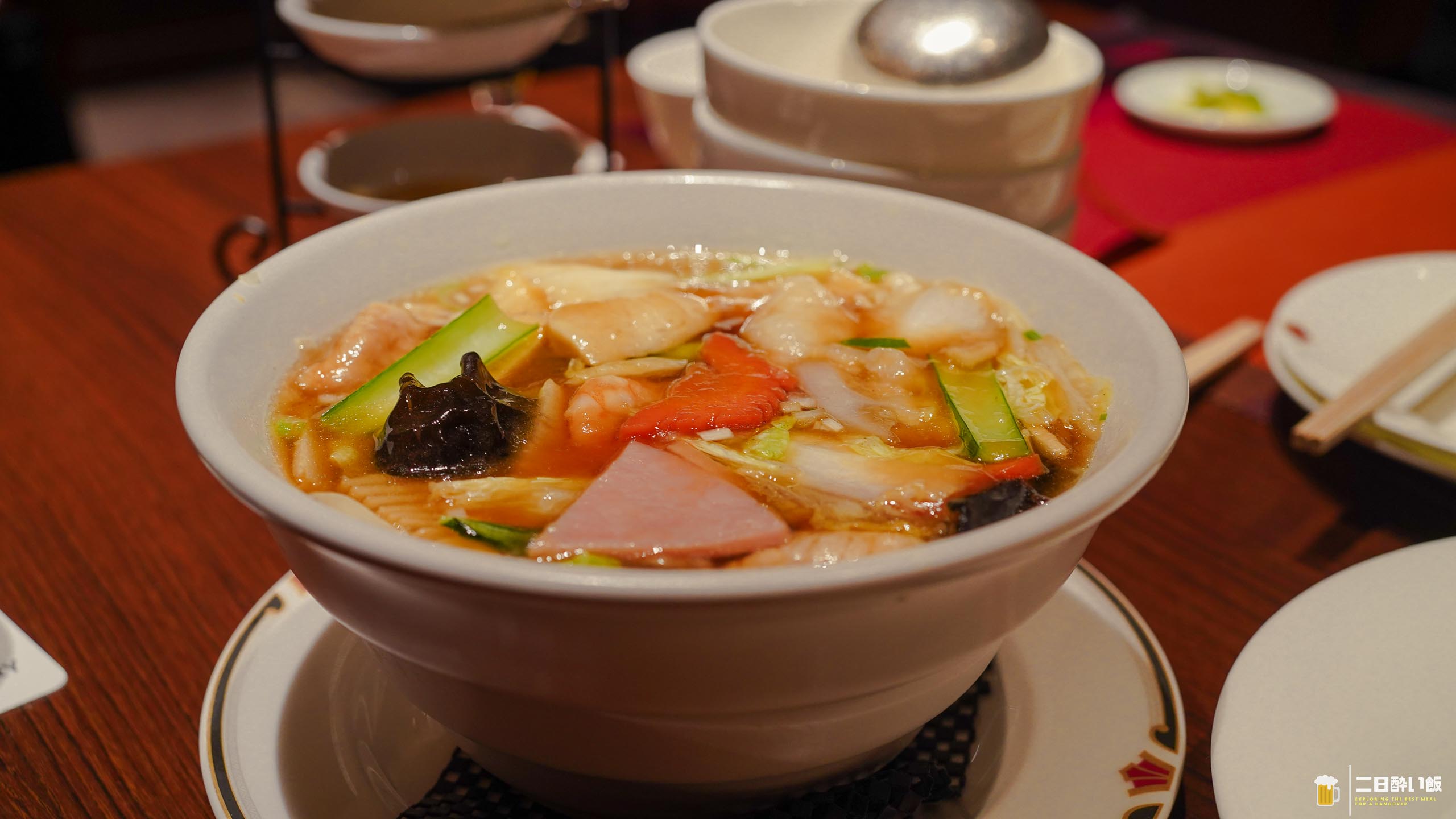
Chinese noodles in a clear superior-stock broth with five kinds of topping: the royal road of chuka soba.
What impresses above all is the broth. A clear shangtang superior stock built carefully on chicken bones — the first sip tells you what hotel Chinese is worth! It really is delicious, this broth. The salt is restrained, yet there is deep body and savour underneath, and every mouthful seeps kindly through you.
Drink this after a hangover and you would certainly be resurrected!
The noodles are on the thin side and carry that fine broth up beautifully. The toppings are each prepared separately, of course: the prawns snap, the greens stay crisp, the shiitake bursts. This kind of detailed work is what hotel Chinese is for!
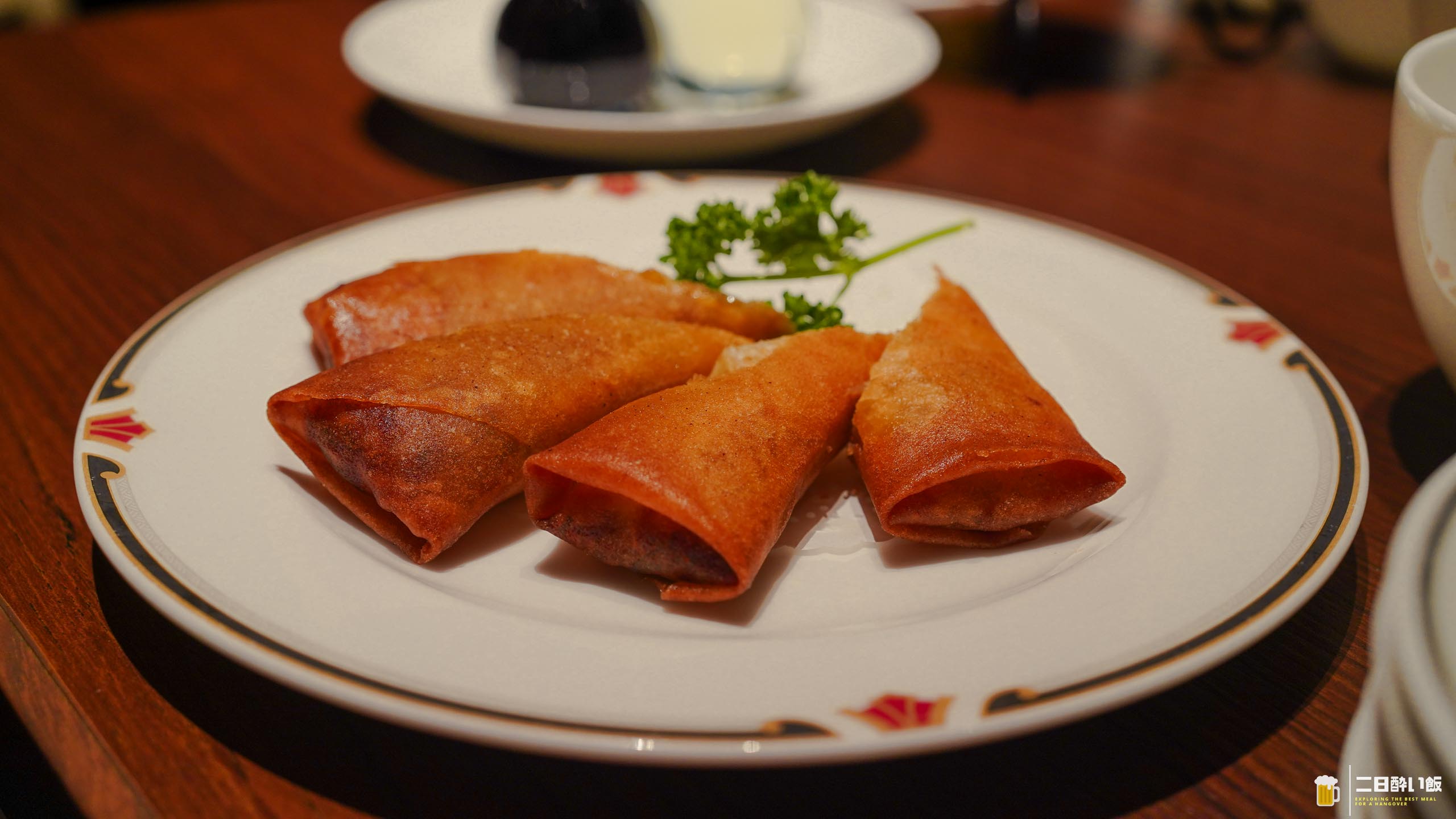
Wanting a little more, I chose the gomoku spring roll. Not something I can make well at home! The thinness of the outer wrapper and the frying are on another level. Layer upon layer of pastry collapsing audibly and lightly. Not the slightest oiliness on the bite — that crackle is superb!
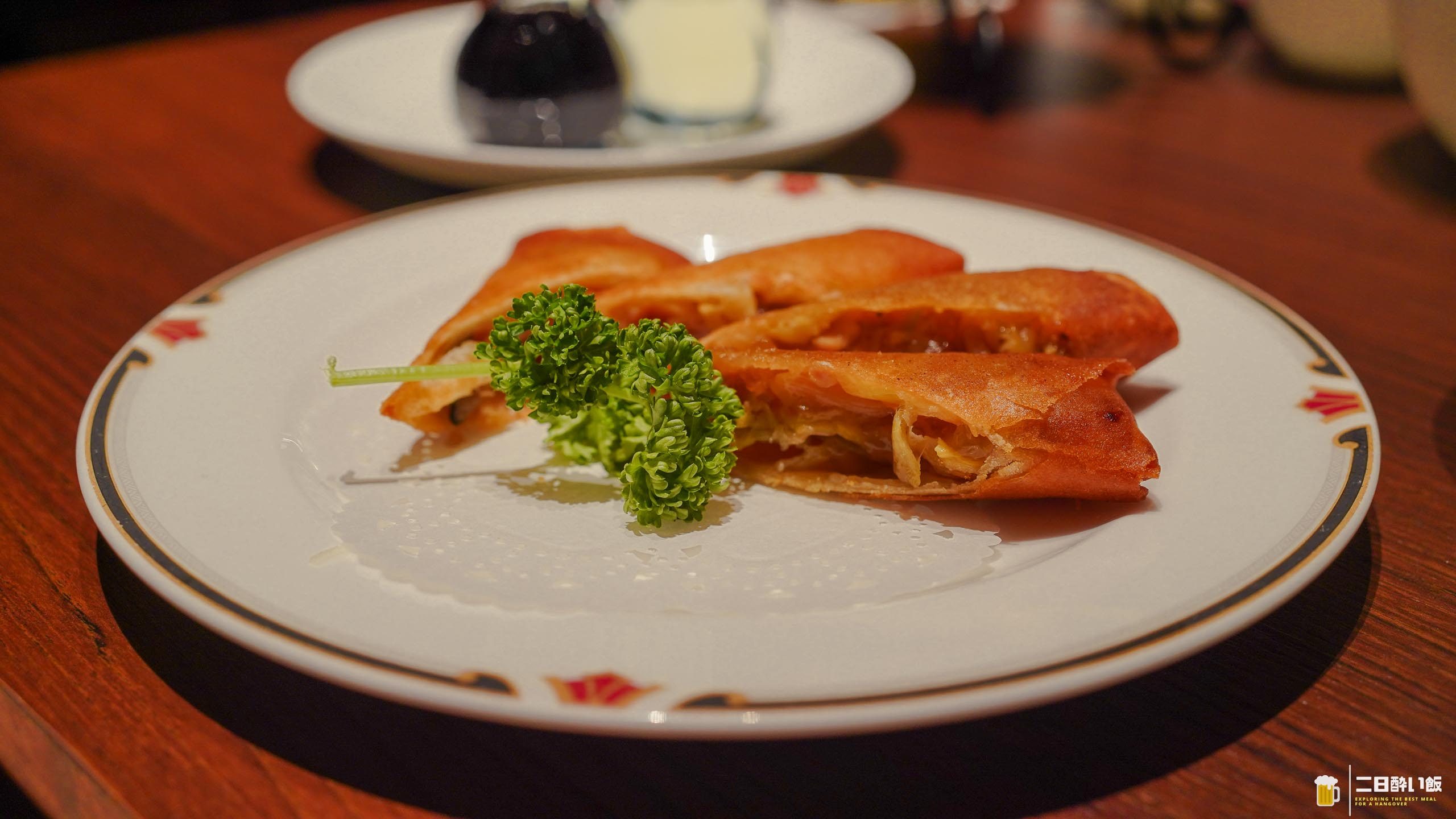
The filling is packed with pork, shiitake, bamboo shoot and glass noodles, each keeping its own texture. Pork savour as the base, the fragrance of shiitake, the crisp bite of bamboo shoot, and the slippery spring of glass noodles that have drunk up good broth.
A very gentle filling. Kind to the stomach, too!

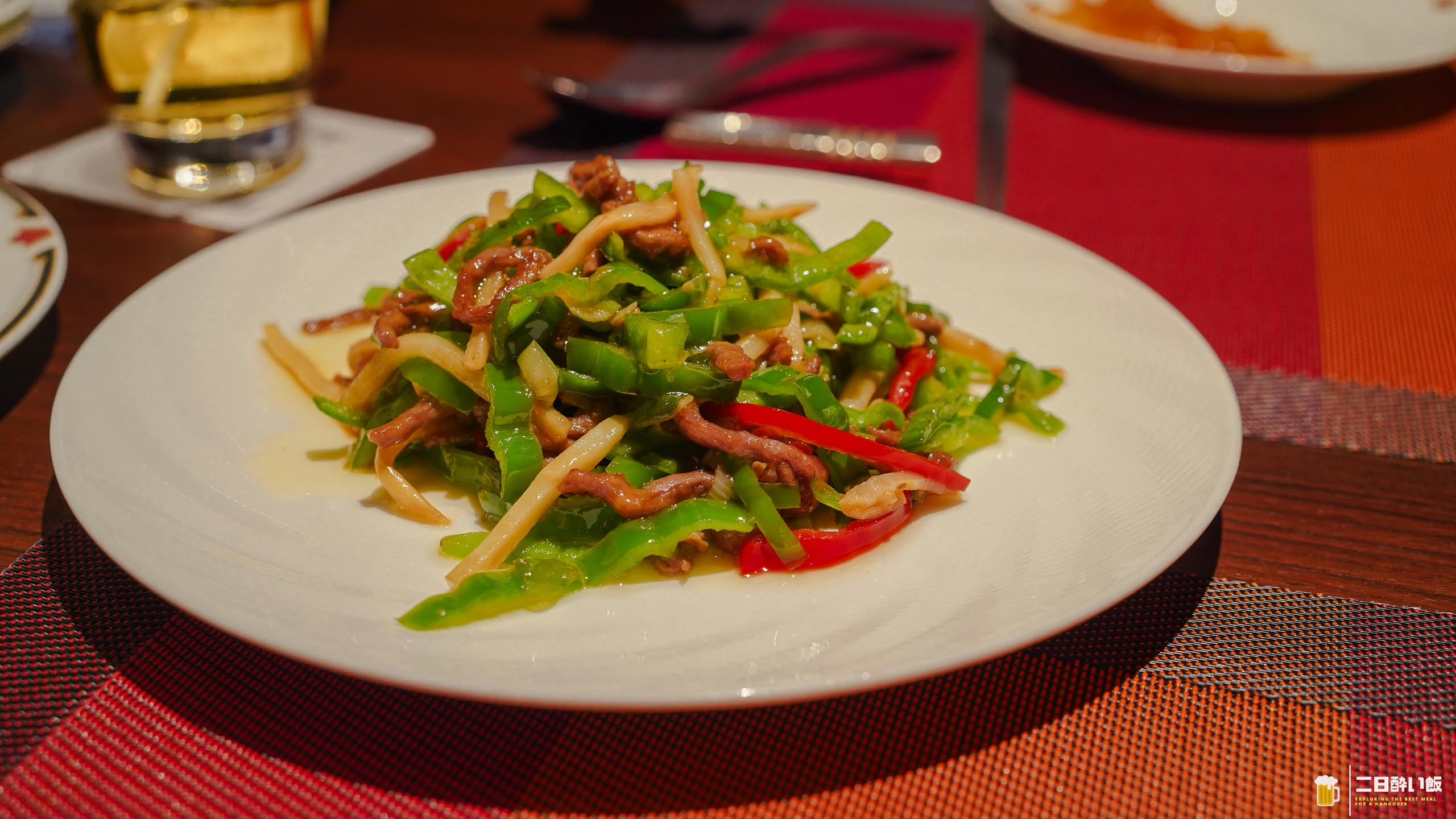
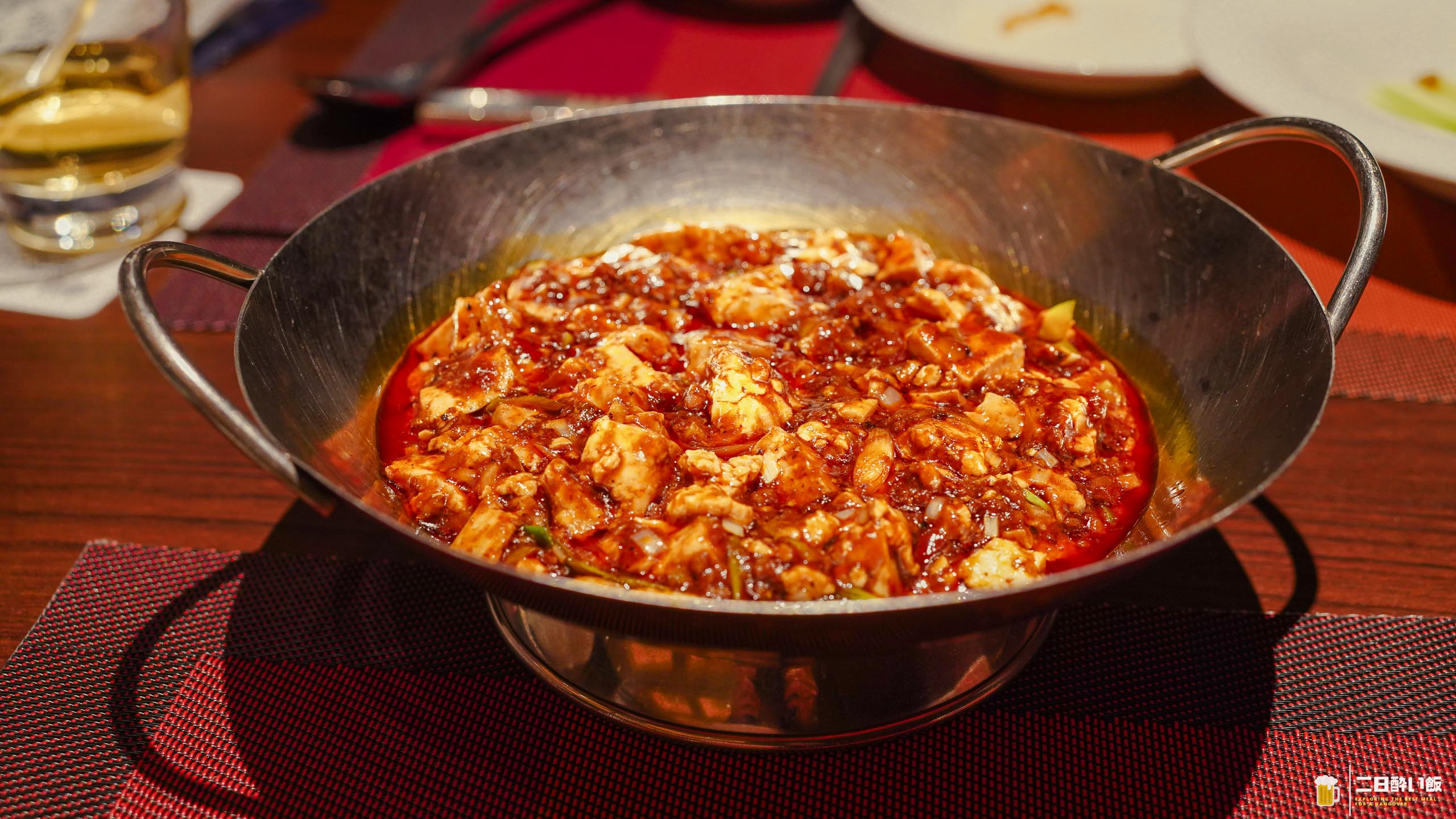
And to finish — being in a Sichuan restaurant, one cannot skip the Sichuan mapo tofu!
Keirin’s concept is “a return to Sichuan”. A house that flies the mala flag and declares “this is Sichuan” differs from the first glance: a properly thickened vermilion sauce dotted with sichuan peppercorns, and you think, “Ah — so it really is a Sichuan restaurant!”
The bright fragrance of sichuan pepper rises first, then the deep fermented body of Pixian doubanjiang and the savour of minced pork, and finally the numbing and the heat arrive slowly behind. The tofu, thoroughly cloaked in that sauce, is lovely. The Sichuan character is unmistakable, yet the heat is very mild and gentle.
This would be good for a hangover too!
Ikebukuro has its fiercely competitive real-deal Chinese district — but it is worth knowing that a hotel Chinese restaurant sits quietly nearby, offering a different world line entirely from all that noise! From the chilled jellyfish through the gomoku soup noodles and spring roll to the Sichuan mapo tofu, none of it attacks with heat; it competes on the body of the superior stock and the savour of the ingredients. Kind to the stomach, and quietly nourishing! Ikebukuro really does contain multitudes^^
May you meet something good to eat today too.
Keirin (Chinese / Ikebukuro Station, Mejiro Station, Kanamecho Station)
Tabelog lunch rating ★★★☆☆ 3.7
I ate here and paid for it myself. Nothing on this site is a comped meal.
One more for the road?


