


A note on the words: anago is saltwater conger eel, milder than freshwater unagi. Shuto is a pungent relish made from salted, fermented fish innards. Shirayaki refers to eel grilled plain without sauce, and tsume is a thick, sweet soy glaze. Kosen-age and anago shabu are the shop’s names for a fried course and for a hotpot where thin slices are swirled in broth. Chazuke is rice steeped in hot broth, and kotsuzake is hot sake poured over toasted fish bones.
Table of Contents hide
Hakarime on Tabelog (English) — opening hours, payment details and the Japanese address are kept up to date there, not here.
Hello, this is Hangover Meshi. It was blazing hot! I want to eat unagi! So I tried every eel restaurant open for dinner that I could find, but nowhere had space… Everyone thinks alike, it seems. So I gave up on unagi and decided to visit “Hakarime”, an anago (conger eel) specialty restaurant, which felt like it would scratch the same itch. Apparently they even serve anago sashimi. That struck me as pretty rare!
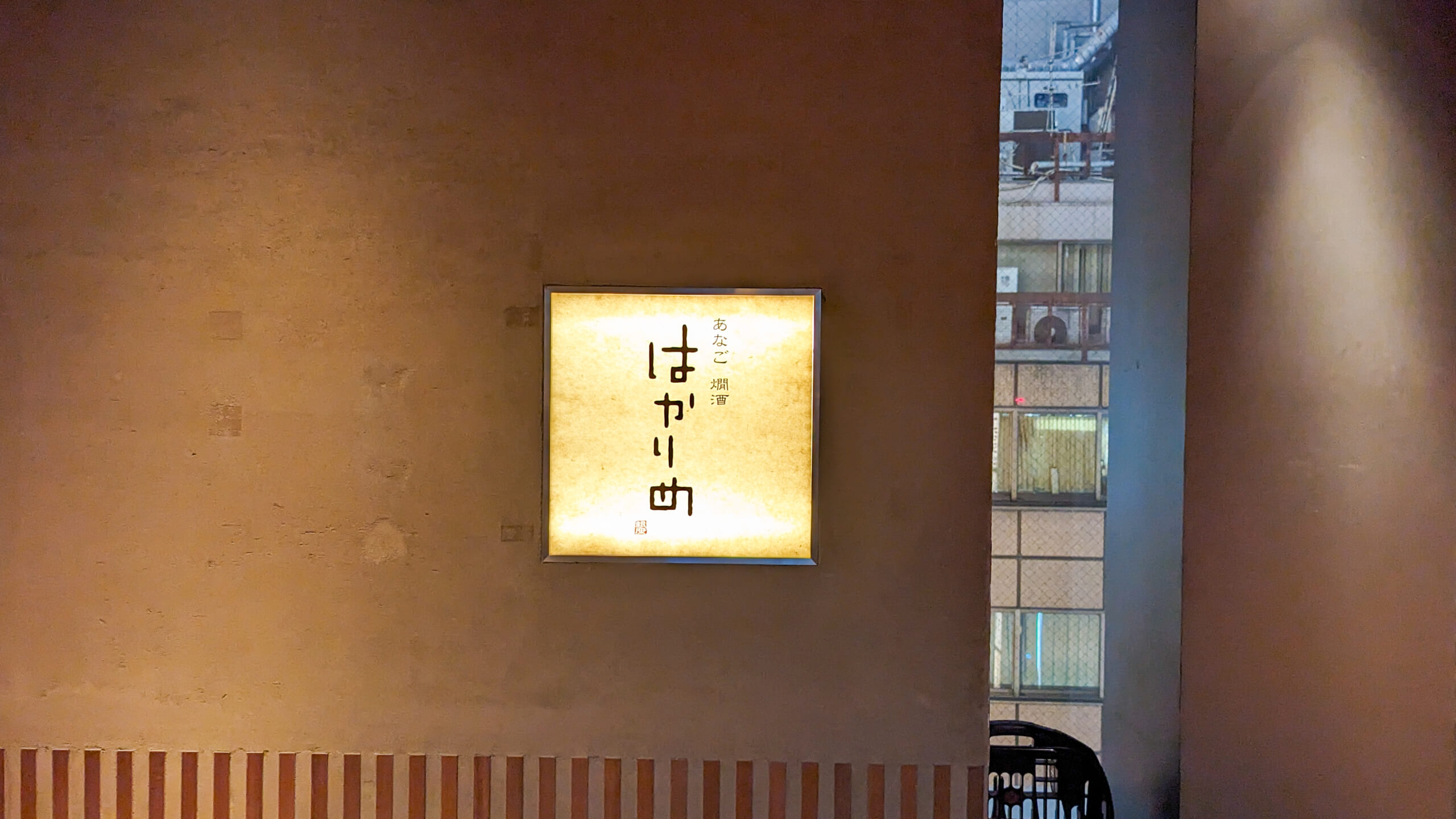
The location is just a short walk from Higashi-Ginza Station. Being easy to get to is great!
Inside, the space is long and narrow, with tiny private rooms for two, three, or four people dotted along the hallway. This time I was in a room for two, but it was cramped, ha. For people who want to relax and dine at ease, or for business dinners, it might not be quite suitable!
The anago-zukushi course — 7,980 yen
The premium course — 9,680 yen
Well, since it was my first time, I chose the 7,980-yen anago-zukushi course. If needed, I figured I could order extra dishes.
Ordering from the menu is basically done via a QR code. It seems you can order all the food as well as drinks from here. I started off ordering a beer as the course got underway.
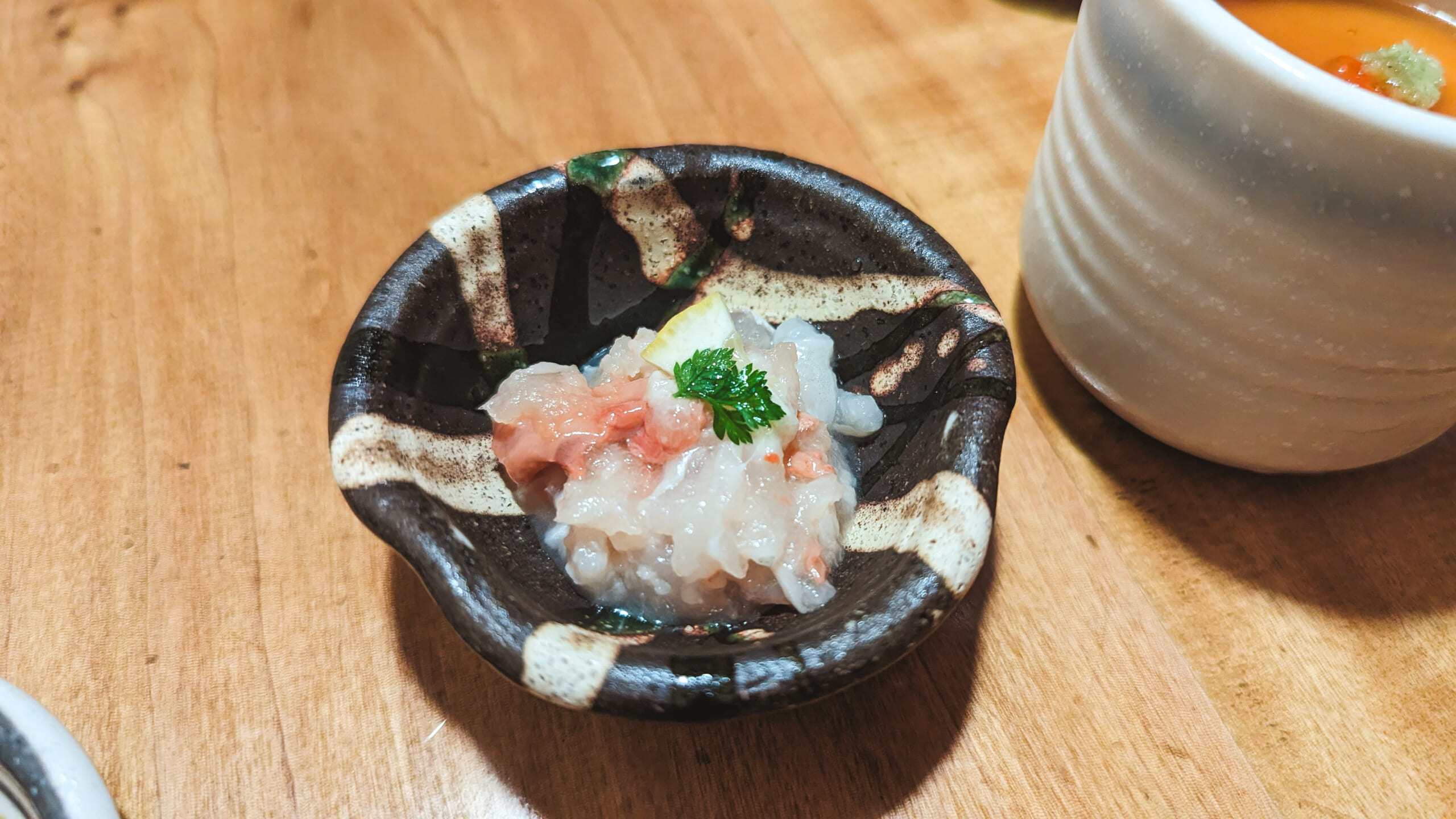
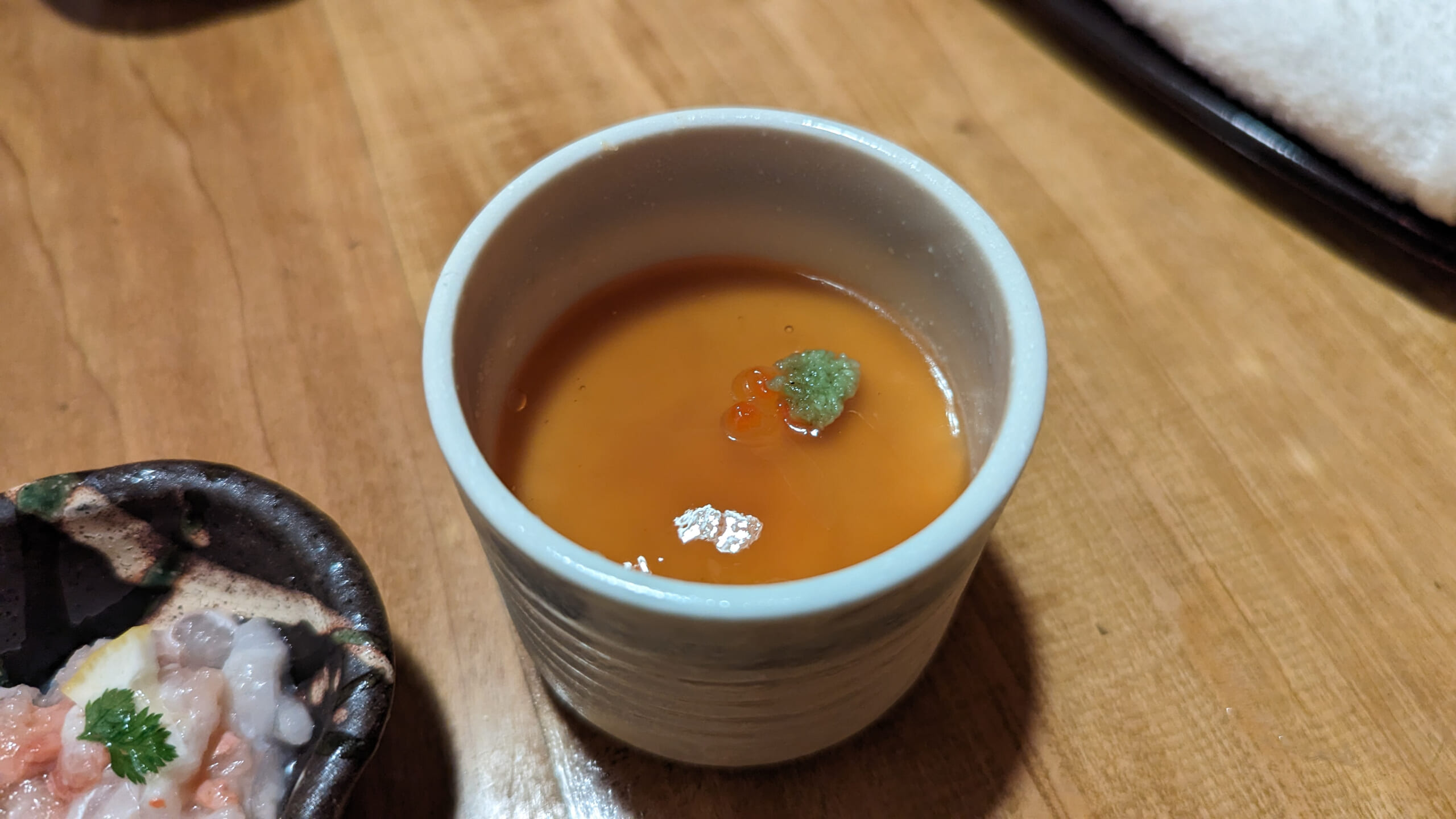
Anago dressed with shuto (salted, fermented fish innards), and something like a savory chawanmushi custard, or like a pudding.
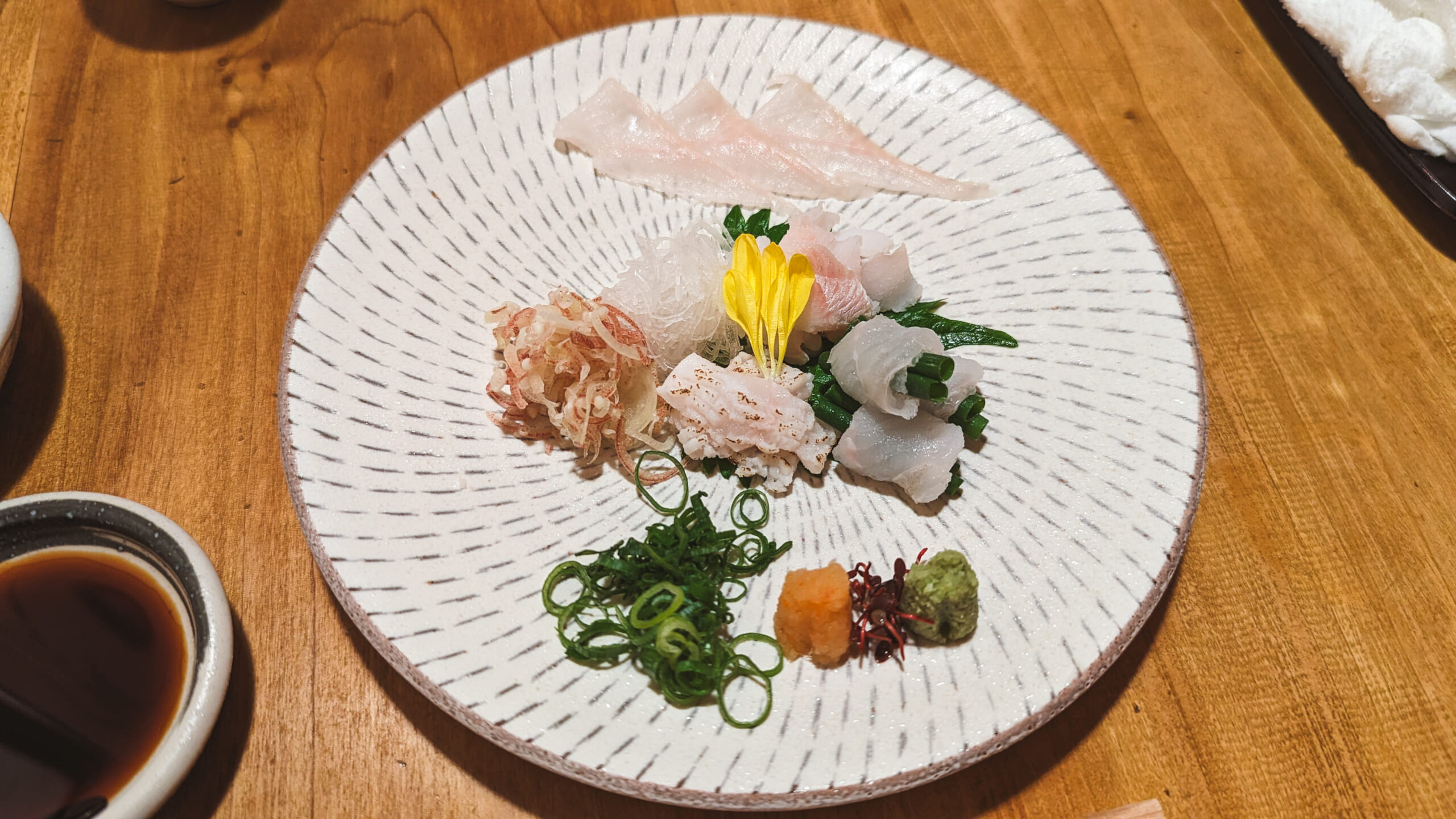
A four-piece set with lightly seared slices, usuzukuri (thin-sliced sashimi), and negi-maki (scallion roll). I see, so this is anago sashimi. The lightly seared piece has an aroma that wafts up pleasantly and tastes good. The thin slices and other sashimi pieces are extremely mild and lean!! Ah, so this is why people hardly ever serve anago as sashimi — it is almost too light and delicate, ha. That made complete sense.
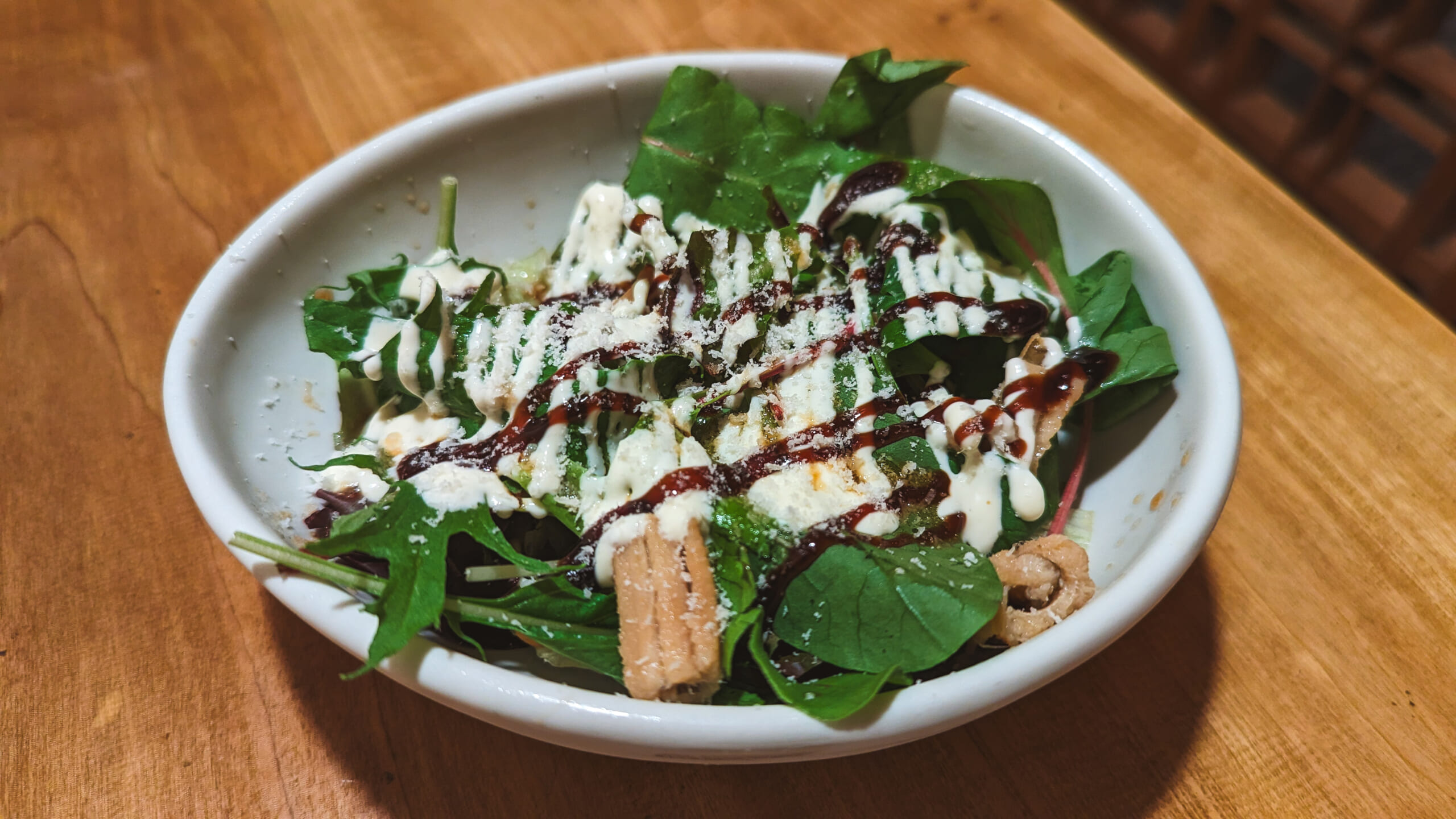
A salad containing anago lightly seasoned with tare sauce. Because the dressing flavor is so strong, you hardly get much sense of the anago at all, ha.
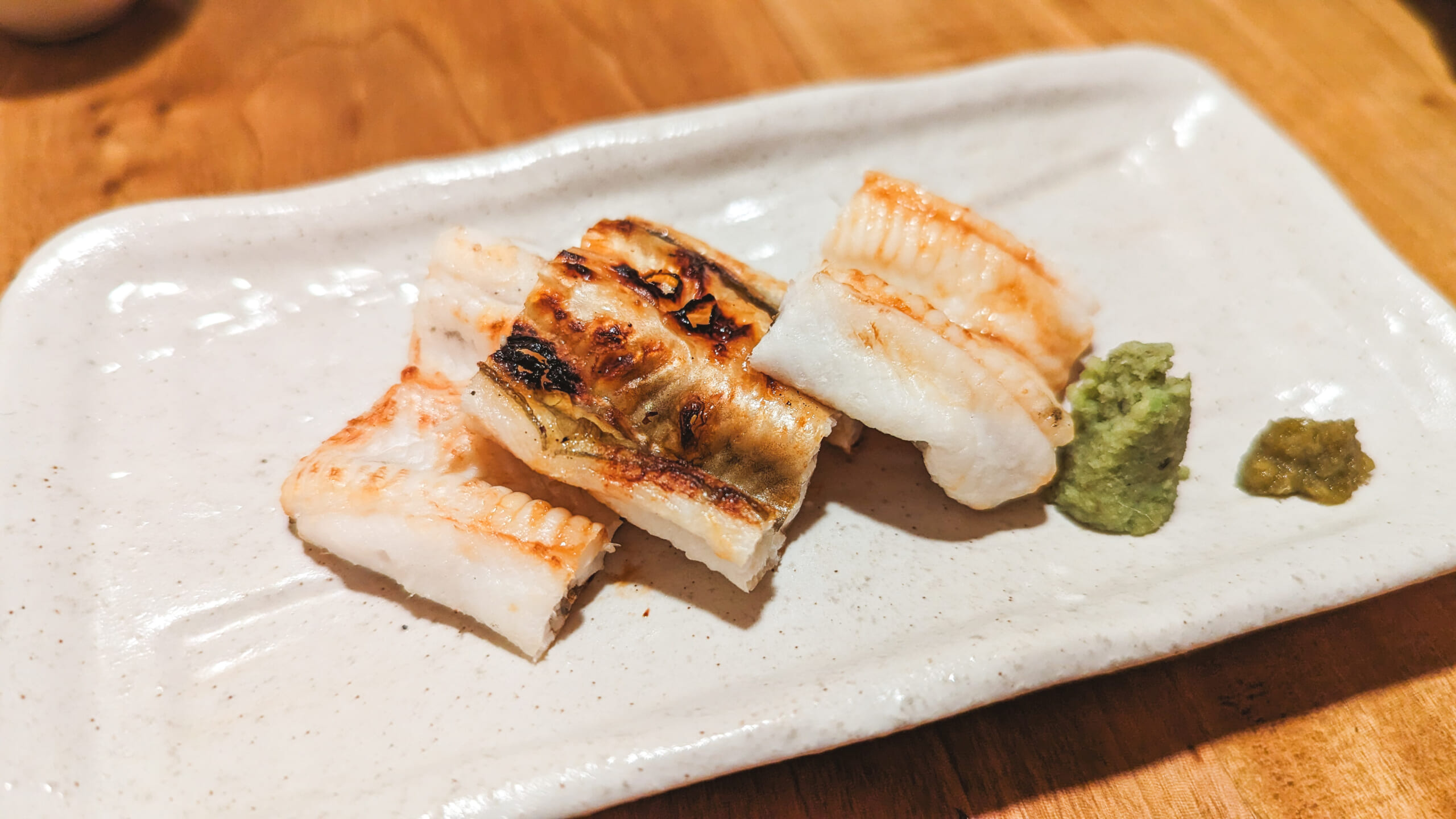
Anago shirayaki. It is quite a small piece of conger eel. I actually preferred the yuzu kosho (citrus chili paste) over the wasabi. The flaky, tender flesh and the aromatic charred surface make a good impression; seared anago really is tasty!
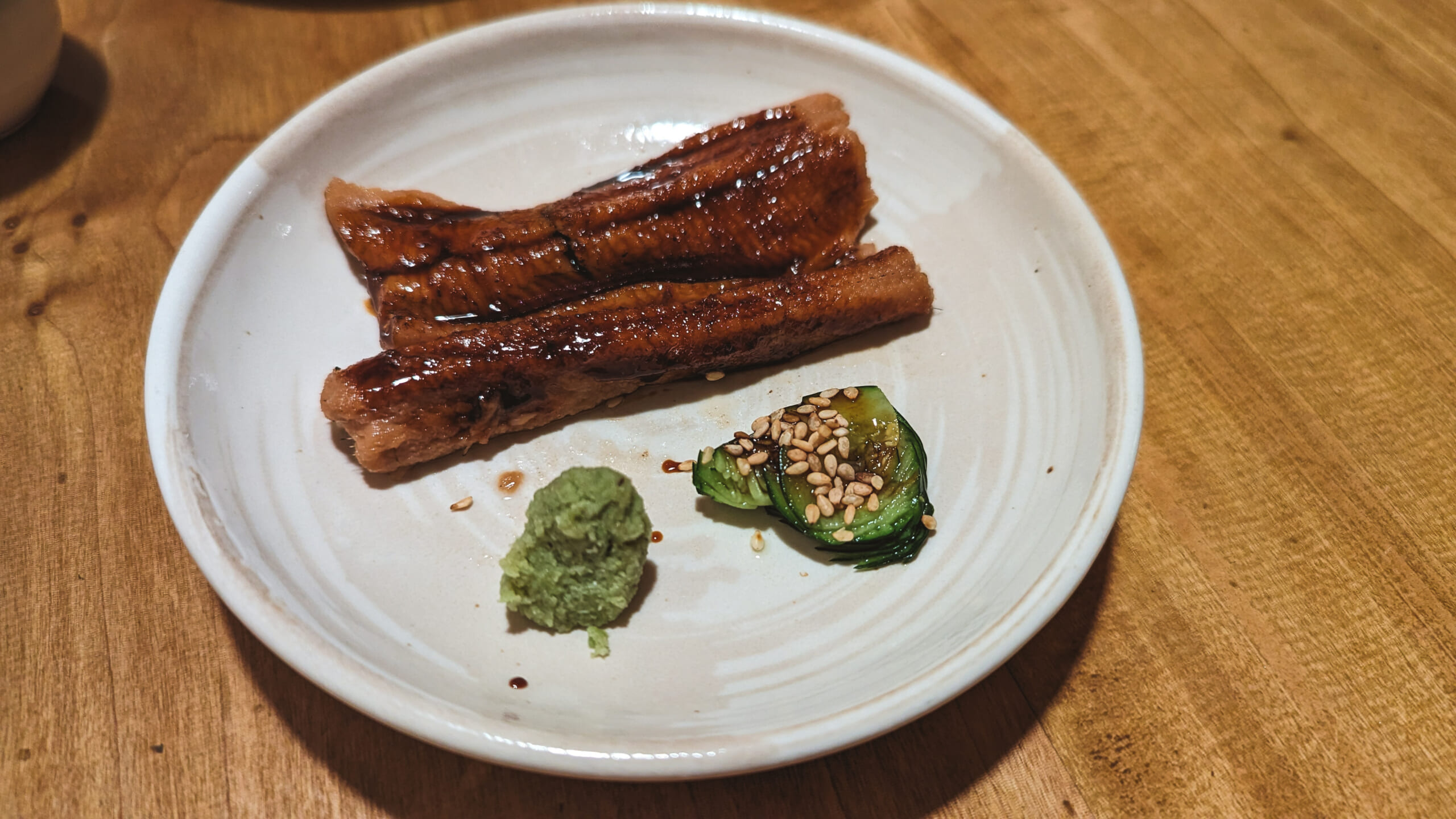
Simmered anago. The tare sauce clings to it and it is good, but maybe it is a little unfair to compare it to the anago at sushi restaurants? I imagine they simmered it sweet-and-savory and brushed on tsume glaze, but it felt more like eating tare sauce than eating anago. An anago specialty shop! I really wished they had pushed a bit harder here!
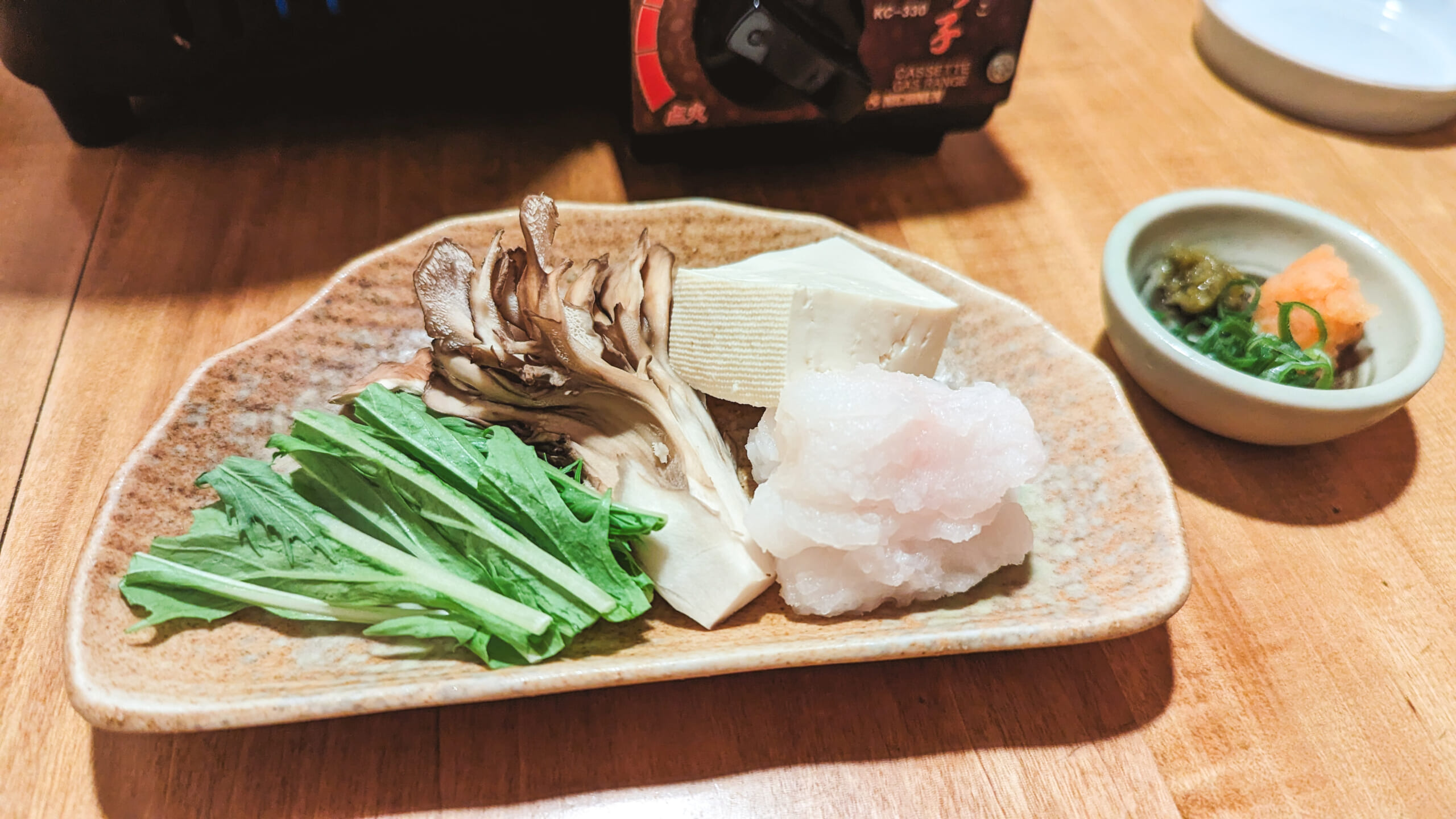
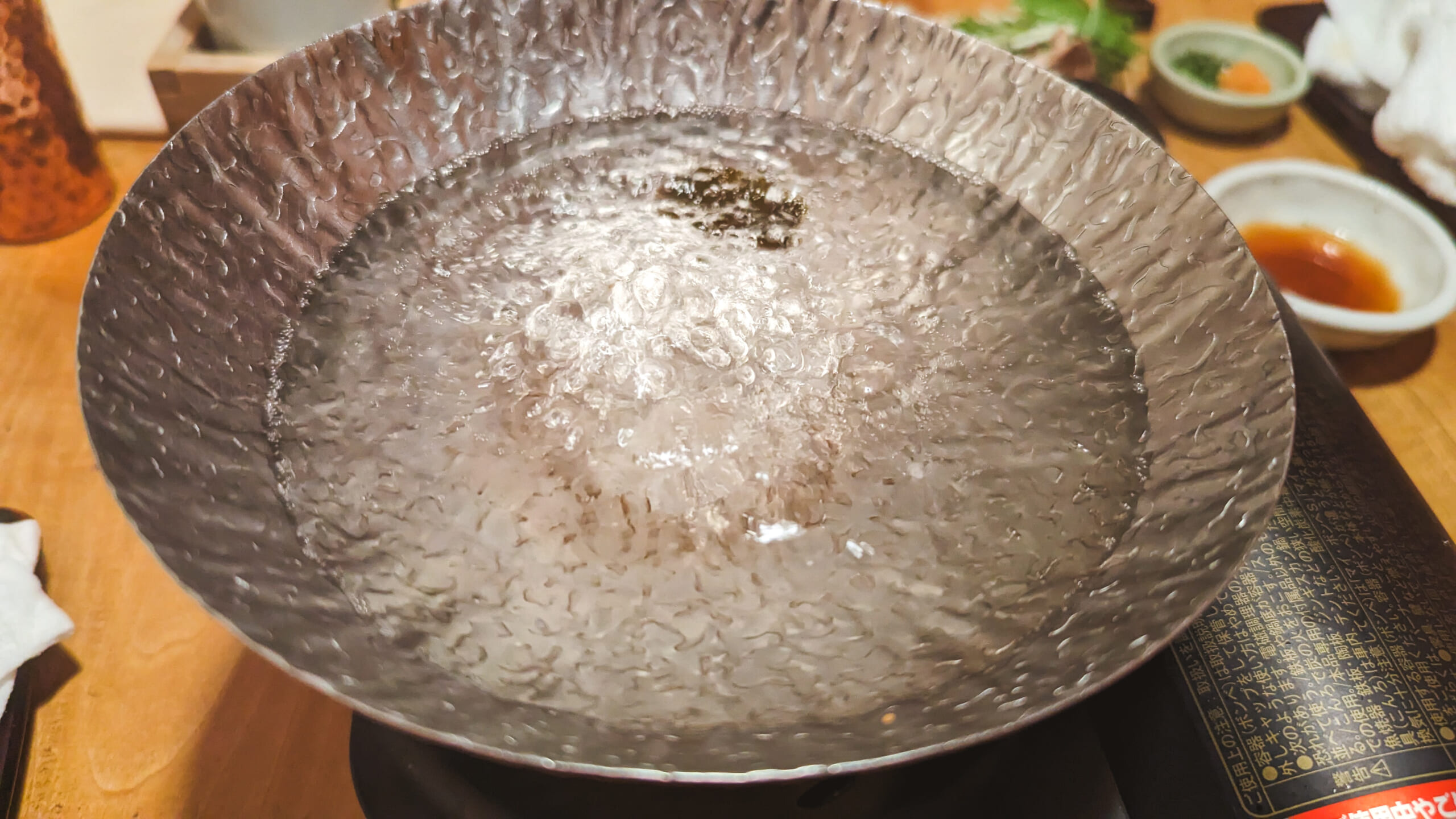
They instructed us to put the mushrooms in first to draw out flavor.
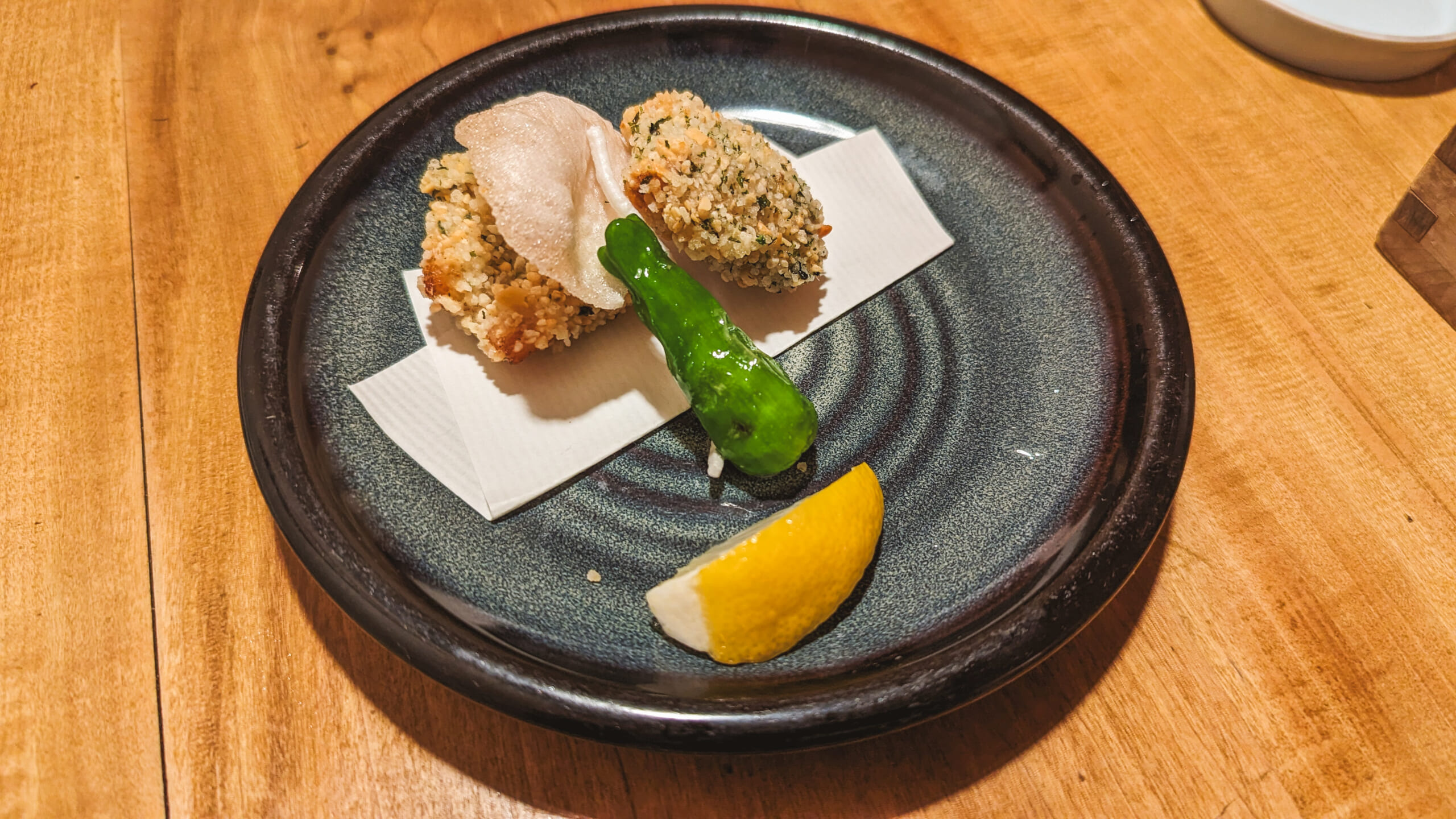
Deep-fried dish!
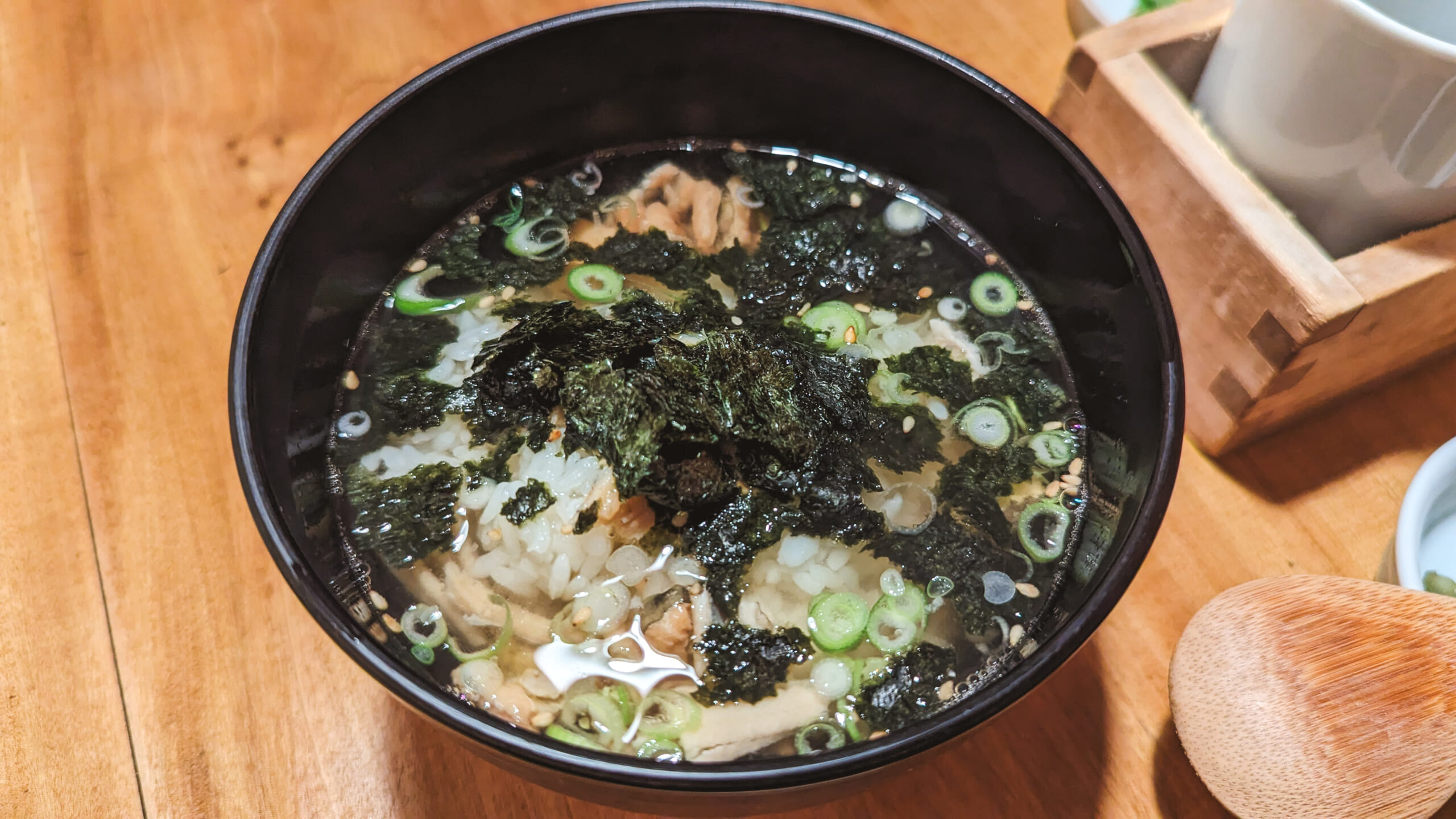
Yes, this might actually be the most delicious dish of all, ha. This was the high point of the course. Putting anago into chazuke (dashi over rice) definitely works!
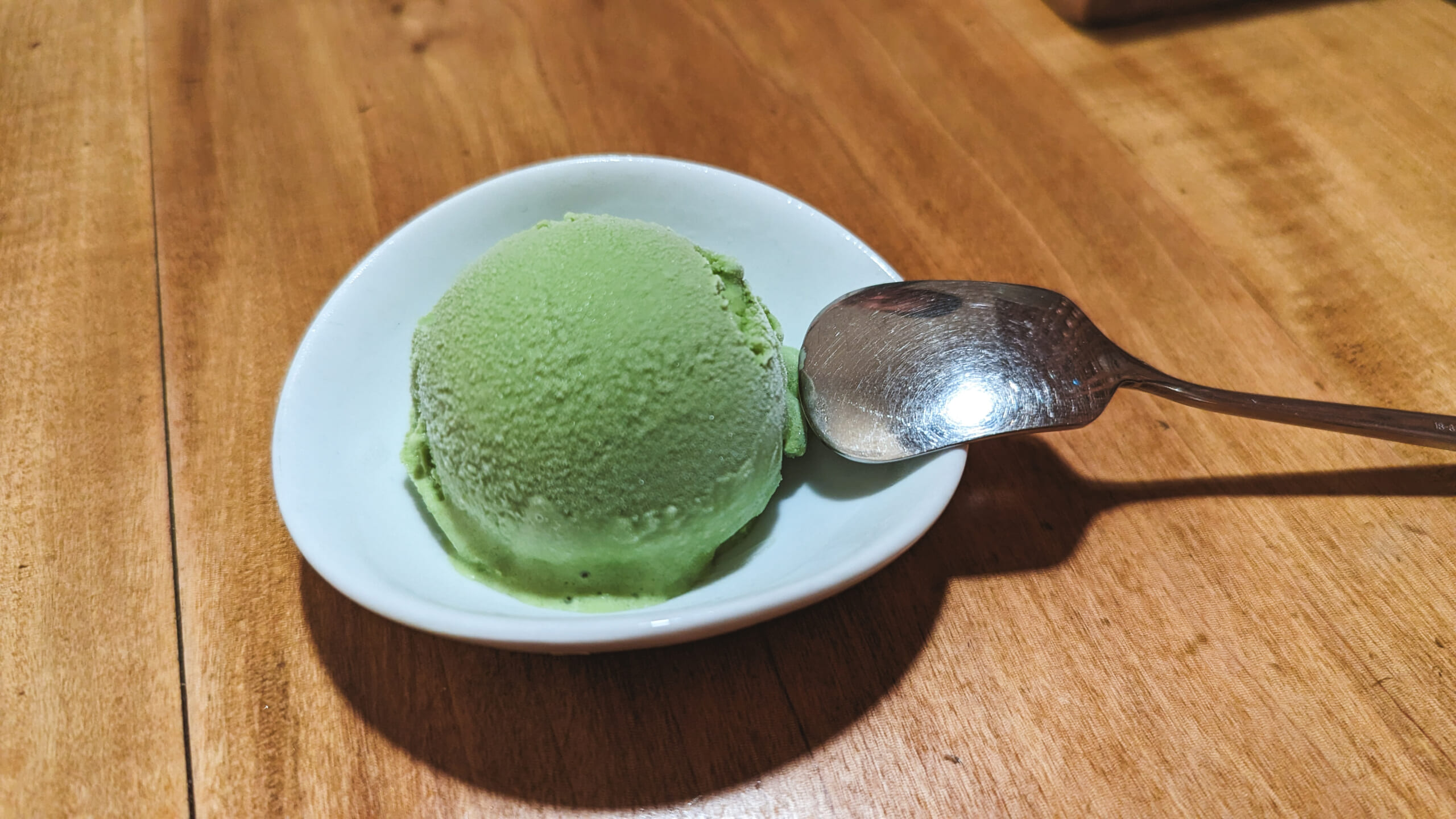
Being able to try such rare anago dishes was a good experience! That said, the cramped seating and the feeling that the anago cooking itself could have been pushed further… that lingering disappointment was unfortunate. Still, it is easy to reach in Ginza and easy to book, so for three or more people using a private room, there might be something in it! Come to think of it, I forgot to take a photo, but the anago kotsuzake (hot sake poured over grilled fish bones) was very delicious!
Hakarime (Anago / Higashi-ginza Station, Ginza Station, Ginza-itchome Station)
Tabelog dinner rating ★★★☆☆ 3.3
I ate here and paid for it myself. Nothing on this site is a comped meal.
One more for the road?


