


A note on the words: yodare-dori is the Japanese name for a Sichuan cold dish of poached chicken under chili oil, and it means “drooling chicken” — the food is supposed to be so good the thought of it makes you drool. Hongyou is red chili oil, made by pouring hot oil over ground chilies and spices, and it is used as a dressing rather than only as a cooking fat. Huiguorou, twice-cooked pork, is pork simmered first and then returned to the wok to fry. Mapo tofu is soft tofu and minced meat in a spicy bean-paste sauce, dusted with Sichuan pepper, whose particular sting is a tingling numbness rather than plain heat. Maocai is a Sichuan stew of assorted ingredients simmered in a spiced broth. Gyoza are pan-fried dumplings; boiled, the same parcels have a chewier, more slippery skin. A teishoku, or set, is a main dish served with rice, soup and a couple of small sides. A highball is whisky and soda, the standard Japanese long drink.
Table of Contents hide
Seisei Hanten on Tabelog (English) — opening hours, payment details and the Japanese address are kept up to date there, not here.
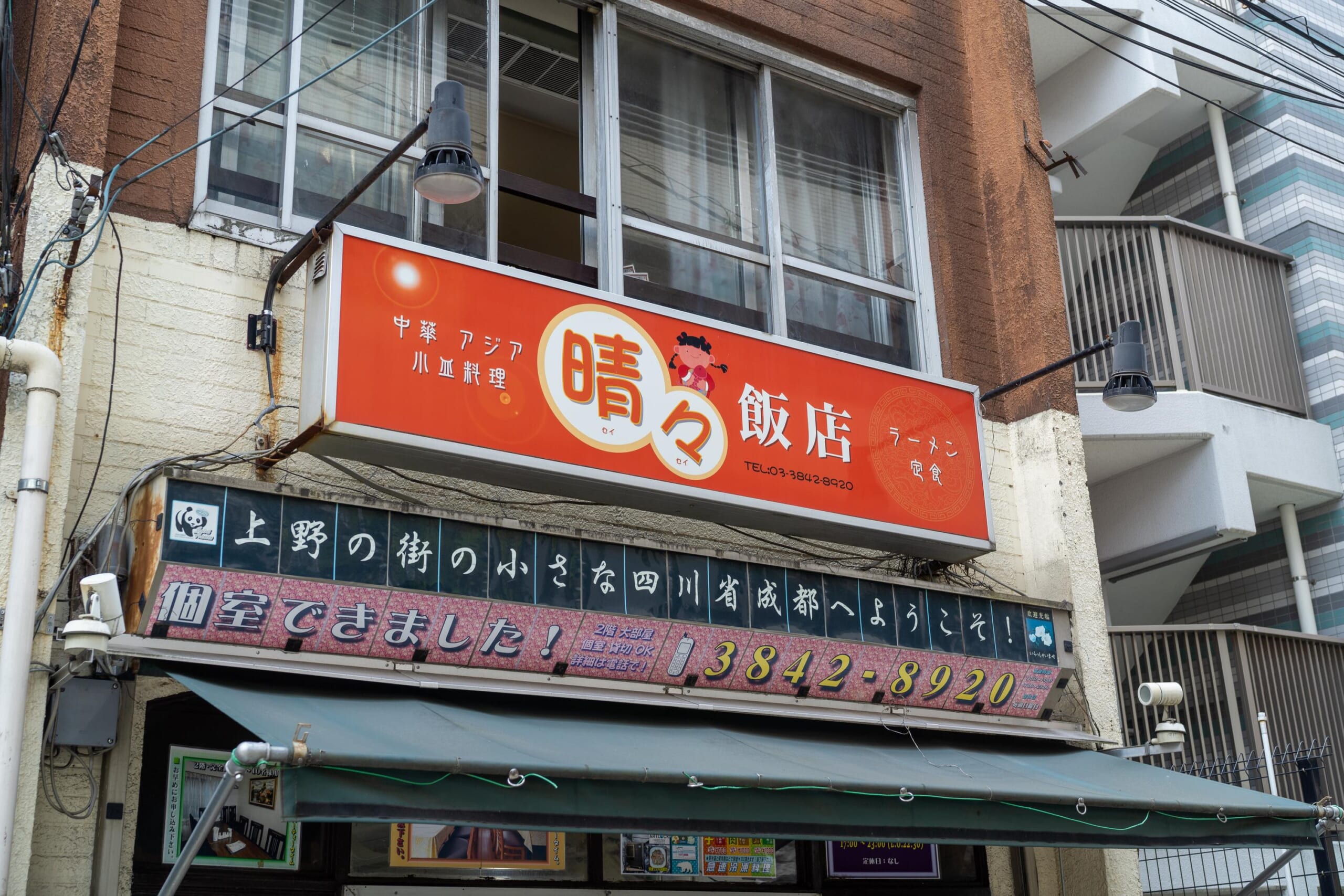
Hey, this is Hangover Meshi. This time I decided to try a famous Sichuan place near Ueno, “Seisei Hanten.” Apparently it gets written up on television and elsewhere all the time as a serious Sichuan restaurant, and I had wanted to go because the mapo tofu is supposed to be excellent. They open at 11:00, so I turned up a little after eleven — and every seat was already taken. Wildly popular. I waited outside and was shown to a table about fifteen minutes later. Step inside and the good smell of spices drifts over and makes you hungry!
Black-vinegar chicken set: 900 yen
Sichuan-style liver and garlic-chive stir-fry set: 900 yen
Premium mapo eggplant set: 1,180 yen
Jubosai, ten-treasure stir-fry, set: 880 yen
Yodare-dori set: 780 yen
Maocai set: 980 yen
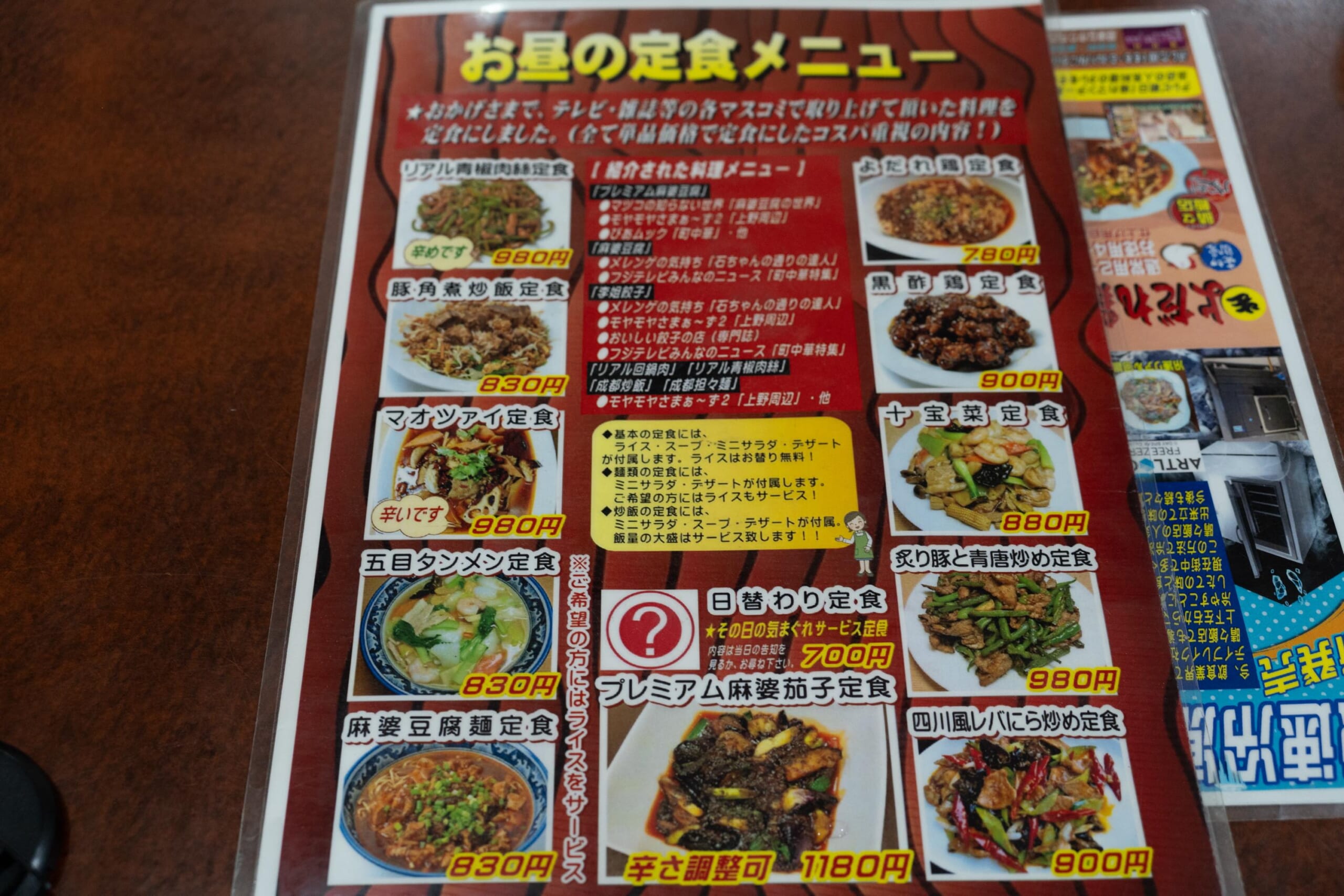
The lunch menu is enormous, whichever way you look. Every one of them looked good, but this time I asked to go a la carte, ordering single dishes while drinking. It was lunchtime, but there were single dishes available, so that is what we used to order.
And so, highball in hand, the style became: order everything you feel like, one after another.
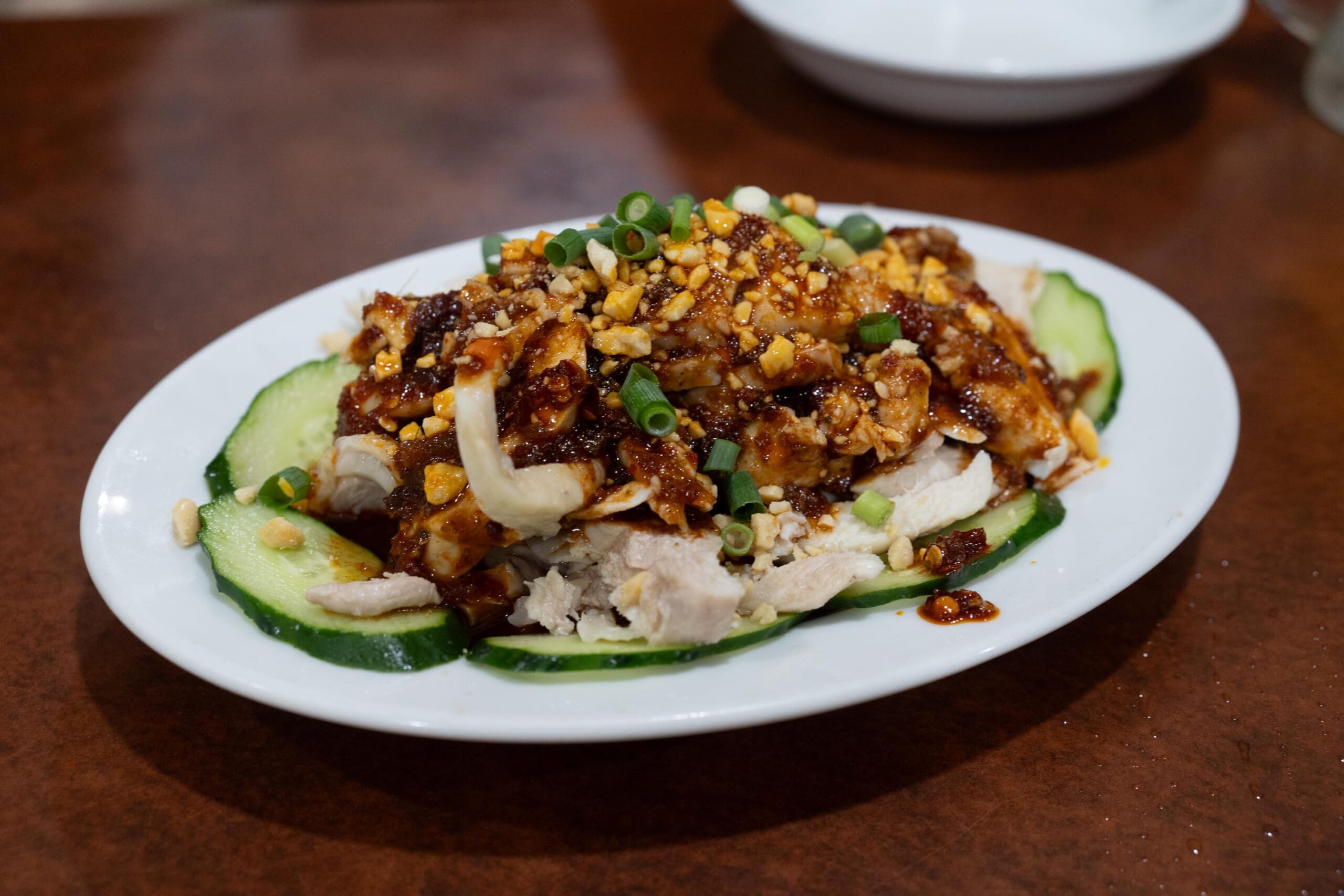
The first impression is the wonderful smell! Eat it and there is a prickle of heat, but never too much. Plump, springy chicken against a spicy sauce, and the two go together superbly. A yodare-dori with a really fine aroma. There is a good pool of chili oil over it, but it goes down easily, and I came away thinking this is one you have to order.
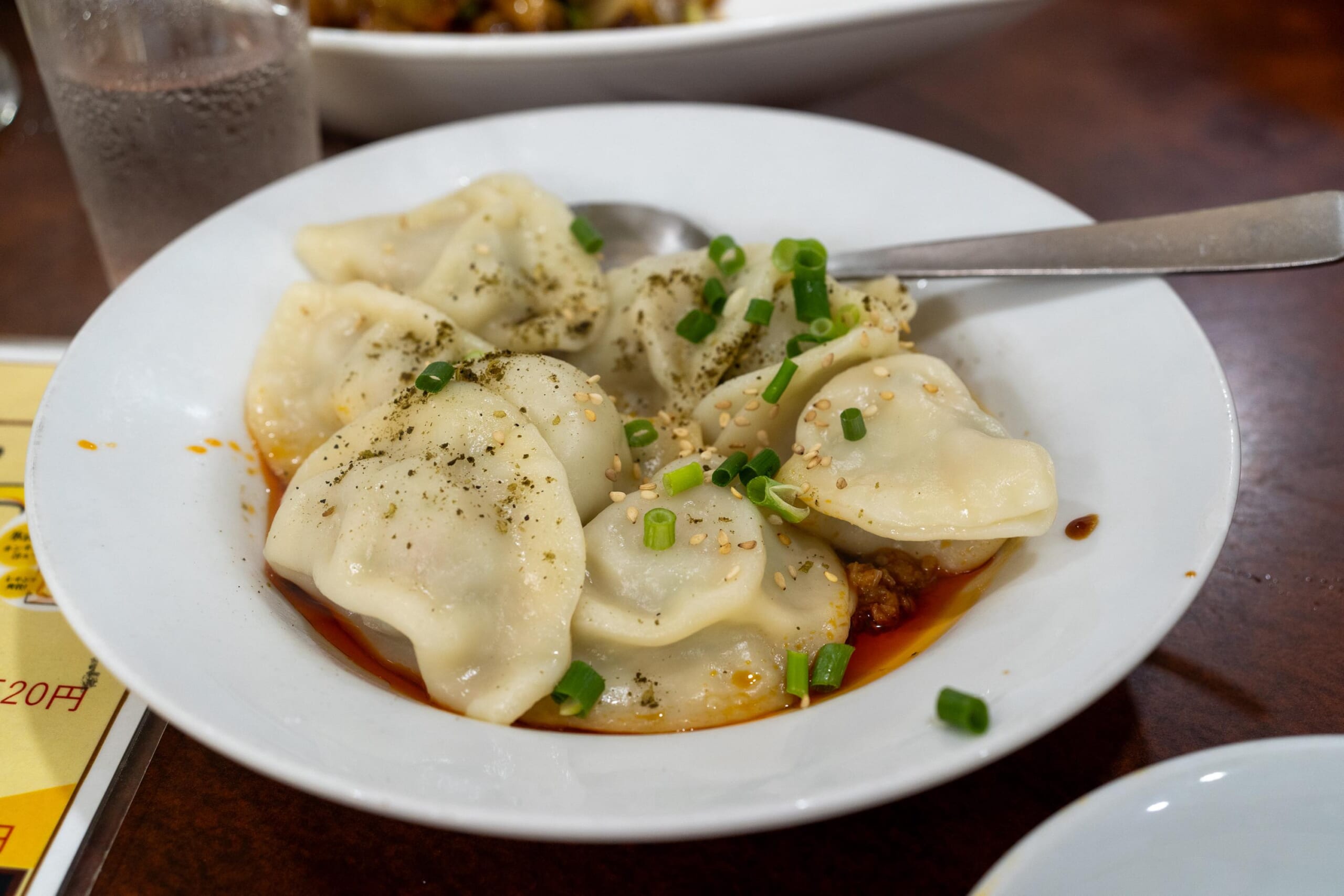
And this is the Li Jie dumpling. You mix them into an original hongyou — red chili oil blended with several spices — and eat them that way; the shop reproduces the taste of home from the hongyou boiled dumplings of Chengdu itself. Eat one and this hongyou sauce is seriously delicious. It suits the chewy dough of a boiled dumpling perfectly.
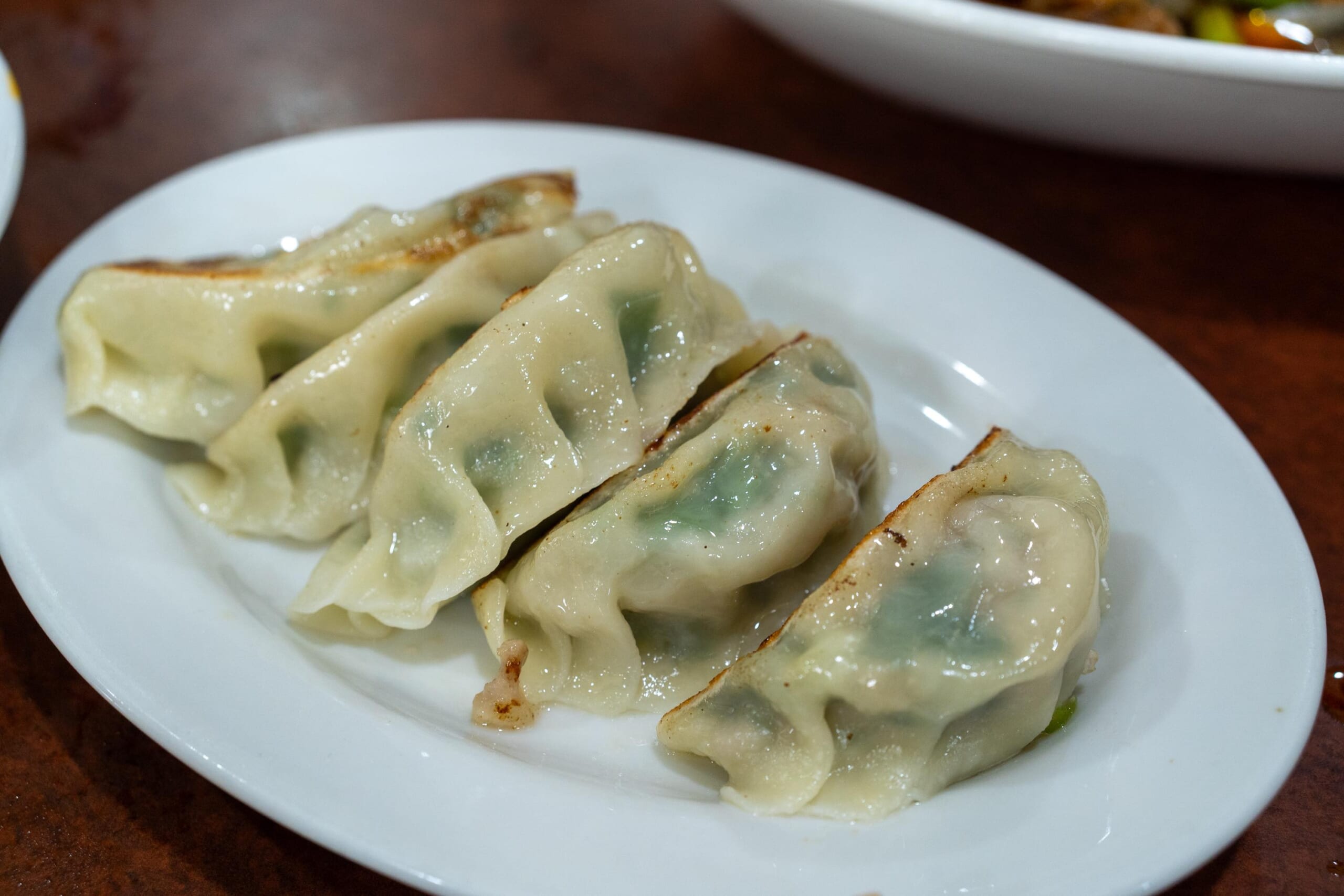
These are ordinary pan-fried gyoza! Which are also thoroughly good, of course!
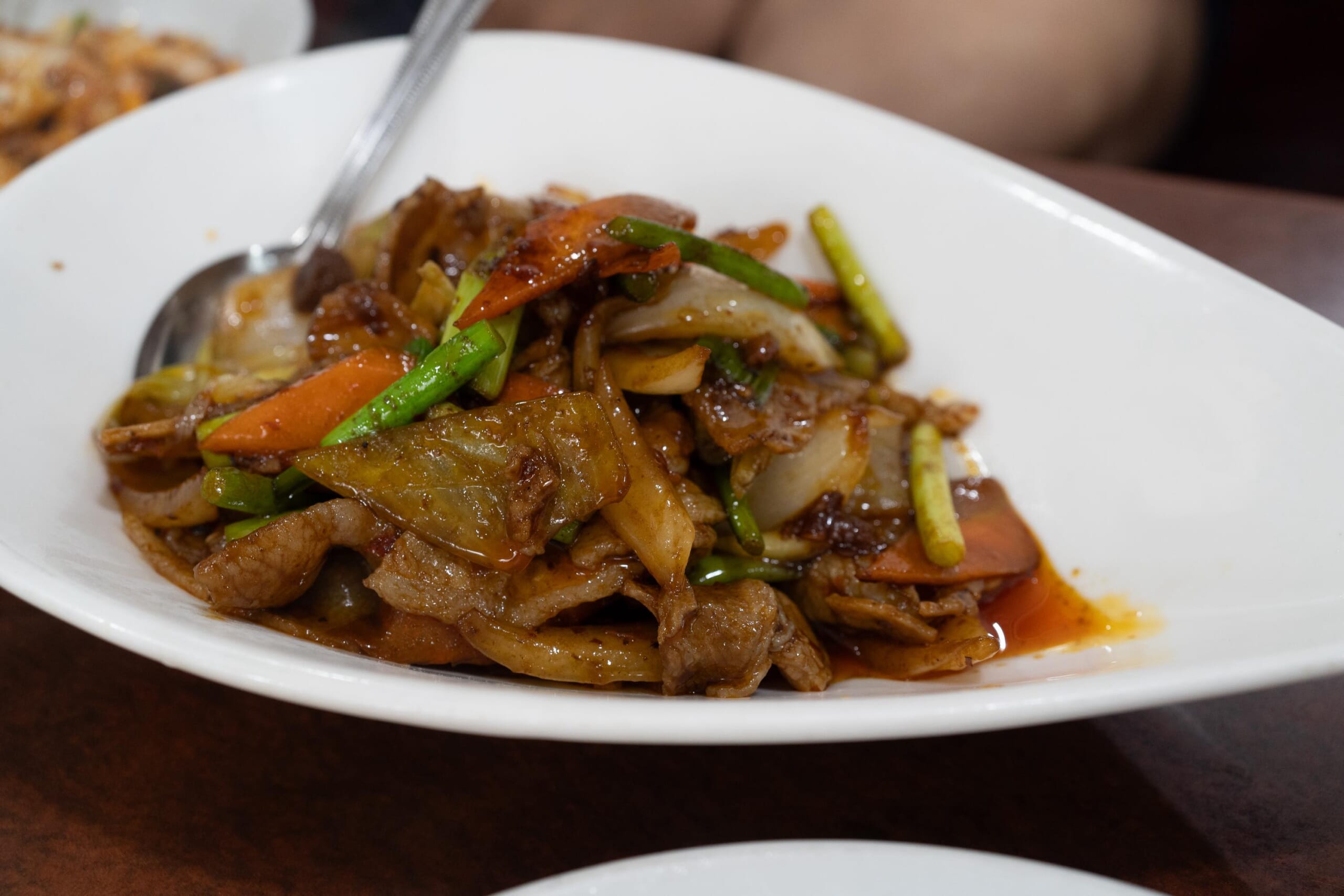
This, they say, is the genuine article! The huiguorou that people in Sichuan itself eat at home.
I happen to like Sichuan-style huiguorou, and it is good, is it not! Neither sweet bean paste nor cabbage goes into it, and that is exactly why it is good!
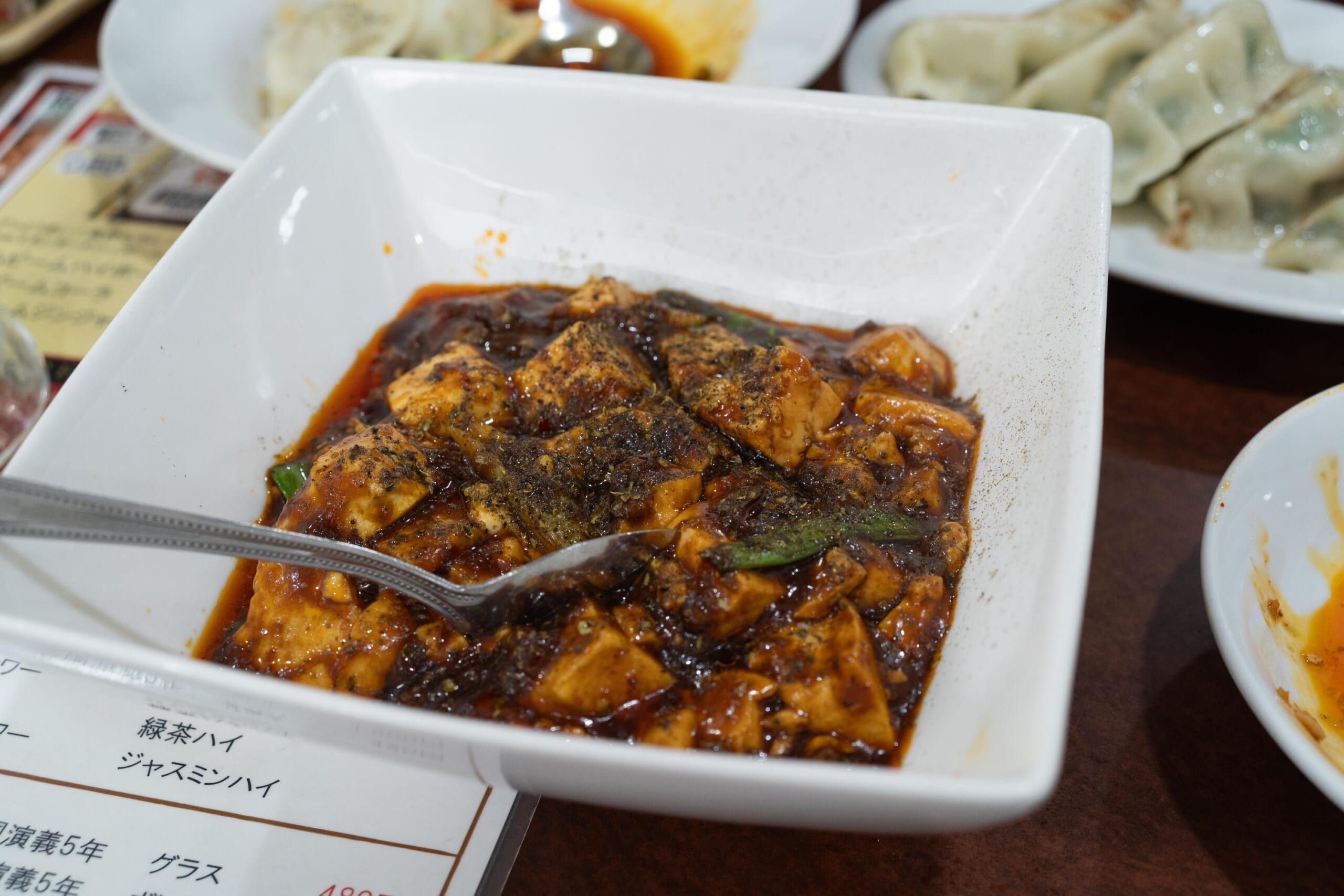
They went to the source: from the former head chef of Chen Mapo Tofu — who was taught the method directly by the great-grandchild of the Grandmother Chen who created the original mapo tofu — they learned the recipe and the knack, then refined it further to make it even better, ha. Impressive. What makes the premium version premium, apparently, is that it uses a grade better tofu, and beef rather than pork for the mince. I see. One mouthful in: delicious. It really does feel premium! What is it — the sauce itself must be the good part. Savory depth arrives ahead of the heat. This would go incredibly well over rice!
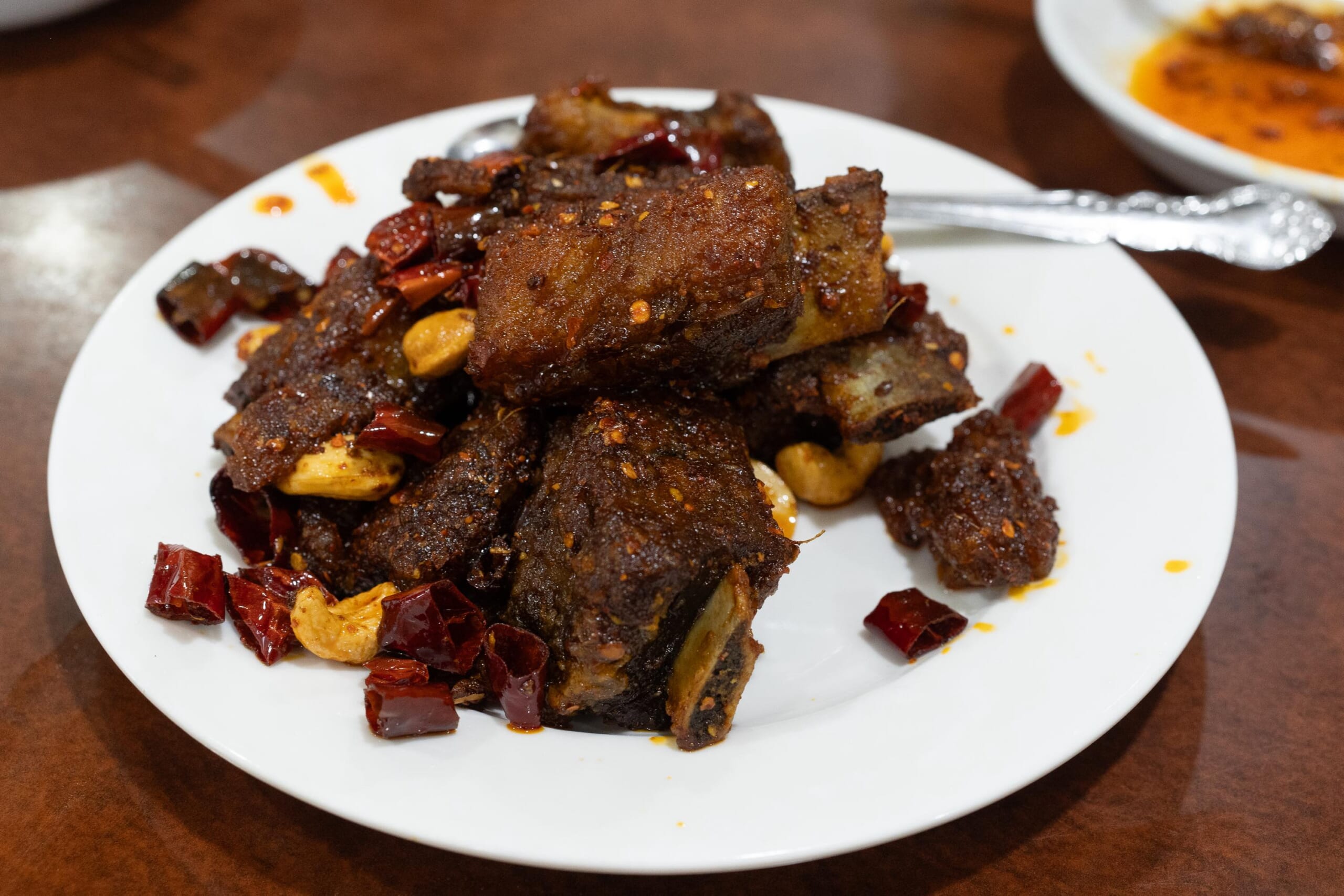
And then, last of all.
There was a signed board from Ishi-chan up on the wall behind us with spare ribs written on it; I asked about them, was told this was the dish, and ordered it. Overlord spare ribs. Steeped thoroughly in spices and simply delicious. With beer — no, with a highball — the match is dangerously good! Another one you absolutely have to eat!
So, I think I managed to eat everything I wanted to, and all of it was really good! And the prices, I would say, are pretty cheap. You can see why it gets crowded. Next time I would like to come at night, take one of the private rooms upstairs and make a party of it. There is plenty here I still have not eaten, so I want to come back.
Seisei Hanten (Chinese / Ueno Station, Inaricho Station, Keisei-Ueno Station)
Tabelog dinner rating ★★★☆☆ 3.8
I ate here and paid for it myself. Nothing on this site is a comped meal.
One more for the road?


