


A note on the words: an omakase course is a set menu left entirely to the kitchen — omakase means “I leave it to you,” so you choose the price and they choose the dishes. Vin naturel, natural wine, is made with minimal intervention and little or no added sulfur, which is why the bottles here skew toward small growers. Nanohana are rapeseed shoots and buds, a faintly bitter spring green, and the round white Japanese turnip is sweet enough to eat raw in thin slices. Sawara is Spanish mackerel, a soft white-fleshed fish with a mild oil to it. Katsuo, bonito, is the same fish that is dried and shaved for Japanese stock, and served raw or lightly seared it is dark red and iron-rich. A carpaccio in a Japanese menu means anything raw sliced thin and dressed with oil, not only beef.
Table of Contents hide
nan-han on Tabelog (English) — opening hours, payment details and the Japanese address are kept up to date there, not here.
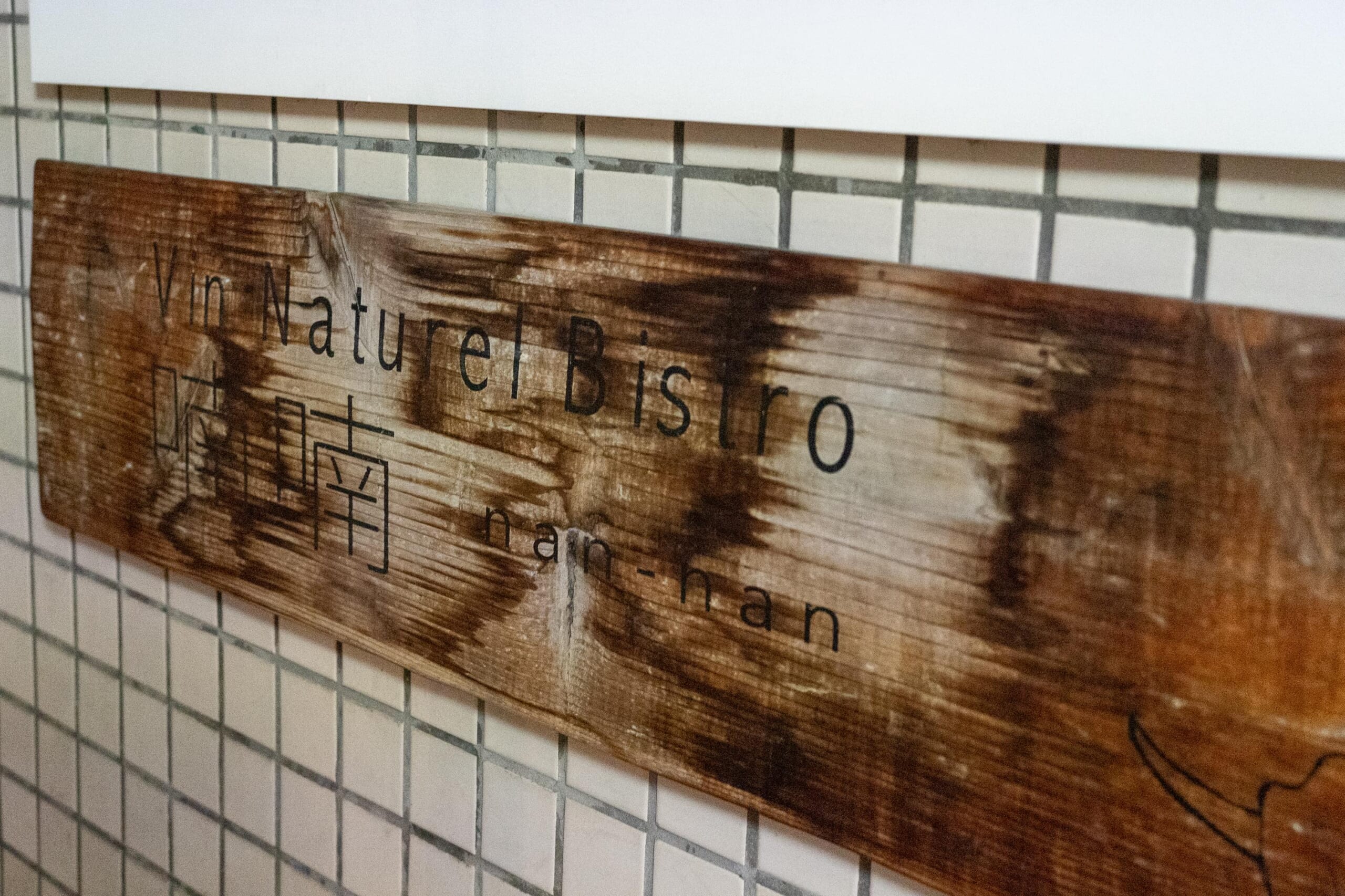
Hey, this is Hangover Meshi. I was planning a small farewell party in Azabu-juban and went searching for somewhere nice with a private room, which is how I found the bistro nan-han. It sits right at the very bottom of Torii-zaka slope, just along from GOSTOSO, the charcoal churrasco place (in Japanese). Because it is right at the mouth of the slope you might get lost the first time, but walk a little way up and you will spot it immediately on your left.
Omakase Course 6000: 6,000 yen
Omakase Course 7000: 7,000 yen
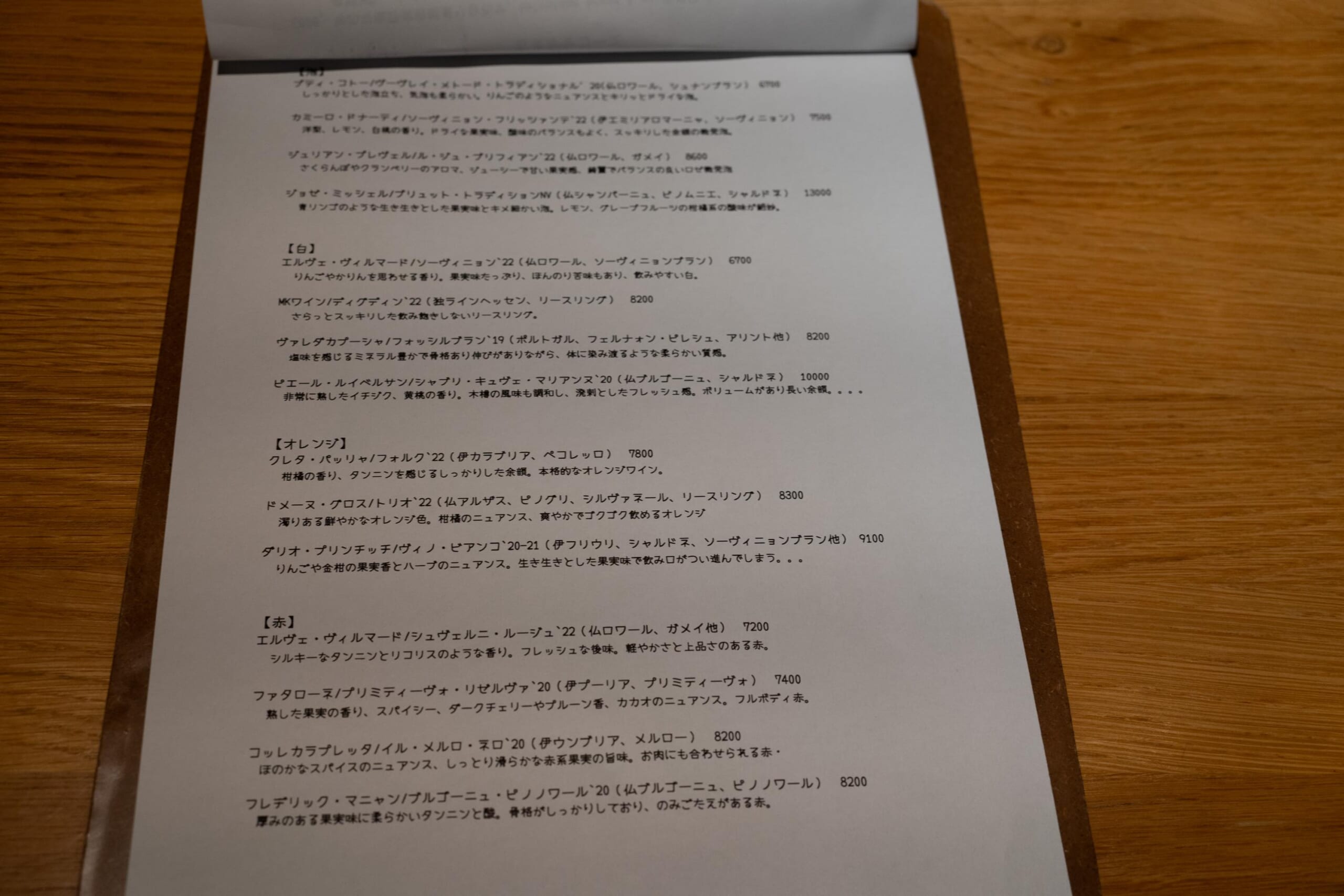
The courses on offer are the 6,000 yen one and the 7,000 yen one. They differ by about a single plate, so perhaps it comes down to whether there is a fish course or not? But in my experience the fish often turns out to be better than the meat, so I went with the 7,000 yen course. The private-room charge is 5,000 yen for the room. It is less a fully enclosed room than a tall, firmly partitioned space. There is no door as such, so it is not a sealed room, but it sits at the window end of the building with the best view, and the mood is very good indeed.
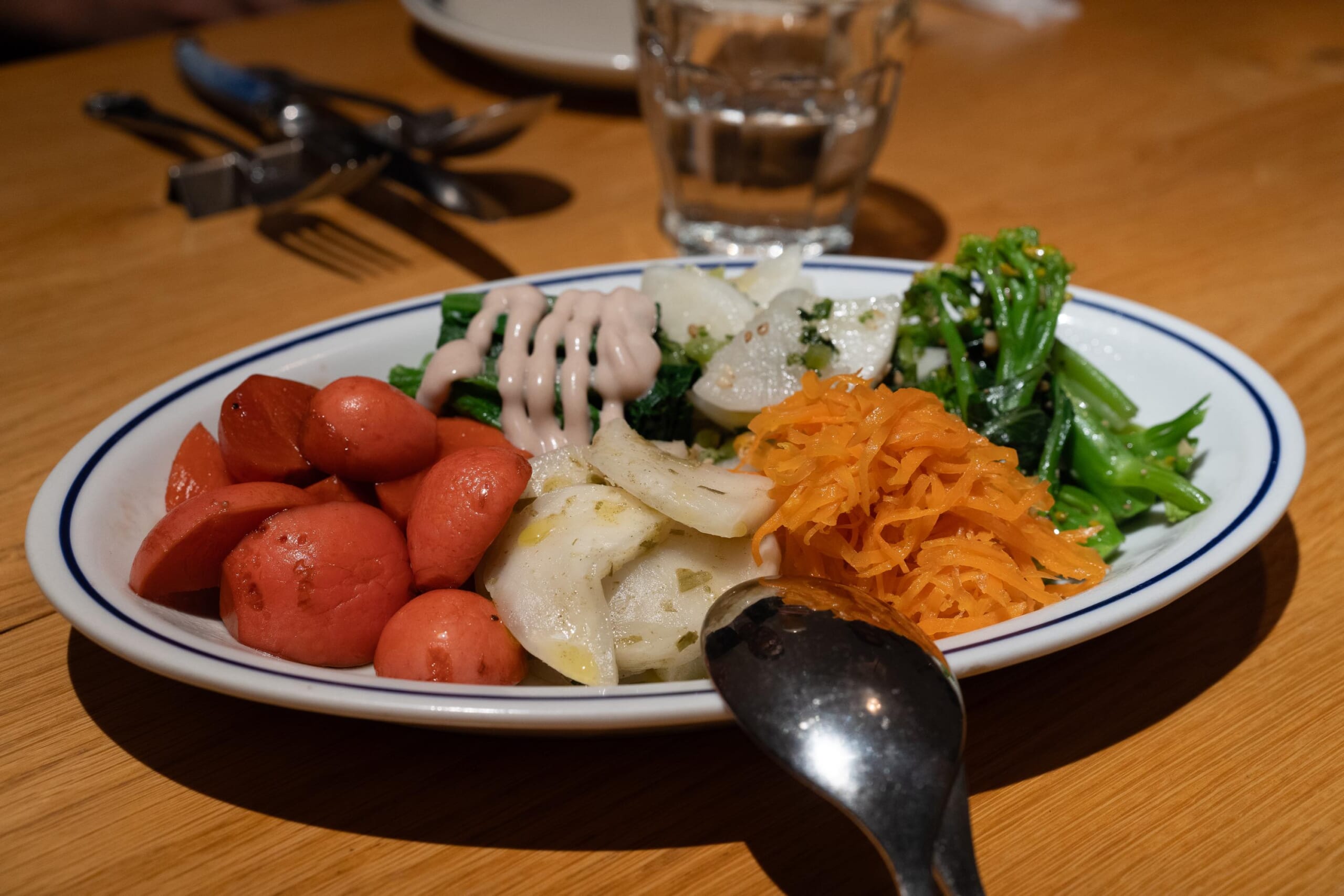
An appetizer platter loaded with vegetables. Nanohana — rapeseed greens — carrot and turnip, quite a variety of them. All of it good! As a vegetable-led starter to go with wine, it works beautifully.

Bread! Dipping it into the soup that comes next was the good part.
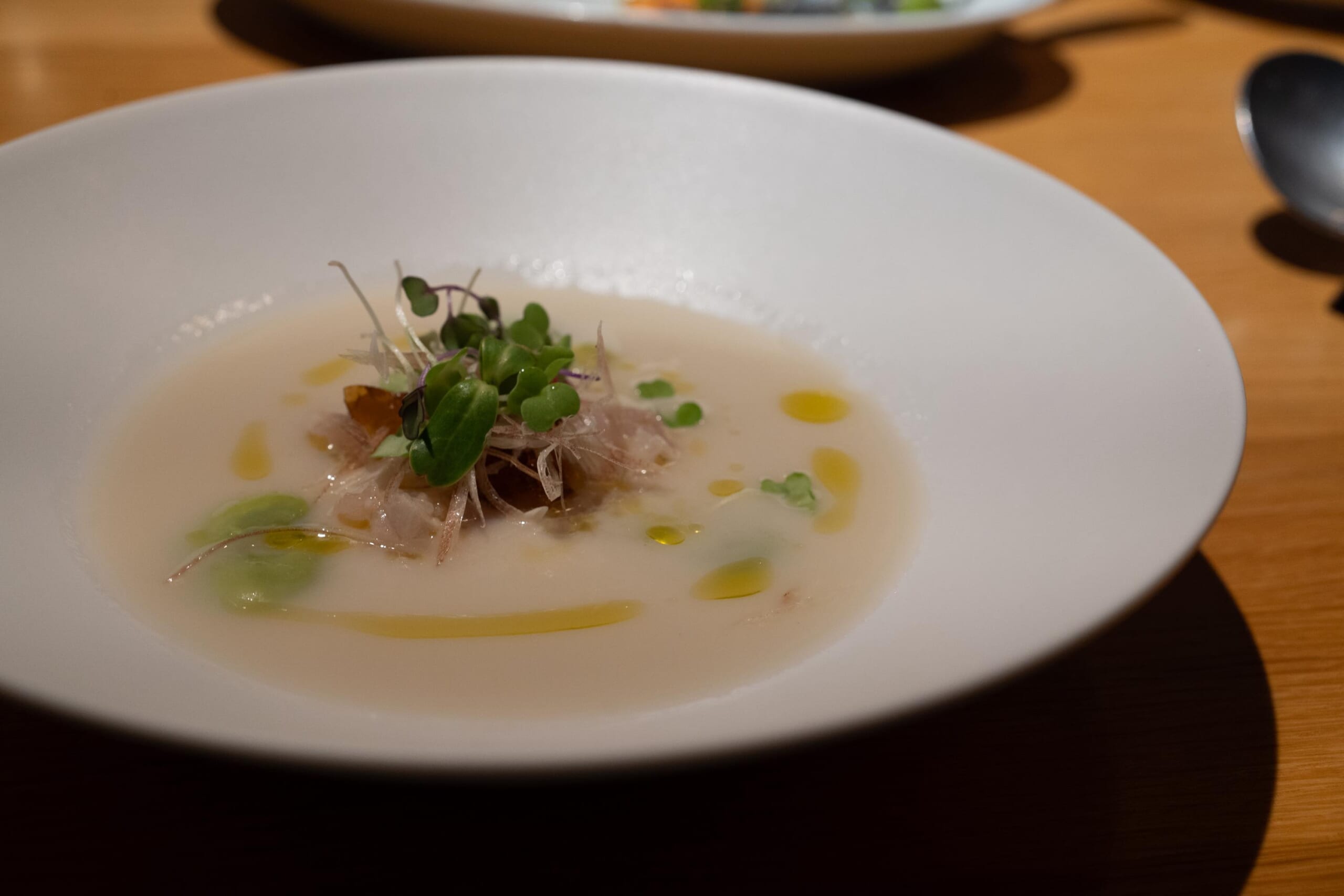
A chilled soup of fava beans and fish. It goes well with the bread.
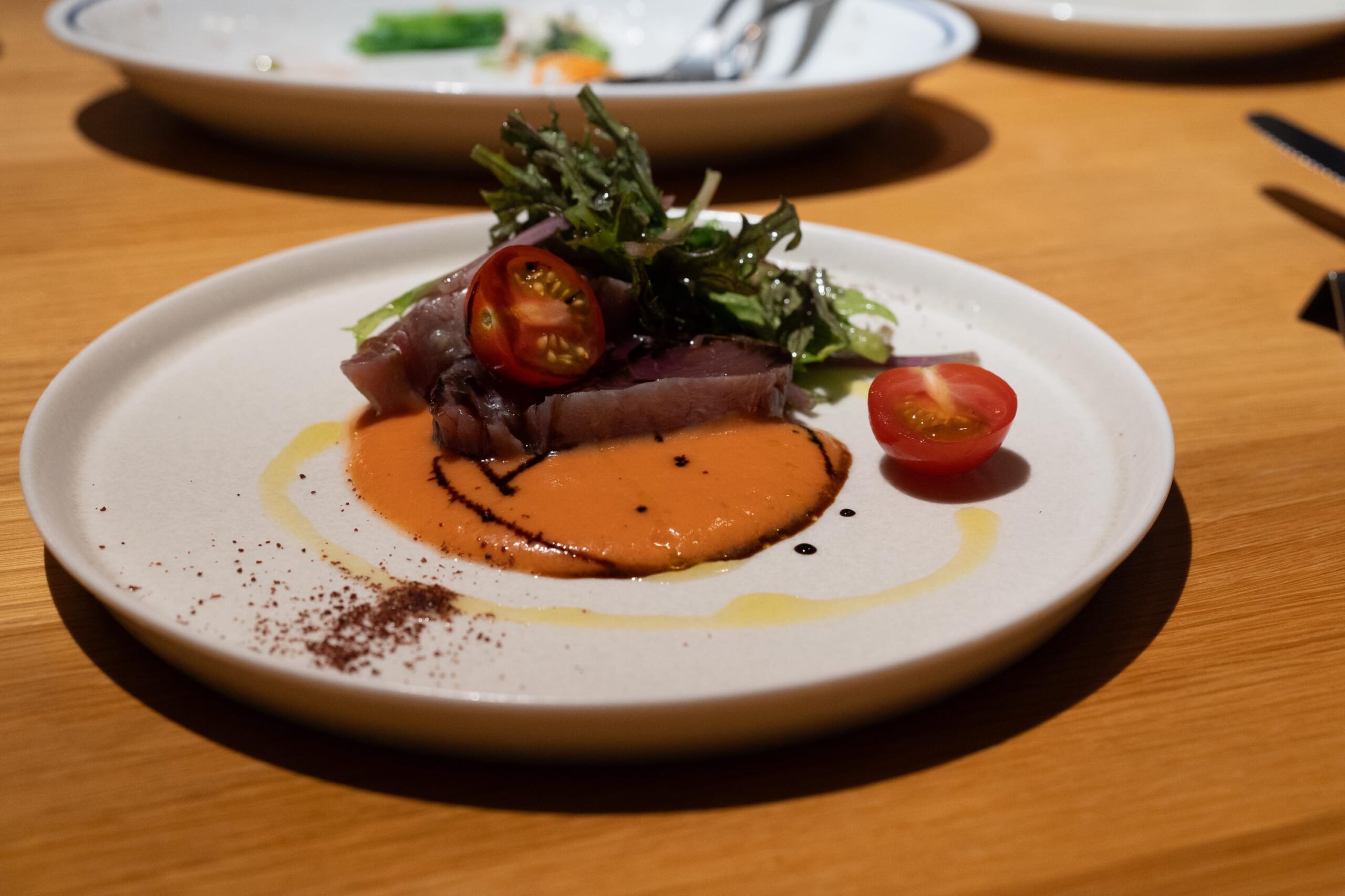
Something like a bonito carpaccio, I suppose. Good.
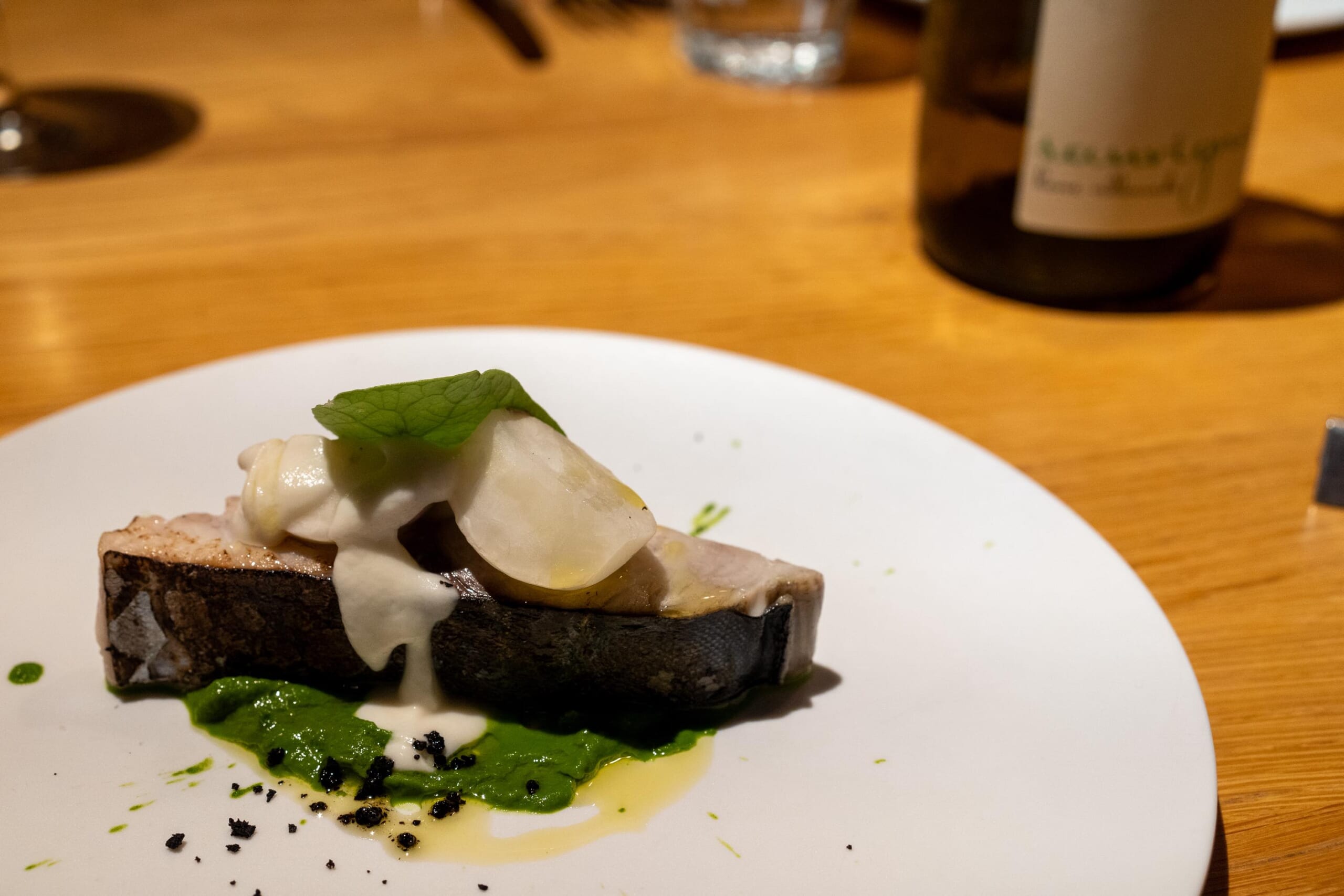
Sauteed sawara. Cooked tender and juicy, and superb!
It does make you think, every time, that the fish courses are outstanding. It sits well with the sauce, and with the turnip laid on top, too. Really delicious.
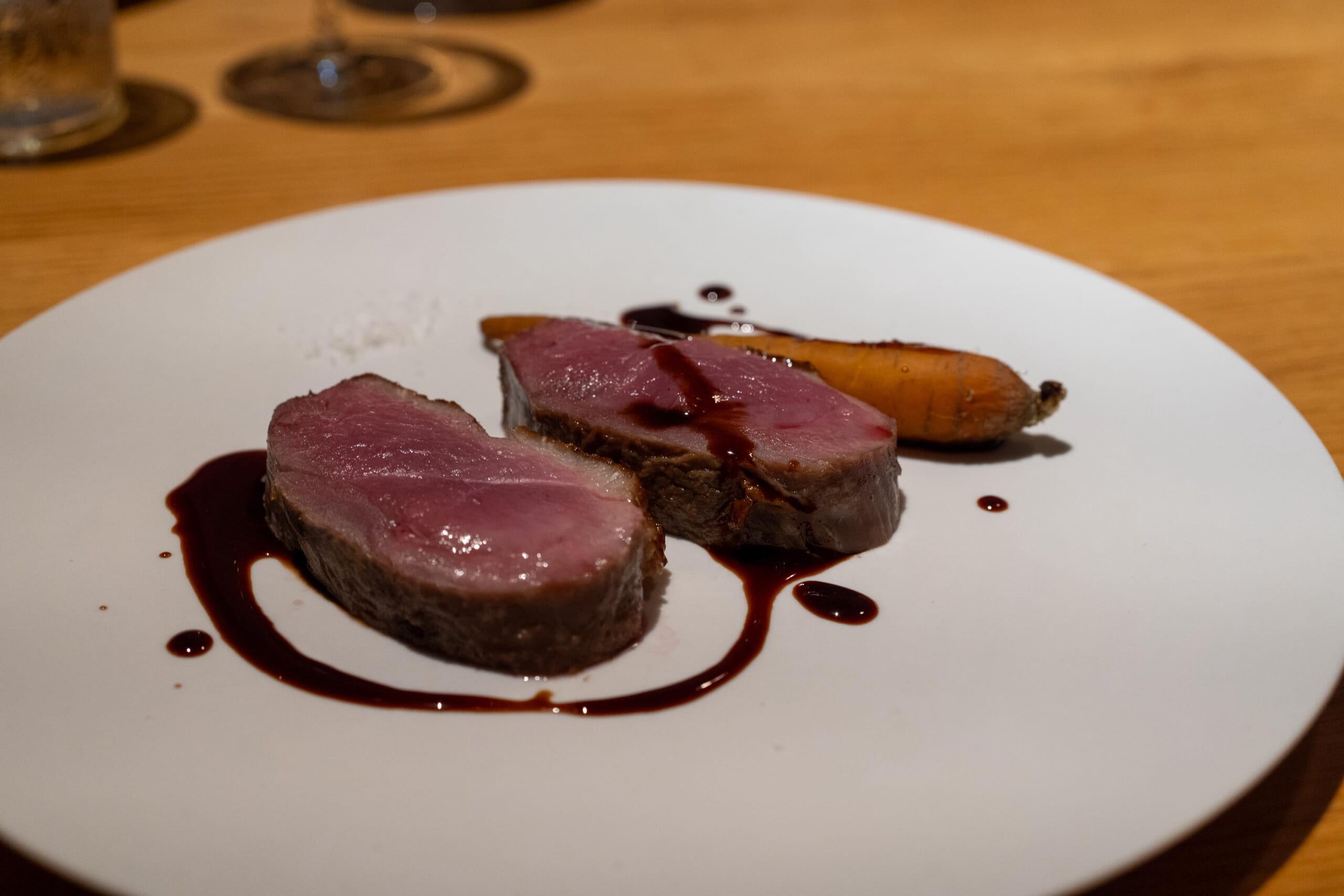
And to match this dish, red wine to finish!
True to the natural in its name, it is a vegetable-led course, all of it delicious, and it has the pleasant air of being good for you as well. The private room was very comfortable, and before I knew it I had ordered plenty of wine. It struck me as a fine setting for eating slowly and talking at length, so the next time there is an occasion I want to book and come again. Recommended!
nan-han (Bistro / Azabu-juban Station, Roppongi Station, Akabanebashi Station)
Tabelog dinner rating ★★★☆☆ 3.4
I ate here and paid for it myself. Nothing on this site is a comped meal.
One more for the road?


