


A note on the words: yakiton is pork offal grilled on skewers, the pork counterpart of yakitori, and motsuyaki is another name for the same thing; motsu means the offal itself and motsu nikomi is that offal simmered, usually in miso. Reba is liver, tanshita the lower part of the tongue, harami the skirt, nankotsu cartilage and shiro the large intestine. Tare is a sweet soy-based glaze and shichimi the seven-spice chili blend set on the table. Motsu sashi is raw-style offal, Tochio abura-age a thick fried tofu from Niigata, Kinmiya a brand of shochu much used in cheap izakaya, and chuhai a shochu highball. Prices are as of this writing (August 2026).
Table of Contents hide
Yakiton Ma-chan on Tabelog (English) — opening hours, payment details and the Japanese address are kept up to date there, not here.
I want something good to eat today too. This is Hangover Meshi. This time, a yakiton shop known to those who know, somewhere between Naka-Okachimachi and Shin-Okachimachi: Yakiton Ma-chan. Someone once recommended it to me — “this place is good!” — and I had kept an eye on it since. They open around 17:00, apparently; I hurried, and still arrived a little after six.
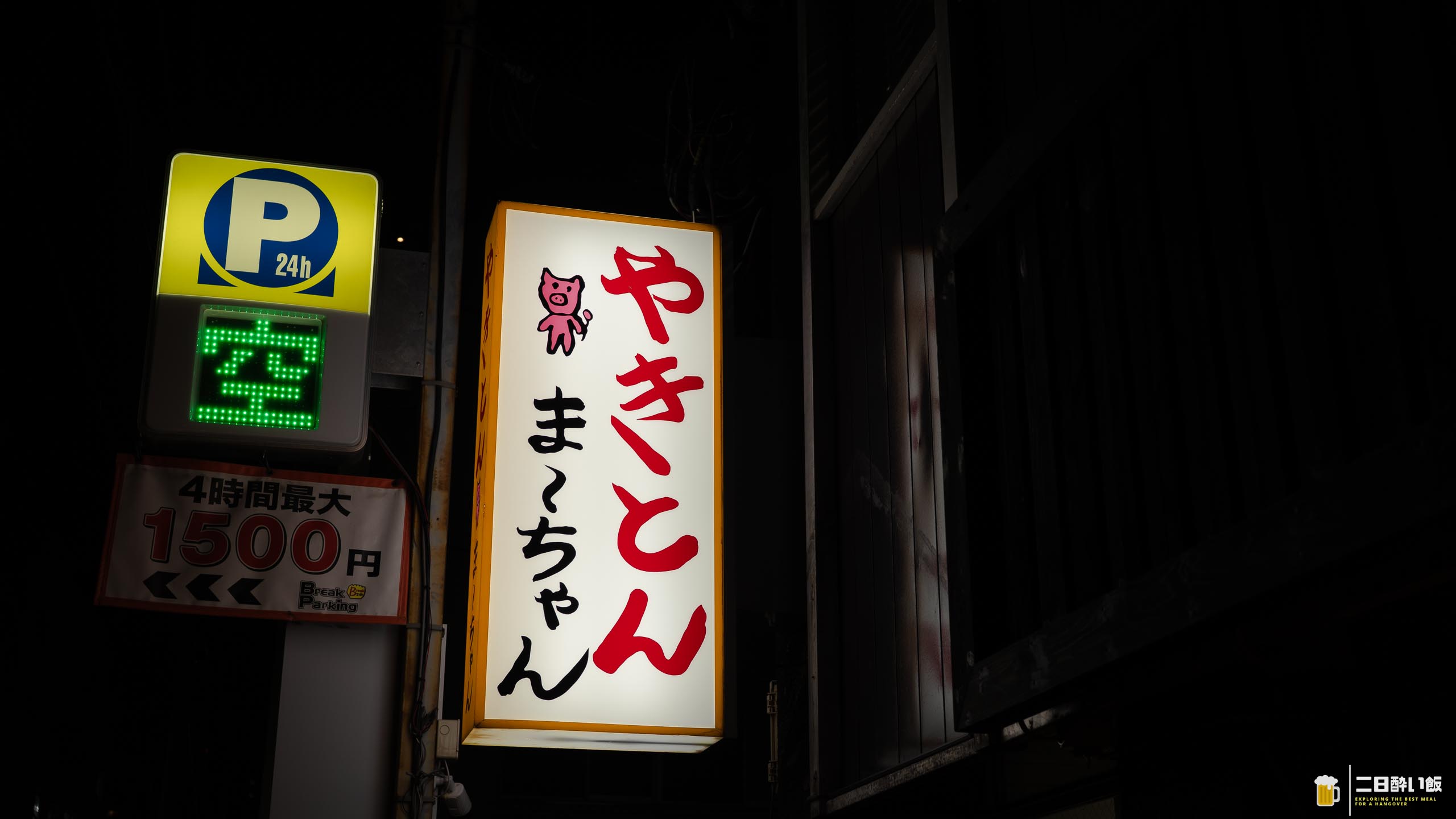
The room was all but full. There are only four counter seats at the back, and they offered them if that would do — decided on the spot. The counter is standing-only, but yakiton is not a thing you linger over, so standing is if anything the better way.
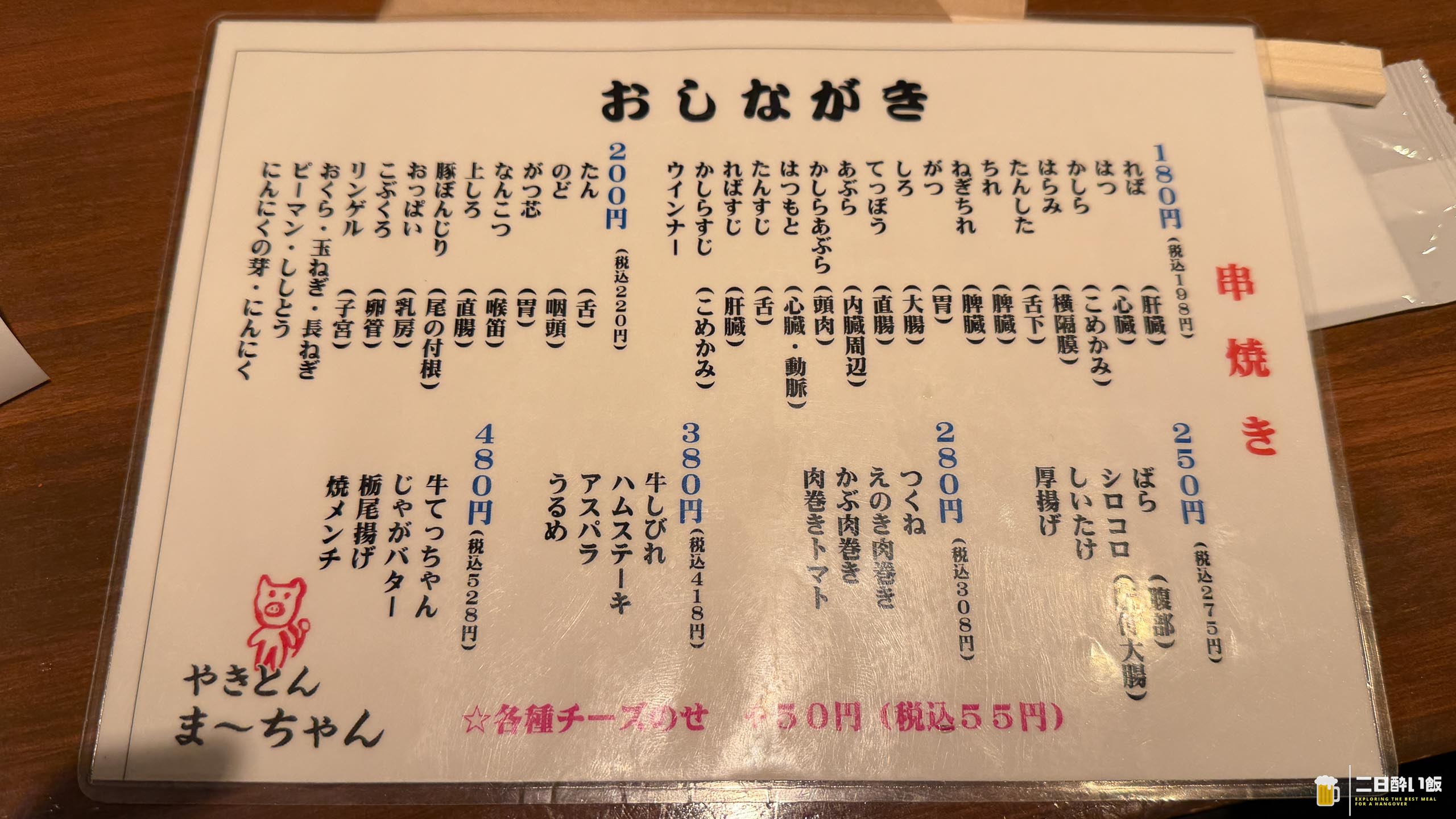
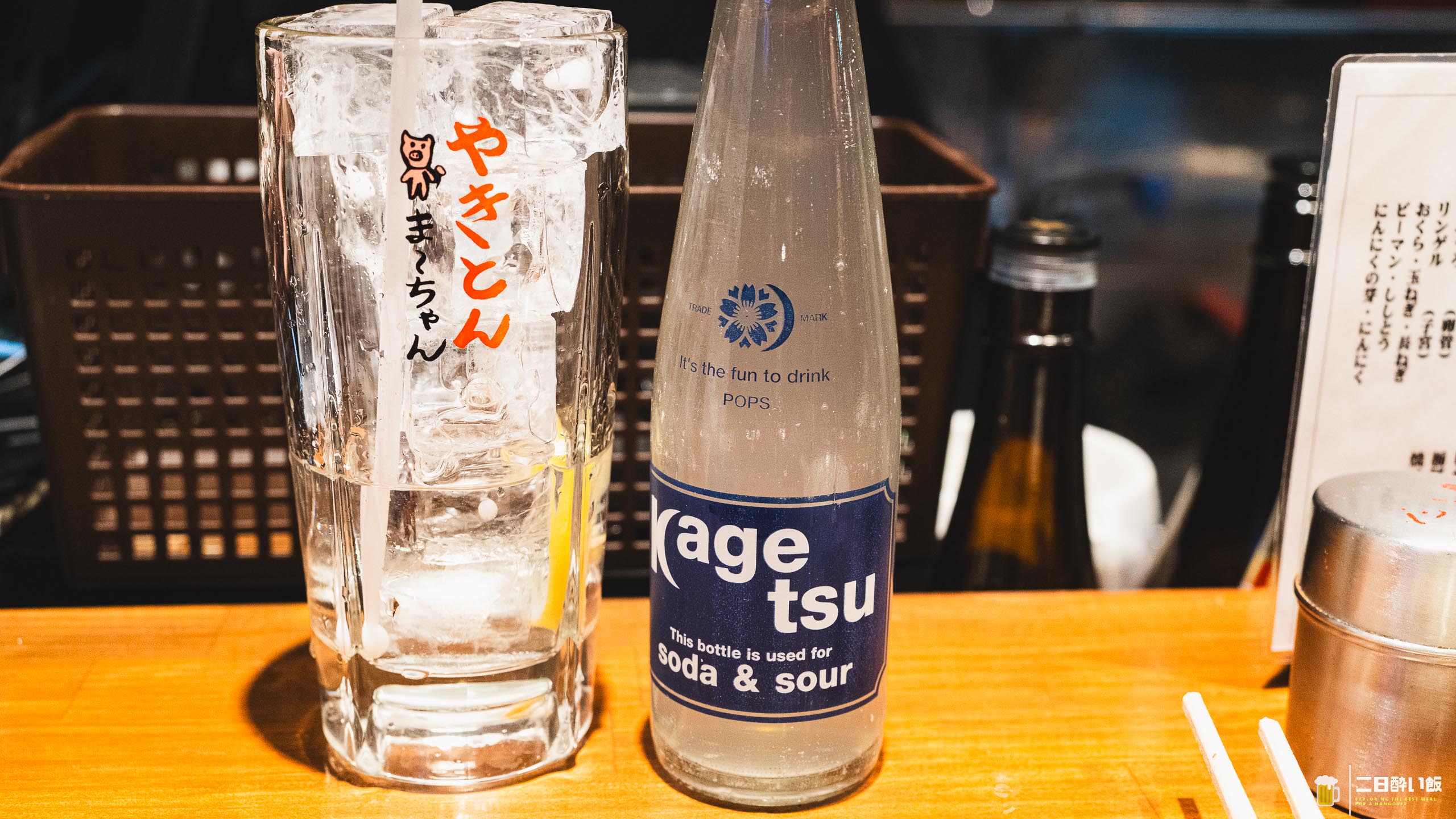
Yakiton comes in a range of cuts. Skewers run from 180 to 480 yen. There is even a skewer of Tochio abura-age, which is tempting. Turn the menu over and there are plenty of other snacks, motsu sashi among them. I had thought of this as a quick stop, but with a menu this long you can see why people settle in. For drinks: beer, Kinmiya, chuhai, whisky. Among the mixers, the words coffee and coffee milk. My first reaction was “sorry?”, though I suppose it is not impossible. Unusual, at least.
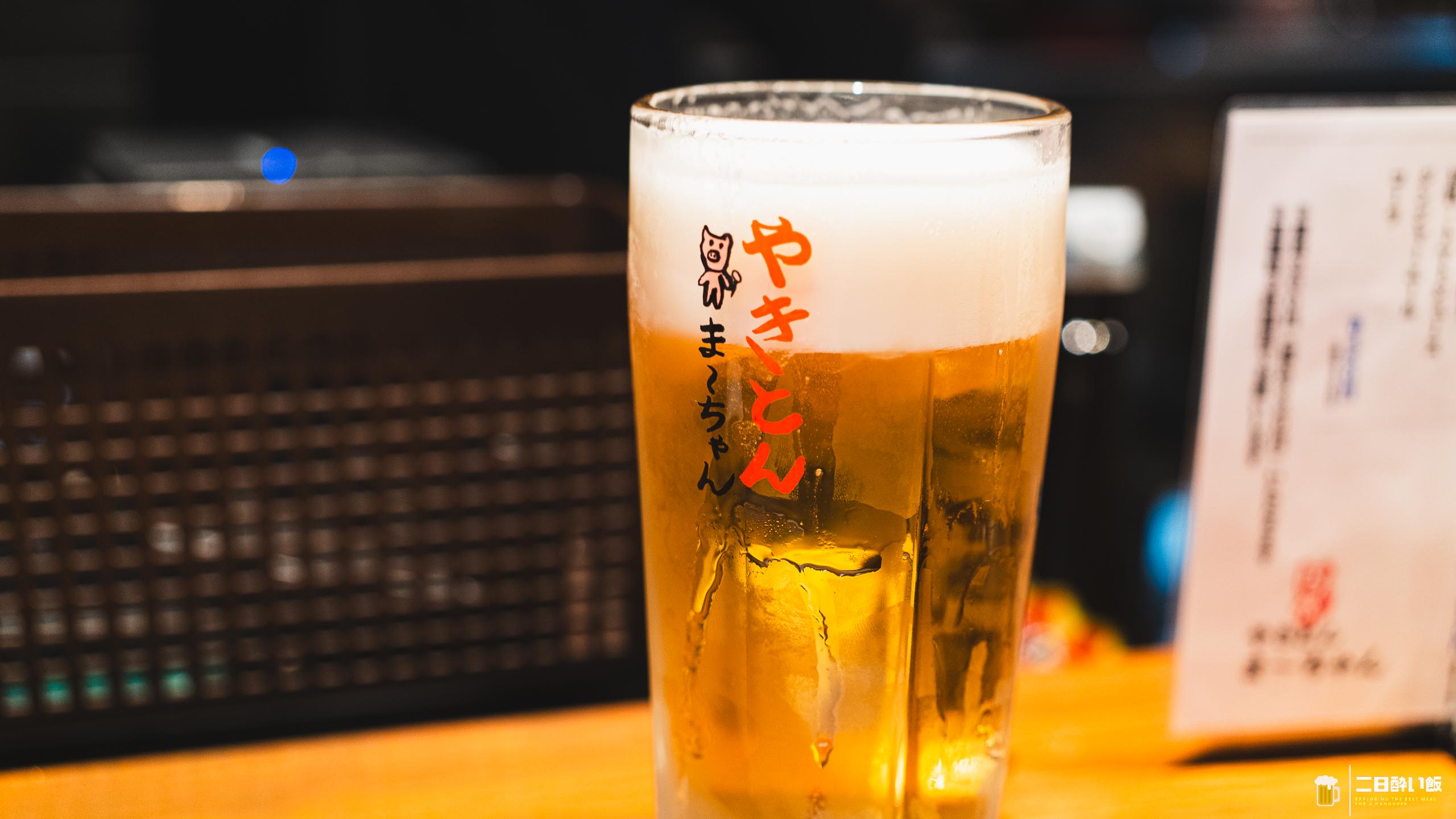
Right, beer first. That first glass is dangerously good.
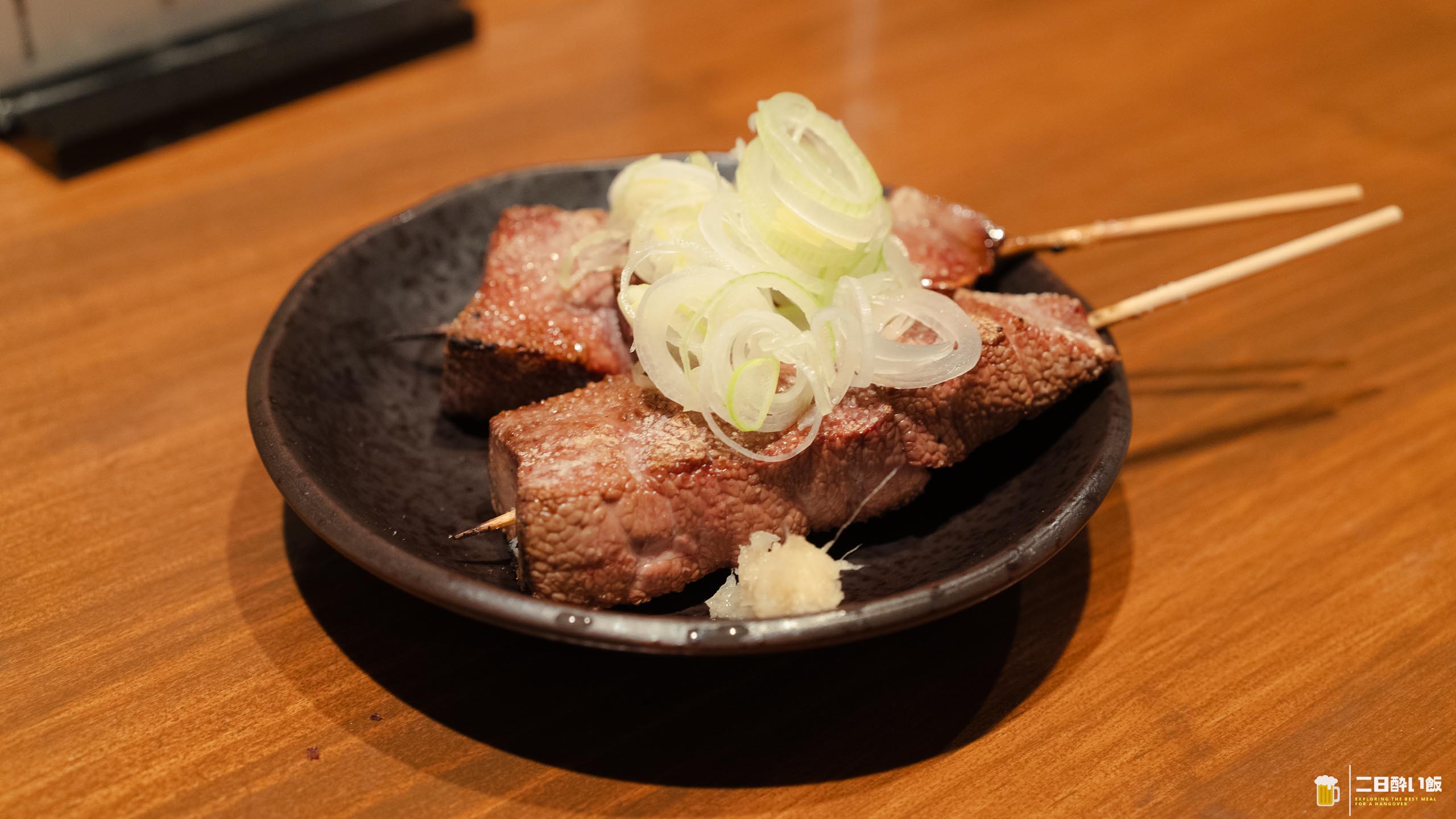
The liver comes two ways, reba and reba-goma, the one with spring onion being reba-goma. So well made that I want people who dislike liver to try it once. Almost no gaminess at all, and the cooking is judged beautifully — a quick pass over the surface, the center left dense and creamy. The moment it goes in, the liver’s own savor spreads out. Rich but not heavy, and it does not cling to the tongue, which struck me. A liver skewer of very fine overall balance. Perfect with beer.

Any yakiton lover will be hit by this one. Properly prepared, so no gaminess; grilled to a fragrant outside with a well-judged spring left in the middle. The first bite has a firm crunch, and as you chew the fat and the savor seep slowly out. The fat is not too heavy, and what comes forward is the sweetness particular to pork tongue. The salt is judged exactly right, lifting the ingredient rather than getting in its way. The smell of charcoal sits firmly on it — simple, and thoroughly satisfying.

In the mouth: crisp where the surface has caught, and inside that distinctive crunching texture. The bite of cartilage is there, with a faint gelatinous quality peculiar to the windpipe, so it is not too hard and easy to eat. A simple salting lifts it well. There is little fat, so the finish is light and you feel you could eat any number. A pinch of shichimi adds depth to the aroma and sharpens the outline of the flavor.

The fragrant smell of fat rising the instant it comes off the grill is powerful, and expectations climb before you have eaten anything. One bite: the surface thoroughly grilled and fragrant, the inside astonishingly tender. It is a lean-leaning cut, but with each chew a measured amount of fat and meaty savor spreads out, and no heaviness is left. The seasoning is kept simple. The clean edge of the salt tightens the sweetness of the meat, and the quality of the grilling is plain to see.

Shiro is a standard no yakiton lover can skip. As it looks, the surface is grilled through and fragrant, and the smell as it enters the mouth is the first pleasure. Inside there is springy fat and a sweetness that grows as you chew, with no off note or gaminess whatsoever. It is precisely because the preparation is thorough that the finish is this light. The tare is not too sweet; it has depth without stickiness, and its role is to gather up the savor of the fat cleanly. The grilling is exact too — the fat has not melted away, and the texture particular to shiro is properly left intact.
This is delicious!

Last, the simmered offal I had been curious about. Lift it with chopsticks and it falls apart tenderly, yet it has been stopped just short of collapsing, so the texture holds. Miso-based but restrained in salt, built so the sweetness and depth of the fat spread slowly. Besides the offal there is other meat in there, falling-apart tender. Pork belly, perhaps. The seasoning is strongly sweet and goes well with a drink.
So: we drank a fair amount, but six skewers and some snacks do fill you up. I could still eat, strictly speaking, but the pace had dropped a little, so we called it there and finished. In quickly, out quickly. That is the iron rule of drinking around Ueno. Now then, where next? A thoroughly delicious shop. Recommended.
Yakiton Ma-chan (Motsuyaki / Naka-okachimachi Station, Shin-okachimachi Station, Okachimachi Station)
Tabelog dinner rating ★★★☆☆ 3.7
I ate here and paid for it myself. Nothing on this site is a comped meal.
One more for the road?


