


A note on the words: okamochi traditionally refers to a wooden delivery carrier, but at this shop it means a large wooden tub filled with the day’s fresh whole catches brought table-side for you to choose how each fish is cooked. Hobo (bluefin searobin) is a prized white-fleshed fish famous for making a croaking sound when pulled from the sea — the inspiration behind the shop’s name Nakizakana (‘crying fish’). Ainame is fat greenling, celebrated for its delicate sweetness in summer. Mizudako is tender giant Pacific octopus, momiji-oroshi is spicy grated daikon with red chili, and nitsuke refers to fish gently simmered in a sweet soy glaze.
Nakizakana Shinjuku ten hanare on Tabelog (English) — opening hours, payment details and the Japanese address are kept up to date there, not here.
To all my fellow drinkers, thanks for waiting! It is time for Hangover Meshi!
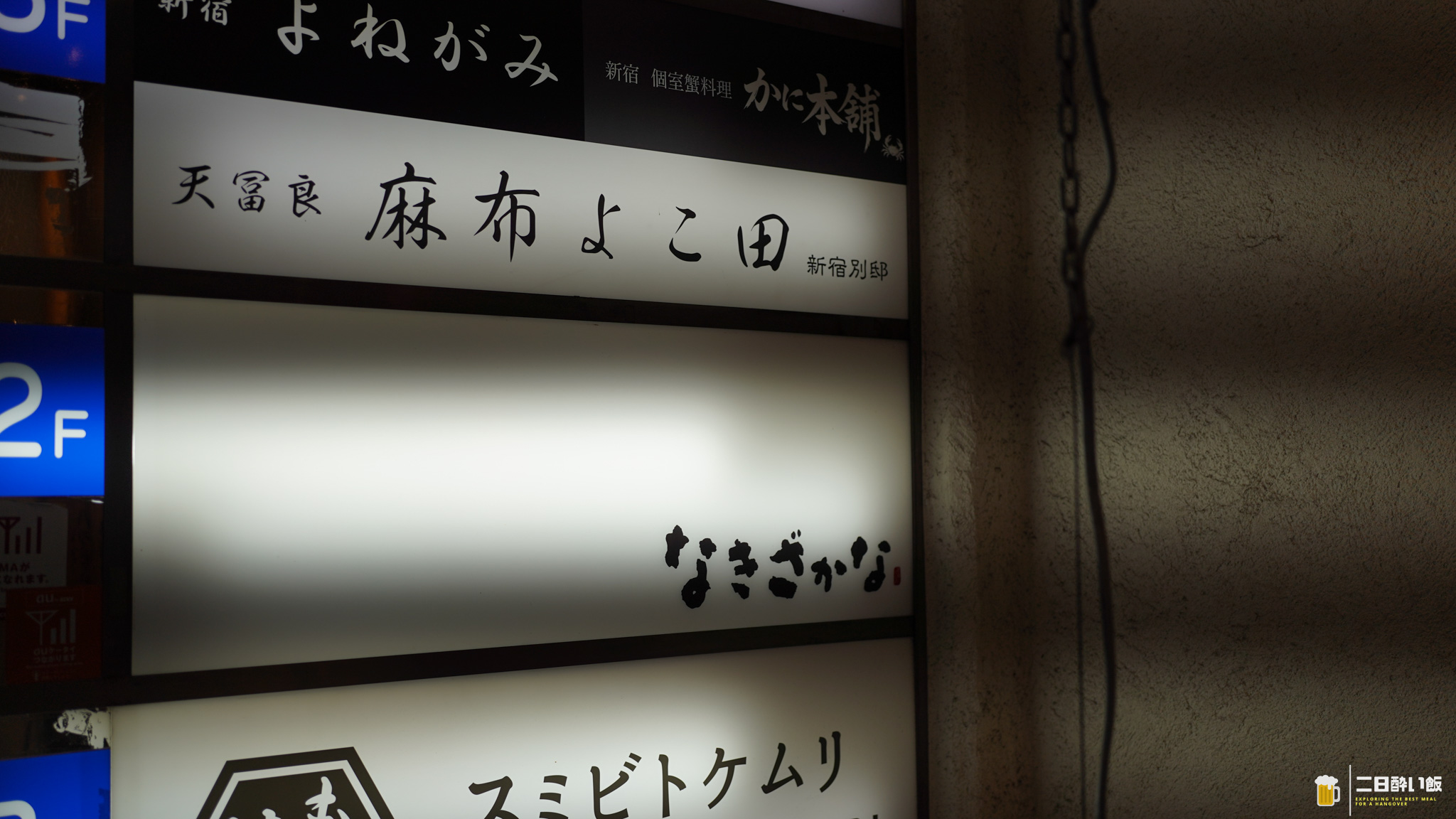
This time I headed to Nakizakana Shinjuku ten hanare, a seafood izakaya (Japanese pub) near Shinjuku’s west exit! I had been craving fish. This place uses an okamochi (a wooden tub of the day’s whole fish, carried to your table) style, where staff bring a generous display of fresh catches right to your seat, and you get to pick which fish you want prepared which way — a wonderfully unique setup.
The okamochi tub makes its rounds to tables one by one, so while waiting, I started by ordering whatever was ready to go.
First things first: nothing gets started without a beer!
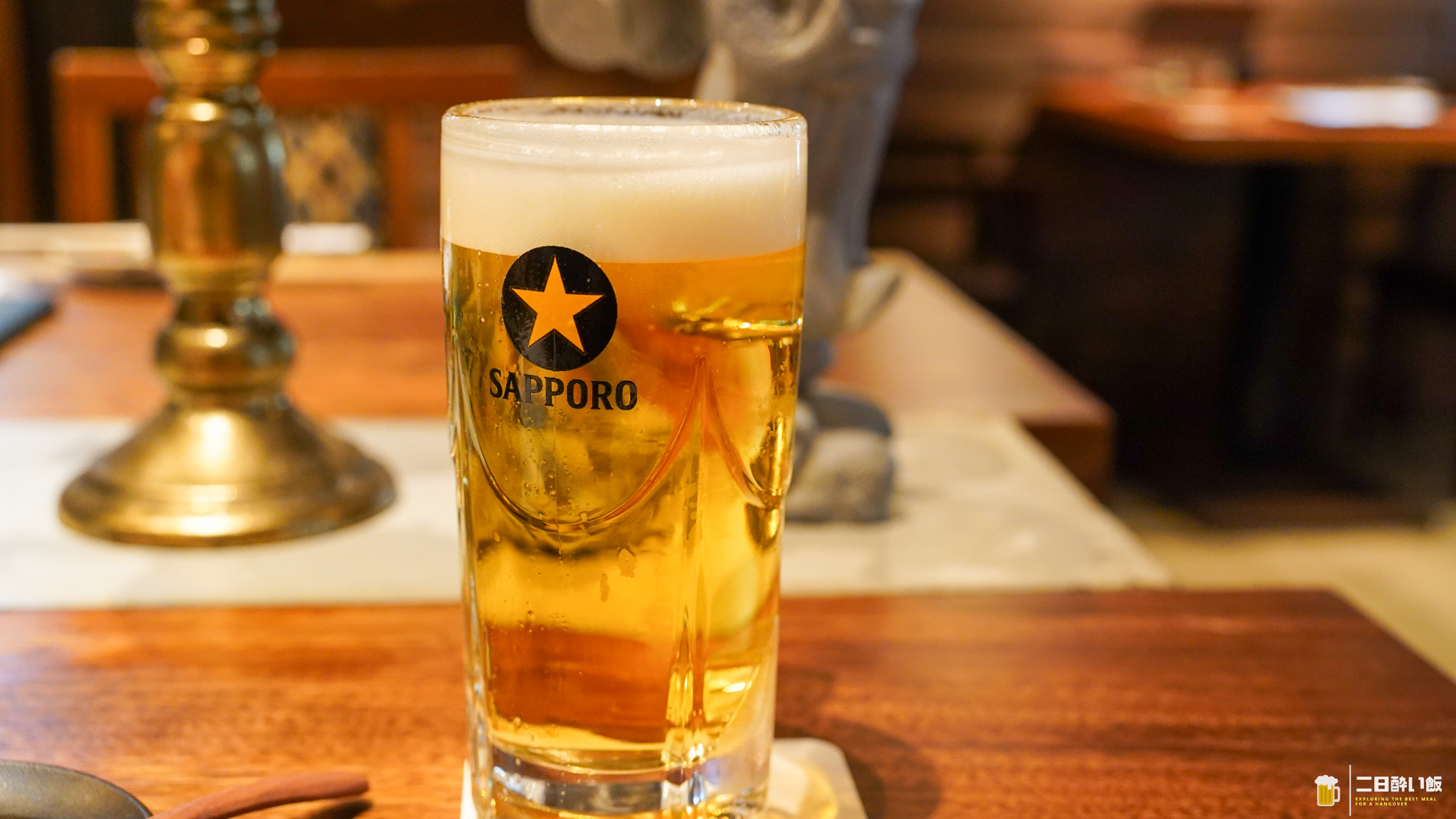
Soooo good!
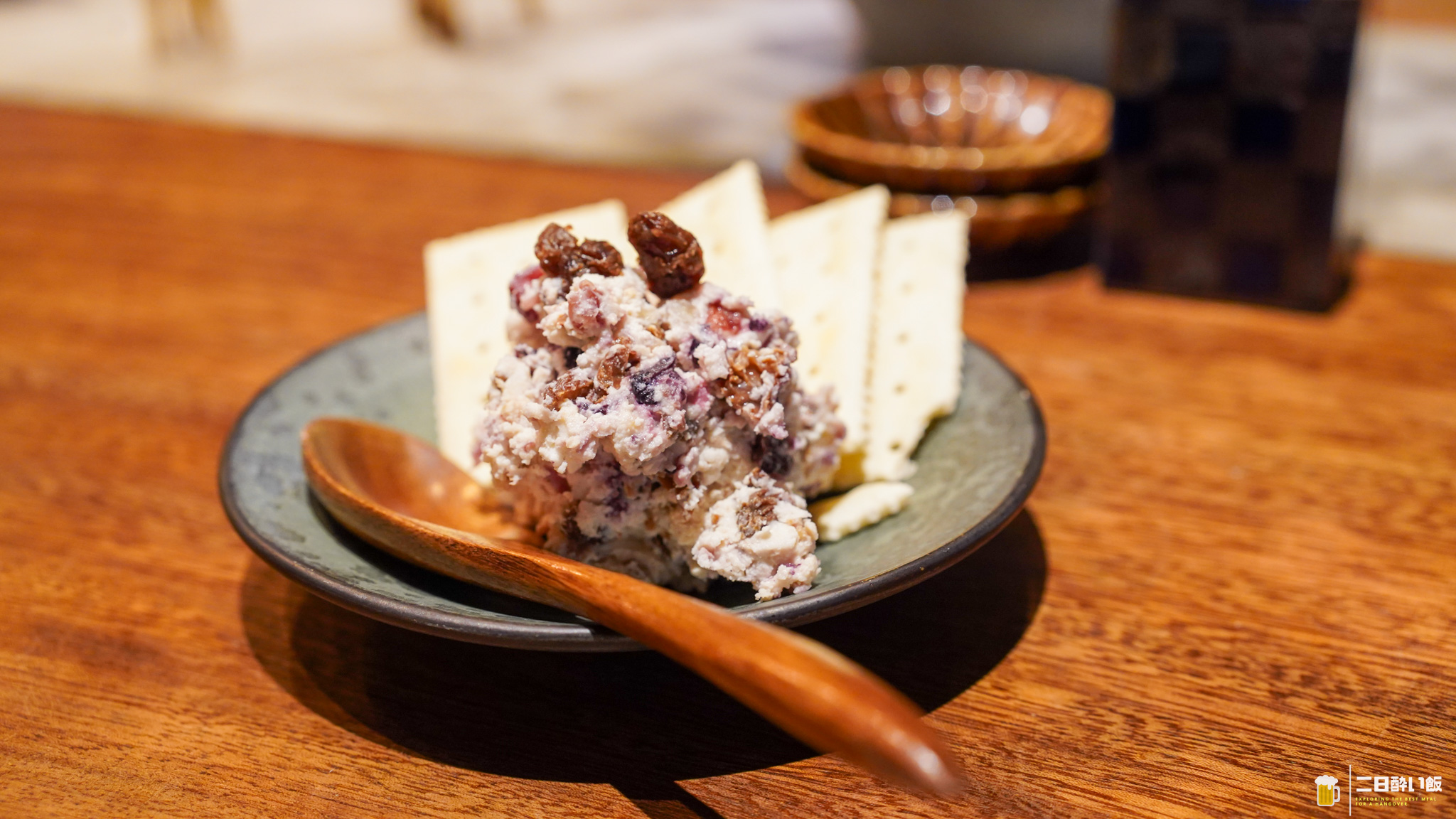
I ordered this just because it sounded tempting, and the balance between the sweet raisins and the salty cream cheese is outstanding! Honey is great, but raisins go incredibly well with it too. Maybe I will try making this at home sometime.
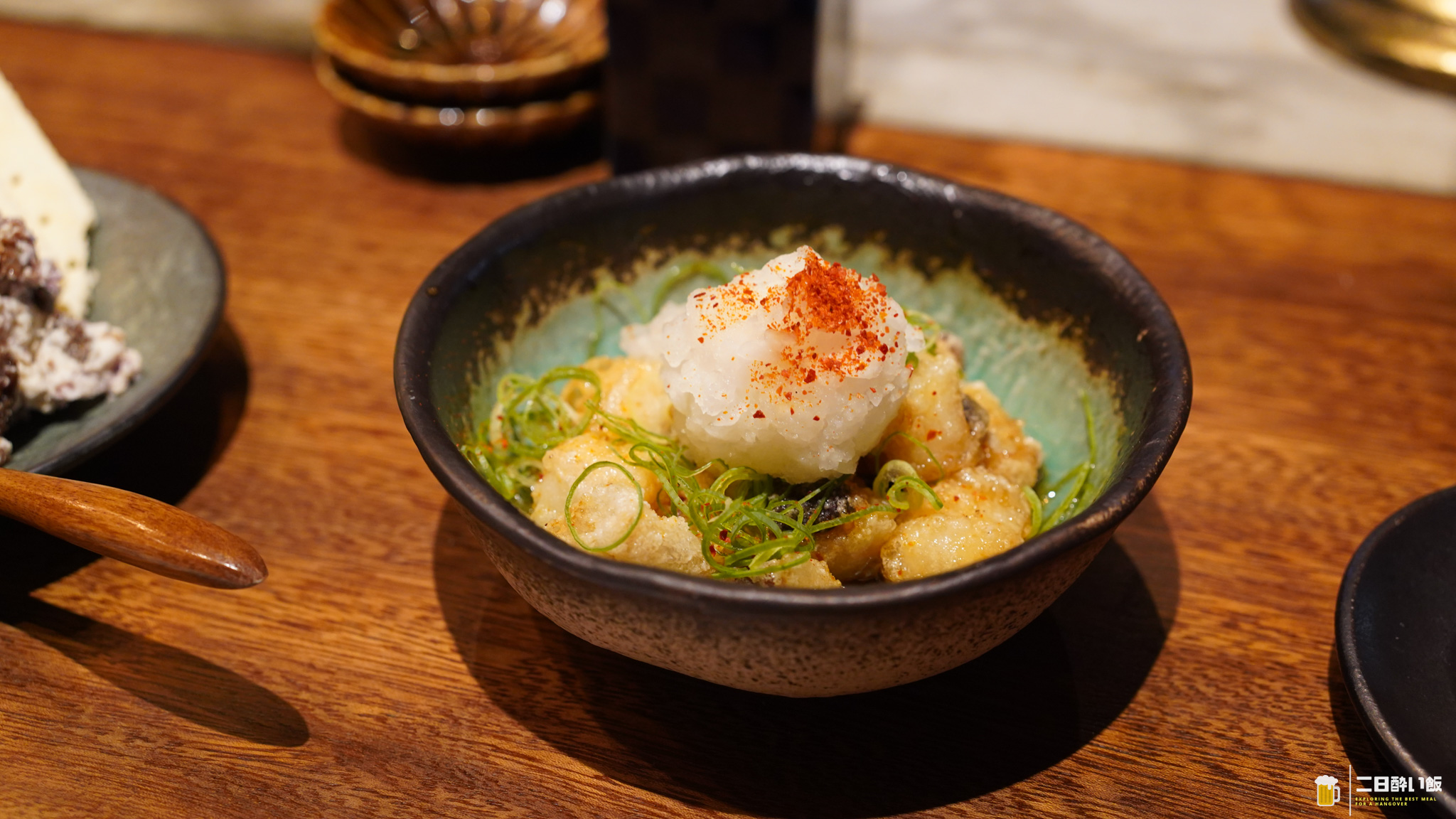
Fried octopus is something I order whenever I spot it on a menu. Because it is mizudako (giant Pacific octopus), the pieces are quite large with a delightfully bouncy, succulent chew! It pairs wonderfully with ponzu, too. Fried octopus is just so good.
And with that, the okamochi tub finally arrived!
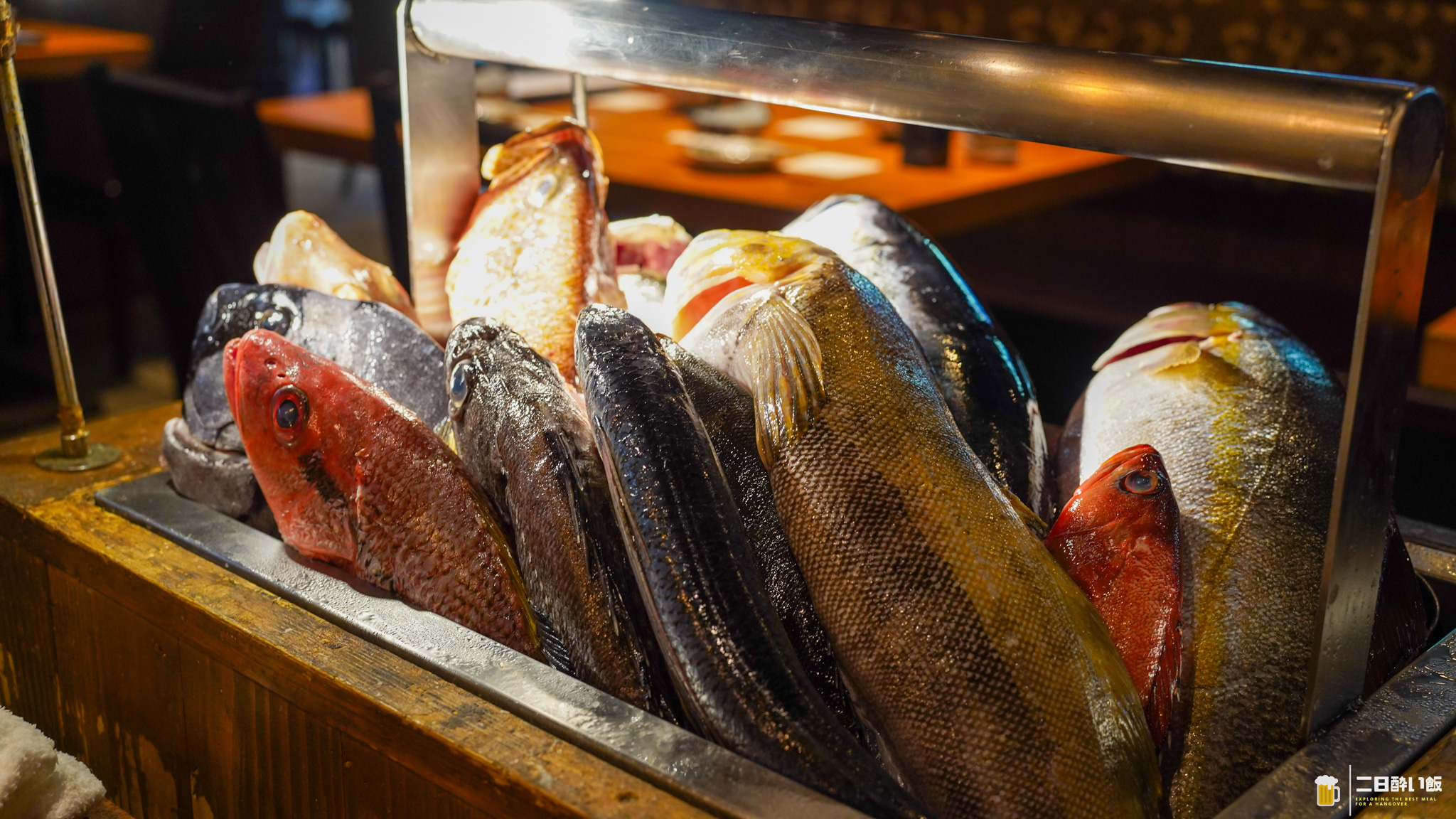
What an impressive array of fish! And they look remarkably fresh — crystal-clear eyes.
I imagine everything is sold at market price for the day, and what I chose this time was…
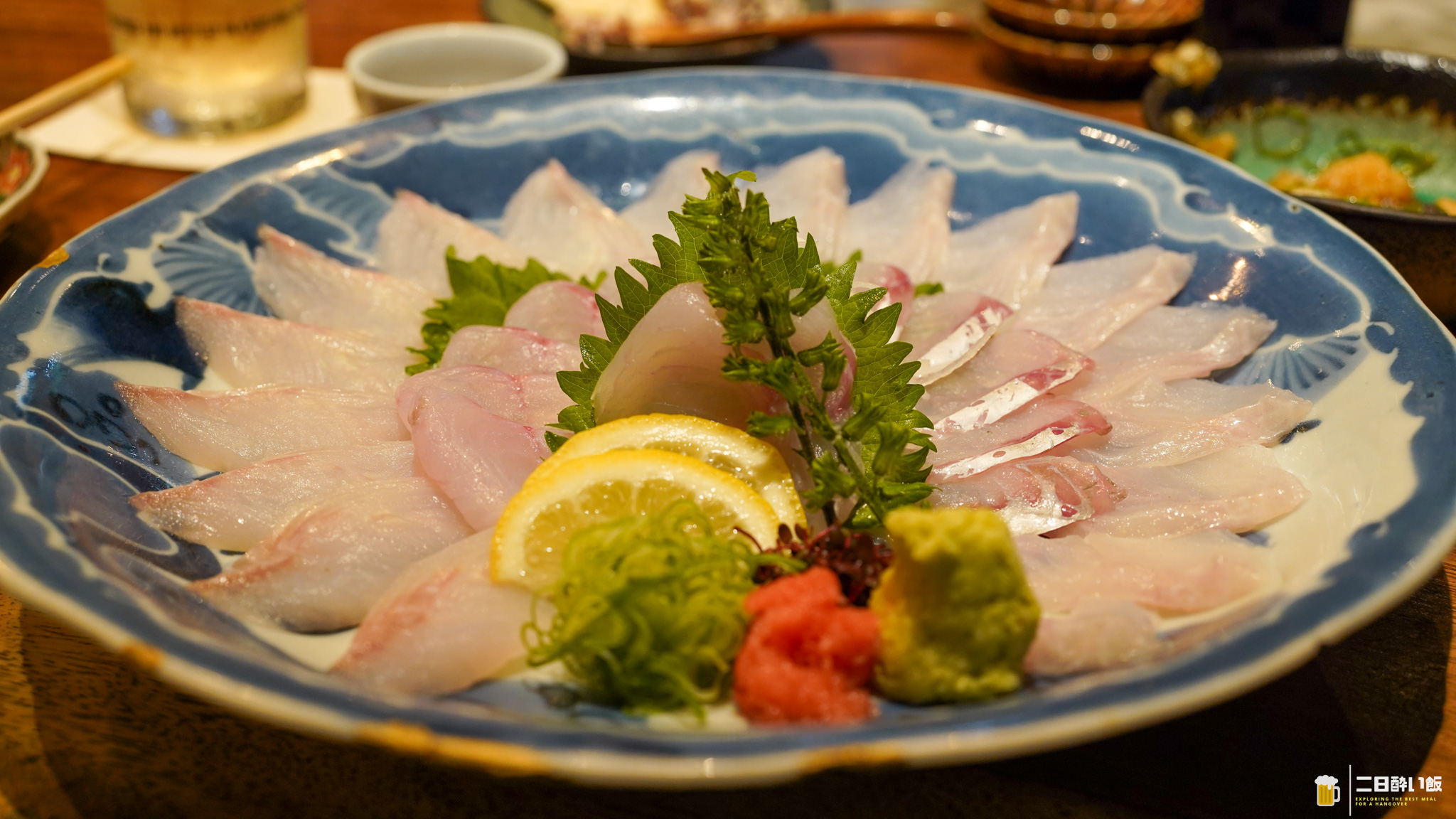
First, sashimi (sliced raw fish)! I had them prepare both the hobo (bluefin searobin) and ainame (fat greenling) for this.
For a white-fleshed fish, hobo has real depth of flavor; as you chew, a natural sweetness emerges from beyond the firm, springy texture. Hobo is notoriously difficult to fillet, so getting it at a restaurant is a real treat! The ainame is lighter and more delicate, with an effortlessly smooth mouthfeel. Its peak season is summer when it fattens up before spawning, so it is delicious right now. I used to think of ainame as something you could catch almost anywhere, but these days it is treated as a luxury fish.
Even though both are white fish, their flavor profiles are entirely distinct, and alternating between them highlights the contrast nicely. Switching to the accompanying momiji-oroshi (grated daikon with chili) and ponzu shifts the way the sashimi’s sweetness comes forward all over again.
It is great that they arrange the two catches you picked from the okamochi tub together on a single platter!
Of course, I didn’t have the whole fish turned into sashimi, so the rest of the preparations kept arriving one after another.
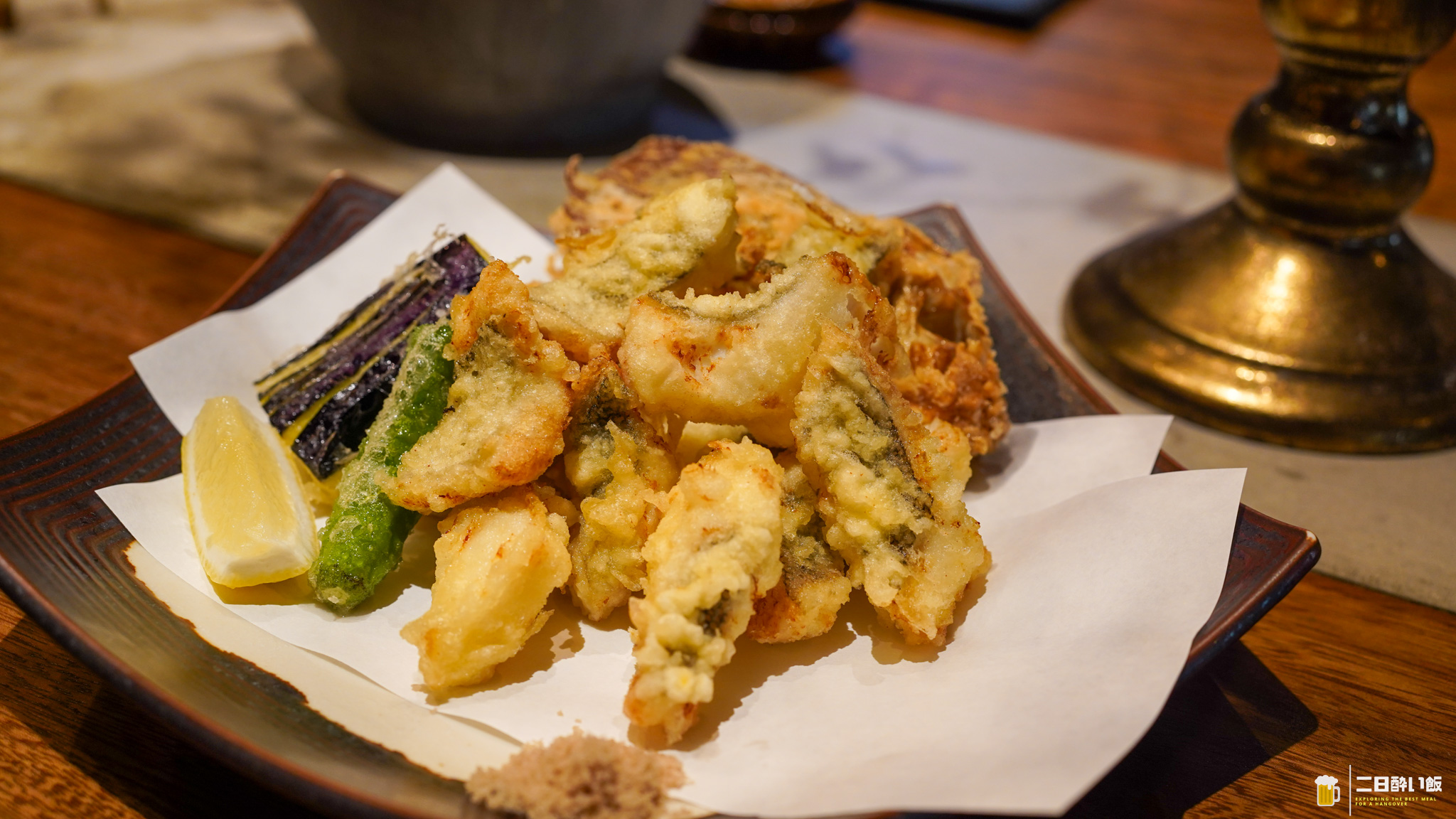
Here is the deep-fried ainame!
Because it is fried skin-on, you get to enjoy the flavorful layer right beneath the skin! The light potato-starch coating yields with a crisp bite, while the flesh inside flakes away soft and tender. That crisp-outside, fluffy-inside contrast is irresistible. It is delicious with a squeeze of lemon and the accompanying salt, but dipping it into ponzu is fantastic too!
Being able to ask for the rest of the fish you had as sashimi to be deep-fried is exactly what makes the okamochi system so great.
And for the remaining half of the hobo, I had it prepared as nitsuke (simmered in sweet soy).

It is amazing how the very same fish you just ate raw can transform so completely once heat is applied! If anything, I feel hobo is more commonly simmered as nitsuke, especially since it is tricky to fillet. The raw chewiness vanishes completely; touching it with chopsticks, the tender flesh falls apart gently, revealing its natural sweetness from beneath the sweet-and-savory simmering glaze. Yes, wonderfully good.
The fish were quite large, so I left completely full! The okamochi style — looking at the actual fish while talking things over with the staff to decide how each should be cooked — felt special and entertaining, making for a truly enjoyable night. And that hobo we finished with actually croaks with a “bo-bo” sound when hauled out of the water, a literal “crying fish” that lives up to the shop’s name Nakizakana, ha!
Here’s to hoping for more delicious finds today!


[Nakizakana Shinjuku ten hanare] Menu
Signature okamochi fresh fish (July 18)
The day’s catch carried to your table in a wooden tub. Choose a whole fish and specify your preferred cooking methods: sashimi, salt-grilled, simmered in sweet soy (nitsuke), deep-fried (karaage), tempura, and more. Offerings change daily; this was the lineup on July 18.
Large: whole 21,000 / half 10,500 | Small: whole 19,800 / half 9,900
Large: whole 17,000 / half 8,500 | Small: whole 14,000 / half 7,000
Whole 16,800 / half 8,400
Large: whole 16,000 / half 8,000 | Small: whole 14,800 / half 7,400
Whole 14,800 / half 7,400
Whole 13,800 / Large half 8,000, Small half 6,900
Whole 9,980 / half 4,990
Whole 9,600 / half 4,800
Half 4,990
Whole 4,580 / half 2,290
Large 3,480 / Small 2,980
Large 2,680 / Medium 2,380 / Small 1,980
On this day, 25 varieties from 10 regions were presented in the tub, ranging from 980-yen scorpionfish to 21,000-yen Spanish mackerel. For fish available as “whole” or “half”, breakdowns are listed below the prices.
Seasonal specialties
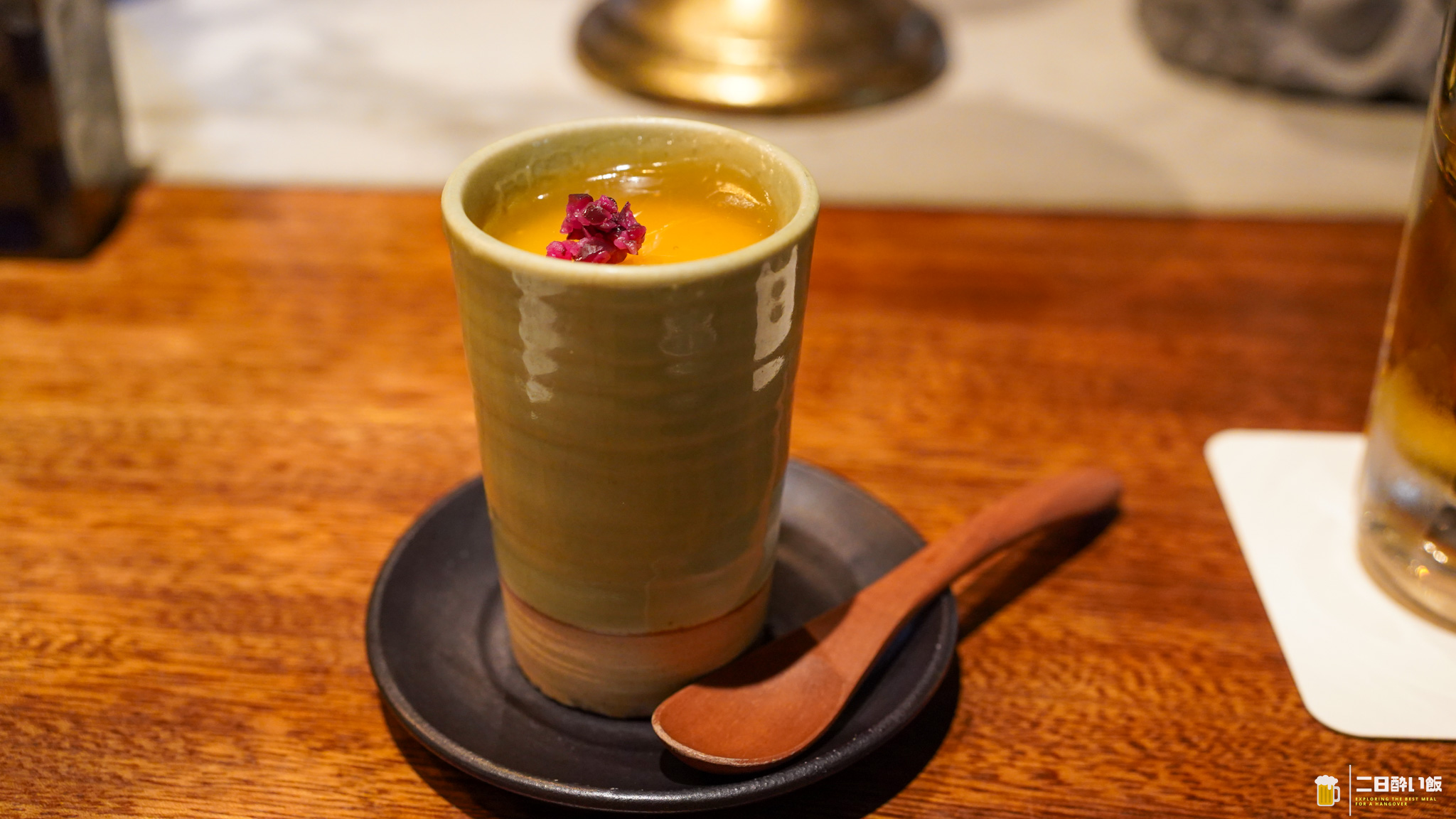
The starter (sakizuke) was a chawanmushi (savory egg custard) with sweet corn and yuba (tofu skin).
Two pieces
One skewer
Signature dishes
Seasonal vegetables
~Honey mustard~
Hot dishes
Fried dishes
Garlic soy sauce
Grated daikon ponzu
Rice dishes
Desserts
* From storefront menu during a July 2026 visit. Prices include tax; offerings change seasonally. Fresh fish in the okamochi tub changes daily. Please check the official website or in-store for the latest information.
Nakizakana Shinjuku ten hanare (Seafood / Shinjuku Station, Tochomae Station, Minami-shinjuku Station)
Tabelog dinner rating ★★★☆☆ 3.5
I ate here and paid for it myself. Nothing on this site is a comped meal.
One more for the road?


