


A note on the words: omakase means you leave the choice to the chef. Akami is the lean red meat of tuna and toro the fatty belly; zuke means marinated briefly in soy sauce. Kibinago is the silver-stripe round herring, and shinko and kohada are the young and grown stages of gizzard shad, a classic cured sushi topping. Kanpachi is greater amberjack, tsumuburi is rainbow runner, nodoguro is blackthroat seaperch, buri is yellowtail, and saimaki is a small kuruma shrimp. Mozuku is a fine seaweed served in vinegar, chawanmushi is a savory steamed egg custard, and konowata is salted sea cucumber innards. Nori is dried seaweed, maki a rolled piece, tamago the sweet omelet that closes a sushi course, and gari the pickled ginger. Okowa is steamed glutinous rice. Shochu is a distilled spirit, here made from sweet potato. Sudachi and kabosu are small green citrus fruits. Prices are as of this writing (August 2026).
Table of Contents hide
Sushi Ryori Ichitaka on AutoReserve (English) — opening hours, payment details and the Japanese address are kept up to date there, not here.
I want to eat something good today too. This is Hangover Meshi. This time, Fukuoka. I had some business there, and since I was going anyway, I decided to fly in the day before and eat something good. So it was an eight o’clock flight from Haneda to Fukuoka. It only takes about an hour and a half. Put like that it is close. Perhaps I could come more casually than I do. I arrived around half past ten and went straight to the first shop. Lunch that day was at Sushi Ryori Ichitaka, a well-known sushi restaurant near Ohori Park in Fukuoka. I had booked the noon lunch sitting in advance.
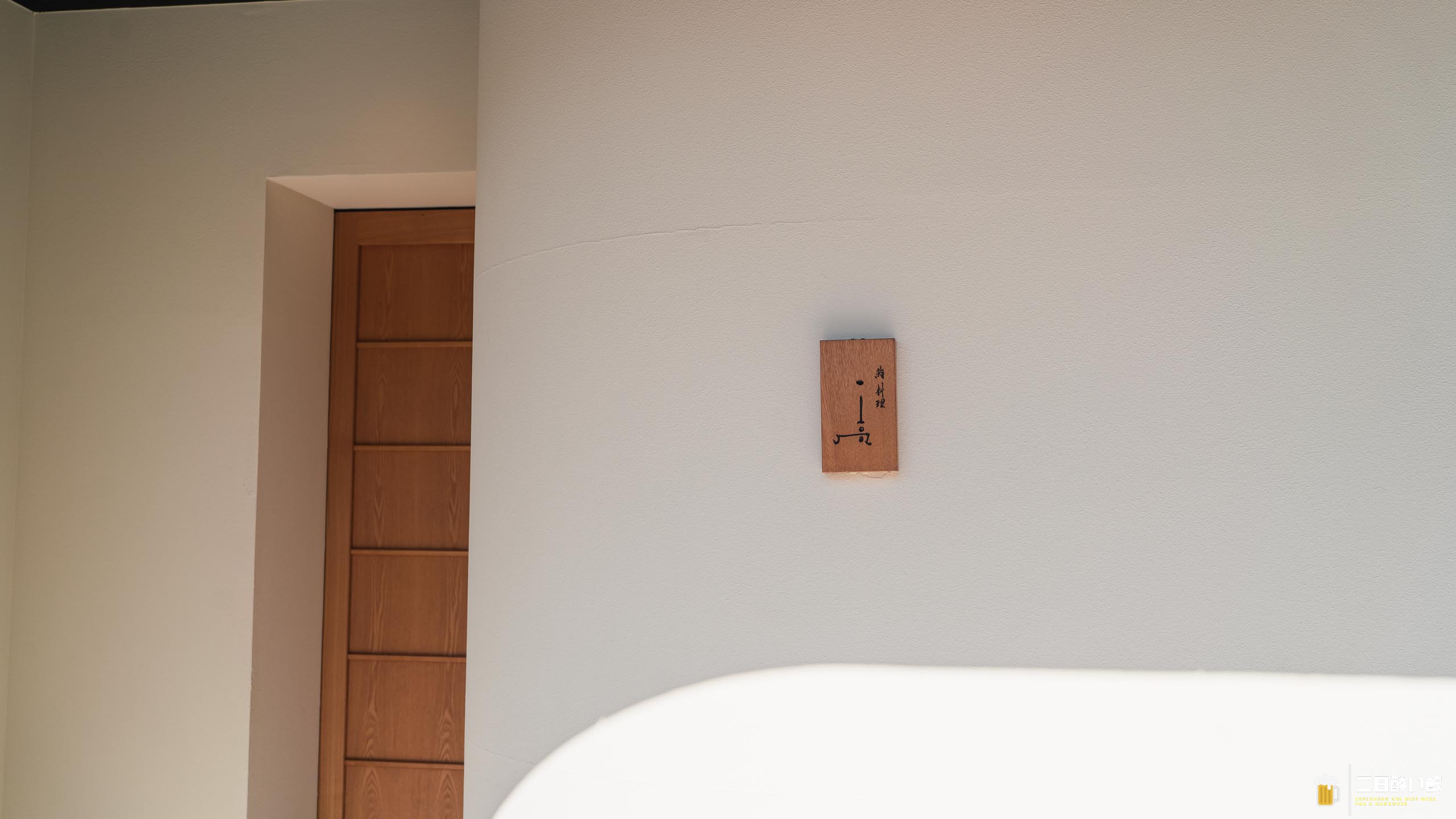
I have no sense of the geography at all, but from Fukuoka airport it is a single ride on the subway, the Kuko line.
I got there about thirty minutes early, so I walked in Ohori Park and arrived at a good time. Inside there were some visitors from abroad, and one well-off-looking gentleman in a suit on his own. With me that made three parties, and the lunch sitting began.
Lunch omakase, Umi, 16,500 yen
Lunch omakase, Sora, 24,200 yen
Lunch omakase, Hikari, 36,300 yen
A very difficult choice.
Do I take the middle one, in the Japanese manner? But I also want to drink a good deal. After some agonizing, this time I have booked Umi.
If it is good, I shall try Sora or Hikari another time.
Right. Sitting down, the drinks list appears.
This is Kyushu, so shochu is tempting, but first a beer to wet the throat.
And to go with it
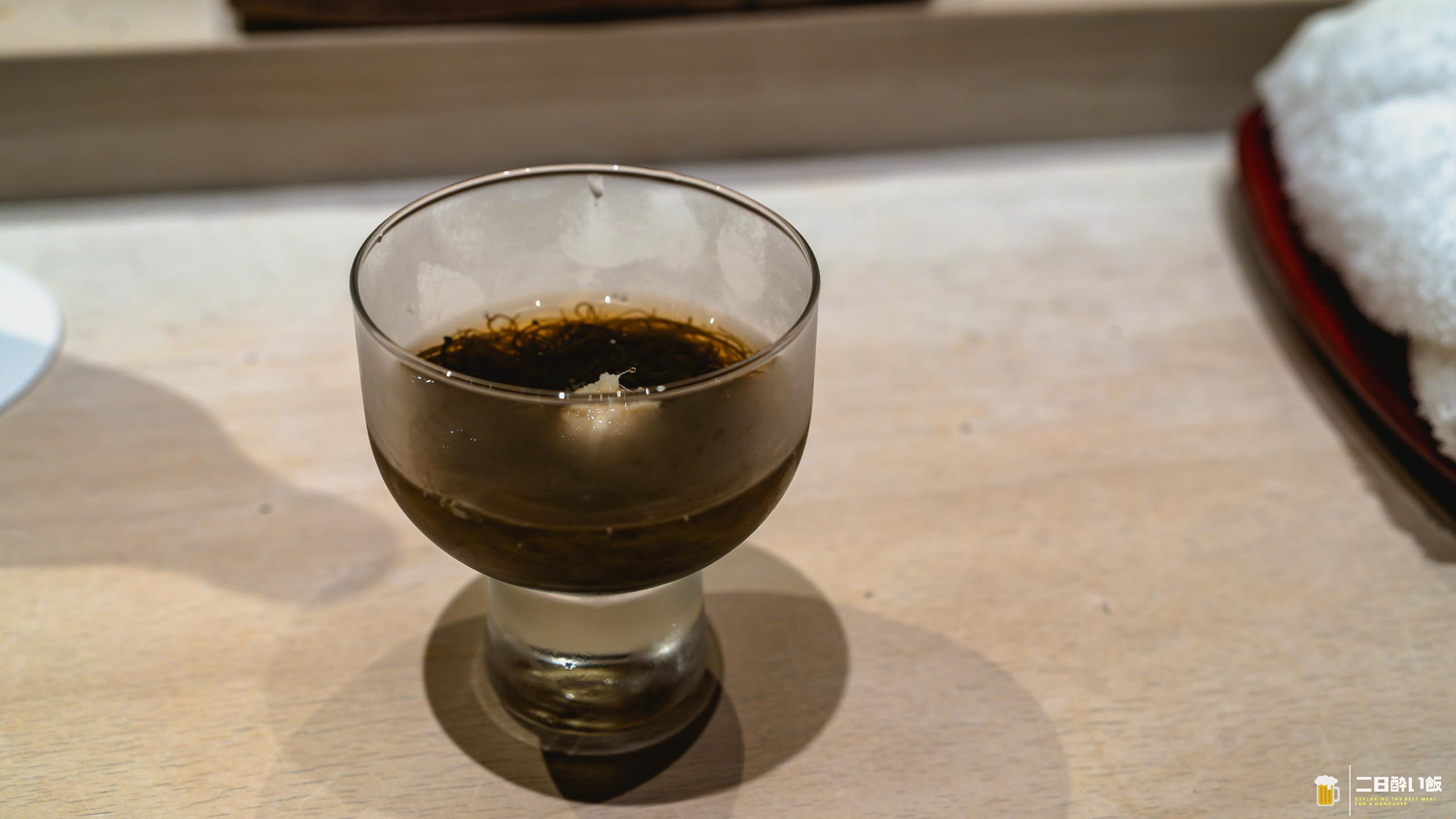
Mellow, with the corners taken off the acidity. The fresh scent of ginger makes it easy to eat.
The mozuku is fine but firm, and good. There is a thicker kind, but I prefer the texture of the fine one.
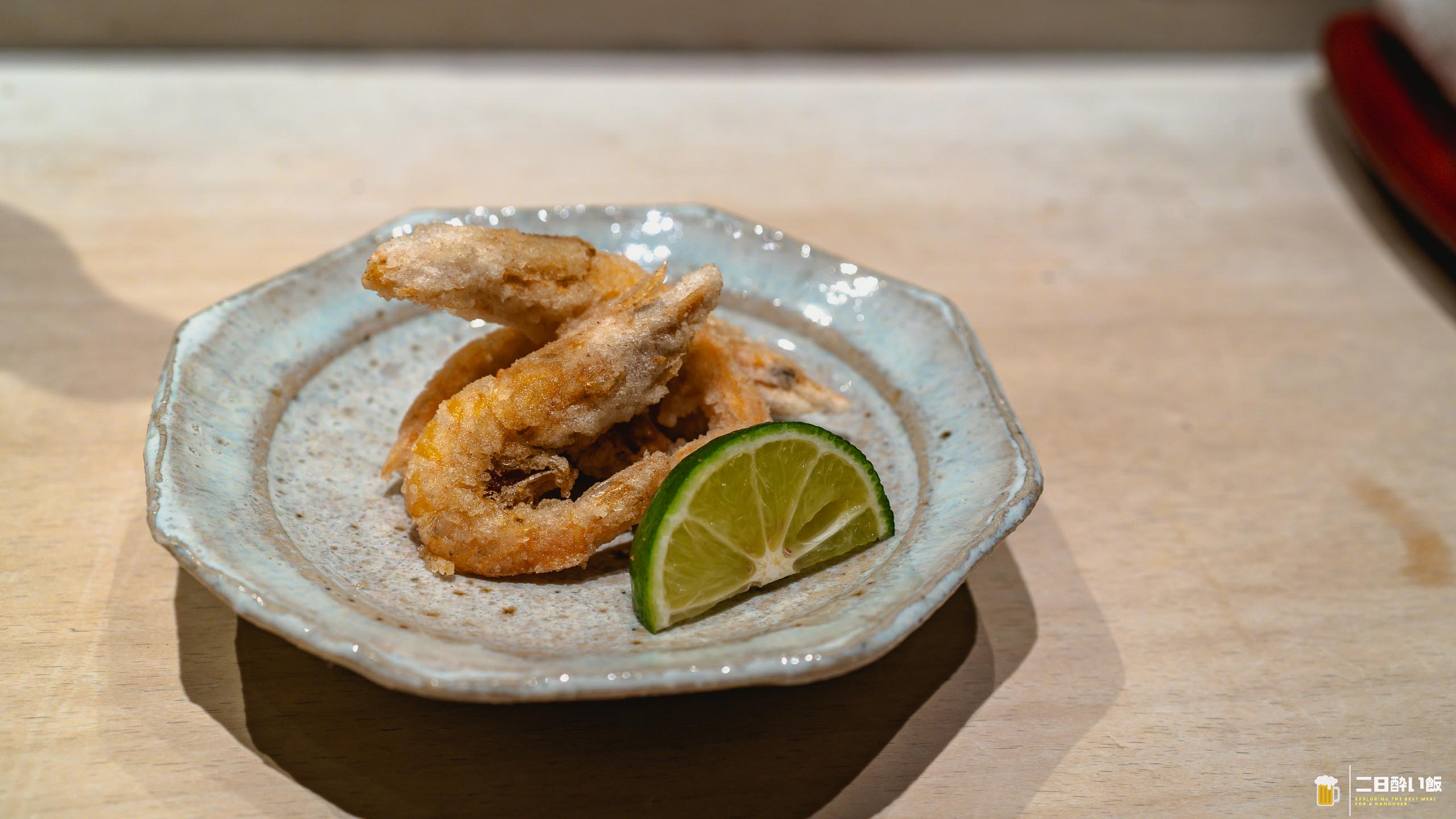
Another thing to pick at. They are fried judged so that even the shells can be eaten, so you can eat the heads and tails and all. The savor of the shrimp is packed tight and the beer goes down fast. Squeeze on a little sudachi, or is it kabosu, and the acidity makes it clean and very easy to eat. Incidentally, of these shiba shrimp, they said they were caught off the PayPay Dome. The good sushi ingredients all go to Tokyo, they explained, so they make good use of what is local.
Excellent. A fried dish and a conversation that make you look forward to the rest of the course.
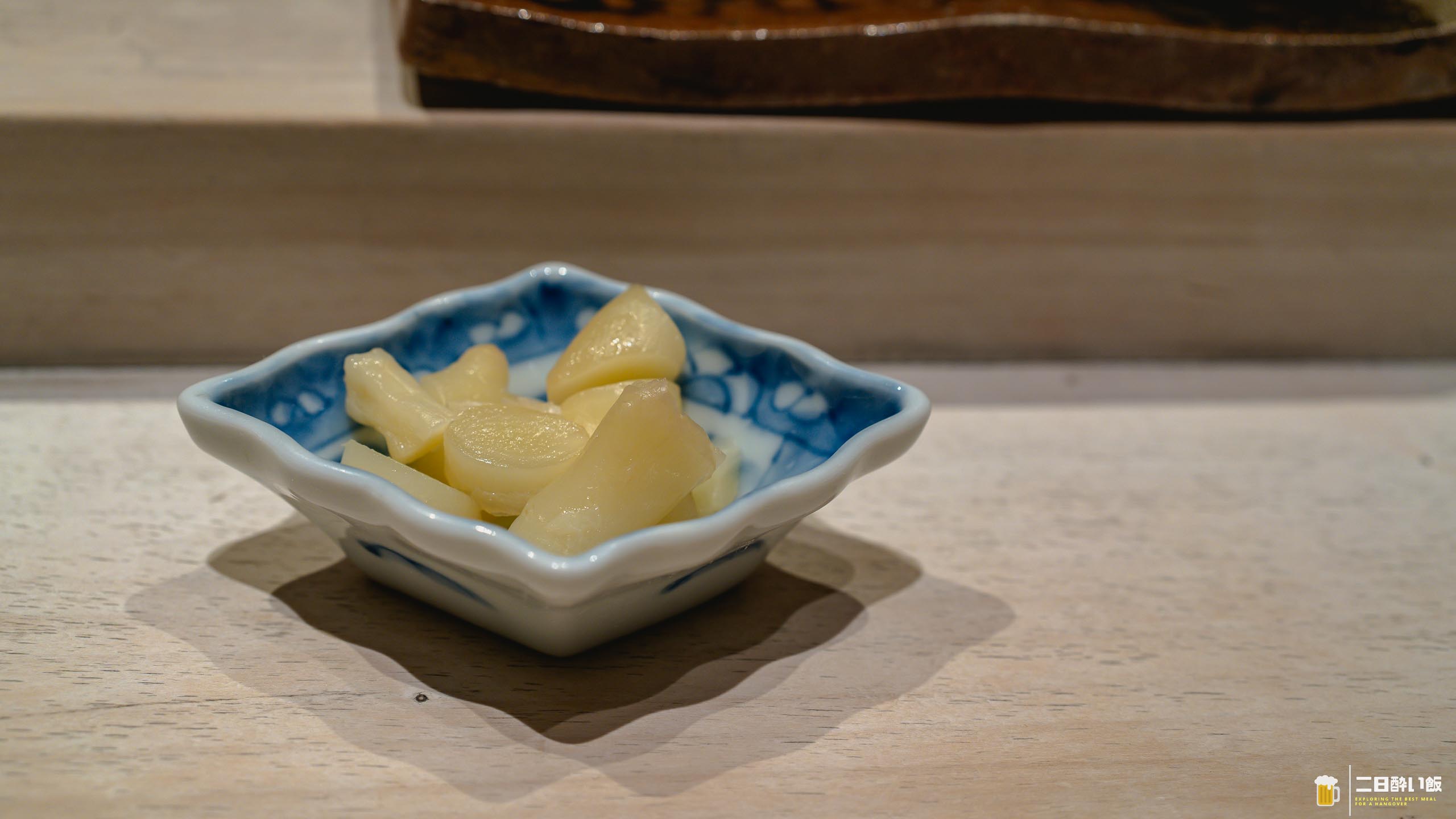

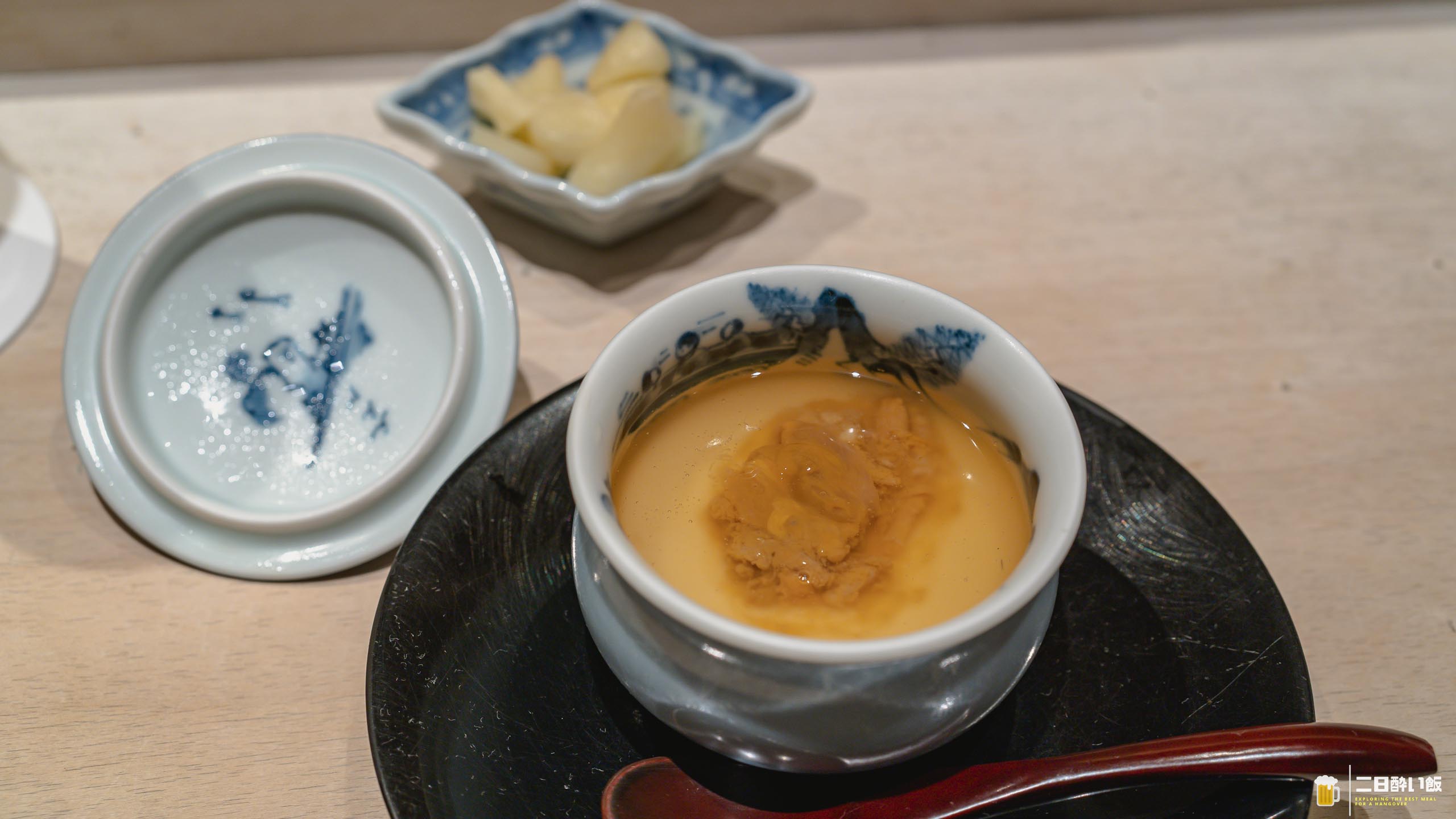
Now that I think of it, what was the thing in the middle? I have a feeling it had something of konowata about it.
The salty filling in the middle and the clean, lightly salted broth are clearly separated, which gives the flavor contrast. Good.
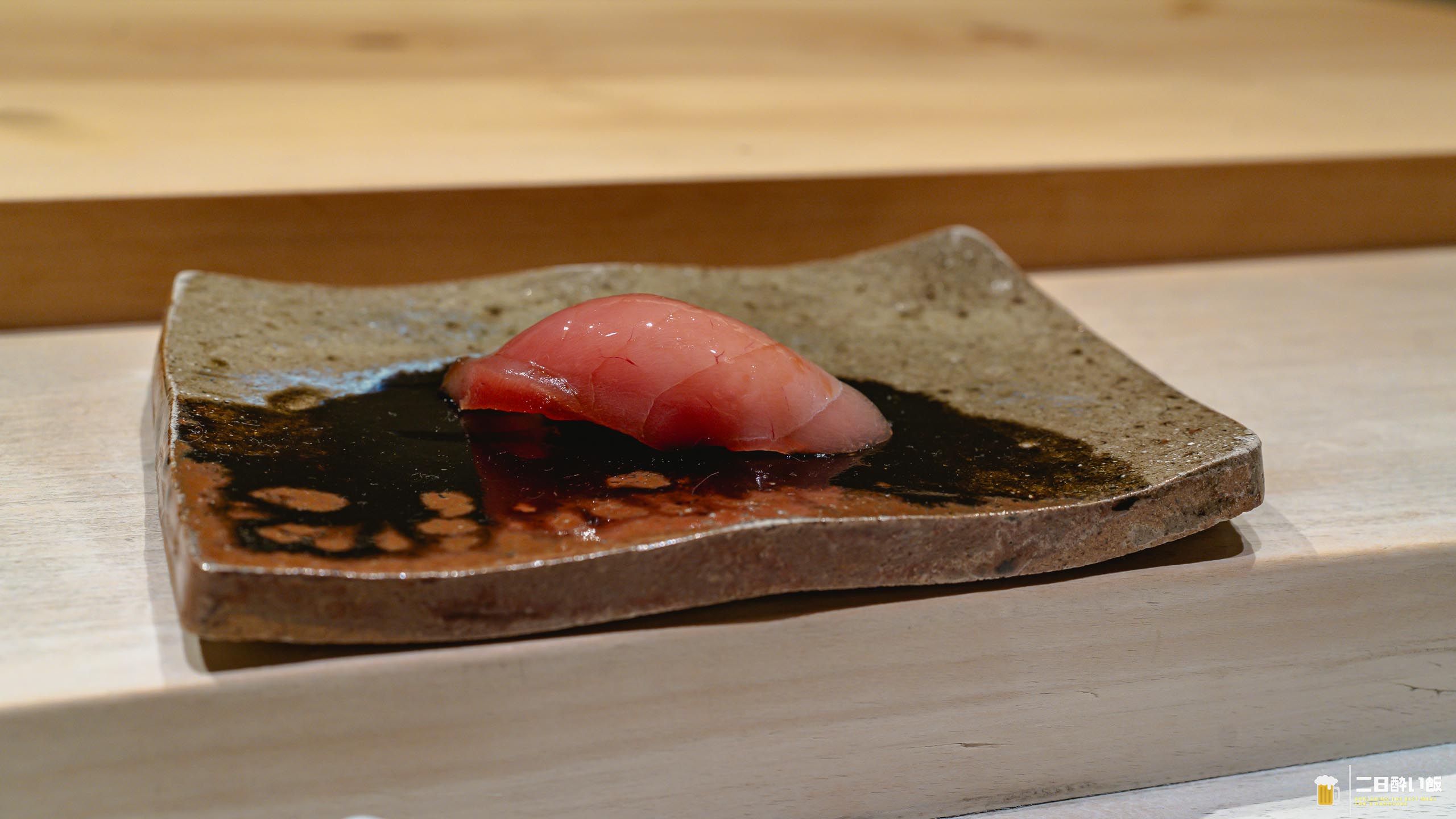
The sushi begins.
First, akami tuna. Melting, glistening tuna. Put it in your mouth and it comes apart as though dissolving.
Very good.
The first piece always has impact, does it not. Extremely good.
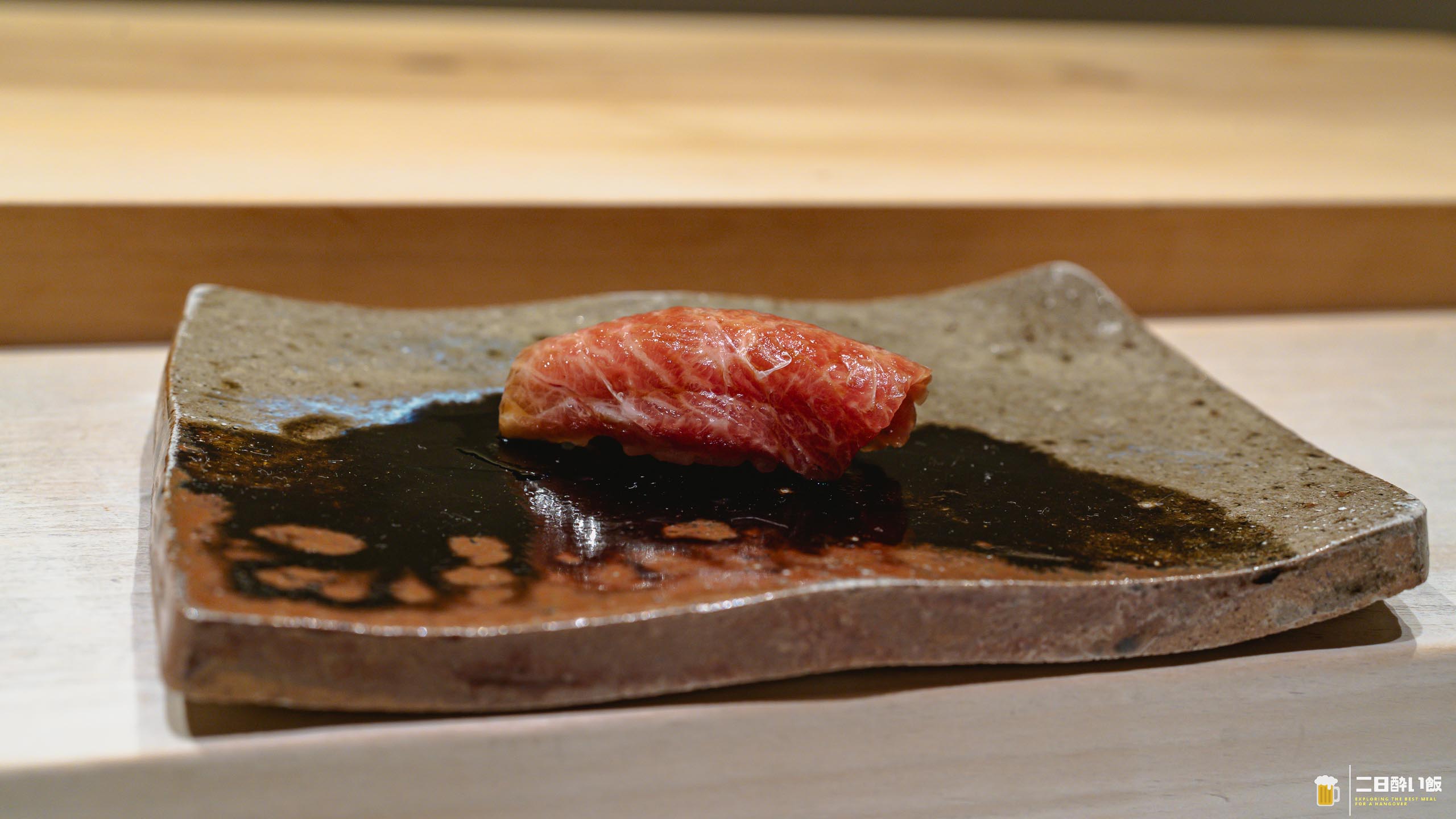
Toro, marinated just briefly as zuke.
This one has fat running through it nicely too, and melts even more softly than the last. Two pieces in and I am already happy.
At this point I switched to sweet potato shochu with soda.
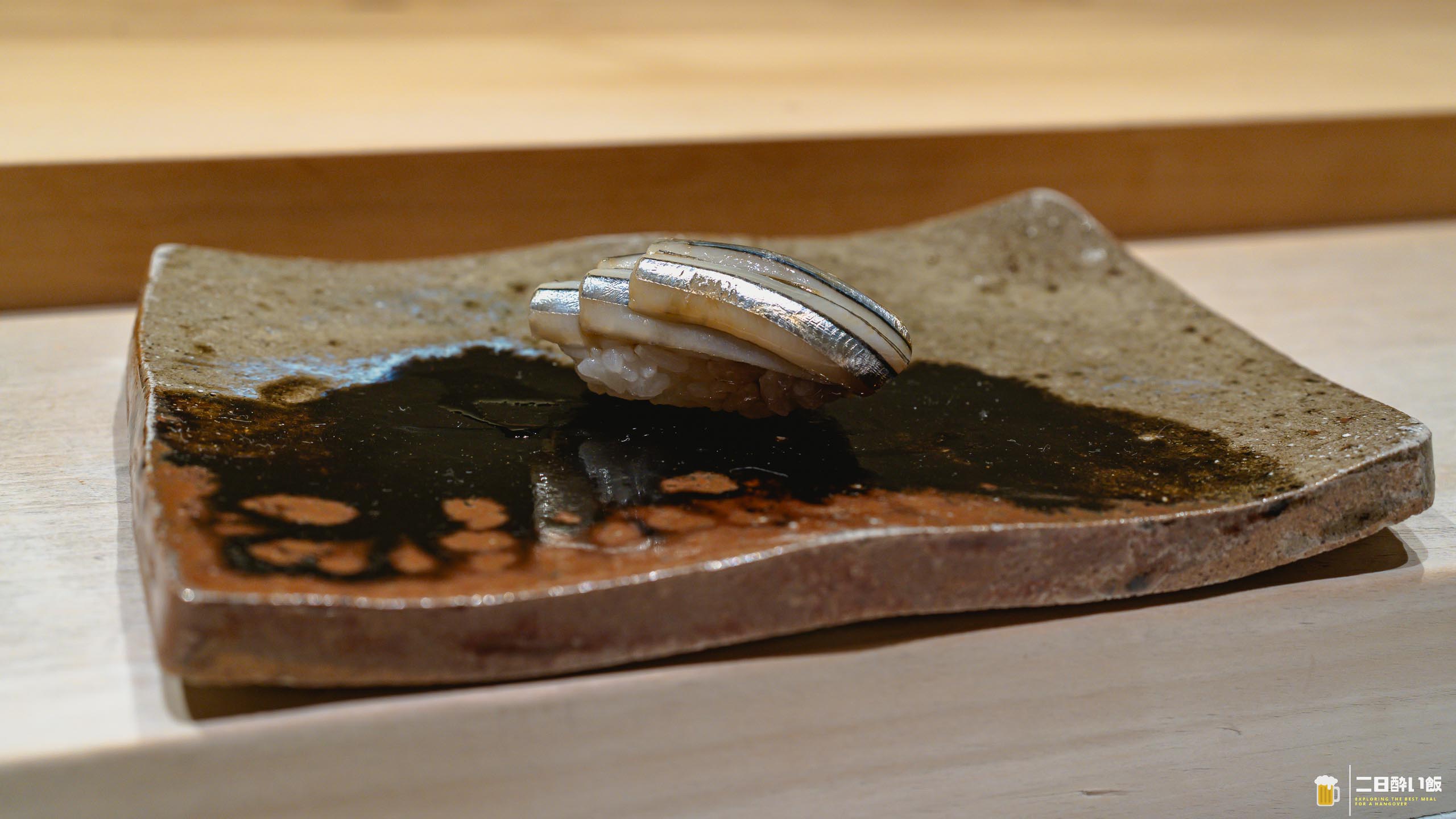
So in Kyushu they use kibinago rather than shinko or kohada.
I have a feeling you do not see it much in Tokyo, though I am not sure. They said it is prepared the same way as shinko, and eating it, the soft acidity of the vinegar and the aroma drift up mildly. Does kibinago itself have more fat than shinko, I wonder? A little different, but good. Yes, splendid.
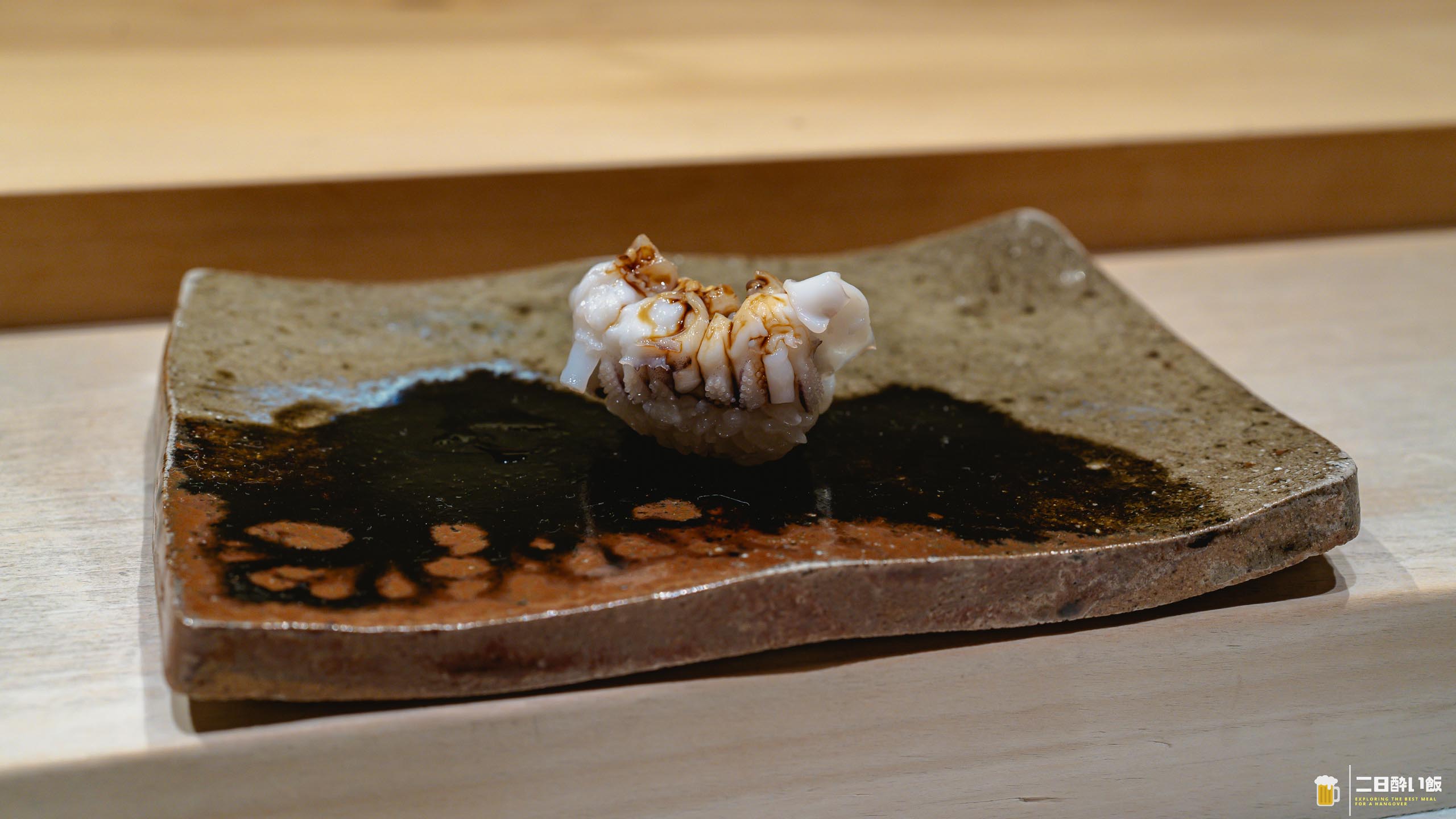
The tentacle part of the cuttlefish. Lightly cooked.
Eating it, it is very soft, and the change in texture between the legs and the body is interesting.
Because it has been cooked, it has a clean bite and a good clear aroma.
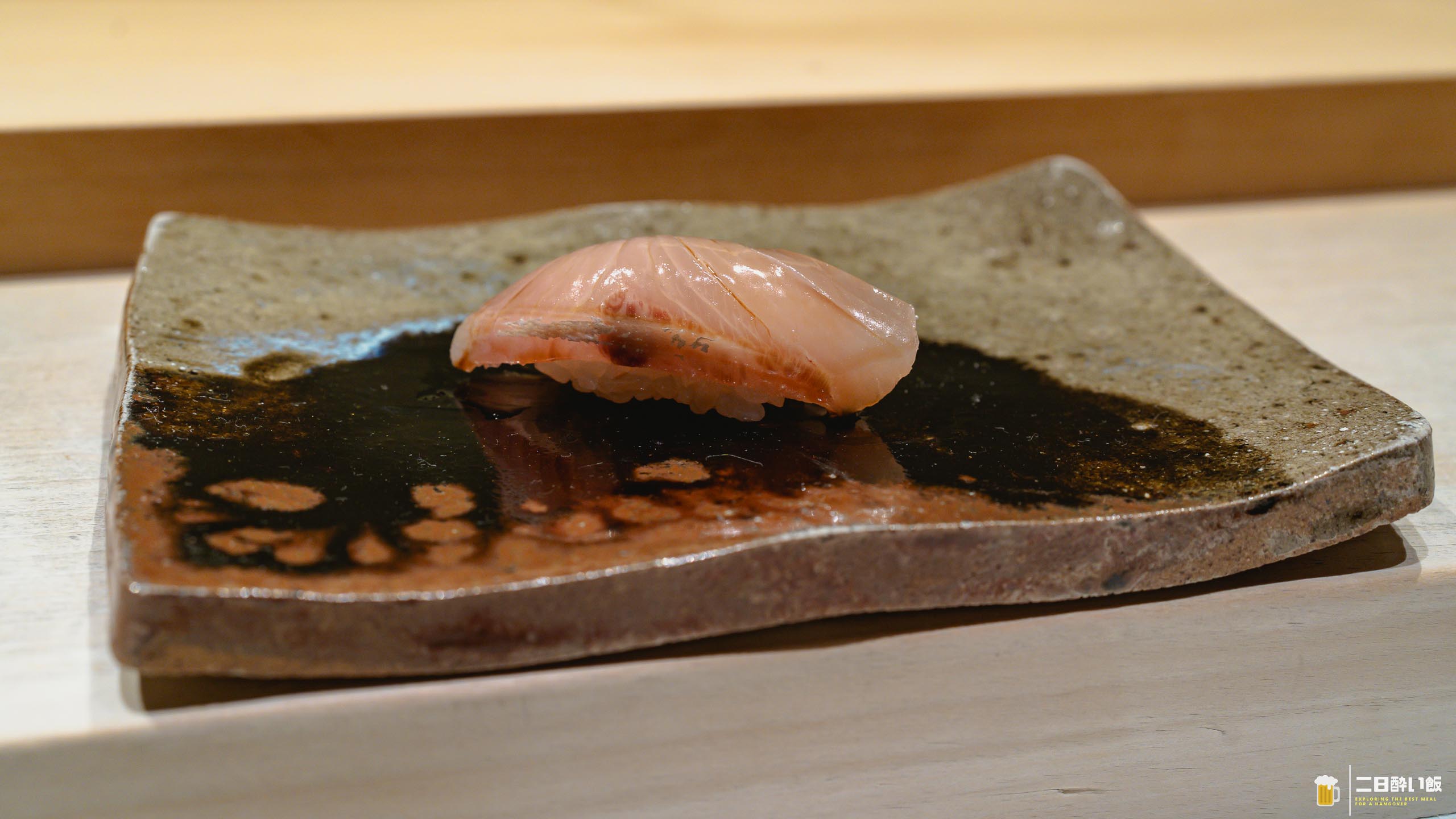
Kanpachi. They must catch a great many of these around here.
To be this fresh and this melting. Even kanpachi straight off the line would not turn out like this unless it were handled properly.
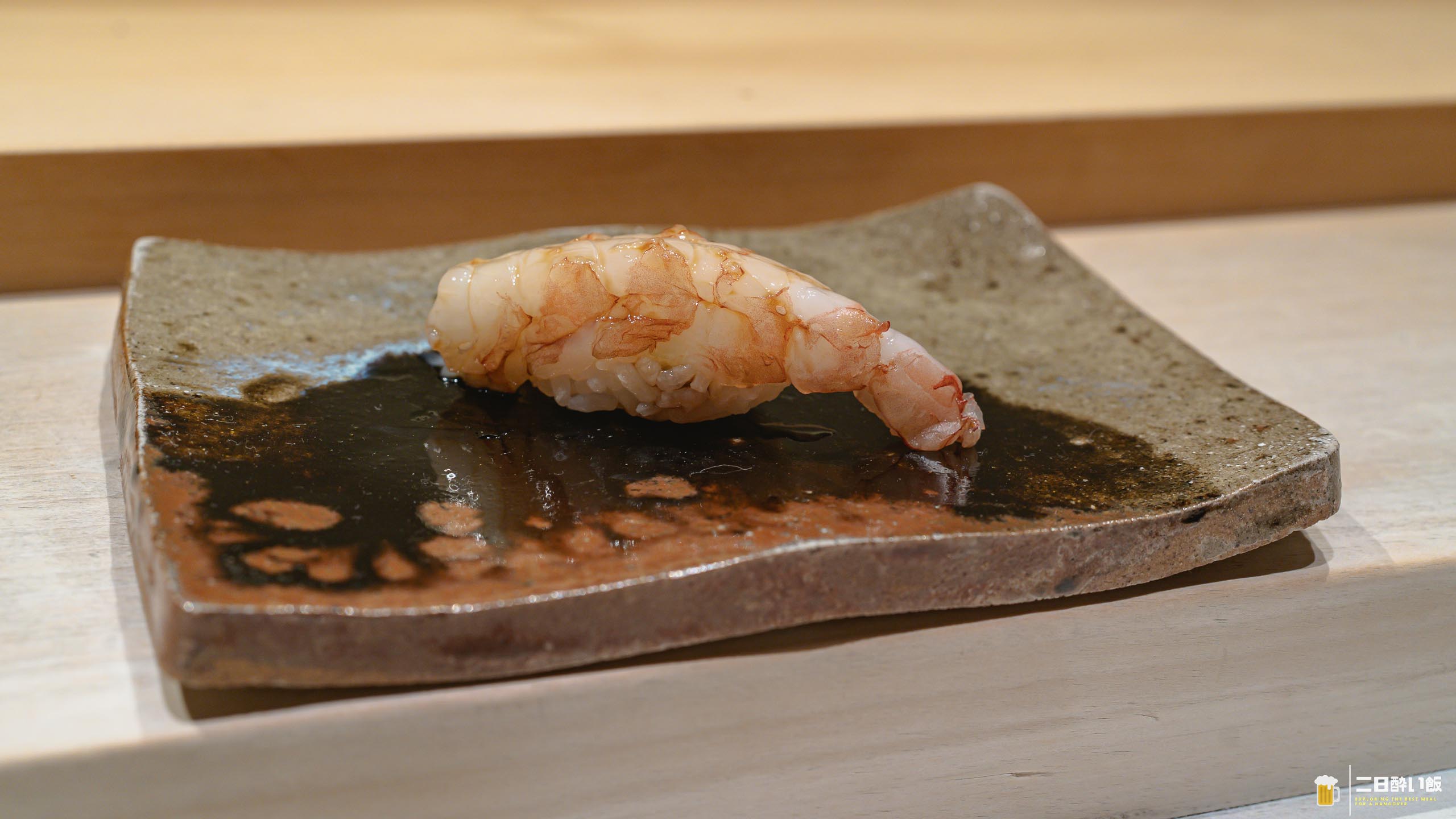
Saimaki, I think. Sticky and very sweet shrimp.
I love shellfish and crustaceans, so in any sushi course the moment the raw shrimp appears is the one I look forward to most. Good. My vocabulary beyond that disappears.
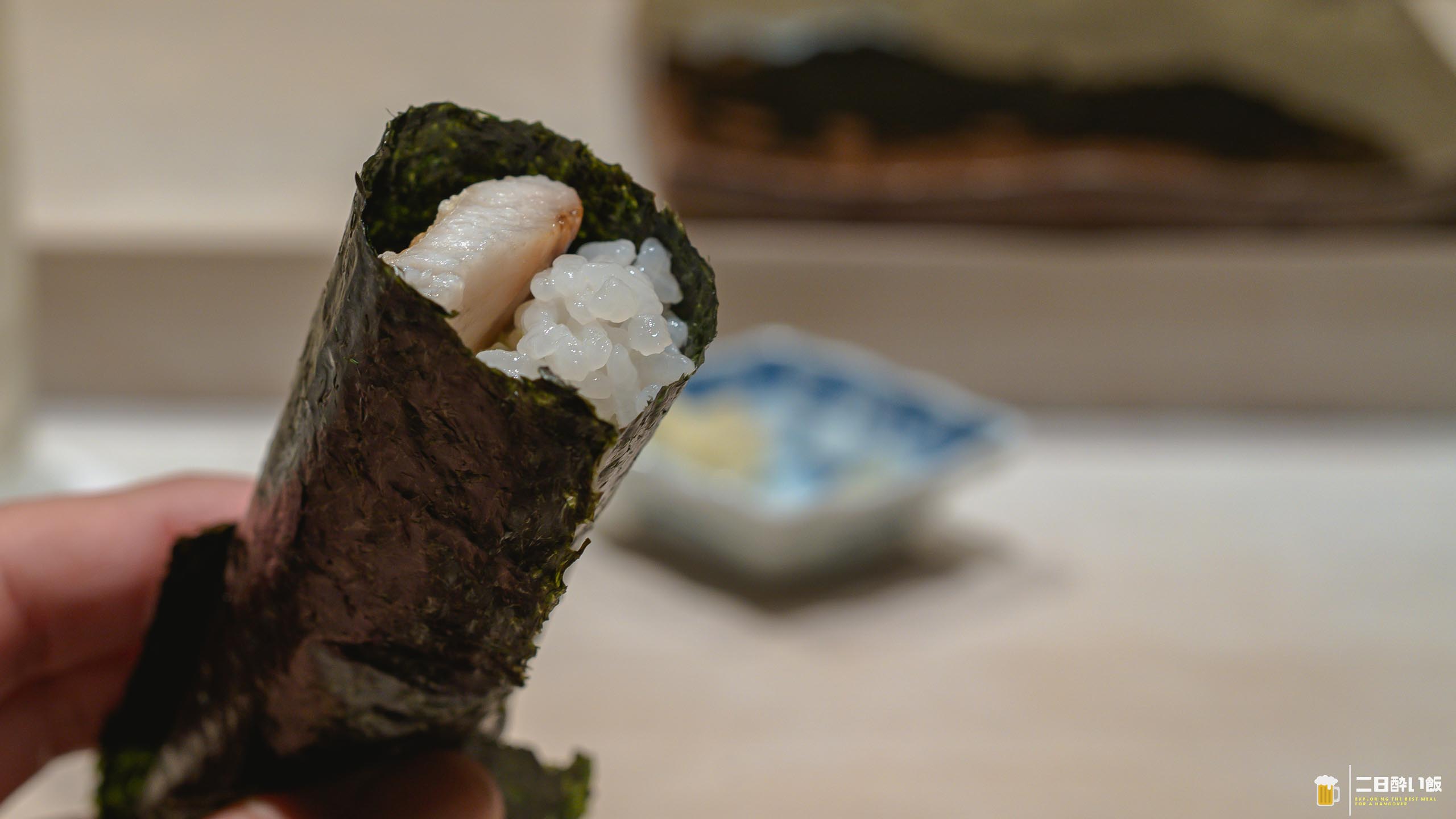
A grilled item made into a nori roll.
It is handed to you directly, and because fat drips from below, the nori is closed over as a lid.
You see this with nodoguro too, but tsumuburi is a first for me.
One bite and it is wonderfully soft and extremely good.
There is a great deal of fat, and yet it is light and not at all cloying. And the softness of this flesh is remarkable. You do not see tsumuburi often — is it completely different from buri? Very good. It does not lose to nodoguro in the least.
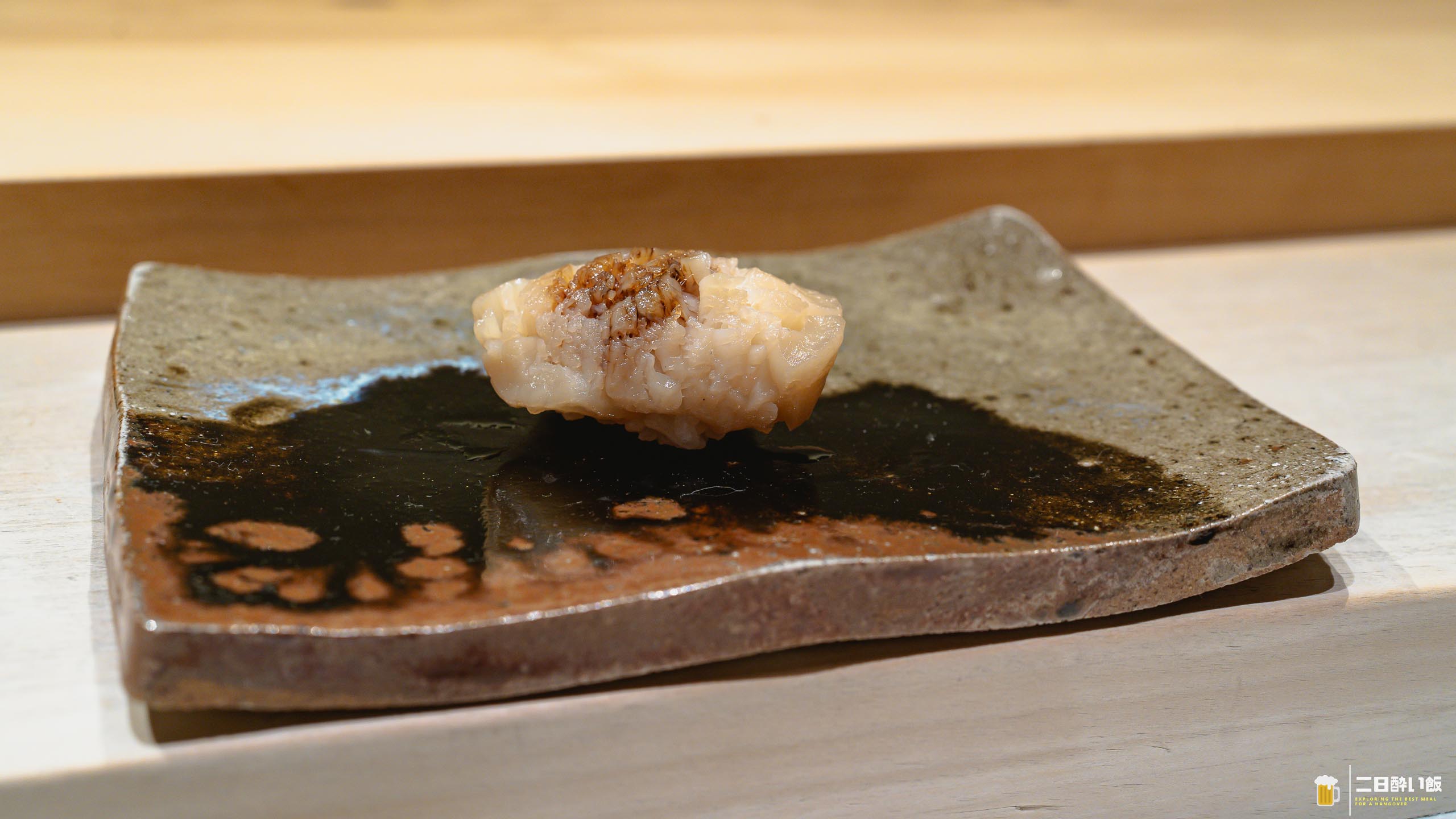
Sweet and good.

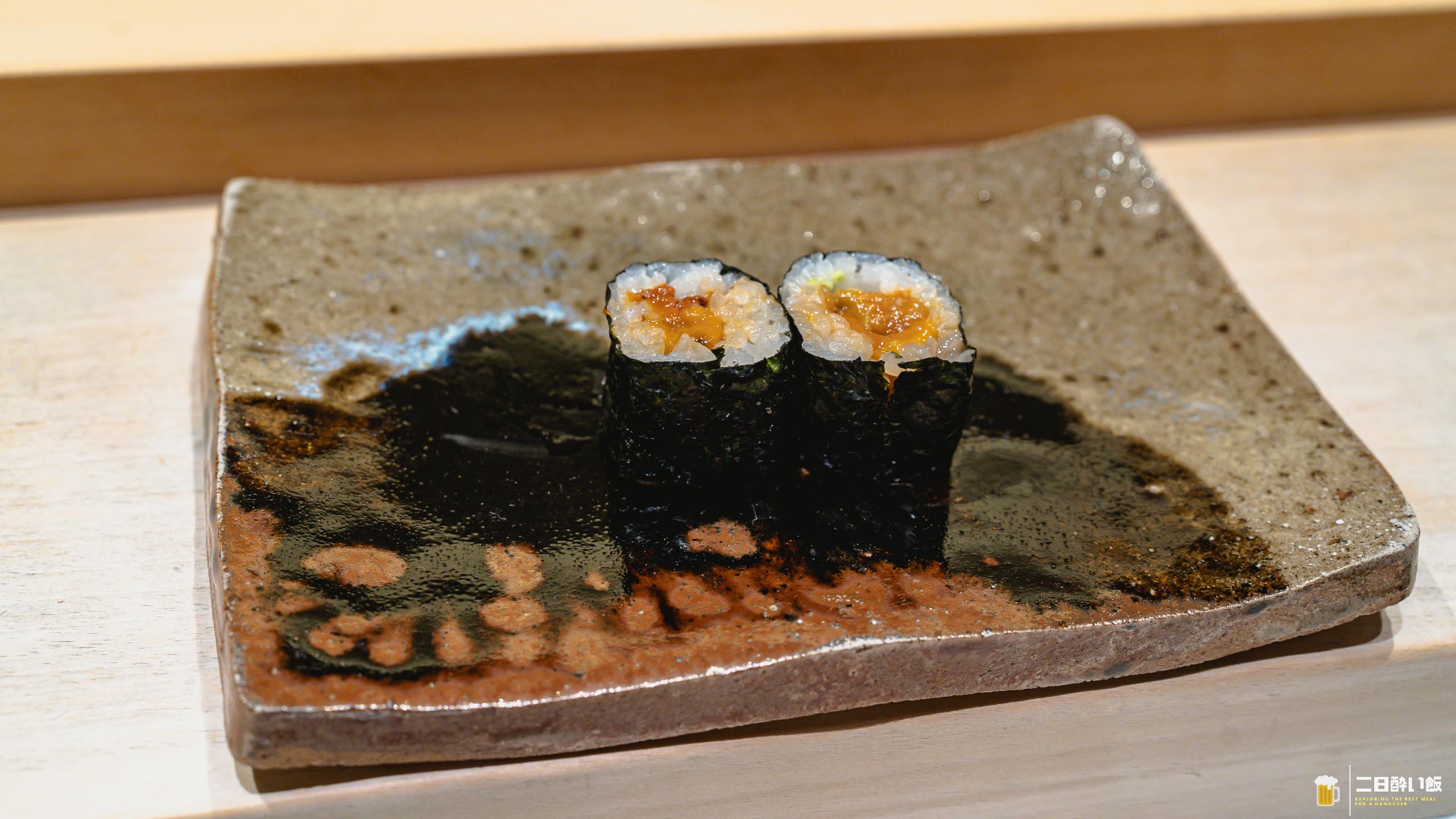
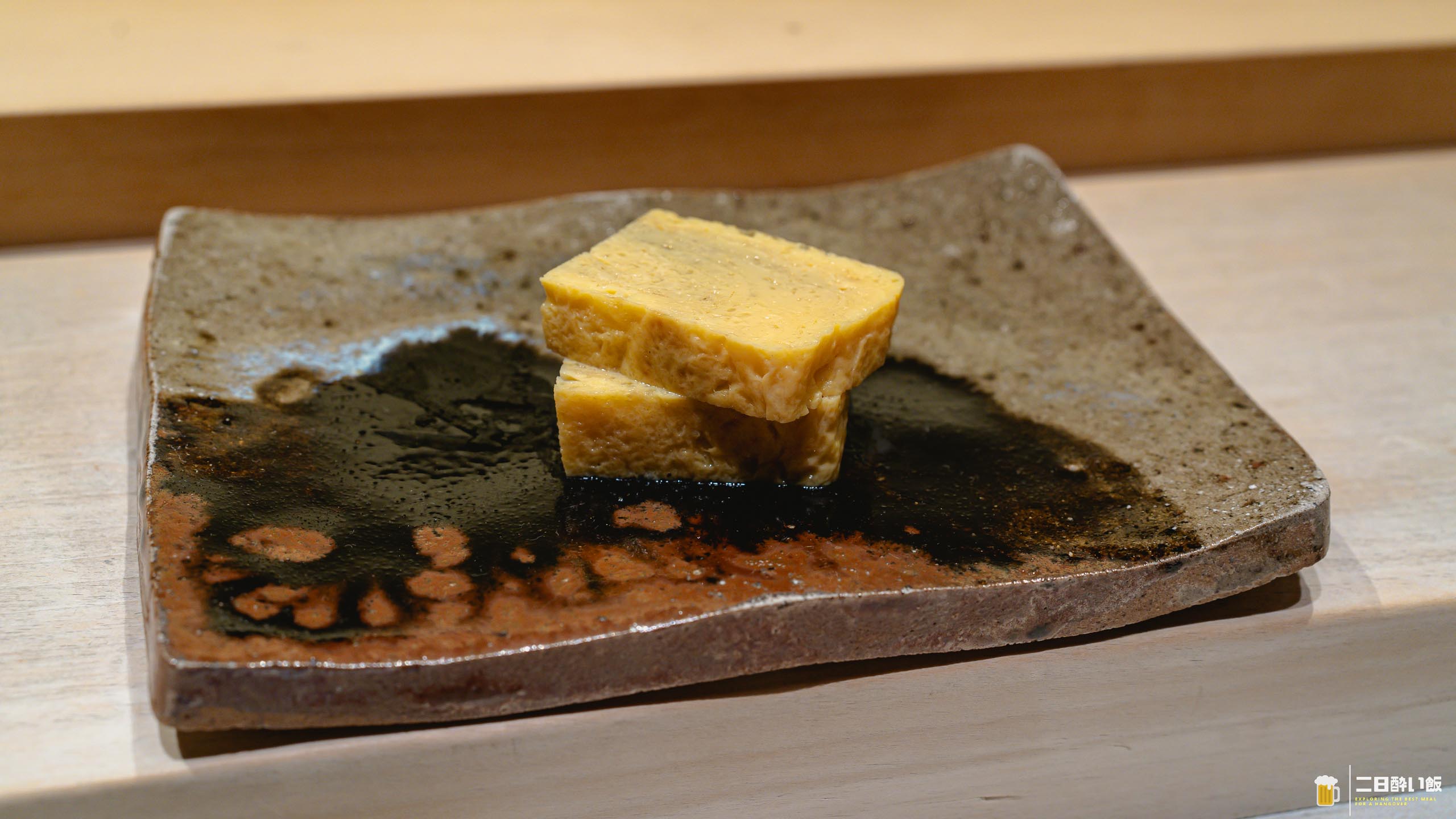
Well, that was very good indeed.
And at the end they even gave me eel okowa to take home.
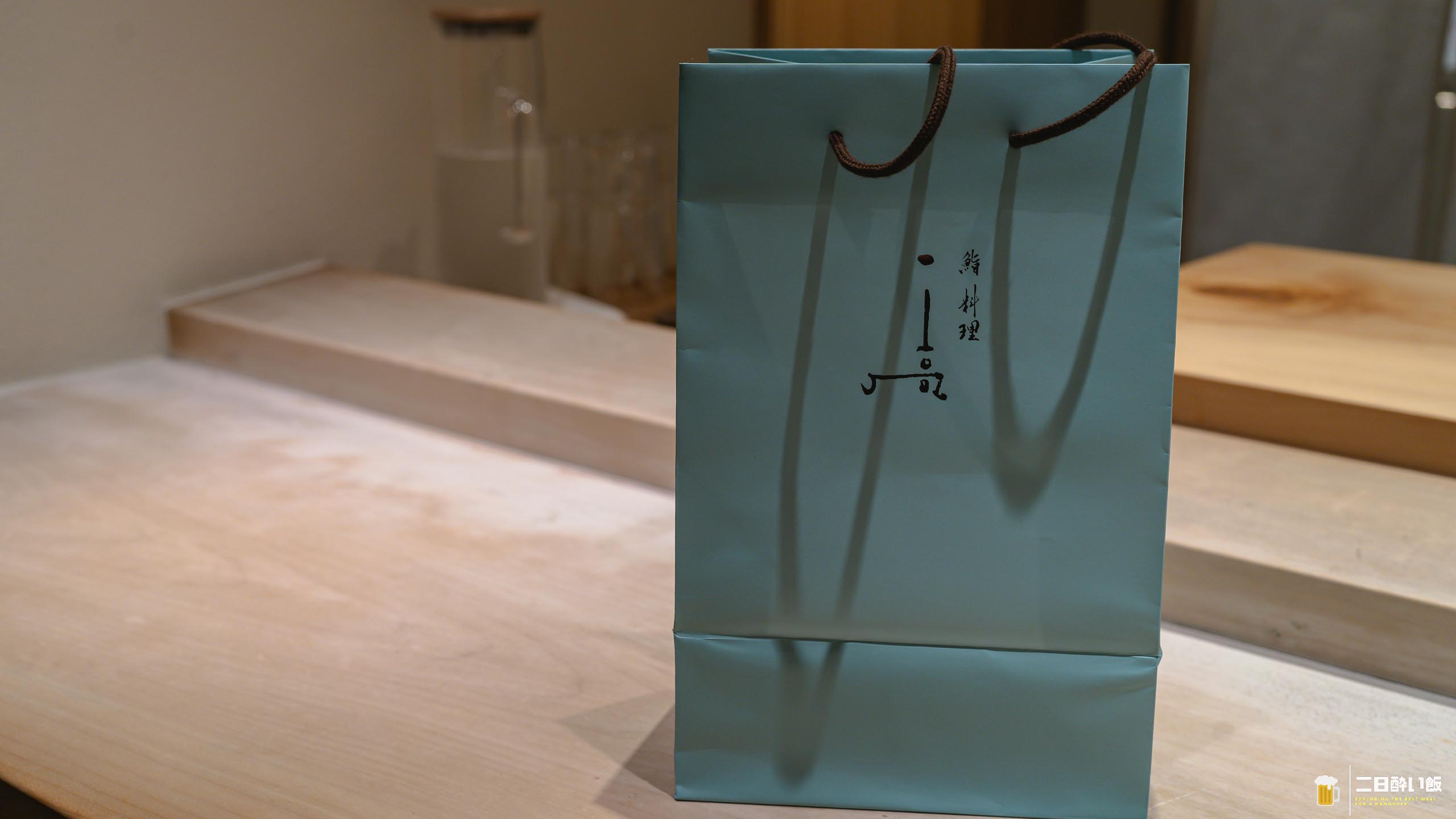
Coming to Fukuoka paid off immediately. All of it very good. They said the fine ingredients go to Tokyo so they make good use of what is local, but everything was very good, and getting it this good with preparation particular to the place is impressive. I flew in early and splashed out, and it made a fine memory. I want to come again one day.
Sushi Ryori Ichitaka (Sushi / Ohorikoen Station, Tojinmachi Station)
Tabelog lunch rating ★★★★☆ 4.5
I ate here and paid for it myself. Nothing on this site is a comped meal.
One more for the road?


