


A note on the words: Ryukyu is the old name for Okinawa, and this shop crosses Okinawan cooking with Chinese. Goya is the bitter gourd of Okinawa; shima rakkyo, the small pungent island shallot; shima-dofu, the firm Okinawan tofu; koregusu, chillies steeped in awamori spirit and shaken on as a condiment; rafute, pork belly braised until it collapses; chanpuru, the Okinawan stir-fry. Chinjao rosu is the Chinese dish of meat and green peppers cut into strips. “Legal herb gyoza” is the shop’s own joking menu name for a herb-filled dumpling — culinary herbs and nothing else; the author could not place them and guessed shiso, the mint-family leaf. Otoshi is the small appetizer you are charged for on sitting down — it is not a scam, it is the cover charge. Prices are as of this writing (August 2026).
Table of Contents hide
Ryukyu Chinese Fuufuutou on Tabelog (English) — opening hours, payment details and the Japanese address are kept up to date there, not here.
I want to eat something good today as well. This is Hangover Meshi. This time, out to Hamamatsucho. It is not a part of town I go to often, but I heard there was a place called Ryukyu Chinese — Okinawan cooking crossed with Chinese. Rafute is more or less braised pork belly, chanpuru is a stir-fry; surely the two ought to get along. I was thoroughly curious, so I booked and went.
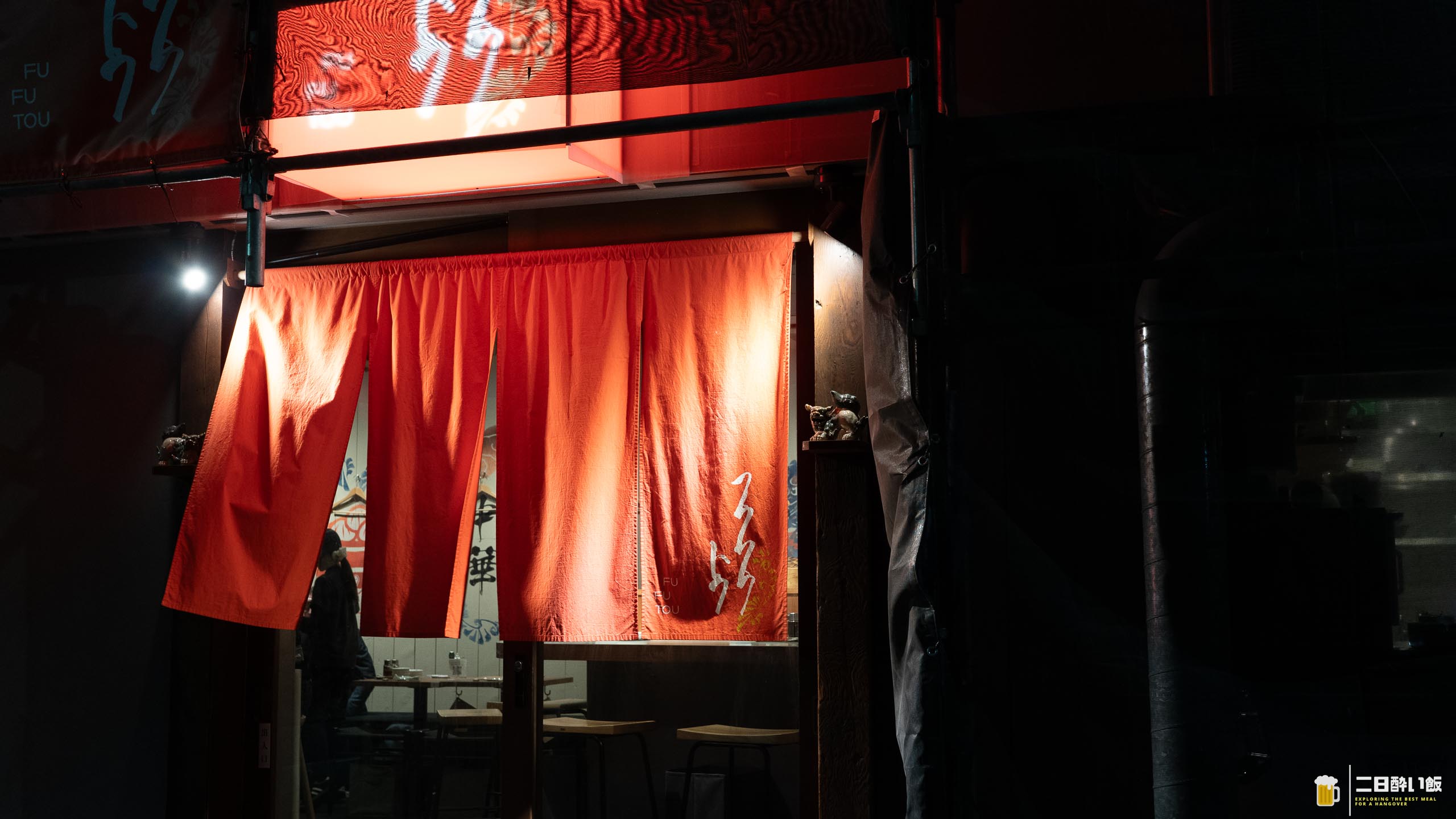
The ground floor is a rather smart-looking counter, and I thought, this is promising — and then we were shown upstairs.
The second floor is a proper jumble of a room. Loud enough that you end up raising your own voice, which of course only makes it louder.
The feel of it is the neighborhood Chinese izakaya.
I wanted to eat the unusual things above all, so we went entirely a la carte.
The menu and the ordering are both done by QR code. “If you have decided already, shall we start you with a drink?”
That came at me out of nowhere, so I pointed at what the person next to me was drinking — a salty lemon sour.
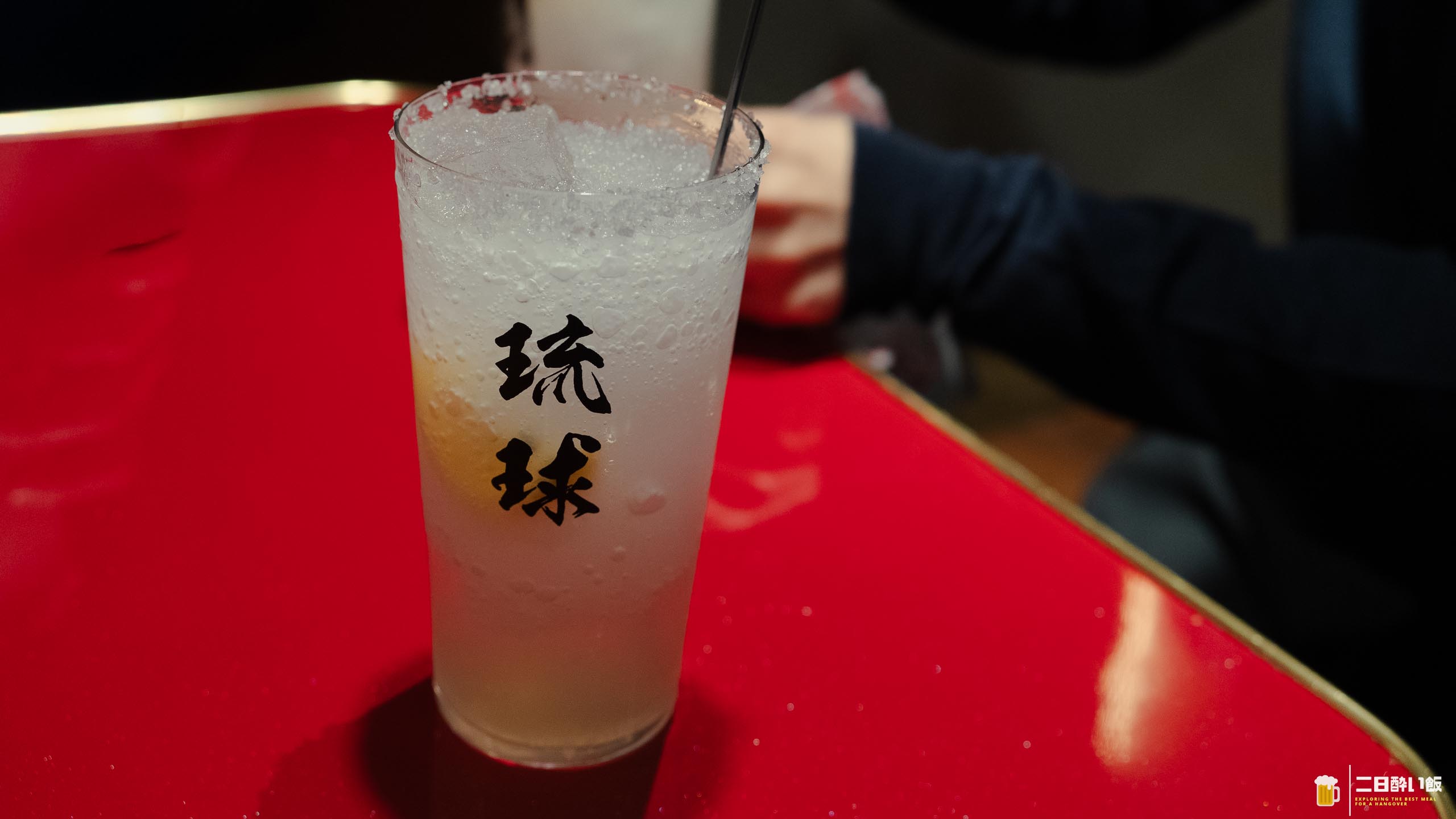
About half the glass is crushed ice. Ice cold.
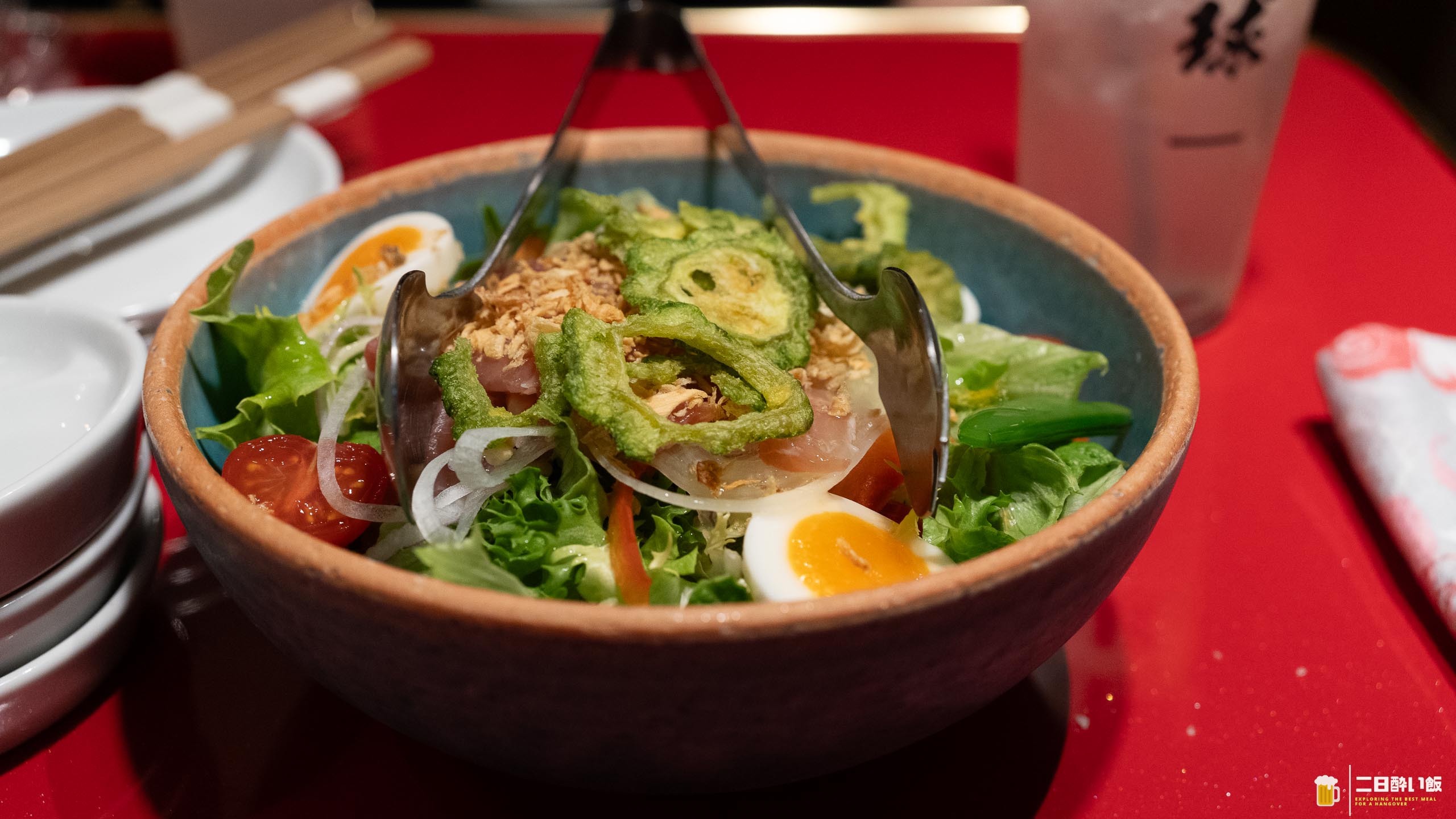
This, apparently, is the otoshi. A perfectly proper salad. There may be no otoshi I have been happier to see.

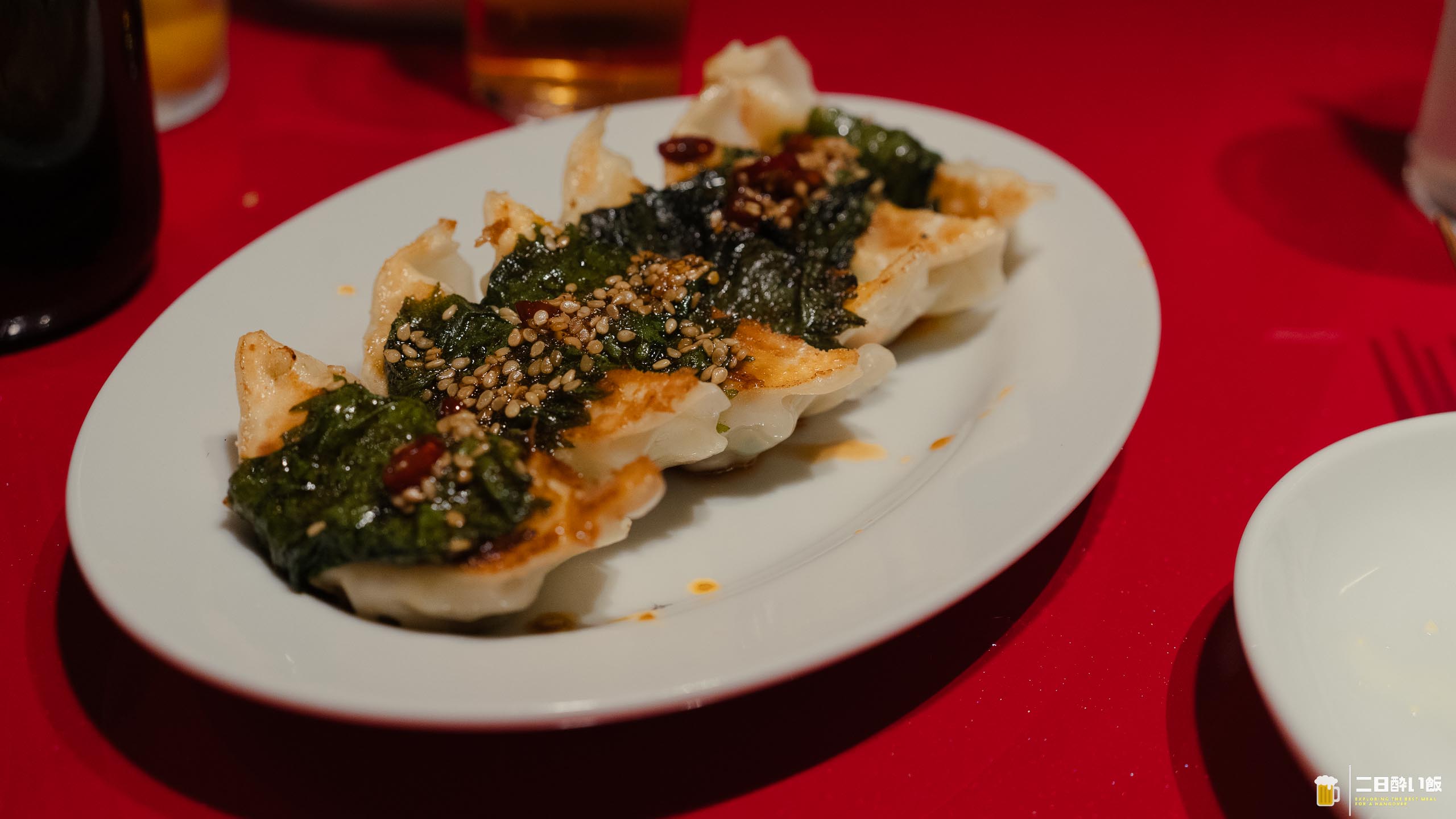
“Legal herbs” covers such an enormous range that I could not pin the taste down. Shiso, I thought.
Still no sign of the island or the Chinese half.
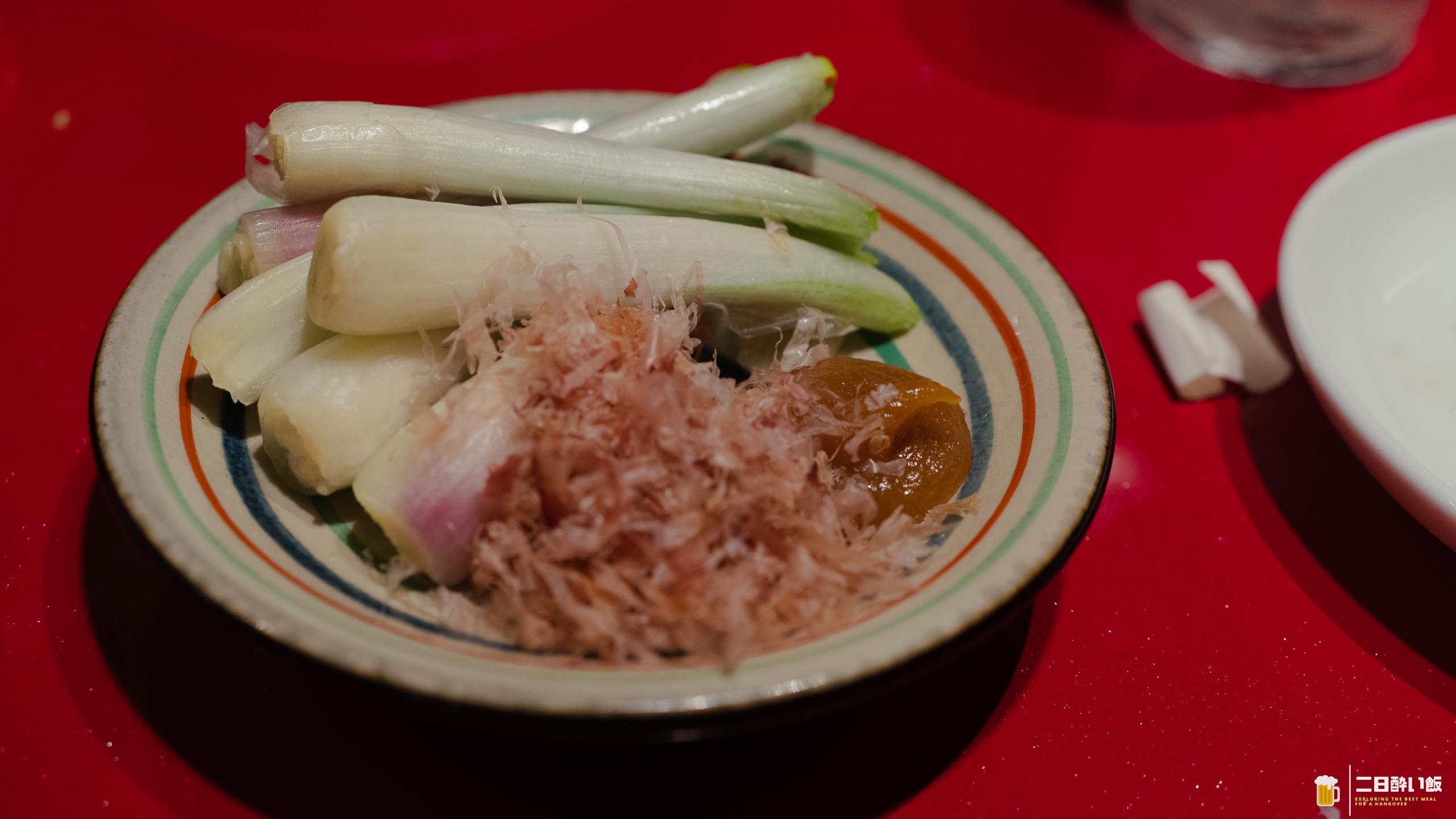
This one is straight shima rakkyo. Always good.
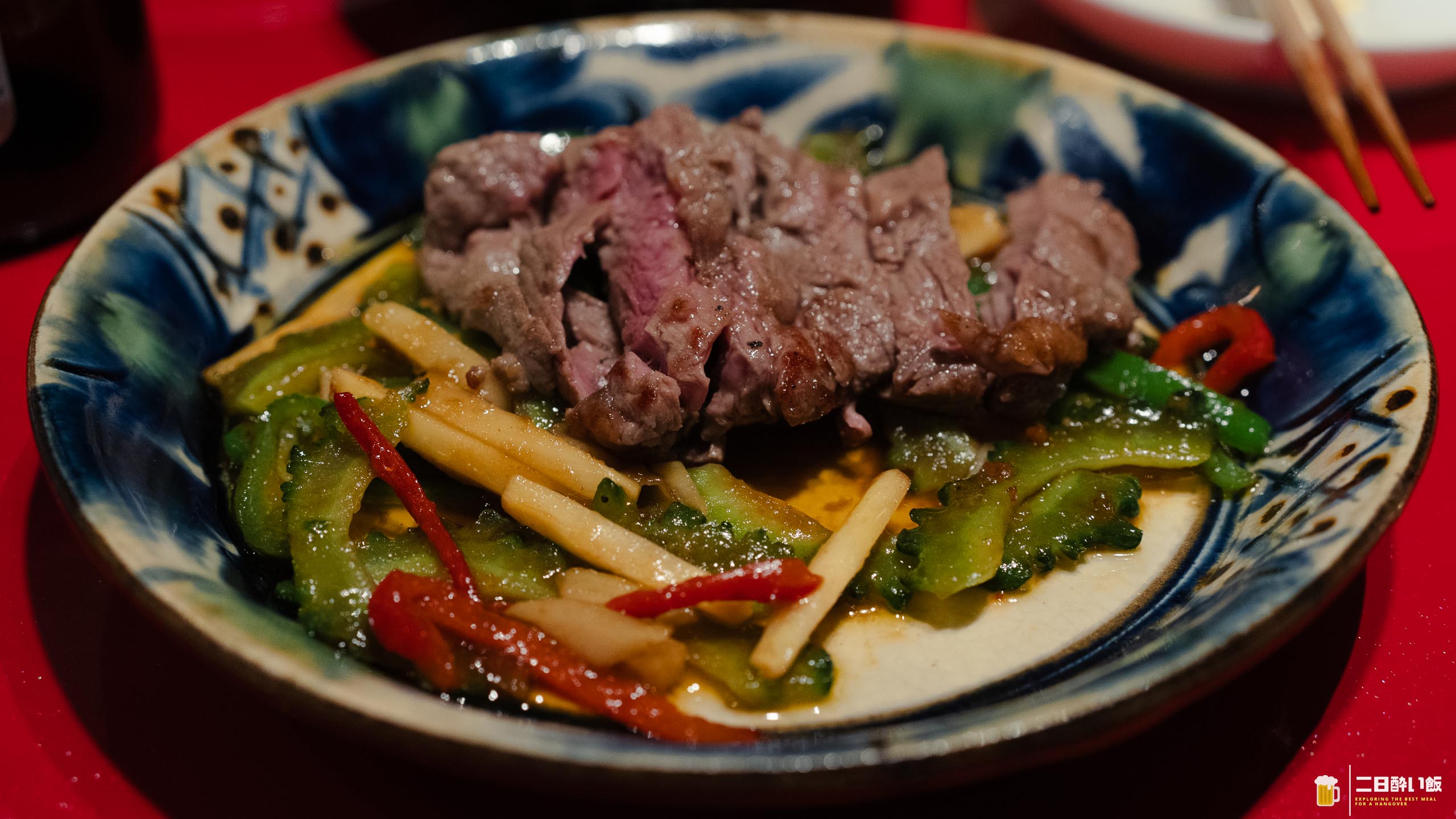
From about here it starts to feel like island Chinese.
Chinjao rosu with green pepper, red pepper, bamboo shoot and goya mixed in. Rather than the meat being cut into strips and stir-fried with the rest, it seems to have been grilled separately, sliced thin and laid on top. The meat itself tastes simply salted and grilled, but the sauce is on the strong side, so eaten together with the vegetables it lands just right. It goes well with the bitterness of the goya, too — I came away thinking I might put goya in chinjao rosu at home. Good.
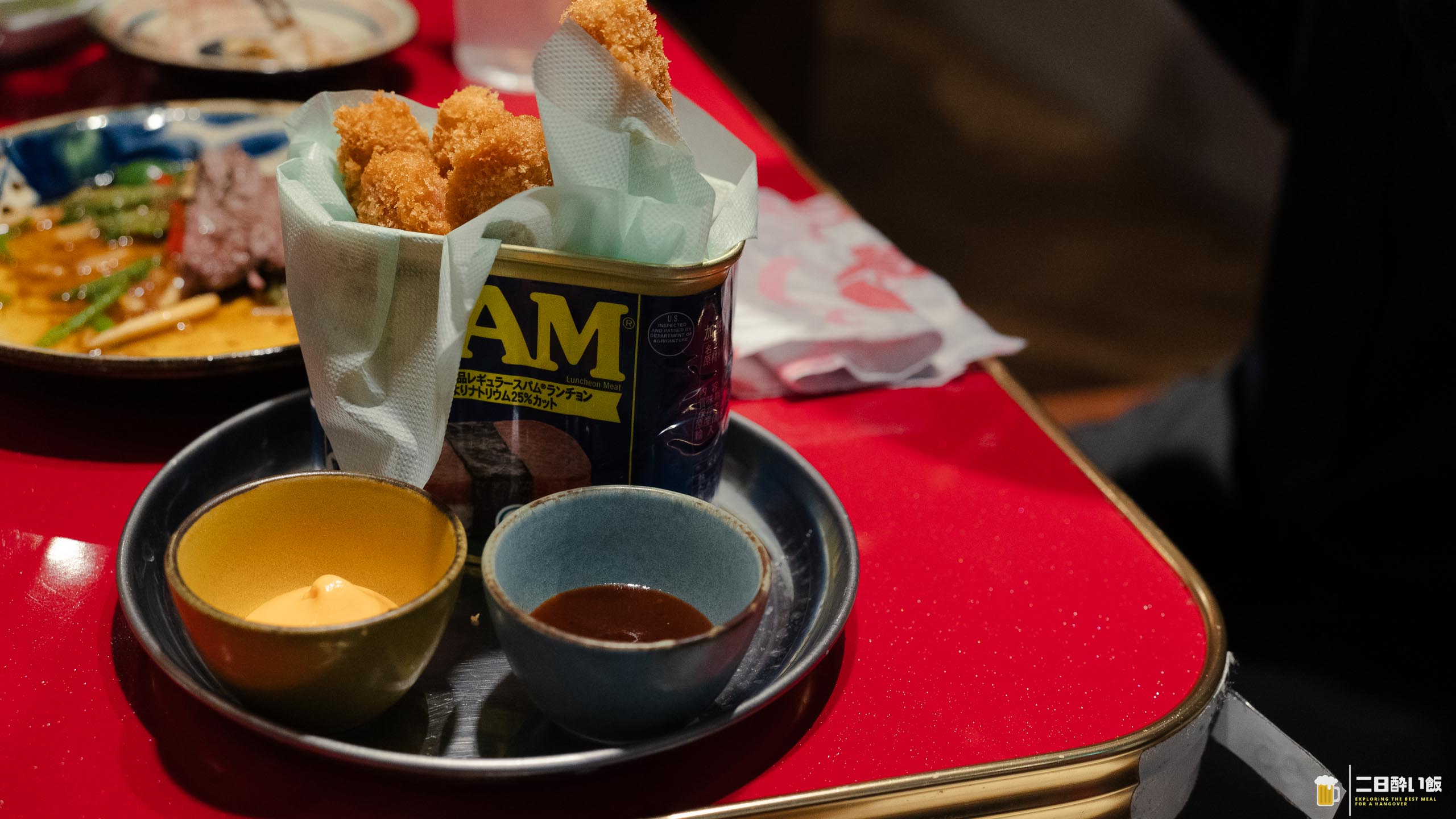
This next one is not island Chinese at all, but it was extremely good: Spam, cut into sticks and deep-fried, which is a wicked thing to do. You dip it in cheese and ketchup. Crisp outside, soft within, and so good it is almost funny. The flavor, I think, is guilt.
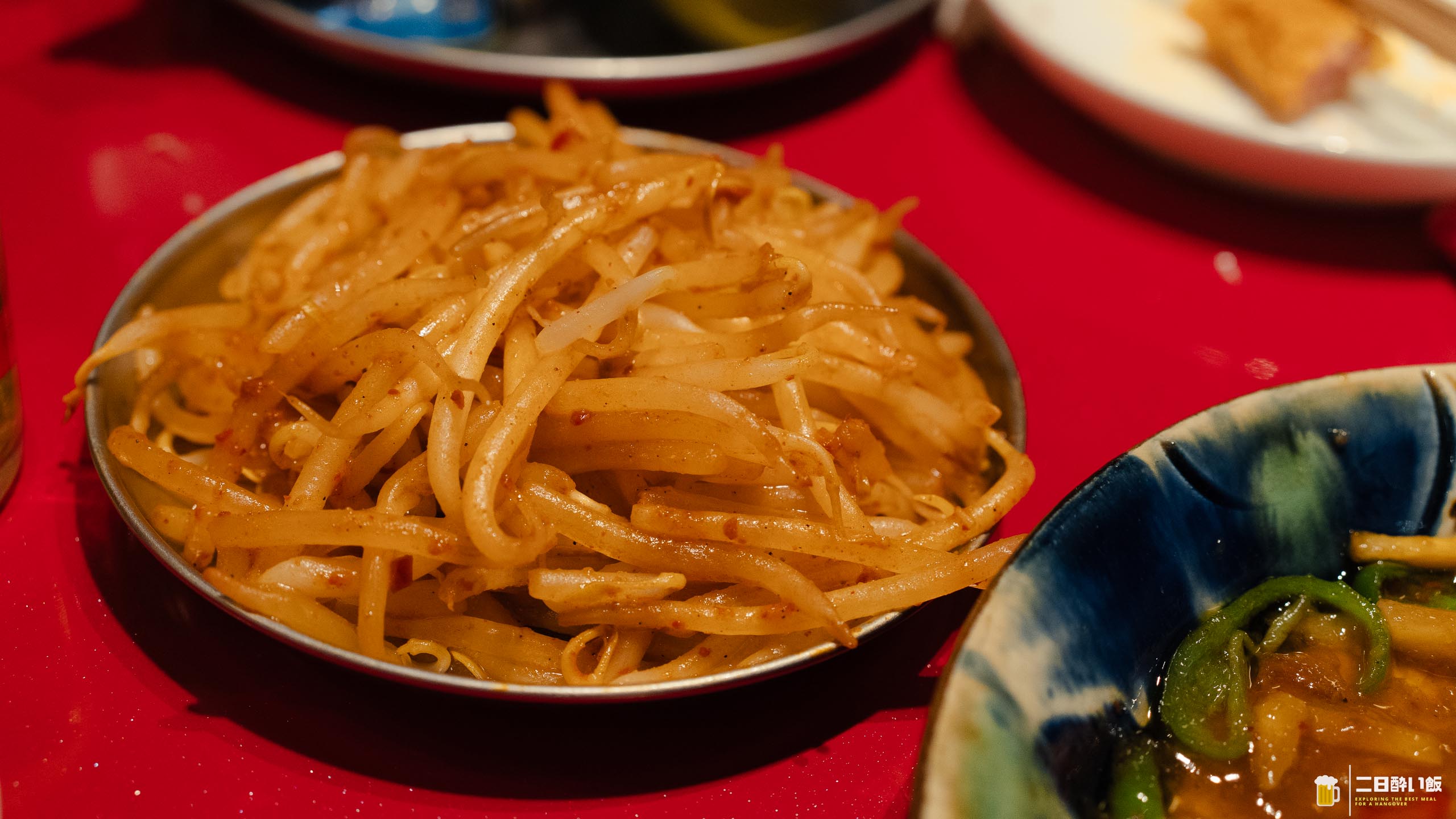
The seasoning is mild across the board, so I wanted something with a bit of a kick. Good.
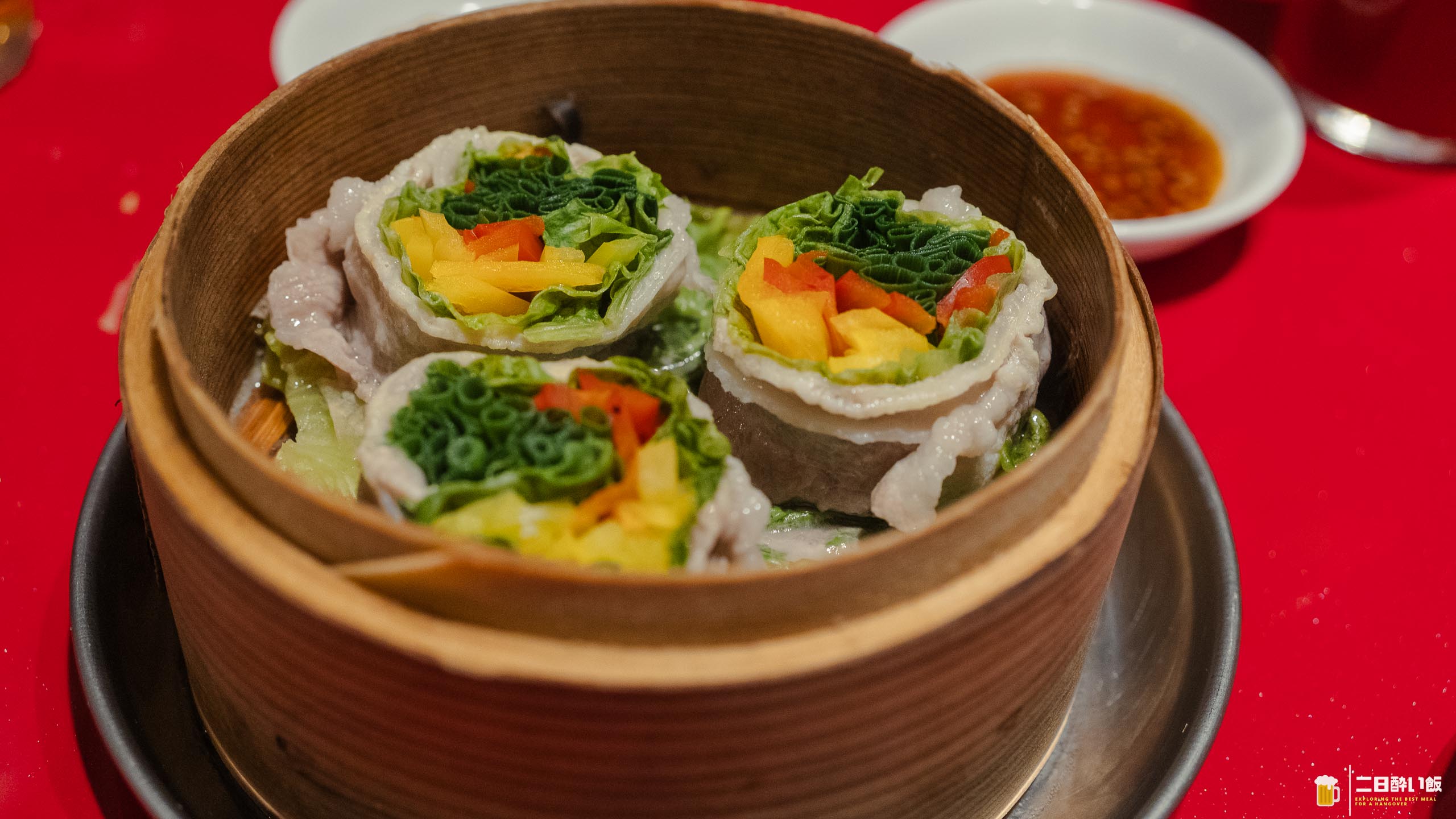
Vegetables rolled in pork belly and steamed.
Bite into it and it falls apart, so take the whole thing in one. Slightly large, I thought, but inside are spring onion, lettuce and red pepper — crisp against the savor of the pork, and with no greasiness at all since it is steamed. Very easy to eat, and good.
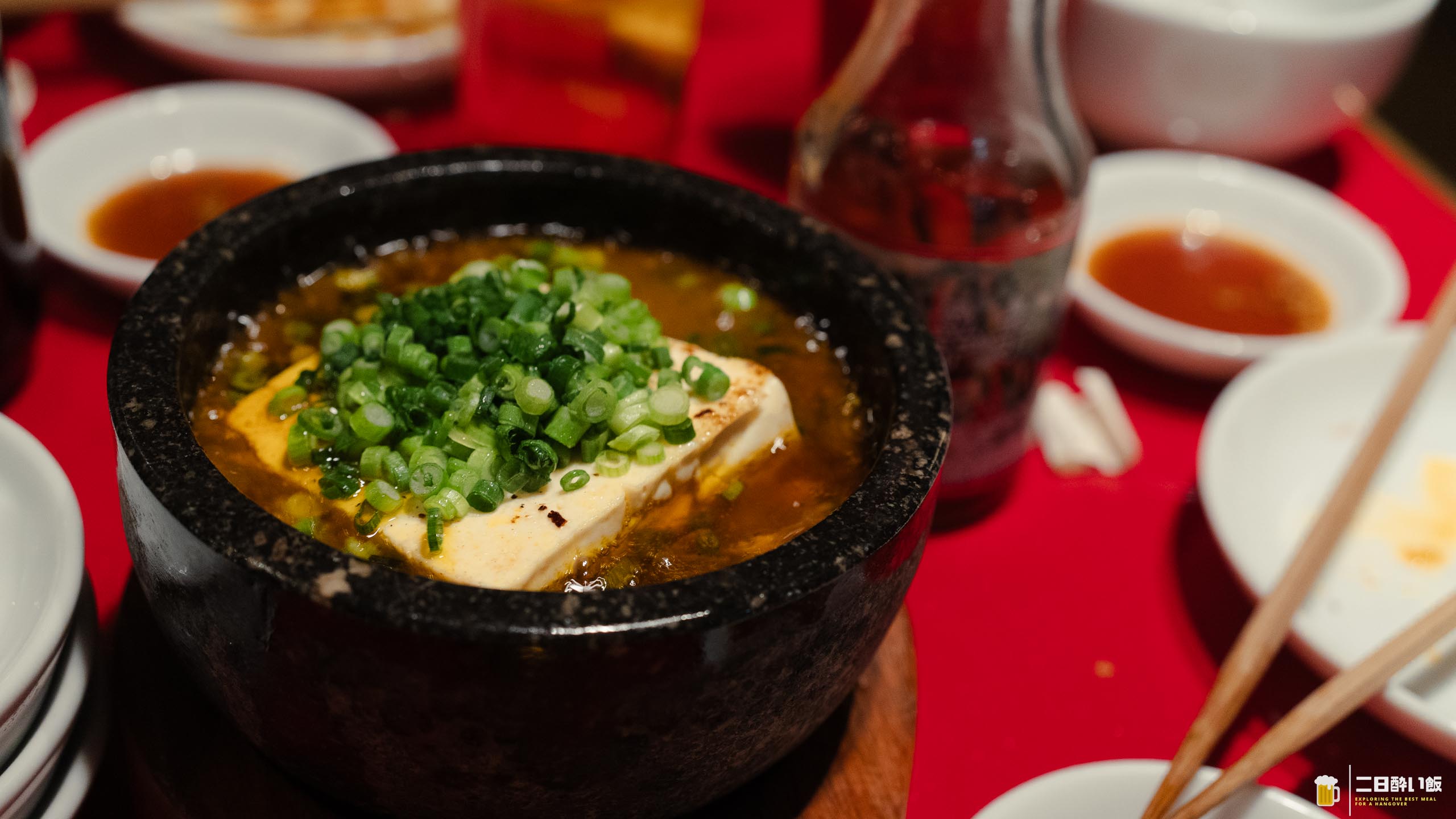
Is the tofu shima-dofu, I wonder? A mapo tofu seasoned towards the sweet side.
Bubbling away in its stone bowl, a mapo tofu that is fun to look at as well. The sweetness comes forward first in the seasoning. Is the pork from Okinawa? The fat is good too. I might like a little more of the numbing note. It comes with koregusu, so if the heat is not enough for you, one turn of the bottle improves the aroma and adds the sting of chilli, which brings it into balance.
So: a good experience, with a fair number of genuinely interesting dishes. Ryukyu Chinese really does let you eat Okinawan food, Chinese food, and the fusion of the two, and it is a thoroughly interesting shop. Drinking, making a noise, eating food like this. It must be an oasis for the people who work in Daimon and Hamamatsucho.
Ryukyu Chinese Fuufuutou (Izakaya / Hamamatsucho, Daimon and Takeshiba Stations)
Tabelog dinner rating ★★★☆☆ 3.5
I ate here and paid for it myself. Nothing on this site is a comped meal.
One more for the road?


