


A note on the words: buri is yellowtail and buri daikon normally means yellowtail simmered with daikon radish — hence the joke in the name of the raw version here; daikon is the long white radish; meuniere is fish floured and cooked in butter; aioli is the garlic mayonnaise of southern France; Shiro Honoka is an unfiltered Japanese wheat beer; Sancha is what Tokyoites call Sangenjaya; yakiniku is the Japanese-Korean style of grilling meat at the table, often wrapped in a lettuce leaf to eat. Prices are as of this writing (August 2026).
Table of Contents hide
Ata on Tabelog (English) — opening hours, payment details and the Japanese address are kept up to date there, not here.
I want something good to eat today too! This is Hangover Meshi.
Daikanyama! Although it is quite a long way from Daikanyama station — about halfway between Shibuya and Daikanyama, I would say.
Not wanting to cycle through the great crossing at Shibuya (the traffic frightens me), I used to take Hachiman-dori to avoid it on the way towards Sancha. I never noticed that there was a good restaurant along that route!
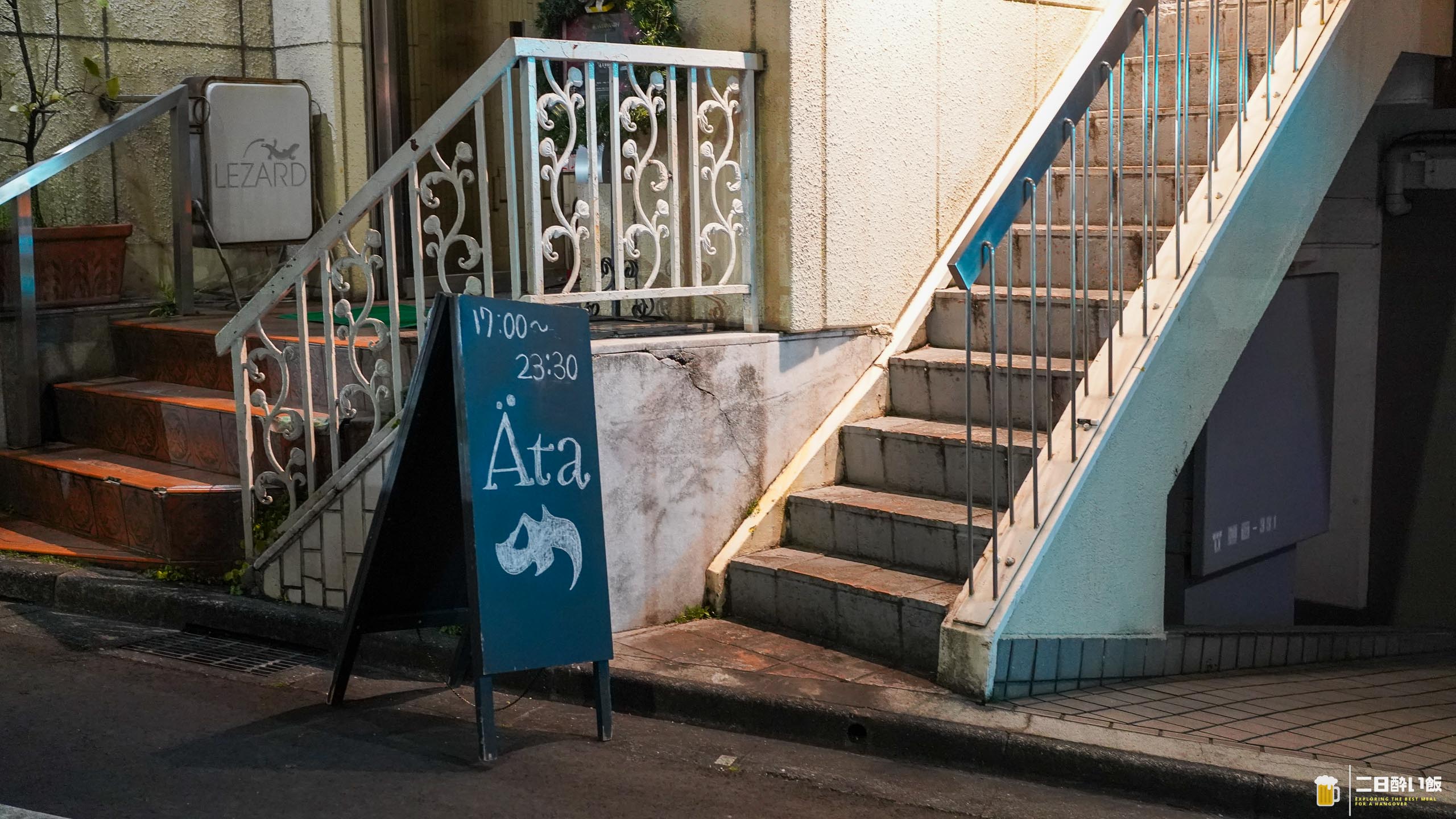
What I booked this time is a very promising bistro, “Äta”.
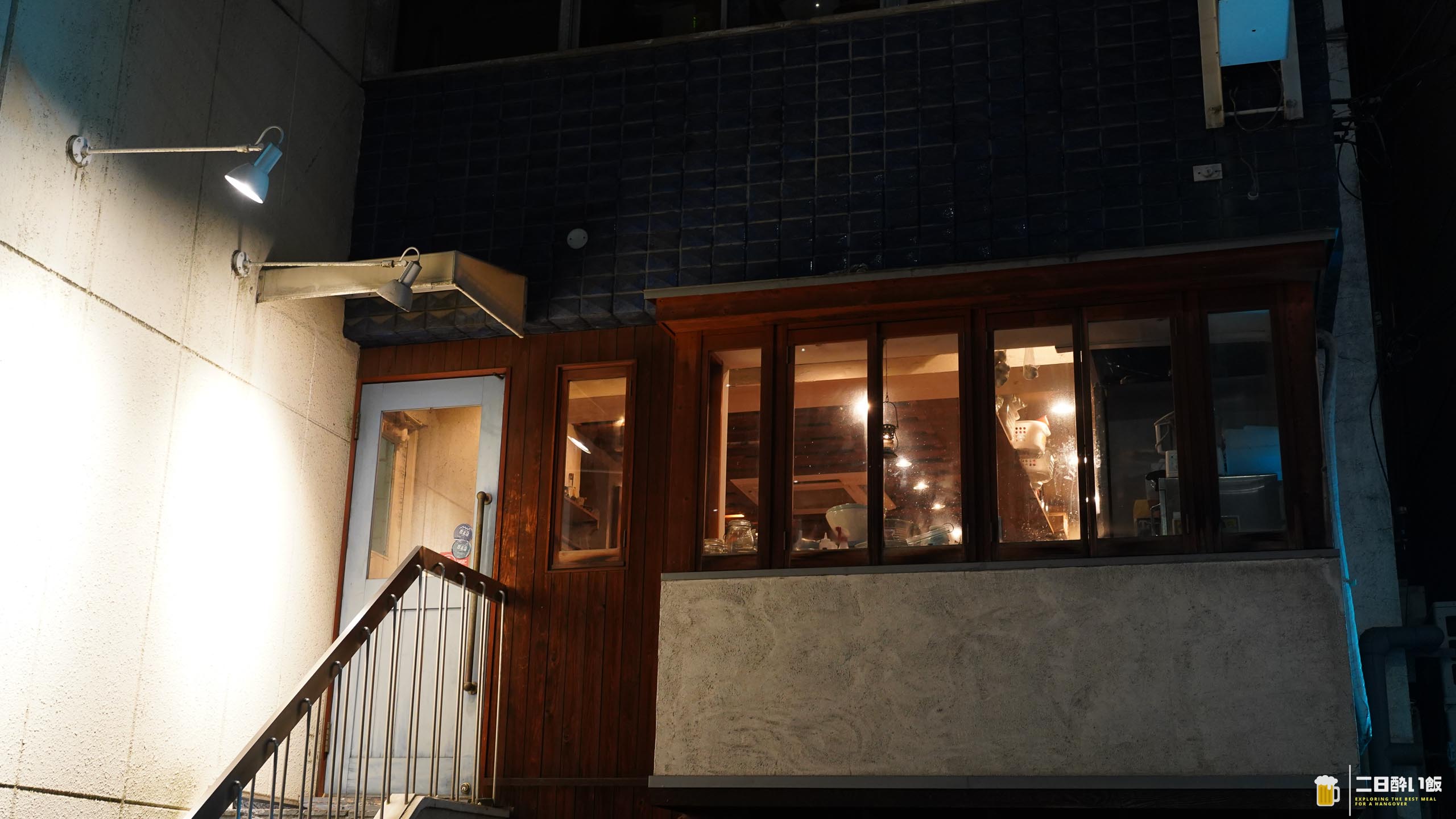
The entrance is charming, and inside the room is warm and comfortable.
A la carte again. For two people, they said,
two things from the starters, one from the hot dishes and one main
would be about right. We ordered accordingly. Advice like that is very welcome!
Looking at the menu, there is meat, but there is a great deal of seafood. A seafood bistro — I was looking forward to this.
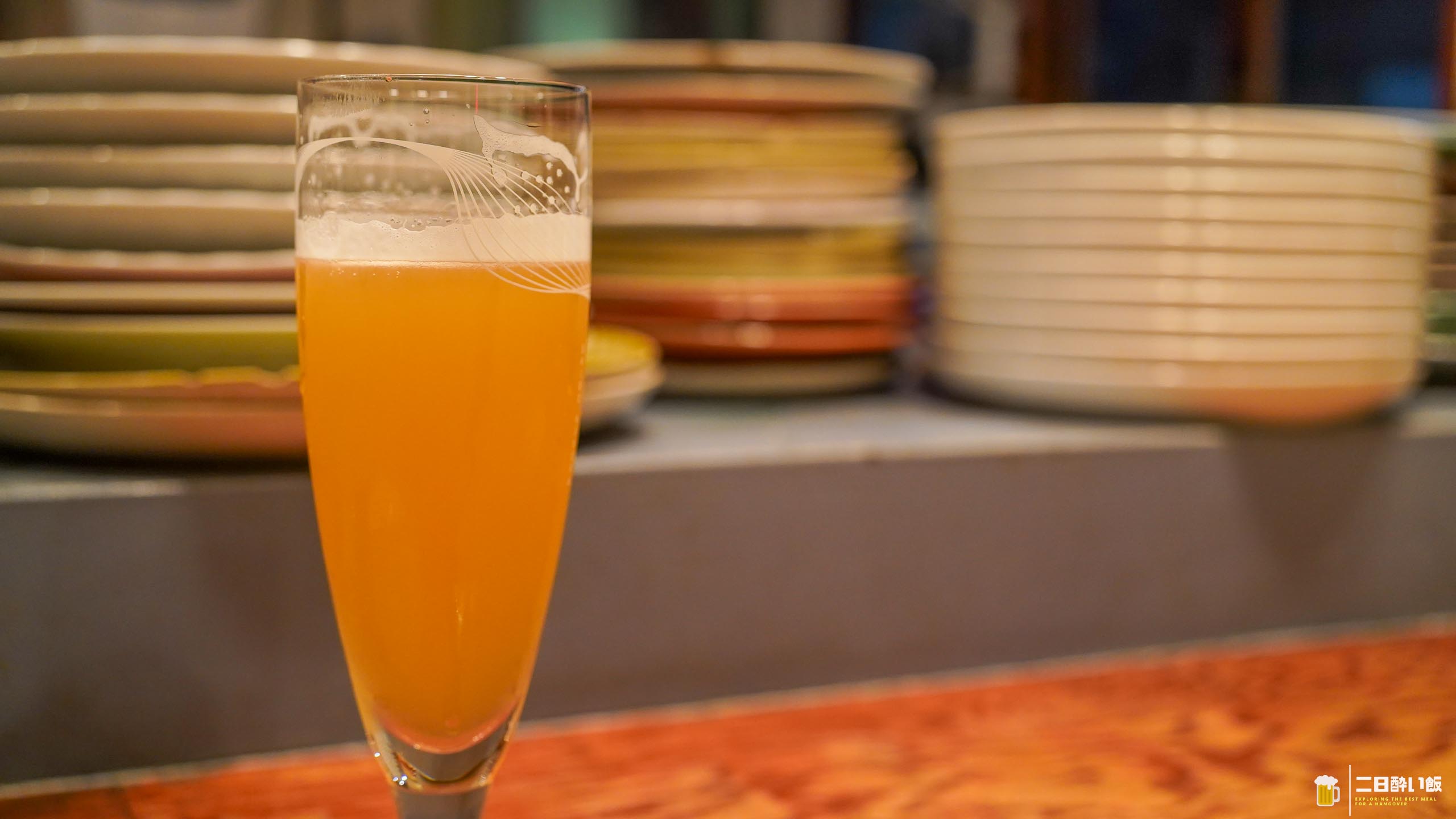
First, beer!
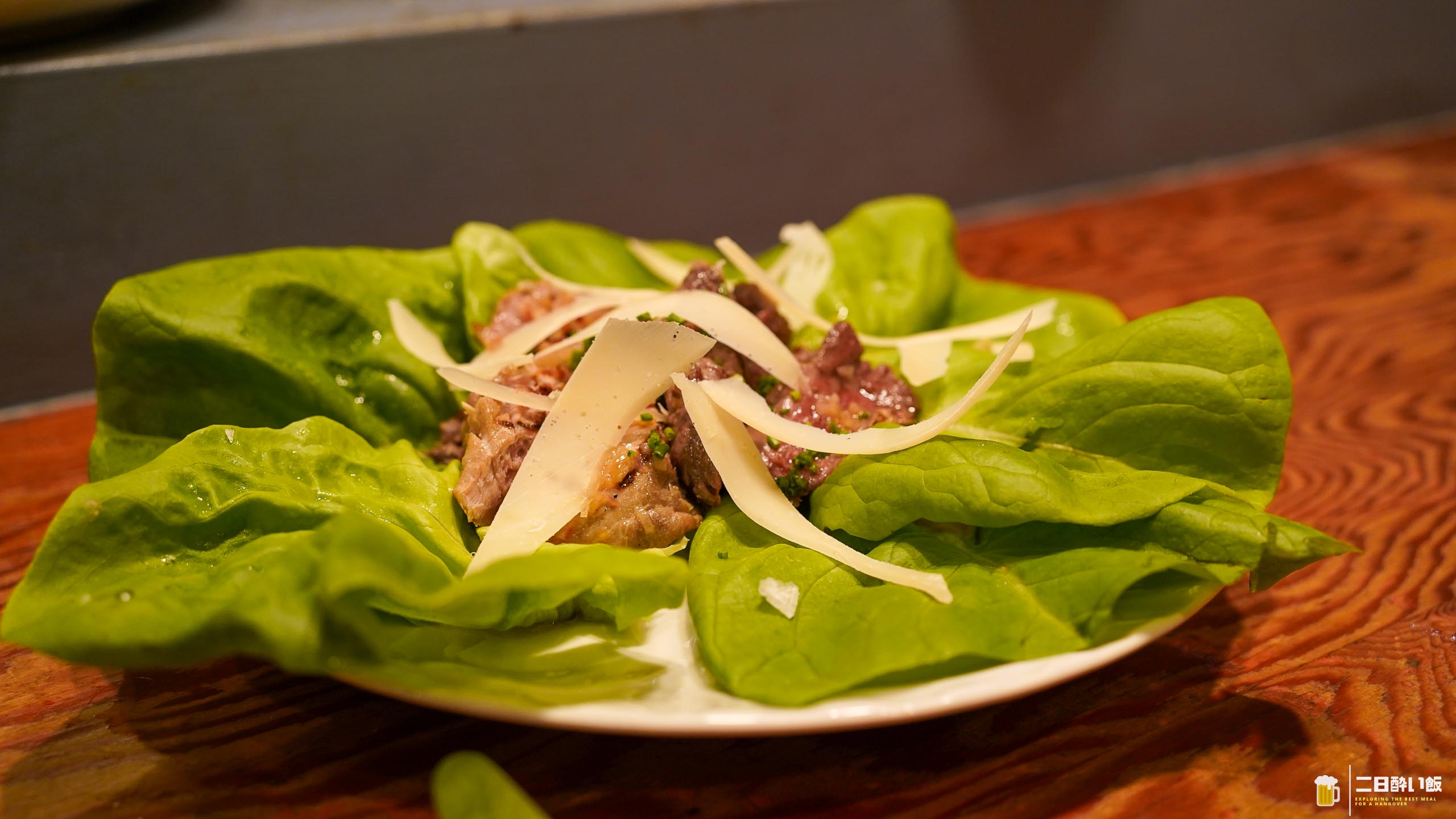
This is apparently enormously popular — the signature dish, which rumour says nearly everyone who comes here orders.
You cannot picture anything at all from the menu name “tuna nape”, but this is a plate you must not skip!
What arrived was two cuts on one plate, lightly seared: the cheek and the crown of the head. Thinly shaved cheese and lettuce leaves come with it, and you wrap the fish in them. “Roll it up and eat it,” we were told — which is close to wrapping yakiniku in a lettuce leaf.
Doing it, the tuna is glossy, generously fatty, and springy as meat.
The fragrance of the searing meets a sharp, acidic seasoning, and you roll the whole thing up in the cheese and leaf.
That freshness of the vegetable and the dense savour of the fat arriving in a single mouthful is marvellous!
This is delicious. Eating French food with your fingers feels like a new experience (though perhaps it is quite ordinary over there), and I like it!
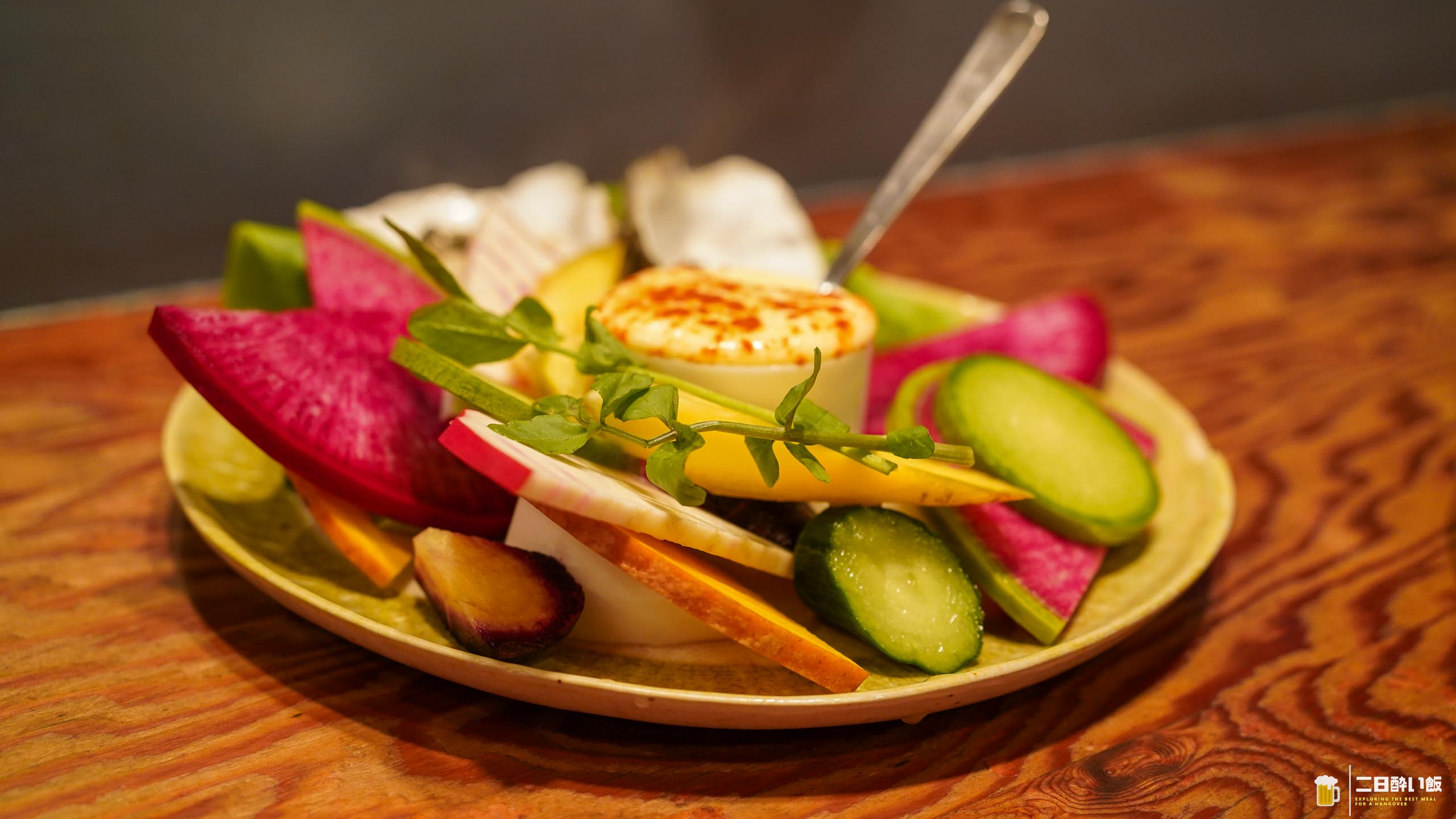
This is the other signature dish, where you dip vegetables and various seafood into an aioli sauce! It is on the recommendations, after all.
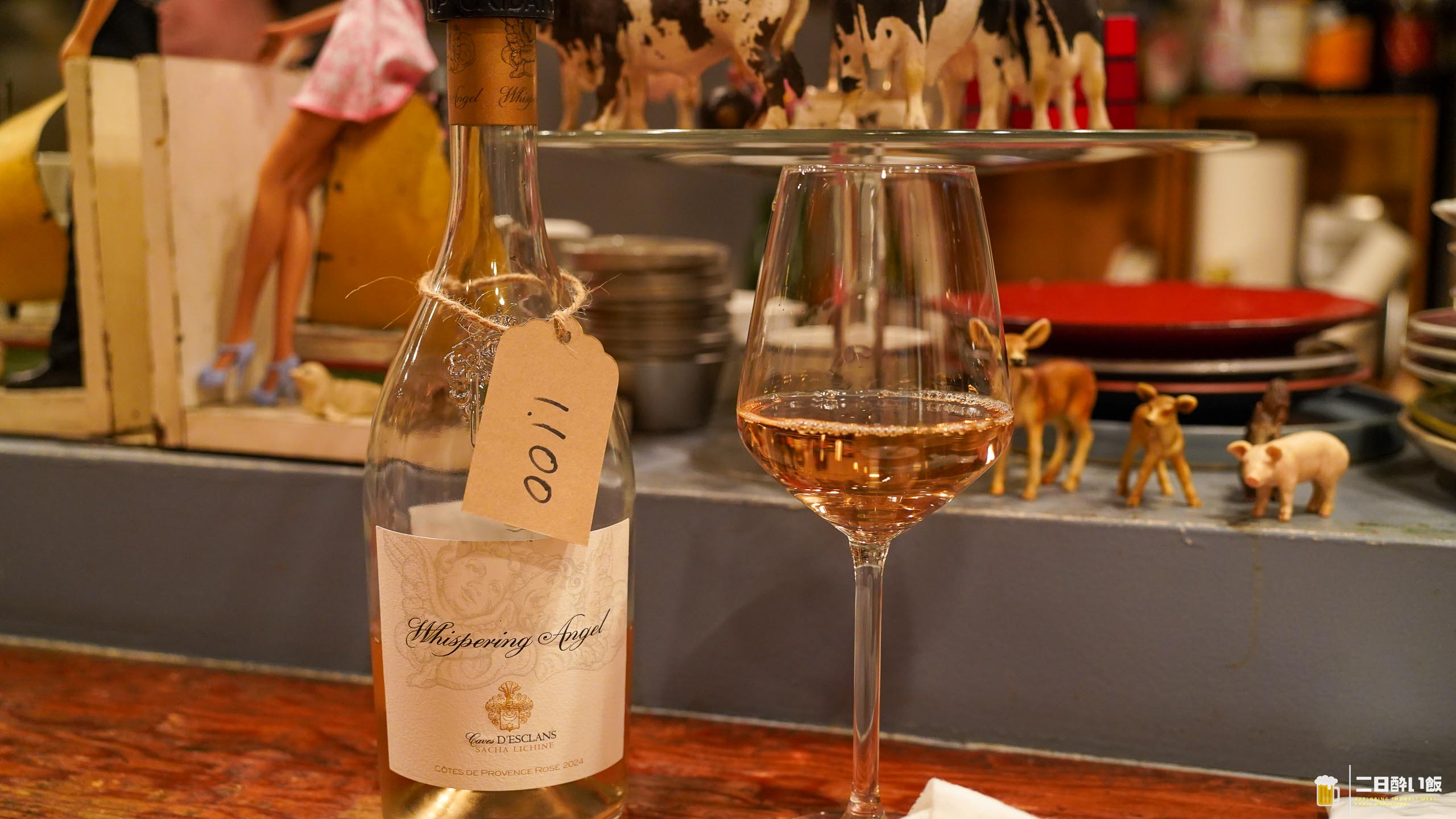
On the menu it is 1,100 yen for the vegetables plus one of squid, prawn or mussels.
All of them together is 3,300 yen, and separately from that, steamed oysters are 1,400 yen for two.
I asked whether we could have the vegetables with the steamed oysters, and they did it for us! Thank you!
Aioli is a garlicky, airy sort of mayonnaise, and you dip prawns in the shell, mussels, vegetables and so on into it, one after another. It feels less like France than like the table of a port town somewhere in southern Europe — not a scrap of pretension, which is good.
As with the tuna nape earlier, the whole concept of this shop — that you may eat with your hands — seems to be packed into this dish.
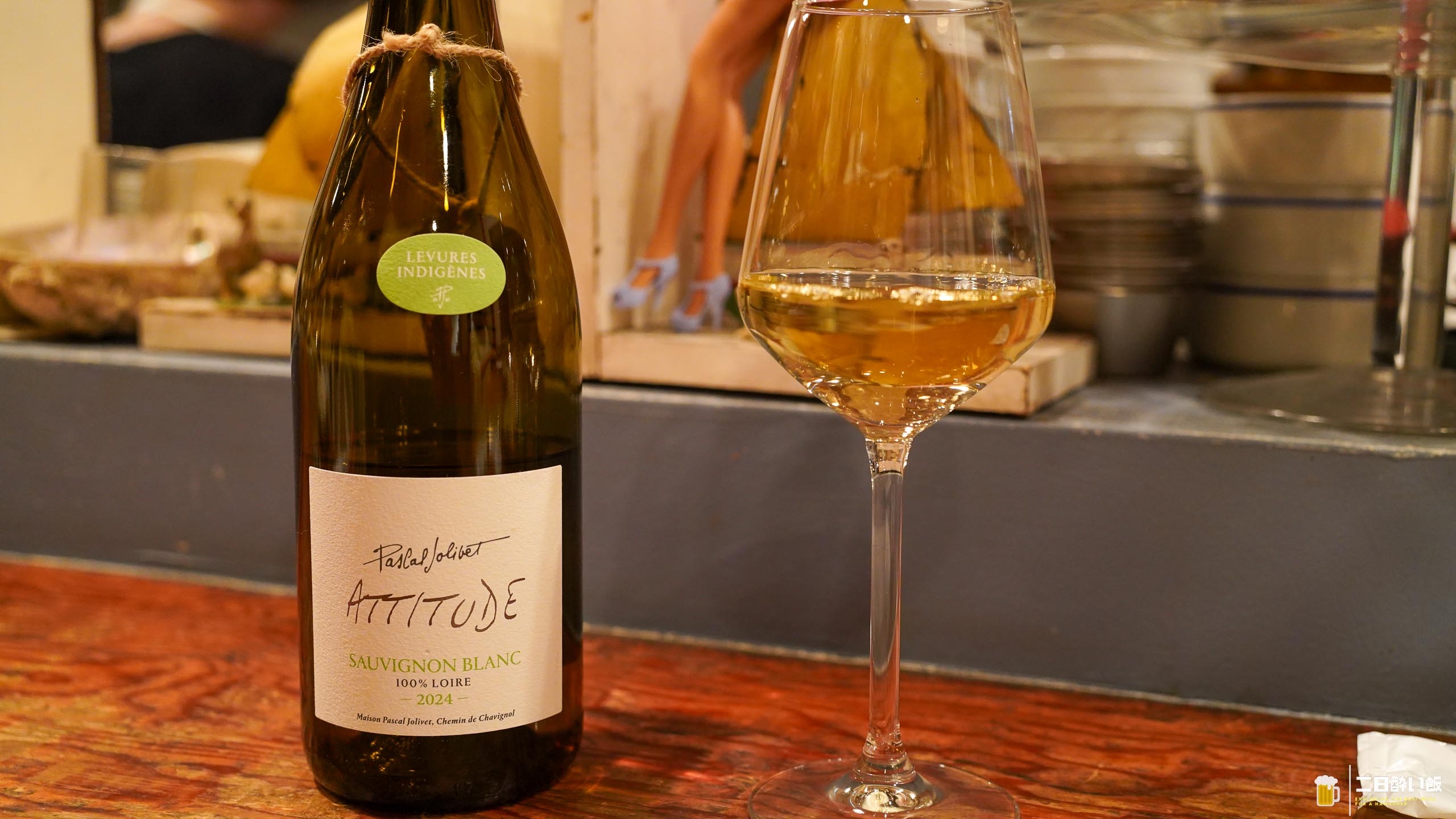
The steamed oysters are simply finished and yet deep in savour, and they suit white wine perfectly.
Dipped in the aioli they are good again. Seafood is the best.
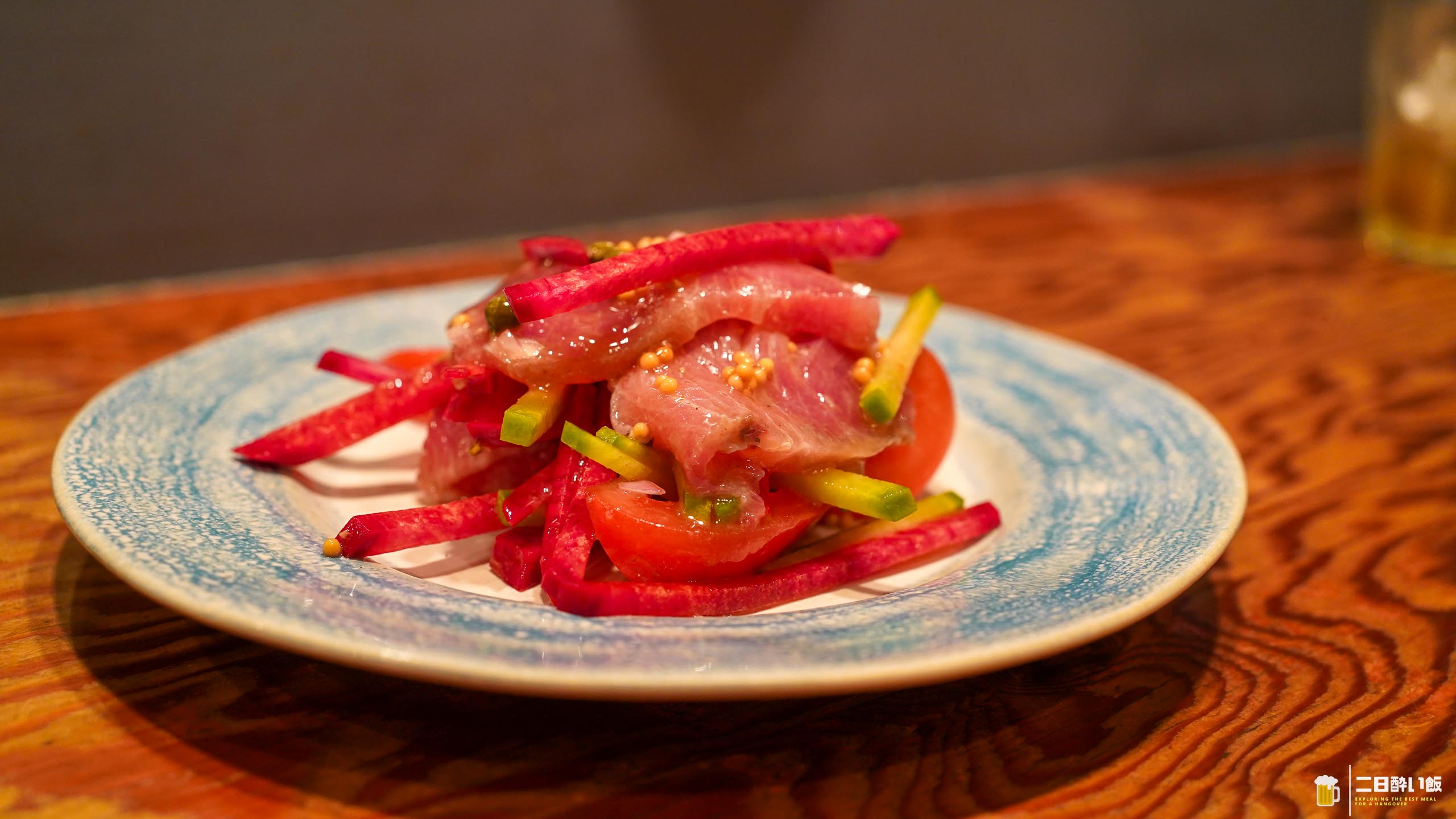
One more from the starters: raw buri daikon.
From the name I wondered what on earth it would be, and the plate that arrived was nothing like what I had imagined.
I had expected a rare-cooked version of the simmered dish; it is entirely raw. If anything it is closer to a yellowtail carpaccio.
Tomato, cucumber and red-fleshed daikon (daikon being an essential part of buri daikon, after all!).
Eating it, the sharp dressing suits the rich, fatty yellowtail!
The crisp texture and flavour of the daikon, the freshness of the cucumber and the pop of the mustard seeds all come together into a very good dish. The name is entertaining, and the surprise of it being nothing like what I pictured makes it an interesting plate.
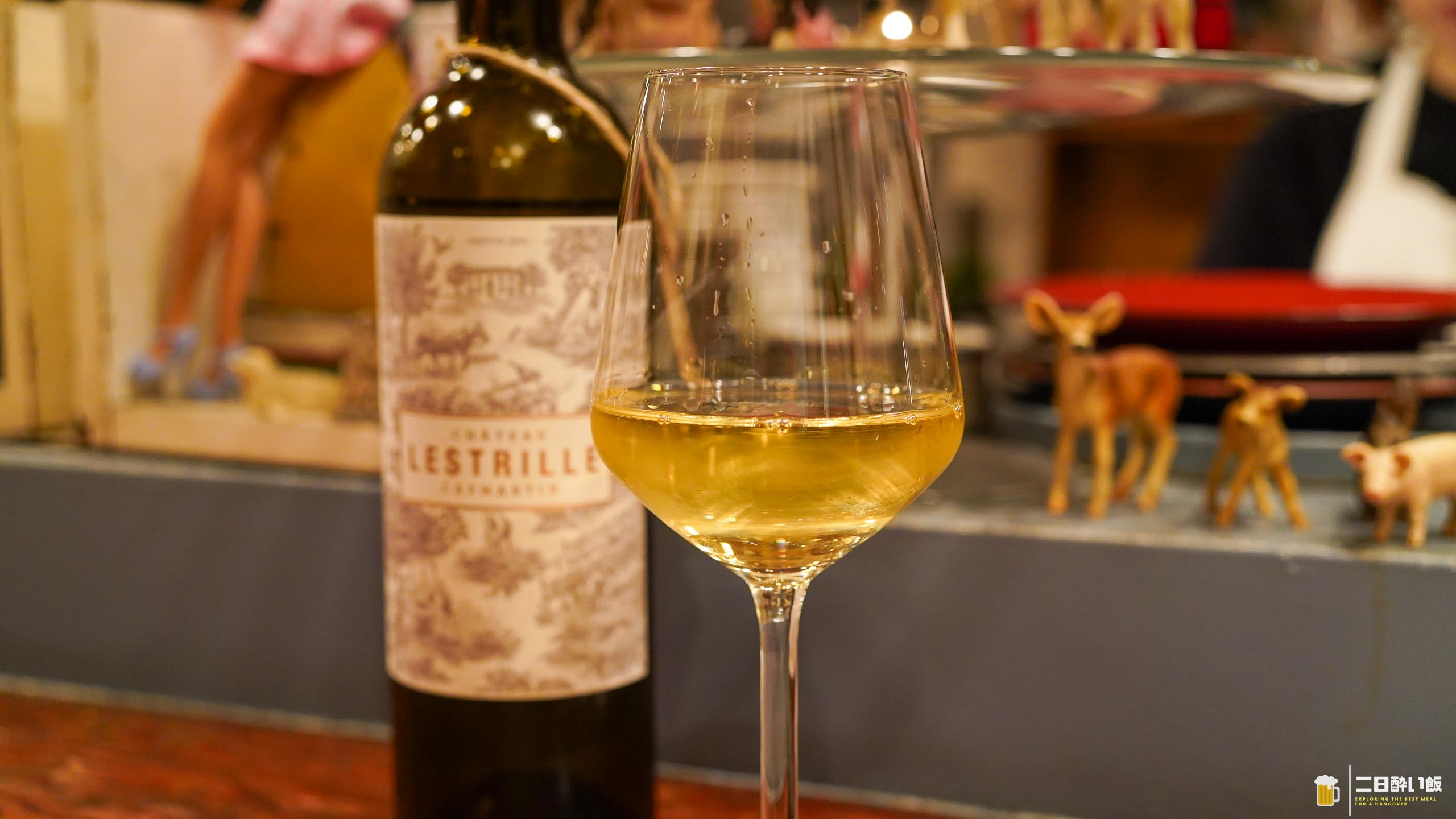
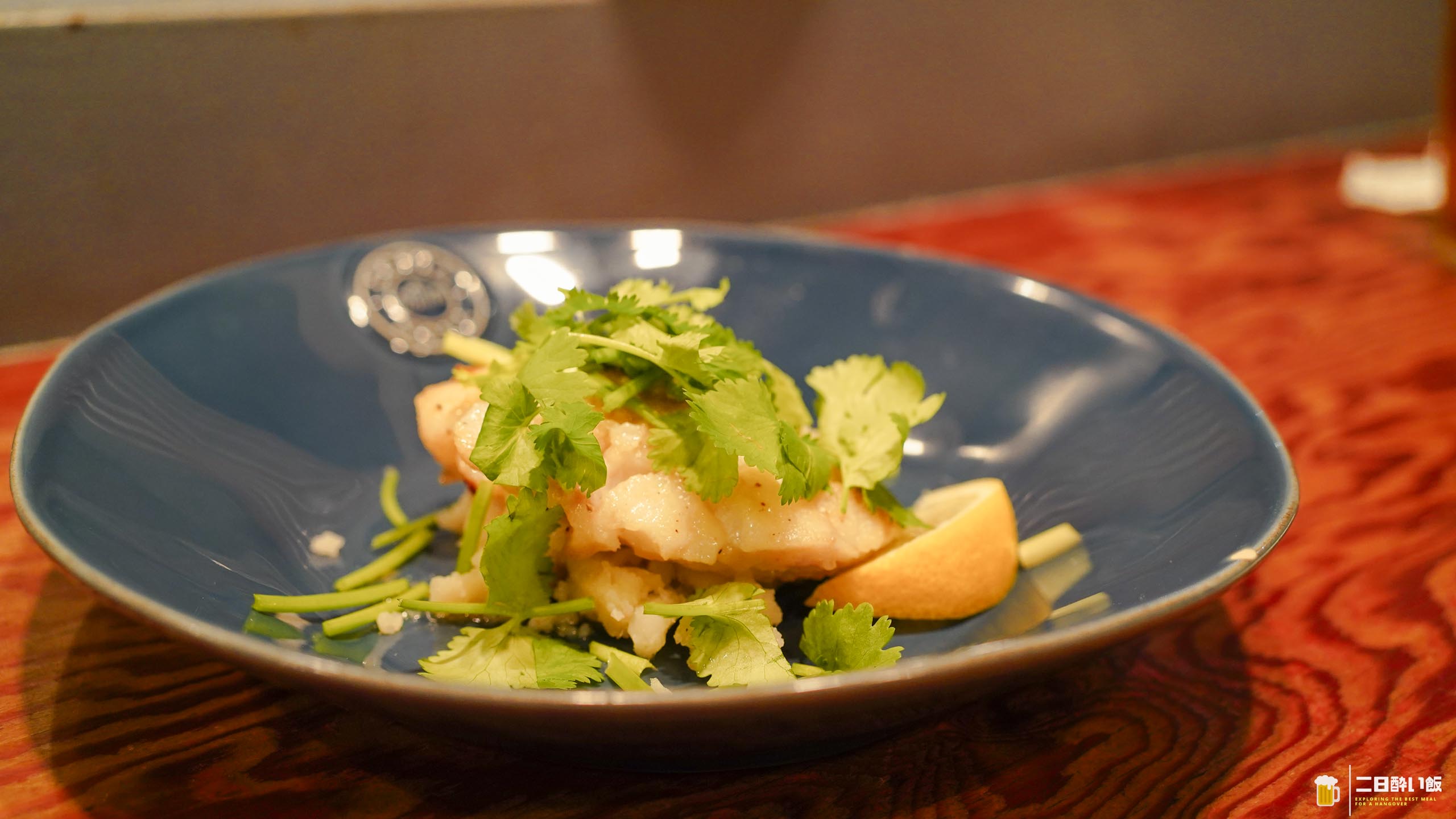
Loaded with coriander — another unexpected plate.
The cod meuniere flakes apart inside and goes beautifully with the scent of the butter!
The forceful seasoning of the anchovy potatoes works very well eaten together with the cod. And then the fragrance of the coriander pulls it all sharply together — a highly accomplished dish!
It is a menu of nothing but fish, and yet one never tires of it.
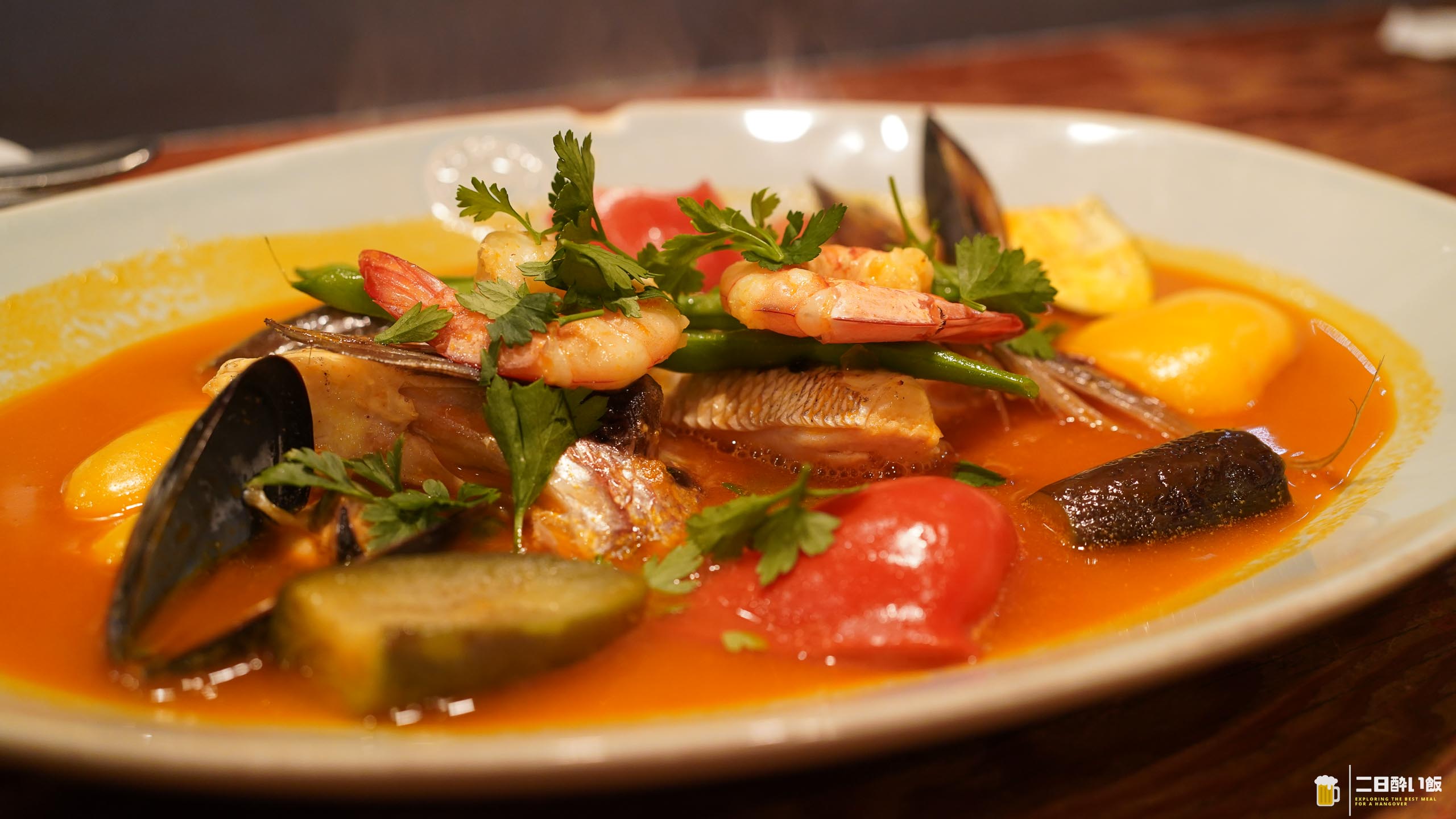
And the finale of the evening, the main we chose, was another favourite: the bouillabaisse!
There are so many dishes here that it would be a shame not to order — which is part of the fun!
A great platter arrives loaded with the fish of the season, along with mussels, spear squid and prawns in the shell, piled on without restraint.
The sheer visual volume of the platter is startling, but the broth is truly wonderful!! All the savour of the seafood has dissolved into it and yet it is not heavy. Gentle and concentrated at once — a contradiction, but that is the phrase that fits best.
The salt of the shellfish, the richness of the fish and the sweetness of the prawns come in layers, so each spoonful brings a different savour. Delicious.
And you may eat this with your hands as well!
Peeling prawns with your fingers, pulling mussels out with your teeth, going at it properly.
So this is what the happiness of eating without airs in a stylish Daikanyama bistro feels like!
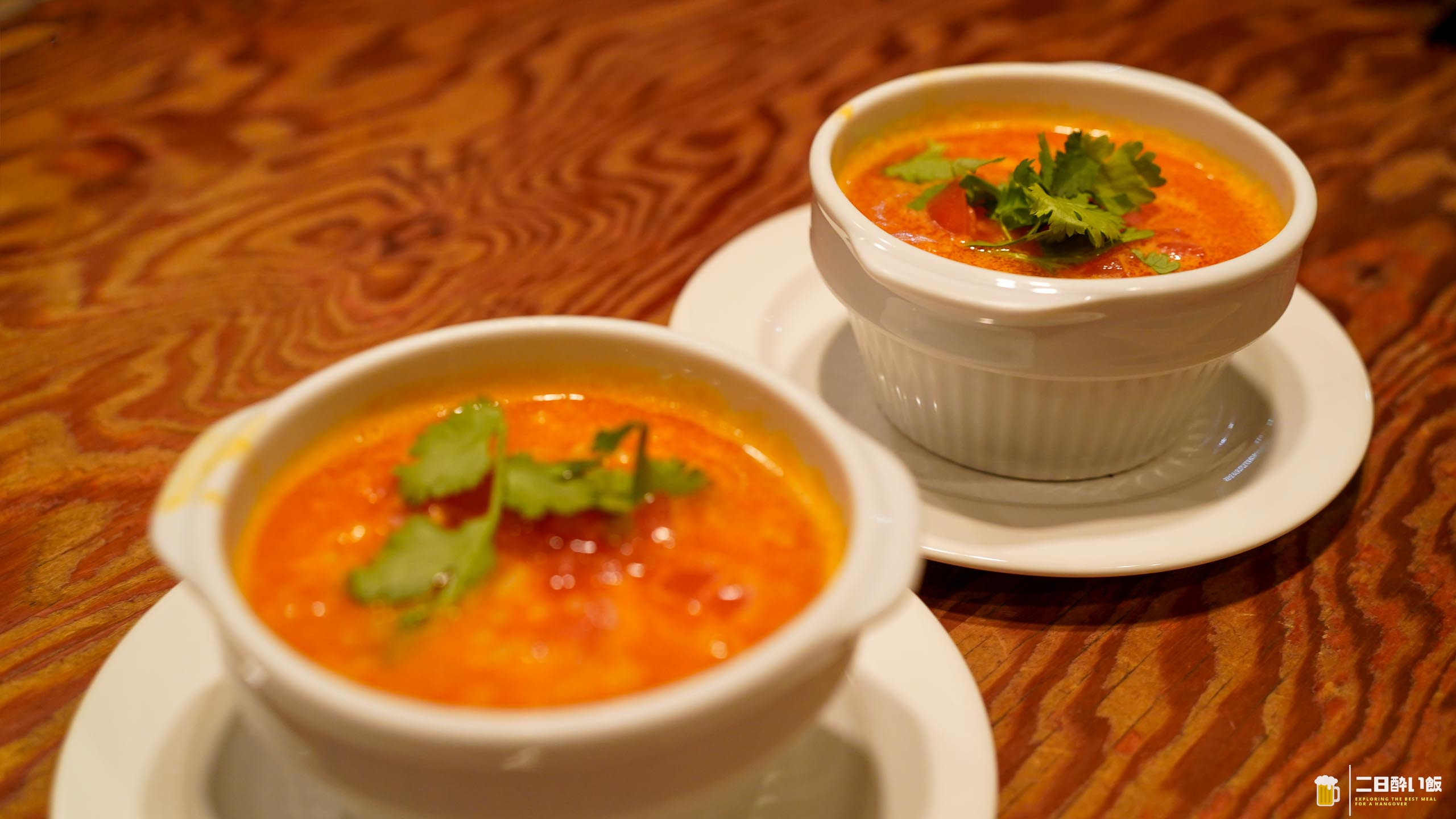
And the bouillabaisse has a sequel. When you have finished, they ask whether you would like the risotto to close.
Obviously one says yes — and you absolutely should!
They put rice into what is left of the bouillabaisse broth and make it into a risotto,
and that risotto, having drunk up all that gentle, rich, concentrated savour, is genuinely superb!
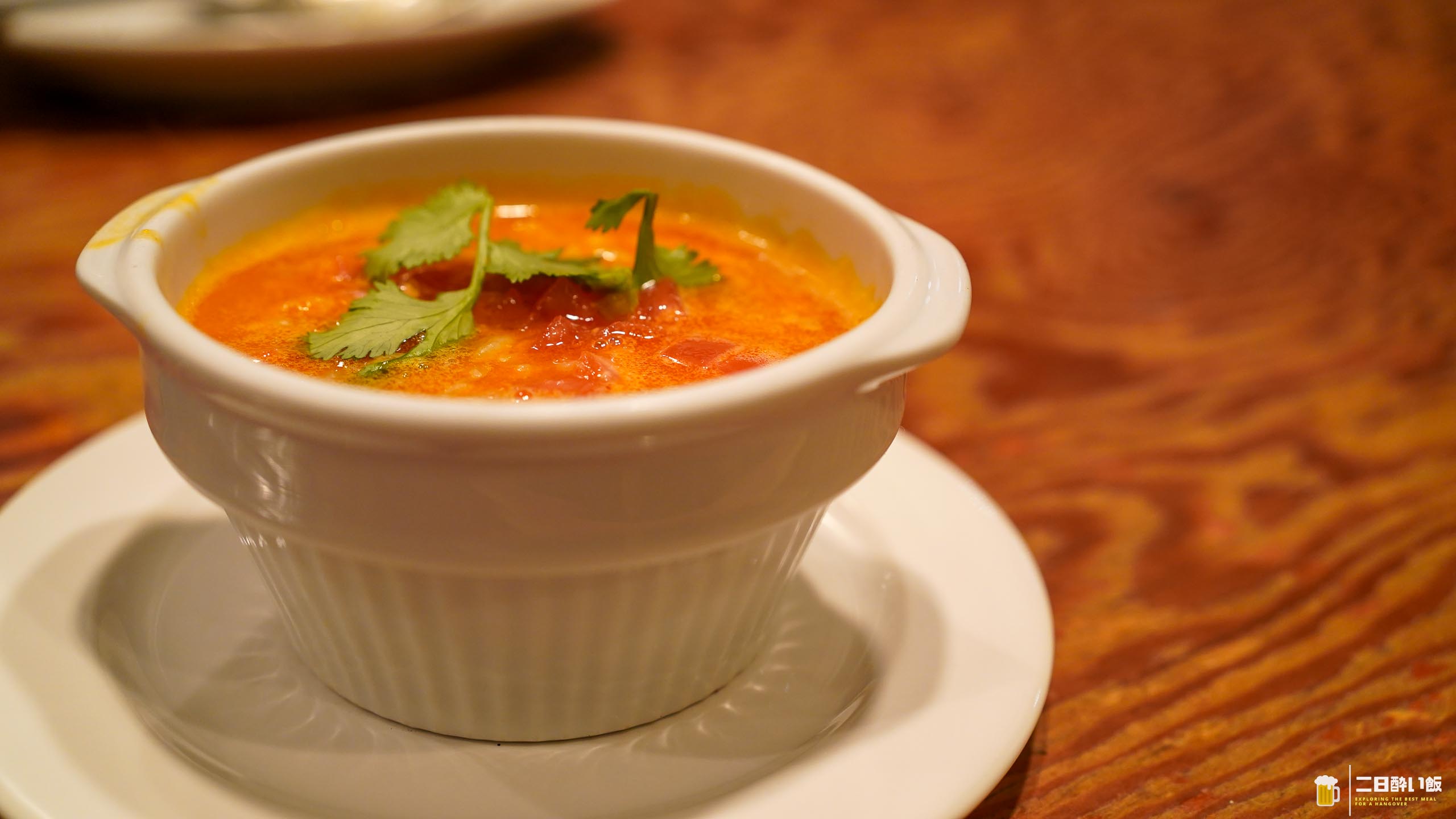
I thought I had eaten a great deal, and yet somehow it slips down.
As a quiet close after eating so boisterously through the bouillabaisse itself, it is almost too well judged.
The quality is such that I would happily eat it on its own.
And it is a pleasure that they serve it properly in a dish like this — and that the portion is not too large, but exactly right.
Michelin apparently notes that adding rice to the remaining broth and enjoying it as a risotto is also recommended, so I think one may as well call it, together with the bouillabaisse, a signature of Ata.
If you order the bouillabaisse, ordering the risotto is compulsory!
Ah — that was good.
“Äta” may well be strongly recommended. Is there another seafood bistro anywhere with quality and satisfaction like this?
Every dish is delicious, the unpretentious “go on, use your hands” spirit is good, and the room is exactly right.
Looking back, we did not eat a single meat dish — it was all seafood — and even so, this much satisfaction.
A remarkable place! I want to go back and try the rest of the menu!
Ata (bistro / Daikanyama Station, Shibuya Station, Ebisu Station)
Tabelog dinner rating ★★★☆☆ 3.9
I ate here and paid for it myself. Nothing on this site is a comped meal.
One more for the road?


