A note on the words: hinabe is the Japanese reading of huoguo, Chinese hot pot, and yakuzen means cooking on medicinal-herb principles. Shochu is Japanese distilled spirit, here made from sweet potato; Sekitoba is a brand name. Hinoki is Japanese cypress. Prices are as of this writing (August 2026).
Table of Contents hide
Hinabeneko Yoyogi on AutoReserve (English) — opening hours, payment details and the Japanese address are kept up to date there, not here.
I want to eat something good today too. This is Hangover Meshi. Hinabeneko, the second time. Two months of bookings go live at the start of the month, and it turns into a scramble, so it is a hard place to get into — but I tried for both Nihonbashi and Yoyogi and somehow got both. So I went to the Nihonbashi branch the other day. It was deeply savory and very good, and this time it is Yoyogi. What a luxurious month this is.
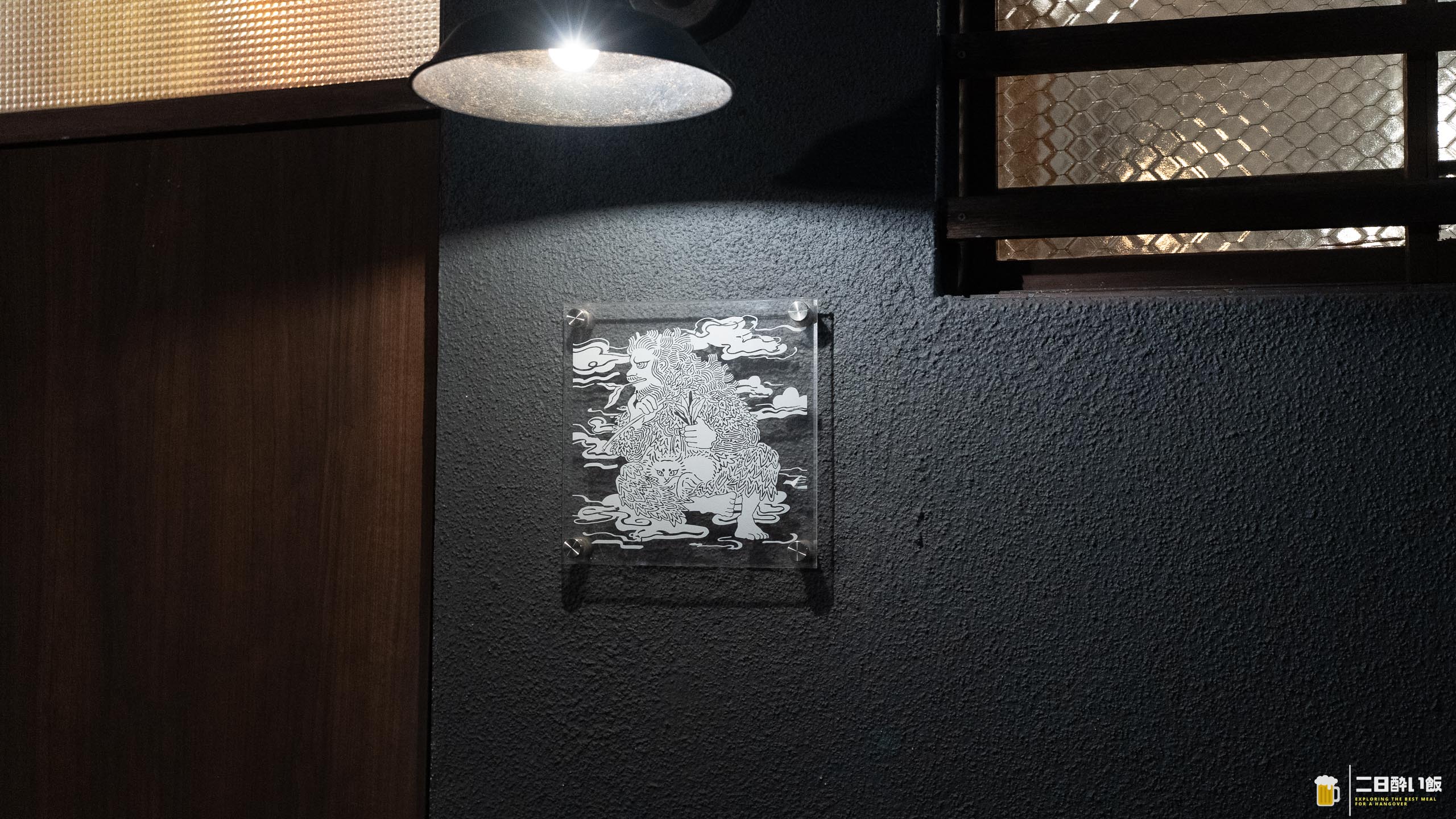
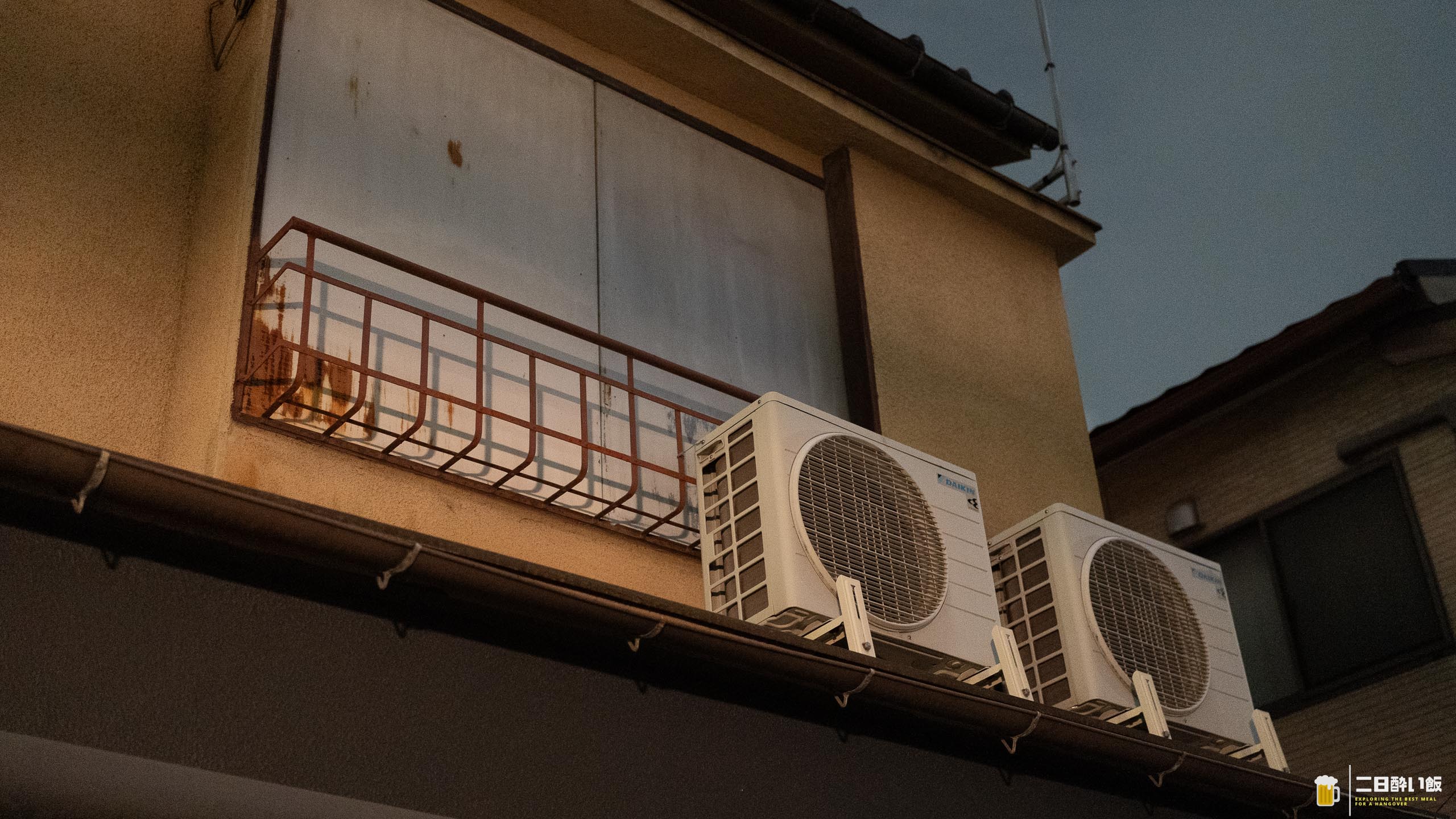
Yoyogi is an old wooden house too. At Nihonbashi you could at least peer inside a little, but Yoyogi is a house through and through.
It sits wedged between private homes, and if you did not know you would not be able to tell it was a restaurant.
Medicinal-herb hot pot course, 4,900 yen
Here too there is only the one course, the herbal hot pot, at 4,900 yen. Cheap. The basic menu is almost the same as at Nihonbashi. What is a little different is that you cannot seem to add more meat — only a set of pufferfish milt, chicken meatballs and seafood balls (880 yen). I filled up last time, so we started without any additions. The Yoyogi and Nihonbashi branches have quite different atmospheres, so comparing the two might be fun. Both are old houses with a nostalgic feel, and both look like places where you can eat at your ease.
So, we start by making the broth.
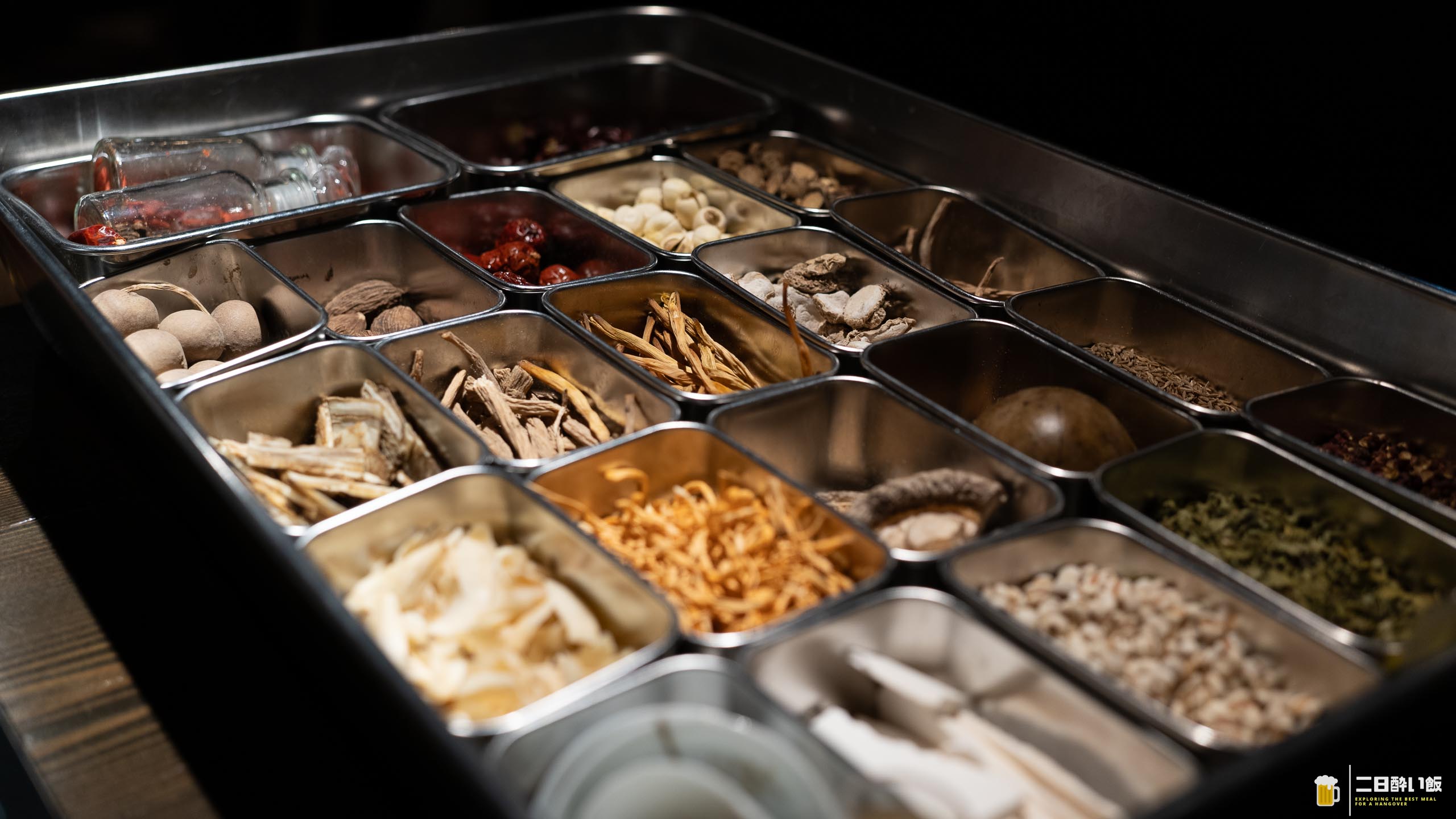
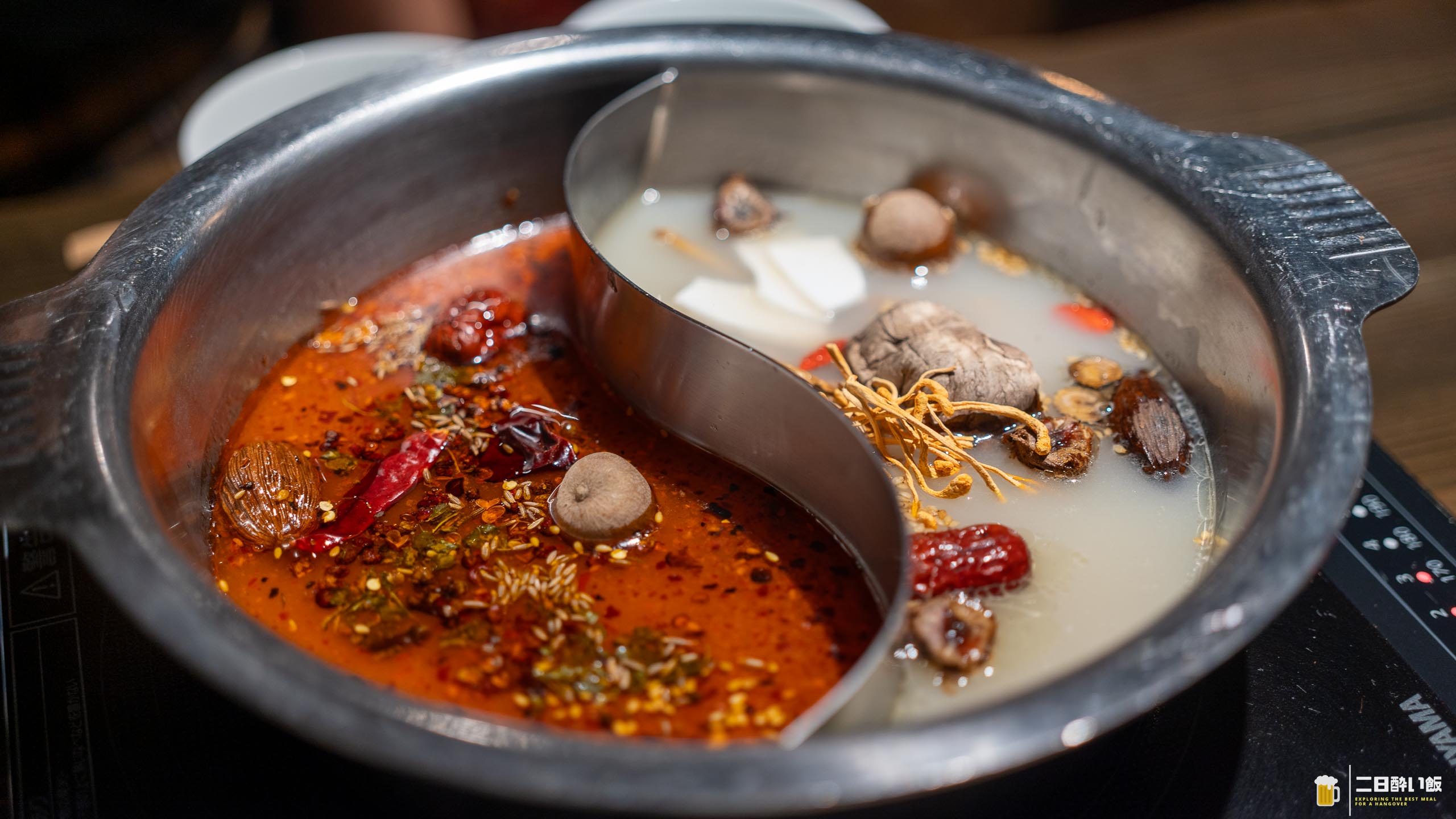
As before they put in a great many spices and it smells wonderful. They explain each one as they go, so it is easy to follow.
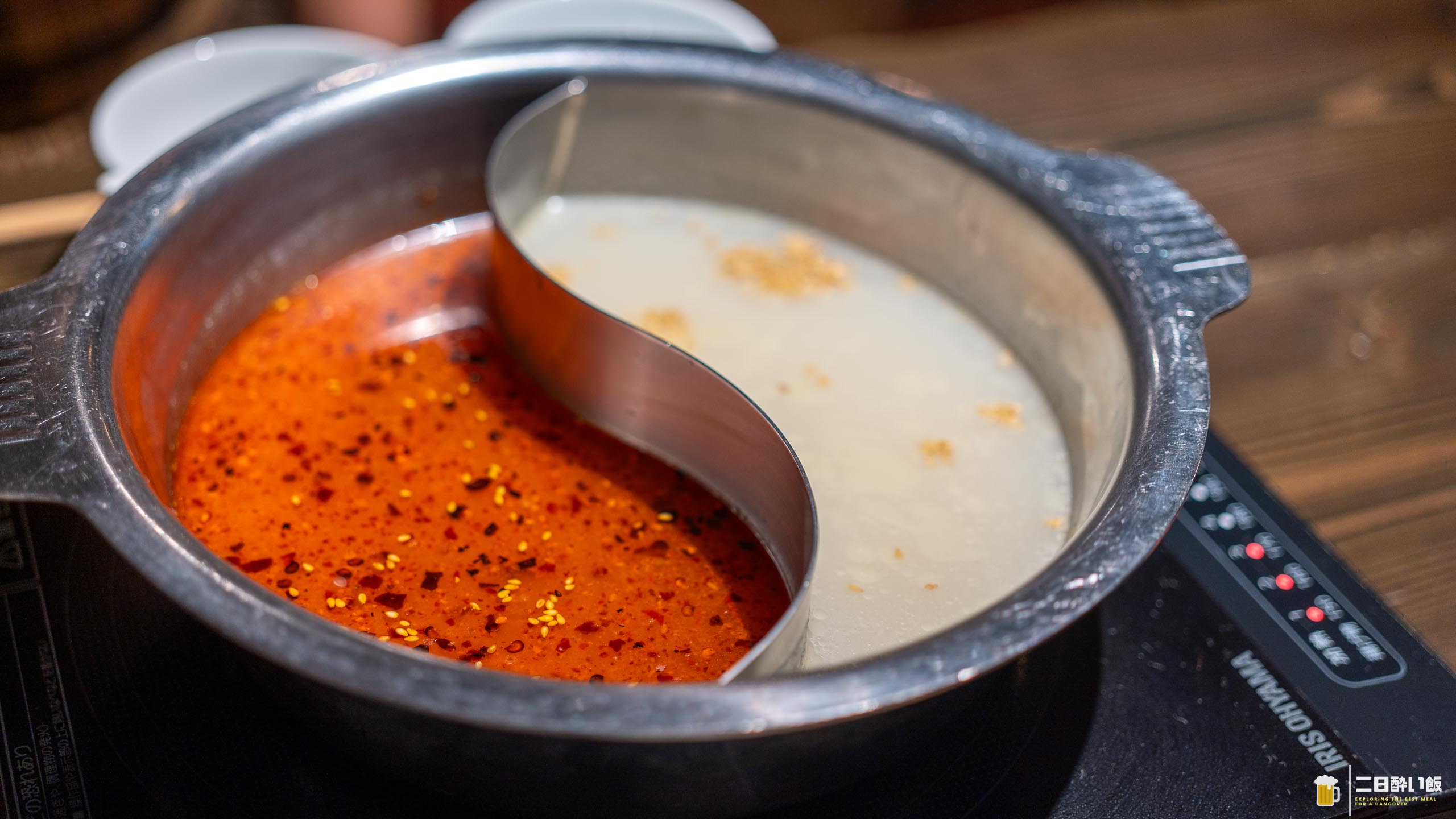
The finished broth is quite a picture. It looks good.
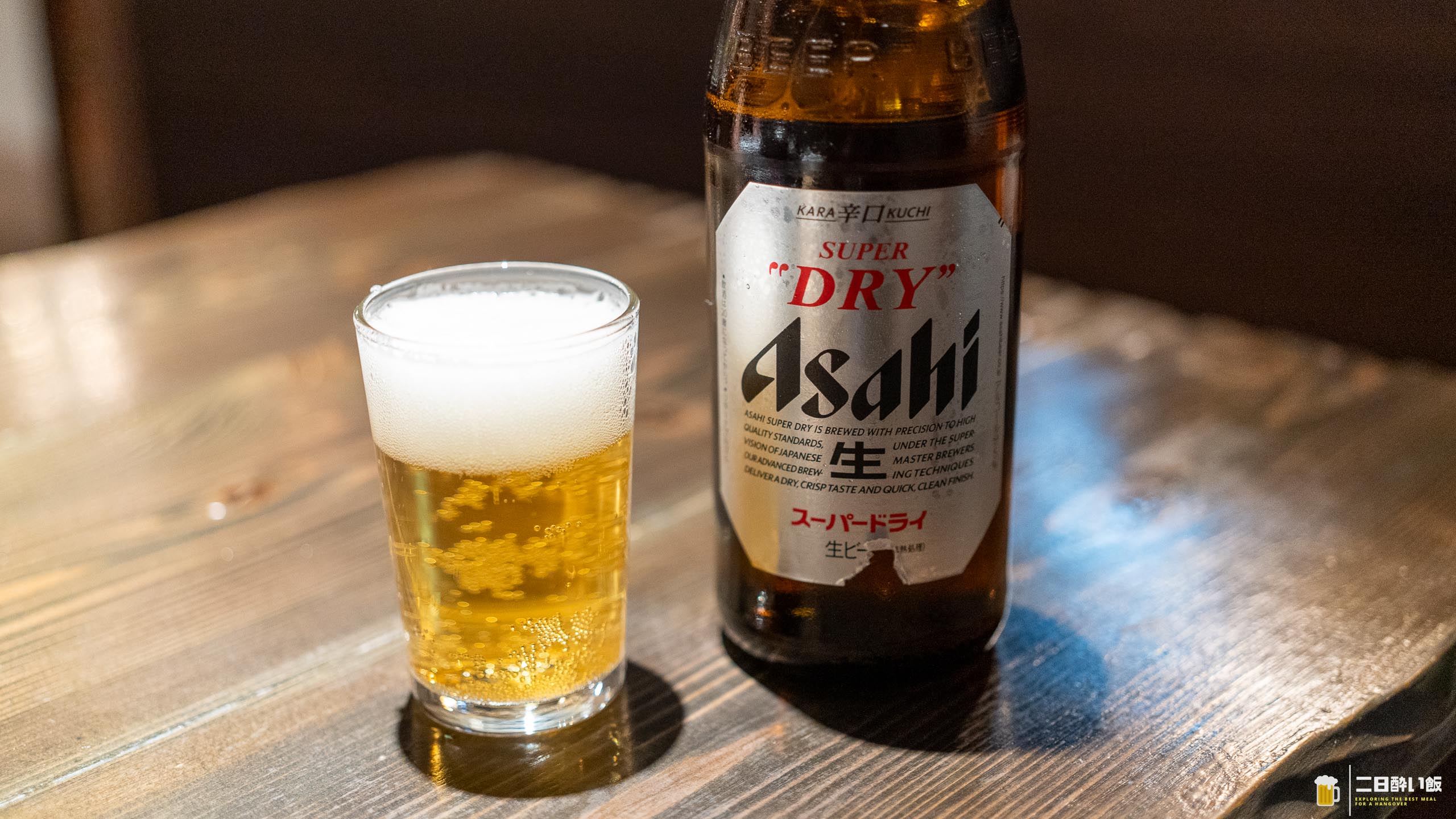
We start with a bottled beer.
The boat of vegetables and other ingredients ^^
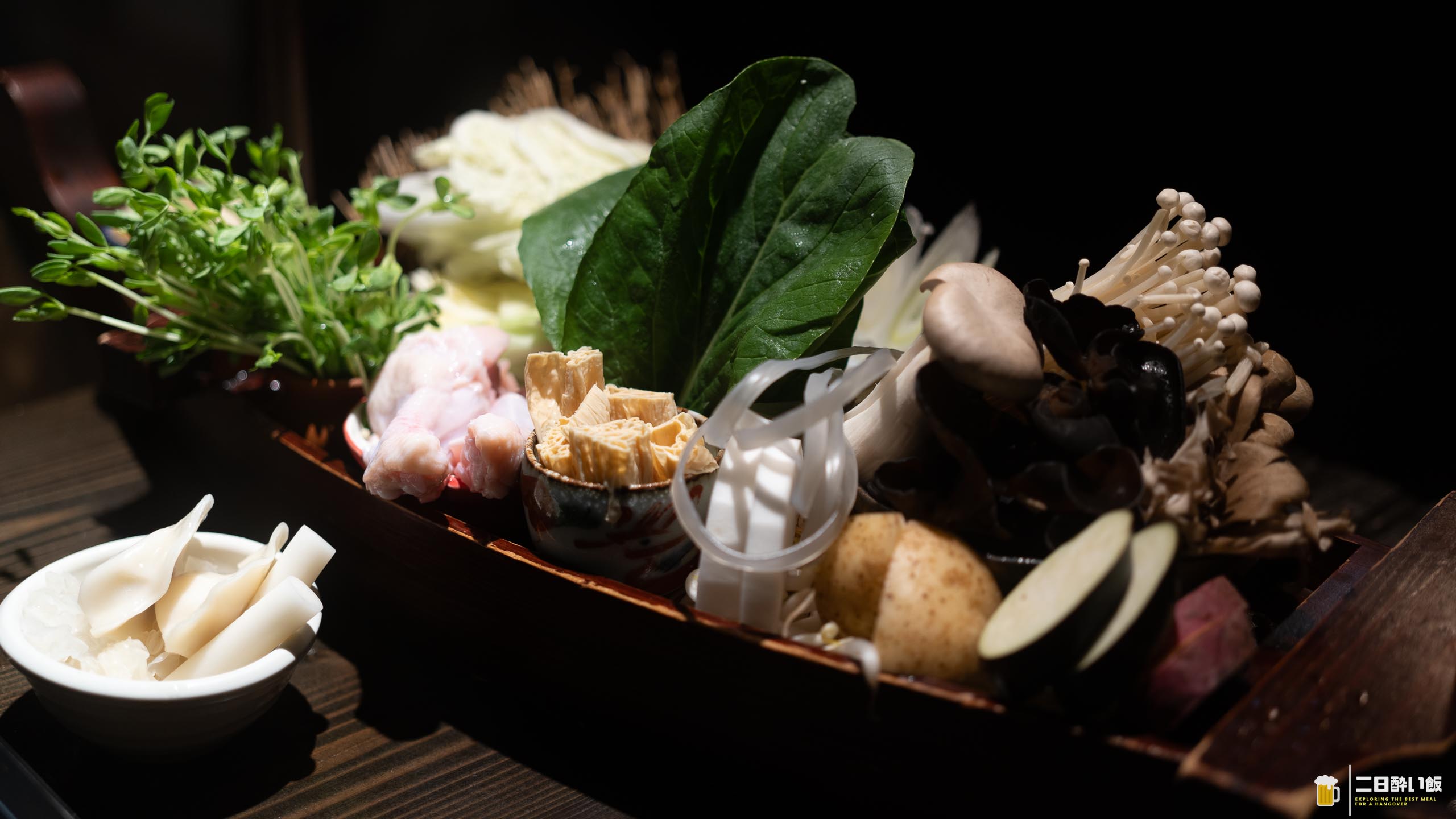
Broadly the same ingredients, though there are small differences. The vegetables may change from day to day. This time there were potatoes and the like. Mushrooms, chicken and root vegetables go in first to draw the stock out slowly into the broth. Once it starts bubbling it smells wonderful.
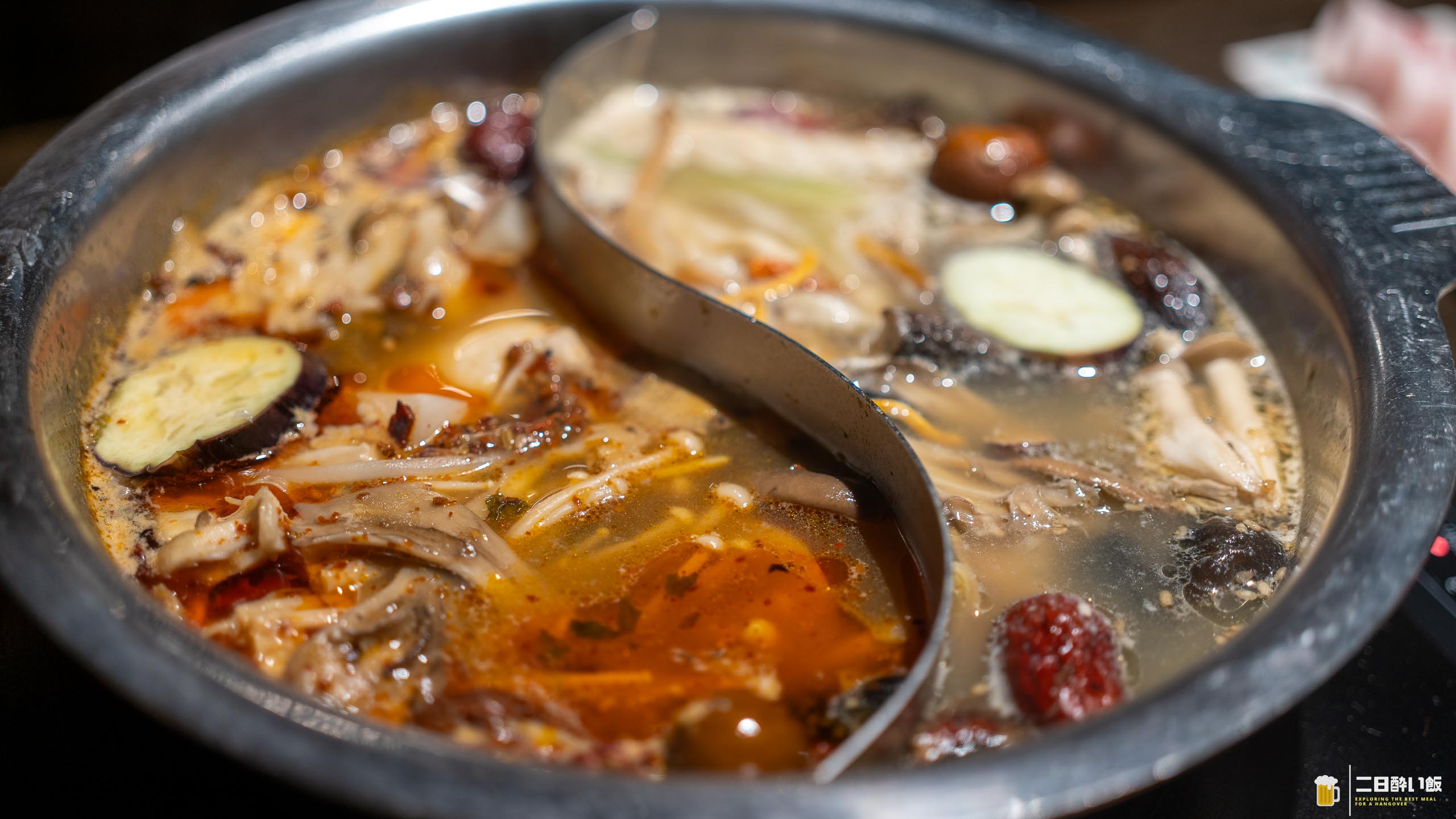
Once it had simmered a little, a mouthful of the broth.
Yes, extremely good. Deeply savory is exactly the phrase. A gentle broth that seems good for you. The spicy side has its bite as well, but it cannot hide how kind it is underneath. You can taste the ingredients themselves clearly — a detox hot pot that is good for the body.
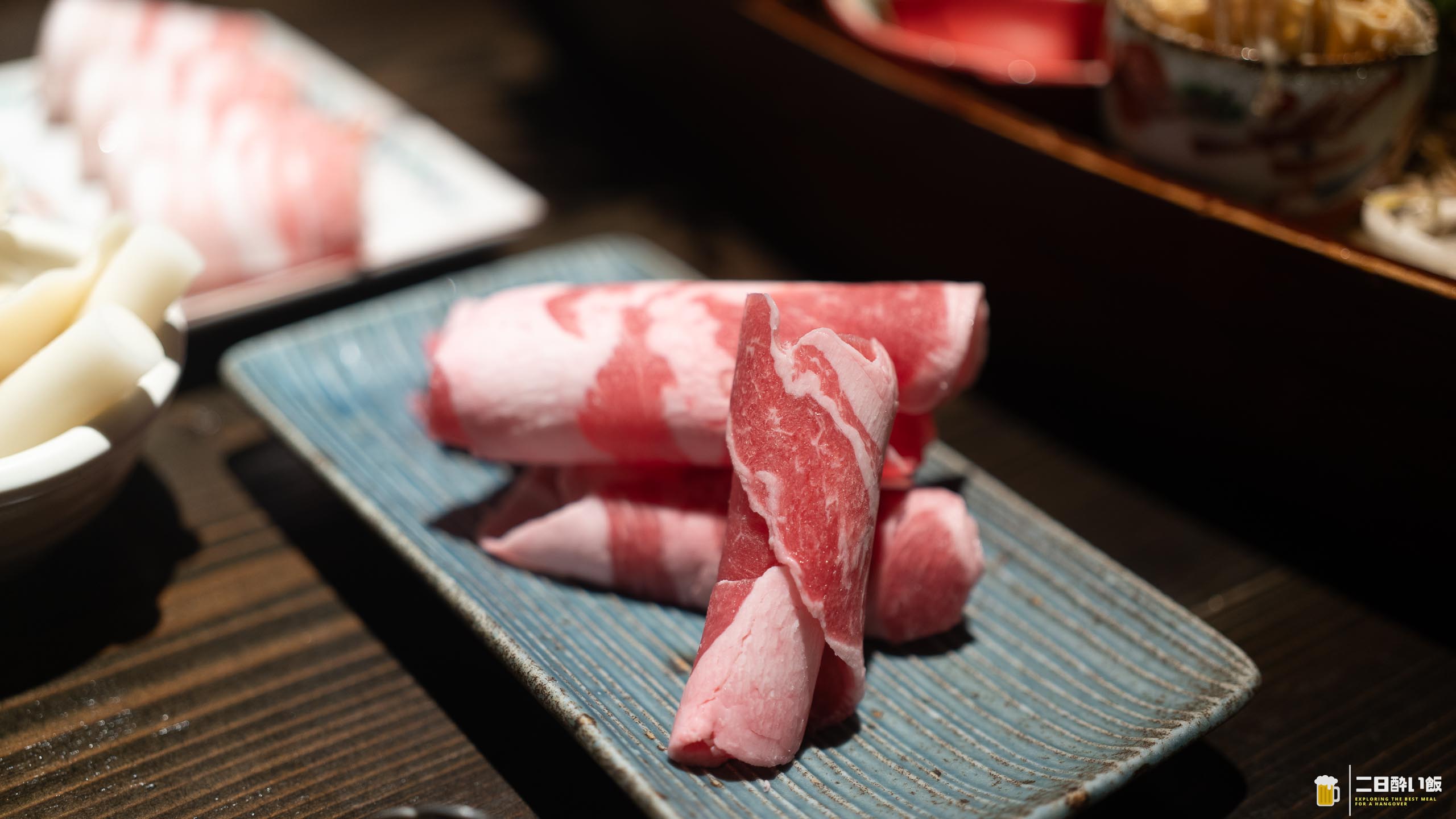
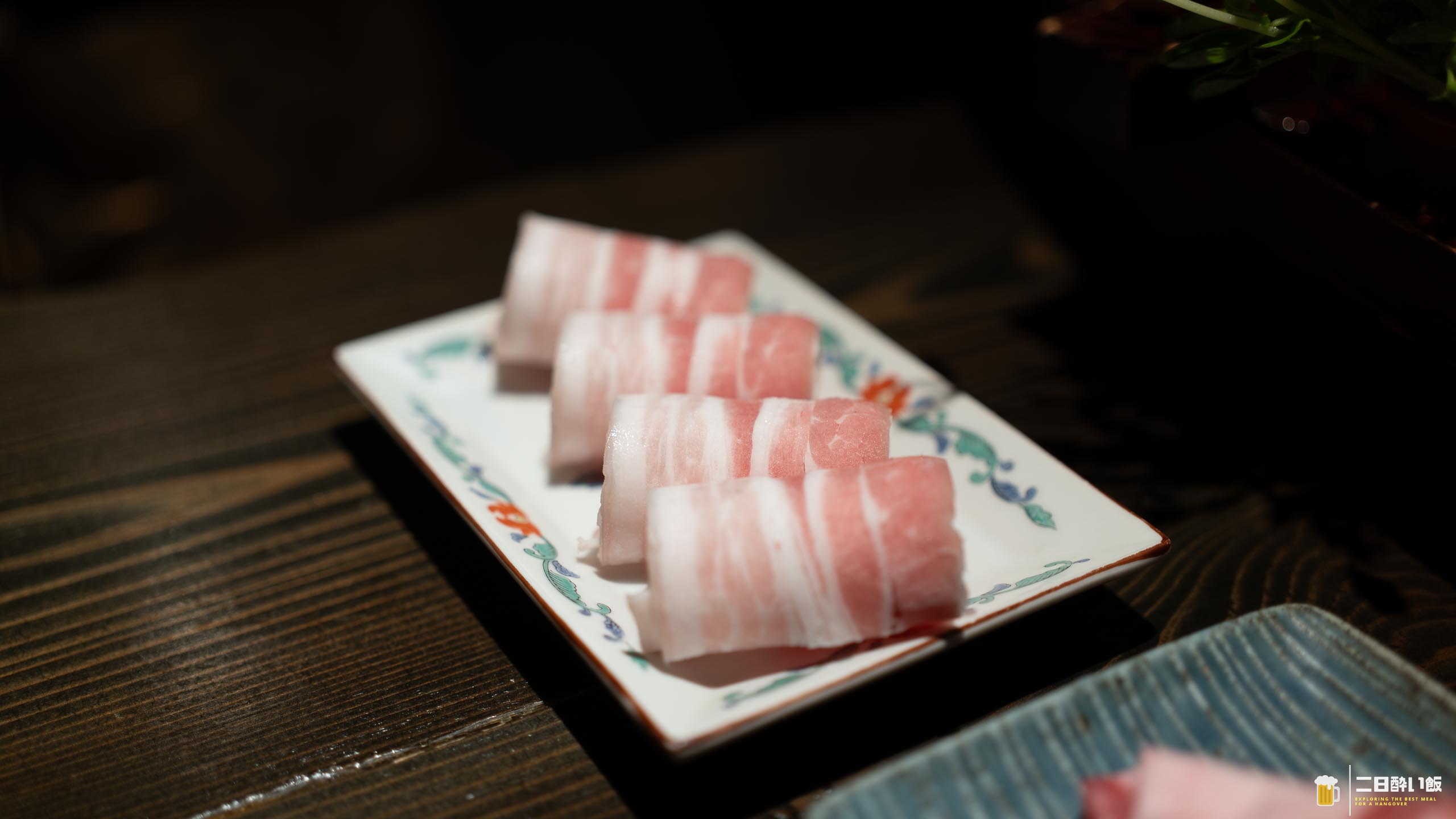
The meat is skin-on pork and lamb. The scent of lamb and the hot pot broth suit each other so well it is wonderful.
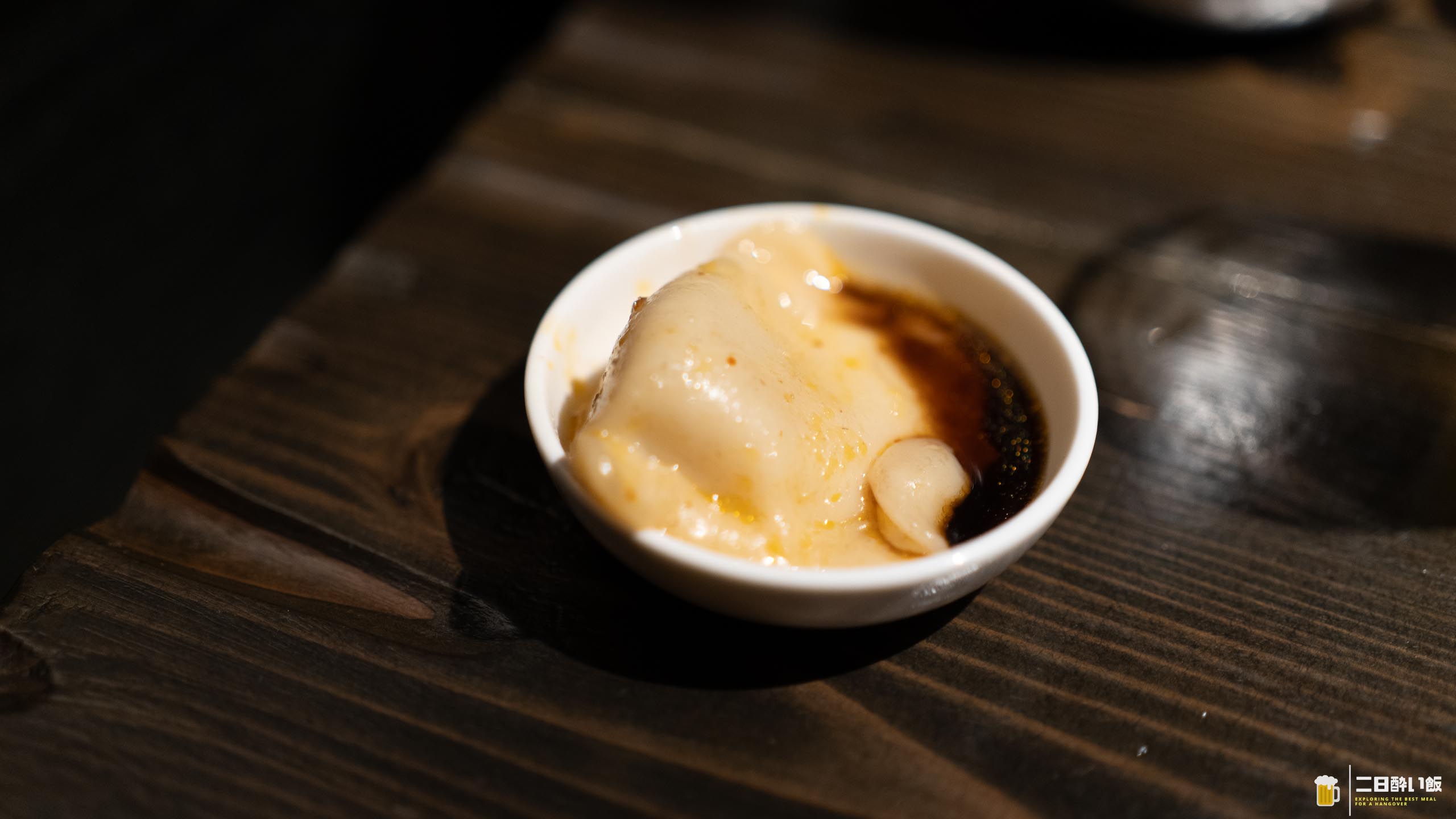
Boiled dumplings, eaten with black vinegar. The chewy wrappers are good.
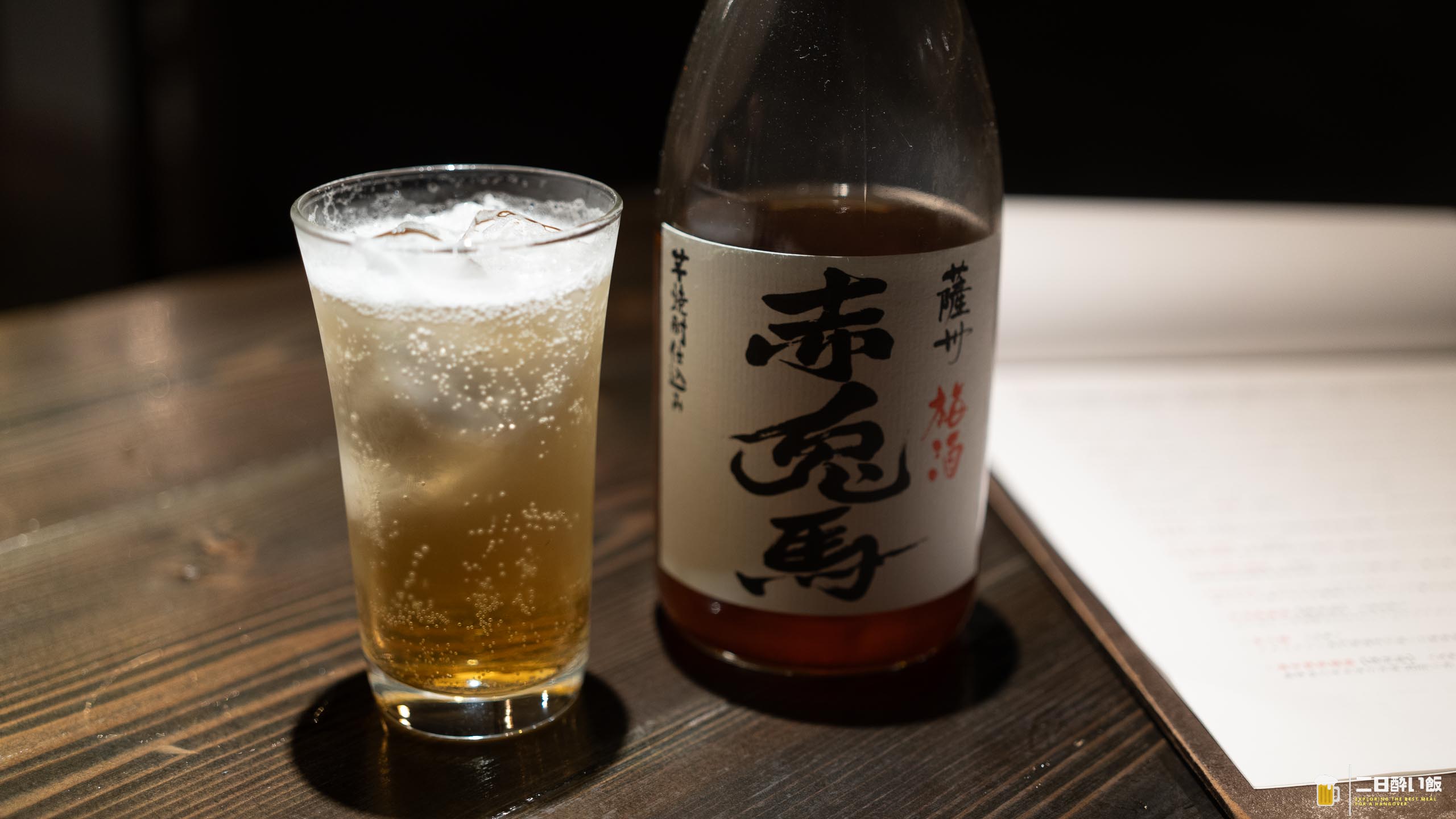
They have a range of plum wines, so I tried the Sekitoba plum wine.
It is made on a sweet potato shochu base, and you may catch a faint scent of the potato. It is not aggressively potato-forward, so it goes down very easily and I suspect it would be excellent with soda.
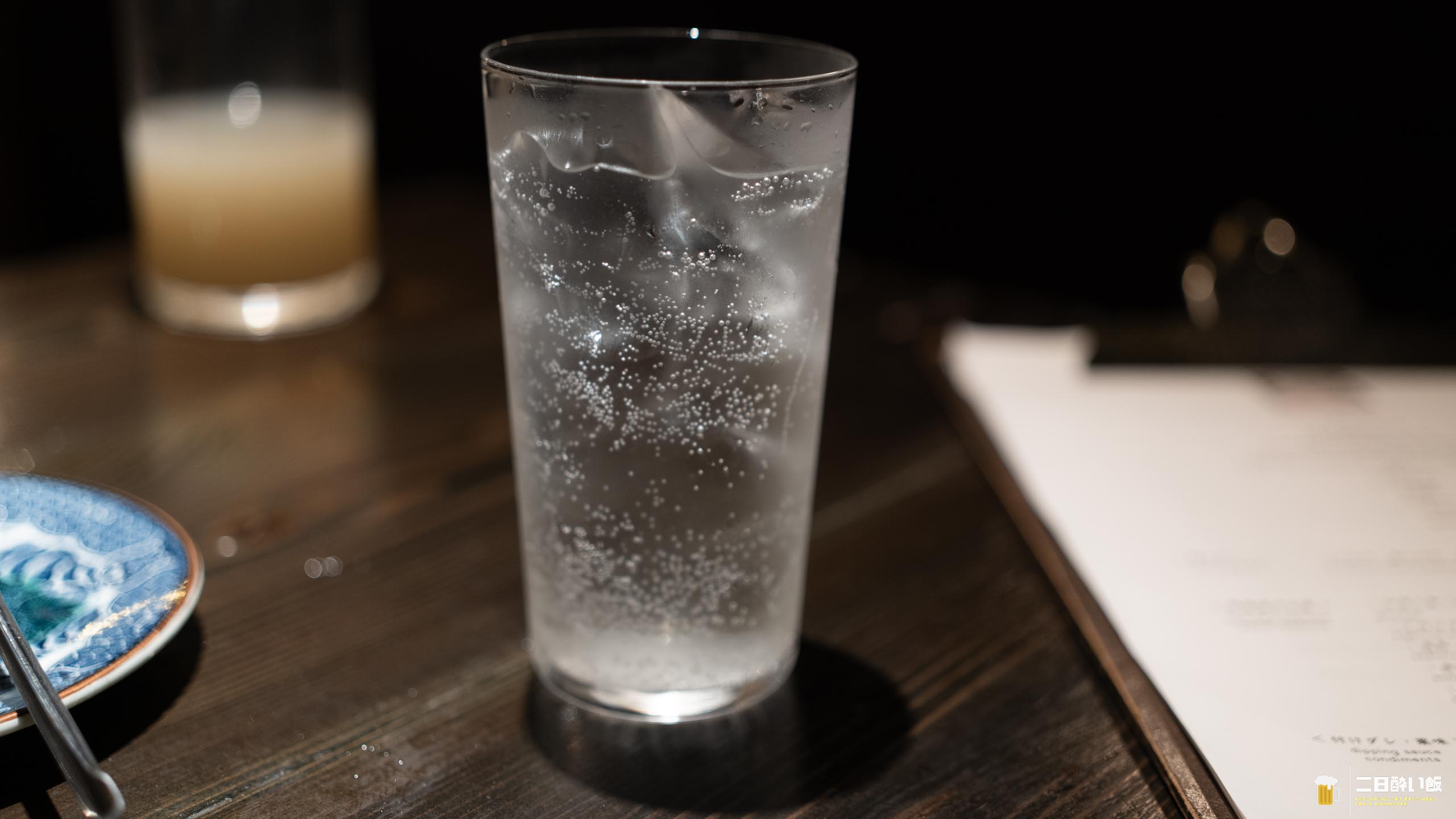
Hinoki gin. A soft scent of wood and a clean gin. This is good too.

Jasmine highball. A drink you enjoy along with its scent. Splendid.
For the noodles at the end I asked for a smaller portion ^^ I am full.

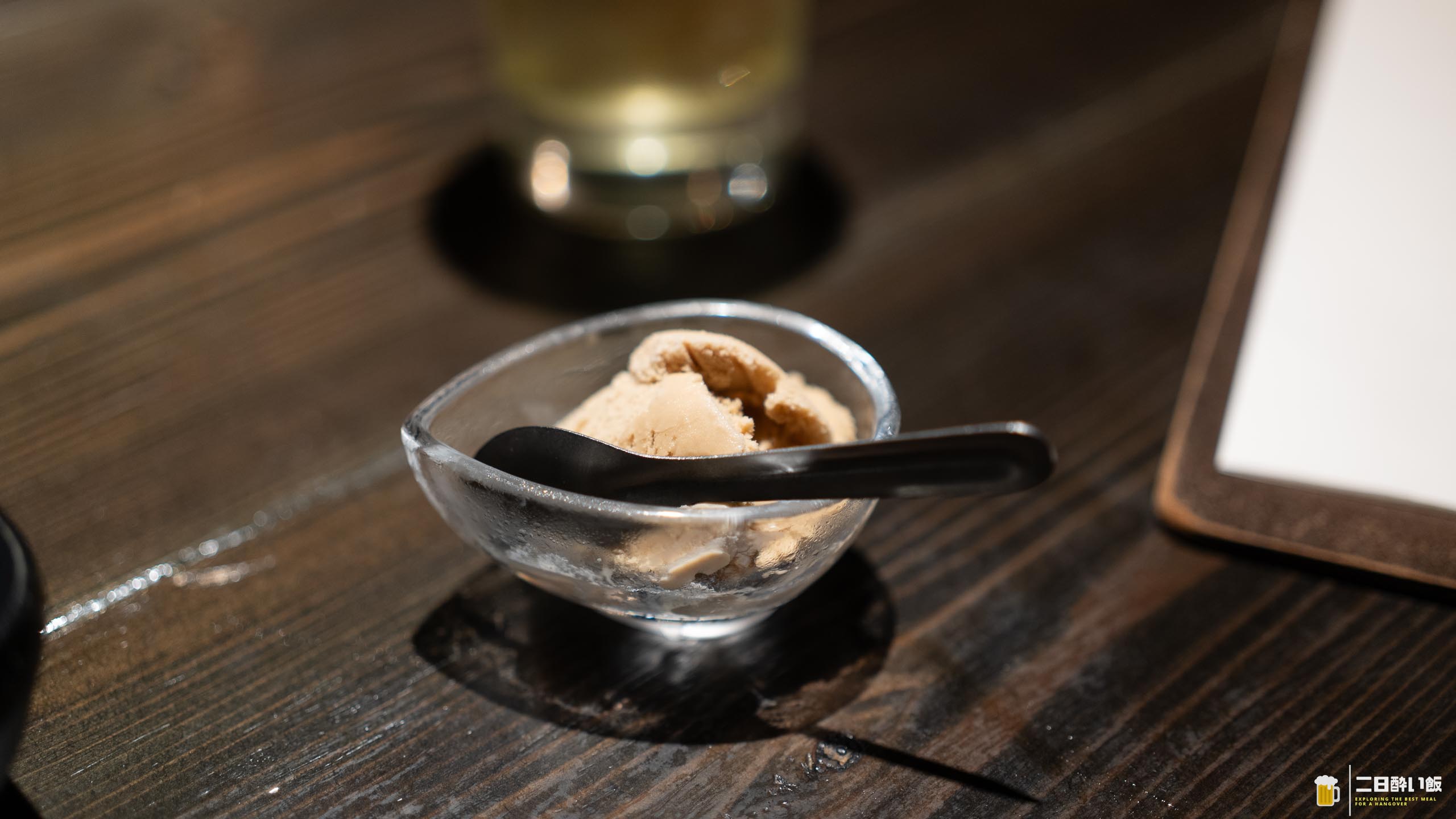
And to finish, tea ice cream for dessert.
So — an old house in a quiet residential district away from the bustle of Yoyogi, the scent of spices that puts the body at ease, and a deeply savory hot pot broth. At 4,900 yen, of course it is popular. I believe the booking method is written up on their Instagram; getting a table is hard work, but Hinabeneko is worth going to. Recommended.
Hinabeneko (Chinese / Yoyogi Station, Minami-Shinjuku Station, Kita-Sando Station)
Tabelog dinner rating ★★★☆☆ 3.5
I ate here and paid for it myself. Nothing on this site is a comped meal.
One more for the road?