A note on the words: dango are small round dumplings of pounded rice flour, usually three or four to a skewer. Mitarashi is the standard glaze — soy and sugar cooked to a syrup, sweet and salty at once. Sansho is Japanese pepper, which makes the tongue tingle, and shichimi is the seven-spice chilli blend. Wagashi is the general word for traditional Japanese confectionery.
Table of Contents hide
Oiwake Dango Honpo, Shinjuku on Tabelog (English) — opening hours, payment details and the Japanese address are kept up to date there, not here.
Dango brothers everywhere, thank you for waiting. It is Hangover Meshi time.
This time, Oiwake dango. I had something to do in Shinjuku-sanchome rather early, and finished before 11:00. Nothing is open yet, I thought — and then Oiwake Dango Honpo was. Let us have some dango here and pass the time until the other shops open.
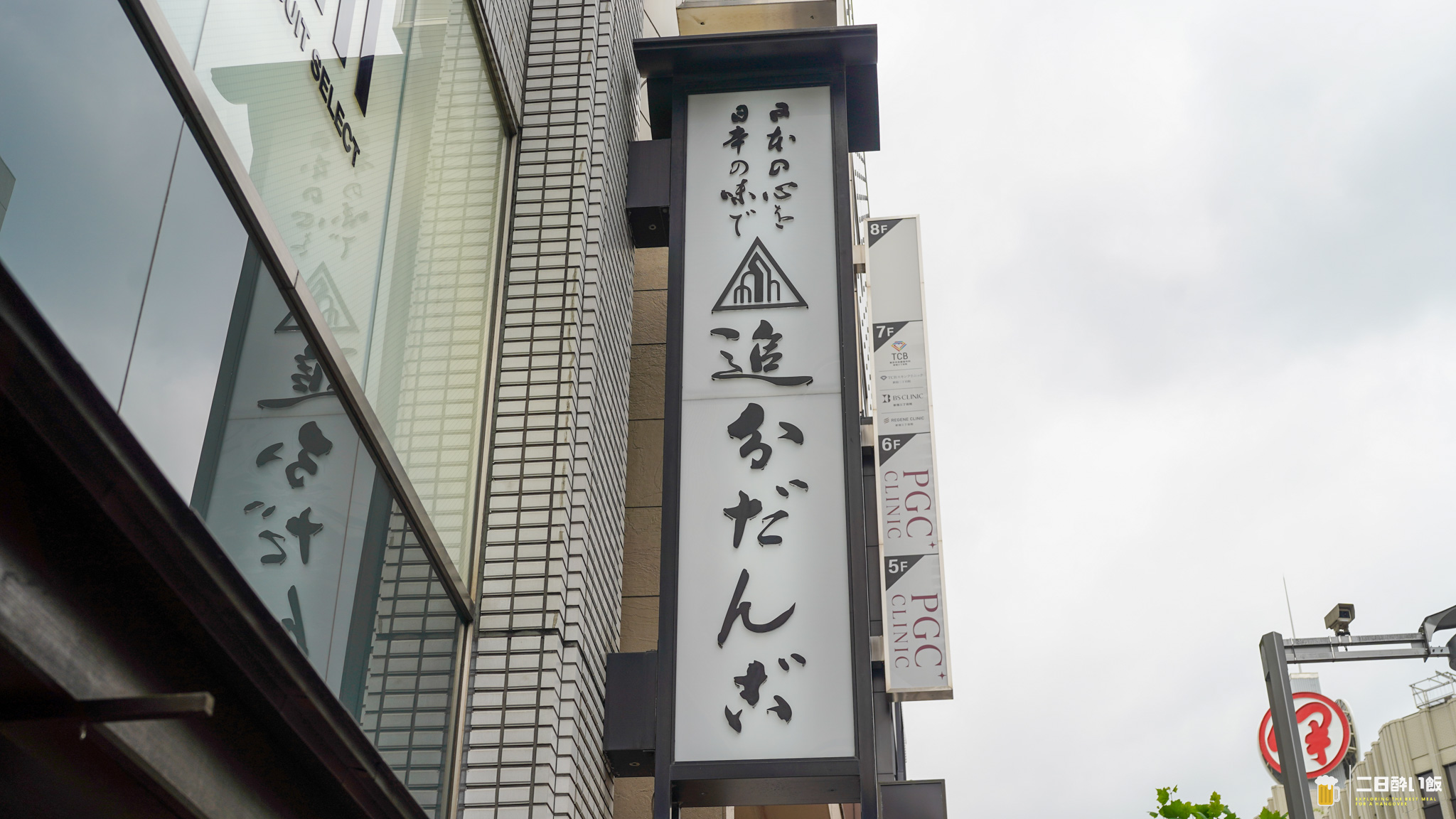
Or so I thought…
The eat-in space, it turned out, also opens at 11:00. Going home empty-handed felt like a defeat of sorts, so I bought a few dango to take home and eat there.
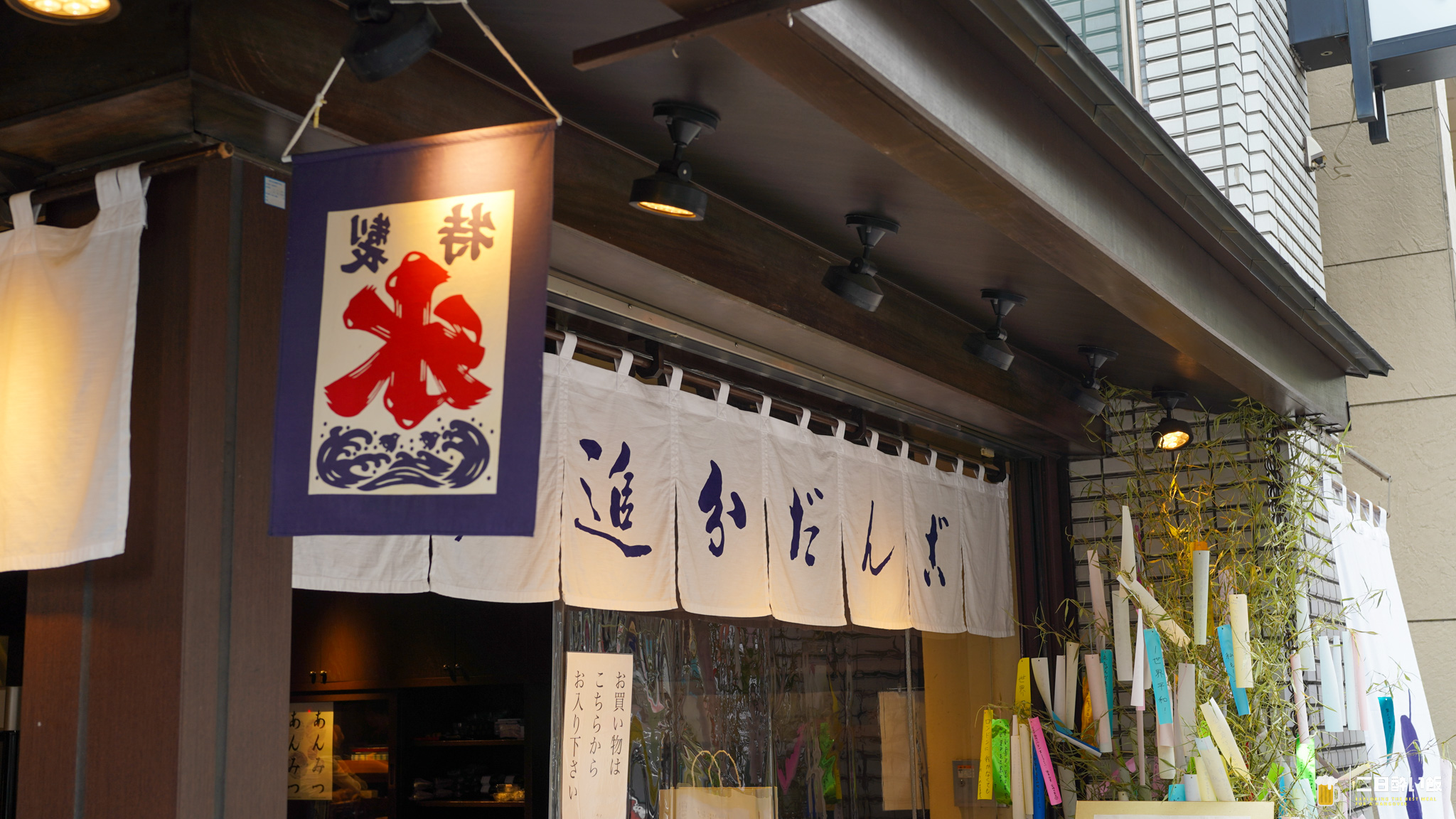
Oiwake Dango Honpo in Shinjuku-sanchome takes its name, apparently, from the “Dokan dango” of a warrior called Ota Dokan (who?), and moved to Shinjuku Oiwake back in the Genroku era, where it came to be called Oiwake dango — a long-established Shinjuku speciality wagashi shop. What is interesting is that there are savoury, spiced dango as well as sweet ones. They work as something to drink with. That is a fine thing.
Looking around the shop — so many dango.
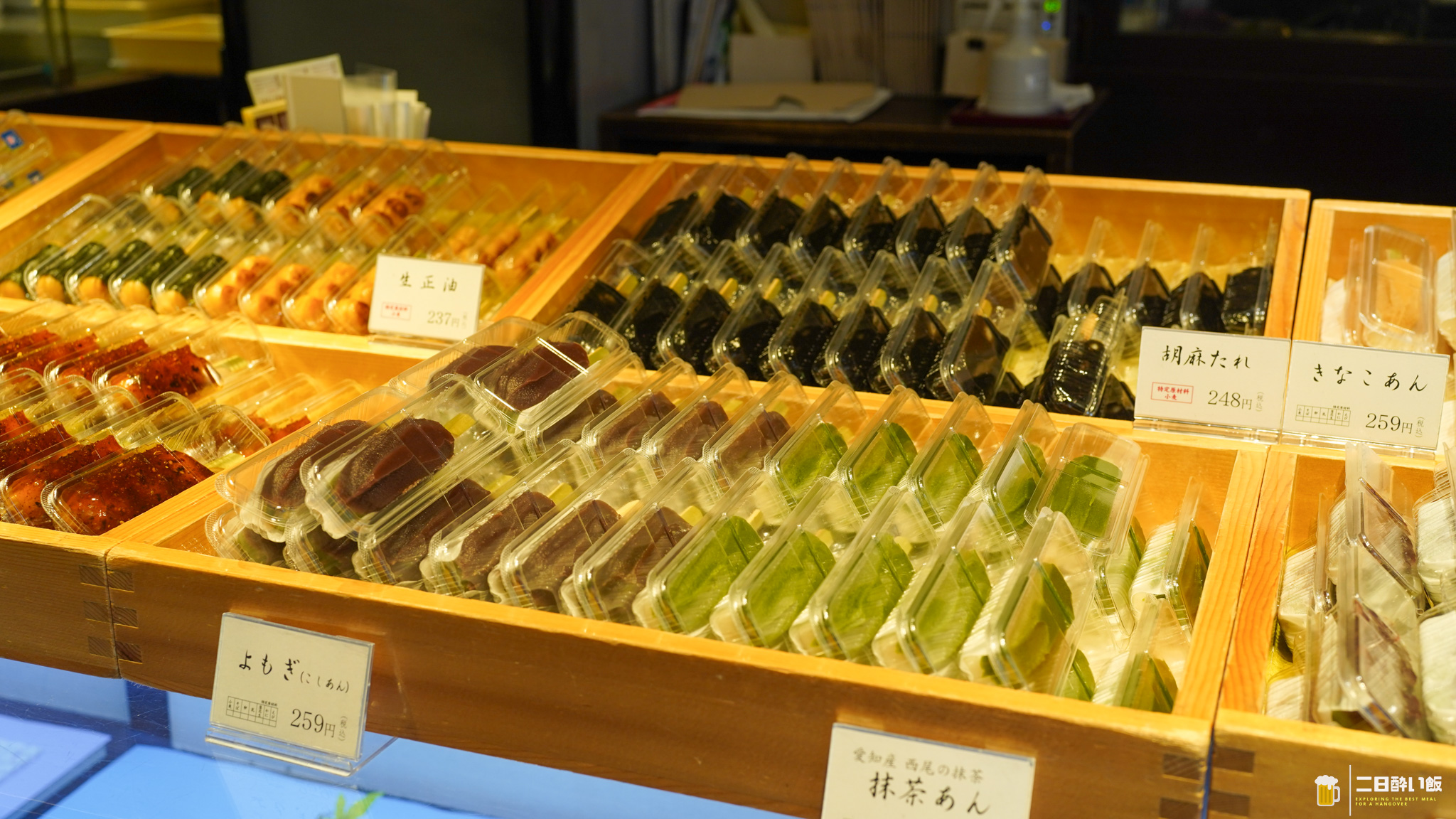
There may be so many because it is morning, but it is a splendid sight.

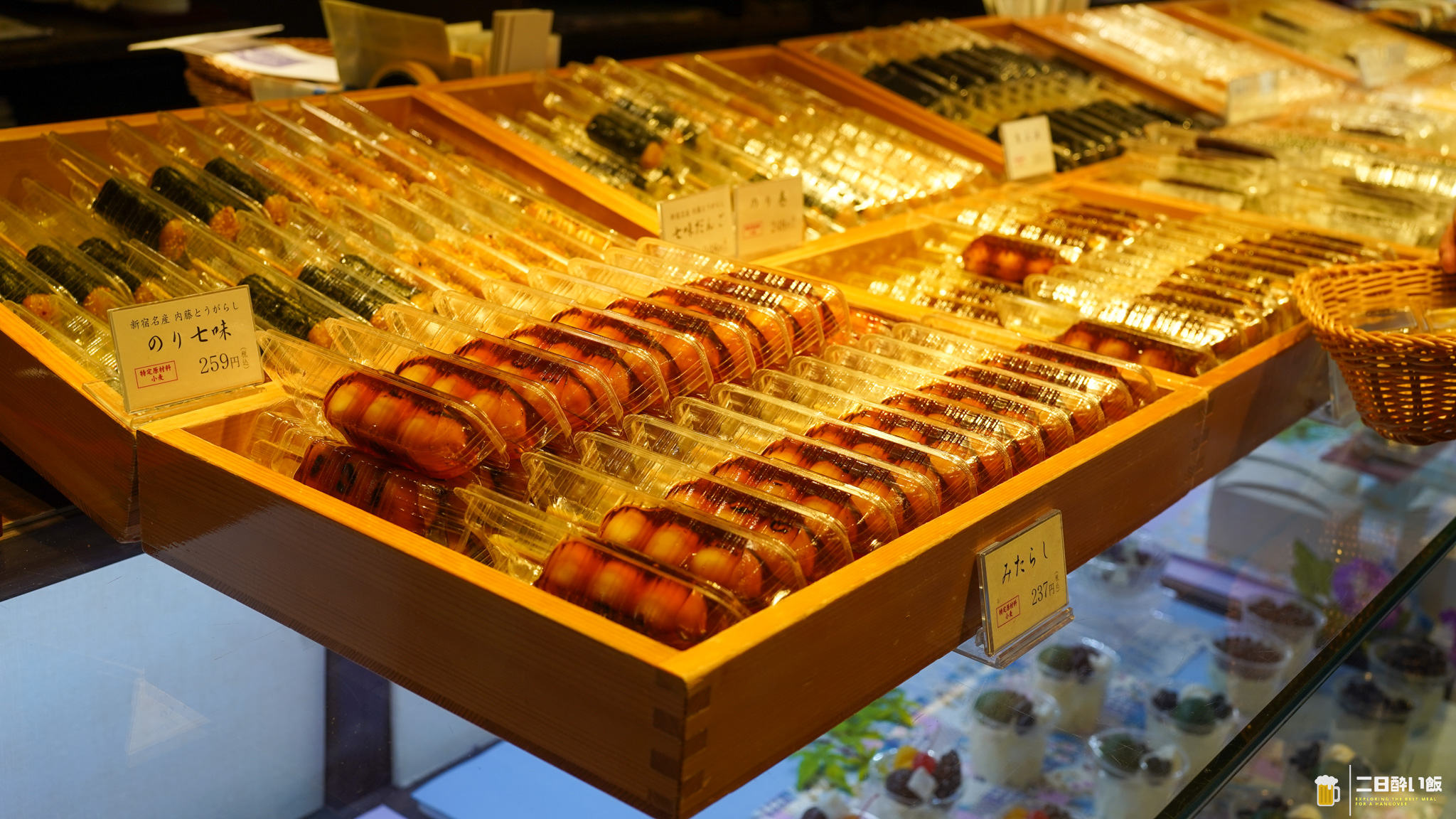
The most popular is the mitarashi with its house-made sweet-salty glaze; also popular are the nori shichimi, made with Naito togarashi chilli, a Shinjuku speciality, and the “grown-up mitarashi” with sansho and shichimi in it. I would like to buy a great many, but they are dango and one can only eat so many. So: four, carefully chosen.
Then, after a full day out, I brought them home.
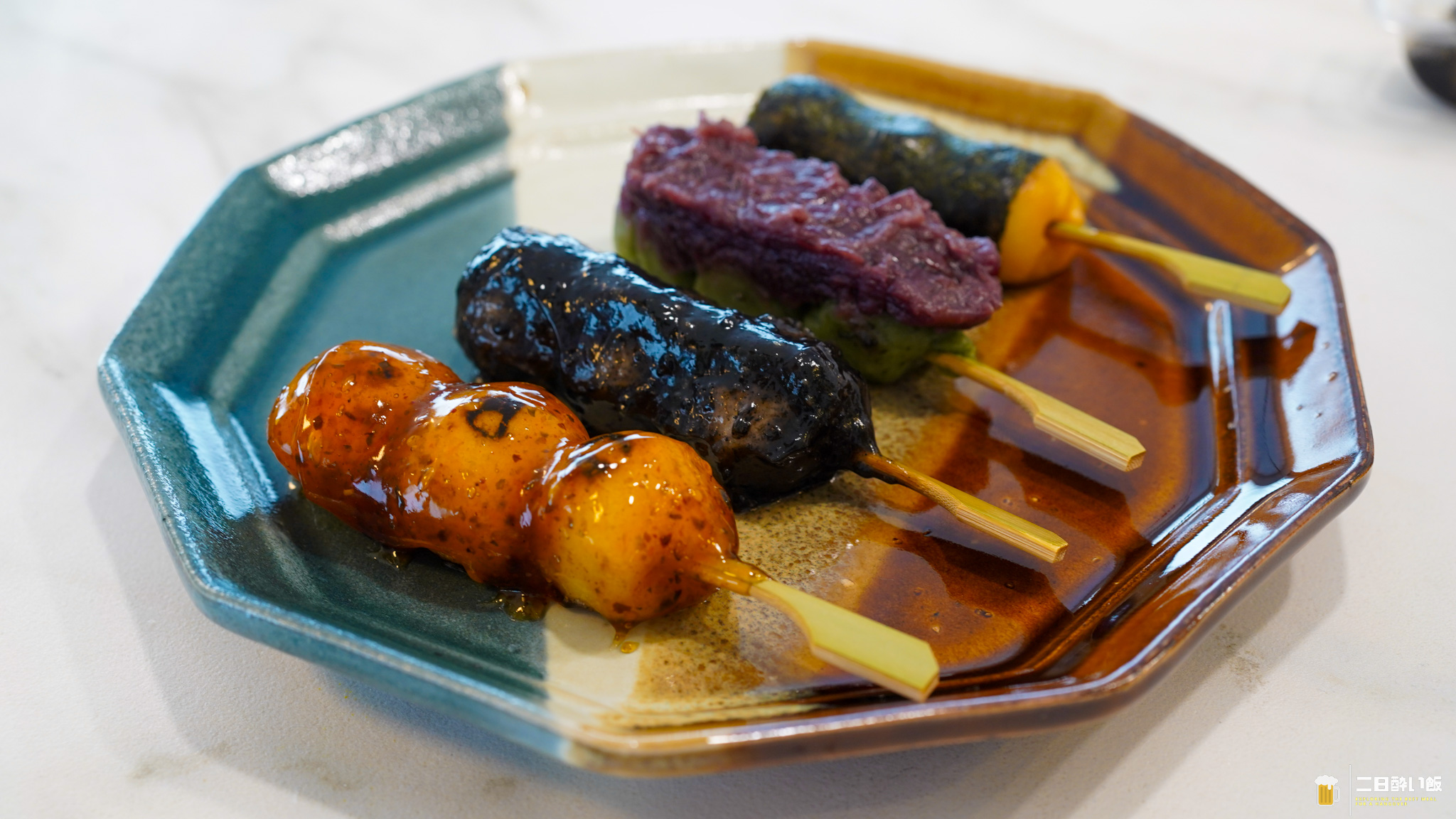
And here they are.
What I chose were four: the grown-up mitarashi (248 yen), sesame glaze (248 yen), mugwort with coarse red bean paste (259 yen), and nori-wrapped (248 yen). Laid out like this they look rather good.
All the dango are prepared in the shop kitchen in the morning, so they are made and finished that day.
Right, shall we start with the grown-up mitarashi? The standard sweet-salty mitarashi glaze, with sansho and fresh shichimi blended in for adults. A bite, and — good! The dough is chewy and the whole thing is restrained in sweetness. After the thick, sweet-salty glaze comes the tingle of sansho and the small prickle of shichimi, drifting up behind it. That is new. This is one to eat while drinking a highball, without question.
The sesame glaze uses plenty of black sesame, and the toasted fragrance of it rises as you put it in your mouth. It shows a different face from the sweet-salty mitarashi: the deep body of ground sesame and a lingering toastiness, a slightly grown-up sweetness.
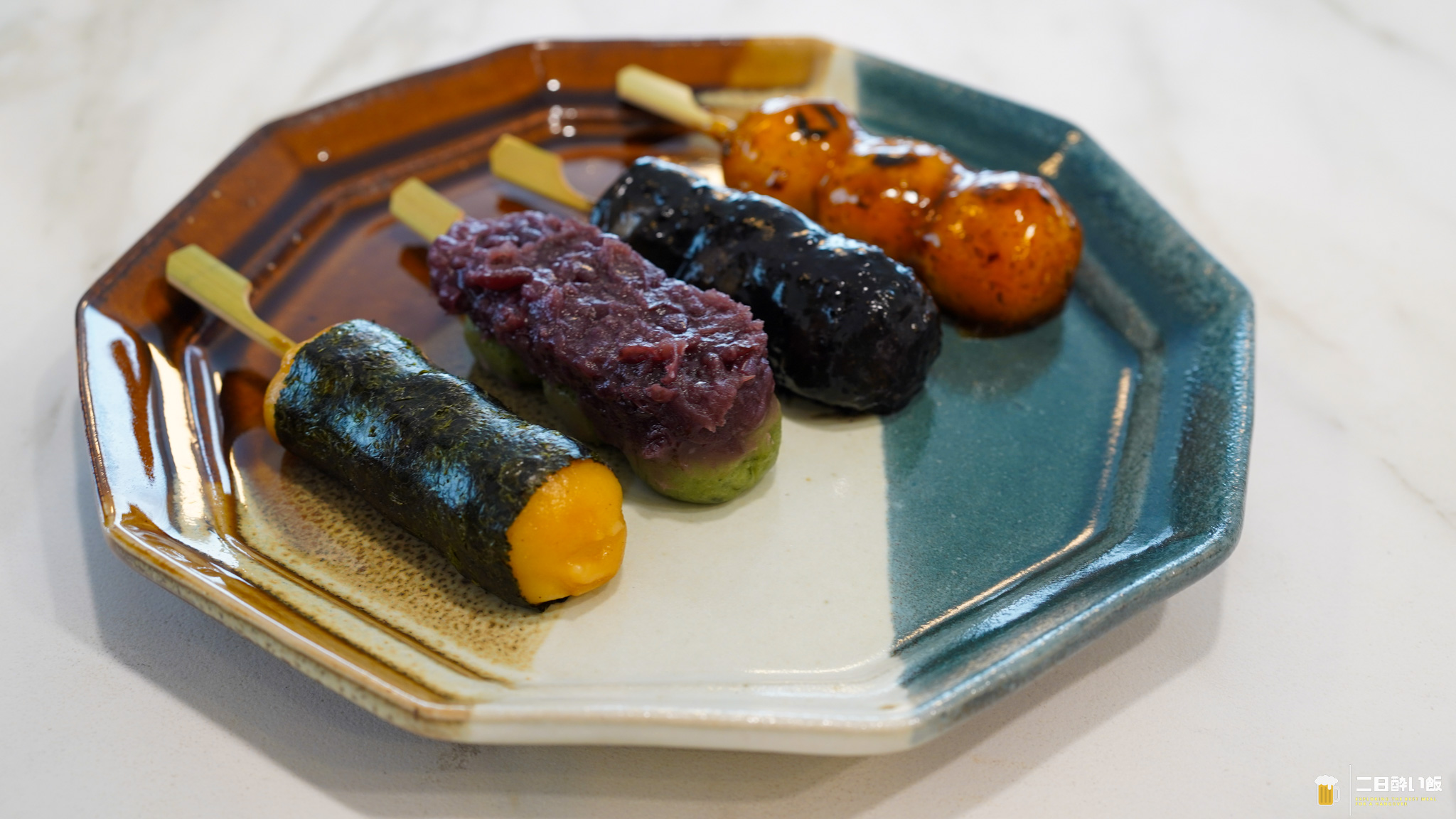
The mugwort with coarse red bean paste is fragrant and fresh. The restrained sweetness of the bean paste sits well with the faint bitterness of the mugwort. It is a standard sort of dango, but properly good.
The nori-wrapped one: raw soy glaze, wrapped in seaweed, and not sweet at all. The toasted fragrance of soy and the sea scent of the nori together make a salty, savoury dango. Having a few of these to drink with would be a pleasure too. Melting a little extra soy into it might also be good.
I have not had much occasion to eat dango lately, but Oiwake dango was good. The grown-up mitarashi especially — sweet and salty with the prickle of sansho and shichimi, and the glaze is really very good. It goes with a drink perfectly well; wiping up the glaze left in the box with a piece of cheese sounds promising too. I never imagined a Shinjuku speciality would turn out to be dango.
For dango that goes with a highball: Shinjuku-sanchome.

May you meet something good to eat today too.
Oiwake Dango Honpo, Shinjuku (sweets shop / Shinjuku-sanchome Station, Shinjuku Station, Shinjuku-gyoemmae Station)
Tabelog lunch rating ★★★☆☆ 3.7
I ate here and paid for it myself. Nothing on this site is a comped meal.
One more for the road?