


A note on the words: hinabe is the Japanese reading of huoguo, Chinese hot pot; mala is the numbing-and-hot Sichuan broth built on Sichuan pepper and chili, and paitan is the white, milky broth simmered from bones. Yakuzen means food cooked on medicinal-herb principles. Cordyceps is a fungus used in Chinese medicine, and kasoori methi is dried fenugreek leaf. Prices are as of this writing (August 2026).
Table of Contents hide
Hinabeneko Nihonbashi on AutoReserve (English) — opening hours, payment details and the Japanese address are kept up to date there, not here.
I want to eat something good today too. This is Hangover Meshi. This time, the Nihonbashi branch of the famous Hinabeneko. They open two months of bookings all at once at the start of the month and the slots fill immediately, so it is a hard place to get into. I joined the scramble last time and got nowhere at all. So this time I put my back into it: I logged on exactly on the hour, and with a friend, on the basis that either the Nihonbashi branch or the Yoyogi one would do — and I got it. (Yoyogi as well, in fact.) So, Nihonbashi. There is no sign outside, and I was peering in wondering whether this was the place when a lovely smell of spices came out. That settled it. Inside it has the feel of an old wooden house and the atmosphere is very good.
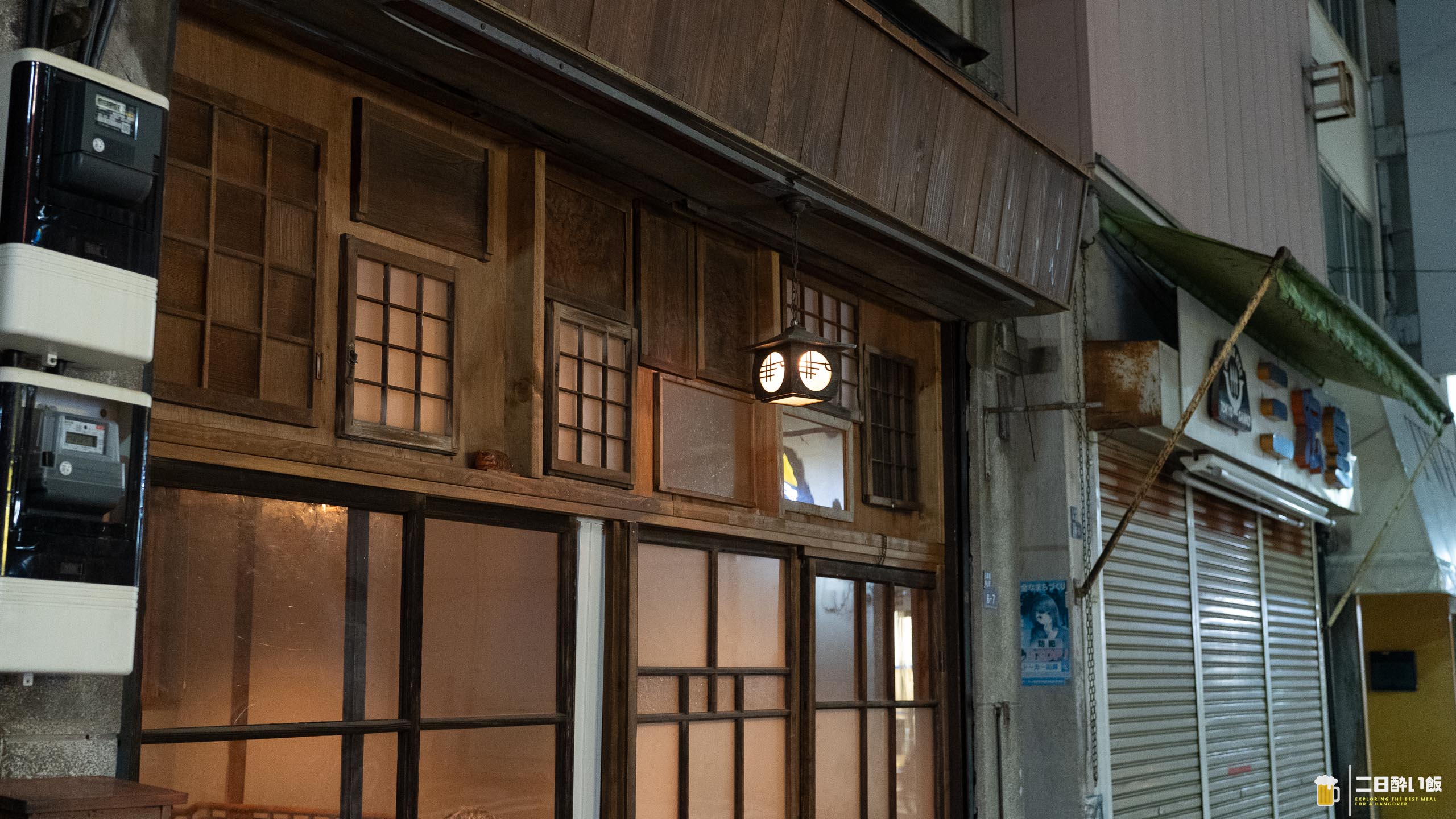
Medicinal-herb hot pot course, 4,900 yen
Once you sit down they explain everything.
The course is 4,900 yen and includes a full run of vegetables and meat. You can add more meat or dumplings if you want, but numbers are limited, so early is better. As for condiments and dipping sauces, help yourself to whatever you like. Among the special spices there is even cordyceps. (The farmed version of the cordyceps, I should say, went into the broth.)
First they make the broth, they said, and out came an enormous tray of spices.
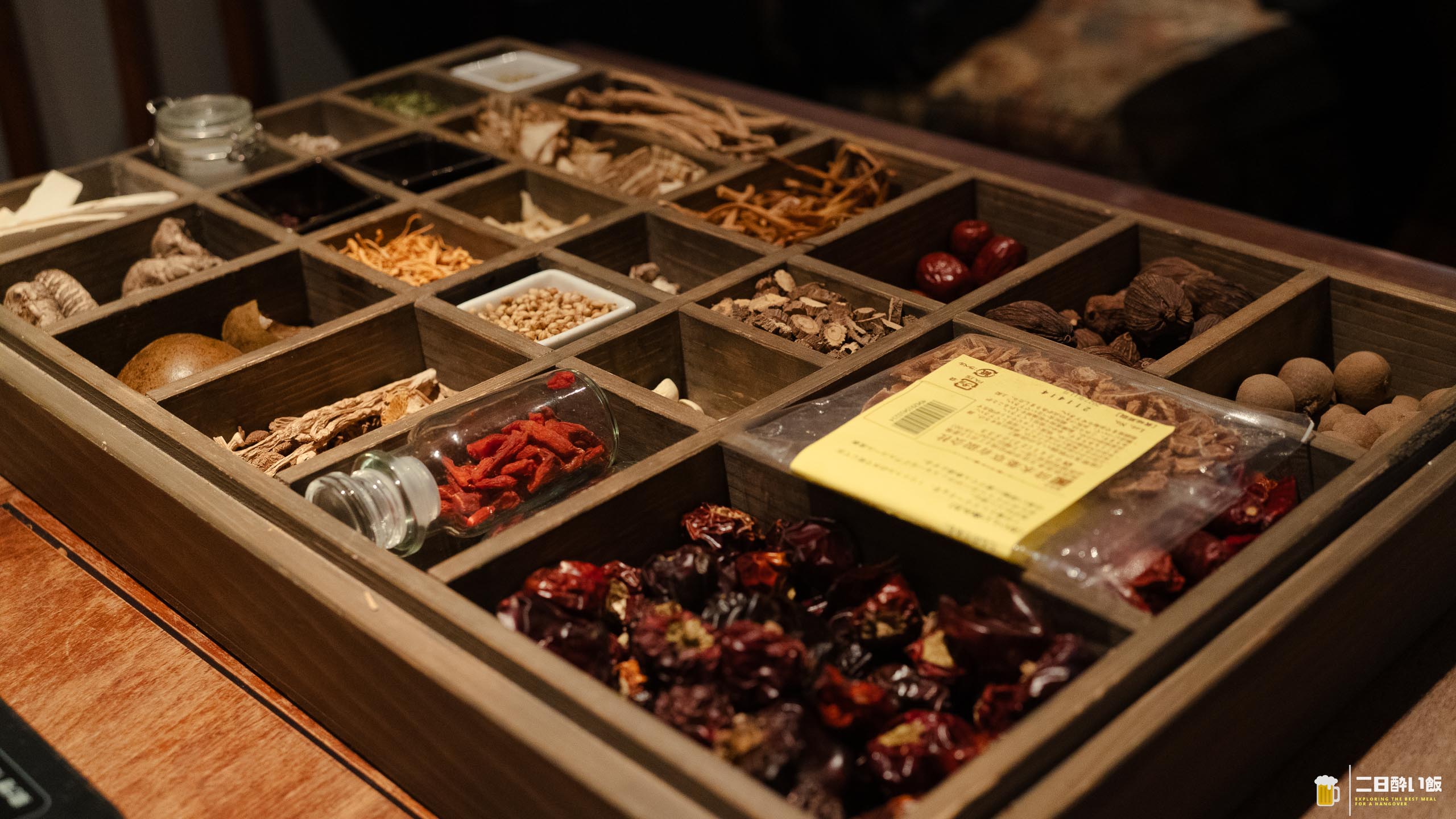
That alone is a picture.
They add them one by one, explaining as they go. Quite a range of spices.
The ones I remember: takanotsume chili, chaotian chili, goji berries, cloves, cultivated cordyceps, jujube, Sichuan pepper, shiitake, cumin and I think kasoori methi. There seemed to be plenty of others I had never heard of, but I could not hold them all in my head.
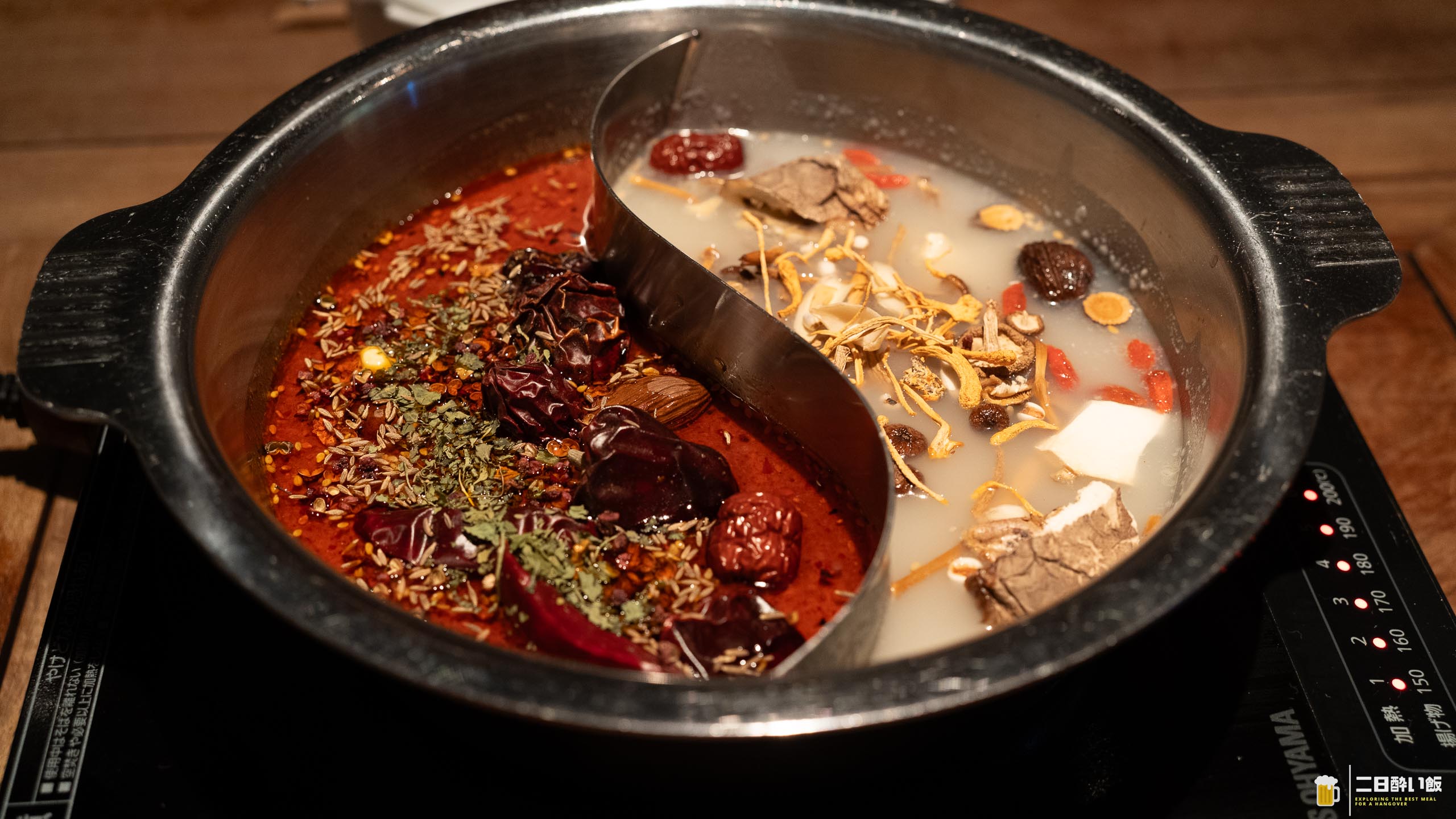
The finished broth looks like this. Now it goes on to boil.
And here are the ingredients: mushrooms, garlic, ginger, root vegetables, something like bok choy, cabbage, napa cabbage and pea shoots.

They told us that putting in the garlic, ginger, vegetables and bone-in chicken first draws out a good stock, so in they went to simmer away. When it looked about ready, we started with the broth itself.
Well now, the spices really come through and it is delicious. The heat is fairly restrained and the savor is round.
This is a place that insists on natural ingredients throughout, and this mild savor that your body seems to welcome is irresistible.
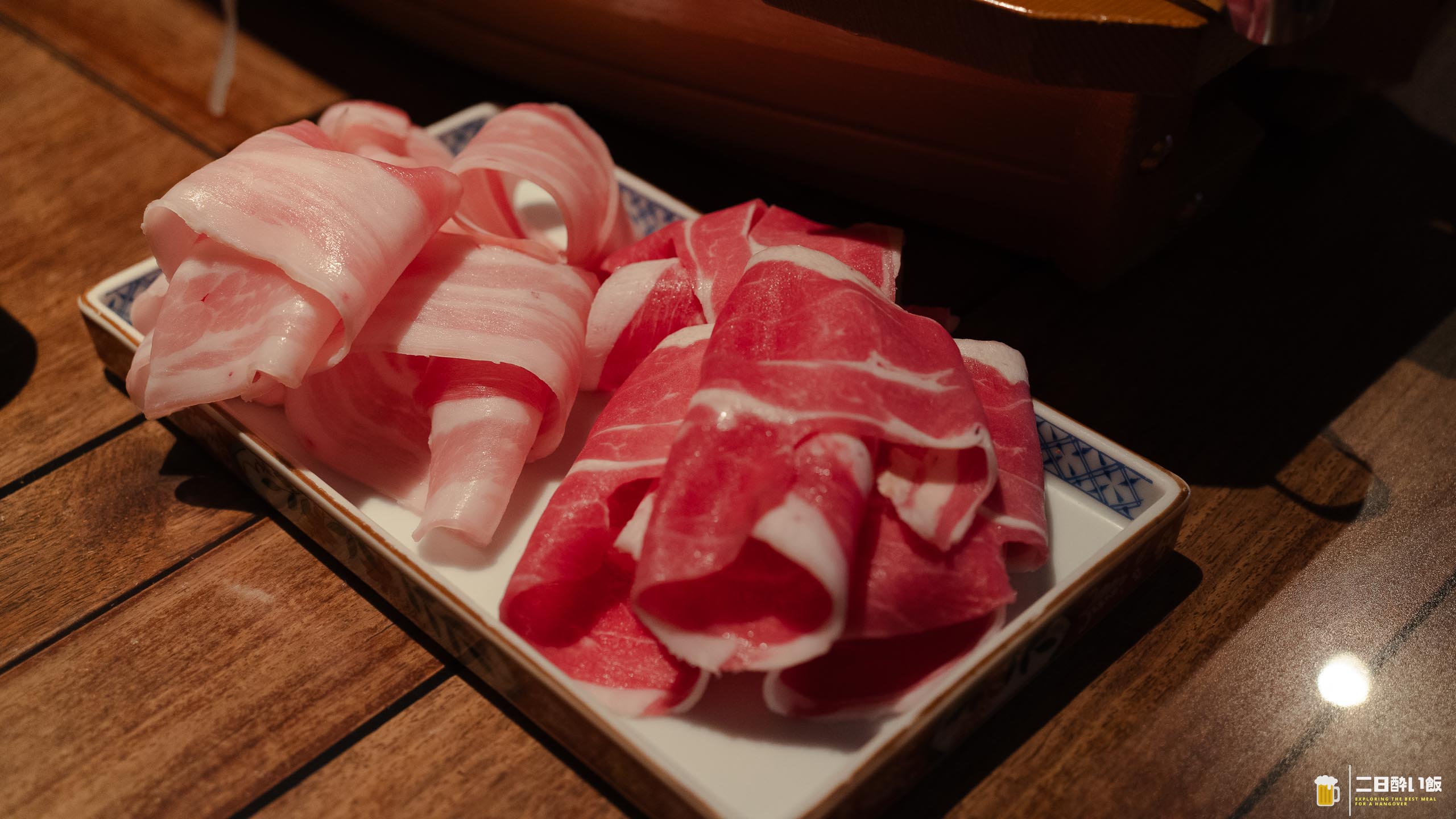
Here is the meat. Skin-on pork, and lamb. Lamb goes tremendously well with a mala broth.
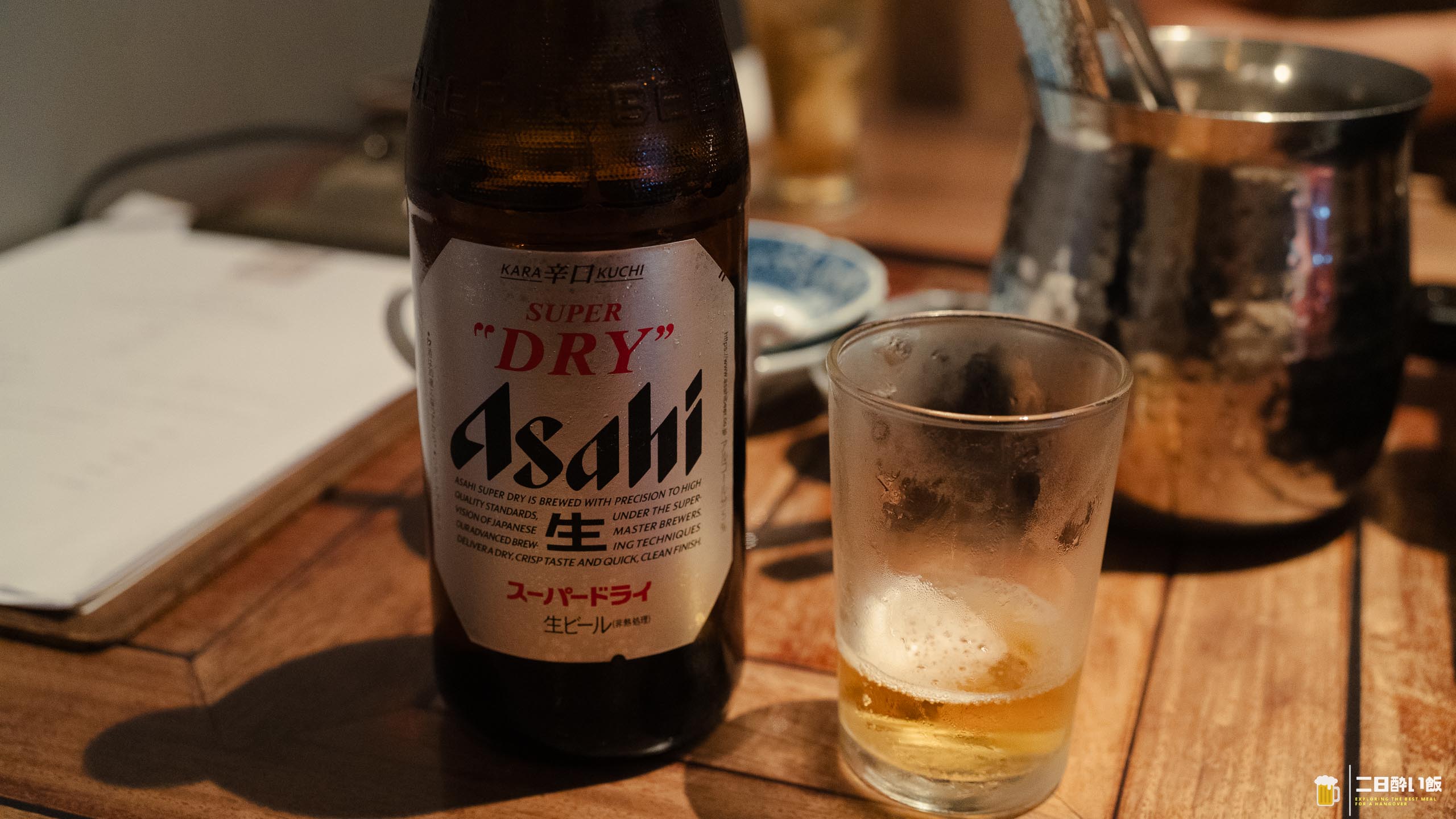
Beer, beer.
It comes up to a rolling boil, so you eat while adjusting the heat.
Apparently the more you put in and simmer, the more stock comes out and the better it gets.
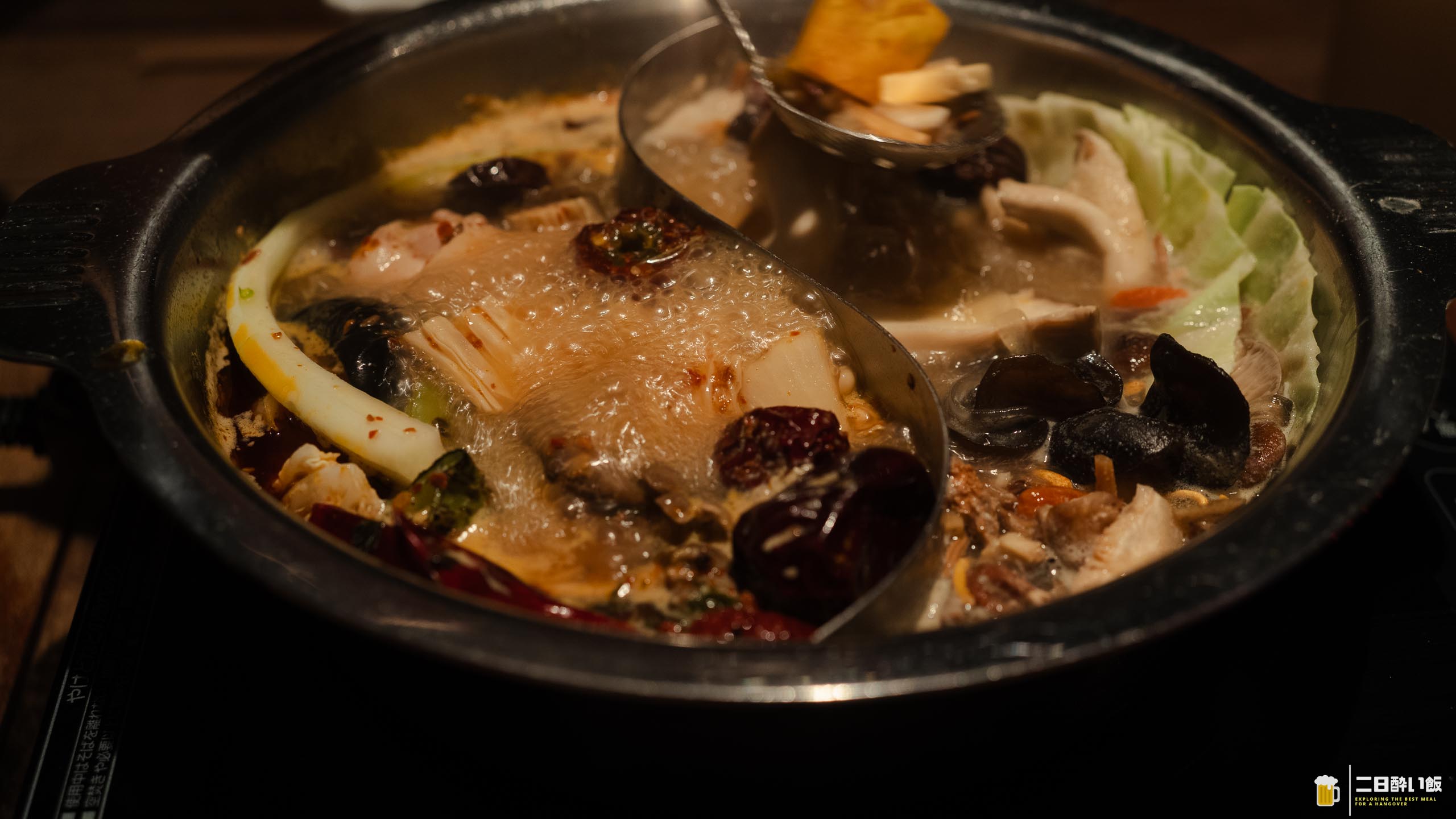
Both the mala broth and the white paitan broth are extremely good.
Each person gets one boiled dumpling, which you drop into whichever side you prefer. There are a good many vegetables too, and this alone fills you up. If anything it is slightly too much ^^ Delicious.
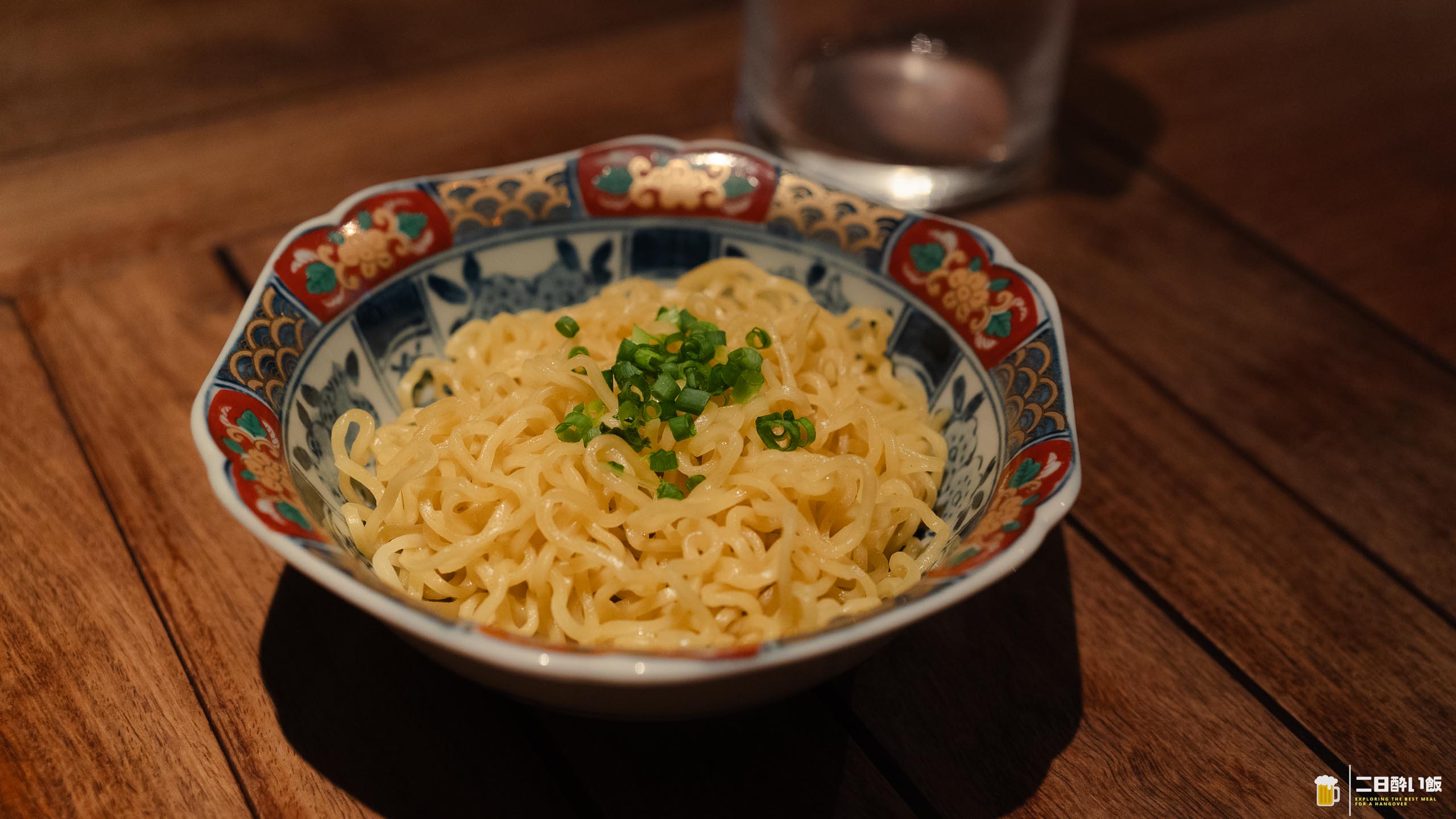
To close, Chinese noodles. These look good as well.
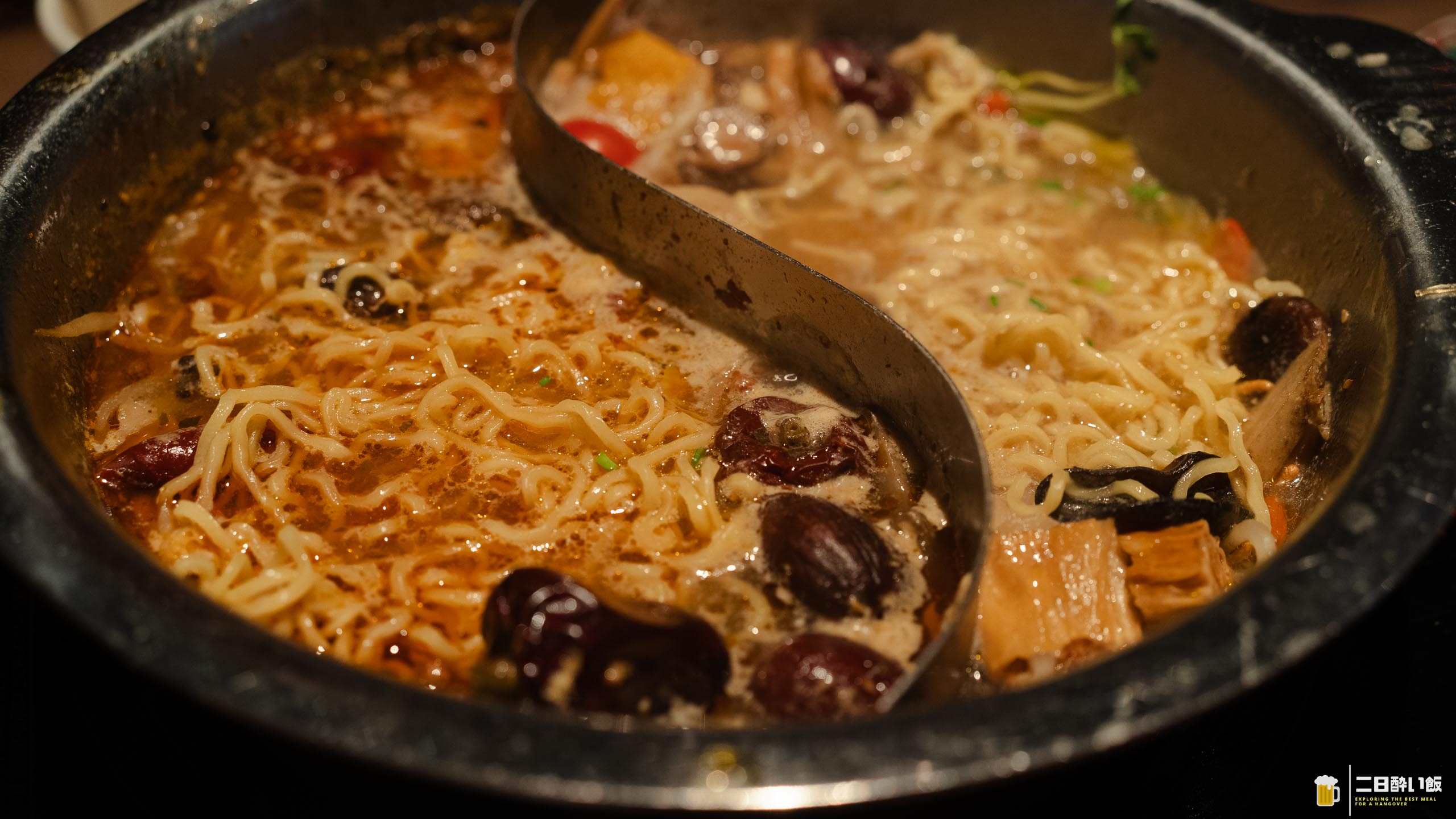
In they go on both sides, bubbling away. They have already been lightly boiled, so warming them through is enough.
This broth really is very good. I would like to take it home in a flask.
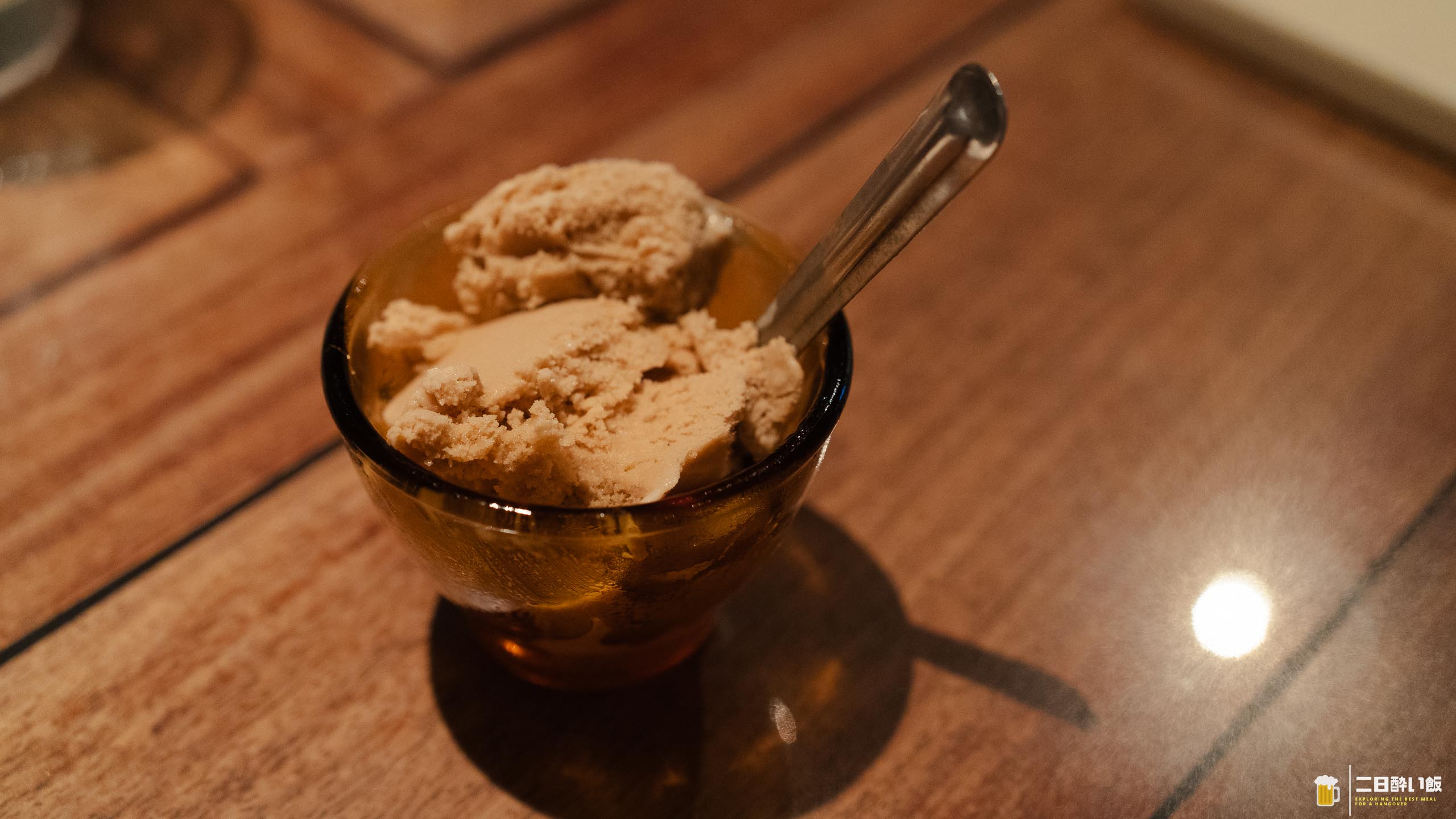
Dessert.
Well — thoroughly satisfied. I can see why the bookings are impossible. For this quality, 4,900 yen is startling value. Incidentally a lot of the drinks use spices as well: there are plenty of kinds of plum wine, and there is a dried-tangerine-peel highball and a house-made gin, so it turned into an evening of spices throughout. It is not a place you can get to often, but it is a good one, and I would like you to experience it once. (I still have the Yoyogi booking to come, which I am looking forward to. At Yoyogi perhaps I will add some of the sauces and condiments.)
Hinabeneko Nihonbashi (Chinese hot pot / Bakurocho Station, Bakuro-Yokoyama Station, Higashi-Nihombashi Station)
Tabelog dinner rating ★★★☆☆ 3.4
I ate here and paid for it myself. Nothing on this site is a comped meal.
One more for the road?


