


A note on the words: sobamae is the drinking a soba shop puts before the noodles — small dishes and sake, with the soba itself as the closing act; seiro is a cold portion served on a slatted tray; juwari soba is made of pure buckwheat with no wheat flour; sobagaki is buckwheat flour worked into a soft dumpling; sobayu the starchy water the noodles were boiled in, drunk at the end; tsuyu the dipping broth. Yuba is the skin lifted from simmering soymilk, uni sea urchin, buri winter yellowtail, kinome the young leaf of the sansho tree, daidai a sour citrus, chawanmushi a savoury steamed egg custard, chijimi spinach the crinkled winter kind grown for sweetness, and okowa steamed glutinous rice. Prices are as of this writing (August 2026).
Table of Contents hide
Teuchi Soba Shiomi on Tabelog (English) — opening hours, payment details and the Japanese address are kept up to date there, not here.
I want to eat something good today as well. This is Hangover Meshi. A stretch of time to myself turned up again, so I thought I would go and have lunch somewhere while I was out shopping. To Shiomi, the soba shop in Waseda. It seems you cannot get in without booking, so do take note. Booked properly, then, and off to Waseda. The nearest station is Waseda on the Tozai line, I suppose — though in fact it looks walkable from Edogawabashi as well.
I wanted to shop in Yurakucho afterwards, so this time I went from Edogawabashi.
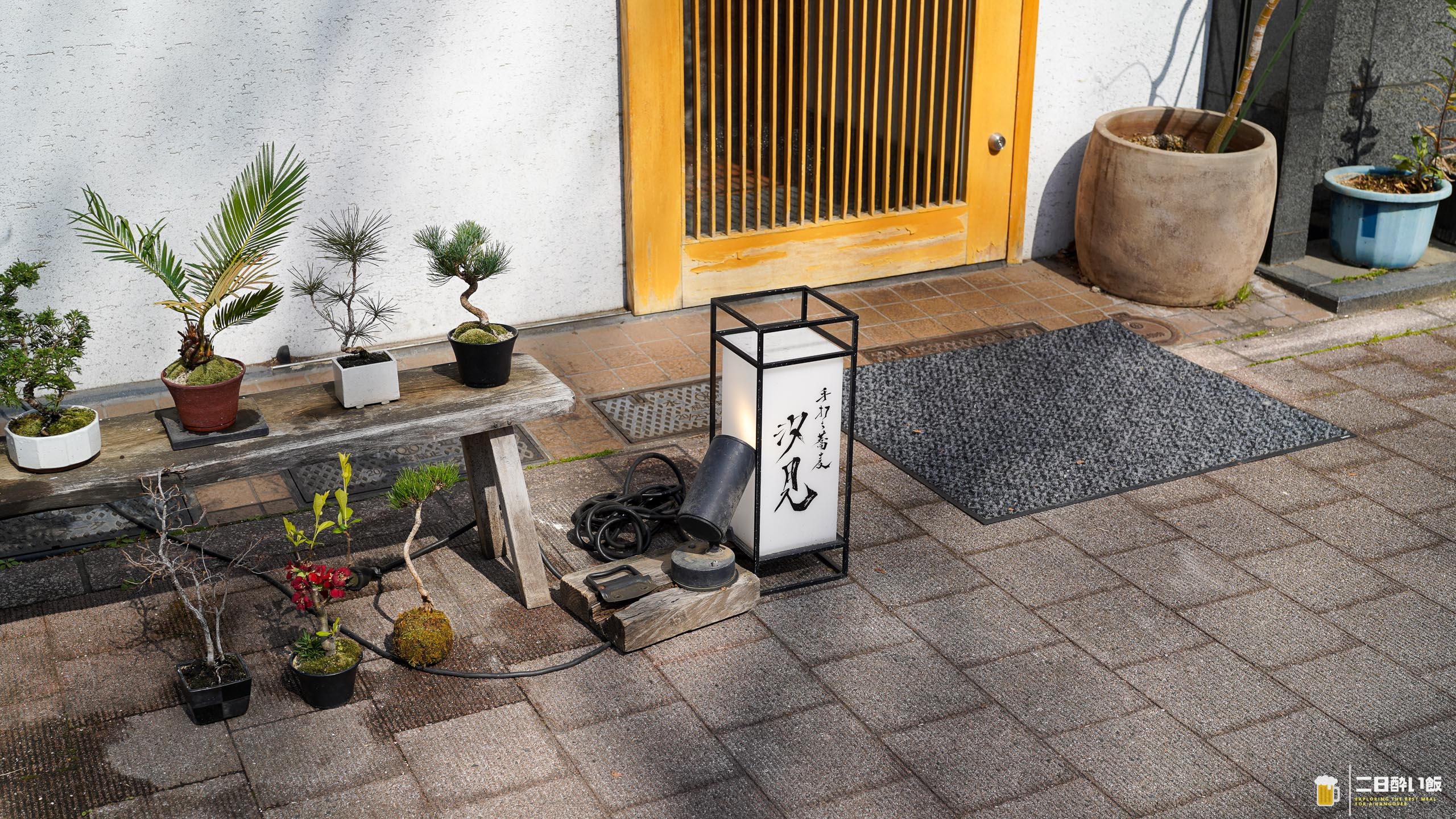
Inside, I was shown to a counter seat. I was the only one dining alone.
Lunch! The most popular course, the standard one, 12,000 yen
Lunch! The special course, 15,000 yen
I asked for the standard course.
Twelve thousand yen for lunch is quite a splurge. But now and then you have to eat something good and blow the everyday stress away.
Well then. Shall we start drinking in the daytime?
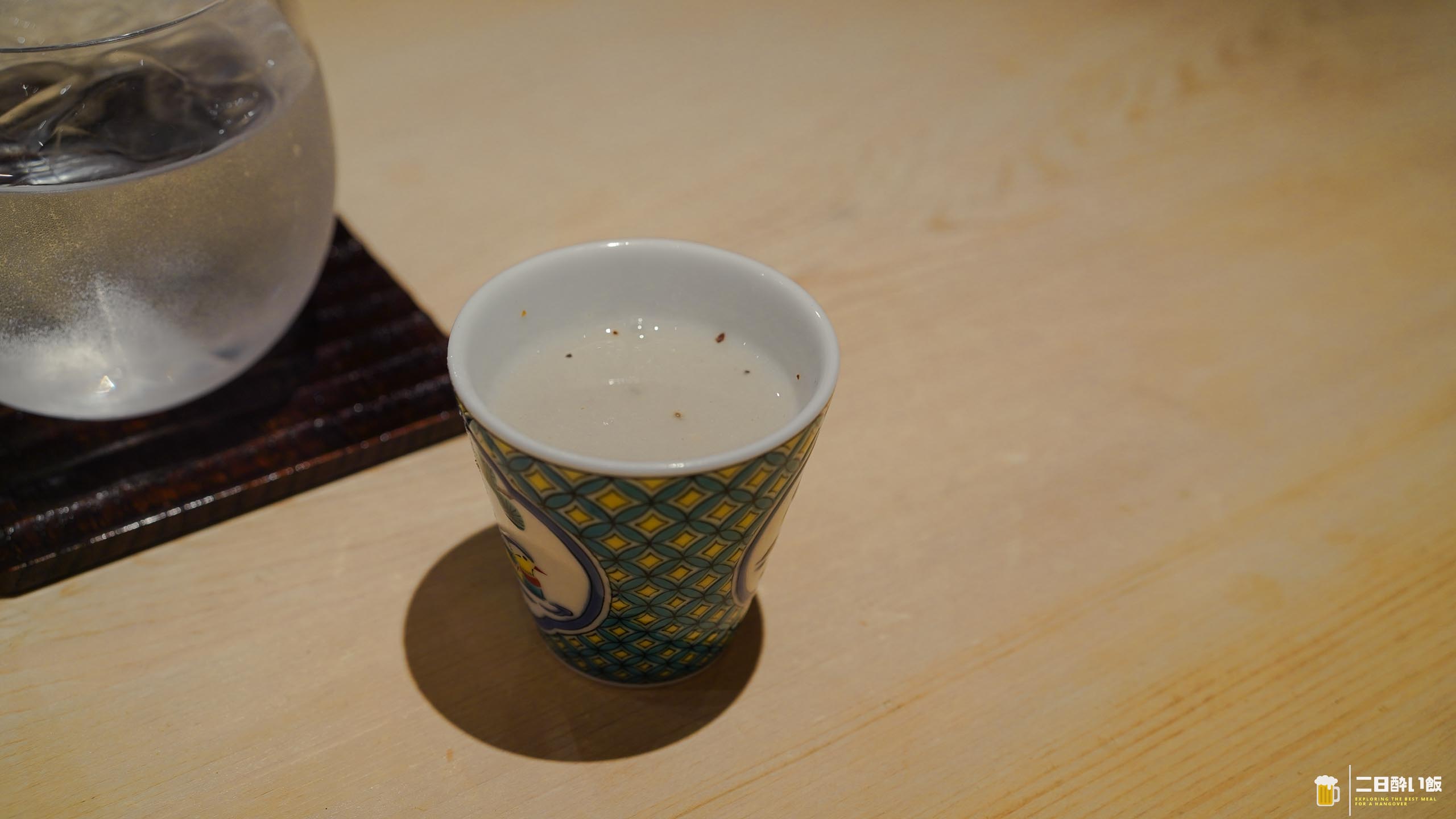
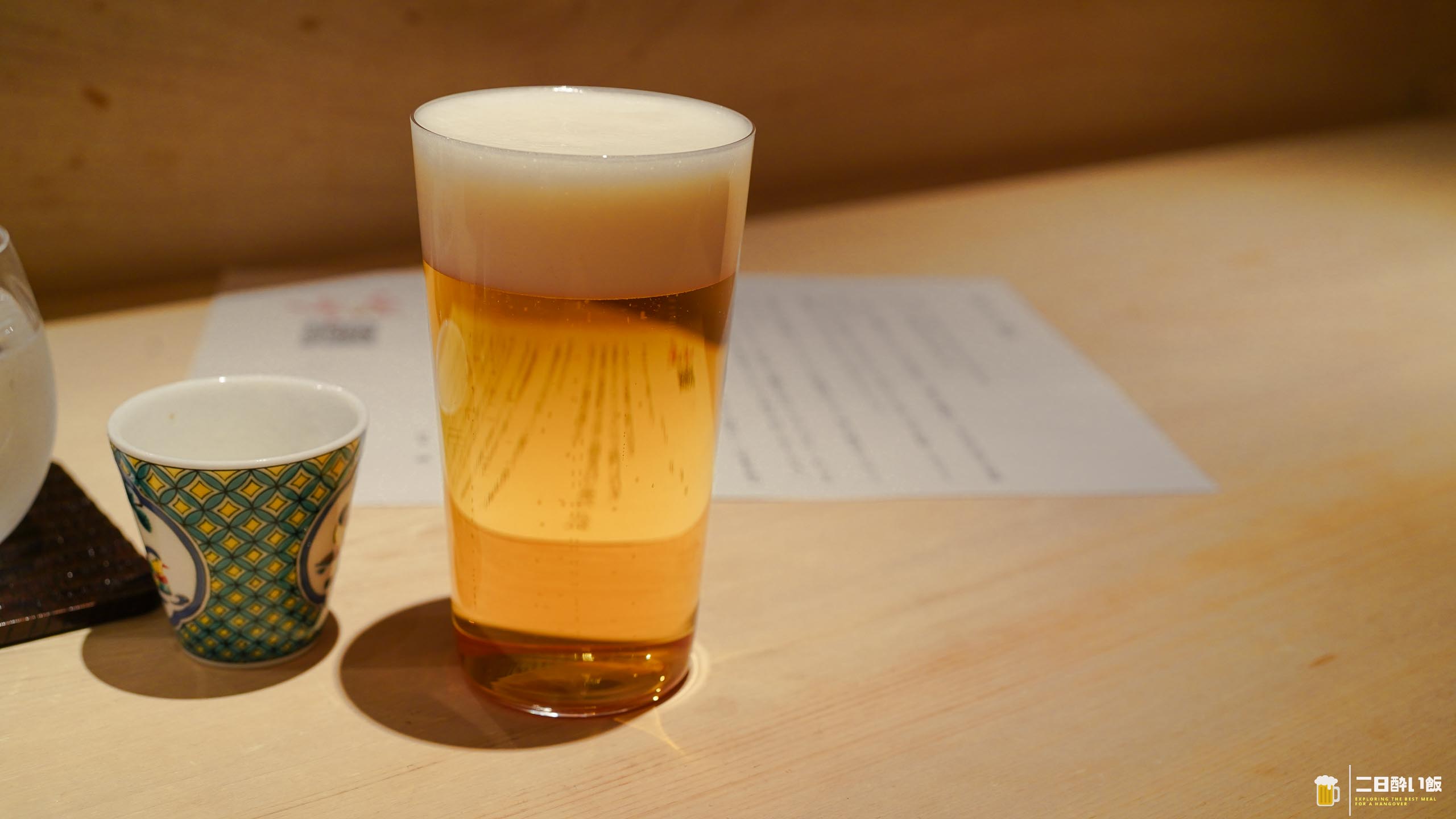
Ah! Beer drunk at midday tastes good.
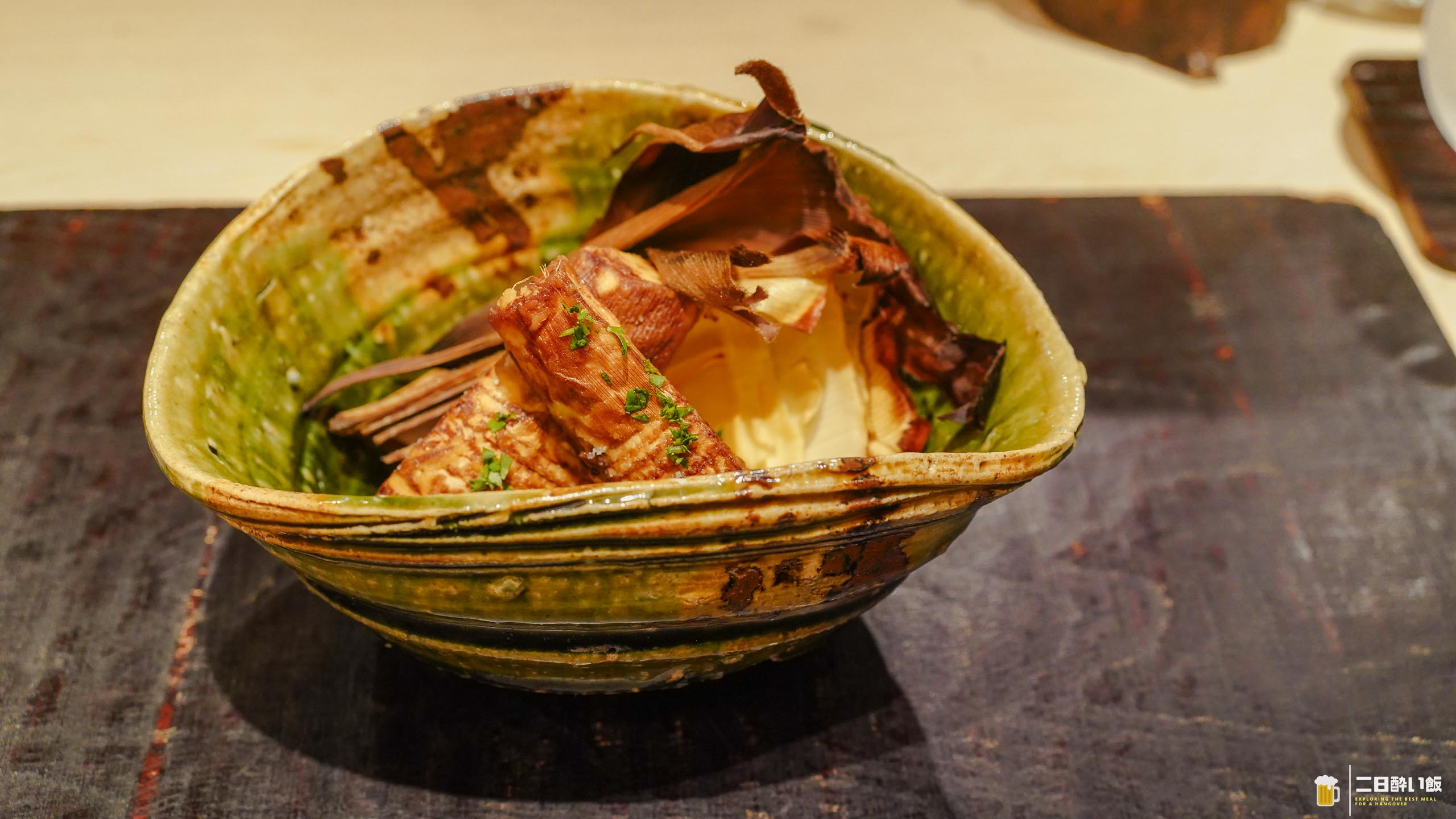
The first dish is deep-fried early-dug bamboo shoot.
A thin batter, with the scent of the shoot and its floury, sweet flavour right at the front.
Mm. Good. The kinome leaf smells lovely too. At this point one wants sake.
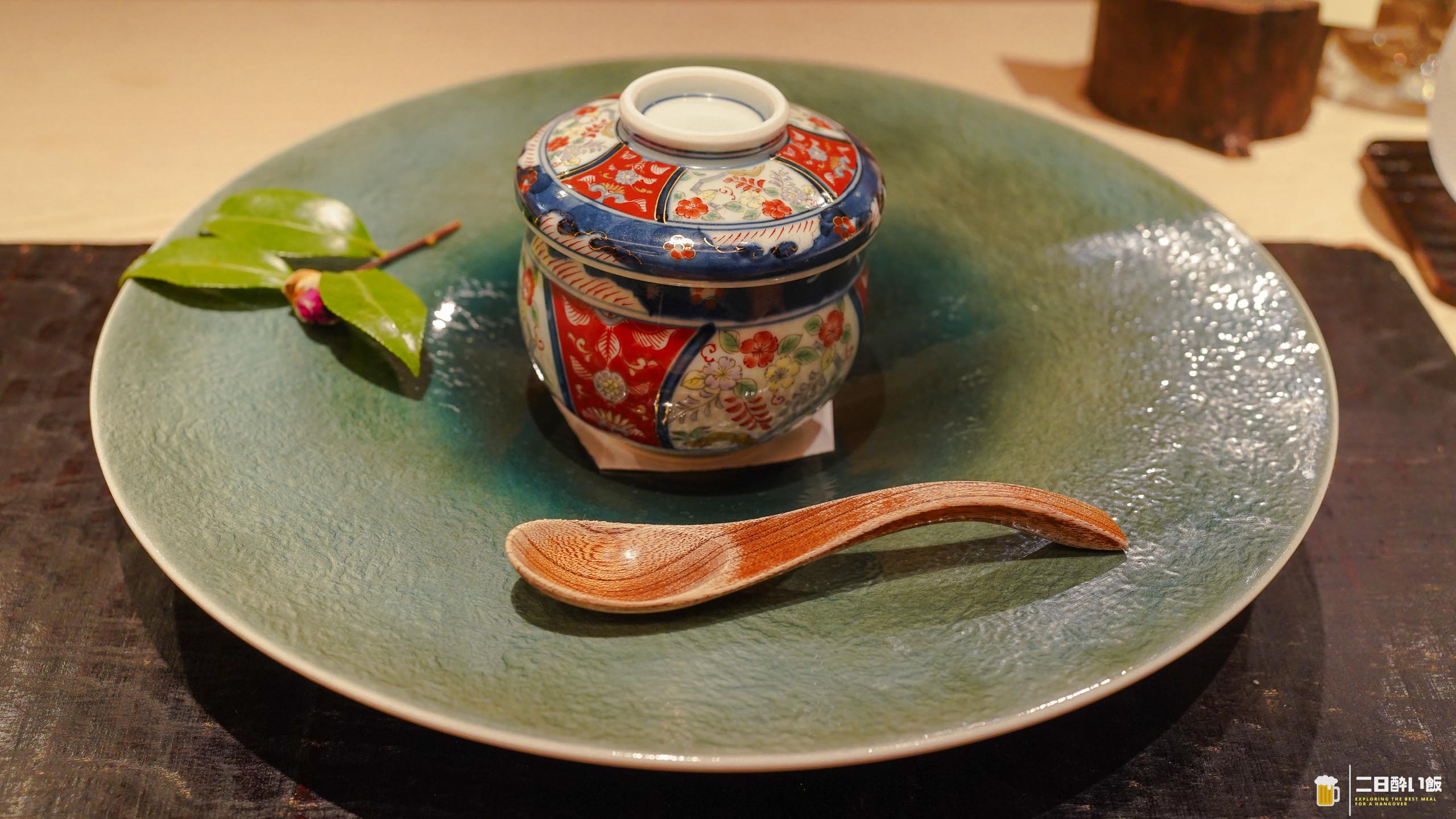
Chawanmushi, I thought. But no.
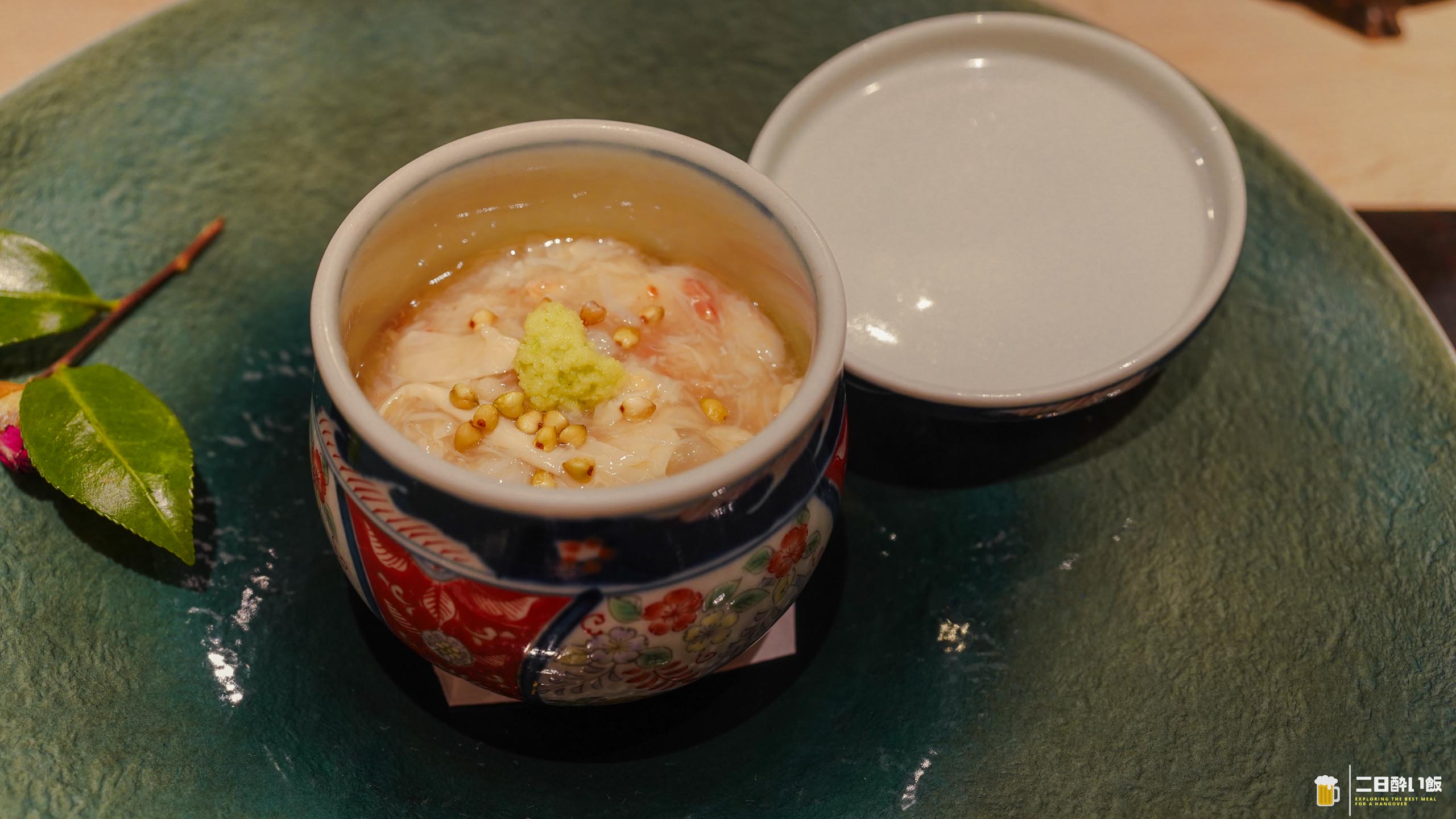
Yuba and snow crab in a thickened sauce, dressed on top with wasabi and buckwheat groats.
The turnip inside, gently simmered, falls apart at the touch of the chopsticks, and a soft sweetness soaked full of dashi spreads out. The other star of the dish is chijimi spinach, its strong sweetness giving the whole thing depth, and the snow crab sauce laid over it does not assert itself — it only sets down savour and the scent of crab, quietly. The smoothness of the yuba and the little pop of the buckwheat groats make a good accent. The wasabi at the finish pulls it all taut, and the aftertaste is light. That nourishing quality is extremely pleasant.

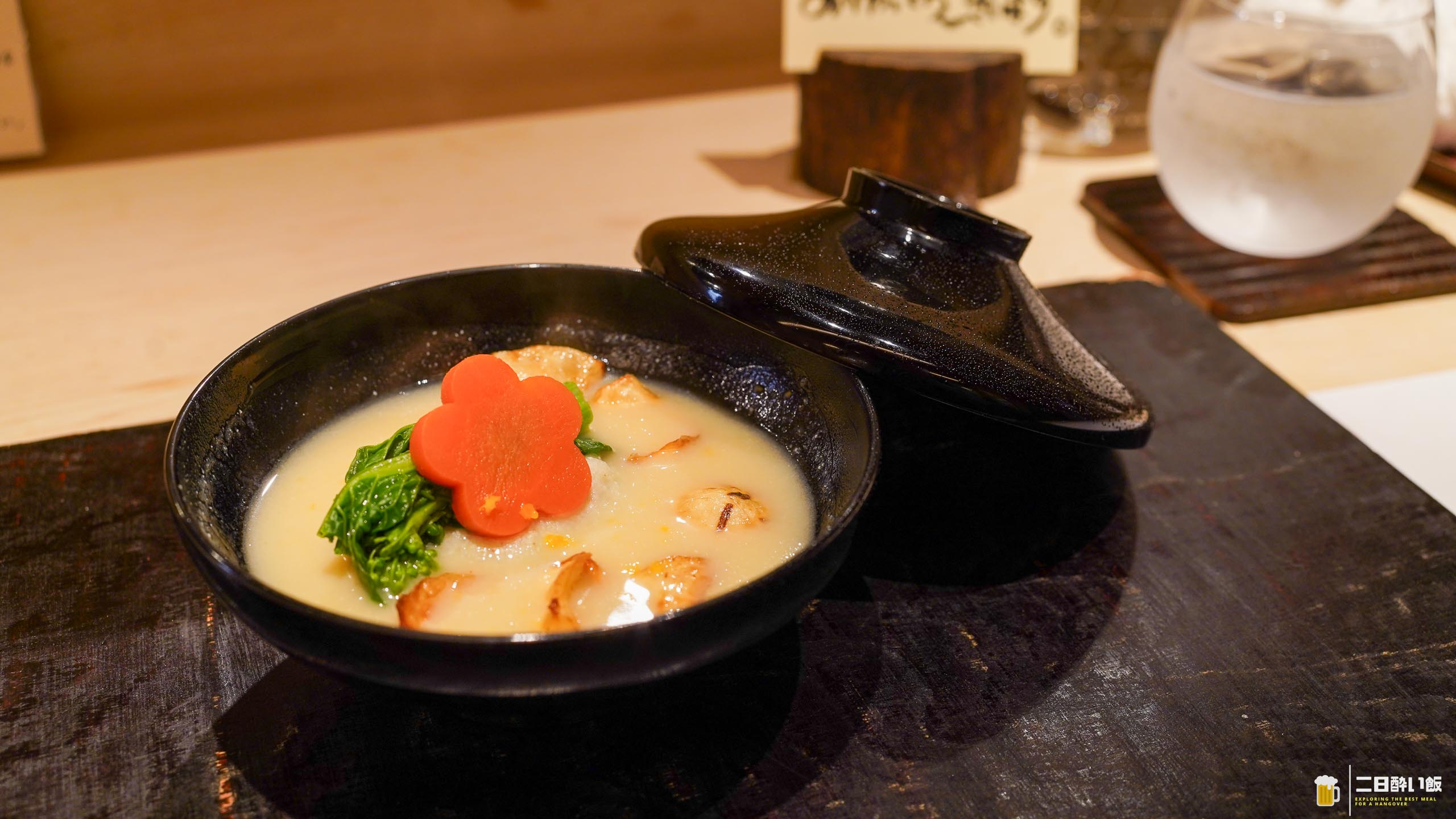
The sobagaki bowl! A good sobagaki at a soba shop moved me recently, so I had been rather looking forward to this.
It is made up with white miso, and one sip and the soft sweetness and body of the white miso wrap the whole bowl. Delicious. The sobagaki crumbles softly in the mouth and the scent of buckwheat rises the more you chew. The plain flavour of the sobagaki dissolves into the white miso, and a light drift of yuzu tightens the finish, so the pleasure holds as you eat on. Depth of miso, nourishment of buckwheat, freshness of yuzu, all three as one — it warms you from the core.
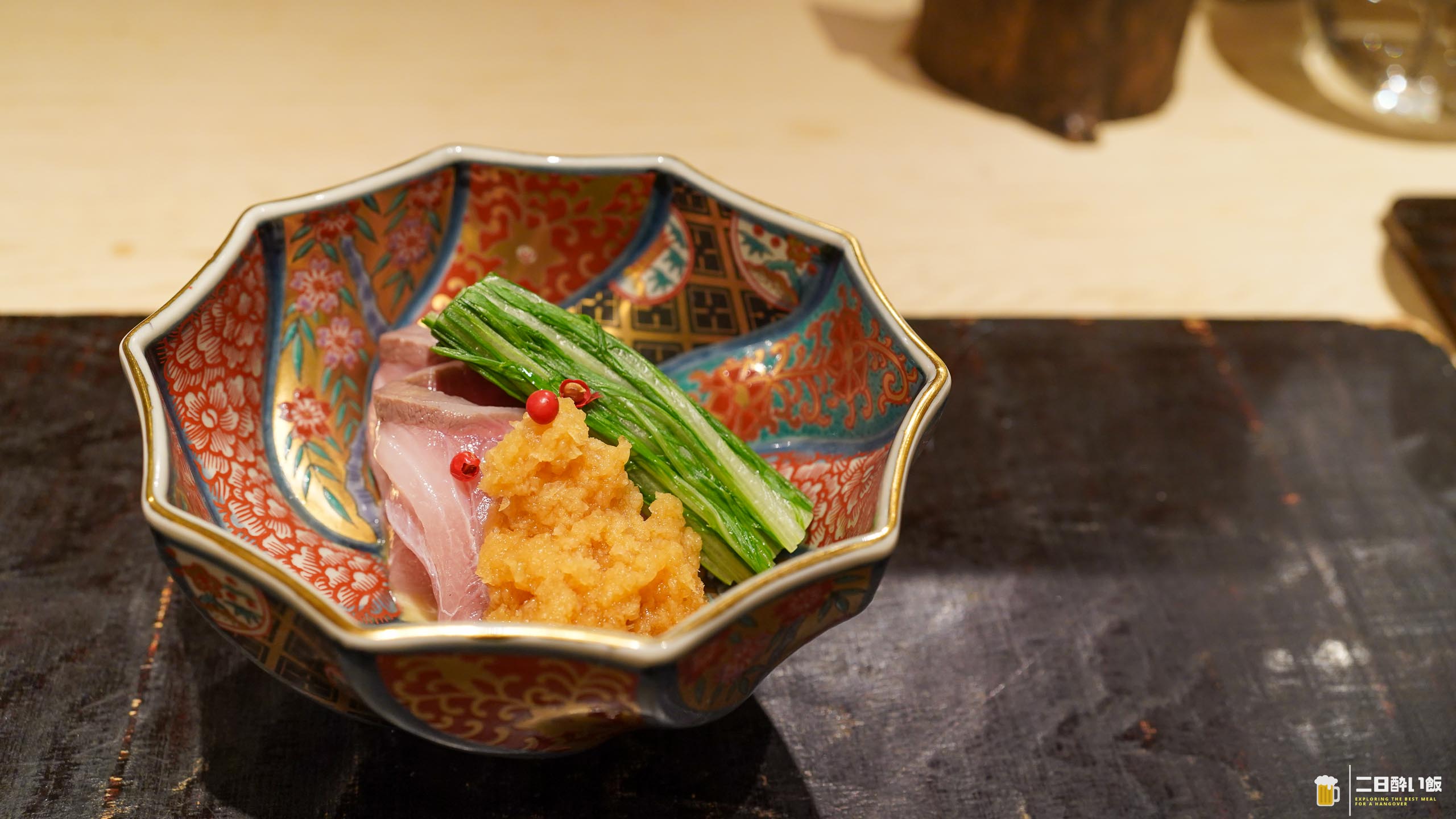
The buri shabu is made in front of you and set into the bowl.
Winter yellowtail, thoroughly fatty. It is called shabu-shabu and duly wears the flavour of the dashi, while the middle stays as fresh as sashimi. It is very fatty indeed, but the mizuna alongside, the grated daikon, and the sharpness and scent of the daidai citrus make it easy and pleasant to eat. It goes down at speed. It suits sake, too.
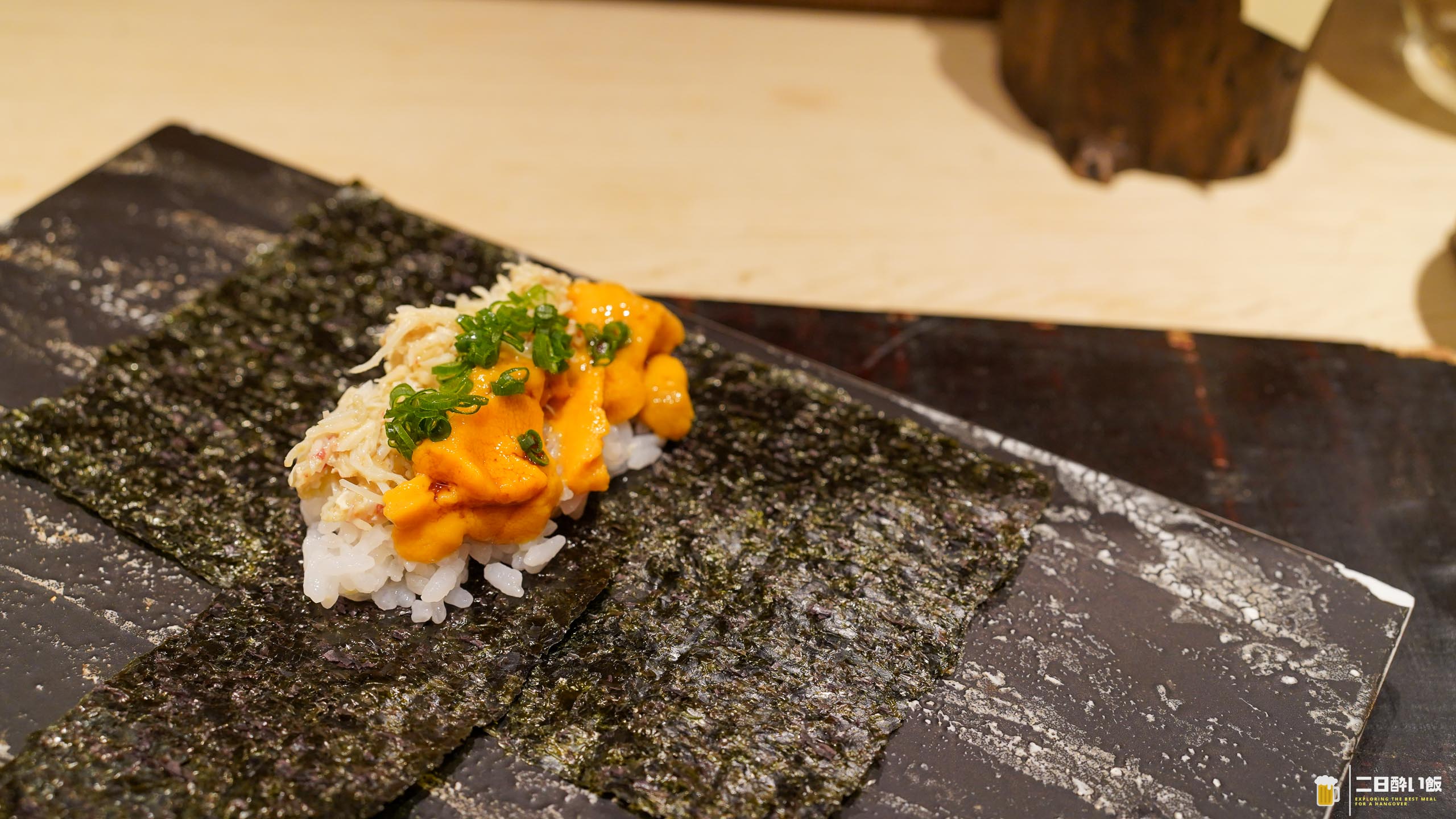
Hold on. This was a soba shop — was it not?
I am beginning to lose track. Next, hand-rolled sushi of saltwater uni and snow crab. The nori is cut in a T shape; fold the bottom, roll the sides, and it is done. Easy to eat. And the uni is good, so very good. Saltwater uni with no alum added, they said. Delicious. The crab has a dense savour too, and together the force of it is unreasonable. The nori is dark and thick and extremely fragrant. If you are going to pair uni and snow crab, nori of this order is the least you owe them.
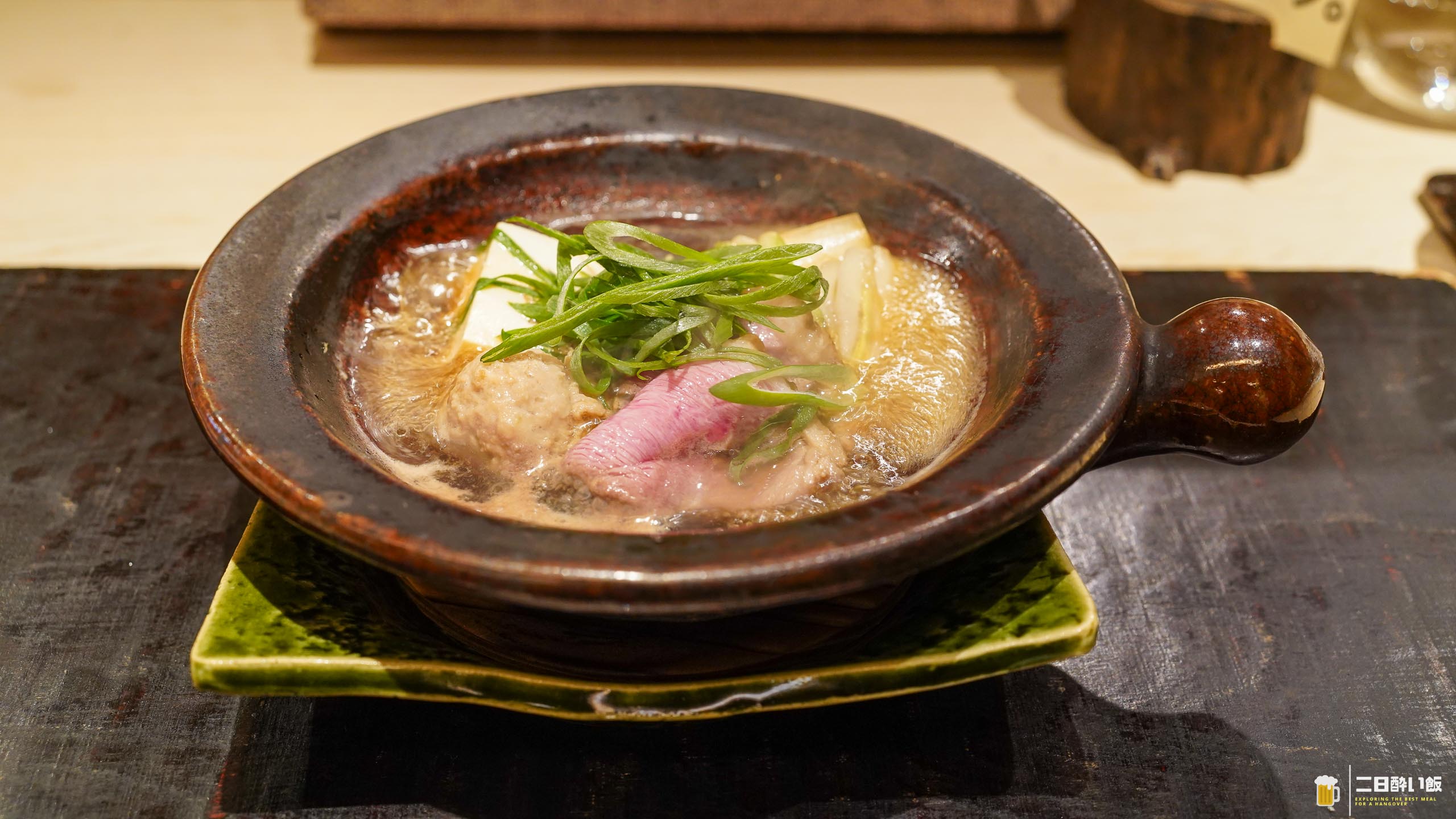
Now a hot pot has turned up as well.
Every part of this course is a pleasure.
I came to eat soba, and here is a course this good.
A pot in which the duck loin, carefully prepared from raw domestic duck, stands out. Kept from overcooking, the loin is moist and tender, and fine fat and savour spread as you chew. Delicious. The scent of the root parsley is genuinely fresh and lifts the richness of the duck — that struck me. The tofu takes up the dashi and is good, and with the freshness of the spring onion and the gentle flavour of the chicken dumpling, none of the ingredients pushes itself forward: a pot in beautiful accord around the duck.
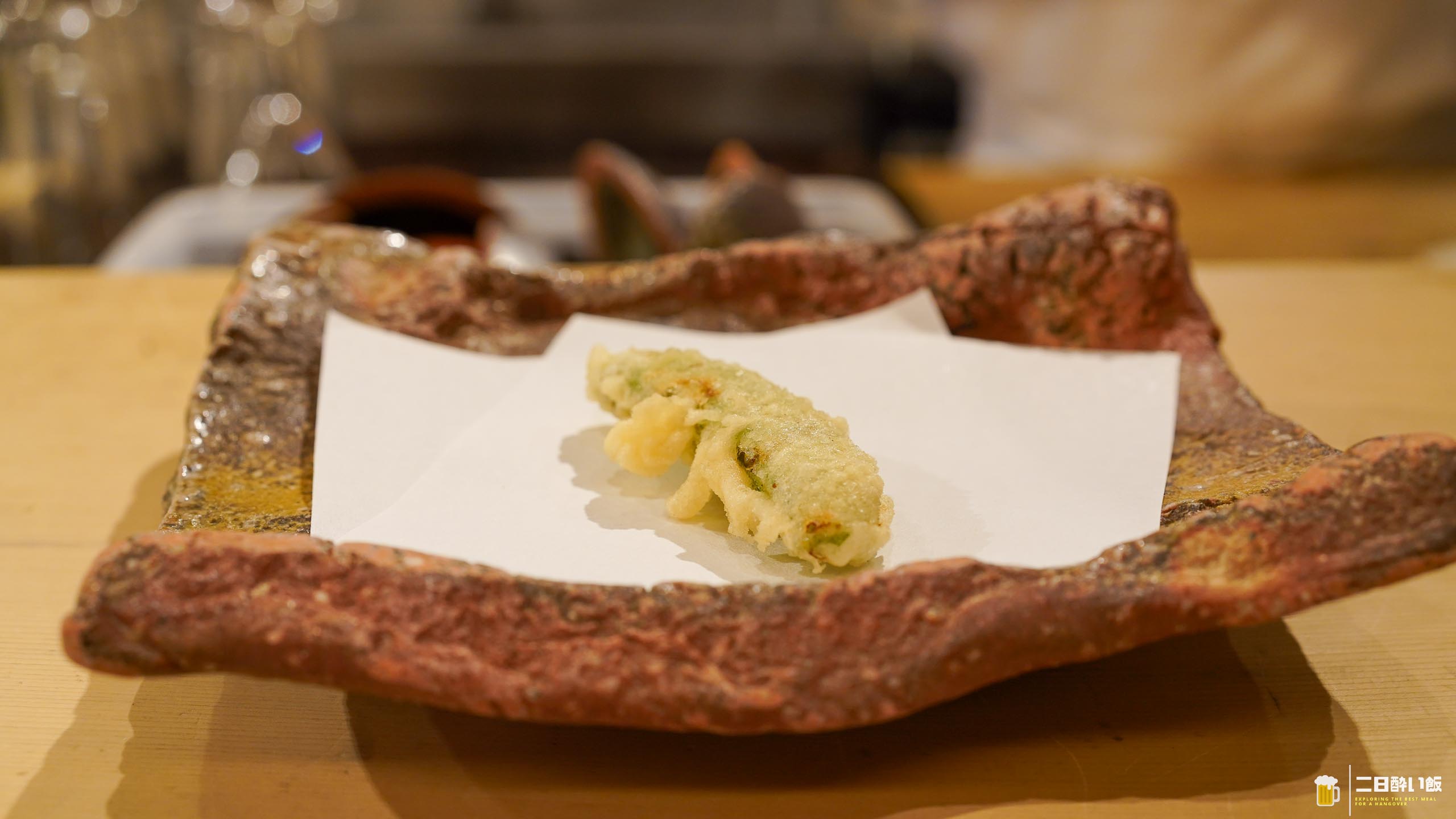
Straight from the fryer is delicious. It draws the sweetness of the ingredient out honestly. The batter is light; a crisp bite, then the particular juiciness of the snap pea and its gentle sweetness. The cooking is finely judged, keeping the green without any grassiness, and the savour builds as you chew. Eating it with Kochi salt sharpens the outline of the flavour and the quality of the ingredient stands out.
To pair tempura like this with sake is bliss.
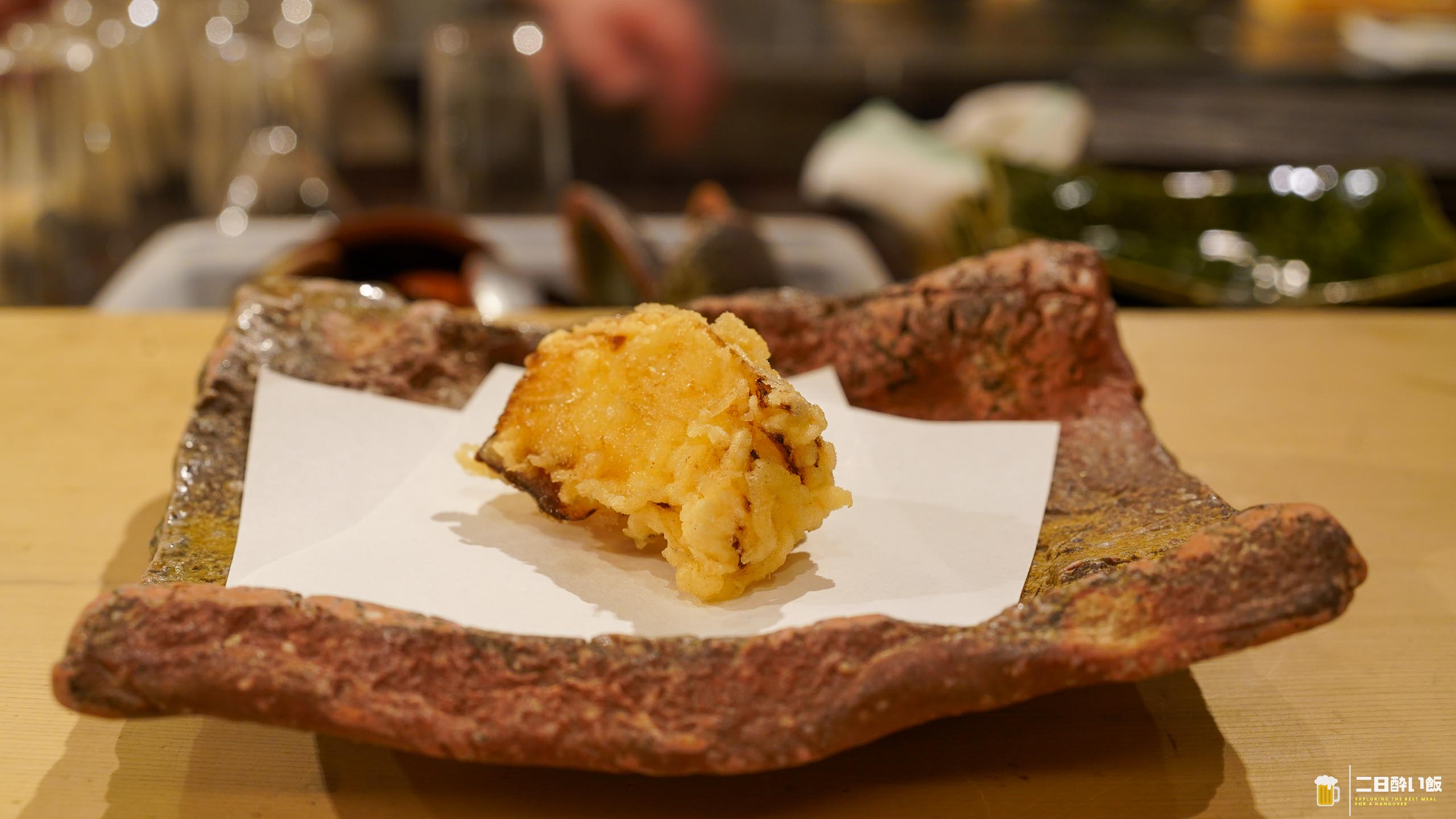
Sweetness from the first mouthful. The batter is light, and when you bite the juice and savour of new onion flood out. There is almost no sharpness; the natural sweetness drawn out by the cooking is the star. The contrast between the crisp outside and the softness within is pleasant, and the quality of the ingredient comes straight through. Eaten simply with salt, this tempura lets you enjoy the freshness and sweetness particular to Awaji Island onions. Straight from the fryer is best.
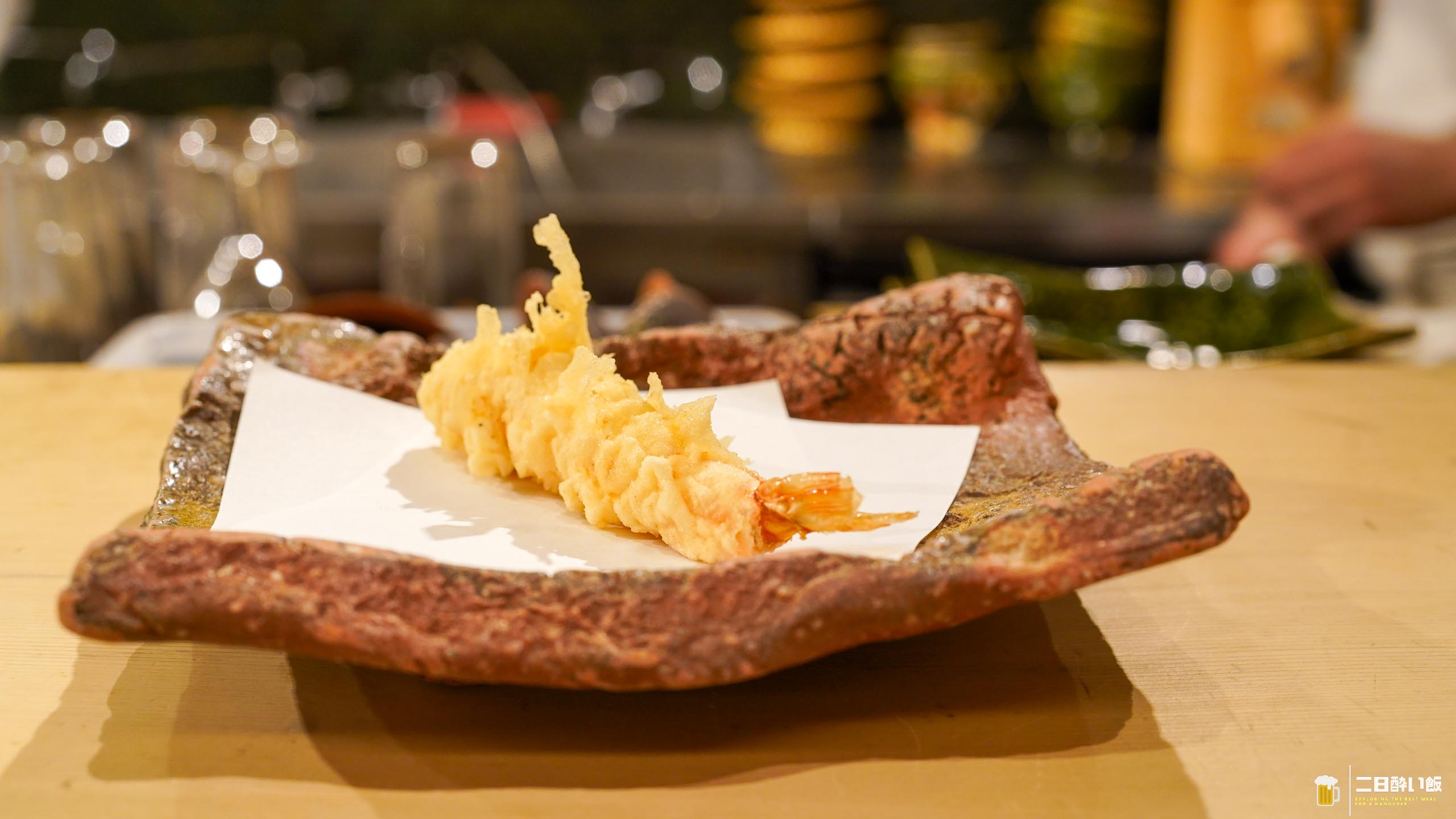
Last, the great star. The fragrance and the neat finish that only come straight from the fryer. The batter is light; a crisp bite, then a springy resistance. The cooking is finely judged, the flesh keeping its juice while the sweetness is drawn well out. There is no sense of excess oil and the finish is astonishingly clean. Eaten with salt, the prawn’s own savour stands out.
Now, at last, the soba. I had no idea sobamae could be as full a business as this.
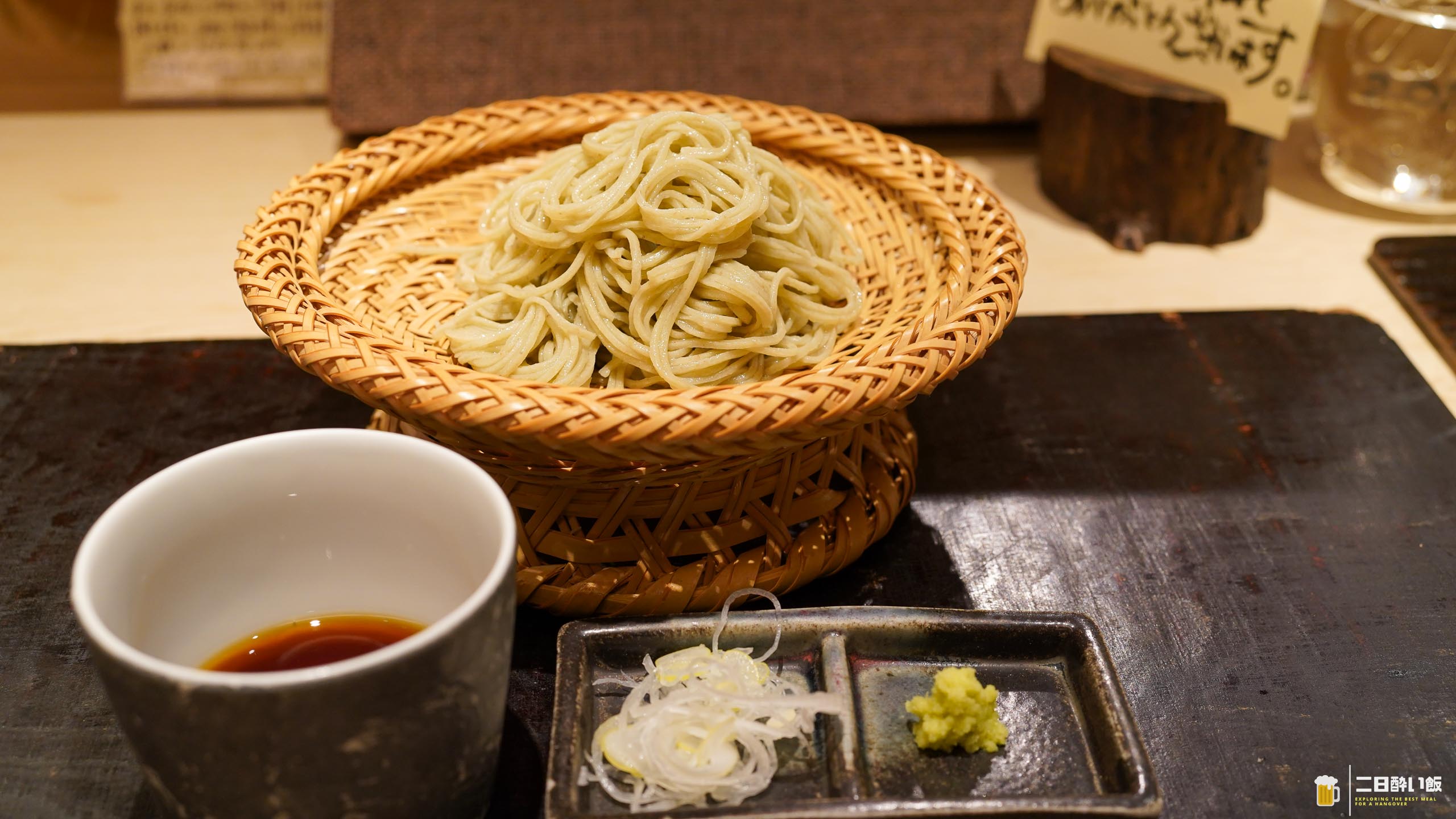
Hand-cut juwari soba from Akagi in Gunma.
Mm. Good.
You can feel the character of the buckwheat straight on. Cut thin, it gives off its scent the moment you lift the chopsticks, and in the mouth a proper firmness comes with the sweetness of the grain. Made of pure buckwheat and yet not heavy, it goes down astonishingly lightly. The flavour builds the more you chew. The delicate, refined tsuyu tightens the scent of the soba, and, yes — to finish with this is marvellous.
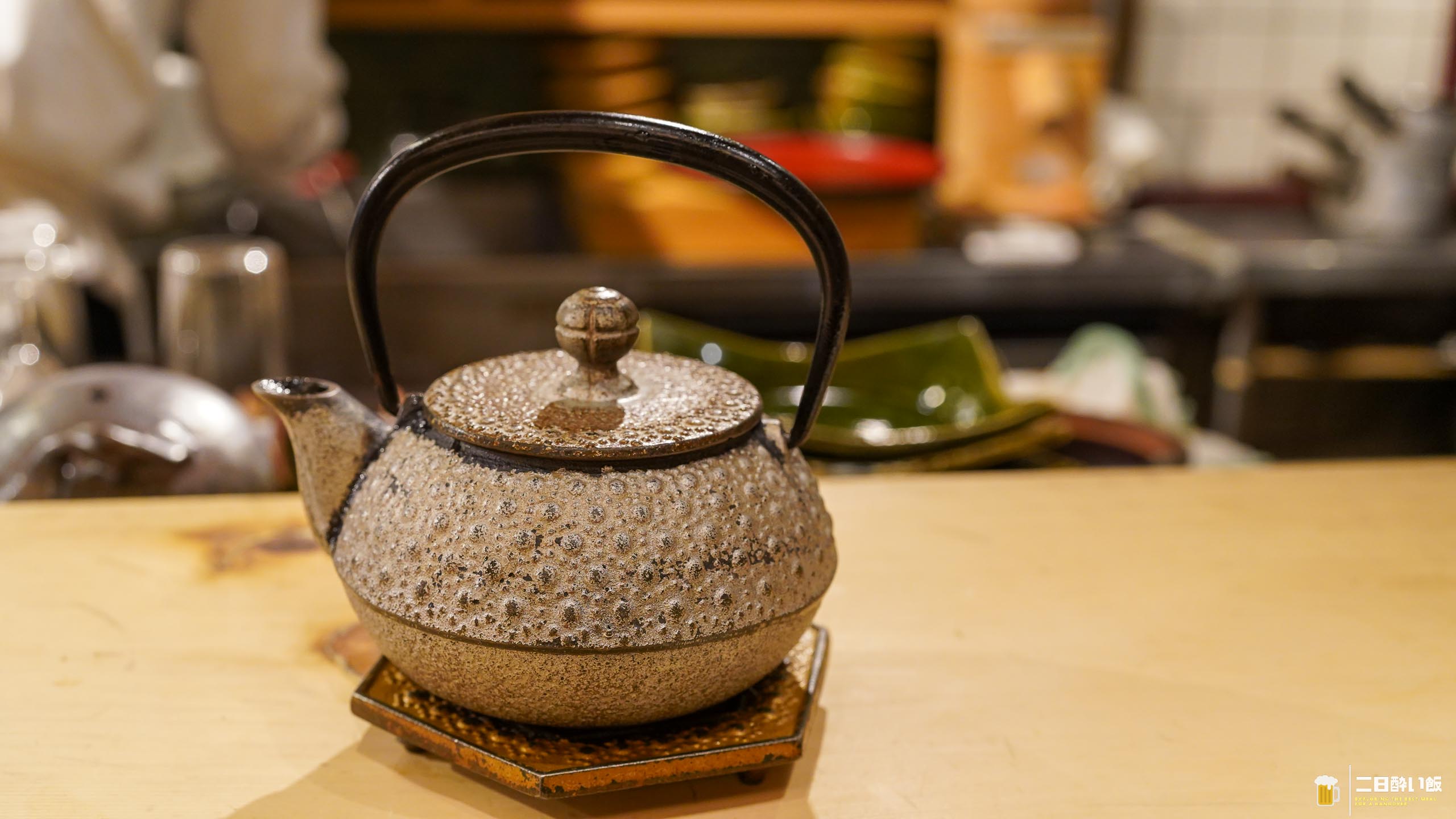
And last, dessert.
I was so content I forgot to photograph it.
A buckwheat bavarois, a mandarin daifuku, and a sweet something like a hishimochi, and that was the end.
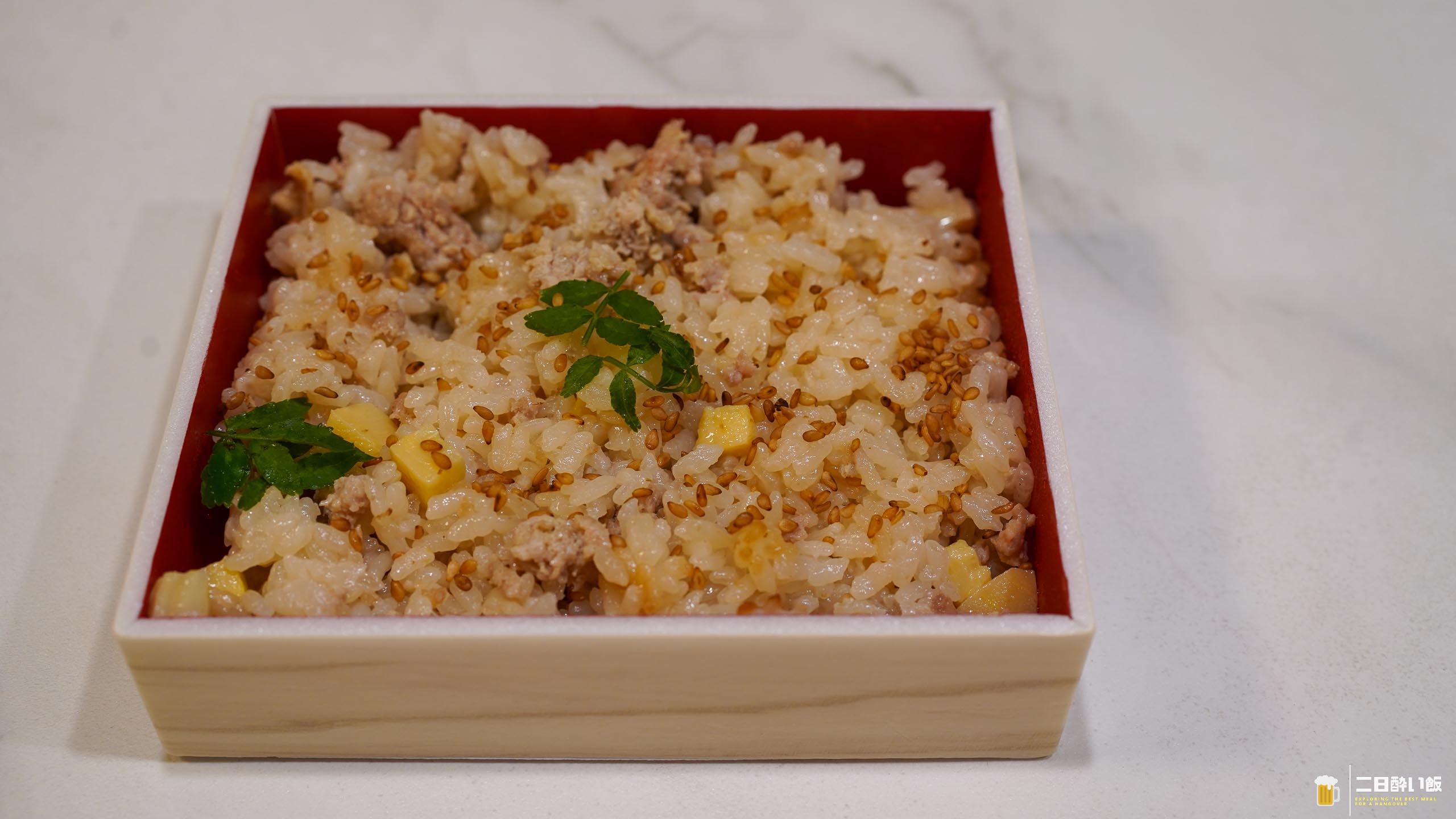
Very satisfying indeed. For this much, 12,000 yen is remarkable value. I would like to come regularly. Book your next visit at the shop before you leave and they take 2,000 yen off, apparently, and a fair few people were doing it. I enjoyed it alone, of course, but next time I would like to bring somebody. And on the way out they even gave me okowa to take home. Again: 12,000 yen is cheap.
Shiomi (Soba / Waseda Station (Metro), Edogawabashi Station, Waseda Station (Toden))
Tabelog dinner rating ★★★★☆ 4.0
I ate here and paid for it myself. Nothing on this site is a comped meal.
One more for the road?


