


A note on the words: oden is a winter pot of things simmered slowly in a soy-and-dashi broth — daikon radish, hanpen (a soft whipped fishcake), chikuwa (a tube-shaped one), atsuage (thick fried tofu), gobo-maki (burdock rolled in fishcake) and satsuma-age (a deep-fried fishcake); tomeshi is the house dish, oden tofu laid over rice with the broth poured on. Negima here is the old Tokyo sense, tuna with spring onion, and negimanabe the hot pot made of it; chutoro is the medium-fatty cut of tuna. Noren is the split curtain hung at a shop door. Prices are as of this writing (August 2026).
Otako, Kami-Itabashi branch, on Tabelog (English) — opening hours, payment details and the Japanese address are kept up to date there, not here.
I want to eat something good today as well. This is Hangover Meshi. This time, the oden house Otako in Kami-Itabashi. Otako usually means the Nihombashi shop, and I had no idea there was a branch out here. Looking into it, there seem to be branches in a good many places. I have never been to the main shop either, but if I can eat it nearby then by all means — so I booked and went.
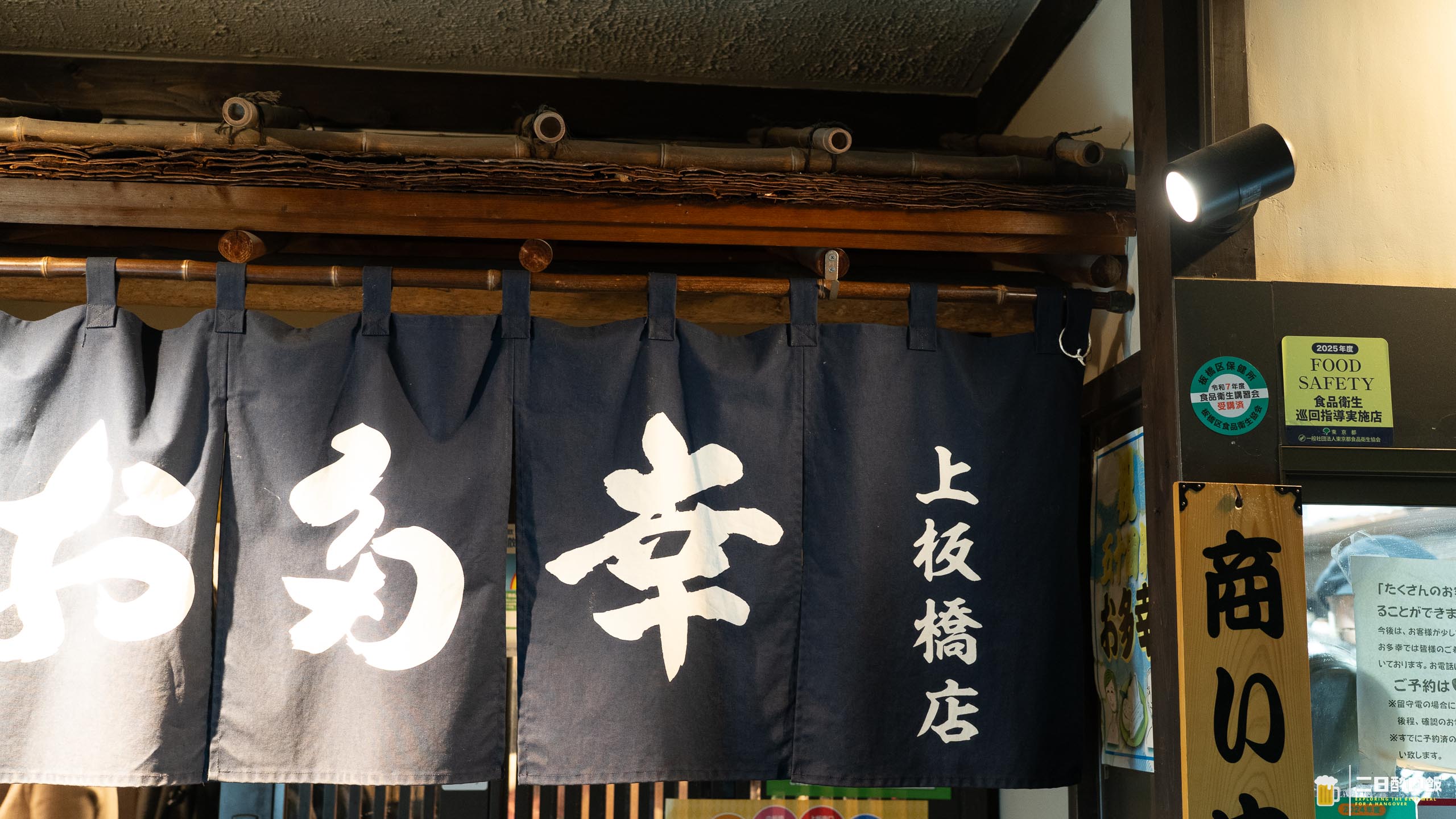
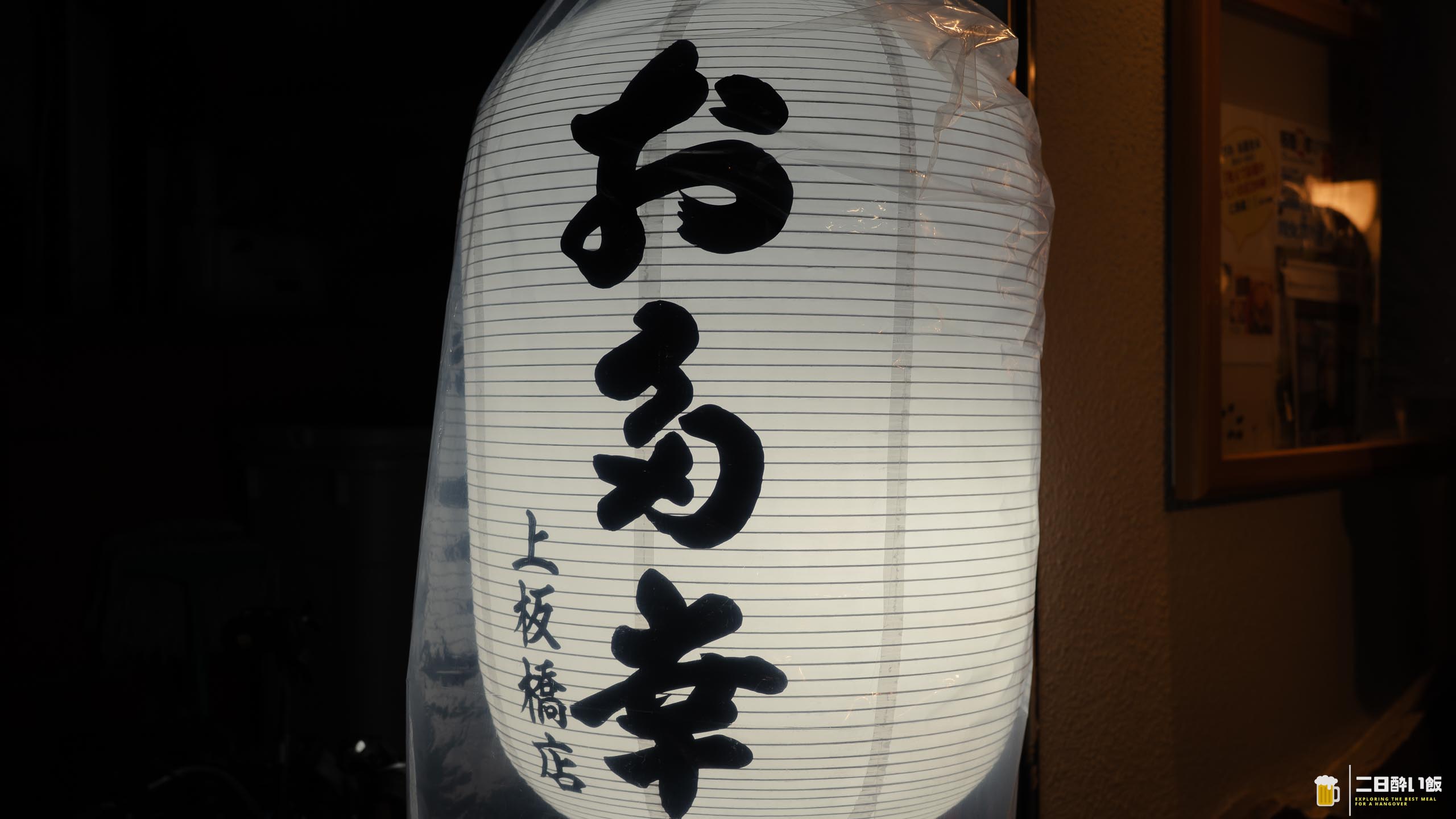
The front of the shop, and the whole feel of it, is the old neighbourhood oden house.
The sort of place where the regulars gather for a light drink. A warm place.
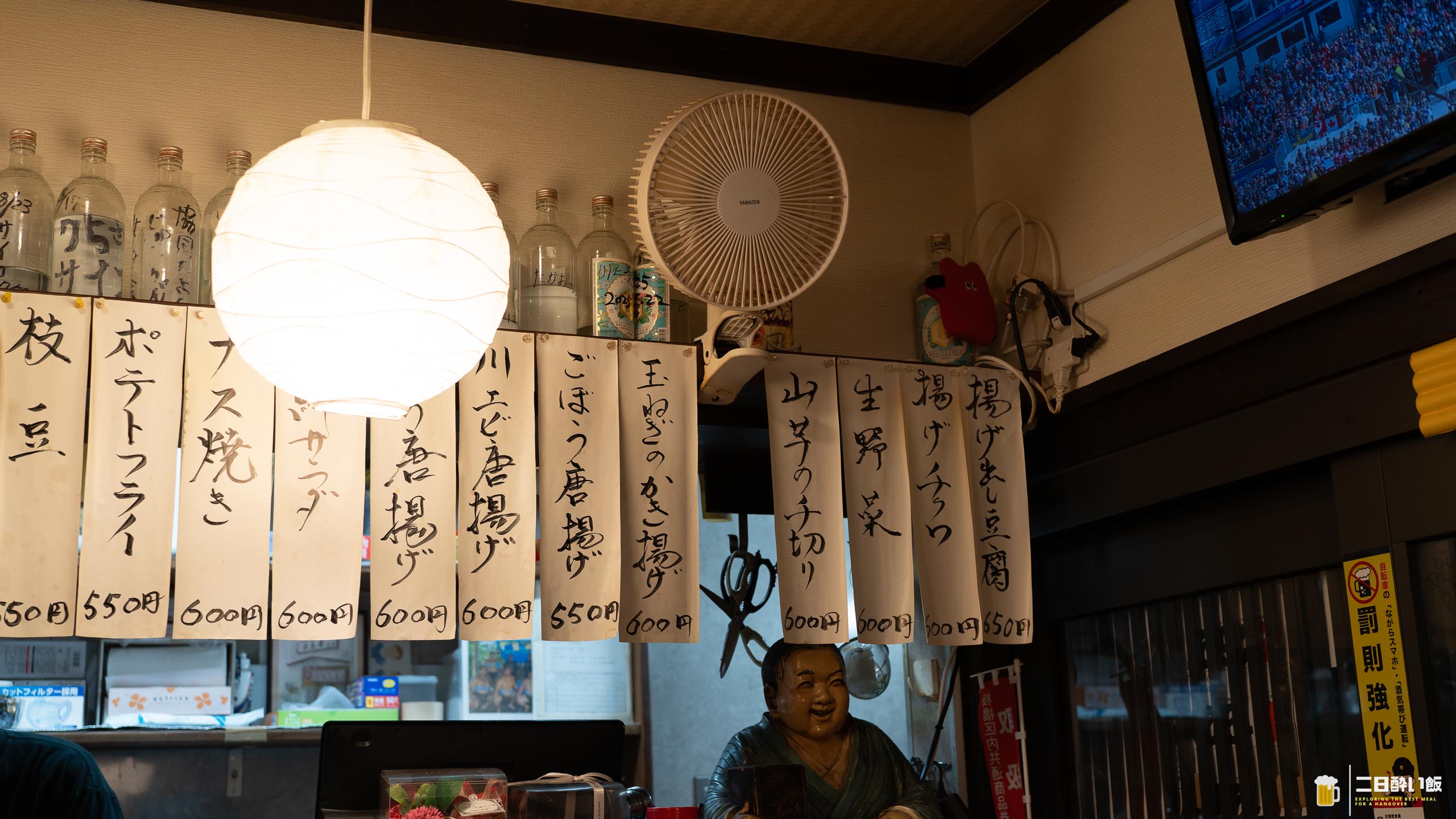
There are a great many oden items, but some had already run out for the day (too popular).
So I wrote down what I wanted on a slip, handed it over, and let them bring whatever they still had.
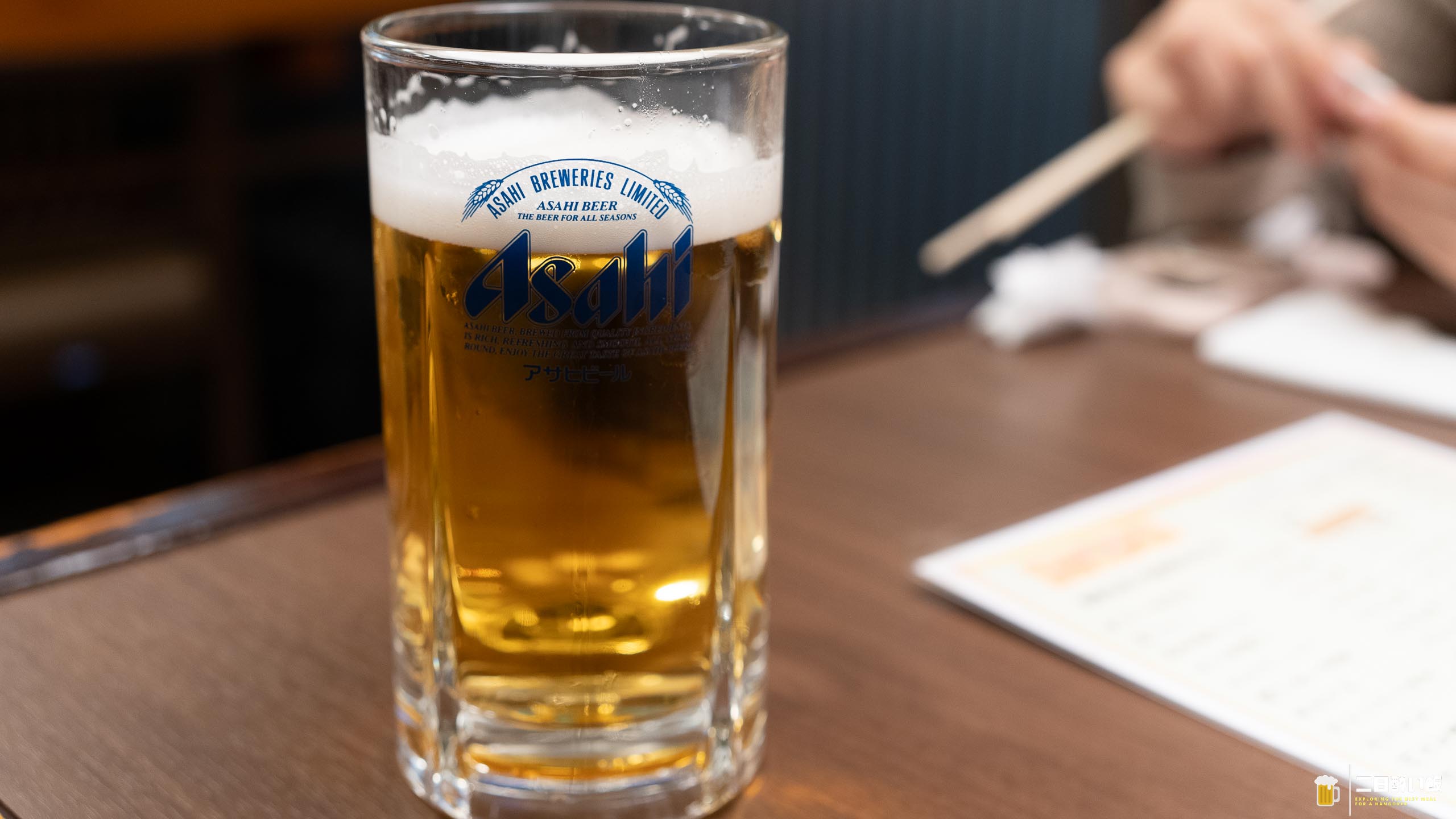
Right: round one of the oden ordered, and beer.
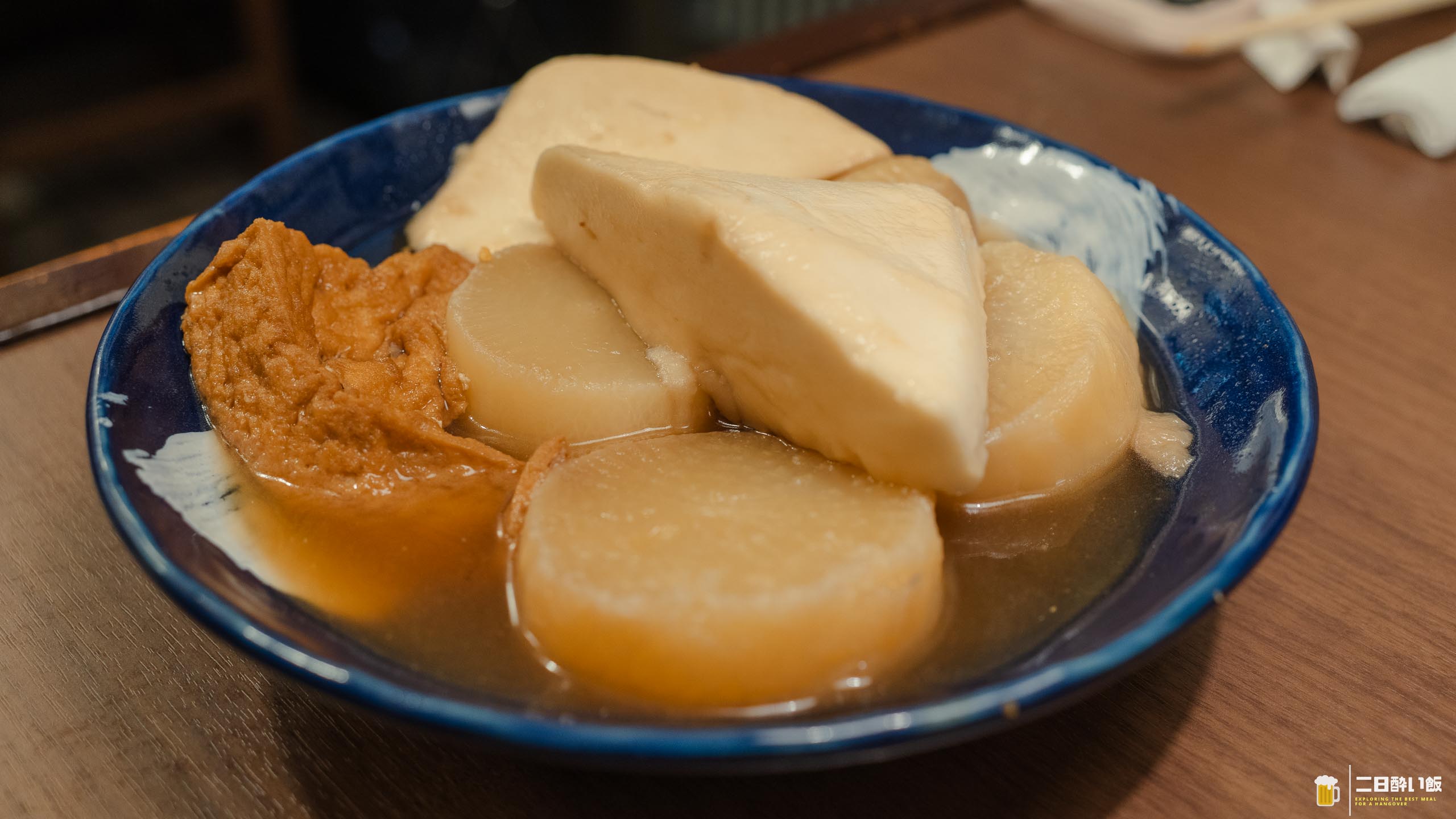
First to arrive: daikon, hanpen, chikuwa and atsuage. Looks good.
Start with the classic daikon, I think. One bite…
It floods out, soaked right through. Very good.
The first thing I felt was the sweetness and the savour of the broth. Completely unlike other oden houses — a distinctly sweet broth. Built on Kanto-style dark soy, no doubt, with a clear sugar sweetness and the body of a broth topped up over many years laid on top. It is not the sort that finds its edge in salt; the sweet-salty aftertaste lingers gently, and it is good. The daikon has taken the flavour to its core, and the sweetness spreads as you chew.
The flavour is strong, which makes it just right alongside a drink. I may prefer it to the cleaner sort of oden.

Potato, gobo-maki, and flying fish satsuma-age, I think.
The flying fish satsuma-age does not push the fish flavour too far forward: soft-textured, with the sweet-salty broth soaked in, and savour seeping out as you chew. The gobo-maki uses the earthy scent and texture of burdock as an accent, tightening the sweetness of the broth nicely. Neither asserts itself as fishcake; they feel of a piece with the broth. Very good.
So this is why you can keep eating it even though it is sweet.

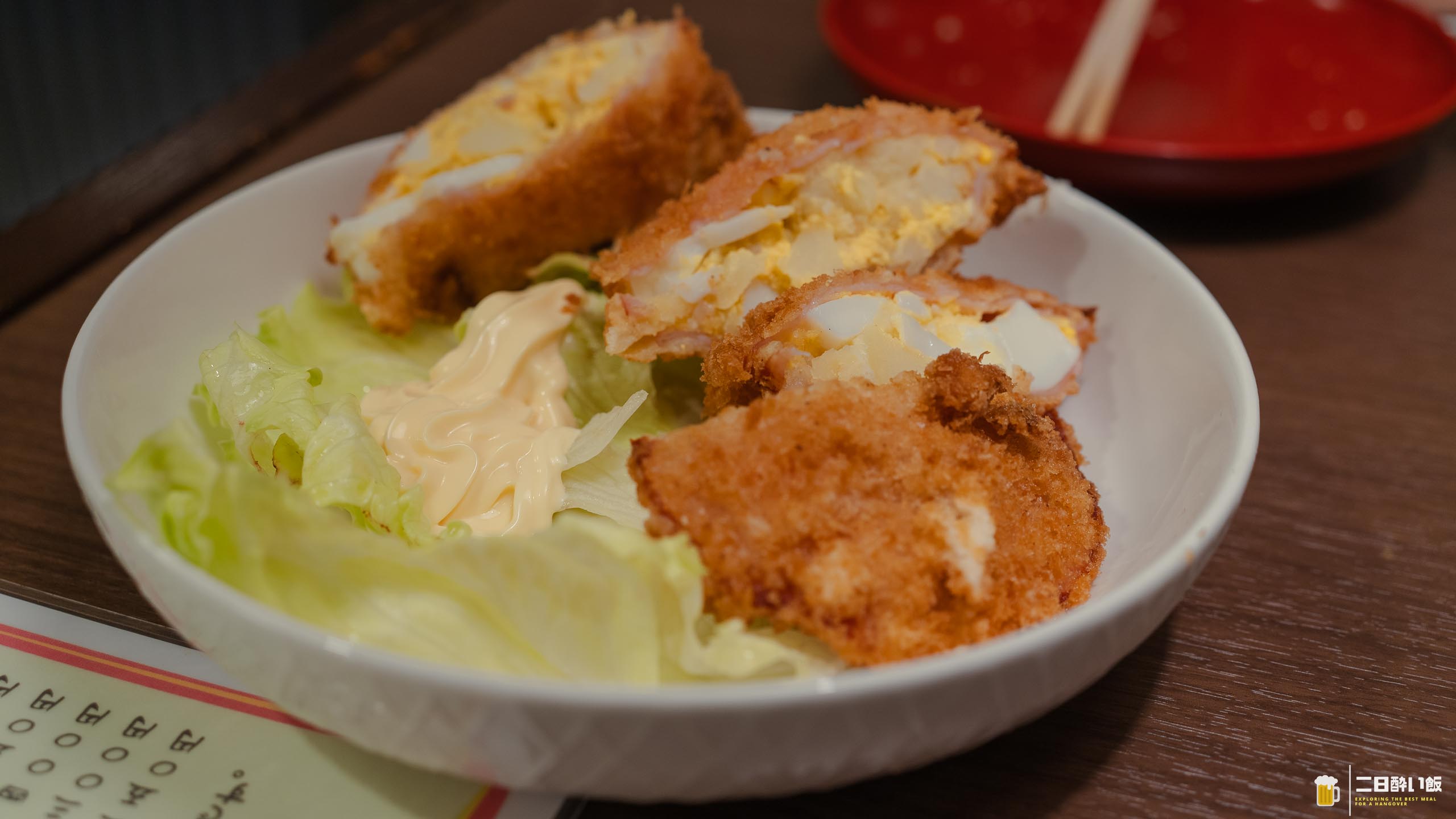
Potato fry…? Potato fry?
It did not, admittedly, say “french fries” — but I did not expect deep-fried potato salad.
And a good big portion of it. Is 550 yen not cheap for this?
Eating it, of course it is good. It goes with mayonnaise unreasonably well.
The light, crisp texture is good, and the potato salad inside has plenty of egg in it and a clean seasoning.
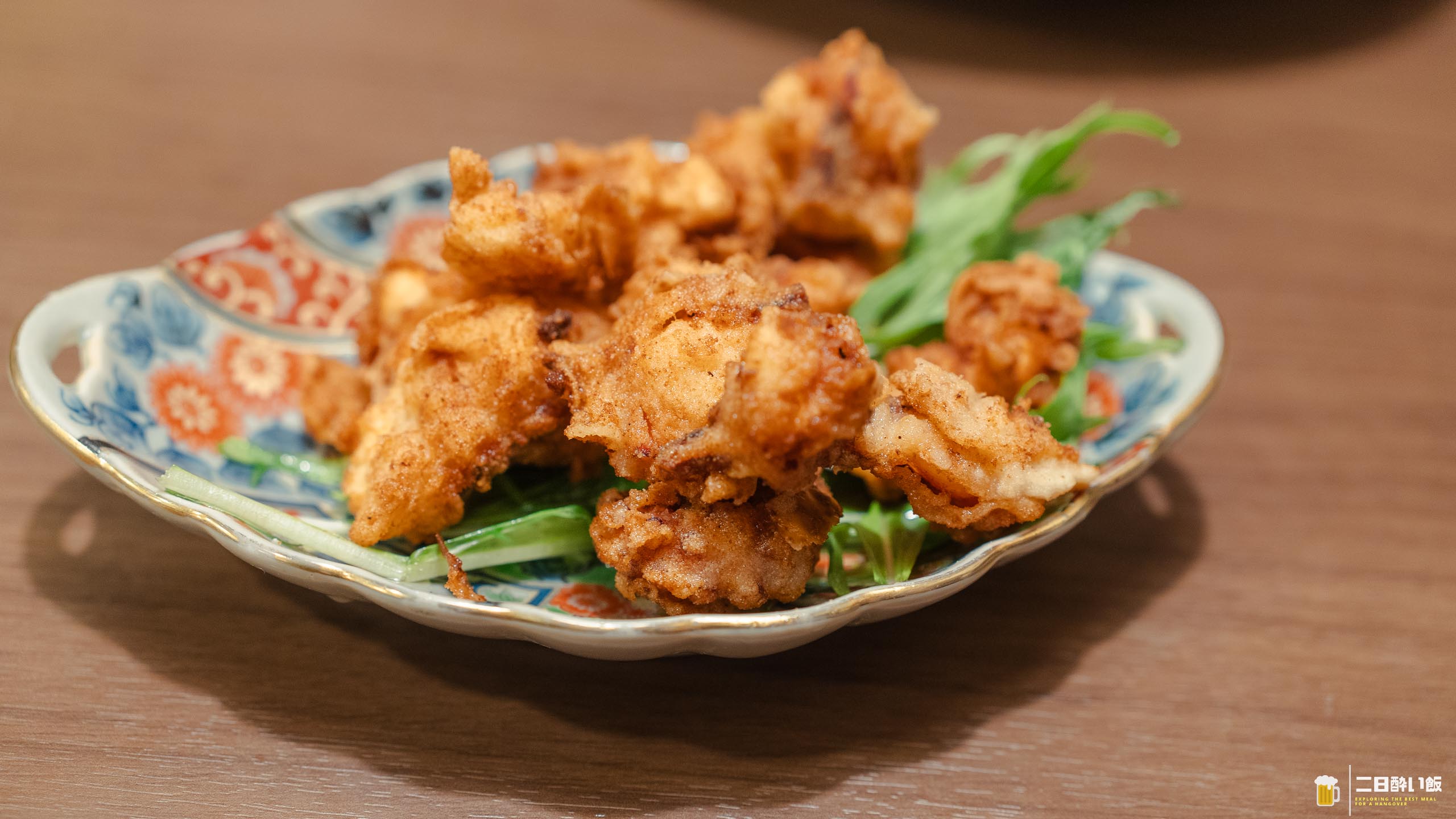
In truth I am under a compulsion: if I spot deep-fried octopus, I must order it.
It caught my eye on the menu, so of course I ordered it.
Deep-fried octopus with the flavour flooding out. I really could eat any number of these.
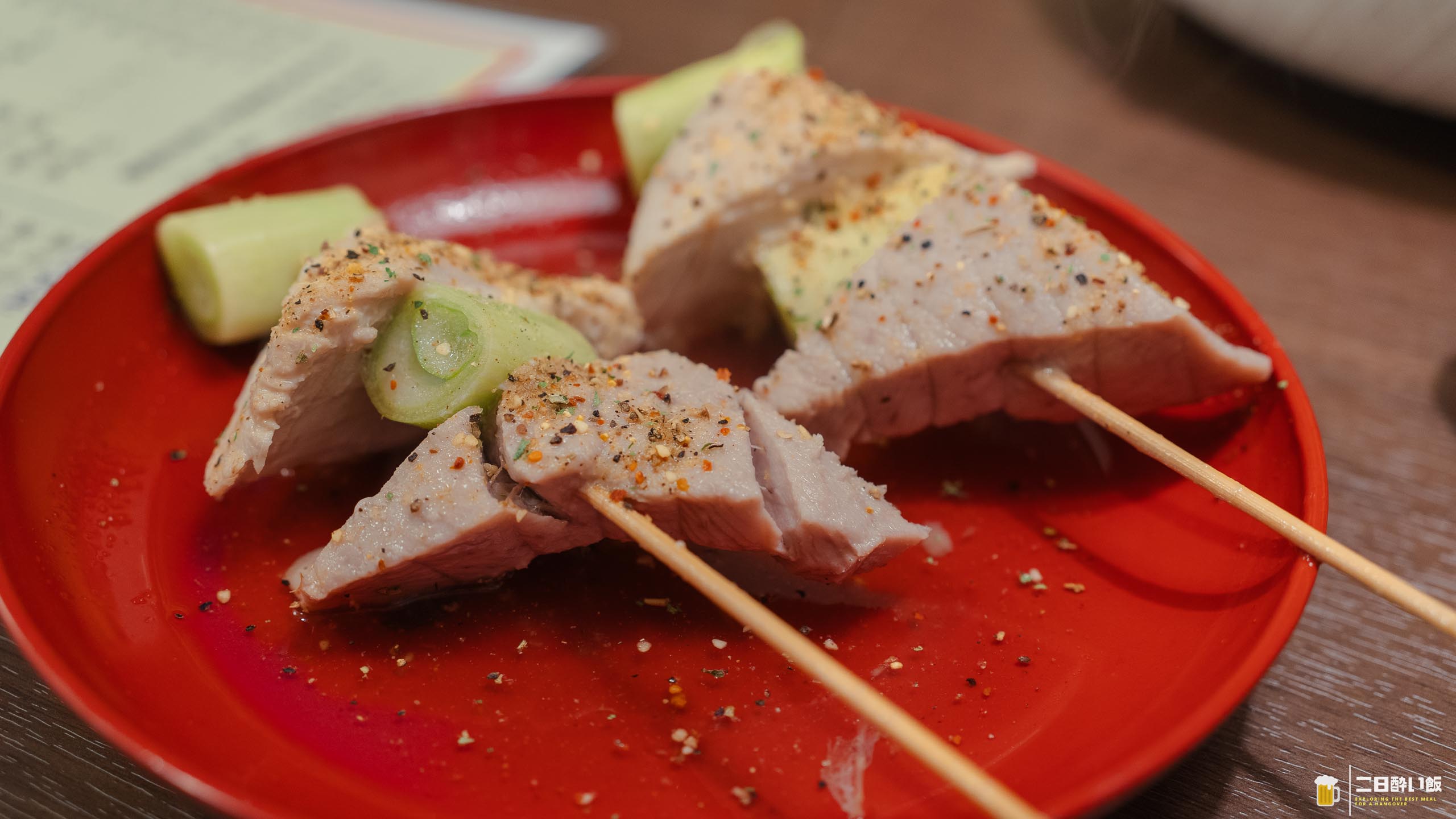
“We have negima in the oden — shall we do you a couple?” the staff suggested, so I did.
This is negima in the spring-onion-and-tuna sense.
It goes with the broth, naturally, but the spice sprinkled over it — Horinishi, is it? — suits it extremely well.
Negima — or rather tuna cooked in a pot — is not something I have eaten much, and this chutoro is good. I would like to go and eat negimanabe sometime.
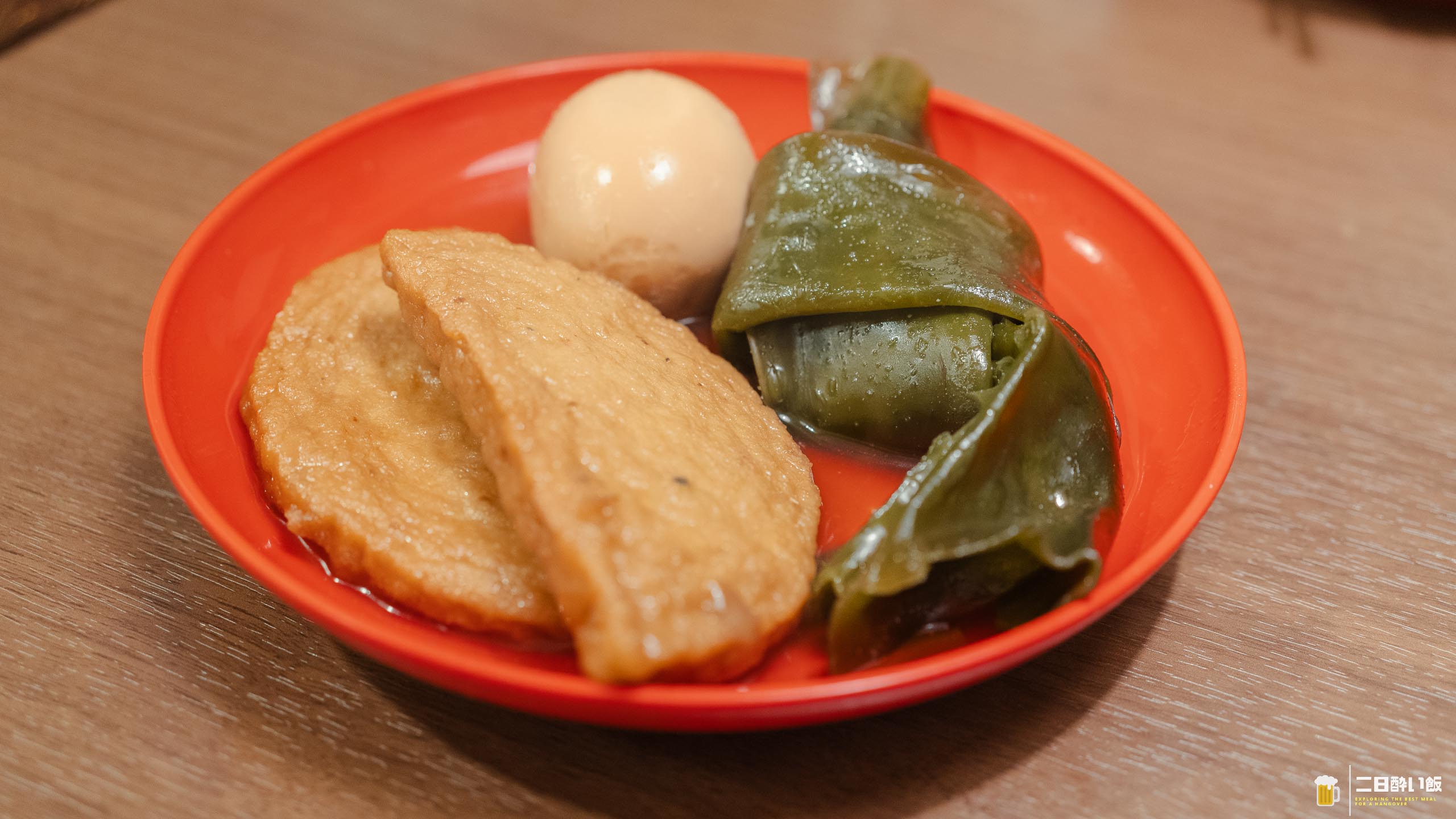
Egg, kombu, and a fishcake of some sort.
The kombu is enormous and gives you plenty to work on. And the egg is good, of course.
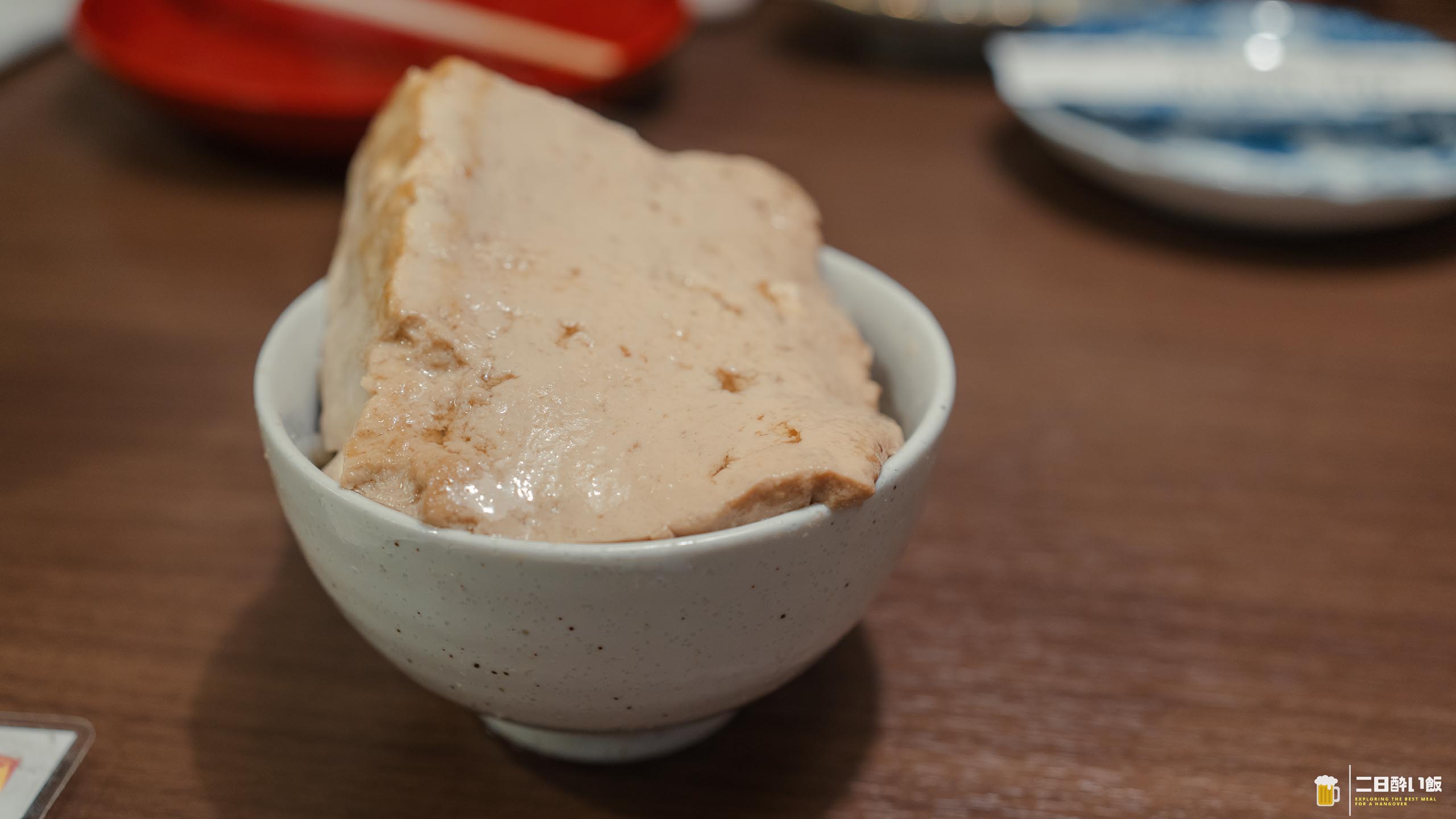
To finish, we shared a half portion of tomeshi between us.
Otako means tomeshi, after all.
Oden tofu, soaked full of broth, laid over rice made wet with the broth itself.
Of course it is good.
The broth soaks thoroughly into the white rice, and sweetness, savour, rice and tofu become one. The seasoning is plainly sweet-salty, but without sharp edges, and the finish is surprisingly light. The tofu itself is smooth, its wet feel in the mouth contrasting with the separate grains of the rice. Less a matter of chewing than of it coming apart. Yes — no wonder this became famous. Very good.
So: my first Otako, in Kami-Itabashi. The oden is extremely good, you can drink at your leisure, and the place is thoroughly comfortable. The sort of shop I would like to book and use now and then. And when I asked on the way out, takeaway is entirely possible provided you tell them in advance — so on a cold evening you could take a pot along, buy it to go, and eat it at home. Marvellous.
Otako, Kami-Itabashi branch (Oden / Kami-Itabashi Station)
Tabelog dinner rating ★★★☆☆ 3.5
I ate here and paid for it myself. Nothing on this site is a comped meal.
One more for the road?


