


A note on the words: Sichuan cooking works on two sensations at once — la, the heat of chilli, and ma, the numbing tingle of Sichuan pepper (called sansho or huajiao). Laziji is fried chicken buried in a mountain of dried chillies; mapo tofu is tofu in a hot, savoury minced-meat sauce. A century egg is a duck egg cured until the white turns dark amber and the yolk goes dense.
Table of Contents hide
Chiin Shokudo on Tabelog (English) — opening hours, payment details and the Japanese address are kept up to date there, not here.
Drinkers, thank you for waiting. It is Hangover Meshi time.
I want something hot.
So I went looking, and in Ikebukuro there is Chiin Shokudo — a hot, genuine Sichuan restaurant of the sort that stands for Ikebukuro’s real Chinese food. A chef from Chongqing who, they say, expresses not only heat and numbing but a deep savour underneath.
One wants to go, does one not. Let us go.
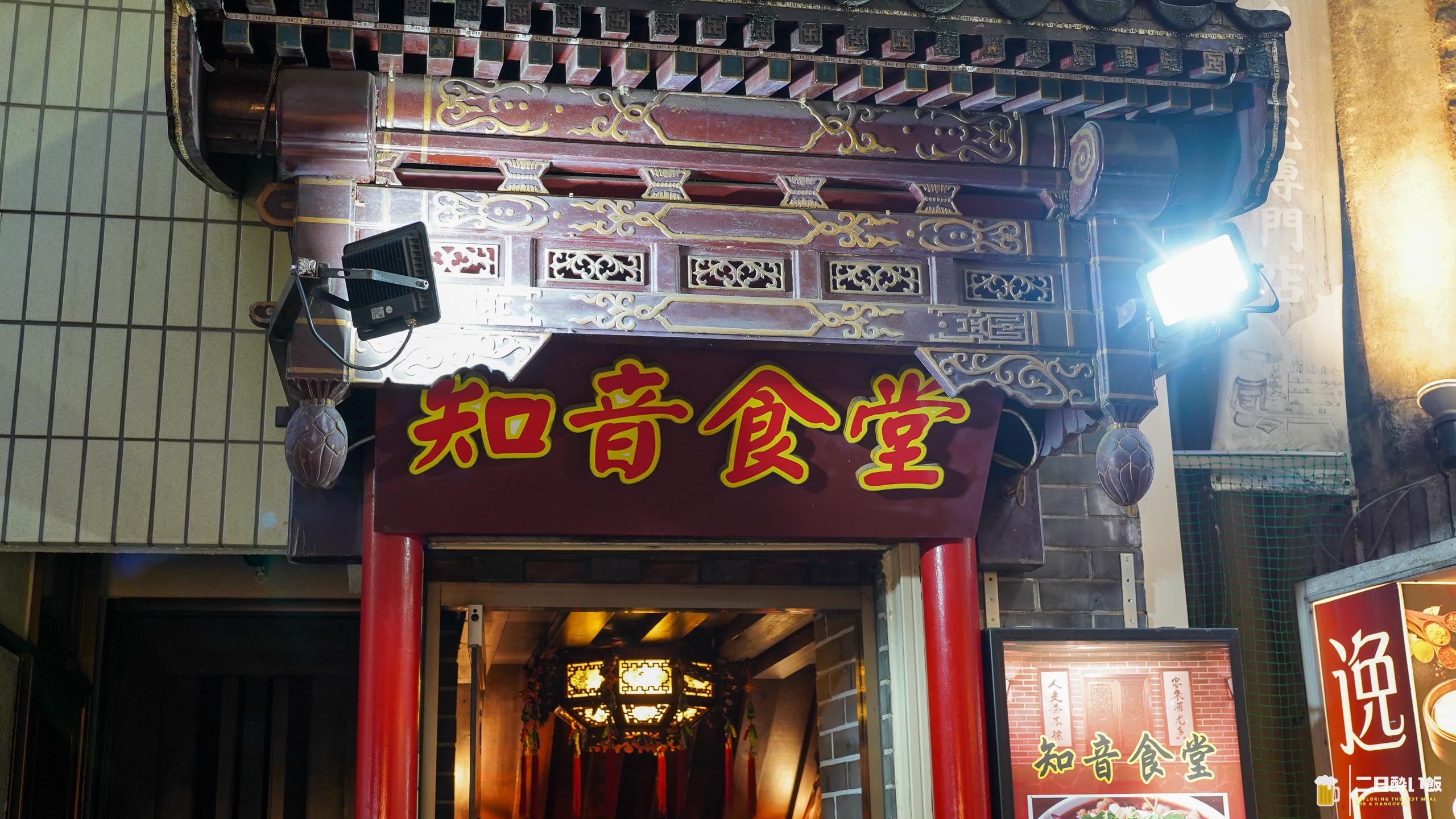
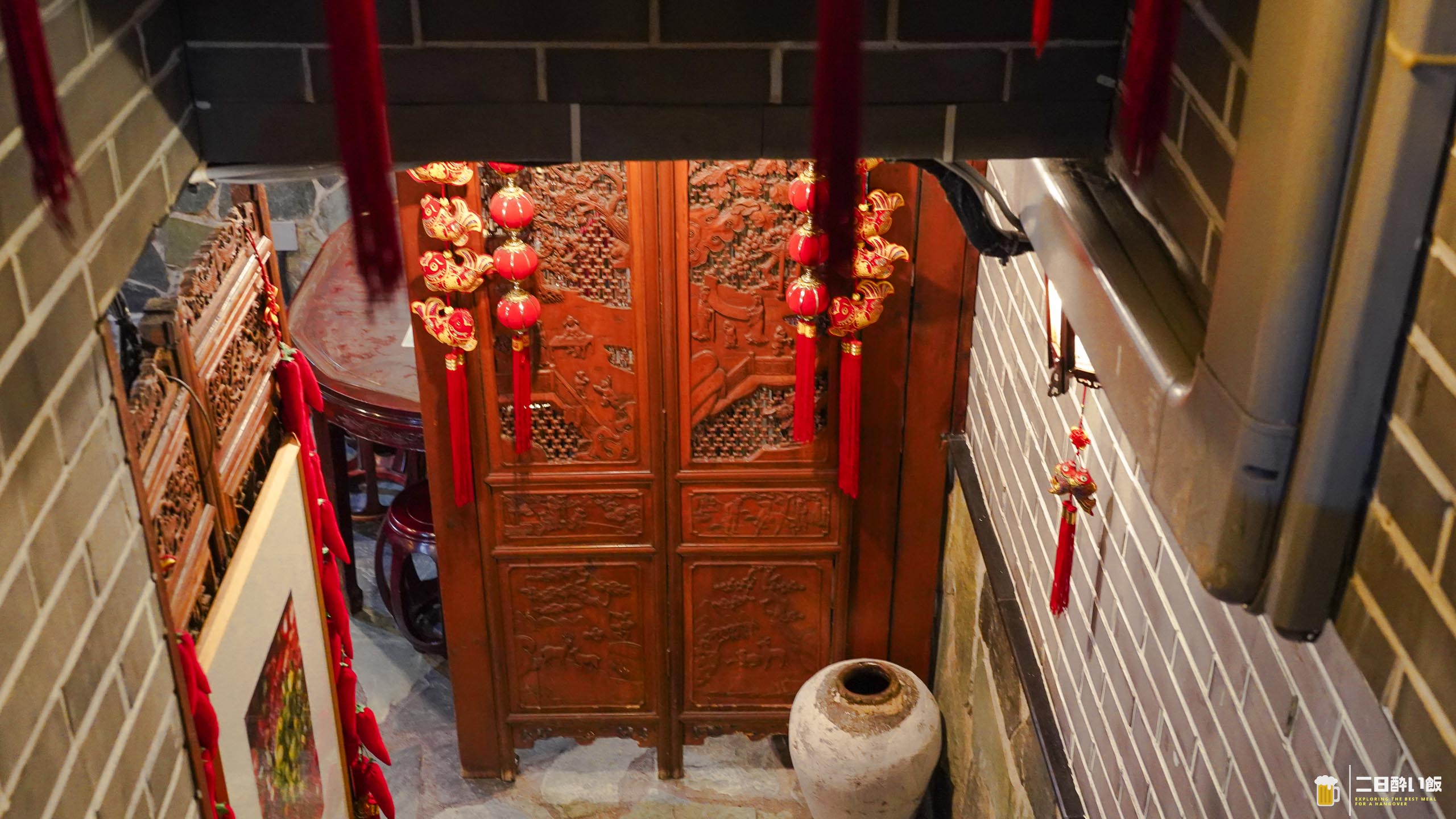
The menu has a great many dishes on it. We ordered freely, as the mood took us.
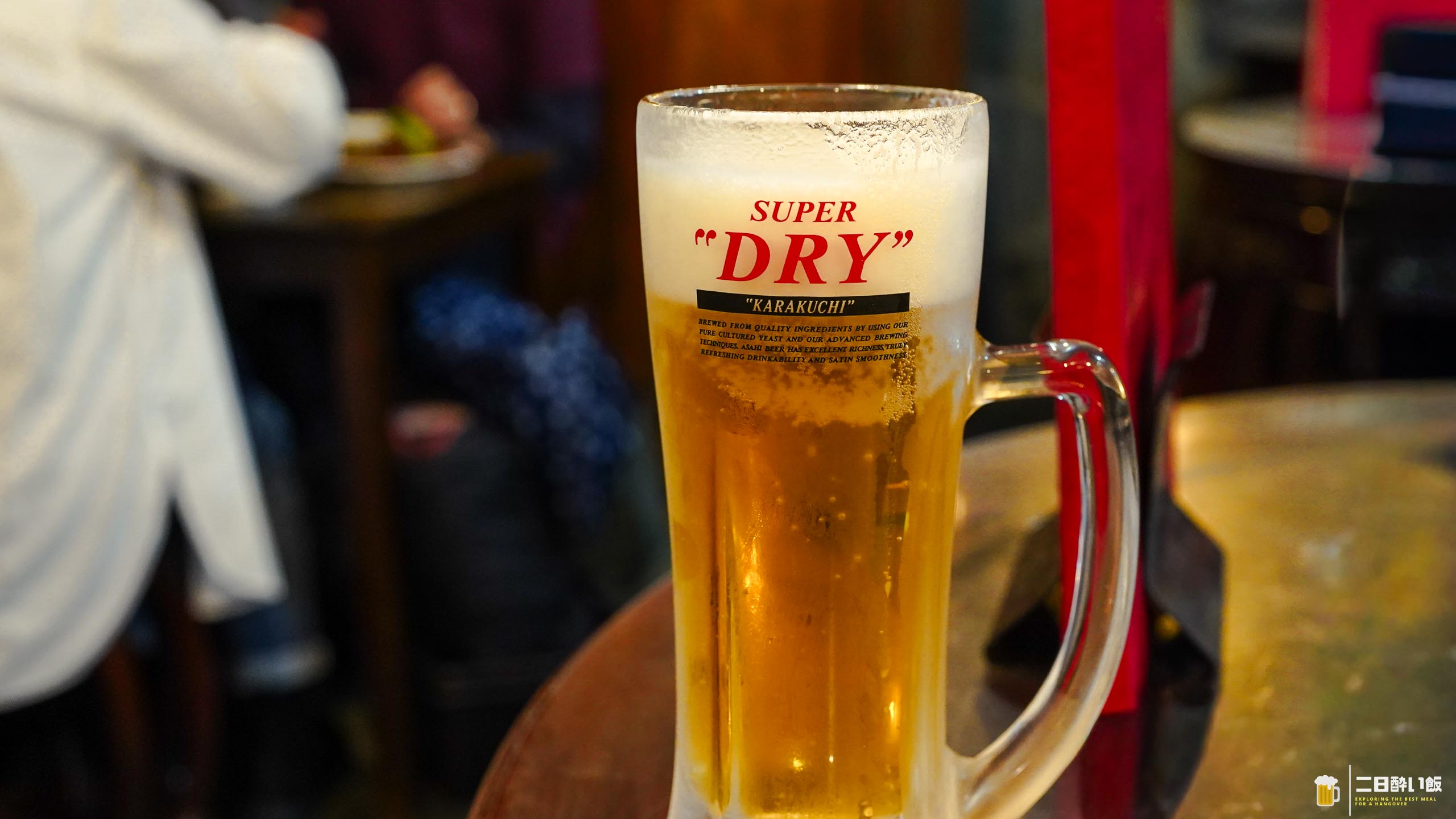
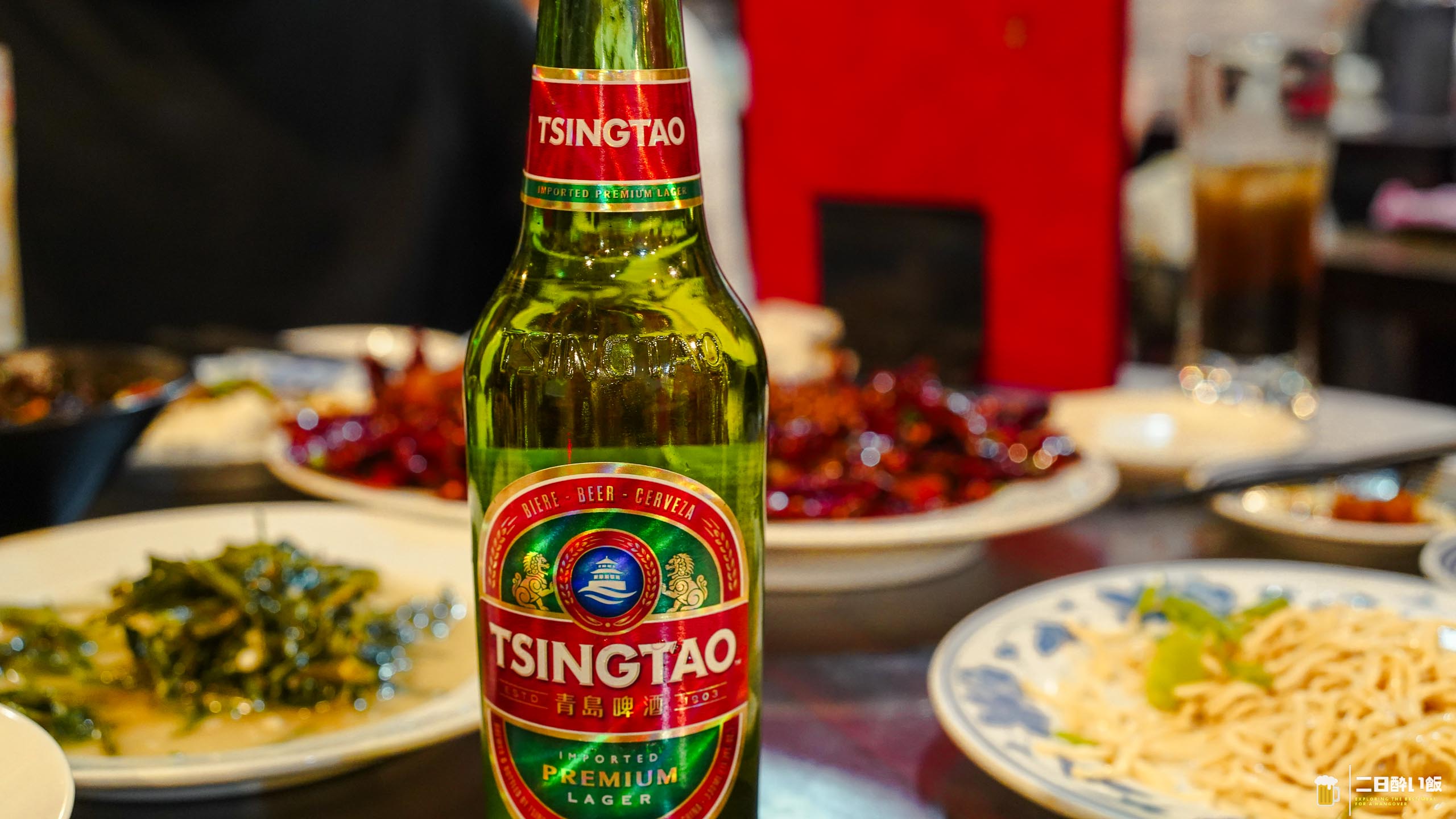
First, a thoroughly cold and very good beeeer.

It arrives with black, glossy pieces of century egg piled on tofu that has been cut into fine, beautifully even strips. The tofu is smooth and slippery, the yolk of the century egg dense and half-set, the white with the odd, jelly-like spring particular to it. A fragrant soy dressing and spring onion draw it together, and the strong flavour of the century egg suits it.
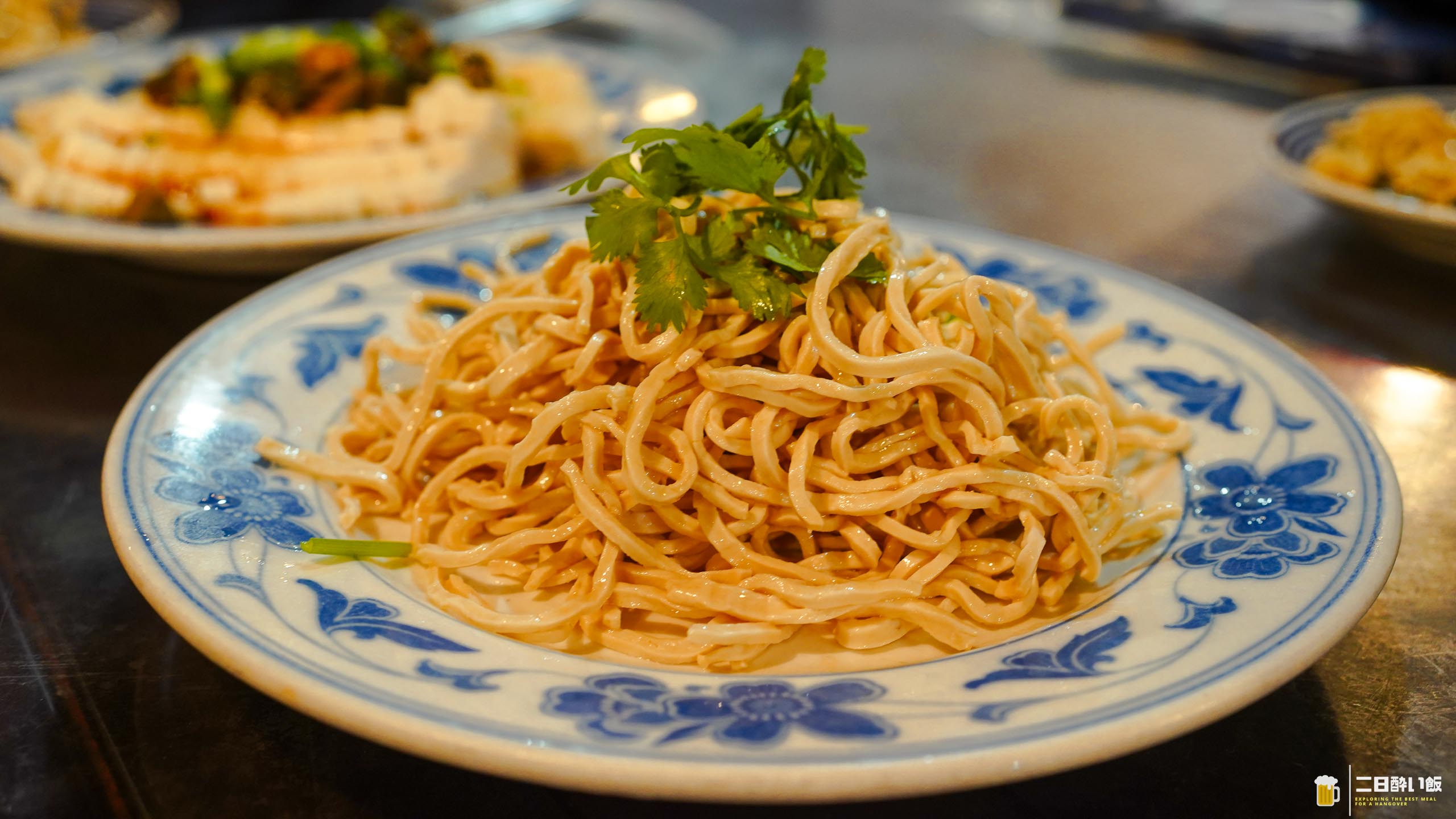
Dried tofu strips, the noodle-like kind you find in Chinese restaurants. A cold dish tossed quickly with spring onion and aromatics; picked up with chopsticks it has a firm, springy, chewy resistance — noodle-like after all. It is light, and yet it makes the drink go down.
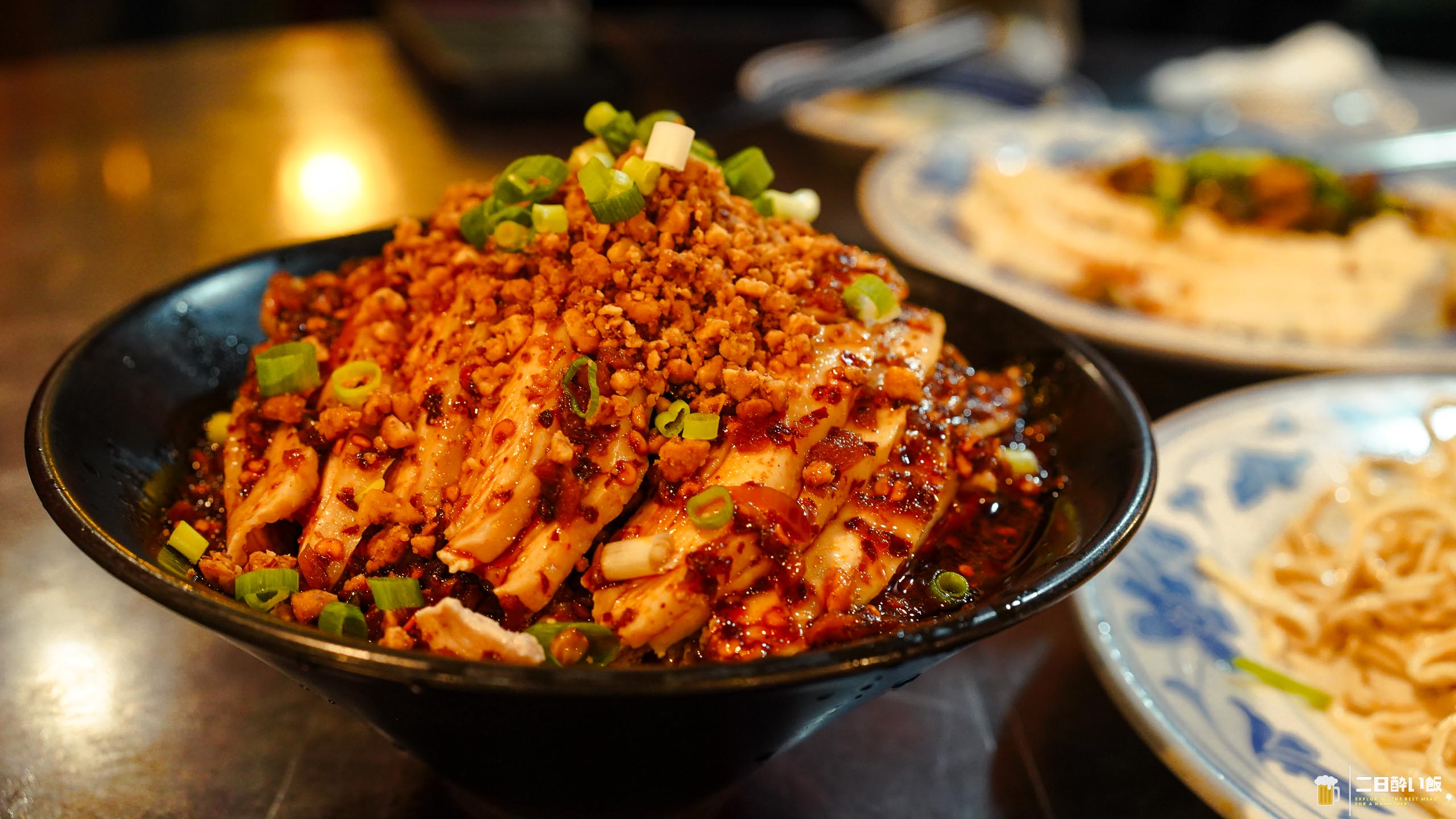
Slices of gently poached chicken thigh arrive under a generous pouring of a bright red chilli-oil sauce. It looks hot. But eating it, not so much. The chicken is soft and juicy, and its lean savour tangles with the toasted fragrance of the chilli oil. A little behind comes the numbing of Sichuan pepper running across the tongue, with the texture of spring onion and peanut and the toastiness of sesame laid over it. Good.
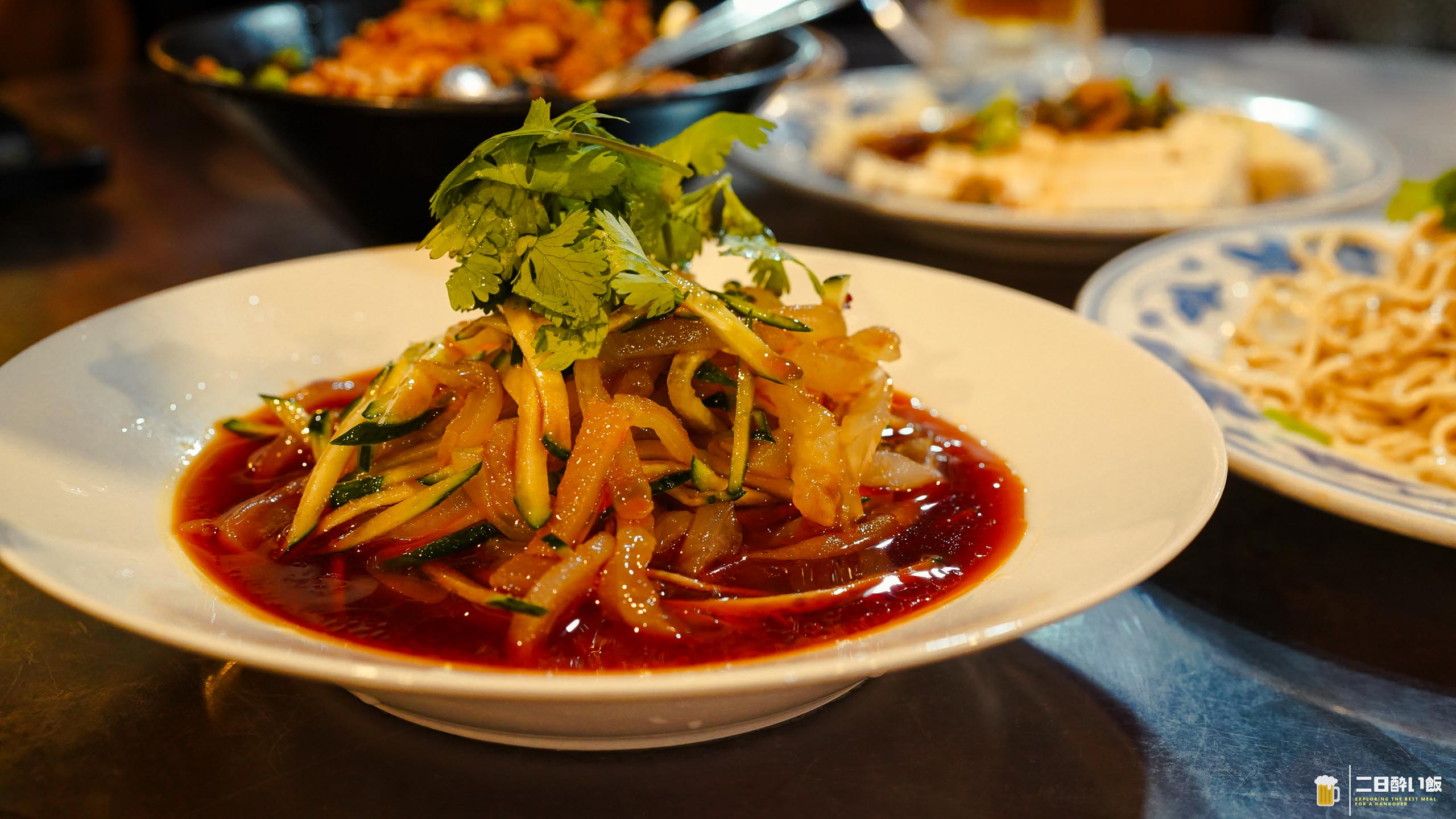
And of course, as a lover of jellyfish, one must order the cold jellyfish.
Jellyfish cut into fine strips, dressed with vinegar and chilli oil. This being Sichuan food, they have given it a proper kick, which is welcome. Translucent and glossy, the jellyfish wobbles as you lift it, and the moment it goes in there is that particular crisp, springy resistance, which is a pleasure. The sharp acidity of the vinegar cuts cleanly, and behind it come the faint heat of the chilli oil and the scent of sesame oil. The jellyfish itself is neutral, so the acidity and the richness are really the stars. Very good.

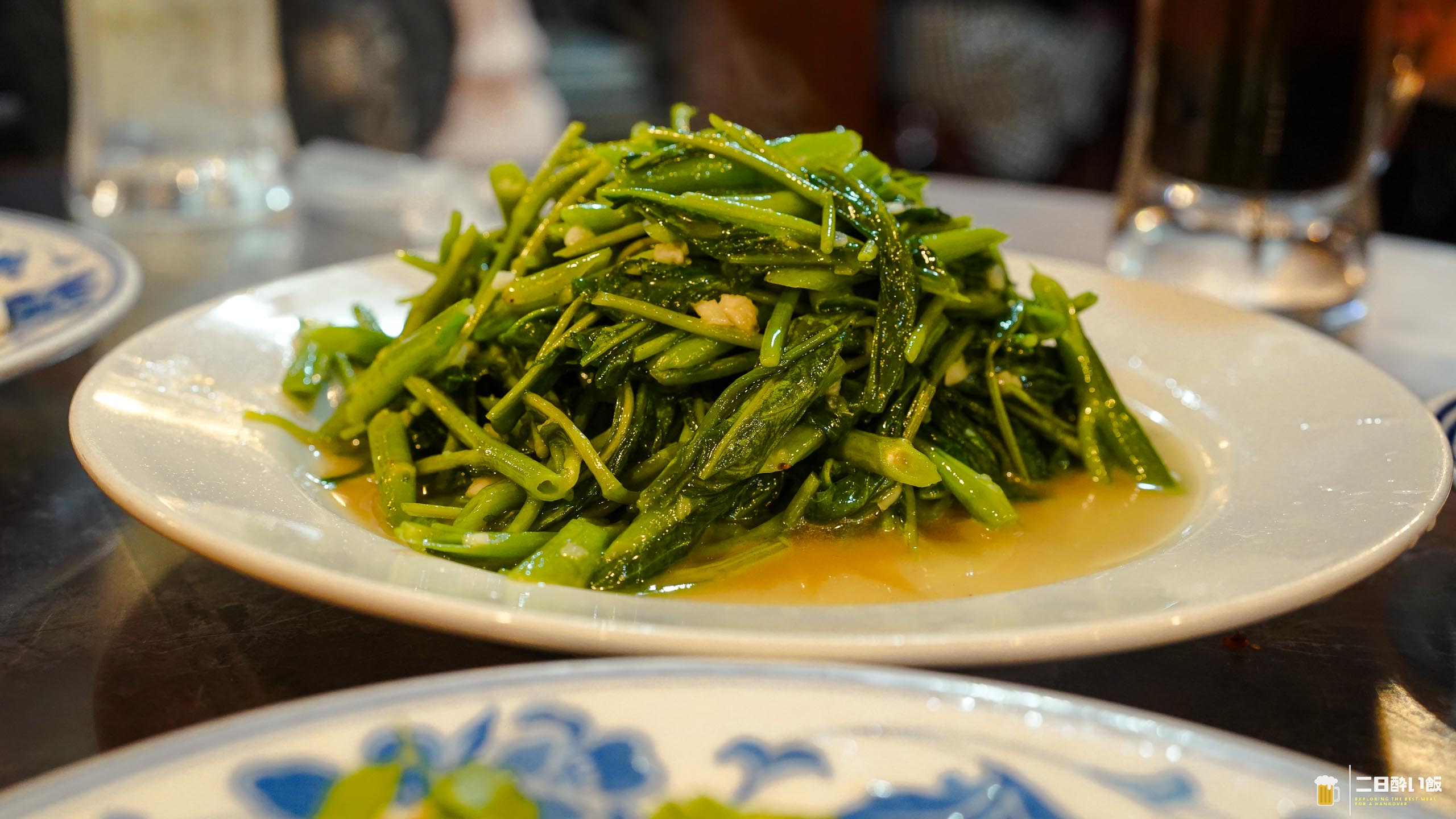
A standard: stir-fried water spinach. Glossy with oil and looking very good for it. The stems crisp, the leaves collapsed, and something pleasantly in between. Garlic and a well-judged salt bring out the freshness of the greens. Stir-fried greens at a Chinese restaurant really are good.
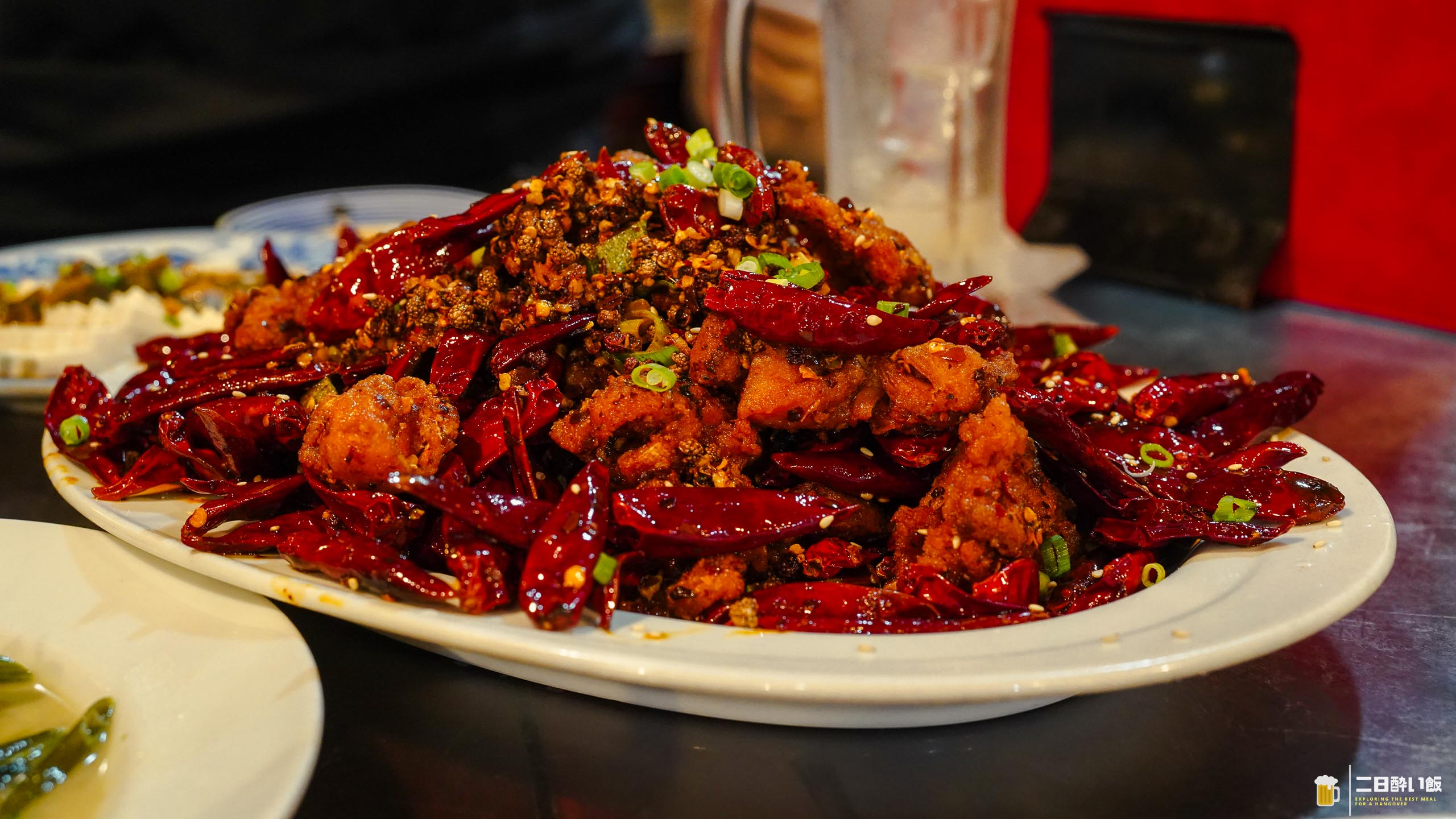
And then, enormous visual impact: the laziji. Apparently the house signature.
On the plate, a mountain of bright red chillies. Buried somewhere in it is chicken thigh, cut small and fried — rather like a treasure hunt. To pick out the chicken with chopsticks you must first shift the chillies aside. The chicken has a crisp, toasty fried surface and is moist and juicy inside. To its lean savour, the toasted heat of the chilli and the numbing of Sichuan pepper come tingling after. The mountain of chillies is not really meant to be eaten — you are enjoying the fragrance and heat that the oil and the heat have carried into the chicken. I know this perfectly well, and yet, having tried one, it is properly hot.
But there is something snack-like about them, and they go down rather well.
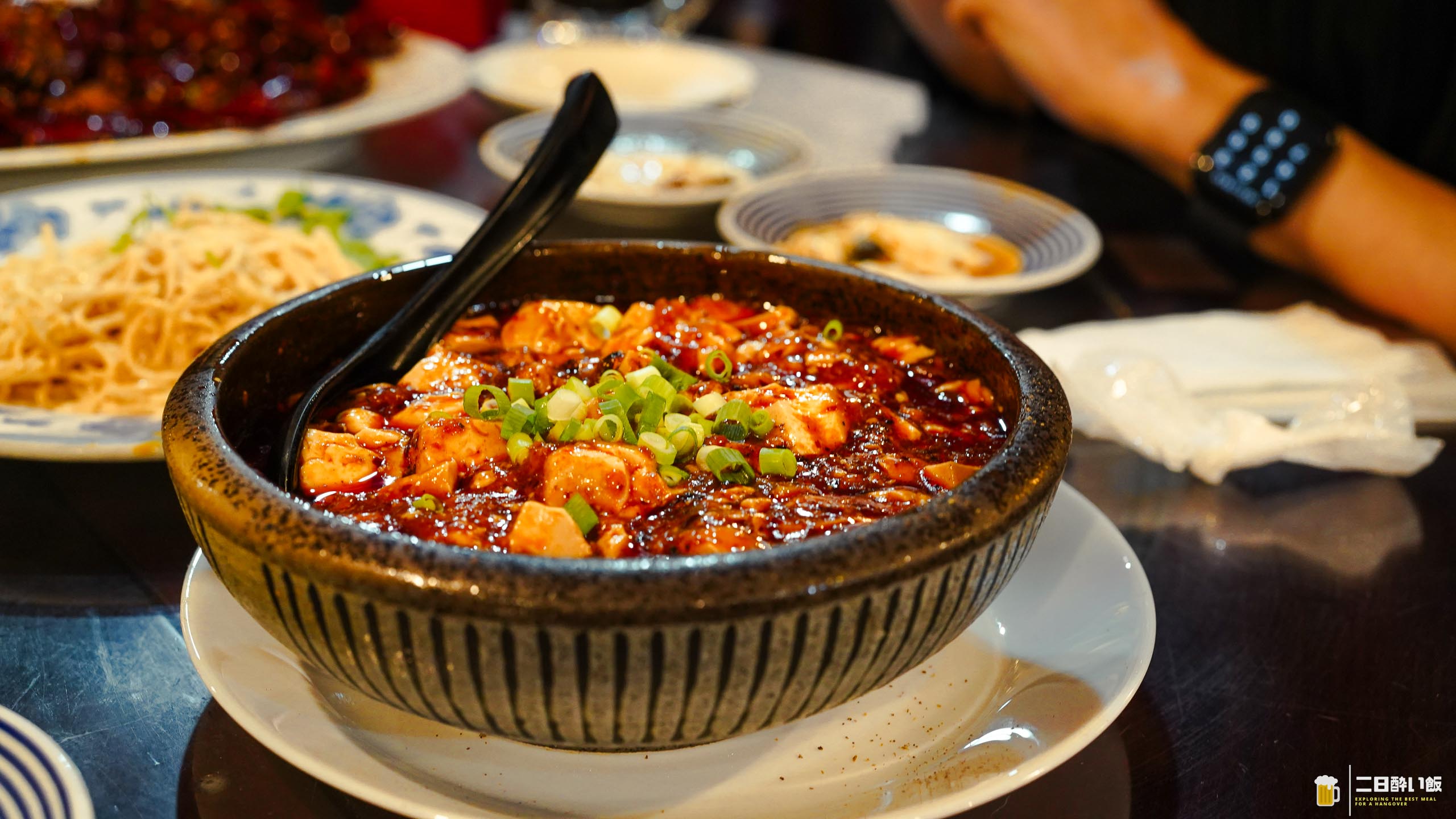
This is the one I absolutely had to eat: mapo tofu.
Wait, this is 980 yen?
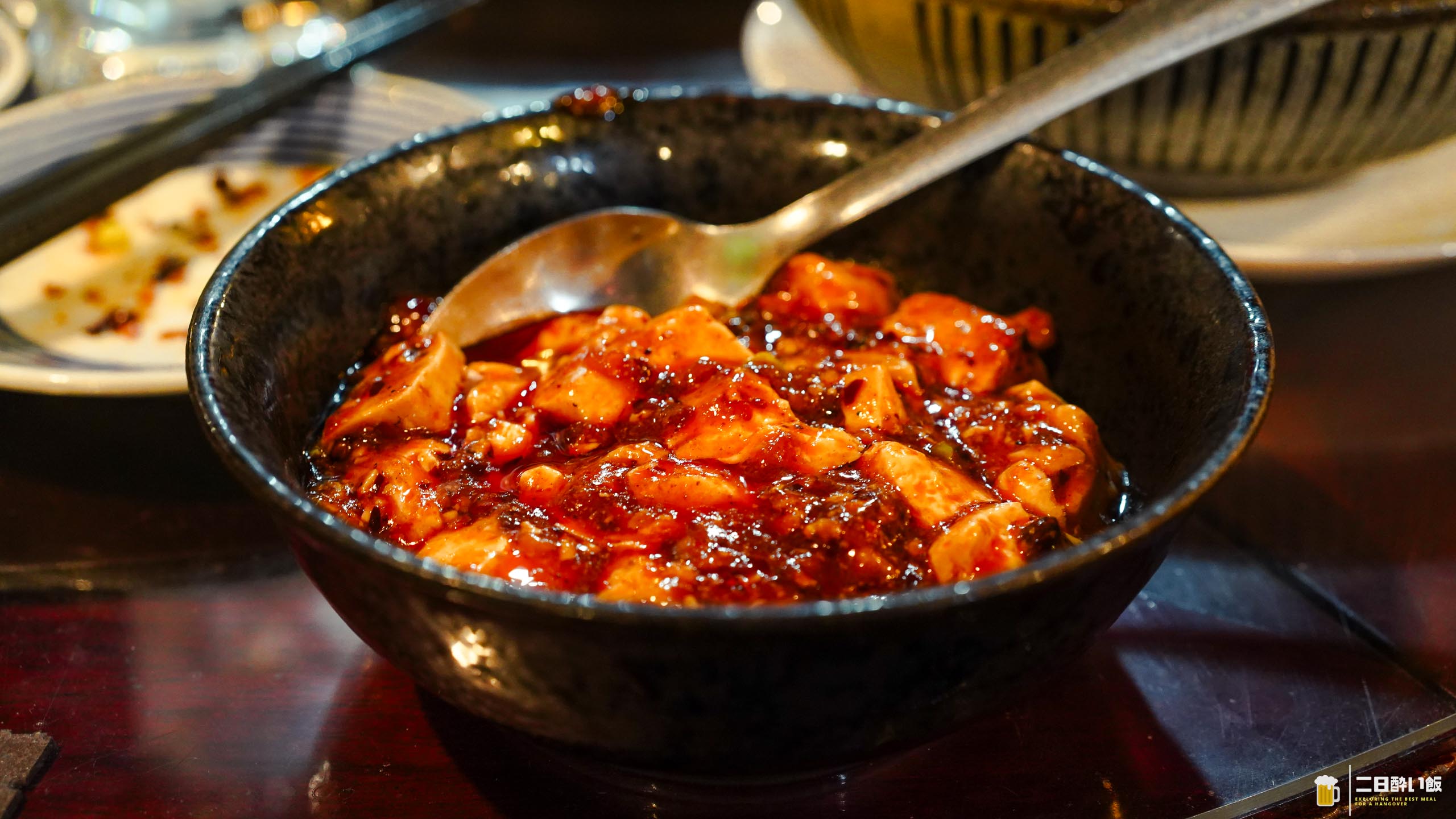
A generous quantity — perhaps a little much even for four. It looks every inch the real thing. Take a spoonful and the tofu, coated in a piping-hot sauce, wobbles, with minced meat showing here and there. The first mouthful brings the heat of chilli squarely, and immediately the numbing of Sichuan pepper wraps the tongue. Oh, that is quite hot. Heat and numbing arrive together, and yet the smoothness and savour of the tofu catch them, so it does not end as mere heat but has depth. No question: this is good.
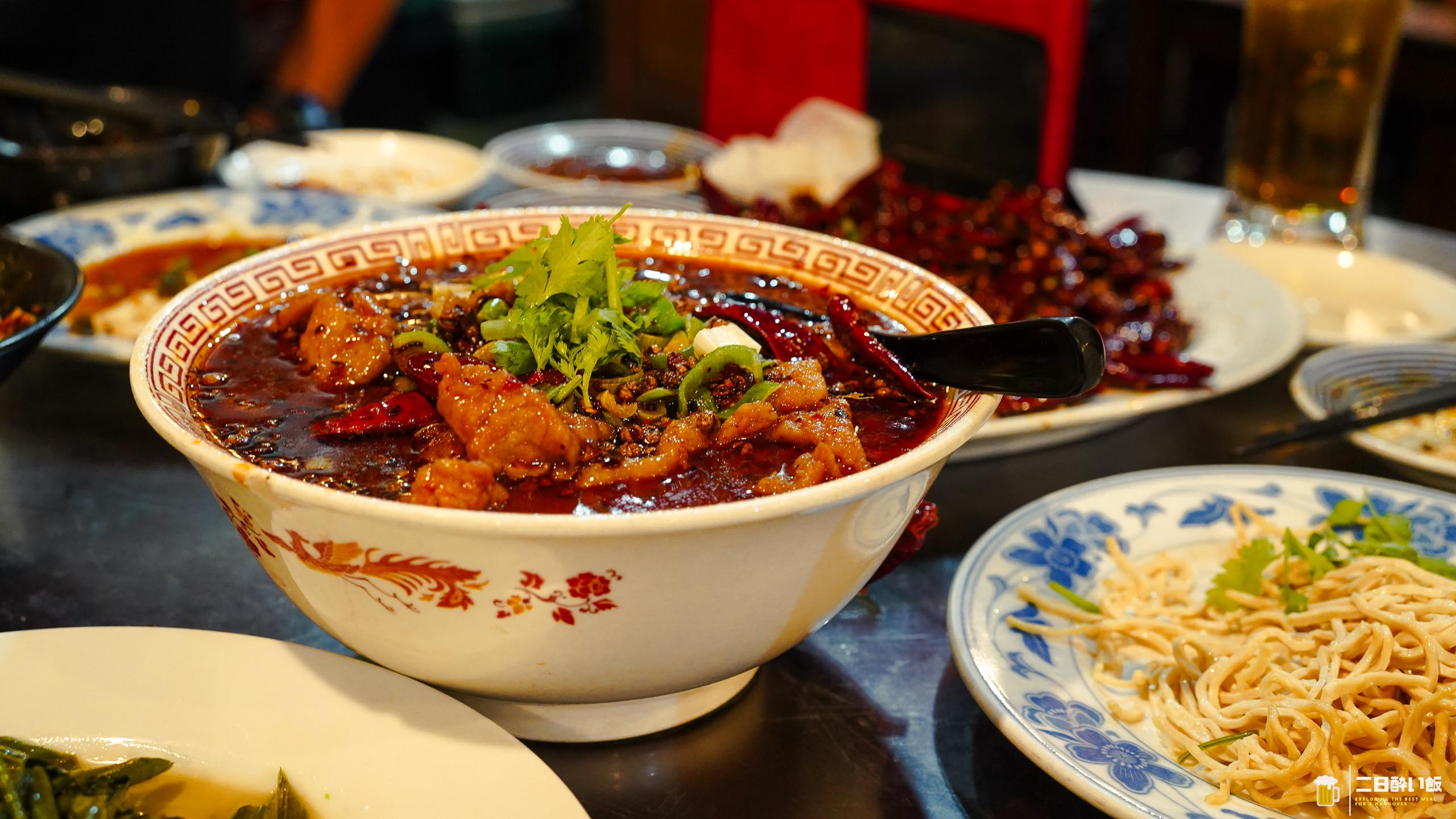
And last, one more hot thing.
A deep bowl filled to the brim with a bright red chilli-oil broth. The surface is covered with red chillies and Sichuan pepper, and from beneath it pieces of chicken on the bone come into view. Shift the chillies aside, rescue a piece and eat it: well stewed, the chicken is moist and falls apart softly. It is hot. But the broth is habit-forming and you keep drinking it.
Thinking about it, this is the laziji from before, with broth
is it not.
Eating hot food, gasping and breaking out in a sweat — the best.
Everything was extremely good for the price. I may become rather attached to it. It is that spice quality that does it; among the more serious Chinese restaurants in Ikebukuro this may be near the top. And at these prices, one could come casually whenever the urge for something hot arrives. It would also be an education in how real Chinese food is seasoned. I shall certainly come back.
May you meet something good to eat today too.
Chiin Shokudo (Sichuan / Ikebukuro Station, Higashi-Ikebukuro Station)
Tabelog evening rating ★★★☆☆ 3.7
I ate here and paid for it myself. Nothing on this site is a comped meal.
One more for the road?


