


A note on the words: siu mei are roasted meats, and ming lou is a roasting oven. Chiuchow means Chaozhou. Renko-dai is a type of sea bream; hokkigai is surf clam. Char siu is roast pork, and turnip cake is made with daikon radish. Ong choy (kangkong) is water spinach. Golden sand refers to a salted egg yolk sauce. Ham yu is salted fish; ma yau is the salted dried fish named in this article. The menu’s chicken “milt” refers to chicken testicles. Shime means the closing dish of a meal.
Table of Contents hide
Shinraku Ki on Tabelog (English) — opening hours, payment details and the Japanese address are kept up to date there, not here.
Fellow drinkers, thank you for waiting — it’s Hangover Meal time!
Today I headed to Shinraku Ki, a Hong Kong restaurant in Yotsuya that I had been wanting to try for a long time!
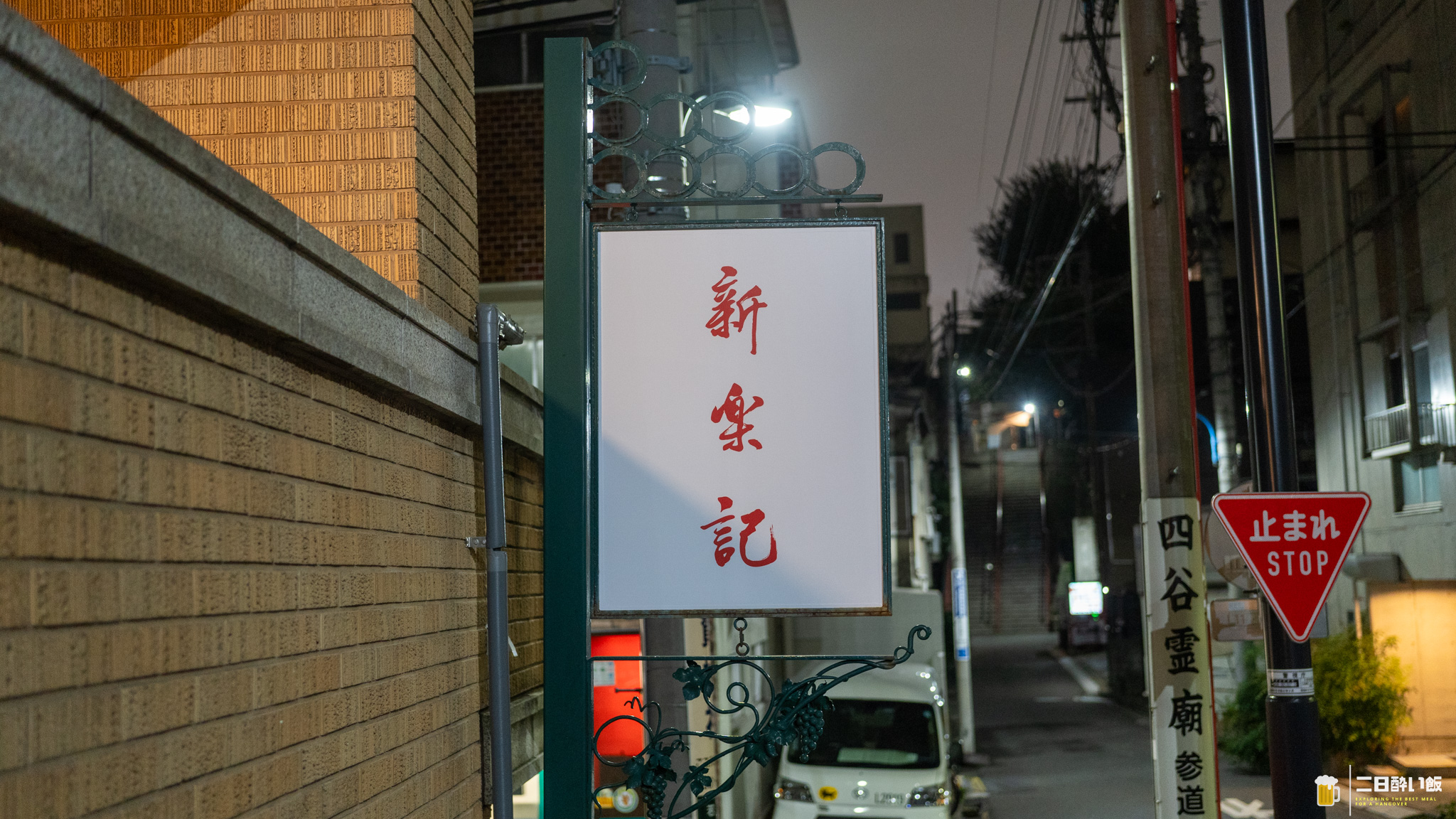
It is about an 8-minute walk through a residential street from Yotsuya-sanchome Station — quite a walk (lol). This is where the popular Rakuki that used to be in Gaienmae has come back in Yotsuya under a new name. The theme is Hong Kong food and natural wine. Its signature is siu mei roasts cooked in a Hong Kong-made ming lou roasting oven, and it is also listed in the Michelin Bib Gourmand. Drinks center on beer and natural wine. Many of the a la carte dishes require advance reservation, so it might be a good idea to look them up and book ahead. This time, I pre-booked two dishes!
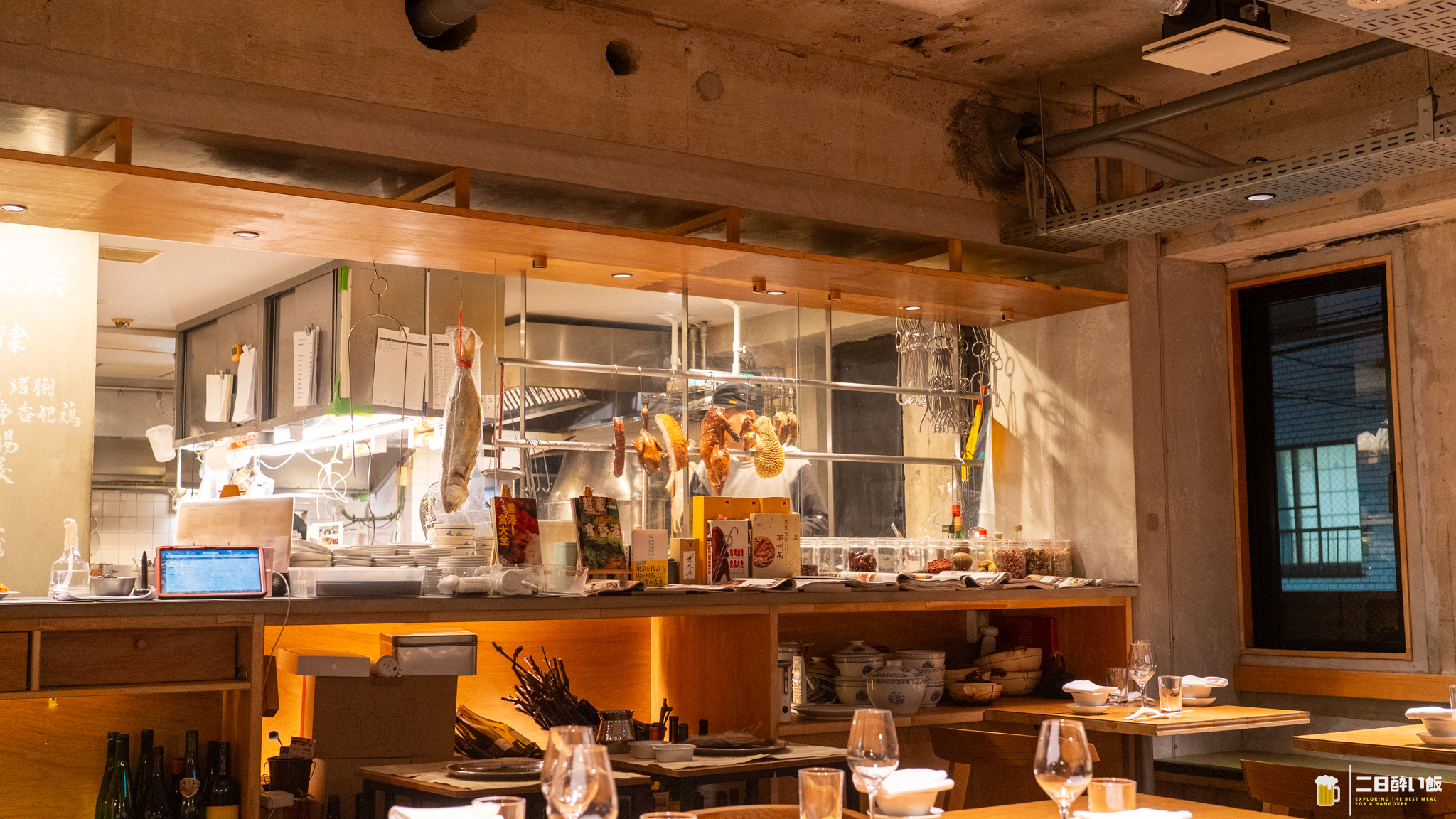
Let’s start off with this!
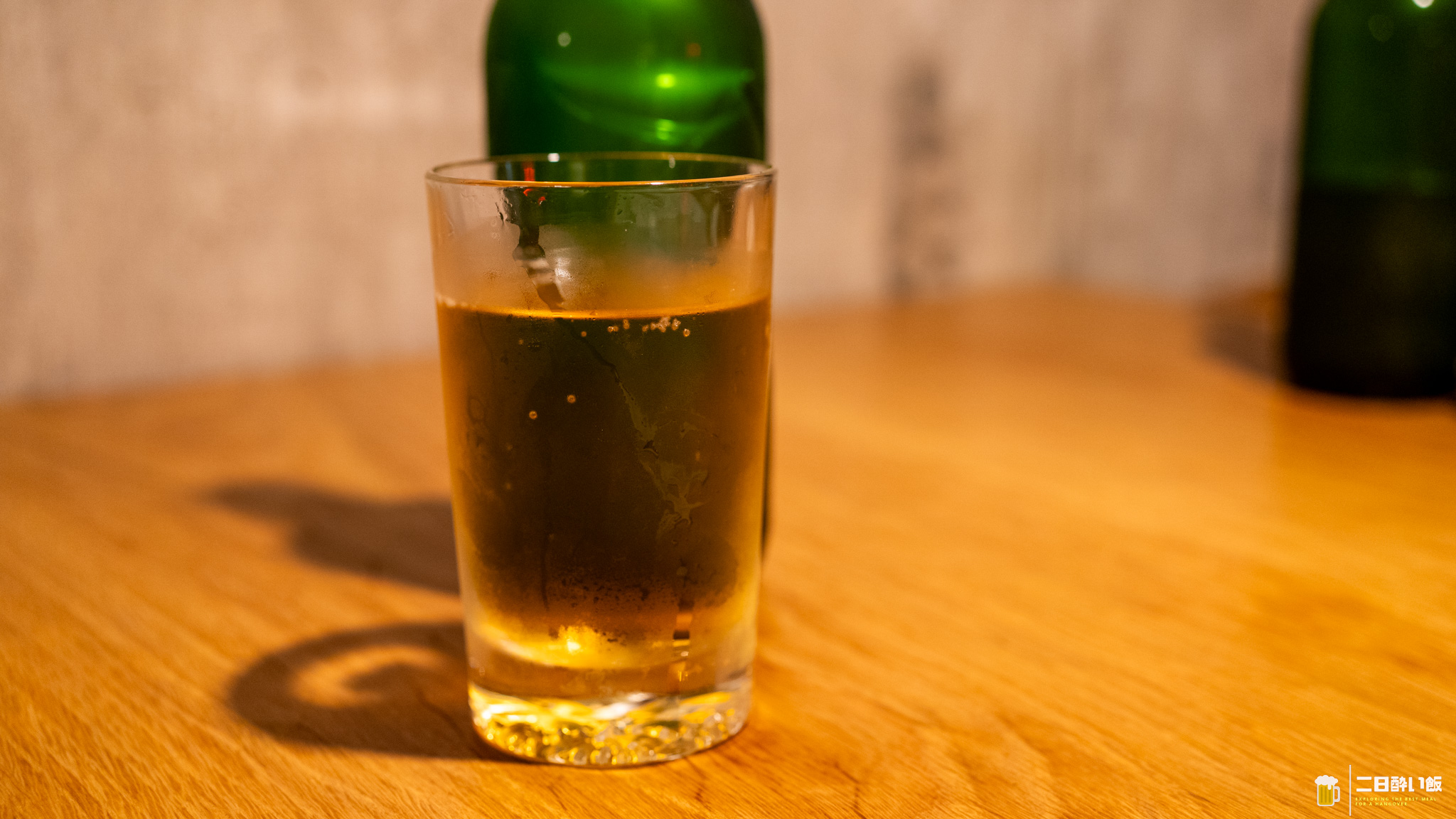
Heartland beer!
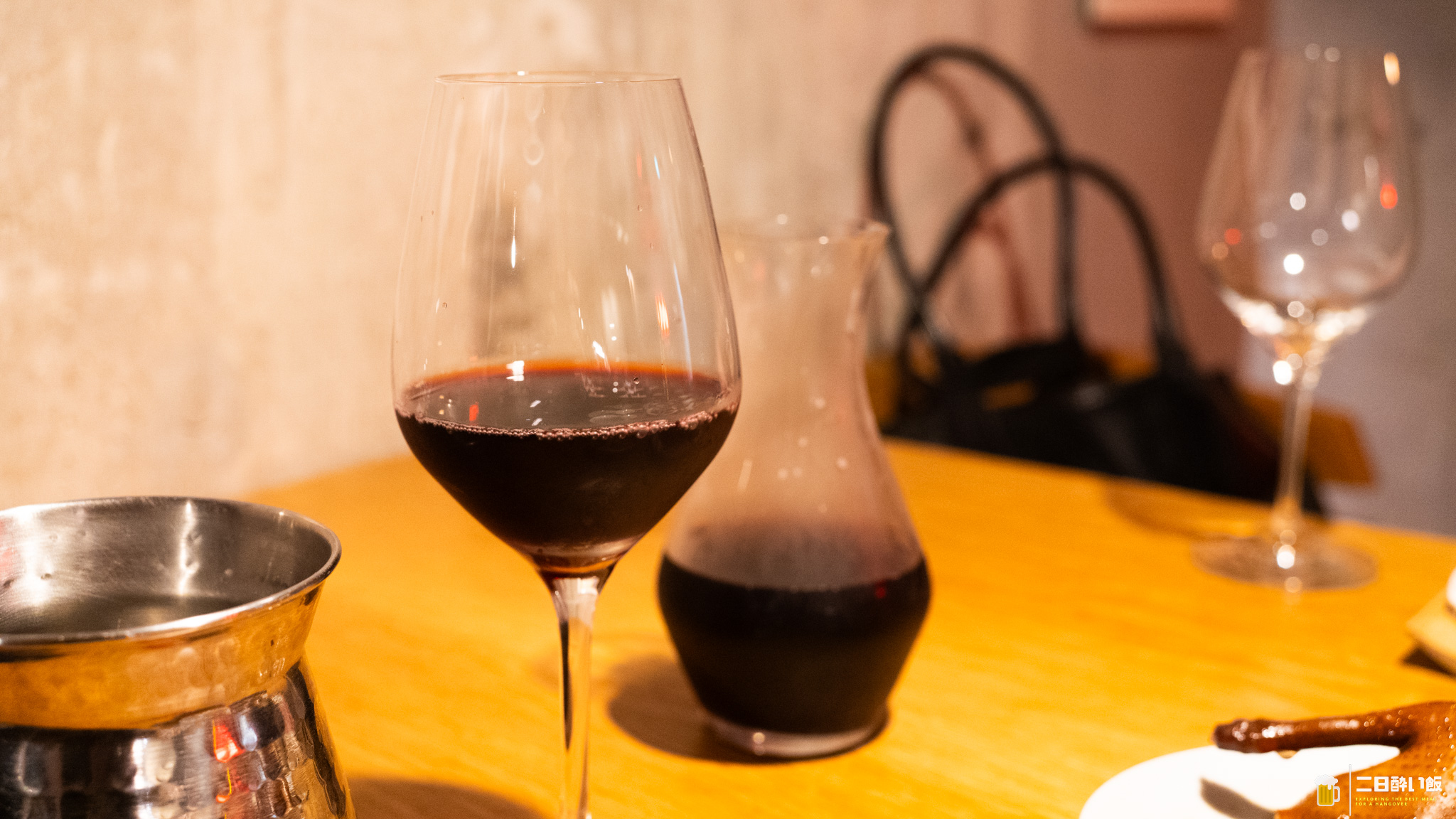
A crisp, light beer goes really well with Chinese food, I think.
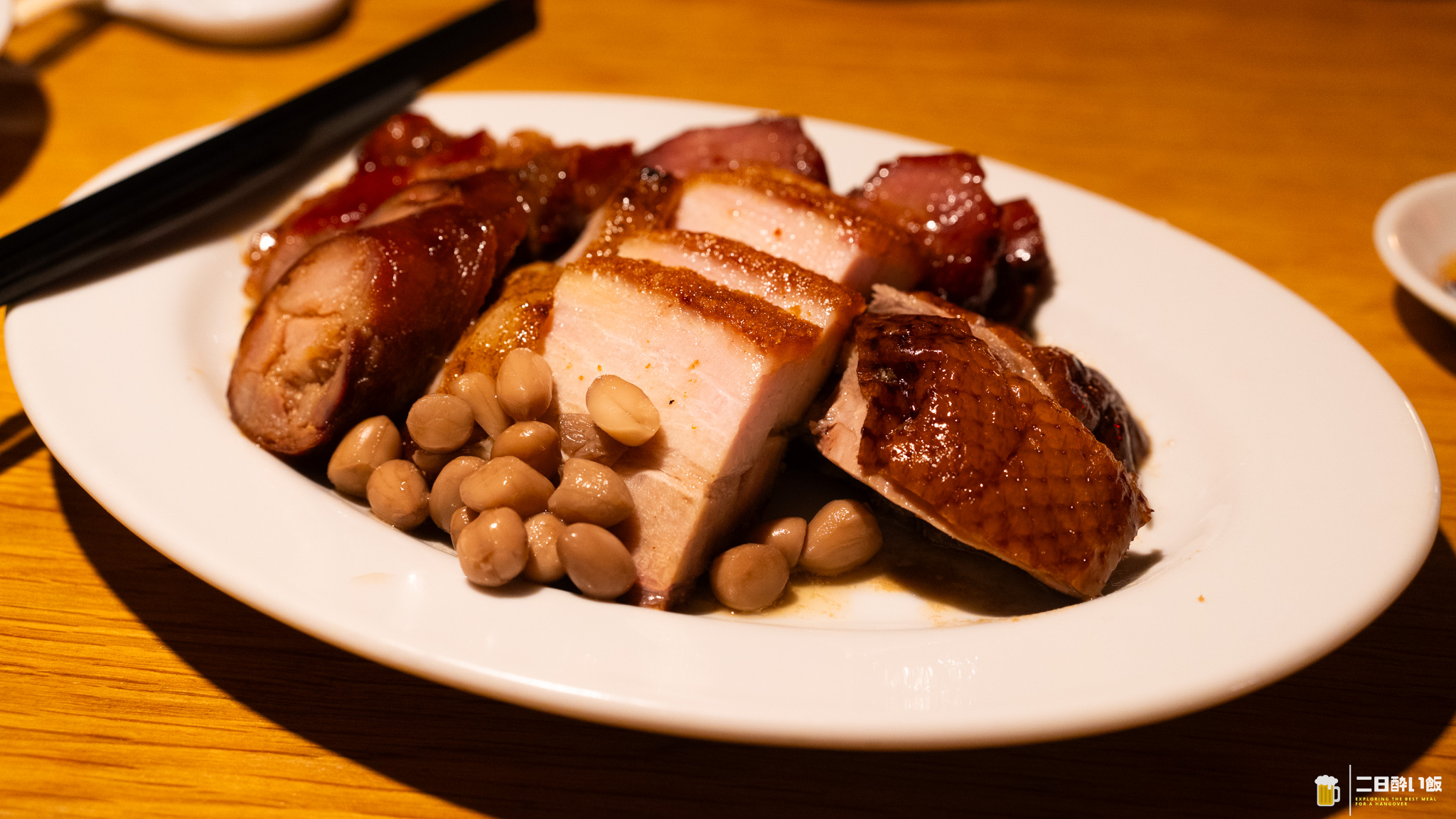
A platter of six roasts cooked in the ming lou oven — the signature dish here! You pretty much have to order this first. The skin-on pork belly has crackling skin that snaps the moment you bite in, giving way to moist meat and sweet fat underneath. The char siu has a fragrant sweet-and-savory honey-soy glaze, and the duck seems to bring together savory fat and the aroma of five-spice powder. Each cut heads in a different flavor direction, so every piece feels fresh.
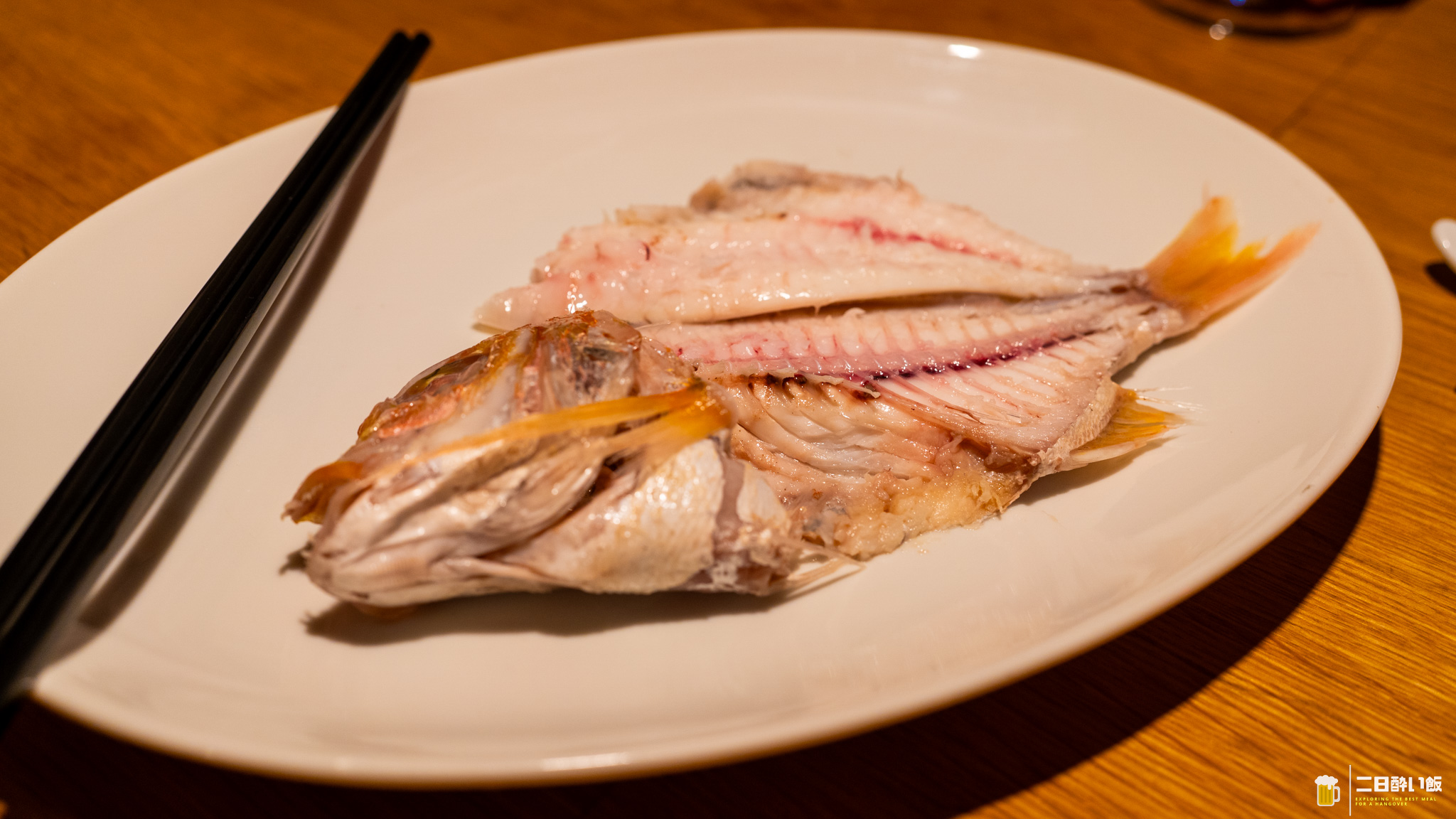
Right at the start, the staff recommended a whole fish, saying it makes a great drinking snack. Apparently it is renko-dai (red sea bream). I have the impression that small renko-dai are a common catch, so I was surprised by how big they can actually get.
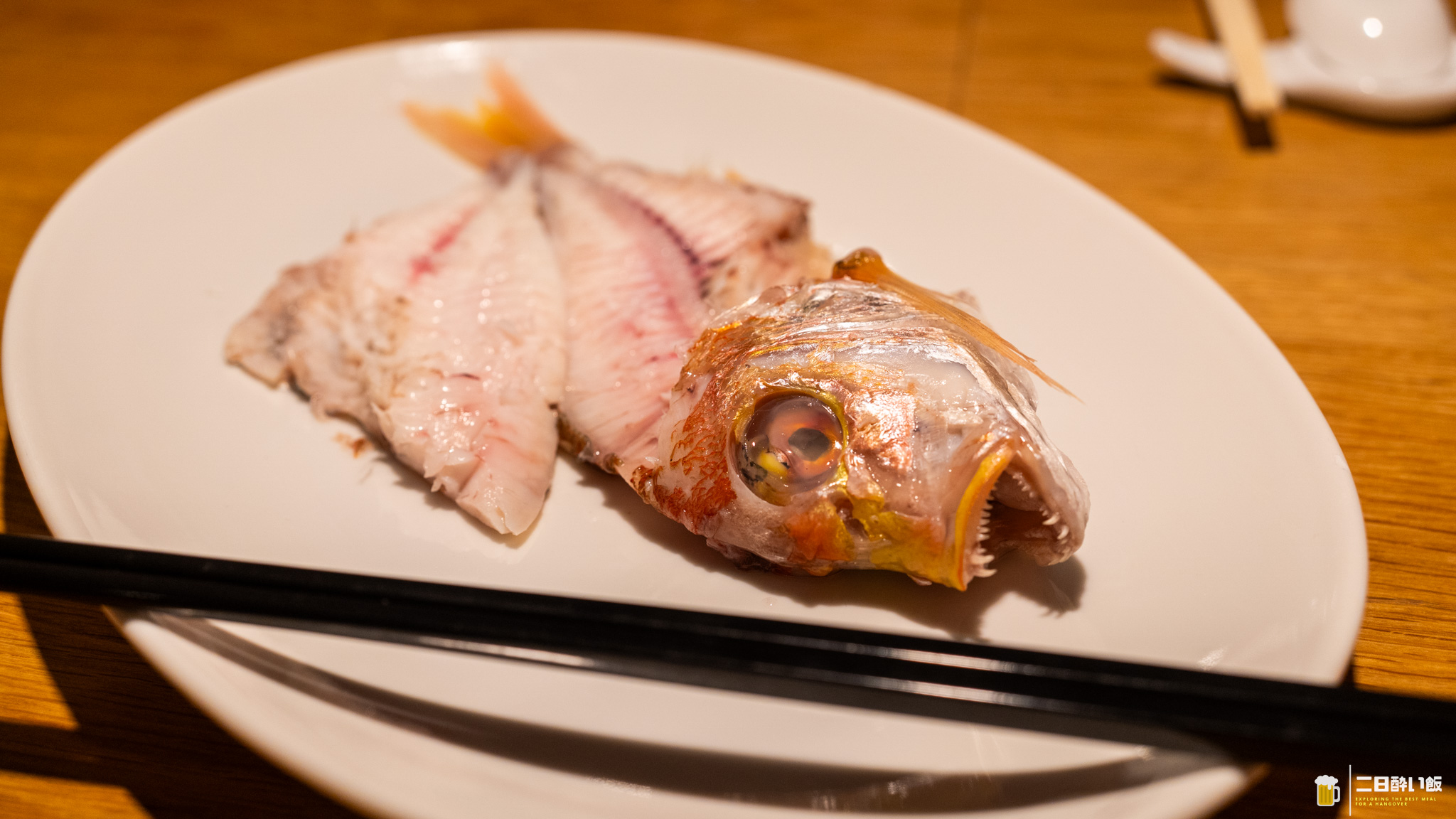
Poaching fish in salted water and chilling it before serving is apparently a classic Chiuchow style. Chilling firms up the flesh, and just the right touch of salt brings out the sweetness of the white fish. Renko-dai is a small member of the sea bream family with delicate flesh. It flakes cleanly off the bone as soon as your chopsticks go in, and the more you chew, the more that concentrated umami comes through. Seriously delicious.
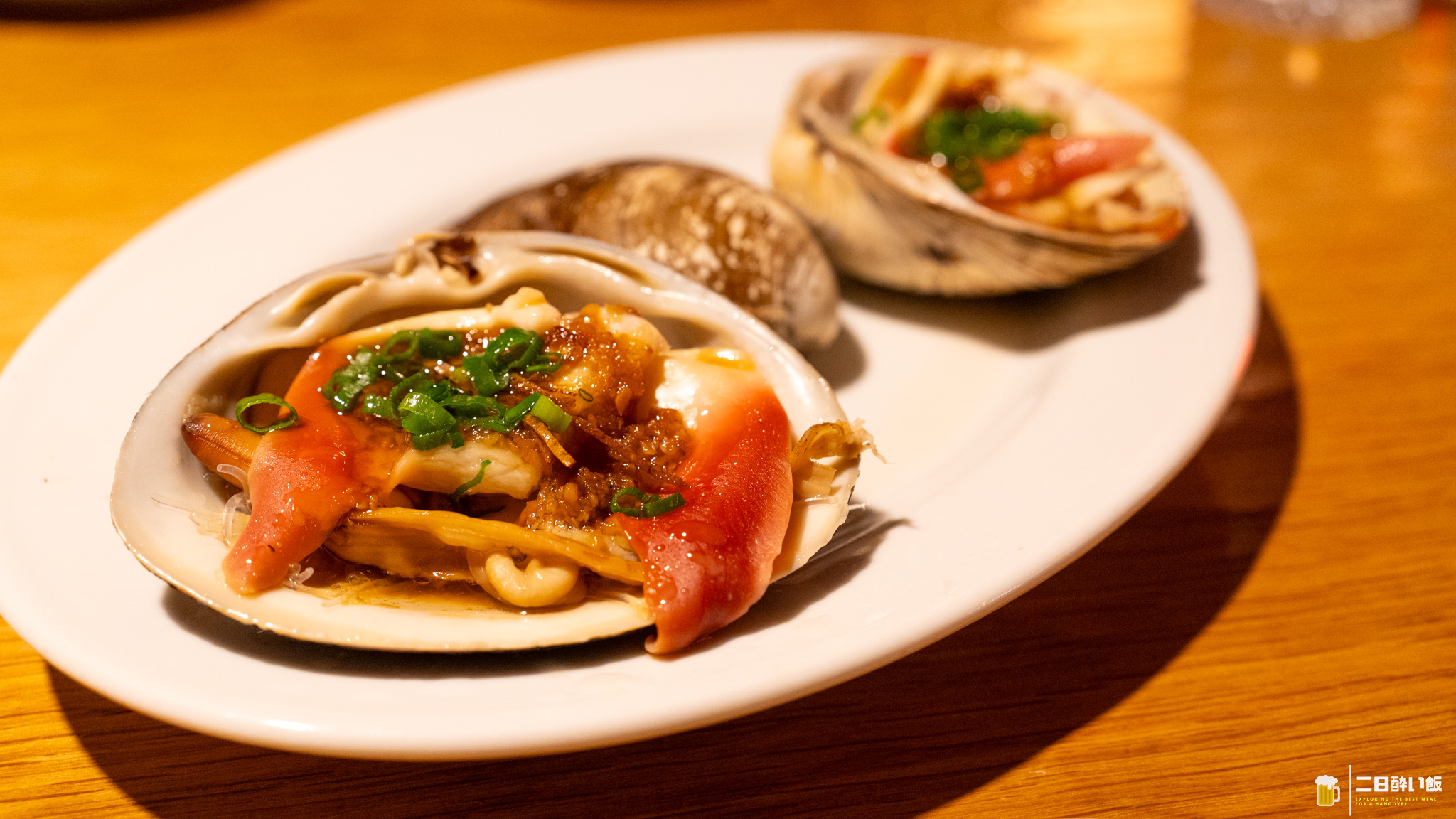
A common Hong Kong garlic-steamed dish, here made with surf clam (hokkigai). It is steamed under a generous topping of garlic sauce, so the aroma rising off it gets your appetite going right away. The surf clam has a crisp, snappy bite, and sweet shellfish flavor pours out as you chew. The glass noodles tucked underneath soak up the clam juices and sauce, and slurping them up is just as good! You really ought to slurp up the broth left in the shell too.
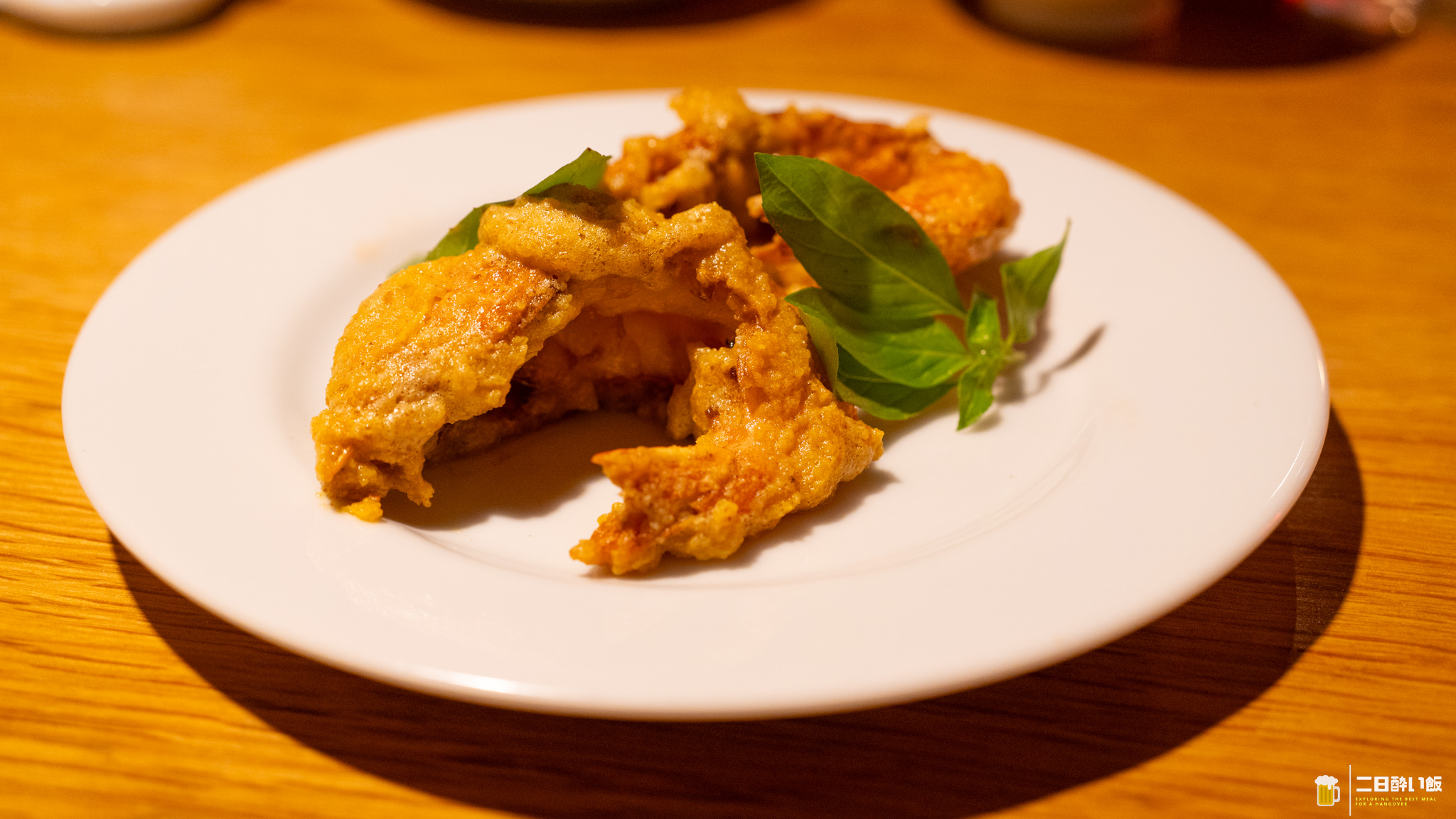
“Golden sand” refers to a sauce made by stir-frying salted egg yolk — apparently a popular seasoning in Hong Kong and Singapore. Bite through the crisp coating and sweet, plump shrimp pops right out. The richness, saltiness and creaminess of the egg yolk all arrive together — this is pure drinking food! The aroma of the basil on the side lightens the finish nicely too.
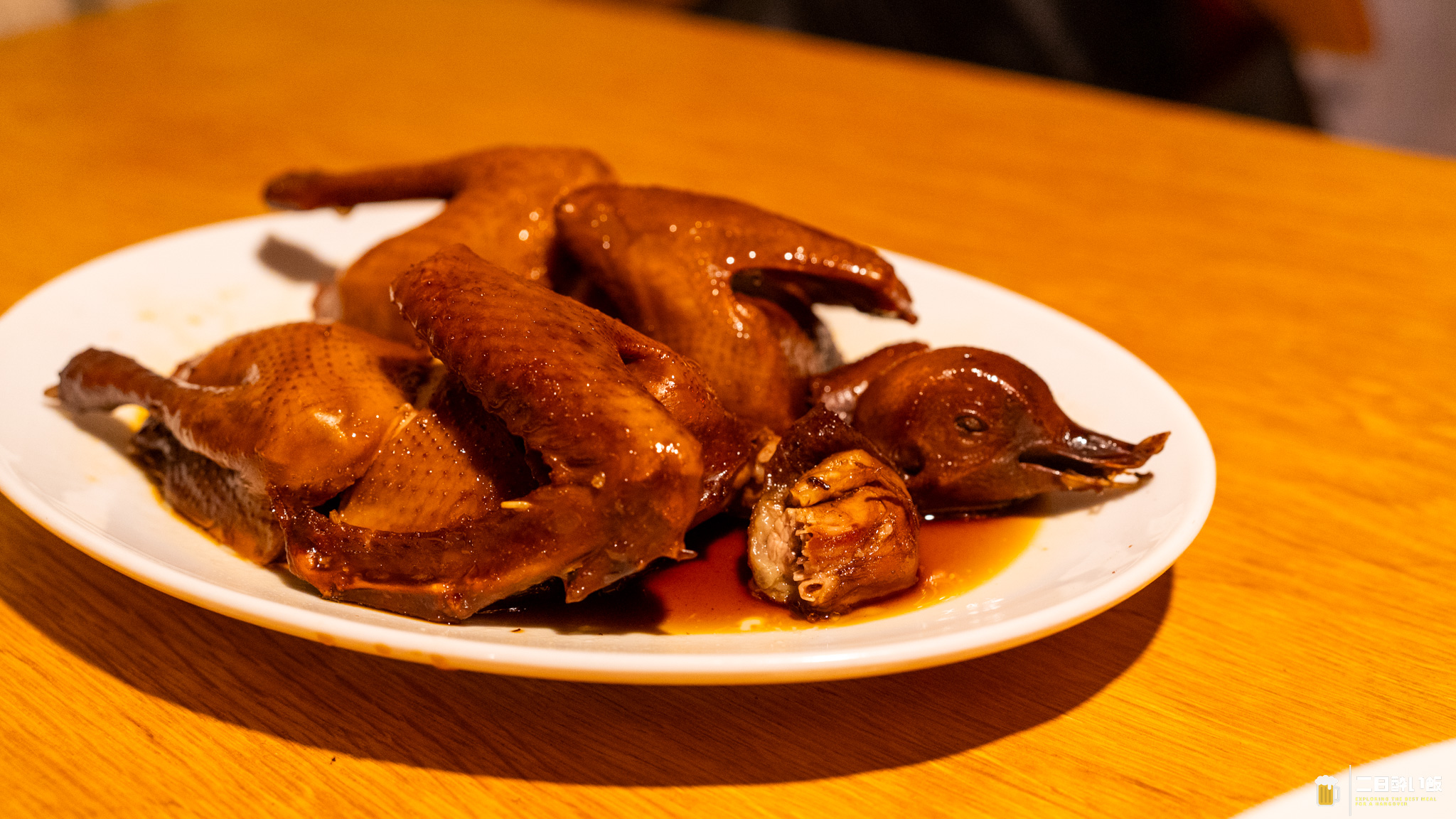
Ta-da! A pigeon (lol)
I have eaten pigeon before as part of an Egyptian meal, and apparently it is well loved in Cantonese and Chiuchow cooking too! This house specialty is finished in a special tamari soy sauce layered with the umami of nine herbs. You cannot get it without booking ahead, so make sure to reserve one! The skin is thoroughly steeped in sweet-savory soy sauce and herbal aroma, and a gentle wave of sweet spices rises through your nose when you take a bite. Pigeon meat has a richer flavor than chicken, with a firm, springy chew that releases deep savoriness the more you chew. Go ahead and dig straight into the legs and wings! They say the head — well, the brain — is supposed to be the best part… I hesitated for a second, then went for it, and to be fair, it is not bad. Still, whether it is the best part is debatable — I prefer the regular meat (lol).

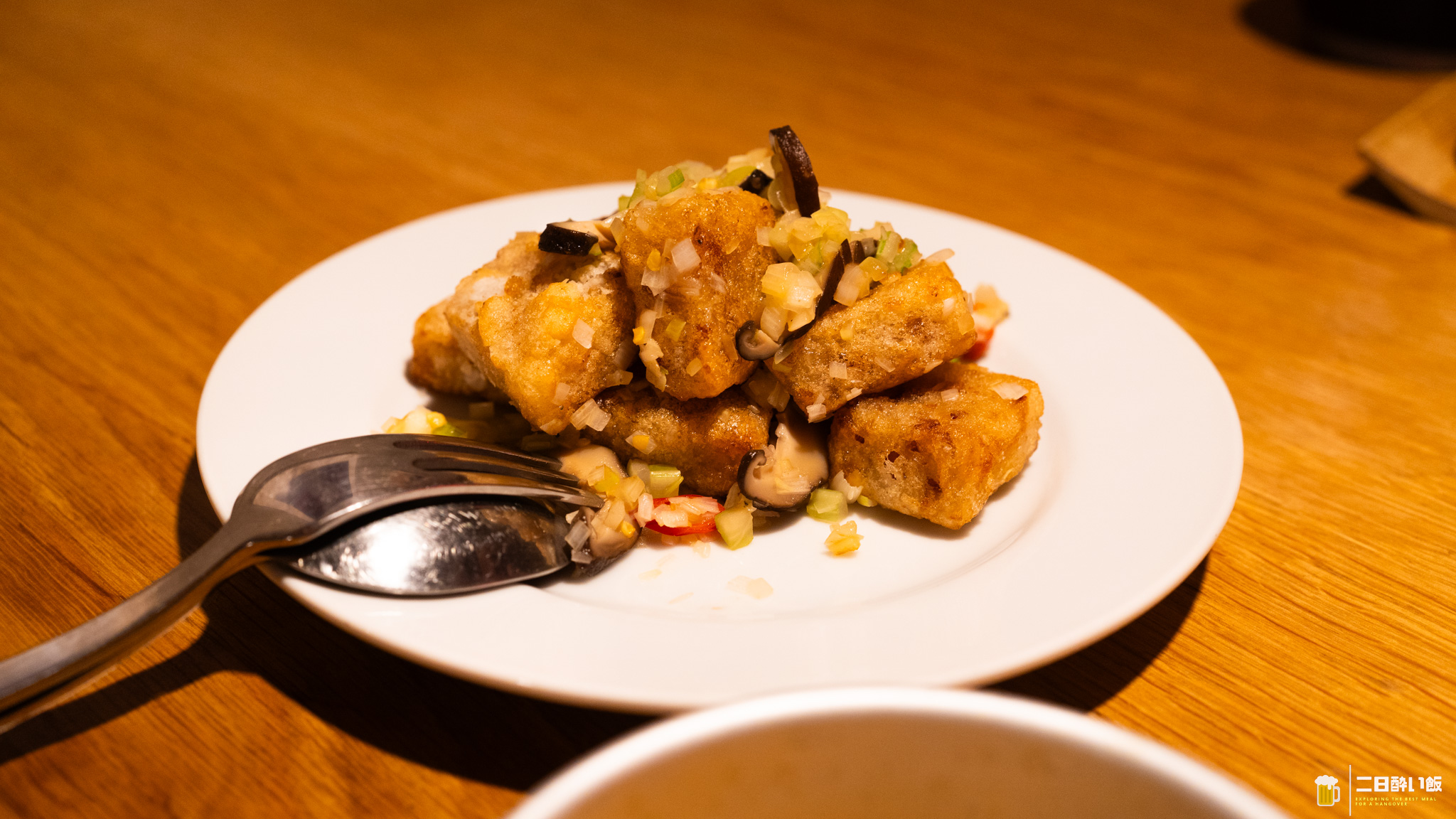
A little different from regular turnip cake, this is the Chiuchow style where steamed turnip cake is cut into cubes and stir-fried. Crisp and toasted on the outside, soft and chewy inside. The gentle sweetness of daikon radish seems to mingle with the aromas of scallions and shiitake mushrooms and a faint spicy kick. Unlike the flat slabs familiar from dim sum, the bite-sized cubes are easy to eat and my chopsticks kept going back for more.
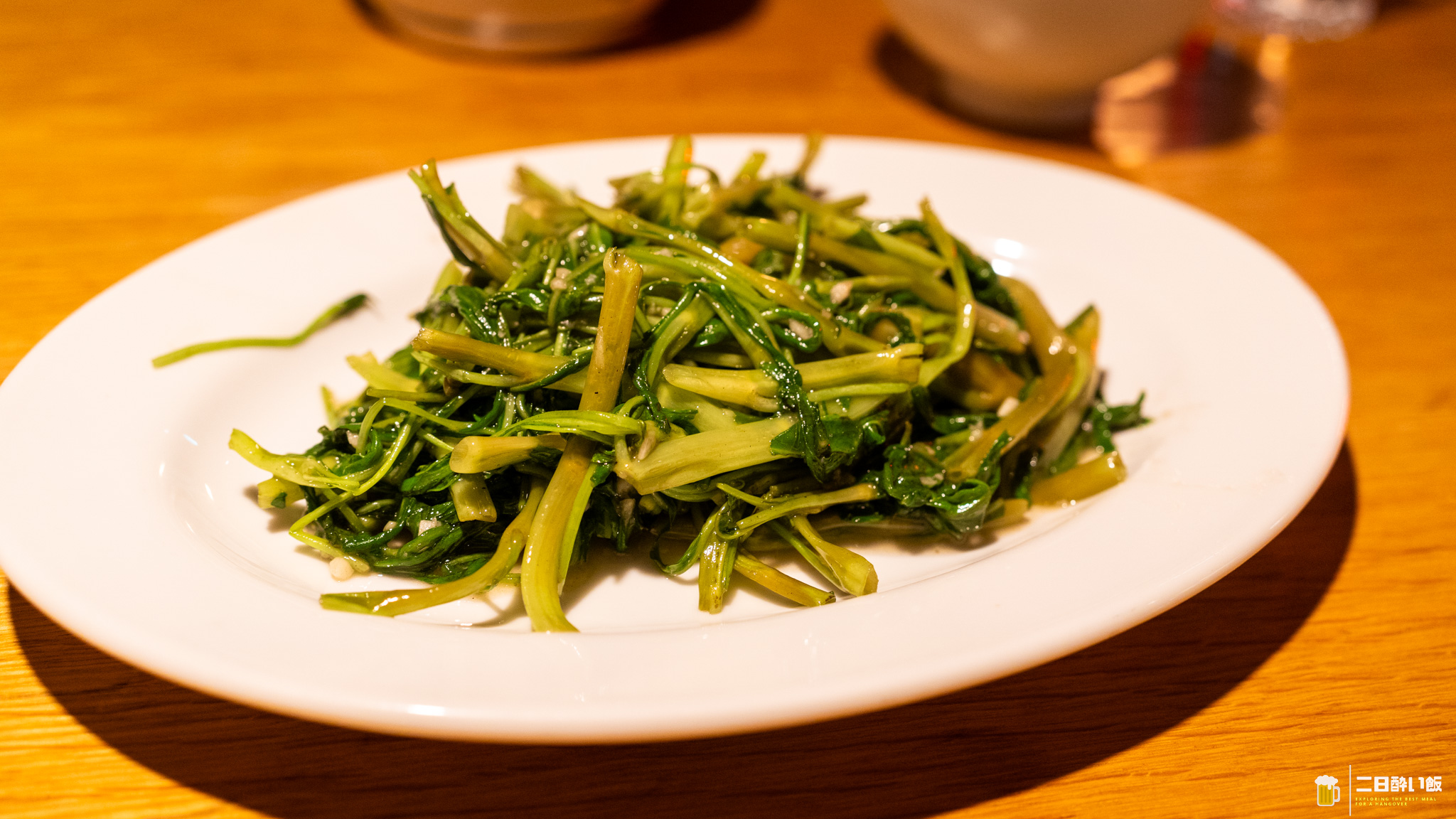
Early-picked white-stem water spinach (ong choy / kangkong), quickly stir-fried with garlic. The stems are crisp and crunchy, with the juicy freshness you only get from hollow-stemmed water spinach, releasing a bright green aroma with every bite. The toasted garlic and salt are balanced just right — simple, yet hard to stop eating. It refreshes your palate right away after the rich siu mei and pigeon!
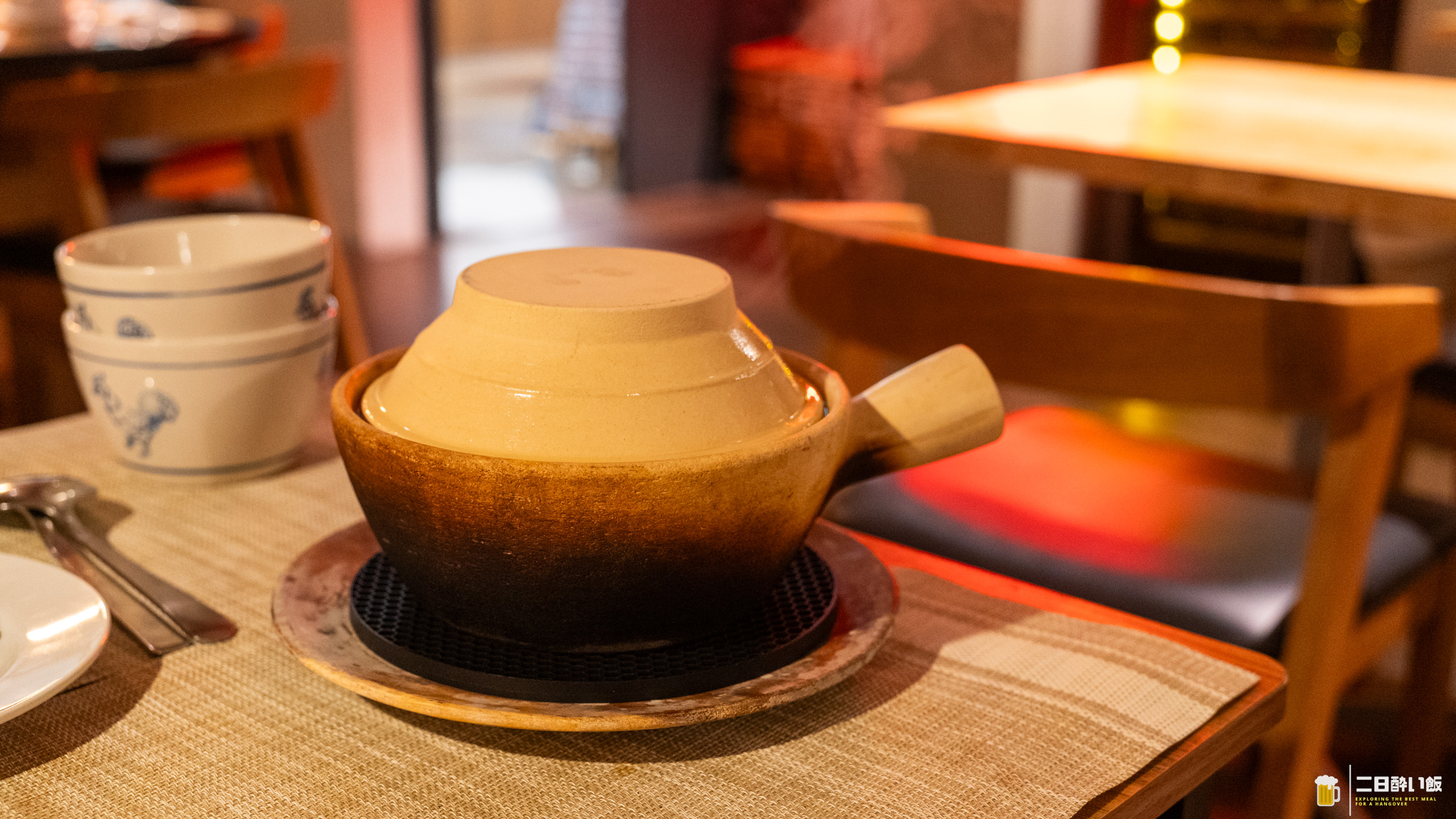
And for the finale, out came the claypot rice with a bang! This one also requires an advance reservation!
This claypot rice uses ma yau salted fish, a popular salted dried fish in Hong Kong, cooked with a pork patty mixed with dried octopus and shiitake mushrooms on top. Then a sauce of shallot soy sauce and fish sauce is poured around the rim of the claypot…
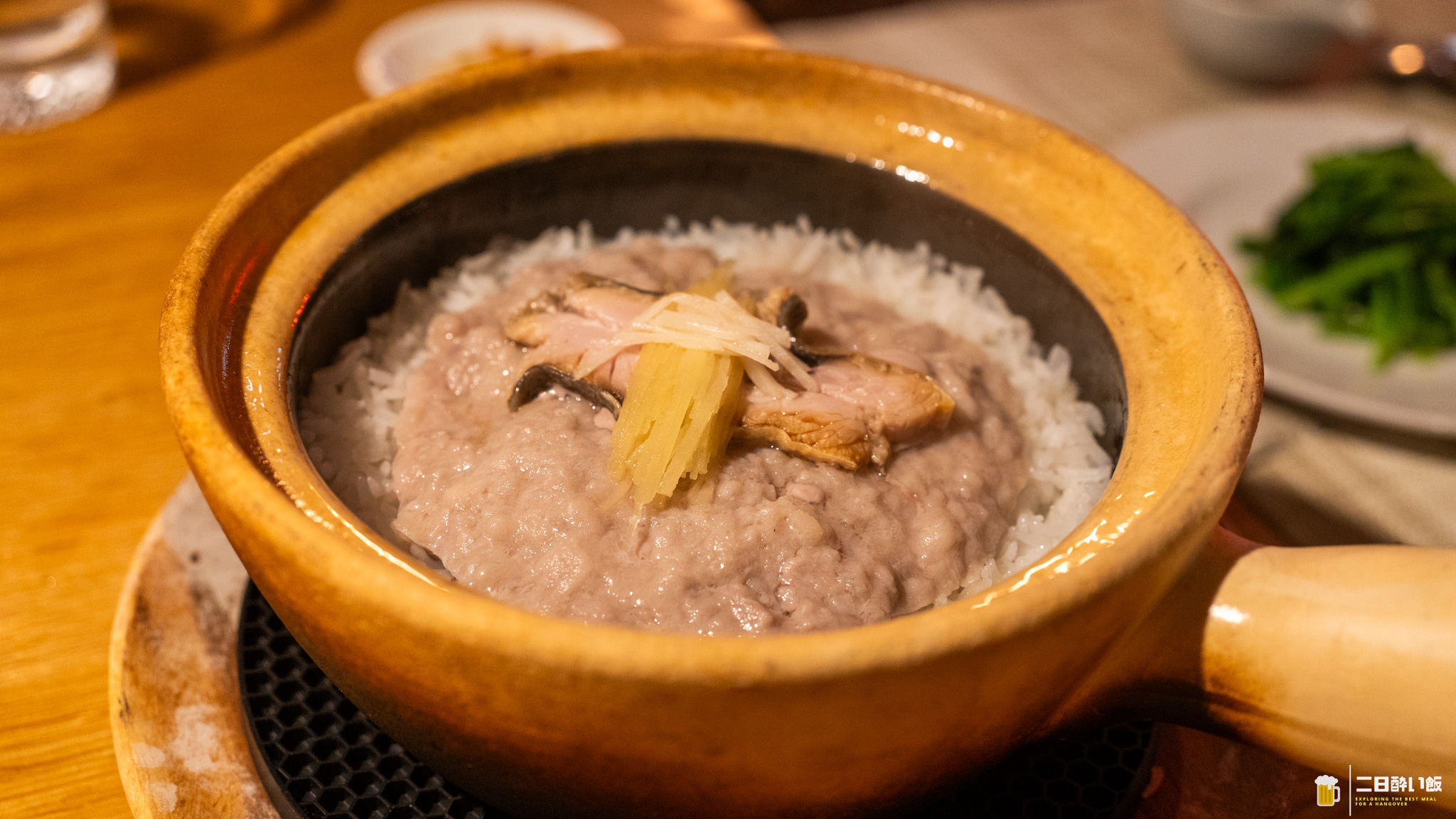
Mix it all together at once, and it is ready!
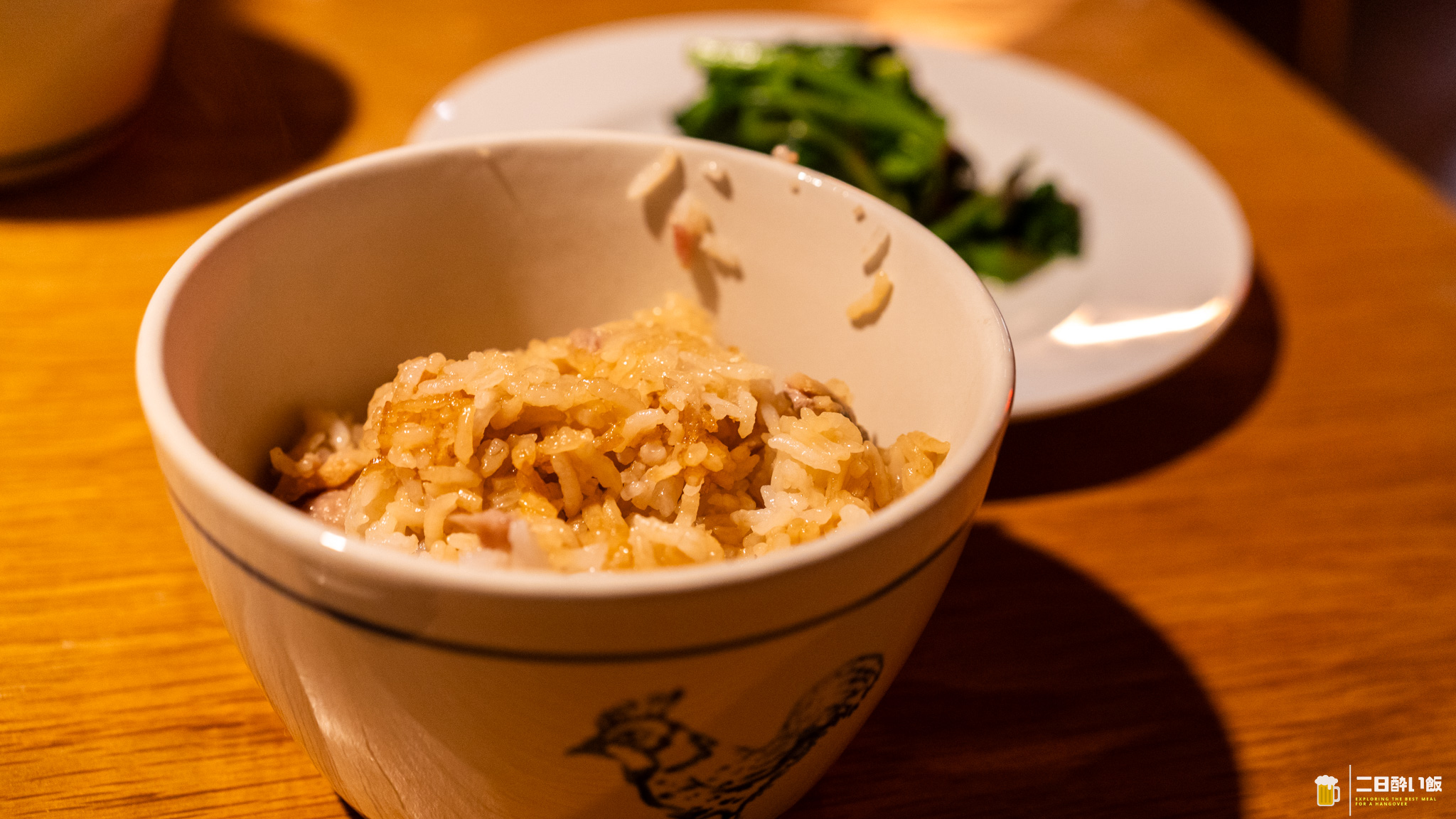
The distinctive saltiness and umami of the salted fish seep gently into the fluffy rice and savory meat juices. Alternating bites with the greens on the side is incredible! Seriously delicious.
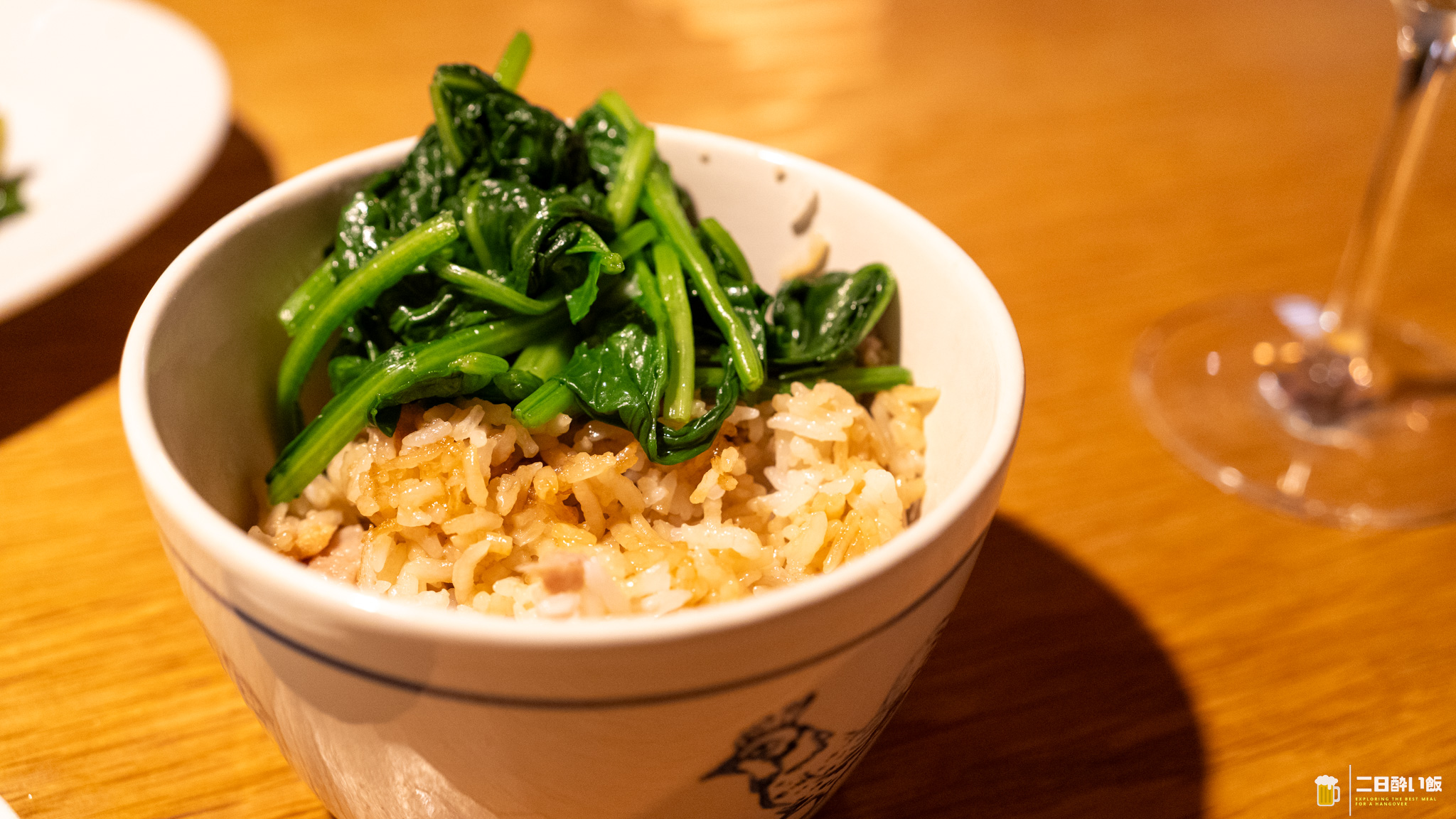
Honestly, every single dish was refined and delicious. It had the feel of proper Hong Kong cooking, packed with flavors you rarely come across day to day, which made it all feel really fresh!
Siu mei from the ming lou oven, pigeon in nine-herb soy sauce, salted-fish claypot rice — pairing dishes like those you might find on a Hong Kong table with natural wine made for a wonderful time! It felt like finding a doorway for a short trip to Hong Kong right in a residential street of Yotsuya-sanchome. I went with one other person this time, though since many dishes are shared platters, going with 3 to 4 people so you can order a wider spread might be the way to go. Beyond the pigeon and claypot rice, there are other dishes you can reserve ahead too, so take a full tour of Hong Kong from siu mei all the way to your shime (closing dish)!
Here’s hoping you run into something delicious today too!
Shinraku Ki Menu
Siu Mei (House Specialty: Ming Lou Oven Roasts)
Roasts cooked in a Hong Kong-made ming lou roasting oven.
Six-roast ming lou platter (per person)
Appetizers
Cilantro salad
Platter of honeycomb tripe and pork tongue braised in lou seoi (spiced soy brine) with chilled pork trotter jelly
Poached chicken with scallion-ginger sauce
Small Plates
Chiuchow-style stir-fried turnip cake
Chilled pork trotter jelly
Deep-fried chicken testicle paste
Shumai (shrimp & salted fish flavors), 4 pieces
Salted boiled Omasari peanuts, 6 pieces
Daily Specials
Daily specials. Selections change depending on what comes in.
Steamed surf clam (hokkigai) with garlic (1 piece)
Chiuchow-style fresh fish poached in salted water (1 fish)
Chiuchow-style fresh fish poached in salted water (1 fish)
Soups
Yellow chive and dried scallop soup (1 pot)
Shrimp
Fisherman-style stir-fried “Angel Shrimp” with garlic breadcrumbs (1 shrimp)
Stir-fried “Angel Shrimp” with salted egg yolk sauce (1 shrimp)
Pork / Beef & Pigeon
Steamed minced pork patty topped with salted fish (ham yu)
Steamed minced beef patty scented with dried tangerine peel (chenpi)
Soy sauce king pigeon (whole bird). A house specialty finished in special tamari soy sauce layered with the umami of 9 herbs
Vegetables
Early-picked white-stem water spinach (ong choy / kangkong)
Early-picked white-stem water spinach (ong choy / kangkong)
Three seasonal vegetables simmered in supreme broth (shangtang)
Steamed angled luffa and glass noodles with garlic
Noodles & Rice
Salted fish and pork patty claypot rice (1 pot, serves 2–4). Served with side greens
Hong Kong noodles in supreme broth (1 bowl)
Dry-braised e-fu noodles
Egg-white fried rice with dried scallop and Jinhua ham
Salted fish (ham yu) and chicken fried rice
Steamed sticky rice with Chinese sausage wrapped in lotus leaf
Dessert
Mango pudding (1 serving)
Wine (120 ml glass)
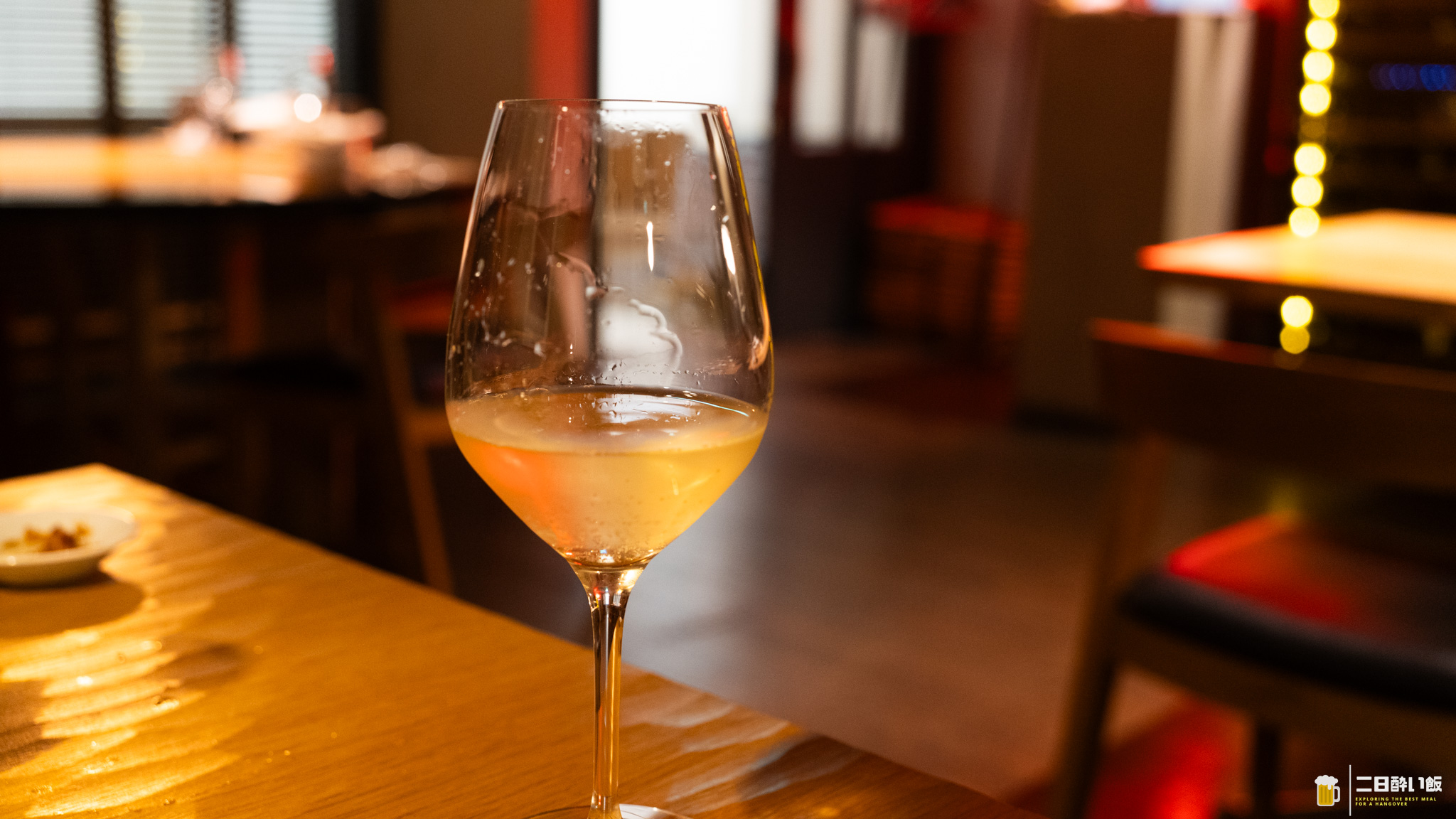
Focused on natural wines. Glasses and carafes offer one each of white, red, orange and rosé.
Chenin Blanc, Pinot Noir, Chardonnay / France
Gamay, Pineau d’Aunis
Sauvignon Blanc, Chenin Blanc
Vermentino / Tuscany, Italy
Sangiovese / Italy
Carafes (250 ml) start at 3,000 yen.
Recommended Bottles
Off-list bottles are also available; feel free to ask the staff.
Beer & Soft Drinks
Craft beer made by 98WINEs in Yamanashi
Special-grade Guiyuan Xiaozhong (black tea from Tongmuguan, Wuyi Mountains, Fujian). Small carafe 250 ml / Large carafe 650 ml
2025 Nozomi, Muscat Bailey A & Kyoho / Yamanashi
Note: Based on the in-store menu as of my October 2026 visit. The pigeon and claypot rice are off-menu items. Daily specials, soups, vegetables and the like change with availability and the season. Please check at the restaurant for the latest menu.
Shinraku Ki (Chinese / Yotsuya-sanchome Station, Yotsuya Station, Shinanomachi Station)
Tabelog dinner rating ★★★☆☆ 3.7
I ate here and paid for it myself. Nothing on this site is a comped meal.
One more for the road?


