


A note on the words: gen-soba means unhulled buckwheat, the grain with its husk still on. Inaka soba is a coarse, rustic buckwheat noodle, here ground in a stone mill made of arisu-ishi, a natural stone said not to retain heat. Seiro refers to chilled soba served on a slatted bamboo tray, norikake is soba garnished with shredded nori seaweed, oroshi soba comes with grated daikon radish, and tororo soba features grated mountain yam. Tentsuyu is the light dipping broth served with tempura, tsuyu is the savory dipping sauce for soba, and yakumi are the fresh condiments, such as wasabi and scallions, served alongside.
Table of Contents hide
Gen-soba Nonaka on Tabelog (English) — opening hours, payment details and the Japanese address are kept up to date there, not here.
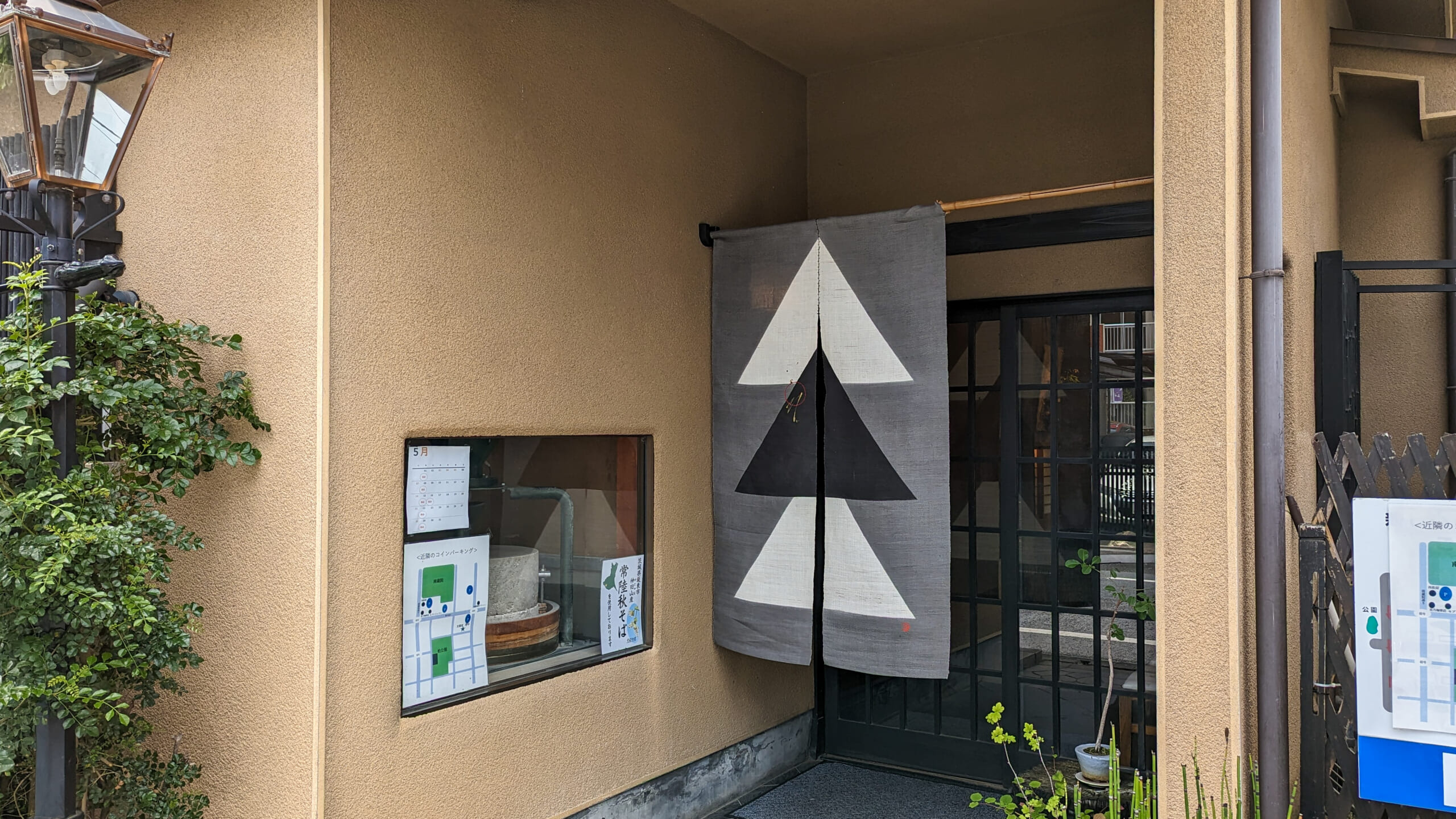
Hello, this is Hangover Meshi. I had an errand to run around Nakamurabashi Station on the Seibu Ikebukuro Line. Once I wrapped it up, I wandered around wondering if there might be a good place to eat nearby, and came across a place called Gen-soba Nonaka. A soba noodle shop, tucked into a peaceful residential neighborhood. Even standing outside, the wonderful aroma of tempura drifted past. Peeking inside, it looked like there was room, so I decided on this spot!
Seiro — 825 yen
Seiro, double layer — 1,045 yen
Norikake — 935 yen
Oroshi soba — 990 yen
Tororo soba — 990 yen
Arisu inaka soba — 1,100 yen
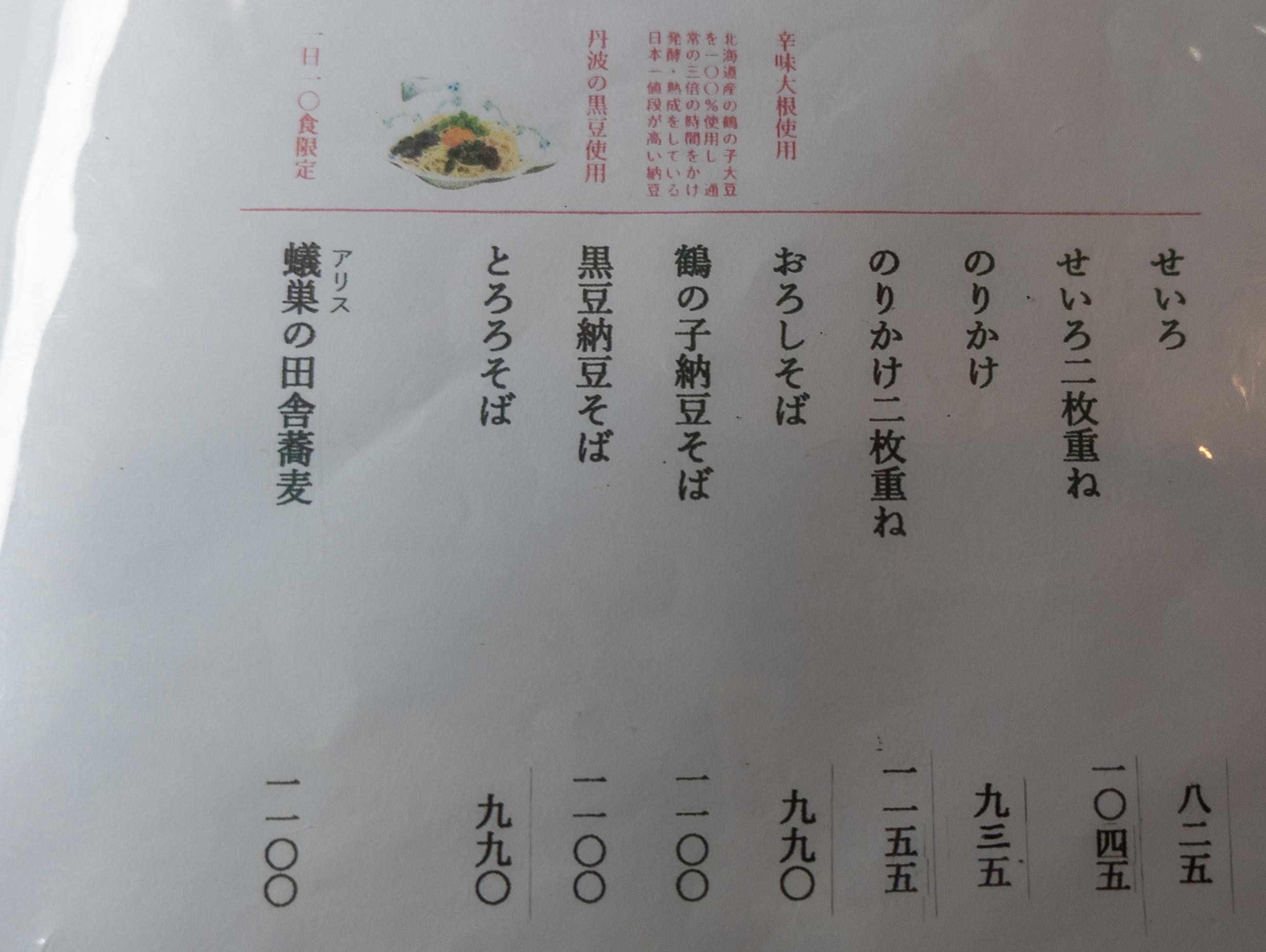
Hmm. Wondering what to go with, the one I finally chose was the arisu inaka soba!
After all, when I asked, they said they had it, ha. I have a real weakness when hearing something is limited to ten servings a day, you know. Plus, I simply quite like inaka soba, so I was looking forward to it. And wondering if just that might feel a little bare, I also ordered a small tempura serving of squid (770 yen).
Wondering what in the world “arisu” meant, I looked into various things, and it seems to be a kind of stone.
Apparently it is soba milled using a stone mill made of a special natural stone called arisu-ishi, said not to hold heat.
To avoid breaking down the structure of the buckwheat, it turns out as a mix of coarse and fine flour, or so they say. Looking forward to this!

It arrives! Looking at it, fresh, glistening, beautiful soba.
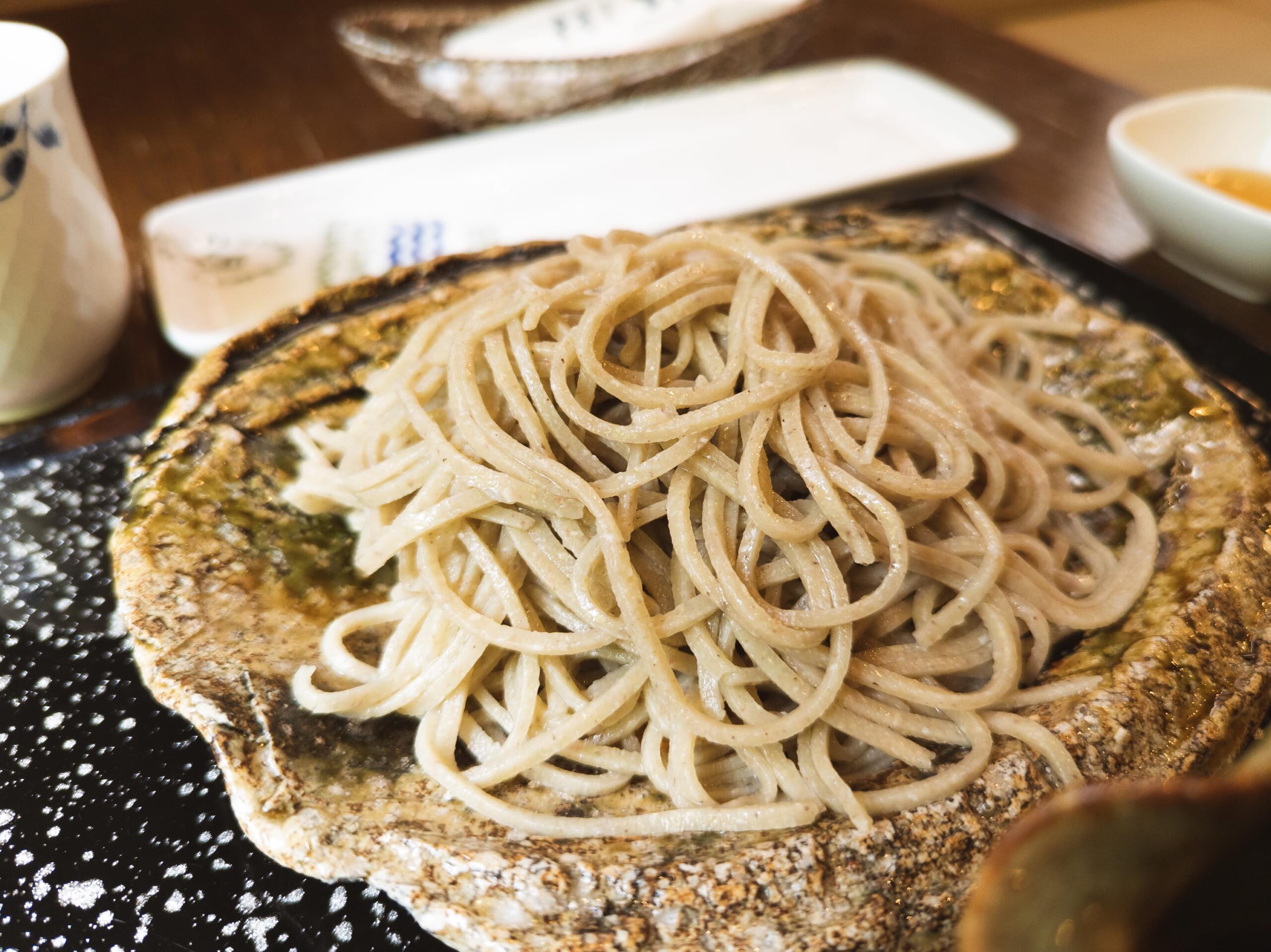
Taking a mouthful, a gentle aroma of buckwheat wafts up. Inaka soba definitely has a somewhat wilder flavor, doesn’t it?
It might even be delicious with thicker noodles. The tsuyu is a slightly sweet dipping broth. It pairs nicely with the sharp, clean bite of the soba and is quite delicious. My impression was a deeply rich broth. It felt almost like a waste to put the yakumi condiments into the tsuyu, ha.
So I decided to set a little dab right on top of the soba as I ate.
And then, the small tempura serving.
At first I misread it as an assorted tempura platter, but since you choose one option from squid, shrimp, or vegetables, it is simply regular tempura.
This time I chose squid.
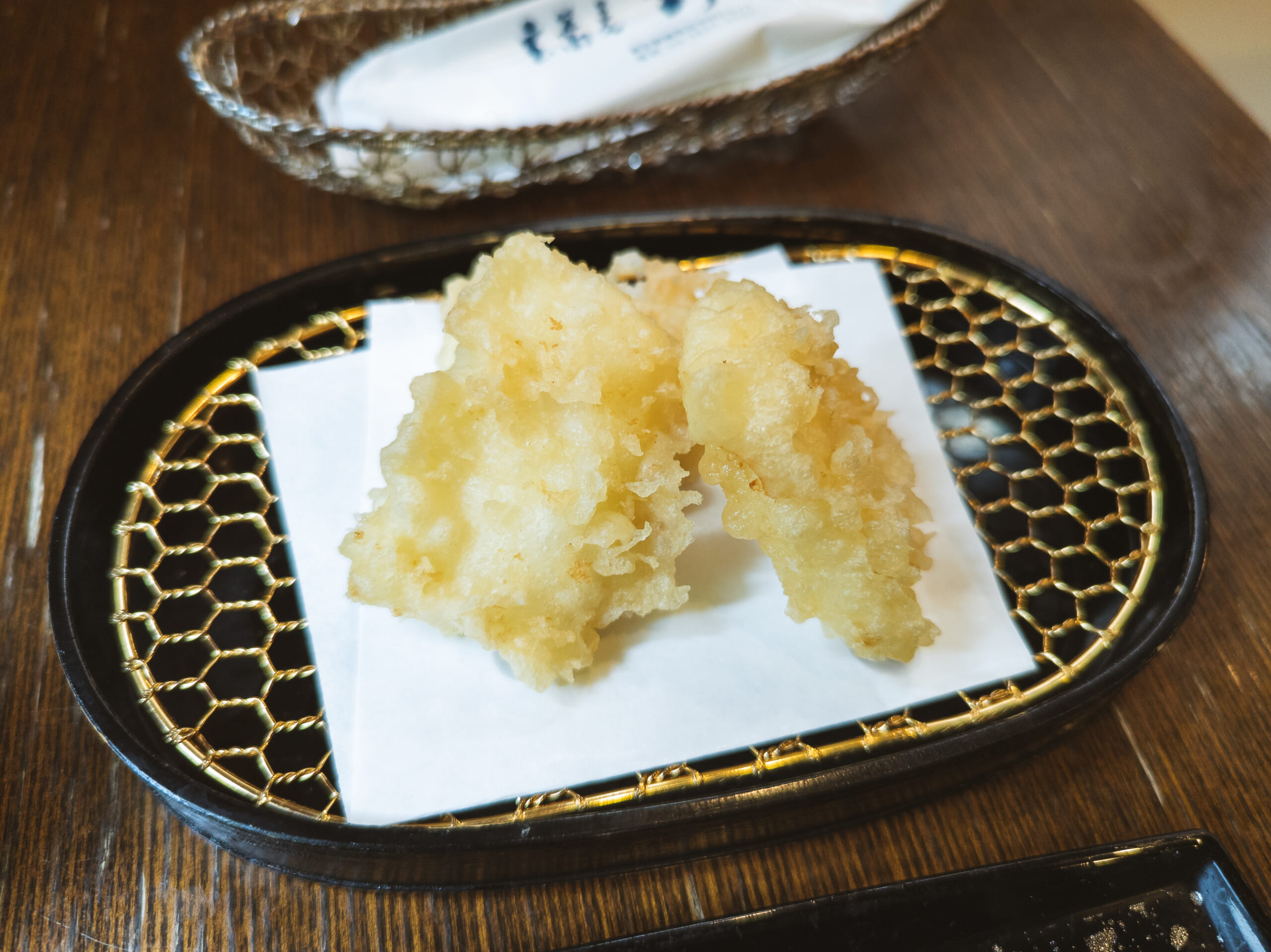
And how tender this squid was!
It was so delicious I found myself thinking, wait, is tempura actually their main trade? ha.
Rather than tentsuyu dipping broth, it felt like something you want to eat with salt. Up until halfway through I was wondering if maybe I should have gone with shrimp, but squid was definitely the right call! It was superb.
So there you have it: a limited-run inaka soba and wonderfully tasty squid tempura. Who knew there was a spot this good in Nakamurabashi?
It did leave me feeling that overall a little more volume would have been nice, so next time it might be better to order two tiers. Standard seiro alongside inaka soba sounds like a great combination, after all!
Gen-soba Nonaka (Soba / Nakamurabashi Station, Nerima Station)
Tabelog lunch rating ★★★☆☆ 3.5
I ate here and paid for it myself. Nothing on this site is a comped meal.
One more for the road?


