


A note on the words: a michi-no-eki is a roadside station — a rest stop on a Japanese highway with a farmers’ market and a canteen attached. Donburi means a bowl of rice with something on top. Zaru soba is cold buckwheat noodles served on a bamboo tray with dipping sauce; ita-udon is a flat, wide wheat noodle, here also served cold, and okkirikomi is the thick noodle stew of the mountains north of Tokyo. Waraji katsu is a pork cutlet the size and shape of a straw sandal, and saikyo miso is the sweet white miso of Kyoto used as a marinade. Prices are as of this writing (August 2026).
Niguruma-ya, Michi-no-Eki branch (Chichibu Shokudo) on Tabelog (English) — opening hours, payment details and the Japanese address are kept up to date there, not here.
I want something good to eat today too. This is Hangover Meshi. This time, Chichibu. It had been a while, and having finished what I came for I thought about lunch — but everywhere had enormous queues. In that case, I thought, and headed for the roadside station a little way out of the center, where there is a fairly large shopping complex and the michi-no-eki next to it. I wanted to buy vegetables anyway, so it worked out well.
I decided to eat at the roadside station canteen, Niguruma-ya Michi-no-Eki branch (Chichibu Shokudo), and do the shopping afterwards.
Waraji katsu donburi with zaru soba set, 1,200 yen
Pork miso donburi with zaru soba set, 1,200 yen
Miso potato, 250 yen
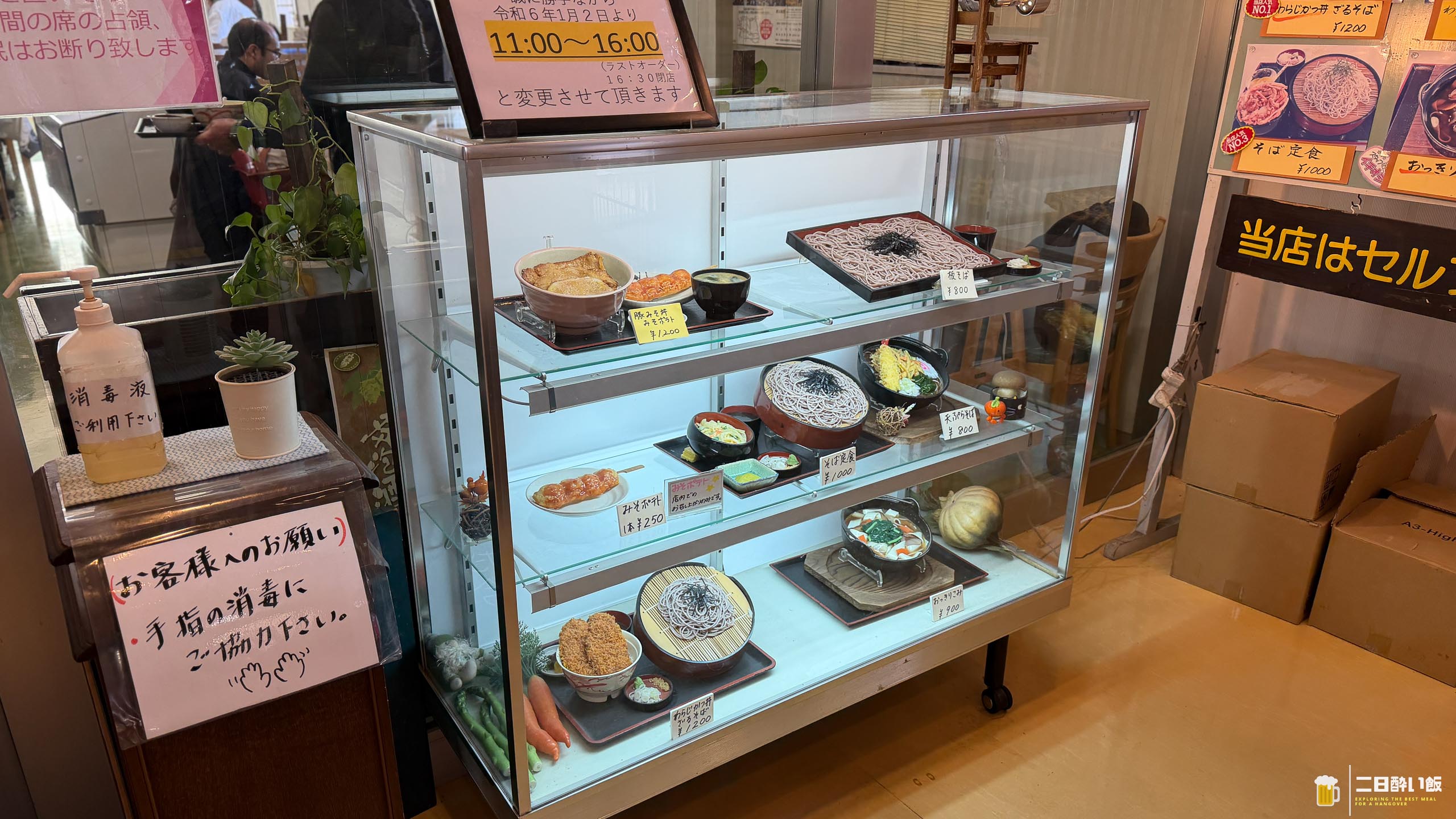
There is a long menu, including a good deal that looks like Chichibu specialty food. Is Chichibu known for waraji katsu don? There is also the pork miso donburi, the miso potato, soba is apparently famous too, and there is okkirikomi udon — though was that not Gunma? I genuinely cannot tell what the real local specialty is. So, since I have had waraji katsu before, I chose the pork miso donburi and soba set, which was labeled number two in popularity.
Now, you fetch your own cutlery.
The unbreakable plastic bowls and cups are exactly what makes a place like this a canteen, and that is a good thing. It reminds me of a school dining hall.
After a while the number on the meal ticket is called and you go and collect it.
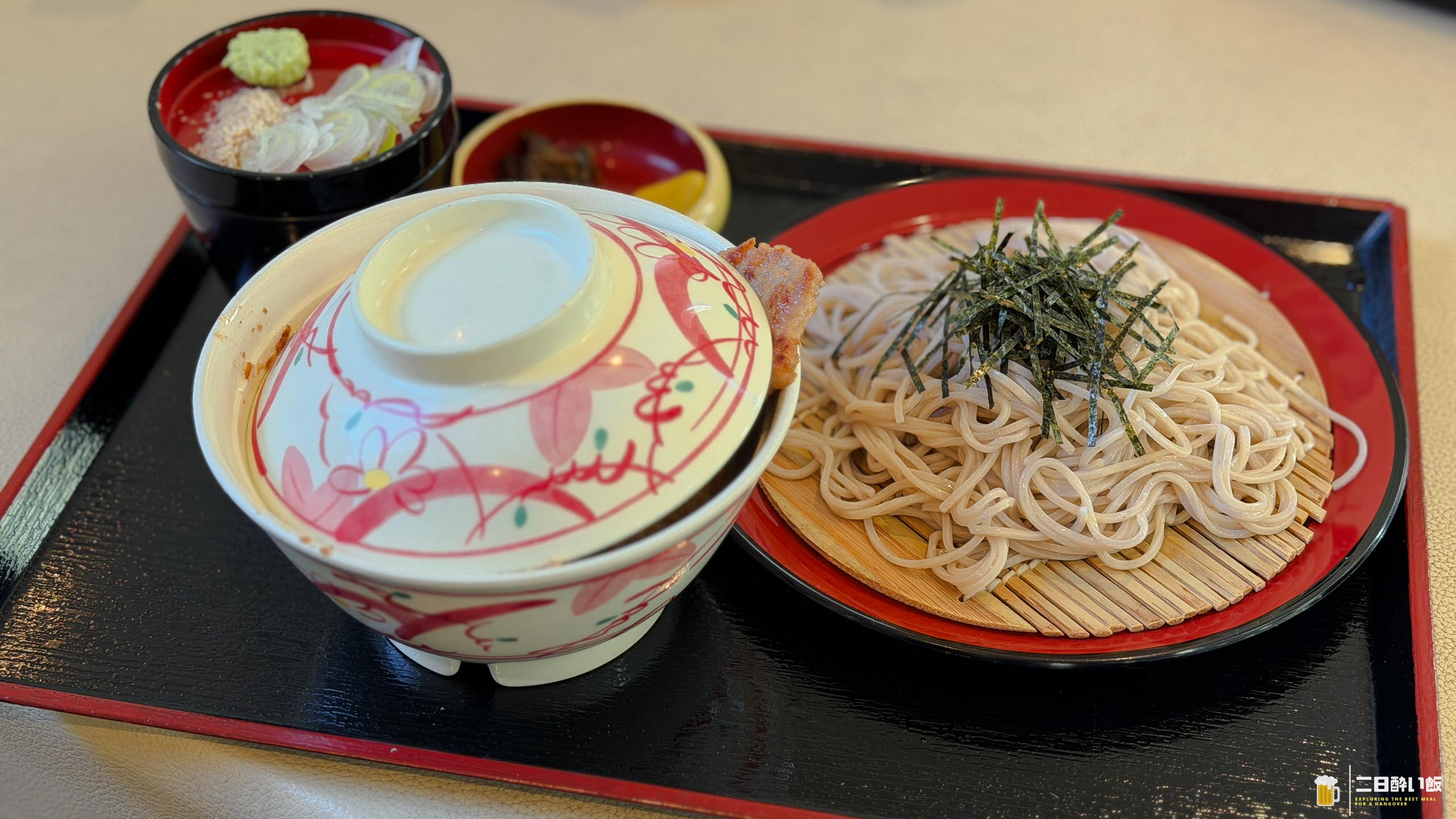
And there it is!
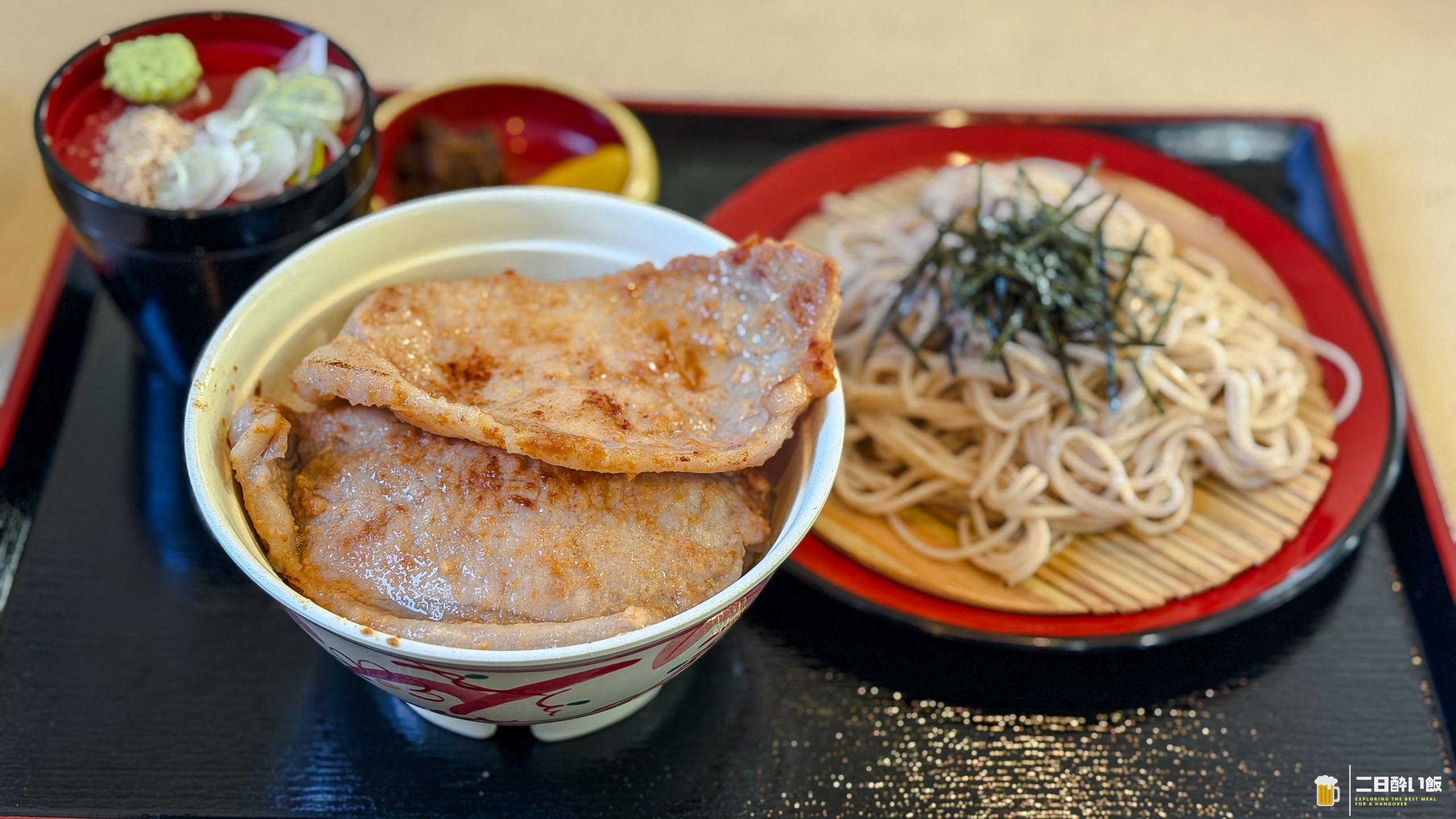
Right, the pork donburi. One bite and — this is pork grilled in saikyo miso marinade. Slightly sweet and good.
The seasoning is well judged and it suits the rice. Utterly normal, in a word. But that is what a canteen is for. More to the point, simply being able to eat somewhere that is not crowded is enough. And trying the soba, that is normal too — much like any ordinary chain soba shop. Either way, eat all this and you will be full!
But the combination is a good one. Cold soba resetting a mouth that has gone rich and heavy is nicely balanced.
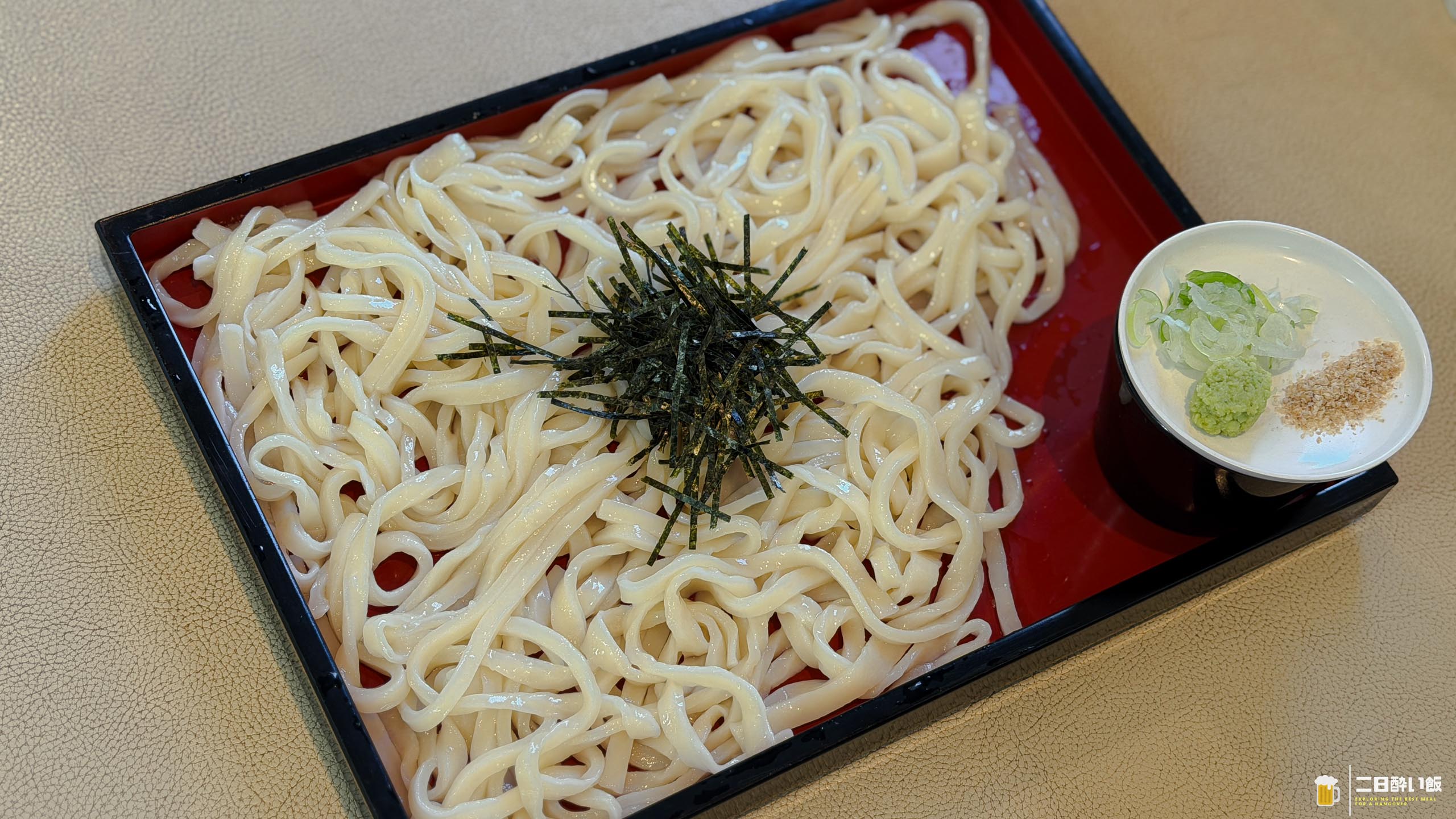
This is the ita-udon.
Well, the udon will be ordinary too, I thought — and then I was given a bite and it was delicious. It is a little different from your average udon. Properly chilled, with real body to it. Perhaps because they need firm noodles for things like okkirikomi, they keep a serious udon in the kitchen. In fact, discovering that the udon is far better than the soba was the find of the day.
So: Chichibu Shokudo. The famous places around the station are extremely busy. Walk a little from Chichibu Shrine and you reach the roadside station, so if you are sick of queueing, head for it. It is a well-kept secret! This canteen has a bit of everything, and outside they sell croquettes, and there is another shop inside the michi-no-eki where you can eat hand-cut soba. When you have eaten you can enjoy shopping for local produce as well, so it comes recommended!
Niguruma-ya, Michi-no-Eki branch (Donburi / Chichibu Station, Ohanabatake Station, Seibu-Chichibu Station)
Tabelog lunch rating ★★★☆☆ 3.0
I ate here and paid for it myself. Nothing on this site is a comped meal.
One more for the road?


