


A note on the words: Jojoen is one of Tokyo’s best-known yakiniku chains, where you grill the meat yourself at the table. Sansantei is its sister format. Tan is tongue, rosu loin, karubi short rib and harami skirt; tsubozuke means marinated in a jar.
Jojoen Sansantei, Ikebukuro on Tabelog (English) — opening hours, payment details and the Japanese address are kept up to date there, not here.
Drinkers, thank you for waiting. It is Hangover Meshi time.
This time, Jojoen in Ikebukuro. It has been nothing but grilled meat lately, but when you ask people what they want to eat, the answer is grilled meat. So: Jojoen Sansantei, Ikebukuro South Exit Bikkuri Guard — though Sansantei is a format I had never heard of. Yugentei is the very expensive one, as I recall. Looking it up, Sansantei is a sister shop to the ordinary Jojoen, where you can have Jojoen’s food and service at a reasonable price.
I see — a format for enjoying Jojoen affordably. Looking forward to it.
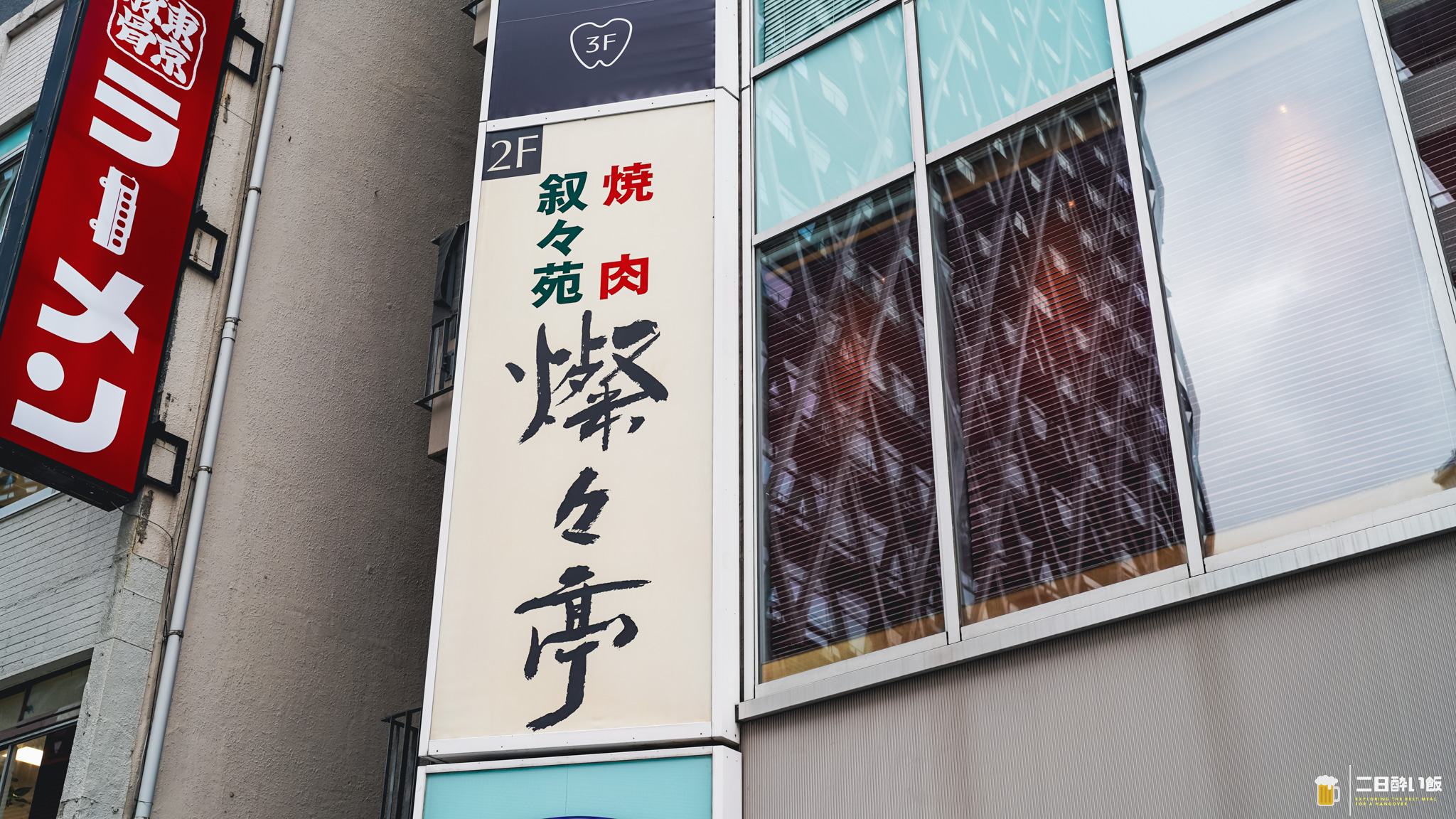
I thought I knew Ikebukuro reasonably well, but “Bikkuri Guard”? Apparently that is the name of the road that runs from Metropolitan through to the east exit.
Not an area I come to often. Into the building and up to the first floor. The room has a good many semi-private booths. Jojoen proper feels more like private rooms, so that too seems a little different.
And looking at the menu, it did not feel especially reasonable.
Perhaps it would if you put them side by side. Never mind; let us eat what we like.
So, sat down, and this first.
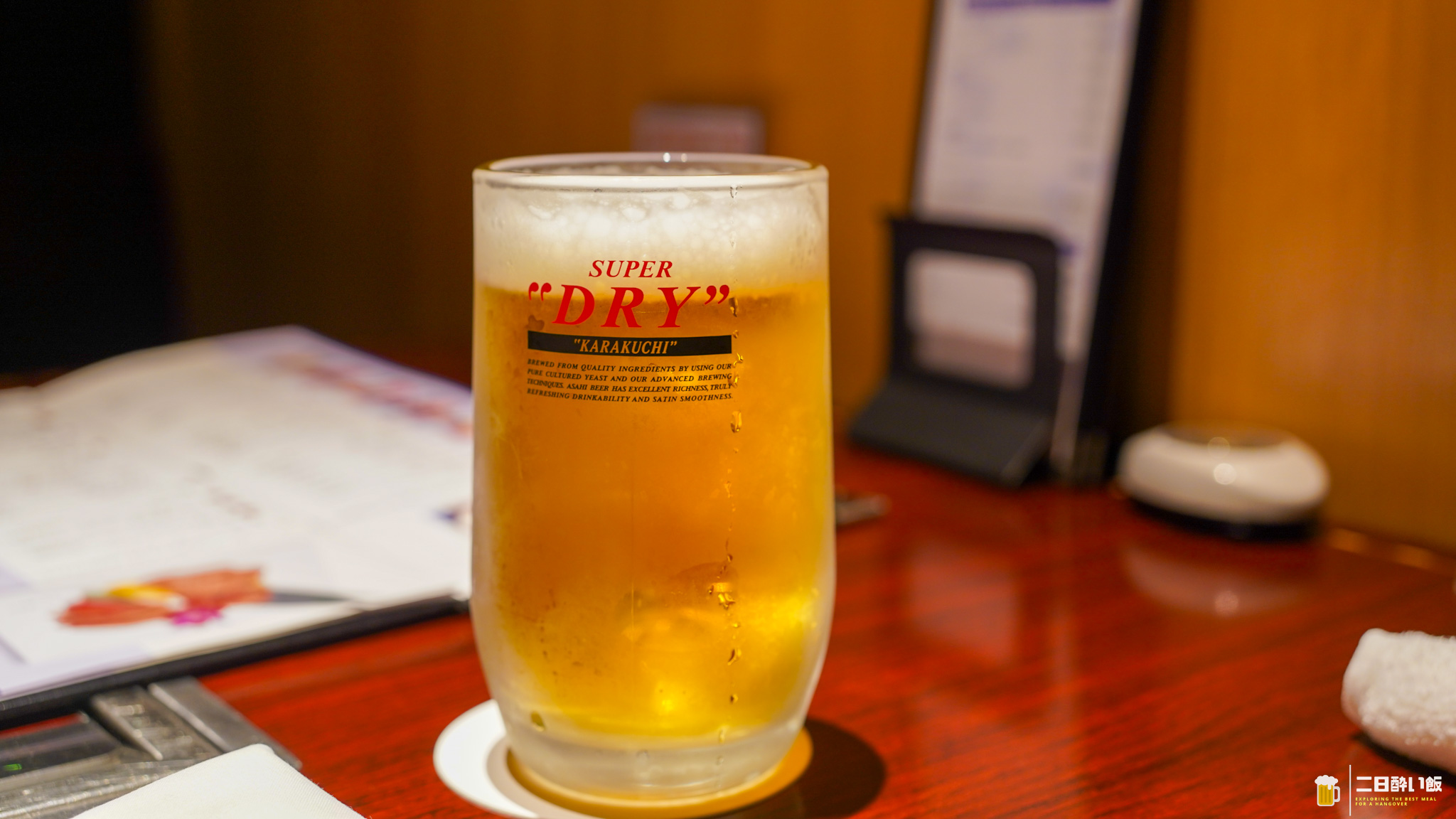
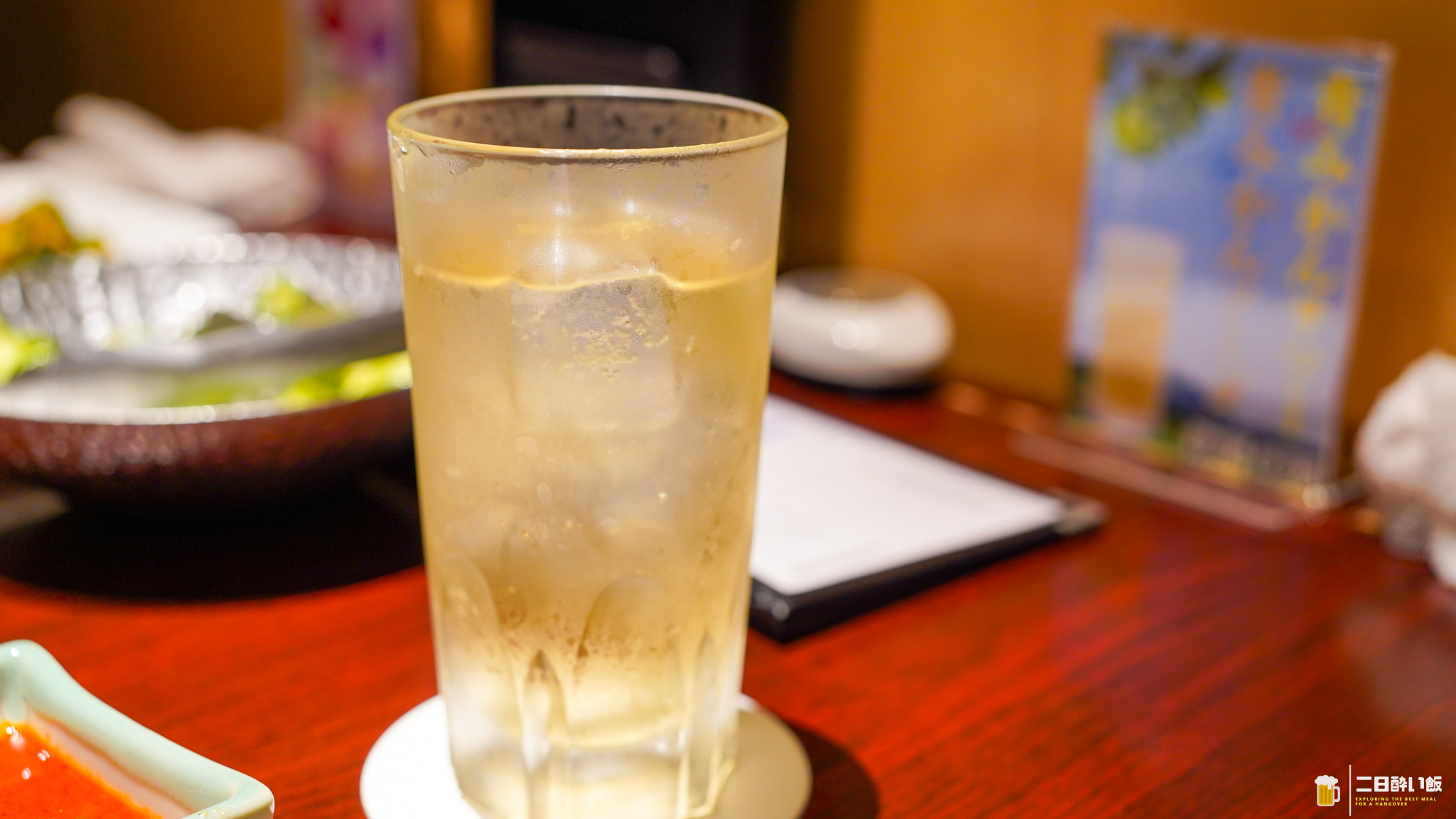
Drinking beer while canvassing everyone on what they want and firing off the order.

You have to order a salad, or all that meat wears you out. These days Jojoen dressing is sold in supermarkets as a matter of course. Incidentally — with that bottled dressing, rather than pouring it over the top, toss it hard in a bowl (which is what dressing actually means) and then plate it. It comes out much more like the restaurant.
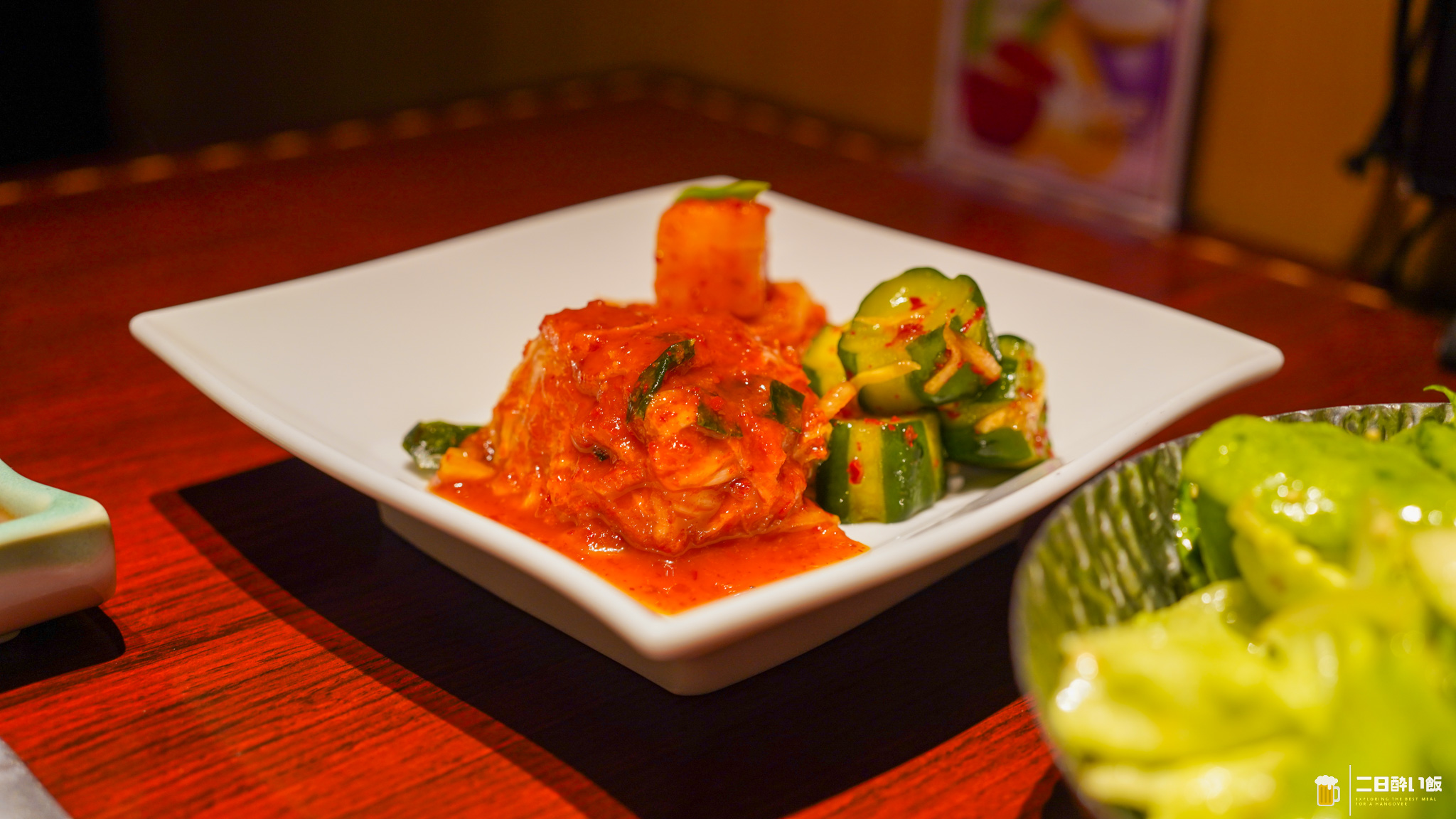
Three kinds: Chinese-leaf kimchi, kkakdugi radish and cucumber.
Sweetness and savour come forward rather than heat — the mild savoury-hot balance particular to the Jojoen group, and easy to eat.
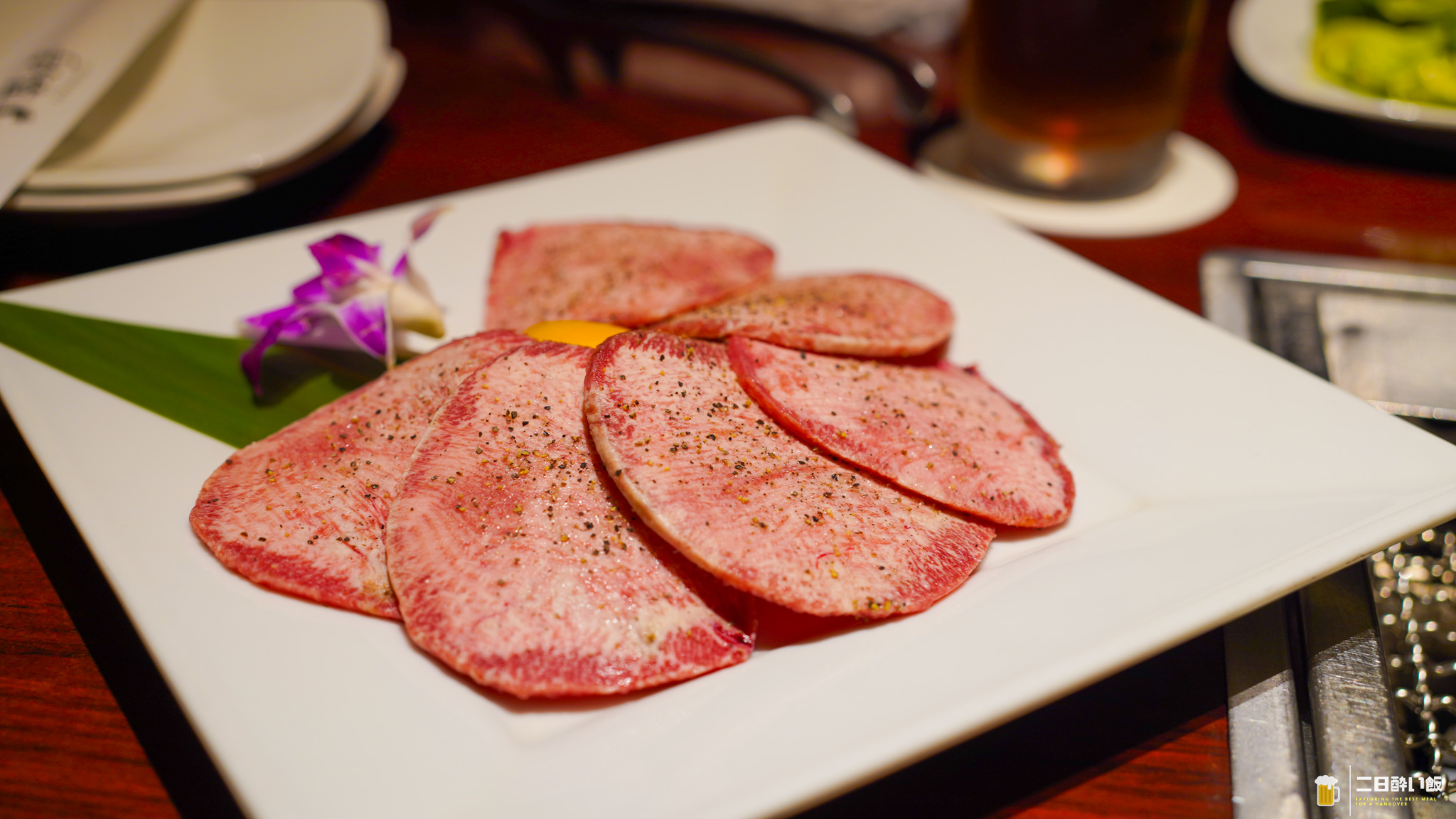
Safe start: tan-shio, salted tongue.
Marbled tongue laid out like flower petals, with an orchid on the plate, which is very Jojoen.
Premium tongue has that fine marbling, and looking closely you can see white lines running through it like frost. Thinly cut for easy eating, and the simple seasoning of salt and pepper lifts the aroma of the tongue itself. Being thin, a quick sear on both sides over a strong heat and it is ready.
Lemon tightens the richness of the fat neatly. Very good.
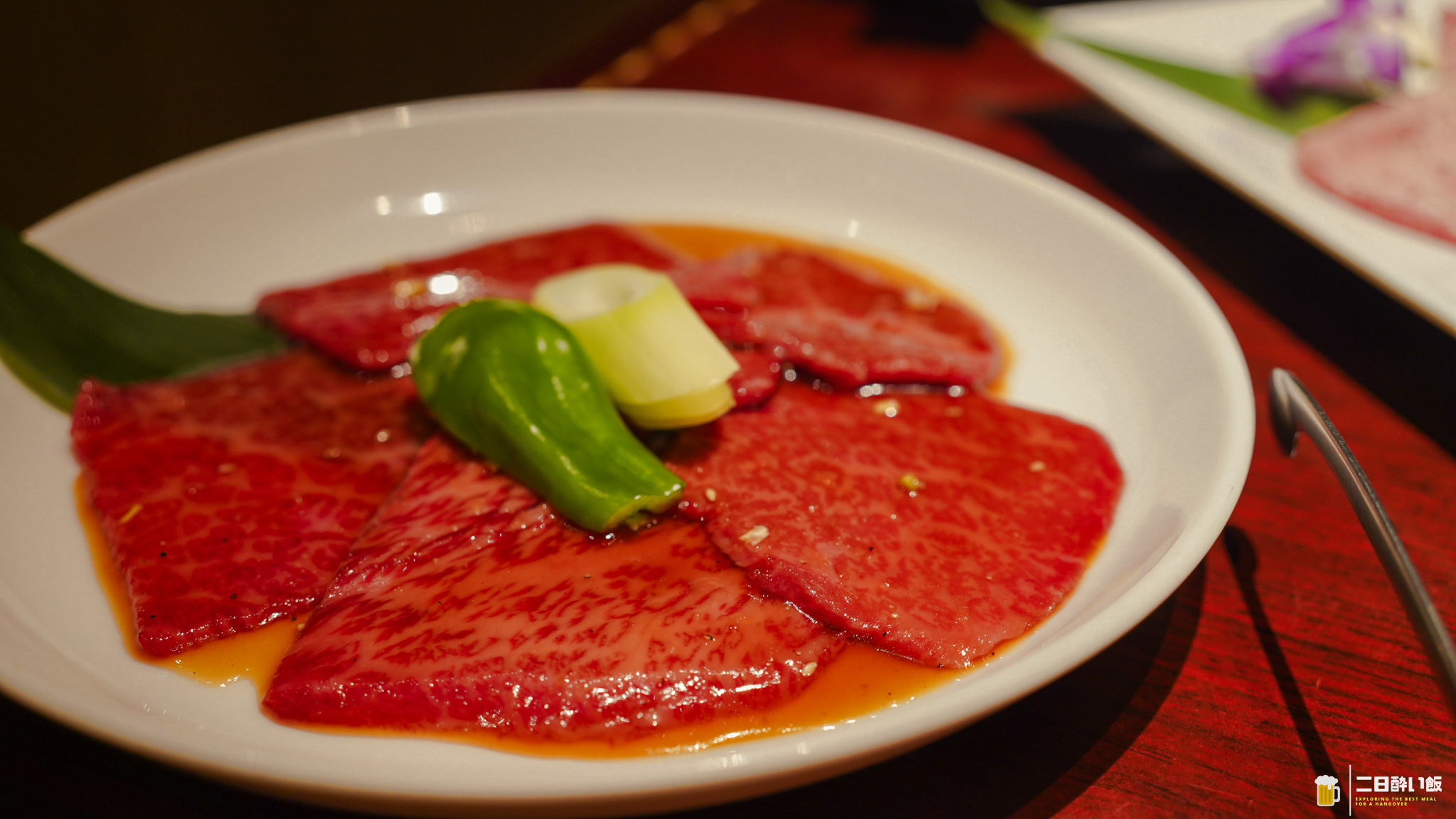
Next, wagyu rosu — loin. Another cut you cannot pass up. A good shop is a shop whose rosu is good.
Yes — Jojoen as expected. Deep red wagyu loin with fine marbling spread across it like a net. The gloss of the amber sauce over it looks good before you have even touched it.
The sauce catches easily, so a quick sear on each side over a strong heat is the way. The savour of the marbled fat layers with the sweetness of the sauce and it is very good. A rosu where you can taste the meat properly.
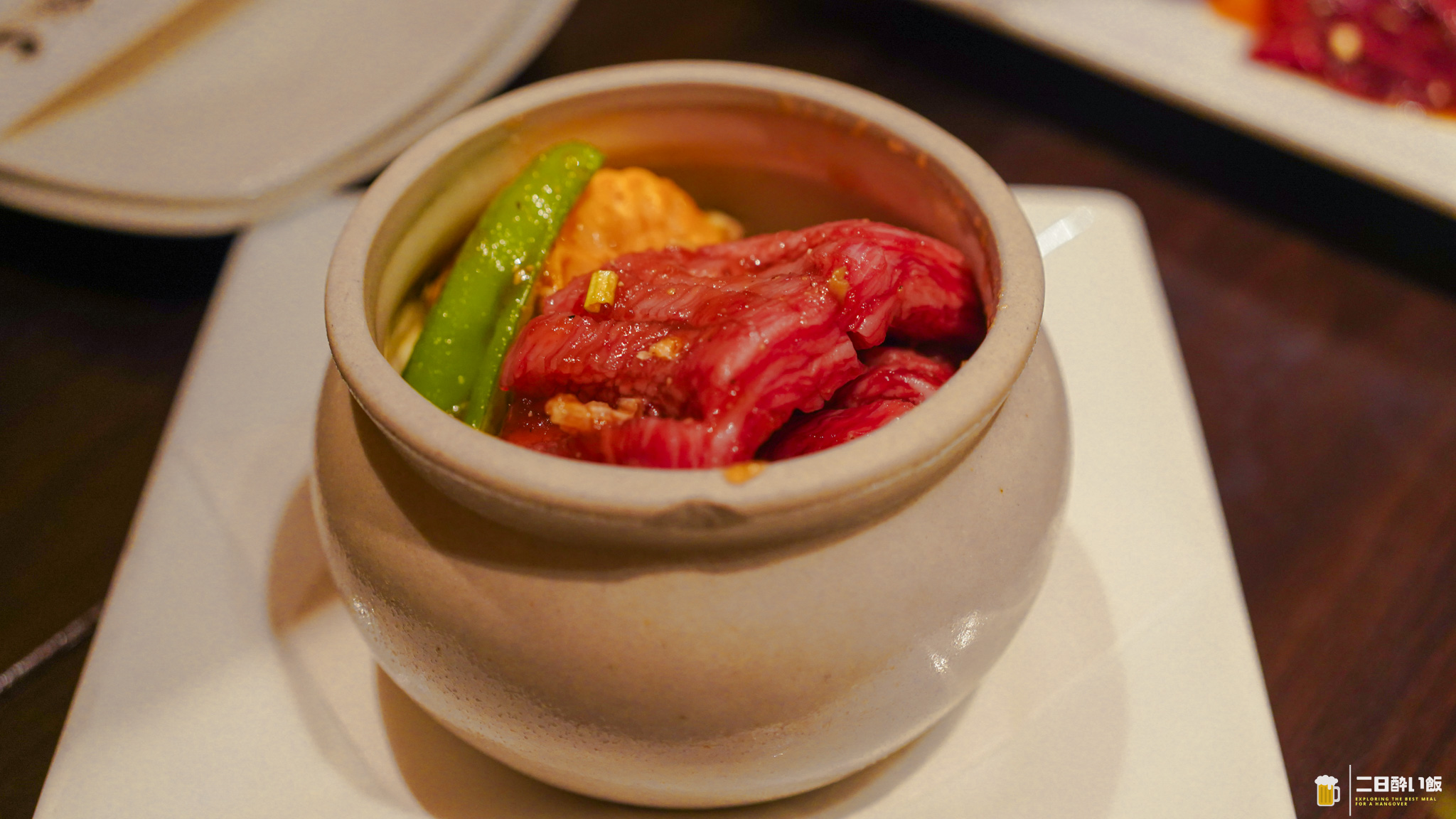
Tongue, then loin, and then of course karubi. Jojoen means the tsubozuke karubi, marinated in a jar.
Karubi that has drunk up plenty of sauce in the jar. The marbled meat gleams and looks excellent. Lift each piece out of the jar and they are quite large. Straight onto the grill. Meat coated in marinade catches easily, so cook it fast on each side over a strong heat.
And once it is done, snip it into manageable pieces with the scissors.
The sweet-salty aroma alone is good, and the fat of the marbling and the depth of the marinade layer up in the mouth. I think it is better with a little char on it.
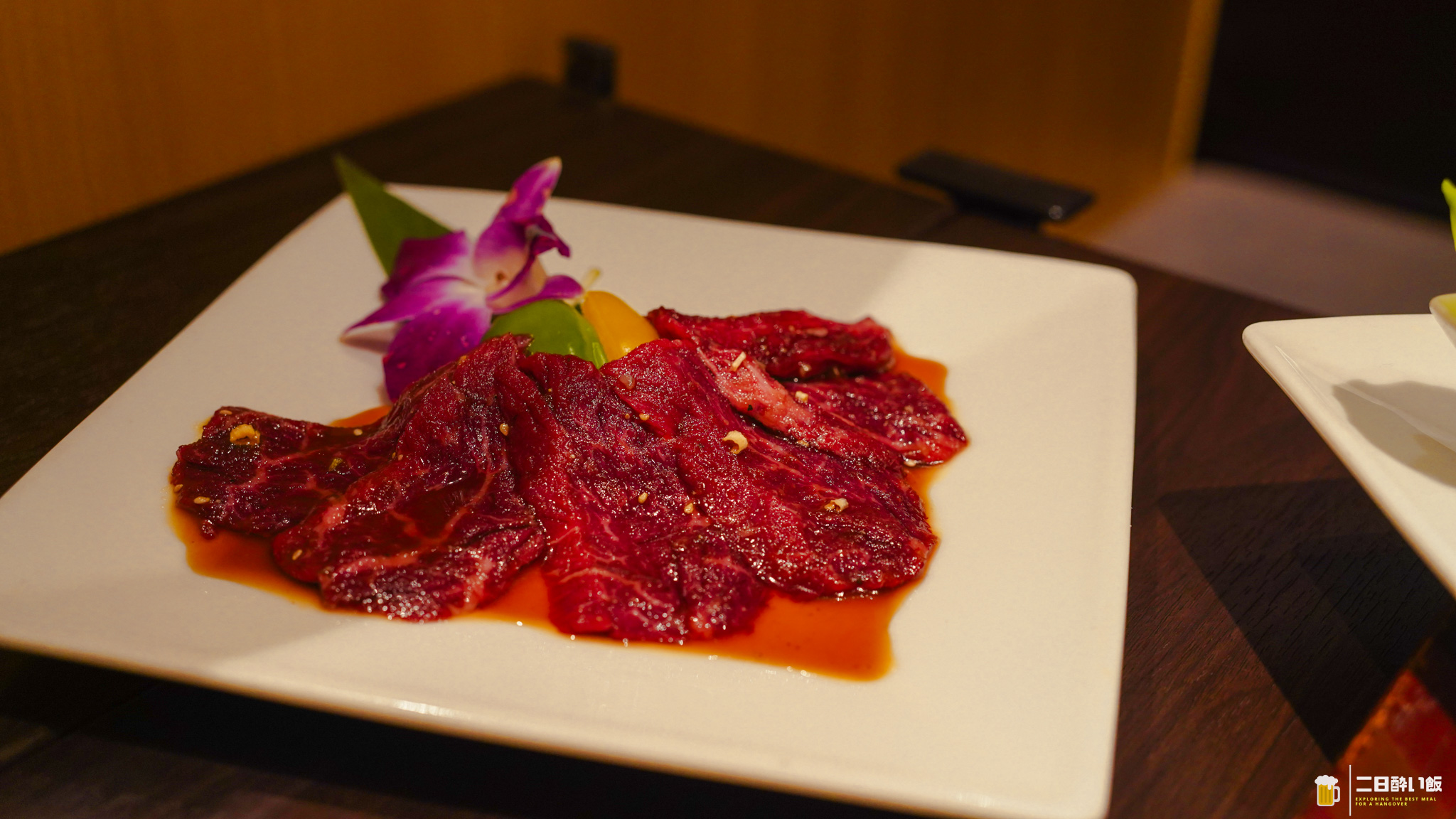
This is my favourite. The karubi was quite fatty, so harami here to clean things up.
Grilled, the fragrance of the char and of garlic spreads. Bite in and the springy meat gives its juices straight back. That deep savour only lean meat has, against the sweet-salty sauce. Hard to beat.
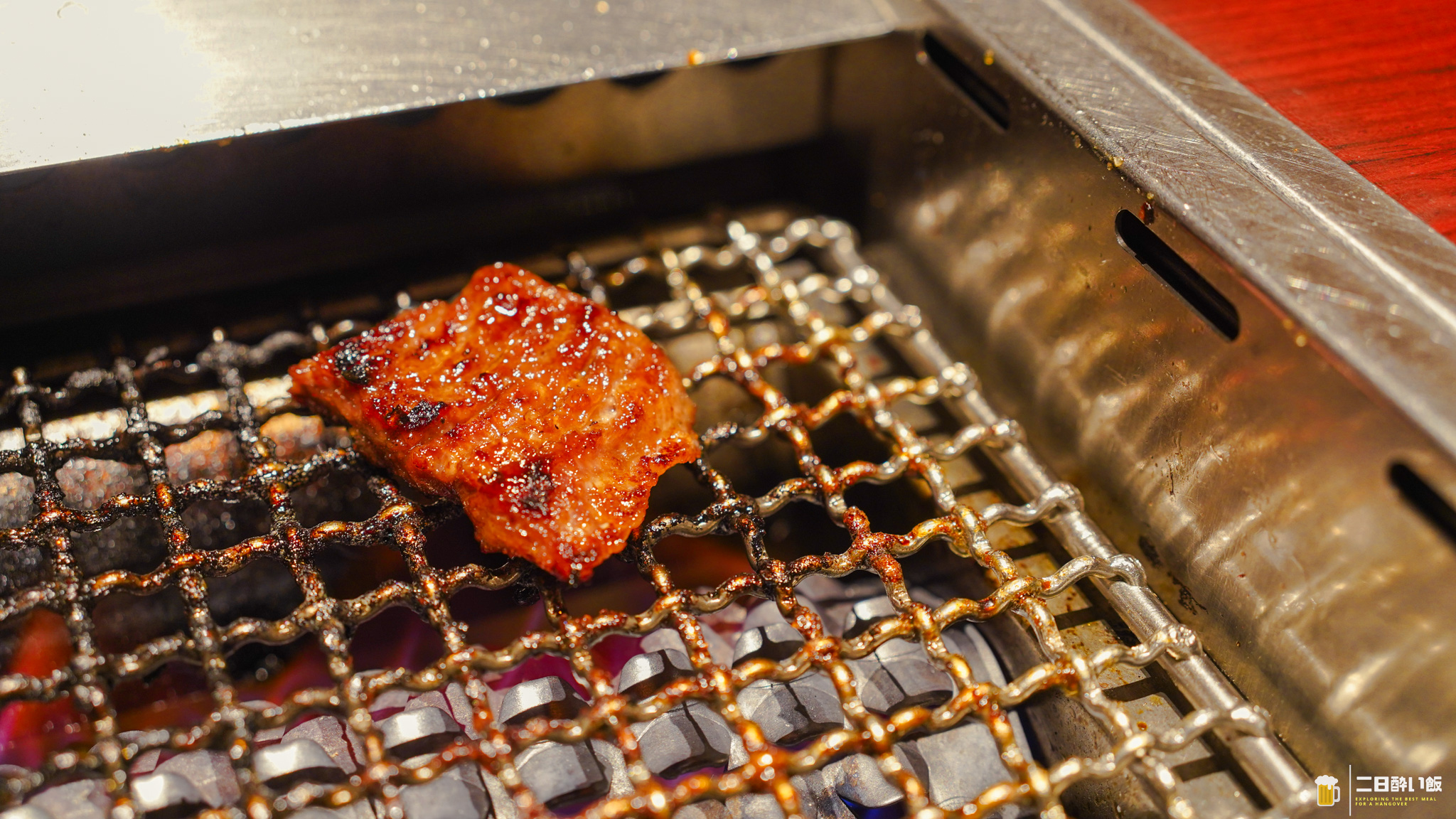
In the end harami really is my favourite.
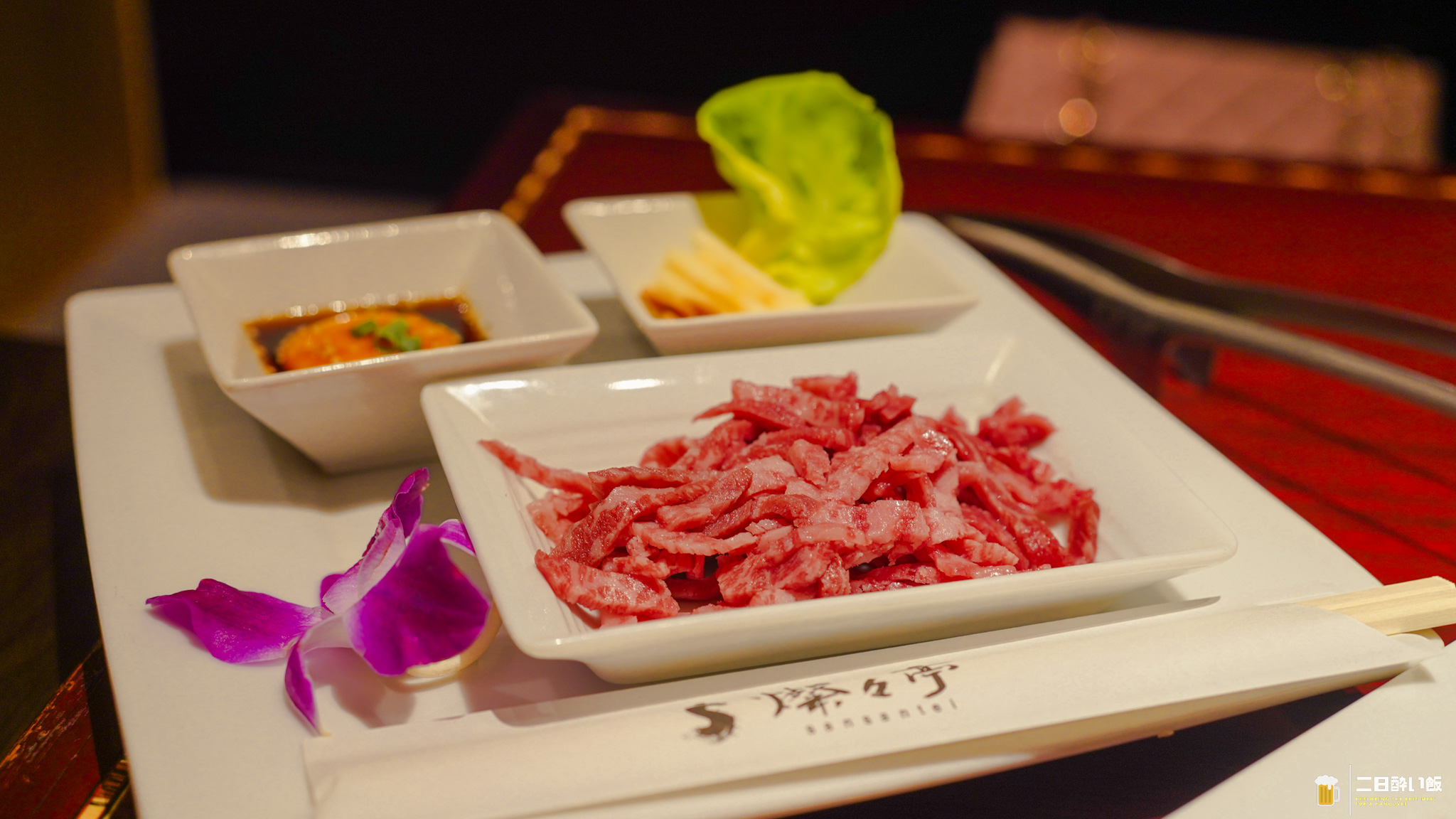
Shall we try the yukhoe as well — so, the one carrying the Sansantei name.
You mix it all together thoroughly before eating, by the look of it. The meat is served cold and stands up firm, and softens gradually as you mix.
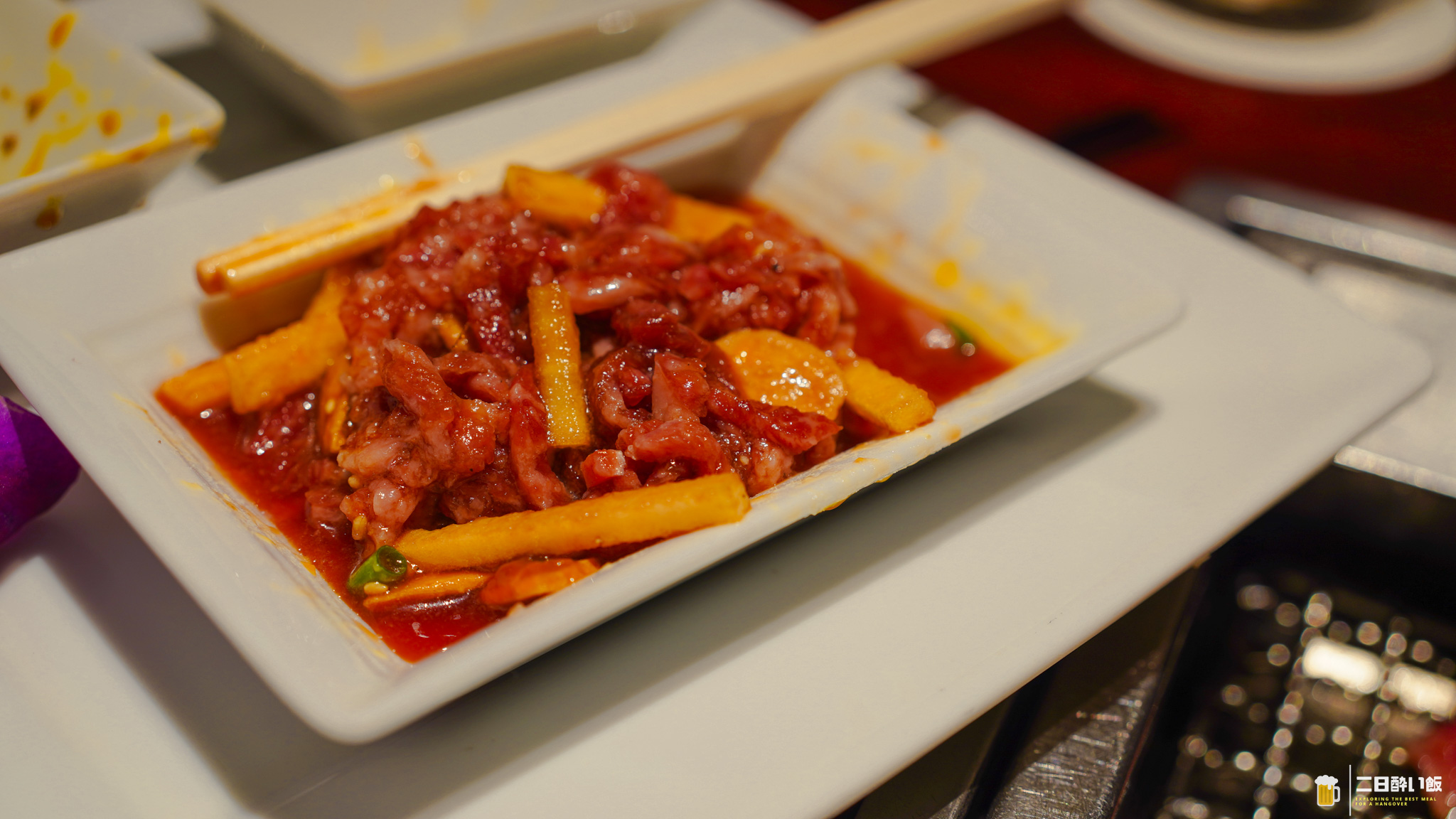
The finely cut meat is soft enough to come apart in the mouth, with the sweet fat of the marbling seeping through. The sweetish sauce and the egg wrap around the meat nicely, and you get the dense savour and sweetness that only raw meat gives.
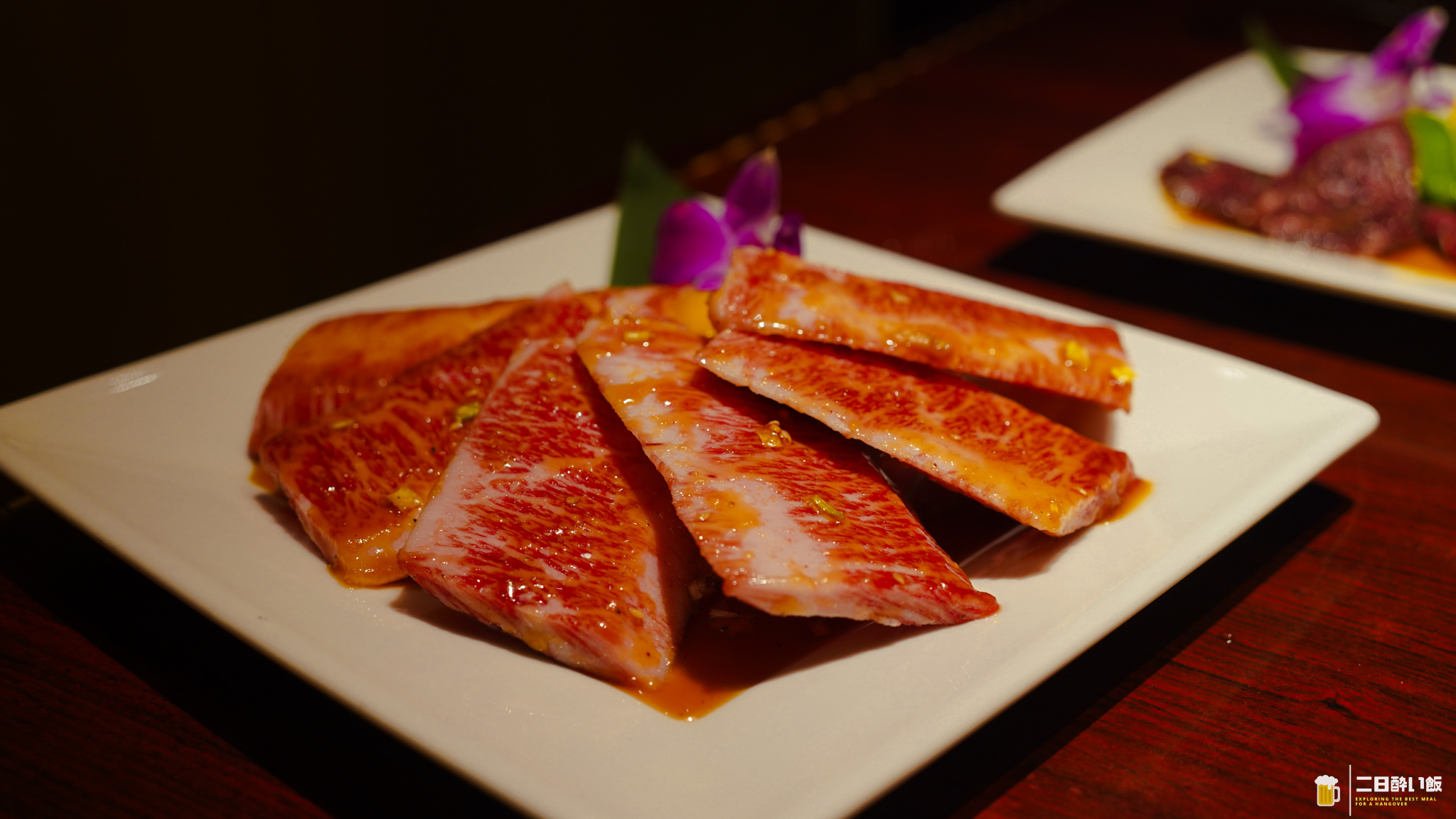
And last, since someone said they liked karubi, the premium karubi.
Jojoen-group karubi is characterised by that sweet-salty house marinade. A sauce carrying garlic and fruit sweetness clings firmly to the marbled meat. Neat squares that stretch appetisingly as they cook.
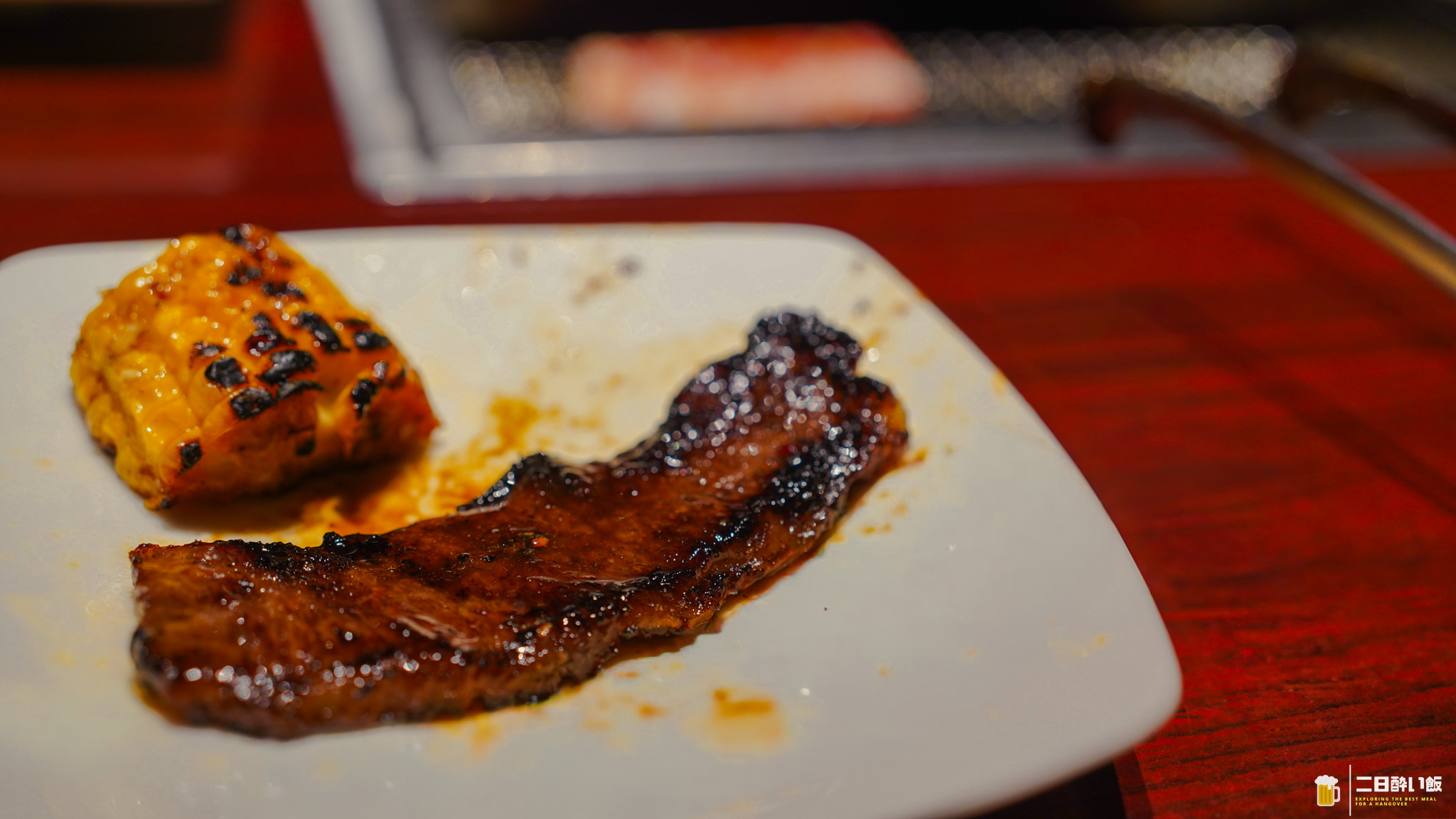
A quick sear over a strong heat, to the point of just catching — that is where karubi is best, I think. The fragrance of the rendering fat, the sweetness of the melting fat, the depth of the marinade and the flooding juices all come together, and it is very good. I found more sweetness and savour in this than in the tsubozuke.
That was a lot. Full.
So — I ate as much meat as I wanted at Sansantei, Jojoen’s sister shop, and I suspect everyone reading this has come to the same conclusion I did. Which is:
It is not all that reasonable, is it.
The prices do not feel much different. And the quality of the meat had nothing budget about it — the satisfaction is high. I could not work out what actually distinguishes it from ordinary Jojoen. It seems a shame if it gets read as “the cheap version, because it is Sansantei”. It was very good, and honestly — call it Jojoen. There is no differentiation to speak of.
Which is to say: when you want Jojoen-grade meat, this will do nicely. (It is somewhat cheaper.)
May you meet something good to eat today too.
Jojoen Sansantei, Ikebukuro South Exit Bikkuri Guard (yakiniku / Ikebukuro Station, Toden-Zoshigaya Station, Higashi-Ikebukuro Station)
Tabelog dinner rating ★★★☆☆ 3.5
I ate here and paid for it myself. Nothing on this site is a comped meal.
One more for the road?


