


A note on the words: tororo is grated yam, viscous and mild, traditionally eaten around Mount Takao as a restorative. Zaru means the noodles are served cold with a dipping broth, and ten means tempura comes with them.
Table of Contents hide
Takamatsuya on Tabelog (English) — opening hours, payment details and the Japanese address are kept up to date there, not here.
Drinkers, thank you for waiting. It is Hangover Meshi time.
This time I climbed Mount Takao. Hiking after a long gap is tiring. Up on the chairlift and then straight along Trail 1; on the way back I picked up Trail 2 partway and came down that. The descent is what really tells on the legs. And in that state, exhausted, I fled into the soba shop right by the bottom.
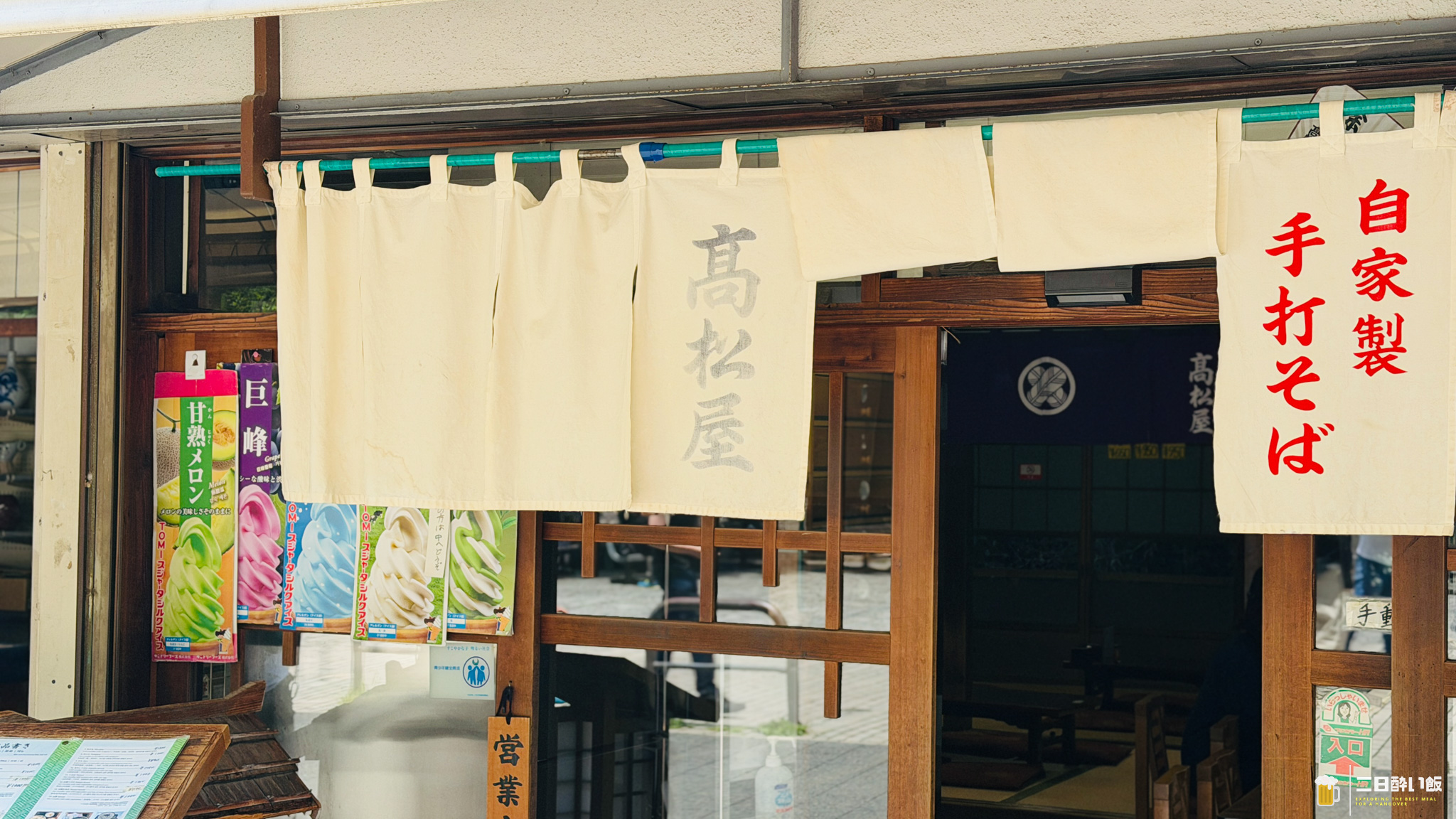
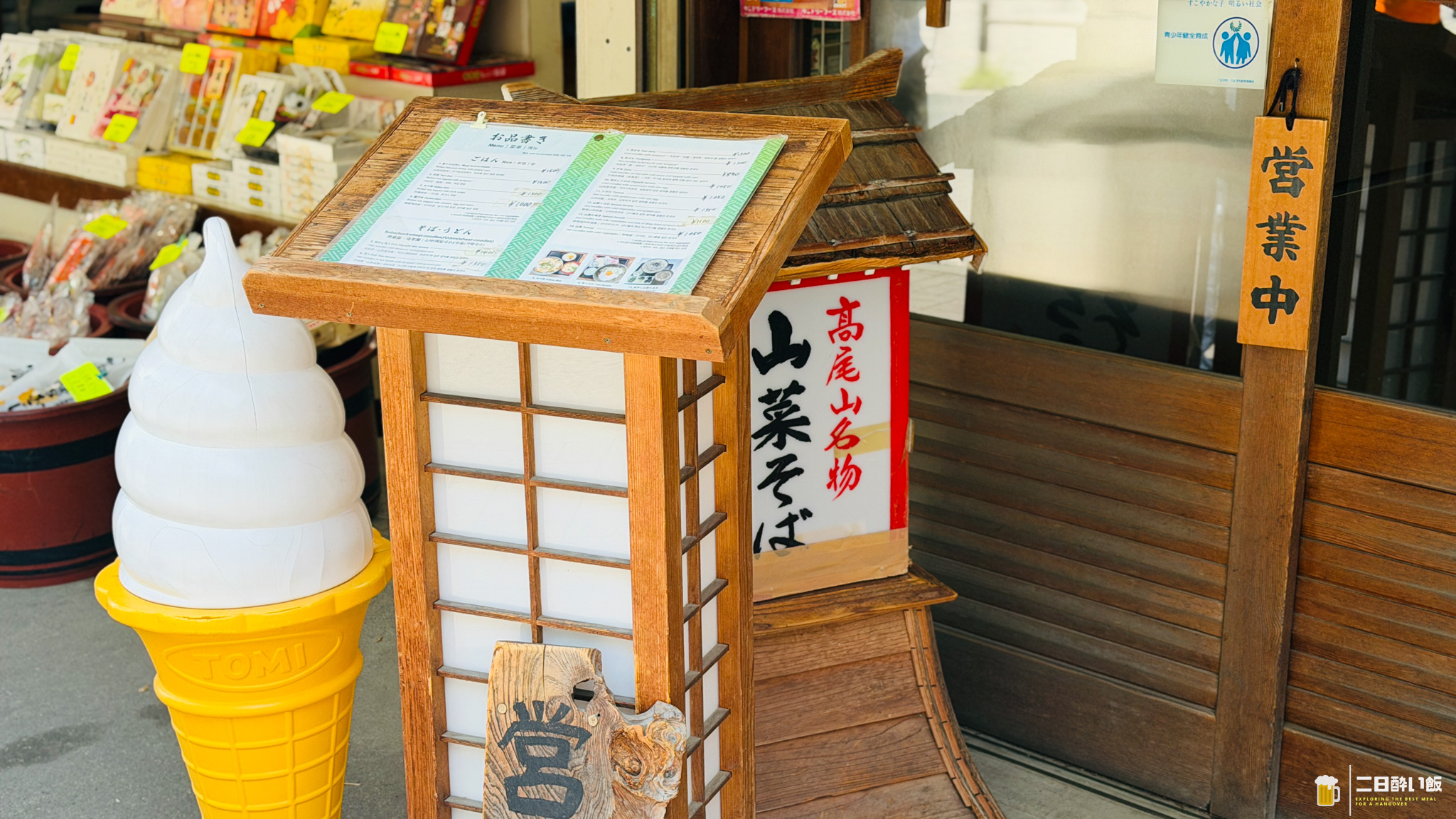
Shown to the tatami room, order placed. The shop is mainly soba and udon.
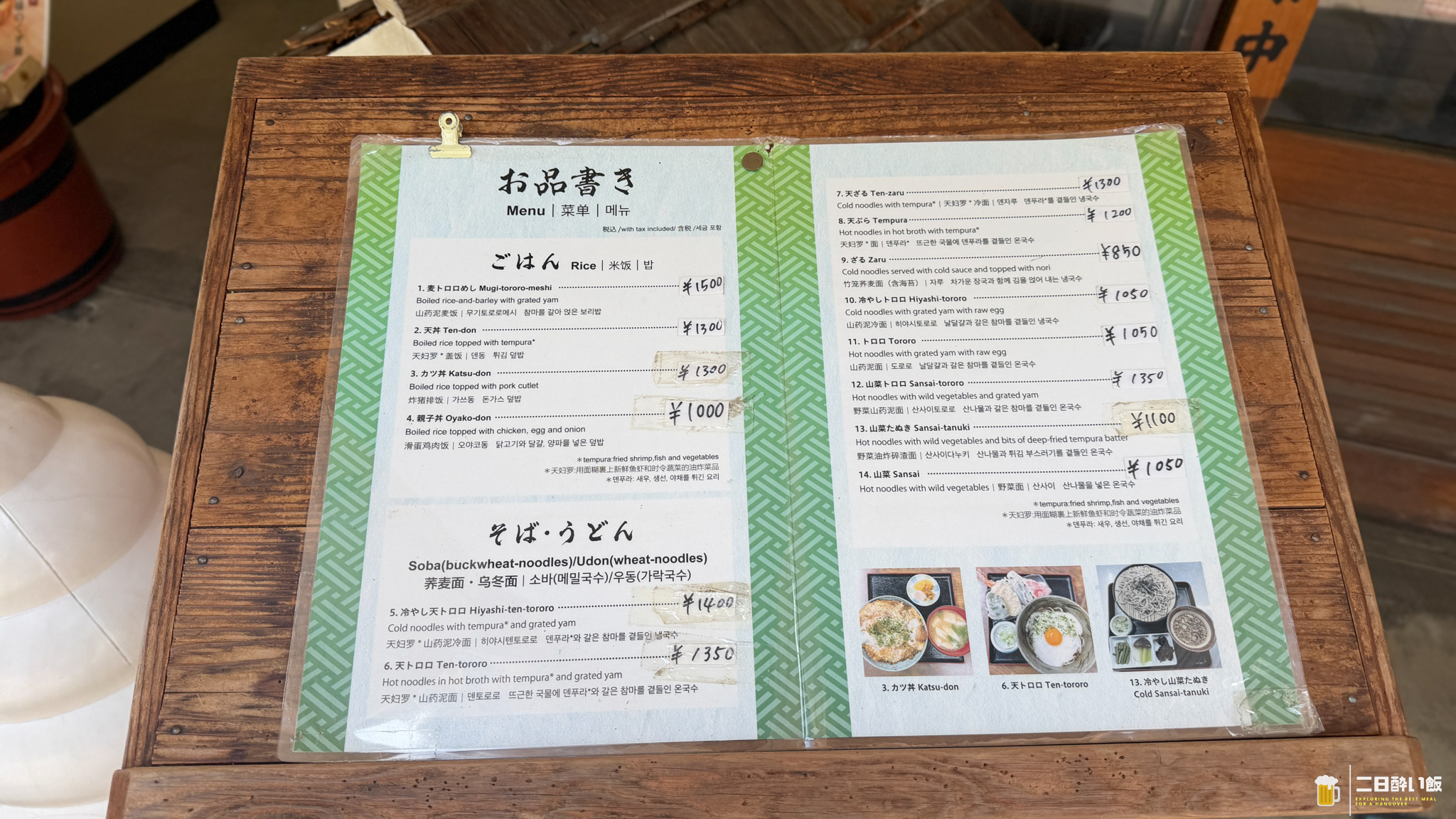
The menu names are a little idiosyncratic — ten-tororo, chilled ten-tororo. From the name alone you cannot tell whether it is cold or hot. Only ten-zaru is clearly distinguished by having “zaru” in it. The rice dishes have the big three properly covered: tendon, katsudon, oyakodon.
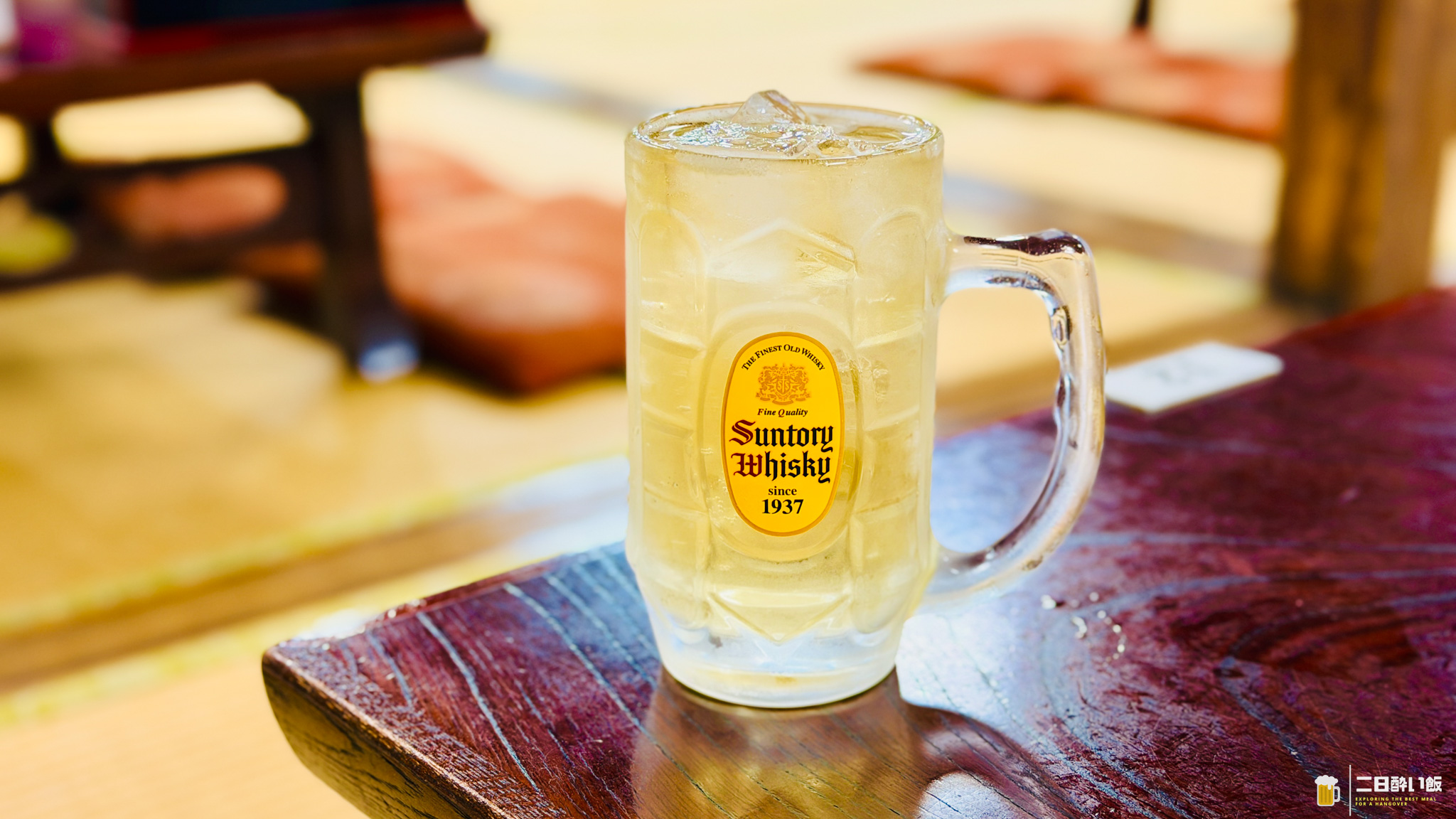
First, the beer of the descent.
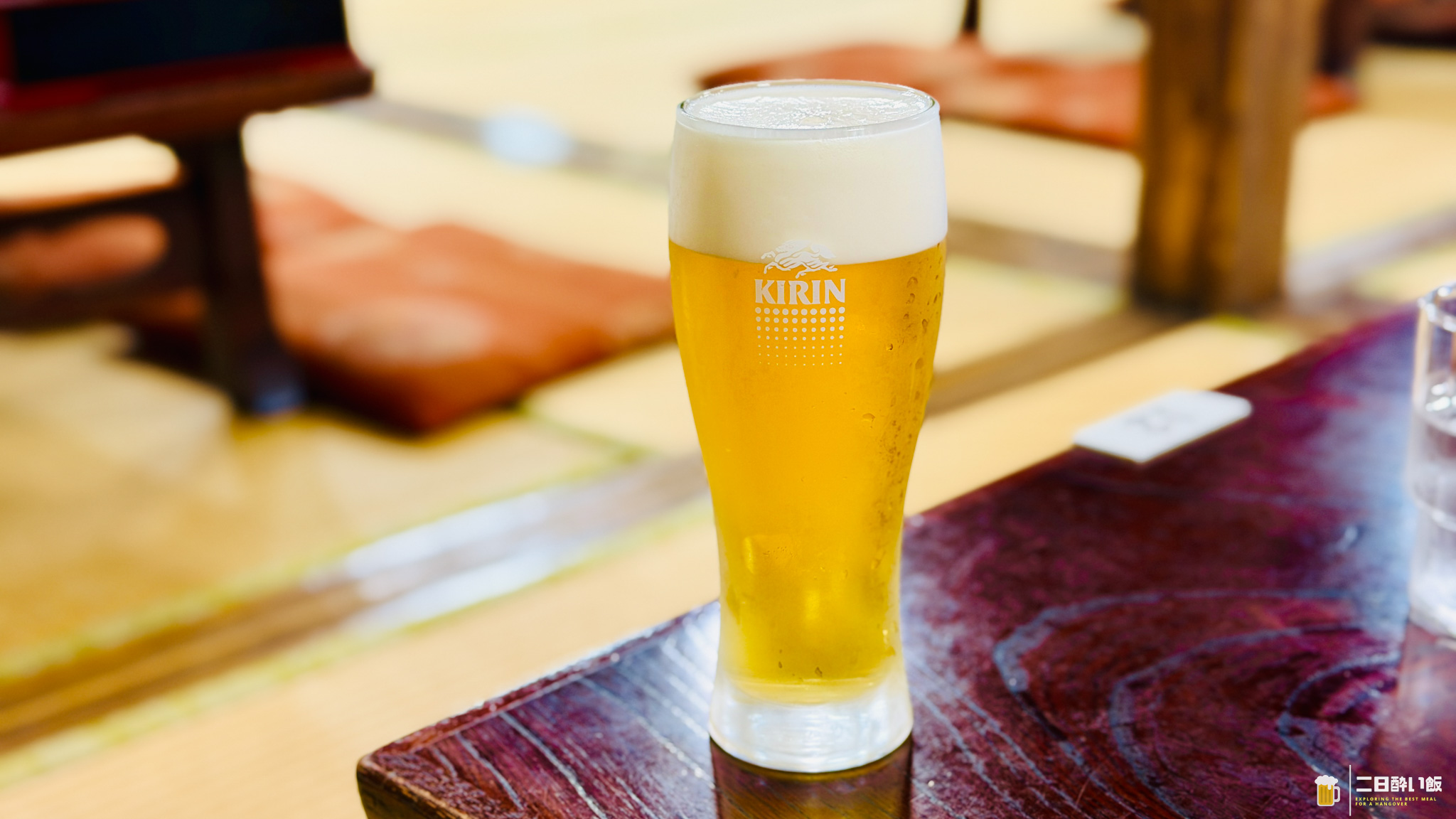
Ahh. Very good.
And after a wait, the chilled ten-tororo arrives.
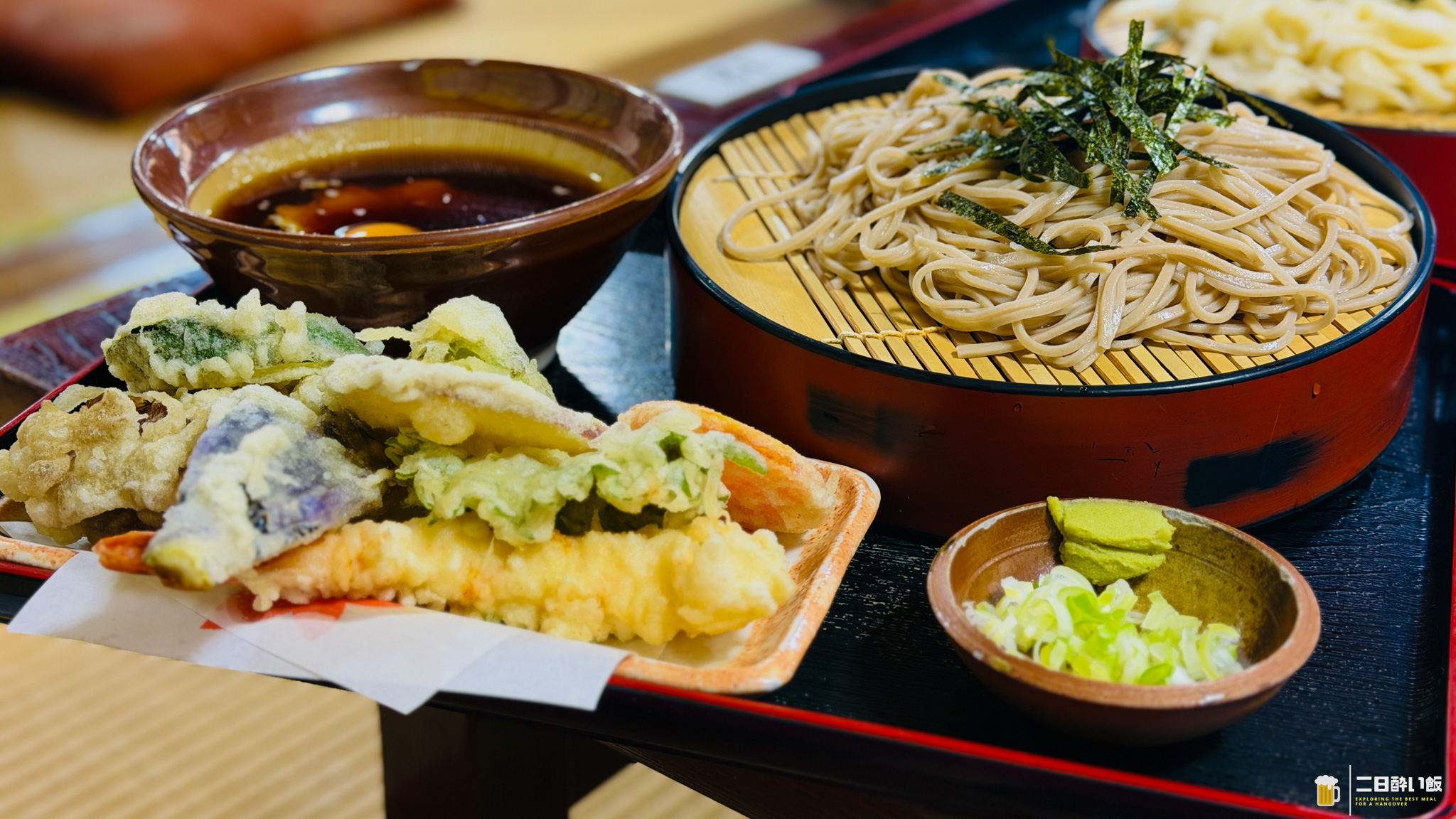
There it is.
The true identity of chilled ten-tororo: zaru soba, tempura and grated yam. In other words, ten-zaru with tororo on it.
You start by stirring the tororo and a raw egg into the dipping broth. The strong broth is transformed — the roundness of the egg and the viscosity of the tororo take the edges right off. That is the starting point of the whole dish.
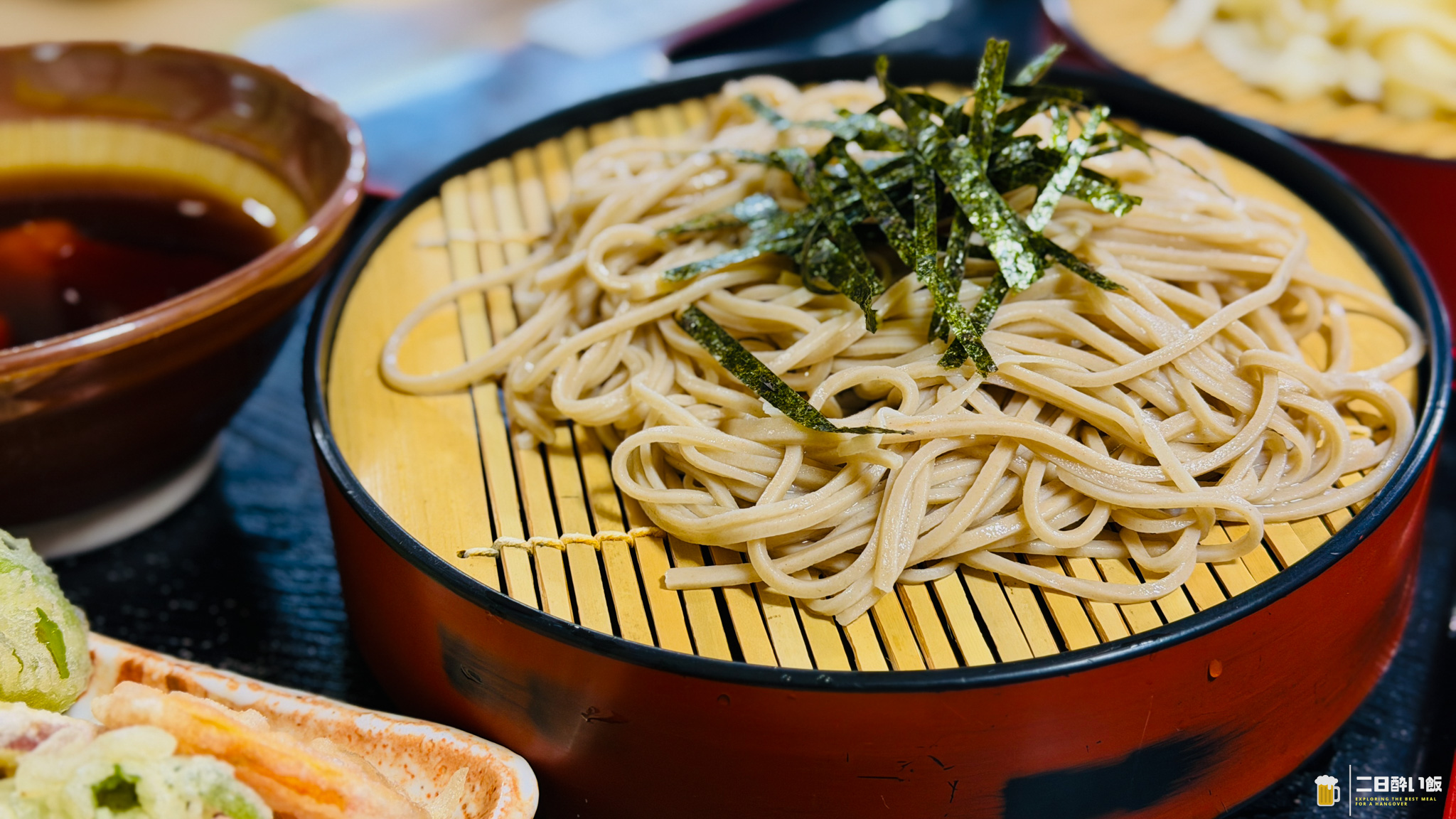
The cold soba is thin-cut and properly tightened. Pick it up and there is a chilled firmness and a smooth finish going down. After walking, with the body still hot, that coldness feels wonderful first of all.
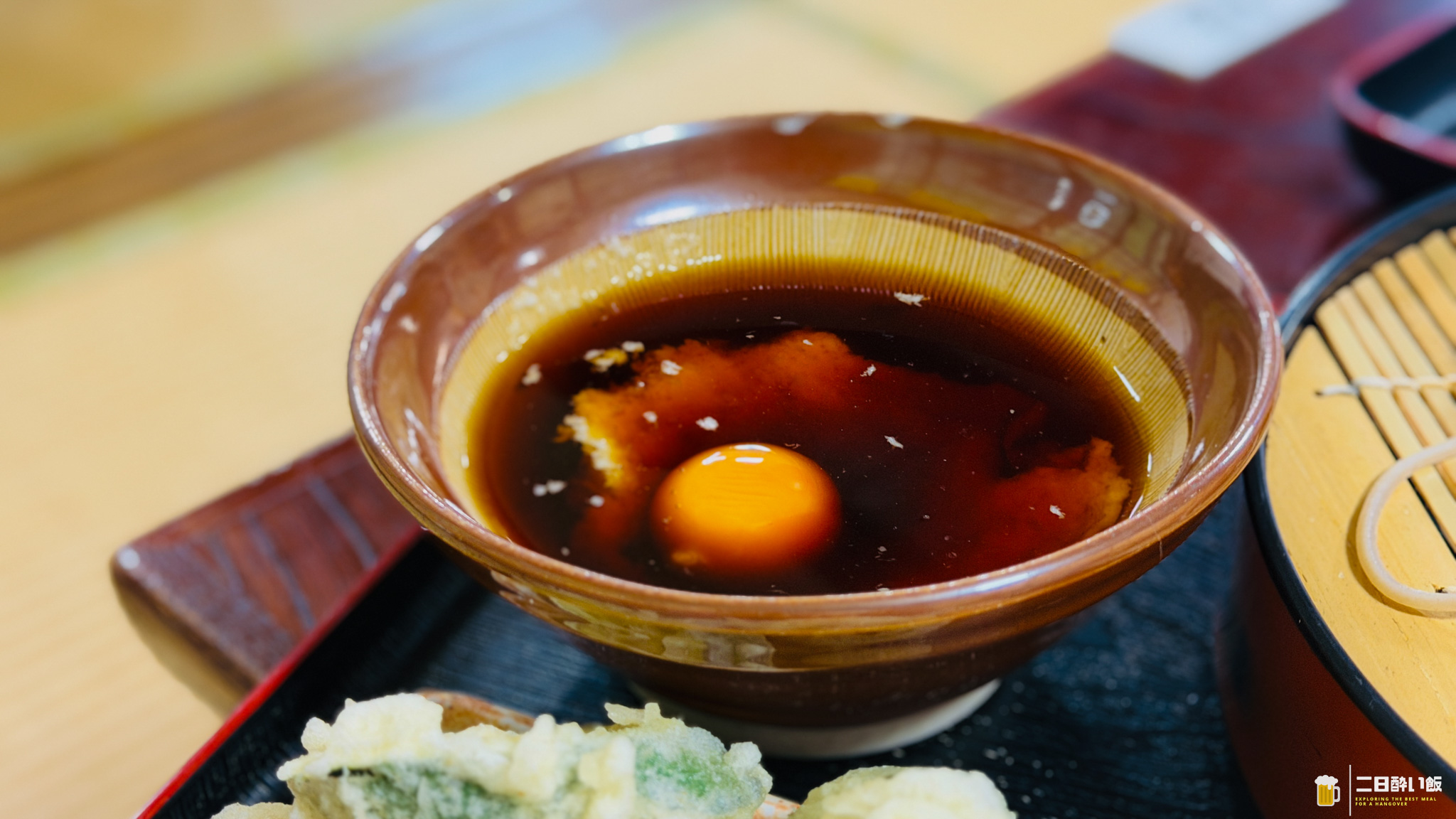
Passed through the broth with the tororo and egg in it, the impression changes. The viscous tororo coats the noodles thinly, the saltiness of the broth softens, and it becomes round yet clean. Soba, dashi, tororo and egg all come apart in one mouthful, which is exactly right for a tired body.
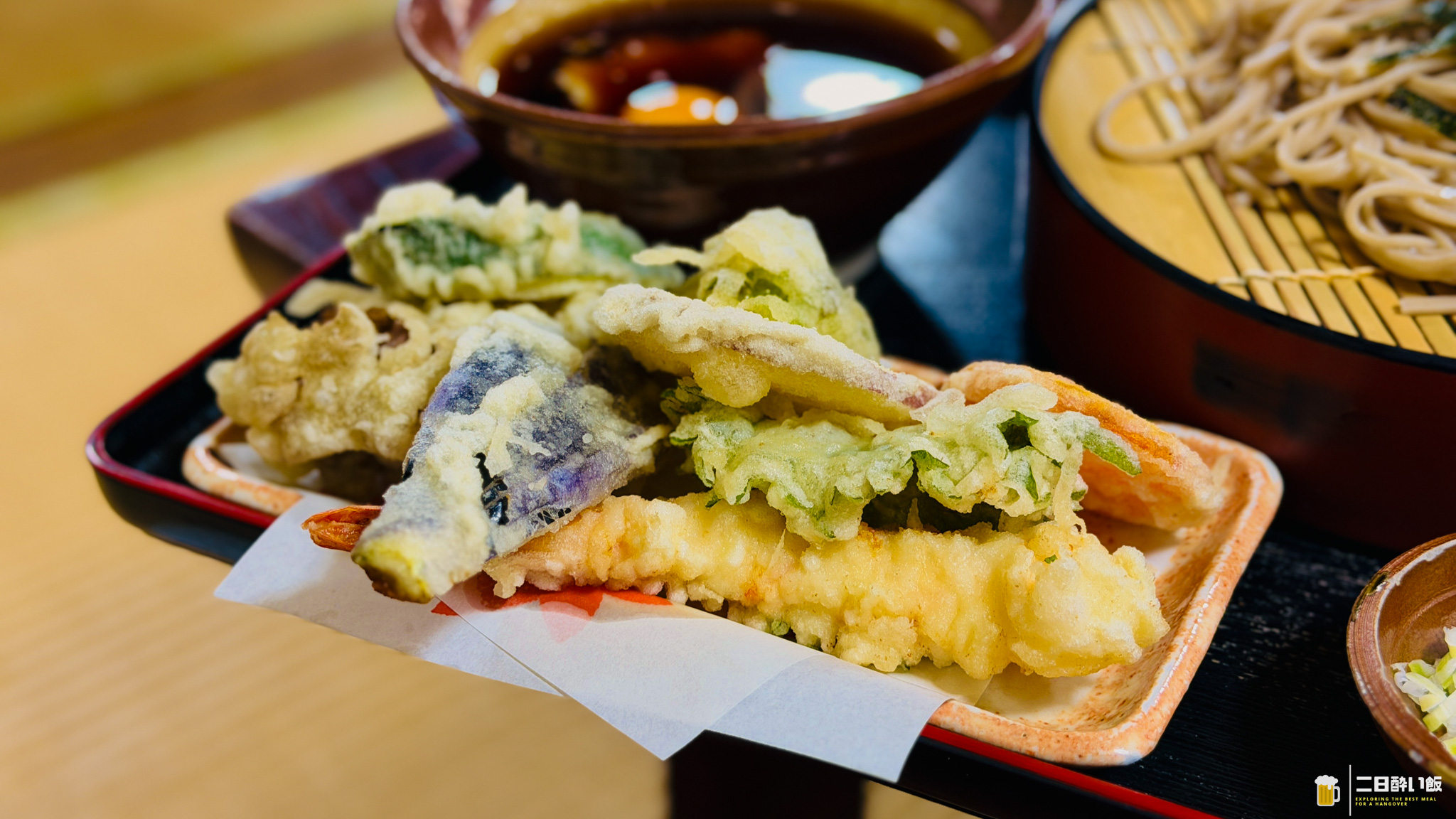
The tempura is prawn, aubergine, shiso, shishito pepper, mushroom and so on. Its virtue is a thin batter served fresh from the fryer, and it works with salt or dipped in the broth. Dip it into the tororo broth and the batter goes soft — a sinful way to eat it, but a good one.
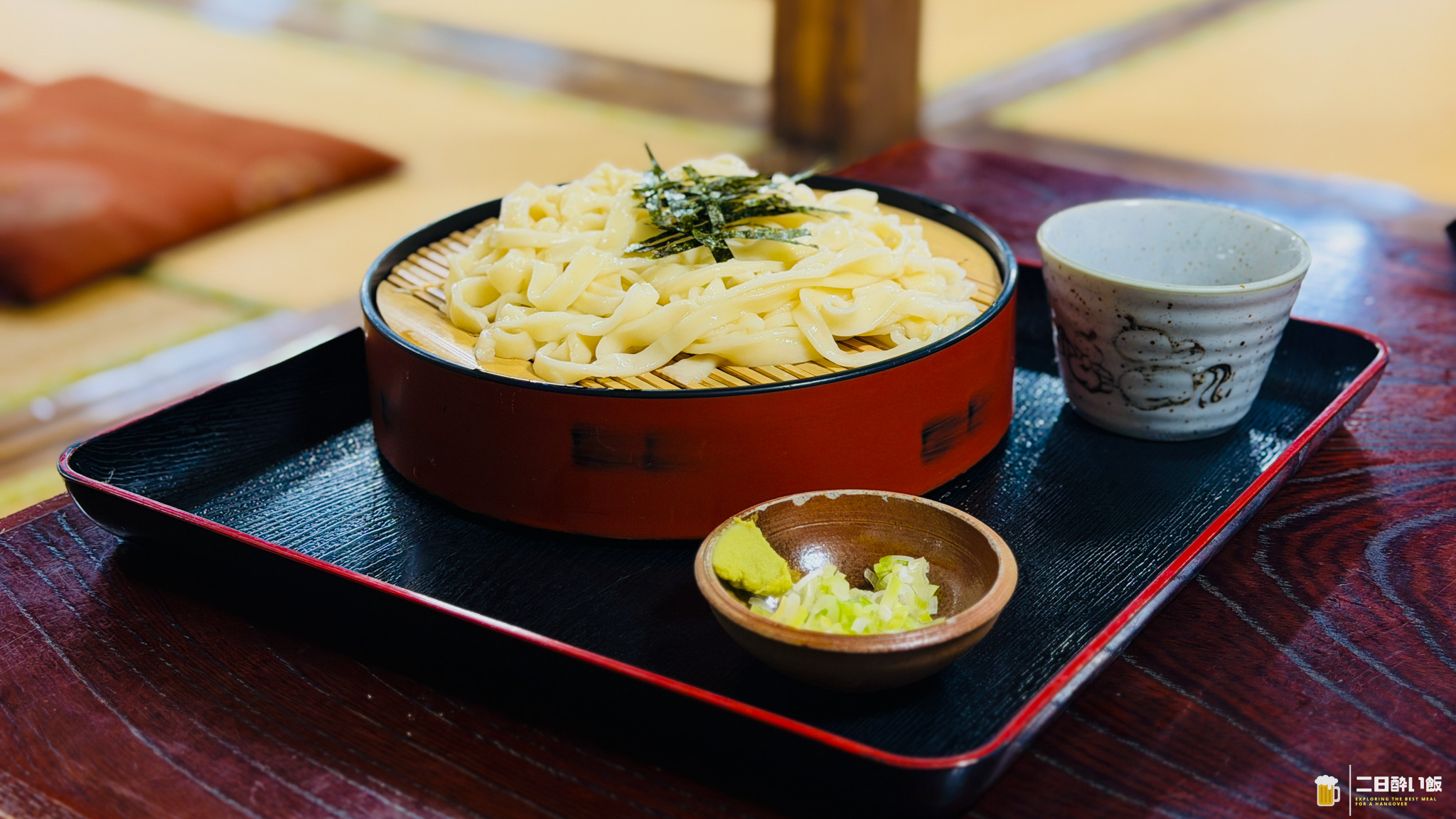
And this is the zaru udon.
I had a little. Properly chewy udon and very good.
Strength restored by drink and soba.
So — hiking and soba. Takao’s tororo soba apparently began with serving easily digestible grated yam as a restorative to pilgrims heading up to Yakuoin temple. A bowl of tororo really does soak into a body that has walked the mountain. Tororo does seem well suited to being tired. At weekends it can be extremely busy depending on when you arrive, so if you are climbing, I recommend an early start.
May you meet something good to eat today too.
Takamatsuya (soba / Takaosanguchi Station)
Tabelog lunch rating ★★★☆☆ 3.0
I ate here and paid for it myself. Nothing on this site is a comped meal.
One more for the road?


