


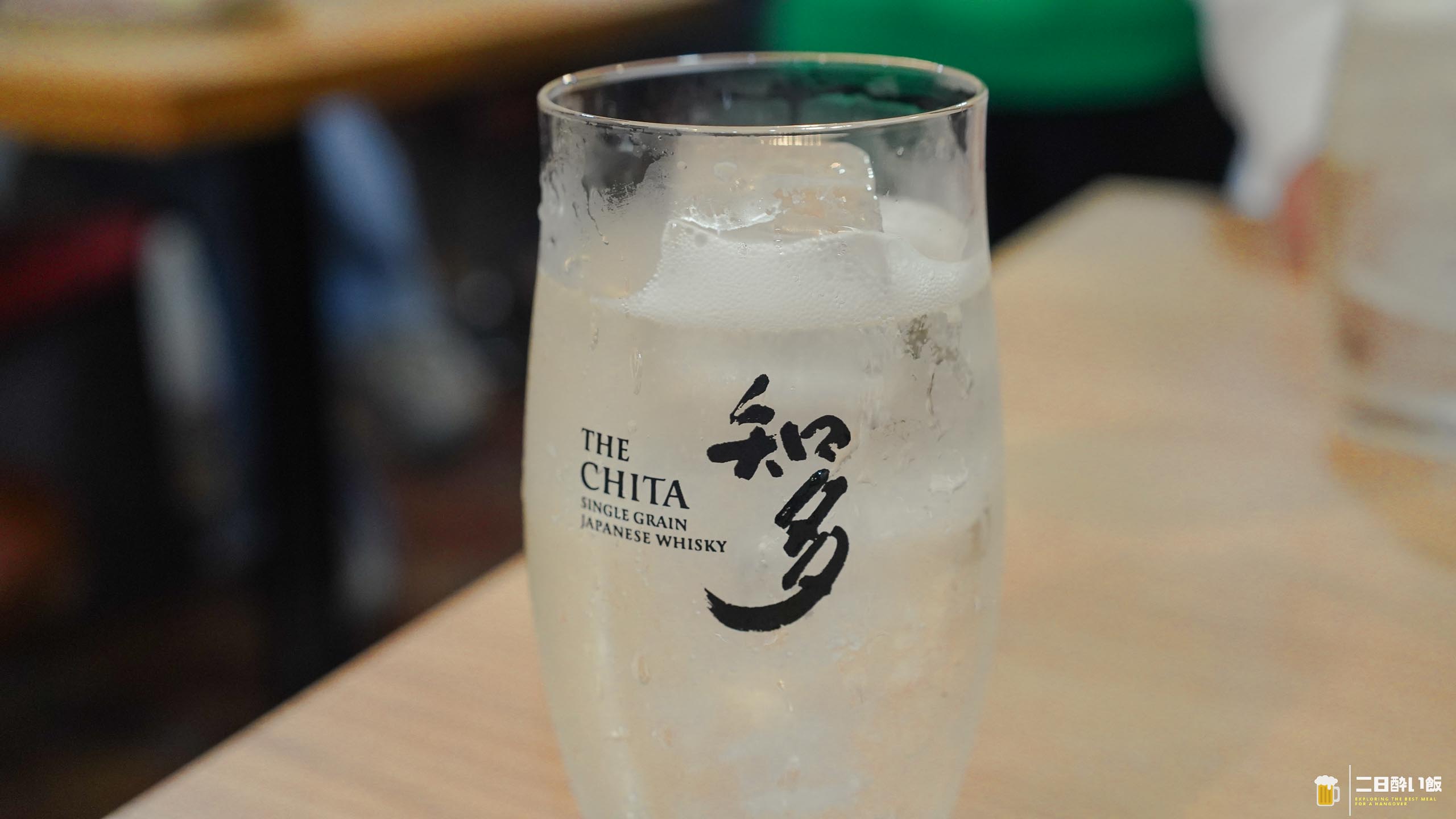
A note on the words: basashi is raw horse meat, eaten as sashimi — a speciality of Kumamoto, and quite ordinary in Japan; yakiniku means grilling your own meat at the table; yukhoe is the Korean-style dish of seasoned raw meat with egg yolk; menchi-katsu is a breadcrumbed, deep-fried minced-meat patty; namul is a Korean dressed vegetable dish and kukbap a rice-and-soup bowl; chinchiro is the dice game some shops run on a drink — roll well and the glass is free or doubled, roll badly and you pay as normal; yakitori is charcoal-grilled chicken on skewers; Chita is a Suntory whisky. Prices are as of this writing (August 2026).
Table of Contents hide
Sanbariki on Tabelog (English) — opening hours, payment details and the Japanese address are kept up to date there, not here.
Drinkers, thank you for waiting. It is Hangover Meshi time.
I found a shop in Ikebukuro where you can eat grilled horse! Raw horse sashimi I understand, but “horse yakiniku” is unusual, surely! So this time I came to “Sanbariki”, a horse-meat restaurant in Ikebukuro. It is a bit of a walk from the station, and the font on the sign is rather charming.
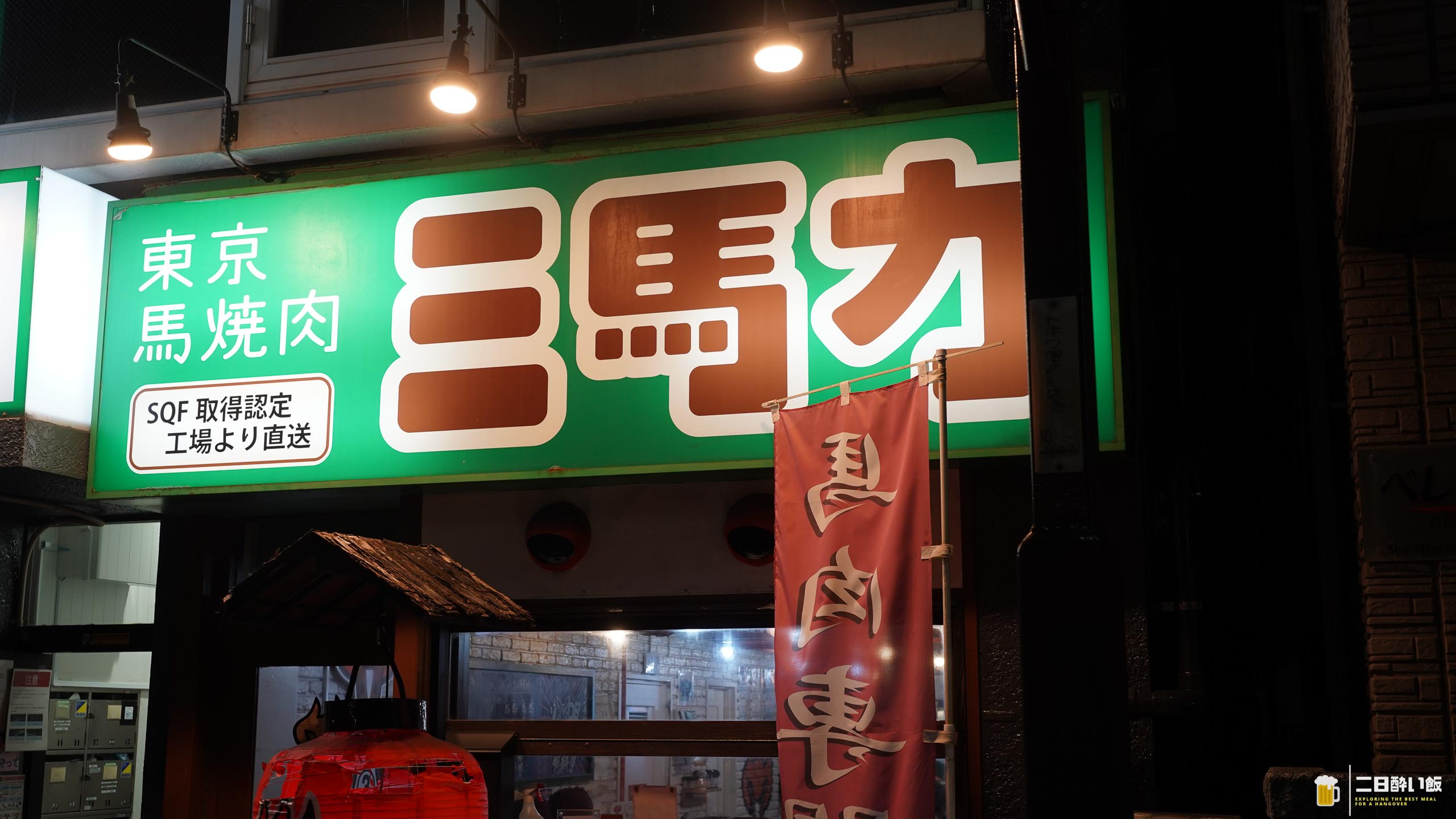
Inside, the good smell of grilling meat hangs in the air! You have to go prepared to carry the smell home with you.
Looking through the menu there were all sorts of interesting things, so we ordered a little at a time.
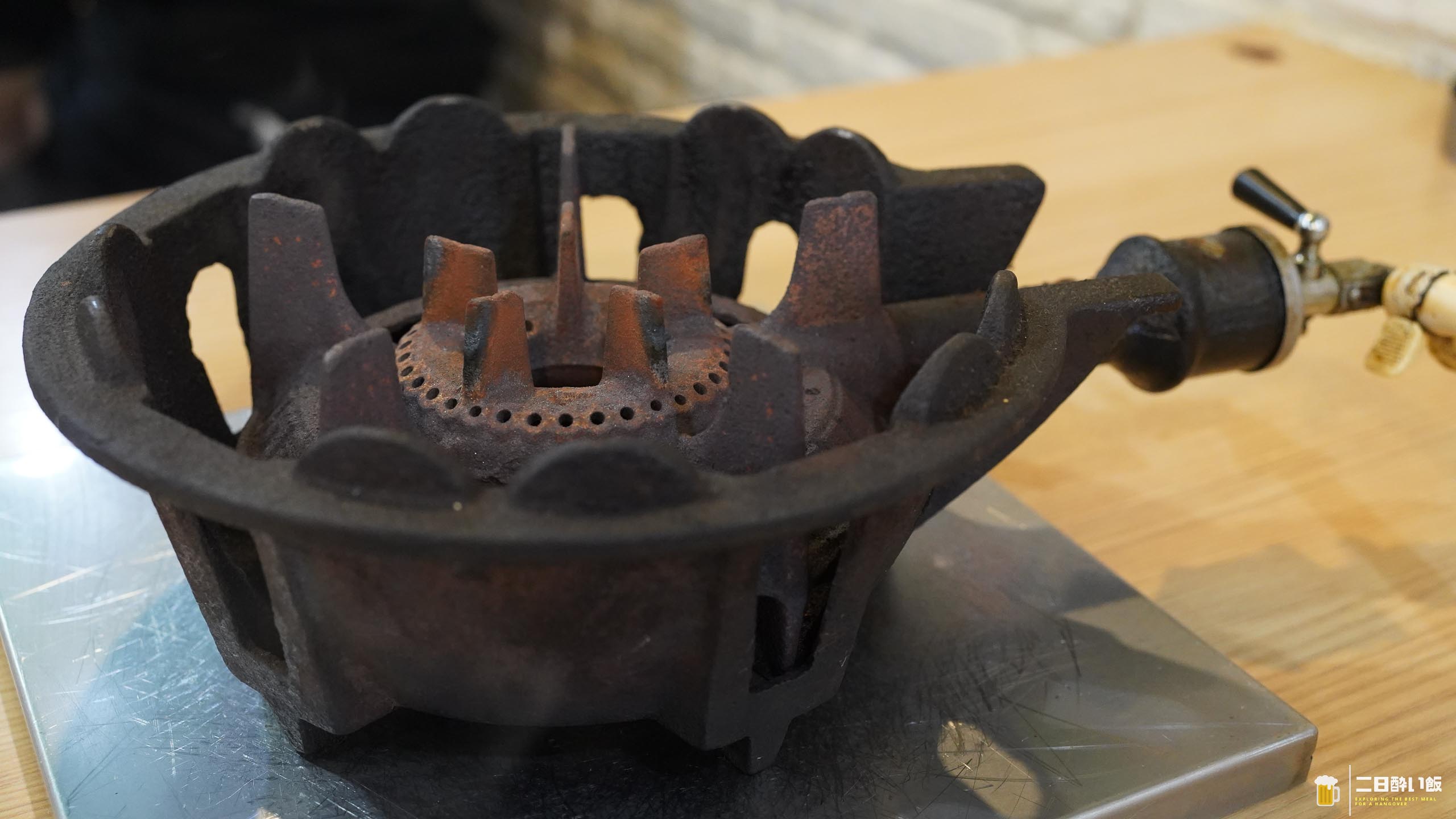
You grill it yourself on the burner set into the table.
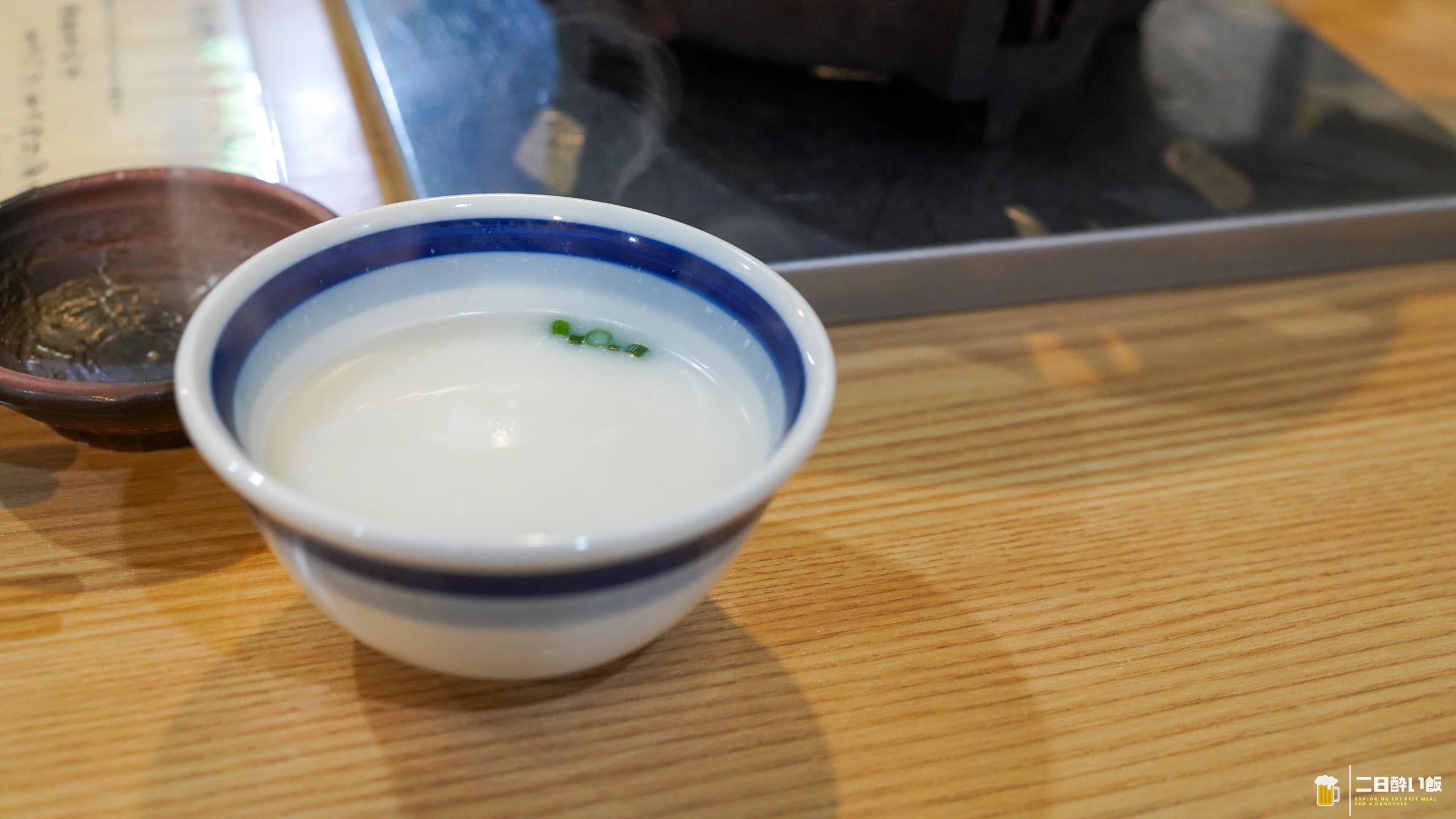
The first thing out was horse-stock soup. At a yakitori shop you sometimes get chicken broth, but horse broth… Feeling faintly hesitant, I tried a nervous sip — an extremely rich stock. No gaminess whatever, and I drank it happily.

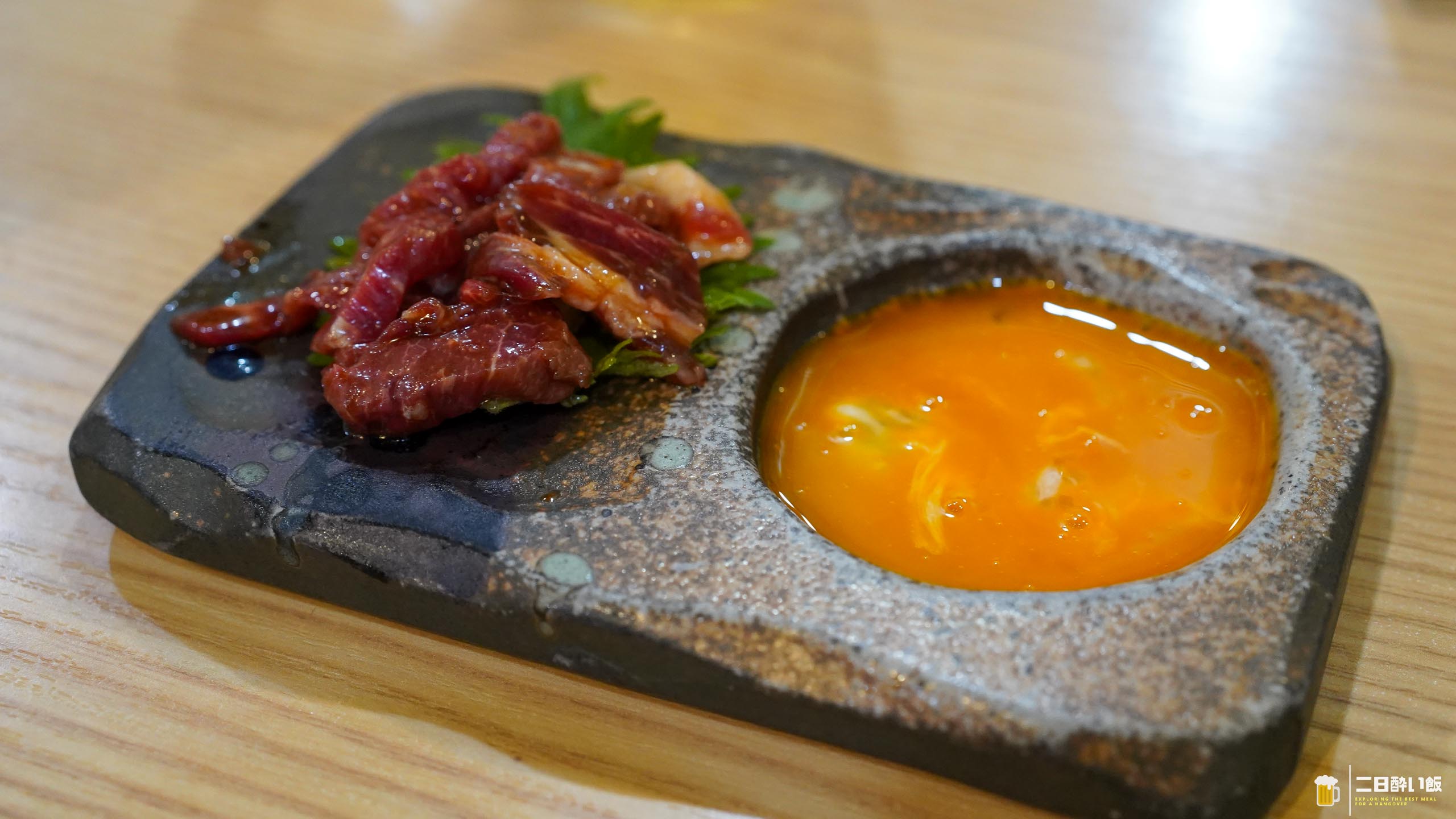
The basashi platter. You can add yukhoe for 420 yen.
The yukhoe is a glossy heap of bright horse meat, with the egg yolk already broken. One mouthful, and Sanbariki’s own mildly spicy sauce clings properly to the meat so that sweetness arrives first. The refined savour peculiar to lean horse meat is lifted by that spicy sauce.
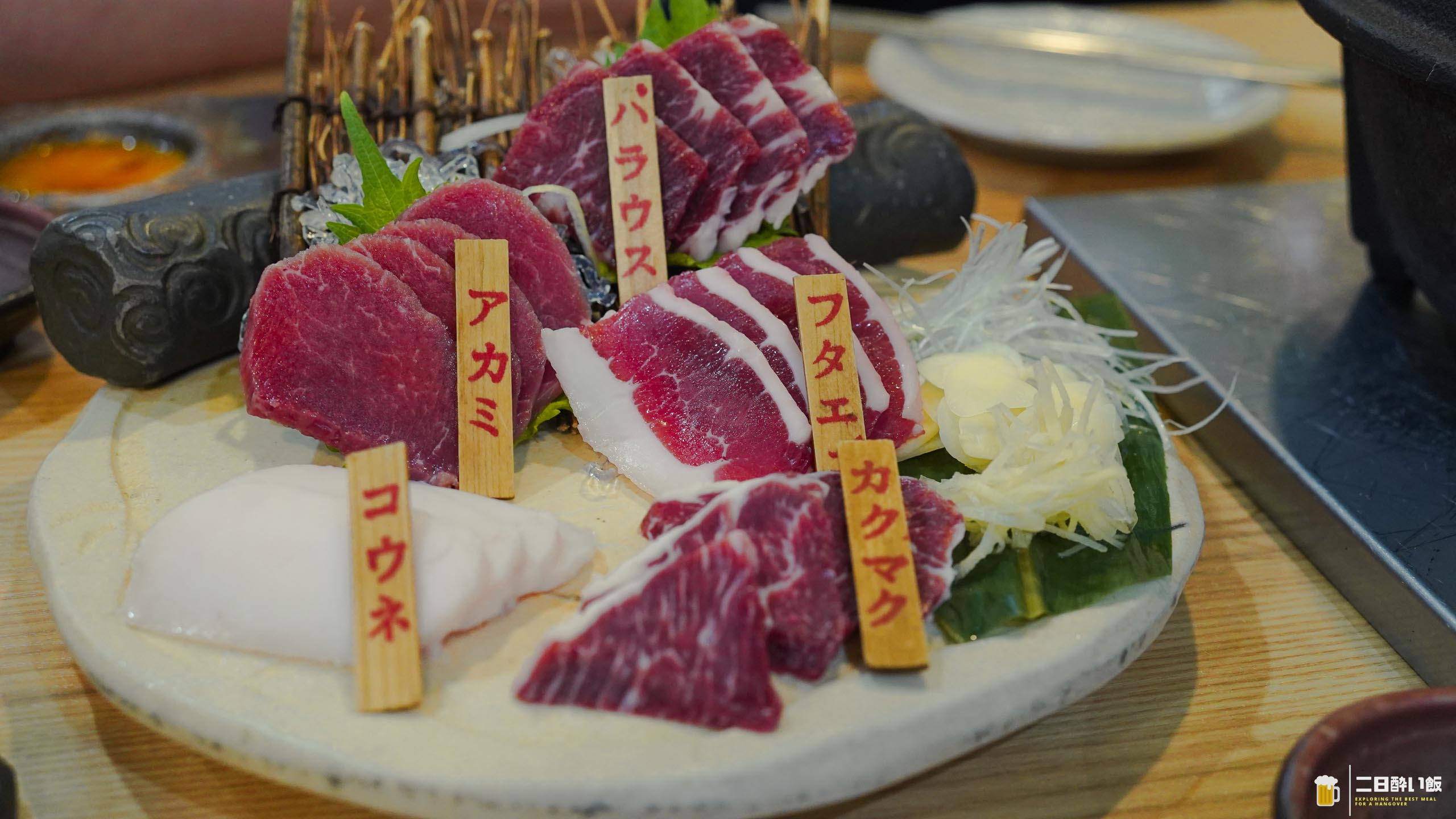
Basashi looks and feels completely different from cut to cut. When you want to try them all, a platter that gives you the whole experience on one plate is best! The five here are baraus, akami, kone, kakumaku and futaego.
Baraus is belly meat from around the stomach. It is beautifully marbled, and the fat melts away the moment it is in the mouth. Not heavy at all — the finish is clean!
Akami, the lean cut, is the reference point for the comparison: the place where you taste horse meat itself most directly. A springy chew, and a sweetness in the meat that spreads slowly. Delicious.
Kone is the mane. Seeing something so white, I hesitated for a second — surely this is a lump of pure fat? — but eating it is quite another matter. It has a firm, fibrous crunch, and with every bite a refined, sweet fat seeps out. Eaten together with the lean cut it is delicious!
Kakumaku is a lean cut in the skirt family, and the strength of its sweetness sets it apart from the others.
Futaego is a rare three-layered cut from the very outside of the belly. The cut face, with lean and fat alternating, is beautiful, and the texture gives you both crunch and chew. I had never seen it before.
Each of them is best with a sweetish soy sauce and some garlic and spring onion! All five have quite different faces, which is a pleasure. There cannot be many shops where you can eat this many kinds of basashi.
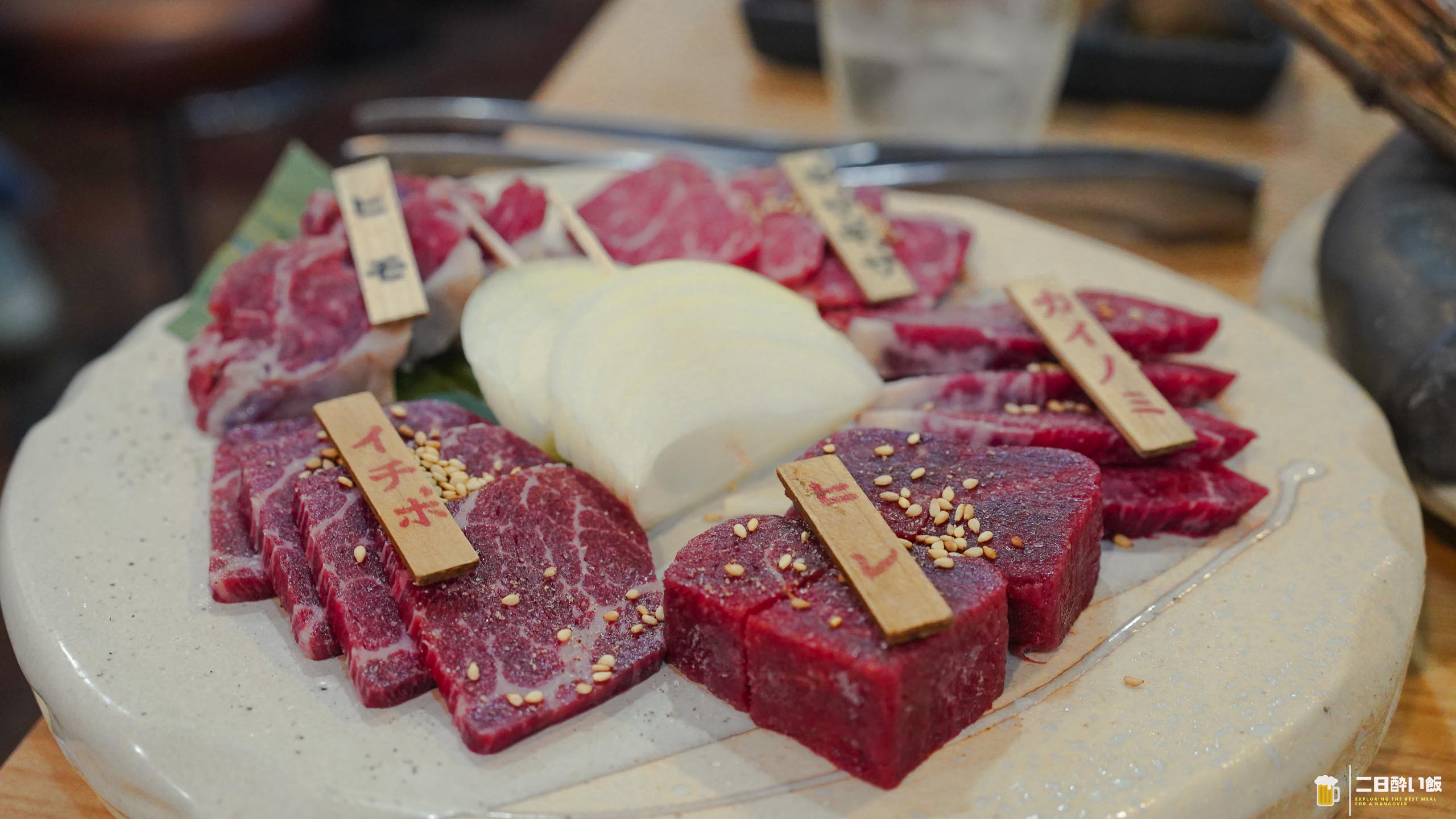
Having eaten the basashi, next comes the horse yakiniku! This is the part that is new to me, so I was looking forward to it. The five here are hire, kainomi, gizagiza, ichibo and himo.
Hire, the fillet, needs no explanation — the finest cut, and only a little comes from each animal. It is fine-grained, and ten seconds over the fire is enough for the juices to come welling out. Horse fillet is good too!
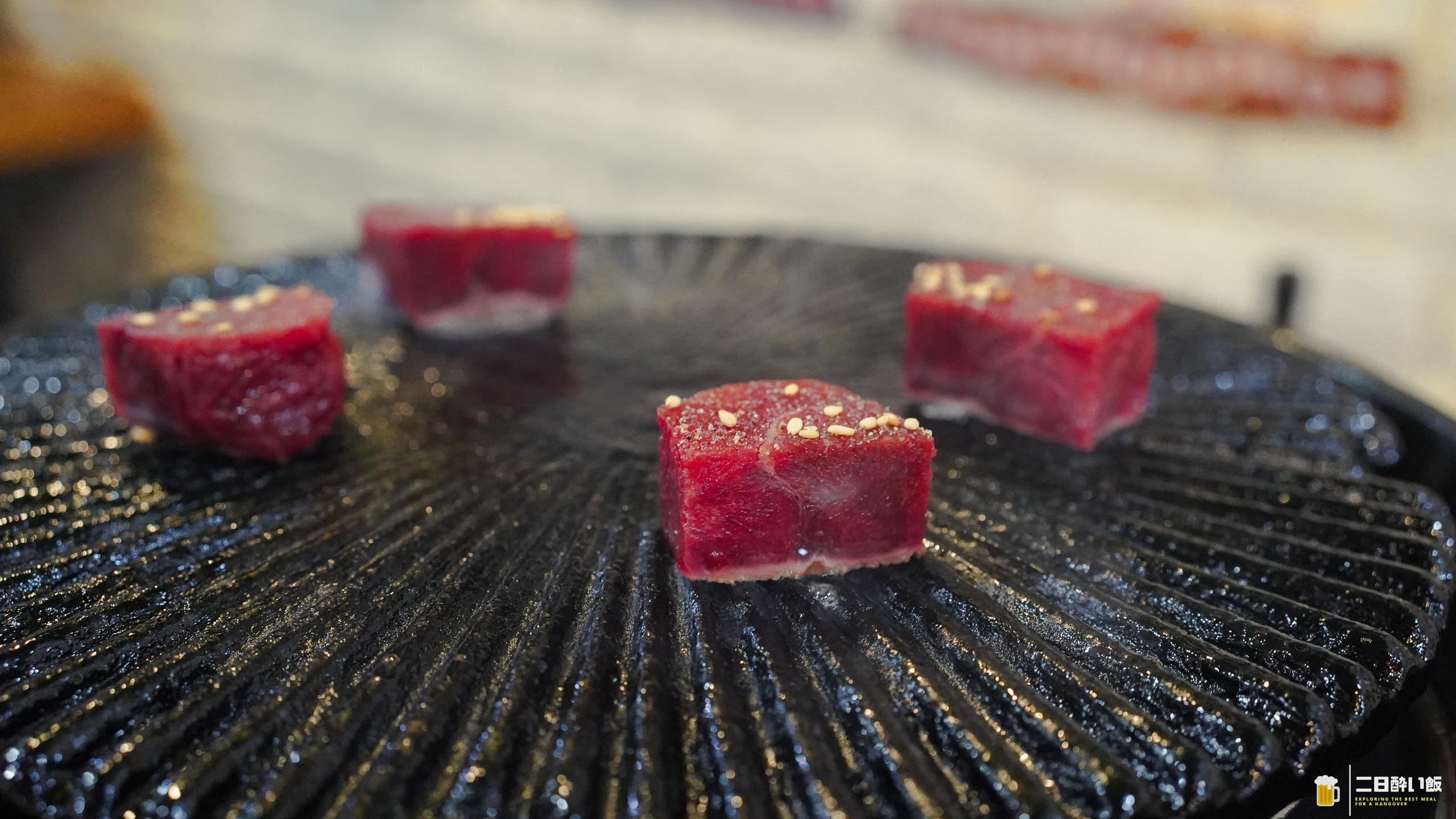
Kainomi is the cut that takes the best of both belly and fillet. The savour of the lean meat and the sweetness of the fat live side by side.
Gizagiza is apparently a cut from the rump, with a firm, crunchy texture. It turned out to be unexpectedly good — anyone who wants strong savour and something to chew on may well like this one.
Ichibo exists in beef too, of course! It is rump meat from towards the tail. Nicely marbled, with a deep savour! Horse ichibo — a strange thought.
Himo is the meat between the ribs. The more you chew, the more juice and sweetness come out.
You choose from three dips — a light vinegar one, a sweet one, and yuki-shio salt — and change between them by cut!
Well now — horse yakiniku is good!
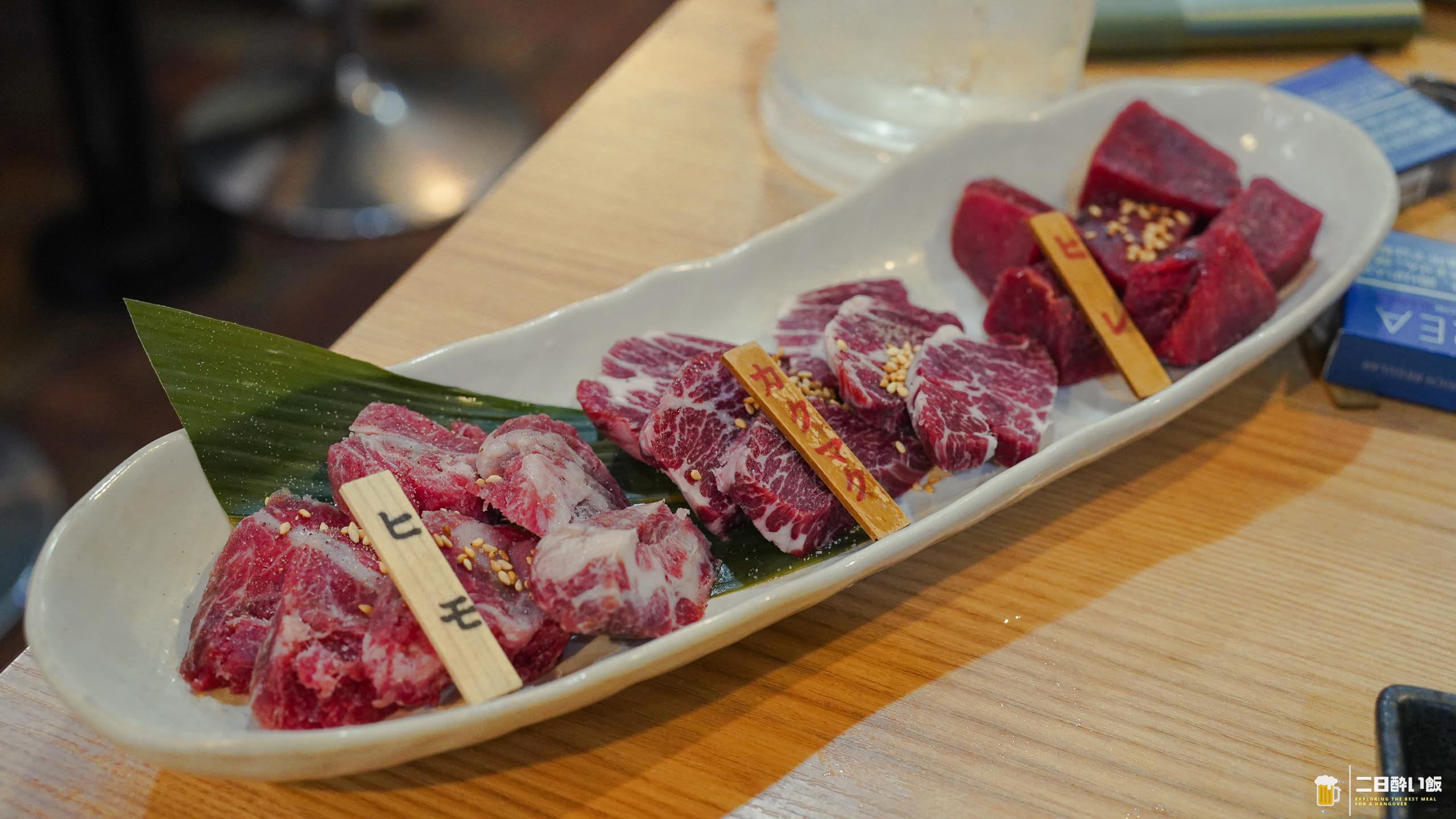
Wanting a little more, we added himo and fillet, and since we had not had kakumaku grilled, we ordered that too. Kakumaku is the skirt cut we had earlier as sashimi. It has a chewy spring to it, and the juices burst out the moment you bite.
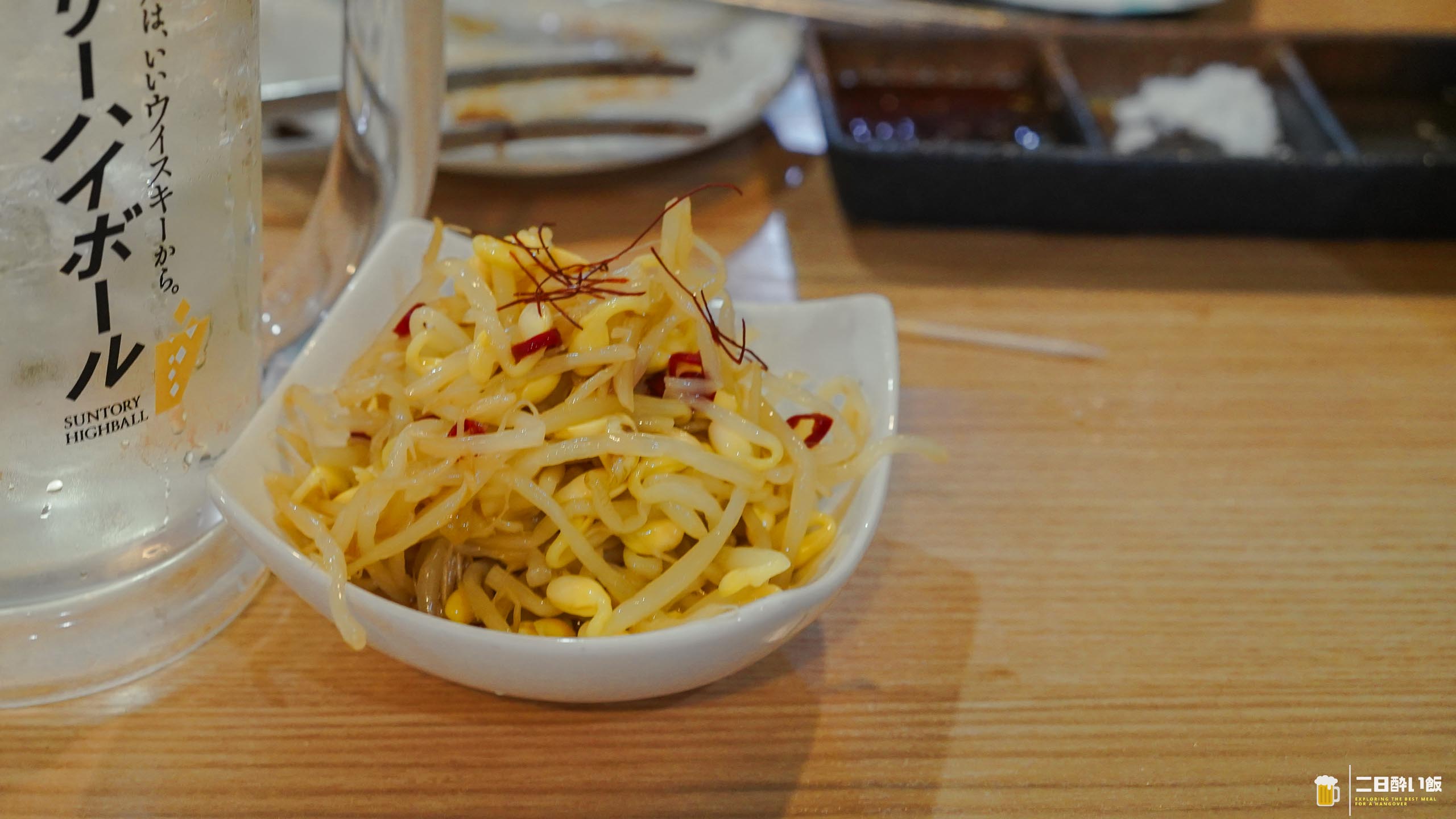
A palate cleanser.
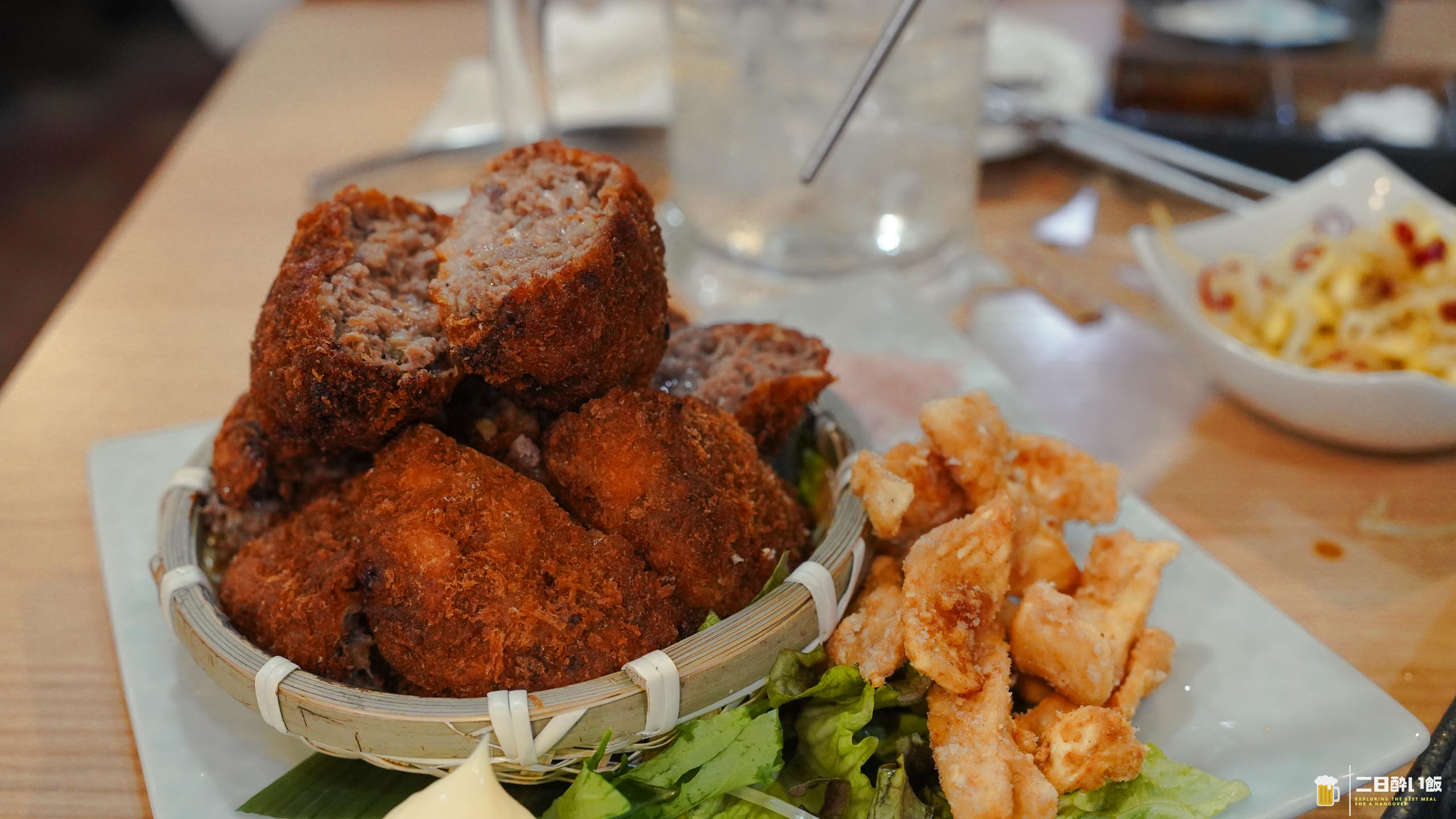
We ordered the two fried things together, and the fact that these two plates point in completely different directions was interesting!
First, the horse menchi-katsu.
A menchi-katsu made of horse!
The name alone has some force to it. Not that there was any doubt it would be good. Eating it, faintly sweet juices come flooding out. It does feel lighter than a beef or pork menchi-katsu, but the savour has real depth.
And sitting beside it is the “gorikara” — formally, “extremely rare! deep-fried nekko (aorta)”. The aorta… In it goes, and there is no off-taste at all. It has a distinctive crunch, and savour and juices come out with each bite. Not bad at all!
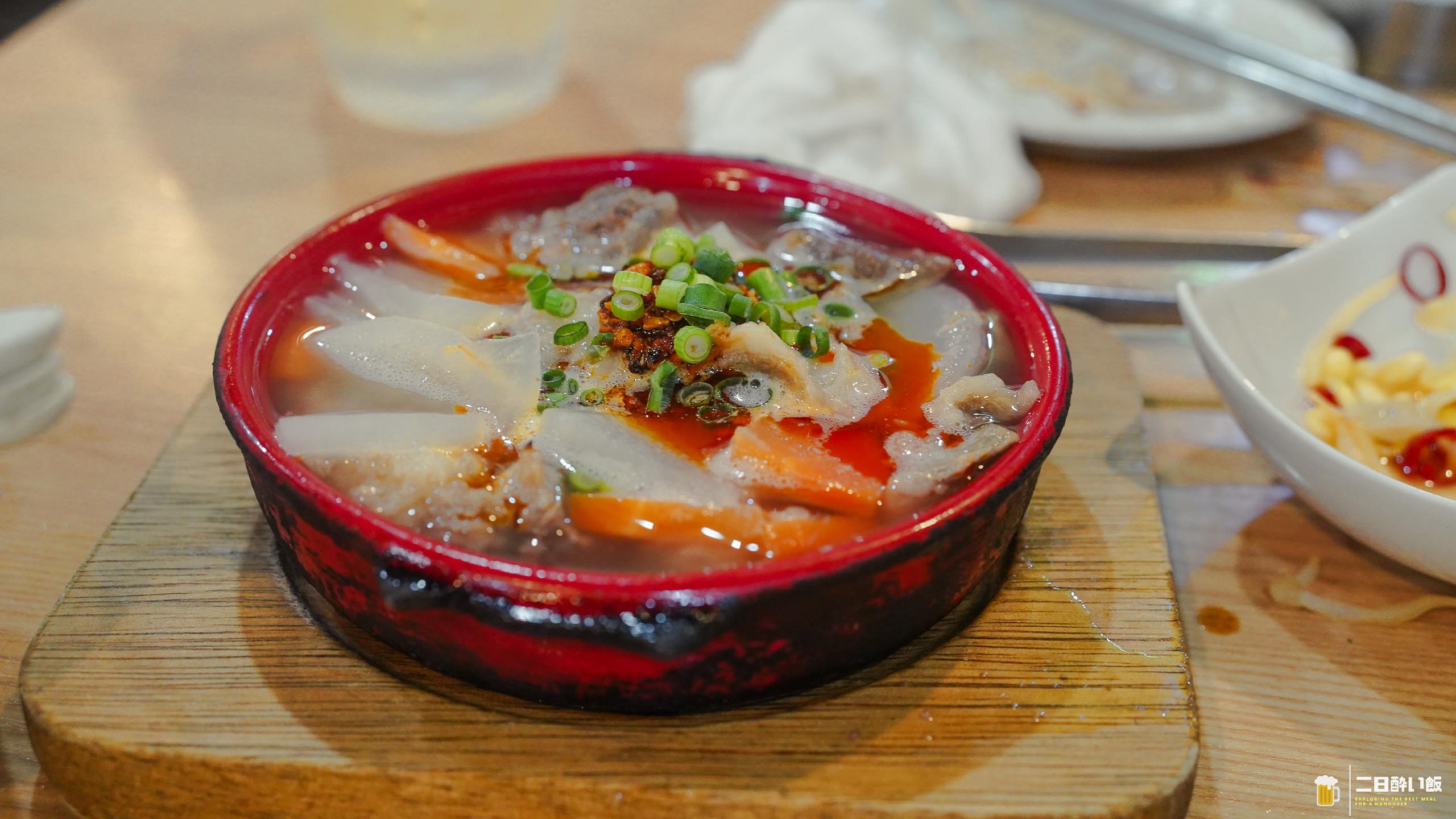
Simmered long and slow, the horse tendon falls apart at a prod of the chopsticks. Eat it expecting beef tendon and what strikes you is its refinement and the lightness of the fat.
Horse is a delicate thing! Not what you would guess from the look of it!
The house chilli oil is beautifully judged, and its sharp heat tightens up the savour of the broth.
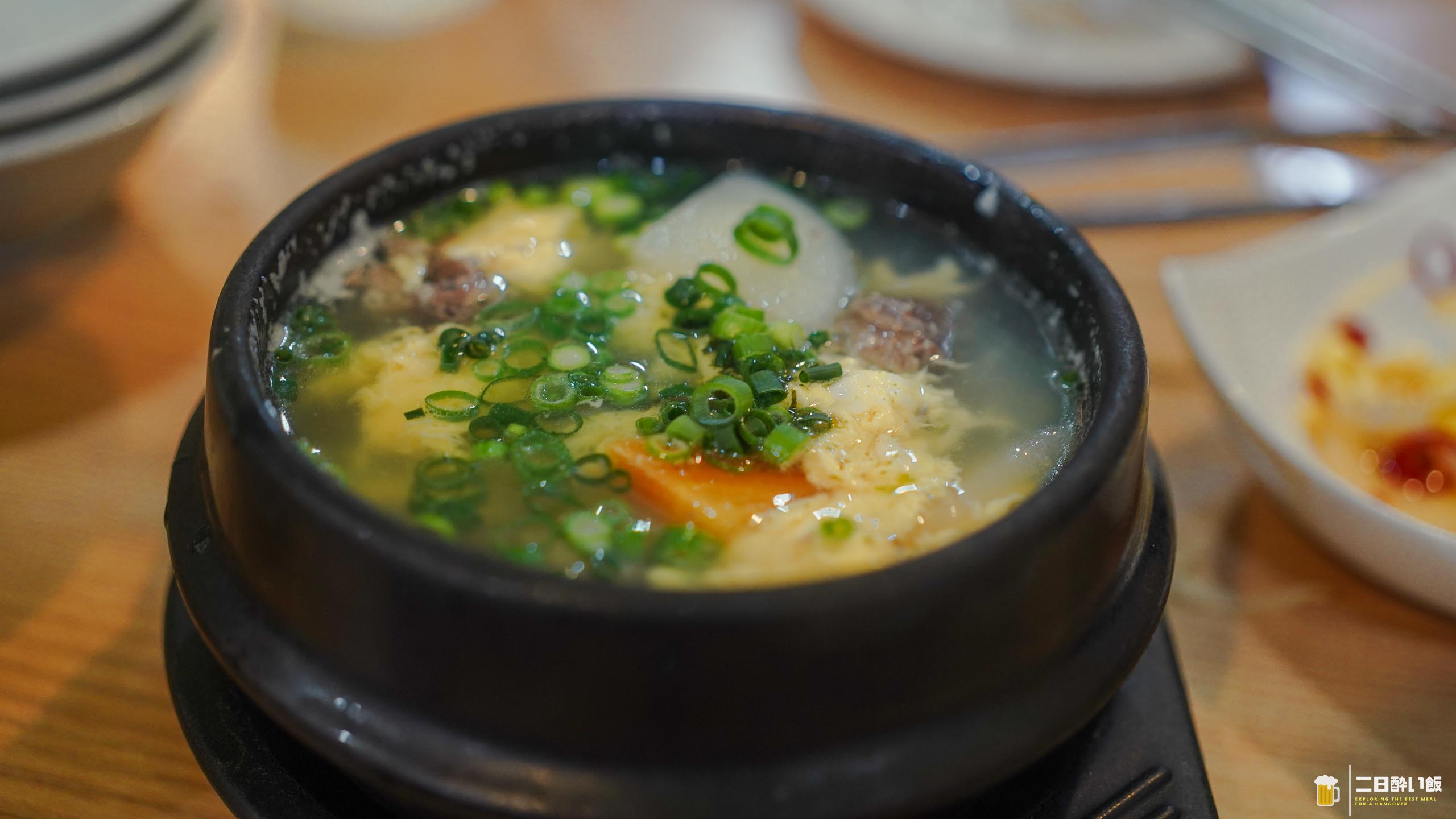
To finish, once we had eaten our way through everything: kukbap with horse tendon. The horse version of beef tendon, then.
Simmered until all its savour has melted into the broth, the tendon has gone soft and tangles with the egg. Delicious! A broth full of collagen, just as with beef tendon!
Well, I am full! The horse was delicious.
A most unusual specialist in horse meat. Horse yakiniku was new to me, and all of it was clean-tasting and good. The horse they use is sent directly from a place called Senko Farm in Kumamoto. Compared with beef it has under 60% of the calories and under 25% of the fat, while carrying over 1.5 times the iron — healthy specifications indeed.
Somehow, being told a dish is horse-this or horse-that makes one brace slightly — but every bit of it was good, so do give it a try with confidence!
May you meet something good to eat today too.
Tokyo Uma Yakiniku Sanbariki (horse cuisine / Ikebukuro Station, Kanamecho Station)
Tabelog dinner rating ★★★☆☆ 3.6
I ate here and paid for it myself. Nothing on this site is a comped meal.
One more for the road?


